





Health & Fitness

Who Is Ashton Hall The Latest Name Blowing Up Your Feed?

Share via

Our team of editors and experts carefully selects each product. If you choose to purchase through one of our links, we may earn a commission. Learn more. Do you want to know how we test products? Click here for more details.

If you’ve been scrolling lately and thought, “Who is this Ashton Hall guy everyone’s talking about?” — you’re not alone. In what feels like overnight, Ashton Hall has become the internet’s new favourite morning motivator. His Instagram (@ashtonhall) is filled with videos showing off a simple yet powerful idea: wake up early, move with purpose, and truly enjoy the start of your day. Honestly, it’s got people rethinking how they get out of bed.

At a time when most of us are snoozing alarms and sprinting through mornings half-awake, Ashton’s slow, intentional routine feels like a breath of fresh air. No crazy 5 a.m. boot camps, no impossible “life hacks” — just a guy demonstrating how a little structure (and a lot of early sunlight) can transform your entire day. It’s calm, it’s real, and honestly, it’s addictive to watch.

Inside Ashton Hall’s Viral Morning Routine

Let’s just get this out of the way — Ashton Hall isn’t just another guy with a camera. He has transformed his extreme daily habits into a social media empire. With over 10 million followers and more than 1 billion views across Instagram Reels in the past month alone, Ashton’s fast-paced, highly structured mornings have captured the internet’s full attention. His videos consistently attract millions of views, with some clips even surpassing 60 million and 113 million views. Each post feels like a perfectly edited slice of discipline — and people can’t stop watching.

Curious about what actually goes into his famous morning grind? Here’s a breakdown — and yes, don’t forget the nose tape.

A Full Breakdown of Ashton Hall’s Morning Routine:

  • 3:56 AM – Wake up wearing mouth and nose tape.
  • 3:57 AM – Brush teeth.
  • 3:58 AM – Hydrate with Saratoga bottled water.
  • 3:59 AM – Swirl water in mouth for freshness.
  • 4:00 AM – Apply beard foam.
  • 4:02 AM – Trim beard with an electric shaver.
  • 4:07 AM – Walk to the balcony.
  • 4:11 AM – Step outside barefoot to connect with the ground.
  • 4:14 AM – Drink more water and meditate outdoors.
  • 4:20 AM – Drop down for push-ups.
  • 4:33 AM – Read the Bible and pray.
  • 4:41 AM – Journal intentions and reflections.
  • 4:54 AM – Sip more water and read on his iPad.
  • 5:45 AM – Prepare an ice bath in a medium bowl.
  • 5:48 AM – Squeeze fresh lemon into the ice water.
  • 5:49 AM – Dunk his face into the bowl for a full wake-up shock.
  • 6:02 AM – Dress in gym shorts and a t-shirt.
  • 6:06 AM – Remove the mouth tape.
  • 6:10 AM – Pack gym clothes into a Goyard duffel bag.
  • 6:16 AM – Leave the apartment and head for the gym.
  • 6:24 AM – Step into the steam room for recovery.
  • 6:45 AM – Dry off and flex in the mirror (naturally).
  • 7:00 AM – Leave the gym.
  • 7:08 AM – Get into his Mercedes-Benz G-Wagon.
  • 7:22 AM – Drive to an empty parking lot to warm up.
  • 7:24 AM – Shirt comes off. Sprint drills begin.
  • 7:48 AM – Meet and greet followers, shake hands, snap photos.
  • 8:01 AM – Head back home.
  • 8:23 AM – Shower.
  • 8:33 AM – Grab a banana, peel it — and interestingly, use the peel to wipe his forehead.
  • 8:55 AM – Chop cilantro, cook breakfast (usually chicken and greens).
  • 9:15 AM – Eat breakfast while scrolling Instagram and checking on his Saratoga water influence.
  • 9:26 AM – Straighten his suit.
  • 9:29 AM – Dunk his head again into an ice bath.
  • 9:36 AM – Record a motivational speech to close out the routine.

Before considering replicating Ashton’s intense morning routine, it’s important to understand that not every aspect is supported by hard science. One example is mouth taping during sleep. While some wellness circles advocate it as a method to reduce allergens, promote nasal breathing, and enhance sleep quality, medical experts caution that it carries risks. Improper use could disrupt breathing, particularly for individuals with conditions like sleep apnea or other undiagnosed respiratory issues. In certain instances, it may actually deteriorate your sleep rather than improve it. Therefore, although it may appear appealing on camera, it’s wise to consult a professional before embracing trends like this.

That said, there’s real value in the broader structure of Ashton’s mornings. Prioritizing hydration, self-care, mindfulness, exercise, and goal-setting are habits most health professionals would agree can set a positive tone for the day. His commitment to consistency, discipline, and intentional living resonates with millions because it taps into something many people are craving right now — more focus, less chaos. Even if you don’t follow every step, there’s something inspiring about watching someone adhere to a routine and take ownership of their mornings in such a dedicated way.

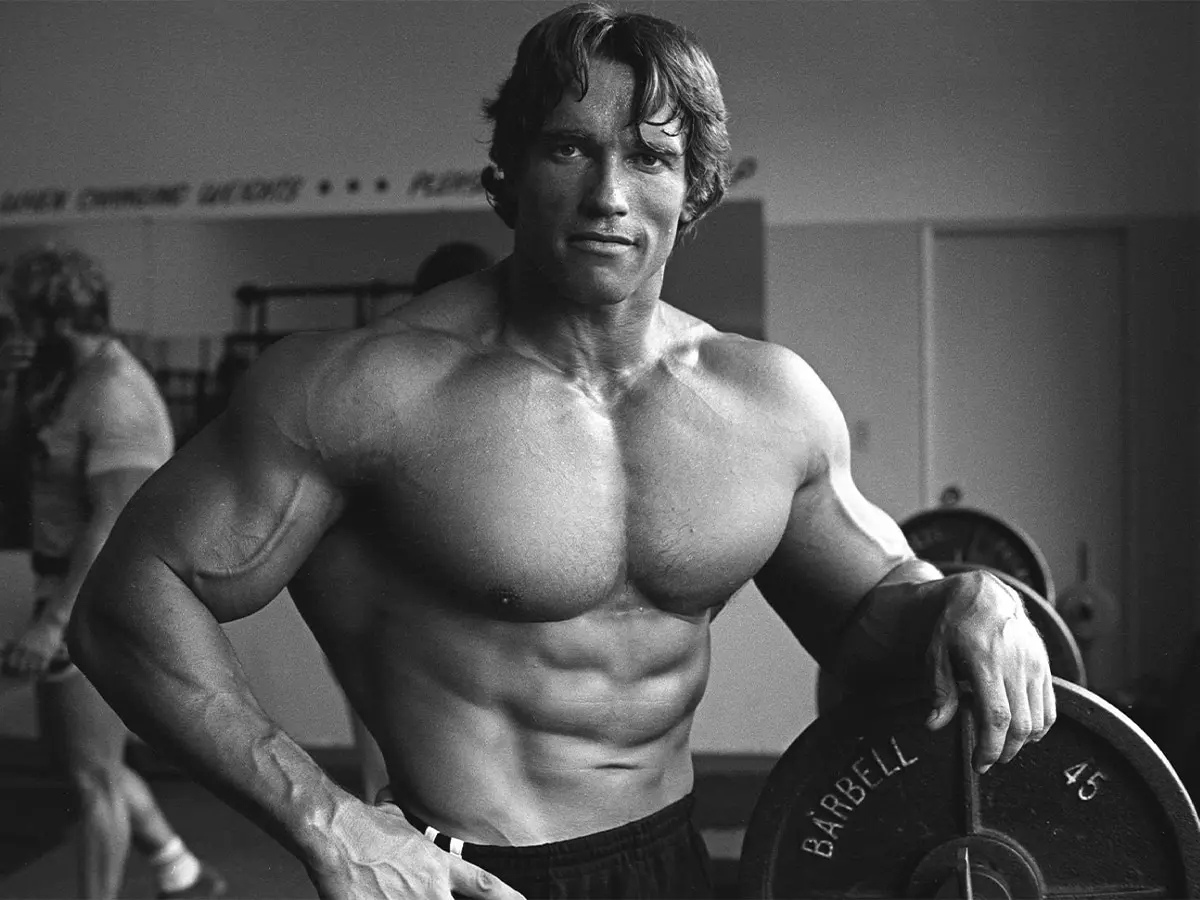
Ashton Hall Morning Routine | Image: Instagram (@ashtonhall)

Is Ashton Hall’s Morning Routine Backed By Science?

There’s no doubt Ashton Hall’s extreme morning routine looks impressive on camera — but when it comes to what science says, it becomes a bit more complicated. Many parts of his morning — such as waking up early, practicing gratitude, exercising, and journaling — are backed by strong research as positive habits. Studies from the University of Toronto indicate that early risers tend to be more proactive and report higher levels of happiness compared to night owls. Similarly, research published in Men’s Health has found that practicing gratitude daily can enhance mood, improve sleep quality, and reduce stress. In short, starting the day with mindfulness and movement is typically a beneficial idea for mental and physical well-being.

However, not every aspect of Hall’s routine withstands scientific scrutiny. Mouth taping during sleep, one of the more controversial elements of his process, is highly debated. While some advocates, such as wellness influencers and sleep coaches, assert that it enhances nasal breathing and sleep quality, the American Academy of Sleep Medicine (AASM) advises caution. Experts note that mouth taping may lead to breathing difficulties, particularly for individuals with undiagnosed sleep apnea or respiratory issues. Currently, there is minimal clinical research to support its benefits.

Another aspect of Ashton’s routine that has drawn attention is his ice baths and facial dunking. Cold therapy does have legitimate science behind it — research from Stanford Lifestyle Medicine suggests that cold exposure can reduce inflammation, improve recovery, and boost mental alertness. However, extreme or prolonged cold exposure without supervision can also pose risks, such as shock or nerve sensitivity issues. While splashing your face with ice water in the morning can be refreshing and safe for most people, full-body ice baths should be approached with caution.

At the end of the day, Ashton Hall’s routine incorporates several practices that are widely supported by science — such as waking up early, staying hydrated, practicing mindfulness, and exercising. However, as with any viral trend, it’s crucial to distinguish the solid habits from the riskier ones. His discipline and structure are undeniably motivating, but viewers should remember that not every component of a viral routine is necessary (or safe) to replicate exactly. A few smart adjustments could help you capture the essence of Ashton’s mornings without the potential downsides.


About the Author
Previous Post
The Ultimate Aruba Travel Guide
Next Post
The 3 Best Foldable Phones You Can Buy Right Now

Related Articles

Everything You Need to Know About Hairline Tattoos

Reading Time: 9 minutes

Our team of editors and experts thoughtfully chooses each product. If you decide to buy through one of our links, we may earn a commission. Learn more. Want to know how we test products? Click here for more details.

It usually starts small — a little more forehead than usual, your barber subtly adjusting your fade higher each visit, or that sinking feeling when your selfie angles mysteriously seem higher. Hair loss sneaks in like a bad habit. One day, you’re sporting a sharp lineup; the next, you’re googling “best hats for receding hairlines.”

But before you go for a full buzzcut or spend thousands on a transplant, there’s a modern option that’s been gaining serious popularity in the grooming scene: hairline tattoos — also called scalp micropigmentation (SMP). Sound intense? Maybe. But trust us, this isn’t your cousin’s regrettable neck tattoo.

Hairline tattoos focus on precision and illusion. Tiny pigment deposits are applied on your scalp to resemble real hair follicles, giving the appearance of a fuller, sharper hairline — no surgery, no downtime, no daily upkeep. It’s like having a permanent, barber-fresh fade…minus the small talk.

In this guide, we’re covering everything you need to know: what SMP actually is, how it works, who it’s for, how long it lasts, and what the process looks like from beginning to end. If your hairline’s been playing hide-and-seek lately, this might be the comeback it needs.

What Is a Hairline Tattoo?

Let’s clear something up — a hairline tattoo isn’t about getting barbed wire or script inked across your forehead. What we’re really talking about is something much more refined: scalp micropigmentation, or SMP for short. It’s a non-surgical treatment where a trained specialist uses microneedles to deposit tiny dots of pigment into your scalp. These dots are designed to mimic real hair follicles, creating the illusion of a fuller, sharper hairline. Think of it as hyper-detailed dotwork — only instead of a canvas, the art happens right where your hairline used to be.

The magic is in the realism. When done properly, SMP resembles natural stubble or a clean, freshly buzzed head. It can rebuild a receding hairline, fill in thinning areas, or simply enhance what’s already present. Whether you have a widow’s peak advancing or your corners are beginning to retreat like a bad haircut, a hairline tattoo provides the appearance of density and definition — without surgery, creams, or questionable powders.

Now, let’s talk about pain — because we know you’re wondering. The idea of tattooing your scalp might sound intense, but most guys say it’s not nearly as bad as it sounds. The sensation is more like a series of light taps or a rubber band snapping, not some medieval torture device. It’s tolerable, especially when you remember the end result: a clean, confident look that doesn’t wash off, fade overnight, or require constant maintenance. Just one more tool in the modern grooming kit — and a very effective one at that.

How does it work?

Getting a hairline tattoo isn’t a quick buzz and go — it’s a carefully planned, multi-session process designed to deliver the most natural and personalised result possible. It begins with a consultation and ends with you walking out with a sharper, more confident look. No plugs, no pills, and definitely no combovers.

What to Expect During the Process:

  • The process starts with a thorough consultation, where a trained practitioner assesses your scalp, discusses your goals, and works with you to create a natural-looking hairline that suits your facial structure and current hair pattern.
  • The first treatment session focuses on establishing a solid foundation. Using micro-needles, the technician deposits the initial layer of pigment in small, precise spots to outline the hairline and start creating the illusion of hair density.
  • The second session builds on this foundation by adding more pigment for greater depth, texture, and a more natural-looking finish. This stage improves the natural appearance of the hairline, carefully blending the pigment with your existing hair or skin tone.
  • In some cases, a third session might be recommended, especially for clients who want a darker finish, more density, or further refinements to enhance the overall look.
  • After the final session, it’s common to notice temporary darkness in the pigment or mild scabbing. As the scalp heals, the excess pigment gradually diminishes, revealing a softer and more natural appearance.
  • Once fully healed, the treatment offers a durable, low-maintenance hairline that requires no daily styling or upkeep — providing a consistently fresh, barber-like finish with minimal effort.

If you’re seeking something permanent, sharp, and effortlessly stylish, a hairline tattoo might be just what you’ve been searching for. It’s subtle, clever, and designed to suit your lifestyle.

Who Is It For?

Hairline tattoos are ideal for men who want a sharp, low-maintenance look without surgery or gimmicks. Here’s who it’s perfect for:

  • Receding hairlines
  • Thinning or patchy spots
  • Buzz-cut styles
  • Post-transplant
  • Tired of hair loss products
  • Low-maintenance grooming

How Long It Lasts

One of the main benefits of scalp micropigmentation is its durability. A typical hairline tattoo can last between 4 to 6 years before requiring a touch-up, making it one of the most low-maintenance grooming choices. The pigment is intended to fade gradually over time, not all at once, so your hairline remains natural-looking — never patchy or overly intense.

How long it lasts depends on factors like sun exposure, skin type, and how well you care for your scalp. Oily skin, excessive sweating, or skipping aftercare can cause faster fading, while staying properly hydrated and protecting from the sun can help maintain the look longer. When the time comes, a quick refresh session is all it takes to restore that sharp, defined hairline — no fuss, no downtime.

Cost Breakdown

Let’s talk numbers. Hairline tattoos — or scalp micropigmentation — aren’t exactly cheap, but when you compare them to the cost of endless hair loss treatments or surgical transplants, they start to make a lot more sense.

On average, SMP can cost between $1,500 and $4,000, depending on factors such as your location, the technician’s experience, the size of the treatment area, and how many sessions you require. Smaller touch-ups or partial work (like just the temples) will be priced on the lower end, while full scalp treatments or more intensive density blending can reach the higher range.

Here’s a rough overview:

  • Small areas (like corners or a mild recession) – $1,000 to $2,000
  • Full hairline restoration – $2,000 to $3,000
  • Top of scalp or full crown work – $3,000 to $4,000+
  • Touch-up (after 3–5 years) – Typically $500 to $1,000.

Keep in mind — this isn’t just a one-time aesthetic upgrade. It’s a long-term investment in how you look, feel, and carry yourself. No daily maintenance, no recurring product costs, no awkward “in-between” phases. Just one upfront cost for years of peace of mind.

Fade Less, Flex More

Hairline tattoos aren’t just about appearance — they’re about owning your image and regaining control without surgery, snake oil, or high-maintenance routines. Scalp micropigmentation provides a sharp, natural-looking hairline that stays in place, doesn’t fade unevenly, or require a drawer full of styling products. It’s a wake-up-and-go kind of confidence — and honestly, who doesn’t want that?

From your initial consultation to that final mirror check, the process is simple and tailored to your features, goals, and lifestyle. Unlike trends that fade away, a well-executed hairline tattoo remains timeless — because a sharp hairline never goes out of style. Whether you’re aiming to rewind the clock, improve your self-image, or stay ahead of trends, SMP is a modern grooming choice that truly provides results.

So if your hairline’s been messing around, maybe it’s time to stop hunting for quick fixes and start making bold statements. Fade less. Flex more. Your future self will thank you.

General FAQ’S

Does a Hairline Tattoo Look Real?

Yes — when performed by a skilled practitioner, a hairline tattoo (scalp micropigmentation) can appear extremely realistic. The technique uses microdots of pigment to imitate the look of natural hair follicles. The final result resembles a freshly buzzed haircut or a naturally dense hairline. People won’t realize it’s a tattoo unless you tell them — even barbers are often impressed by how seamlessly it blends.

Is the Procedure Painful?

It’s not entirely pain-free, but most clients report minimal discomfort. Imagine it as a series of light pricks or a rubber band snapping against your scalp — mildly irritating yet very tolerable. The good news is that it’s much less intense than a traditional tattoo, and there’s no cutting, stitching, or significant recovery time involved.

How Long Does the Treatment Take?

Scalp micropigmentation usually takes 2 to 4 sessions, depending on your desired look and coverage needs. Each session generally lasts 2 to 3 hours, with about 7 to 14 days between sessions to allow your scalp to heal and the pigment to settle. By the final session, your hairline will appear fuller, sharper, and fully refined.

Will the Pigment Fade or Change Color Over Time?

The pigment is formulated to fade gradually and naturally over 4 to 6 years. It won’t turn green, blue, or become blotchy like traditional tattoo ink sometimes does. Instead, the colour softens evenly. To keep your hairline looking fresh, a simple touch-up every few years generally suffices.

Can I Still Grow My Hair Out After Getting SMP?

Yes, but it depends on your hair goals. SMP looks best when combined with short or buzzed hairstyles, as it creates the illusion of hair density at the scalp. If you grow your hair out too long, especially in areas with little natural hair, it may disrupt the visual harmony. Many men opt to keep their hair cropped close to maintain a clean, consistent appearance.

About the Author

Related Articles

arrow_drop_up