







- Launching in March, with the (3a) arriving on 11 March and the (3a) Pro following on 25 March.
- Pricing starts at USD $379 for the (3a) and USD $459 for the (3a) Pro.
- Both models offer the same core experience, with the Pro including a periscope camera for extended zoom.
- Designed around Nothing’s transparent aesthetic and a restrained approach to AI through Essential Space.
The Nothing Phone (3a) and (3a) Pro provide the clearest indication yet of Nothing’s future direction. After the Phone (2) established the brand as more than just a design experiment, attention naturally shifted to what’s next. That next step is now clearly in sight, with both devices set to launch this March and bring Nothing back into the spotlight in the highly competitive mid-range market.
The rollout is staggered. The Nothing Phone (3a) will be available on 11 March starting at USD $379, followed by the Phone (3a) Pro on 25 March at AU$459. Pre-orders begin from 4 March through select retailers. Although initially teased with limited information, we now have a clearer understanding of what Nothing is offering, with full reviews expected in the coming weeks.
The (3a) series introduces a refreshed look that builds on Nothing’s transparent identity while differentiating itself from the (2) and (2a) series in terms of the design narrative. As the market is filled with familiar brands and safe choices, the new design still feels unmistakably like Nothing. Alongside the visual updates, there are meaningful changes beneath the surface, including a new physical button that launches Essential Space—Nothing’s more mindful approach to AI, designed to organize valuable information quietly rather than demand constant attention. How practical that approach will be in everyday use remains to be seen, but it offers a clear insight into the brand’s priorities moving forward.
| Nothing Phone (3a) | Nothing Phone (3a) Pro | |
| Operating System | – Android 15 – Nothing OS 3.1 | – Android 15 – Nothing OS 3.1 |
| Display | – 6.77” AMOLED – 2392 x 1080 resolution – 120Hz adaptive refresh rate | – 6.77” AMOLED – 2392 x 1080 resolution – 120Hz adaptive refresh rate |
| Internals | – Processor: Snapdragon 7s Gen 3 – RAM: 8GB, 12GB – Storage: 128GB, 256GB | – Processor: Snapdragon 7s Gen 3 – RAM: 12GB – Storage: 256GB |
| Networking | – 5G – Wi-Fi 6 – Bluetooth 5.4 – NFC Capable | – 5G – Wi-Fi 6 – Bluetooth 5.4 – NFC Capable |
| Camera | – Front: 32MP – Rear: 50MP (wide), 50MP (telephoto), 8MP (ultra-wide) – Can record video at 4k@30fps – Can record slow motion at 1080p@120fps | – Front: 50MP – Rear: 50MP (wide), 50MP (periscope), 8MP (ultra-wide) – Can record video at 4k@30fps – Can record slow motion at 1080p@120fps |
| Battery | 5,000mAh | 5,000mAh |
| Features | – IP64 dust and water resistant – New Glyph Interface – Essential Space AI ‘assistant’ | – IP64 dust and water resistant – New Glyph Interface – Essential Space AI ‘assistant’ |
| Price | USD $379 | USD $459 |
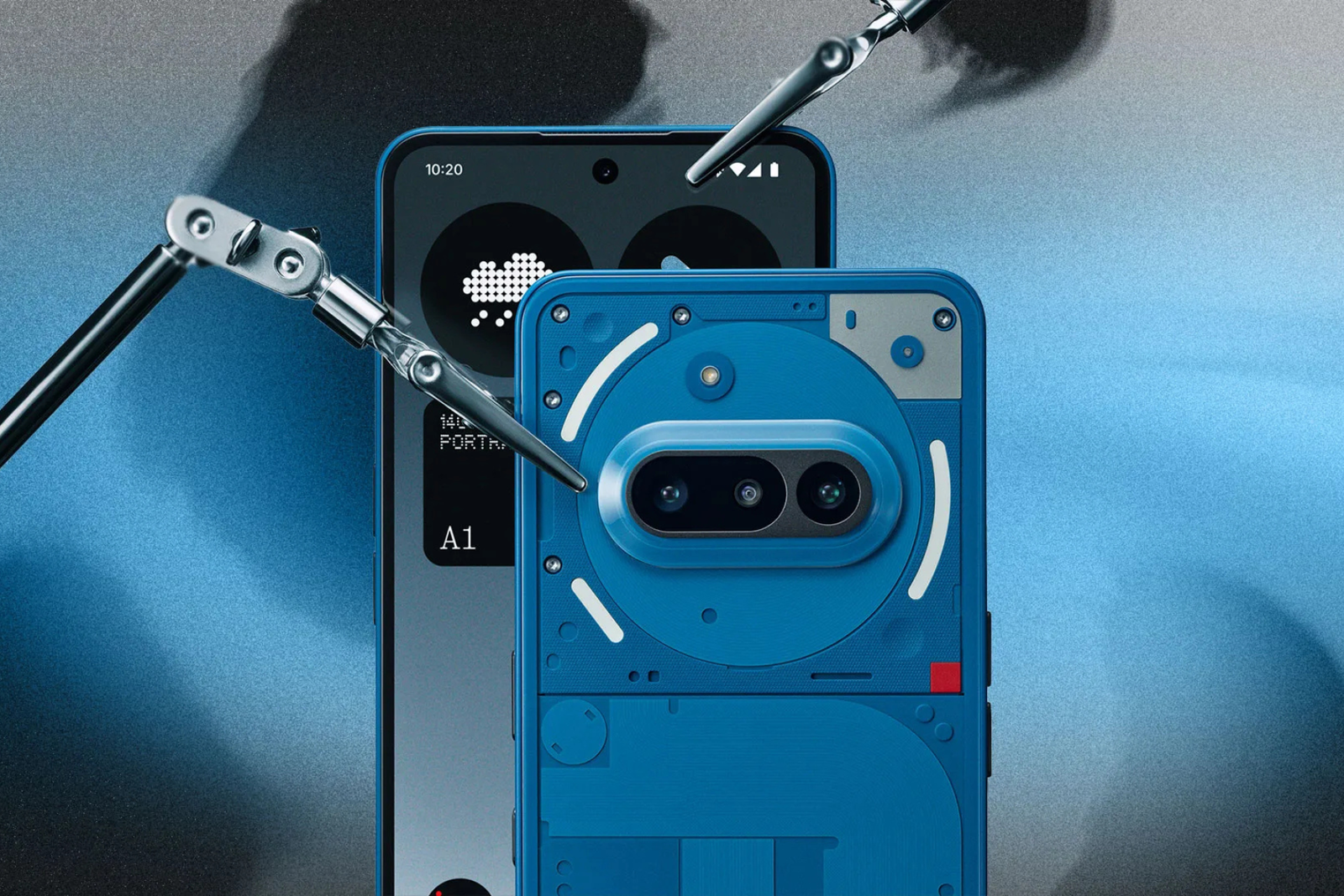
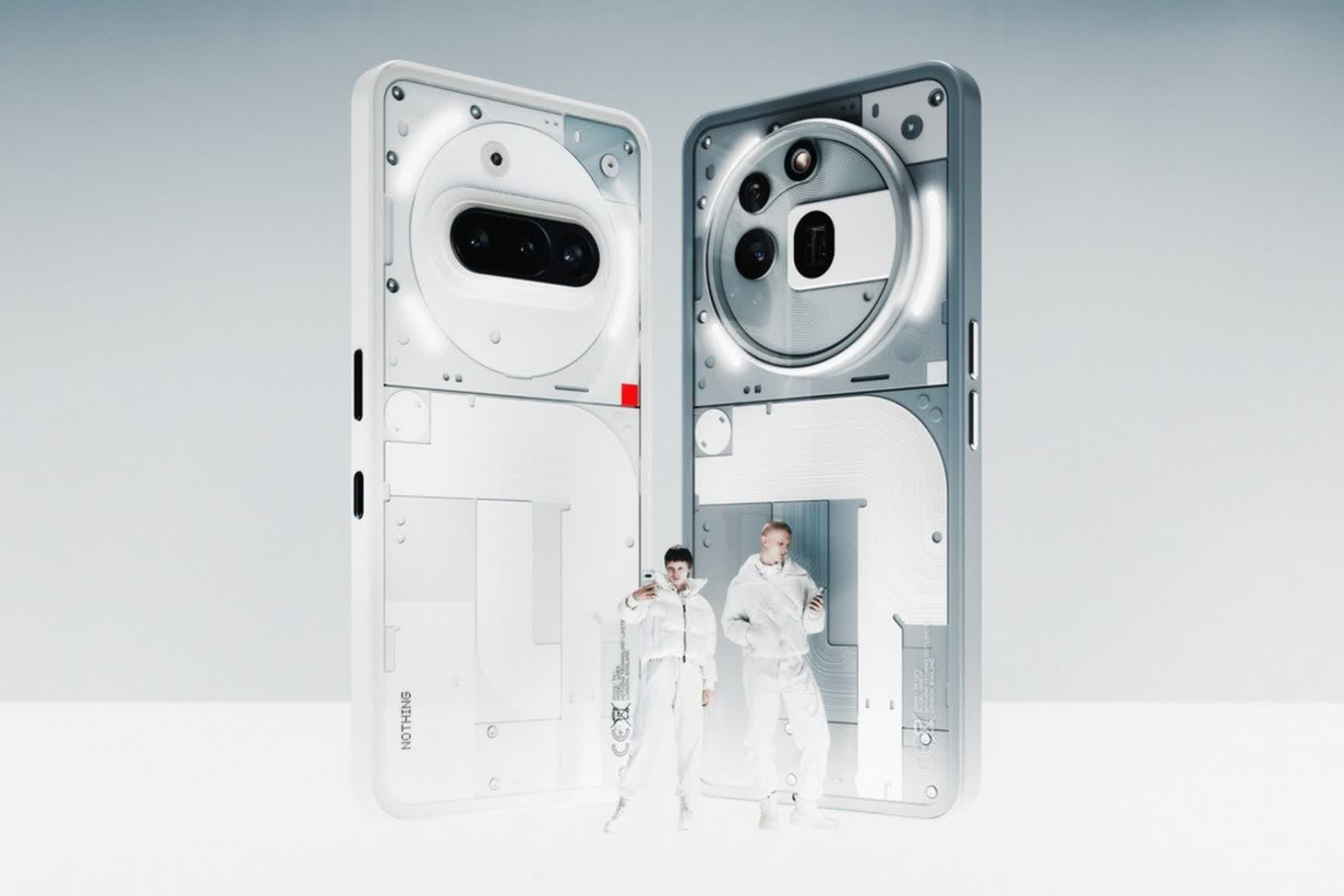
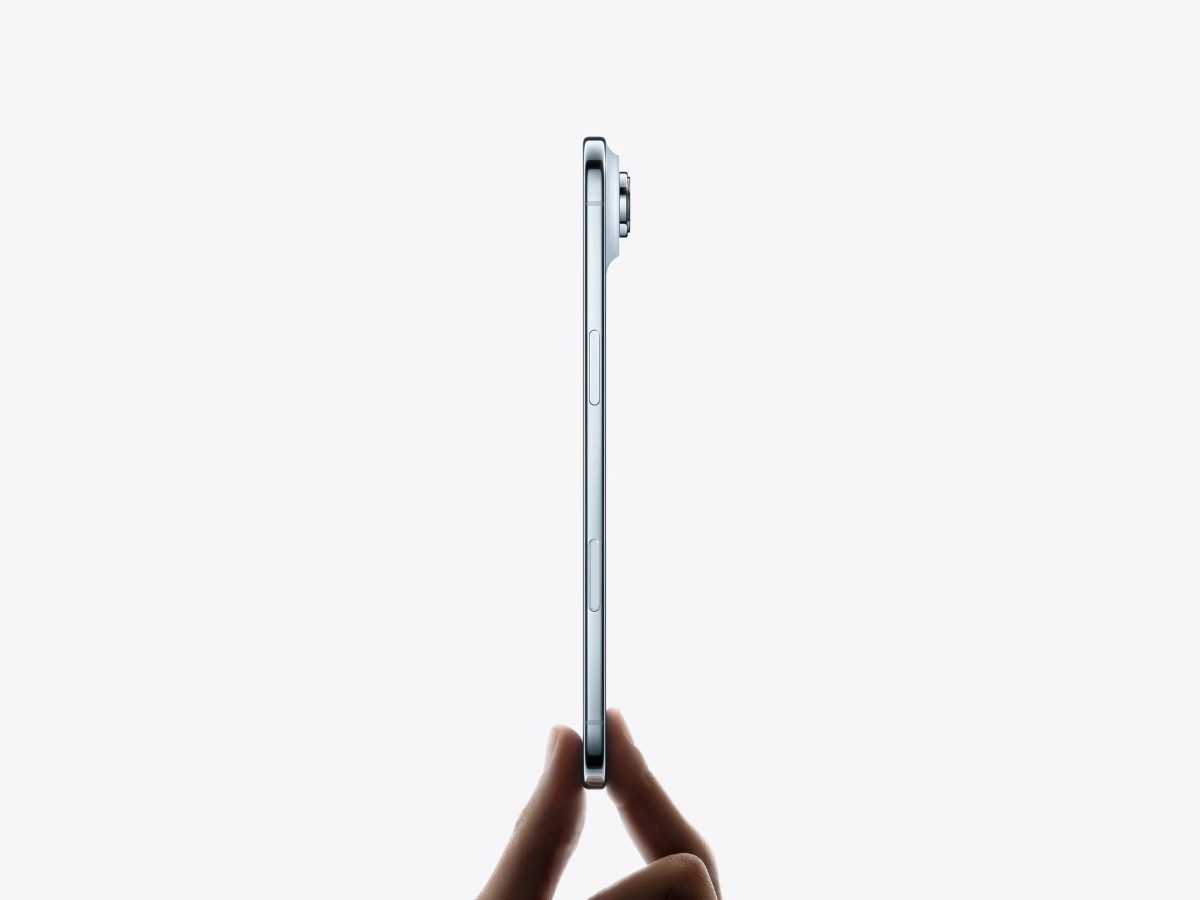
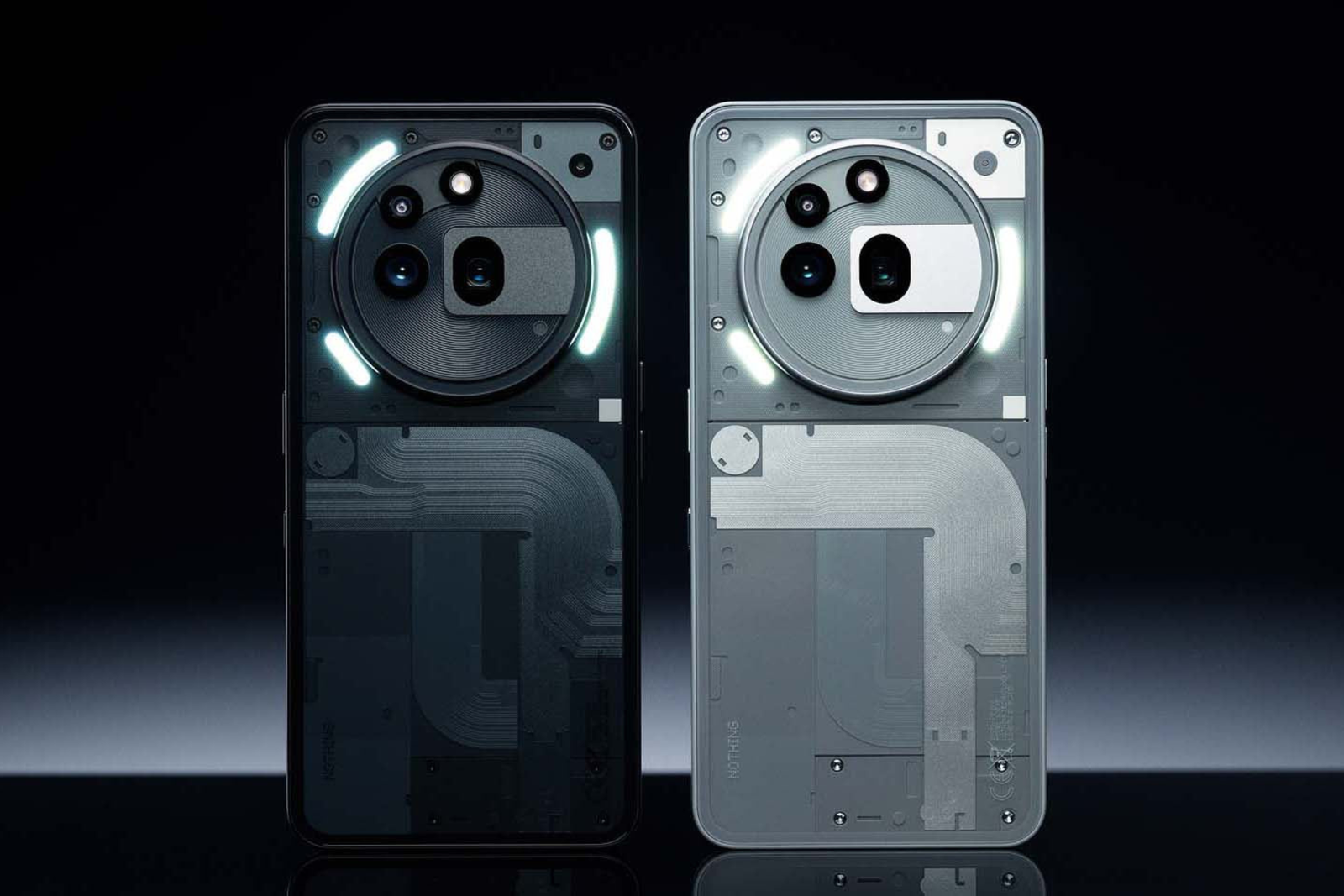
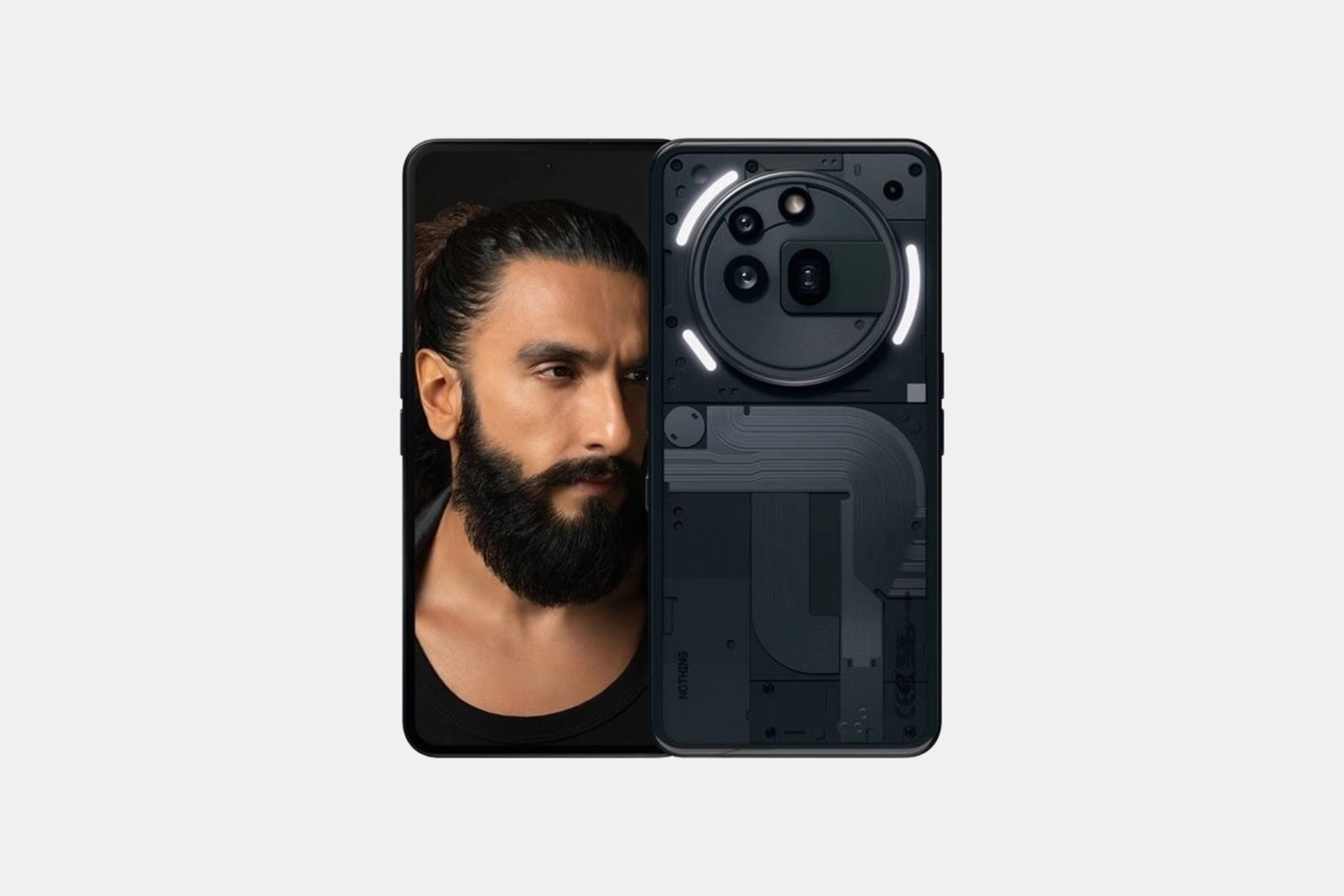
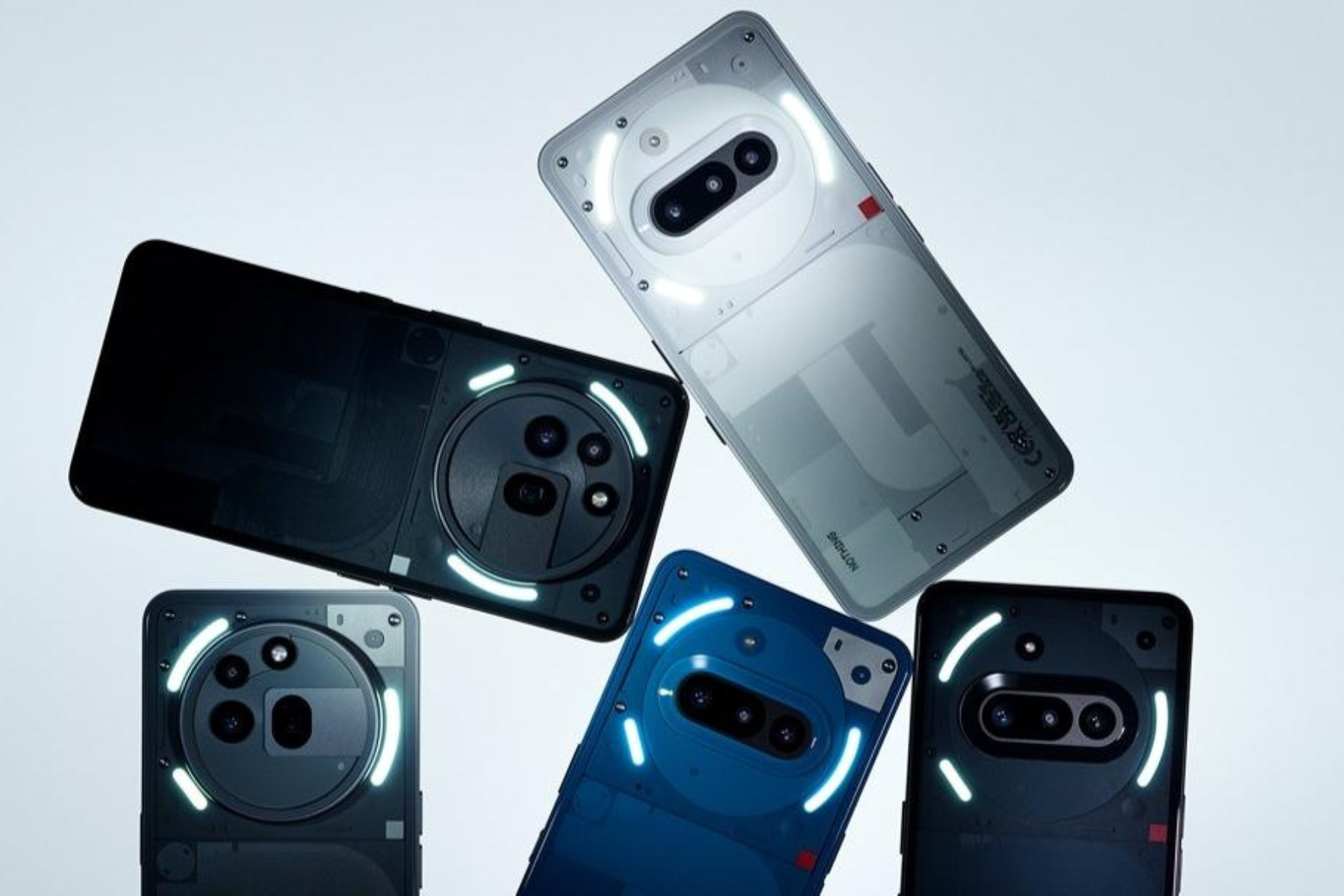
At a glance, the Nothing Phone (3a) feels like a confident continuation of the brand’s design language. The transparent back and Glyph Interface return, but the new blue finish gives the phone a sharper, more distinctive look than previous models—though it’s worth noting this colour won’t be available in the US. The (3a) Pro takes a more dramatic turn, introducing a large circular camera module that clearly signals its priorities. Aside from the camera hardware, however, both phones are essentially identical in build and feel, with materials that do a good job of minimizing fingerprints and dust around the lenses.
The standard (3a) remains fairly restrained, while the (3a) Pro introduces a triple-camera system led by a periscope telephoto lens, which is where the camera setup differences lie. This design enables optical zoom without a heavily protruding camera bump, optimising internal space. The trade-off involves balance—the Pro’s larger camera module can feel slightly top-heavy, and it makes a bolder visual statement. Depending on your priorities, that might justify the upgrade or make the regular (3a) a more attractive choice.
Elsewhere, the experience remains consistent across both models. The display is sharp and smooth thanks to a 120Hz refresh rate, and the 5,000mAh battery proves reliable even with heavier daily use, easily lasting a full day. Taken together, the (3a) and (3a) Pro show Nothing refining its approach—keeping design at the forefront while making targeted, practical upgrades that truly influence how the phones are used.
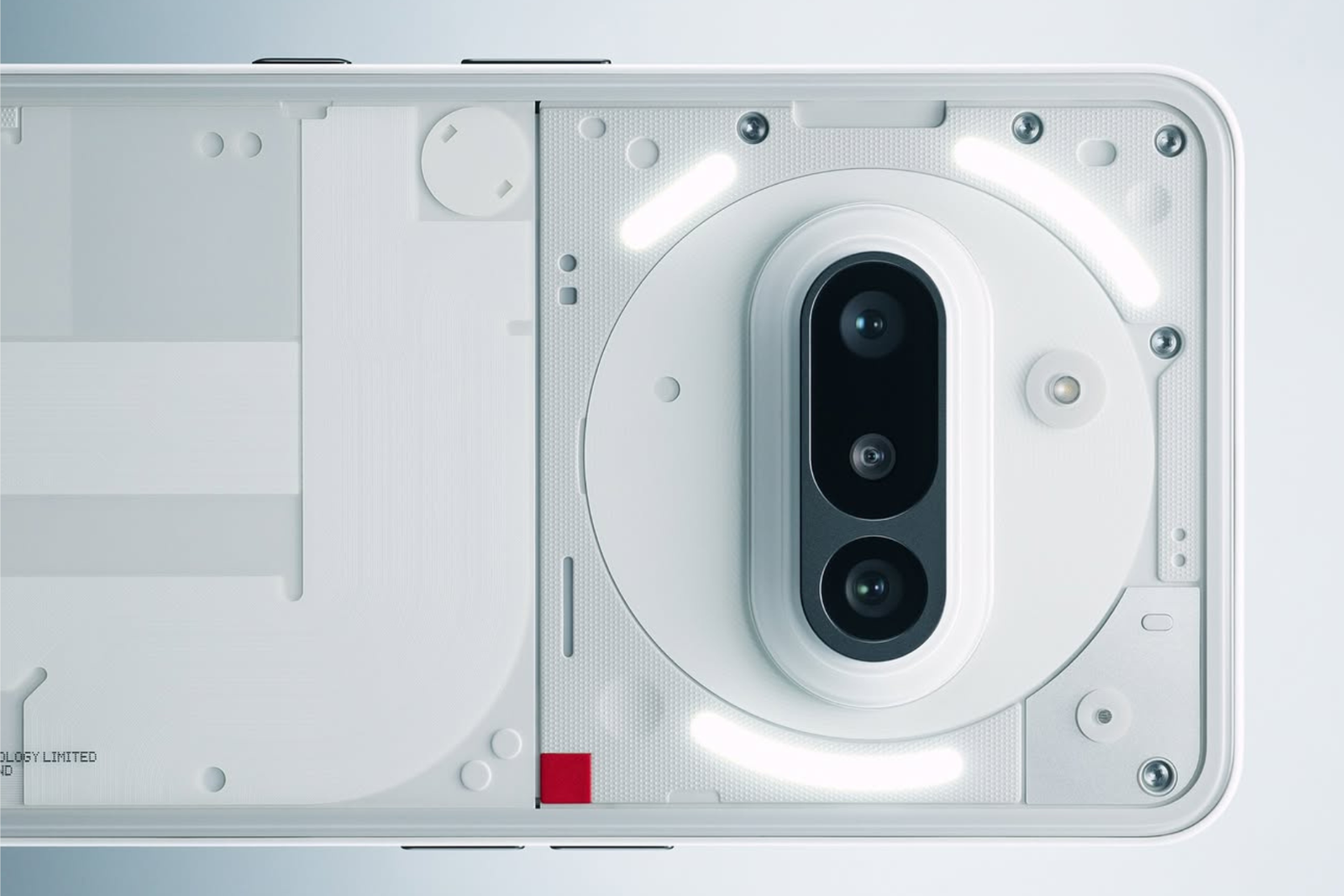
It’s better to set expectations early rather than later, and since the Essential Space is still very new, it’s too soon to determine how useful it will be in the long term. What is clear is how Nothing intends for it to be used. The dedicated button is locked to Essential Space and cannot be reassigned to other functions. A double press opens the app, a single long press captures what’s on your screen, and holding it down records both the screen and audio together. Everything you capture is automatically stored inside Essential Space, ready to be surfaced later if it turns out to be something you needed to remember—which, in theory, is the whole point of the feature.
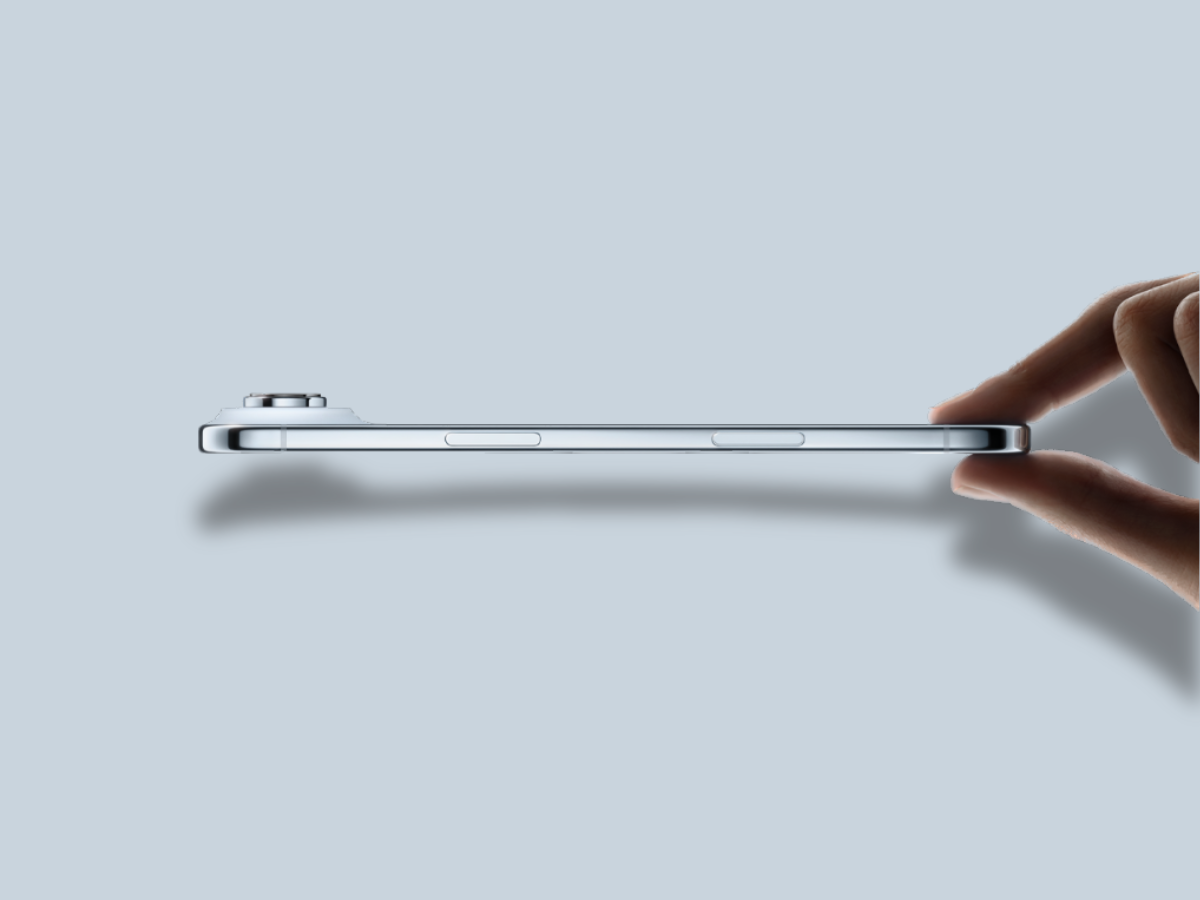
The button is intentionally placed low on the right side of the phone and has a shinier metallic finish, making it easy to locate without looking. Functionally, it performs as expected, but the lack of customization feels somewhat inconsistent with Nothing’s usual focus on personal expression. If Essential Space doesn’t suit a user, that button essentially becomes unnecessary, with no option to assign it to music, email, or another frequently used app. For a brand that advocates thoughtful design and user control, this rigidity stands out—and it’s an area that could benefit from increased flexibility as the feature develops.
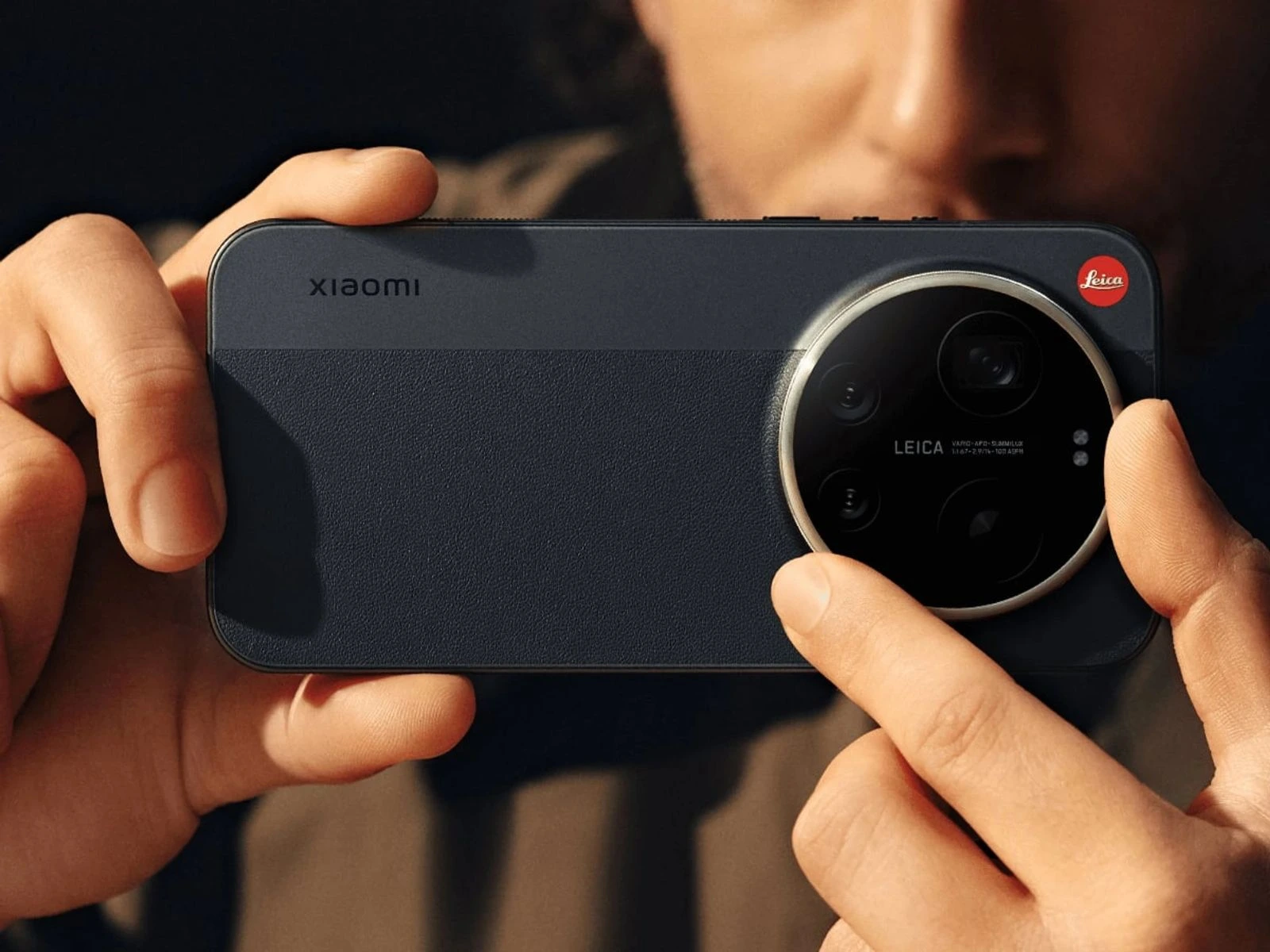
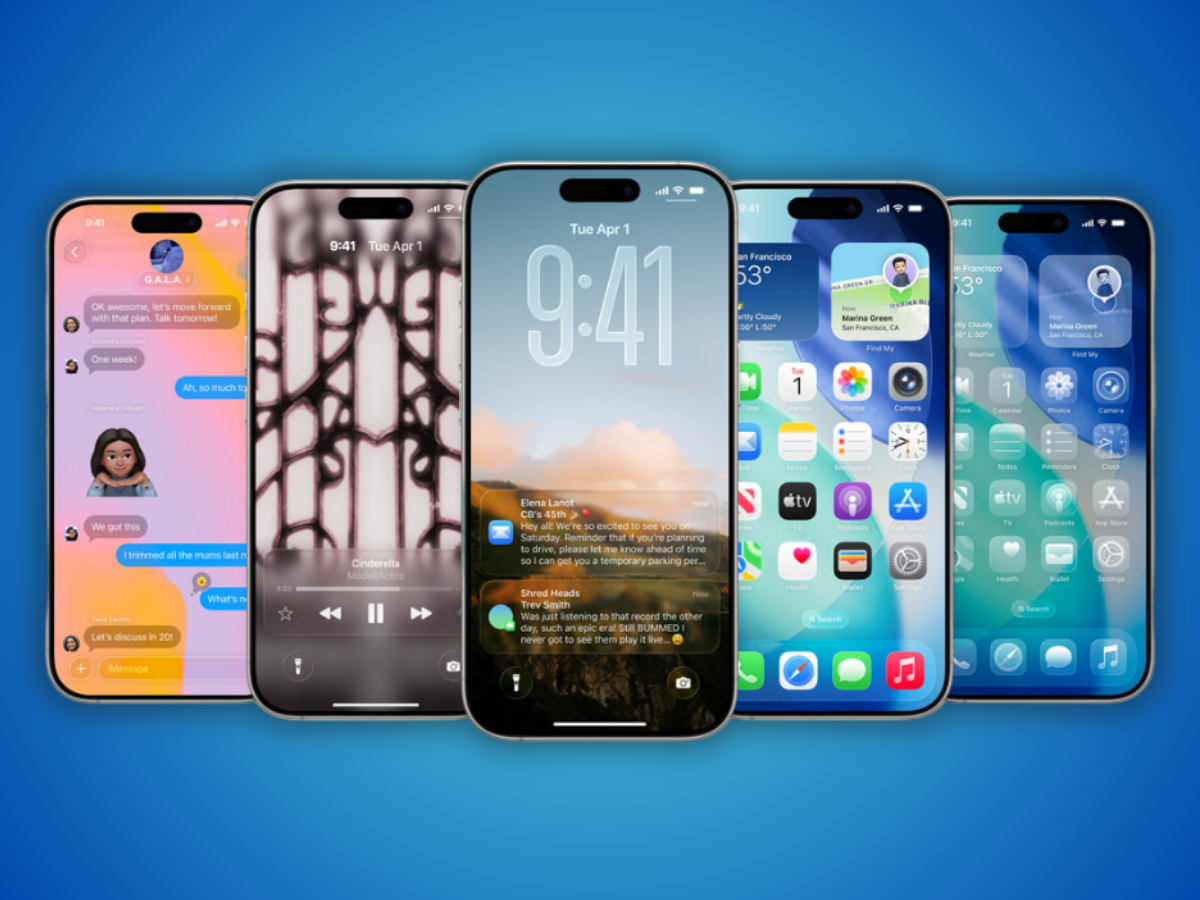
Usually, when new phones launch in the market, we tend to focus on the high-end models, but the first months of 2025 have shown that the most intense competition in smartphones is happening below the flagship tier. With Apple releasing the iPhone 16e, Nothing preparing to launch the Phone (3a) lineup, and Google’s Pixel 9a already leaking details ahead of its release, the lower end of the market has become the main space for meaningful innovation. These phones are aimed at people wanting a modern experience without paying premium prices for minor upgrades.
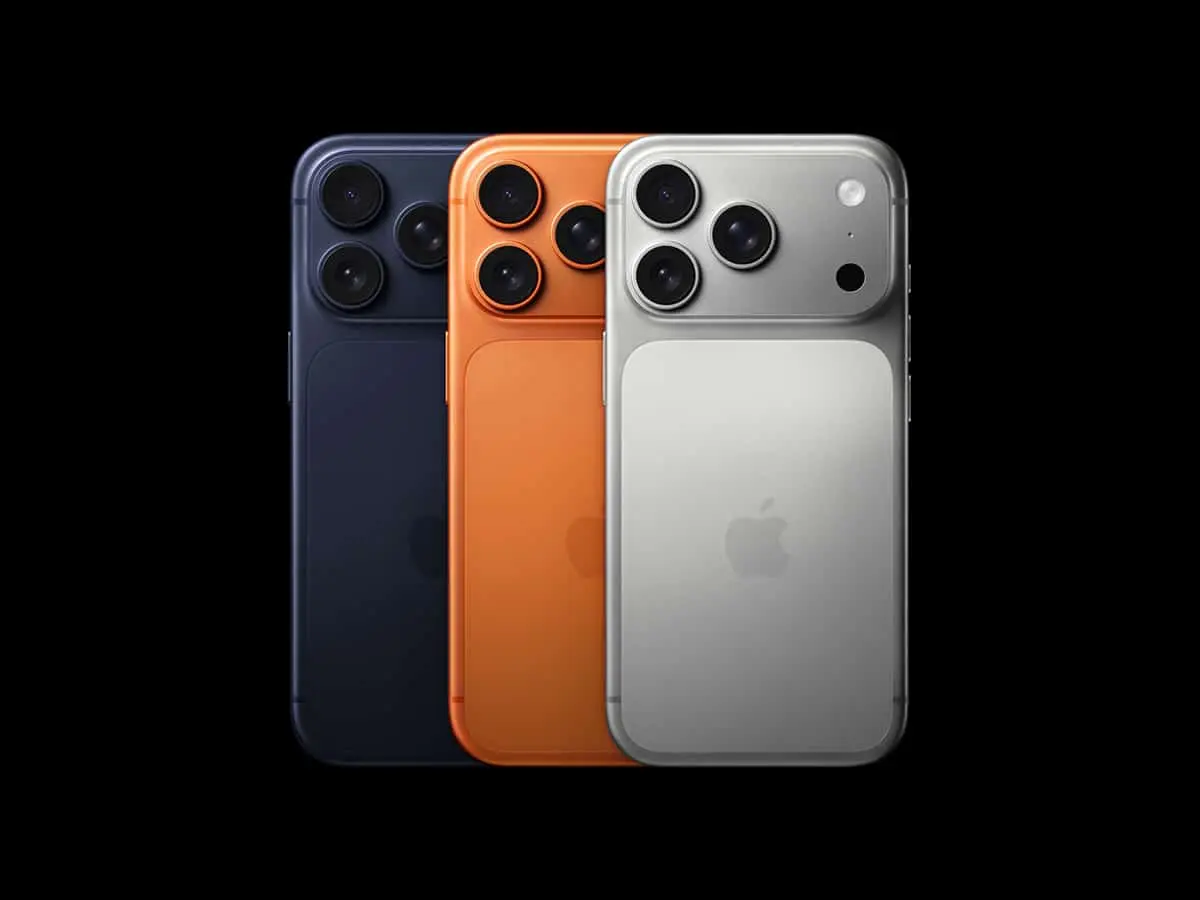
Apple’s more accessible iPhone still sits near the upper limit of what many would consider “budget,” while Nothing’s (3a) range comes in noticeably lower depending on configuration. When those figures are set against today’s prices—where devices like the iPhone 16 Pro (from USD $599), Pixel 9 Pro (from USD $999), and Samsung Galaxy S25 Ultra (from USD $1419) climb dramatically—the gap between mid-range and high-end phones becomes hard to ignore.
The growing divide is changing consumer behaviour in smartphone purchasing. Unless high-quality photography or video capabilities are essential, fewer people see the need to buy higher-end models each year. Mid-range phones now adequately meet daily demands, providing good screens, reliable performance, and long-lasting batteries. Therefore, competition in this segment isn’t about having the most advanced features but about sensibly delivering sufficient value.
The Nothing Phone (3a) and (3a) Pro will be released in stages, with the standard (3a) launching on 11 March, followed by the (3a) Pro on 25 March. Pre-orders begin on 4 March at select retailers. Pricing starts at USD $379 for the (3a) and USD $459 for the Pro, reinforcing Nothing’s focus on the mid-range market instead of entering the flagship segment.