





Gaming

7 Best Nintendo Switch Docks You Can Buy Right Now

Share via

Our team of editors and experts carefully selects each product. If you choose to purchase through one of our links, we may earn a commission. Learn more. Do you want to know how we test products? Click here for more details.

When it comes to gaming on the go — or docking for a full-screen living room experience — the Nintendo Switch is in a league of its own. Celebrated by many as the best console, players naturally seek the best accessories to match. Whether you’re aiming for higher performance, more ports, or something more travel-friendly, the right dock can completely enhance your gaming experience.

While the standard dock is functional, third-party options have greatly improved. Some are sleeker, some offer better cooling, and others include extra features that Nintendo’s original dock doesn’t even try to provide. From reliable home setups to portable powerhouses, we’ve compiled the 7 best Nintendo Switch docks that are worth every penny.

Quick Picks: Best Nintendo Switch Docks Overview

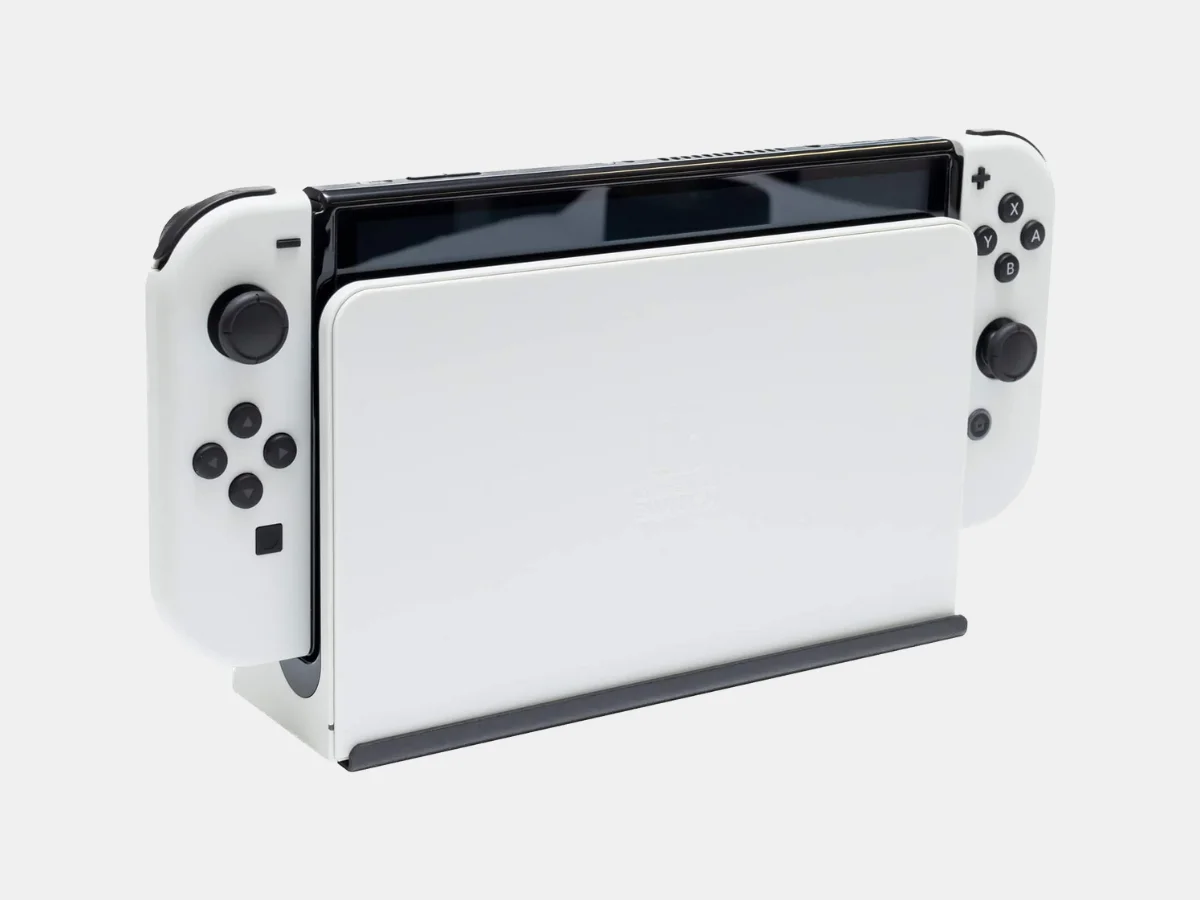
Nintendo Switch Deck | Image: Supplied

1. Nintendo Switch Dock

  • Compatibility: Nintendo Switch, Nintendo Switch OLED
  • Ports: 2 x USB, HDMI, LAN
  • Power Supply: No
  • Weight: 315g
  • Price: USD $109.99

Sticking with the official Nintendo Switch Dock is always a smart choice. It’s a popular option for many, especially since it comes bundled with the Switch OLED model. This dock features a clean and simple design, with two USB ports on the side, one at the back, and an HDMI output that makes switching to TV mode easy. There’s also a wired LAN port, which is beneficial for stable online gameplay. While it doesn’t include all the features of some third-party options, it’s reliable, proven, and officially supported — just remember, it’s only compatible with the Nintendo Switch and OLED models. The updated version of the dock is set to launch in the United States on June 5th, making it a great time to upgrade if you’re sticking with the official accessory.
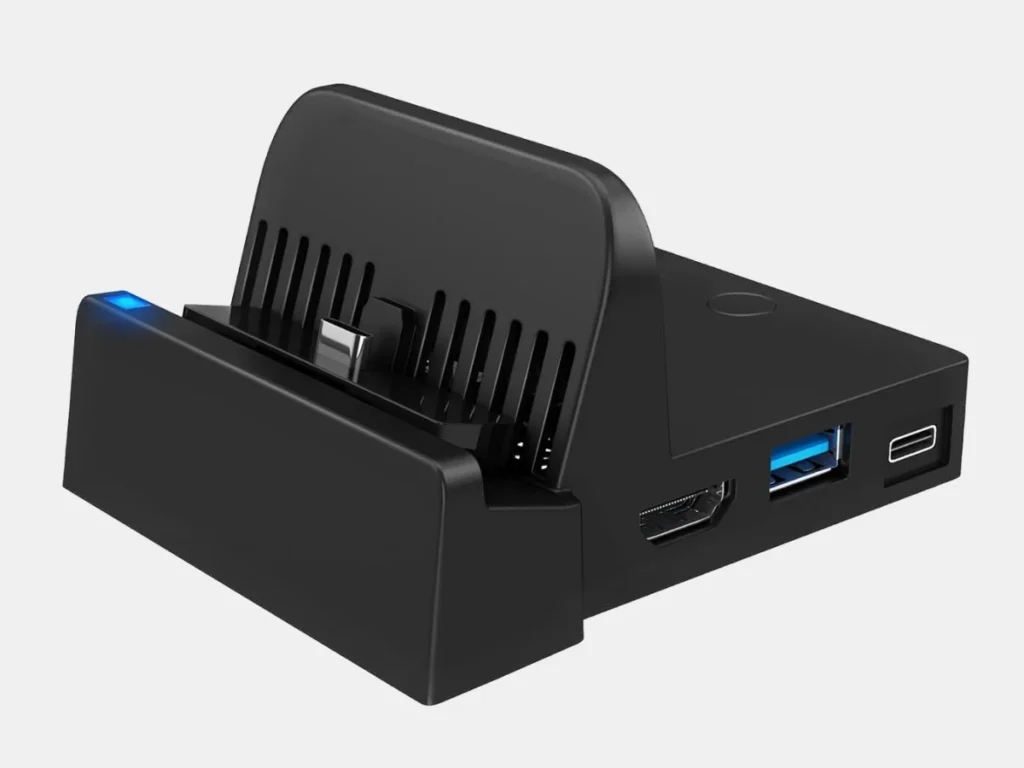
Ukor Switch Deck | Image: Supplied

2. Ukor Switch Dock

  • Compatibility: Nintendo Switch, Nintendo Switch OLED
  • Ports: 3x USB, HDMI, USB-C Charging,
  • Power supply: No
  • Weight: 100g
  • Price: USD $27.99

If you’re always on the move and need something much smaller than the official dock, this compact third-party option is ideal. Designed as a lightweight, travel-ready alternative, this mini Switch dock supports TV mode, USB-C charging, and HDMI output, all within a pocket-sized design. It’s a great choice for weekend trips, gaming at a friend’s place, or simply reducing cable clutter at home. While it doesn’t include an AC adapter and works best with Nintendo’s official charger, it excels in portability. Plus, it’s more budget-friendly, making it a smart option if you’re looking for a backup dock or prefer a minimal setup while on the go.
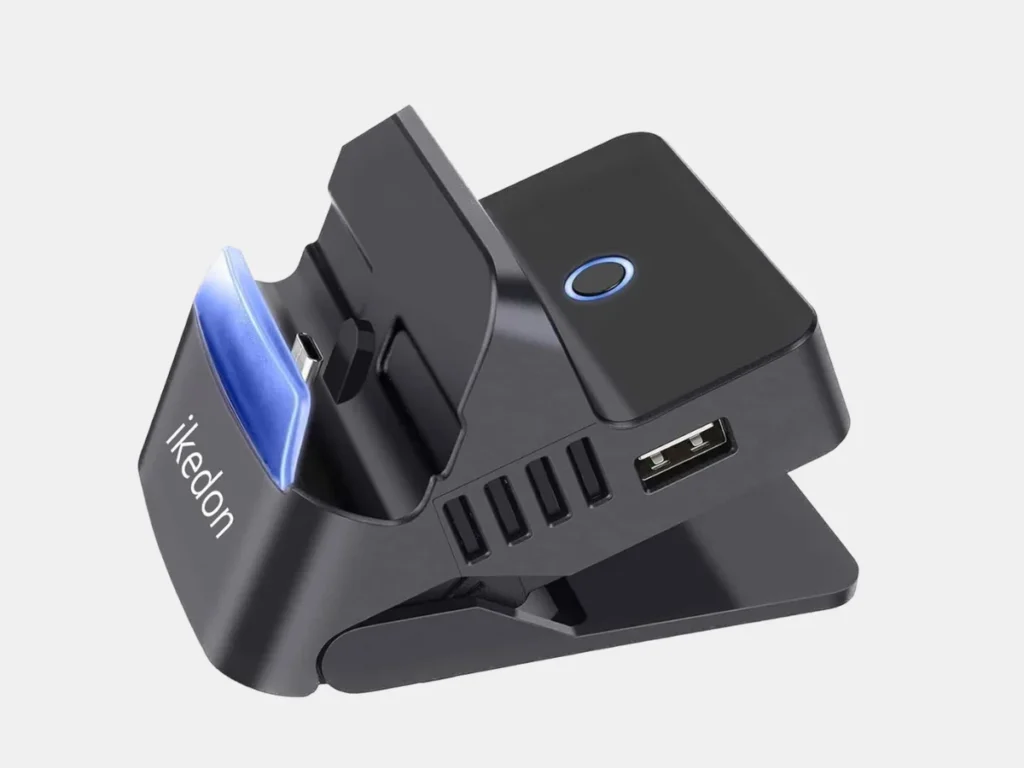
Ikedon Switch Dock | Image: Supplied

3. Ikedon Switch Dock

  • Compatibility: Nintendo Switch, Nintendo Switch OLED
  • Ports: 1 x USB 3.0, 2 x USB 2.0, USB-C, HDMI
  • Power Supply: No
  • Weight: 48g
  • Price: USD $29.99 ​

If portability and price are your top priorities, the Ikedon Switch Dock effortlessly ticks both boxes. It’s very lightweight, travel-friendly, and features a more open cradle-style design that reduces the risk of scratching your screen — a common concern with the official dock. The adjustable angle is a nice bonus, especially if you’re playing in tabletop mode and want a better view. However, there are a few things to consider. You’ll need to bring your own power adapter (preferably the official one), and while the dock supports 4K output, the Switch itself maxes out at 1080p — so don’t expect a resolution boost. The build quality feels reasonable for the price, but it’s not exactly a premium choice for travel or a secondary setup.
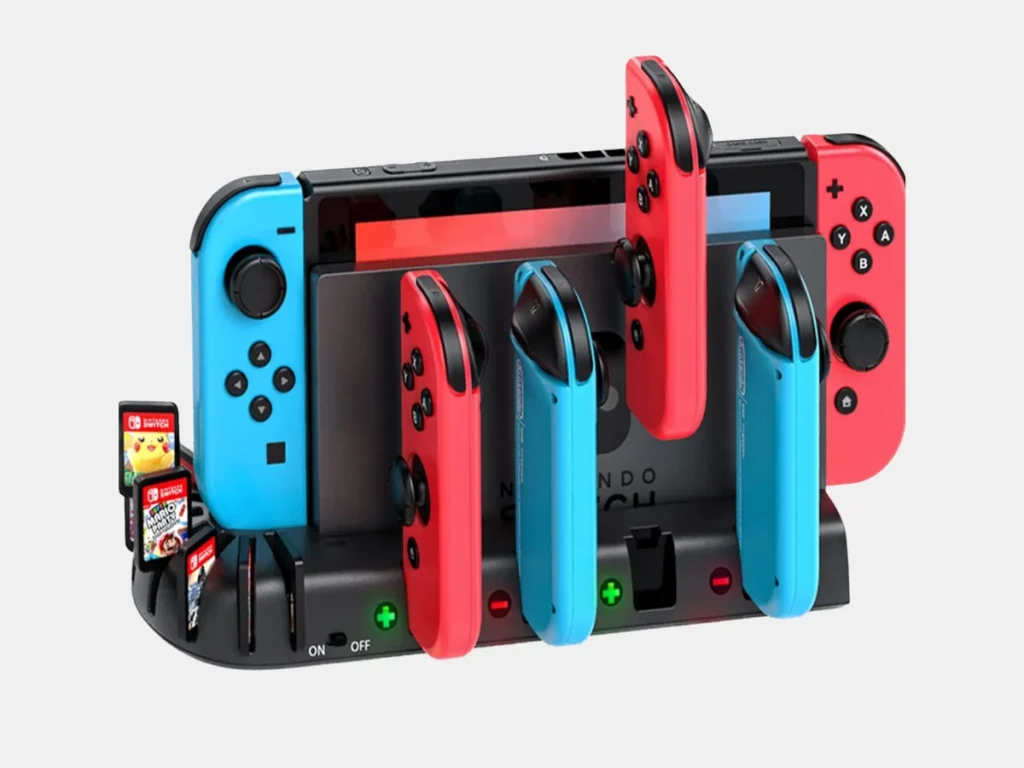
KDD Docking Station Add-On | Image: Supplied

4. KDD Docking Station Add-On

  • Compatibility: Nintendo Switch, Nintendo Switch OLED
  • Ports: 4 x USB
  • Power Supply: Yes
  • Weight: 115g
  • Price: USD $15.99

If you want to keep your gaming setup organised and your Joy-Cons charged, the KDD Docking Station Add-On is an effective solution. Designed to attach seamlessly to your existing Switch dock, it allows you to charge up to four Joy-Con controllers at the same time. Additionally, it features eight game card slots, helping you keep your favourite titles within easy reach and your gaming area tidy. The dock includes LED indicators that show the charging status of each Joy-Con, while built-in safety features protect against overcharging, overheating, and short circuits. Its compact design ensures it doesn’t take up much space, making it a convenient addition to your gaming station.
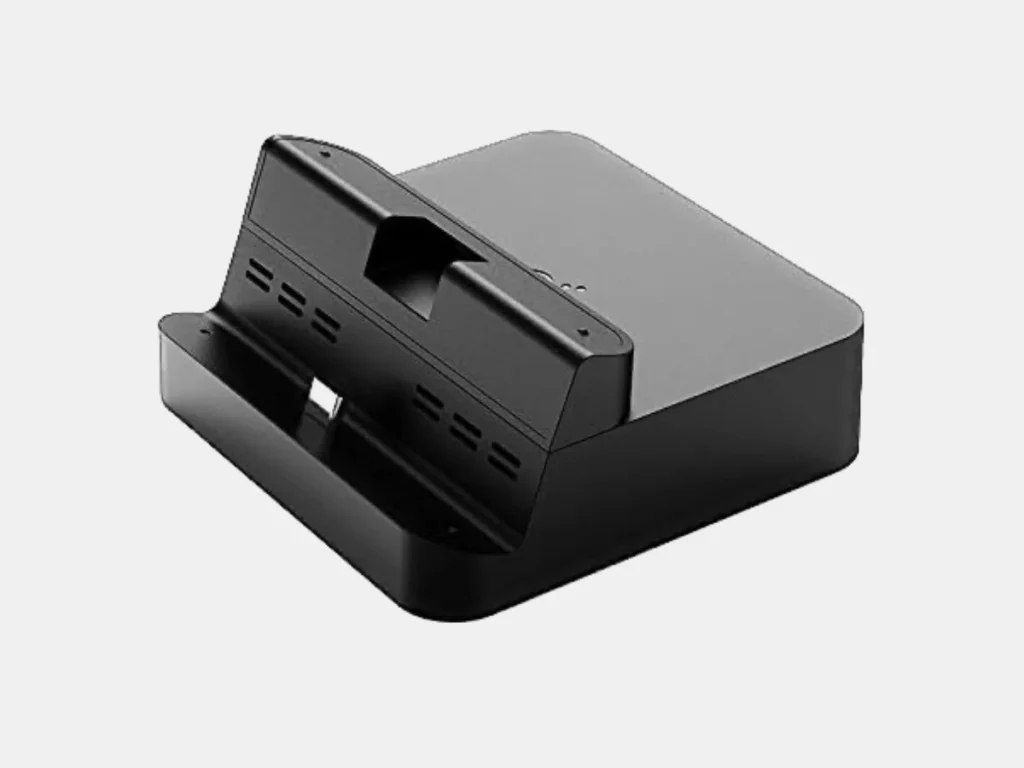
Gulikit Switch Dock Station | Image: Supplied

5. Gulikit Switch Docking Station

  • Compatibility: Nintendo Switch, Nintendo Switch OLED
  • Ports: USB, HDMI
  • Power Supply: No
  • Weight: 108g
  • Price: USD $29.99

If you’re seeking a compact and versatile docking option, the GuliKit Switch Docking Station offers a sleek alternative to the official dock. Its minimalist design includes a magnetic cover for the USB-C connector, providing protection during transport. The dock supports 4K, 1080P, and 720P video output, although the Switch itself caps at 1080P.

The GuliKit dock’s air vents help keep it cool during long play sessions. It has a stylish, portable design, but it only has one USB-A port, which limits connectivity. The dock mode button can be stiff, needing a firm press. Despite these drawbacks, it remains a solid, travel-friendly choice for gamers at its price.
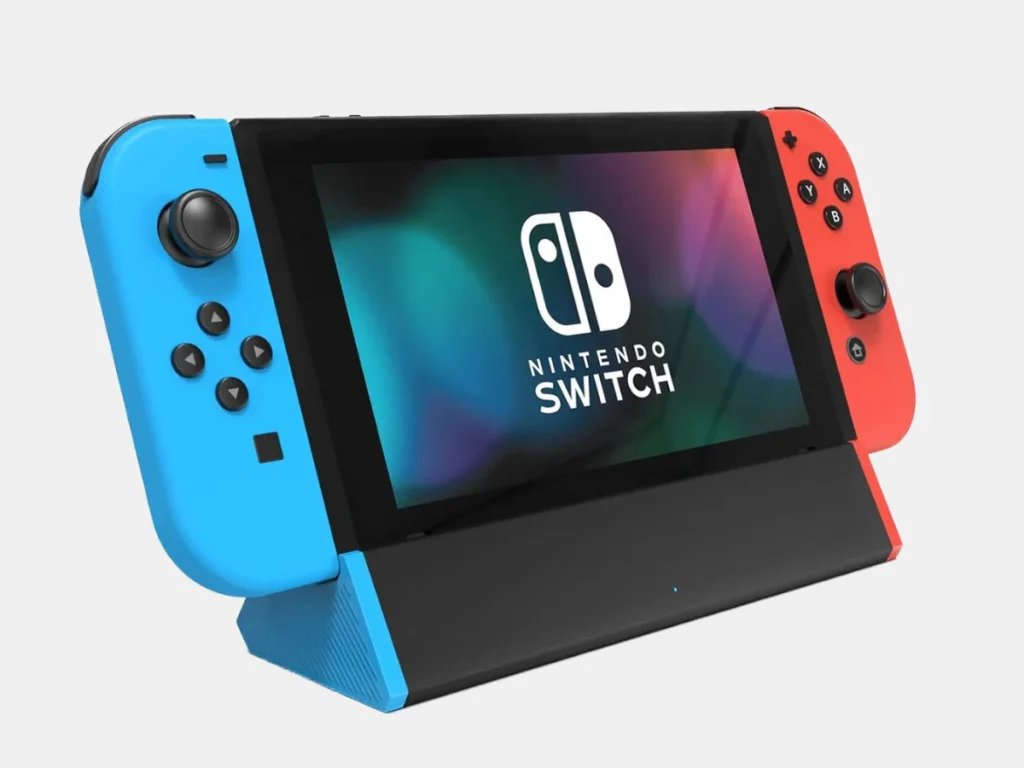
SIWIQU Switch Dock | Image: Supplied

6. SIWIQU Switch Docking Station

  • Compatibility: Nintendo Switch, Nintendo Switch OLED
  • Ports: 2 x USB-A (USB 2.0), 1 x USB-C Input, 1 x USB-C Output, HDMI
  • Power Supply: No
  • Weight: 100g
  • Price: USD $27.99

If you’re looking for a portable and budget-friendly alternative to the official Nintendo Switch dock, the SIWIQU Docking Station presents an appealing option. Its compact design makes it perfect for travel or small spaces. The dock features a one-touch display switching button that effortlessly switches between TV and tabletop modes.

The SIWIQU Docking Station supports 4K, 1080P, and 720P video output, but the Switch maxes at 1080P. It has two USB-A ports for peripherals. Using the official Nintendo Switch AC adapter is essential for best performance and avoiding issues. Its lightweight, portable design makes it ideal for gamers.
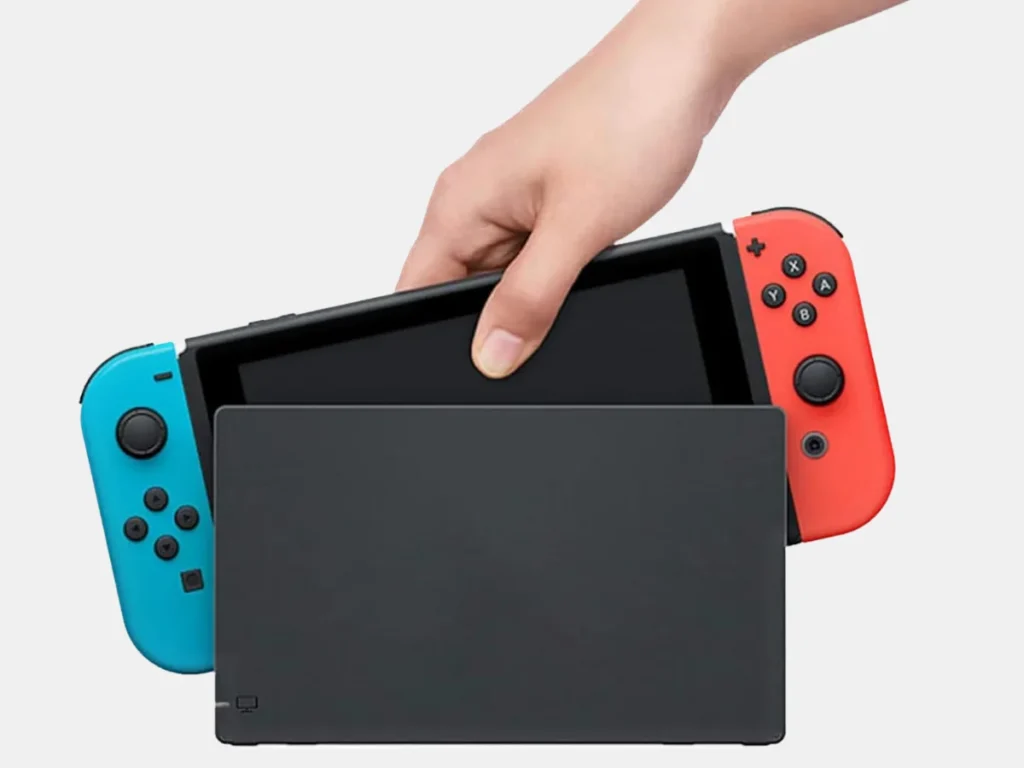
MOSAHOLL Switch Dock Station | Image: Supplied

7. MOSAHOLL Switch Dock Station

  • ompatibility: Nintendo Switch, Nintendo Switch OLED
  • Ports: 1 x USB-C , 1 x USB-A 3.0, HDMI
  • Power Supply: No
  • Weight: 100g
  • Price: USD $45.99 ​

For a portable and space-saving alternative to the official Nintendo Switch dock, consider the MOSAHOLL Switch Dock Station. Its lightweight design makes it ideal for gaming on the move, and it offers 4K video output for crisp visuals on compatible screens. Additionally, the USB-A 3.0 port enables the connection of peripherals like controllers or external storage devices. While the MOSAHOLL dock features impressive capabilities for its price, it is crucial to use the official Nintendo Switch AC adapter to ensure optimal performance and avoid potential problems. Some users have experienced occasional connectivity issues, so it’s best to handle the dock carefully and ensure all connections are secure.

Nintendo Switch Dock Buying Guide

If you’re looking for a Nintendo Switch dock, whether it’s your first or a spare for travel, there are a few key points to consider. Compatibility is essential — not every dock works with all versions of the console, and if you’re using a Switch Lite, you’ll need to ignore video output features entirely. You should also think about the number and type of ports, especially if you plan to connect peripherals or need a more stable internet connection. The power source is important as well — third-party docks can be excellent, but make sure you’re using the correct adapter. Whether you prefer a full-sized dock for your home setup or an ultra-portable one for your gaming bag, the right dock should suit your lifestyle, console, and budget.

Third-Party Docks

Third-party Nintendo Switch docks have become popular alternatives to the official model. They often showcase smaller, more portable designs and include various enhancements, such as extra USB ports and better ventilation. Many users prefer these docks for travel or as secondary setups, especially when looking for a more affordable option. However, it’s essential to check compatibility and reviews before purchasing, as not all third-party docks offer the same level of reliability or safety. Using a trusted power adapter — ideally the official Nintendo one — is generally advised to prevent performance issues or potential damage. With proper research, a third-party dock can be a useful and convenient addition to your gaming setup.

Connectivity

As mentioned, a good dock should cover the essentials, such as HDMI output for TV viewing, USB ports for charging accessories or wired controllers, and Ethernet (LAN) for a more stable online connection. If you don’t need all the features, keep it simple — just make sure the ports match your setup and how you play.

Price

When choosing a dock, price usually reflects design, build quality, and extra features. Basic models tend to focus on core functionality, while more expensive options often include additional ports, compact designs, or higher-quality materials. It’s not always about spending more — it’s about finding the dock that fits your needs. Consider how often you’ll use it, whether you need it for travel or home, and what types of accessories you’ll connect. Prioritize reliability and compatibility over flashy extras, and you’ll achieve better value in the long run.

General FAQ’s

Do All Docks Work With The Switch OLED Model?

Most newer docks do, but it’s wise to verify compatibility, particularly with third-party options. Not all of them are designed considering the OLED’s slightly larger dimensions.

Are Third-Party Switch Docks Safe To Use?

They can be, provided you select a reputable brand and use the official Nintendo power adapter. Be sure to review ratings and product compatibility to minimize risks.

Can I Use My Switch Lite With A Dock?

No — the Switch Lite doesn’t support video output, so it won’t work with any dock for TV play. It’s designed for handheld use only.


About the Author
Previous Post
Meet the New Generation Of Dyson Air Purifiers With Their Newest Lineup For Home Air Quality
Next Post
9 Best Travel Pillows You Can Buy

Related Articles

The Ultimate Aruba Travel Guide

Reading Time: 17 minutes

Our team of editors and experts carefully selects each product. If you choose to purchase through one of our links, we may earn a commission. Learn more. Do you want to know how we test products? Click here for more details.

There’s a reason Aruba keeps popping up on every “must-visit” list — and it’s not just because of the dreamy beaches. Aruba is where the sun practically resides, the waters sparkle as if someone turned up the brightness, and good vibes are essentially part of the atmosphere. Whether you’re in it for the island cocktails, the adventure-packed days, or simply that sweet feeling of doing absolutely nothing, Aruba makes it far too easy to switch to vacation mode.

If you’re ready to trade traffic jams for sunsets and endless group chats for ocean breezes, you’re in for a treat. This guide is your all-access pass to everything Aruba — from hidden beaches to the best places to enjoy a fresh seafood feast.

The Ultimate Aruba Travel Guide: Image: Joe Garza Photography

Why Aruba?

Before you start planning your Aruba adventure, you should know — this isn’t just another island getaway. Aruba has some hidden gems that make it stand out from every other sunlit destination you’ve scrolled past on Instagram. Here’s why this little slice of paradise deserves to be at the top of your travel list:

  • Sunshine on demand: Aruba isn’t playing around when it comes to perfect weather year-round, averaging 82°F (28°C) with nearly daily sunshine- a built-in tan guarantee. Even in the rainy season, showers are brief, so skip the umbrella and bring sunscreen and shades instead.
  • Safety: Aruba allows free exploration as one of the safest Caribbean islands, offering a relaxed, friendly vibe from your arrival. Whether wandering downtown Oranjestad, visiting a beach bar after dark, or road-tripping across the island, you will feel welcome and secure during your stay.
  • Luxury: Aruba knows how to do luxury with five-star beachfront resorts and high-end spas, minus the stiff, formal vibe. You can lounge poolside with champagne or grab fish tacos at a beach shack, making it polished, fun, and relaxed- the ideal luxury.
  • Easy to get to, hard to leave: Direct flights from hubs like New York, Miami, Toronto, and Amsterdam make Aruba more accessible than expected. Queen Beatrix International Airport offers U.S. Customs pre-clearance for a smoother return trip. Getting there is easy; leaving is the challenge.
  • No bad time to visit: Sitting outside the hurricane belt offers a major advantage. You can visit any month and enjoy sunshine, warm breezes, and stunning sunsets. While December to April is busier and pricier, even the off-season feels like a private island escape.

Where To Stay?

Aruba offers everything from beachfront luxury to charming hideaways that perfectly match your vibe. Here are some of the best options to ensure your stay is as unforgettable as the island itself:

Hilton Aruba Caribbean Resort & Casino
  • Hilton Aruba Caribbean Resort & Casino
    If you’re dreaming of the classic beachfront experience, the Hilton Aruba delivers. Imagine white-sand beaches just steps from your room, two large pools, and a vibrant beach bar where happy hour is perfectly timed. The rooms are spacious, the atmosphere exudes laid-back luxury, and the location keeps you close to all the Palm Beach action without feeling chaotic. Bonus points for the spa and sunset views that will leave you wondering why you ever booked a return flight.
Hyatt Regency Aruba Resort Spa & Casino
  • Hyatt Regency Aruba Resort Spa & Casino
    Looking for a polished resort that still feels fun? The Hyatt Regency Aruba ticks all the right boxes. With a stunning pool featuring a waterfall and waterslide, a luxury spa, and direct beach access, it strikes the perfect balance between relaxation and activity. The service here is top-notch without feeling stuffy, and the on-site restaurants offer incredible flavour. Plus, you’re right in the heart of Palm Beach — steps away from shops, bars, and late-night excitement if you’re feeling social.
The Ritz-Carlton Aruba
  • The Ritz-Carlton, Aruba
    If you’re ready to go all-in on luxury, The Ritz-Carlton is the place to cash that check. Expect five-star everything — oceanfront suites, gourmet dining, a full-service spa, and a level of service that makes you feel like island royalty. It’s quieter and a little more tucked away than some of the other resorts, making it perfect if you’re looking for a more private, pampered stay. Pricey? Absolutely. Worth it? Every single penny.
Bubali Bliss Studios
  • Bubali Bliss Studios
    Looking for something a bit more low-key yet still stylish? Bubali Bliss Studios is the place for you. This boutique establishment offers bright, modern studios with kitchenettes, a pool to relax in, and a location just a short walk from Eagle Beach. It’s ideal if you want some independence without sacrificing comfort. Plus, it’s budget-friendly, allowing you to save your cash for more important things — like extra mojitos and sunset cruises.
Lola Taqueria Aruba | Image: Instagram / lolataqueria

Where to Eat & Drink

Aruba isn’t just about the beaches — it’s also a full-blown food paradise. While the powdery sands and turquoise waters grab all the attention, the island’s food scene remains seriously underrated. Fresh seafood pulled straight from the ocean, tropical cocktails that hit just right, juicy grilled meats, and bold Caribbean flavours are all part of the daily routine here. Whether seeking a casual beach bar for sunset drinks or dressing up for a wood-fired dinner in town, Aruba knows how to serve it up. From rustic shacks to trendy hotspots, there’s something here to satisfy every craving — and trust me, you’ll want to taste it all.

Here are a few must-try spots to fuel your adventures:

  • Craft
  • Pinchos Grill & Bar
  • Azar Open Fire Cuisine
  • Lola Taqueria
  • Po-Ké Ono Aruba
  • Lima Bistro
  • Fat Tuesday Aruba
  • Fresco
  • The Sexy Shrimp
  • Senor Burrito
  • Fred Royal Aruba
  • The Kitchen Table
Aruba Natural Pool and Indian Cave Rugged Jeep Safari

Best Things to Do in Aruba

Sure, you could spend your entire trip lounging on a beach chair — drink in hand, toes buried in the sand — and honestly, no one would blame you. Aruba practically invented the art of relaxation. But if you’re the kind of traveller who enjoys mixing a bit of adventure into their sun-soaked days, you’re in for a treat. Beyond the postcard-perfect beaches, Aruba has rugged deserts, vibrant underwater worlds, hidden coves, and just enough adrenaline to keep things engaging.

You can snorkel next to vibrant reefs, race down dusty UTV trails, sail into a breathtaking sunset, or venture into caves that resemble scenes from an adventure film. The greatest advantage? Everything is conveniently located, allowing you to enjoy a variety of activities without feeling hurried. Here are some unforgettable experiences you’ll want to brag about later:

Arikok National Park

Explore Arikok National Park

Covering nearly 20% of the island, Arikok National Park showcases Aruba’s wild side. Picture dusty desert trails, jagged cliffs, secret caves adorned with ancient Arawak Indian drawings, and coastlines so rugged you’ll wonder if you’ve left the Caribbean altogether. It’s raw, untamed, and absolutely worth exploring. Rent a 4×4 or join a guided tour to delve deeper into the park, and don’t miss the famous Natural Pool (“Conchi”) — a hidden oasis where you can float in calm, crystal-clear water as waves crash dramatically around you. It’s a bumpy ride to get there, but trust me, the adventure is half the fun.

Aruba Ecological & Beach Horseback Ride

Aruba Ecological & Beach Horseback Ride

If you’ve ever wanted to live out your cowboy-on-the-beach fantasy, this is the place to do it. The Aruba Ecological and Beach Horseback Ride takes you through some of the island’s most stunning landscapes — rugged desert trails, cactus-studded hills, and eventually right down to the sparkling coastline. Whether you’re a complete beginner or a seasoned rider, the guides make it easy and relaxed. Trust me, there’s nothing like trotting along a quiet beach with the ocean breeze in your face and the sun setting behind you. It’s one of those “this can’t be real” experiences you’ll be bragging about long after you’re back home.

Aruba Baby Beach

Beach-Hop Through Aruba’s Coastline

Aruba’s beaches aren’t just beautiful — they’re among the best in the world. Each one has its own vibe, ranging from lively and social to completely serene. Whether you enjoy swimming, snorkeling, floating for hours, or simply soaking up the sun with a drink in hand, there’s a stretch of sand here waiting for you. The best part? You don’t have to choose just one. Renting a car or taking a cab makes it easy to beach-hop your way across the island.

  • Eagle Beach — White sand, fofoti trees, and calm waters. Ideal for beach days and sunset photos.
  • Palm Beach — Energetic, resort-lined beach with bars and water sports, perfect for lively beach days.
  • Baby Beach — Shallow, clear water for floating, snorkelling, and swimming.
  • Mangel Halto — A hidden gem for snorkeling and mangrove shores, ideal for fewer crowds and more marine life.
  • Arashi Beach — Calm waves and easy snorkeling off the beach create a laid-back vibe- perfect for a chill afternoon.
Aruba Sail & Snorkel

Aruba Sail & Snorkel

You can’t miss a sail and snorkel trip in Aruba if you’re seeking the ultimate “this is the life” experience. Imagine yourself cruising along the vibrant blue Caribbean with music playing, a drink in hand, and the sun warming your face. Most tours stop at some of the island’s top snorkel spots — like the famous Antilla Shipwreck and colourful coral reefs teeming with tropical fish. You might see a few sea turtles gliding through the water like absolute pros if you’re fortunate. Whether diving in or just relaxing on the deck with a rum punch, it’s the day when the hours vanish, and you forget what “stress” feels like. Some tours even include snacks, an open bar, or a full-blown BBQ — not that you’ll need any convincing.

What to Pack for Aruba?

Packing smart for Aruba can make the difference between a good trip and a great one. The island’s climate is warm and breezy year-round, but the strong sun, outdoor activities, and beach lifestyle mean you’ll want to be prepared beyond the basics. Here’s what you should include in your suitcase to ensure you’re ready for every aspect of the trip — from the beach to the desert trails, to dinners by the ocean.

  • Light, breathable clothing: Aruba’s temperatures rarely dip below warm and comfortable, so pack lightweight clothing that is easy to move in. Linen shirts, cotton dresses, swimwear, shorts, and quick-dry fabrics will serve you well. Bringing multiple swimsuits is a smart idea since you’ll likely spend a lot of time in the water.
  • Flip-flops & comfortable sandals: Footwear should be simple and practical. Flip-flops and sandals are perfect for the beach, while a slightly dressier pair is useful for visits to upscale restaurants or hotels. A pair of closed-toe shoes is recommended for hiking or exploring rugged areas like Arikok National Park.
  • Reef-safe Sunscreen: Aruba’s strong sun necessitates a high-SPF sunscreen that is also reef-safe. Protecting your skin and the island’s marine life is crucial, especially if you plan on snorkeling or swimming. Apply it generously and reapply throughout the day, particularly after swimming.
  • Snorkel Gear: While many tours provide equipment, bringing your own snorkel mask guarantees a better fit and greater comfort — especially if you plan to snorkel multiple times. It’s a lightweight addition to your luggage that can significantly enhance your beach days.
  • Sun hat & polarized sunglasses: A wide-brimmed hat and quality sunglasses aren’t just for style — they’ll protect you from the intense Caribbean sun. Polarized lenses are especially helpful if you’ll be near or on the water, reducing glare and protecting your eyes.
  • Portable Charger: Between using maps, taking photos, and staying connected, your devices will be heavily utilized. A trustworthy portable charger guarantees you won’t run out of battery in the middle of a day of exploring.
  • Light jacket Or Sweater: While Aruba is warm, evenings by the water or boat outings can sometimes feel cool because of the constant breeze. A light jacket or sweater provides comfort during these times.
  • Waterproof Bag: With all the beach and boat activities, a waterproof bag protects your essentials, including phones, wallets, and cameras, from sand and water damage. It’s a simple item that can help avoid major headaches.
  • Travel-Size Grooming Essentials: The combination of sun, saltwater, and wind can be harsh on your skin and hair. Bring moisturizer, SPF lip balm, a quality conditioner, and a mild face cleanser to stay refreshed during your trip.
  • A Travel-Size Cologne or Perfume: After long days in the sun, a light, fresh scent can be a lovely addition when going out for dinner or spending a night by the beach. Choose something relaxed and not overpowering — perfect for the island vibe.
Aruba NightLife | Image: Visit Aruba

Things to Know Before Visiting Aruba

Before you book your flight and start packing your beach bag, here are a few final tips to help you make the most of your trip to Aruba:

  • Best Time To Visit: Aruba is a year-round destination due to its location outside the hurricane belt. However, the most popular time to visit is during the dry season from December to April, when the weather is perfect and the island is lively. If you’re looking to save on accommodations and enjoy quieter beaches, the off-season (May to November) still offers excellent weather with fewer crowds.
  • Currency: Aruba’s local currency is the Aruban Florin (AWG), but U.S. dollars are accepted almost everywhere. Credit cards are commonly used as well, but it’s advisable to carry some cash for small purchases, tips, or local markets.
  • Transportation: Renting a car offers the most flexibility, particularly if you wish to explore beaches and natural sites beyond the hotel areas. Taxis are both available and reliable, but rates are determined by the government, so it’s wise to confirm the fare before you ride. There’s also a public bus system (Arubus) that is economical and straightforward to use for navigating main areas.
  • Language: Aruba’s official languages are Dutch and Papiamento, but you’ll find that English and Spanish are also widely spoken. Communication is easy, and the locals are incredibly welcoming, so don’t hesitate to ask for directions, recommendations, or even a quick lesson in Papiamento phrases.
  • Tipping etiquette: A service charge is often included in restaurant bills, usually ranging from 10% to 15%. It’s still common to leave a little extra if the service was exceptional. For taxis, rounding up the fare is appreciated.

What’s The Budget For A Trip To Aruba?

Aruba isn’t the cheapest Caribbean destination, but expenses depend on your lifestyle. Mid-range travelers spend about $200–$300 USD daily for accommodations, meals, transportation, and activities. Boutique hotels and Airbnb rentals start at $100–$150 USD nightly, while luxury resorts like The Ritz-Carlton exceed $ 500 per night. Dining options vary: casual meals cost $15–$20 USD, while fine dining ranges from $40–$70 USD per person. Eating at local restaurants and markets allows you to enjoy the island without overspending.

Transportation and activities vary based on your desired exploring level. Rental cars cost about $40–$60 USD per day, while taxis and public buses are good options near Palm Beach or Oranjestad. Many top experiences in Aruba, like visiting Eagle Beach or hiking in Arikok National Park, are free or low-cost. Guided tours, such as UTV rides, snorkeling cruises, or horseback riding, typically cost $50–$120 USD per person. Whether you seek a budget-friendly adventure or a luxury escape, Aruba has plenty of options to customize your trip according to your style.

Why Trust Us

At Many Men Magazine, travel isn’t just something we write about — it’s something we live. Our team has spent years exploring destinations around the world, with Aruba holding a special place on that list. We believe in experiencing places firsthand before recommending them to you. From snorkeling off the coast to navigating downtown Oranjestad and relaxing on the island’s best beaches, we’ve dedicated time to understand what makes Aruba truly special. Our recommendations come from real experiences, not from press releases or secondhand tips. We’re committed to providing you with honest, practical advice that helps you maximize your trip — whether you’re planning a relaxing beach escape, an action-packed adventure, or something in between. Every guide we publish is designed to offer genuine insights you can trust, allowing you to spend less time worrying about details and more time enjoying the journey.

General FAQ’s

Is Aruba Expensive To Visit?

Aruba can be pricier than some other Caribbean destinations, particularly if you stay at luxury resorts and dine at upscale restaurants. However, with careful planning — such as combining casual dining with free beach days — you can comfortably maintain a mid-range budget.

What Is The Best Time Of Year To Visit Aruba?

The best time to visit Aruba is from December to April when the weather is dry, sunny, and ideal for beach days. This period also marks peak tourist season, so expect lively crowds and higher prices. If you prefer fewer crowds and better deals, visiting between May and November is a smart choice. Aruba’s location outside the hurricane belt ensures warm, breezy weather year-round, making it a dependable destination regardless of when you go.

Do I Need A Visa To Travel To Aruba?

U.S., Canadian, EU, and many other passport holders do not require a visa for short stays of up to 90 days. It’s always wise to double-check Aruba’s latest entry requirements according to your nationality before you travel.

What Currency Is Used In Aruba?

The local currency is the Aruban Florin (AWG), but U.S. Dollars are widely accepted almost everywhere. Credit cards are also commonly used, making it easy for visitors to pay without exchanging much cash.

Is Aruba Safe For Tourists?

Yes, Aruba is considered one of the safest islands in the Caribbean. Tourist areas are well-patrolled, and locals are known for their friendliness and welcoming nature. While petty crime, such as pickpocketing, can occur anywhere, it’s rare in Aruba. Basic travel precautions, such as being aware of your surroundings and securing your valuables, are recommended; however, you can generally explore the island with confidence.

About the Author

Related Articles

arrow_drop_up