





















Technology

Here’s Everything Apple Showed Off at WWDC 2025

Share via

Our team of editors and experts thoughtfully chooses each product. If you decide to buy through one of our links, we may earn a commission. Learn more. Want to know how we test products? Click here for more details.

Apple’s annual Worldwide Developers Conference always indicates the company’s future direction, and WWDC 2025 wasted no time setting the direction. Even early in the event, Apple introduced a series of meaningful software updates across nearly all its devices. This year’s focus is on refinement—smarter features, tighter integration, and updates designed to improve how your iPhone, Mac, Apple Watch, and iPad work day to day.

There were no new hardware reveals on the keynote stage, with Apple saving those announcements for later in the year. However, what we did see was a strong preview of the company’s software roadmap. From major updates to iOS, macOS, and watchOS to more AI-powered tools shaping the ecosystem’s future, Apple made its priorities clear. As WWDC continues and more announcements are expected, we’ll keep this guide updated. But for now, here’s everything from WWDC 2025 that grabbed everyone’s attention.

Liquid Glass

Apple didn’t ease into WWDC 2025 — it hit right with the look and feel of everything you use daily. Liquid Glass is the company’s most significant visual change in years, and you notice it almost immediately. Across iOS, macOS, and iPadOS, the interface now emphasizes translucency, depth, and softness, making on-screen elements feel lighter and more fluid than before.

Instead of flat panels and solid blocks, menus and buttons now sit on subtly transparent layers. Icons feel like they’re floating. Backgrounds softly blur and adjust as you move around the system. The goal isn’t to distract you with design tricks, but to make everything easier to read, follow, and interact with naturally. Apple has included several customization options, but for the most part, Liquid Glass offers a system-wide aesthetic—glassy, rounded, and consistent throughout.
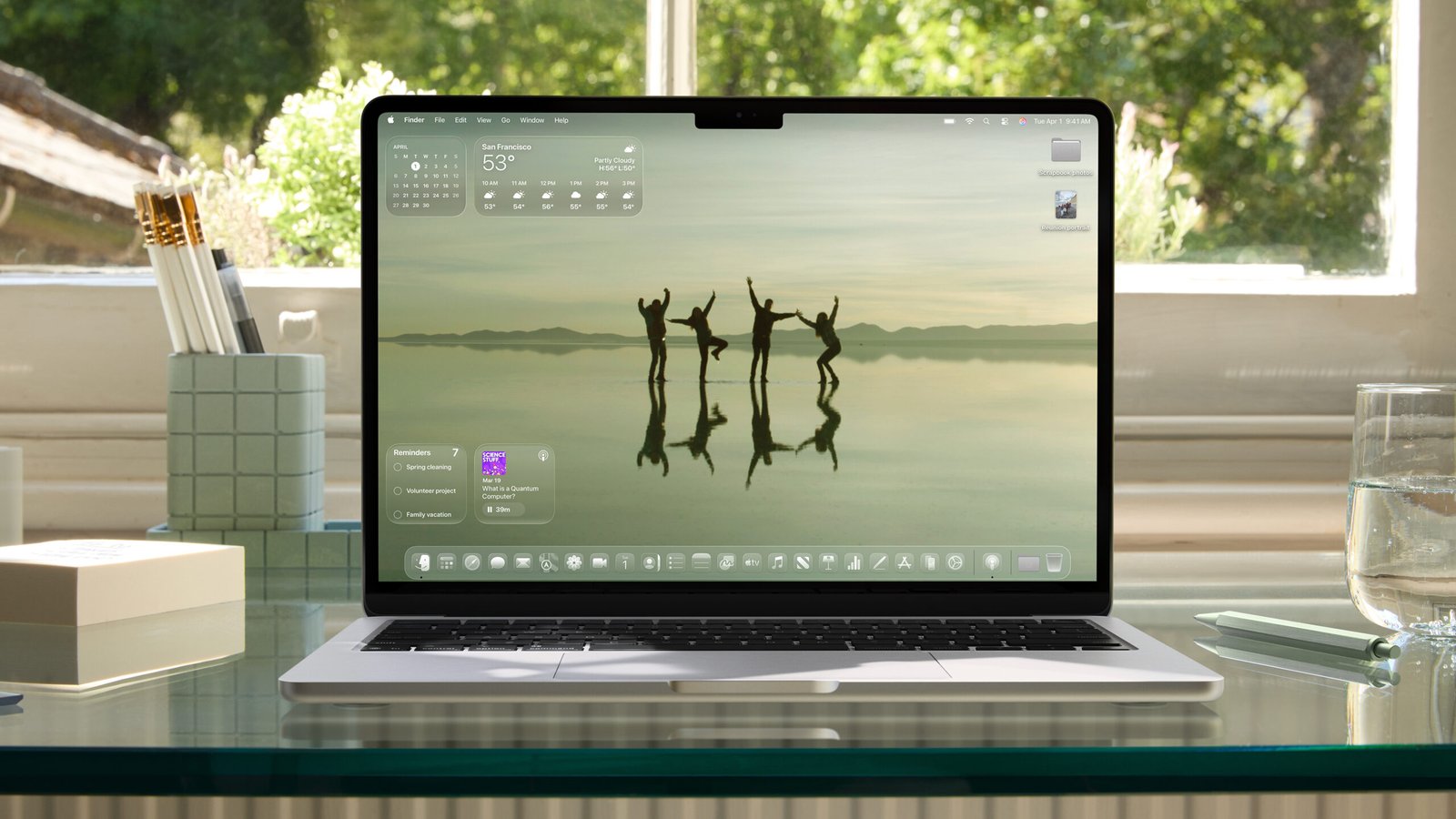
macOS Tahoe 26 lets users customize the desktop and Dock with new looks for app icons and widgets crafted from multiple layers of Liquid Glass. | Image: Apple

This is also the first genuine visual update of Apple’s software experience in over a decade, and you can tell it’s been handled with care. It feels modern without being loud, familiar without feeling outdated. That said, some fair questions are already being raised—especially regarding accessibility. With so much transparency, some users might find certain elements blend in more than expected. Apple emphasizes that visibility and contrast have been carefully adjusted, but this will truly be judged once people start using it daily.

Liquid Glass wasn’t about chasing trends—it’s about quietly refreshing the foundation of the ecosystem in terms of design. And yes, it also sparks a bit of nostalgia. With all this translucency on screen, it’s hard not to wonder if a fully see-through, ’90s-style Apple device could ever make a comeback. Stranger things have happened.

Along with the new look, Apple also introduced a structural change that’s easy to overlook but quite significant. The company is transitioning from traditional version numbers to year-based naming. This means that this year’s updates won’t be called iOS 19 or macOS 15—they’ll be iOS 26, macOS 26, and so forth. It’s a simpler system that aligns software with the year it’s released, making Apple’s roadmap clearer at a glance.
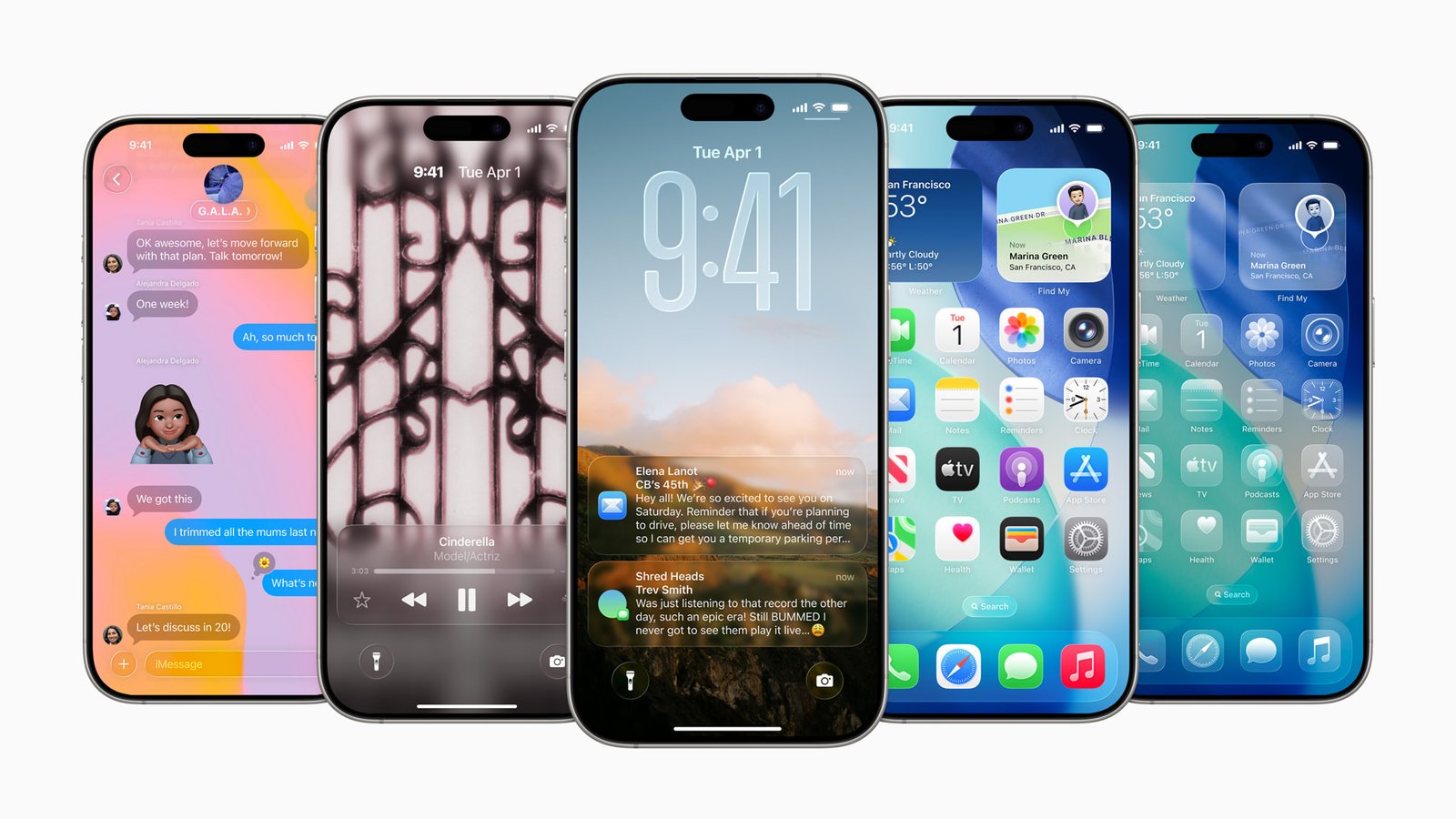
iOS 26 is a major update that brings a beautiful new design, intelligent experiences, and improvements to the apps users rely on every day. | Image: Apple

Phone Calls & Messages

Apple is clearly trying to make phones less disruptive and more helpful in iOS 26, with meaningful upgrades to both the Phone and Messages apps. If you’ve ever felt overwhelmed by spam calls, endless group chats, or being on hold, these changes target those everyday annoyances. Some ideas may seem familiar to Android users, but Apple’s approach keeps everything simple and well integrated.

The biggest upgrade is in the Phone app, which now has a smarter call screening feature. When an unknown number calls, your iPhone can answer on your behalf, ask the caller why they are calling, and display a live transcription of their reply. You can then decide whether to answer or ignore the call altogether. Hold Assist is another useful addition, allowing your phone to wait on hold for you and alerting you when a real person finally picks up.

Messages get practical upgrades, especially for group chats. You can now create polls to make decisions quickly and send money using Apple Cash directly within a conversation, making splitting bills much easier. Live translation also arrives in both Phone and Messages, allowing voice calls and texts to be translated almost in real time, all while keeping conversations processed on-device for extra privacy.

Rounding things out is a new Visual Intelligence feature coming later this year, allowing you to interact with screenshots or images to learn more about what’s on your screen. It’s another example of Apple prioritizing subtle, practical improvements over flashy gimmicks—changes that quietly make everyday communication smoother, smarter, and much less frustrating.
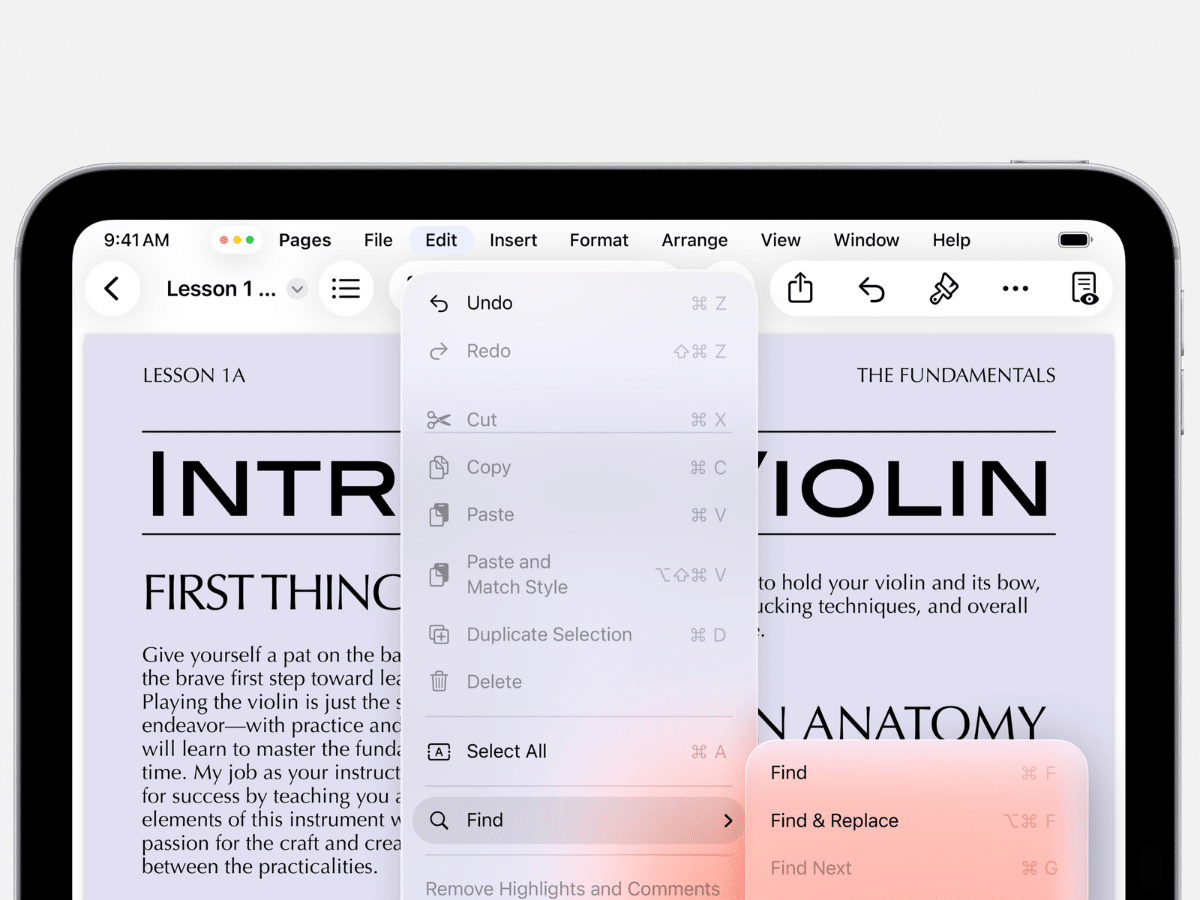
A Look at the New Menu Bar for iPadOS | Image: Apple

iPad OS

With iPadOS 26, Apple makes its biggest move yet toward making the iPad feel truly Mac-like—without abandoning what makes it an iPad in the first place. Apps still open full screen by default, but now you can resize, move, and organise windows however you prefer. Multiple apps can sit side by side, overlap, or be neatly tiled, giving the iPad a much more flexible desktop-style experience.

You can now quickly view all open apps using Exposé, making it much easier to switch between tasks without losing your place, simplifying multitasking more than before. There’s even a proper menu bar that adapts depending on the app you’re using — another subtle but meaningful nod to macOS. Combined with improved keyboard and trackpad support, the iPad finally feels comfortable for longer work sessions without frustration.

What this really indicates is Apple’s confidence in the position of the iPad within its lineup. Apple isn’t aiming to replace the Mac, but iPadOS 26 makes the tablet far more attractive to users seeking Mac-like productivity when their laptop isn’t available. It’s a practical, well-considered evolution that brings the iPad closer than ever to becoming a true all-rounder.
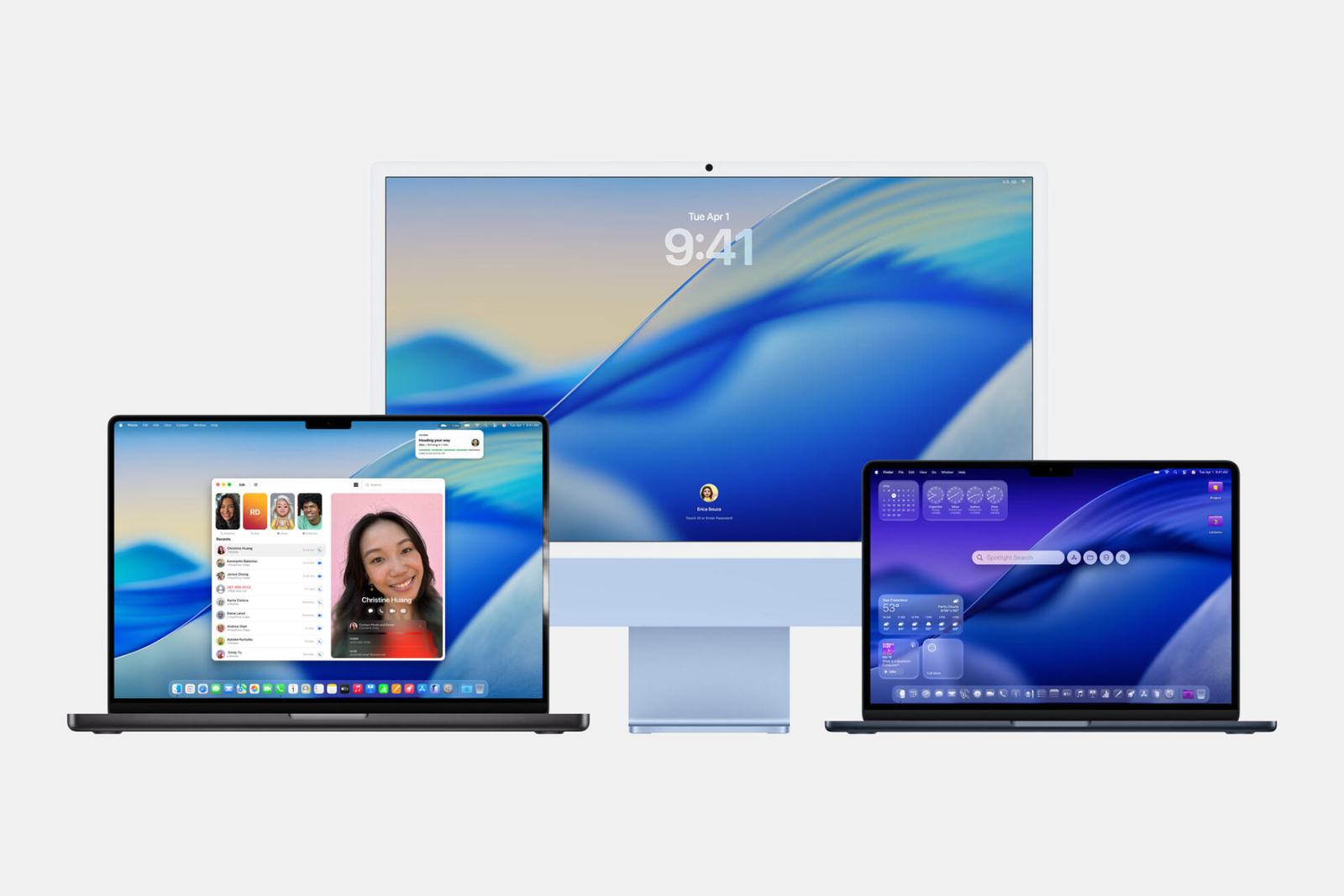
macOS Tahoe 26 introduces a beautiful new design, additional Continuity experiences, along with even more features to turbocharge productivity. | Image: Apple

macOS Tahoe

Apple’s latest desktop operating system, macOS Tahoe, continues the design shift introduced across the ecosystem, bringing the Liquid Glass aesthetic fully to the Mac. The most noticeable change is the new free-floating menu bar, which now appears lighter and more translucent, subtly separating it from the desktop without feeling disconnected. Windows, menus, and system elements all benefit from added depth and softness, making macOS feel refreshed while still very much like the platform Mac users know.

There are also some genuinely useful quality-of-life upgrades included. Live Activities now appear on the Mac via the menu bar, providing real-time updates from supported apps—whether that’s tracking an upcoming meeting, following a delivery, or monitoring something on your iPhone. Spotlight search also becomes smarter, with better context awareness that helps find files, apps, and information more quickly. It can now engage more deeply with apps and even retrieve relevant details from websites you’ve recently visited, making it feel more like a helper than a basic search tool.

One important shift comes on the hardware front. macOS Tahoe signals the start of the end for Intel-based Macs. While some later Intel models will still receive support with this update, they won’t qualify for future macOS releases. This clearly shows that Apple is fully dedicated to its Apple Silicon future. For most users, macOS Tahoe is about refinement and smarter daily use—but it also subtly closes a significant chapter in the Mac’s long history.
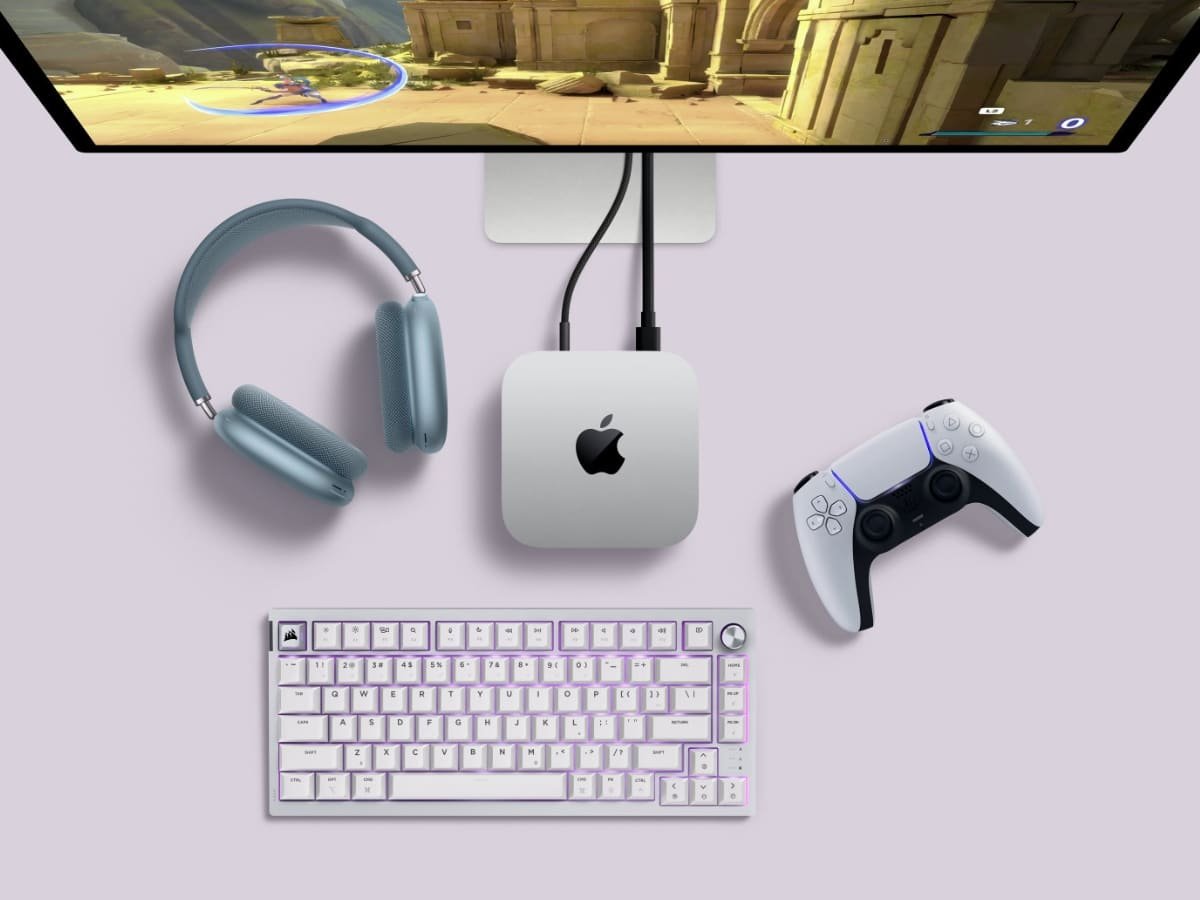
Apple’s Mac Mini | Image: Apple

Apple Games

Apple is focusing more on gaming this year, and the numbers show why. With over half a billion people already playing games on iPhone, Apple is launching a new Games app aimed at consolidating everything in one spot. Instead of games being scattered across your home screen or buried in the App Store, the new app serves as a central hub—displaying all your downloaded games, highlighting what you’re currently playing, and making it easier to jump back in without any hassle.

The app is divided into clear sections that make sense. There’s a dedicated space for Apple Arcade, Apple’s subscription gaming service, along with discovery tools that highlight new games based on your interests. A “Play Together” area tracks friends’ activity, making it simple to see what others are playing, invite them into a game, or join in yourself. In many ways, it feels like a natural evolution of Game Center—just much more visible and much more useful.

On the Mac side, Apple is also working to close a long-standing gap. Gaming on macOS has traditionally been behind, but the new Games app introduces features like a game overlay that lets you access settings, friend activity, and system info without leaving your game. It’s a more console-like approach, similar to what players are used to on devices like the Steam Deck or Nintendo Switch, and it shows that Apple is taking the gaming experience more seriously this time.

Will this suddenly turn the Mac into a gaming powerhouse? Probably not overnight. But it does signal a clearer strategy. By unifying gaming across iPhone, iPad, and Mac—and pairing that with better tools for developers—Apple is laying the groundwork for something more integrated. Apple Games isn’t about competing directly with consoles; it’s about making gaming across Apple devices easier to find, easier to share, and much harder to ignore.
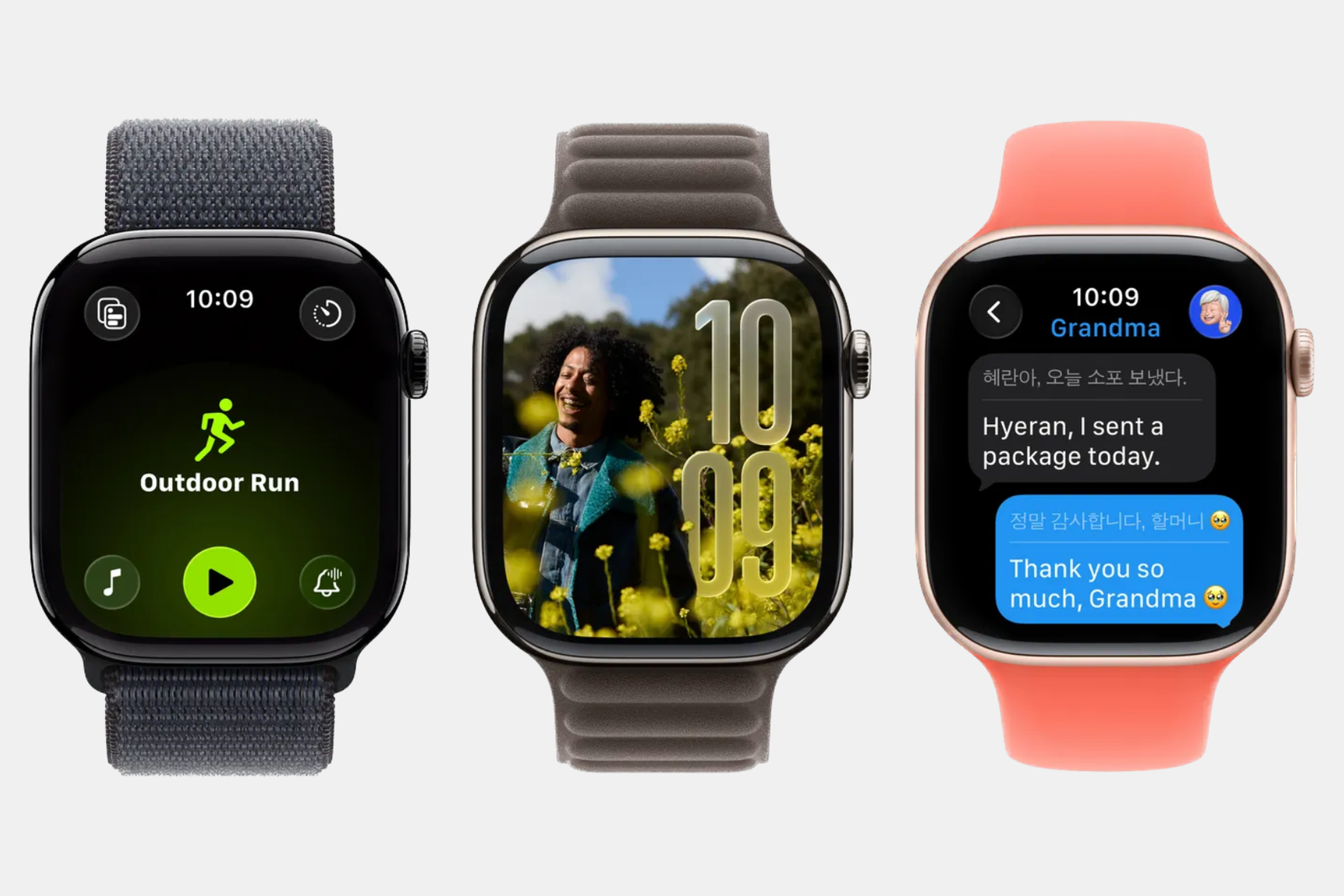
The Liquid Glass refresh of watchOS | Image: Apple

WatchOS

As the Apple Watch hits its 10-year milestone, watchOS 26 feels like a well-earned upgrade rather than a total overhaul. Apple is emphasising refinement this year, adding Apple Intelligence to make the Watch more helpful without increasing complexity. The new Liquid Glass design gives a softer, more expressive look to the interface, while features like live translation in Messages now work directly on your wrist, making quick interactions even more practical.

Navigation also becomes easier thanks to a new wrist-flick gesture, which allows you to dismiss notifications or navigate the interface without touching the screen. It’s a small change but one that fits perfectly with the Apple Watch’s quick-glance design. Smart Stack, already displaying relevant apps throughout the day, gets more context-aware—adjusting suggestions based on your location or environment and even fine-tuning notification volume depending on surrounding noise.

Fitness remains a major focus with the launch of Workout Buddy, an AI-powered voice assistant that communicates with you through your AirPods during workouts. It monitors your performance in real time, provides encouragement, summarises workouts, and can select music to keep you motivated. Overall, watchOS 26 strengthens the Apple Watch’s role as a daily companion—more intelligent, personalised, and intuitive than ever, with Apple continuing to improve what already works.
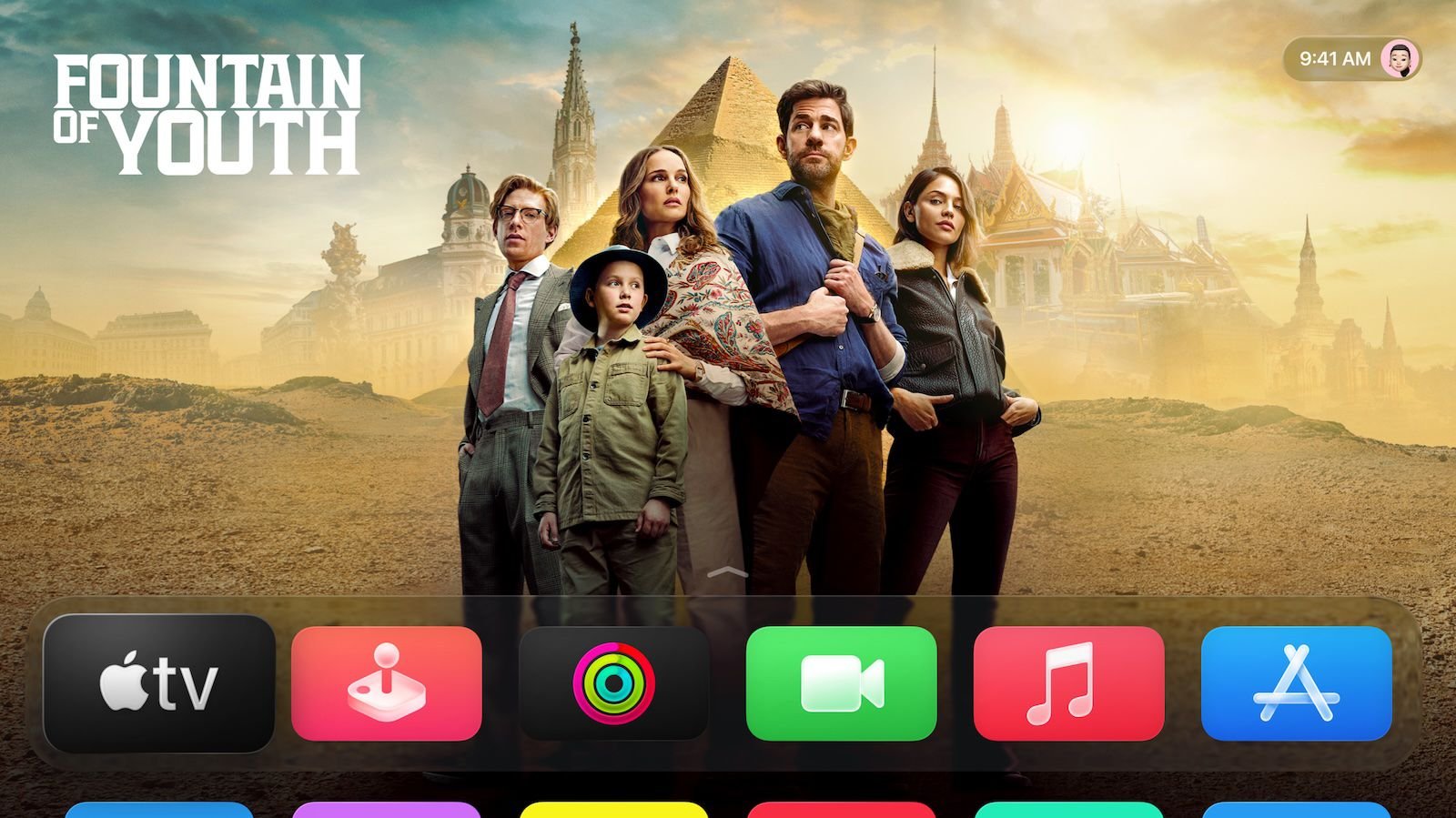
The new tvOS. Note the subtle 3D feel of the icons, including the white border that Liquid Glass puts on screen elements. | Image: Apple

tvOS

With tvOS 26, Apple provides the Apple TV with a subtle yet significant update by integrating its Liquid Glass design language into the living room. Menus now feature a translucent, glass-like finish that allows you to adjust settings or browse content without completely obscuring what’s on screen. The outcome is a cleaner, more cinematic experience where controls are present but never intrusive, making everyday navigation smoother and more polished.

Apple also used WWDC to highlight what’s coming to Apple TV+, emphasising that the platform’s ambitions extend beyond just the interface. Highlights include a major Formula 1 film, the highly anticipated Murderbot series, a dramatic movie starring Matthew McConaughey and America Ferrera based on the 2018 Paradise Fire, and a new project led by Jason Momoa. Along with the tvOS updates, Apple is clearly focusing on making Apple TV both a refined viewing experience and a serious home for original content.
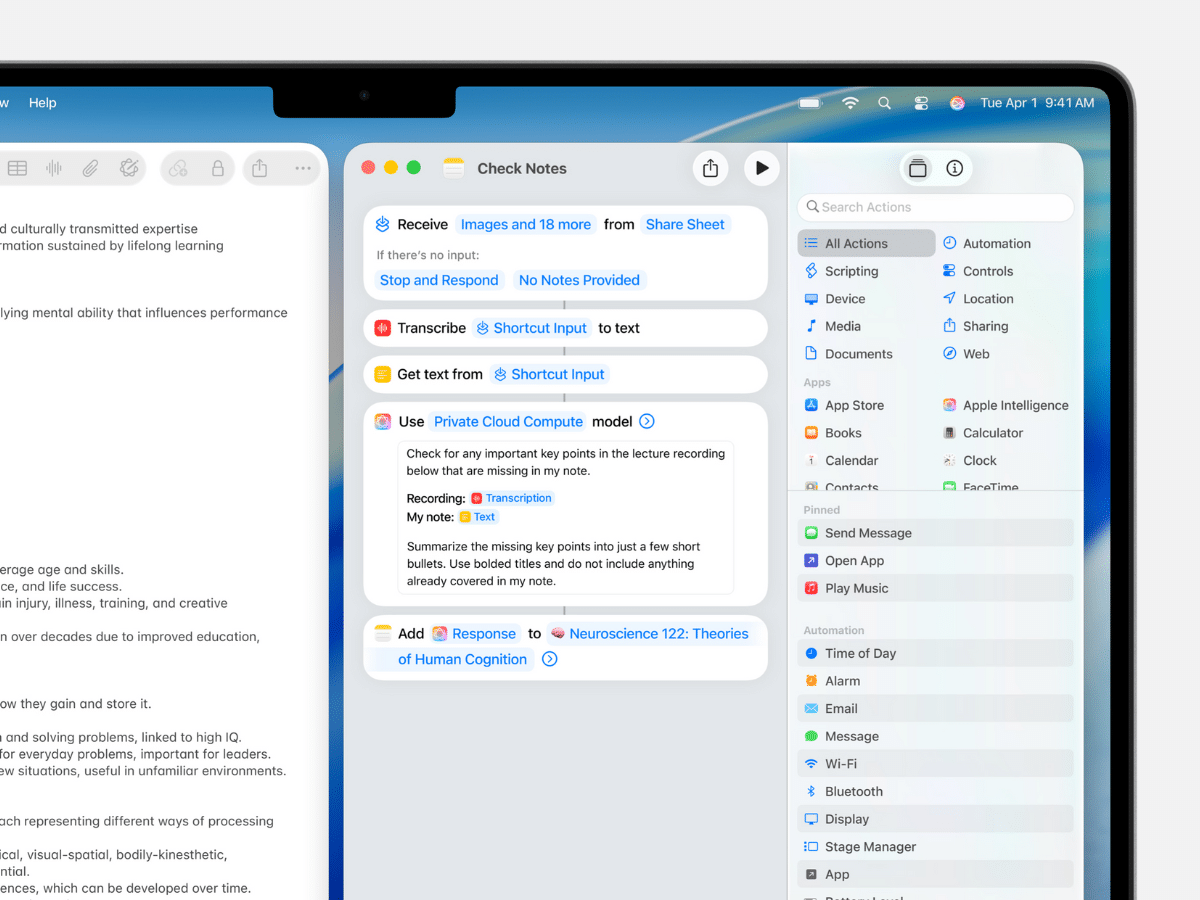
Apple Intelligence Gets An Upgrade | Image: Apple

Apple Intelligence

Apple Intelligence is the thread tying nearly every WWDC 2025 announcement together—and it’s very much Apple’s perspective on AI, not a competition to outpace others. After a shaky first impression last year, this feels like a reset rooted in realism rather than hype. Apple isn’t promising a sci-fi future; it’s emphasizing intelligence that quietly improves the devices you already use, in ways that actually make sense day to day.

One of the clearest examples is live translation, now integrated directly into Messages, Phone calls, and FaceTime. Text, voice, and video conversations can be translated in near real time, making communication across languages much more natural. Equally important is how it’s managed: most of the processing occurs on-device, with Apple’s own secure infrastructure stepping in only when additional power is needed. Privacy isn’t an afterthought here—it’s a core part of the design.

Visual Intelligence is another feature that feels immediately useful. On iPhone, anything on your screen becomes searchable. See a product you like? Tap it to learn more. Looking at an event poster? Pull the details straight into your calendar. Even pointing your camera at something in the real world can surface context, information, or shopping options. It’s not trying to replace how you use your phone—it simply removes a few unnecessary steps.

Apple Intelligence makes creating automations much easier and more powerful, even if you’re not a heavy-duty user. This provides a significant advantage, especially on the Mac with Productivity. You can turn highlighted content into summaries, generate images, transcribe audio into structured notes, or link together complex actions with much less effort. There’s still depth available for those who want it — but the entry barrier is lower than ever.

These features aren’t tied to new hardware, and they aren’t meant to showcase. They’re intended to save time, reduce friction, and become unobtrusive once they’re functioning. For the first time, Apple’s AI initiative feels less like a promise and more like a natural evolution of the ecosystem—one where Apple uses intelligence to improve the experience —and many were huge fans of this.


AppleiPhoneMacbook
About the Author
Previous Post
14 Best Noise-Cancelling Headphones & Earbuds You Can Buy Right Now
Next Post
14 Best Fragrances For Men This Summer

Related Articles

11 Buzz Cut Hairstyles Every Man Should Try: Barber-Approved

Reading Time: 22 minutes

Our team of editors and experts carefully selects each product. If you choose to purchase through one of our links, we may earn a commission. Learn more. Do you want to know how we test products? Click here for more details.

Choosing a new haircut these days feels like ordering at a fancy coffee shop — there are way too many options, and you’re not always sure what you’re getting. Fades, tapers, crew cuts, textured crops — it’s overwhelming. That’s why we’re here today: to help you make sense of the wild world of haircut styles for men. I’ve put together this handy guide to buzz cuts, fades, and crew cuts — all the clean, sharp styles that are easy to pull off and even easier to maintain.

I’ll be real with you — I’ve been down the road of bad haircuts, barber chair regrets, and even the occasional “what was I thinking?” moment. That’s exactly why I love the buzz cut. It’s simple, it’s bold, and it works no matter what kind of mood (or hairline) you’re dealing with. Whether you want to keep it tight and professional or rock a slightly rougher edge, this guide is filled with the best buzz cut styles that will have you looking fresh without the stress.

Why Trust Our Men’s Hairstyle Advice?

At Many Men Magazine, we understand that your hair is more than just hair. It’s a statement, a vibe, and sometimes even your best wingman. That’s why we take men’s grooming seriously. Our hairstyle advice isn’t just pulled from thin air; it’s crafted through real conversations with barbers, style experts, and, yes, a few painful trial-and-error experiences of our own. We stay on top of the latest trends, but we also embrace those timeless looks that never go out of style.

Our team isn’t here to throw random buzzwords at you and call it a day. We break down which styles actually work for different face shapes, hair types, and lifestyles — so you’re not stuck with a cut that looks good only on the guy in the ad. Plus, we include some real-world grooming tips that you can actually use, whether you’re DIY-ing at home or sliding into your barber’s chair like a pro.

At the end of the day, we believe every guy deserves to look and feel his best without getting lost in a sea of outdated advice or complicated tutorials. When you trust Many Men Magazine, you receive advice that is smart, stylish, and made for real life — because looking good should be simple, not stressful.

Buzz Cut Hairstyle Overview:

Buzz Cut Fade | Image: IMDb

1. Buzz Cut Fade

  • Style: Short buzzed hair on top with a gradual fade on the sides and back
  • Best Suited For: Oval, square, & diamond face shapes
  • Maintenance Level: Clean-ups every 2–3 weeks recommended

If you want to take your buzz cut, a buzz cut fade is the way to go. It’s a modern twist on the classic buzz cut, combining shorter hair on the sides and back with slightly more length on top. The fade can be high, mid, or low, depending on how bold you want the look to appear. A tight, clean fade adds dimension and sharpness, giving your buzz cut added attitude while maintaining its low-maintenance appeal.

What makes the buzz cut fade so popular is its versatility. You can choose a skin fade for a super crisp, fresh-out-the-barbershop vibe, or select a more subtle taper for a softer appearance. Either way, the fade keeps the look polished and sharp, making it a favorite for guys seeking an easy-to-style option with a bit of extra edge.

Plus, a fade can upgrade your overall style — it frames your face better, makes your jawline pop, and even gives a little illusion of thickness if you’re working with thinner hair.

Pro Tip: Ask your barber for a skin fade if you want a sharp, high-contrast finish that looks extra fresh and stylish.

Tampered Buzz Cut | Image: Pinterest

2. Tapered Buzz Cut

  • Style: Buzzed hair with a gradual taper around the neckline and sideburns
  • Best Suited For: Oval, round, and heart-shaped faces
  • Maintenance Level: Low maintenance with minor trims every 3–4 weeks.

The tapered buzz cut is perfect for guys seeking a touch of extra polish without drifting too far from the classic buzzed appearance. Unlike a full fade, the taper is more understated — the hair gradually shortens around the neckline and sideburns while the top remains evenly buzzed. It’s a small detail that creates a significant difference, providing a cleaner, more refined finish without appearing overly styled.

One of the best aspects of a tapered buzz cut is how effortlessly cool it appears. It’s sharp enough for the office but relaxed enough for the weekend. Additionally, the natural taper makes the grow-out process quite forgiving — no harsh lines or awkward phases. If you’re new to buzz cuts or simply want something low-commitment yet stylish, the tapered buzz cut is a great choice.

Pro Tip: Ask your barber to keep the taper soft and natural if you want a more laid-back, low-maintenance look that still feels sharp.

High and Tight Buzz Cut | Image: Joe Raedle

3. High and Tight Buzz Cut

  • Style: Very short sides and back with slightly longer hair on top
  • Best Suited For: Square, oval, and rectangular face shapes
  • Maintenance Level: Medium (Touch-ups Every 2–3 Weeks)

The high and tight buzz cut is a bold, military-inspired style that’s all about clean lines and a tough attitude. The sides and back are clipped ultra-short — almost down to the skin — while the top remains slightly longer. It’s a sharp, no-nonsense look that highlights your features, especially if you have a strong jawline or prominent cheekbones you want to showcase.

This cut is perfect if you want something low-maintenance yet still full of personality. It’s neat, powerful, and great for guys who appreciate haircuts that make a statement. Just be prepared to visit your barber a bit more often — keeping those sides tight and clean is what makes this style stand out.

Pro Tip: If you’re aiming for an edgier vibe, request your barber for a skin fade on the sides to achieve a crisp, high-contrast finish.

Buzz Cut Introduction| Image: Parade

4. Buzz Cut Introduction

  • Style: Hair clipped evenly short all around the head
  • Best Suited For: Oval, square, and diamond face shapes
  • Maintenance Level: Very low (a quick trim every 3–4 weeks)

The classic buzz cut is as straightforward as it gets, and that’s exactly why it remains a timeless favorite. This style keeps the hair the same length all over, providing a clean, uniform appearance that’s easy to maintain and even simpler to pull off. Whether you opt for a super short cut with a #1 guard or leave a bit more length with a #3 or #4, the buzz cut keeps things simple, stylish, and fuss-free.

The beauty of the buzz cut is that it suits almost everyone. It sharpens your features, feels light and breathable (especially in the summer), and is practically impossible to mess up. Furthermore, if you prefer to roll out of bed looking ready for anything, this is the cut for you. No products, no styling, just classic, effortless cool.

Pro Tip: Selecting the appropriate clipper guard size is crucial — a lower number results in a closer cut. If you’re uncertain, begin with a longer guard and you can gradually shorten it.

Discounted Buzz Cut | Image: Pinterest

5. Discounted Buzz Cut

  • Style: Sharp contrast between short sides and a longer top, no blending
  • Best Suited For: Oval, square, and heart-shaped faces
  • Maintenance Level: Medium to high (regular trims to keep the sharp contrast)

The Disconnected Buzz Cut is for guys who want to make a bold first impression. Unlike traditional buzz cuts that blend smoothly from top to sides, the disconnected version features a clear and striking contrast — short or faded sides with a noticeably longer top. You may also hear it referred to as an undercut in some circles, but the buzz cut version maintains a shorter and edgier look overall.

This style isn’t exactly corporate-friendly, but it’s definitely a head-turner on the streets. If you’re the kind of guy who likes standing out from the crowd and adding a touch of extra attitude to your look, the disconnected buzz cut can be a game-changer. Pair it with some sharp styling or even a bit of texture on top, and you’ve got a look that’s modern, fresh, and full of personality.

Pro Tip: To keep the contrast crisp, make sure you visit your barber every couple of weeks — the sharper the line, the stronger the statement.

Jarhead Buzz Cut | Image: IMDb

6. Jarhead Buzz Cut

  • Style: Very short, uniform buzz cut with slightly more length on top
  • Best Suited For: Square, oval, and rectangular face shapes
  • Maintenance Level: Low (easy upkeep with trims every 2–3 weeks)

The Jarhead Buzz Cut derives its name straight from the U.S. Marine Corps, where this tough, no-nonsense style became a signature look. Designed for practicality and discipline, the Jarhead cut keeps the hair clipped extremely short all around, with just a slight bit of extra length left on top. It’s the ultimate in low-maintenance grooming, perfect for guys who want a clean, sharp appearance without any extra hassle.

While rooted in military tradition, the Jarhead buzz cut has found its way into everyday style thanks to its bold, masculine vibe. It emphasizes strong facial features like the jawline and cheekbones, making it an excellent choice if you desire a look that is powerful yet polished. Additionally, because the hair is kept so short, it is perfect for anyone leading an active lifestyle — no need to worry about messy hair after a workout or a long day.

If you’re aiming for the authentic Marine look, consider going a step further by requesting a high skin fade on the sides. This gives the cut an additional crisp edge and helps the style remain fresh for longer. Whether you’re opting for a full military look or just desire something strong and easy to manage, the Jarhead buzz cut is a timeless choice that never goes out of fashion.

Pro Tip: If you want the true military effect, ask your barber for a high skin fade around the sides to lock in that classic Marine look.

Low Skin Fade Buzz Cut | Image: Mad Viking Beard Company

7. Low Skin Fade Buzz Cut

  • Style: Short buzzed top with a low skin fade starting above the ears
  • Best Suited For: Oval, square, and heart-shaped faces
  • Maintenance Level: Medium (Trims Every 2–3 Weeks)

The Low Skin Fade Buzz Cut has evolved significantly from its military origins. What was once primarily about utility is now considered one of the freshest looks on the streets and runways. In this style, the sides and back are shaved down to the skin, while the top remains a bit longer — typically clipped with a #2 or #3 guard. The “low” aspect indicates that the fade begins just above the ears, tapering slightly lower at the back of the head for a smooth, effortless transition.

What sets the low skin fade is its subtle and clean appearance. Rather than a harsh contrast, the transition from skin to hair is gradual, providing a sharp yet understated finish. It frames the face nicely and works especially well if you desire a modern take on a buzz cut without being too extreme. Whether you’re dressing for work or keeping it casual, this fade blends in seamlessly without missing a beat.

Maintaining a crisp fade makes a significant difference. A quick touch-up every few weeks ensures everything looks fresh and polished. If you desire a style that feels sharp yet remains low-key, the low skin fade buzz cut is an obvious choice.

Pro Tip: Always schedule your next appointment before you leave the barber chair — a clean fade grows out quickly, and staying on top of it ensures your style looks impressive.

Buzz Cut With Beard | Image: Men’s HairStyles

8. Buzz Cut With Beard

  • Style: Short buzzed hair paired with a full, trimmed beard
  • Best Suited For: Square, oval, round, and heart-shaped faces
  • Maintenance Level: Medium (Beard Trims & Buzz Touch-Ups Every 2–3 Weeks)

Pairing a buzz cut with a beard is easily one of the most popular styles for men today — and it’s a favorite among celebrities as well. From actors to athletes, you’ll spot this combo everywhere because it’s clean, bold, and effortless. The short, sharp buzz cut keeps things tidy on top, while the beard adds texture, balance, and a strong masculine edge. Whether you sport some sharp stubble or a full beard, this pairing works together to define your features and elevate your entire look.

The beauty of the buzz cut and beard combination lies in its versatility. You can maintain the beard neat and sculpted for a polished vibe, or allow it to grow out slightly for a rugged, laid-back feel. Either way, it’s a go-to choice for adding depth and character to a simple haircut. Additionally, if you have a slightly rounder face shape, a well-shaped beard can help sharpen your profile and create a more structured appearance.

Consistency is key here. Maintaining both your buzz cut and beard neatly lined up delivers the fresh, intentional look that celebrities achieve so well. A bit of beard oil and regular trims will ensure your beard enhances the sharpness of your haircut without overshadowing it.

Pro Tip: A crisp beard line that matches your hairline makes the buzz cut and beard combo look even sharper — always ask your barber to edge both during the same visit.

Jason Statham Zero Buzz Cut | Image: Men For Himself

9. Zero Buzz Cut – Triple Zero

  • Style: Hair buzzed down to the scalp with no guard (triple zero length)
  • Best Suited For: Oval, square, and diamond face shapes
  • Maintenance Level: High (Needs Touch-Ups Every 1–2 Weeks)

The Zero Buzz Cut — also known as the Triple Zero — is as close to a shave as you can get without completely shaving your head. Using clippers with no guard, this cut leaves just a hint of hair behind, creating a clean, bold, and powerful look. It’s perfect for guys who want a fresh start or are ready to fully embrace their natural hairline. And if you’re starting to thin out a bit, trust me, there’s no better move. It might sting a bit to watch your hairline change, but once you go triple zero, there’s no turning back — in a good way. Pair it with a full beard or even some rough 5 AM stubble, and you’ll be surprised at how strong and confident you’ll look in the end.

Maintenance is crucial for keeping this cut looking sharp, so plan to touch it up every week or two. Healthy scalp care is also essential—keep it moisturized, and don’t forget the sunscreen. Whether you’re going for a tough, masculine vibe or tired of battling nature, the Zero Buzz Cut is a straightforward, bold style that allows you to own your look with zero apologies.

Pro Tip: Moisturize your scalp and use sunscreen — healthy skin enhances your Zero or Triple Zero Buzz Cut’s sharpness.

Jeremy Renner Brush Cut | Image: GQ

10. Brush Cut

  • Style: Short, even cut where the hair stands upright like bristles on a brush
  • Best Suited For: Oval, square, and heart-shaped faces
  • Maintenance Level: Medium (trims every 3–4 weeks)

The Brush Cut is a classic style that falls somewhere between a buzz cut and a crew cut. The hair is clipped short and evenly all around, but it’s left just long enough on top to stand up slightly — reminiscent of the bristles on a brush, which is exactly where it gets its name. It’s a neat, tidy style that provides a bit more texture and shape than a basic buzz cut, without requiring much day-to-day styling.

This cut is perfect if you desire a clean, structured look that still feels slightly fuller. It works especially well for those with straight or slightly wavy hair, as the texture helps the hair naturally stand up. Low-maintenance yet polished, the Brush Cut is a strong choice for anyone wanting to keep it short without sacrificing volume. Regular trims maintain its sharp appearance, but even as it grows out, it retains its shape quite well.

Pro Tip: Apply a small dab of lightweight styling cream if you want to add a bit more definition to the top without making it appear stiff or heavy.

Zac Efron Crew Cut | Image: Men’s Health

11. Crew Cut

  • Style: Short sides with a slightly longer top, tapered for a clean, athletic look
  • Best Suited For: Oval, square, round, and heart-shaped faces
  • Maintenance Level: Medium (trims every 3–4 weeks)

The Crew Cut is one of the most timeless and versatile styles available. Originally popularized by Ivy League athletes in the 1920s and 30s, it presents a clean, sharp, and easy-to-wear look. The sides are cut short, typically faded or tapered, while the top is left slightly longer and brushed upward or to the side. This subtle difference from a buzz cut, with that extra bit of length on top, gives it a more styled and polished appearance.

This cut works well for just about everyone — whether you’re dressing up for a formal event or keeping things casual. Additionally, the slightly longer top provides enough room to experiment with texture or light products if you want to change things up. It’s low-maintenance, professional, and stylish without ever appearing overly done — essentially, the perfect haircut for the modern man.

Pro Tip: If you’re looking for a bit more edge, ask your barber for a skin fade on the sides while maintaining a little more length on top to add some extra attitude.

What Is A Buzz Cut?

A buzz cut is one of the simplest and most iconic men’s hairstyles — short, even, and cut close to the scalp using electric clippers. It gets its name from the buzzing sound the clippers make as they move across the head. Traditionally, the hair is trimmed to the same length all around; however, modern versions often incorporate fades, tapers, or line-ups for a more personalized look.

The buzz cut is strongly associated with the military, where it became a standard style for soldiers. The objective was practicality — keeping hair short reduced the risk of lice, improved helmet fit, and promoted uniformity and discipline. Over time, the buzz cut transitioned from the battlefield to everyday life, becoming a symbol of toughness, simplicity, and confidence.

Today, the buzz cut is more popular than ever. It’s low-maintenance, sharp, and suitable for nearly every hair type and face shape. Whether you’re seeking a fresh, clean start or simply want to keep your grooming routine effortless, the buzz cut provides a timeless style that can be as bold or as subtle as you desire.

What Is A Crew Cut?

The crew cut first appeared in the 1920s and 1930s among Ivy League college rowing teams — and that’s exactly how it got its name. Rowers needed a haircut that was short enough to stay out of their faces during races but still neat enough to look polished on campus. The solution was a tapered cut: slightly longer hair on top with clean, trimmed sides and back. It was practical, stylish, and quickly became the favorite look for athletes and students who wanted something both functional and fresh.

The style didn’t remain on college campuses for long. By World War II, the military had adopted the crew cut for its clean appearance and easy maintenance, giving soldiers a neat, professional look ready for action. Over time, the crew cut became a symbol of American masculinity — simple, strong, and timeless. Even today, almost a century later, the crew cut remains one of the most versatile and enduring hairstyles for men, proving that a good, classic look never truly goes out of style.

Buzz Cut vs Crew Cut: Two Classics, One Choice

At first glance, the buzz cut and crew cut may appear quite similar — they are both short, sharp, and low-maintenance styles. However, upon closer inspection, you will notice several key differences that distinguish them from each other.

A buzz cut is the ultimate “no-fuss” haircut. The hair is clipped to the same short length all over the head using clippers, typically with a guard between #1 and #4. It’s clean, simple, and exceptionally easy to maintain — no combs, no styling products, just pure effortless cool. Buzz cuts are especially great if you want a tough, minimalist look or if you’re dealing with a receding hairline or thinning hair.

On the other hand, a crew cut keeps the sides short (often faded or tapered) while leaving a bit more length on top. This extra length provides some room for styling — you can brush it forward, sweep it to the side, or add a touch of texture for a more polished look. Although it’s still low-maintenance, a crew cut offers added versatility, allowing for a clean appearance that can be dressed up or down depending on the occasion.

In short:

  • Go for a Buzz Cut if you want ultimate simplicity and rugged sharpness.
  • Choose a Crew Cut if you want a short hairstyle that offers more flexibility and refinement.

Pro Tip: If you’re unsure which fits you best, start with a crew cut. You can always buzz it shorter later if you decide to go all-in on the low-maintenance life.

John Travolta Triple Zero | Image: IMDb

How To Maintain A Buzz Cut?

One of the best things about a buzz cut is how low-maintenance it is — but low-maintenance doesn’t mean you can ignore it completely. To keep it looking fresh, you’ll want to trim it every 1 to 3 weeks, depending on how fast your hair grows and how sharp you like the cut. You can either invest in a good pair of clippers to handle it yourself or make quick trips to your barber. Keeping your scalp healthy is just as important: use a light moisturizer daily to prevent dryness, and always apply sunscreen if you’re going to be outside for extended periods. A dry or sunburned scalp can quickly ruin an otherwise sharp look. With a simple routine, your buzz cut will stay clean, smooth, and effortlessly cool.

General FAQ’s

How Often Should I Get a Buzz Cut?

Most guys touch up their buzz cut every 1 to 3 weeks. Clean it up weekly for a sharp, fresh look, especially with a skin fade. You can wait 2 to 3 weeks if you prefer a softer look. The key is to maintain intentional edges and length. Whether you trim at home or visit your barber, regular trims keep your buzz cut clean instead of messy.

Can I Buzz My Hair at Home?

Absolutely! Buzzing your hair at home is easy with a good set of clippers and a little practice. If you’re unsure, just start with a longer guard—you can always go shorter.

Will a Buzz Cut Suit My Face Shape?

Buzz cuts work on most face shapes but looks especially good on oval, square, and diamond faces. Pairing your buzz cut with a beard can add more structure if you have a rounder face.

Does a Buzz Cut Help With Thinning Hair?

Yes, a buzz cut is ideal for thinning or receding hair as it creates uniformity and disguises sparse areas. Keeping hair short makes thinning spots blend in, making them less noticeable. Additionally, it directs attention to your facial features — eyes, jawline, and cheekbones — instead of your hairline. It’s a confident choice, signaling you’re not hiding anything. Adding facial hair like stubble or a beard further enhances structure and balance to your look.

Do I Need to Use Any Products With a Buzz Cut?

You don’t need much, but moisturizing your scalp daily is important to prevent dryness. And don’t forget sunscreen — your scalp is more exposed than you might think.

About the Author

Related Articles

arrow_drop_up