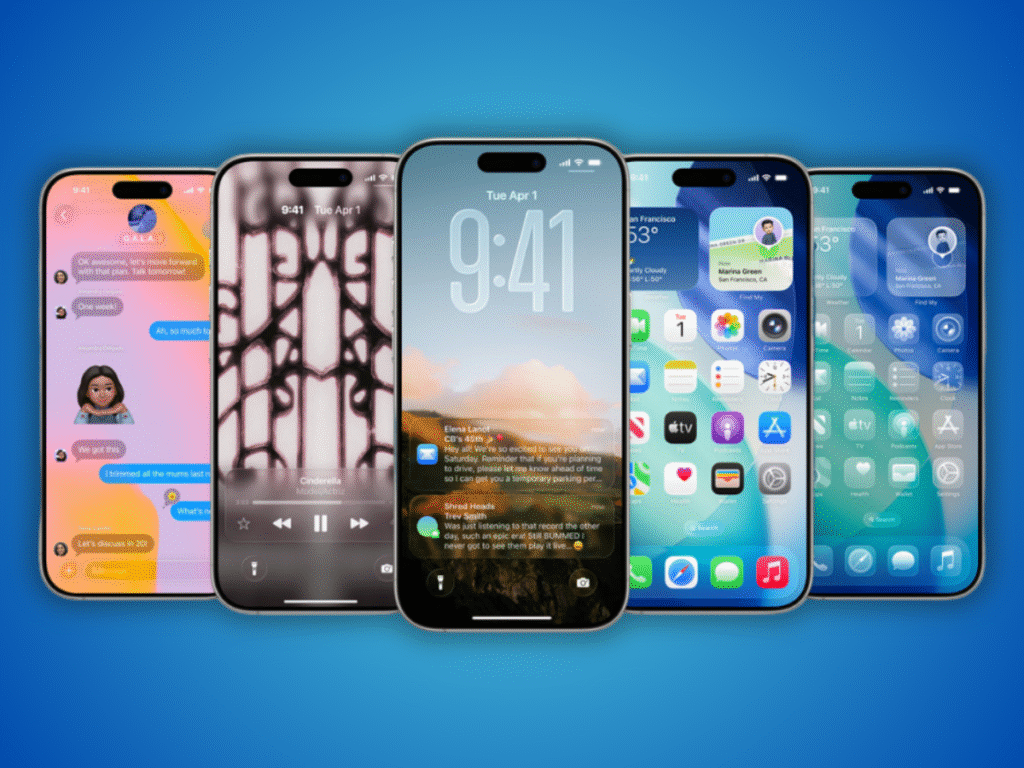































The new Apple season is here again, and you can feel the hype starting to grow. After months of rumours, leaked renders, and plenty of “Apple Insiders Chats”, iPhone 17 is finally arriving — and it looks like Apple is gearing up for one of its biggest updates in years. The question everyone’s asking is “What is Apple changing this time?”
To start, the new Apple iPhone 17 (from USD $799), iPhone 17 Pro (from USD $1099), and iPhone 17 Pro Max (from $1199) lineup launched without any increase in the base price, which is unusual for Apple. However, the iPhone 17 now includes several features previously exclusive to Pro models, such as a 6.3-inch Super Retina XDR display with ProMotion and an upgraded 48MP Fusion Ultra Wide camera. And I can’t help but wonder—will that tempt many people to upgrade?
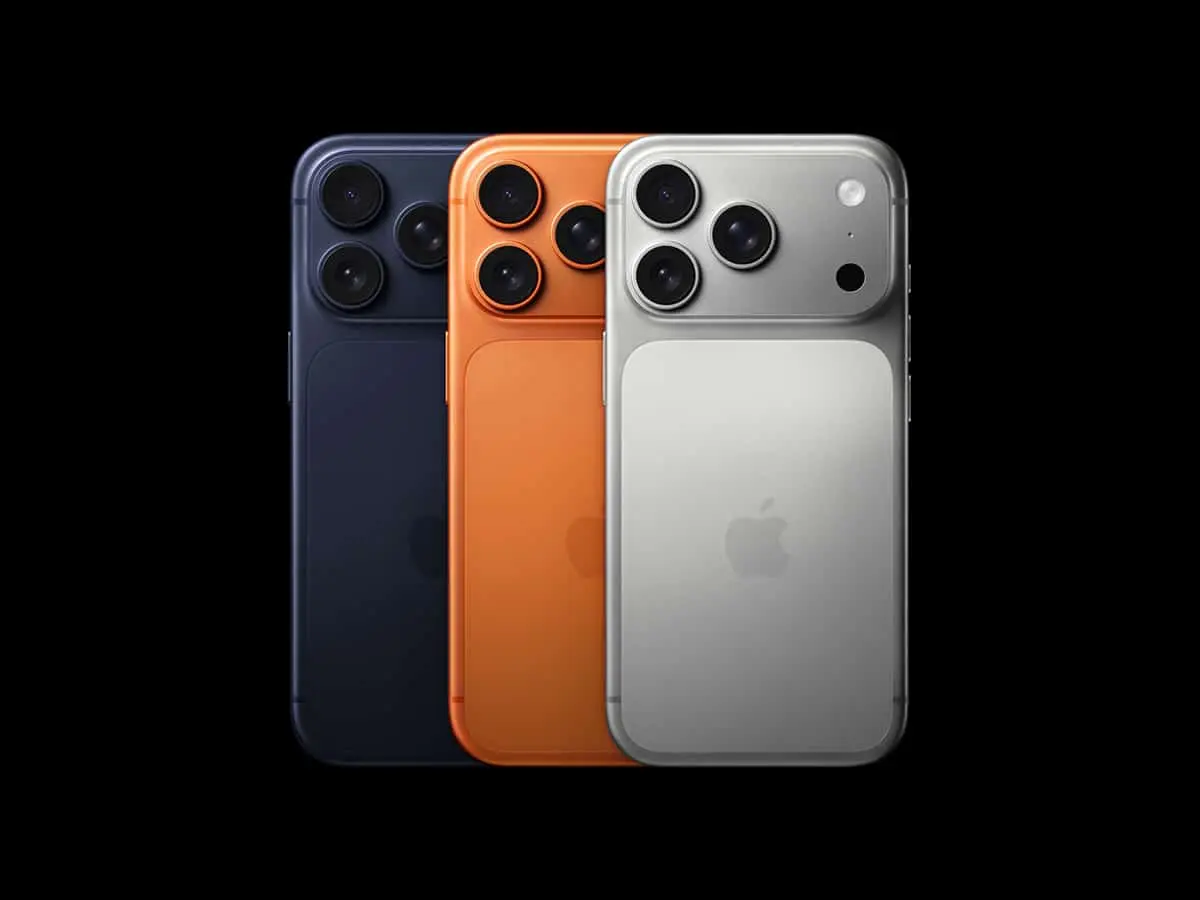
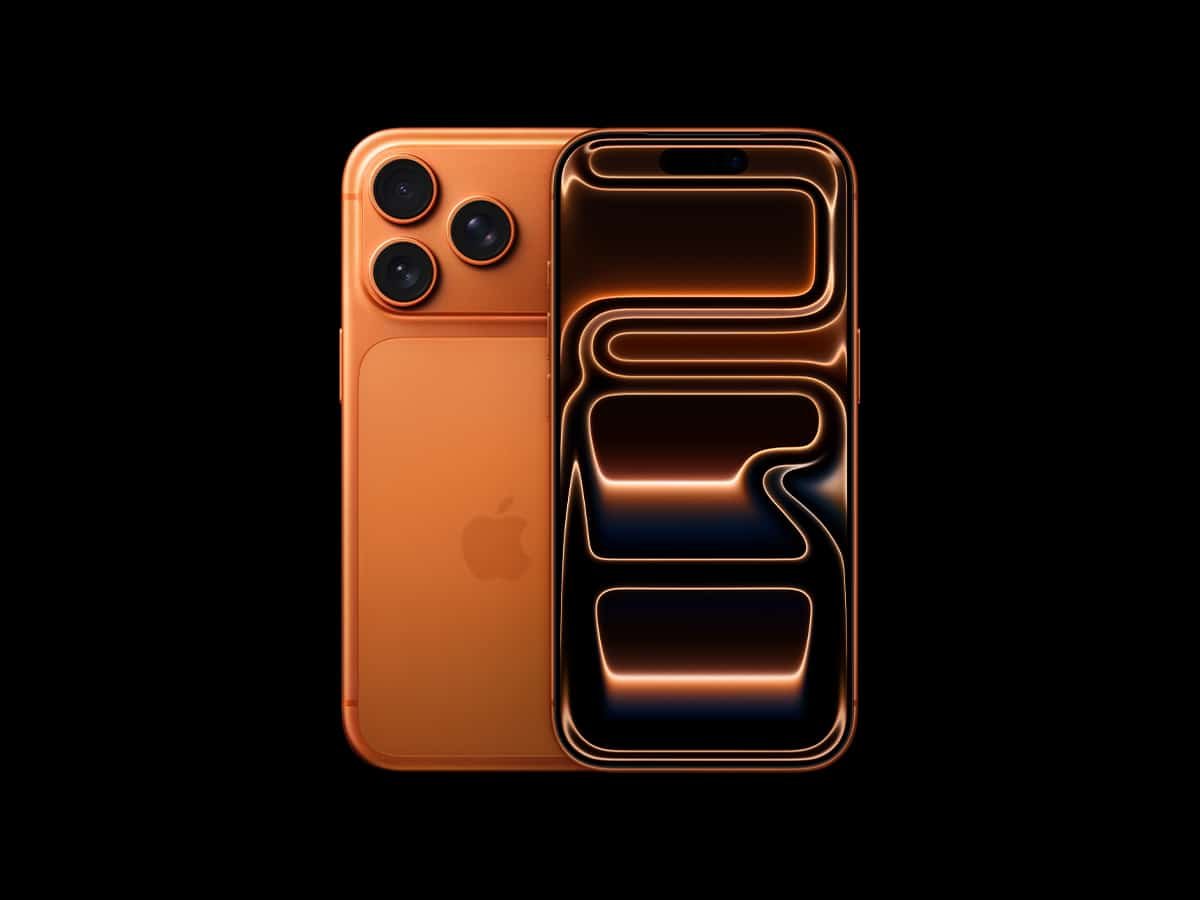
The Pro and Pro Max models feature a larger redesign. Apple has adopted a new brushed aluminium unibody, crafted from lightweight aerospace-grade 7000-series alloy to help manage heat — a subtle acknowledgment of the thermal issues reported with the iPhone 15 and 16 Pro series. Inside, the devices are powered by the A19 Pro chip, the most advanced processor Apple has ever installed in a phone, along with improved battery life. There’s also a striking new finish, with Cosmic Orange taking centre stage this year.
Pre-orders for the new iPhone will start at 8:00 a.m. ET (5:00 a.m. PT) on Friday, September 12th, 2025, and the entire lineup is now officially available in stores and online from Friday, September 19th, 2025.
Highlights:
- iPhone 17 From USD $799; iPhone 17 Pro From USD $1099
- Base model now gets a 6.3-inch ProMotion display and a 48MP Ultra Wide camera.
- Pro models switch to a new aluminum unibody with better thermal control.
- A19 Pro chip and a larger battery boost performance on the Pro lineup.
- Camera upgrades across all models, with the Pro offering 8× optical telephoto.
- Pre-orders kicked off on September 12 at 8 a.m. ET, with all models officially arriving in-store and online on September 19, 2025.
Pre-orders begin at 8:00 a.m. ET on Friday, September 12, 2025. This includes their full lineup — such as the iPhone 17, iPhone 17 Pro, iPhone 17 Pro Max, and the iPhone Air.
They will be available in-store and online starting Friday, September 19th, 2025. However, suppose you want to get your hands on one. In that case, we recommend pre-ordering your device as availability may be very limited in the first few weeks after the release, especially since Apple is dropping new popping colours this year.
Here are all the colours for this year’s iPhone lineup:
iPhone 17 Colours:
- Black
- Lavender
- Mist Blue
- Sage
- White
iPhone 17 Pro and iPhone 17 Pro Max Colours:
- Deep Blue
- Cosmic Orange
- Silver
iPhone Air Colours:
- Sky Blue
- Light Gold
- White Cloud
- Space Black
Note: We weren’t big fans of last year’s iPhone lineup, and this year’s lineup seems like Apple decided to shake things up even more. The standard models have dropped Pink, Teal, Yellow, and Ultramarine, while the Pro series now features bolder, more playful tones — but surprisingly, there’s no black option this time around. If you prefer that classic dark look, the iPhone Air in black is your best choice, but if you want to stay in the Pro range, we’d suggest the navy finish for a sleek, understated look — and of course, you can always personalise it with a case to make it your own.

This year’s iPhone lineup stays familiar where it counts — the entry point remains unchanged, which is good news for anyone looking for an upgrade without a big price jump. Apple has included numerous performance enhancements, better cameras, and more base storage, yet the iPhone 17 (256GB) still starts at USD $799. For those who want to max things out, the iPhone 17 Pro Max can be upgraded to 2TB for a staggering USD $1,999 — a setup clearly geared toward content creators and power users who live on their phones.
If you ask us which one is the sweet spot, we would say the iPhone 17 512GB (USD $999), or if you are like me and take many photos and videos, then go for the iPhone 17 Pro 512GB (USD $1299).
Here’s a complete list of pricing for the new iPhone 17, iPhone 17 Pro, and iPhone 17 Pro Max models:
iPhone 17 Prices:
- Apple iPhone 17 256GB – USD $799
- Apple iPhone 17 512GB – USD $999
iPhone 17 Pro & Pro Max Prices:
- Apple iPhone 17 Pro 256GB – USD $1,099
- Apple iPhone 17 Pro 512GB – USD $1,299
- Apple iPhone 17 Pro 1TB – USD $1,499
- Apple iPhone 17 Pro Max 256GB – USD $1,199
- Apple iPhone 17 Pro Max 512GB – USD $1,399
- Apple iPhone 17 Pro Max 1TB – USD $1,599
- Apple iPhone 17 Pro Max 2TB – USD $1,999
iPhone Air Prices:
- Apple iPhone Air 256GB – USD $999
- Apple iPhone Air 512GB – USD $1,199
- Apple iPhone Air 1TB – USD $1,399
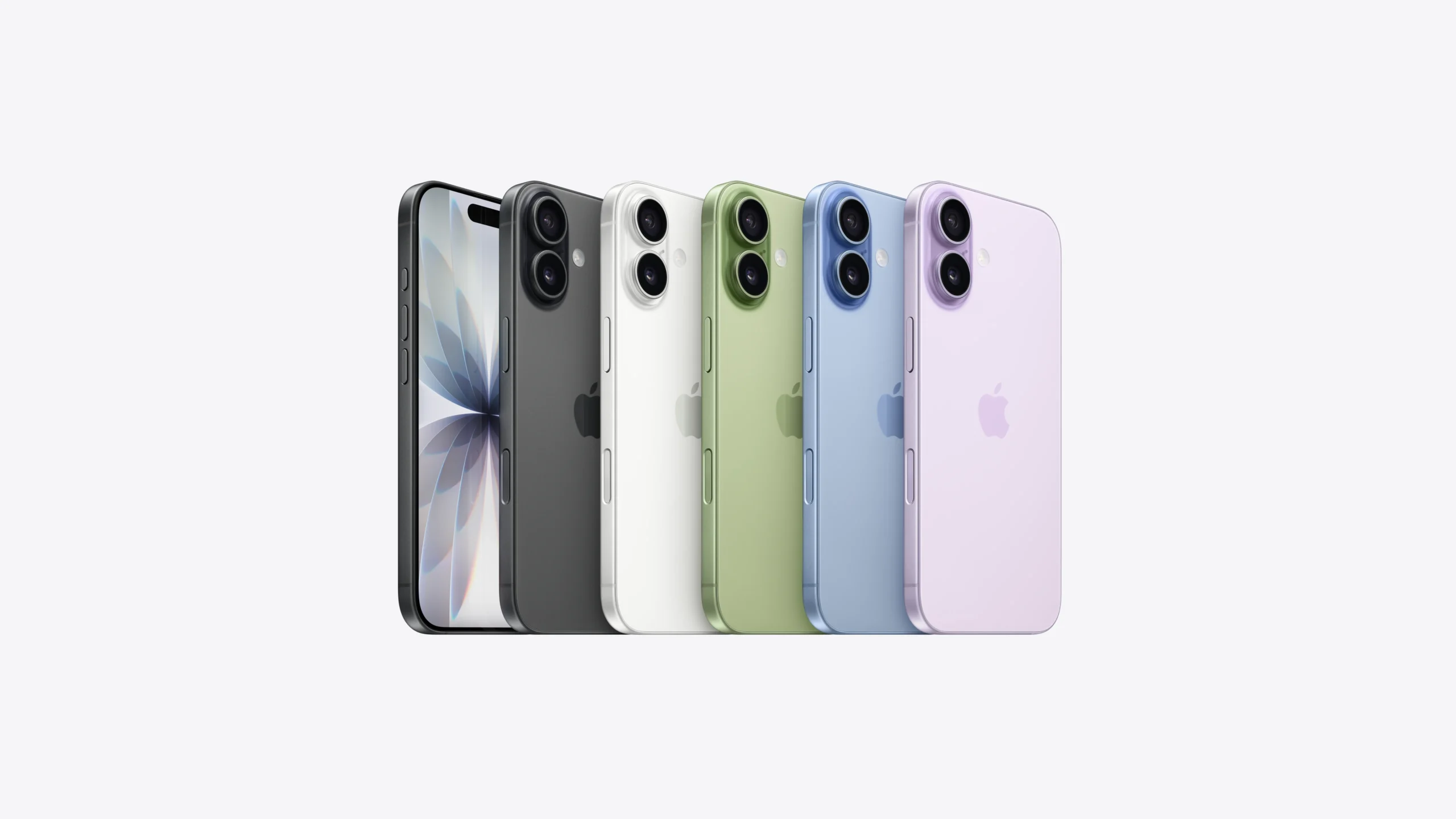
Let’s start with the iPhone 17 and the new updates it introduces this year. Apple appears to have struck a balance between performance and simplicity, giving the base model a significant upgrade without overcomplicating things. The design feels cleaner, the build lighter, and the overall experience smoother from the moment you see it — you’ll understand why the standard iPhone still remains popular, practical, polished, and now more refined than ever.
When it comes to design and display, the iPhone 17 marks a point where Apple begins blending its standard and Pro models. The base model now includes the same 6.3-inch Super Retina XDR display that was previously exclusive to the Pro, and the highly anticipated ProMotion technology has finally been introduced — providing adaptive refresh rates from 1Hz to 120Hz. This results in smoother scrolling, sharper animations, and an Always-On display that intelligently drops to 1Hz when idle to conserve battery life.
Apple has also given the iPhone 17 with a more durable front featuring second-generation Ceramic Shield, which reduces glare and improving scratch resistance by up to three times compared to older models. The display is brighter than ever, reaching a peak brightness of 3,000 nits, making outdoor visibility effortless even in direct sunlight. The upgraded alloy frame — now used across both the standard and Pro lines — provides the phone with a sturdier, more cohesive feel in the hand.
And for those who enjoy a bit of creative control, Apple has included Camera Control in the standard model for the first time, allowing you to adjust key shooting options directly while framing your shot. It’s clear that Apple aimed for the iPhone 17 to feel far from “entry-level” — and honestly, it lives up to that promise.
Apple made a major leap in iPhone 17 performance thanks to its all-new A19 chip, built on the latest 3-nanometre architecture. Beneath the device’s surface lies an upgraded display engine, an improved image signal processor, and a neural engine that handles everything from AI photo edits to real-time translations. The CPU is now 1.5x faster, and the GPU, which delivers 2x the performance of the A15 chip found in the older iPhone 13 model, serves as clear proof that Apple isn’t slowing down when it comes to raw power.
Apple has successfully extended battery life even further, now offering up to 30 hours of video playback, about eight hours more than the previous model. With Adaptive Power Mode in iOS 26, the phone learns your habits and adjusts background processes to conserve energy before you even think about charging. And when you do need a top-up, a high-wattage USB-C adapter can bring it to 50% in just 20 minutes.
Add to that a Neural Accelerator integrated into each GPU core — the same tech found in the A19 Pro — and the iPhone 17 is now fully capable of handling on-device generative AI, making it not just faster but smarter in how it manages your daily tasks.
The iPhone 17’s camera upgrades start right where you’ll notice them most — the front. The all-new Center Stage front camera introduces Apple’s first square sensor, significantly improving the clarity of your selfies and video calls. It can capture up to 18MP photos and record ultra-stabilised 4K HDR video, all while keeping you perfectly centred in the frame. One of the coolest features is Dual Capture, which allows you to record from both the front and rear cameras simultaneously — perfect for vloggers or anyone who loves sharing their reaction and what they’re seeing in a single shot.
Turning to the back, the iPhone 17 features a 48MP “Fusion” dual-camera array that combines professional-level sharpness with user-friendly versatility.
- 48MP Main: 2x “optical-quality” zoom
- 48MP Ultra-Wide
While it doesn’t quite match the 4× (100mm) or 8× (200mm) optical zoom capabilities of the Pro line-up, this dual setup offers the standard model a notable upgrade, especially for everyday users and casual creators. On the video front, Apple has gone all out — you’ll get 4K60 Dolby Vision, Cinematic Mode, Action Mode, Spatial Audio recording, and even spatial video support for Apple Vision Pro. Add useful extras like Audio Mix for clearer voice balance and wind noise reduction, and the iPhone 17’s camera system feels less like an entry-level feature and more like a genuine creative tool in your pocket.
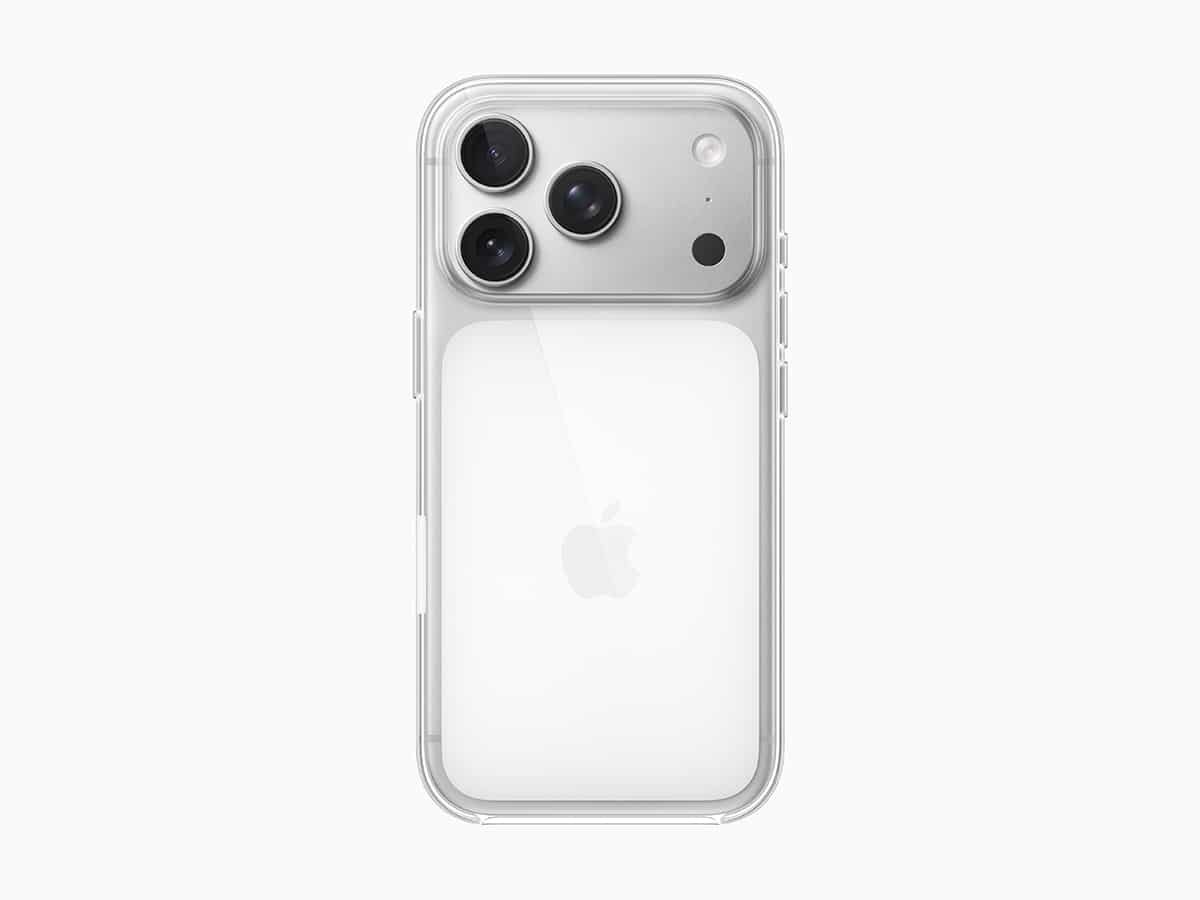
Now for the moment everyone’s been waiting for — the iPhone 17 Pro and Pro Max. This year, Apple didn’t hold back. From design tweaks to major upgrades, the Pro lineup feels like a true step forward rather than a small yearly refresh. There’s a lot happening, so let’s get into the details and see exactly what’s new as we dive in.
Right off the bat, Apple’s iPhone 17 Pro models have made a surprising change this year by removing Titanium and replacing it with a brushed aluminium unibody made from lightweight aerospace-grade 7000-series alloy.
You’ll also notice the “forged plateau” at the back of the device. It’s not the most attractive design choice Apple has made, but it does serve its purpose. It’s not the prettiest design choice Apple has made, but it does serve a purpose. The raised section houses a bigger battery and a reengineered antenna system, which Apple claims is the most capable iPhone antenna setup yet. Hidden inside the frame is a newly designed vapour chamber, laser-welded into the chassis to pull heat away from the A19 Pro chip — a smart move considering how powerful this year’s silicon is.
Battery performance has also improved due to the larger cell inside, though Apple conveniently avoids providing an exact figure. What we do know is that the new fast-charging system still charges up to 50% in around 20 minutes through the upgraded high-wattage USB-C port.
The displays on the iPhone 17 Pro and Pro Max haven’t changed in size — you still get a 6.3-inch panel on the Pro and a 6.9-inch screen on the Pro Max — but the technology behind them has seen a notable upgrade. Apple has introduced an enhanced Super Retina XDR display protected by the new Ceramic Shield 2, which now covers both the front and back of the device for the first time. The new coating offers greatly improved scratch resistance, better anti-reflective properties, and four times the crack protection compared to last year’s glass.
Brightness has also significantly improved. The iPhone 17 Pro lineup reaches a blazing 3,000 nits of peak outdoor brightness, making it the brightest iPhone display yet and even surpassing Samsung’s Galaxy S25 Ultra. Colours remain vivid in direct sunlight, and outdoor contrast has doubled, making everything from photos to text much easier to see when you’re on the move. Of course, ProMotion remains here, providing buttery-smooth 120Hz visuals when needed and scaling down for efficiency when not. Always-On Display also returns, now looking cleaner and more polished thanks to improvements in the new panel.
Power was definitely the headline story for the iPhone 17 Pro and Pro Max thanks to Apple’s new A19 Pro Chip, which pairs with the redesigned vapour changer cooling system that offers a noticeable jump in performance — up to 40% better than last year’s models.
This generation feels designed for people who push their phones, whether that’s shooting long-form 4K videos, working on the go, or diving into console-level mobile games. The phone simply keeps running without heating up like older models sometimes did. And with the new N1 wireless chip, you get Wi-Fi 7, Bluetooth 6, Thread, and a more stable experience when using features like Personal Hotspot and AirDrop.
On the performance side, the A19 Pro features a 6-core CPU, a 6-core GPU with Neural Accelerators in each GPU core, expanded cache, increased memory capacity, and a new 16-core Neural Engine designed for fast, on-device intelligence. This results in smoother ray tracing, improved frame rates, quicker app launches, and a noticeable boost in everyday responsiveness. Whether you’re gaming, multitasking, or exploring the new Apple Intelligence features, the 17 Pro lineup feels built to stay ahead of anything you throw at it.
Just like the iPhone 17, the Pro models received upgrades, including a redesigned 18MP Center Stage front camera built around the first square front-camera sensor ever used on an iPhone. This delivers sharper selfies, a wider field of view, and Ultra-stabilized 4K HDR video—finally making the front camera feel worthy of all the attention it gets.
What I am most excited for is the Dual Capture feature, which allows you to record with both the front and rear cameras simultaneously. It’s perfect for reaction videos, travel vlogs, or anything where you want to show both sides of the story. The new orientation-agnostic capture also lets you record vertical videos that still save as portrait or landscape, depending on how you use them later.
The new iPhone 17 Pro models include three cameras as part of the 48 MP “Fusion” rear camera array.
- 48MP Main: 4× optical zoom at 100mm
- 48MP Ultra-Wide
- 48MP Telephoto (all-new): 8× optical zoom at 200mm — the most extended optical-quality zoom Apple has ever included in an iPhone.
Another upgrade is the new telephoto lens, built with next-gen tetraprism tech and a 56% larger sensor, meaning brighter detail, better low-light shots, and far cleaner zoomed-in images. And because Apple blends optical and digital zoom intelligently, you effectively get eight focal lengths out of the three-camera setup.
Apple didn’t ignore image processing either. The latest Photonic Engine provides photos with more natural textures, less noise, richer colours, and significantly improved low-light performance. New Photographic Styles, including a “Bright” mode arriving in iOS 26, offer even greater creative flexibility—enhancing skin tones and vibrance without overprocessing the shot.
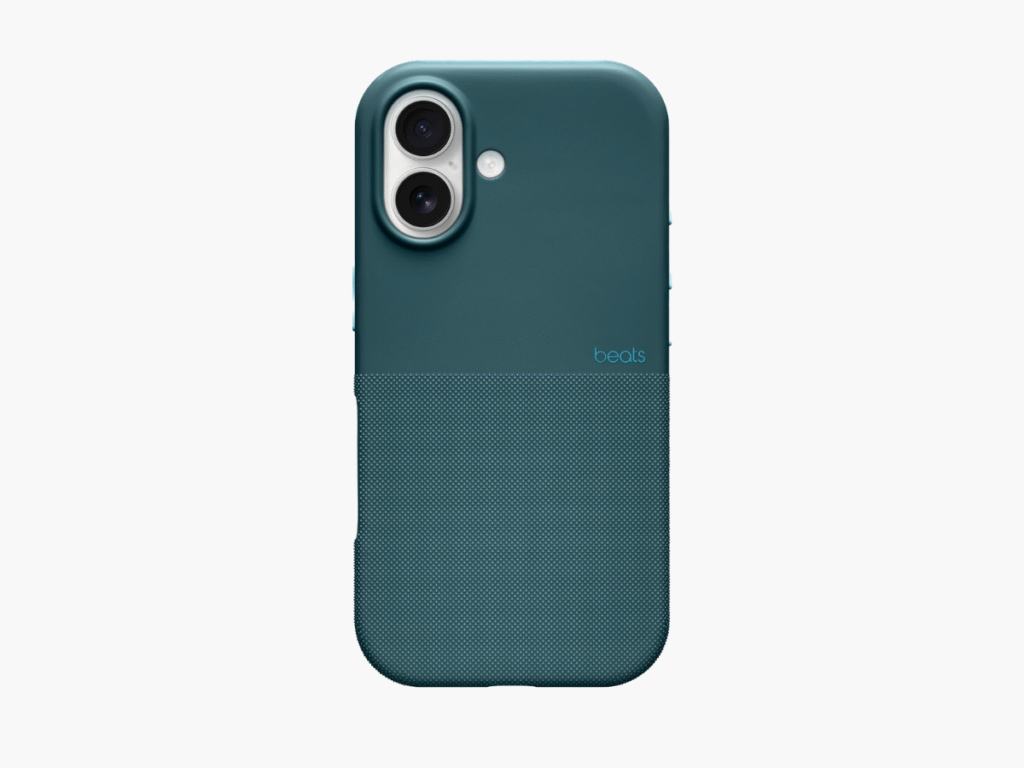
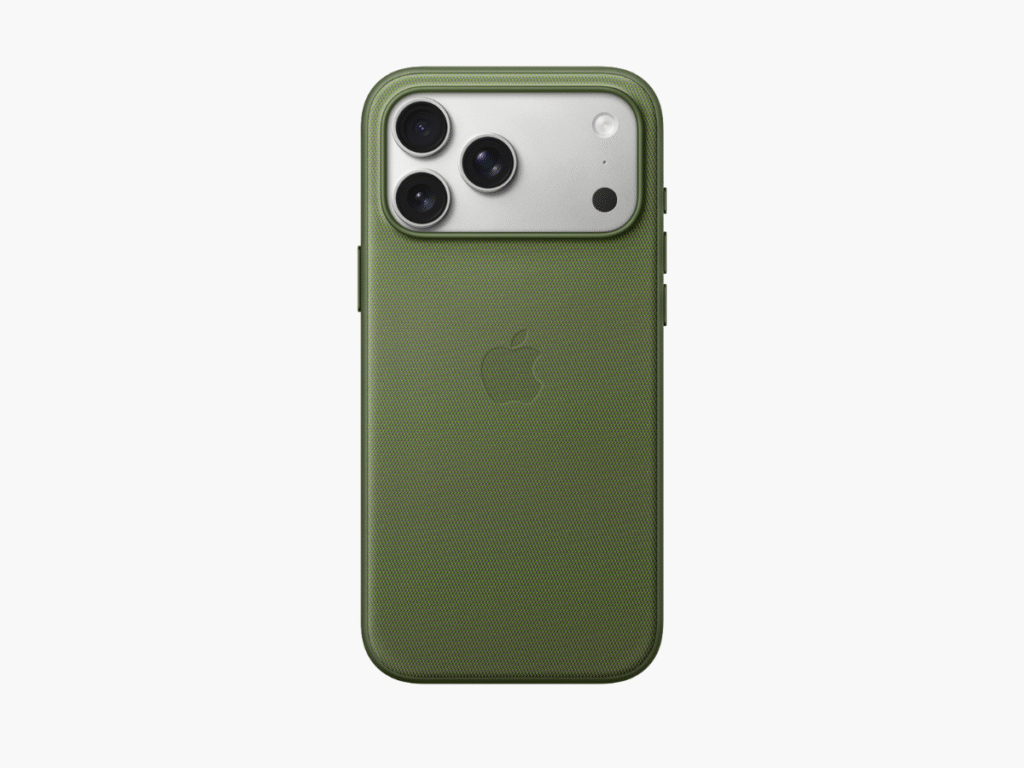
If you’re already eyeing the iPhone 17 lineup, the short answer is this: it depends on what you’re coming from and what matters most to you.
Apple has genuinely pushed things forward this year — smoother displays across the board, big leaps in camera hardware, noticeably stronger performance, and the Pro models finally feeling truly “Pro” again with their redesigned bodies and impressive zoom capabilities. Even the iPhone 17 base model feels like it graduated a year early, adopting features that used to be exclusive to the high-end models.
That being said, the upgrade makes the most sense for anyone using an older device (think iPhone 13 or earlier) or for those who want access to Apple’s new camera tricks, Apple Intelligence improvements, and longer-lasting batteries. If you’re already on a 16 Pro or 16 Pro Max, you’ll see meaningful improvements—especially with the new telephoto lens, thermal management, and faster A19 Pro chip—but it’s not an absolutely essential jump unless you’re a creator or heavy power user.
For everyone else, the iPhone 17 lineup offers something Apple hasn’t provided in a while: options. A smoother, more polished standard model; a daring new Air for those seeking something fresh; and Pro models that finally justify their name. No matter where you stand, this year’s lineup feels confident, unified, and crafted with genuine intention — so if you’ve been waiting for the ‘perfect’ year to upgrade, this could very well be it.
This is a reminder that the Apple products are available online and in-store starting today, Friday, September 19th, 2025.
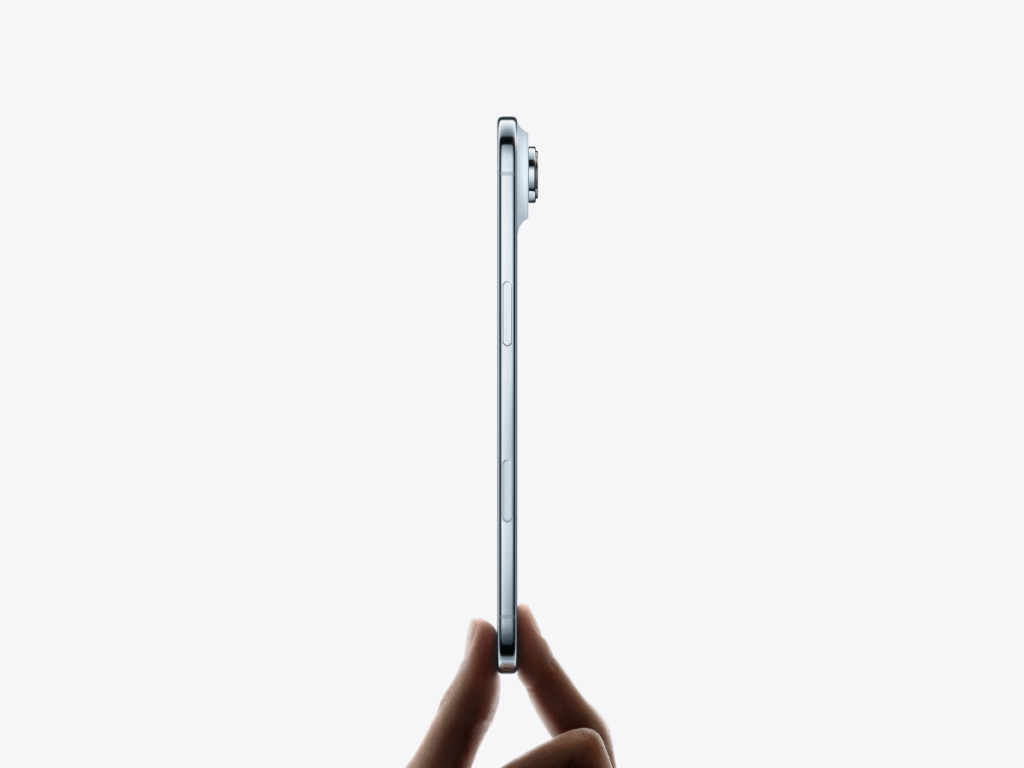
CHECK OUT: How Apple Created The Thinnest ‘iPhone Air’ In Its Lineup