Our team of editors and experts thoughtfully chooses each product. If you decide to buy through one of our links, we may earn a commission. Learn more. Want to know how we test products? Click here for more details.
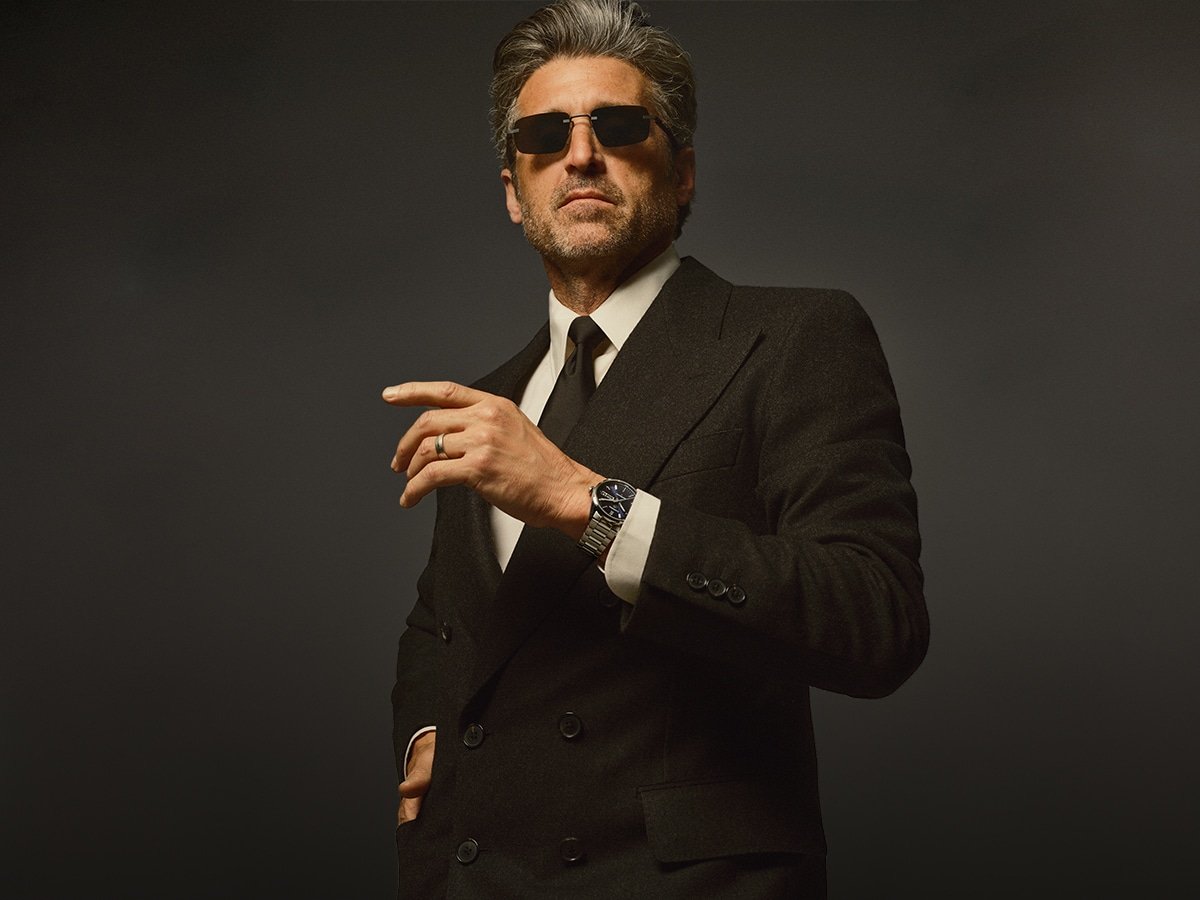
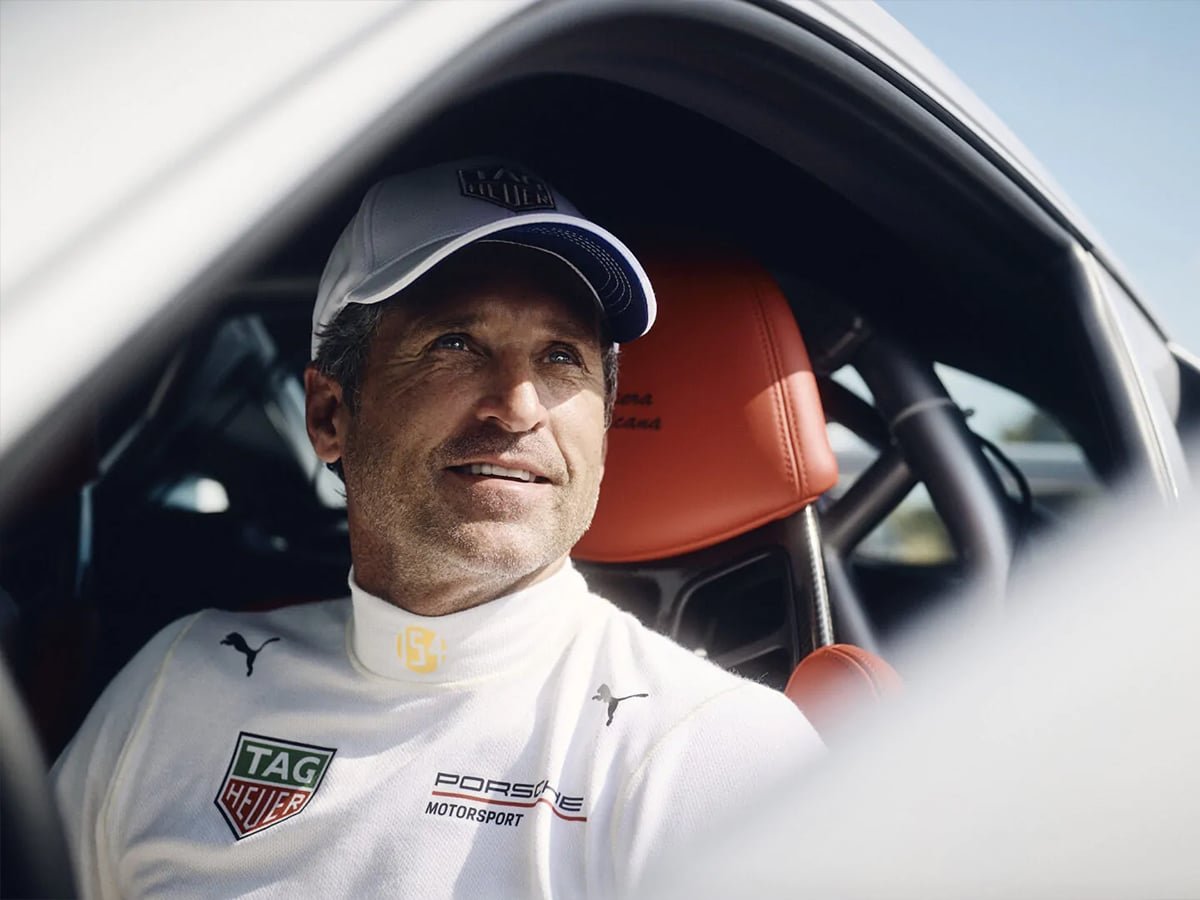
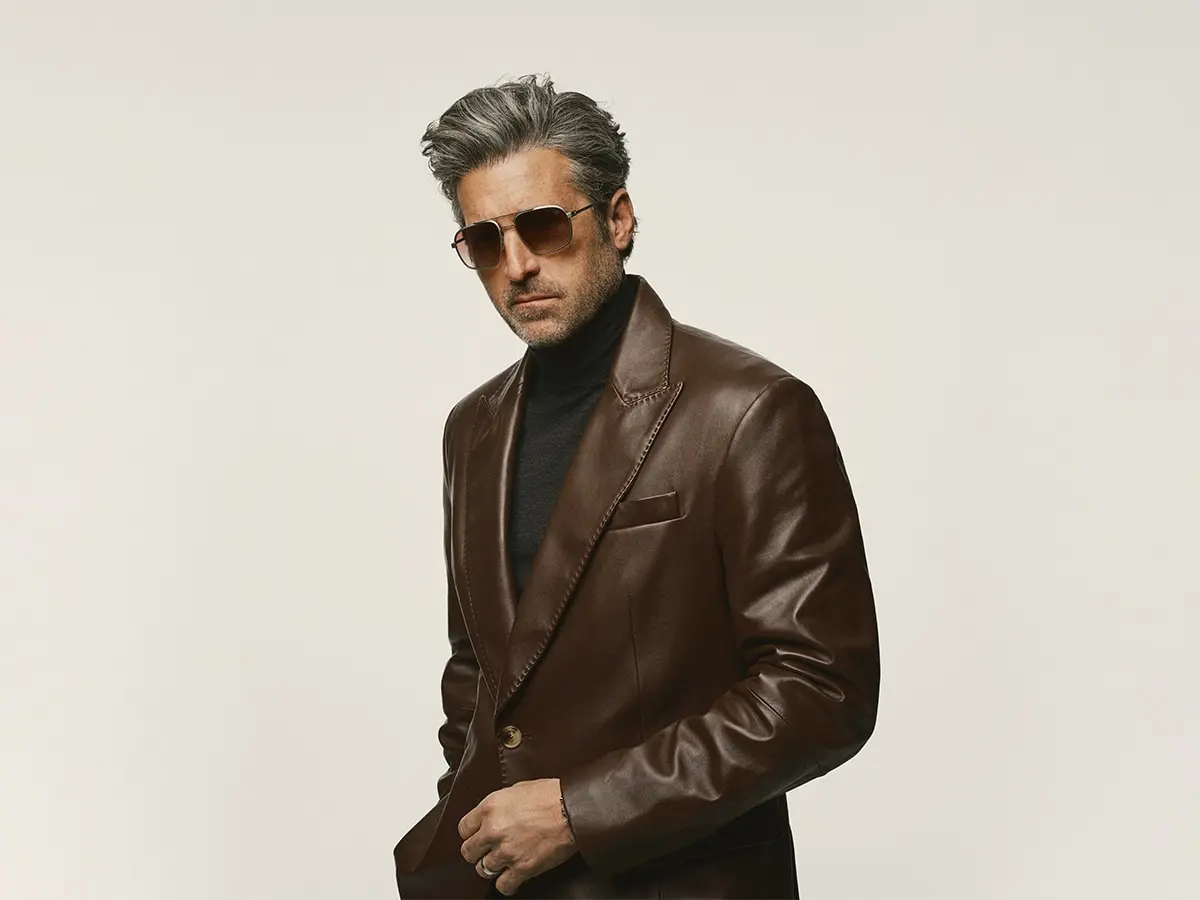
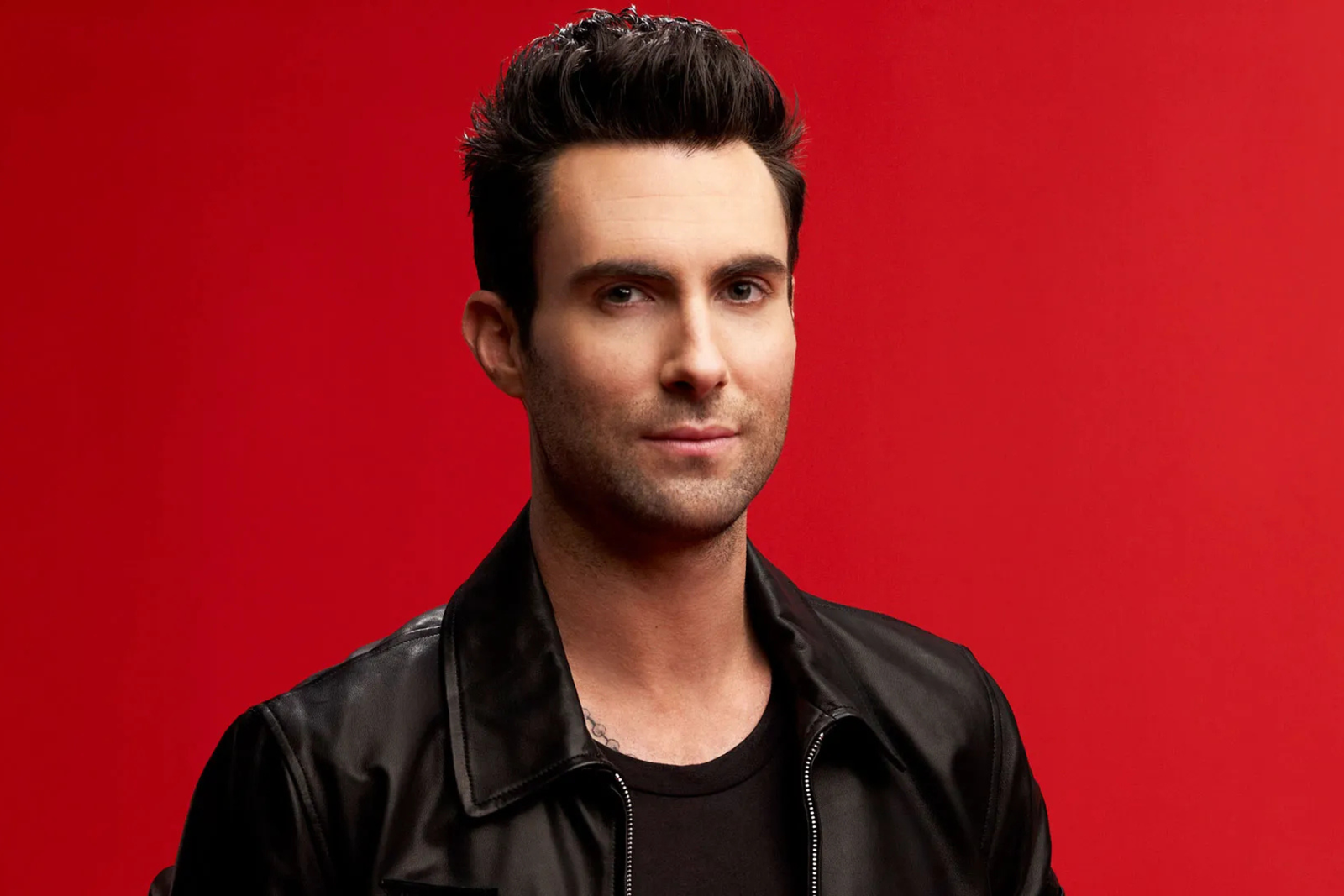
When you look at TAG Heuer’s world, Patrick Dempsey feels less like a surprise and more like the obvious choice. At 59, the American actor has built a reputation that stretches far beyond film and television, pairing his Hollywood career with a longstanding dedication to motorsport and philanthropy. These qualities — precision, discipline, and a genuine passion for performance — have connected him to TAG Heuer for over a decade. This year, that relationship enters a new chapter as Dempsey becomes the face of TAG Heuer Eyewear, created in partnership with Thélios, LVMH’s eyewear division.
The role itself feels like a natural extension rather than a rebrand. Announced recently, the appointment sees Dempsey contributing a creative perspective to key eyewear lines, including the Jack Heuer and Mini Vingt-Sept collections. It also firmly places him within TAG Heuer’s cultural heritage, alongside figures like Steve McQueen. Like McQueen before him, Dempsey embodies a sense of ease and adventure that doesn’t feel manufactured — an approach to style shaped as much by life off-camera as by the spotlight.
Patrick Dempsey Becomes The New Face Of TAG Heuer Eyewear | Image: TAG Heuer
Away from film sets and red carpets, Dempsey has dedicated recent years to building a solid reputation in endurance racing. He’s become a familiar face at the 24 Hours of Le Mans — one of motorsport’s most unforgiving stages — and his multiple podium finishes in the GTE Am category highlight that this isn’t just a casual passion project. For Dempsey, racing is about preparation, focus, and endurance.
That commitment mirrors the values TAG Heuer has long stood for. Performance, after all, is not something the brand treats as a marketing slogan. It’s a central part of its identity, and that’s where the connection with Dempsey feels most authentic. As the brand itself has stated, “Patrick Dempsey’s alignment with TAG Heuer runs deep. He shares the brand’s core values: designed to win, elegance in motion, and the pursuit of excellence with no shortcuts.”
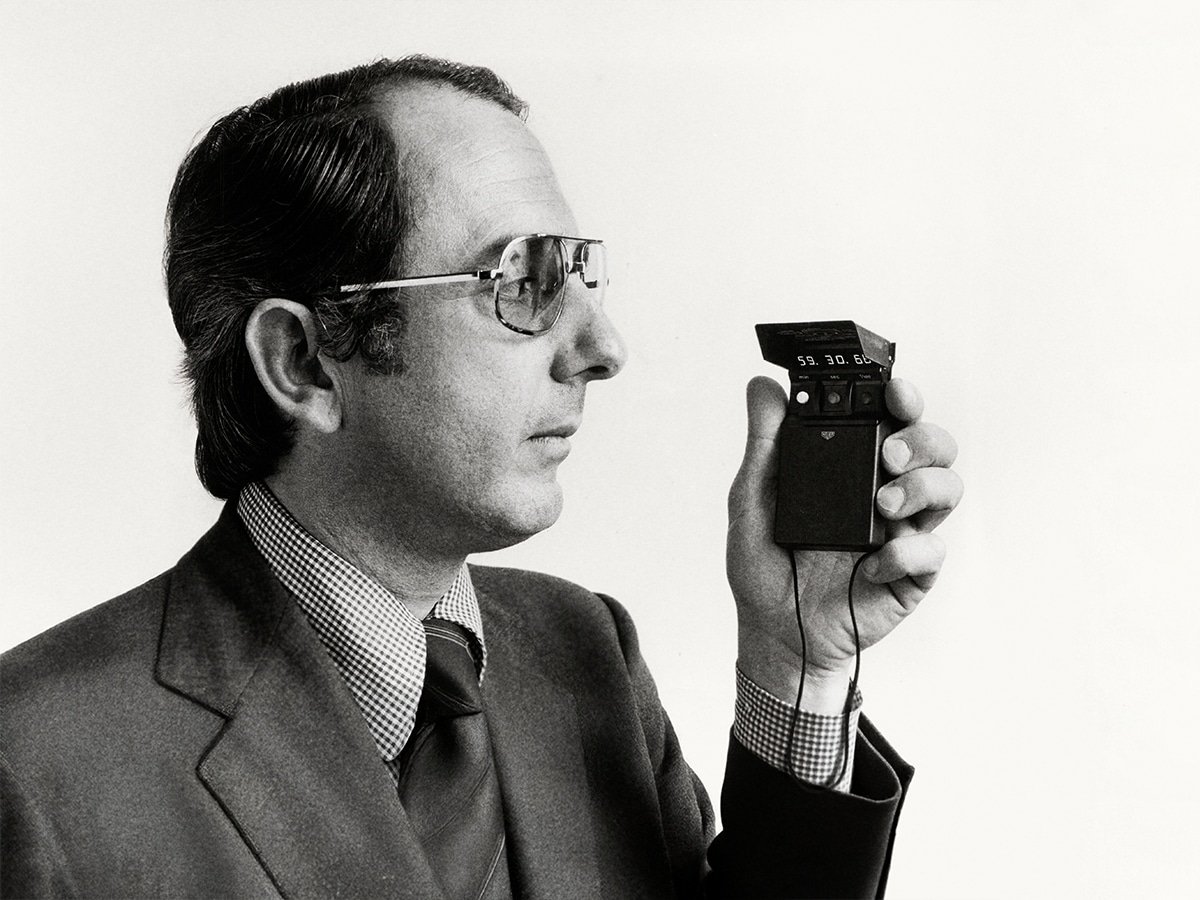
Jack Heuer in 1971 | Image: TAG Heuer
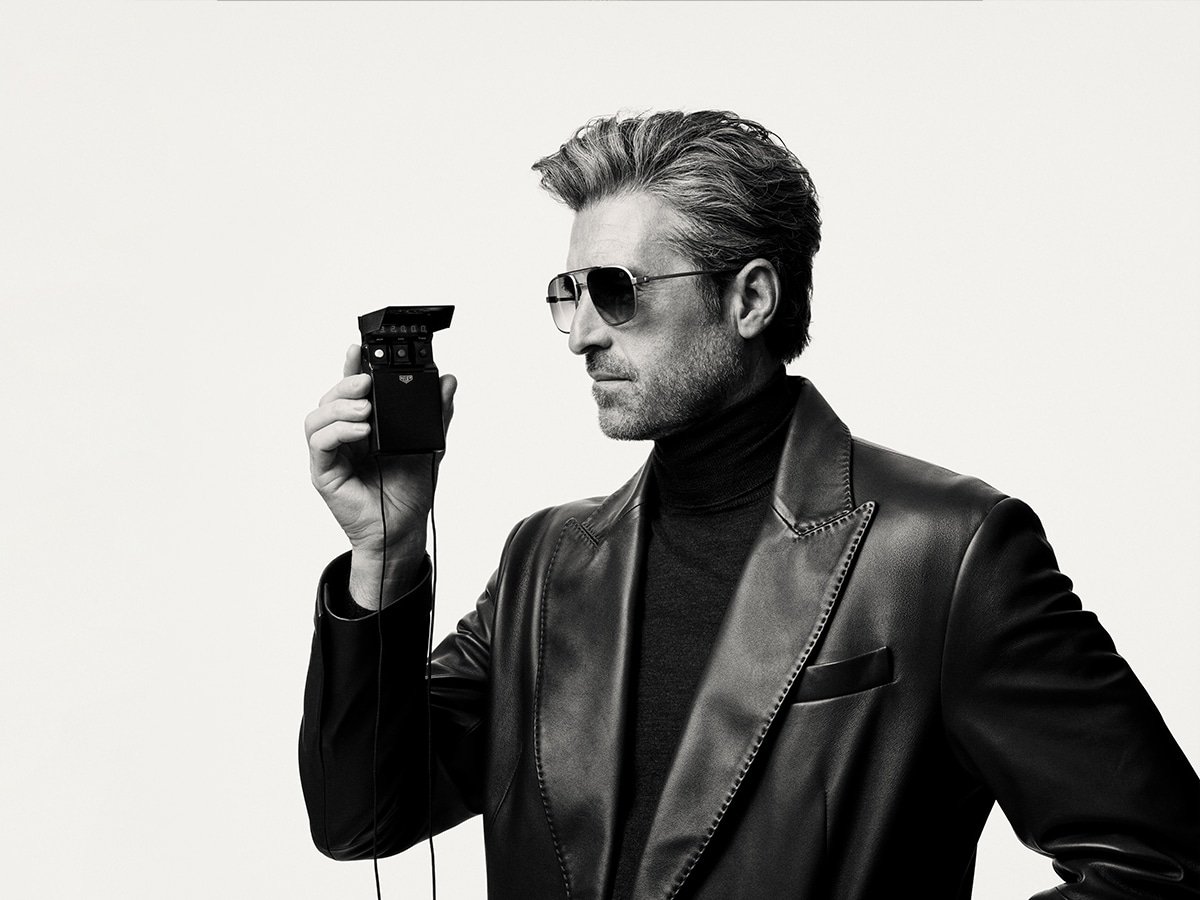
Patrick Dempsey becomes the new ambassador for TAG Heuer Eyewear | Image: TAG Heuer
What gives the partnership significance is that those values go beyond racing alone. TAG Heuer has emphasized that the same principles apply to Dempsey’s work on screen, where discipline and precision are just as important. The relationship isn’t presented as a one-dimensional endorsement but as a shared mindset built on consistency and craft.
That thinking extends to the eyewear collaboration itself. According to the brand, “with the new collection, Patrick Dempsey brings his passion for performance and refined style contributing to its evolution, offering creative input and a vision rooted in both style and function.” It’s a subtle but important distinction — positioning Dempsey as a contributor rather than a figurehead.
The rollout of the partnership was paired with a campaign that focuses more on symbolism than spectacle. In the visuals, Dempsey is positioned in a way that deliberately echoes TAG Heuer’s past, appearing with a chronograph timer in hand — a clear reference to the brand’s strong ties to racing and a subtle nod to an iconic image of Jack Heuer himself. It’s a restrained gesture, but one that reinforces continuity rather than reinvention.
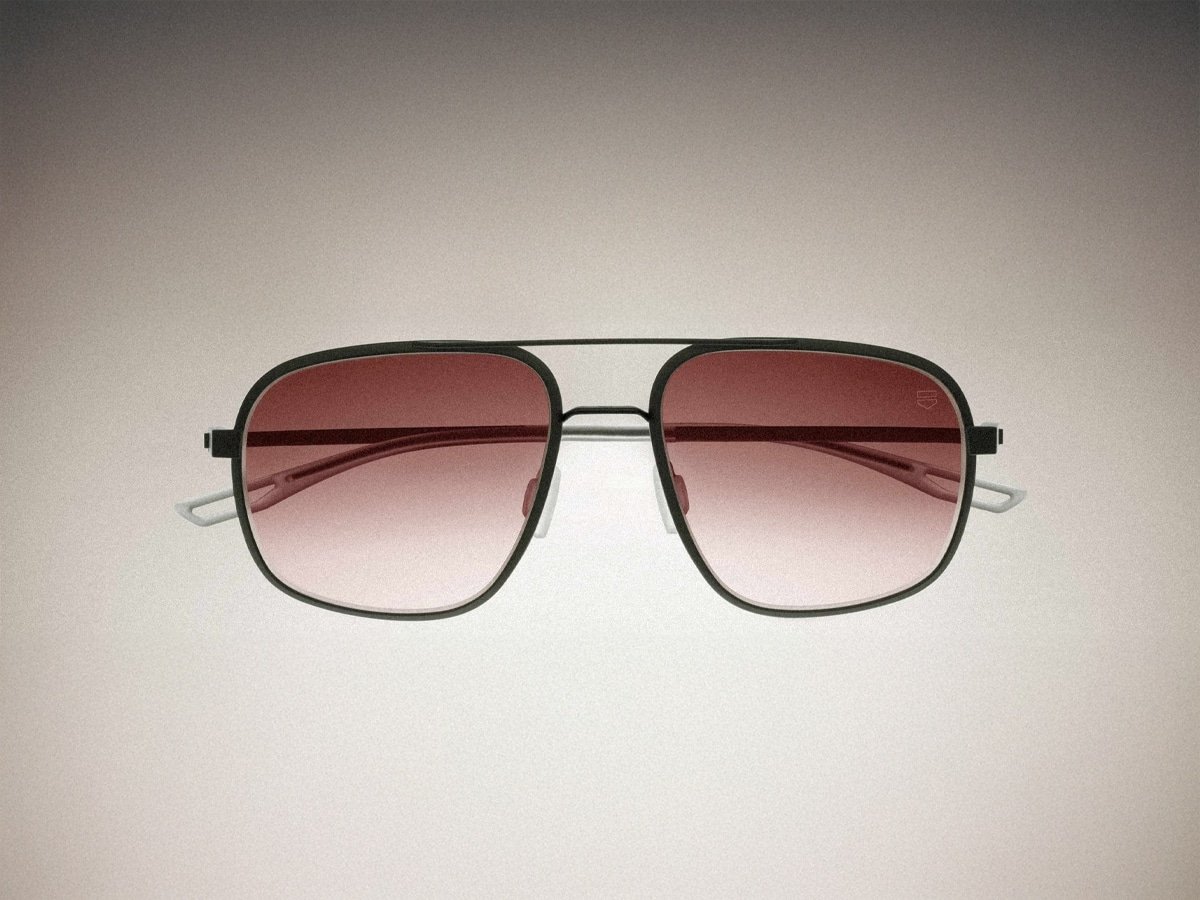
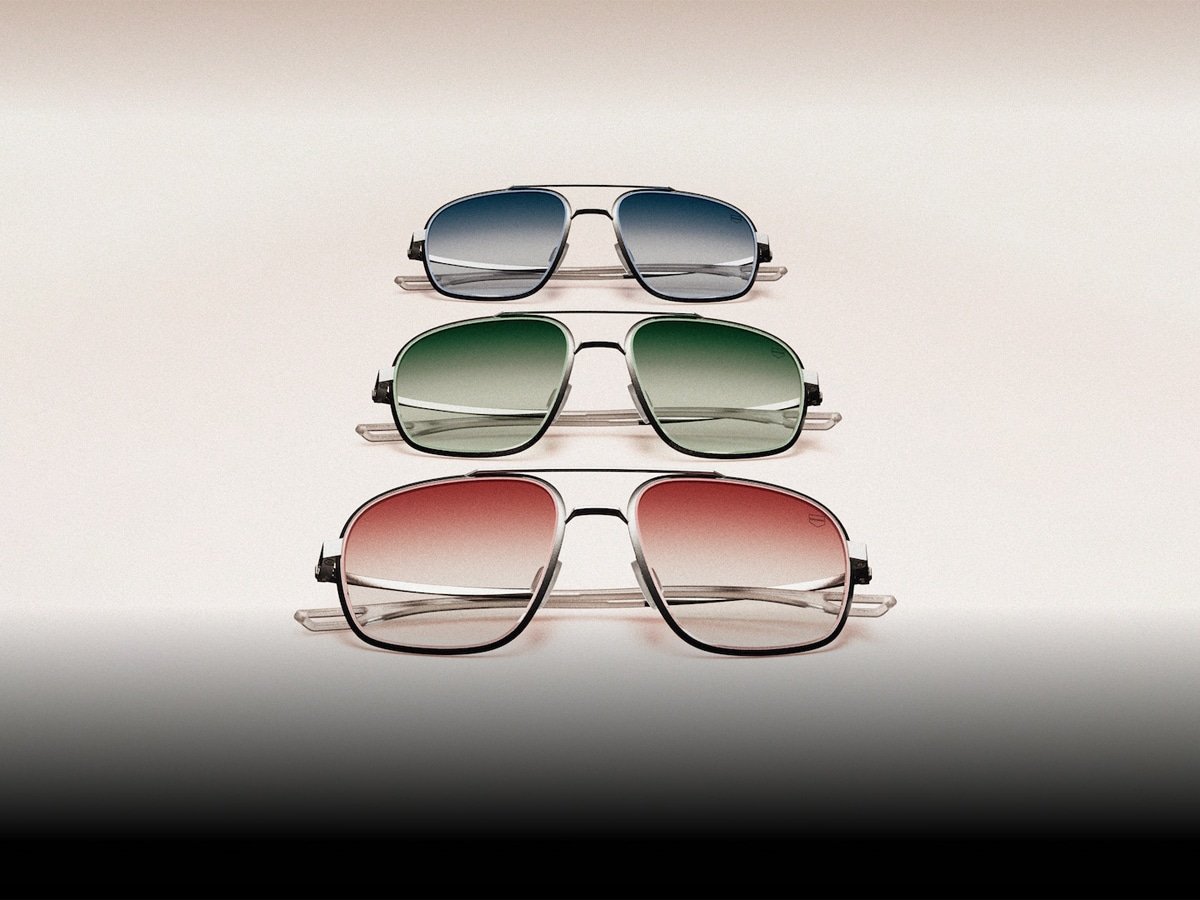
TAG Heuer Eyewear 2025 collection – Jack Heuer Line | Image: TAG Heuer
Throughout the campaign, Dempsey is seen wearing two standout models from the 2025 TAG Heuer Eyewear collection. The Jack Heuer and Mini Vingt-Sept frames take centre stage, emphasizing the dual narrative of heritage and modernity that runs through the partnership.
The Jack Heuer model, in particular, carries weight beyond just its name. After studying electrical engineering in Zurich, Jack Heuer joined the family business in 1958 and quickly reshaped its direction. His influence is still felt today — from revitalizing the Autavia to launching the Carrera and securing TAG Heuer’s first Formula 1 partnership in 1971, moves that permanently anchored the brand within motorsport culture.
The Jack Heuer frames draw inspiration from 1960s pilot silhouettes and are crafted using ultra-light Japanese titanium paired with Chroma-fade lenses, blending vintage cues with modern engineering, which is why the legacy is reflected in the eyewear itself.
The Mini Vingt-Sept adopts a more modern approach. Precisely crafted, it features a sleek steel hinge and bio-nylon temples, anchored by TAG Heuer’s signature 27-degree hinge. Motorsport influences are still evident, but the design is sharper and more progressive, aiming to feel performance-focused without relying too much on nostalgia.
Patrick Dempsey is the New Face of TAG Heuer Eyewear | Image: TAG Heuer
Completing the collection is the Shield Pro line, which firmly establishes TAG Heuer eyewear in performance territory. With a futuristic design, the frames are crafted from flexible bio-nylon and feature interchangeable lenses, making them ideal for athletes, riders, and those working in demanding conditions. This is the most overtly technical expression of the brand’s eyewear vision to date.
The complete TAG Heuer Eyewear collection is now available at TAG Heuer boutiques and online. Prices start at $850 USD for the Jack Heuer line, from $490 USD for the Mini Vingt-Sept, and $490 USD for the Shield Pro range.
Elias Albay is the Founder and Director of Many Men Magazine, a Toronto-based digital publication dedicated to promoting modern masculinity through style, culture, and self-improvement. What started as a personal turning point became a purposeful platform. — born from Elias’ desire to create something meaningful after completing his studies and finding no career path that truly matched his ambitions. With a background in Civil Engineering from York University and experience in Commercial Flight Operations at CAE, he applied skills, and resilience from both fields to forge a new path.
Our team of editors and experts thoughtfully chooses each product. If you decide to buy through one of our links, we may earn a commission. Learn more. Want to know how we test products? Click here for more details.
Finally, the day has come: Apple’s main event is here, and everyone has been waiting for it. After months of leaks, speculation, and last-minute “insider” rumours, the main moneymaker finally pulled the curtain back on the iphone 17 lineup. Considering how lukewarm last year’s iPhone 16 felt — a release that never really carved out its own personality — there was a lot riding on this showcase. The question was simple: would Apple actually step things up?
The answer is… yes. The iPhone is without a doubt the biggest shake-up, not because it was a surprise, but because it redefined what an iPhone can look and feel like. Still, the reveal came with hints of déjà vu, thanks to months of leaks and some jokes about whether Apple had truly banished the ghosts of that infamous bending issue. People will definitely be stress-testing this thing the moment it hits the shelves, and wonder how that will look.
But there are genuine upgrades here, especially on the Pro models, which now come equipped with a triple 48MP camera system that looks ready to push mobile photography into another dimension, especially if you’re into photography like me and want to see what these new models can pull.
And it wasn’t just the iPhones stealing the spotlight this year. Apple used the stage to roll out a complete refresh of its other heavy hitters too. The Apple Watch SE 3 finally got the upgrade it needed, the Series 11 introduced a sharper new focus on health, and the Ultra 3 established itself as the go-to option for athletes and adventurers. Even the AirPods Pro 3 made an appearance, bringing smarter audio features and tighter integration with iOS 26.
Pre-orders open on September 12, and the full lineup hits stores on September 19. Now, the real question is how these phones differ — and, more importantly, which one deserves your money. Alright, it’s time to dive into the details and see what Apple is really bringing to the table, shall we?
New Apple AirPods Pro 3 | Image: Apple
AirPods Pro 3
The first item on the list is Apple’s AirPods Pro 3, which provides a significant upgrade over its predecessor, Pro 2 — a more refined and capable successor. The new model features a more comfortable, ergonomic fit that sits better in the ear, especially during long sessions, and Apple backed the redesign with stronger hardware. They are priced at USD $249, but the improvements are definitely worth the cost.
The upgraded noise-cancelling is truly impressive — faster, cleaner, and much more effective in busy environments — while transparency mode now responds almost instantly, making the switch between the two feel smoother than ever. Apple also built in a heart-rate sensor, quietly turning the earbuds into a fitness companion that can track your stats without needing to check your watch or phone. Pair that with deeper integration into iOS 26, improved audio tuning, and real-time translation through your ears with the same design that we are used to.
Pre-orders for the AirPods Pro 3 open on September 10, with availability rolling out across the United States, Canada, and more than 50 additional regions. Apple will have them both online and in stores starting September 19, giving early adopters the chance to secure a pair before they hit shelves.
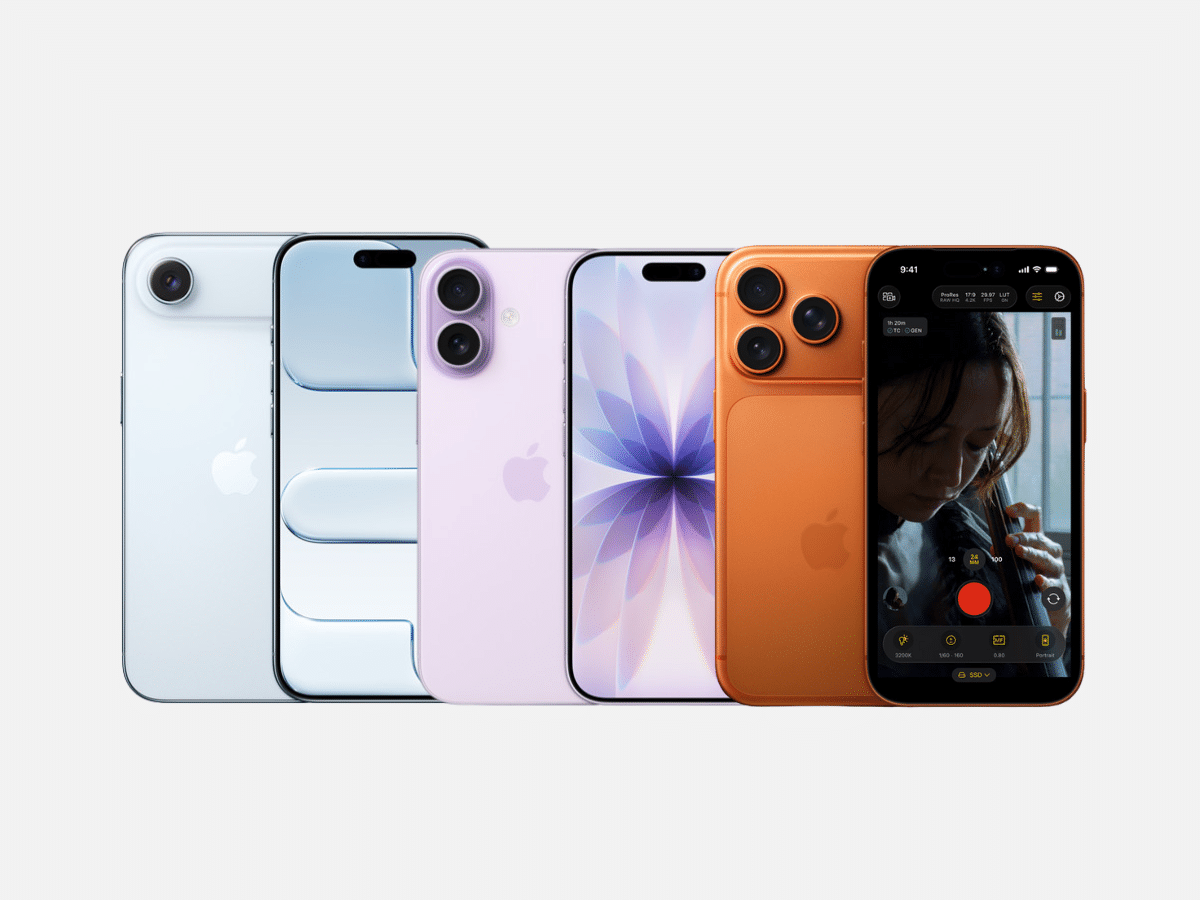
This is what everyone has been waiting for, and Apple has kept its four-model strategy for another year, with the iPhone 17, 17 Plus, 17 Pro, and 17 Pro Max forming the core of the new lineup. Each model follows the same familiar structure—standard features at the base, larger screens with the Plus, and the more advanced upgrades reserved for the Pro models—but the 2025 generation introduces sharper displays, improved battery efficiency, upgraded processors, and a significant leap in camera technology for the Pro variants.
Check out the full comparison below to see how each model compares across design, performance, camera upgrades, and battery life.
iPhone Air
iPhone 17
iPhone 17Pro & Pro Max
Dimensions:
– 156.2mm x 74.7mm x 5.6mm – 165 grams
– 149.6mm x 71.5mm x 7.95mm – 177 grams
Pro: – 150mm x 71.9mm x 8.75mm –204 grams Pro Max: – 163.4mm x 78mm x 8.75mm – 231 grams
– 4,252mAh (Pro) – 5,088mAh (Pro Max) – Up to 37 hours of video playback
Other Features:
– USB 2.0 Type-C port – Face ID – Action Button – IP68 dust/water resistance –eSim only – Qi2 25W Wireless MagSafe Charging
– USB 2.0 Type-C port – Face ID – Action Button – IP68 dust/water resistance – Qi2 25W Wireless MagSafe Charging
– USB 3.0 Type-C port – Face ID – Action Button – IP68 dust/water resistance – Qi2 25W Wireless MagSafe Charging
Starting Price:
From USD $999
From USD $$799
From USD $1099 Pro From USD $1199 Pro Max
Apple’s new iPhone Air | Image: Apple
What are the Key New Features?
This year’s lineup introduces a much-needed display upgrade that reaches every model. Apple has implemented 120Hz ProMotion across the entire iPhone 17 range, meaning even the standard models now benefit from the smooth navigation and fluid motion that was previously exclusive to the Pro versions. Anyone upgrading from an older base iPhone will notice that difference immediately, finally bringing Apple’s entry-level phones in line with what many competitors have offered for some time.
Next, we have the new A19 chip powering these devices, delivering the kind of performance boost Apple is known for. Graphics see a noticeable increase over last year’s A18, and the improvements over older chips are even more significant. Apple’s recent history with its M-series processors shows how comfortable the company has become with balancing speed and efficiency, and the A19 continues that trend without draining the battery as quickly as you might expect from a more powerful chip.
So now you’re wondering to yourself, what’s all that power for? Well, let’s set aside the games first. Apple is increasing its focus on Apple Intelligence-driven features. The A19 and A19 Pro are designed to handle more live translations and visual intelligence tasks directly on the device, while still relying on the cloud when needed. This results in faster responses, smoother real-time translation, and an overall sense that the phone is keeping up with you instead of lagging behind.
Lastly, what’s the use of having a new smartphone if you’re not going to use its camera, right? Apple has redesigned its front camera with a new square sensor inspired by Center Stage, offering wider and more natural angles for selfies and video calls. There’s also a new dual-recording feature that allows you to film from both the front and rear cameras at the same time. It’s a small addition, but it feels perfect for anyone who shoots reaction content, behind-the-scenes clips, or quick vlogs without the need for extra equipment.
Which Model Is Right for you?
If the specs and chip discussions seemed overwhelming, here’s a simpler explanation to give you a clearer picture. Apple designed the iPhone 17 series with three customer types in mind.
The first group we have is everyday users — people looking for a smooth, reliable entry-level iPhone without the need for pro-level features. That’s exactly where the iPhone 17 fits in. It provides the latest upgrades without the slimmer battery trade-offs of the Air or the stripped-down approach of the 16e. If you want a simple, straightforward upgrade, the standard 17 will feel right at home. And honestly, the 16e still remains a surprisingly good buy if you want to stay under a thousand.
Then there are the people who push their phones hard — creators, photographers, power users, or anyone who simply wants the best Apple can offer. That’s where the iPhone 17 Pro and Pro Max come in. Both deliver the same power thanks to the A19 Pro chip, but the Max expands into mini-tablet territory with its larger display. The real highlight here is the new triple 48MP camera system, which is built for serious photography. If content creation is your thing, or you just love taking quality photos on the go, these two models are the ones to consider.
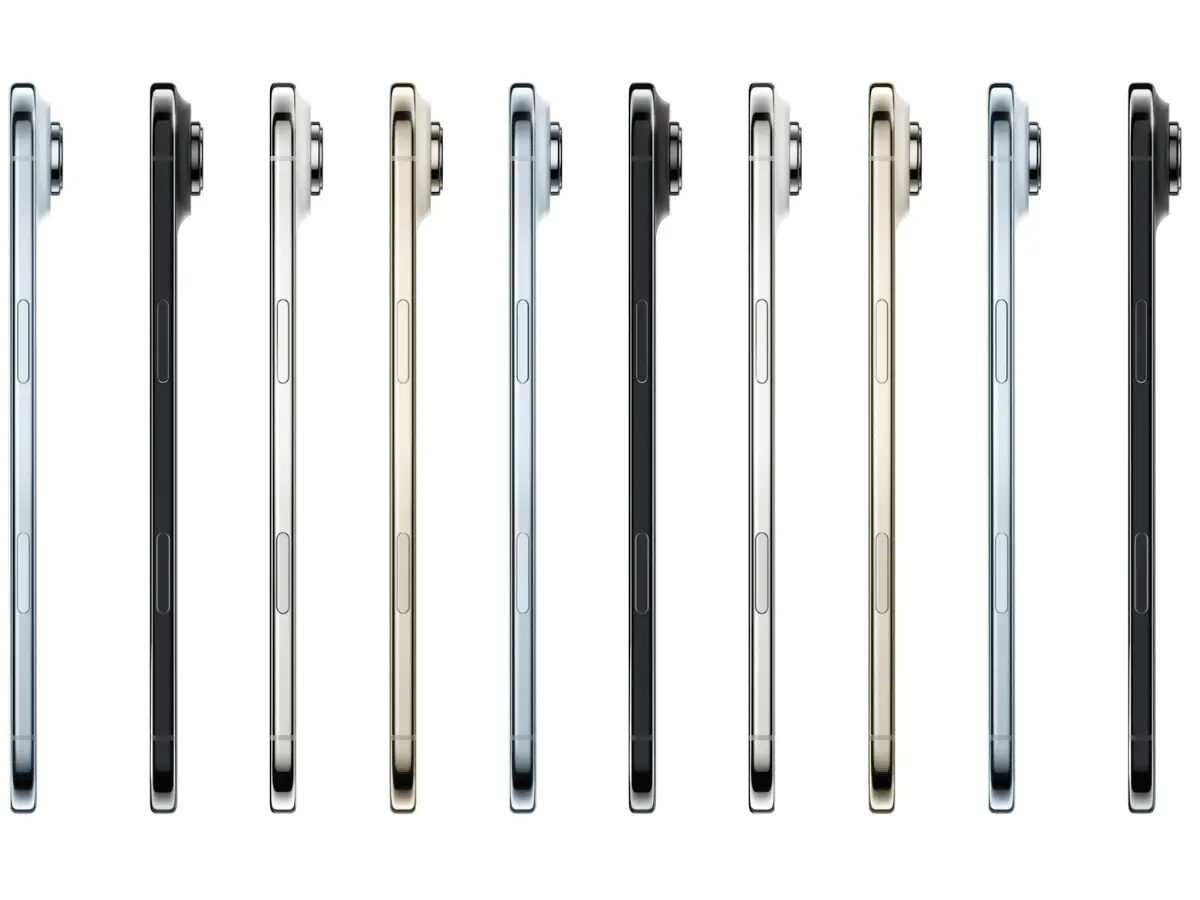
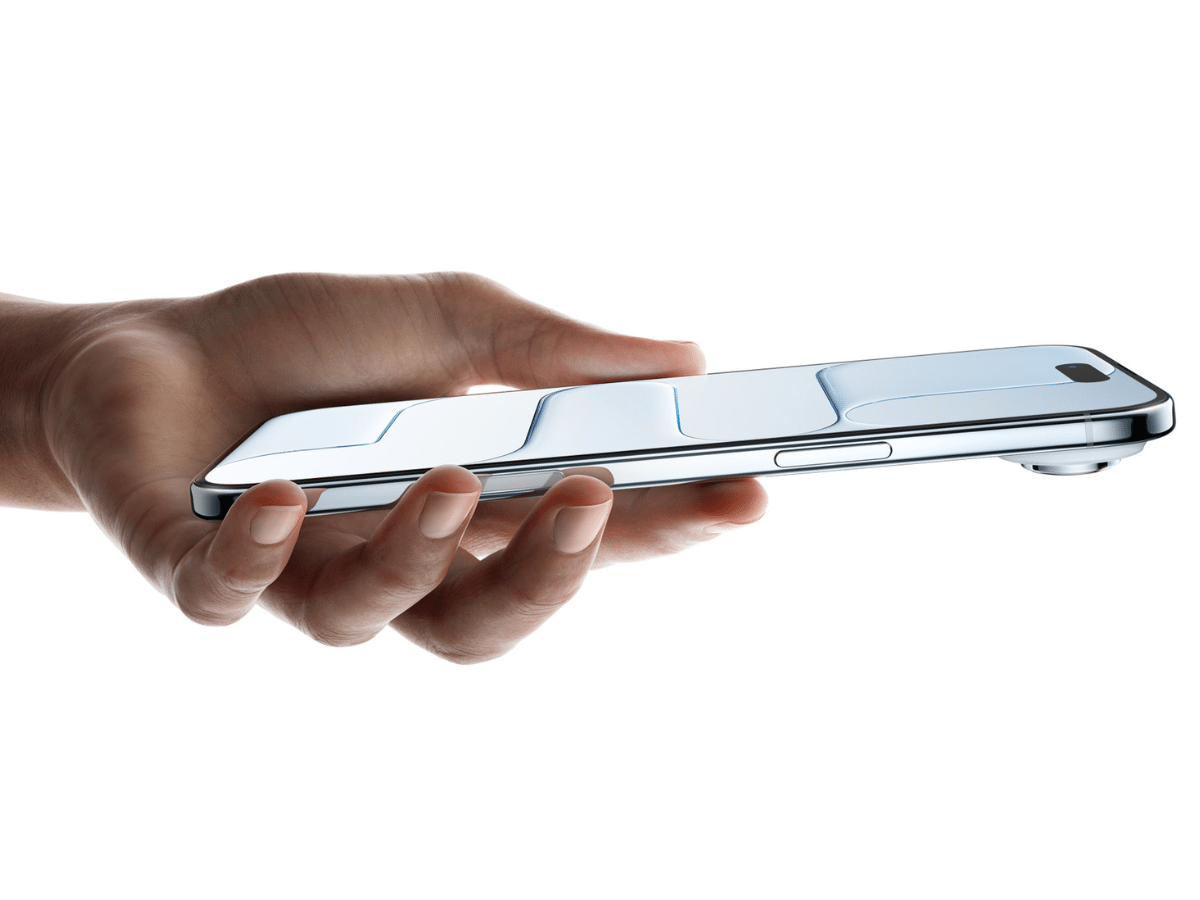
If you’re like me and want something entirely different from what you have in the lineup, it’s the iPhone Air, aimed squarely at people who want something fresh — something that looks and feels different from every iPhone of the past decade. It sits between the 17 and 17 Pro in spirit, but its true identity is reflected in the design. At just 5.6mm thick and 165 grams, it’s the thinnest, lightest iPhone Apple has ever released. It doesn’t add many new features beyond that sleeker profile and the upgraded chip, but the form factor alone is enough to get a lot of people curious after years of familiar shapes and sizes.
However, there are a few concerns with the Air— mainly durability and its smaller battery. Apple spent more time than usual discussing toughness, clearly trying to get ahead of the “bendgate” jokes, and the Air does lose some battery life compared to other models. Apple’s solution is a new MagSafe battery pack for those who want extra power when on the go. It’s not perfect, but it’s a practical option for anyone eager to own the thinnest iPhone yet.
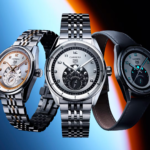
Apple Watch SE 3, Series 11, Ultra 3 | Image: Apple
Apple Watch SE 3, Series 11, Ultra 3
Apple’s wearables didn’t take a back seat this year — the entire Watch lineup received thoughtful, practical upgrades that make each model feel more refined. After spending months with the Series 10 and seeing how much Apple relied on software to improve the experience, it’s clear that 2025 will focus on subtle yet meaningful hardware tweaks across the Series 11, SE 3, and Ultra 3.
Here’s everything you need to know about these newly updated models:
The Apple Watch Series 11 launches on September 19 with a starting price of USD $399. Apple has redesigned the S11 chip this year, reducing its size to make the watch more efficient and extending its battery life to about 24 hours on a single charge.
The Apple Watch SE 3 launches on September 19, starting at USD $249. It omits some of the Series 11’s premium features, but its lower price makes it the most affordable option in the lineup.
The Apple Watch Ultra 3 launches on September 19 with a starting price of USD $799. This year’s model introduces satellite tracking, providing a reliable way to stay connected even in remote areas, and it can last up to 72 hours on battery when using Low Power Mode. It also features the largest display Apple has ever included on a Watch, reinforcing its place as the rugged, top-tier option for serious outdoor adventures.
Usually, Apple’s Watch lineup never gets major updates, and this year still stays the same. Instead, Apple shifted its focus to pushing performance and improving overall experience through smarter software and refined sensors. All three new models now offer more advanced heart-health monitoring, including alerts for potential hypertension. Of course, if you ever get a notification like that, it’s a sign to check in with a doctor — the Watch is there to flag concerns, not diagnose them.
Another interesting feature to note is the ‘Sleep Score’ that Apple introduced this year. This allows you to combine your nightly data into a single, easy-to-understand rating each morning. It’s designed to give you a clearer picture of your rest without digging through multiple menus or graphs.
Did we mention that the SE 3, Series 11, and Ultra 3 all support full 5G? This boost in connectivity should make cellular performance more reliable while putting less strain on the battery, making it one of the most practical Apple Watch updates in recent years.
Elias Albay is the Founder and Director of Many Men Magazine, a Toronto-based digital publication dedicated to promoting modern masculinity through style, culture, and self-improvement. What started as a personal turning point became a purposeful platform. — born from Elias’ desire to create something meaningful after completing his studies and finding no career path that truly matched his ambitions. With a background in Civil Engineering from York University and experience in Commercial Flight Operations at CAE, he applied skills, and resilience from both fields to forge a new path.