




StyleArchitecture

15 Coffee Table Books That Every Man Should Own

Share via

Our team of editors and experts thoughtfully chooses each product. If you decide to buy through one of our links, we may earn a commission. Learn more. Want to know how we test products? Click here for more details.

A man’s space says a lot about him — the details, the choices, and the pieces he displays. Few things elevate a room quite like a well-chosen coffee table book. These aren’t just decorative items; they markers of taste, curiosity, and the worlds you’re interested in. The right book can start a conversation as soon as guests walk in, invite someone to slow down for a moment, or simply add depth to a space that feels both lived-in and intentional.

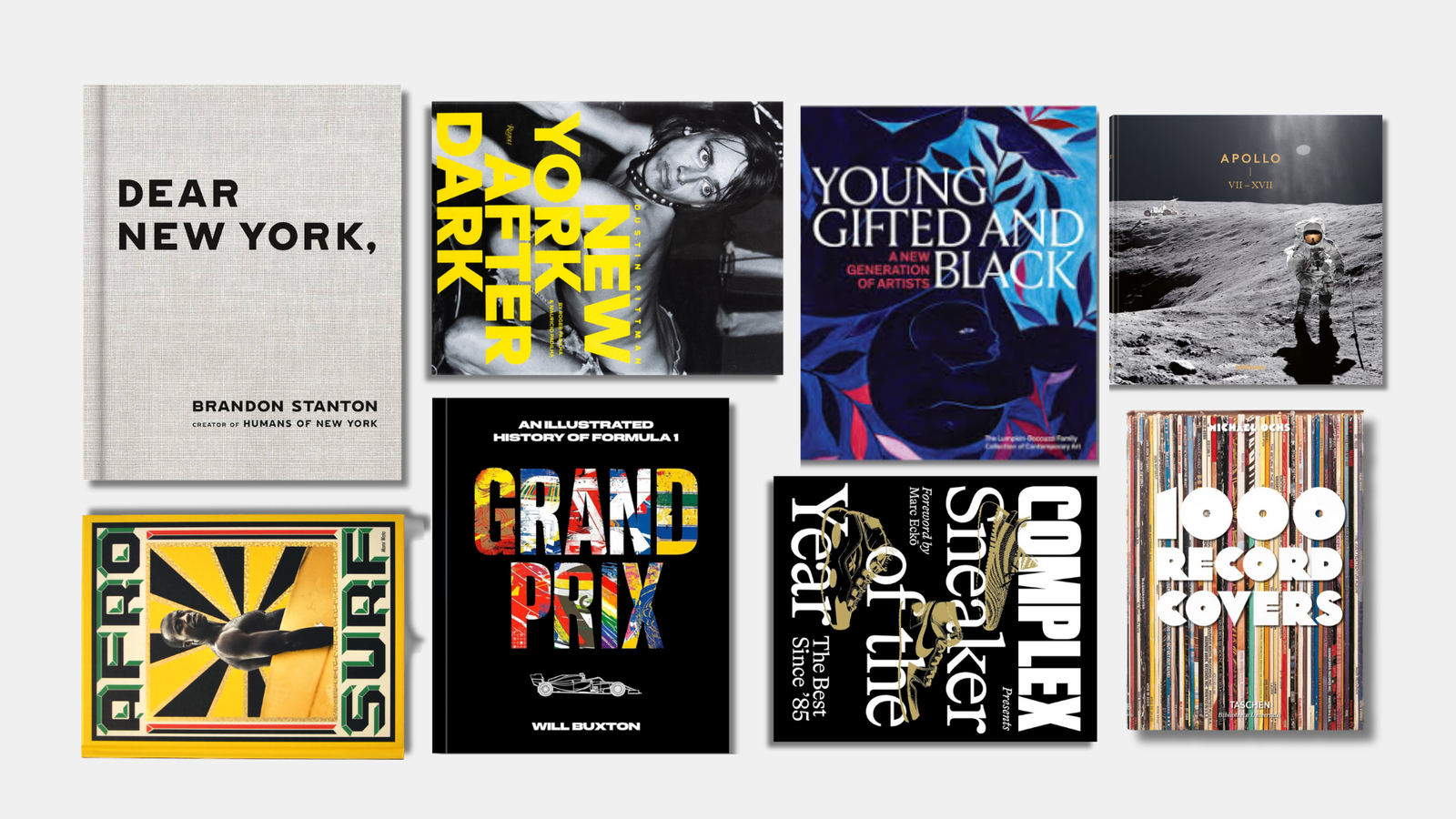
This collection features 15 books every modern man should own — a diverse mix of culture, design, travel, art, photography, and compelling stories. From the raw humanity of New York’s streets to the bold geometry of Ricardo Bofill, and from African surf culture to the serenity of Axel Vervoordt’s interiors, each book adds a unique layer of personality to your home. Place them on your table, shelf, or office desk — trust me, these are the kinds of books people reach for the moment they see them.

Best Coffee Table Books Overview:

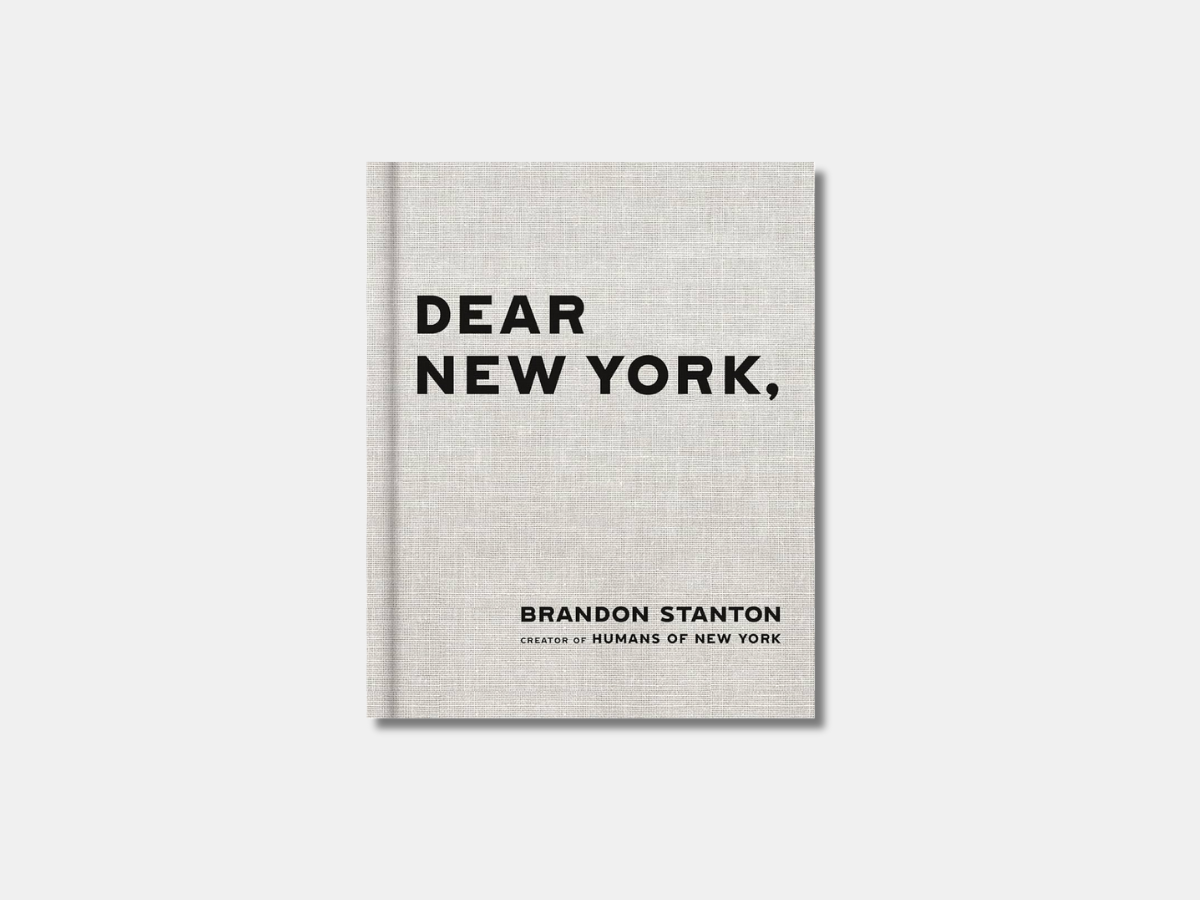
Dear New York by Brandon Stanton | Image: Supplied

1. Dear New York

  • Author: Brandon Stanton
  • Published: October 7, 2025
  • Genre: Photography / Human Stories / Contemporary Culture
  • Why Must Have: A powerful, human portrait of New York told through real voices, genuine emotion and beautifully composed imagery — the kind of book that elevates any room and sparks conversation instantly.

Brandon Stanton has spent years to capturing the soul of New York, and Dear New York feels like the culmination of that journey. The book brings together intimate portraits and personal stories that show the city in a way only Stanton can — honest, vulnerable, and deeply human. Each page offers a quiet moment of connection, reminding you how many lives and emotions flow through a single place. It’s beautifully arranged, visually rich, and rooted in real experience.
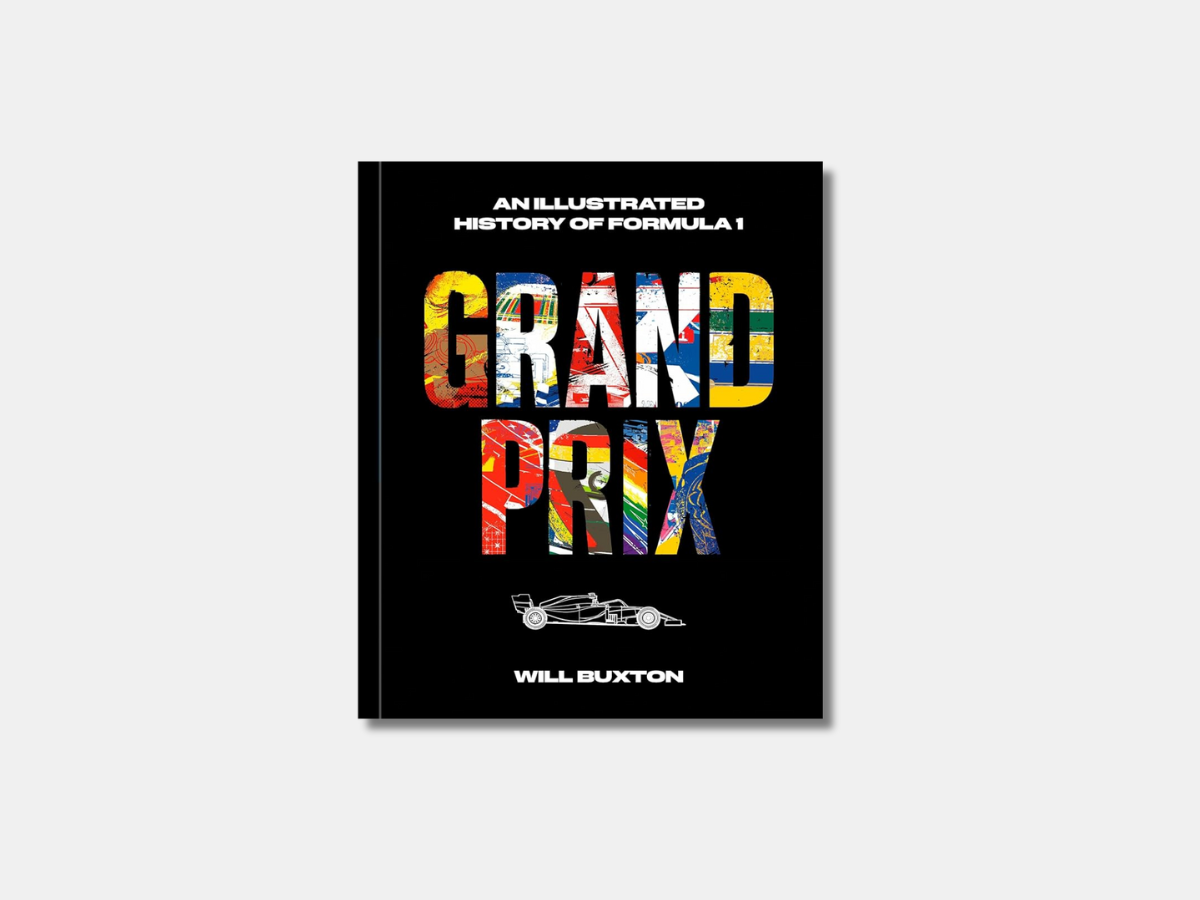
rand Prix: An Illustrated History Of Formula 1 by Will Buxton | Image: Supplied

2. Grand Prix: An Illustrated History Of Formula 1

  • Author: Will Buxton
  • Published: August 13, 2024
  • Genre: Motorsport / Illustrated History / Formula 1
  • Why Must Have: A dynamic visual journey through the evolution of F1, conveyed with energy, insight, and the unmistakable voice of one of the sport’s most trusted storytellers.

If you’re a Formula 1 fan, this is the book you keep within arm’s reach. Will Buxton chronicles the sport’s defining eras with striking imagery and sharp, engaging commentary, capturing everything that makes F1 irresistible — the speed, the rivalries, the engineering breakthroughs, and the legends who shaped the grid. It’s bold, beautifully crafted, and perfectly suited for any space where motorsport and style meet.

Legendary Guitars: Explore the World’s Most Legendary Guitars by Julien Bitoun | Image: Supplied

3. Legendary Guitars: Explore the World’s Most Legendary Guitars

  • Author: Julien Bitoun
  • Published: October 28, 2025
  • Genre: Music / Photography / Cultural History
  • Why Must Have: A detailed, visually rich celebration of the most iconic guitars ever made — perfect for anyone who values craftsmanship, music history, and timeless design.

Some books earn their place on a coffee table simply by their presence, and this one certainly does. “Legendary Guitars” features the instruments that shaped rock, blues, jazz, and everything in between — each photographed carefully and paired with details that encourage you to pause and appreciate craftsmanship more deeply. Any musician or guitarist will value this on their coffee table. It combines history, design, and culture in an effortlessly cool way, making it a distinctive addition to any refined living space.
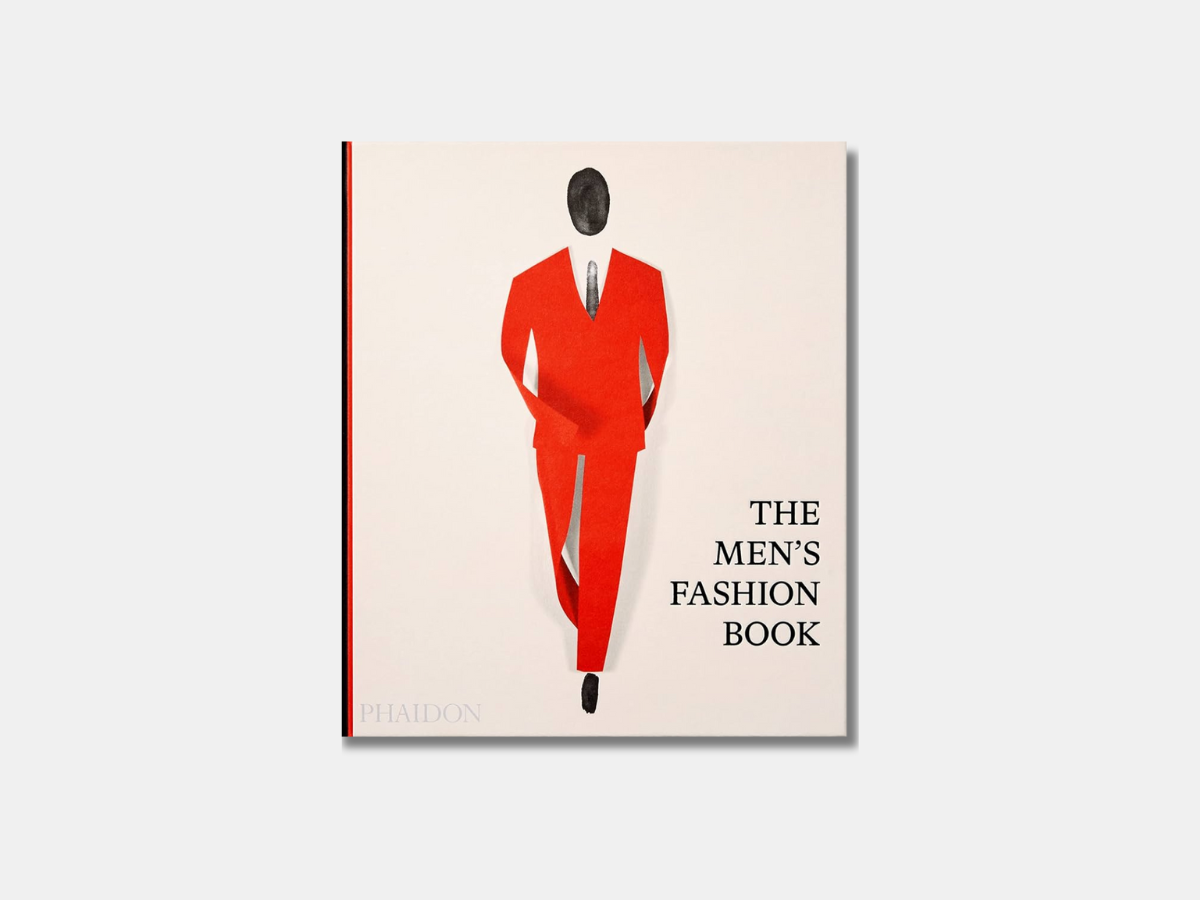
The Men’s Fashion Book by Phaidon | Image: Supplied

4. The Men’s Fashion Book

  • Author: Phaidon Phaidon Editors
  • Published: December 01, 2021
  • Genre: Fashion / Design / Visual Culture
  • Why Must Have: A comprehensive, visually captivating guide to the designers, icons, and movements that shaped men’s style across generations.

The Men’s Fashion Book is a statement piece in every sense. Bold, beautifully curated, and rich with imagery, it traces the evolution of menswear from classic tailoring to modern streetwear, highlighting the creative minds and cultural shifts that defined each era. It’s the kind of book that doesn’t just decorate a space — it reinforces an appreciation for craftsmanship, individuality, and the enduring impact of good design.
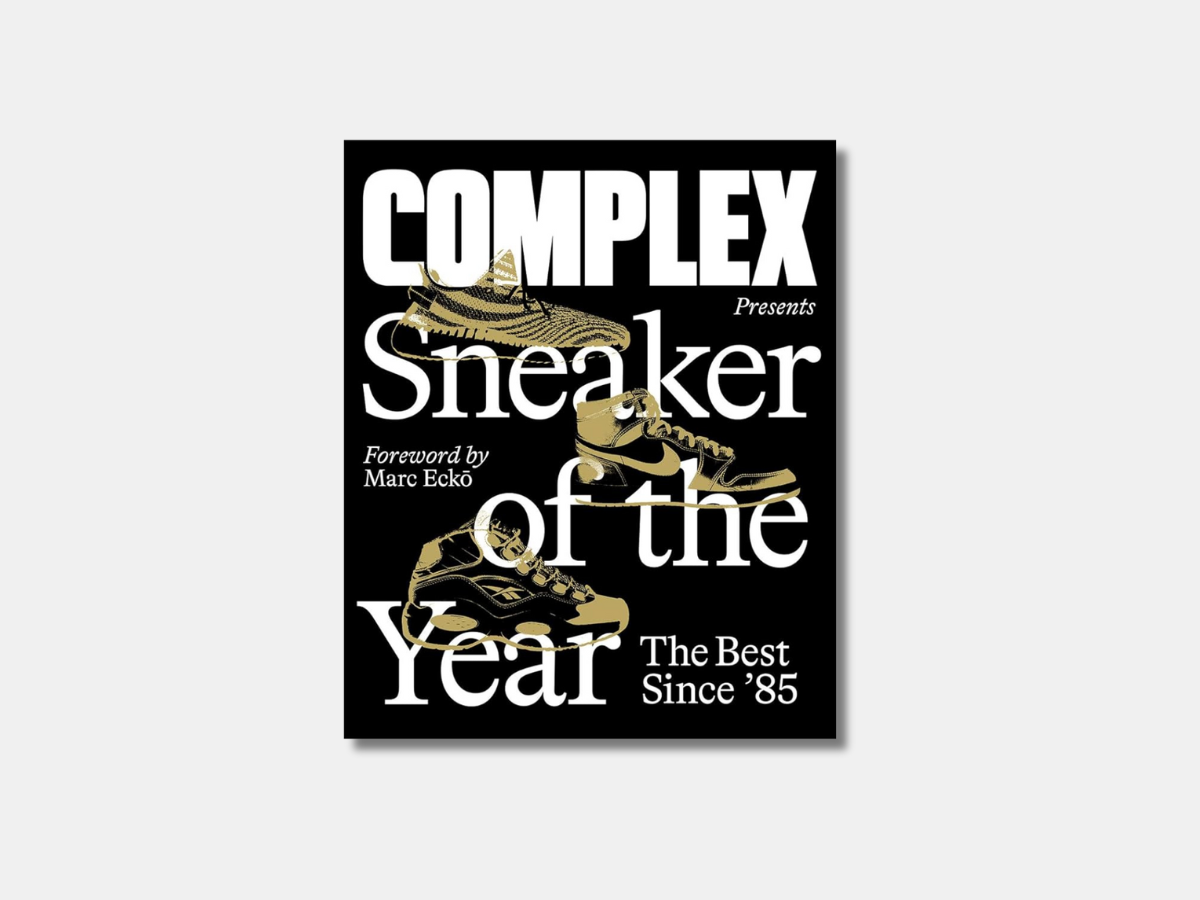
Complex Presents: Sneaker Of The Year: The Best Since ’85 by Complex Media | Image: Supplied

5. Complex Presents: Sneaker Of The Year: The Best Since ’85

  • Author: Complex Media
  • Published: October 20, 2020
  • Genre: Sneakers / Pop Culture / Design
  • Why Must Have: A definitive overview of the sneakers that influenced culture, style, and hype over almost forty years — a must-read for any man interested in design and streetwear history.

There’s no guy out there who wouldn’t love to have this laying around on their side, and Sneaker of the Year does just that. It explores the most influential releases since 1985, highlighting the stories, designers, and cultural moments behind each pair. From Jordan legends to modern collaborations, the book combines striking visuals with insightful commentary, making it both a nostalgia trip and a style guide. Whether you collect sneakers or simply admire their cultural impact, this book adds a fresh, contemporary touch to any coffee table.
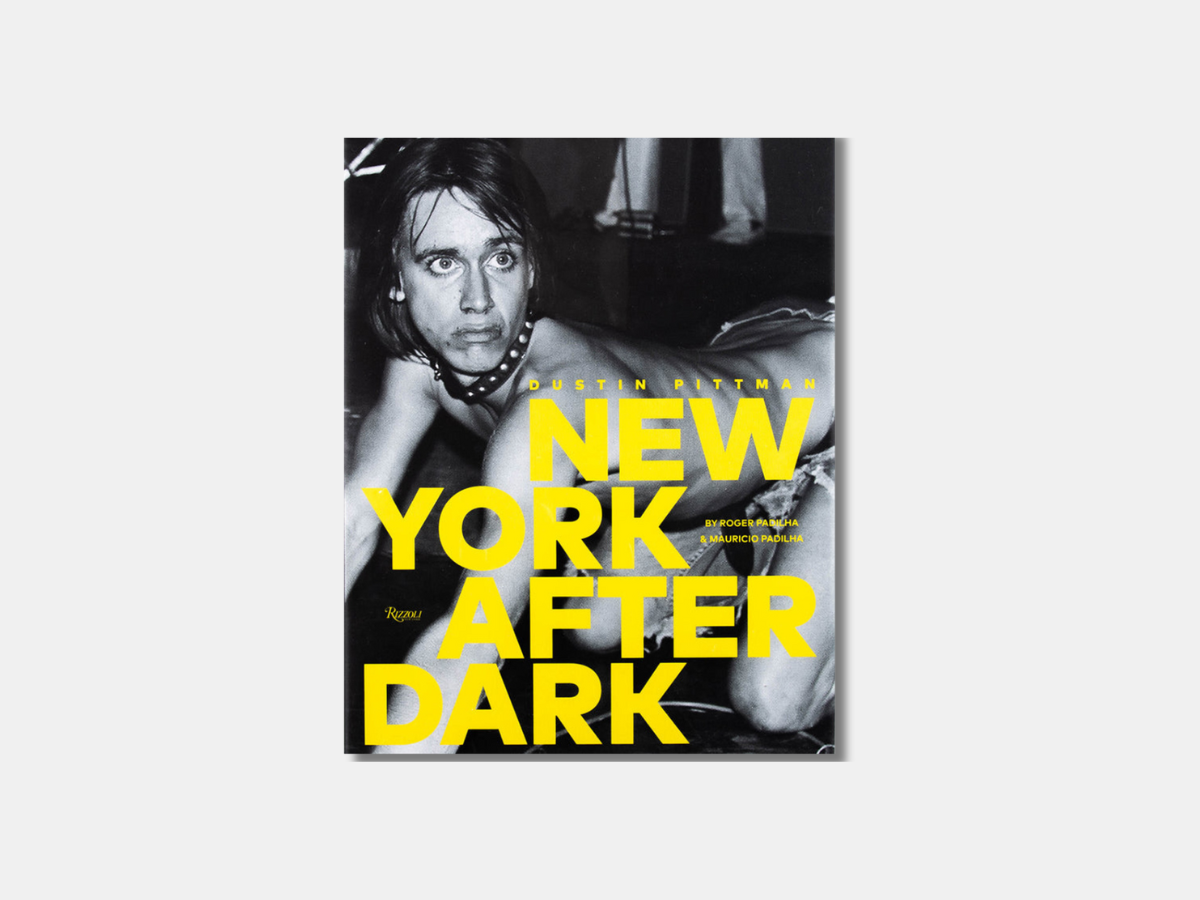
New York After Dark by Roger Padilha | Image: Supplied

6. New York After Dark

  • Author: Roger Padilha
  • Published: September 03, 2023
  • Genre: Photography / Nightlife / Urban Culture
  • Why Must Have: A captivating glimpse of the city that never sleeps, captured through atmospheric nighttime imagery and the unmistakable energy of New York after hours.

There’s something magnetic about New York at night, and New York After Dark captures that energy with style. Roger Padilha shows a city defined by neon, shadows, and movement — a portrait that feels intimate, cinematic, and lively. This is the kind of book that adds atmosphere and character to any room. It brings texture, attitude, and a sense of story, making it a standout piece for anyone who appreciates the rhythm of urban culture after dark.
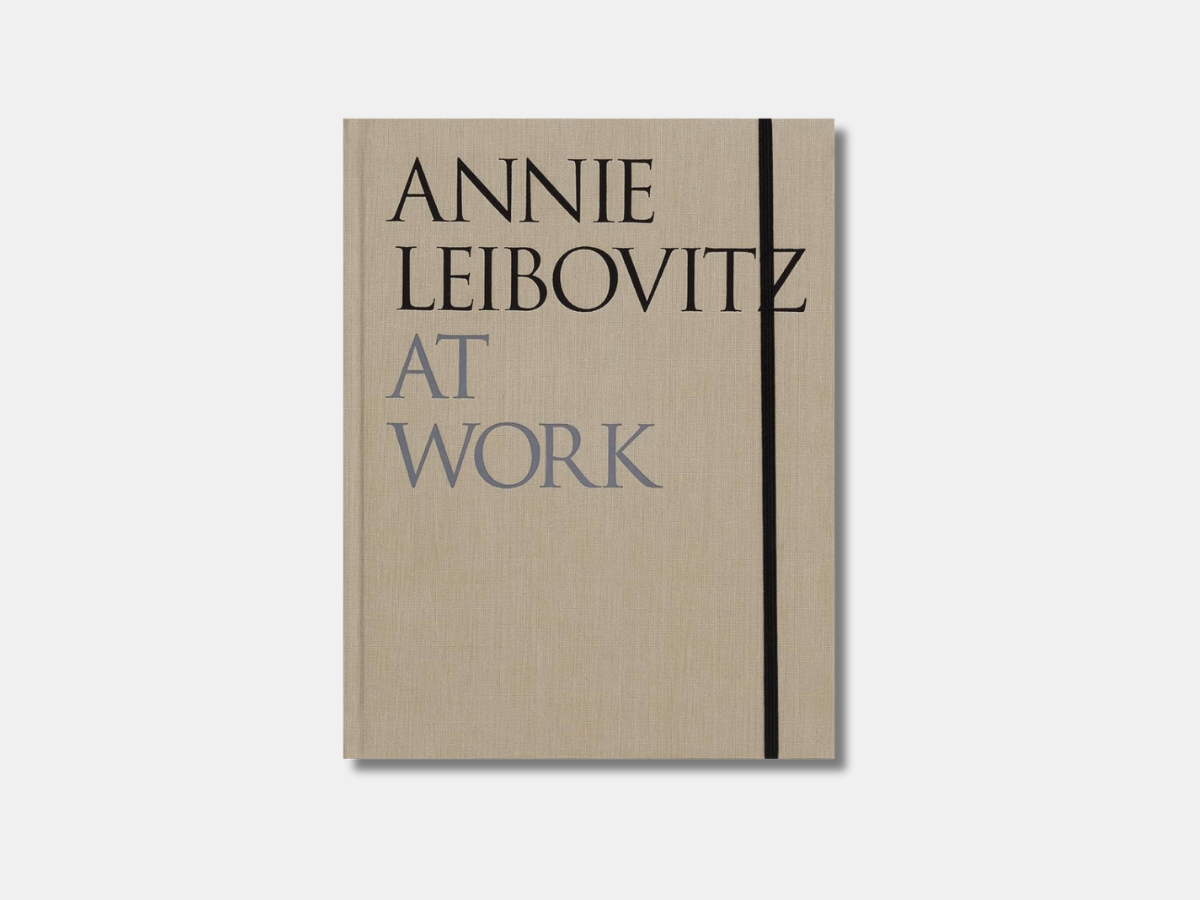
At Work by Annie Leibovitz | Image: Supplied

7. At Work

  • Author: Annie Leibovitz
  • Published: November 19, 2024
  • Genre: Photography
  • Why Must Have: A beautifully sincere examination of creativity, discipline, and the development of a modern photographic icon.

The book provides a rare invitation into the world behind the images — the early struggles, the defining shoots, and the lessons learned along the way. It includes insights on lighting, composition, and creative decision-making alongside personal stories that reveal the mindset needed to create truly lasting work. Rich in detail and rooted in experience, At Work adds depth and sophistication to any space, making it a perfect choice for men who value mastery and the craft behind iconic photography.
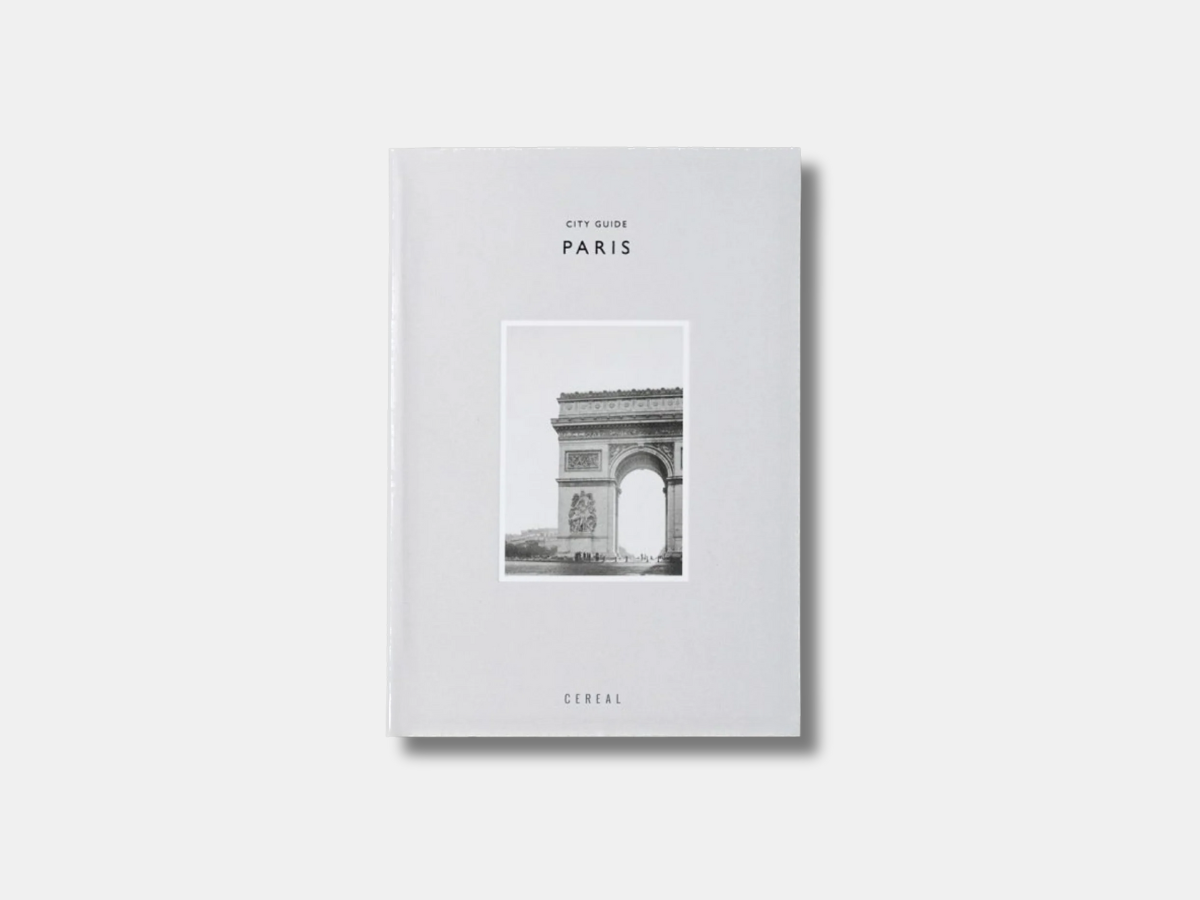
Cereal City Guides: Paris by Rosa Park | Image: Supplied

8. Cereal City Guides: Paris

  • Author: Rosa Park & Rich Stapleton
  • Published: August 16, 2022
  • Genre: Travel / Lifestyle / Design
  • Why Must Have: A beautifully curated look at Paris through design, culture, and minimal elegance — perfect for men who value thoughtful travel and clean aesthetics.

This guide distills Paris to its most thoughtful moments: the cafés perfect for a leisurely morning, the architecture that rewards quiet observation, and the shops, galleries, and streets that capture the city’s understated charm. With Cereal’s signature minimalist photography and clean layout, the book exudes calm, style, and intention. It’s the sort of piece that effortlessly rests on a coffee table and signals a taste for meaningful travel, design appreciation, and a more subdued, refined view of the world’s most romantic city.
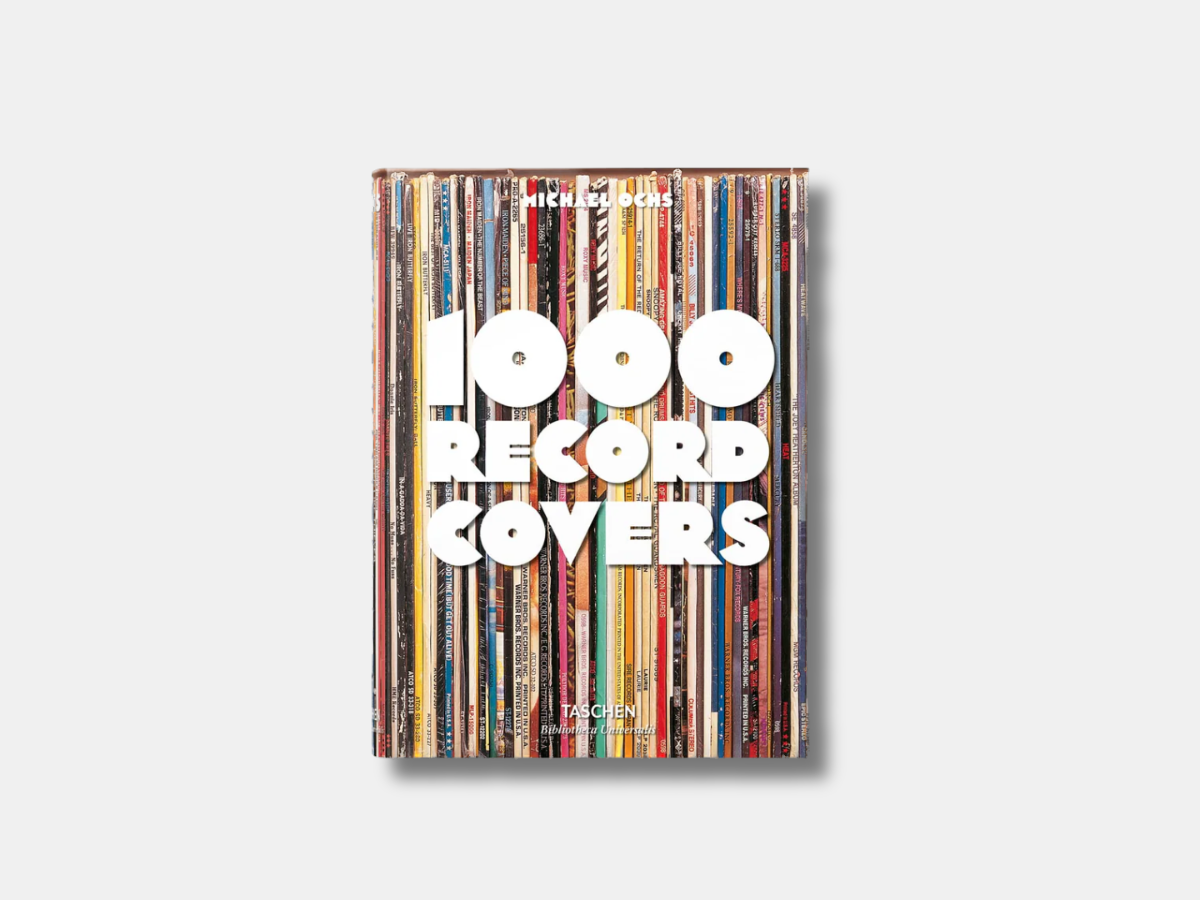
1000 Record Covers by Michael Ochs | Image: Supplied

9. 1000 Record Covers – Michael Ochs

  • Author: Michael Ochs
  • Published: March 15, 2014
  • Genre: Music / Design / Pop Culture
  • Why Must Have: A visually rich archive of iconic album art that shaped music history, design culture and the way entire generations discovered sound.

Album covers have always been more than just packaging — they’re a snapshot of the era, the mood, and the artist’s vision. 1000 Record Covers brings that world to life, collecting some of the most influential designs from the ’60s through the ’90s in a single, beautifully curated volume. The book combines nostalgia with visual storytelling, making it a standout piece for anyone who appreciates music, art direction, and timeless graphic design. It adds character to any room and instantly attracts people for a closer look.
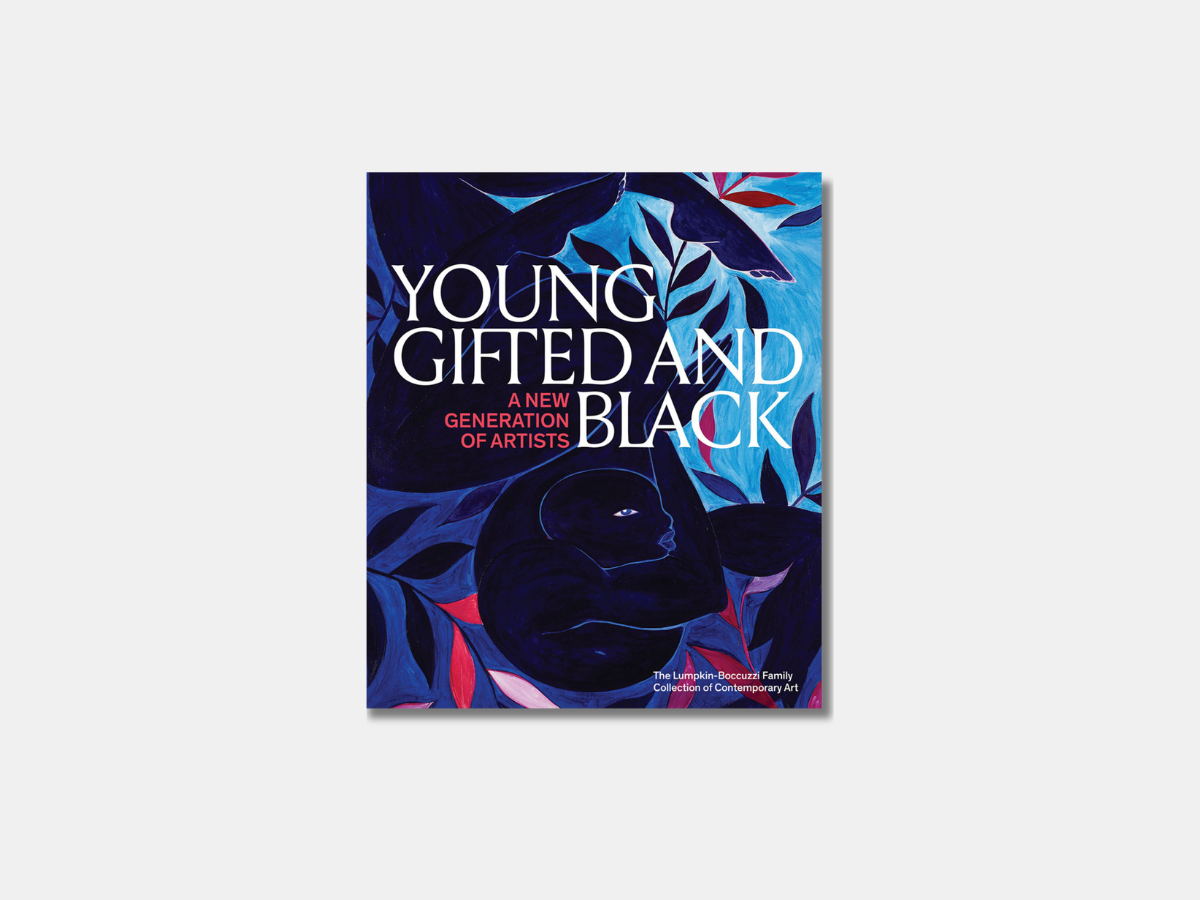
Young, Gifted And Black – A New Generation Of Artists: The Lumpkin-boccuzzi Family Collection Of Contemporary Art by Antwaun Sargent | Image: Supplied

10. Young, Gifted And Black – A New Generation Of Artists

  • Author: Antwaun Sargent
  • Published: September 22, 2020
  • Genre: Contemporary Art / Culture / Photography
  • Why Must Have: A bold, visually compelling celebration of emerging Black artists who are reshaping the landscape of contemporary art.

This collection brings together a new generation of painters, photographers, sculptors and multidisciplinary creators whose work carries both cultural weight and creative freedom. Antwaun Sargent curates the selection with precision, highlighting artists who challenge traditional narratives while pushing the boundaries of form, colour and storytelling. The result is a book that feels alive, forward-looking and deeply rooted in artistic evolution.

This book is vibrant, future-oriented, and deeply connected to artistic growth. When placed on a coffee table, “Young, Gifted and Black” adds a contemporary, energetic touch to any space. It demonstrates appreciation for emerging voices, new viewpoints, and the rising talents shaping the future of art history.
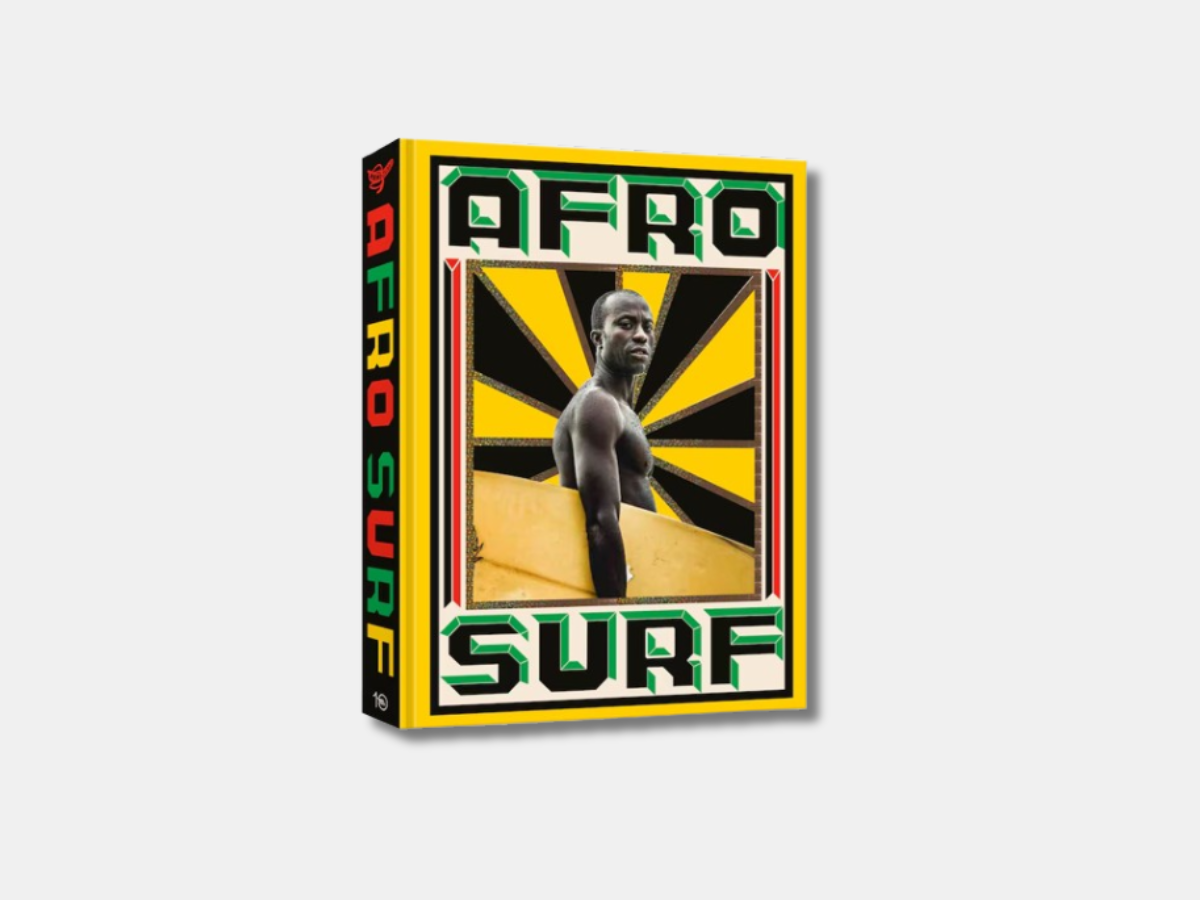
Afro Surf by Mami Wata | Image: Supplied

11. Afrosurf

  • Author: Mami Wata
  • Published: June 15, 2021
  • Genre: Surf Culture / Photography / African Lifestyle
  • Why Must Have: A vibrant and colourful tribute to African surf culture that adds personality and style to any space.

There’s an instant sense of freedom in this book — sun-soaked coastlines, vibrant surfboards, fearless talent, and a vibe that makes you want to grab a towel and run straight into the water. It captures the rhythm of beach life across Africa in a fun, energetic and full of character, blending bold photography with stories that bring the culture to life. Drop this on a coffee table, and you’ll see guests flipping through it right away; the colours, the waves, the attitude — all of it hits with the playfulness and spirit that every space needs.
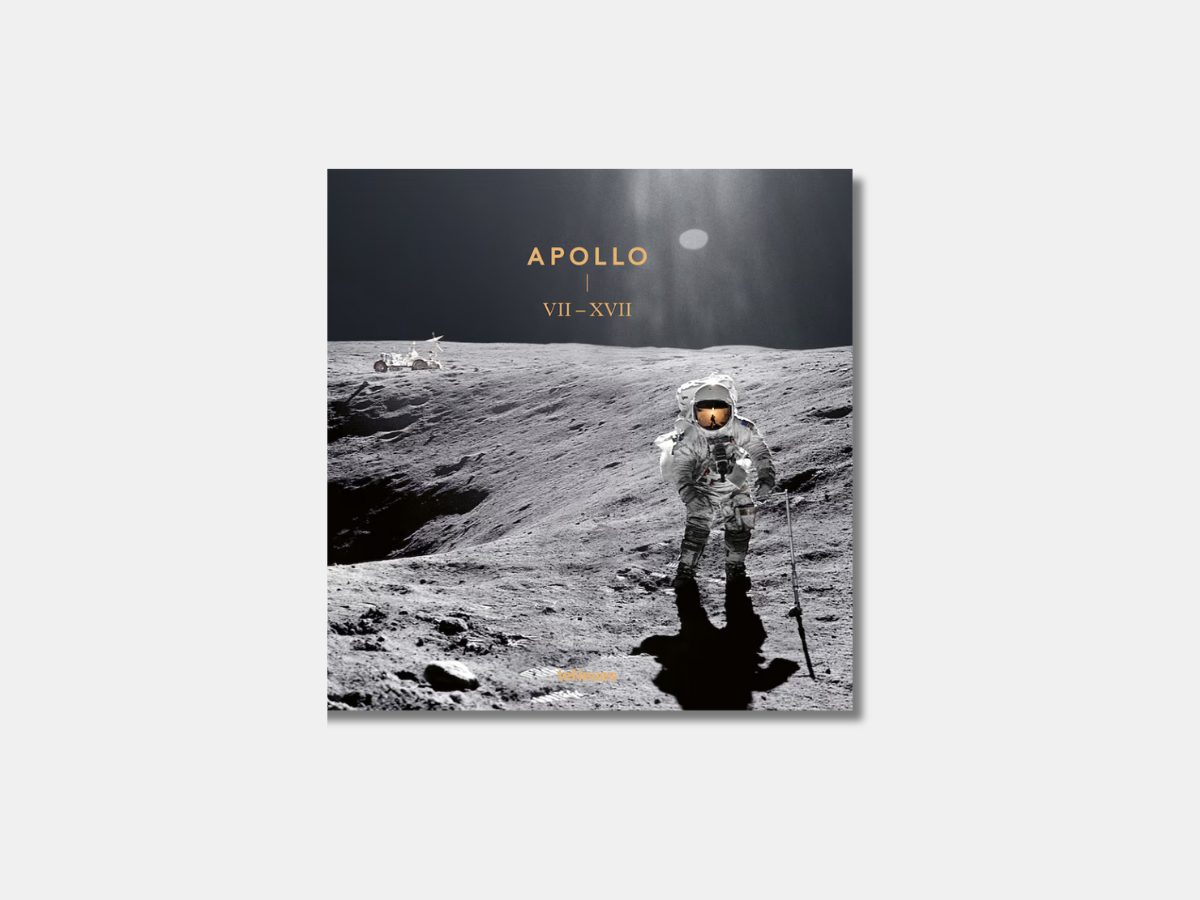
Apollo VII-XVII: Revised & Extended Edition by Floris Heyne | Image: Supplied

12. Apollo VII-XVII: Revised & Extended Edition – Floris Heyne

  • Author: Floris Heyne, Joel Meter, Simon Phillipson & Delano van der Heide
  • Published: September 16, 2019 (Revised & Extended Edition)
  • Genre: Space / Photography / History
  • Why Must Have: A stunning, carefully restored visual record of NASA’s Apollo missions — a must-have for anyone who admires exploration, engineering, and human ambition.

This revised edition presents the Apollo era with extraordinary clarity, offering a collection of photographs that seem both historic and almost surreal in their detail. From the training grounds on Earth to the stillness of the lunar surface, each image captures the scale, bravery, and precision behind each mission. The curation is sharp and immersive, allowing you to trace the journeys of astronauts who pushed the limits of possibility and reshaped humanity’s role in the universe.

And trust me — when you have guests over, this is the type of book people reach for without hesitation. Everyone is curious about what exists beyond our world, and this edition captures that sense of awe in a way few books can. It reflects curiosity, respect for innovation, and an appreciation for the men who stepped off our planet and into the unknown. A true conversation starter with visual impact.
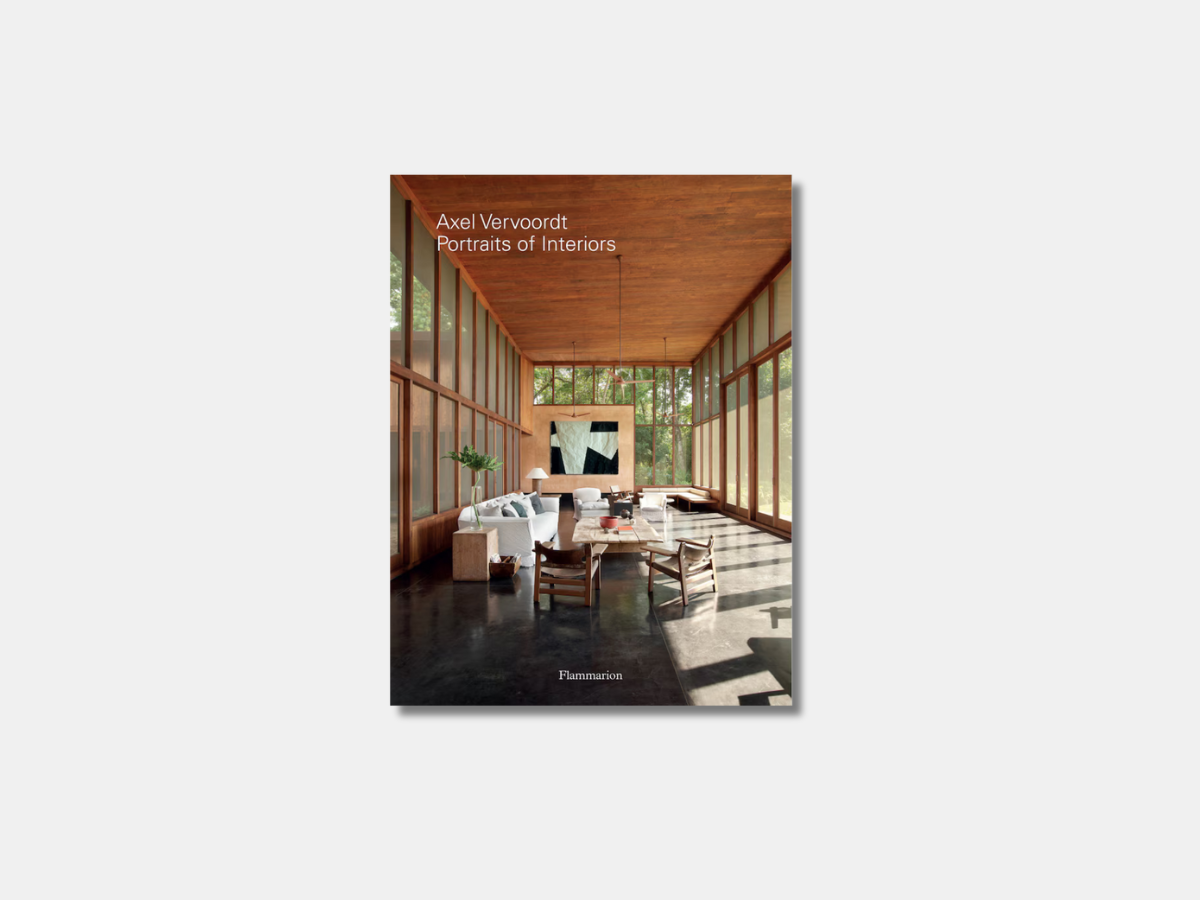
Axel Vervoordt: Portraits Of Interiors by Axel Vervoordt & Michael Gardner | Image: Supplied

13. Axel Vervoordt: Portraits Of Interiors – Axel Vervoordt & Michael Gardner

  • Author: Axel Vervoordt & Michael Gardner
  • Published: November 5, 2019
  • Genre: Interior Design / Architecture / Art
  • Why Must Have: A serene, beautifully photographed exploration of timeless interiors from one of the most influential tastemakers in the world.

There’s something quietly powerful about Axel Vervoordt’s work, and this book captures that spirit perfectly. Each interior feels calm, intentional, and deeply connected to its surroundings — spaces built with natural materials, soft lighting, and an artist’s eye for balance. The photography is warm and atmospheric, drawing you into rooms that feel lived-in yet impeccably curated. This is the definition of understated luxury, the kind that speaks without ever needing to raise its voice.
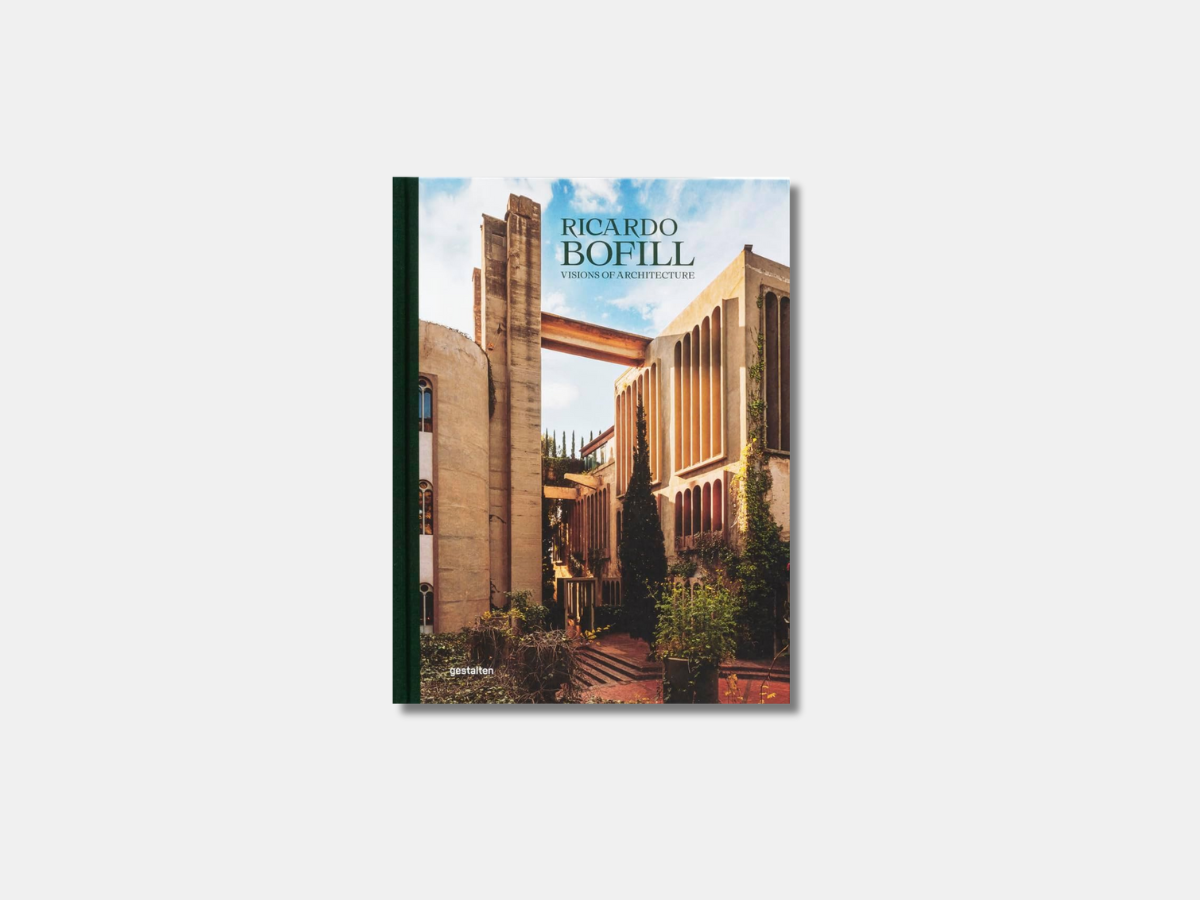
Ricardo Bofill (New Edition) Visions of Architecture by Gestalten, Ricardo Bofill, Pablo Bofill | Image: Supplied

14. Ricardo Bofill (New Edition): Visions of Architecture

  • Author: Ricardo Bofill & Gestalten
  • Published: May 28, 2025 (New Edition)
  • Genre: Architecture / Design / Visual Culture
  • Why Must Have: A bold, visually striking journey through Ricardo Bofill’s groundbreaking work — a perfect contrast to Axel Vervoordt’s calm, understated interiors, offering your coffee table the best of two design worlds.

If Vervoordt’s interiors express tranquillity and balance, Bofill’s architecture introduces drama. This edition highlights the monumental scale, sculptural geometry, and dreamlike structures that define his vision—buildings that seem pulled from a cinematic universe. The photography captures every striking angle: concrete labyrinths, surreal housing complexes, and vast forms that challenge conventional design. Positioned alongside the serene aesthetic of Vervoordt’s work, Bofill’s world adds contrast, energy, and artistic tension to your coffee table, creating a compelling combination of design inspiration and visual storytelling.
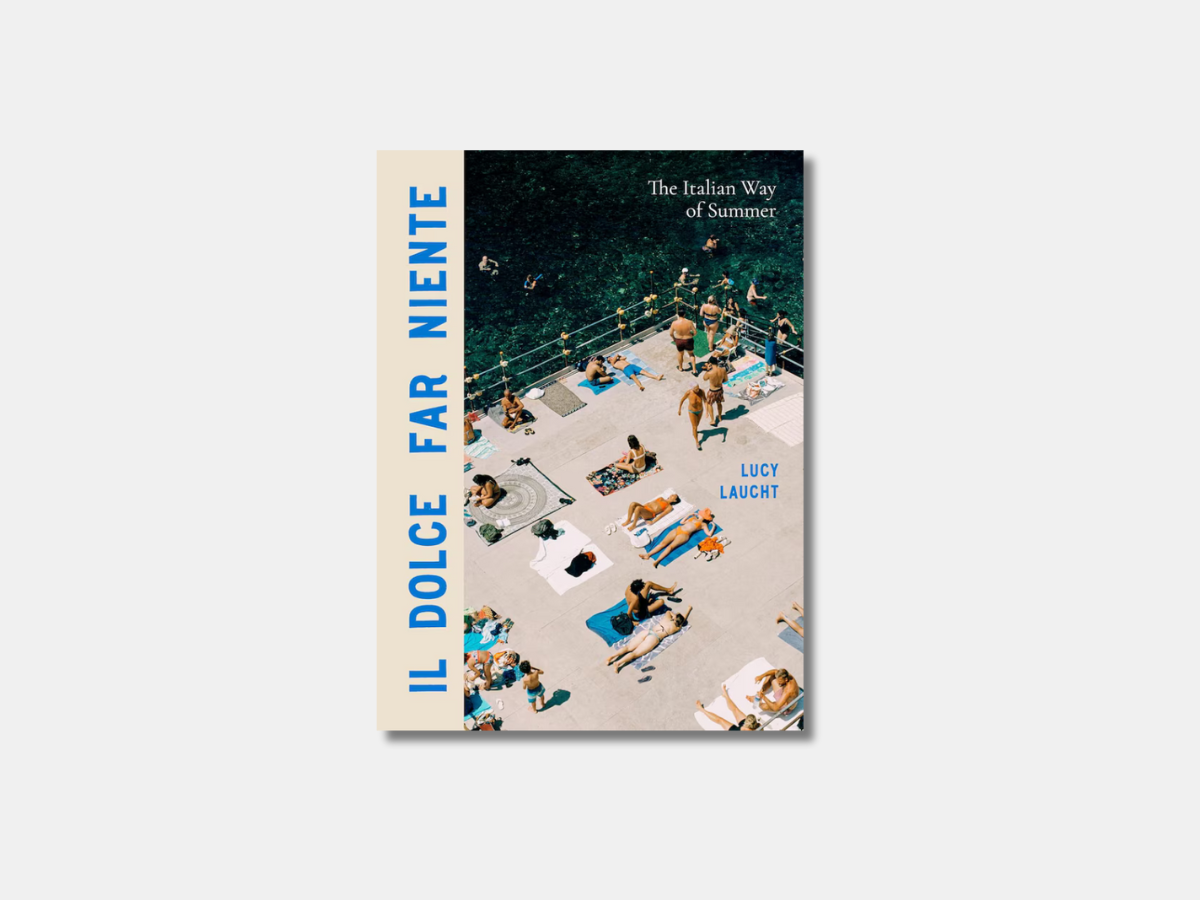
Il Dolce Far Niente The Italian Way of Summer by Lucy Laucht | Image: Supplied

15. Il Dolce Far Niente: The Italian Way of Summer

Author: Lucy Laucht
Published: 2023
Genre: Travel / Lifestyle / Photography
Why Must Have: A sun-drenched tribute to Italian summer living — relaxed style, seaside charm, and mastering the art of slowing down.

Few things feel as inviting as an Italian summer, and this book captures that atmosphere with calm, understated elegance. The pages take you through sunlit coastlines, quiet piazzas, vintage beach clubs, and the unhurried afternoons that define il dolce far niente — the sweet pleasure of doing nothing. The photography is warm and nostalgic, highlighting a lifestyle rooted in simplicity, charm, and the joy of small, meaningful moments. Placed on a coffee table, it brings light, colour, and a relaxed Mediterranean vibe that complements the bold architecture of Bofill and the serene interiors of Vervoordt.

Why Trust Our List?

We have created this list with intention, taste, and an understanding of what genuinely elevates a man’s space. Every book here earns its place through design, storytelling, and cultural relevance. We look for pieces that add depth, spark conversations, and reflect the interests of men who care about style, craftsmanship, and the world around them. From photography and architecture to motorsport, fashion, and travel, each title offers something meaningful. These aren’t just books — they’re extensions of personality, chosen to make your home feel thoughtful, confident, and unmistakably yours.


BooksArt
About the Author
Previous Post
2026 Ferrari 849 Testarossa Review: Price, Specs, & Everything You Need to Know
Next Post
The World’s First Transparent Wireless OLED TV Costs $60,000—Here’s Why

Related Articles

10 Ways Serge Gainsbourg Still Inspires the Way Men Dress Today

Reading Time: 13 minutes

Our team of editors and experts thoughtfully chooses each product. If you decide to buy through one of our links, we may earn a commission. Learn more. Want to know how we test products? Click here for more details.

There are style icons, and then there is Serge Gainsbourg — a man who never followed fashion but somehow shaped it for generations. His influence wasn’t from perfect tailoring or carefully chosen outfits, but from the way he wore his clothes with a kind of effortless confidence that couldn’t be taught. Everything he wore felt lived-in, unapologetic, and unmistakably his. At a time when pop culture was loud and polished, Gainsbourg made imperfection look irresistible.

The striped sailor sweaters, worn denim, louche suits, trench coats, jazz shoes, and military shirts — none of it has aged. Instead, these pieces have become foundational elements in modern menswear, reappearing on runways and in everyday closets as a new generation relearns what he mastered decades ago: personality matters more than perfection. Gainsbourg didn’t just wear clothes; he used them as an extension of his mood, his music, and his refusal to conform.

This is why, even long after his era, men continue to look up to him for inspiration. Gainsbourg showed us that great style isn’t about following trends but about adopting a look so natural that it becomes part of your identity. His wardrobe was simple, but the way he wore it was extraordinary — a reminder that true elegance comes from attitude, not price tags.

Here are 10 style lessons from Serge Gainsbourg that still inspire the way men dress today, and why his signature moves remain iconic classics.

Unbutton Your Shirt – Serge Gainsbourg | Image: Getty Images – Keystone-France

Style Lesson #1

Unbutton Your Shirt

If there’s one rule Serge Gainsbourg lived by, it’s that a shirt should never feel stiff or over-structured. He treated buttons like suggestions, not obligations. Leaving the top two — sometimes three — undone became part of his signature style. It wasn’t about showing skin; it was about signaling ease, confidence, and a refusal to dress for anyone but himself. The result was a look that felt relaxed, sensual, and quietly rebellious all at once.

Most men hesitate to unbutton beyond the first clasp, worried it might look too casual. Gainsbourg proved the opposite — that a slightly undone shirt can make you look more comfortable in your own skin. It softens tailored outfits, adds personality to simple ones, and instantly shifts your style from “try-hard” to “effortlessly cool.” His lesson still holds today: don’t be afraid to open things up a little. A few undone buttons can do more for your style than a perfectly pressed collar ever will.

Style Lesson #2

The British Trench Coat Move

The British Trench Coat Move – Serge Gainsbourg | Image: Getty Images – INA

Gainsbourg had a way of wearing a trench coat that felt unmistakably his — a mix of British tailoring and Parisian nonchalance. While most men see the trench as a polished, nearly formal outer layer, he approached it with relaxed confidence. The coat wasn’t meant to look perfect; it was meant to move with him. He’d throw it on over a wrinkled shirt, let the belt hang loose, the collar slightly lifted, the fabric catching in the breeze as if it were part of his stride.

The lesson isn’t about choosing the most expensive trench but about wearing it with personality rather than perfection. Let it hang naturally, avoid tightening the belt too much, and don’t mind a little rumpling. A trench looks best when it feels lived-in, not shiny. Gainsbourg knew that outerwear reflects attitude — and when you wear a trench with relaxed confidence, it transforms from just a coat into a statement piece.

What makes this move so timeless is its versatility. A trench coat worn the Gainsbourg way works in spring, autumn, day or night, dressed up or down. It adds a cinematic touch to a simple outfit and gives even the cleanest tailoring a hint of rebellion. It’s a small style shift — but once you try it, you’ll see why it’s one of his most enduring signatures.

Invest in a Strong Paletot Coat – Serge Gainsbourg | Image: Getty Images – Yves LE ROUX

Style Lesson #3

Invest in a Strong Paletot Coat

Of all the outerwear Serge Gainsbourg wore, the paletot coat was one of his subtle power moves. Double-breasted, slightly oversized, and beautifully structured, it conveyed an elegance that never felt forced. Gainsbourg leaned toward pieces with soft shoulders and a relaxed drape — coats that moved with him rather than sitting stiffly on his frame. It allowed him to find that perfect balance between polished and casual, looking sharp without ever seeming to try too hard.

It’s timeless, masculine, and capable of elevating almost everything beneath it, from casual denim to tailored suits. Its structure commands presence, while the gentle drape adds attitude — a combination that feels effortlessly cinematic. The key lesson is to own at least one coat that makes you feel like the star of your own film, and that’s how Gainsbourg understood that some pieces don’t just finish an outfit; they change how you move through the world.

Style Lesson #4

Let White Jazz Shoes Do the Talking

Let White Jazz Shoes Do the Talking – Serge Gainsbourg | Image: Getty Images – Sergio Gaudenti

Gainsbourg did something few men would even try — he made white jazz shoes look effortlessly cool. Slim, bright, and a bit quirky, they shouldn’t have worked, yet on him they became a quiet trademark. He paired them with denim, soft tailoring, rumpled shirts, and even the occasional suit, allowing the shoes to add a subtle flash of personality without overwhelming the outfit. You don’t need bold pieces to stand out; you need one unexpected detail that feels unique for you. Whether it’s a jazz shoe, vintage boot, or an offbeat accessory, just make sure it gives you that look of character and confidence. His footwear calls on rebellion instead of shouting for attention, and sometimes the smallest choices speak the loudest.

Suit Up With Real Elegance – Serge Gainsbourg | Image: Getty Images – INA

Style Lesson #5

Suit Up With Real Elegance

Many men still struggle to suit up properly, but Gainsbourg took a straightforward approach to his suit style. He wore suits the way most men wear T-shirts — naturally, comfortably, and with no stiffness. His jackets had soft shoulders, his trousers fell effortlessly, and nothing ever looked overly structured or carefully planned. He preferred pinstripes, navy wool, and muted tones, letting the cut and drape speak more than the fabric itself. While he wasn’t afraid of double-breasted jackets, he wore them with the same relaxed attitude — a slightly undone shirt, a casual slouch, a cigarette hanging lazily from his fingers — should I say more than this?

That’s the real elegance men can learn from today. A suit shouldn’t feel like a costume or something reserved for special occasions, but more of an extension of you—easy, fluid, and expressive. The real talk happens when tailoring becomes your second nature, rather than focusing on perfection and instead embracing comfort, movement, and personality. Gainsbourg proved that crisp lines or strict rules don’t create elegance; it’s created by the man inside the suit. Wear yours with that same quiet confidence, and suddenly the outfit transforms.

One of Gainsbourg’s greatest tricks was knowing how to let a suit breathe. He’d loosen a button, skip the tie, or pair formal tailoring with shoes that weren’t traditionally “proper.” That contrast — refined clothing worn with rebellious ease — is what made his style unforgettable, which showed how elegance doesn’t have to be rigid, but can move and breathe without overthinking it.

This brings us to this lesson: a suit isn’t meant to be intimidating but to empower. That’s why the majority of Gainsbourg’s tailoring never really shouted for attention, yet it always commanded presence. He understood that a well-cut suit gives a man quiet authority, even when everything else about him looks deliberately relaxed. That blend of softness and strength is what makes his elegance so timeless — and so worth borrowing today.

Build Your Knitwear Wardrobe Around a Classic Sailor Sweater – Serge Gainsbourg | Image: Getty Images – INA

Style Lesson #6

Build Your Knitwear Wardrobe Around a Classic Sailor Sweater

Long before “quiet luxury” became a thing, Gainsbourg was already embodying it with one of his most iconic staples — the classic Breton sailor sweater. Striped, slightly loose, and worn with the confident ease that defined him, it became one of his most recognizable uniforms. He paired it effortlessly with denim, soft tailoring, trench coats, or simply a cigarette and a mischievous attitude. The beauty of the sailor sweater lies in its simplicity: clean, confident, and a true classic of French fashion.

You don’t see this often nowadays, but build your knitwear around a single timeless piece that instantly elevates everything you wear. A good sailor sweater adds personality to casual outfits, provides structure to more tailored looks, and introduces a touch of European cool to whatever you layer it over. It’s versatile, seasonless, and quietly stylish, and could become your signature without you even realizing it — exactly why it became Gainsbourg’s.

Style Lesson #7

How to Modernize the Denim-and-Black-Suit Mix

How to Modernize the Denim-and-Black-Suit Mix – Serge Gainsbourg | Image: Getty Images – Jean Paul Guilloteau

Gainsbourg had a talent for breaking rules in ways that somehow looked better than the rules themselves. One of his most underrated moves was pairing crisp black tailoring with relaxed, worn-in denim — a combination that shouldn’t work on paper but absolutely does in practice. The secret lies in the contrast: a structured jacket with soft jeans; sharp colours with a lived-in texture, and Gainsbourg created a balance between refinement and rebellion that feels more natural than being polished.

Modernizing this mix is a lot easier than it seems. Start with a black blazer that isn’t too stiff — something with soft shoulders and a bit of movement, a jacket that looks just as good open as it does buttoned. The key is to pair it with clean, mid-wash denim that’s slightly worn-in. No rips, and don’t overthink it. Let the contrast breathe. The black suit jacket adds sophistication; the jeans bring attitude, and together you get a look that feels relaxed, confident, and quietly intentional.

The Revival of the Pinstripe – Serge Gainsbourg | Image: Getty Images – KeyStone

Style Lesson #8

The Revival of the Pinstripe

Before pinstripes became a runway staple again, Serge Gainsbourg was already reimagining them in his own rebellious way. He loved a pinstripe suit — not the power-dressing, boardroom type, but the softer, slightly disheveled version that felt more like a second skin than a formal uniform. His pinstripes slouched, moved, and breathed with him. He’d wear them with open collars, undone ties, unpolished boots — taking something traditionally strict and giving it personality. Gainsbourg showed that pinstripes don’t have to look corporate; they can look poetic, rebellious, even intimate.

Today, the pinstripe is back, but wearing it well still relies on that lesson. Choose a suit with a relaxed drape, softer shoulders, and a stripe that appears refined rather than loud. Skip the rigid styling and let the suit breathe — unbutton a few buttons, loosen the structure, or pair it with knitwear or denim to push the look. The aim isn’t to resemble a banker; it’s to appear as a man who knows that elegance doesn’t have to be uptight. That’s why the look continues to feel so modern.

Style Lesson #9

Own Unconventional Shades

Own Unconventional Shades – Serge Gainsbourg | Image: Getty Images – Jean-Louis URLI

Shades can be among the most expressive pieces a man wears, especially when the frames aren’t the typical, understated kind. Serge Gainsbourg was drawn to lenses that had character—slightly oversized shapes, soft tints, and styles that added mood rather than just blocking the sun. The goal isn’t to look eccentric; it’s to pick a pair that subtly changes your entire presence, something that feels personal and quietly distinctive. A rounded frame, a smoky tint, or a silhouette just different enough from the mainstream can give your outfit a sense of individuality without trying too hard. The right unconventional shades become part of your identity, not just an accessory, and that’s what makes them worth having.

Turn a Classic US Army Shirt Into a Fashion Statement – Serge Gainsbourg | Image: Getty Images – Bertrand LAFORET

Style Lesson #10

Turn a Classic US Army Shirt Into a Fashion Statement

Before the military-inspired style became a fixture in modern menswear, the US Army shirt was already quietly iconic, thanks to the way Serge Gainsbourg wore it. What might have seemed utilitarian or rugged became unexpectedly chic when he incorporated it into his wardrobe with that soft, Parisian nonchalance. He regarded the piece as a versatile layer — sometimes buttoned, sometimes open, always relaxed — pairing it with tailored trousers, washed denim, or a sharp jacket to create a balance of masculinity and ease that felt entirely his own.

One of his most memorable looks was the Army shirt left generously unbuttoned, paired with high-waisted white trousers, a style that radiated the kind of louche confidence only he could exude. It echoed the spirit of ‘60s cinema — perhaps a nod to David Hemmings in Blow-Up — but Gainsbourg’s take was much more carefree, complete with a Gitanes cigarette as the final touch.

Fashion Advice
About the Author

Related Articles

arrow_drop_up