








If you grew up in the early 2000s, chances are Harry Potter wasn’t just a story — it was a childhood tradition. Midnight book launches, queuing at the cinema in your Hogwarts house scarf, debating with friends about who was more powerful — Dumbledore or Voldemort — all of it became part of our generation’s identity. Fast forward two decades, and the magic is about to be reignited in a way no one could have foreseen back then: HBO, under its Max streaming banner, is bringing the wizarding world back to life with a decade-long TV reboot of the entire saga.
That said, the series comes with some challenges. In recent years, many fans have had mixed feelings about Harry Potter — not because of the boy wizard, but because of controversies around J.K. Rowling. Still, HBO is focused on bringing back the original magic of the books, promising a “faithful adaptation” that matches the source material more closely than the big movies did. Rowling will stay involved as an executive producer, but the main attraction is the format: one full season for each book, giving the story and characters the space they never had in the movies. With a planned release in 2027 and filming already underway, this is shaping up to be one of HBO’s biggest projects.
The aim? To explore a deeper world than the eight blockbuster films (and spin-offs) ever could, bringing back the subplots, characters, and details fans have long wanted to see on screen. With the show now officially in production and much of the main cast revealed, Hogwarts’ doors are about to reopen — and here’
Advertisement · Continue Reading Below
One of the biggest questions about HBO’s Harry Potter reboot was simple: who could play the famous roles that shaped a generation? After months of guessing, the main cast has finally been revealed, featuring a mix of new young actors and experienced stars. From new actors playing the Golden Trio to well-known actors taking on Hogwarts’ most powerful teachers, the casting shows HBO wants to balance staying true to the story with fresh, modern versions. Here is the full list of confirmed names so far.
- Dominic McLaughlin as Harry Potter
- Arabella Stanton as Hermione Granger
- Alastair Stout as Ron Weasley
- John Lithgow as Albus Dumbledore
- Janet McTeer as Minerva McGonagall
- Nick Frost as Rubeus Hagrid
- Paapa Essiedu as Severus Snape
- Paul Whitehouse as Argus Filch
- Luke Thallon as Quirinus Quirrell
- Katherine Parkinson as Molly Weasley
- Lox Pratt as Draco Malfoy
- Johnny Flynn as Lucius Malfoy
- Leo Earley as Seamus Finnigan
- Alessia Leoni as Parvati Patil
- Sienna Moosah as Lavender Brown
- Bel Powley as Petunia Dursley
- Daniel Rigby as Vernon Dursley
- Bertie Carvel as Cornelius Fudge
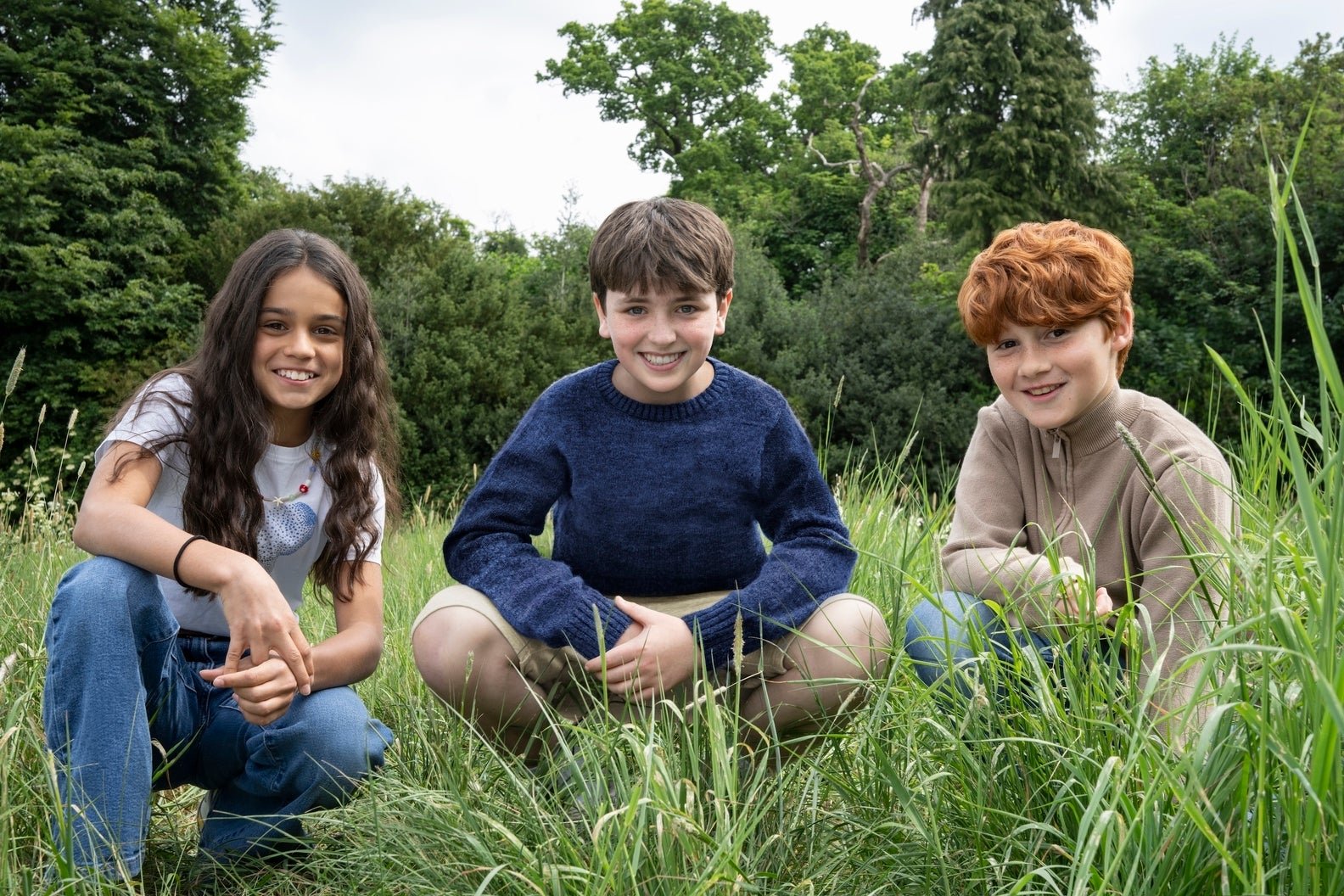
There’s something poetic about how history repeats itself in the wizarding world. Back in 2001, a wide-eyed Daniel Radcliffe was just 11 years old when he first slipped on Harry’s glasses. Now, two decades later, another young Scot — Dominic McLaughlin — is stepping up to become the new Boy Who Lived, also at the very same age. It’s a full-circle moment that feels destined, and one that instantly sets the tone for HBO’s commitment to starting fresh.
McLaughlin may not be well known yet, but that’s on purpose. Before landing his biggest role so far, he improved his acting in Edinburgh by performing in Macbeth plays. Recently, he finished filming the small-budget comedy Grow, where he acted with Nick Frost—who, by a lucky coincidence, will play Hagrid in the new Potter series. This connection feels like a quiet passing of the torch, as the young actor begins working with some of the biggest names in the reboot.
And let’s not underestimate just how huge this casting process was. HBO auditioned over 32,000 children across the UK searching for its Harry, Hermione, and Ron. Among all those hopefuls, McLaughlin stood out as the one to lead the series into a new chapter. He’ll grow up on screen as millions of fans watch — just like Radcliffe did — and that mix of vulnerability, bravery, and raw potential could make him the perfect choice to carry Hogwarts on his shoulders for the next decade.
Now 12, Arabella Stanton was only 11 when she was chosen to play Hermione Granger, placing her at almost the same age Emma Watson was when she first entered the wizarding world. Stanton is not entirely new to acting—she previously played Matilda in London’s West End—but taking on one of Harry Potter’s most beloved characters is easily her biggest role yet. There is already a quiet confidence and natural presence about her that feels right for Hermione, the brilliant, fiercely determined voice of reason who usually knows the correct spell long before everyone else.
Advertisement · Continue Reading Below
Early glimpses suggest Stanton understands the qualities that make Hermione so memorable: her sharp wit, endless curiosity and stubborn insistence on getting things exactly right—yes, it is “LeviOsa,” not “Leviosaa.” Because the series is expected to unfold over several years, audiences will have the rare opportunity to watch Stanton grow alongside the character, from an eager young Hogwarts student into one of the story’s bravest and most capable witches. Following Emma Watson is an enormous responsibility, but Stanton may well become the Hermione who introduces an entirely new generation to Harry Potter.
As Harry’s fiercely loyal best friend, Ron Weasley is the heart of the Golden Trio, and HBO has chosen newcomer Alastair Stout to play him again. Before getting the role, Stout had only appeared in one TV commercial, which makes his path to Hogwarts feel especially fitting. Early looks show he brings the natural humour and simple, real feel Ron needs, but the character has always been more than just comic relief. He is brave when it counts, often unsure of himself, stubborn enough to annoy Harry and Hermione, and loyal enough to stand by them when everything falls apart. Stout now has the chance to show a new version of the youngest Weasley son while keeping the qualities that made him so real, and yes, we can still look forward to the wizard-chess wins, panicked spider encounters, and a mouthful of slugs.
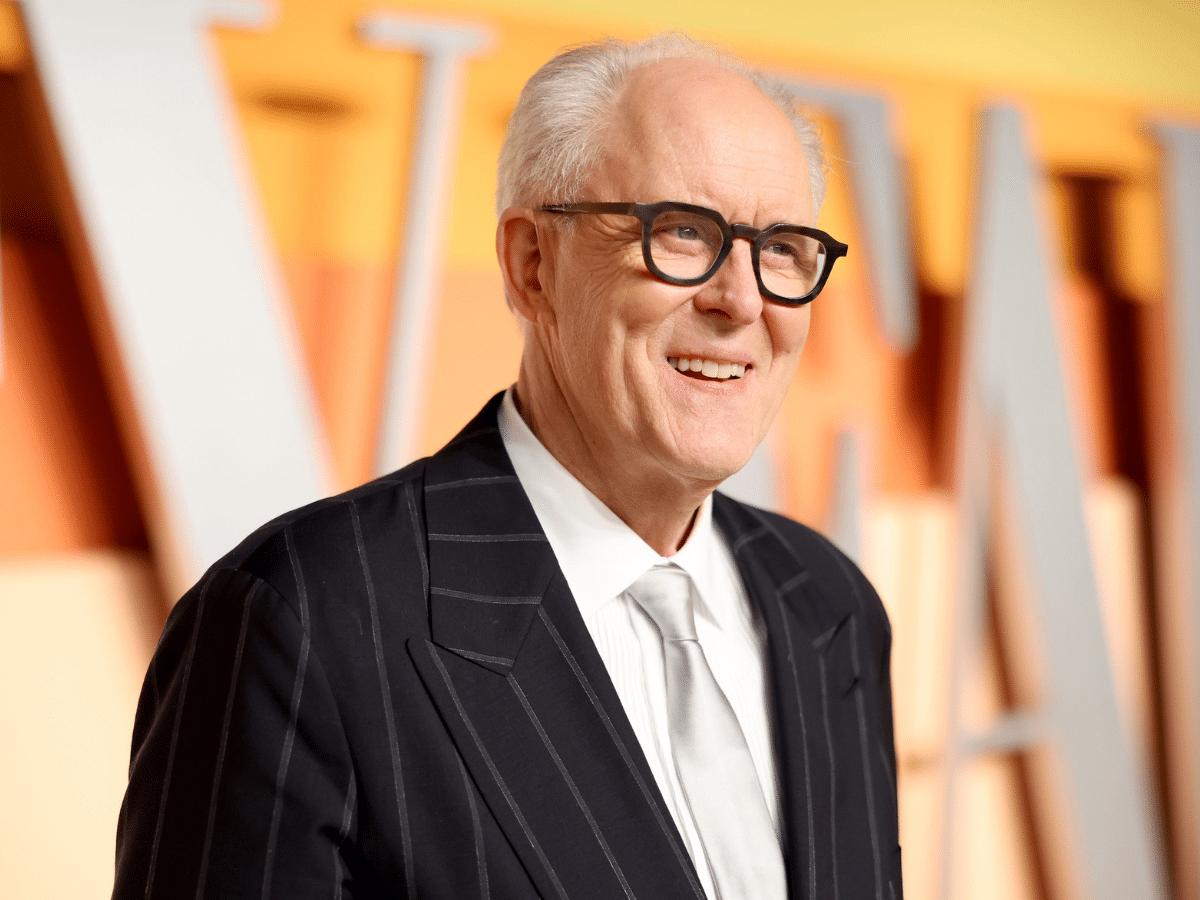
Bringing wisdom, warmth, and just the right hint of mischief to Hogwarts’ headmaster is none other than John Lithgow. Yes, Lord Farquaad himself will now trade his crown for half-moon spectacles, stepping into the role of Albus Dumbledore — a part Lithgow admits may be the defining chapter of his career. “It was a big decision, because it’s probably the last major role I’ll play,” he told The Times. “It’s an eight-year commitment so I was thinking about mortality and that this is a very good winding-down role.” That sense of gravitas, mixed with his trademark wit, makes him an intriguing choice for the legendary headmaster of Hogwarts School of Witchcraft and Wizardry.
With an award-winning career including The Crown, Dexter, and many stage roles, Lithgow has shown he can hold attention and play complex characters. Now, he’ll bring that same seriousness to Dumbledore, balancing the headmaster’s wise advice with the quirky traits that made him loved in the books. If his performance captures both the wisdom and the fun — maybe even saying a line like “Nitwit! Blubber! Oddment! Tweak!” at the welcome feast — then Lithgow could become the go-to Dumbledore for a whole new generation of fans.
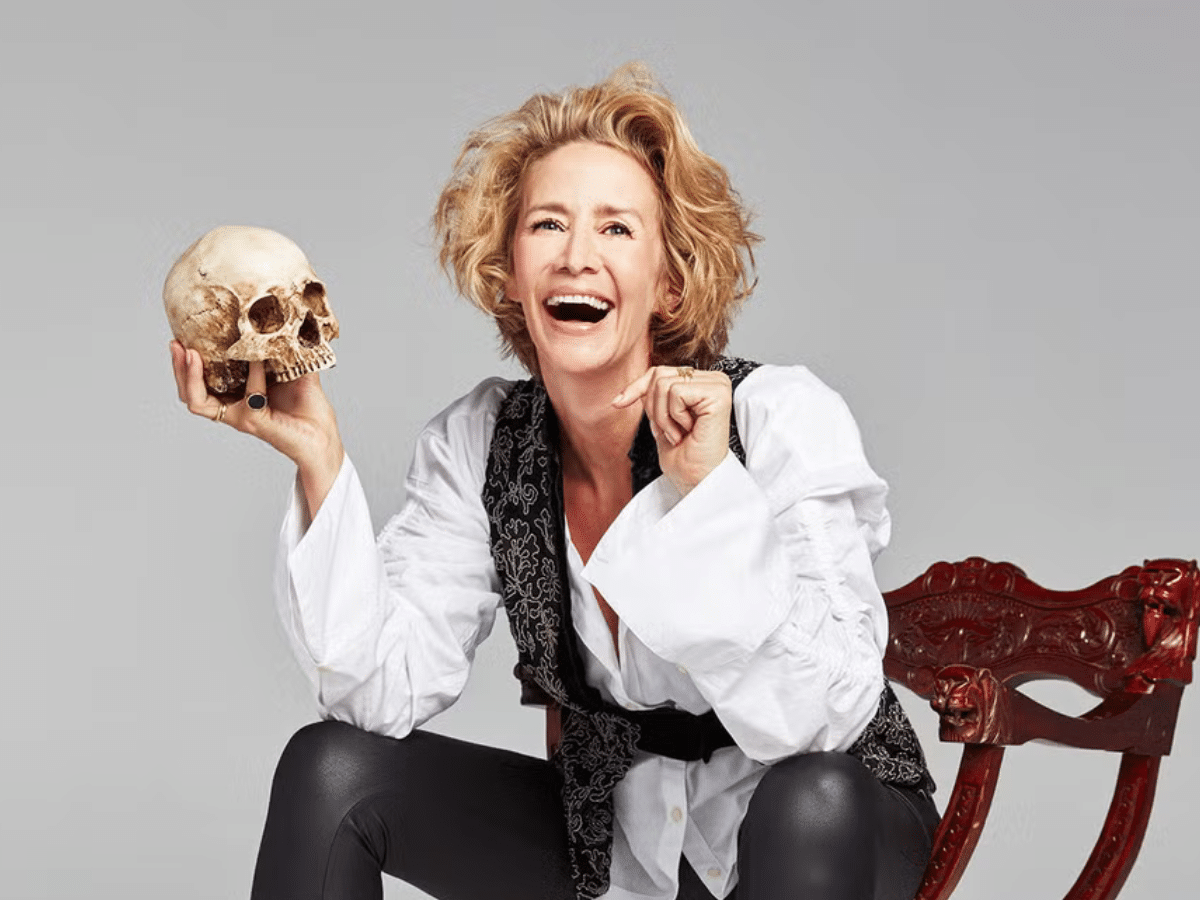
Few characters command respect quite like Professor McGonagall, and few actresses could step into her shoes with the same authority as Janet McTeer. Known for her commanding performances in Ozark, Jessica Jones, and a long list of acclaimed stage roles, McTeer has the gravitas, presence, and razor-sharp delivery that make her a perfect fit for Hogwarts’ strict but deeply caring Transfiguration professor. She has the kind of screen presence that makes you sit up straighter—exactly the kind of energy McGonagall brings every time she sweeps into a classroom.
Of course, McGonagall is more than just serious looks and a tight bun hairstyle. Fans know her as very loyal to her students and brave when needed. With McTeer playing the role, audiences can expect a McGonagall who can tell cheeky Gryffindors off one moment and then face the darkest forces of the wizarding world the next. And yes, we’re all secretly waiting for the day she turns into a tabby cat on screen again because what’s a proper Hogwarts welcome without that famous transformation?
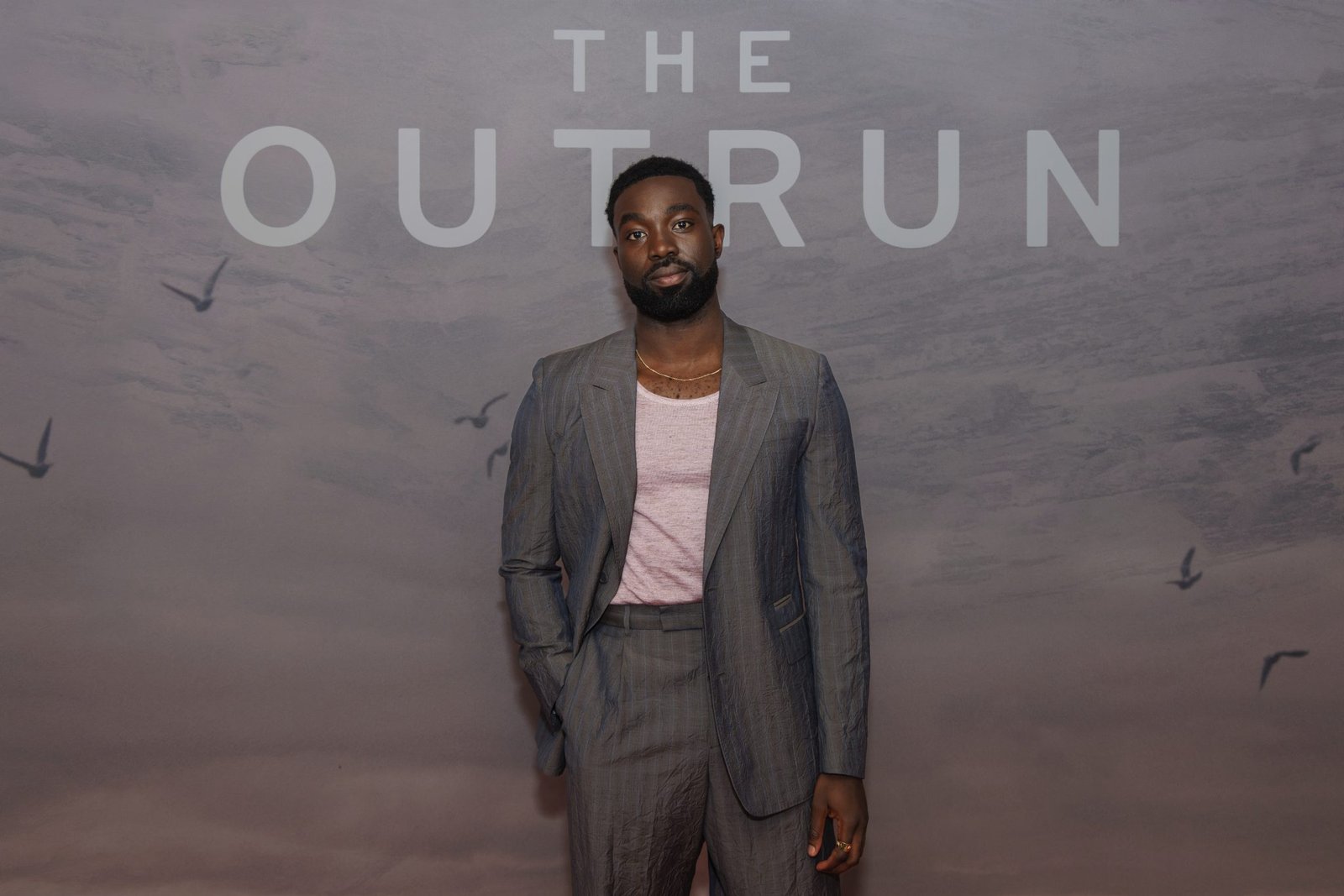
Stepping into one of the most complicated roles in the Harry Potter universe is Paapa Essiedu, who will play Hogwarts’ famously intimidating Potions Master, Severus Snape. Essiedu has built a career around characters who rarely reveal everything they are feeling, delivering emotionally layered performances in I May Destroy You, Gangs of London and onstage as Hamlet for the Royal Shakespeare Company. That experience should serve him well with Snape, a man whose cold sarcasm and apparent cruelty conceal years of regret, resentment and fiercely guarded loyalty beneath those flowing black robes.
Comparisons with Alan Rickman will be unavoidable, but the most exciting possibility is that Essiedu will be given room to create a Snape of his own. The character needs to be frightening enough to silence a classroom with a glance, yet subtle enough to keep audiences questioning his motives for years. If Essiedu can capture that tension between bitterness, vulnerability and reluctant bravery, his portrayal could become one of the series’ most compelling performances. And when he eventually tells a room full of nervous Gryffindors to turn to page 394, the internet will almost certainly lose its mind.
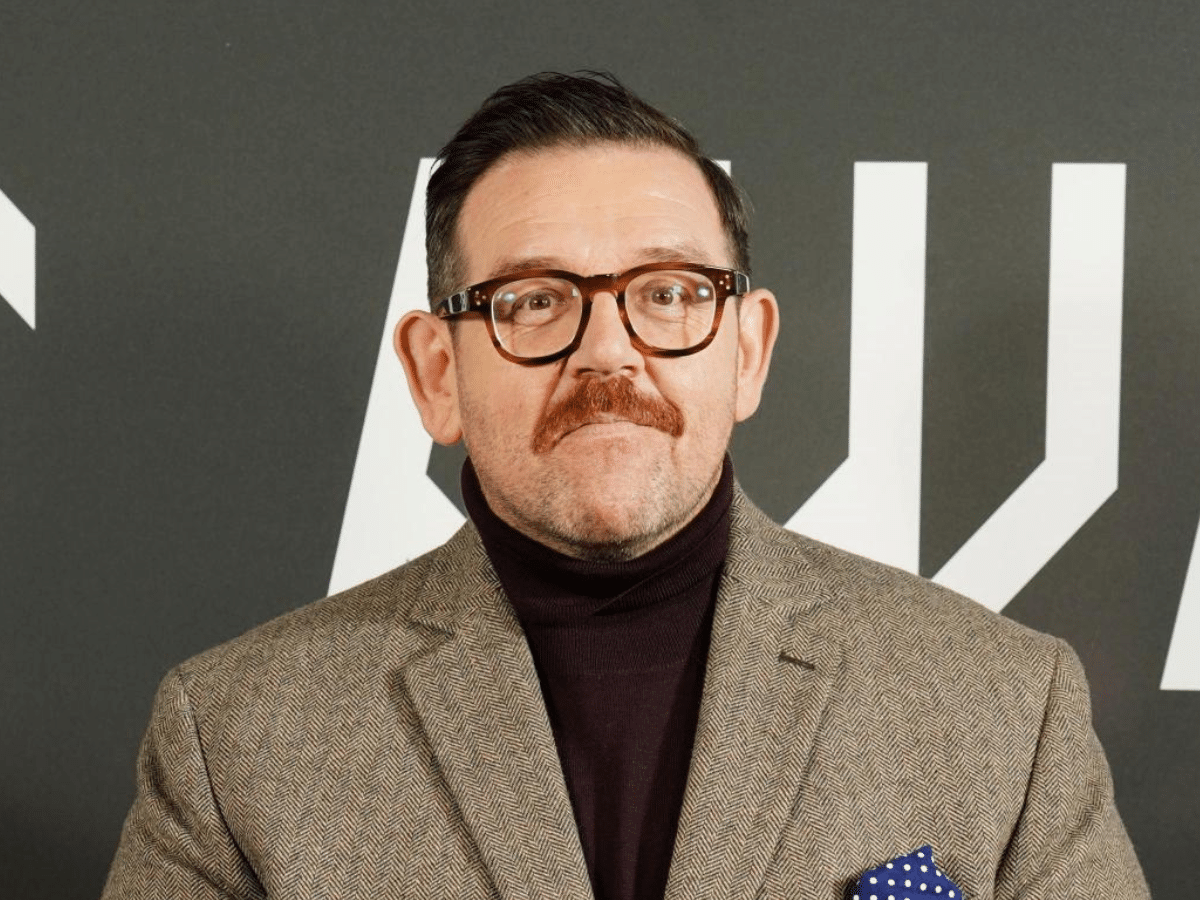
Hogwarts’ half-giant gamekeeper and Keeper of Keys will be brought to life by Nick Frost, whose mix of warmth, humour, and larger-than-life presence makes him a natural fit for the role. Best known for his comedy work in Shaun of the Dead and Hot Fuzz, Frost has the charm to capture Hagrid’s gentle heart as well as his knack for stumbling into trouble. From introducing Harry to the magical world to tending creatures that are just as likely to bite as they are to cuddle, he feels like a perfect choice — and fans are already waiting to hear him mutter that unforgettable line: “I shouldn’t have said that.”
Advertisement · Continue Reading Below
Comedy veteran Paul Whitehouse will be prowling the corridors of Hogwarts as Argus Filch, the permanently irritated caretaker who seems to enjoy catching misbehaving students almost as much as Mrs Norris enjoys silently judging them. Best known for creating an entire collection of wonderfully eccentric characters in The Fast Show and Harry & Paul, the five-time BAFTA winner has the comic timing needed to make Filch both unpleasant and oddly entertaining. Expect suspicious scowls, furious muttering about muddy footprints and enthusiastic threats of detention as he patrols the castle in search of anyone breaking the rules—or simply looking as though they might be thinking about it.
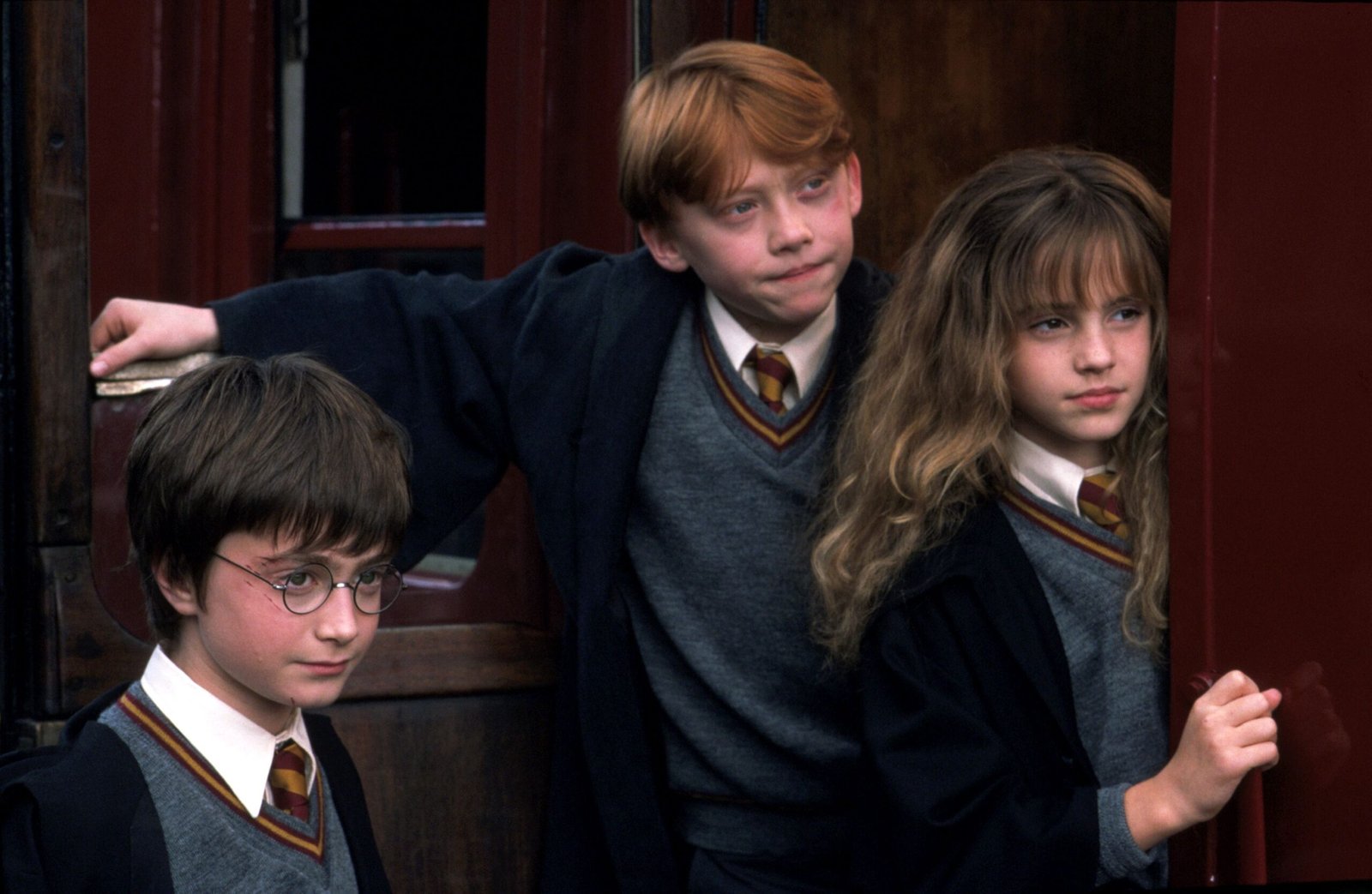
The greatest advantage HBO’s Harry Potter series has is surprisingly simple: time. The eight-episode first season can spend considerably longer inside Harry Potter and the Philosopher’s Stone than any two-hour film could, allowing quieter character moments, classroom rivalries and the everyday strangeness of Hogwarts to unfold without constantly rushing toward the next major plot point. Warner Bros. Discovery has described the project as a faithful, decade-long adaptation of the books, which raises the possibility of finally seeing more of the material the films had to leave behind. For longtime readers, that could eventually mean Peeves creating havoc in the corridors, Hermione campaigning for house-elf rights through S.P.E.W. and a deeper exploration of the Marauders’ history—although HBO has not yet confirmed which of those omitted storylines will appear.
The new cast also gives the series a chance to rebuild the story from the beginning, with Harry, Ron and Hermione entering Hogwarts at roughly the same age as their characters in the first book. Viewers will be able to watch their friendship change naturally as the actors grow with the roles across several years, from nervous first-years struggling with basic spells to young adults facing a war. HBO has not promised that its version will simply be darker or grittier, but the long-form format should allow it to explore more of the humour, danger and untidy details of life in the wizarding world. If the films captured the highlights of Harry’s journey, the series has the potential to fill in the pages between them.
How Faithful Will Home Box Office Harry Potter Series Be To The Original Books?
Home Box Office has promised a “faithful adaptation,” with each season dedicated to a single book. That means storylines and characters that never made it into the films — like Peeves the Poltergeist, more detail on the Marauders, and Hermione’s S.P.E.W. campaign — finally have the chance to appear on screen.
Will J.K. Rowling Be Involved In The New Series?
Yes, Rowling is involved as an executive producer and will have creative input on the series. While she won’t be writing or directing, her participation helps ensure the show remains true to the source material, though her presence continues to be a topic of discussion among fans.
How Long Will The Series Run?
The plan is for a decade-long project with seven seasons, each adapting a different book. Depending on success and demand, HBO might even expand the wizarding world further with spin-offs once the main series is finished.