





Technology

Here’s Everything Apple Showed Off at WWDC 2025

Share via

Our team of editors and experts thoughtfully chooses each product. If you decide to buy through one of our links, we may earn a commission. Learn more. Want to know how we test products? Click here for more details.

Apple’s annual Worldwide Developers Conference always indicates the company’s future direction, and WWDC 2025 wasted no time setting the direction. Even early in the event, Apple introduced a series of meaningful software updates across nearly all its devices. This year’s focus is on refinement—smarter features, tighter integration, and updates designed to improve how your iPhone, Mac, Apple Watch, and iPad work day to day.

There were no new hardware reveals on the keynote stage, with Apple saving those announcements for later in the year. However, what we did see was a strong preview of the company’s software roadmap. From major updates to iOS, macOS, and watchOS to more AI-powered tools shaping the ecosystem’s future, Apple made its priorities clear. As WWDC continues and more announcements are expected, we’ll keep this guide updated. But for now, here’s everything from WWDC 2025 that grabbed everyone’s attention.

Liquid Glass

Apple didn’t ease into WWDC 2025 — it hit right with the look and feel of everything you use daily. Liquid Glass is the company’s most significant visual change in years, and you notice it almost immediately. Across iOS, macOS, and iPadOS, the interface now emphasizes translucency, depth, and softness, making on-screen elements feel lighter and more fluid than before.

Instead of flat panels and solid blocks, menus and buttons now sit on subtly transparent layers. Icons feel like they’re floating. Backgrounds softly blur and adjust as you move around the system. The goal isn’t to distract you with design tricks, but to make everything easier to read, follow, and interact with naturally. Apple has included several customization options, but for the most part, Liquid Glass offers a system-wide aesthetic—glassy, rounded, and consistent throughout.
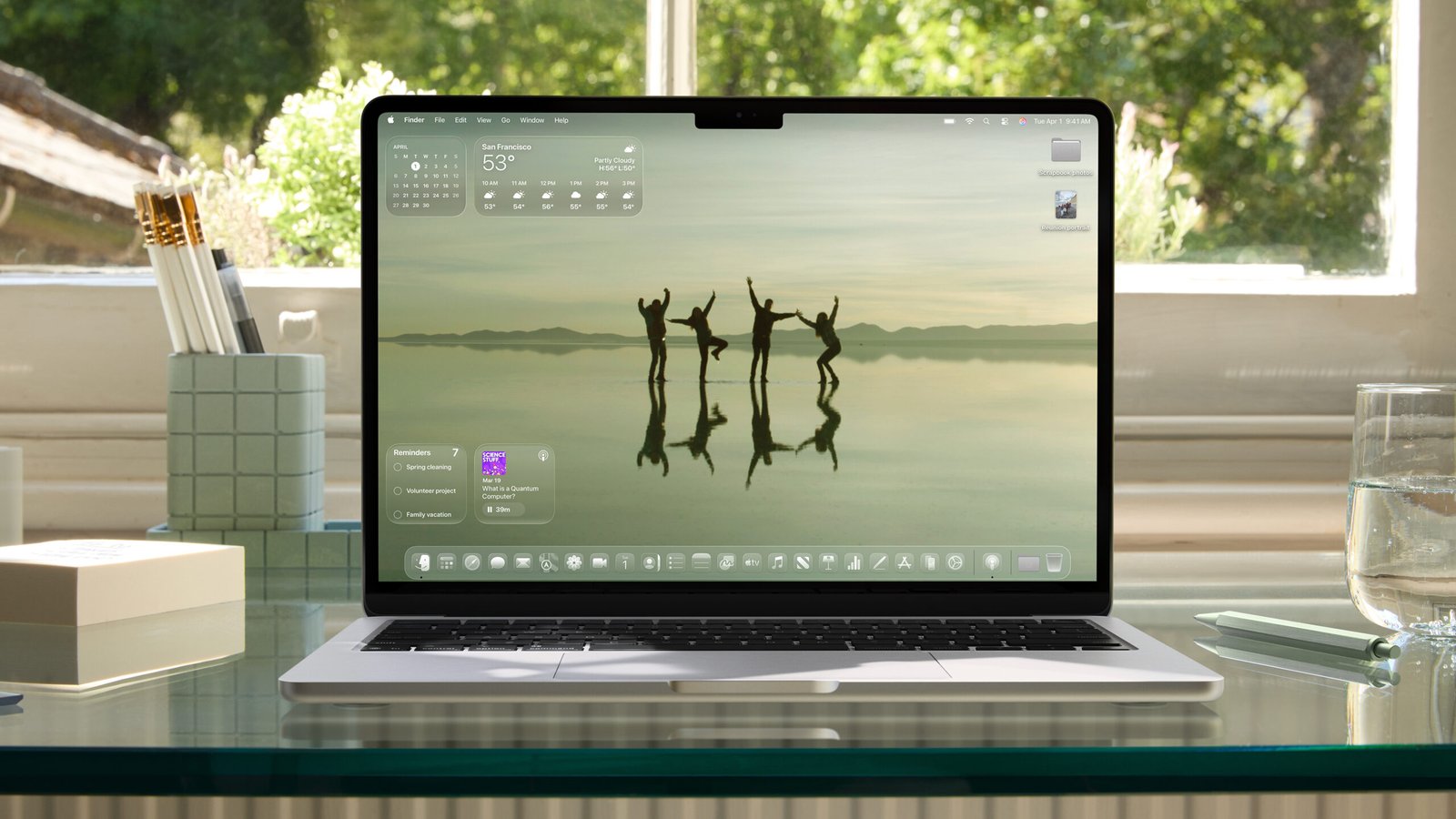
macOS Tahoe 26 lets users customize the desktop and Dock with new looks for app icons and widgets crafted from multiple layers of Liquid Glass. | Image: Apple

This is also the first genuine visual update of Apple’s software experience in over a decade, and you can tell it’s been handled with care. It feels modern without being loud, familiar without feeling outdated. That said, some fair questions are already being raised—especially regarding accessibility. With so much transparency, some users might find certain elements blend in more than expected. Apple emphasizes that visibility and contrast have been carefully adjusted, but this will truly be judged once people start using it daily.

Liquid Glass wasn’t about chasing trends—it’s about quietly refreshing the foundation of the ecosystem in terms of design. And yes, it also sparks a bit of nostalgia. With all this translucency on screen, it’s hard not to wonder if a fully see-through, ’90s-style Apple device could ever make a comeback. Stranger things have happened.

Along with the new look, Apple also introduced a structural change that’s easy to overlook but quite significant. The company is transitioning from traditional version numbers to year-based naming. This means that this year’s updates won’t be called iOS 19 or macOS 15—they’ll be iOS 26, macOS 26, and so forth. It’s a simpler system that aligns software with the year it’s released, making Apple’s roadmap clearer at a glance.
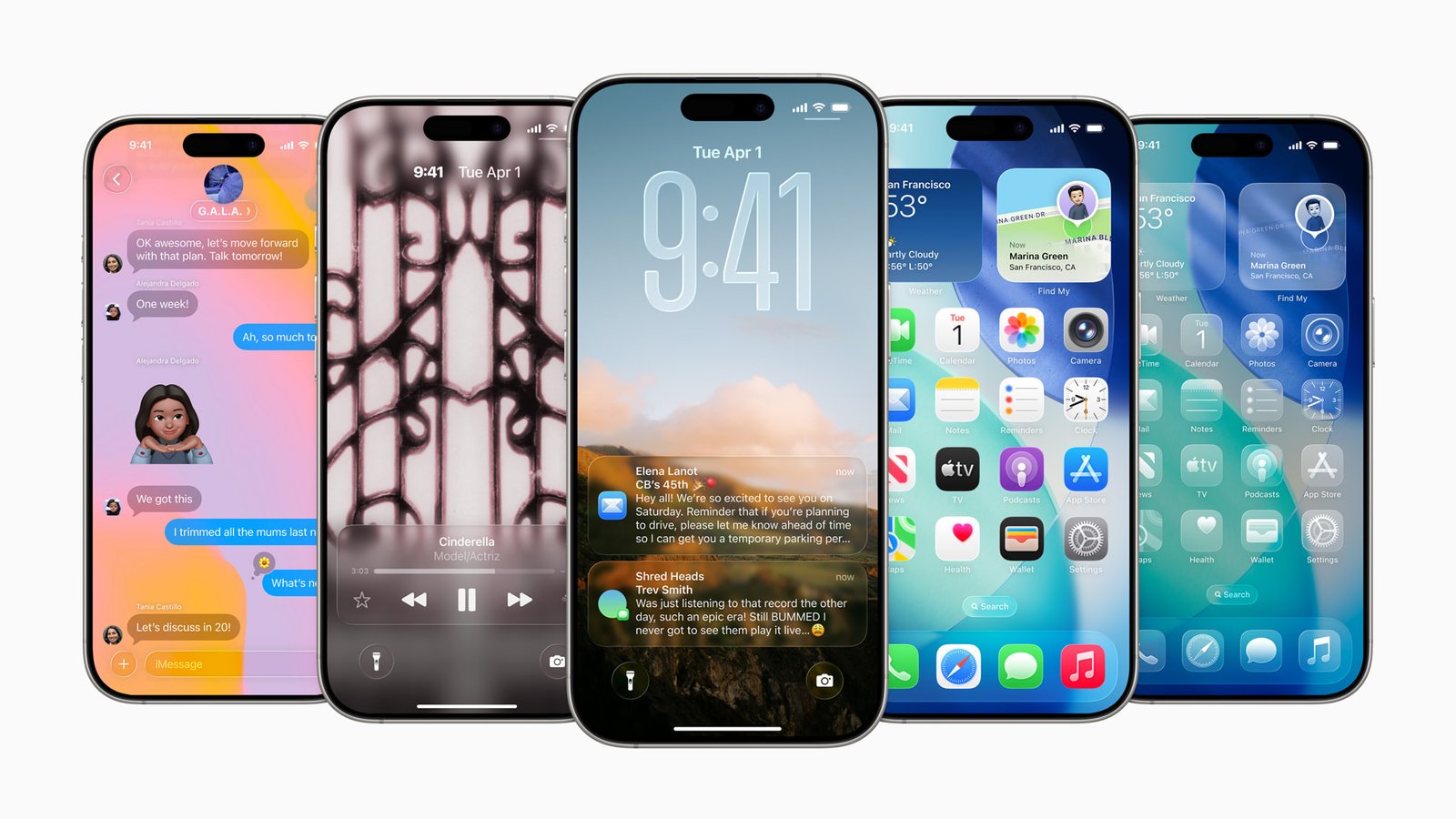
iOS 26 is a major update that brings a beautiful new design, intelligent experiences, and improvements to the apps users rely on every day. | Image: Apple

Phone Calls & Messages

Apple is clearly trying to make phones less disruptive and more helpful in iOS 26, with meaningful upgrades to both the Phone and Messages apps. If you’ve ever felt overwhelmed by spam calls, endless group chats, or being on hold, these changes target those everyday annoyances. Some ideas may seem familiar to Android users, but Apple’s approach keeps everything simple and well integrated.

The biggest upgrade is in the Phone app, which now has a smarter call screening feature. When an unknown number calls, your iPhone can answer on your behalf, ask the caller why they are calling, and display a live transcription of their reply. You can then decide whether to answer or ignore the call altogether. Hold Assist is another useful addition, allowing your phone to wait on hold for you and alerting you when a real person finally picks up.

Messages get practical upgrades, especially for group chats. You can now create polls to make decisions quickly and send money using Apple Cash directly within a conversation, making splitting bills much easier. Live translation also arrives in both Phone and Messages, allowing voice calls and texts to be translated almost in real time, all while keeping conversations processed on-device for extra privacy.

Rounding things out is a new Visual Intelligence feature coming later this year, allowing you to interact with screenshots or images to learn more about what’s on your screen. It’s another example of Apple prioritizing subtle, practical improvements over flashy gimmicks—changes that quietly make everyday communication smoother, smarter, and much less frustrating.
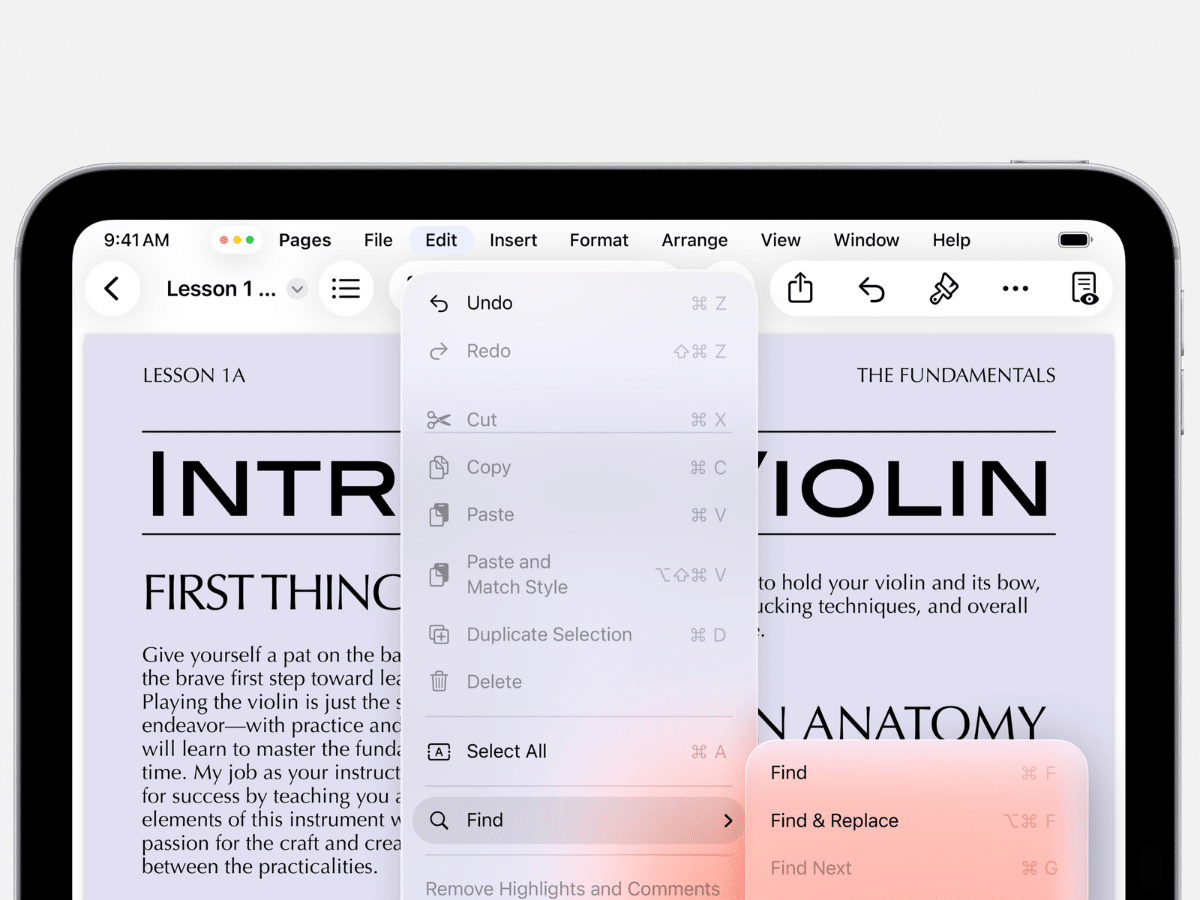
A Look at the New Menu Bar for iPadOS | Image: Apple

iPad OS

With iPadOS 26, Apple makes its biggest move yet toward making the iPad feel truly Mac-like—without abandoning what makes it an iPad in the first place. Apps still open full screen by default, but now you can resize, move, and organise windows however you prefer. Multiple apps can sit side by side, overlap, or be neatly tiled, giving the iPad a much more flexible desktop-style experience.

You can now quickly view all open apps using Exposé, making it much easier to switch between tasks without losing your place, simplifying multitasking more than before. There’s even a proper menu bar that adapts depending on the app you’re using — another subtle but meaningful nod to macOS. Combined with improved keyboard and trackpad support, the iPad finally feels comfortable for longer work sessions without frustration.

What this really indicates is Apple’s confidence in the position of the iPad within its lineup. Apple isn’t aiming to replace the Mac, but iPadOS 26 makes the tablet far more attractive to users seeking Mac-like productivity when their laptop isn’t available. It’s a practical, well-considered evolution that brings the iPad closer than ever to becoming a true all-rounder.
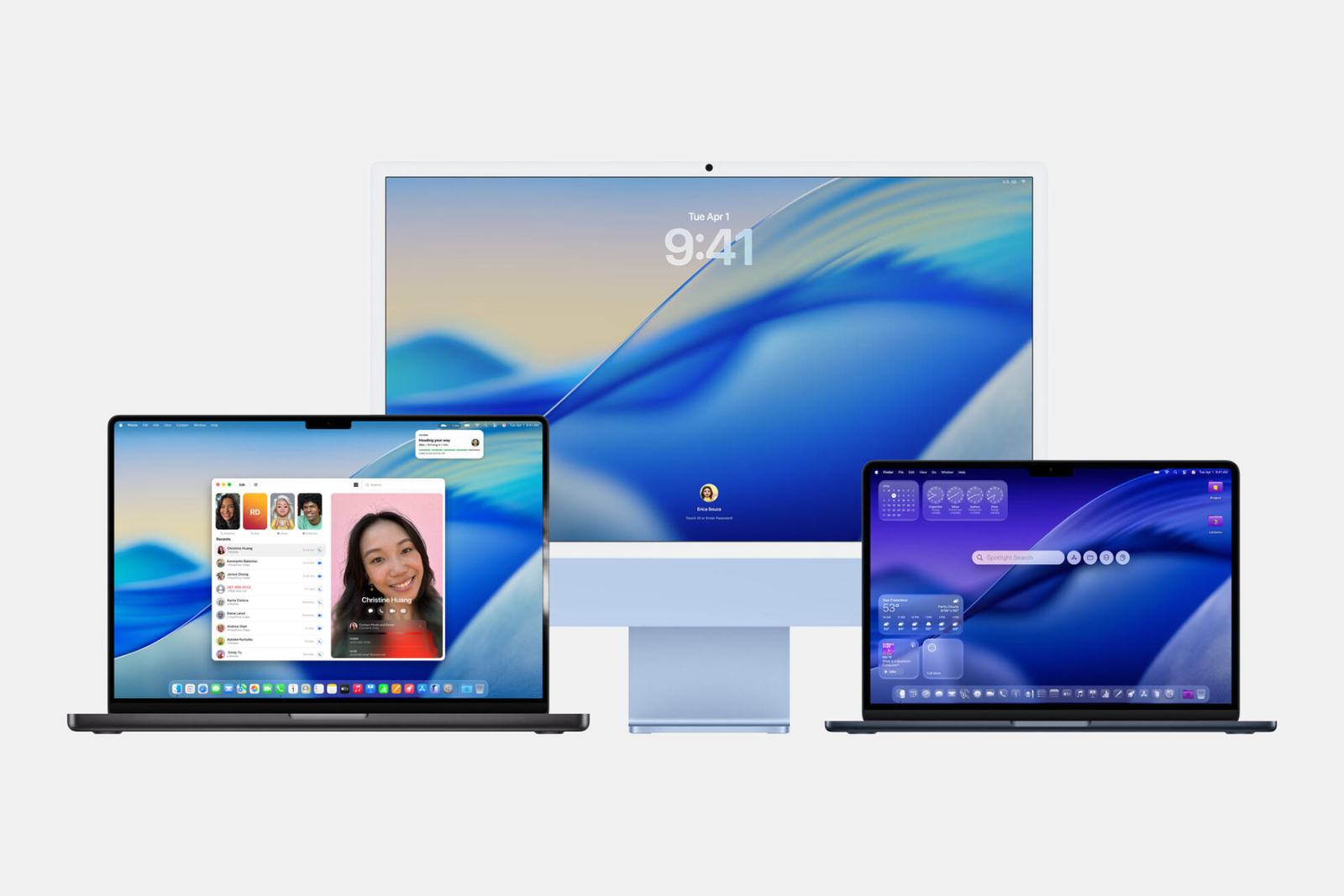
macOS Tahoe 26 introduces a beautiful new design, additional Continuity experiences, along with even more features to turbocharge productivity. | Image: Apple

macOS Tahoe

Apple’s latest desktop operating system, macOS Tahoe, continues the design shift introduced across the ecosystem, bringing the Liquid Glass aesthetic fully to the Mac. The most noticeable change is the new free-floating menu bar, which now appears lighter and more translucent, subtly separating it from the desktop without feeling disconnected. Windows, menus, and system elements all benefit from added depth and softness, making macOS feel refreshed while still very much like the platform Mac users know.

There are also some genuinely useful quality-of-life upgrades included. Live Activities now appear on the Mac via the menu bar, providing real-time updates from supported apps—whether that’s tracking an upcoming meeting, following a delivery, or monitoring something on your iPhone. Spotlight search also becomes smarter, with better context awareness that helps find files, apps, and information more quickly. It can now engage more deeply with apps and even retrieve relevant details from websites you’ve recently visited, making it feel more like a helper than a basic search tool.

One important shift comes on the hardware front. macOS Tahoe signals the start of the end for Intel-based Macs. While some later Intel models will still receive support with this update, they won’t qualify for future macOS releases. This clearly shows that Apple is fully dedicated to its Apple Silicon future. For most users, macOS Tahoe is about refinement and smarter daily use—but it also subtly closes a significant chapter in the Mac’s long history.

Apple’s Mac Mini | Image: Apple

Apple Games

Apple is focusing more on gaming this year, and the numbers show why. With over half a billion people already playing games on iPhone, Apple is launching a new Games app aimed at consolidating everything in one spot. Instead of games being scattered across your home screen or buried in the App Store, the new app serves as a central hub—displaying all your downloaded games, highlighting what you’re currently playing, and making it easier to jump back in without any hassle.

The app is divided into clear sections that make sense. There’s a dedicated space for Apple Arcade, Apple’s subscription gaming service, along with discovery tools that highlight new games based on your interests. A “Play Together” area tracks friends’ activity, making it simple to see what others are playing, invite them into a game, or join in yourself. In many ways, it feels like a natural evolution of Game Center—just much more visible and much more useful.

On the Mac side, Apple is also working to close a long-standing gap. Gaming on macOS has traditionally been behind, but the new Games app introduces features like a game overlay that lets you access settings, friend activity, and system info without leaving your game. It’s a more console-like approach, similar to what players are used to on devices like the Steam Deck or Nintendo Switch, and it shows that Apple is taking the gaming experience more seriously this time.

Will this suddenly turn the Mac into a gaming powerhouse? Probably not overnight. But it does signal a clearer strategy. By unifying gaming across iPhone, iPad, and Mac—and pairing that with better tools for developers—Apple is laying the groundwork for something more integrated. Apple Games isn’t about competing directly with consoles; it’s about making gaming across Apple devices easier to find, easier to share, and much harder to ignore.
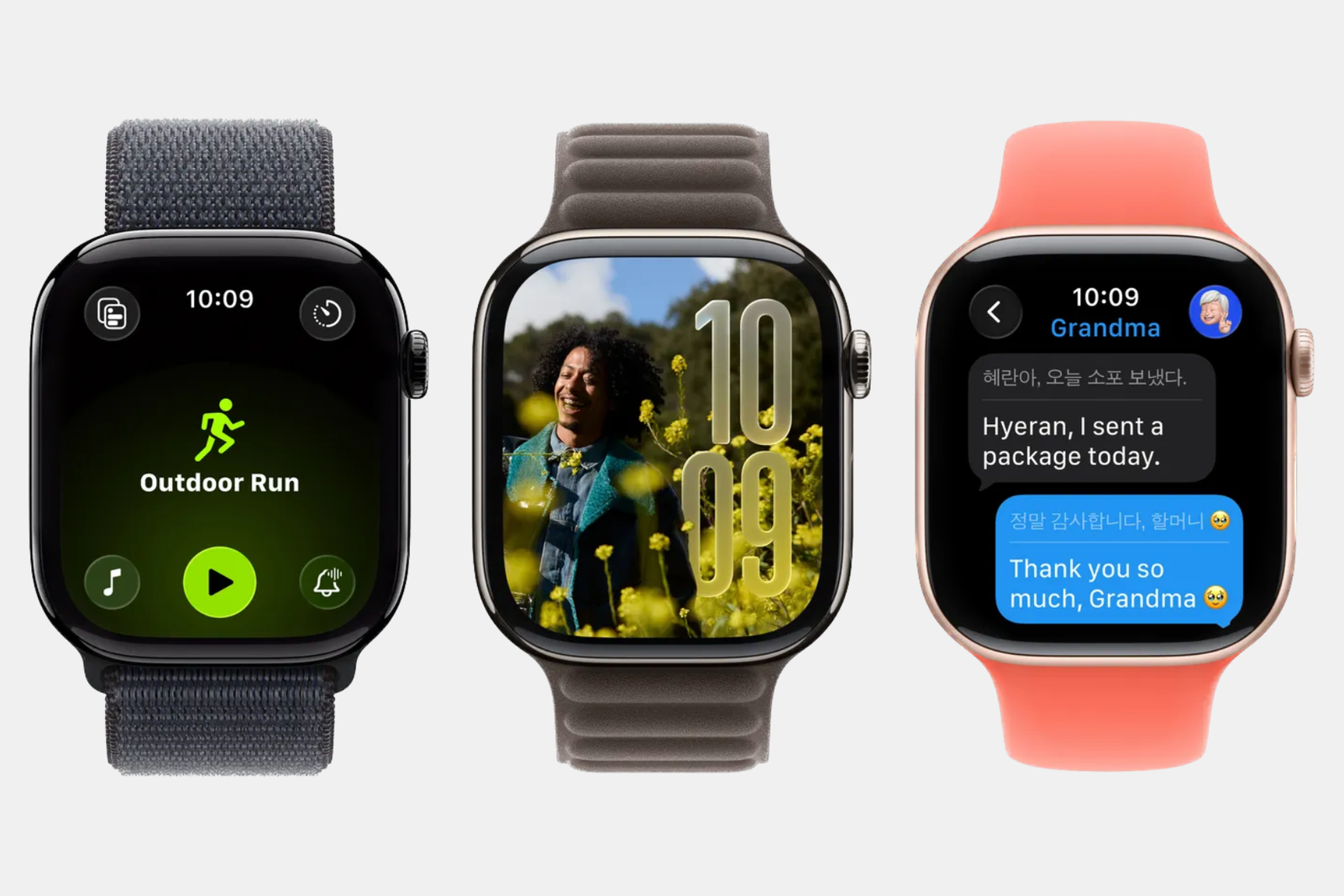
The Liquid Glass refresh of watchOS | Image: Apple

WatchOS

As the Apple Watch hits its 10-year milestone, watchOS 26 feels like a well-earned upgrade rather than a total overhaul. Apple is emphasising refinement this year, adding Apple Intelligence to make the Watch more helpful without increasing complexity. The new Liquid Glass design gives a softer, more expressive look to the interface, while features like live translation in Messages now work directly on your wrist, making quick interactions even more practical.

Navigation also becomes easier thanks to a new wrist-flick gesture, which allows you to dismiss notifications or navigate the interface without touching the screen. It’s a small change but one that fits perfectly with the Apple Watch’s quick-glance design. Smart Stack, already displaying relevant apps throughout the day, gets more context-aware—adjusting suggestions based on your location or environment and even fine-tuning notification volume depending on surrounding noise.

Fitness remains a major focus with the launch of Workout Buddy, an AI-powered voice assistant that communicates with you through your AirPods during workouts. It monitors your performance in real time, provides encouragement, summarises workouts, and can select music to keep you motivated. Overall, watchOS 26 strengthens the Apple Watch’s role as a daily companion—more intelligent, personalised, and intuitive than ever, with Apple continuing to improve what already works.
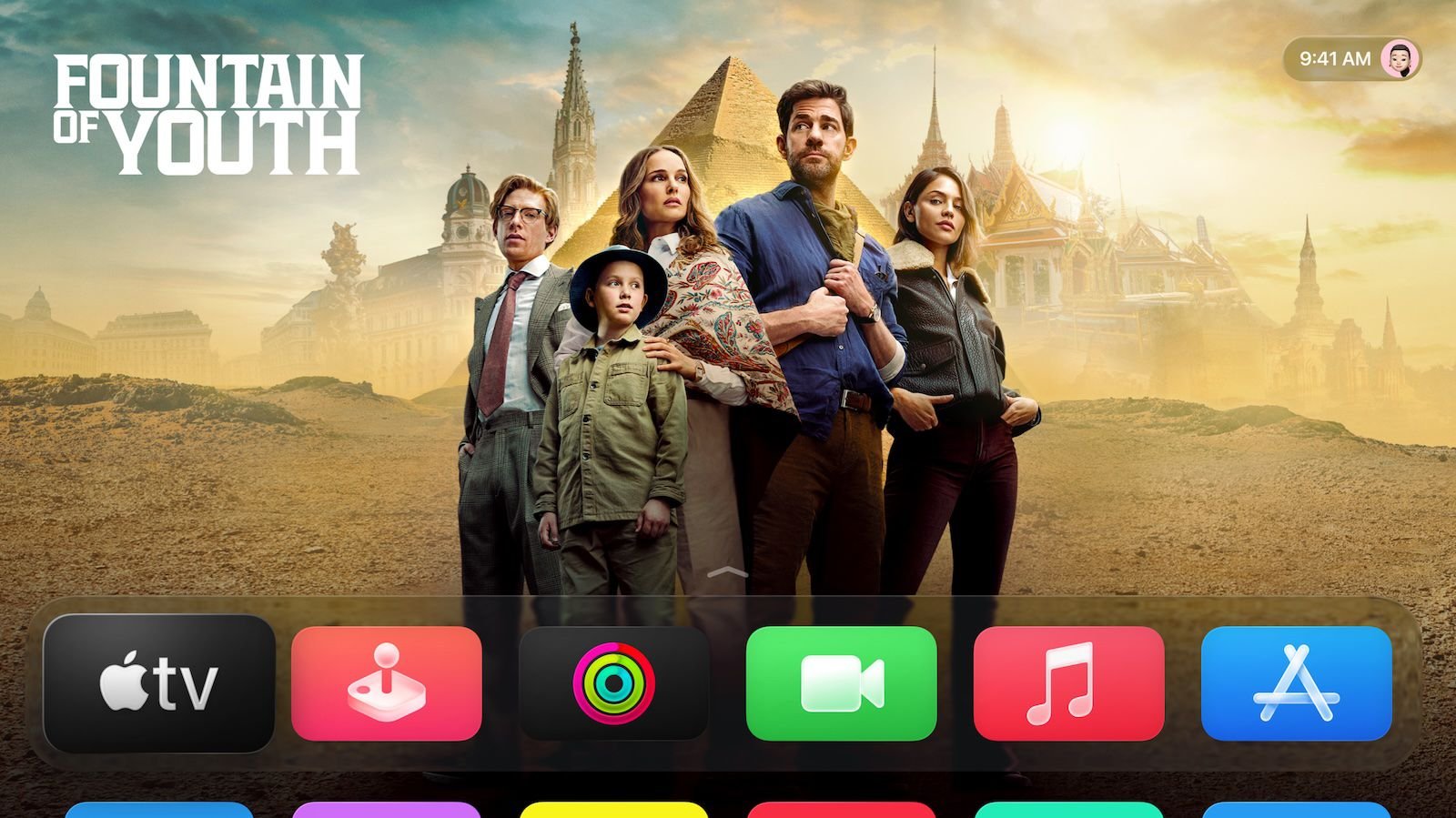
The new tvOS. Note the subtle 3D feel of the icons, including the white border that Liquid Glass puts on screen elements. | Image: Apple

tvOS

With tvOS 26, Apple provides the Apple TV with a subtle yet significant update by integrating its Liquid Glass design language into the living room. Menus now feature a translucent, glass-like finish that allows you to adjust settings or browse content without completely obscuring what’s on screen. The outcome is a cleaner, more cinematic experience where controls are present but never intrusive, making everyday navigation smoother and more polished.

Apple also used WWDC to highlight what’s coming to Apple TV+, emphasising that the platform’s ambitions extend beyond just the interface. Highlights include a major Formula 1 film, the highly anticipated Murderbot series, a dramatic movie starring Matthew McConaughey and America Ferrera based on the 2018 Paradise Fire, and a new project led by Jason Momoa. Along with the tvOS updates, Apple is clearly focusing on making Apple TV both a refined viewing experience and a serious home for original content.

Apple Intelligence Gets An Upgrade | Image: Apple

Apple Intelligence

Apple Intelligence is the thread tying nearly every WWDC 2025 announcement together—and it’s very much Apple’s perspective on AI, not a competition to outpace others. After a shaky first impression last year, this feels like a reset rooted in realism rather than hype. Apple isn’t promising a sci-fi future; it’s emphasizing intelligence that quietly improves the devices you already use, in ways that actually make sense day to day.

One of the clearest examples is live translation, now integrated directly into Messages, Phone calls, and FaceTime. Text, voice, and video conversations can be translated in near real time, making communication across languages much more natural. Equally important is how it’s managed: most of the processing occurs on-device, with Apple’s own secure infrastructure stepping in only when additional power is needed. Privacy isn’t an afterthought here—it’s a core part of the design.

Visual Intelligence is another feature that feels immediately useful. On iPhone, anything on your screen becomes searchable. See a product you like? Tap it to learn more. Looking at an event poster? Pull the details straight into your calendar. Even pointing your camera at something in the real world can surface context, information, or shopping options. It’s not trying to replace how you use your phone—it simply removes a few unnecessary steps.

Apple Intelligence makes creating automations much easier and more powerful, even if you’re not a heavy-duty user. This provides a significant advantage, especially on the Mac with Productivity. You can turn highlighted content into summaries, generate images, transcribe audio into structured notes, or link together complex actions with much less effort. There’s still depth available for those who want it — but the entry barrier is lower than ever.

These features aren’t tied to new hardware, and they aren’t meant to showcase. They’re intended to save time, reduce friction, and become unobtrusive once they’re functioning. For the first time, Apple’s AI initiative feels less like a promise and more like a natural evolution of the ecosystem—one where Apple uses intelligence to improve the experience —and many were huge fans of this.


AppleiPhoneMacbook
About the Author
Previous Post
14 Best Noise-Cancelling Headphones & Earbuds You Can Buy Right Now
Next Post
14 Best Fragrances For Men This Summer

Related Articles

27 Best Luxury Luggage Brands That You Should Know About

Reading Time: 22 minutes

Our team of editors and experts thoughtfully chooses each product. If you decide to buy through one of our links, we may earn a commission. Learn more. Want to know how we test products? Click here for more details.

When you’re travelling, the last thing you want is luggage that can’t handle the journey. That’s why luxury luggage isn’t just about style — it’s about durability, craftsmanship, and smart design that won’t let you down when you need it most. Investing in a top-tier suitcase or carry-on provides peace of mind, knowing your gear will withstand everything from cobblestone streets to overhead bins without issue.

Of course, it also doesn’t hurt that luxury luggage makes a statement. Whether you’re walking through the airport lounge or leaving a hotel lobby, the right bag subtly shows taste and sophistication. From heritage brands making timeless leather trunks to modern innovators creating sleek, minimalist designs, these are the brands that turn travel gear into status symbols.

Here are the 27 best luxury luggage brands you should know about.

Globe-Trotter | Image: Globe-Trotter

1. Globe-Trotter

  • Founder: David Nelken
  • Founded: 1897
  • Origin: England
  • Collections: Centenary, Safari, Original, Metropolis, Leather Crafted, Cotswolds, Pop Colour, Cruise, Caviar, Orient, Centenary 125

If luggage could tell stories, Globe-Trotter’s would now fill libraries. Since 1897, the British brand has been crafting cases by hand, using techniques that have hardly changed in over a century. These aren’t just bags — they’re companions that have travelled with figures like Winston Churchill and Queen Elizabeth II, carrying an undeniable air of history and prestige.

The secret lies in their signature vulcanised fibreboard: lightweight, durable, and unlike anything else on the market. Paired with leather corners and brass fittings, a Globe-Trotter case feels more like a piece of heritage you roll alongside than a modern accessory. It’s classic, understated, and built to turn heads for all the right reasons.

Bric’s | Image: Bric’s

2. Bric’s

  • Founder: Mario Briccola
  • Founded: 1952
  • Origin: Como, Italy
  • Collections: Bellagio, Capri, Firenze, Amalfi, Life, Positano, Porsche Design, Gondola, Riccione

Founded in Como in 1952, Bric’s has become a symbol of understated Italian elegance. Known for combining durable materials with Tuscan leather accents, the brand creates luggage that feels refined without being ostentatious. Collections like the Bellagio blend vintage-inspired style with modern practicality, while Capri and Firenze showcase sleek hard-shells and soft leather options. With its balance of style and function, Bric’s offers travelers a touch of Italian charm that can stand alongside the biggest luxury names.

Rimowa | Image: Rimowa

3. Rimowa

  • Founder: Paul Morszeck
  • Founded: 1898
  • Origin: Cologne, Germany
  • Collections: Original, Classic, Essential, Hybrid, Distinct, Signature, Pilot, Personal

Few luggage brands have achieved icon status quite like Rimowa. Founded in Cologne in 1898, the German house became world-famous for its grooved aluminium suitcases, which remain a symbol of modern travel to this day. The design is instantly recognizable — sleek, strong, and engineered to survive just about anything — making Rimowa a favourite for everyone from business travellers to fashion insiders.

What distinguishes Rimowa is its combination of engineering precision and classic style. Collections like the Original and Classic showcase the brand’s heritage with aluminum exteriors that develop character over time, while the Essential line offers lightweight polycarbonate for frequent travellers seeking durability without extra weight. From collaborative releases with Dior and Off-White to its popular Pilot Case, Rimowa keeps evolving while remaining true to its roots of craftsmanship and innovation.

Montblanc | Image: Montblanc

4. Montblanc

  • Founders: Claus-Johannes Voss, Alfred Nehemias, August Eberstein
  • Founded: 1906
  • Origin: Hamburg, Germany
  • Collections: #MY4810, Extreme 3.0, Sartorial, Meisterstück Soft Grain

Montblanc is best known for its fountain pens and leather goods, but it also has a presence in luxury travel, offering luggage that combines German craftsmanship with modern features. Collections like #MY4810 feature sleek polycarbonate shells with leather trims for a stylish, contemporary look. The Extreme 3.0 and Sartorial lines showcase Montblanc’s expertise in leather with sophisticated travel bags. Montblanc luggage appeals to those who prefer subtle luxury, making it ideal for airport lounges or business trips.

Victorinox | Image: Victorinox

5. Victorinox

  • Founder: Karl Elsener
  • Founded: 1884
  • Origin: Ibach, Switzerland
  • Collections: Spectra, Lexicon, Werks Traveler, Airox, Crosslight

Best known for inventing the Swiss Army Knife, Victorinox carries that same spirit of innovation and reliability to its luggage. Founded in 1884 in Ibach, Switzerland, the brand has established a reputation for precision and durability, with collections like Spectra and Lexicon offering sleek hardshells, while lighter lines such as Airox focus on portability without sacrificing strength. The luggage doesn’t shout luxury, but it feels like it — clean design, clever interiors, and quality materials that withstand trip after trip, making Victorinox a trusted companion for travellers who value Swiss-engineered practicality wrapped in understated style.

FPM – Fabbrica Pelletterie Milano | Image: Fabbrica Pelletterie Milano

6. FPM – Fabbrica Pelletterie Milano

  • Founder: Franco Moschino (revived under Matteo Lorio & Emanuele Magenta)
  • Founded: 1946
  • Origin: Milan, Italy
  • Collections: Bank, Bank Light, Spinner, Bank Zip Deluxe

Founded in 1946 and rethought for modern travellers, FPM Milano is where Italian craftsmanship meets industrial design. Best known for its aluminium Bank collection — featuring bold corners, heavy-duty locks, and a vault-like presence — the brand combines rugged security with sophisticated style. For lighter options, the Bank Light and Bank Zip Deluxe offer the same distinctive look in polycarbonate and leather-trimmed versions, making FPM Milano a top choice for those who want their luggage to feel both durable and unmistakably Italian.

TUMI | Image: TUMI

7. TUMI

  • Founder: Charlie Clifford
  • Founded: 1975
  • Origin: United States
  • Collections: Alpha Bravo, Alpha 3, Harrison, Arrivé, Tegra-Lite, Voyageur

TUMI has established its reputation as the premier brand for business travelers, blending rugged durability with subtle design. Founded in 1975 by Charlie Clifford, the American brand quickly gained favor among frequent flyers through its smart functionality and straightforward aesthetic. From ballistic nylon softside cases in the Alpha collections to the sleek hardshells of Tegra-Lite, each piece is designed to endure the rigours of constant travel.

Beyond durability, TUMI excels at practical innovation. Thoughtful touches like Add-a-Bag systems, built-in garment compartments, and tracking technology make their luggage as functional as it is stylish. Whether it’s the professional polish of Arrivé or the versatile appeal of Voyageur, TUMI consistently delivers gear for travellers who seek reliability and modern sophistication alike.

Samsonite | Image: Samsonite

8. Samsonite

  • Founder: Jesse Shwayder
  • Founded: 1910
  • Origin: Denver, Colorado, United States
  • Collections: Black Label, Proxis, S’Cure, Cosmolite, Evoa, Lite-Box

This brand has over a century of experience in designing luggage that balances durability, function, and accessibility. Founded in 1910 in Denver, Samsonite has grown into one of the most recognised names in global travel, earning trust from generations of travellers. Its premium collections like Black Label, Proxis, and Cosmolite demonstrate how the brand has evolved from a sturdy suitcase manufacturer into a player in the luxury market, offering sleek materials and refined finishes alongside its reliable core.

What makes Samsonite stand out is its versatility. Whether it’s tough hardshell spinners built to withstand long-haul flights or lightweight options like the Lite-Box, the brand caters to every type of traveller. While it might not have the heritage glamour of some European fashion houses, Samsonite has earned its reputation through something equally valuable: reliability. For those seeking refined practicality backed by a century of innovation, it remains one of the safest choices in the luggage world.

Smythson | Image: Smythson

9. Smythson

  • Founder: Frank Smythson
  • Founded: 1887
  • Origin: London, England
  • Collections: Panama, Ludlow, Burlington, Portobello

Renowned for its iconic notebooks and exquisite leather craftsmanship, Smythson extends the same understated elegance to its travel collections. With lines like Panama and Ludlow, the brand emphasizes timeless design, supple leathers, and subtle details that exude sophistication. Founded in 1887 on London’s Bond Street, Smythson luggage prioritizes quiet refinement over flashy statements, crafted to age gracefully and accompany you on a lifetime of travels.

Mulberry | Image: Mulberry

10. Mulberry

  • Founder: Roger Saul
  • Founded: 1971
  • Origin: Somerset, England
  • Collections: Bayswater, Clipper, Belgrave, Antony, City

Mulberry has always been about blending classic British heritage with a modern edge, and its luggage carries that same spirit. Founded in 1971 in Somerset, the brand established its reputation on timeless leather craftsmanship, offering pieces that balance durability and elegance equally. Collections like the Bayswater and Clipper showcase Mulberry’s iconic design language, while newer lines such as Belgrave and City introduce a contemporary twist to travel essentials. For travellers seeking luxury with a distinctly British flair, Mulberry provides bags that are both practical and effortlessly stylish.

Bottega Venta | Image: Bottega Venta

11. Bottega Veneta

  • Founders: Michele Taddei and Renzo Zengiaro
  • Founded: 1966
  • Origin: Vicenza, Italy
  • Collections: Intrecciato, Cassette, Andiamo, Arco, Sardine

Famous for its signature Intrecciato woven leather, this Italian brand has built a reputation on craftsmanship that prioritizes subtlety over logos. Since 1966, Bottega Veneta has embodied the concept of “quiet luxury,” crafting travel pieces that stand out through artisanal details and timeless design, rather than loud branding. Collections like Andiamo and Arco are perfect examples, offering refined carry-ons and travel bags that feel both modern and enduring. For travellers who prefer elegance that whispers rather than shouts, Bottega Veneta remains a flawless choice.

Briggs & Riley | Image: Briggs & Riley

12. Briggs & Riley

  • Founder: Richard Krulik
  • Founded: 1993
  • Origin: United States
  • Collections: Baseline, Sympatico, Torq, Rhapsody, ZDX, Domestic Carry-On

Briggs & Riley has gained a loyal following for one simple reason: their luggage simply doesn’t quit. Since launching in 1993, the American brand has concentrated on creating travel gear that’s durable, practical, and designed with the frequent flyer in mind. Their greatest bragging right is the “Simple as That” lifetime guarantee, which even covers airline damage — a promise most other brands won’t offer. For anyone who travels often, that peace of mind is invaluable.

The lineup includes the expandable Baseline series and the sleek hardshell Sympatico, along with softside favourites like Rhapsody and the durable Torq. Each piece features small details that make a big difference, such as easy-access compartments, smooth wheels, or clever expansion systems. Briggs & Riley might lack the flash of some European brands, but for reliability and smart design, it’s a brand travellers trust repeatedly.

Gucci | Image: Gucci

13. Gucci

  • Founder: Guccio Gucci
  • Founded: 1921
  • Origin: Florence, Italy
  • Collections: Savoy, GG Supreme, Ophidia, Off the Grid, Valigeria

When it comes to making a statement, few brands do it quite like Gucci. Founded in Florence in 1921, the Italian fashion house has long been associated with bold design and unmistakable luxury — and its luggage is no exception. From the heritage-inspired Savoy line to the eco-conscious Off the Grid collection, Gucci travel gear combines fashion with function in a way that stands out wherever you go.

Signature details like the iconic GG monogram canvas, Web stripes, and leather trims give Gucci luggage an instantly recognizable edge. Whether it’s a carry-on, duffel, or sleek trolley, these pieces aren’t just about utility — they’re about making a statement. For travellers who see the airport as their runway, Gucci offers the perfect balance of luxury and personality.

Prada | Image: Prada

14. Prada

  • Founder: Mario Prada
  • Founded: 1913
  • Origin: Milan, Italy
  • Collections: Tessuto, Saffiano, Re-Nylon, America’s Cup Travel, Galleria

Prada has long been a leader in Italian fashion, and its travel pieces embody the same mix of innovation and luxury that characterizes the brand. Founded in Milan in 1913, Prada built its reputation on fine leather craftsmanship before adopting more modern materials like Tessuto nylon, which has become one of its most recognizable signatures. Today, that lightweight and durable nylon continues to influence collections like Re-Nylon, blending practicality with the brand’s trendsetting style.

From the minimalist elegance of Saffiano leather trolleys to bold collaborations, such as the America’s Cup-inspired travel line, Prada’s luggage is crafted for those who want their gear to feel as fashion-forward as the clothes in their suitcase. It’s luxury with a modern edge — sleek, functional, and instantly recognizable.

Thom Browne | Image: Thom Browne

15. Thom Browne

  • Founder: Thom Browne
  • Founded: 2001
  • Origin: New York, United States
  • Collections: Four-Bar Travel, Pebble-Grain Leather Trolleys, Hector Bags, Stripe-Detail Duffels

Thom Browne brings his signature avant-garde tailoring and playful design language into the world of travel, offering luggage that’s as bold as it is luxurious. Known for clean lines, meticulous craftsmanship, and his iconic four-bar stripe motif, the brand’s travel pieces range from pebble-grain leather trolleys to stripe-detail duffels and even the whimsical Hector dog-shaped bags. Each item strikes a balance between functionality and unmistakable style, ensuring you stand out in an airport crowd. For fashion-conscious travellers who view luggage as an extension of their wardrobe, Thom Browne offers pieces that make every trip feel like a runway.

Hartmann | Image: Hartmann

16. Hartmann

  • Founder: Joseph S. Hartmann
  • Founded: 1877
  • Origin: Milwaukee, Wisconsin, United States
  • Collections: Tweed Legend, Metropolitan 2, Ratio Classic Deluxe, Innovaire, 7R Master

With roots dating back to 1877, this American heritage brand has long been associated with refined travel. Hartmann earned its reputation through distinctive designs, such as the iconic Tweed collection, which became a signature look for generations of travellers who sought durability with style. Today, lines such as Metropolitan 2 and 7R Master carry that legacy forward with updated materials and modern functionality.

What makes Hartmann stand out is its ability to blend old-world charm with modern practicality. Every piece feels like it comes from a long tradition of classic travel, yet it’s designed to meet the needs of today’s jet-setters. For those who value tradition without sacrificing modern convenience, Hartmann offers a timeless take on luxury luggage.

Brunello Cucinelli | Image: Brunello Cucinelli

17. Brunello Cucinelli

  • Founder: Brunello Cucinelli
  • Founded: 1978
  • Origin: Solomeo, Italy
  • Collections: Leather Trolleys, Canvas & Leather Duffels, Weekenders, Backpacks

Known as the “King of Cashmere,” Brunello Cucinelli extends his philosophy of quiet luxury into travel with luggage and bags that embody the same craftsmanship and elegance as the brand’s clothing. The travel line features leather trolleys, weekenders, and canvas-and-leather duffels, all crafted with earthy tones and subtle finishes that mirror the brand’s refined aesthetic. Instead of loud logos, these pieces emphasize artisanal detail and timeless appeal, making them ideal for travellers who want every journey to feel like an extension of la dolce vita.

Saint Laurent | Image: Saint Laurent

18. Saint Laurent

  • Founder: Yves Saint Laurent & Pierre Bergé
  • Founded: 1961
  • Origin: Paris, France
  • Collections: Rive Droite, Monogram Luggage, Duffels, City Backpacks

Saint Laurent has always embodied sharp style and effortless cool, and its travel line is no different. Known for its clean silhouettes, rich leather, and signature monogram, the brand’s luggage and bags reflect the same rock ’n’ roll edge that defines its fashion. From sleek duffels to minimalist trolleys and city backpacks, each piece feels like an extension of Saint Laurent’s bold, Parisian vibe. This isn’t luggage meant to blend in — it’s for travellers who see the airport as an extension of the runway.

Valextra | Image: Valextra

19. Valextra

  • Founder: Giovanni Fontana
  • Founded: 1937
  • Origin: Milan, Italy
  • Collection Models: Avietta, Boston Bag, Tric Trac, Passport Cases, Travel Trolleys

Often called the “Hermès of Italy,” Valextra has been creating minimalist leather goods since 1937, with travel pieces that emphasize sleek lines, flawless detailing, and understated luxury. From the structured Avietta briefcase to Boston bags and refined leather trolleys, each item avoids loud logos in favour of precise craftsmanship and high-quality materials. Subtle, timeless, and quietly elegant, Valextra is made for travellers who believe that true luxury is all in the details.

Mark Cross | Image: Mark Cross

20. Mark Cross

  • Founder: Henry W. Cross
  • Founded: 1845
  • Origin: Boston, United States
  • Collection Models: Grace Box, Madeline, Benchley, Backpacks, Duffels

As one of America’s oldest luxury leather houses, Mark Cross has been creating travel goods since 1845, blending heritage with timeless elegance. The brand gained global recognition when Grace Kelly carried the Grace Box Bag in Hitchcock’s Rear Window, and that same finesse continues today in its travel collection. With lines like Madeline and Benchley, along with sleek backpacks and duffels, Mark Cross luggage combines practicality with sophisticated design. Each item is rooted in American heritage yet finished with a cosmopolitan touch, making it perfect for travellers who seek history, craftsmanship, and understated luxury all in one.

Ermenegildo Zegna | Image: Ermenegildo Zegna

21. Ermenegildo Zegna

  • Founder: Ermenegildo Zegna
  • Founded: 1910
  • Origin: Trivero, Italy
  • Collection Models: Pelle Tessuta, Triple Stitch, Leather Trolleys, Weekenders, Backpacks

Best known for its world-class tailoring and fine fabrics, Ermenegildo Zegna extends the same craftsmanship to its travel line. Since 1910, the Italian house has been refining the art of understated luxury, with luggage and bags that combine masculine elegance with practical design. The brand’s signature Pelle Tessuta — a handwoven leather technique — transforms weekenders and trolleys into works of art, while sleek leather duffels and minimalist backpacks complete the collection. Designed for modern gentlemen who want luggage as refined as their wardrobe, Zegna’s travel pieces embody quiet confidence and timeless style.

Arlo Skye | Image: Arlo Skye

22. Arlo Skye

  • Founders: Mayur Bhatnagar & Mina Yoo
  • Founded: 2016
  • Origin: New York, United States
  • Collections: The Frame, The Zipper, The Carry-On, The Check-In

Minimalist design combines with modern travel innovation in this young New York label, founded in 2016 by Mayur Bhatnagar and former TUMI executive Mina Yoo. Instead of relying on heritage, the brand has built its reputation on clean, understated cases like the aluminum Frame and polycarbonate Zipper, which have already attracted a loyal following among travellers who value sleek style and solid durability.

What truly makes the brand stand out are its thoughtful extras: built-in USB charging ports, antimicrobial linings, and whisper-quiet wheels that enhance every trip. Designed for the traveller who values subtle design combined with smart functionality, Arlo Skye has established itself as a fresh alternative to the bigger legacy names in luxury luggage.

Monos | Image: Monos

23. Monos

  • Founders: Victor Tam, Hubert Chan, Daniel Shin, and Robin Yuen
  • Founded: 2018
  • Origin: Vancouver, Canada
  • Collections: Carry-On, Check-In, Hybrid, Metro Duffel, Metro Backpack

Simplicity and quality are at Monos’s core, a Canadian brand that has rapidly become a favourite among modern travellers since its launch in 2018. Featuring clean lines, muted colour palettes, and a focus on sustainability, Monos has established a reputation as the minimalist’s choice for luxury luggage. Its Carry-On and Check-In suitcases are crafted from aerospace-grade polycarbonate, while the Hybrid line combines aluminium frames with poly shells for added durability.

Beyond durability, Monos emphasizes thoughtful details that enhance the travel experience. Interior compartments are smartly designed, the wheels roll quietly, and the finishes feel premium without being flashy. Add accessories like the Metro Duffel and Metro Backpack, and Monos provides a complete ecosystem for travellers seeking luggage that combines function, style, and conscience. It’s a young brand, but one already redefining what luxury luggage means for a new generation.

Ghurka | Image: Ghurka

24. Ghurka

  • Founder: Marley Hodgson
  • Founded: 1975
  • Origin: Norwalk, Connecticut, United States
  • Collection Models: Cavalier, Traveller No. 315, Examiner, Leather Trolleys, Marley Hodgson Originals

Since 1975, Ghurka has been making timeless travel bags inspired by vintage military gear, combining rugged practicality with refined leather craftsmanship. Known for rich, full-grain leathers and artisanal details, the brand’s signature pieces like the Cavalier duffel and Examiner carry-on are designed to age gracefully, gaining character with every trip. Built to last decades rather than seasons, Ghurka’s luggage embodies understated Canadian luxury for travellers who want pieces that tell a story and stand the test of time.

25. Steamline Luggage

  • Founder: Sara Banks
  • Founded: 2005
  • Origin: Dublin, Ireland
  • Collection Models: The Entrepreneur, The Diplomat, The Architect, The Starlet, The Editor, The Correspondent, The Botanist

SteamLine Luggage was created to bring back the romance of travel, with cases that look like they came straight from a classic film but are designed for modern use. The brand’s collections range from the bold and playful Starlet to the sleek and practical Architect, each crafted with hand-finished touches, leather accents, and vintage charm. More than just bags, they feel like stylish companions that make the journey as exciting as the destination.

Louis Vuitton | Image: Louis Vuitton

26. Louis Vuitton

  • Founder: Louis Vuitton
  • Founded: 1854
  • Origin: Paris, France
  • Collection Models: Horizon, Keepall, Pegase, Bisten, Alzer, Steamer

Few names are as closely linked to the story of luxury travel as Louis Vuitton. Founded in Paris in 1854, the house started with handcrafted trunks and set the standard for elegance and practicality in luggage. From its earliest days outfitting travellers for steamships and train journeys, the brand has stayed at the heart of how we think about stylish, durable travel gear.

Its lineup today demonstrates why the name still holds such significance. The Keepall has become a must-have for travellers seeking a versatile duffel, while heritage trunks like the Bisten and Alzer remain highly sought after by collectors. Even the contemporary Horizon trolleys, designed by Marc Newson, continue the tradition of innovation and craftsmanship. With the instantly recognizable monogram canvas and premium finishes, Louis Vuitton luggage remains more than just functional — it’s a symbol of style, heritage, and travel itself.

Sterling Pacific | Image: Sterling Pacific

27. Sterling Pacific

  • Founder: Ryan Roark
  • Founded: 2018
  • Origin: Reno, Nevada, USA
  • Collection Models: Cabin Travel Case 35L, Check-In Travel Case 80L

Sterling Pacific is all about rugged durability combined with refined style, making luggage from full aluminum shells accented by Italian leather handles and riveted corners designed to last a lifetime. Designed for serious travellers who appreciate strength and presence, these cases blend aviation-grade construction with a bold, industrial look that feels both contemporary and timeless.

Beyond looks, the brand’s philosophy is centered on creating heirloom-quality pieces—luggage designed to withstand countless journeys and still retain character after years of travel. It’s this blend of utility and heritage that makes Sterling Pacific a growing favourite among those who view their luggage as more than just storage, but as a lifelong companion on the road.

General FAQ’s

What Makes Luxury Luggage Worth the Price?

Luxury luggage is known for its craftsmanship, materials, and design. Brands use premium leathers, durable aluminium, or high-quality polycarbonate, ensuring the bags last for years. You’re also paying for the brand’s legacy, attention to detail, and the kind of status symbol that turns heads in any airport lounge.

Which Luxury Luggage Brand Is Best for Frequent Flyers?

For those constantly on the move, TUMI and Rimowa are top choices. TUMI offers functionality with its tech-forward designs and durability, while Rimowa’s iconic grooved aluminium cases are lightweight, durable, and built to endure heavy travel. Both blend practicality with elegance, making them trusted companions for frequent flyers.

Are There Luxury Luggage Options Beyond the Usual Designer Brands?

Absolutely. While Louis Vuitton, Gucci, and Prada receive much of the spotlight, niche brands like Globe-Trotter, Arlo Skye, and Sterling Pacific offer unique designs with rich stories. These labels often focus on heritage craftsmanship or bold, modern aesthetics, providing travellers with something truly distinctive.

About the Author

Related Articles

arrow_drop_up