








- The Pixel 9a is scheduled to launch in April 2025, with the price confirmed at USD $499.
- The phone introduces the Tensor G4 processor to the mid-range market, combining flagship-level hardware with useful daily features powered by Google.
- It will be available in four finishes: Obsidian, Porcelain, Iris, & Peony—Google’s versions of black, white, purple, and pink.
Google has officially announced the Pixel 9a, with a confirmed release window set for April 2025 and a starting price of USD $499. It’s a clear signal that Google is once again prioritizing the mid-range market—especially when consumers value affordability over spectacle.
The arrival itself isn’t a surprise. The Pixel 9a has been widely anticipated for months, and Google’s hardware plans rarely stay secret for long, so this release wasn’t unexpected. The budget smartphone market has become crowded and genuinely competitive, with strong recent offerings from Apple and Nothing raising the standards for what a “budget” phone should deliver. The Pixel 9a enters this space with a familiar yet refined approach by tightening it with advanced features such as Gemini integration across the system, a brighter, more capable display, a larger battery for daily reliability, and Google’s most powerful in-house processor to date.
So, let’s take a closer look at what’s new with the Pixel 9a, how it fits into Google’s current lineup, and how it compares to the strongest alternatives in the mid-range market.
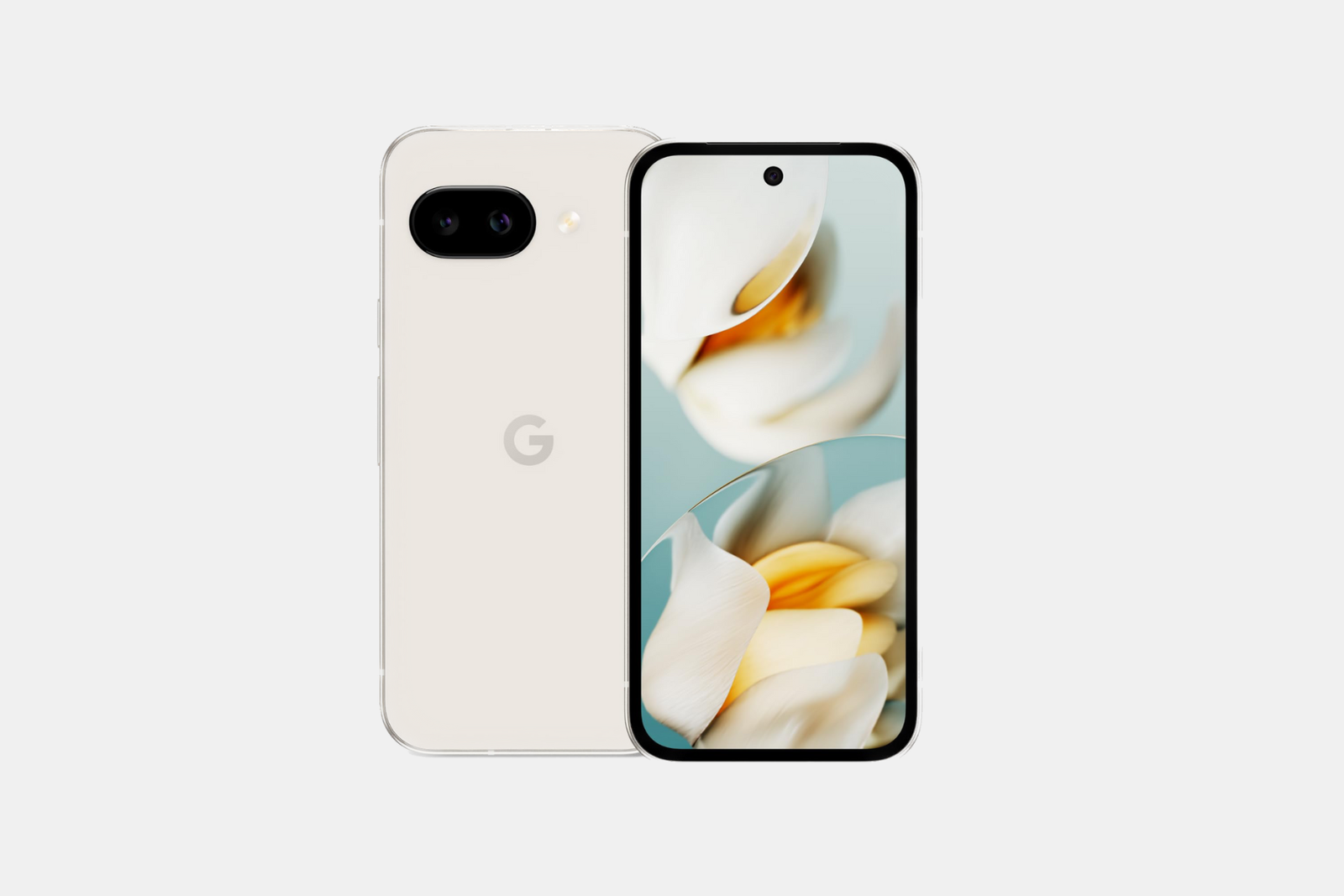
| Google Pixel 9a | Google Pixel 8a | |
| Operating System | Android 15 | Android 14 |
| Display | – 6.3” Actua Display – 2424 x 1080 resolution – 120Hz refresh rate – Gorilla Glass 3 | – 6.1” Actua Display – 2400 x 1080 resolution – 120Hz refresh rate – Gorilla Glass 3 |
| Internals | – Processor: Tensor G4 – RAM: 8GB – Storage: 128GB, 256GB | – Processor: Tensor G3 – RAM: 8GB – Storage: 128GB, 256GB |
| Networking | – 5G – Wi-Fi 6e – Bluetooth 5.3 – NFC Capable | – 5G – Wi-Fi 6e – Bluetooth 5.3 – NFC Capable |
| Camera | Front: 13MP Rear: 48MP (wide), 13MP (ultra-wide) Can record video at 4K@60fps Can record slow motion at 1080p@240fps | Front: 13MP Rear: 64MP (wide), 13MP (ultra-wide) Can record video at 4K@60fps Can record slow motion at 1080p@240fps |
| Battery | 5,100mAh | 4,492mAh |
| Features | – Single USB 3.2 Type-C port – IP68 dust and water resistant – Fingerprint unlock & Face unlock – Gemini AI | – Single USB 3.2 Type-C port – IP67 dust and water resistant – Fingerprint unlock – Gemini AI |
| Price: | USD $499 | USD $499 |
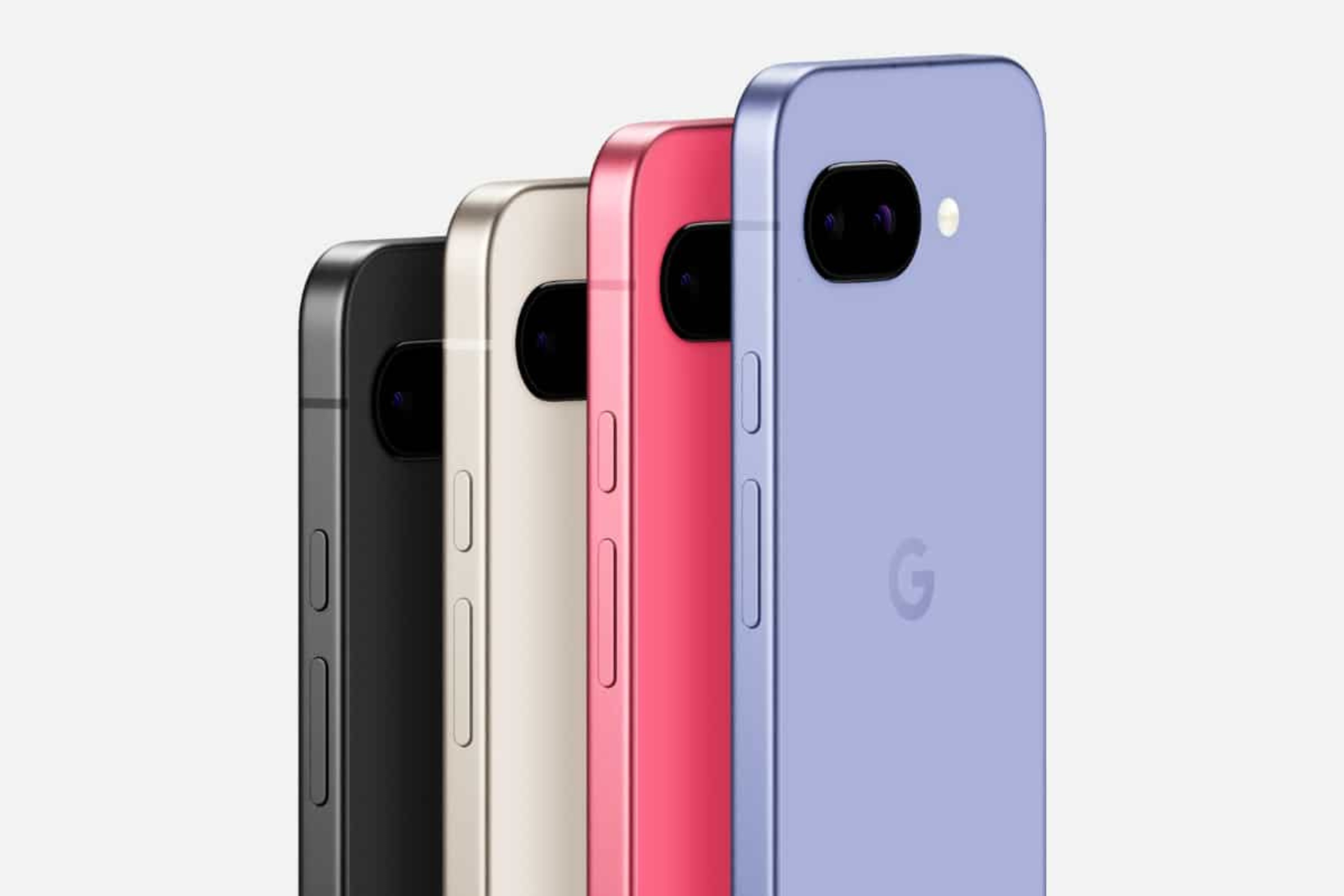
The most obvious change is the move to a 6.3-inch display, bringing Google’s most affordable Pixel into the same size category as its flagship models, like last year’s Pixel 8a, which this year focused more on reinvention and better alignment. It reflects a wider industry trend away from small phones, with most major brands now considering 6.3 inches the new standard. That won’t suit everyone—one-handed use becomes noticeably more difficult—but it does make the 9a feel more consistent with the rest of Google’s lineup.
The Pixel 9a uses the same Tensor chip as last year’s Pixel 9 and Pixel 9 Pro, reducing the performance gap between Google’s mid-range and flagship devices. While the Pixel 9 still has an advantage due to extra memory, the everyday experience on the 9a should be very similar—smooth navigation, quick app launches, and sufficient headroom for multitasking without issues. For most people, that difference will only become noticeable during heavier tasks like gaming or video editing, which put more stress on its processor.
Battery capacity has also increased, reinforcing the Pixel 9a’s focus on endurance rather than raw power. It’s a phone designed to get through a full day without attention, which matters more important now that upgrade cycles are stretching longer. Google has also introduced a new face unlock system, offering faster and more convenient authentication for the A-series for the first time—another example of flagship features quietly filtering down.

The Pixel 9a’s camera setup doesn’t follow a simple “better than last year” story, which makes it one of the more interesting parts of the update. Up front, there’s a quiet but meaningful win with a 13MP wide-angle selfie camera, which actually has a higher resolution than the 10.5MP front camera on the Pixel 9. It’s an unexpected benefit for the more affordable model, especially for video calls and front-facing shots where clarity is more important than anything else.
Around the back, it features a dual-camera system—48MP main paired with a 13MP ultra-wide—that is understandably placed below the Pixel 9. However, it also seems to lag behind the Pixel 8a’s 64MP + 13MP setup on paper. This makes the change feel somewhat counterintuitive, especially for a generational update, and it’s one of the few areas where the numbers indicate restraint rather than progress.
That said, this is where Google is clearly relying on Gemini and its broader computational photography stack to handle the complex processing. Although the sensors themselves seem more conservative, the expectation is for better real-world results—improved HDR balance, more consistent colours, and stronger low-light performance—once again showing that, for Google, the final image is more important than what’s listed on the spec sheet.

So, why could the Google Pixel 9a be the most significant phone this year? The Pixel 9a reflects current buying habits, as upgrade cycles lengthen, flagship prices rise, and fewer consumers want to pay extra for minor improvements. In this context, the mid-range market has become the key battleground—where Google stands to gain the most. It offers the core features that matter most to users: reliable cameras, streamlined software, and helpful AI capabilities, all at a realistic price point.
More than that, the Pixel 9a signals a shift in focus. By incorporating its newest processor, deeper Gemini integration, and long-term software support into a more affordable device, Google is betting on practicality rather than prestige. If the Pixel 9a succeeds, it won’t be because it attracts headlines—it’ll be because it becomes the phone people recommend without hesitation. And in today’s market, that kind of quiet relevance is exactly what makes it important.
Google has announced that the Pixel 9a will be released in April 2025, although the specific date is still unknown. The device will be priced at USD $499, positioning it in the mid-range segment and highlighting Google’s emphasis on accessibility over a prolonged, hype-focused launch.