




Lifestyle

Here’s Your Chance To Own Daniel Ricciardo’s $3 Million Aston Martin Valkyrie

Reading Time: 7 minutes

Share via

Our team of editors and experts thoughtfully chooses each product. If you decide to buy through one of our links, we may earn a commission. Learn more. Want to know how we test products? Click here for more details.

  • Daniel Ricciardo’s Aston Martin Valkyrie, chassis number 089, is scheduled to be showcased at Zoute Concours 2025.
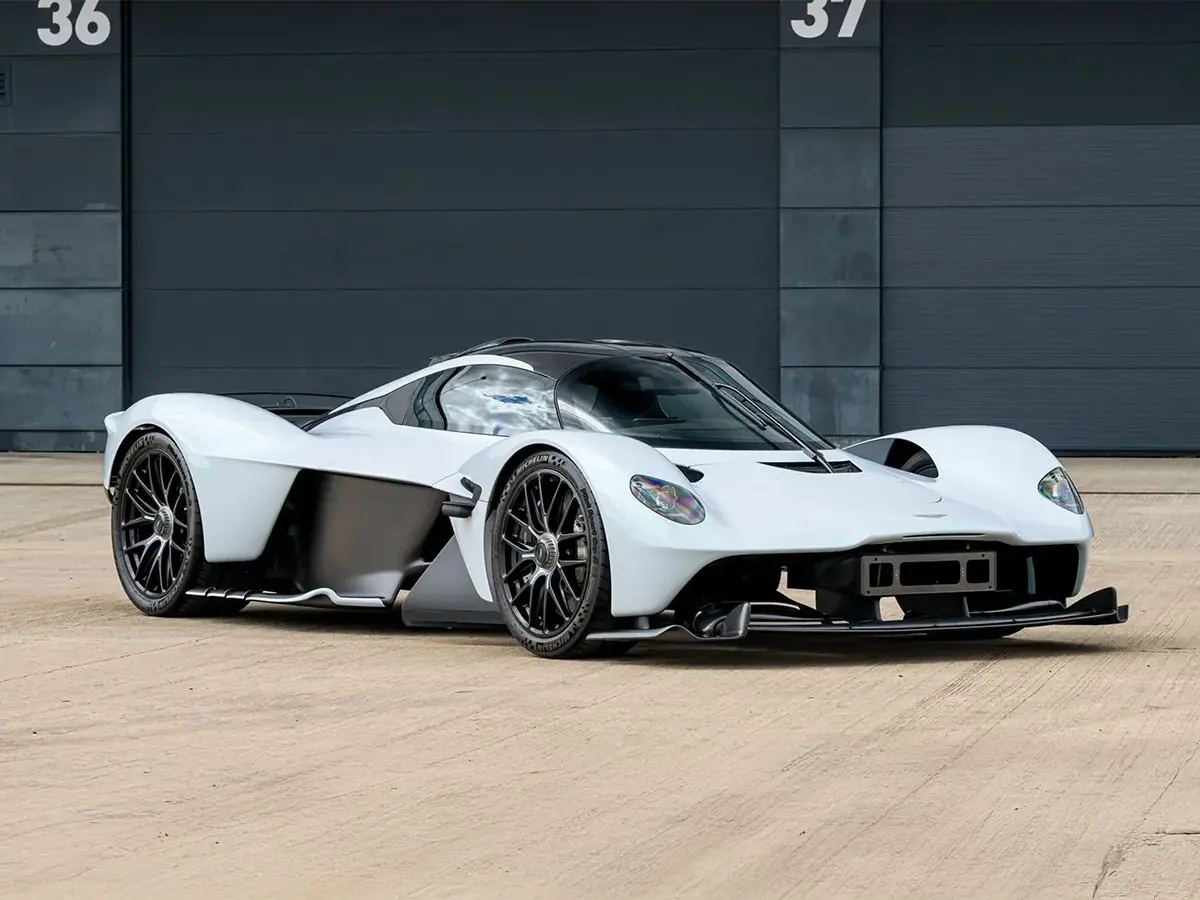
  • Finished in the custom Dichroic Dawn shade—nicknamed “Badger Blue”—the colour was chosen as a nod to Ricciardo’s famous Honey Badger persona.
  • Showing only 160 kilometres on the odometer, the car has been carefully stored within Ricciardo’s private collection.
  • Equipped with over £141,500 in custom options and supported by an extended warranty through 2027, this Valkyrie is as unique as it is carefully assembled.

When Adrian Newey designs a car, it’s never just about speed, and the Aston Martin Valkyrie proves that better than anything else he has worked on for the road. Created by the same engineer behind Red Bull Racing’s most successful years, the Valkyrie was built to feel as close to a Formula 1 car as possible while still being street legal. With only 150 coupés made, it was always going to be rare, which makes it even more fitting that one ended up in Daniel Ricciardo’s personal collection.

The car is powered by a Cosworth-built 6.5-litre naturally aspirated V12, paired with a hybrid system that produces an incredible 865 kW (1,160 hp), a power output especially fitting for an eight-time Formula 1 race winner. Despite its performance, Ricciardo barely had the chance to enjoy it, as the car had covered just 160 kilometres since new. Most of its life has been spent stored away, which only adds to the appeal for the next owner.

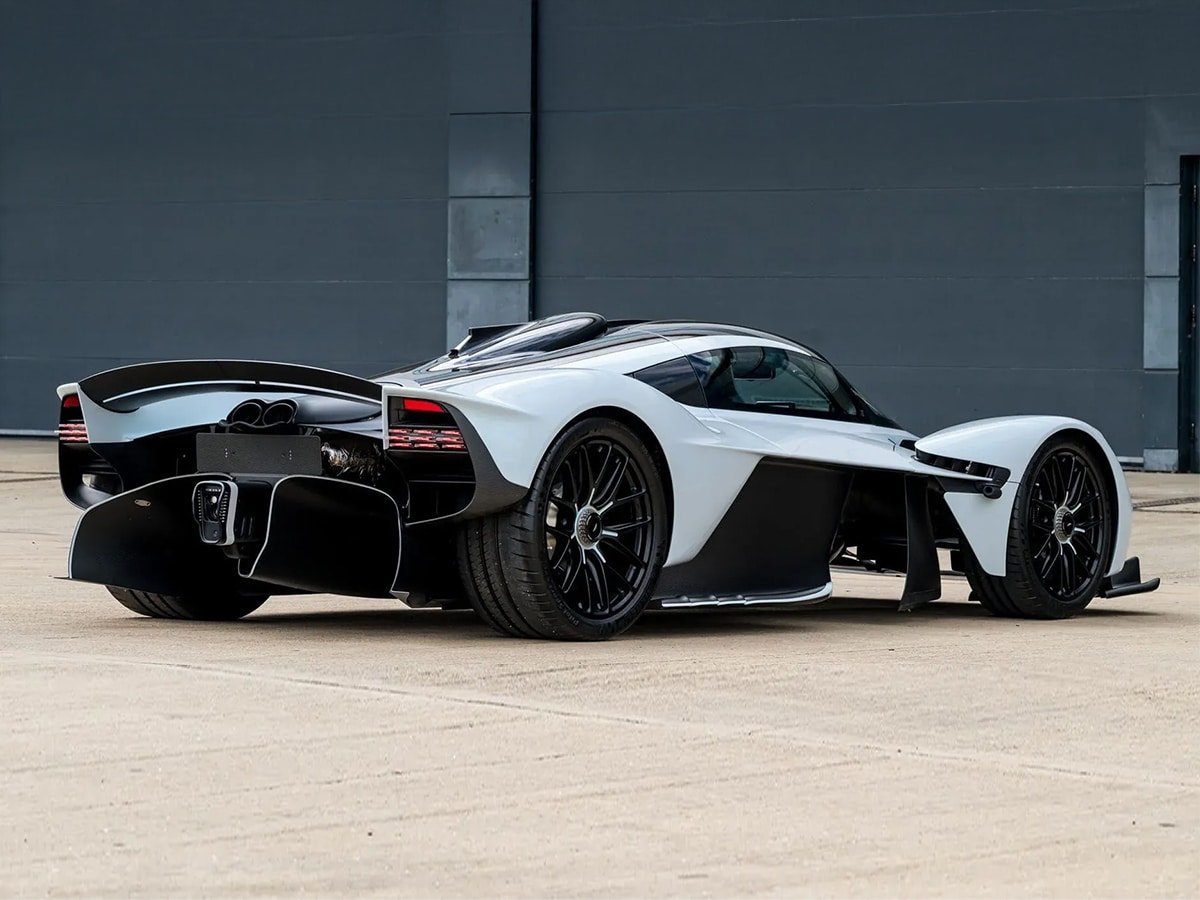
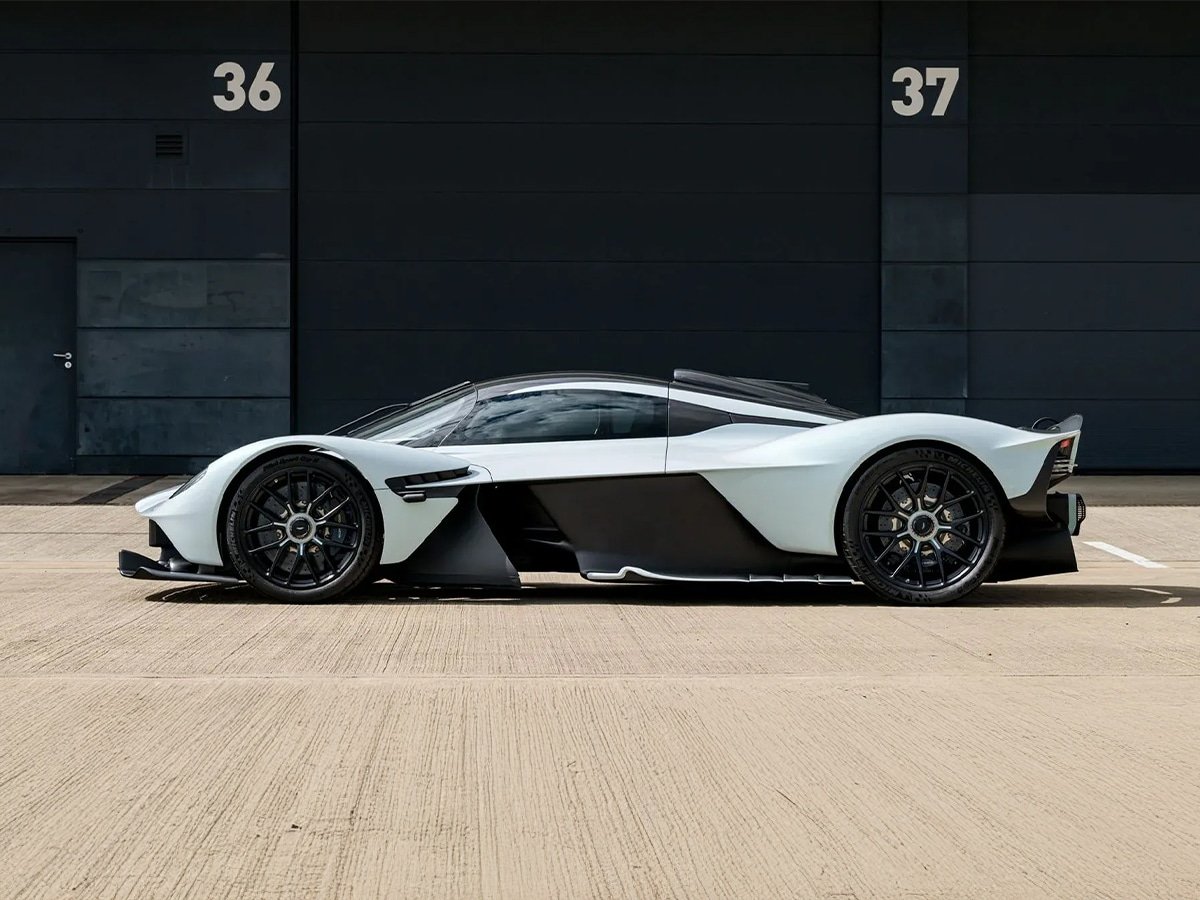
Chassis number 089 was ordered with over £141,500 worth of bespoke options through Aston Martin’s Q division, making Ricciardo’s Valkyrie truly one of a kind. The standout feature is the striking Dichroic Dawn paintwork, commonly called “Badger Blue” in homage to Ricciardo’s Honey Badger nickname, complemented by matching roof details and wheel centres. Now heading to auction via Broad Arrow, the car is expected to sell for between €2.4 million and €2.8 million, roughly USD $3 million, giving collectors a rare chance to own a near-new Valkyrie with a strong Formula 1 connection.

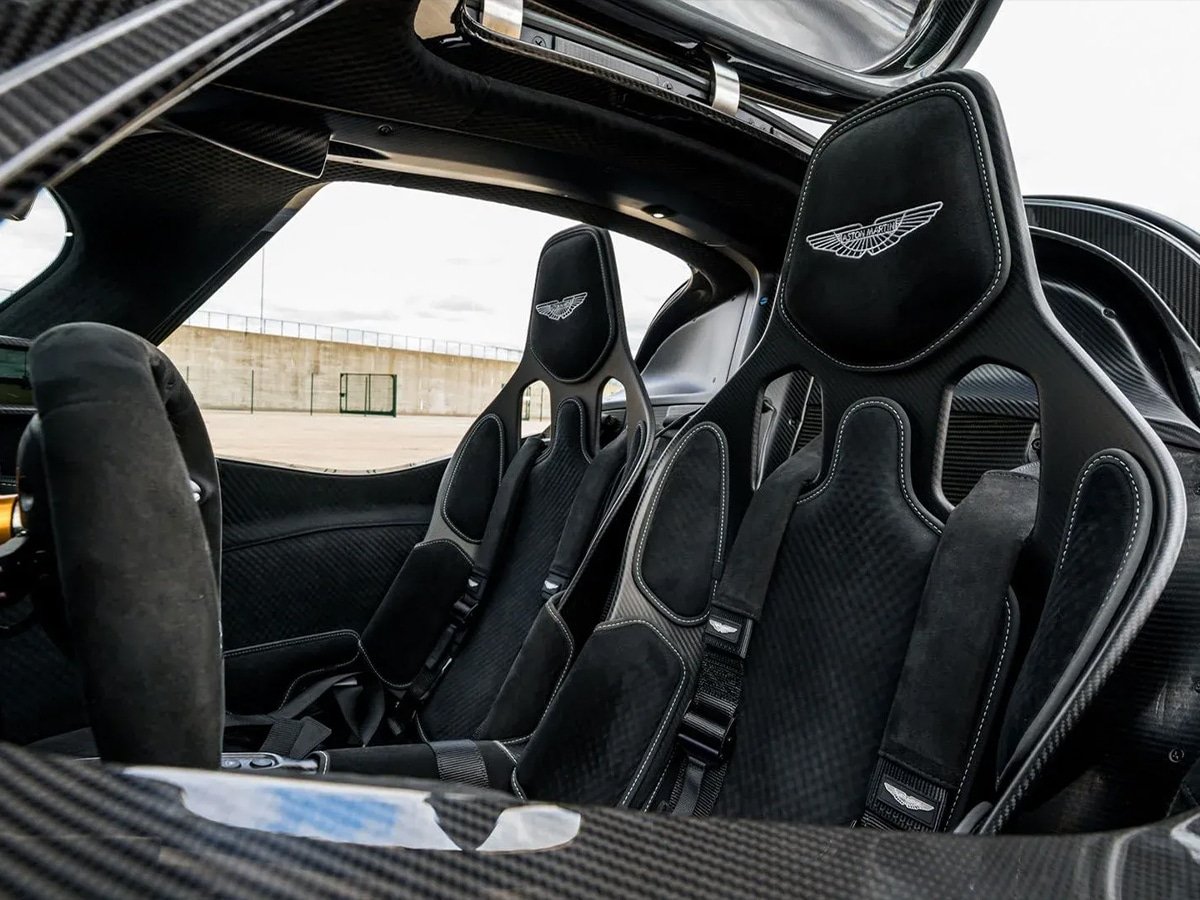
What really brings Ricciardo’s Valkyrie to life is the way the materials and finishes have been carefully chosen to highlight the car’s engineering rather than hide it. Large sections of the exterior are left in exposed 2×2 twill satin carbon fibre, including the distinctive “clam veins” and the upper suspension shrouds, a bespoke specification that adds both visual drama and a raw, mechanical edge to the design. It is a detail-focused approach that reinforces just how close this car sits to the world of motorsport.

That exposed carbon is balanced by contrasting elements, such as the roof panel and engine cover, which are finished in a glossy carbon lacquer to catch the light and break up the darker tones. Subtle touches elevate the presentation even further, including the ultra-fine stainless-steel Aston Martin wings badge on the nose, a small but beautifully finished detail that feels almost jewel-like against the carbon bodywork.

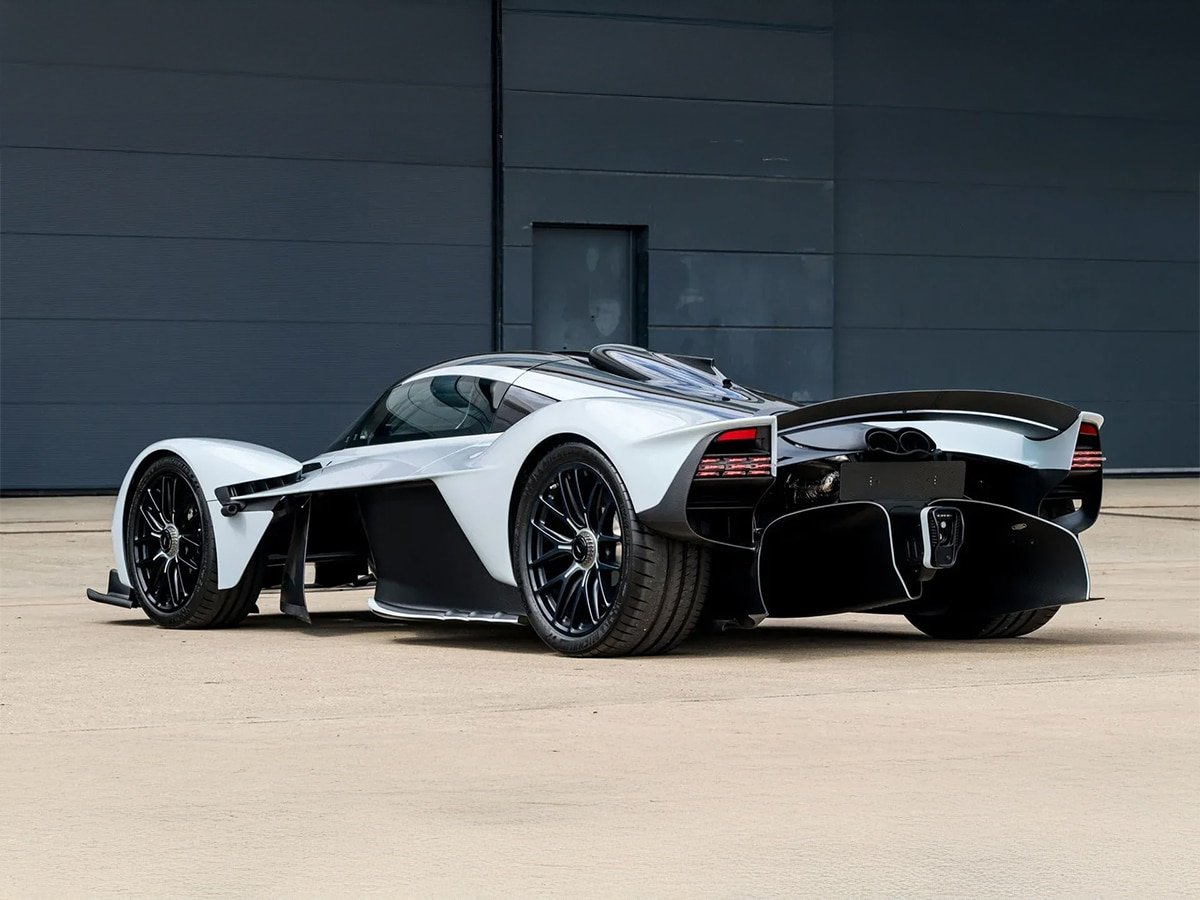
Ricciardo also went all in on performance-focused upgrades, opting for the ultra-lightweight Magnesium Performance Wheels, a serious addition that cost around £40,000 when new and helps reduce unsprung weight. Combined with the Valkyrie’s full Inconel exhaust system, hinted at by its black tailpipes, the setup allows the naturally aspirated 6.5-litre V12 to breathe freely. Paired with a hybrid system developed with input from Rimac, the Valkyrie delivers a combined 865 kW (1,160 hp), with independent testing suggesting a 0–100 km/h sprint of just 2.2 seconds, numbers that underline its Formula 1–level intent.
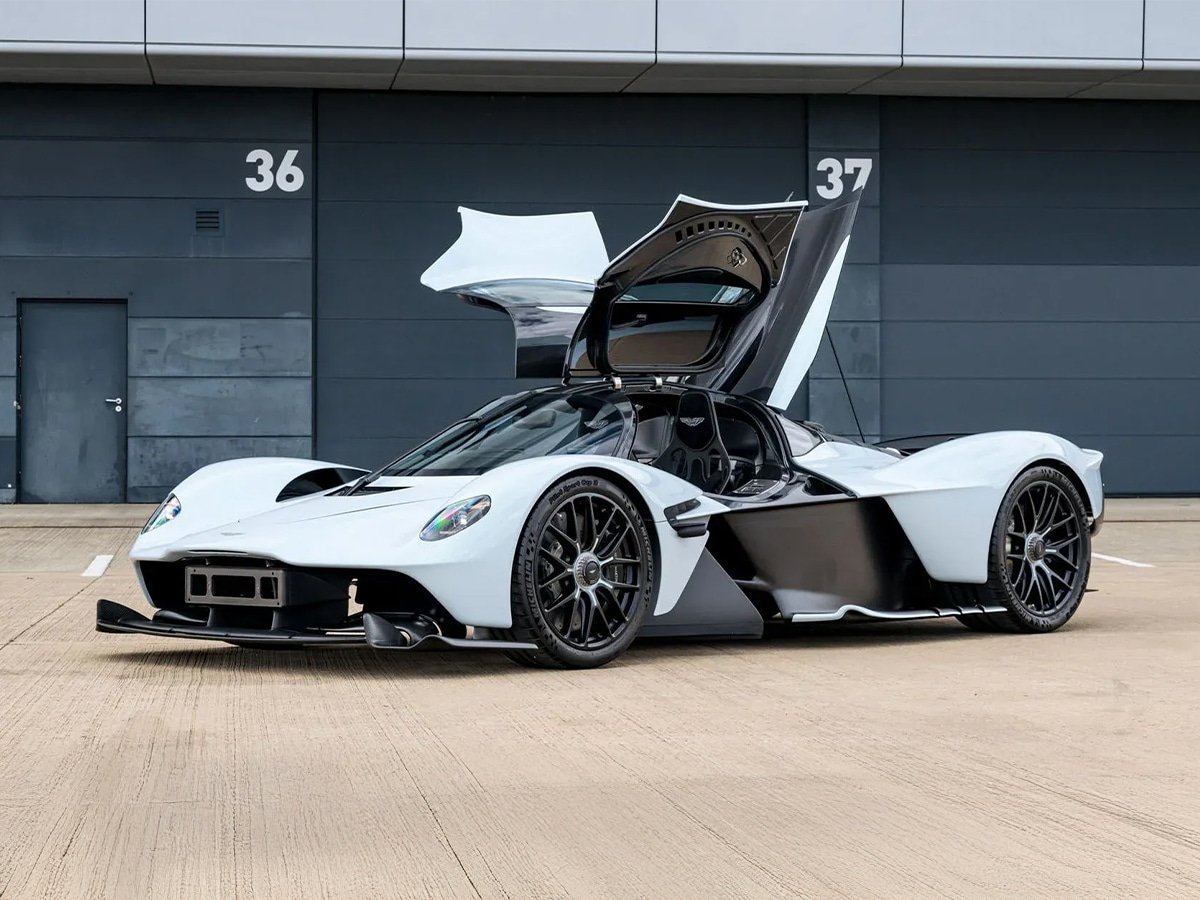
Daniel Ricciardo’s 2023 Aston Martin Valkyrie | Image: Broad Arrow Auctions

The timing of Daniel Ricciardo’s Aston Martin Valkyrie listing has raised more than a few eyebrows. The car appeared on the market quietly, but it didn’t stay that way for long once Ricciardo himself added a layer of intrigue just hours later.

Soon after the listing went live, Ricciardo posted a cryptic message on social media, standing beside a Ford Racing logo attached to a Bronco Raptor and captioning it simply, “More around the corner…”. It was the kind of post that felt purposefully vague, providing just enough to trigger conversation without revealing anything.

Unsurprisingly, speculation arose almost immediately. Some see the post as a hint towards a possible return to motorsport, while others believe it could indicate a future collaboration with Ford Racing, especially as the brand continues to deepen its involvement in the off-road performance scene.

That idea closely aligns with comments previously made by Ford CEO Jim Farley, who has been vocal about his ambition to boost Ford’s off-road identity. “There’s no Porsche of off-road, and I’m shocked that people don’t think about that, and I’m very interested in that,” Farley said. Whether Ricciardo is connected to that vision or just closing one chapter before starting another, the sequence of events indicates this moment is about more than just selling a car.
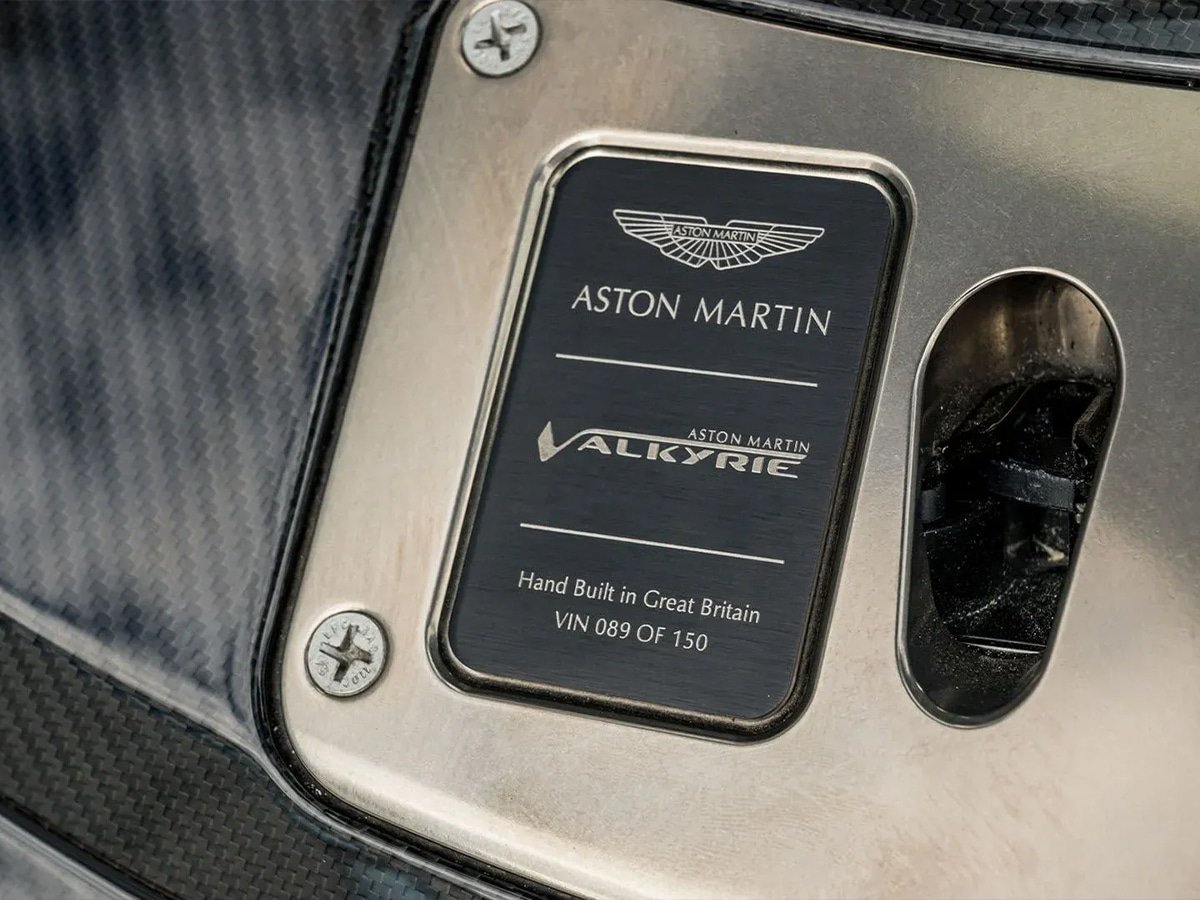
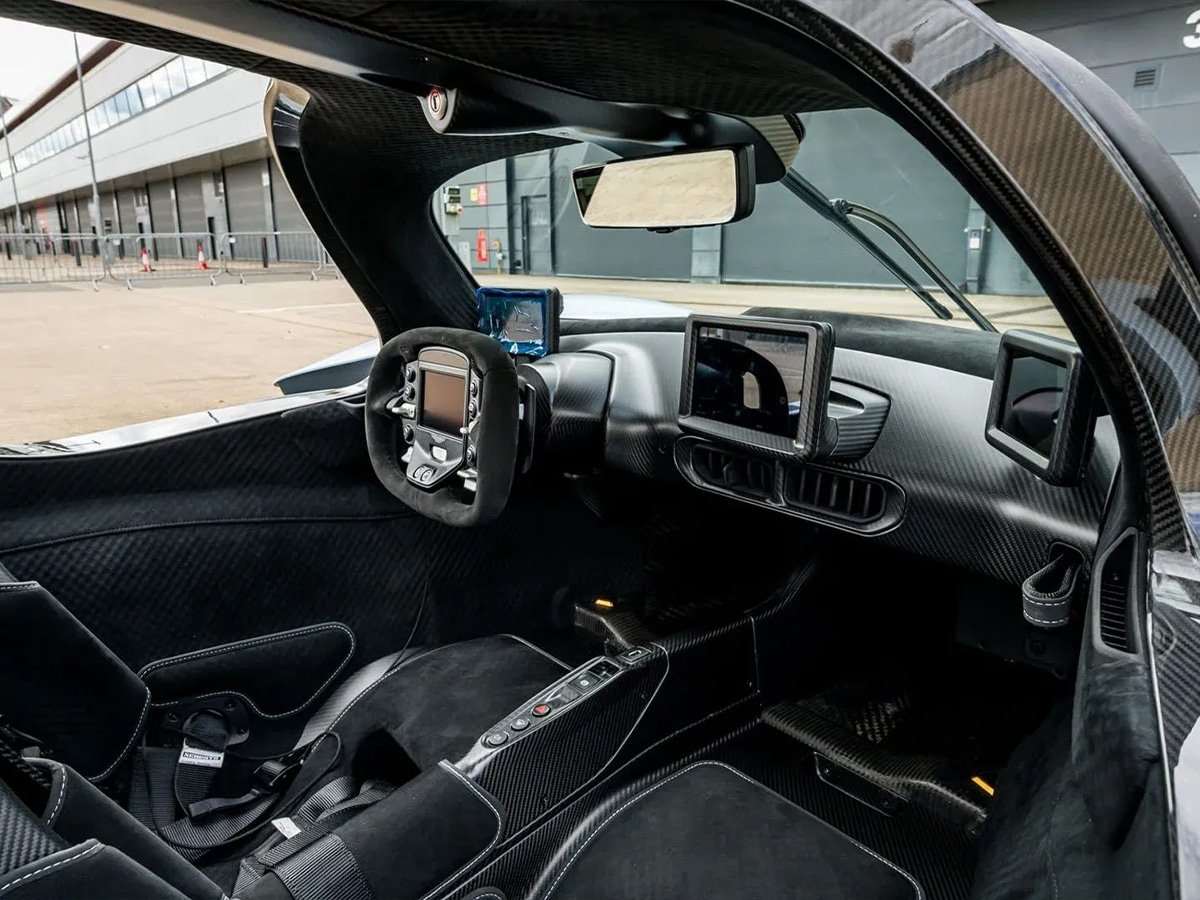
Daniel Ricciardo’s 2023 Aston Martin Valkyrie | Image: Broad Arrow Auctions

Aston MartinSupercars
About the Author
Previous Post
20 Best Luxury Shopping Sites for Designer Labels
Next Post
Everything We Know About ‘Tulsa King’ Season 3: Release Date, Trailer, and More

Related Articles

The Real Cost of Top Gun: Maverick: How Tom Cruise & Paramount Spent Millions for Authenticity

Reading Time: 7 minutes

Our team of editors and experts thoughtfully chooses each product. If you decide to buy through one of our links, we may earn a commission. Learn more. Want to know how we test products? Click here for more details.

Top Gun Maverick – Official Trailer | Video: YouTube / Paramount Pictures

Translating the high-octane, thrilling aerial battles of Top Gun: Maverick onto the big screen required more than just rapid maneuvers—it demanded complete authenticity. For Tom Cruise, Hollywood’s most daring action star, utilizing green screens or heavy CGI was out of the question. To truly immerse audiences in the G-forces and adrenaline of a real Navy pilot’s experience, the actors had to fly in actual fighter jets. However, this commitment to filmmaking excellence comes with its own set of challenges.

In the case of Top Gun: Maverick, the expense was staggering. Bloomberg reports that Paramount Pictures allegedly spent a shocking $11,374 per hour to rent an F/A-18 Super Hornet fighter jet for the film. Nevertheless, military sources suggest that the true operational cost is around $22,000 for each flight hour.

What was the actual production cost of Top Gun: Maverick, and did the hefty budget justify itself?

Top Gun 1986 | Image: Paramount Pictures

Tom Cruise is not only a Hollywood A-lister but also a perfectionist driven by a quest for authenticity. Over the years, he has consistently expanded the limits of practical effects in action films, seen in his daring act of hanging onto the side of a plane at takeoff in Mission: Impossible – Rogue Nation and executing a genuine HALO jump from 25,000 feet in Mission: Impossible – Fallout.

When it came to Top Gun: Maverick, Cruise was adamant: he wanted no green screens, no CGI for flight scenes, and no deception. In a recent interview, he stated, “I told the studio, ‘If we’re going to do this, we’re going to do it for real.’” This approach led to a filmmaking process that truly set itself apart from any previous efforts in Hollywood.

Top Gun: Maverick – Big Game Spot | Video: YouTube / Paramount Pictures

The Most Intense Flight Training in Hollywood History

To realistically portray the thrilling action of Top Gun: Maverick, Tom Cruise created a demanding, multi-stage flight training program for his fellow actors. The objective was straightforward: to transform the actors into authentic aviators capable of executing the intense aerial stunts showcased in the film. Here’s how they evolved from beginners to skilled pilots, guaranteeing the authenticity of each breathtaking scene.

  • Phase 1: Actors piloted small Cessna 172 aircraft to grasp fundamental aerodynamics and experience flying firsthand.
  • Phase 2: Actors progressed to the Extra 300 aerobatic aircraft, which can perform high-G maneuvers, to prepare for the intense forces encountered in fighter jets.
  • Phase 3: Actors transitioned to the L-39 Albatros, a high-performance jet trainer, to master complex aerial maneuvers.
  • Phase 4: After months of training, the actors flew in actual F/A-18 Super Hornets, experiencing forces of up to 8 Gs during filming.

At the conclusion of filming, the actors had truly become Navy pilots, with their rigorous training evident in every aerial sequence. Tom Cruise’s dedication to realism brought Top Gun: Maverick to unprecedented levels, providing audiences with an exhilarating, realistic experience.

Behind The Scenes Top Gun: Maverick | Image: IMBd

How Much Does It Actually Cost to Fly an F/A-18 Super Hornet?

The stated cost for Top Gun: Maverick to operate an F/A-18 Super Hornet was $11,374 per flight hour. However, the military publication SOFREP reported that the true operational cost is much higher, approximately $22,000 per hour. This discrepancy arises because the Department of Defense’s official rates often fail to account for crucial expenses related to aircraft operations.

Brett Odom, a former F/A-18 Hornet pilot and Harvard Business School alumnus, provides an in-depth analysis of the actual expenses associated with operating these fighter jets. The aircraft consumes approximately 1,100 gallons of fuel each hour, which, at a rate of $3 per gallon, results in fuel costs amounting to $3,300 per hour.

Pilot salaries, benefits, and taxes amount to approximately $1,250 for every flight hour per crew member. With two crew members, this totals $2,500 for both the pilot and the weapons officer. Additionally, maintenance expenses for the aircraft—taking into account parts with defined service lives—are significant. For the F/A-18, Odom estimates maintenance costs to be $3,500 per hour, factoring in engine wear and the routine replacement of various components.

Considering all factors—fuel, salaries, and maintenance—the true operating cost of an F/A-18 Super Hornet is $22,000 per flight hour, which is double the amount previously mentioned for the film.

Behind The Scenes Top Gun: Maverick | Image: IMBd

How Top Gun: Maverick Achieved the Most Realistic Flight Sequences in Cinematic History

Using real jets and skilled actors, the next hurdle was to film high-speed, high-G dogfights like never before. To accomplish this, the filmmakers utilized groundbreaking cockpit-mounted IMAX cameras. Each Super Hornet was equipped with six advanced cameras, enabling the actors to capture their own performances in real-time while experiencing intense maneuvers. There were no camera crews and no retakes—every facial expression from the actors was completely genuine.

As director Joseph Kosinski stated, “Every time you see someone straining, their face distorted under G-forces—it’s because they’re truly experiencing it.” Jon Hamm, who portrays Vice Admiral Beau “Cyclone” Simpson, captured it perfectly when he said, “Tom Cruise is one of the last true movie stars. They don’t make them like that anymore.”

Production Film Top Gun: Maverick | Image: IMBd

Was the Massive Investment Worth It?

In one word? Definitely. Top Gun: Maverick was not only a critical and commercial triumph—it became a worldwide sensation. Upon its North American release, the film earned $151 million in its opening weekend, achieving a global debut of $260 million. By the end of its theatrical run, it had amassed an astonishing $1.4 billion, making it the highest-grossing film in Tom Cruise’s career.

Beyond the box office figures, the film garnered six Academy Award nominations, including Best Picture. Critics and audiences alike praised the movie’s practical effects, stunning cinematography, and unparalleled realism. Additionally, the film had an unexpected outcome: it triggered a significant increase in U.S. Navy recruitment, with numerous young individuals eager to emulate Maverick’s journey.

As Hollywood leans more towards CGI-dominated projects, Top Gun: Maverick demonstrated that viewers still desire authenticity. Its success conveyed a strong message: practical effects, real stunts, and authentic experiences aren’t just engaging—they are exactly what audiences seek.

With Tom Cruise gearing up for his next breathtaking stunt—a genuine spacewalk outside the International Space Station for an upcoming project—one thing is clear: the best is still ahead.

Tom Cruise – Maverick | Image: IMBd
About the Author

Related Articles

arrow_drop_up