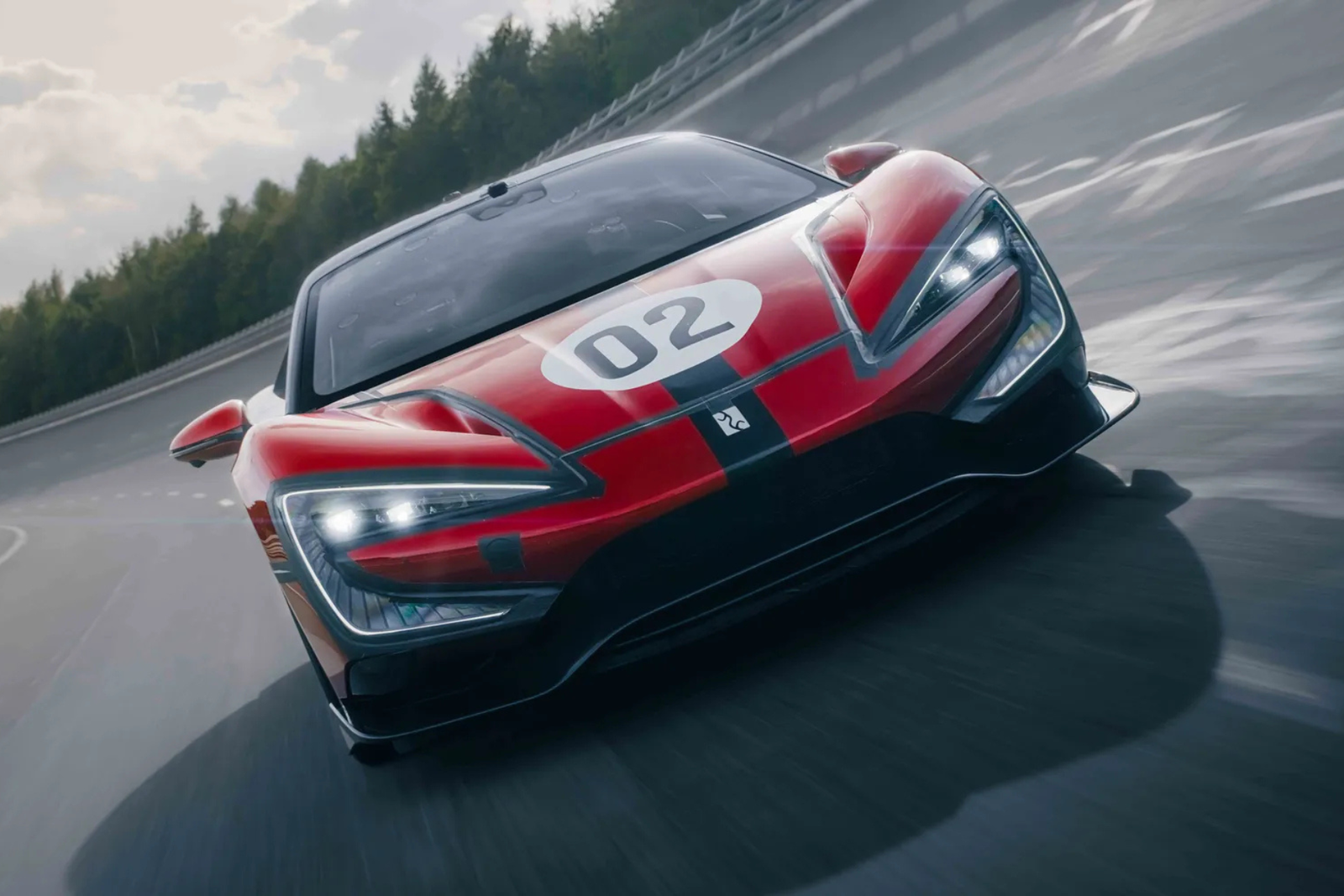






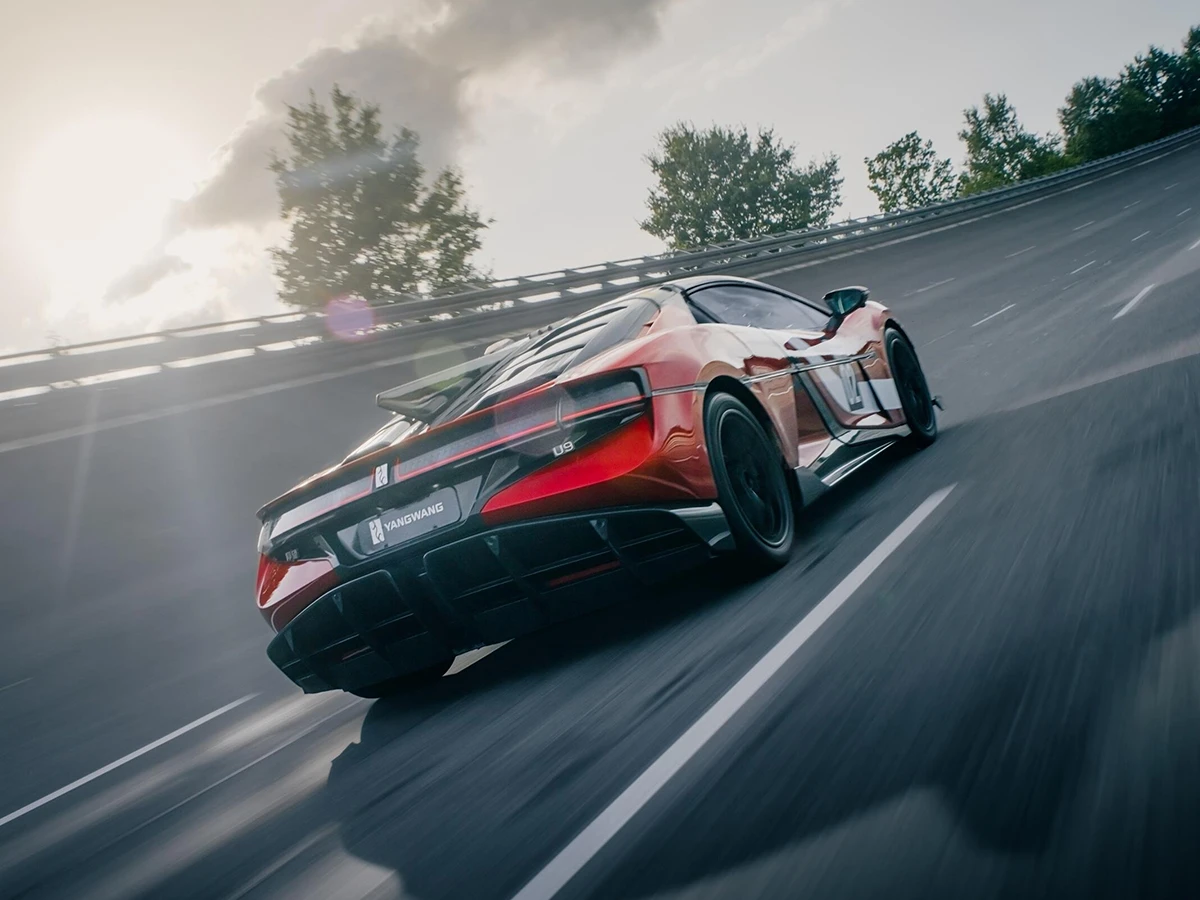

For anyone who grew up in the 2000s, the phrase ‘the world’s fastest car’ likely recalls Top Gear’s famous Bugatti Chiron versus fighter jet showdown. In that era, speed was as much about the spectacle as the numbers themselves. The title of world’s fastest car was long considered out of reach, protected by tradition, massive budgets, and brands with deep roots in internal combustion. Now, the Yangwang U9 Xtreme has set a new world record, and this one stands apart from anything that came before.
Developed by BYD’s high-performance division, the U9 Xtreme features a quad-motor setup that produces 3,027 horsepower, with each motor generating over 555kW. The vehicle is built on a 1,200-volt ultra-high-voltage platform, the first of its kind to reach mass production, and its motors can spin up to 30,000 rpm. This technology enabled the U9 Xtreme to achieve a verified speed of 496.22 km/h, or 308.34 mph, surpassing the previous record set by the Bugatti Chiron Super Sport 300+. The Yangwang e4 Platform manages torque at each wheel up to 100 times per second, while the DiSus-X Intelligent Body Control System maintains chassis stability. The result is a power-to-weight ratio of 1,217 PS per tonne.
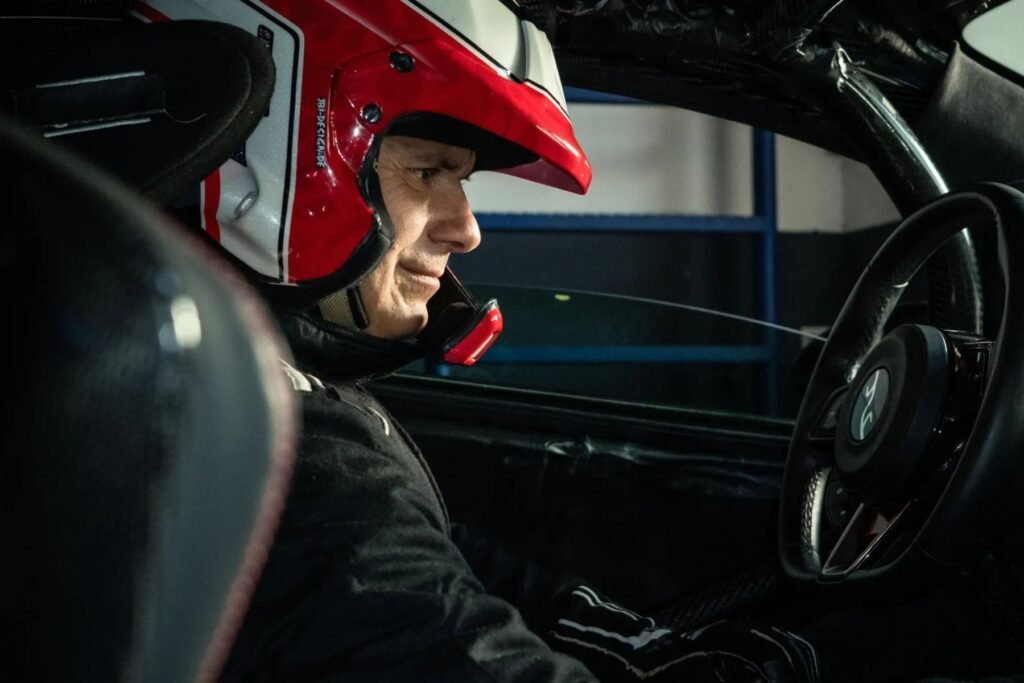
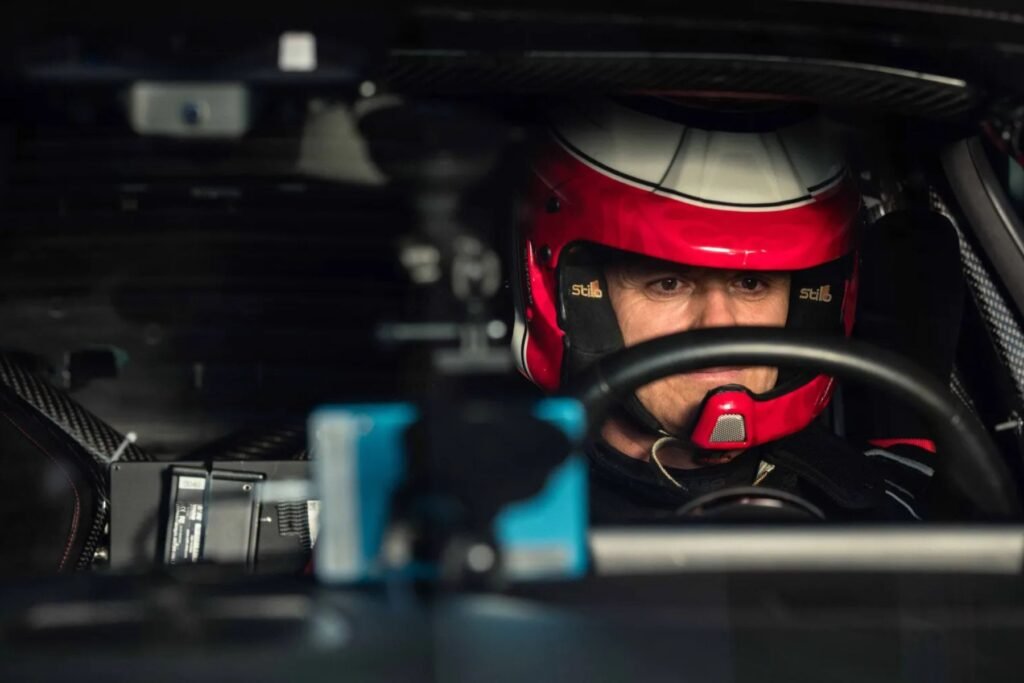
Behind the wheel, Marc Basseng took on the mission of easing the Yangwang U9 Xtreme’s speed instead of rushing into the run as we were used to. With track temperatures at 18°C (64°F), conditions are ideal for an electric powertrain supercar that relies on consistency and thermal stability. Keeping that in mind, Marc Basseng carefully warmed the tyres, built up its speed, and let the car settle before letting loose. By the time it reached the first banked section of the track, U9 Xtreme was already travelling just over 250 km/h—calm, confident, and ready.
As Basseng committed to banking, the tempo changed. The U9 Xtreme cornered at just under 300 km/h and exited the right-hander at a touch over 305 km/h, at which point the car’s full intent. Acceleration from that point was relentless. The jump to 400 km/h was shockingly quickly, and from 400 to 470 km/h took just under ten seconds—an almost surreal rate of speed increase at velocities where aerodynamics and stability typically become the limiting factors.
After reaching its peak of 496.22 km/h (308.34 mph), this was only half the battle. Once Basseng lifted his foot off the pedal, the challenge shifted to keeping the car stable at very high speeds. The U9 Xtreme started to wiggle beneath him as he slowed down, gradually crossing the track at around 380 km/h. Using the full width of the circuit, Basseng carefully managed the car’s momentum and brought it down safely without spinning. At those speeds, control is just as important as courage—and this run demonstrated both.
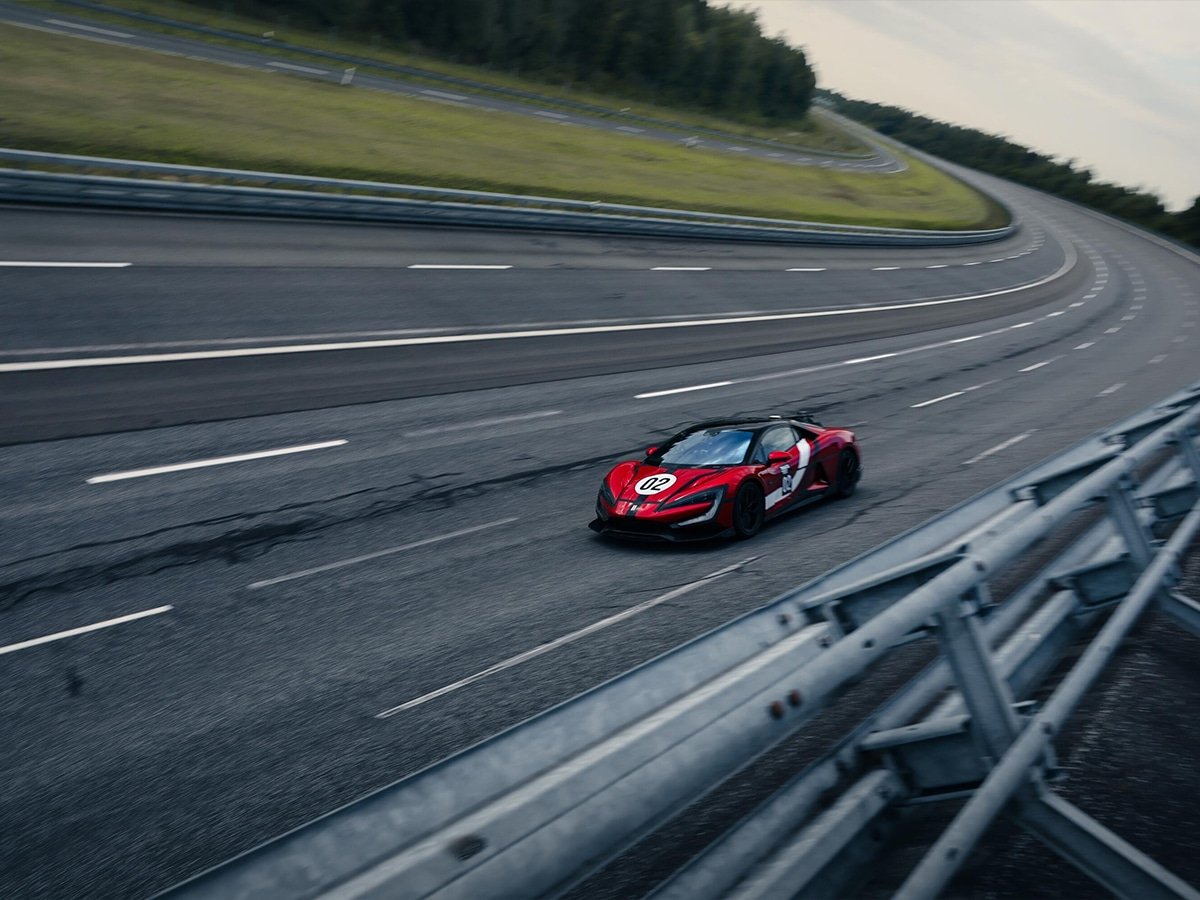
Even after what Basseng later admitted was a tense moment at speed, control never fully escaped him. He kept the car balanced, navigated through the final bend, and returned the U9 Xtreme to the pits with joy.
Reflecting on the race, Marc Basseng was honest about how important the achievement was. “Last year, I thought I’d peaked,” he said. “I never expected to break my own record so soon – but here we are, at the same track, with new technologies that have made it possible.” It’s a significant moment, not just for the driver but for the speed at which electric performance is progressing. What once seemed like a career high now seems more like a stepping stone.
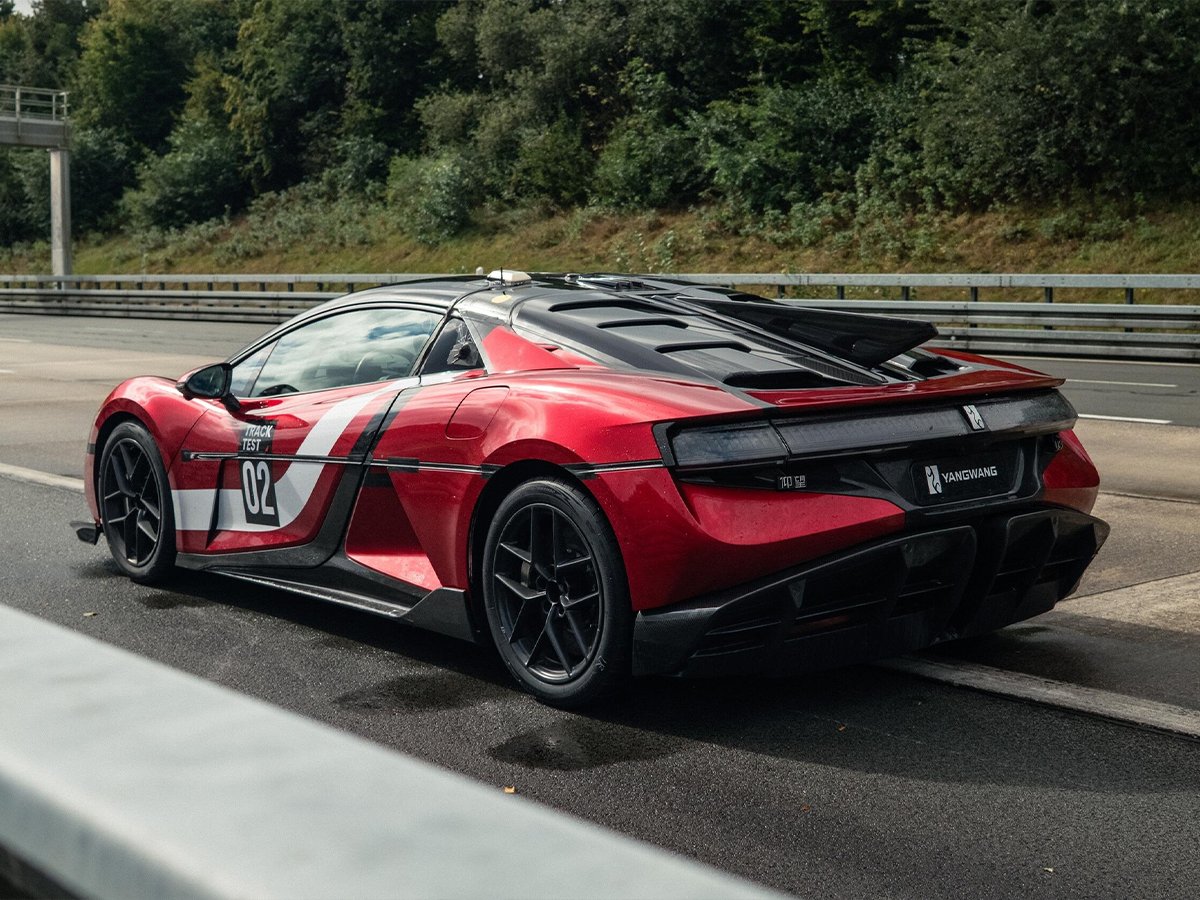
According to Yangwang, the car used for the run stayed remarkably close to the version customers can already buy in China. The main change came at ground level, where lessons learned from last year led the team to work with Giti Tire on a track-focused semi-slick tyre developed specifically for the attempt. Aerodynamically, however, the U9 Xtreme remained unchanged, right down to the optional carbon fibre front splitter that’s already in mass production. With 496.22 km/h now on the books, the next target feels obvious. The question is no longer if Yangwang will chase 500 km/h—but how soon.