







- YouTuber LabCoatz claims to have recreated Coca-Cola’s famous formula after roughly a year of scientific research and testing.
- His final recipe, known as ‘Version 111’, relies on two separate flavour blends containing citrus oils, spices, acids, and other specialized ingredients.
- Recreating the drink requires precise measurements, careful preparation, and an aging process designed to help the flavours fully develop.
- Even if the formula is close to the real thing, Coca-Cola’s global brand and closely guarded trade secrets aren’t going anywhere.
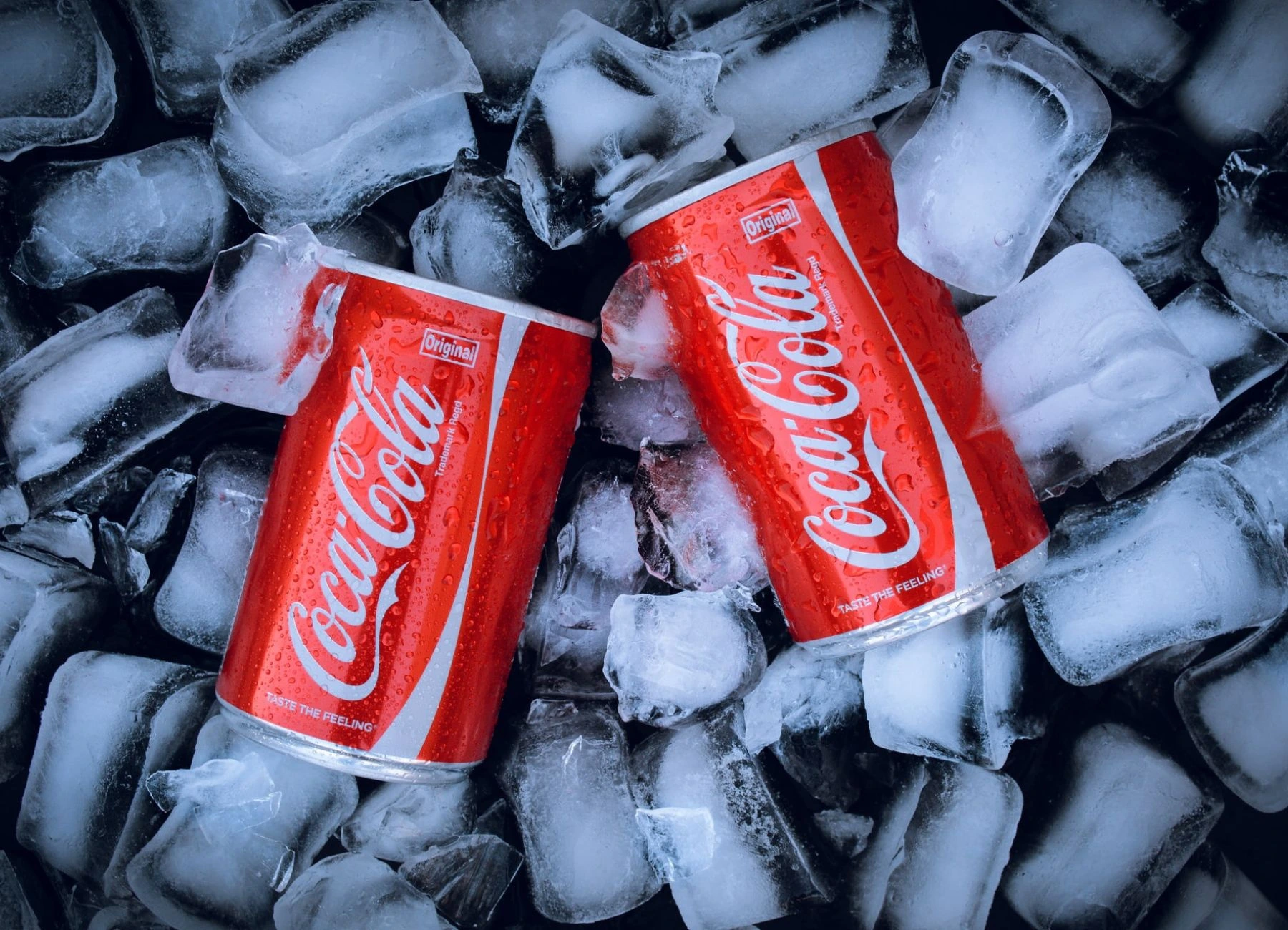
For nearly 140 years, Coca-Cola’s secret formula has been one of the most closely guarded mysteries in the world. The recipe has inspired countless conspiracy theories, third-party copycats, and amateur detectives, all trying to answer the same question—what exactly gives Coke its unmistakable taste? After years of speculation, the company has continued to guard the Holy Grail formula from public view, making it one of the most valuable trade secrets, carefully protected and known to only a handful of people.
Now, one creator believes he may have come closer than anyone else. A YouTuber known as LabCoatz recently went viral after claiming he successfully recreated Coca-Cola’s famous recipe following a year-long scientific investigation. Using laboratory equipment, mass spectrometry, historical research, and countless rounds of trial and error, he says he produced a version so similar that even blind taste testers struggled to tell the difference. Naturally, the internet has been fascinated ever since.
So, did someone finally crack Coca-Cola’s secret formula, or is this simply the latest chapter in one of the beverage industry’s longest-running mysteries? Here’s everything you need to know.
Before we get into secret ingredients and laboratory experiments, who is LabCoatz? Well, his name is Zach Armstrong, a science-focused YouTuber with more than 344,000 subscribers who has built his audience by breaking down everyday products and exploring the chemistry behind how they work. His videos feature scientific analysis, historical research, and hands-on experimentation, often turning questions into practical investigations.
That curiosity eventually led Armstrong down the rabbit hole of Coca-Cola. Rather than relying on old rumours or supposed leaked formulas circulating online, he spent roughly a year studying the world’s most famous soft drink through chemical testing, flavour analysis, historical documents, and countless rounds of trial and error. His goal wasn’t to create another cola that tasted similar to Coke—it was to get as close to the real thing as possible. With this level of detail behind the project, it certainly captured the attention of millions online and Coca-Cola fans.
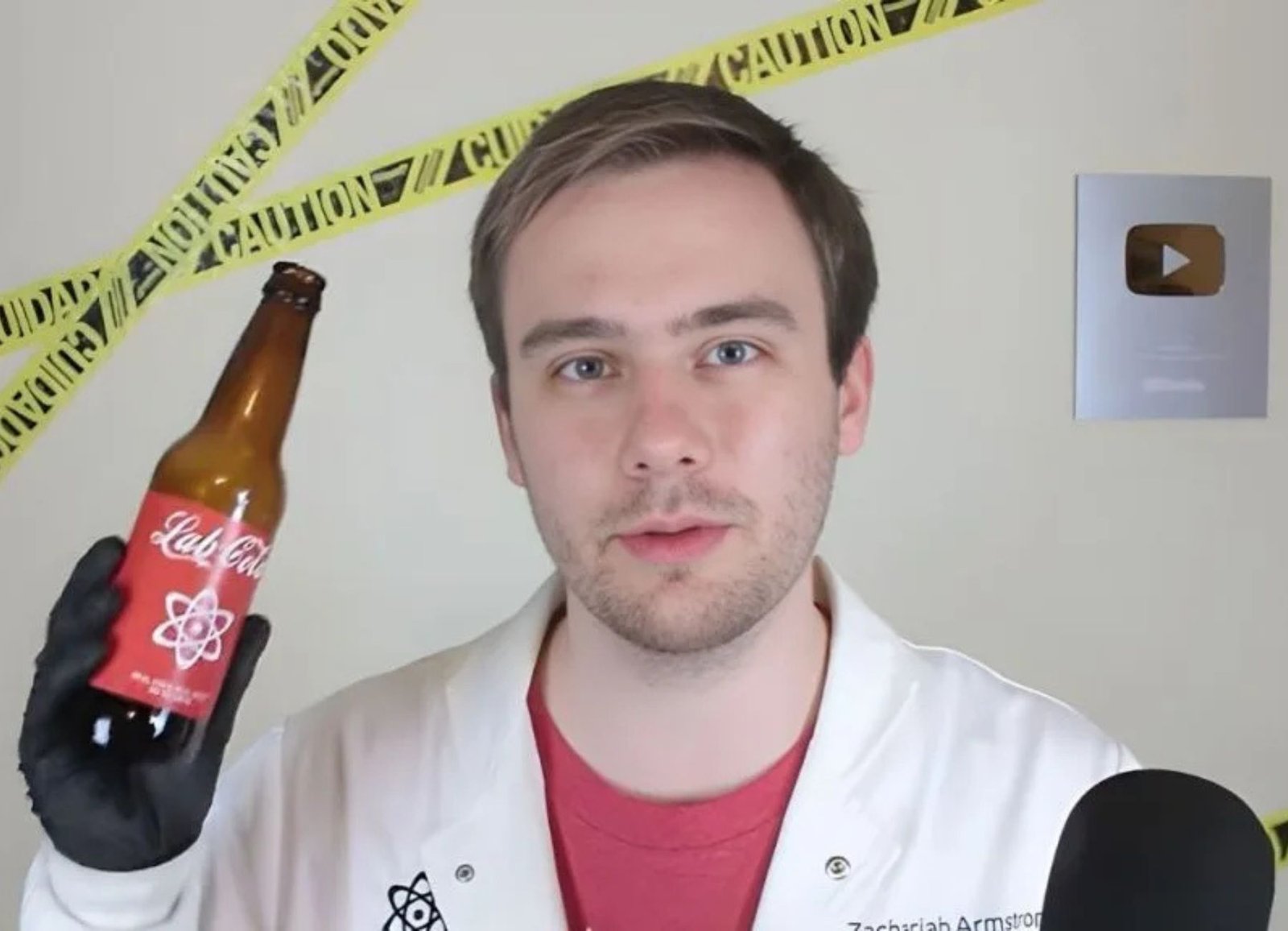
When people want to recreate Coca-Cola, the best place to start is probably the kitchen, but Zach Armstrong chose to start in the laboratory. With so many old rumours, recipes, and online guesses, he treated the project like a science experiment, taking it apart and putting it back together from the ground up.
Advertisement · Continue Reading Below
For about a year, Armstrong combined chemical analysis, taste tests, historical research, and lots of trial and error to figure out what he thinks are the main ingredients in Coca-Cola. One of his key tools was mass spectrometry, which helps scientists identify the chemicals in a sample. By studying Coca-Cola at the molecular level and comparing his findings with old records and known flavours, he slowly built what he believes is the closest modern version of the famous recipe.
But just knowing the ingredients was only part of the challenge. The hardest part was getting the amounts right. Armstrong made many changes, adjusting flavours and measurements, and then ran blind taste tests to see how close his version was to the original. He says some people had trouble telling them apart. Whether this means the secret is finally out is still uncertain, but it’s definitely one of the most thorough attempts so far.
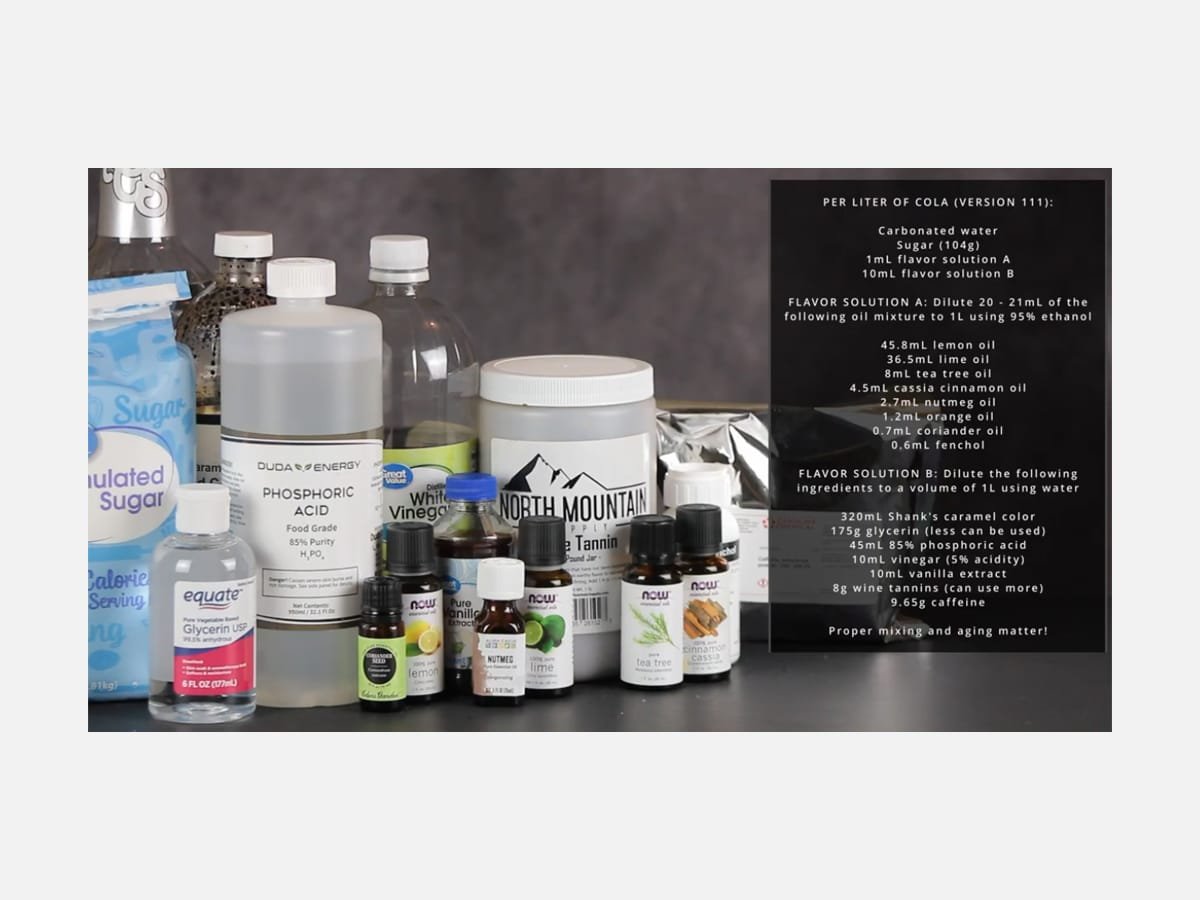
After roughly a year of testing, analyzing, and refining his formula, Zach Armstrong eventually landed on what he calls “Version 111”. According to LabCoatz, this was the closest he came to recreating Coca-Cola’s flavour profile. The recipe reads more like something from a chemistry lab than a traditional cookbook, requiring precise measurements and flavourings, acids, and specialized ingredients. Rather than relying on a single mixture, Armstrong uses a two-part flavouring system designed to recreate everything from Coca-Cola’s citrus notes to its distinctive colour, mouthfeel, and signature bite. We’re not saying he’s cracked the code, but that’s an impressive amount of effort for a can of Coke.
The first stage involves creating a concentrated flavour oil blend that forms the backbone of the entire recipe. According to LabCoatz, this mixture is responsible for many of the subtle citrus, spice, and aromatic notes that most people associate with Coca-Cola without ever consciously noticing them. Once the oils have been carefully measured and combined, approximately 20–21mL of the mixture is diluted into 1 litre of 95% ethanol, creating the flavour base used throughout the final formulation.
Ingredients:
- Lemon Oil: 45.8mL
- Lime Oil: 36.5mL
- Tea Tree Oil: 8mL
- Cassia Cinnamon Oil: 4.5mL
- Nutmeg Oil: 2.7mL
- Orange Oil: 1.2mL
- Coriander Oil: 0.7mL
- Fenchol: 0.6mL
The second stage focuses on what gives Coca-Cola its unique appearance and taste. LabCoatz says this blend creates a deep caramel colour, a sharp, acidic bite, a smooth mouthfeel, and a lasting finish that makes people want another sip. After the ingredients are measured and mixed, water is added until the mixture reaches one litre. This forms the base of the cola’s signature flavour.
Ingredients:
- Shank’s Caramel Colour: 320mL
- Glycerin: 175g
- 85% Phosphoric Acid: 45mL
- Vinegar (5% acidity): 10mL
- Vanilla Extract: 10mL
- Wine Tannins: 8g
- Caffeine: 9.65g
Looking at the ingredient list, it’s easy to see why most people haven’t spent their weekends trying to recreate Coca-Cola in their kitchens. This isn’t a homemade cola recipe made with sugar and a few spices. It’s a carefully engineered formulation developed through chemistry, flavour analysis, and almost obsessive attention to detail. With this much determination, the closest version of Coca-Cola ever made is still debated worldwide.
Once both flavour blends have been prepared, the final step is very simple.
To make one liter of finished Coca-Cola, LabCoatz mixes the flavour concentrates with sugar and carbonated water, resulting in what he considers the best approximation of Coca-Cola he could create after a year of testing.
Ingredients for 1 Litre of Cola:
- Carbonated Water: To volume
- Sugar: 104g
- Flavour Formula A: 1mL
- Flavour Formula B: 10mL
However, the process doesn’t work just yet, once everything has been mixed together. According to LabCoatz, one of the most important steps is allowing the concentrates time to rest before carbonation. This aging period allows the oils, acids, and flavour compounds to integrate properly, resulting in a smoother, more balanced final product. Much like a fine wine, whiskey, or even a good pasta sauce, a little patience appears to go a long way.
It’s also worth mentioning that this isn’t exactly a kitchen-friendly recipe. LabCoatz includes an important safety warning in his video, stating: “Concentrated phosphoric acid is mildly corrosive and undiluted flavours and essential oils can be irritating or toxic. Never consume, unless properly mixed and diluted to safe levels. Tea tree oil is not GRAS (generally recognized as safe to eat), although the few microliters added to this cola shouldn’t cause health issues due to the low dosage and similarity to the chemical makeup of other sodas.”
In other words, if you’re thinking about recreating this experiment at home, treat it more like a chemistry project than a weekend baking recipe.
That depends on what you mean by “recreate.” Getting close to Coca-Cola’s flavour is one thing, but proving you’ve found the exact recipe is a completely different challenge. The company has spent over a hundred years protecting its recipe, improving how it makes the drink, and making the mystery around it part of its identity. Even if someone knows every ingredient, there are still many factors involved, from where and how the ingredients are gathered to the exact way they are combined when making the drink in large amounts.
That’s what makes LabCoatz’s experiment so interesting. Instead of saying he broke into Coca-Cola’s vault and found a lost document, Zach Armstrong tried to copy the experience of drinking a Coke using science, research, and a lot of patience. Whether he really figured it out may never be known, but based on the blind taste tests and online reactions, he might have come closer than most people expected.
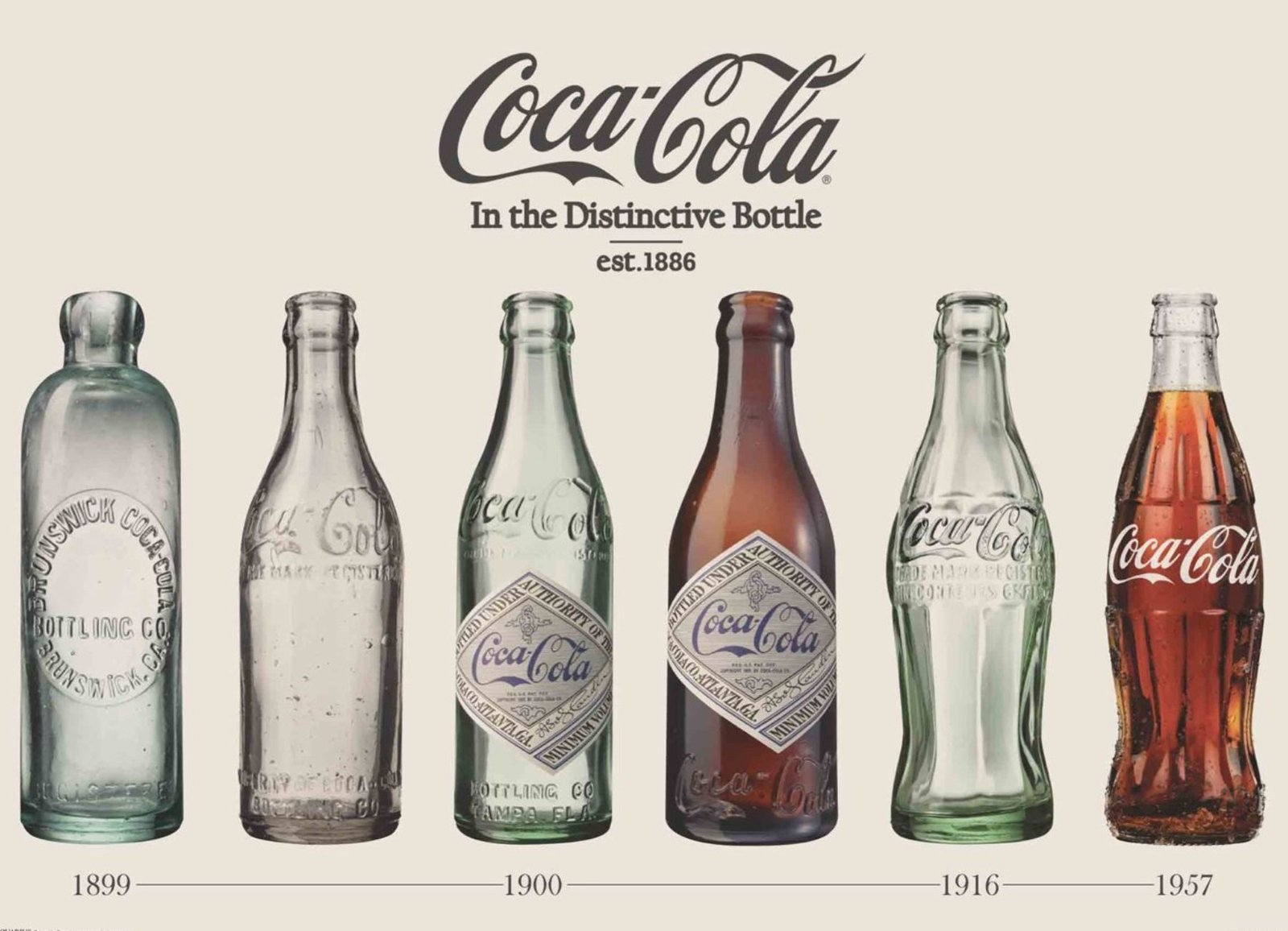
Part of Coca-Cola’s success comes from the drink itself. The other part comes from the mystery. First created in 1886 by pharmacist John Pemberton in Atlanta, Georgia, Coca-Cola began life as a medicinal tonic before evolving into the world’s most recognizable soft drink. Nearly 140 years later, the brand is sold in more than 200 countries, serves billions of drinks every day, and has grown into one of the most valuable consumer brands on the planet. The scale of the business is staggering. The Coca-Cola Company generates between USD$47.9 billion and USD$49.3 billion in annual revenue, resulting in a net profit of roughly USD$13 billion to USD$14 billion. Not bad for a drink that started out in a small pharmacy in the late 19th century.
Of course, there’s no debate without mentioning its famous formula. According to Coca-Cola, only a small handful of people know the complete recipe at any given time, and the original formula is said to be stored inside a secure vault at the World of Coca-Cola in Atlanta. For the past few years, countless people have claimed to have uncovered the secret, from journalists and historians to former employees and amateur investigators. However, Coca-Cola still keeps its secrets hidden, turning the recipe itself into one of the most successful marketing stories ever.
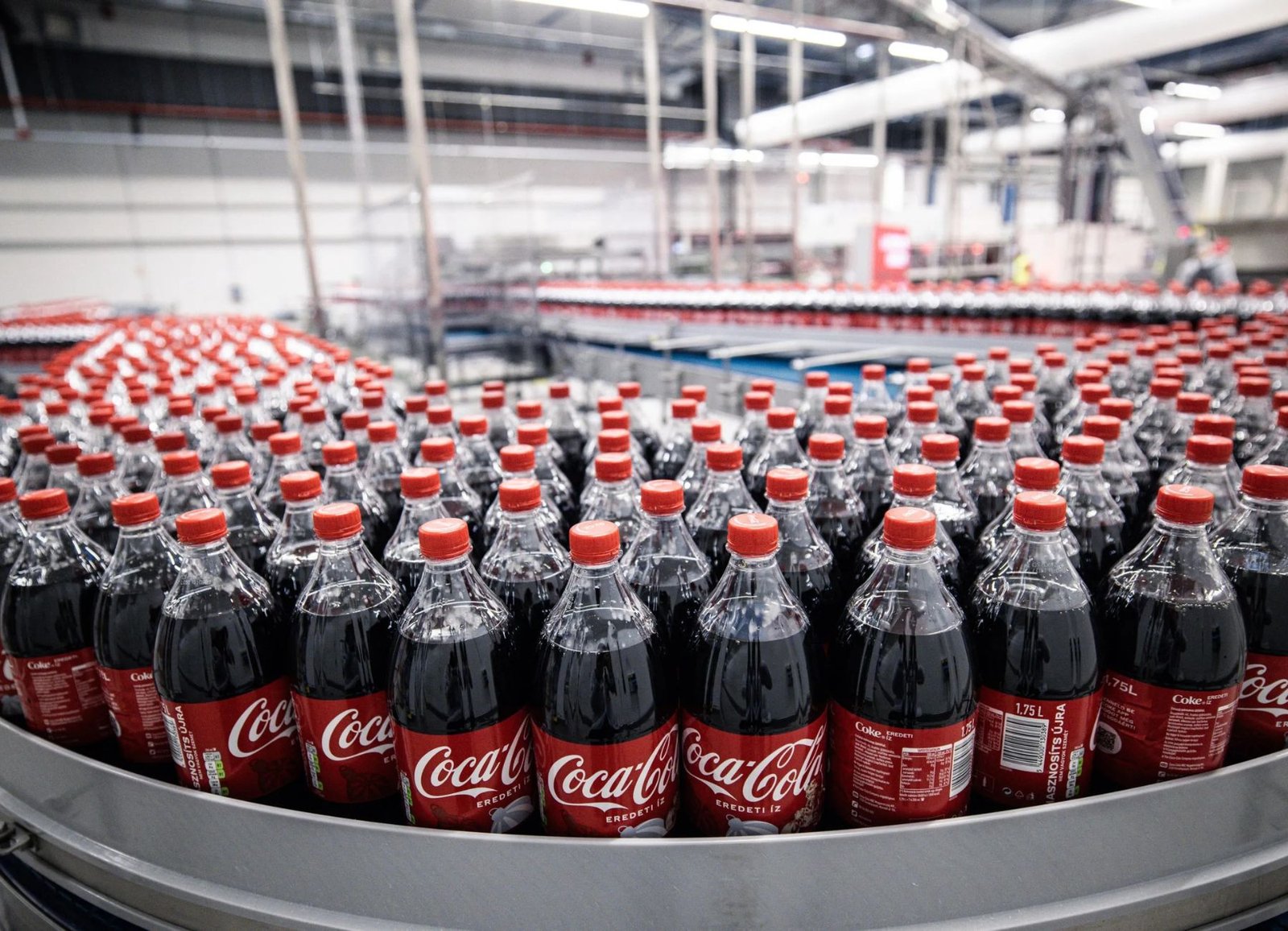
Zach Armstrong’s attempt to recreate Coca-Cola’s famous recipe may never be officially confirmed, but that hardly matters. What makes the story so interesting is the strong dedication behind it. Spending a year studying one of the world’s best-known drinks, testing ingredients, and refining more than a hundred versions of a recipe is the kind of effort most people save for a full-time job. And Coca-Cola is not the only challenge Armstrong is working on. Through LabCoatz, he has also looked into other famous drinks, including root beers, energy drinks, and various popular soft drinks, using the same careful method to break down their flavours and understand what makes them special.
Even if Armstrong’s ‘Version 111’ somehow comes very close to the real thing, Coca-Cola’s place isn’t really at risk. The company’s strength has never been about the recipe alone. It is built on almost 140 years of branding, distribution, marketing, and worldwide recognition. Also, the formula itself is one of the best-kept business secrets, unlike a patent that eventually becomes public. For most people, that is what makes stories like this so fun. It is not about replacing Coca-Cola; it is about chasing a mystery. And if LabCoatz has managed to get even a little closer to solving it, that is a pretty exciting result for cola fans, science lovers, and curious internet detectives alike.