








Tennis produced some of the greatest athletes sports have ever seen. From the elegance of Roger Federer to the unrelenting intensity of Rafael Nadal and the record-breaking dominance of Novak Djokovic, every generation has introduced players who completely changed the way the sport is played and remembered. Some built their legacy through power, others through precision, movement, mental strength or pure determination, but all created a lasting mark on tennis history.
Ranking the greatest men’s tennis players of all time is never easy, because every era brought different challenges, playing styles, surfaces and levels of competition. Comparing legends from the 1920s to modern stars will always spark arguments among fans, especially when records, rivalries and longevity come into play. Still, some names consistently rise above the rest because of the impact they had on sport and the level maintained throughout their careers.
This list looks at the 25 best men’s tennis players of all time, ranked based on achievements, influence, consistency, dominance, and the legacy they left behind. From pioneers who helped shape the early years of professional tennis to modern superstars still competing for Grand Slam titles, these players have turned tennis into one of the world’s biggest sports.
Advertisement · Continue Reading Below
- Most Grand Slam Titles: Novak Djokovic
- Most Career Titles: Jimmy Connors
- Most Weeks At No. 1: Novak Djokovic
- Most Olympic Gold Medals: Andy Murray
- Most French Open Titles: Rafael Nadal
- Most Wimbledon Titles: Roger Federer
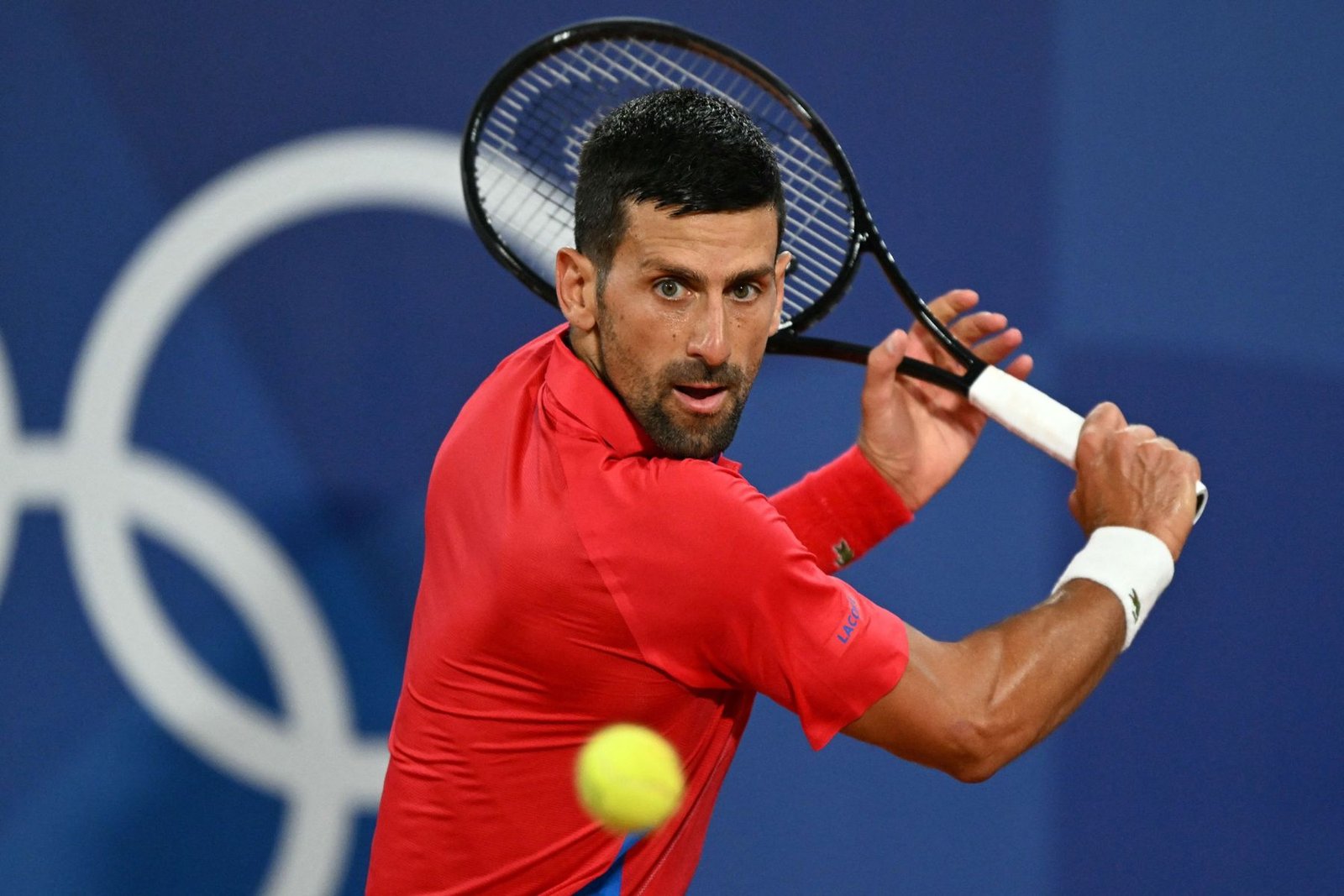
- Country: Serbia
- Born: May 22, 1987
- Era: 2006–Present
- Dominant Hand: Right-Handed, Two-Handed Backhand
- Grand Slam Titles: 24
- Total Titles: 101
- Win–Loss Record: 1251 – 275
- Weeks At No. 1: 428
- Olympic Gold Medals: 1
- Surface Preferred: Hard Court
When talking about the greatest men’s tennis player ever, it is hard to put anyone above Novak Djokovic. For almost twenty years, the Serbian star has built one of the strongest careers in the sport, winning on every type of court while constantly breaking records each season. His return game is one of the best ever, often turning tough defensive situations into winning points. His movement, stamina, flexibility, and mental strength have helped him win some of the hardest matches tennis has seen. What makes Djokovic’s career even more impressive is that, as he nears 40, he is still playing against players much younger than him and keeps competing for the biggest titles. This kind of long-lasting success is rare in tennis and shows his discipline and true love for the game. Winning 24 Grand Slam titles at the same time as Roger Federer and Rafael Nadal only adds to a legacy that already ranks him among the greatest tennis players ever.
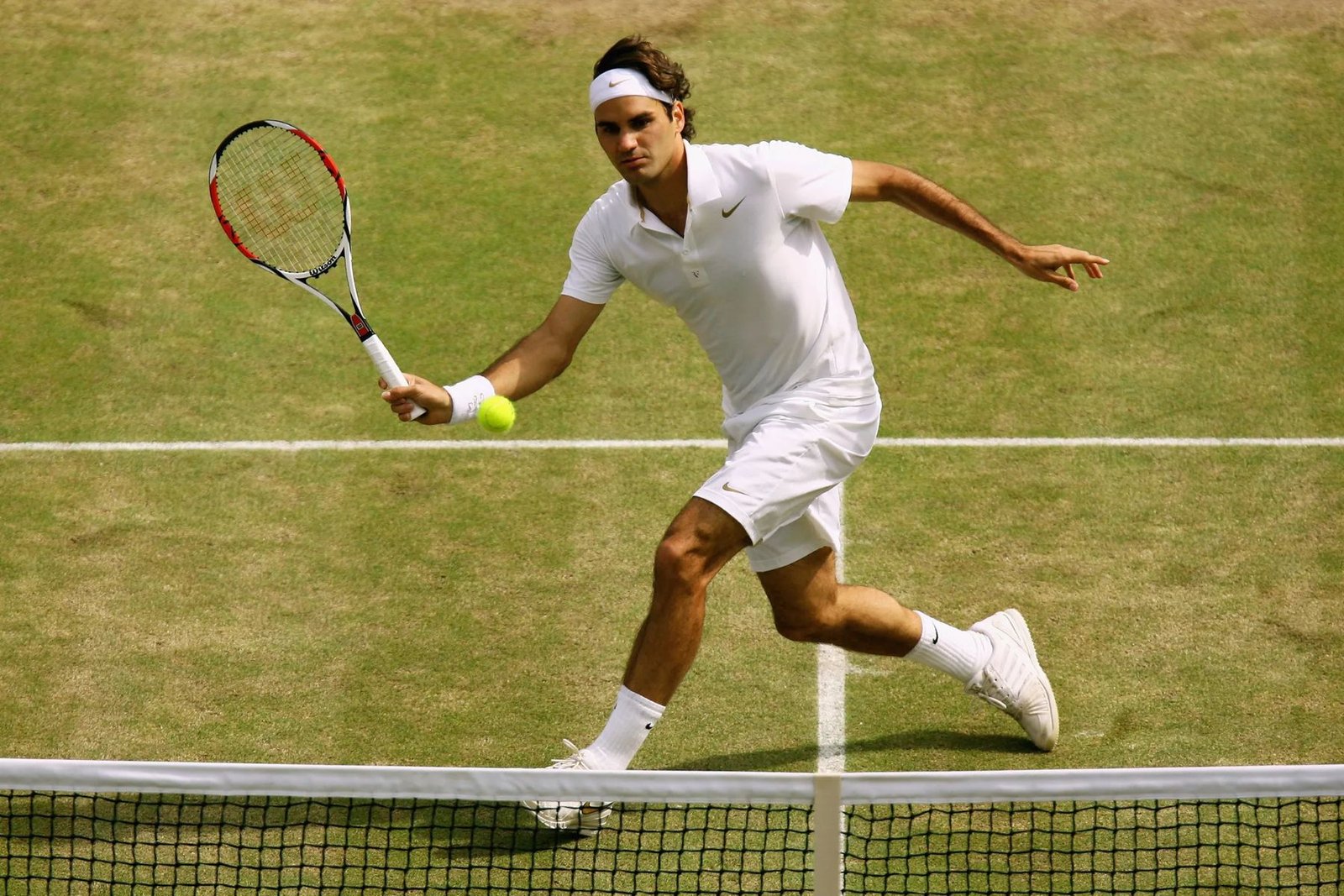
- Country: Switzerland
- Born: August 8, 1981
- Era: 1998–2022
- Dominant Hand: Right-Handed, One-Handed Backhand
- Grand Slam Titles: 20
- Total Titles: 103
- Win–Loss Record: 1,251–275
- Weeks At No. 1: 310
- Olympic Gold Medals: 1 (Doubles)
- Surface Preferred: Grass
Few athletes in any sport made being great look so easy as Roger Federer. The Swiss star built his reputation on accuracy, timing, movement, and a smooth style of play that made even the toughest shots look simple. His one-handed backhand became one of the most famous shots in tennis history, and his success at Wimbledon helped make him one of the most important athletes of his time. Before men’s tennis became as physically tough as it is now, Federer had already set the level that others wanted to reach.
Beyond the trophies and records, Federer also became one of the most respected figures in tennis. Fans admired not only how he played but also the calm, professional way he acted throughout his career. Even in the last years of his career, while dealing with injuries and competing against younger players, Federer kept playing because of his strong love for the sport. His rivalries with Rafael Nadal and Novak Djokovic helped create one of the greatest times in tennis and raised the sport to a new level worldwide.
Advertisement · Continue Reading Below
- Country: Spain
- Born: June 3, 1986
- Era: 2001–2024
- Dominant Hand: Left-Handed, Two-Handed Backhand
- Grand Slam Titles: 22
- Total Titles: 92
- Win–Loss Record: 1080 – 228
- Weeks At No. 1: 209
- Olympic Gold Medals: 2
- Surface Preferred: Clay
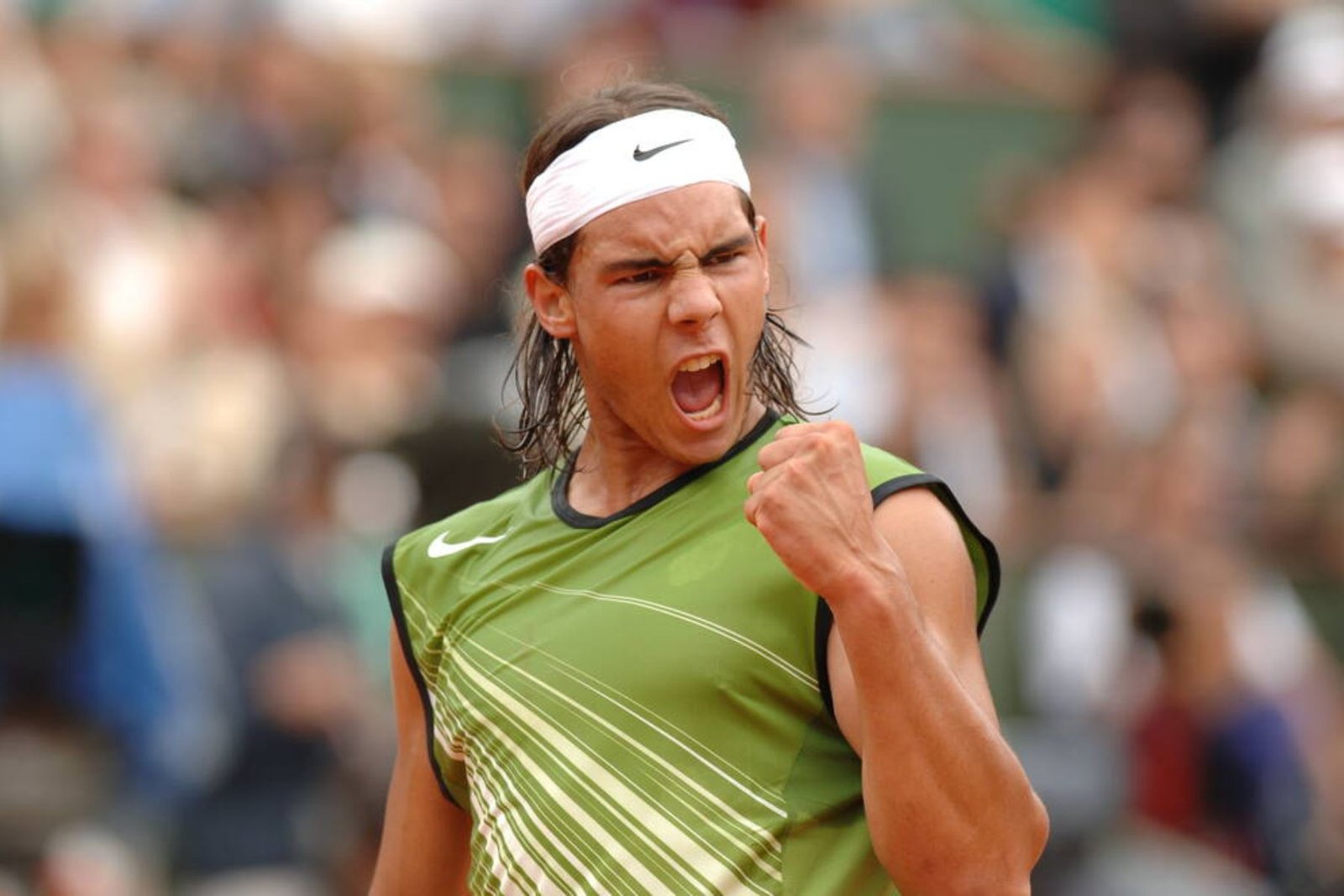
If clay courts had a king, it was always going to be Rafael Nadal. Called the “King of Clay,” Nadal created one of the most respected records in the sport, especially at the French Open, where he ruled Roland-Garros for almost twenty years. His strong topspin forehand, constant movement, physical strength, and refusal to give up on points made him one of the toughest players tennis has ever seen. Even when injuries tried to slow him down, Nadal kept finding ways to come back and compete for the biggest titles. While clay was his main surface, he also showed his skill on hard courts and grass, winning major titles at Wimbledon, the US Open, and the Australian Open.
- Country: United States
- Born: August 12, 1971
- Era: 1988–2002
- Dominant Hand: Right-Handed, One-Handed Backhand
- Grand Slam Titles: 14
- Total Titles: 64
- Win–Loss Record: 762 – 222
- Weeks At No. 1: 286
- Olympic Gold Medals: 0
- Surface Preferred: Grass & Hard Court
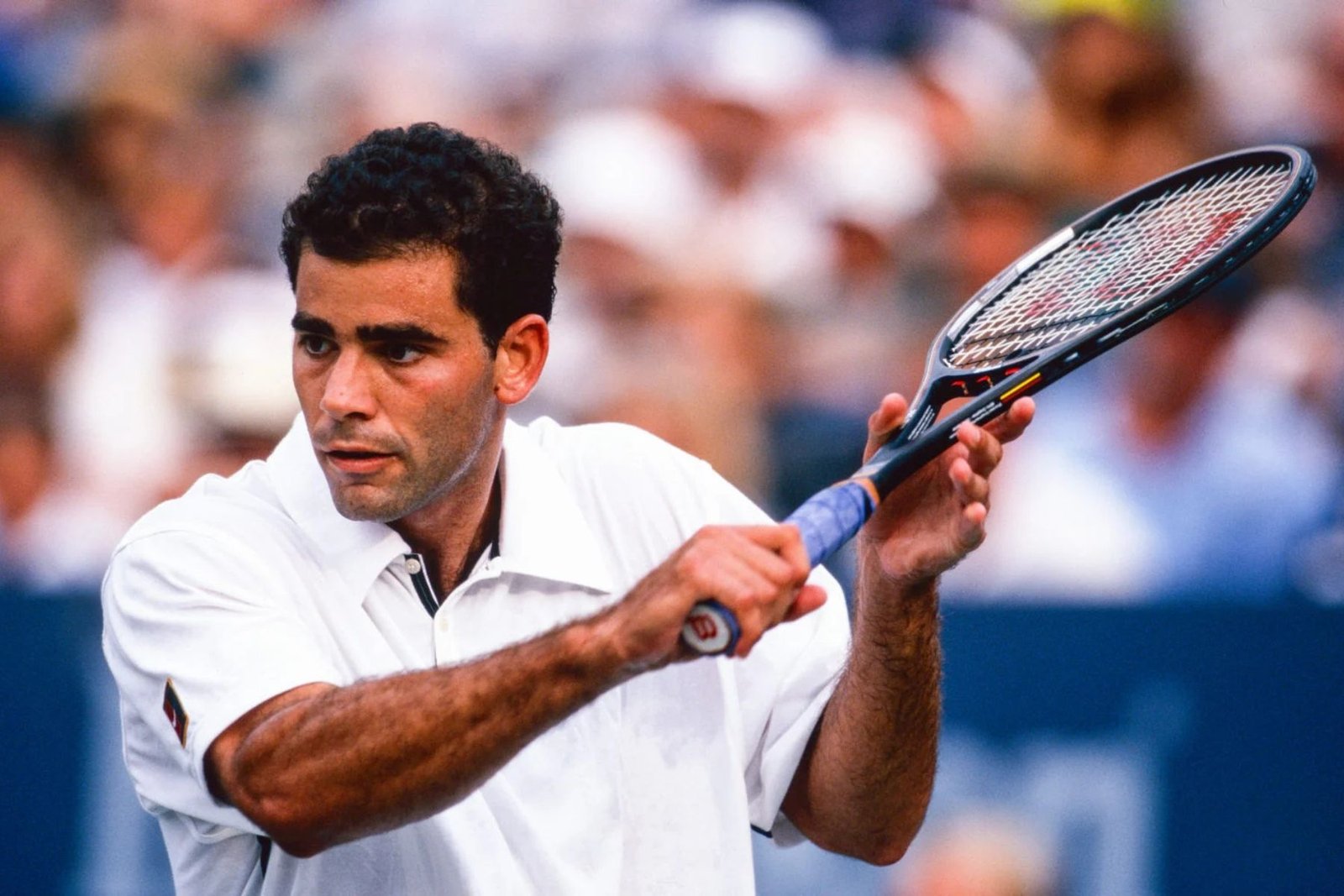
Before Roger Federer, Rafael Nadal, and Novak Djokovic became famous, men’s tennis was dominated by Pete Sampras. In the 1990s, Sampras became known for having one of the best serves ever, along with his ability to stay calm under pressure, which made him very hard to beat in important matches. His aggressive style of serving and quick movement to the net was especially strong at Wimbledon, where he won many titles and became one of the best players on grass. When Sampras retired, his 14 Grand Slam wins were the most in men’s tennis, a record many thought would never be broken. Even now, his success in the 1990s and his impact on attacking tennis keep him recognized as one of the greatest players ever.
- Country: Australia
- Born: August 9, 1938
- Era: 1956–1979
- Dominant Hand: Left-Handed, Unknown Backhand
- Grand Slam Titles: 11
- Total Titles: 72
- Win–Loss Record: 576 – 146
- Weeks At No. 1: N/A (Pre-ATP Rankings Era)
- Olympic Gold Medals: 0
- Surface Preferred: Grass, Clay, & Hard Court
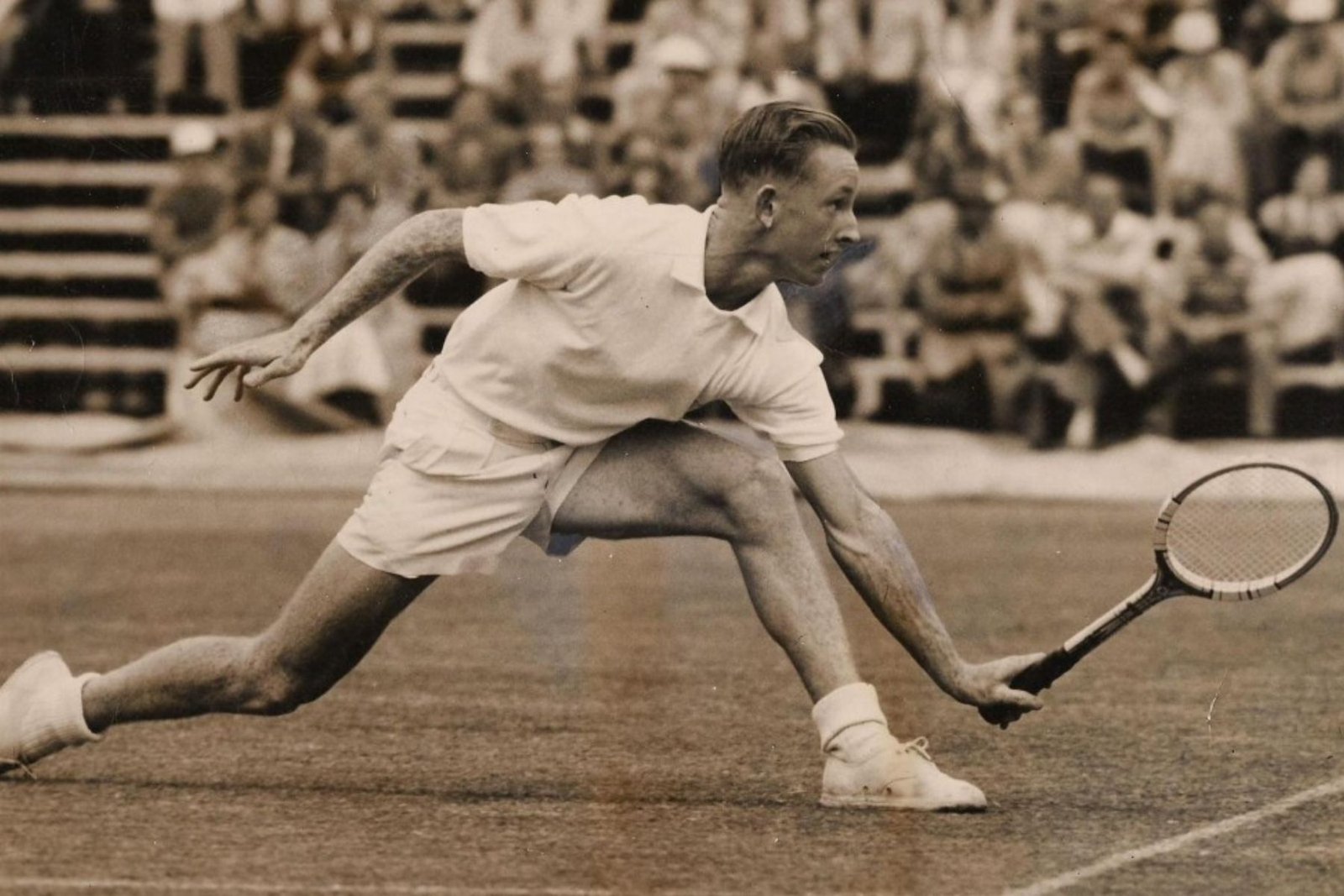
Long before modern tennis became the global sport it is today, Rod Laver was already building one of the greatest careers the game had ever seen. The Australian icon remains the only man in tennis history to complete the Calendar Grand Slam twice, winning all four majors in the same year in 1962 and 1969. That achievement alone keeps his name firmly in the conversation whenever the greatest players of all time are discussed. Nicknamed “Rocket” for his speed and explosive style of play, Laver became known for his ability to succeed on every surface as tennis shifted from the amateur era into the professional game. Even decades later, many of his accomplishments still stand among the sport’s most respected milestones.
Advertisement · Continue Reading Below
- Country: Sweden
- Born: June 6, 1956
- Era: 1973–1983
- Dominant Hand: Right-Handed, Two-Handed Backhand
- Grand Slam Titles: 11
- Total Titles: 66
- Win–Loss Record: 654 – 140
- Weeks At No. 1: 109
- Olympic Gold Medals: 0
- Surface Preferred: Clay & Grass
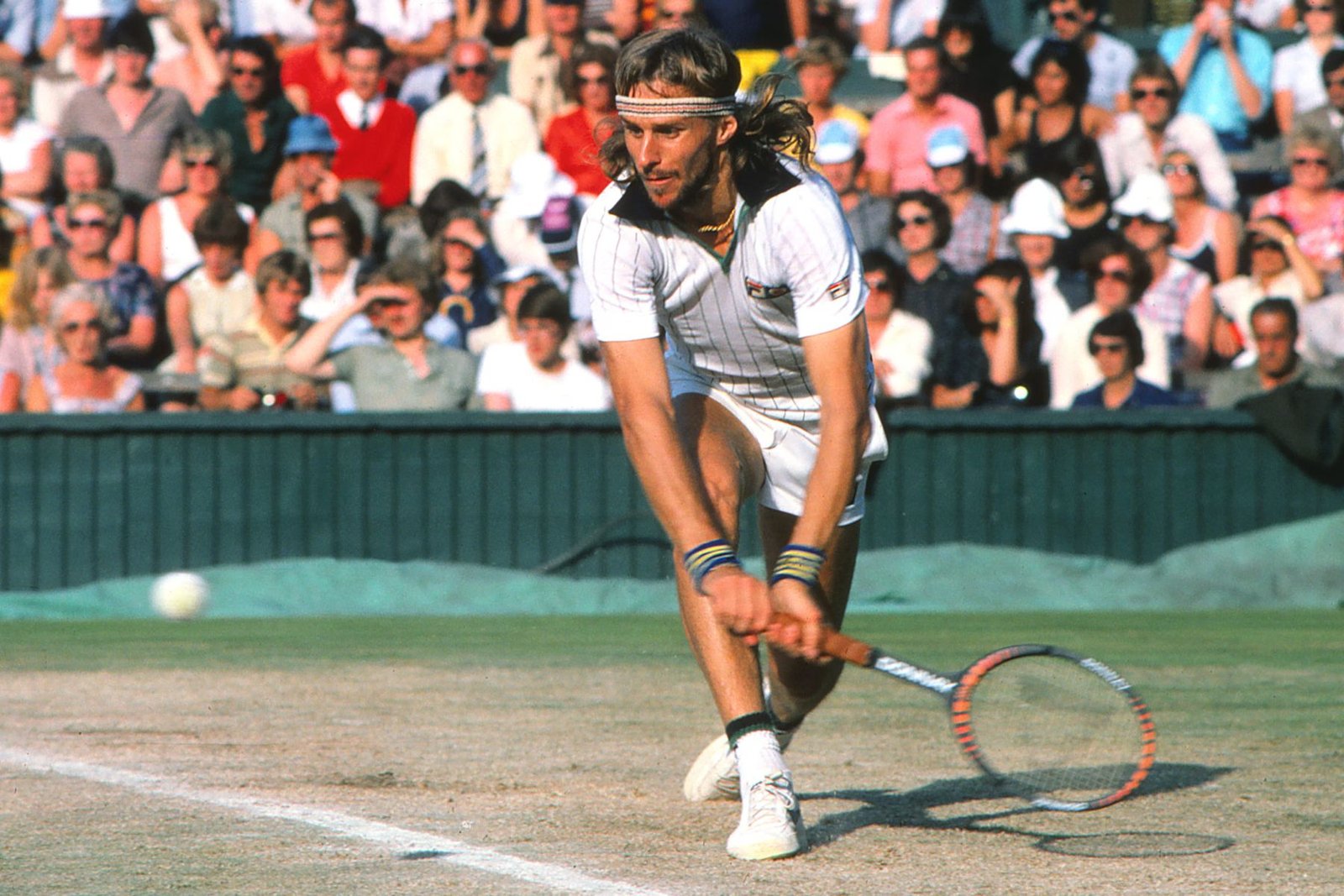
In the 1970s, Björn Borg, the Swedish star, became one of the sport’s first true global icons because of his calm attitude, long hair, and steady, backcourt style, which set him apart from others. Borg won both the French Open and Wimbledon Championships, when clay and grass courts required very different styles of play, making his victories on both surfaces even more impressive. His calmness during tough moments earned him the nickname “Ice Borg” because he rarely showed emotion, no matter how intense the match. Even though he retired much earlier than most sports legends, Borg’s impact remained a legend, helping tennis grow worldwide and ensuring he is remembered as one of the greatest champions ever.
- Country: United States
- Born: February 16, 1959
- Era: 1978–1992
- Dominant Hand: Left-Handed, Unknown Backhand
- Grand Slam Titles: 7
- Total Titles: 77
- Win–Loss Record: 883 – 198
- Weeks At No. 1: 170
- Olympic Gold Medals: 0
- Surface Preferred: Grass, Hard Court & Indoor
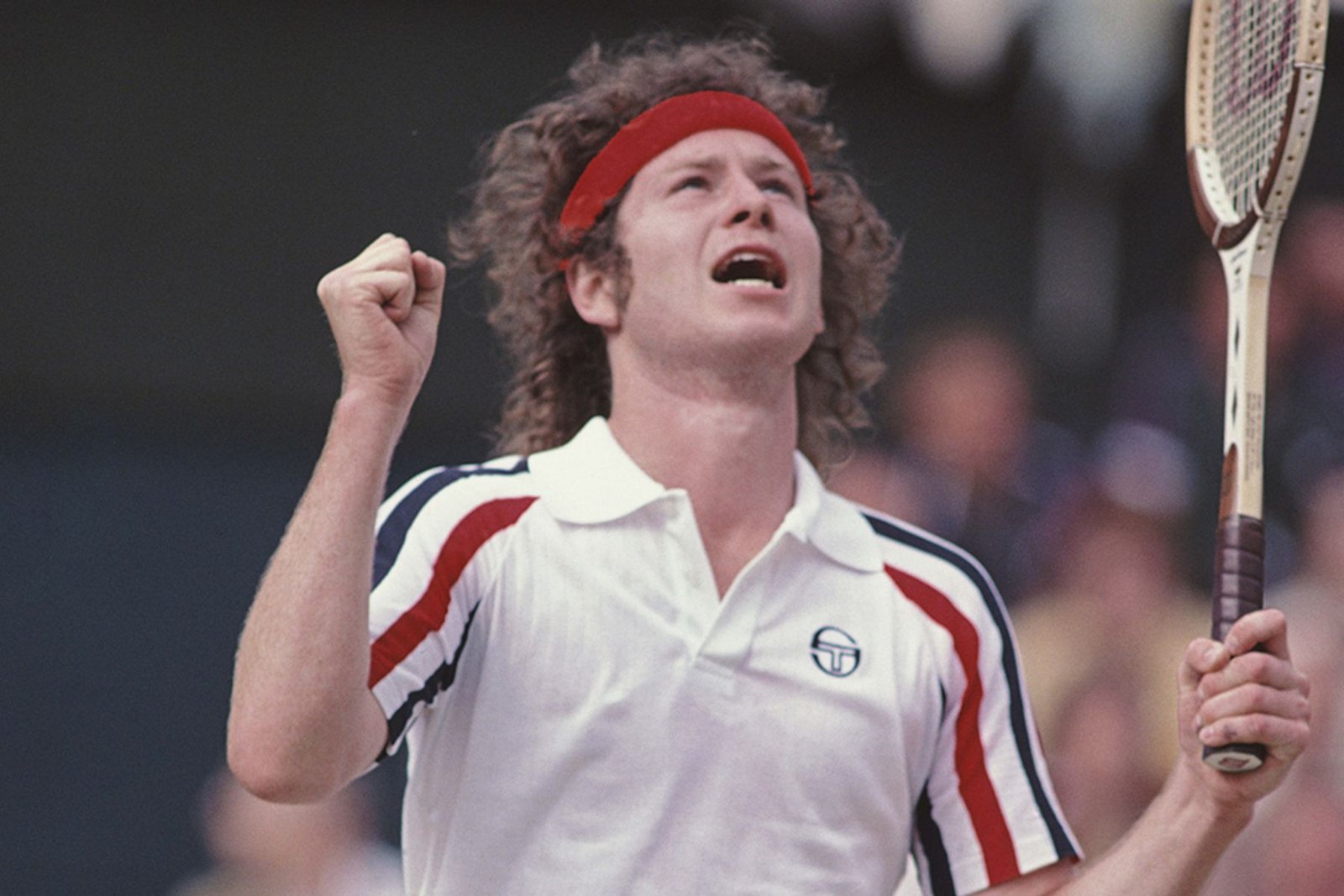
Tennis has seen many champions, but few brought as much personality and drama as John McEnroe. The American was famous for his brilliant net play, sharp shots, and emotional outbursts that made his matches must-see events in the 1980s. His serve-and-volley style made him a force on fast courts, and his quick reactions and creativity led to shots most players would never attempt. While he was known for arguing with officials and his temper, he was also one of the sport’s most naturally gifted players. McEnroe’s rivalries with Björn Borg and Jimmy Connors produced some of tennis’s most memorable matches and helped make the sport more exciting and popular worldwide.
- Country: Czechoslovakia / United States
- Born: March 7, 1960
- Era: 1978–1994
- Dominant Hand: Right-Handed, One-Handed Backhand
- Grand Slam Titles: 8
- Total Titles: 94
- Win–Loss Record: 1068 – 242
- Weeks At No. 1: 270
- Olympic Gold Medals: 0
- Surface Preferred: Hard Court, Clay, & Grass
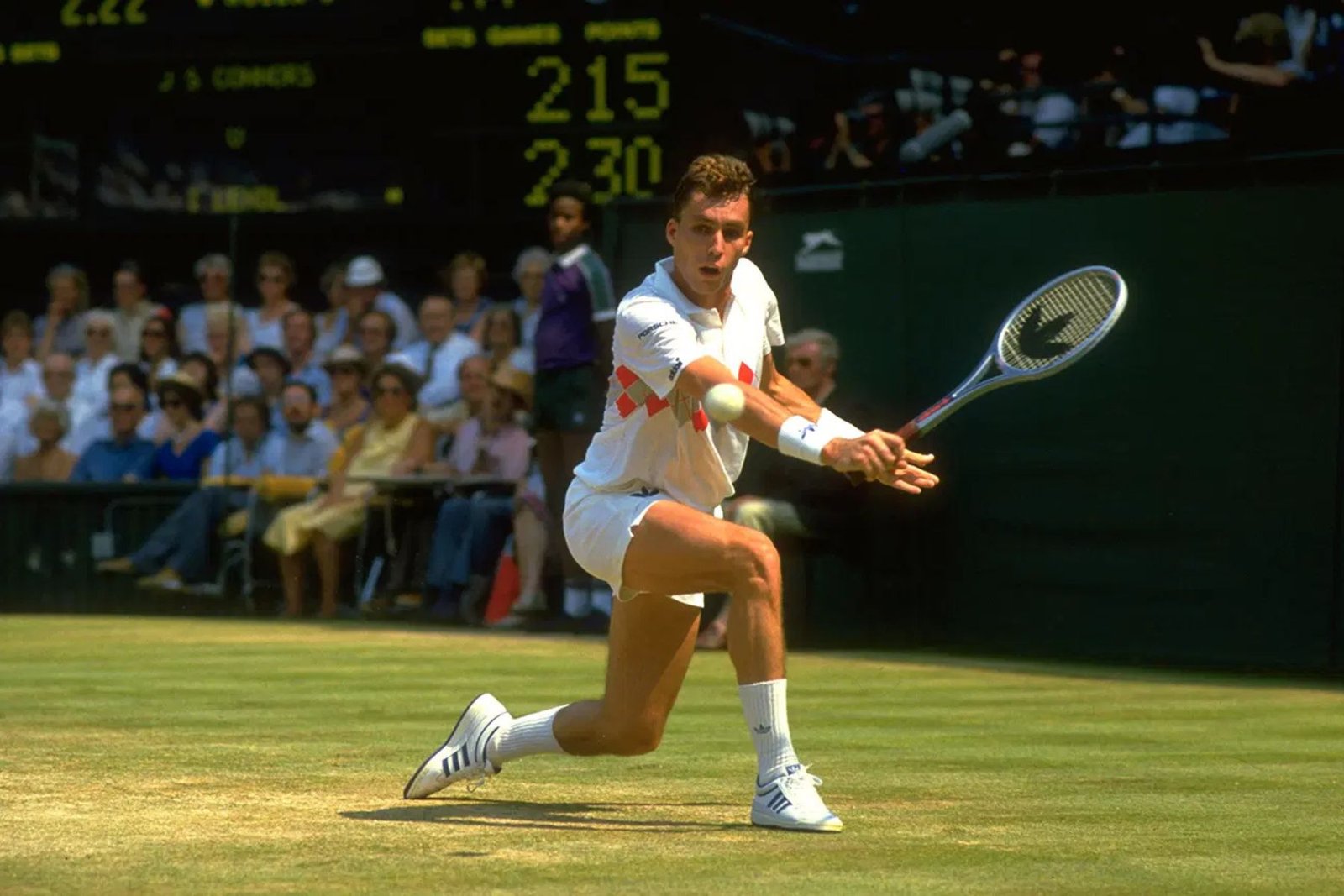
Before fitness and power became a big part of modern tennis, Ivan Lendl was already leading the way. The Czech-born player built his success on steady baseline play, strong groundstrokes, and a level of physical fitness that set him apart from most players in the 1980s. Lendl played tennis with serious focus and consistency, which helped him stay World No. 1 for 270 weeks and win eight Grand Slam titles during his career. Compared to some of his more emotional opponents, Lendl often seemed calm and business-like on the court, but his results spoke for themselves. His impact on fitness, training, and baseline play helped shape modern tennis for many years after.
Advertisement · Continue Reading Below
- Country: United States
- Born: September 2, 1952
- Era: 1972–1996
- Dominant Hand: Left-Handed, Two-Handed Backhand
- Grand Slam Titles: 8
- Total Titles: 109
- Win–Loss Record: 1,274–283
- Weeks At No. 1: 268
- Olympic Gold Medals: 0
- Surface Preferred: Hard Court
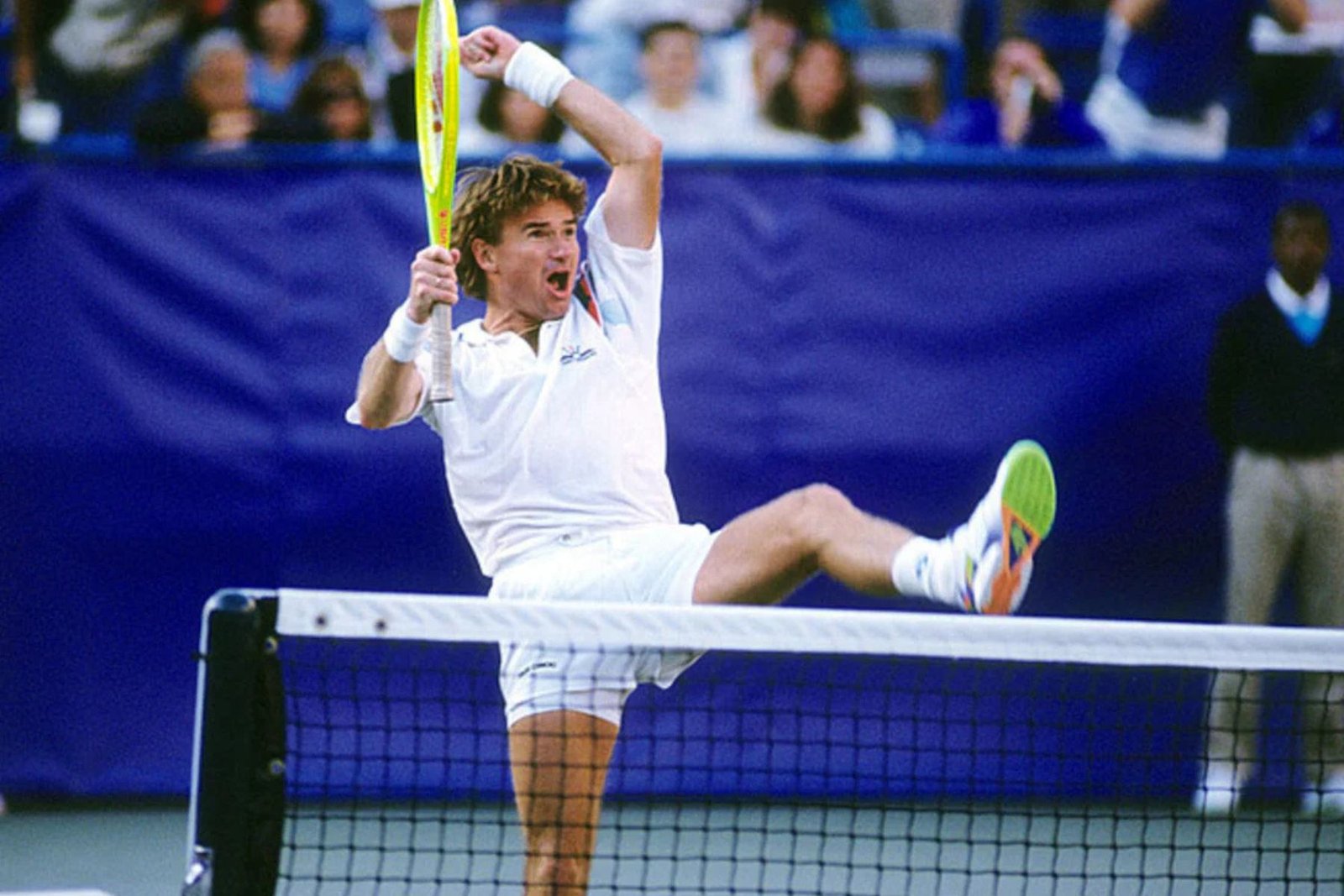
The energy, intensity, and attitude Jimmy Connors showed during his career were extraordinary. The American star became one of tennis’ biggest personalities in the 70s and 80s because of his aggressive style, strong will, and refusal to give up against any opponent. Connors played with so much emotion that the crowd either loved or hated him, but there was never any doubt about his determination once a match began. Over 20 years, he won 109 titles, which is still one of the highest totals in the sport. Even later in his career, Connors remained a tough opponent, especially against the younger generation, after many thought he would fade away soon. Despite his competitiveness, his passion and fighting spirit helped make him one of the most important figures in American tennis.
- Country: United States
- Born: April 29, 1970
- Era: 1986–2006
- Dominant Hand: Right-Handed, Two-Handed Backhand
- Grand Slam Titles: 8
- Total Titles: 60
- Win–Loss Record: 870 – 274
- Weeks At No. 1: 101
- Olympic Gold Medals: 1
- Surface Preferred: Hard Court & Grass
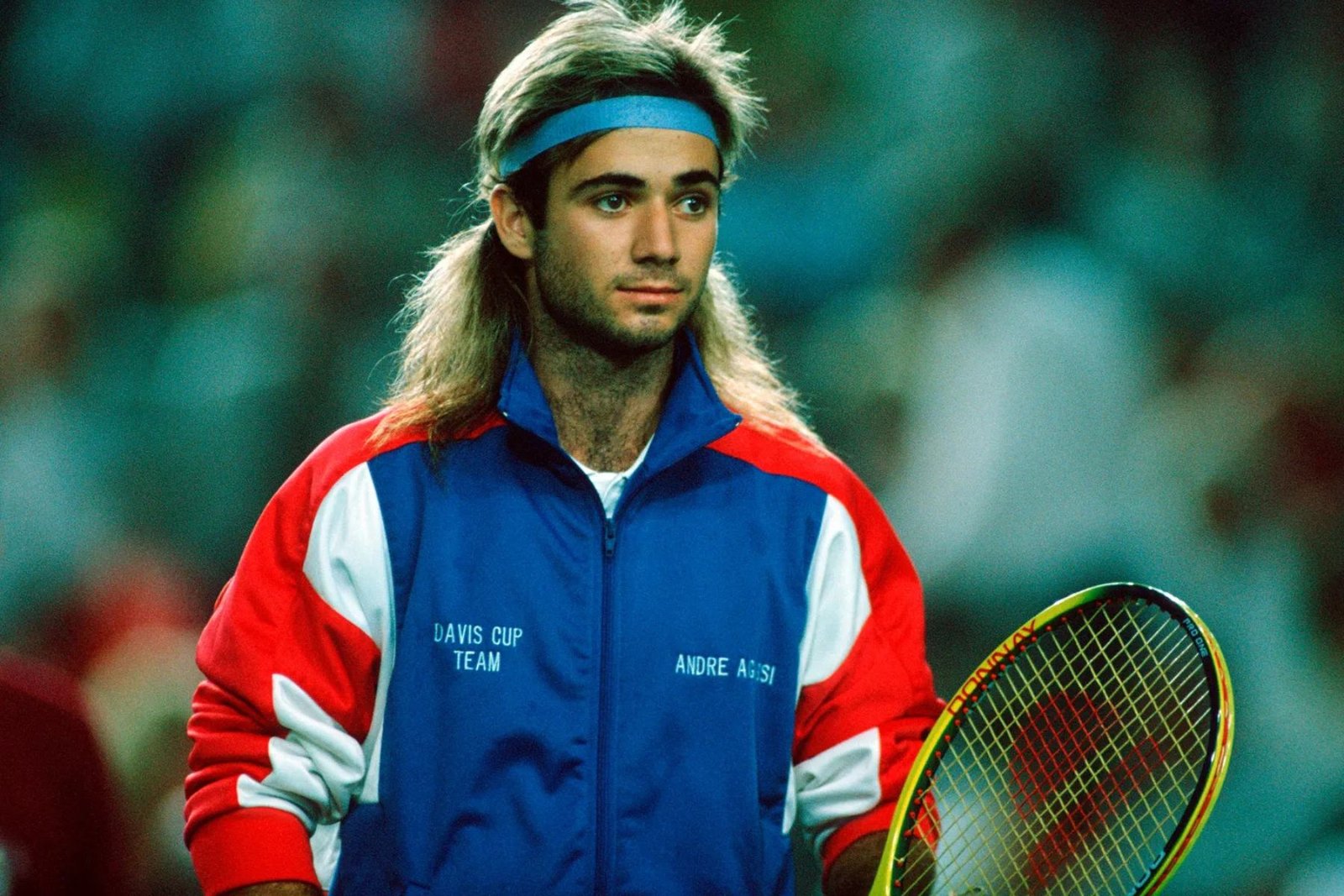
During the late 1980s and early 1990s, Andre Agassi became one of the most recognizable athletes in the world. The American star stood out because of his long hair, colourful outfits, and rebellious personality, but behind all of that was one of the best return games tennis had ever seen. Agassi’s ability to take the ball early and control rallies from the baseline made him dangerous on every surface, helping him become one of the few men in history to complete the Career Grand Slam. His career also included injuries, personal struggles, and a major drop in the rankings before he fought his way back to the top of the sport. That comeback became one of the most respected stories in modern tennis and helped turn Agassi into one of the game’s most admired champions.
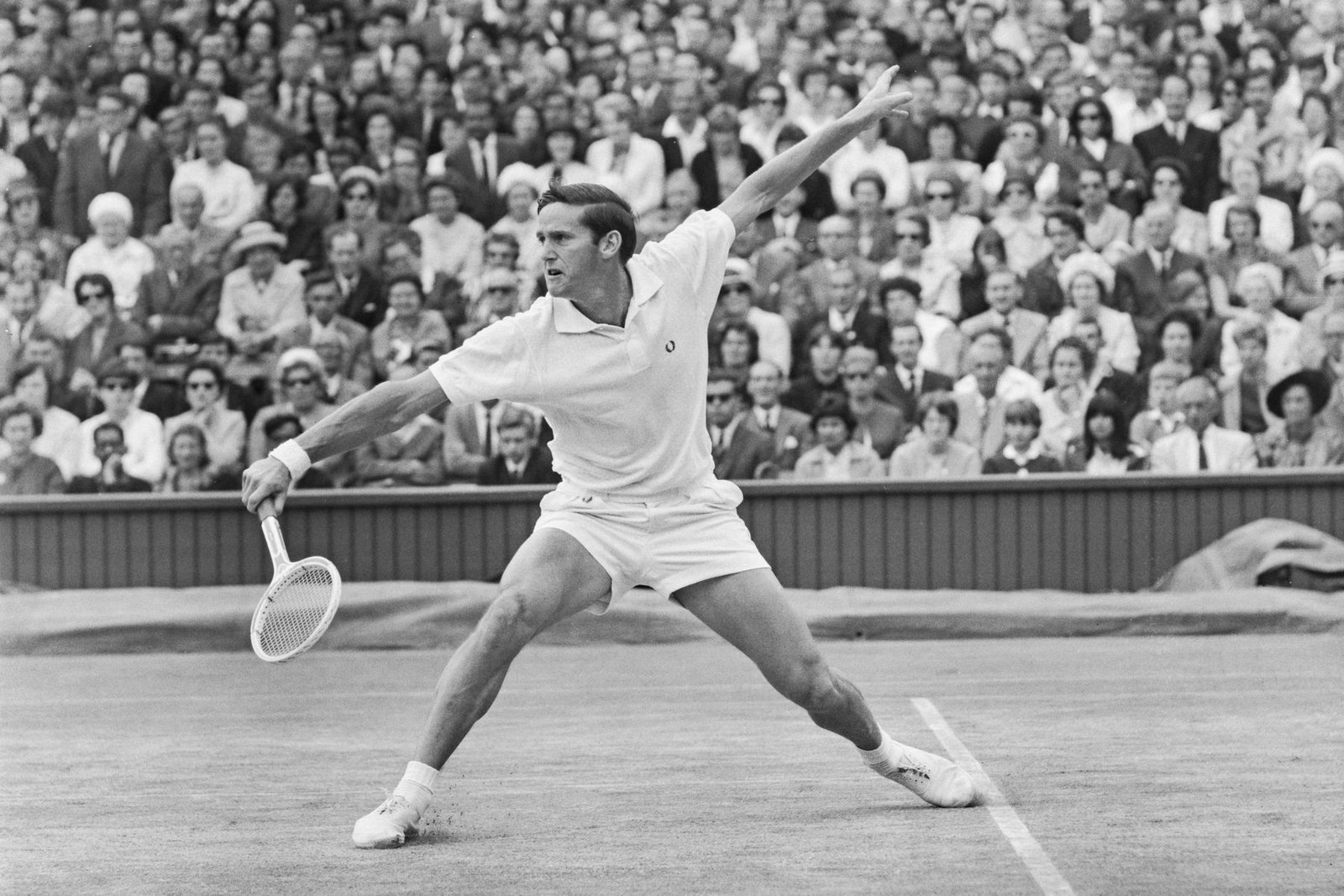
- Country: Australia
- Born: November 3, 1936
- Era: 1953–1978
- Dominant Hand: Right-Handed
- Grand Slam Titles: 12
- Total Titles: 28
- Win–Loss Record: 273 – 164
- Weeks At No. 1: N/A (Pre-ATP Rankings Era)
- Olympic Gold Medals: 0
- Surface Preferred: Grass & Clay
Before the Open Era changed professional tennis, Roy Emerson was already building one of the strongest records the sport had ever seen. The Australian legend won 12 Grand Slam singles titles during a period when Australian tennis dominated the sport worldwide. Emerson became known for his fitness, steady play, and ability to perform well under pressure, while his well-rounded game helped him succeed in both singles and doubles. In fact, he is still one of the few players in history to win a Career Grand Slam in both singles and doubles. Although newer fans may not mention his name as often as some modern stars, Emerson’s achievements still rank him among the most successful tennis champions the sport has ever seen.
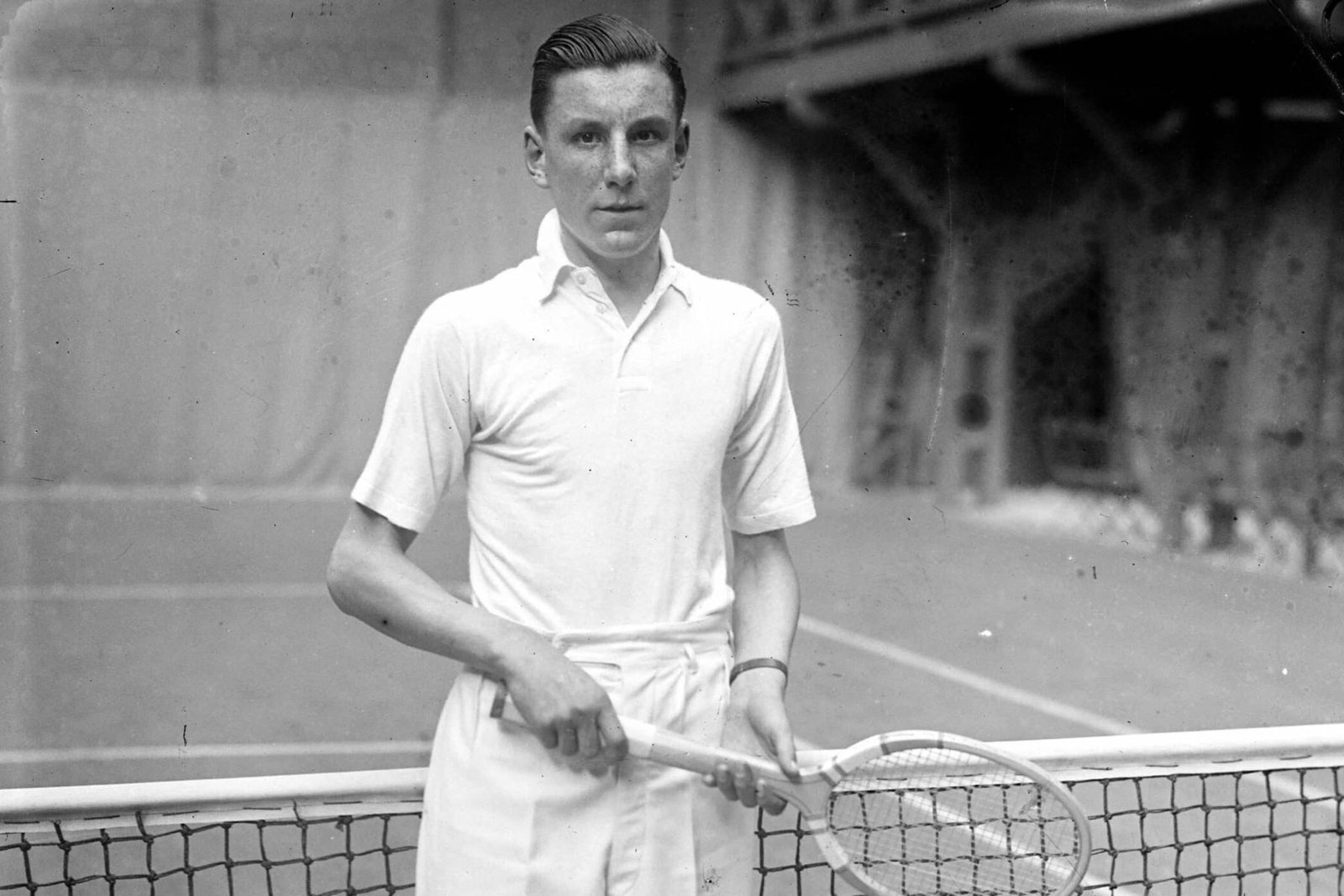
- Country: United Kingdom
- Born: May 18, 1909
- Era: 1927–1956
- Dominant Hand: Right-Handed
- Grand Slam Titles: 8
- Total Titles: 62
- Win–Loss Record: 45-7
- Weeks At No. 1: World No. 1 (1934-’36)
- Olympic Gold Medals: 0
- Surface Preferred: Grass & Clay
Before today’s British tennis stars, Fred Perry was already one of the sport’s biggest names. He dominated men’s tennis in the 1930s and was the first player to achieve a Career Grand Slam in singles. Perry’s Wimbledon victories made him a national icon, and his achievements stood unmatched in Britain for many years. He also helped make tennis more popular among the general public, adding personality and competitiveness to the game. Even till now, his impact on tennis is legendary.
Advertisement · Continue Reading Below
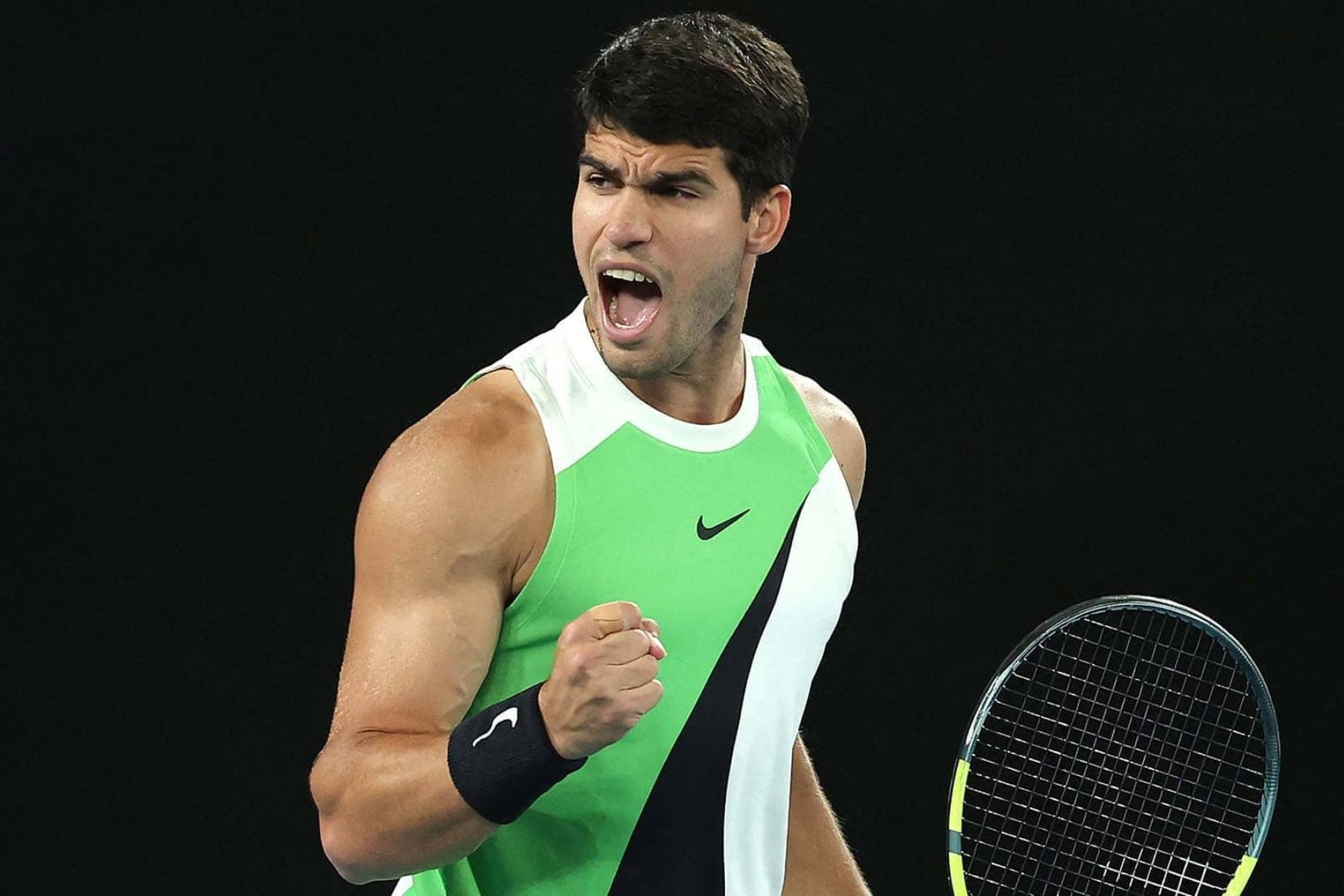
- Country: Spain
- Born: May 5, 2003
- Era: 2020–Present
- Dominant Hand: Right-Handed (Two-Handed Backhand)
- Grand Slam Titles: 7
- Total Titles: 26
- Win–Loss Record: 302 – 68
- Weeks At No. 1: 66
- Olympic Gold Medals: 0
- Surface Preferred: Clay, Hard Court, & Grass
While most players his age are still finding their footing on tour, Carlos Alcaraz was already winning Grand Slam titles and emerging as the future of men’s tennis. The Spanish star quickly stood out for his explosive movement, fearless shot-making, and ability to create highlight moments from almost anywhere on the court. Alcaraz is especially impressive because his game is already so complete at such a young age. He blends power, touch, athleticism, and creativity in ways that remind many fans of legends from past generations. Even under pressure to be compared to players like Rafael Nadal and Roger Federer, Alcaraz has managed expectations well and is off to one of the brightest starts tennis has seen in years.
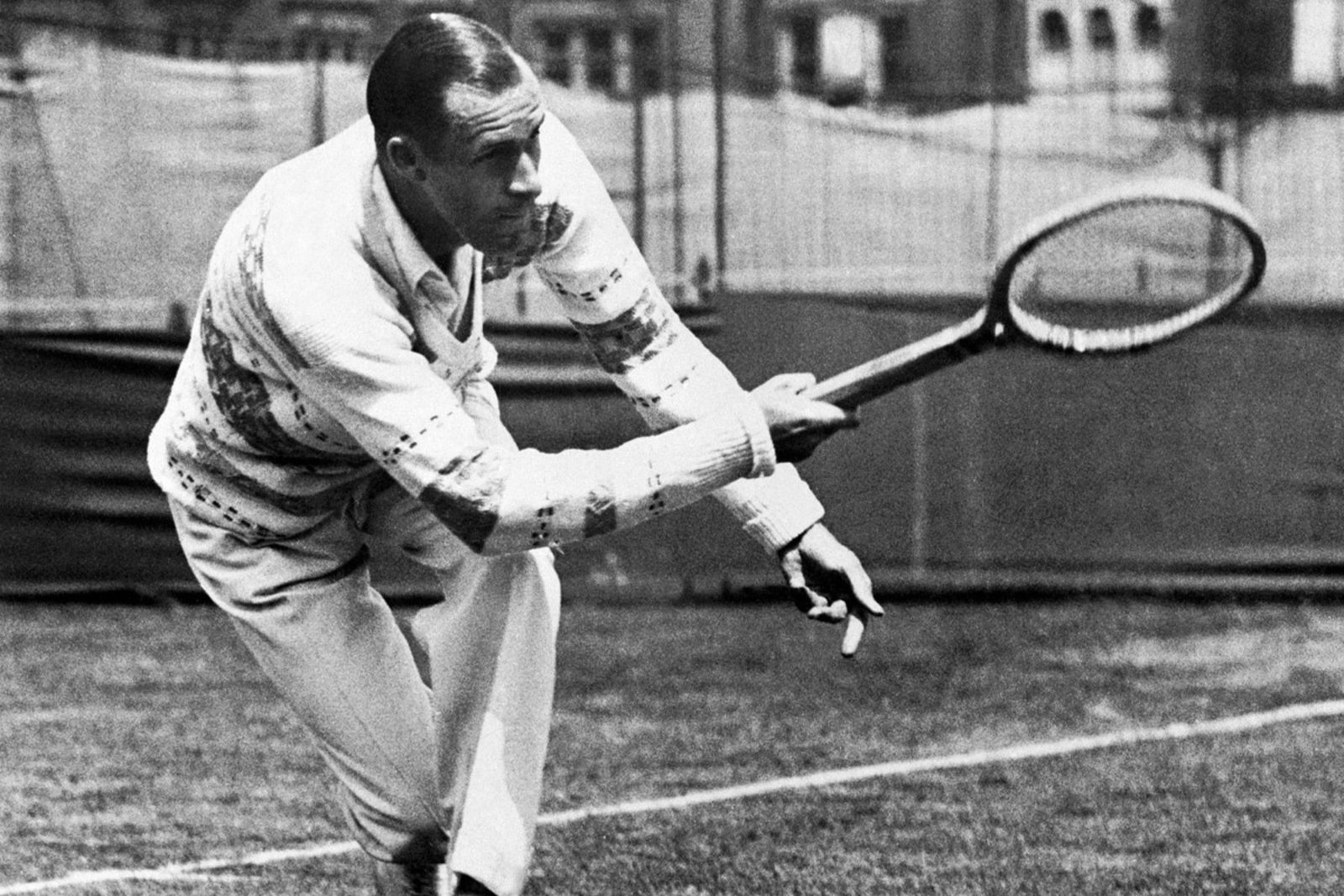
- Country: United States
- Born: February 10, 1893
- Era: 1912–1953
- Dominant Hand: Right-Handed
- Grand Slam Titles: 10
- Total Titles: 138
- Win–Loss Record: 1726–506
- Weeks At No. 1: N/A (Pre-ATP Rankings Era)
- Olympic Gold Medals: 0
- Surface Preferred: Grass & Clay
During the 1920s, Bill Tilden became one of the first real stars of international tennis. Called “Big Bill” because of his tall build and strong presence on the court, the American champion ruled the sport for years, winning many U.S. Championships and Wimbledon titles while earning a reputation as one of the best players of his time. Tilden was different because he played tennis with strategy, mental pressure, and smart shot selection as much as raw power. His serve also became one of the strongest weapons of his time. Outside of playing, Tilden wrote several books about tennis and helped shape talks about tactics and the mental side of the game. Although his legacy is complicated due to controversies and personal problems later in life, his influence on the early growth of tennis is impossible to ignore.
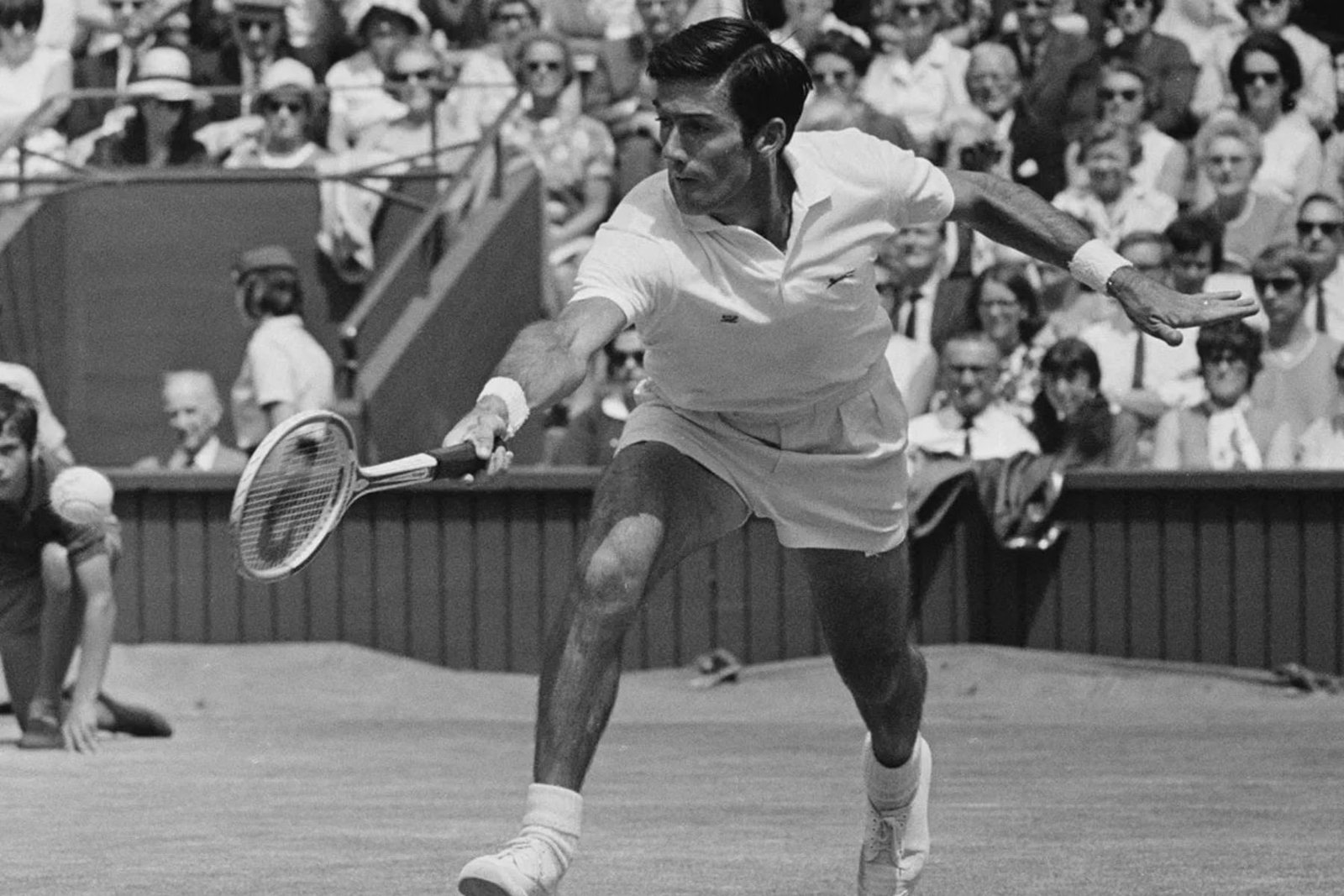
- Country: Australia
- Born: November 2, 1934
- Era: 1951–1980
- Dominant Hand: Right-Handed (One-Handed Backhand)
- Grand Slam Titles: 18
- Total Titles: 147
- Win–Loss Record: 1,401–394
- Weeks At No. 1: N/A (Pre-ATP Rankings Era)
- Olympic Gold Medals: 0
- Surface Preferred: Grass, Clay, & Hard Court
Throughout one of the longest careers in tennis history, Ken Rosewall built his reputation on precision, consistency, and remarkable technique. The Australian legend became especially known for his backhand, which many still consider one of the greatest shots in tennis history. Even without the physical power of some rivals, Rosewall relied on timing, intelligence, and clean ball striking to stay among the sport’s best players for decades. His ability to remain competitive during the transition from the amateur era to the Open Era made his career even more impressive, especially as he continued to reach major finals and win important titles well into his 30s. Very few players in tennis history have maintained such a high level for so long.
Advertisement · Continue Reading Below
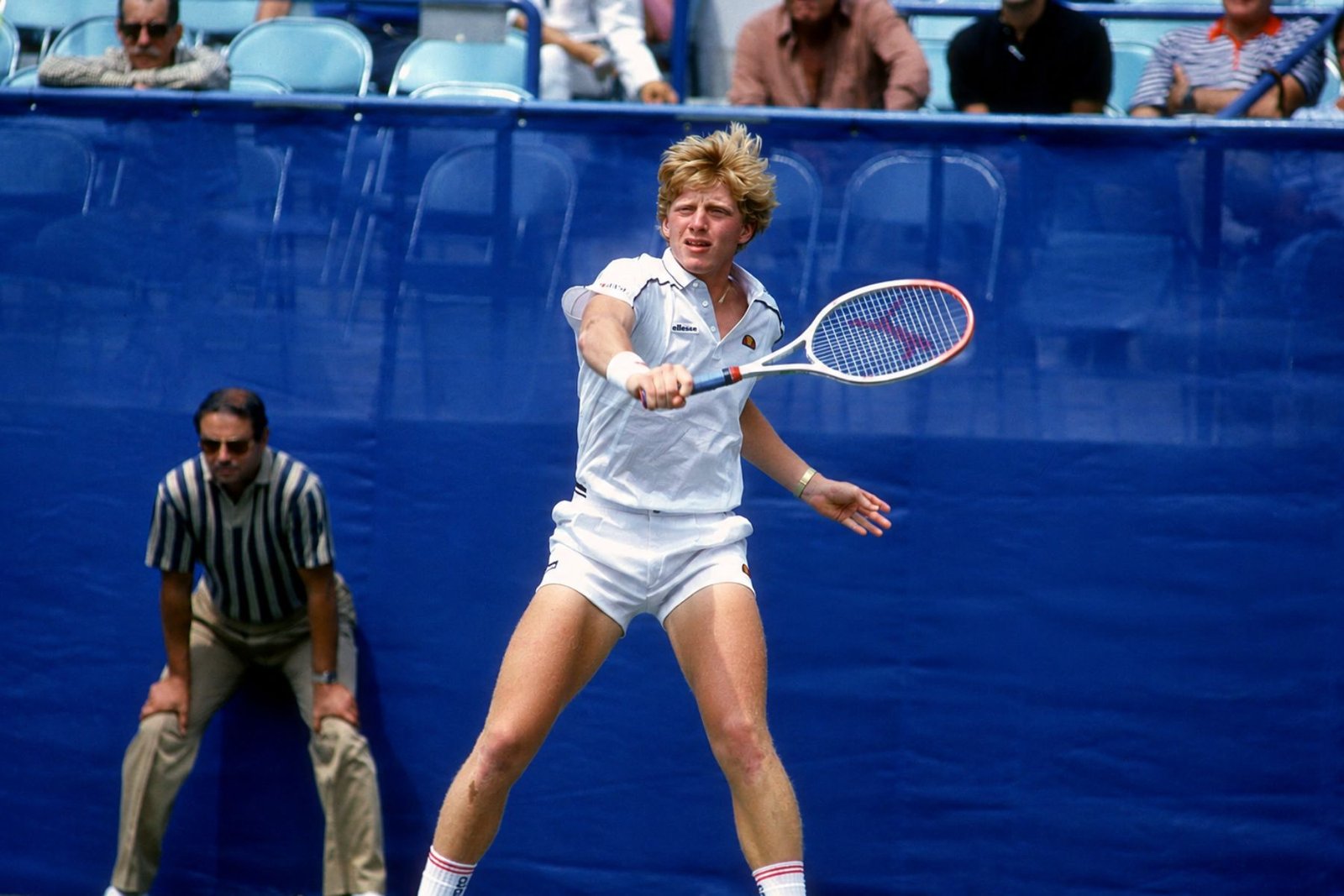
- Country: Germany
- Born: November 22, 1967
- Era: 1984–1999
- Dominant Hand: Right-Handed
- Grand Slam Titles: 6
- Total Titles: 49
- Win–Loss Record: 713–214
- Weeks At No. 1: 12
- Olympic Gold Medals: 1 (Doubles)
- Surface Preferred: Grass
Nicknamed the “Boom Boom” because of his powerful serves and attacking style, Boris Becker became one of the sport’s biggest stars in the late 1980s. The German player surprised everyone by winning the Wimbledon Championships at just 17 years old, becoming one of the youngest winners in the tournament’s history. Becker built his game around an aggressive style of serving and coming to the net, quick reactions at the net, and a fearless attitude under pressure, especially on faster courts, where his attacking style made opponents react rather than being controlled. Becker was also known for his energy on the court, often diving across the grass to keep points going, and he helped grow tennis in Germany and shape one of the sport’s most memorable times.
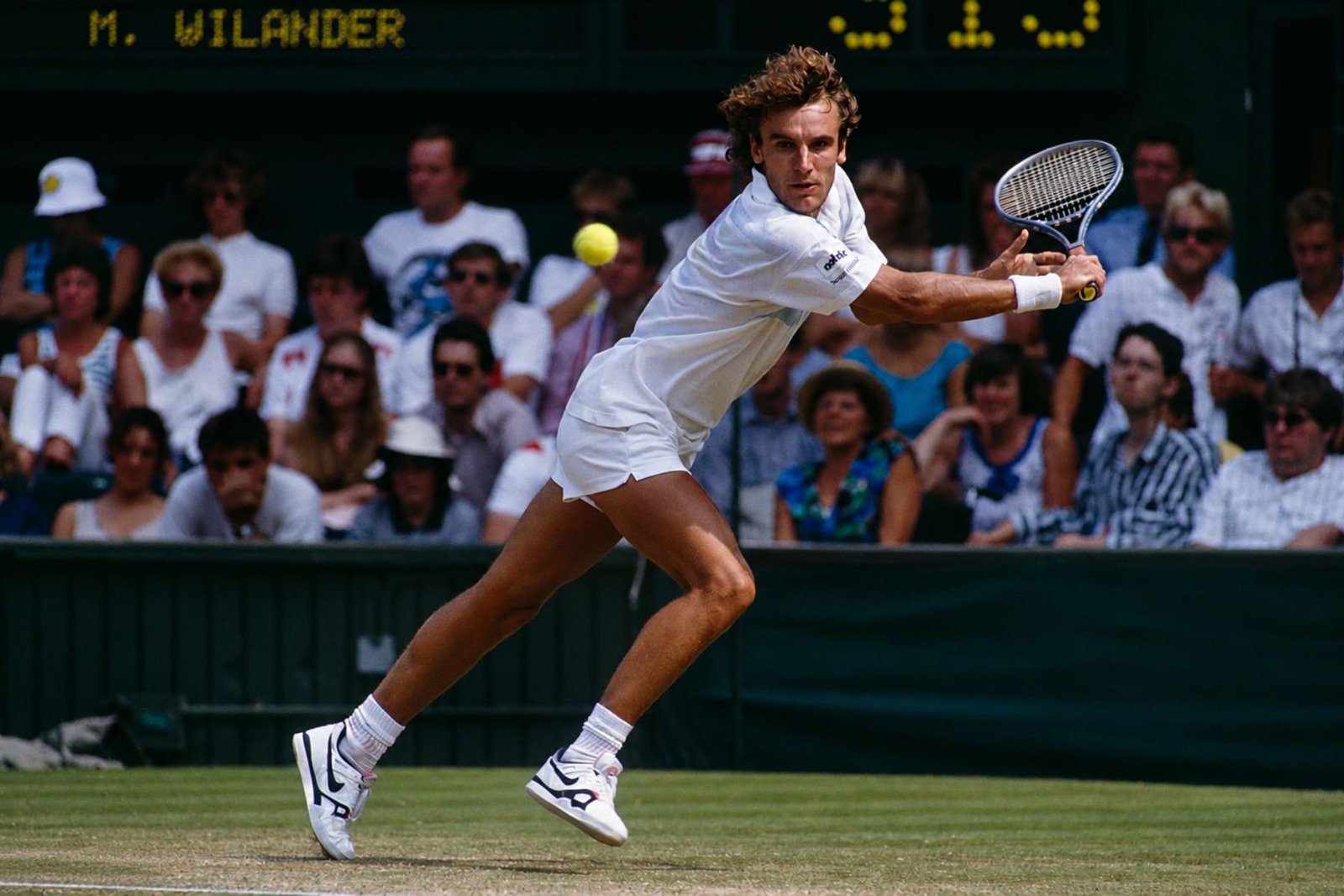
- Country: Sweden
- Born: August 22, 1964
- Era: 1981–1996
- Dominant Hand: Right-Handed
- Grand Slam Titles: 7
- Total Titles: 33
- Win–Loss Record: 571 – 222
- Weeks At No. 1: 20
- Olympic Gold Medals: 0
- Surface Preferred: Clay, Hard Court, & Grass
While many top players of his era were known for their big personalities and aggressive style, Mats Wilander took a different approach. He focused on patience, consistency, movement, and smart shot choices instead of trying to overpower his opponents. Wilander was one of the few players of his time to win Grand Slam titles on clay, grass, and hard courts, showing just how complete and adaptable his game was. His calm attitude also made him stand out in the 1980s, especially under pressure, when he almost never seemed rattled. Even though he did not always get as much attention as some other stars, Wilander quietly put together one of the strongest careers in men’s tennis at that time.
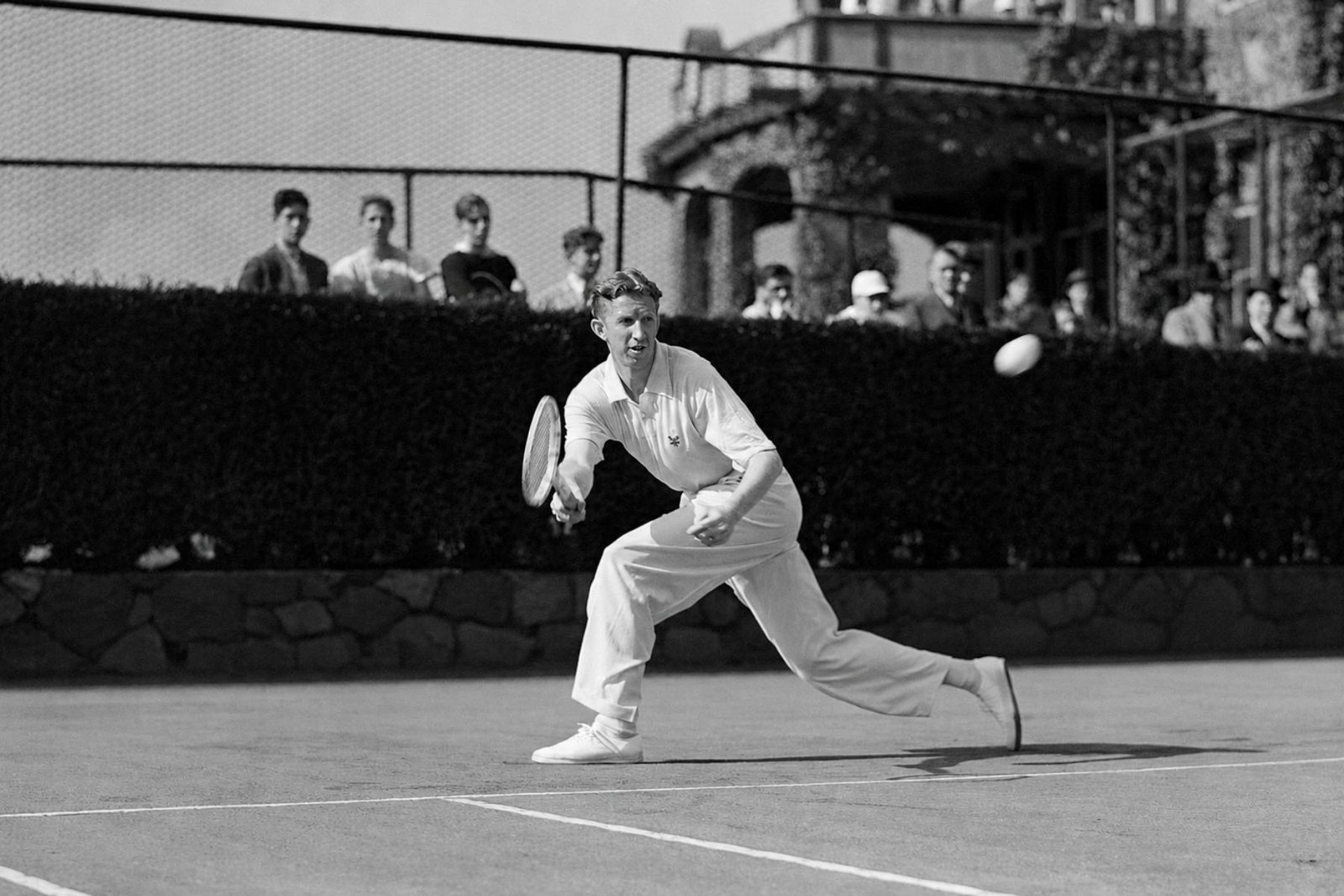
- Country: United States
- Born: June 13, 1915
- Era: 1932–1955
- Dominant Hand: Right-Handed
- Grand Slam Titles: 6
- Total Titles: 43
- Win–Loss Record: 649-297
- Weeks At No. 1: N/A (Pre-ATP Rankings Era)
- Olympic Gold Medals: 0
- Surface Preferred: Grass & Clay
History was made in 1938 when Don Budge became the first man to complete the Calendar Grand Slam, winning all four major tennis tournaments in a single year. Back then, tennis was very different from today’s game, which is why Budge became one of the earliest top champions of the sport. Budge was known for his smooth movements and strong serve, especially his backhand, which was considered one of the best shots in tennis at the time. His achievement became one of the greatest in men’s tennis and set records that lasted for many years. Even now, his legacy is remembered through his accomplishments.
Advertisement · Continue Reading Below
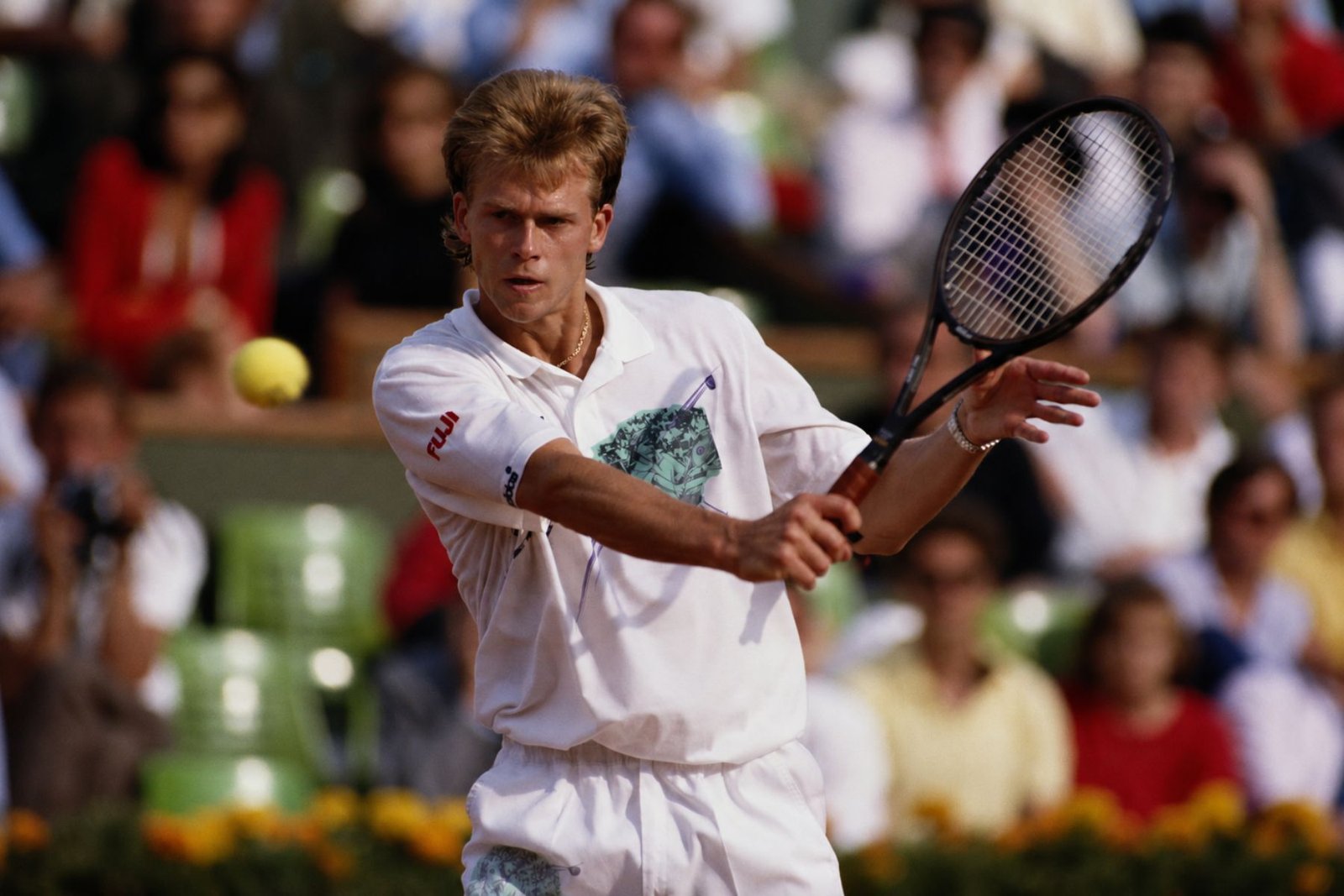
- Country: Sweden
- Born: January 19, 1966
- Era: 1983–1996
- Dominant Hand: Right-Handed (One-Handed Backhand)
- Grand Slam Titles: 6
- Total Titles: 42
- Win–Loss Record: 801 – 270
- Weeks At No. 1: 72
- Olympic Gold Medals: 0
- Surface Preferred: Grass, Hard Court, & Indoor
Watching Stefan Edberg play tennis was a unique experience compared to most of his rivals. The Swedish star moved around the court with impressive smoothness, relying on touch, timing, and precision instead of power. His one-handed backhand was one of the cleanest shots in the sport during the late 1980s and early 1990s. Edberg’s serve-and-volley game made him a real threat, and his calm attitude stood out in a time full of big personalities. He rarely showed much emotion on court, but he always performed when it mattered most, especially at Wimbledon and the US Open, where he had many of his best matches.
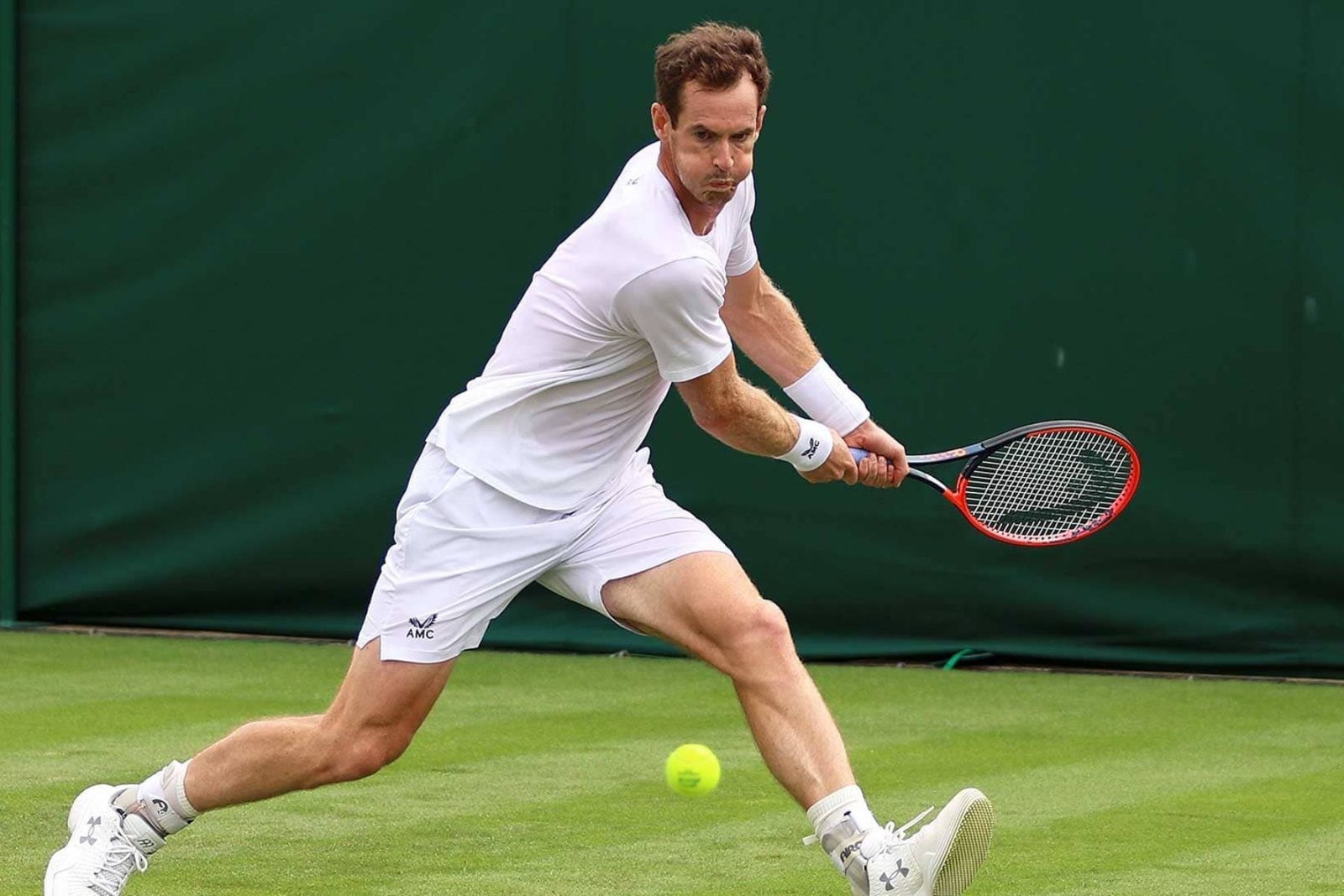
- Country: United Kingdom
- Born: May 15, 1987
- Era: 2005–2024
- Dominant Hand: Right-Handed (Two-Handed Backhand)
- Grand Slam Titles: 3
- Total Titles: 46
- Win–Loss Record: 739–262
- Weeks At No. 1: 41
- Olympic Gold Medals: 2
- Surface Preferred: Grass
Playing in the same era as Novak Djokovic, Roger Federer, and Rafael Nadal meant the road to major titles was brutally difficult, but Andy Murray still managed to build one of the strongest careers of his generation. The Scottish star became known for his defensive skills, intelligence during rallies, and ability to wear opponents down over long matches. Murray also carried huge expectations throughout his career, as Britain had waited decades for another men’s singles champion at the Wimbledon Championships, a title he finally achieved in 2013 and won again in 2016. Injuries later threatened to cut his career short, yet Murray kept fighting to return to the court even after major hip surgeries. That determination and refusal to walk away easily became among the most respected aspects of his career.
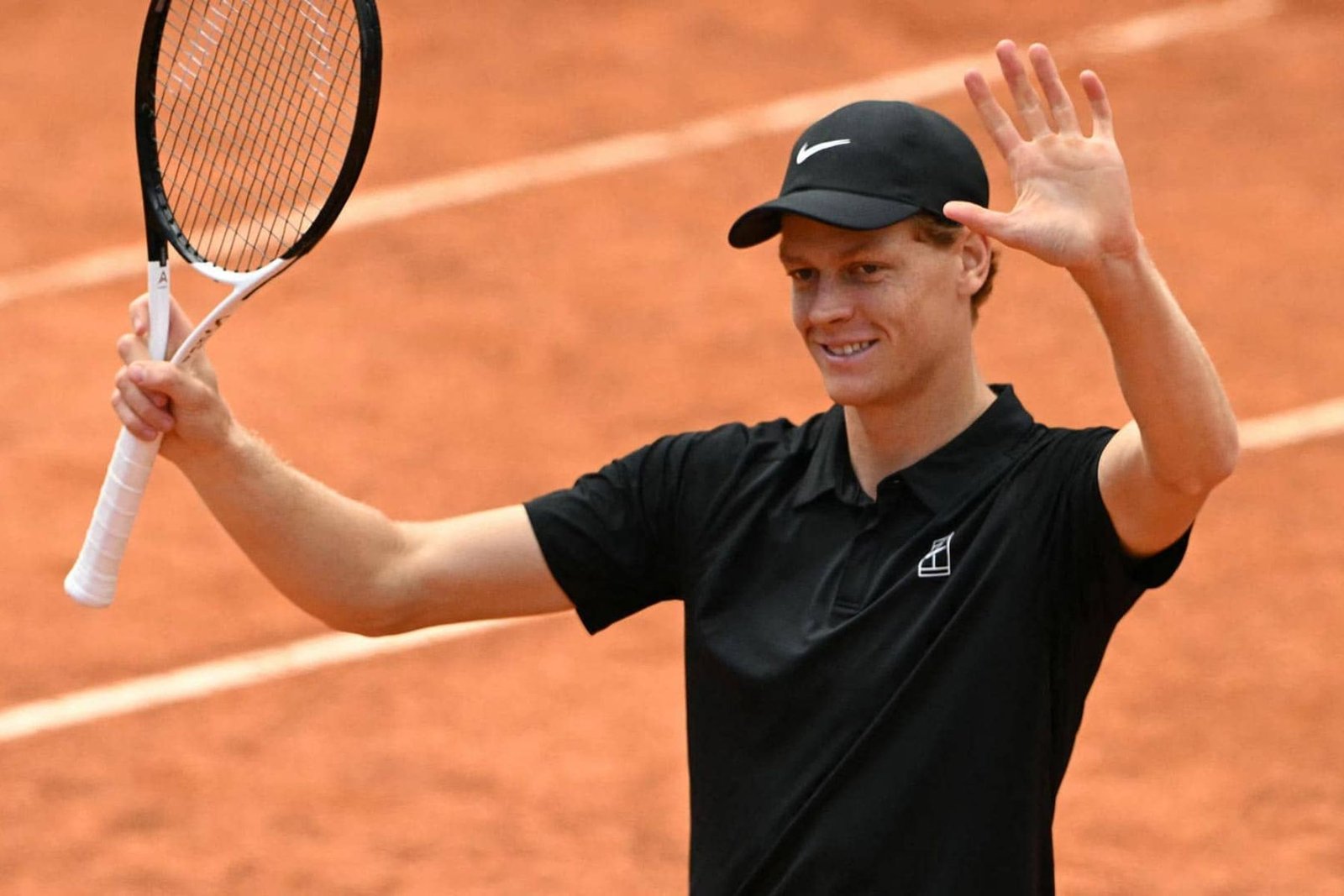
- Country: Italy
- Born: August 16, 2001
- Era: 2018–Present
- Dominant Hand: Right-Handed (Two-Handed Backhand)
- Grand Slam Titles: 4
- Total Titles: 28
- Win–Loss Record: 351 – 88
- Weeks At No. 1: 72
- Olympic Gold Medals: 0
- Surface Preferred: Hard Court
Step by step, Jannik Sinner turned himself into one of the strongest players on the ATP Tour. The Italian star built his success around clean ball striking, powerful groundstrokes, and consistency from the baseline that allows him to control rallies early. What stands out most about Sinner is how calm he looks during pressure moments, rarely allowing emotions to affect the way he plays, even against the biggest names in the sport. His rise through the rankings also became a huge moment for Italian tennis, with Sinner quickly growing into one of the country’s biggest sporting stars. As the younger generation continues taking over men’s tennis, Sinner already looks capable of competing for major titles across every surface for many years ahead.
Advertisement · Continue Reading Below
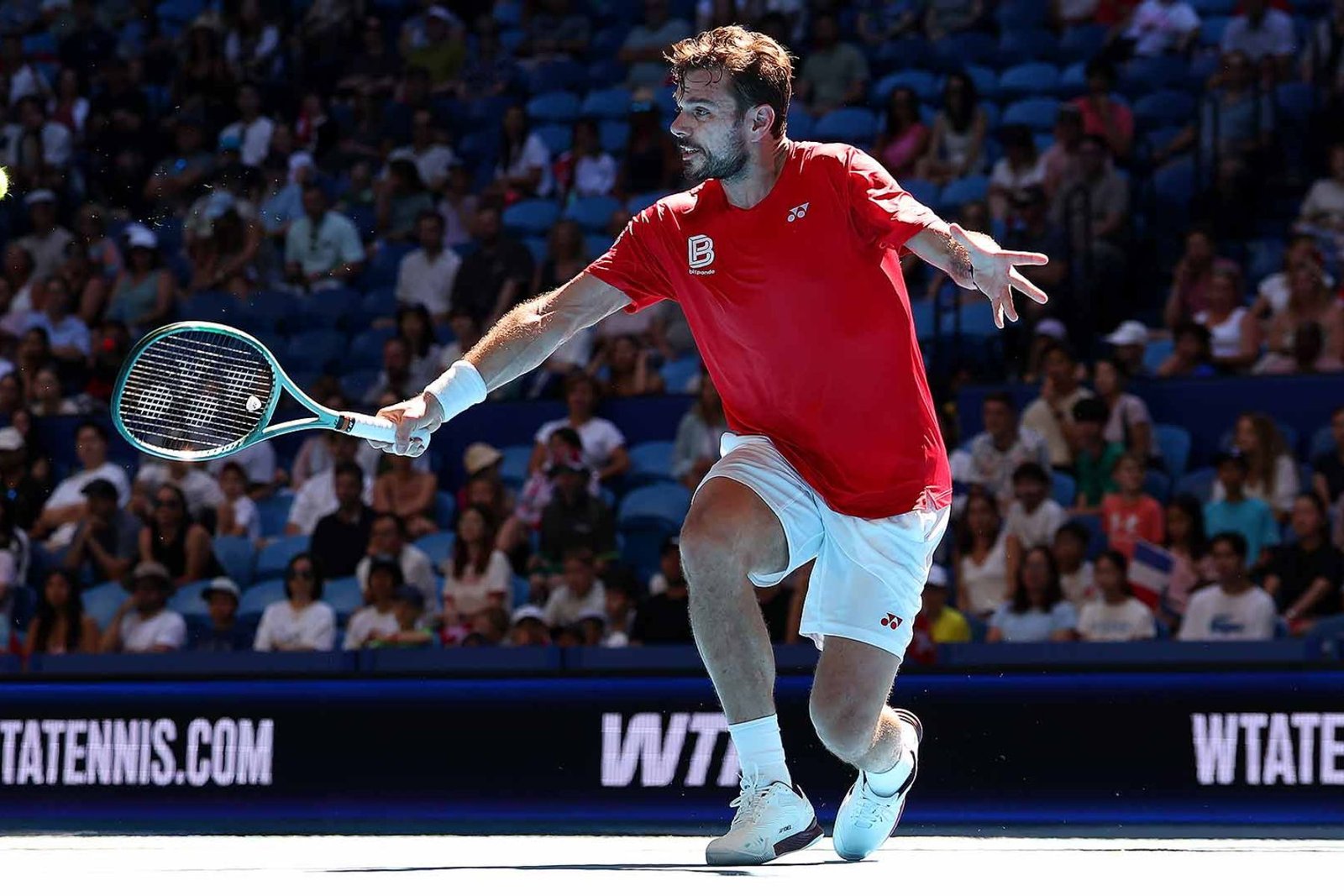
- Country: Switzerland
- Born: March 28, 1985
- Era: 2002–Present
- Dominant Hand: Right-Handed (One-Handed Backhand)
- Grand Slam Titles: 3
- Total Titles: 16
- Win–Loss Record: 588 – 386
- Weeks At No. 1: 0
- Olympic Gold Medals: 1 (Doubles)
- Surface Performance: Clay
For a long time, Stan Wawrinka was often viewed as the other great Swiss player behind Roger Federer, but once he reached his peak, he became one of the most dangerous players on tour. Wawrinka built his game around huge power from the baseline, fearless shot-making, and a one-handed backhand that remains one of the hardest shots to stop in modern tennis. When his confidence was high, he could go toe-to-toe with anyone in the world, including players like Novak Djokovic and Rafael Nadal during one of the toughest periods the sport has ever seen. What also made Wawrinka’s career special was that many of his biggest achievements came later than expected, underscoring the importance of patience and persistence in professional tennis.
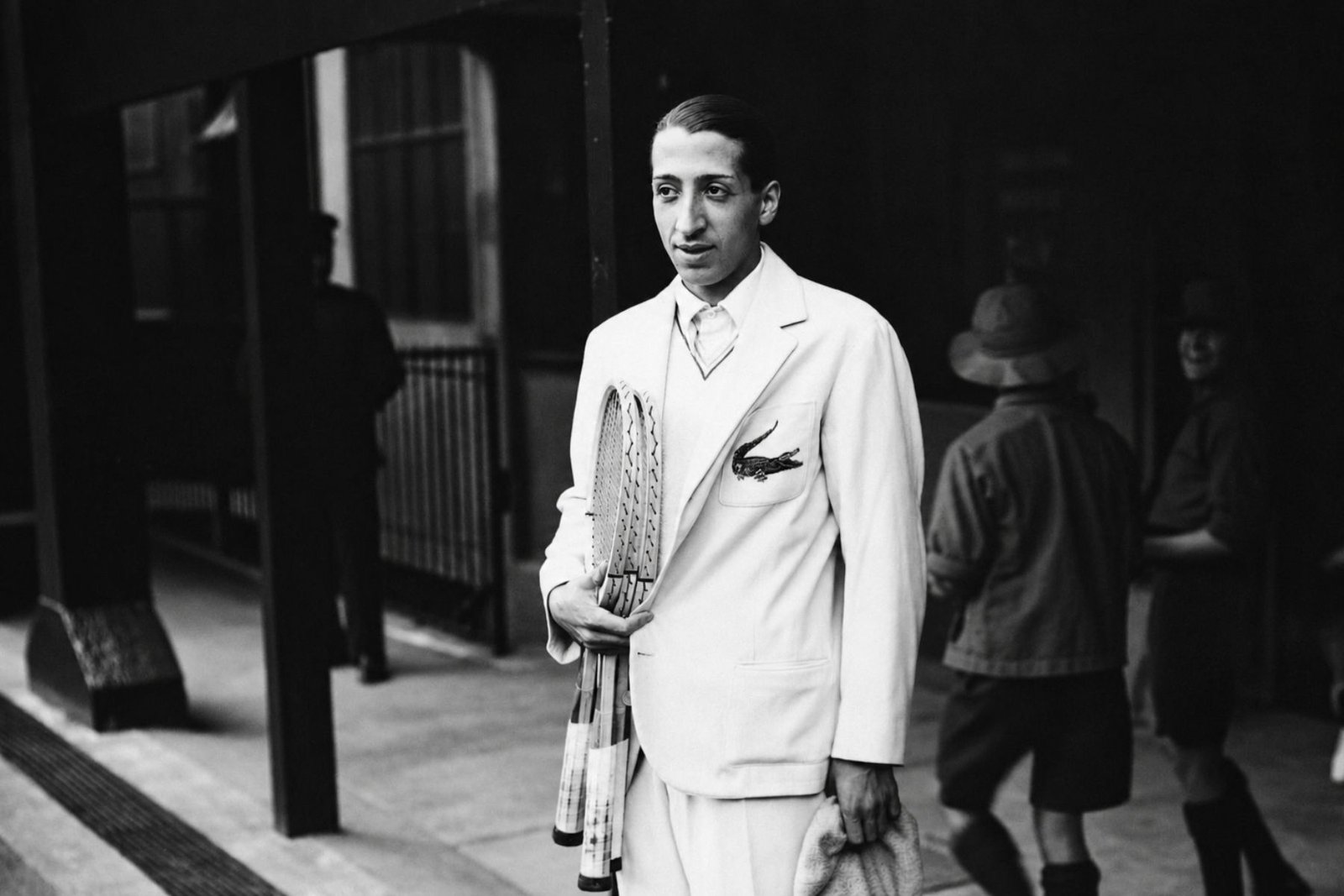
- Country: France
- Born: July 2, 1904
- Era: 1922–1929
- Dominant Hand: Right-Handed
- Grand Slam Titles: 7
- Total Titles: 24
- Win–Loss Record: 262–43
- Weeks At No. 1: N/A (Pre-ATP Rankings Era)
- Olympic Gold Medals: 0
- Surface Performance: Grass & Clay
Nicknamed “The Crocodile” because of his determination and refusal to give away points easily, René Lacoste became one of the most important players of the 1920s. The French star built his success on intelligence, consistency, and tactical tennis rather than relying solely on power, making him extremely difficult to handle in long matches. Lacoste also played a huge role in helping France become one of the strongest nations in international tennis during his era. Away from the court, his influence grew even larger after co-founding the famous Lacoste clothing brand, whose crocodile logo eventually became recognized worldwide. Very few athletes have left such a lasting mark on both sports and fashion culture.
Advertisement · Continue Reading Below
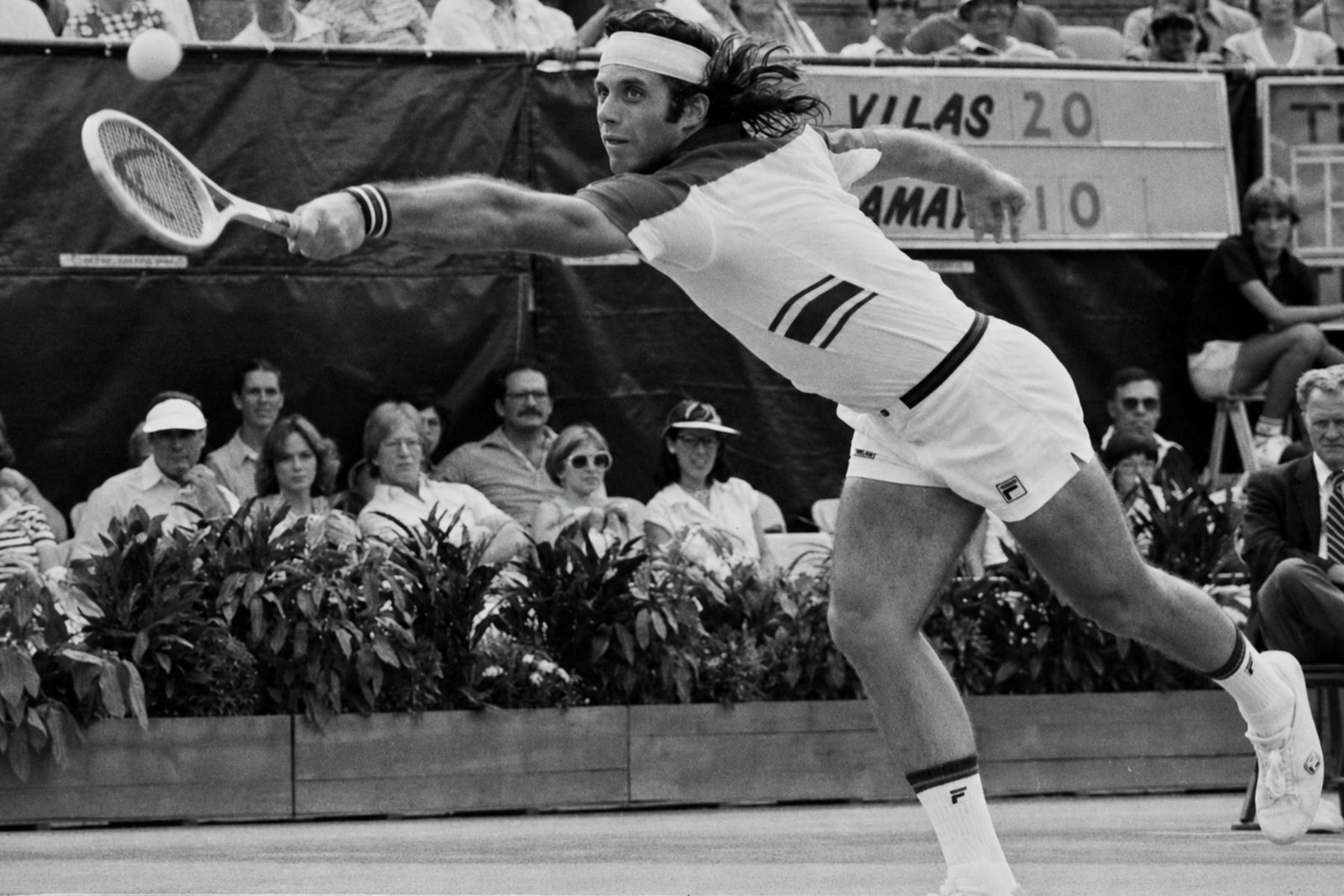
- Country: Argentina
- Born: August 17, 1952
- Era: 1969–1992
- Dominant Hand: Left-Handed
- Grand Slam Titles: 4
- Total Titles: 62
- Win–Loss Record: 951–297
- Weeks At No. 1: N/A (Officially Never Ranked No. 1)
- Olympic Gold Medals: 0
- Surface Performance: Clay
Before South American tennis became a regular part of the sport’s biggest conversations, Guillermo Vilas was already proving players from the region could compete with the very best in the world. The Argentine star became known for his heavy topspin, incredible stamina, and relentless baseline game that made him especially difficult to beat on clay courts. Vilas played in the 1970s with tremendous intensity and built one of the strongest records of his era, winning numerous matches and titles. Many tennis fans and historians still believe that he deserved to be recognized as World No. 1 at some point in his career, despite never officially holding the ranking. His success also helped motivate future generations of South American players and secured his place among the greatest clay court players in tennis history.
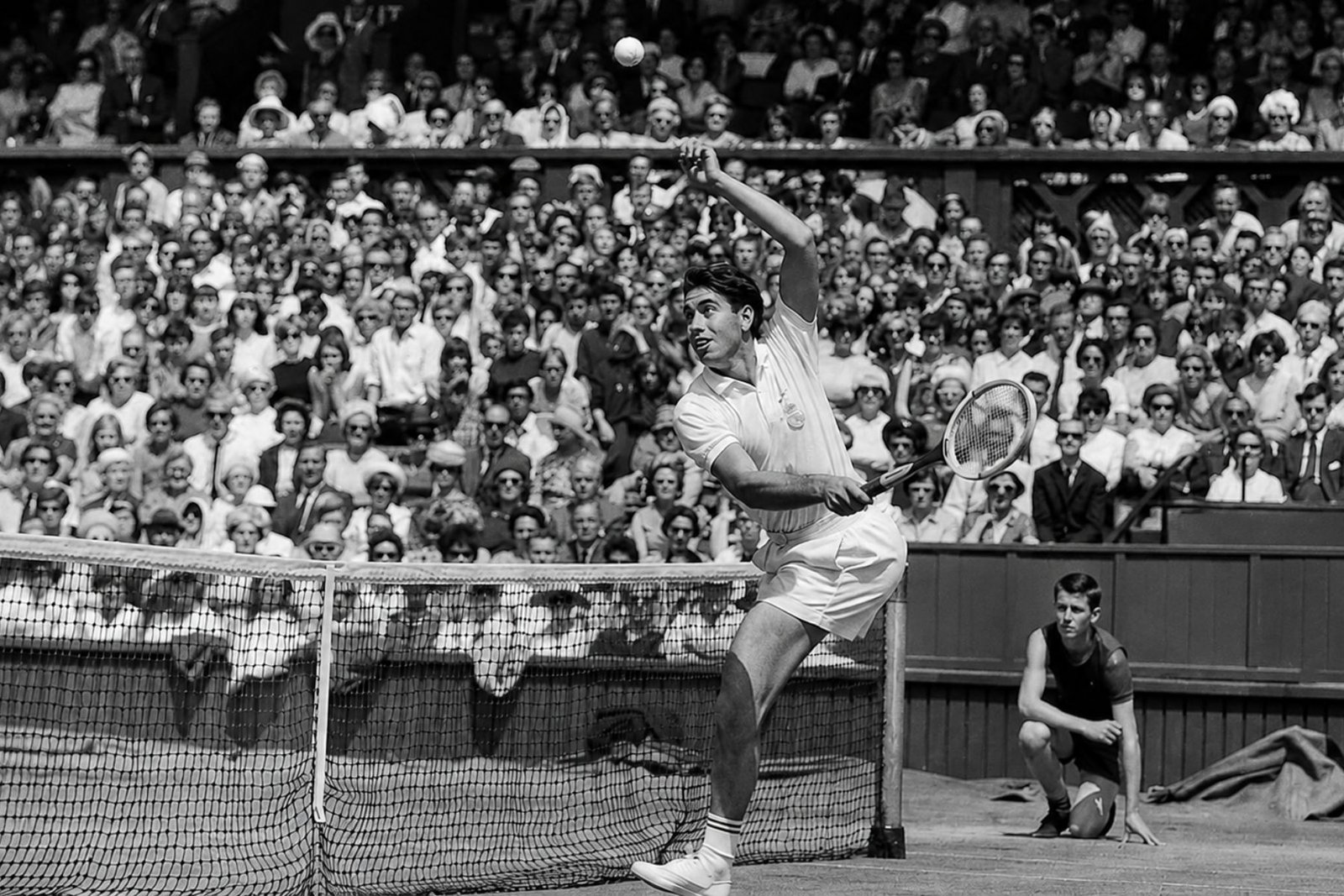
- Country: Spain
- Born: May 10, 1938
- Era: 1958–1977
- Dominant Hand: Right-Handed
- Grand Slam Titles: 4
- Total Titles: 72
- Win–Loss Record: 864–227
- Weeks At No. 1: N/A (Pre-ATP Rankings Era)
- Olympic Gold Medals: 0
- Surface Performance: Clay & Grass
Before Spain became famous for producing some of the best tennis players ever, Manuel Santana was already leading the way. The Spanish star made his name in the 1960s because of his athletic ability, flexibility, and smooth all-around style, which helped him win on both clay and grass courts. His win at the Wimbledon Championships in 1966 was one of the most important moments in Spanish tennis history and inspired future generations of Spanish players. Santana was also respected for his on-court behaviour, blending skill with good sportsmanship throughout his career. Even long after he retired, his influence on Spanish tennis was still felt throughout the sport.
Putting together the best men’s tennis players of all time is never easy, especially when comparing athletes from significantly different eras. For this ranking we considered official ATP records, achievements, Grand Slam titles, win-loss ratios, Weeks at No. 1, overall consistency, longevity, and the level of competition each encountered. We also evaluated their influence on tennis, including changes to playing styles and contributions to the global growth of tennis throughout various periods. While personal views on who ranks at the top vary, the players listed here earned their spots through a mix of results, dominance and the persistent impact they made on men’s tennis.