



























GamingTechnology

Here’s Everything We Know About Valve’s ‘Steam Machine’

Share via

Our team of editors and experts thoughtfully chooses each product. If you decide to buy through one of our links, we may earn a commission. Learn more. Want to know how we test products? Click here for more details.

Whenever Valve begins discussing hardware again, it captures people’s interest. The concept of a Steam Machine is back on the table, but this time it comes with much more clarity around what Valve actually aims to create. Instead of outsourcing the experience, Valve now possesses a tested software platform in SteamOS and the assurance that comes with launching its own successful hardware.

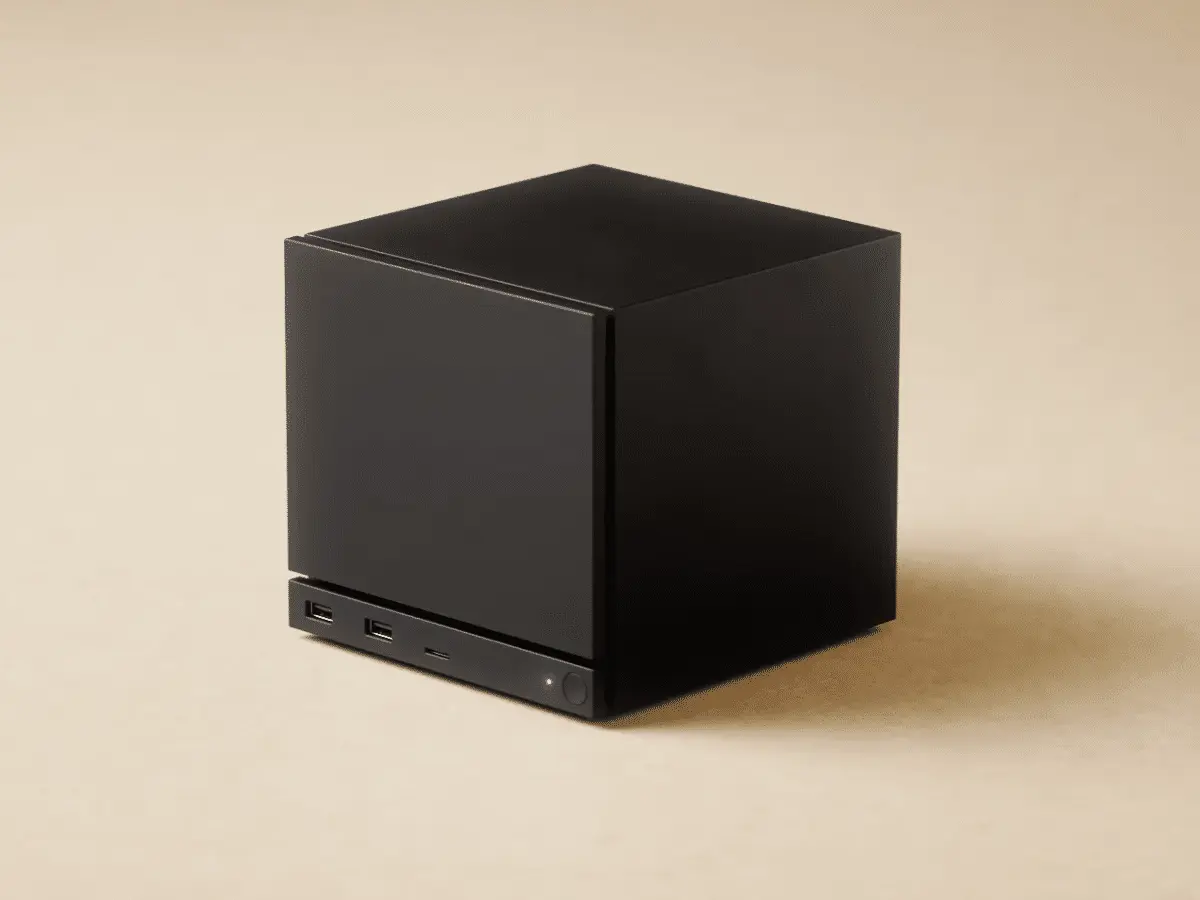
The Steam Machine is currently designed as a small-form-factor, pre-assembled gaming PC meant to run SteamOS, Valve’s Linux-based operating system instead of Windows or macOS. It is built to fit neatly into a living room setup while offering direct access to the Steam ecosystem, similar to a console but with PC hardware underneath. Valve is targeting an early 2026 release, although specific details like availability and pricing are still to be announced.

Valve’s Steam Machine | Image: Valve

What sets this moment apart is the intentionality behind the device’s placement. Valve isn’t aiming to replace consoles or compete directly with high-end gaming PCs. Instead, it is focusing on developing a dedicated Steam device that prioritizes ease of use, a controller-first design, and smooth access to an existing game library, all without the fuss that often comes with traditional PC gaming.

That balance between familiarity and flexibility is what makes the Steam Machine worth paying attention to. It occupies a space that hasn’t been clearly defined before, somewhere between a console and a PC, and that middle ground raises just as many questions as it answers. For now, that mix of ambition and uncertainty is exactly what keeps the Steam Machine in the spotlight.

Here’s everything we know about Valve’s ‘Steam Machine’ so far.

Steam Machine Tech Specs

Tech SpecsValve’s ‘Steam Machine
OS SteamOS (Linux)
Dimensions– 156mm x 152mm x 162mm
– 2.6 kg ~ 5.72 Ibs
Storage– 512GB or 2TB M.2 Storage
– Can be upgraded
Ports
– 4x USB-A Ports
– 1x USB-C 3.2 Gen 2
– DisplayPort 1.4 (up to 4K 240Hz, 8K 60Hz)
– HDMI 2.0 (up to 4K 120Hz)
– Gigabit Ethernet
– SD Card Reader
Internals– AMD Zen 4 CPU (4.8GHz, 6 cores)
– AMD RDNA 3 (2.45GHz, 8 GB DDR6 VRAM)
– 16GB DDR5 RAM
PriceTo be confirmed

What Is Valve’s Steam Machine?

Valve’s Steam Machine is designed as a compact, living-room-friendly gaming PC that runs SteamOS out of the box, not Windows. The concept seems simple on the surface. You get something that looks and functions like a console, but beneath it’s still very much a PC, built to connect directly with your existing Steam library. Instead of focusing solely on raw power, the emphasis is on accessibility, comfort, and making PC gaming feel natural on the couch.

What makes this version feel more intentional is the software-first approach. With SteamOS at the centre of the experience, Valve is focusing on what it already excels at. The operating system is built around gaming, with controller-friendly navigation, quick resume features, and tight integration with Steam options like cloud saves. It’s not trying to replace a desktop PC or provide a full productivity setup. The aim seems to be to reduce friction, not add options.

Importantly, the Steam Machine is presented as a fully assembled, ready-to-use system rather than a DIY project. It’s not designed for those who enjoy tweaking settings, swapping parts, or troubleshooting drivers. Instead, it targets players who want the benefits of PC gaming without the typical setup frustrations. In this way, the Steam Machine feels less like a traditional gaming PC and more like Valve’s effort to establish a new middle ground between consoles and computers.
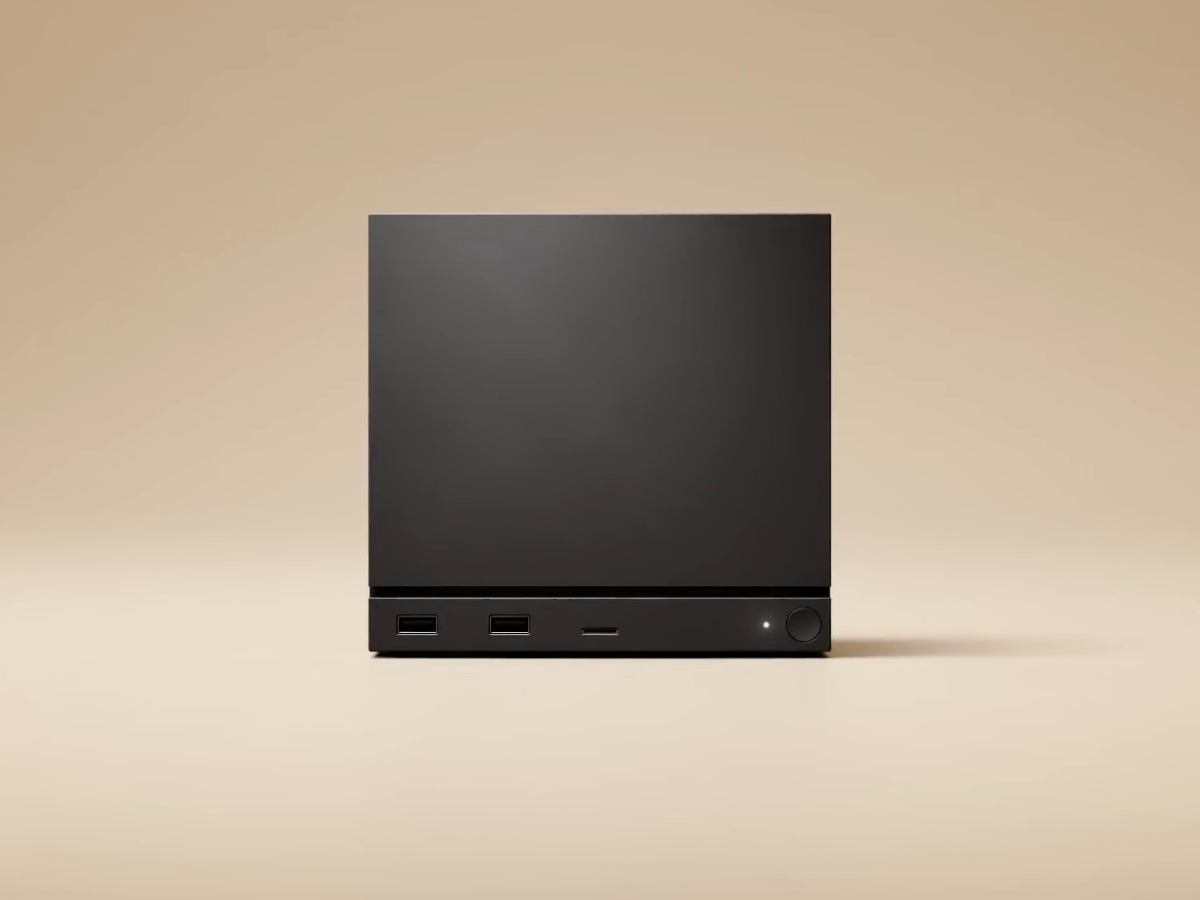
Valve’s Steam Machine | Image: Valve

PC or Console What Is This Thing?

This is where the Steam Machine really blurs the lines. While Valve clearly presents it as a gaming PC, its intended use closely resembles that of a console. The idea is to connect it directly to a TV, monitor, or projector, pick up a controller, and start playing. Features like sleep-to-wake support are designed to make jumping back into a game instant, a feature that PC gaming has traditionally struggled with, especially in a living-room setup.

Rather than functioning like a pared-down desktop operating system, it’s built to run full-screen and be easily navigated with a controller, which is all about SteamOS. This makes the Steam Machine feel much more at home under a TV than a typical Windows PC ever could. If Valve’s software runs as smoothly here as it does on the Steam Deck, the experience should feel familiar and surprisingly polished. And unlike a handheld, a permanently plugged-in box avoids issues like battery drain during sleep, which removes one of the few friction points people still run into with portable hardware.

While upgrading storage should be simple, this isn’t a system designed for frequent tinkering or future GPU replacements. You’re essentially buying a fixed setup, and there’s no expectation that you’ll upgrade graphics hardware later or connect external GPUs. That’s a conscious decision. Valve seems to be betting that many gamers prefer stability, simplicity, and access to their Steam library over cutting-edge performance.

Hardcore PC builders might find it too limiting, while console loyalists often prefer closed ecosystems. However, for players who want the freedom of PC gaming without the hassle of owning a full PC, the Steam Machine offers a balanced middle ground. It doesn’t aim to replace a desktop setup or a console entirely. Instead, it provides a third option for those who simply want to sit down, pick up a controller, and enjoy their Steam games without worrying about what’s happening inside.
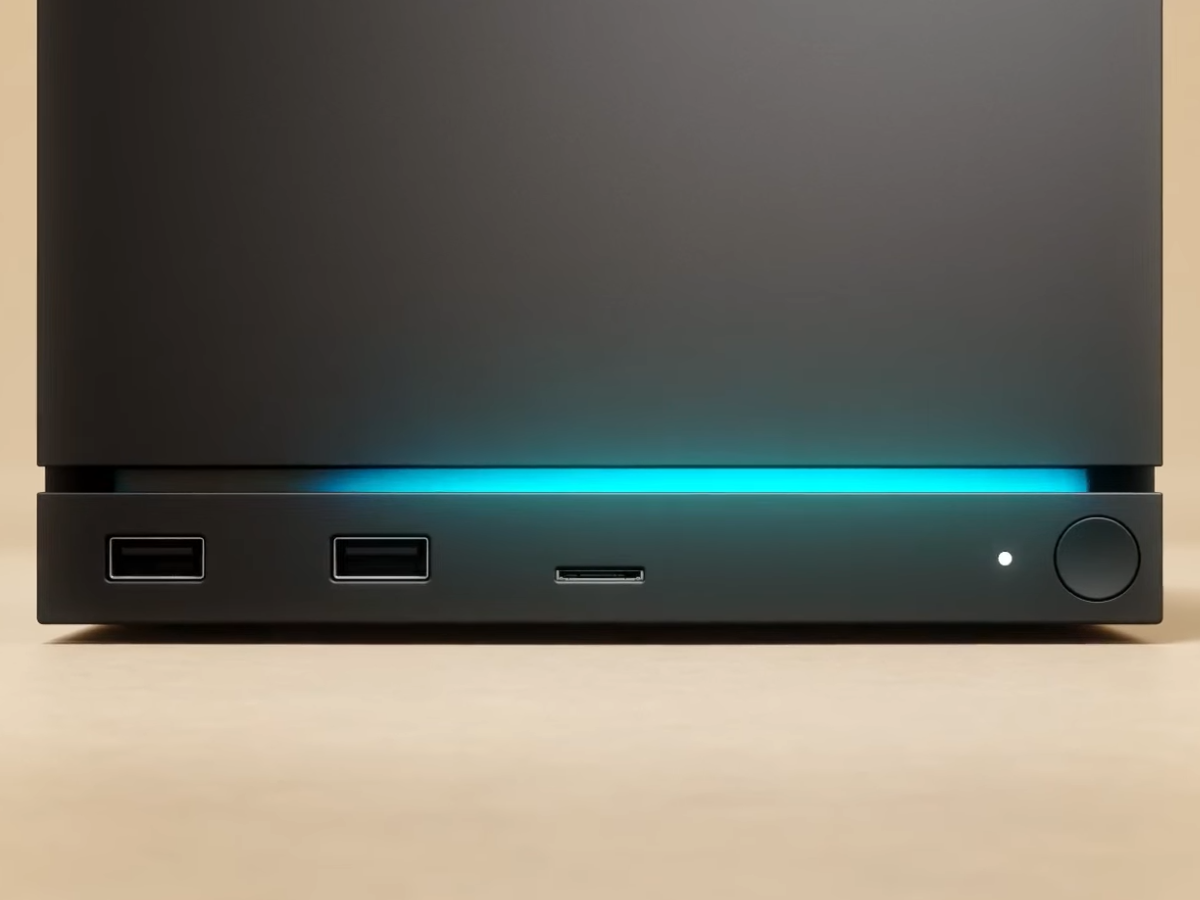
Valve’s Steam Machine | Image: Valve

Who’s the Steam Machine for?

if you already own a high-end gaming PC that can push modern games at 4K with high settings, the Steam Machine probably isn’t aimed at you. In that scenario, its main appeal would be as a secondary, living-room box for streaming games from your main rig. And if you’re comfortable tinkering, you could arguably build something similar yourself by installing a Linux-based gaming OS and calling it a day. For power users, the Steam Machine is more convenience than necessity.

What becomes more interesting is for players transitioning from consoles or those wanting to try PC gaming without fully committing. Valve has claimed the Steam Machine offers around 6× the performance of the Steam Deck, which sounds impressive until you consider the context. That level of power puts it roughly on par with current entry-level console hardware, and early technical reviews suggest it could sit somewhere between the Xbox Series S and the base PlayStation 5 in terms of capability. That’s a notable position, especially for a compact, PC-based system created for the living room.

Performance expectations should be viewed realistically. While Valve has discussed aiming for 4K at 60fps, that experience will likely depend on upscaling techniques rather than native resolution throughout. At 1080p or 1440p, however, the Steam Machine should perform much more smoothly, delivering solid performance without relying on software tricks. For most players sitting a few metres from a TV, that trade-off will be quite acceptable.
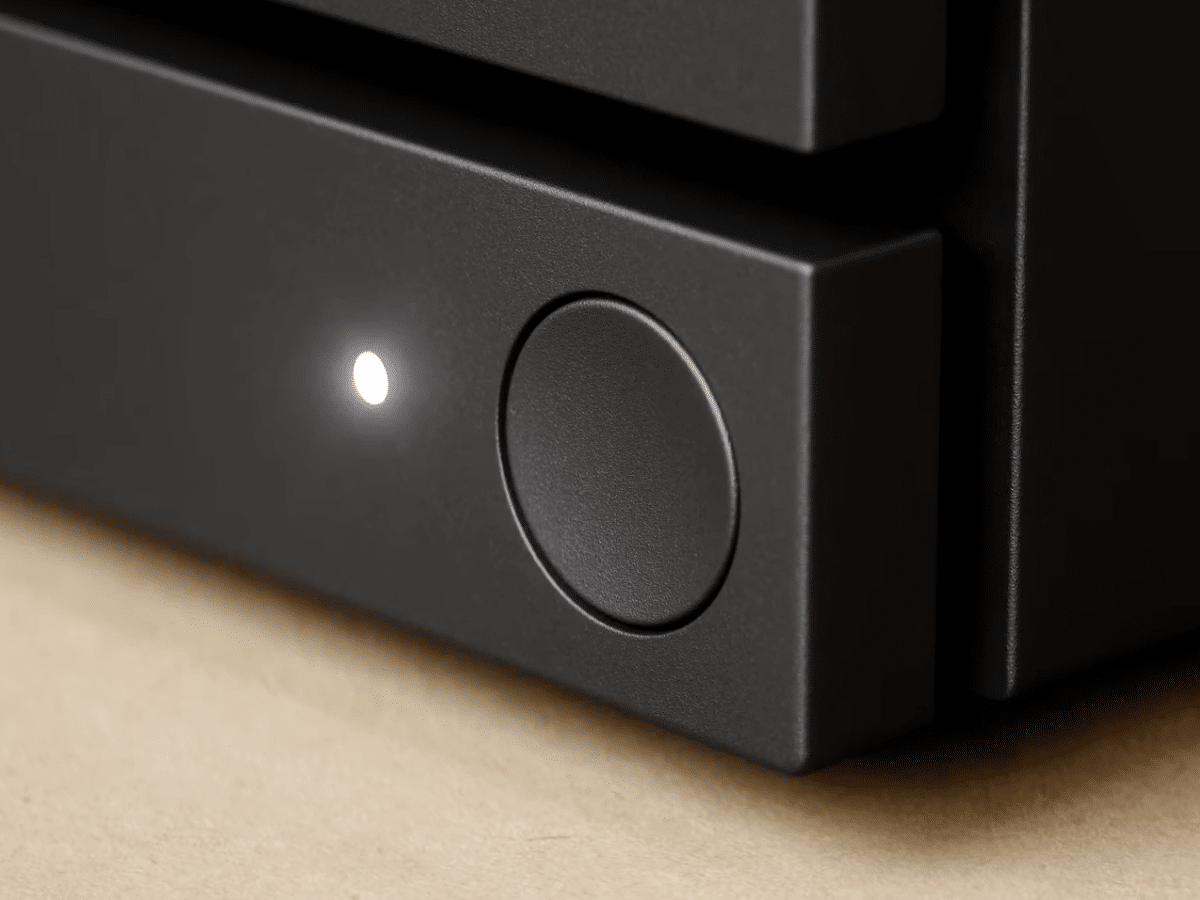
Valve’s Steam Machine | Image: Valve

Release Date & Price

Valve has announced a general early 2026 timeframe for the Steam Machine’s release, but exact details remain unclear. There is no confirmed launch date, and Valve has not specified if the device will be available worldwide at launch or gradually released in phases. At this point, we simply wait, with more precise information anticipated as the launch approaches.

Pricing remains the biggest unanswered question. What Valve has made clear is that the Steam Machine won’t be priced like a traditional console. Instead, it’s expected to be closer to a mid-range PC, reflecting its hardware and the fact that it isn’t being subsidised in the same way consoles often are. That suggests it won’t be cheap, but it also means expectations should be more aligned with PC hardware than plug-and-play consoles.

Until Valve announces a specific price, any discussion about cost remains speculation. The Steam Machine appears to be designed as a dedicated Steam device for the living room, rather than an affordable console alternative. When the price is finally disclosed, it will determine whether this device remains a niche enthusiast product or establishes itself as a viable option between PCs and traditional consoles.


GearSteam
About the Author
Previous Post
The World’s First Transparent Wireless OLED TV Costs $60,000—Here’s Why
Next Post
15 Best Classic Fragrances for Men This Winter

Related Articles

Here’s Everything Apple Showed Off at WWDC 2025

Reading Time: 13 minutes

Our team of editors and experts thoughtfully chooses each product. If you decide to buy through one of our links, we may earn a commission. Learn more. Want to know how we test products? Click here for more details.

Apple’s annual Worldwide Developers Conference always indicates the company’s future direction, and WWDC 2025 wasted no time setting the direction. Even early in the event, Apple introduced a series of meaningful software updates across nearly all its devices. This year’s focus is on refinement—smarter features, tighter integration, and updates designed to improve how your iPhone, Mac, Apple Watch, and iPad work day to day.

There were no new hardware reveals on the keynote stage, with Apple saving those announcements for later in the year. However, what we did see was a strong preview of the company’s software roadmap. From major updates to iOS, macOS, and watchOS to more AI-powered tools shaping the ecosystem’s future, Apple made its priorities clear. As WWDC continues and more announcements are expected, we’ll keep this guide updated. But for now, here’s everything from WWDC 2025 that grabbed everyone’s attention.

Liquid Glass

Apple didn’t ease into WWDC 2025 — it hit right with the look and feel of everything you use daily. Liquid Glass is the company’s most significant visual change in years, and you notice it almost immediately. Across iOS, macOS, and iPadOS, the interface now emphasizes translucency, depth, and softness, making on-screen elements feel lighter and more fluid than before.

Instead of flat panels and solid blocks, menus and buttons now sit on subtly transparent layers. Icons feel like they’re floating. Backgrounds softly blur and adjust as you move around the system. The goal isn’t to distract you with design tricks, but to make everything easier to read, follow, and interact with naturally. Apple has included several customization options, but for the most part, Liquid Glass offers a system-wide aesthetic—glassy, rounded, and consistent throughout.

macOS Tahoe 26 lets users customize the desktop and Dock with new looks for app icons and widgets crafted from multiple layers of Liquid Glass. | Image: Apple

This is also the first genuine visual update of Apple’s software experience in over a decade, and you can tell it’s been handled with care. It feels modern without being loud, familiar without feeling outdated. That said, some fair questions are already being raised—especially regarding accessibility. With so much transparency, some users might find certain elements blend in more than expected. Apple emphasizes that visibility and contrast have been carefully adjusted, but this will truly be judged once people start using it daily.

Liquid Glass wasn’t about chasing trends—it’s about quietly refreshing the foundation of the ecosystem in terms of design. And yes, it also sparks a bit of nostalgia. With all this translucency on screen, it’s hard not to wonder if a fully see-through, ’90s-style Apple device could ever make a comeback. Stranger things have happened.

Along with the new look, Apple also introduced a structural change that’s easy to overlook but quite significant. The company is transitioning from traditional version numbers to year-based naming. This means that this year’s updates won’t be called iOS 19 or macOS 15—they’ll be iOS 26, macOS 26, and so forth. It’s a simpler system that aligns software with the year it’s released, making Apple’s roadmap clearer at a glance.

iOS 26 is a major update that brings a beautiful new design, intelligent experiences, and improvements to the apps users rely on every day. | Image: Apple

Phone Calls & Messages

Apple is clearly trying to make phones less disruptive and more helpful in iOS 26, with meaningful upgrades to both the Phone and Messages apps. If you’ve ever felt overwhelmed by spam calls, endless group chats, or being on hold, these changes target those everyday annoyances. Some ideas may seem familiar to Android users, but Apple’s approach keeps everything simple and well integrated.

The biggest upgrade is in the Phone app, which now has a smarter call screening feature. When an unknown number calls, your iPhone can answer on your behalf, ask the caller why they are calling, and display a live transcription of their reply. You can then decide whether to answer or ignore the call altogether. Hold Assist is another useful addition, allowing your phone to wait on hold for you and alerting you when a real person finally picks up.

Messages get practical upgrades, especially for group chats. You can now create polls to make decisions quickly and send money using Apple Cash directly within a conversation, making splitting bills much easier. Live translation also arrives in both Phone and Messages, allowing voice calls and texts to be translated almost in real time, all while keeping conversations processed on-device for extra privacy.

Rounding things out is a new Visual Intelligence feature coming later this year, allowing you to interact with screenshots or images to learn more about what’s on your screen. It’s another example of Apple prioritizing subtle, practical improvements over flashy gimmicks—changes that quietly make everyday communication smoother, smarter, and much less frustrating.

A Look at the New Menu Bar for iPadOS | Image: Apple

iPad OS

With iPadOS 26, Apple makes its biggest move yet toward making the iPad feel truly Mac-like—without abandoning what makes it an iPad in the first place. Apps still open full screen by default, but now you can resize, move, and organise windows however you prefer. Multiple apps can sit side by side, overlap, or be neatly tiled, giving the iPad a much more flexible desktop-style experience.

You can now quickly view all open apps using Exposé, making it much easier to switch between tasks without losing your place, simplifying multitasking more than before. There’s even a proper menu bar that adapts depending on the app you’re using — another subtle but meaningful nod to macOS. Combined with improved keyboard and trackpad support, the iPad finally feels comfortable for longer work sessions without frustration.

What this really indicates is Apple’s confidence in the position of the iPad within its lineup. Apple isn’t aiming to replace the Mac, but iPadOS 26 makes the tablet far more attractive to users seeking Mac-like productivity when their laptop isn’t available. It’s a practical, well-considered evolution that brings the iPad closer than ever to becoming a true all-rounder.

macOS Tahoe 26 introduces a beautiful new design, additional Continuity experiences, along with even more features to turbocharge productivity. | Image: Apple

macOS Tahoe

Apple’s latest desktop operating system, macOS Tahoe, continues the design shift introduced across the ecosystem, bringing the Liquid Glass aesthetic fully to the Mac. The most noticeable change is the new free-floating menu bar, which now appears lighter and more translucent, subtly separating it from the desktop without feeling disconnected. Windows, menus, and system elements all benefit from added depth and softness, making macOS feel refreshed while still very much like the platform Mac users know.

There are also some genuinely useful quality-of-life upgrades included. Live Activities now appear on the Mac via the menu bar, providing real-time updates from supported apps—whether that’s tracking an upcoming meeting, following a delivery, or monitoring something on your iPhone. Spotlight search also becomes smarter, with better context awareness that helps find files, apps, and information more quickly. It can now engage more deeply with apps and even retrieve relevant details from websites you’ve recently visited, making it feel more like a helper than a basic search tool.

One important shift comes on the hardware front. macOS Tahoe signals the start of the end for Intel-based Macs. While some later Intel models will still receive support with this update, they won’t qualify for future macOS releases. This clearly shows that Apple is fully dedicated to its Apple Silicon future. For most users, macOS Tahoe is about refinement and smarter daily use—but it also subtly closes a significant chapter in the Mac’s long history.

Apple’s Mac Mini | Image: Apple

Apple Games

Apple is focusing more on gaming this year, and the numbers show why. With over half a billion people already playing games on iPhone, Apple is launching a new Games app aimed at consolidating everything in one spot. Instead of games being scattered across your home screen or buried in the App Store, the new app serves as a central hub—displaying all your downloaded games, highlighting what you’re currently playing, and making it easier to jump back in without any hassle.

The app is divided into clear sections that make sense. There’s a dedicated space for Apple Arcade, Apple’s subscription gaming service, along with discovery tools that highlight new games based on your interests. A “Play Together” area tracks friends’ activity, making it simple to see what others are playing, invite them into a game, or join in yourself. In many ways, it feels like a natural evolution of Game Center—just much more visible and much more useful.

On the Mac side, Apple is also working to close a long-standing gap. Gaming on macOS has traditionally been behind, but the new Games app introduces features like a game overlay that lets you access settings, friend activity, and system info without leaving your game. It’s a more console-like approach, similar to what players are used to on devices like the Steam Deck or Nintendo Switch, and it shows that Apple is taking the gaming experience more seriously this time.

Will this suddenly turn the Mac into a gaming powerhouse? Probably not overnight. But it does signal a clearer strategy. By unifying gaming across iPhone, iPad, and Mac—and pairing that with better tools for developers—Apple is laying the groundwork for something more integrated. Apple Games isn’t about competing directly with consoles; it’s about making gaming across Apple devices easier to find, easier to share, and much harder to ignore.

The Liquid Glass refresh of watchOS | Image: Apple

WatchOS

As the Apple Watch hits its 10-year milestone, watchOS 26 feels like a well-earned upgrade rather than a total overhaul. Apple is emphasising refinement this year, adding Apple Intelligence to make the Watch more helpful without increasing complexity. The new Liquid Glass design gives a softer, more expressive look to the interface, while features like live translation in Messages now work directly on your wrist, making quick interactions even more practical.

Navigation also becomes easier thanks to a new wrist-flick gesture, which allows you to dismiss notifications or navigate the interface without touching the screen. It’s a small change but one that fits perfectly with the Apple Watch’s quick-glance design. Smart Stack, already displaying relevant apps throughout the day, gets more context-aware—adjusting suggestions based on your location or environment and even fine-tuning notification volume depending on surrounding noise.

Fitness remains a major focus with the launch of Workout Buddy, an AI-powered voice assistant that communicates with you through your AirPods during workouts. It monitors your performance in real time, provides encouragement, summarises workouts, and can select music to keep you motivated. Overall, watchOS 26 strengthens the Apple Watch’s role as a daily companion—more intelligent, personalised, and intuitive than ever, with Apple continuing to improve what already works.

The new tvOS. Note the subtle 3D feel of the icons, including the white border that Liquid Glass puts on screen elements. | Image: Apple

tvOS

With tvOS 26, Apple provides the Apple TV with a subtle yet significant update by integrating its Liquid Glass design language into the living room. Menus now feature a translucent, glass-like finish that allows you to adjust settings or browse content without completely obscuring what’s on screen. The outcome is a cleaner, more cinematic experience where controls are present but never intrusive, making everyday navigation smoother and more polished.

Apple also used WWDC to highlight what’s coming to Apple TV+, emphasising that the platform’s ambitions extend beyond just the interface. Highlights include a major Formula 1 film, the highly anticipated Murderbot series, a dramatic movie starring Matthew McConaughey and America Ferrera based on the 2018 Paradise Fire, and a new project led by Jason Momoa. Along with the tvOS updates, Apple is clearly focusing on making Apple TV both a refined viewing experience and a serious home for original content.

Apple Intelligence Gets An Upgrade | Image: Apple

Apple Intelligence

Apple Intelligence is the thread tying nearly every WWDC 2025 announcement together—and it’s very much Apple’s perspective on AI, not a competition to outpace others. After a shaky first impression last year, this feels like a reset rooted in realism rather than hype. Apple isn’t promising a sci-fi future; it’s emphasizing intelligence that quietly improves the devices you already use, in ways that actually make sense day to day.

One of the clearest examples is live translation, now integrated directly into Messages, Phone calls, and FaceTime. Text, voice, and video conversations can be translated in near real time, making communication across languages much more natural. Equally important is how it’s managed: most of the processing occurs on-device, with Apple’s own secure infrastructure stepping in only when additional power is needed. Privacy isn’t an afterthought here—it’s a core part of the design.

Visual Intelligence is another feature that feels immediately useful. On iPhone, anything on your screen becomes searchable. See a product you like? Tap it to learn more. Looking at an event poster? Pull the details straight into your calendar. Even pointing your camera at something in the real world can surface context, information, or shopping options. It’s not trying to replace how you use your phone—it simply removes a few unnecessary steps.

Apple Intelligence makes creating automations much easier and more powerful, even if you’re not a heavy-duty user. This provides a significant advantage, especially on the Mac with Productivity. You can turn highlighted content into summaries, generate images, transcribe audio into structured notes, or link together complex actions with much less effort. There’s still depth available for those who want it — but the entry barrier is lower than ever.

These features aren’t tied to new hardware, and they aren’t meant to showcase. They’re intended to save time, reduce friction, and become unobtrusive once they’re functioning. For the first time, Apple’s AI initiative feels less like a promise and more like a natural evolution of the ecosystem—one where Apple uses intelligence to improve the experience —and many were huge fans of this.

AppleiPhoneMacbook
About the Author

Related Articles

arrow_drop_up