







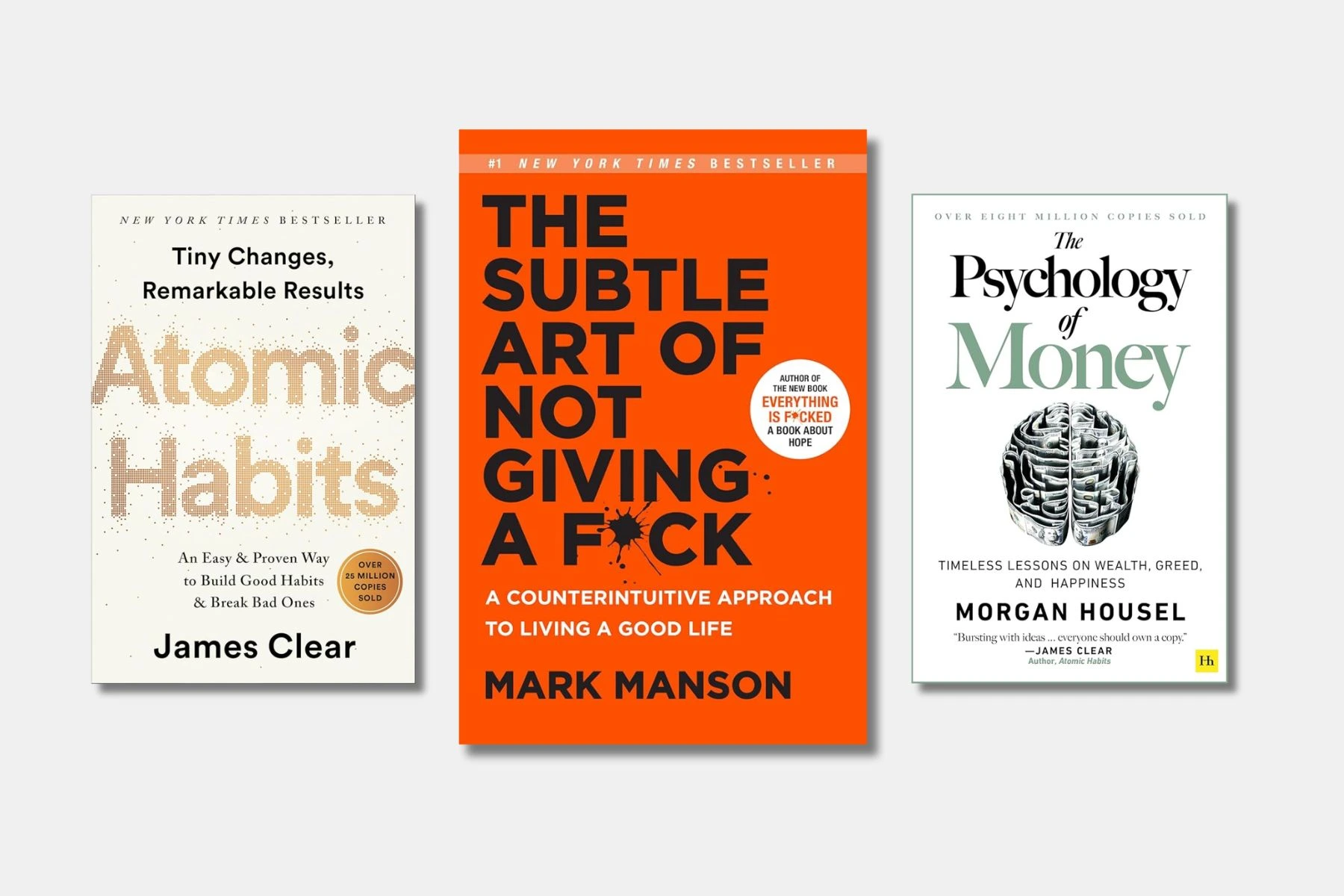

Some books entertain you for a few days and disappear from your memory the second you finish them. Others stay with you for years. They change the way you look at people, success, ambition, relationships, fear, and even yourself. The right book can completely shift your perspective without you even realizing it at first, quietly planting ideas that stick with you long after the final page.
That’s what makes reading so powerful. A great book doesn’t just tell a story or give you facts — it makes you think, pushes you beyond what feels easy, and sometimes even changes the path of your life. Whether it’s philosophy, psychology, business, fiction, or personal growth, some books open your mind to ideas you might never have thought about before.
So, if you’re looking for books that will genuinely leave an impact instead of simply collecting dust on a shelf, these are the titles worth adding to your reading list.
Advertisement · Continue Reading Below
- Best Classic Wisdom: Meditations by Marcus Aurelius
- Best for Building Better Habits: Atomic Habits By James Clear
- Best Life-Changer: Man’s Search For Meaning By Viktor E. Frankl
- Best for Personal Growth & Relationships: How To Win Friends And Influence People By Dale Carnegie
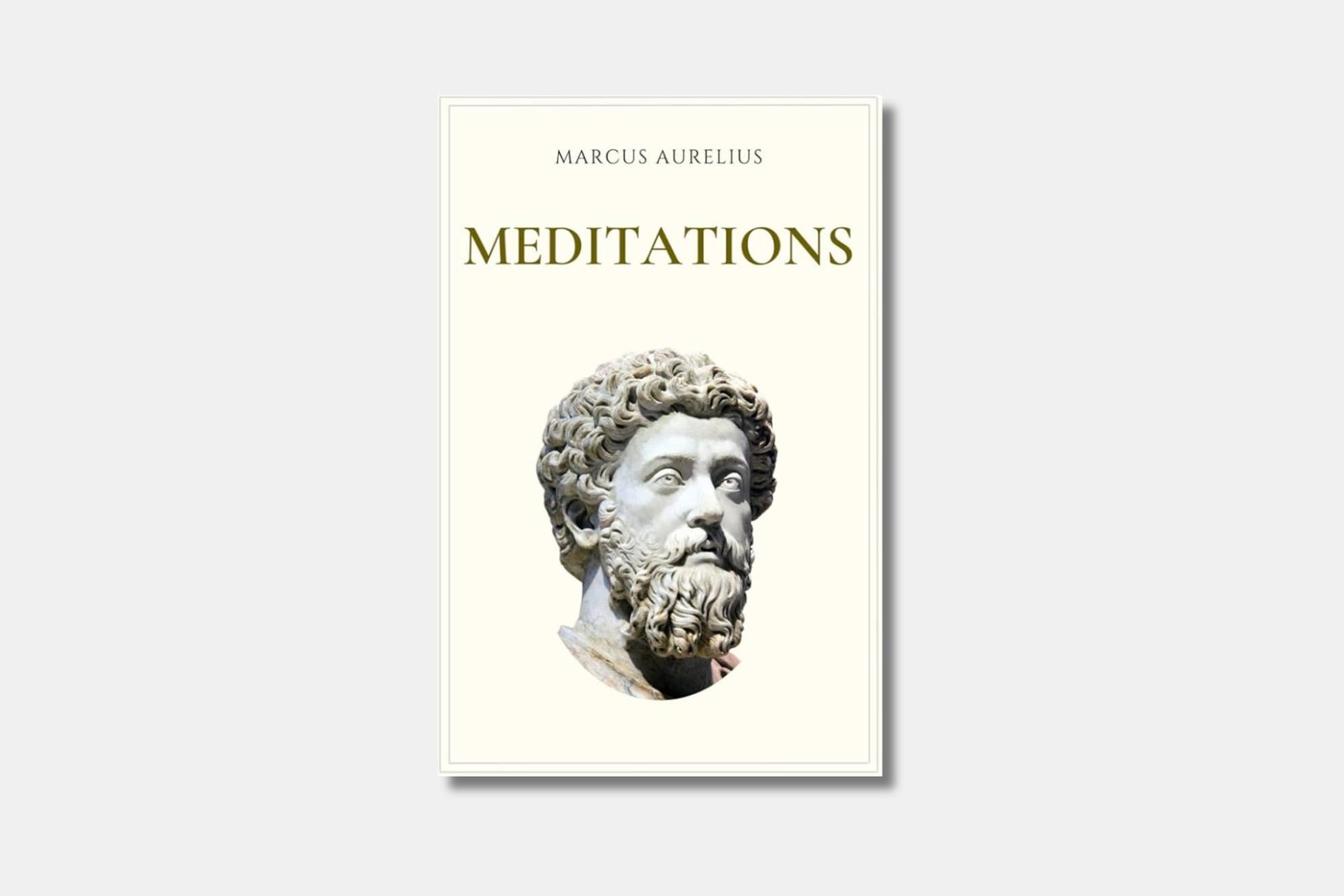
- Author: Marcus Aurelius
- Published: Around 180 AD
- Genre: Philosophy / Stoicism
- Why Read It: Timeless lessons on resilience, discipline, & self-mastery
It’s surprising that a book from almost 2,000 years ago feels more honest than most self-help books today. Meditations is Marcus Aurelius’s personal journal, written while he was leading the Roman Empire and dealing with war, stress, responsibility, and constant chaos. He never meant for these notes to be shared, which is probably why they feel so real. The writing isn’t trying to impress anyone. It’s just a man reminding himself to stay calm, disciplined, and focused when life gets hard.
What makes this book special is how the advice never gets old. Marcus talks about managing your feelings, ignoring distractions, getting through hard times, and dealing with people without getting angry. Even now, it feels less like old philosophy and more like useful advice for daily life. Some books inspire you for a short time, but Meditations can quietly change how you think for years.
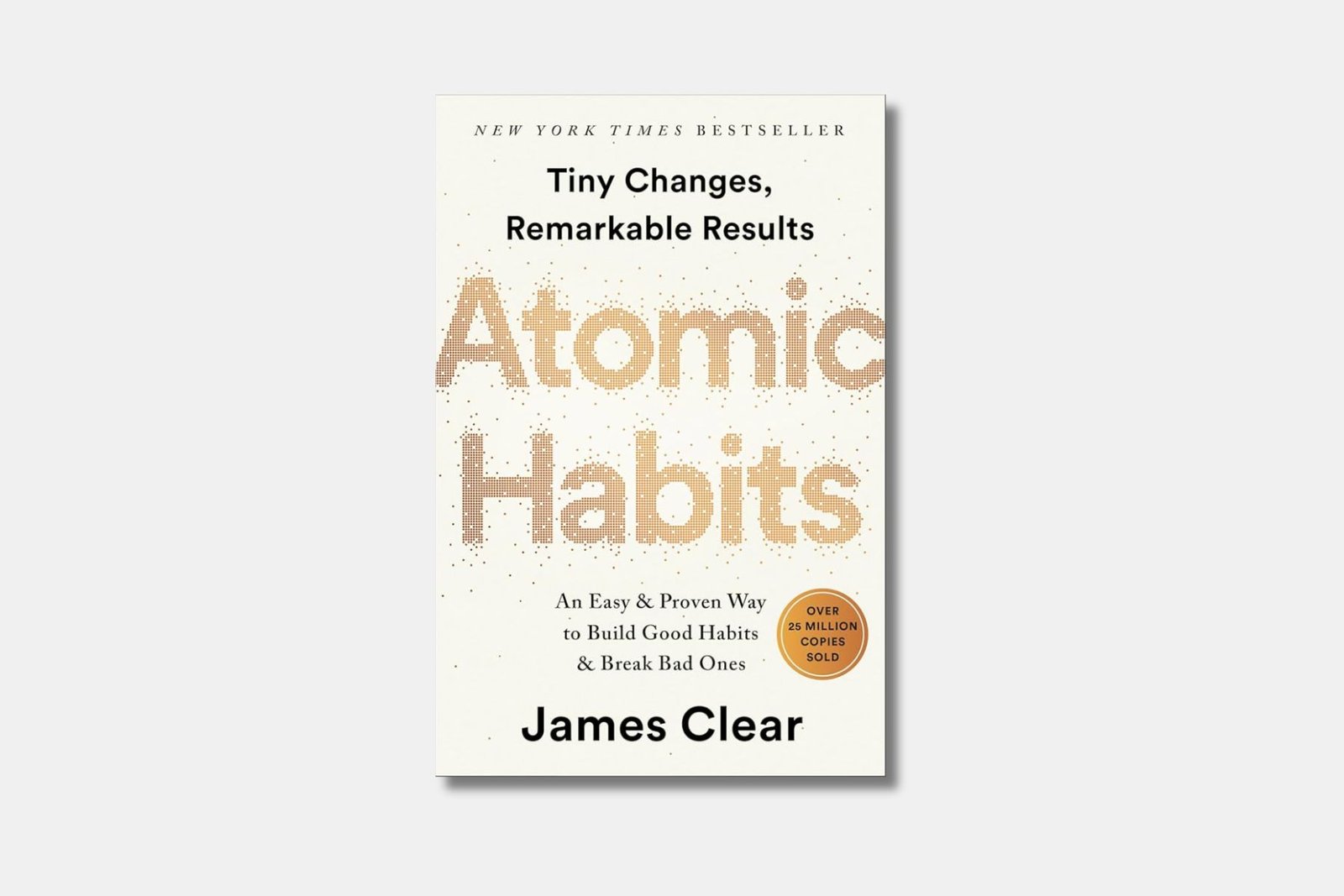
- Author: James Clear
- First Published: 2018
- Genre: Self-Improvement / Personal Development
- Why Read It: To learn how small, consistent actions can create life-changing results.
Most people try to change their lives all at once, which is usually why they fail after a week or two. James Clear takes the opposite approach in Atomic Habits, focusing on the small daily actions people hardly notice but do repeatedly. The book explains how tiny actions, repeated regularly over time, quietly shape almost every part of your life, from health and self-control to confidence, money, and relationships. And honestly, once you read it, it becomes hard not to see how many habits guide your day without you even realizing it.
What makes the book work so well is how useful it becomes later. Clear doesn’t overwhelm the readers with hard ideas or unrealistic motivation. Instead, he explains why people get stuck in bad habits, how their surroundings affect their actions, and why sticking with something usually works better than trying too hard for too short a time. It’s one of those books that makes improving yourself feel doable instead of too much, which is probably why many people read it again every year.
Advertisement · Continue Reading Below
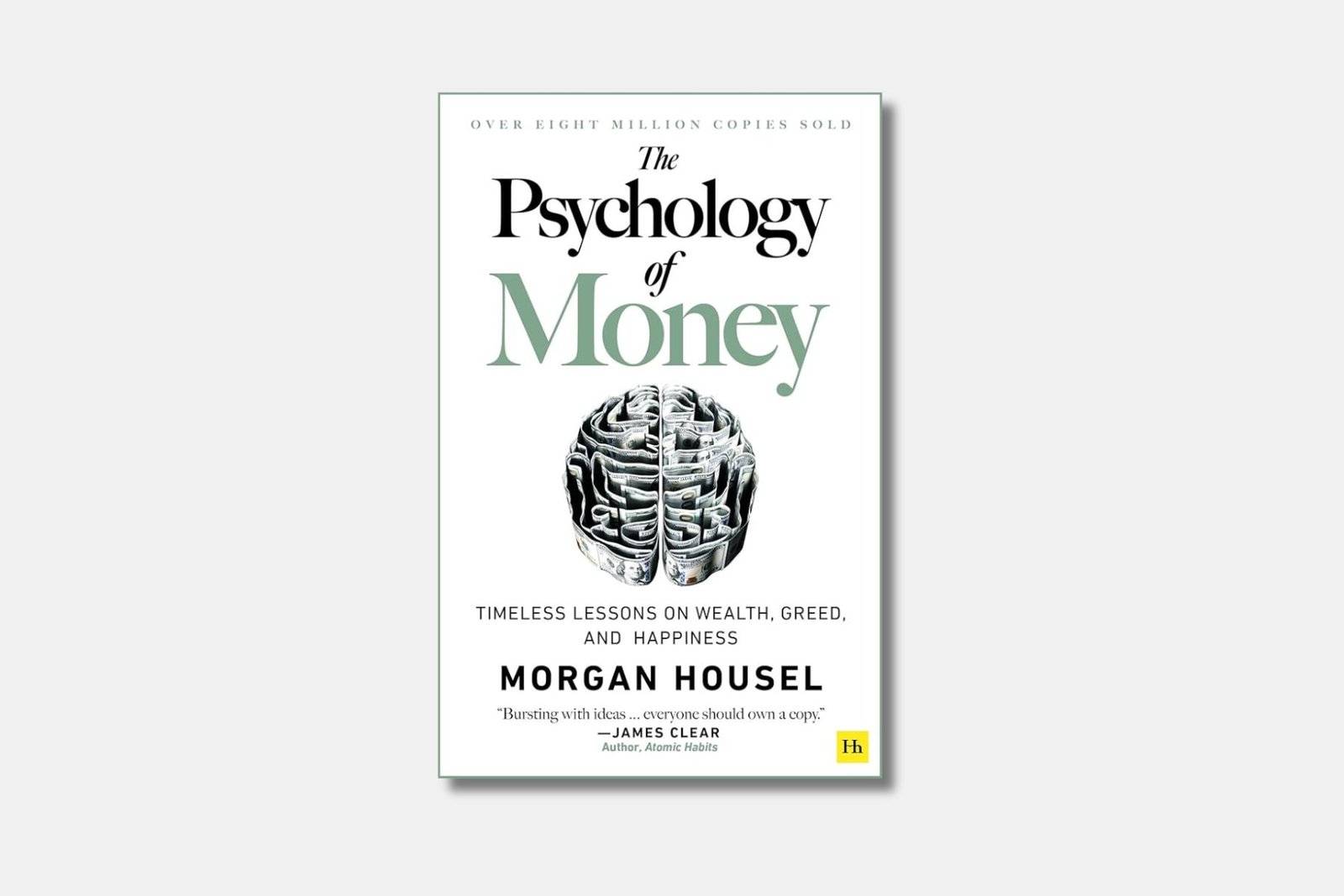
- Author: Morgan Housel
- First Published: 2020
- Genre: Personal Finance / Psychology
- Why Read It: To understand how emotions and behavior shape financial decisions more than numbers do.
Most finance books start with charts, investment tips, and complex plans right away. The Psychology of Money takes a very different path. Instead of focusing solely on numbers, Morgan Housel examines how feelings, habits, pride, fear, and personal experiences shape people’s thinking about money. And honestly, that’s what makes the book feel so easy to connect with.
Instead of trying to sound like a Wall Street expert talking down to readers, Housel shares stories about regular people, bad choices, thinking long-term, patience, greed, and the subtle difference between looking rich and actually becoming rich. Some chapters feel less like money lessons and more like life lessons hidden within discussions of money.
One of the best things about the book is how easy it is to read without ever being boring. Housel uses real stories and simple examples to explain why even smart people make bad money decisions, why patience is more important than showing off, and why success with money is more about your behaviour than your intelligence. By the end, you’ll see money as more than just numbers—it’s about freedom, choices, and peace of mind.
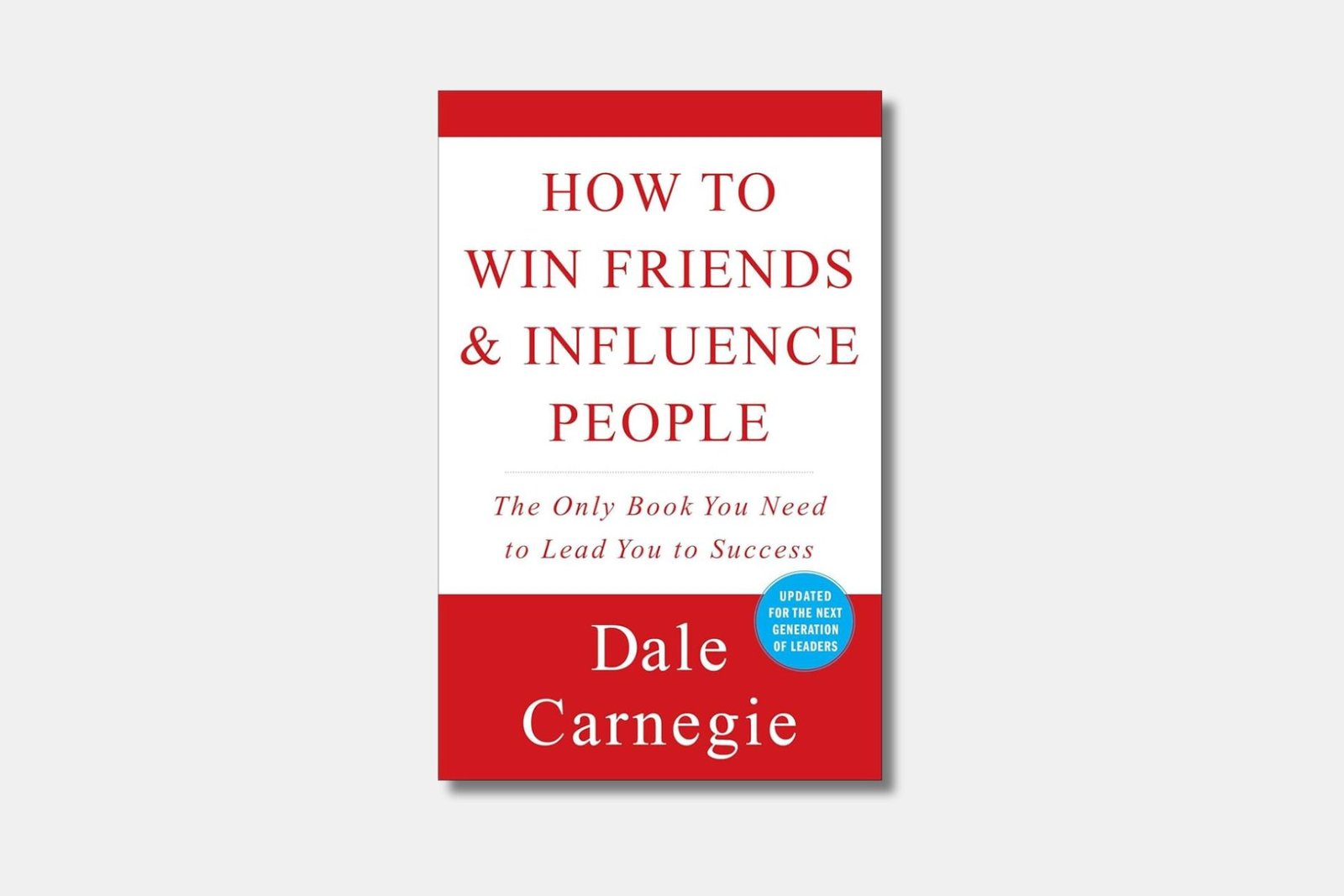
- Author: Dale Carnegie
- First Published: 1936
- Genre: Self-Help / Personal Development
- Why Read It: To master the art of communication, persuasion, and building genuine relationships.
How to Win Friends & Influence People has somehow survived for nearly a century because the advice inside still works. Written by Dale Carnegie in the 1930s, the book focuses on something most people struggle with every single day: understanding people. Not manipulating them, not “networking” in the modern fake-social-media sense, but actually learning how communication, respect, listening, and human behaviour shape relationships.
Carnegie covers many topics, such as remembering people’s names, avoiding arguments, truly listening, demonstrating gratitude, and trying to see things from someone else’s perspective. might they seem basic ideas, right? But the further you keep reading, the more you realize that rarely do people practice them. Even though there are some chapters that might make you feel uncomfortable because they point out habits we often don’t notice in ourselves.
Even now, nearly 90 years later, the book still feels relevant in business, friendships, leadership, dating, and everyday life. Many modern-day communication books borrow ideas from Carnegie without people even realizing it. Frankly, once you finish it, you start paying much closer attention to the way people speak, react, argue, and connect with each other every day.
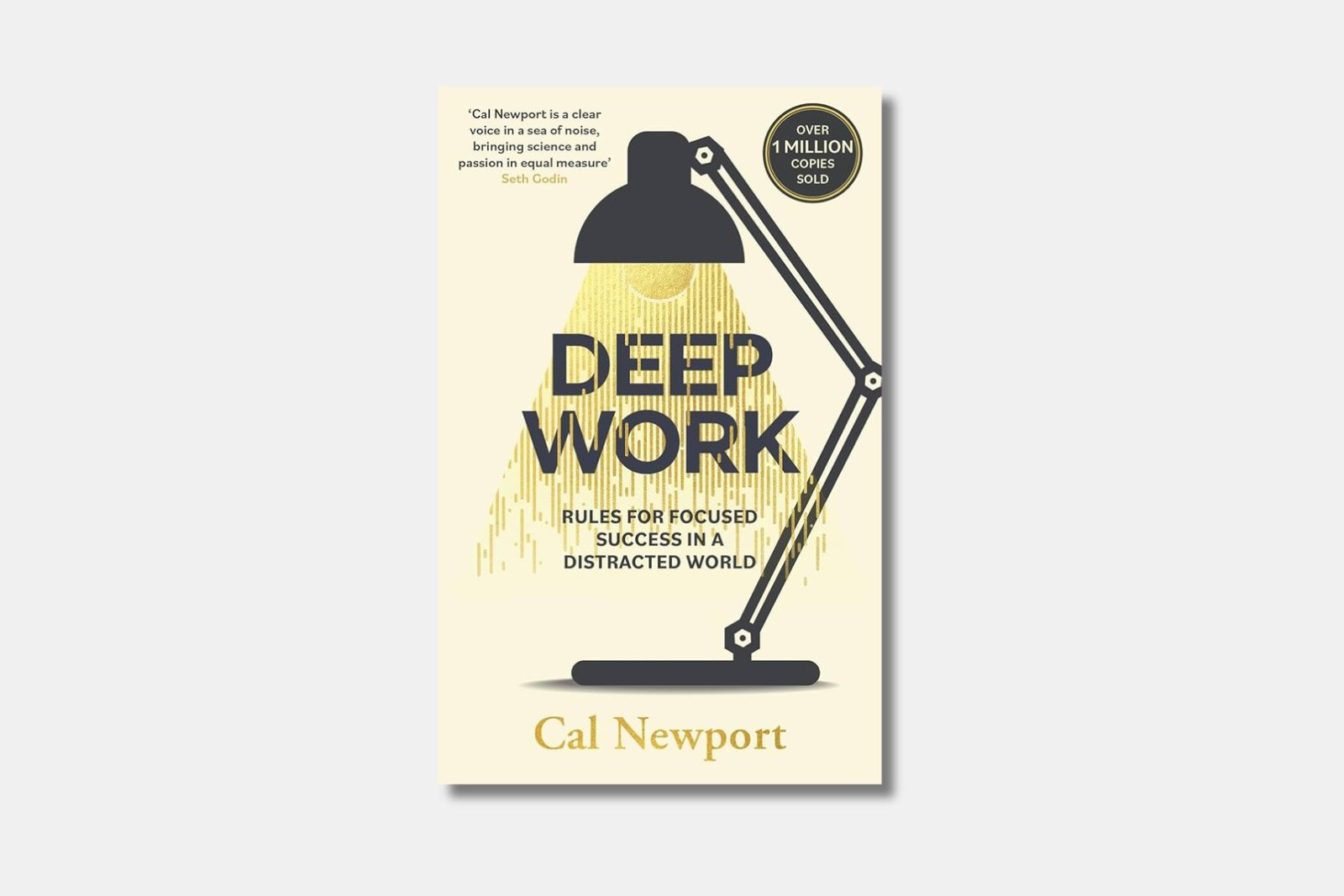
- Author: Cal Newport
- First Published: 2016
- Genre: Productivity / Self-Improvement
- Why Read It: To learn how to cut through distractions and achieve meaningful, high-level work.
Modern life makes it almost impossible to focus for more than a few minutes at a time. Notifications never stop, social media keeps pulling attention away, and most people spend their days switching between emails, messages, and distractions without ever fully focusing on one thing. In Deep Work, Cal Newport says that the ability to focus without distractions has quietly become one of the most valuable skills today and one of the rarest.
Newport not only discusses the importance of working harder but also highlights how deep focus enhances thinking, boosts creativity, and results in more meaningful work. The book often comes across less as a typical productivity guide and more as a wake-up call about the significant amount of time wasted daily on stupid things. This candid and practical approach is what makes the book particularly compelling.
Advertisement · Continue Reading Below
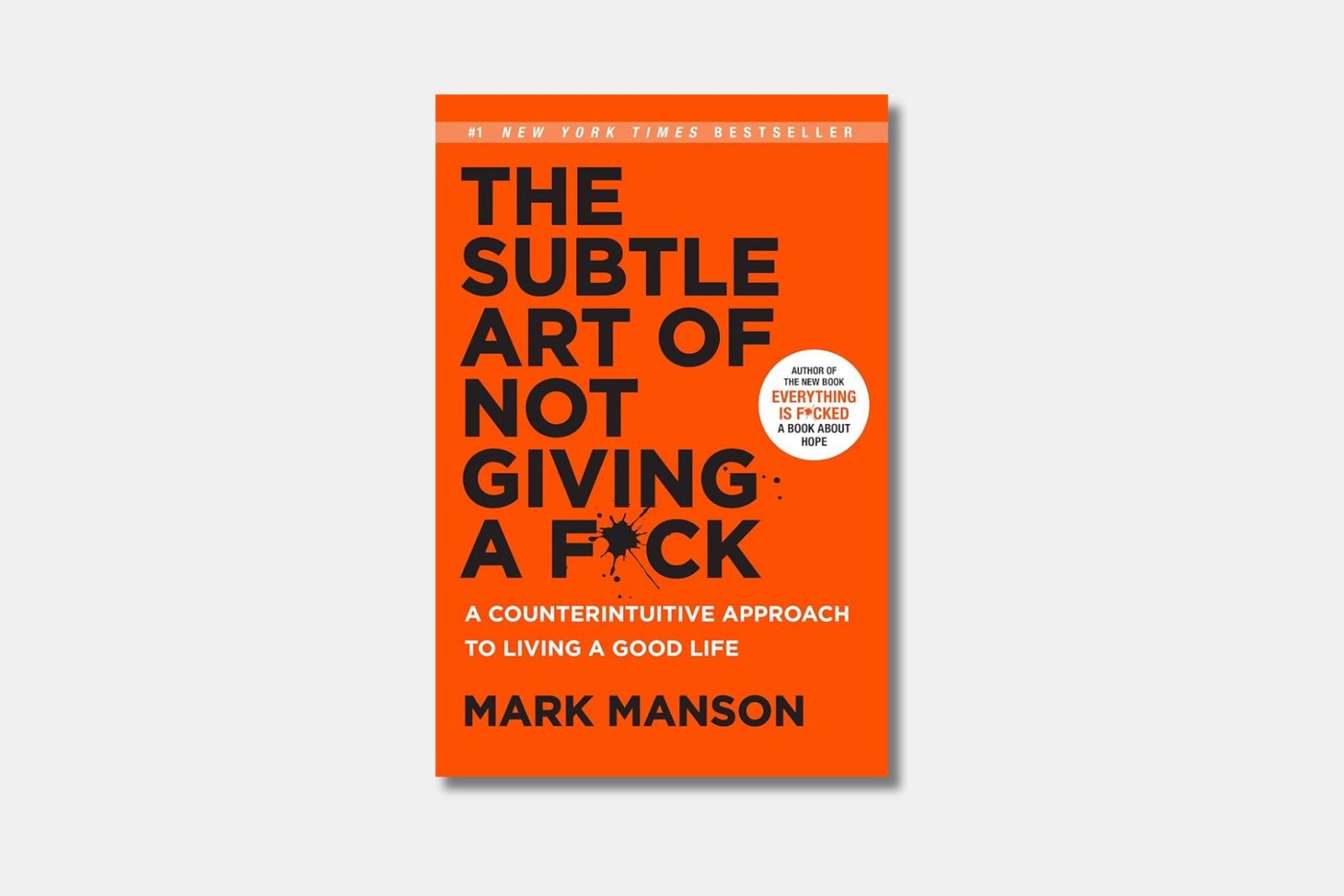
- Author: Mark Manson
- First Published: 2016
- Genre: Self-Help / Personal Development
- Why Read It: To cut through the noise of toxic positivity and focus on what truly matters.
One of our favourite books and one of the most popular self-help books tries to sell the idea that always being positive is the answer to everything. The Subtle Art of Not Giving a Fck* goes the opposite way. Mark Manson talks openly about failure, disappointment, anxiety, rejection, and the hard truth that life isn’t meant to feel perfect all the time. Instead of telling readers to care about more things, he says people are often better off caring about fewer things — just the right ones.
Manson’s style is like your brutally honest friend at the pub—funny, raw, and unafraid to call you out. He avoids cheesy pep talks and goes straight for the point with sarcasm and honesty. The key message? Stop exhausting yourself trying to impress people who don’t matter and focus on what truly excites you. This book doesn’t lecture; it offers a much-needed dose of reality, delivered with a wink.
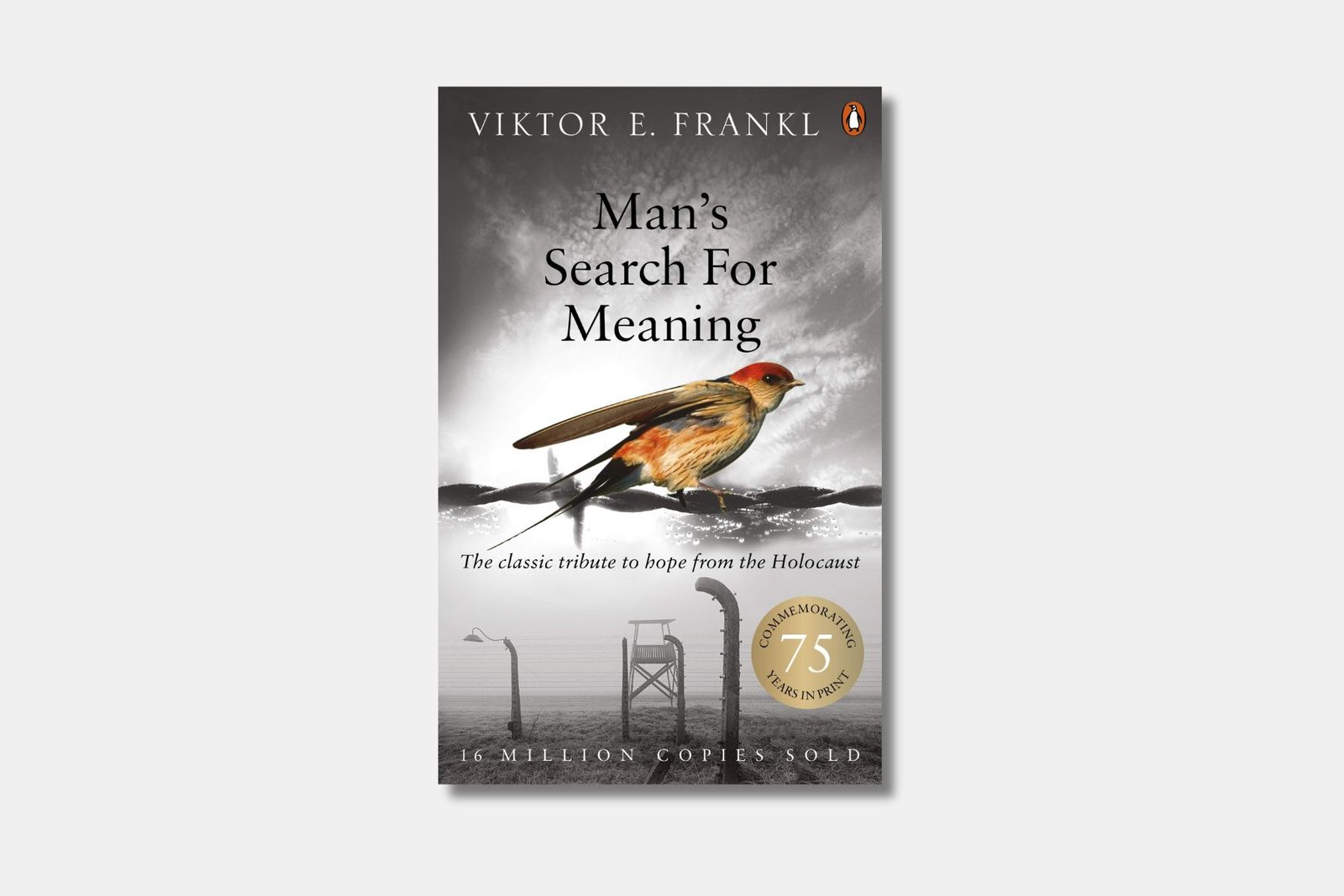
- Author: Viktor E. Frankl
- First Published: 1946
- Genre: Memoir / Psychology / Philosophy
- Why Read It: To understand resilience, purpose, and the human capacity for finding meaning in suffering.
Some books just hit different, and Man’s Search for Meaning is one of those rare gems that stays with you for the longest time after you’ve closed it. Viktor E. Frankl, a Holocaust survivor, wrote after surviving the terrible horror of Nazi concentration camps in World War II, and he doesn’t soften anything. Frankl was very honest about his pain, survival, love and what it really means to hold on to purpose despite when everything falls apart. Yes, some chapters are hard to read, but that’s what makes the books so powerful. But the main lesson? Even when life goes completely off track, you still get to choose how you react.
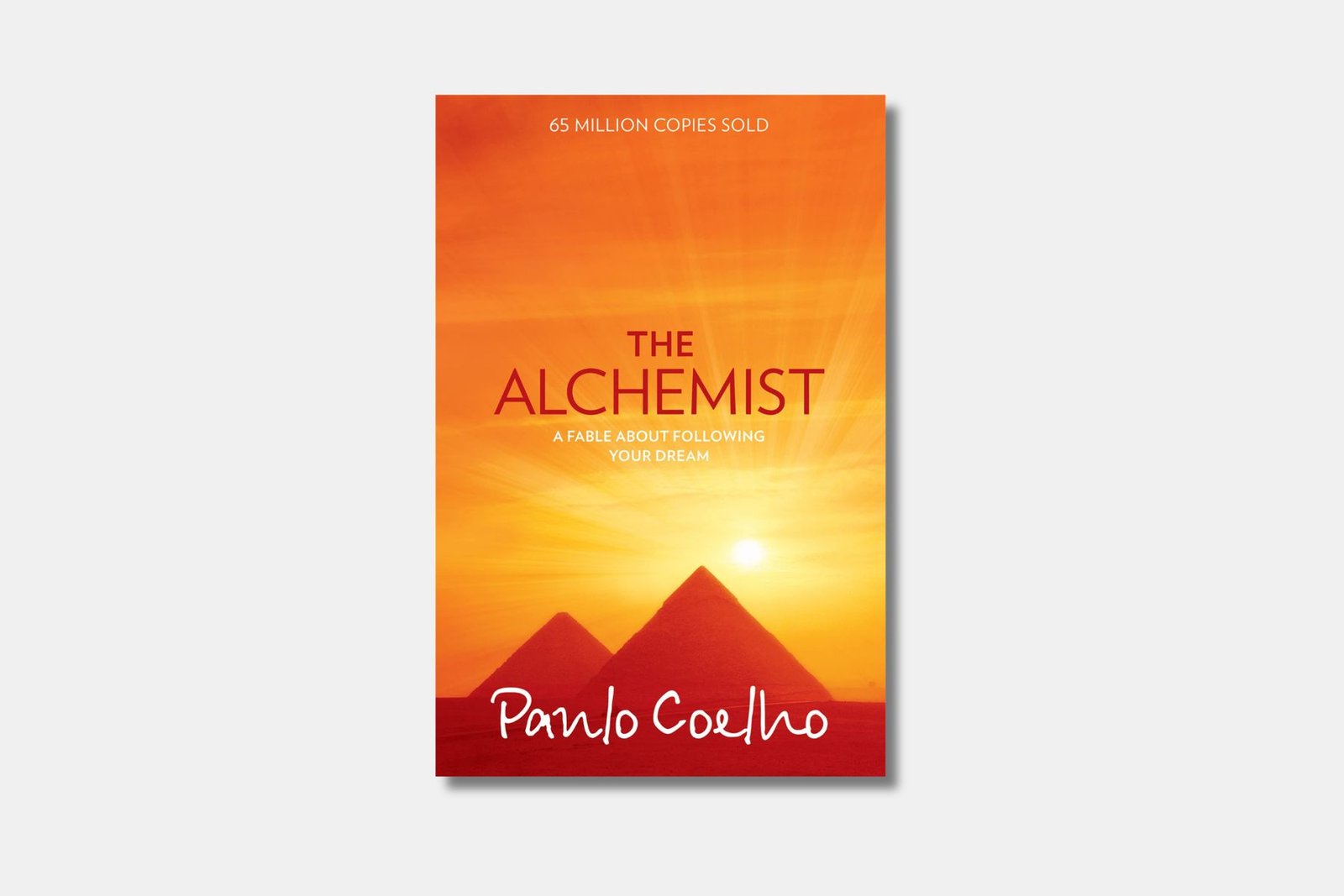
- Author: Paulo Coelho
- First Published: 1988
- Genre: Fiction / Philosophy / Adventure
- Why Read It: To inspire you to follow your dreams and trust the journey of life.
At first, The Alchemist seems like a simple story about a young shepherd travelling across the desert in search of treasure. But as the journey goes on, the book begins to feel more personal. Paulo Coelho mixes ideas about fear, purpose, ambition, love, and destiny into such an easy story that you hardly notice how much it makes you think until you pause and reflect.
Part of what makes the book so memorable is how calm and thoughtful it feels. It doesn’t try to impress readers with hard writing or big surprises. Instead, it gently reminds people to listen to themselves, take chances, and not let fear keep them from going after the life they really want. Depending on your stage in life, some lines feel very different — which is likely why many people come back to this book years later and discover something new each time.
Advertisement · Continue Reading Below
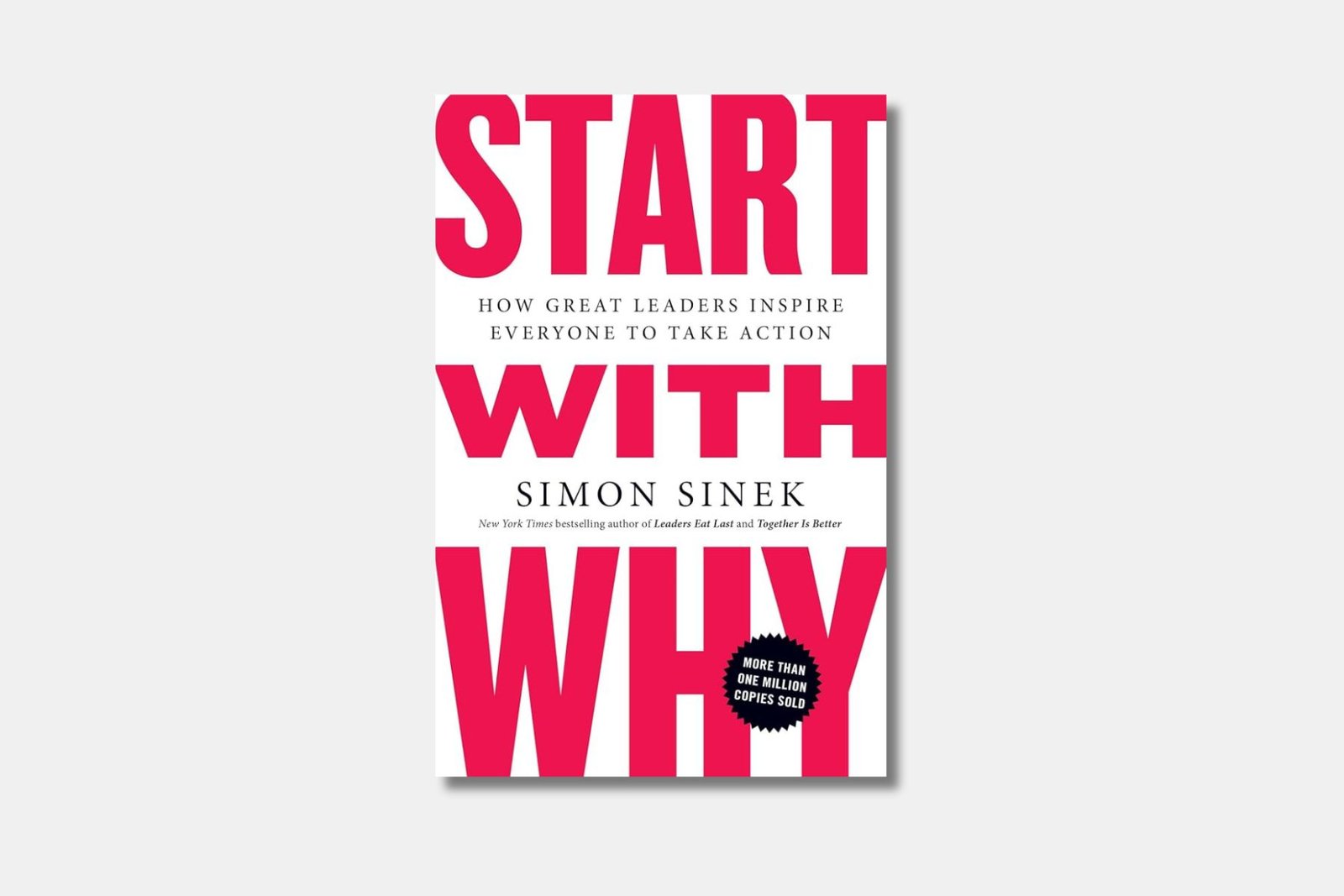
- Author: Simon Sinek
- First Published: 2009
- Genre: Business / Leadership / Self-Improvement
- Why Read It: To discover the power of purpose and how it drives success in both life and business.
Most companies know what they do, and some know how they do it, but according to Simon Sinek, very few truly understand why they do it in the first place. That simple idea sits at the centre of Start with Why, a book that looks at leadership, business, motivation, and the people who manage to inspire others on a much deeper level. Instead of focusing solely on profit or success, Sinek explores how purpose and belief are often the real drivers of loyalty, strong teams, and lasting influence.
Using stories from big companies, influential leaders, and famous brands, the book focuses on one simple idea: people connect much more with purpose than with products. And really, the message goes beyond business. Many lessons apply just as much to personal goals, relationships, creativity, and daily life. By the end, you begin to question not only why some companies succeed, but also why you make many of your own choices.
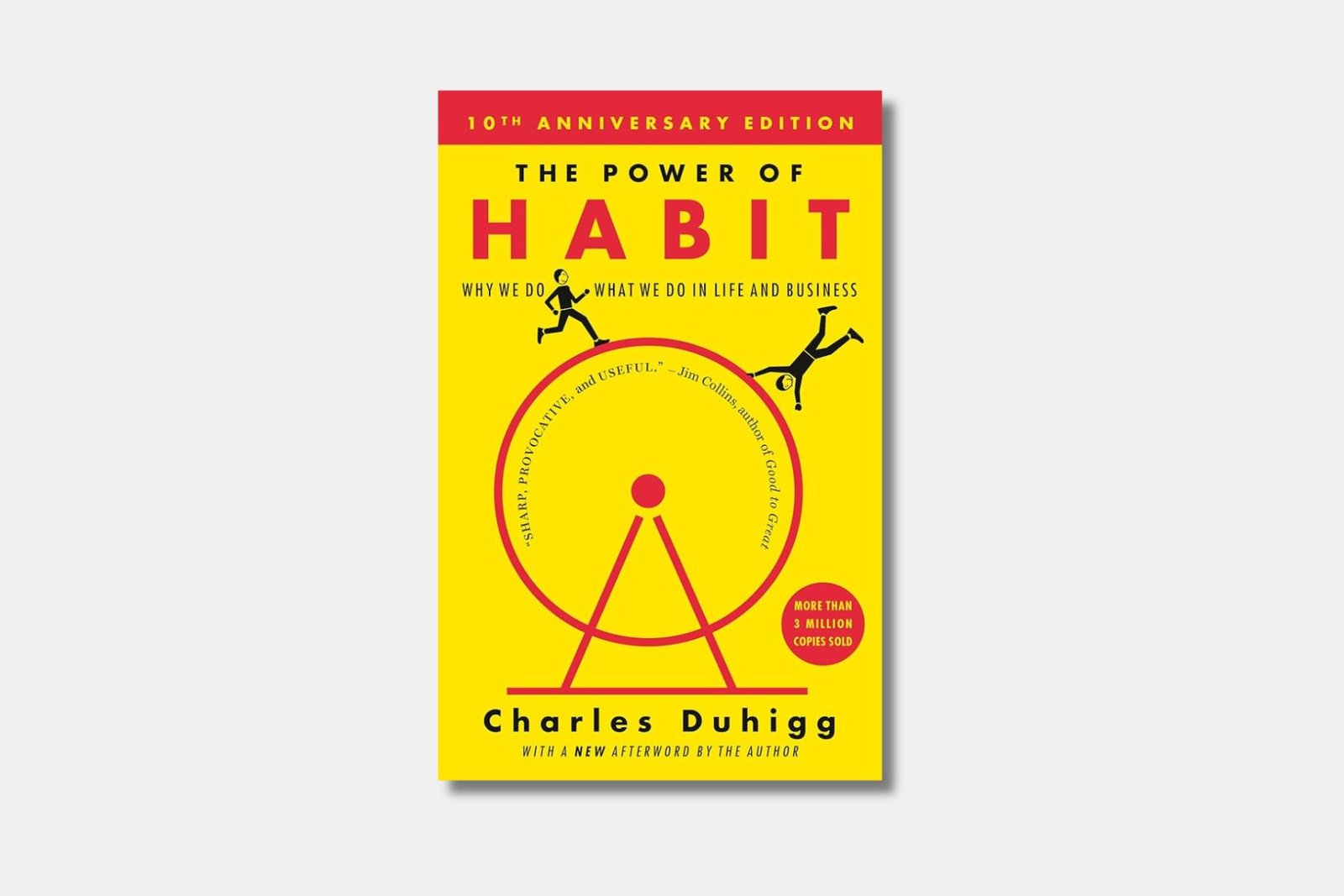
- Author: Charles Duhigg
- First Published: 2012
- Genre: Psychology / Self-Improvement / Productivity
- Why Read It: To understand the science of habits and how to transform them for lasting personal and professional growth.
A huge part of daily life runs on habits people barely even notice anymore. From the second most people wake up, they move through routines almost automatically — checking phones, grabbing coffee, procrastinating, working, eating, exercising, stressing, repeating. In The Power of Habit, Charles Duhigg breaks down how these patterns form and why they become so difficult to change once they settle into everyday life.
Instead of turning the book into a lecture full of complicated psychology terms, Duhigg uses real stories involving athletes, businesses, successful people, and ordinary routines to show how habits quietly shape behaviour. Some examples are surprisingly simple, while others make you realize how much of modern life is built around repetition and automatic behaviour. The deeper you get into the book, the harder it becomes not to notice your own routines playing out throughout the day.
One of the main ideas in the book is that habits are rarely completely removed — they are usually swapped for others. This small change in thinking changes how you see discipline, motivation, addiction, productivity, and even personal growth. By the end, everyday actions that once seemed random suddenly start to make much more sense.
Maybe our list didn’t have what you were looking for or you’ve already finished every book we suggested. That’s okay. Plenty of great books can change how you think, live, and grow. Here are five more to check out if you want more inspiring reads.
- Flow: The Psychology of Optimal Experience by Mihaly Csikszentmihalyi: This book explains what it means to be “in the zone.” Csikszentmihalyi explores how flow, or being fully focused on a task, can increase happiness, creativity, and satisfaction. He uses examples from athletes, artists, and everyday people to show how meaningful challenges may make even simple tasks look rewarding.
- Can’t Hurt Me by David Goggins: Former Navy SEAL David Goggins tells his story of determination, strength, and pushing past limits. The book is both a memoir and a motivational guide, encouraging you to do more than you think is possible. Goggins is honest about pain, self-control, and the management of your thoughts. He shows that your mind often gives up before your body, and by taking on challenges, you can achieve more than you imagined.
- The Power of Now by Eckhart Tolle: This spiritual guide has helped many people live more in the present. Tolle shows how to quiet your mind and attain peace in the moment. His teachings blend spirituality with practical advice, reminding us how the present is all we really have. This is a book to return to whenever life feels stressful.
- Mindset: The New Psychology of Success by Carol Dweck: Dweck explains how your mindset, whether fixed or open to growth, shapes your success in all areas of life. She uses examples from school, sports, work, and relationships to show how a growth mindset helps you learn, recover from setbacks, and succeed. Success isn’t just about talent; it’s about effort, flexibility, and believing you can improve by keeping at it.
- The 7 Habits of Highly Effective People by Stephen R. Covey: This classic book has helped many people improve their leadership, productivity, and self-improvement. Covey’s method is not about quick fixes, but about strengthening character, focusing on key values, and aligning your actions with enduring objectives. With habits like “Begin with the End in Mind” and “Put First Things First,” this book gives a clear plan for balancing personal and professional success while being true to your values.
Every book on this list has been praised for many years or has built a strong following because it continues to affect readers worldwide. More importantly, these aren’t just popular or trending books online. They are books we have read ourselves, returned to, talked about, and thought about long after finishing. Some make you rethink your ideas, others change how you see money, discipline, relationships, purpose, or personal growth, but all leave a lasting mark in different ways. Besides our own experience, we also looked at reader talk, lasting influence, critical reputation, and the cultural impact these books still have years after publication.
Advertisement · Continue Reading Below