






Movies & TV Shows

‘One Piece’ Season 2 — Everything You Need to Know: Cast, Release Date & More

Reading Time: 11 minutes

Share via

Our team of editors and experts thoughtfully chooses each product. If you decide to buy through one of our links, we may earn a commission. Learn more. Want to know how we test products? Click here for more details.

When One Piece arrived on Netflix, expectations were high. Turning such a famous manga and anime into live action seemed risky, especially since many earlier attempts had failed. But the show succeeded. It captured the energy, humour, and heart of Eiichiro Oda’s world, keeping the magic that fans loved from the beginning. Before long, the Straw Hats were winning over longtime fans and attracting many new viewers.

After months of waiting, Netflix has announced that Season 2 will premiere on March 10, 2026. This season takes viewers to Drum Island, a snowy setting that will bring new twists to the story. The official title is ONE PIECE: Into the Grand Line, and the new season promises more characters and a larger world beyond the East Blue. One of the most talked-about additions is Joe Manganiello, whose casting has already excited fans.

Season 2 brings back Iñaki Godoy as Monkey D. Luffy and his crew: Zoro, Nami, Usopp, and Sanji. They venture deeper into the Grand Line and face some of the story’s most memorable moments. Netflix has teased bigger adventures, strange new islands, and tougher enemies. At Tudum 2025, fans got their first look at Tony Tony Chopper in live-action. With filming underway and the premiere date announced, fans have much to look forward to before Going Merry is back on screen.

So, here’s everything we know so far about ‘One Piece’ Season 2.

What Is ‘One Piece’ Really About?

At first glance, One Piece seems like a wild pirate adventure packed with strange powers, odd villains, giant sea creatures, and plenty of chaos. And it definitely delivers on all of that. But beneath the excitement, the story is really about freedom, loyalty, and chasing dreams, no matter how impossible they seem.

The story centres on Monkey D. Luffy, played by Iñaki Godoy, a young pirate captain determined to find the legendary treasure left by Gol D. Roger and become King of the Pirates. As he travels, he gathers the Straw Hat crew—a group of outsiders, fighters, thieves, and dreamers, each with their own reasons for joining. This mix of personalities is what gives One Piece its heart. Beyond the action and comedy, it’s about finding people who will stand by you when times get tough.

One reason the franchise is so huge is its long history. It began as a popular Shōnen manga and later became one of the biggest anime series ever made. The anime started airing back in 1999 and now has over 1,000 episodes, which is impressive—and maybe a bit overwhelming for newcomers.

This is one reason Netflix is expanding the world of One Piece in new ways. Besides the live-action series, Netflix is working with Wit Studio—the team behind the early seasons of Attack on Titan—on a new anime adaptation called The One Piece. The goal is to create a cleaner, more modern version of the story, with tighter pacing, so newcomers can jump in without having to watch decades of episodes.

Netflix’s live-action version debuted in 2023 and covered the opening East Blue saga. Rather than copying the anime exactly, the show focused on capturing the spirit of One Piece. It kept the humour, adventure, and emotional moments, while making the world believable enough for live action. Against the odds, it succeeded.

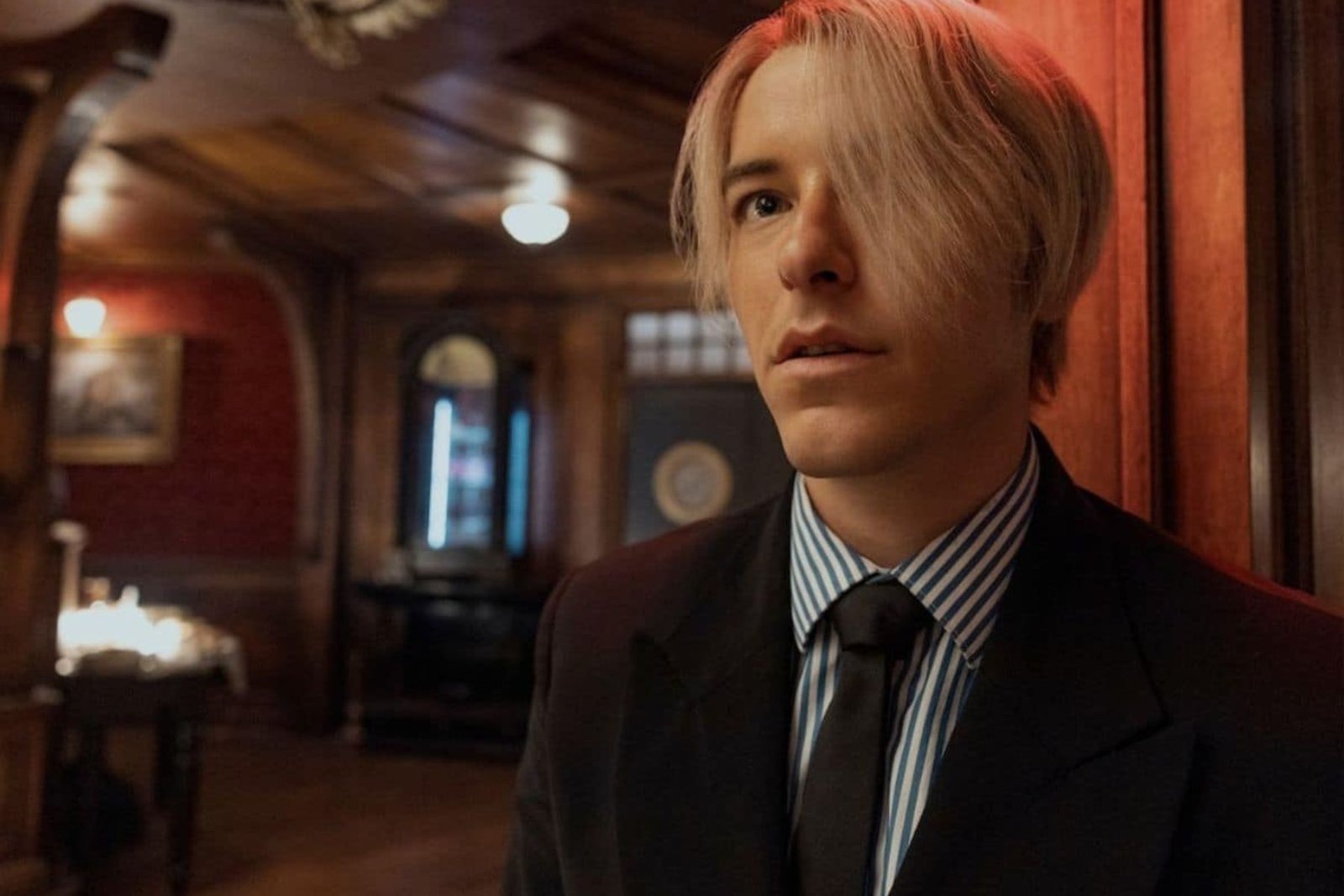
‘One Piece’ Season 2 | Image: Netflix-Casey Crafford

What Will ‘One Piece’ Season 2 Be About?

Season 1 only showed us a small part of what One Piece can be. With the Straw Hat crew finally together, Season 2 will take them into the Grand Line, a wild and dangerous ocean that most pirates avoid and few survive. This changes everything. The islands become stranger, the enemies get tougher, and every stop could bring a new adventure or a complete disaster. The new season will cover big story arcs like Loguetown, Reverse Mountain, Whisky Peak, Little Garden, and Drum Island. Fans know this is where the world of One Piece really starts to expand and get much weirder.

Netflix says Season 2 will take Luffy and the Straw Hats on their toughest journey yet, with stronger rivals, strange new places, and challenges around every corner in the Grand Line. One of the most exciting new characters is Tony Tony Chopper, whose reveal at Tudum 2025 was a big moment for fans. But this season is about more than just new faces—it raises the stakes. As the crew goes farther, they find a world full of powerful people, hidden dangers, and conflicts that are much bigger than just finding treasure. Even with all these changes, One Piece keeps the same humour, chaos, and sense of adventure that made the first season so much fun.

‘One Piece’ Season 2 Cast | Image: Netflix-Casey Crafford

‘One Piece’ Season 2 Cast

Now that the Straw Hats are heading ‘to the Grand ‘Line, Season 2 of One Piece brings back the main crew and introduces a much bigger group of allies, rivals, and oddball characters from Eiichiro Oda’s world. Once the story moves past East Blue, it’s no surprise the cast grows fast.’

Iñaki Godoy returns as Monkey D. Luffy, joined by the rest of the Straw Hats: Mackenyu as Zoro, Emily Rudd as Nami, Jacob Romero Gibson as Usopp, and Taz Skylar as Sanji. Netflix also confirmed that some familiar faces from Season 1 are back, like Ilia Isorelýs Paulino as Alvida, Jeff Ward as Buggy, and Michael Dorman as Gol D. Roger.

Here are all the confirmed cast members for ‘One Piece’ Season 2 so far:

  • Monkey D. Luffy — played by Iñaki Godoy
  • Roronoa Zoro — played by Mackenyu
  • Nami — played by Emily Rudd
  • Usopp — played by Jacob Romero Gibson
  • Sanji — played by Taz Skylar
  • Alvida — played by Ilia Isorelýs Paulino
  • Buggy — played by Jeff Ward
  • Gol D. Roger — played by Michael Dorman
  • Mr. 0 / Sir Crocodile — played by Joe Manganiello
  • Mr. 3 — played by David Dastmalchian
  • Mr. 5 — played by Camrus Johnson
  • Mr. 9 — played by Daniel Lasker
  • Miss Valentine — played by Jazzara Jaslyn
  • Miss Wednesday — played by Charithra Chandran
  • Miss All Sunday / Nico Robin — played by Lera Abova
  • Crocus — played by Clive Russell
  • Brogy — played by Brendan Murray
  • Dorry — played by Werner Coetser
  • Smoker — played by Callum Kerr
  • Tashigi — played by Julia Rehwald
  • Wapol — played by Rob Colletti
  • Dalton — played by Ty Keogh
  • Dr. Hiriluk — played by Mark Harelik
  • Dr. Kureha — played by Katey Sagal
  • Nefertari Cobra — played by Sendhil Ramamurthy

Season 2 is also bringing in some big names from the Grand Line story, with Joe Manganiello officially cast as Mr. 0, also known as Sir Crocodile. After weeks of rumors, the casting was finally confirmed, and fans online were quick to praise it, calling it one of Netflix’s best choices yet. Since Crocodile is such an important character, there was a lot of pressure to get it right. Judging by the early reactions, Netflix seems to have done just that.

A lot of new characters are joining the show this season, from Baroque Works agents to people connected to Drum Island and more. David Dastmalchian will play Mr. 3, and Camrus Johnson is taking on the role of Mr. 5. Daniel Lasker, known from Raised by Wolves, is set to play Mr. 9 and has already shared how excited he is to be part of One Piece. Callum Kerr also confirmed he’ll play Smoker after months of fan speculation. When talking about the role, Kerr joked, “All that cigar smoking is going to come in handy.”

And realistically, Netflix probably still has a few surprises hidden. Netflix likely still has a few surprises in store. Once One Piece dives into the Grand Line, the world fills up fast, and that’s a big part of what makes the series so much fun.

‘One Piece’ Season 2 | Image: Netfix-Casey Crafford

How Far Into the Adventure Will Season 2 Go?

Season 2 of One Piece is shaping up to be much bigger than the first. While Season 1 brought the Straw Hats together and wrapped up the East Blue saga, the next chapter is where the world really expands. As soon as the crew enters the Grand Line, the story quickly feels much larger. The islands get weirder, the enemies are tougher, and every stop on their journey is full of surprises.

Season 2 is expected to cover Loguetown, Reverse Mountain, Whisky Peak, Little Garden, and Drum Island, and will also lay the groundwork for the bigger Alabasta storyline. For anime fans, that’s a lot of material, since these arcs take up dozens of episodes in the original series. This is where Netflix faces a real challenge: finding a way to fit all the adventure, emotion, and chaos into a live-action show without losing the fun.

The first season had 8 episodes, and it looks like Season 2 will have about the same number. Still, since the show became such a hit for Netflix—rising to the top of the platform worldwide and drawing huge audiences—it wouldn’t be surprising if future seasons get even longer. Fans got a laugh when Jacob Romero Gibson joked on Instagram that the next season would have “around 50 episodes,” though that’s unlikely unless the Straw Hats decide to move into Netflix headquarters.

Even with just eight episodes, Season 2 already sounds ambitious. Even with only eight episodes, Season 2 already sounds ambitious. With Baroque Works, Chopper joining the crew, giant creatures, strange islands, and the growing Grand Line, there’s a lot to make this season feel bigger than the first, but not too overwhelming.

Roronoa Zoro, played by Mackenyu in ‘One Piece’ | Image: Netflix-Casey Crafford

‘One Piece’ Season 2 Release Date

As mentioned earlier, Netflix has officially confirmed that ‘One Piece’ Season 2 will premiere on March 10, 2026. The announcement included a first look at Drum Island and the official subtitle for the new chapter, ‘ONE PIECE: Into the Grand Line’. Production on the season has already wrapped. Based on what’s been teased so far, the scale is much bigger this time. With the Straw Hats finally entering the Grand Line, the arrival of Tony Tony Chopper, and the growing threat of Baroque Works, Season 2 feels like the point where the series fully opens into the wild adventure longtime fans have been waiting for.

‘ONE PIECE: Into The Grand Line’ | Image: Netflix
Nami, played by Emily Rudd in ‘One Piece’ Season 2 | Image: Netflix-Casey Crafford
Usopp, played by Jacob Romero in ‘One Piece’ Season 2 | Image: Netflix-Casey Crafford
Sanji, played by Taz Skylar in ‘One Piece’ Season 2 | Image: Netflix-Casey Crafford

Netflix
About the Author
Grooming & Fragrance

12 Hair Loss Treatments That Might Just Save Your Hairline

Reading Time: 19 minutes

Our team of editors and experts thoughtfully chooses each product. If you decide to buy through one of our links, we may earn a commission. Learn more. Want to know how we test products? Click here for more details.

Hair loss is a common concern for men, and while it may seem inevitable, suitable treatments can slow its progression and, in some cases, even reverse it. Whether you are noticing early signs of thinning or have already experienced significant hair loss, effective solutions are available. Male pattern baldness is primarily influenced by genetics—an aspect beyond our control—but this doesn’t mean you have no options. Advances in science and medicine offer treatments that can genuinely impact your situation.

Although a complete cure for baldness is still elusive, progress in hair restoration is encouraging. With FDA-approved medications, innovative procedures, natural remedies, and lifestyle modifications, men have a wider array of choices than before. However, it’s important to remember that not all treatments yield the same results for each individual. Regrowing hair takes time, dedication, and some experimentation to discover what works best for you.

One thing is certain: the earlier you start, the better your chances of maintaining and even regrowing your hair. Waiting too long can make it more challenging to reverse the effects, as dormant hair follicles may completely lose their ability to regrow. Although results won’t appear overnight, persistence is crucial. Some treatments may take months to show visible progress, but staying committed to a regimen can be rewarding in the long run.

If you’re ready to take action, now is the time. Whether you’re exploring medical treatments, looking into surgical options, or considering natural approaches, the key is to discover what works for you. Let’s dive into everything you need to know about hair loss treatments for men and how to take control of your hair health.

12 Main Hair Loss Treatments for Men

The men’s hair loss treatment industry is huge, filled with many products and promises of quick regrowth. With so many options, it’s easy to buy into flashy marketing and questionable solutions. But before you spend money on the latest “miracle cure,” it’s important to separate science-backed treatments from gimmicks. The truth is, while no magic solution exists, there are proven methods that can slow hair loss and, in some cases, even encourage regrowth. From medications and transplants to lifestyle changes and advanced therapies, these treatments provide real results. If you’re thinking about medical options, always talk to a doctor to find the best approach for you.

1. Medications (FDA-Approved Treatments)

Medications such as Finasteride (Propecia) and Minoxidil (Rogaine) are some of the most commonly used and clinically validated options for treating hair loss.

  • Finasteride is an oral prescription medication that works by blocking the hormone DHT (dihydrotestosterone), which is a key factor in male pattern baldness. By reducing DHT levels, Finasteride slows down hair loss and, in many cases, promotes hair regrowth. It is most effective for men in the early stages of hair loss, but it necessitates consistent use for long-term results.
  • Minoxidil is an over-the-counter topical solution or foam that increases blood flow to the scalp, stimulates hair follicles, and encourages regrowth. Although Minoxidil does not tackle the root cause of hair loss, it effectively maintains hair density and promotes regrowth in specific areas.

Both treatments require patience, as results usually take several months to appear. Consistency is key, and using them together can improve their effectiveness.

2. Hair Transplant Surgery

Hair transplant surgery is among the most enduring solutions for men facing substantial hair loss. This procedure entails extracting healthy hair follicles from a donor site (usually the back or sides of the head) and relocating them to areas with thinning or absent hair.

  • Follicular Unit Extraction (FUE) is a popular technique where individual hair follicles are meticulously extracted and re-implanted. This approach leaves minimal scarring and provides a natural appearance. Recovery time is generally shorter than with other techniques, making it a preferred option for men seeking results with less downtime.
  • Follicular Unit Transplantation (FUT) entails extracting a strip of scalp tissue from the donor site, followed by the removal of individual follicles for implantation. Although this method produces a linear scar, it is usually more effective for addressing larger thinning areas and may allow for a greater number of follicles to be transplanted in one session.

Although hair transplants tend to be expensive, they offer a durable and natural look. The results may take months to fully appear, but once they do, the hair growth is permanent and integrates smoothly with the existing hair.

3. Laser Treatment (Low-Level Laser Therapy)

Low-Level Laser Therapy (LLLT) uses light energy to stimulate hair follicles and promote growth. Devices like laser caps or combs emit low-level laser light onto the scalp, increasing blood flow and revitalizing dormant follicles. This non-invasive approach effectively tackles early-stage hair loss, resulting in thicker and fuller hair. While visible results may take several months, it is a simple and painless option that works best when combined with additional treatments like Minoxidil or Finasteride for better results.

4. Proper Hair Care

To keep healthy hair, start with gentle, sulfate-free shampoos and conditioners, avoiding damaging practices like excessive heat or tight hairstyles. Regular scalp massage can improve blood circulation, and using moisturising and nourishing products helps strengthen your hair. Making small, consistent changes to your hair care routine can effectively lessen hair loss and support a healthy scalp.

5. Lifestyle Changes

Your lifestyle greatly influences hair health. Stress is a key cause of hair loss, so practising stress relief techniques such as yoga, meditation, or regular exercise can be highly beneficial. A balanced diet rich in vitamins and minerals—especially biotin, zinc, and vitamins A and E—encourages healthy hair growth. Ensuring enough sleep and avoiding smoking or excessive alcohol consumption also support hair health. By adopting healthier habits, you may be able to slow or even prevent further hair loss while improving your overall well-being.

6. Address Medical Issues

Health conditions such as thyroid imbalances, anemia, and autoimmune disorders can lead to hair loss. If you notice sudden thinning, consult a healthcare professional to rule out medical causes. Addressing underlying issues like nutritional deficiencies or hormonal imbalances may help prevent or reverse hair loss, benefiting your hair health.

7. Review Your Medications

Certain medications can cause hair loss as a side effect, especially those prescribed for high blood pressure, depression, or arthritis. If you notice hair thinning after starting a new medication, it’s important to discuss this with your doctor. Sometimes, adjusting the dose or switching to a different medication can help reduce hair loss. Always talk to your healthcare provider before making any changes to your medication plan.

8. Natural Solutions For Hair Loss

Natural remedies offer a gentle approach to managing hair loss. While their effectiveness can vary from person to person, many men find these treatments helpful. Below are some well-known all-natural remedies:

  • Aloe Vera: Soothes scalp irritation and inflammation, promoting healthier hair follicles. Contains enzymes that remove dead skin cells, keeping the scalp clean and unblocked.
  • Coconut Oil: Packed with fatty acids and vitamins, coconut oil nourishes the scalp, preventing dryness and flakiness while strengthening hair, reducing breakage, and protecting against environmental damage.
  • Fenugreek: This herb is rich in protein and nicotinic acid, which can enhance hair health and prevent thinning. It may stimulate growth, repair damage, and increase thickness.
  • Onion Juice: Onion juice, rich in sulfur vital for collagen production, is believed to enhance blood circulation in the scalp and invigorate hair follicles. This may aid in stimulating hair regrowth and fortifying existing strands.
  • Rosemary Oil: Famed for improving blood flow to the scalp, rosemary oil is linked to greater hair growth and density. Research suggests it may rival minoxidil in addressing hair loss. Moreover, it helps in preventing early greying and dandruff.
  • Peppermint Oil: This oil provides a refreshing cooling sensation that boosts blood circulation to the scalp, promoting hair growth. Additionally, its antimicrobial properties help maintain a clean and healthy scalp.
  • Jojoba Oil: Imitates natural scalp oils, unclogs hair follicles, and may encourage regrowth. It hydrates and fortifies hair, enhancing texture and appearance.
  • Castor Oil: High in ricinoleic acid, castor oil is commonly utilized to thicken hair and stimulate growth. Additionally, its antimicrobial properties aid in preventing scalp infections that may lead to hair loss.
  • Green Tea: Rich in antioxidants such as catechins, green tea may help promote hair growth by stimulating hair follicles. It might also lessen the effects of DHT, a hormone associated with hair loss.

9. Scalp Massage

Scalp massages can improve blood circulation to hair follicles, encouraging healthier hair growth. Gently massaging your scalp with your fingers helps increase the flow of nutrients and oxygen to the hair roots, supporting growth. Essential oils like rosemary or peppermint are well-known for their positive effects on hair health and can enhance these benefits. In a small study, healthy men who performed daily scalp massages reported thicker hair as a result. This technique is said to stimulate follicles to fight hair loss—and it also feels great.

10. PRP (Platelet-Rich Plasma) Therapy

PRP therapy is a groundbreaking, non-surgical treatment that uses growth factors from your own blood to stimulate hair follicles. Although PRP can be costly and necessitates multiple sessions, it’s becoming increasingly popular as an alternative to surgery.

  • Blood is collected, processed to obtain platelet-rich plasma, and subsequently injected into the scalp.
  • PRP has been shown to enhance hair thickness, density, and regrowth in men experiencing mild to moderate hair loss.
  • It’s frequently combined with hair transplants or Minoxidil to achieve better results.

11. Hair Fibres & Concealers

If you seek a quick solution, hair fibers and concealers can create the illusion of fuller, thicker hair. While these products won’t prevent hair loss, they provide an instant boost in confidence.

  • Keratin fibre blend with hair, covering bald spots.
  • Scalp concealers, such as tinted sprays or powders, effectively mask noticeable areas of the scalp.
  • Semi-permanent scalp micropigmentation (SMP) produces the appearance of a shaved head with realistic stubble.

12. Peptide and Stem Cell Therapy

Recent studies are investigating how peptides and stem cells can promote hair regrowth. Though these treatments are not widely available yet, they symbolize the future of hair restoration and may lead to groundbreaking solutions in the years ahead.

  • Peptide-based serums strengthen hair and enhance follicle function by promoting collagen production and supporting scalp health.
  • Stem cell therapy seeks to restore damaged hair follicles, but it remains in its early development phases.

10 Best Hair Loss Product Solutions Backed By Doctors

Choosing the right product is crucial in the fight against hair loss. With so many options available, it’s important to select solutions supported by medical professionals to ensure effective results. The following 10 hair loss treatments have proven successful in slowing hair thinning, promoting regrowth, and boosting confidence, all based on doctor recommendations for safety and effectiveness. Whether you’re starting your journey with hair loss or looking for a reliable solution, these doctor-approved products provide real results.

1. Men’s Rogaine

Application:

  • Apply directly to the scalp in the areas where hair is thinning.
  • Use twice daily, once in the morning and once at night.
  • Gently massage the solution into the scalp for even coverage.
  • Ensure the scalp is dry before applying.
  • Wash hands thoroughly after use.

Men’s Rogaine (Minoxidil) is a leading, doctor-recommended treatment for hair loss. This topical solution has been clinically shown to promote hair growth and reduce thinning. By enhancing blood circulation to hair follicles, Rogaine supports the regrowth of thicker, healthier hair. Many men facing androgenetic alopecia, or male pattern baldness, rely on it, experiencing noticeable results in just 2 to 4 months with regular use.

2. Finasteride

Application:

  • Take one 1mg tablet daily, as prescribed by a doctor.
  • Can be taken with or without food.
  • Consistent use is required to see results, as it may take several months for noticeable improvements.
  • Do not crush or break the tablet; swallow it whole.
  • Always follow your doctor’s dosage recommendations.

I’m sure you have heard of Finasteride, a prescription medication that blocks the hormone responsible for hair loss, known as DHT (dihydrotestosterone). By reducing DHT levels, Finasteride helps slow down hair thinning and can even stimulate new hair growth. It is especially beneficial for men dealing with male pattern baldness and is commonly part of a broader treatment regimen. While results may take a few months to appear, many men notice significant improvements with consistent use.

3. Complete Hair Power Pack

Application:

  • Follow the step-by-step instructions included in the system for each product
  • .Typically includes a shampoo, conditioner, topical treatment, and/or supplements.
  • Use daily as recommended for the best results.
  • For supplements, take them consistently as part of your daily routine.

The Complete Hair Power Pack incorporates a range of treatments and products that target every facet of hair health. This system takes a comprehensive approach to combat hair loss, featuring shampoos and conditioners that cleanse and nourish alongside topical treatments designed to stimulate the scalp and promote growth. Additionally, supplements can supply vital vitamins and minerals to enhance hair strength from within. Regular use over time may result in fuller, thicker hair and a healthier scalp.

4. L’Oréal Professional Serioxyl Denser Hair Treatment

Application:

  • Apply 4 pipettes of the serum directly to the scalp every night.
  • Massage gently to ensure even distribution.
  • Do not rinse—let it absorb overnight.
  • Use consistently for at least 3 months to see visible results.
  • Works best when paired with a healthy hair care routine.

L’Oréal Professionnel Serioxyl Denser Hair Treatment is a lightweight serum designed to boost hair density and support scalp health. It contains Stemoxydine—a patented ingredient known for revitalizing dormant follicles—and Resveratrol, a powerful antioxidant. This treatment promotes thicker, stronger hair with regular use. It’s particularly suitable for men experiencing thinning hair or early signs of hair loss and shows visible results over time.

5. Hair Fall Defense Shampoo

Application:

  • Apply to wet hair and gently massage into the scalp.
  • Leave on for about one minute before rinsing thoroughly.
  • Use daily for best results.

Nioxin Hair Fall Defense Shampoo aims to reduce hair breakage and strengthen thinning hair. Enriched with caffeine and niacinamide, it promotes scalp health and strengthens hair fibres, increasing their resistance to damage. This shampoo not only cleanses effectively but also creates a healthy environment for hair growth, making it an excellent choice for men looking to combat hair loss and improve their hair’s thickness.

6. Feel Confident Hair Care Set

Application:

  • Use the shampoo to cleanse and refresh the scalp, removing buildup and excess oils.
  • Apply the conditioner to strengthen and hydrate hair, preventing breakage.
  • Follow with the serum or topical treatment to nourish the scalp and stimulate hair growth.
  • Use consistently for at least a few months to see visible improvements in hair thickness and strength.

The Hair Care Set is a comprehensive solution for men experiencing hair thinning or loss. This all-in-one system effectively cleanses, strengthens, and revitalizes hair, helping it appear thicker and healthier over time. The shampoo removes impurities and enhances scalp circulation, while the conditioner replenishes moisture and reinforces hair structure. The targeted treatment stimulates follicle activity, promoting stronger regrowth. With consistent use, this set provides a multi-faceted approach to maintaining a fuller, more confident appearance.

7. Invati Ultra Advanced™ Light System

Application:

  • Apply the Exfoliating Shampoo to wet hair, massage into the scalp to remove buildup, and rinse thoroughly.
  • Follow with the Thickening Conditioner, focusing on mid-lengths and ends to hydrate and strengthen hair. Leave on for a few minutes before rinsing.
  • Use the Scalp Revitalizer by spraying directly onto the scalp and massaging it in—do not rinse.
  • For best results, follow this routine consistently on a daily basis.

The Invati Ultra Advanced™ Light System is a three-step, plant-based regimen that addresses hair thinning and loss while promoting fuller-looking hair. It is ideal for men with fine or thinning hair, utilizing turmeric, ginseng, and Aveda’s plant-powered technology to exfoliate the scalp, strengthen hair, and stimulate follicles. The Exfoliating Shampoo removes excess sebum and buildup, fostering healthy hair growth.

The Thickening Conditioner strengthens strands, reduces breakage, and enhances hair resilience. The Scalp Revitalizer invigorates the scalp, energizes follicles, and supports hair retention. This lightweight formula prevents buildup and greasy residue, making it perfect for daily use. With consistent use, you will achieve thicker, stronger, and healthier hair for men.

8. SACHAJUAN Thickening Shampoo and Conditioner Set

Application:

  • Apply the Thickening Shampoo to wet hair, gently massaging it into the scalp to create a rich lather. Rinse thoroughly.
  • Follow with the Thickening Conditioner, focusing on mid-lengths and ends. Leave on for a few minutes before rinsing.
  • Use regularly for optimal thickening and strengthening results.

The SACHAJUAN Thickening Shampoo and Conditioner Set is an effective duo designed to enhance hair volume, strength, and overall health. Utilizing Ocean Silk Technology, this set nourishes the scalp, fortifies hair strands, and increases fullness without feeling heavy. The shampoo gently cleanses while infusing hair with moisturizing and thickening ingredients, contributing to a fuller, more voluminous look. The conditioner complements this by providing hydration, detangling, and strengthening the hair’s structure, reducing breakage and promoting long-lasting scalp health. Ideal for men facing thinning hair, this set delivers a lightweight, non-greasy finish, ensuring hair remains strong, soft, and noticeably thicker over time.

9. Capillus Pro Laser Cap

Application:

  • Wear the Capillus Pro Laser Cap on a clean, dry scalp for 6 minutes daily.
  • The device works hands-free, allowing you to go about your routine while receiving treatment.
  • Consistent use over several months may lead to thicker, healthier hair and reduced hair loss.

The Capillus Pro Mobile Laser Therapy Cap is a non-invasive hair regrowth solution cleared by the FDA for men dealing with hereditary hair loss. It utilizes low-level laser therapy (LLLT) to stimulate the scalp, enhancing blood circulation and reactivating dormant hair follicles, which promotes the growth of stronger, fuller hair over time. This model delivers 1,360 mW of laser power through 272 laser diodes, ensuring comprehensive coverage and clinical-quality treatment.

While it’s one of the most powerful laser caps available, it comes with a significant price tag, making it an investment for those serious about hair regrowth. However, its proven technology, hands-free convenience, and dermatologist endorsements make it a worthwhile choice for men seeking long-term results without surgery or medication.

10. R+Co Dallas Thickening Shampoo & Conditioner Set

Application:

  • Apply the Thickening Shampoo to wet hair, massaging it into the scalp to create a rich lather. Rinse thoroughly.
  • Follow with the Thickening Conditioner, focusing on mid-lengths to ends. Leave on for a few minutes before rinsing.
  • Use daily for best results to add volume and thickness to fine or thinning hair.

The R+Co Dallas Thickening Shampoo and Conditioner Set provides a rich volumizing experience, specifically designed for fine or thinning hair. Enriched with natural ingredients like biotin, keratin, and vitamin E, this duo not only strengthens and protects your hair but also improves its thickness and texture. The shampoo gently cleanses while lifting roots and enhancing volume, whereas the conditioner nourishes and detangles, ensuring your hair remains soft, bouncy, and manageable. Ideal for men looking to boost their hair’s volume and vitality without adding extra weight, regular use leads to visibly thicker and fuller hair that appears naturally healthy.

General FAQ’S

What Causes Hair Loss In Men?

Hair loss in men is often attributed to genetics (male pattern baldness), hormonal changes, and age. Additional factors like stress, poor diet, and underlying health issues (such as thyroid disorders) can also play a role in thinning or hair loss.

Is Hair Loss Treatment Effective?

Hair loss solutions such as medications (like minoxidil and finasteride), hair transplants, and laser therapy can be effective, although results may differ. Timely intervention and consistent effort are essential. Noticeable improvements might take several months, and some treatments can be more effective for specific individuals than for others.

What Causes Hair Loss In Men?

Although male pattern baldness is often irreversible, treatments like minoxidil, finasteride, and PRP therapy may help slow the progression and even stimulate new hair growth in some individuals. However, complete hair regrowth is not guaranteed.

Can I Prevent Further Hair Loss?

Certainly, you can develop healthy habits such as using gentle hair care products, steering clear of tight hairstyles, managing stress effectively, and maintaining a balanced diet that is rich in vitamins and minerals. Additionally, addressing underlying conditions and seeking medical treatment promptly can help prevent further hair loss.

Are There Natural Remedies For Hair Loss?

Some individuals explore natural remedies such as scalp massages, essential oils (like rosemary and peppermint), and biotin supplements. Although these may contribute to better scalp health or hair texture, they are generally not as effective as medical treatments. Always consult a healthcare provider before trying alternative treatments.

About the Author
arrow_drop_up