Our team of editors and experts thoughtfully chooses each product. If you decide to buy through one of our links, we may earn a commission. Learn more. Want to know how we test products? Click here for more details
Nintendo officially announced its next animated movie, the Super Mario Galaxy Movie, only a few months ago as part of Mario’s 40th anniversary celebration. Despite the short time since the announcement, there is already a clear vision for Mario’s next big-screen adventure following the huge success of The Super Mario Bros. Movie.
Behind the scenes, Nintendo and Illumination are teaming up once again, with Universal Pictures returning to help fund the project and handle the worldwide release. The creative team remains unchanged: directors Aaron Horvath and Michael Jelenic are back, Matthew Fogel is writing the script, and Brian Tyler will compose the music.
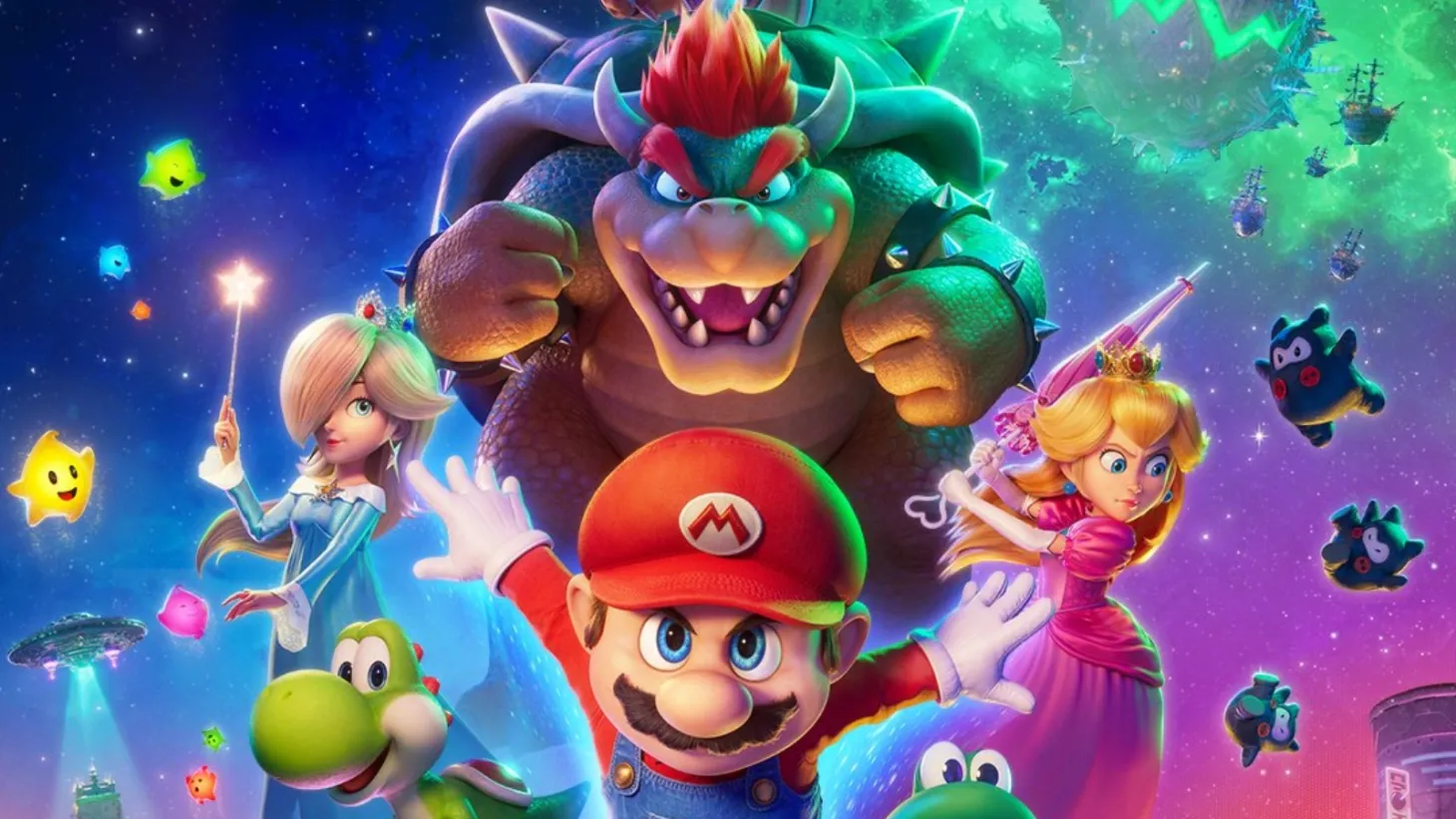
The story is based a lot on the Super Mario Galaxy games, moving the action well beyond the Mushroom Kingdom and into space. Mario, Luigi, Peach, and Toad will all be back, but this time, Bowser Jr. is the main focus as he tries to save his father, adding a new twist to the usual story.
The film is scheduled to premiere in theatres on April 3, 2026, with international releases to follow later that month. This sets the stage for another major worldwide rollout. So if you’re ready for what’s next, let’s get into everything we know about the Super Mario Galaxy Movie, starting with the trailer.
The Super Mario Galaxy Movie — Official Trailer
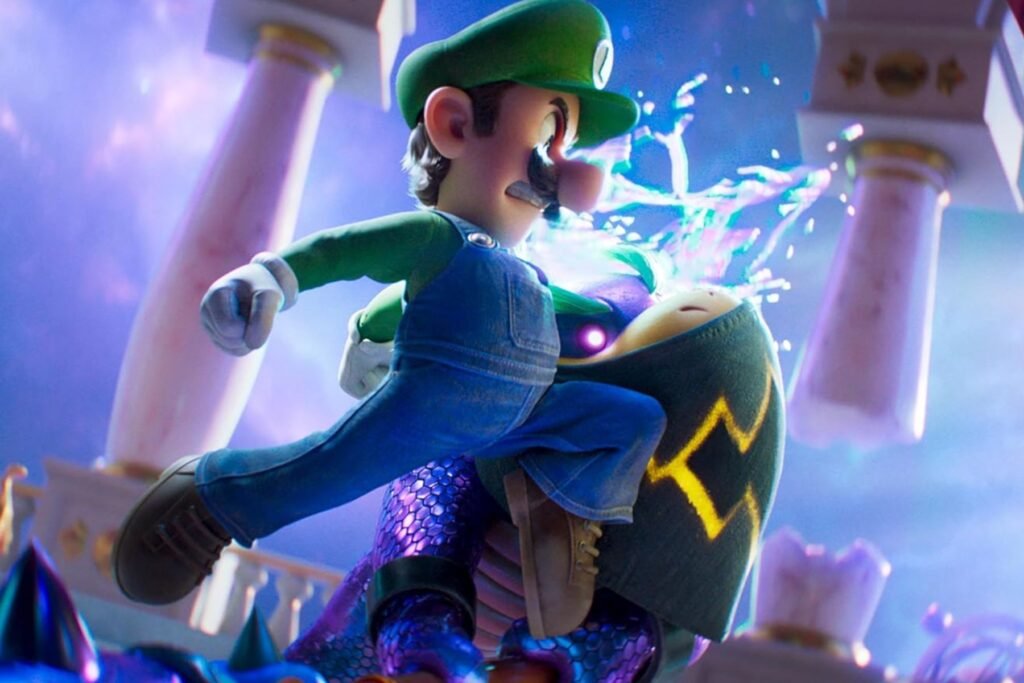
It looks like Bowser isn’t rushing into battle this time. Instead, King Koopa seems to be stepping back, but things get out of control when Bowser Jr. jumps in and pulls him back into the fight with what looks like a full rescue mission. This change gives the story a new angle, moving away from the usual “Bowser kidnaps Peach” story and opening the door to something more complex. From what we’ve seen, Princess Peach and Toad aren’t just waiting either, as they seem to be heading into space on their own, while Mario and Luigi are seen speeding through the desert kingdom of Tostarena from Super Mario Odyssey on motorbikes, adding an unexpected twist to the story.
At the same time, the film shifts its focus to its space theme with the introduction of Rosalina, who brings a very different presence to the story. Voiced by Brie Larson, she’s shown using the power of the Lumas—those small, star-like creatures that fans of Super Mario Galaxy will instantly recognize—and the size of that power already looks much bigger than anything we saw in the previous film, especially when it comes to destroying some of Bowser Jr.’s more mechanical creations.
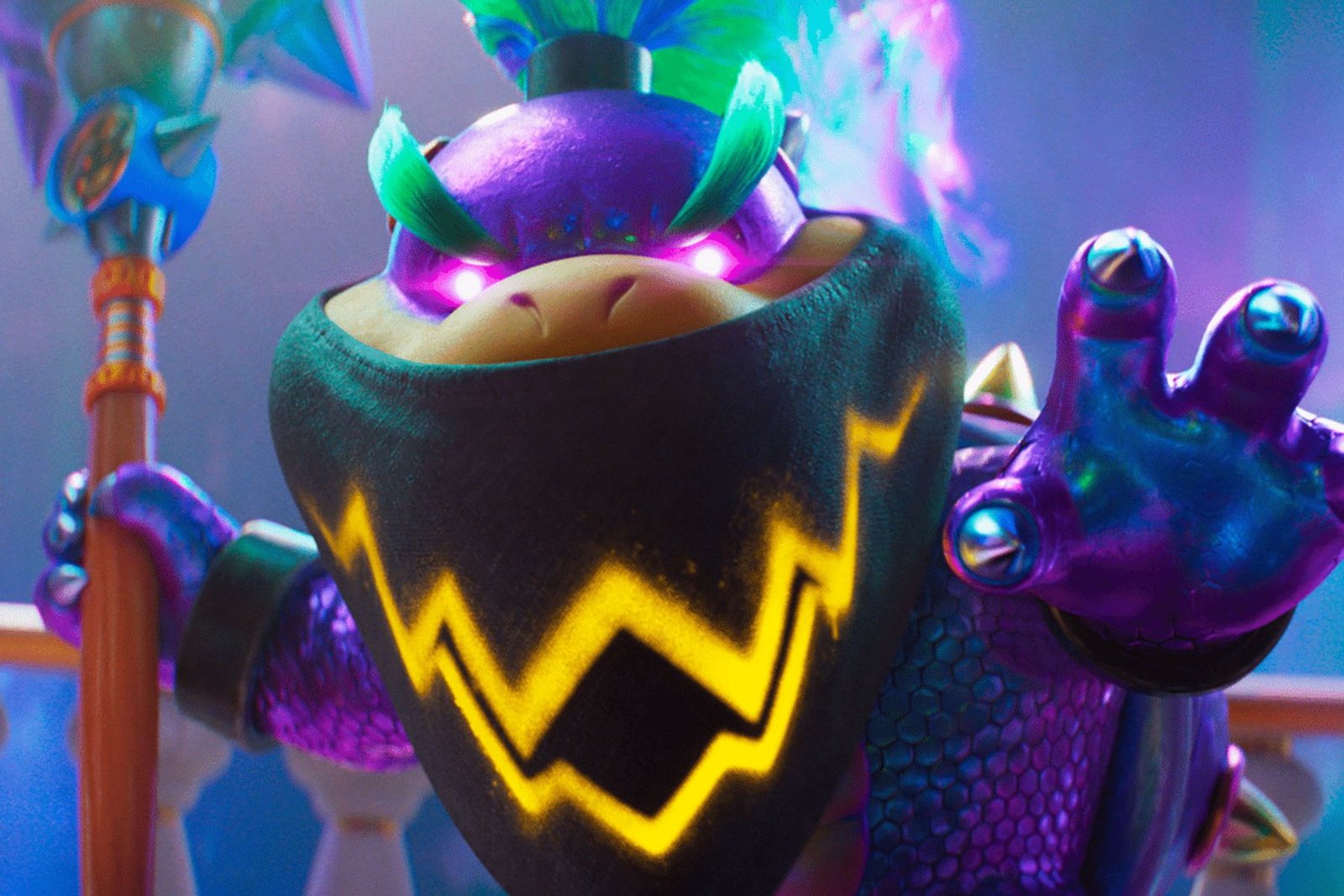
There are also a few small hints for long-time fans scattered throughout, with Bowser Jr.’s slightly messy, paint-covered look pointing to his appearance in Super Mario Sunshine, while the mix of Galaxy-inspired visuals and Odyssey-style settings suggests the film isn’t using just one game for inspiration. Instead, it feels like a wider mix of the Mario world, which could become one of the film’s biggest strengths if it’s done well.
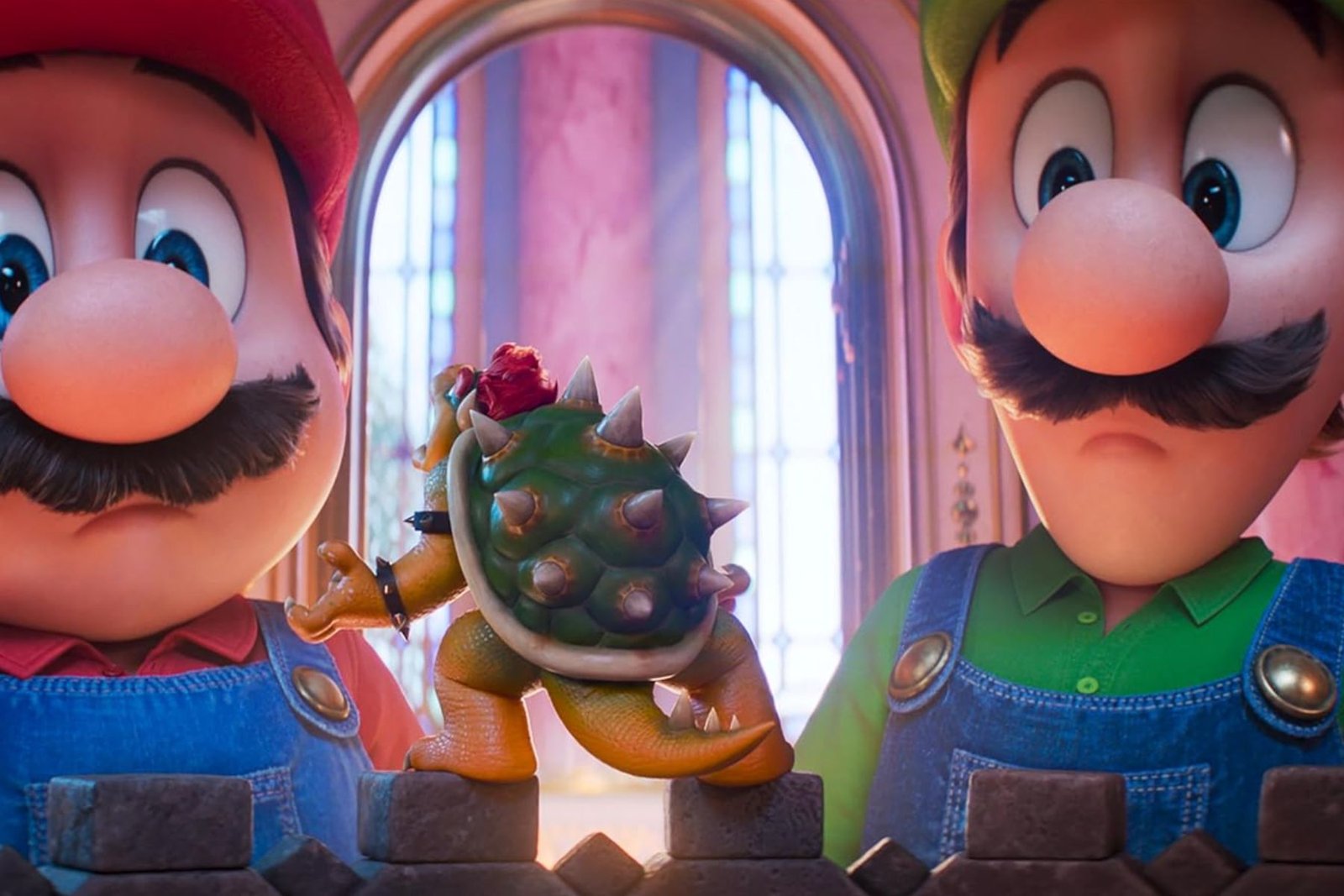
Luigi, Yoshi, & Mario in The Super Mario Galaxy Movie | Image: Supplied
Who’s In The Super Mario Galaxy Movie
With so many characters in Nintendo’s universe, it’s tempting to bring in everyone, but for now, the film is sticking to the Mario world. Even though The Legend of Zelda and Metroid are part of the same family, a big crossover doesn’t seem likely at the moment, especially since other projects are in the works. Still, there’s lots of potential to add more characters from Mario’s world in ways that matter.
The voice cast is primarily the same, with many familiar actors returning and a few new ones joining to expand the lineup:
Mario — voiced by Chris Pratt
Luigi — voiced by Charlie Day
Princess Peach — voiced by Anya Taylor-Joy
Toad — voiced by Keegan-Michael Key
Bowser — voiced by Jack Black
Bowser Jr. — voiced by Benny Safdie
Rosalina — voiced by Brie Larson
Yoshi — Casting not revealed
Most of the main cast is back, but there are some new faces and possible returns who could play bigger roles in the story. Donkey Kong was in the last movie, so it wouldn’t be a shock to see him again, especially as the world expands. Yoshi hasn’t been officially announced yet, but merchandise leaks have strongly hinted at his arrival, making him one of the most anticipated new characters.
Bowser Jr. in The Super Mario Galaxy Movie | Image: Nintendo, Universal Pictures
The Super Mario Galaxy Movie Release Date
Circle this one, because Mario’s next big-screen outing is officially set to land in the United States on April 3, 2026, giving Nintendo and Illumination a clear runway to build on the success of The Super Mario Bros. Movie without rushing things.
Not everyone will see the movie on the same day. North America gets it first, while other regions, including Japan, are expected to follow later in April. This is typical for a big release. The full list of international dates isn’t final yet, but more details should be announced soon.
Either way, April 2026 is the moment to keep in mind, so don’t be surprised if your local cinema starts looking a lot more like the Mushroom Kingdom around then.
Elias Albay is the Founder and Director of Many Men Magazine, a Toronto-based digital publication dedicated to promoting modern masculinity through style, culture, and self-improvement. What started as a personal turning point became a purposeful platform. — born from Elias’ desire to create something meaningful after completing his studies and finding no career path that truly matched his ambitions. With a background in Civil Engineering from York University and experience in Commercial Flight Operations at CAE, he applied skills, and resilience from both fields to forge a new path.
Our team of editors and experts thoughtfully chooses each product. If you decide to buy through one of our links, we may earn a commission. Learn more. Want to know how we test products? Click here for more details
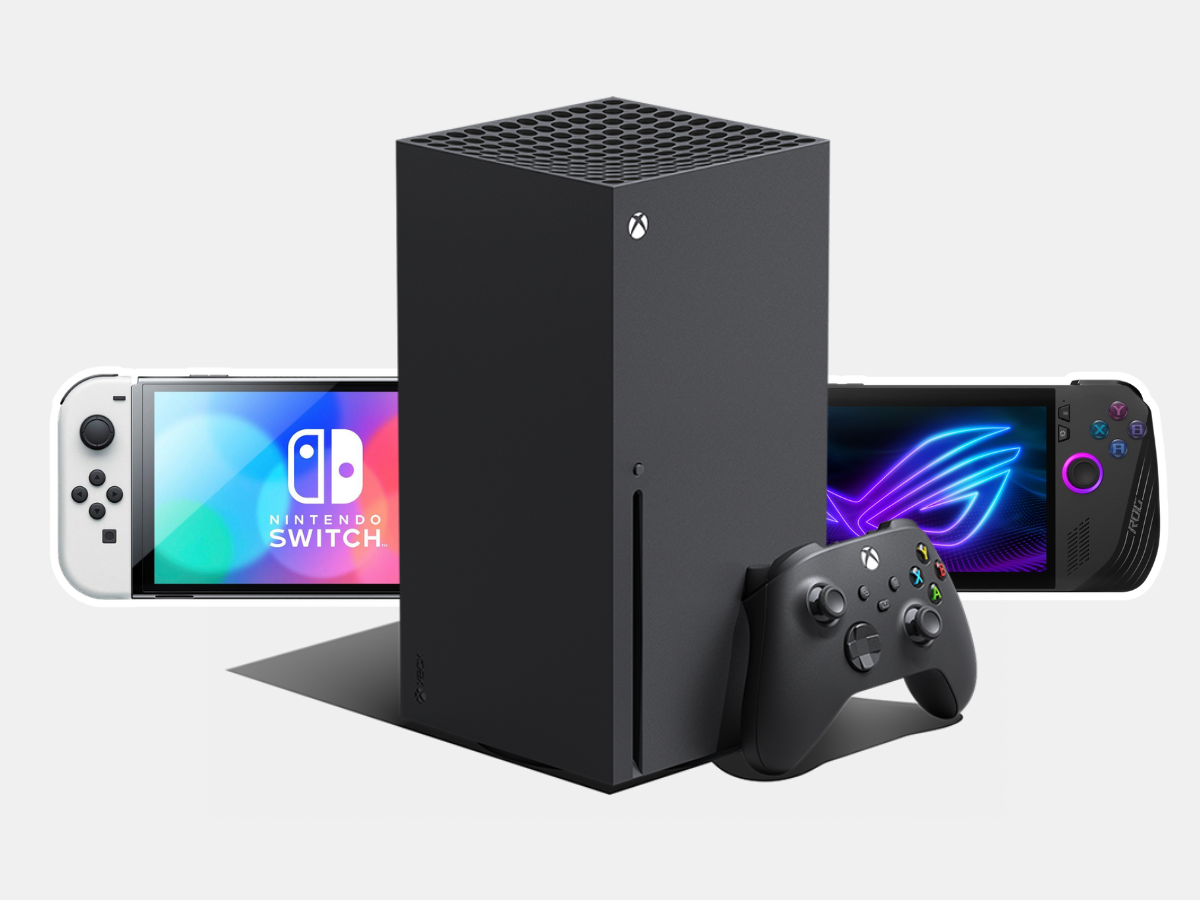
Gaming isn’t slowing down anytime soon, nor are the consoles that power it. From the PlayStation 5 and Xbox Series X to the Nintendo Switch OLED and handheld beasts like the Steam Deck or ASUS ROG Ally X, there’s never been more ways to play than ever before. The question is—how do you choose the right one?
Sure, the PlayStation versus Xbox rivalry remains active, but it’s not just about choosing sides anymore. Graphics, exclusives, portability—each console offers something different to the table. And if you’re serious about upgrading your gaming setup, knowing which one is truly worth your time (and money) makes all the difference.
That’s why we’ve put together this list of the 5 best gaming consoles worth buying right now. From cinematic single-player epics to casual co-op nights and gaming on the go, one of these machines is ready to be your next upgrade.
Storage: 1TB NVMe SSD (expandable with Seagate Storage Expansion Card)
Price: USD $600
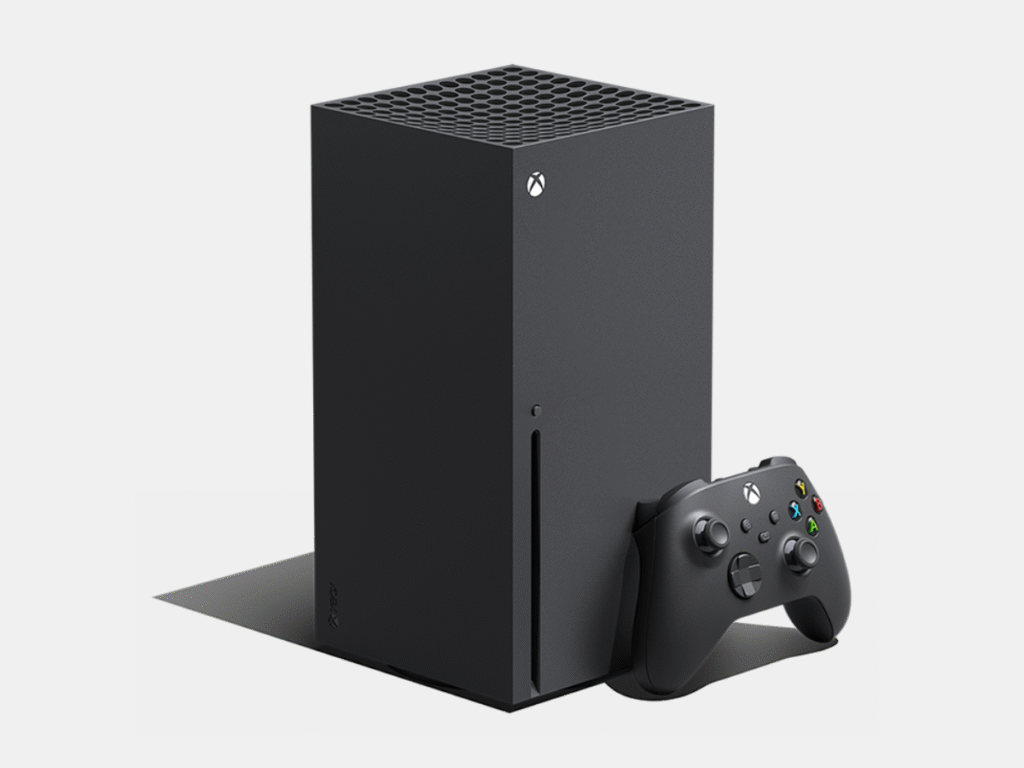
The Xbox Series X is Microsoft’s powerhouse and easily one of the smoothest gaming experiences you can buy right now. This thing was built to impress — with 12 teraflops of GPU power, near-instant SSD load times, and support for silky 120fps gameplay. Fire up something like Forza Horizon 5 or Halo Infinite and you’ll see exactly why people call it the “beast” of this generation. It’s not just about flashy specs — it actually feels different in your hands. Load screens that used to take minutes now disappear in seconds, and switching between multiple games with Quick Resume makes gaming feel seamless.
But the real MVP here is Xbox Game Pass. With a price similar to a Netflix subscription, you get access to a vast library of AAA games, new releases on launch day, and indie titles you might have missed. It’s a feature that seems optional at first but becomes indispensable once you experience it, making you wonder how you ever played without it.
Design-wise, the Series X resembles a sleek piece of home technology more than a toy — that minimalist tower fits perfectly next to a modern TV setup. Some gamers still argue PlayStation has the edge in exclusives and fair play, but in the real world? If you value performance and the best deal in gaming, the Xbox Series X is hard to beat.
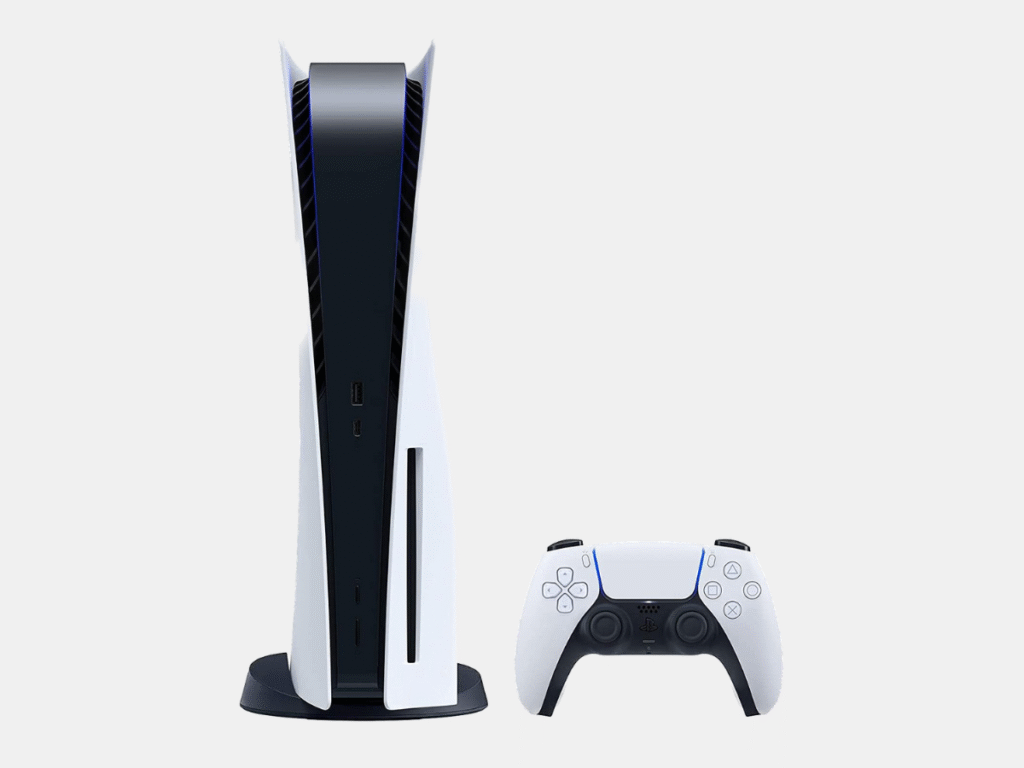
The PlayStation 5 is more than just a console — it’s a cultural icon. From the moment it launched, it became the device everyone wanted to get their hands on, and in 2025, it’s still leading the way. Sony’s lineup of exclusives is unmatched: Spider-Man 2, God of War Ragnarök, The Last of Us Part I, and more that push the PS5’s hardware to its limits. When you start a game, the lightning-fast SSD nearly eliminates load screens, allowing the action to flow seamlessly from cutscene to gameplay.
But here’s where the PS5 really shows off: the DualSense controller. It’s not just a gimmick — adaptive triggers and haptic feedback let you feel every draw of a bowstring, every rev of an engine, and every clash of steel. It adds an immersion level that no other console currently matches.
Sony also refreshed the PS5 with the Slim model, reducing the bulky original design into something sleeker form that easily fits inside most entertainment units. Some players complain about its storage space being a little tight compared to Xbox, but thanks to expandable SSD options available, that’s less of a deal-breaker these days.
At the end of the day, if exclusives are your thing and you want the console that defines this generation of gaming, the PS5 remains the top choice. It’s powerful, polished, and offers experiences you simply can’t find anywhere else.
A/V Hookups: HDMI (via dock), USB-C, USB ports on dock
Video Output: Up to 1080p docked, 720p handheld
Storage: 64GB internal (expandable via microSD)
Price: Around $399 USD
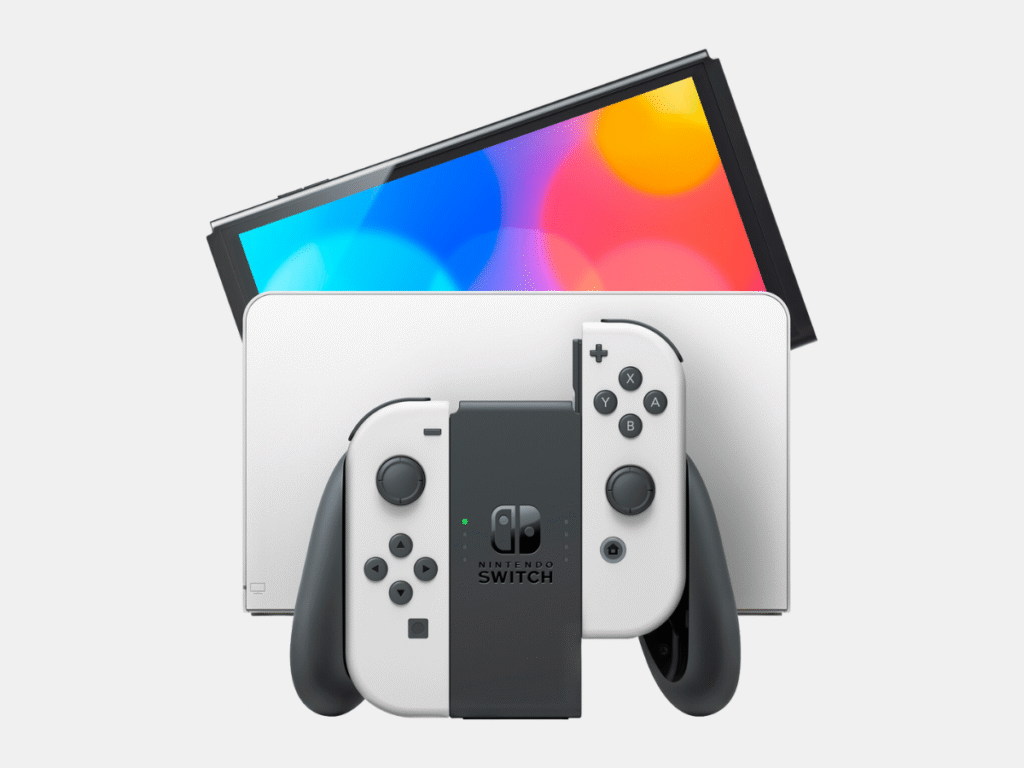
Now, Nintendo Switch OLED proves that you don’t always need raw power to succeed in gaming. What it lacks in teraflops, it compensates with versatility and fun. Dock it to your TV for a classic living-room setup, or slide it out and take it anywhere — planes, cafes, or just the couch. The upgraded 7-inch OLED screen truly makes a difference: colours stand out, blacks are deeper, and handheld gaming finally feels premium.
And then there are the games. Nintendo’s exclusives are essentially cheat codes in the console wars — The Legend of Zelda: Tears of the Kingdom, Super Mario Odyssey, Mario Kart 8 Deluxe, Animal Crossing: New Horizons — titles that aren’t just best-sellers but cultural moments. Add in the ever-growing library of indies and retro classics through Nintendo Switch Online, and you have a console that combines nostalgia and innovation in one swift swipe of a Joy-Con.
In the real world, the Switch OLED has become the favourite for casual players and serious gamers alike. Families enjoy it for its social appeal, while solo players value being able to grind through Zelda on the train. It’s not the most powerful console on this list, but it doesn’t have to be — it’s the one that brings people together.
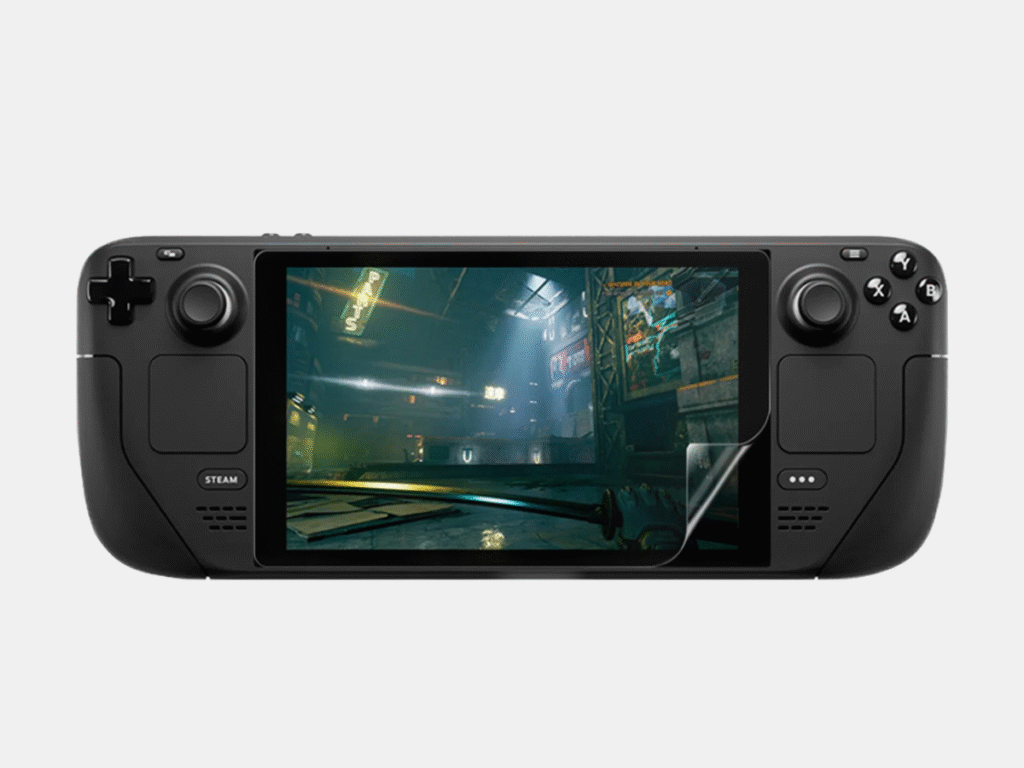
Valve’s Steam Deck OLED takes what was already one of the most talked-about handhelds in years and makes it even better. The OLED upgrade improves the experience — colours are richer, blacks are deeper, and every indie platformer or AAA RPG feels more vivid in your hands. Additionally, with the larger battery and lighter design, it’s not just more attractive, but also more practical for everyday gaming.
But here’s the thing: this isn’t a traditional console. It functions as a portable gaming PC, allowing access to your entire Steam library and supporting launchers like Epic Games and Xbox Game Pass, though some setup may be required. This means your collection of games isn’t confined to a console stuck under your TV — it’s portable and travels with you.
This is why gamers love it in the real world: it feels like freedom. One minute, you’re exploring Baldur’s Gate 3 in handheld mode; the next, you’re docking it to a monitor and playing with a controller like a full PC rig. It’s not without quirks (yes, some games need tweaks to run smoothly), but as a mix of portability and power, the Steam Deck OLED is a game-changer — literally.
CPU: AMD Ryzen Z1 Extreme (8 cores / 16 threads, up to 5.1 GHz)
GPU: RDNA 3 graphics, up to 8.6 TFLOPS
RAM: 24GB LPDDR5X
Optical Drive: None (digital only)
A/V Hookups: USB-C, ROG XG Mobile Interface, headphone jack, Bluetooth 5.3
Video Output: Up to 4K @ 120Hz (via external display)
Storage: 1TB NVMe SSD (expandable via microSD)
Price: Around $799 USD
The ROG Ally X isn’t just an upgrade; it’s ASUS refining the handheld formula. Larger battery, more RAM, and a sleeker design show this isn’t a minor refresh. The 7-inch 120Hz screen looks incredible in use, delivering the smooth motion that you’d expect from a high-end PC monitor, even during fast-paced shooters and racing games.
Unlike the Steam Deck, this device runs Windows 11 straight out of the box. That means no workarounds — just install Xbox Game Pass, Steam, or Epic, and you’re ready to go. And for gamers who like to push their limits, the Ally X’s compatibility with ASUS’s external GPU dock transforms it into a desktop-class beast with just a single cable. It’s the kind of feature that makes you rethink what “portable” gaming really means.
Gamers who have tried the Ally X often mention two main points: comfort and flexibility. The redesigned grips feel more comfortable during long sessions, and the expanded RAM ensures demanding titles run much more smoothly. It’s pricier than its competitors, of course, but if you dislike compromises, the Ally X seems like the all-rounder that can keep up with you — no matter where you’re gaming.
At Many Men Magazine, we live and breathe gaming. Our team tests, researches, and compares consoles focusing on what really matters once you start playing — performance, exclusives, portability, design, and value for money. We also listen to the voices of real players across forums, communities, and long-term reviews to see how these machines hold up beyond launch day hype. Not every shiny new device makes it here — if it can’t deliver, it doesn’t make the cut. What you’re reading is a straightforward guide aimed at helping you find consoles that are genuinely worth your time and cash. We’ve done the homework, so all that’s left for you is to grab a controller and start gaming.
General Rules of Thumb for Choosing the Right Gaming Console
Choosing a gaming console isn’t just about picking the latest model; it’s about finding one that fits your lifestyle, budget, and long-term plans. Think of it as an investment in how you will enjoy your free time. A good console can last for years, provide reliable entertainment, and even serve as a multimedia centre for streaming, socializing, and more. To make the best choice, there are a few general guidelines worth thinking about.
Exclusive Games: A console’s true identity often depends on its library of exclusive titles. PlayStation focuses heavily on narrative-driven blockbusters like Spider-Man, The Last of Us, and God of War, while Xbox offers large franchises such as Halo and Forza, along with the broad selection of Game Pass. Nintendo stands apart with beloved series like Mario, Zelda, and Pokémon. These exclusives are significant — if a particular franchise shapes your gaming preferences, it may be the key factor in your choice.
Performance & Hardware: Specs matter, and not just for bragging rights. CPU speed, GPU power, RAM, and storage determine how well a console can handle demanding titles, now and in the future. High-performance consoles support higher resolutions, faster frame rates, ray tracing, and quicker load times — all of which enhance immersion and gameplay flow. Hardware longevity is also important: investing in a more powerful system now can result in fewer frustrations and less pressure to upgrade later as games become more demanding.
Portability vs. Home Setup: Think carefully about where and how you want to play. Do you want a dedicated home system for immersive sessions on the big screen, or require something more flexible and portable that can travel with you? Hybrid and handheld consoles provide versatility but might sacrifice some raw power.
Ecosystem & Online Services: A console is more than just its parts; its ecosystem shapes the entire experience. Online multiplayer access, digital storefronts, cloud gaming options, and subscription services like PlayStation Plus, Xbox Game Pass, or Nintendo Switch Online offer valuable long-term benefits. These services not only give access to extensive game libraries but also keep you connected with perks such as cloud saves, early releases, and cross-platform features. It’s important to consider how much ongoing value the ecosystem provides versus the initial cost of the console.
Budget & Longevity: Price is always a factor, but don’t focus solely on the upfront cost. Consider additional expenses like controllers, subscription services, and storage upgrades. Also, think about longevity: investing a bit more in a console that remains relevant longer can be more cost-effective in the end.
Ultimately, buying a console depends on balancing your priorities. Some players will value exclusives above all else, while others seek the highest performance or the flexibility of portable play. By focusing on the fundamentals — games, power, ecosystem, and value — you can choose a system that not only meets your needs today but continues to deliver over the years.
General FAQ’s
Still have questions? Don’t worry, we’ve got you covered.
What Is The Best Gaming Console For Beginners?
If you’re just starting out, the Nintendo Switch OLED is an excellent choice. It’s easy to use, reasonably priced compared to other consoles, and features a library of games that attract both casual and hardcore players. Additionally, its portability makes it a versatile option for first-time console buyers.
How Long Should A Gaming Console Last Before I Need To Upgrade?
Most modern consoles are built to last about 6–8 years before they start to feel outdated, but that doesn’t mean they suddenly stop working. Instead, you’ll notice fewer new games being released for older systems as developers focus on newer hardware. Mid-generation updates, like the PS5 Slim or Xbox Series X upgrades, can prolong the lifespan and keep you current without needing a full replacement. The main point to remember is that as long as your console supports the latest games and system updates, there’s no urgent need to upgrade.
Are Digital-Only Consoles Worth Buying?
Yes, if you’re someone who doesn’t mind not having physical discs and prefers downloading games directly. Digital editions, like the PlayStation 5 Digital, are often cheaper and save space. But keep in mind, you’ll lose the ability to resell games, borrow discs, or build a physical collection.
Elias Albay is the Founder and Director of Many Men Magazine, a Toronto-based digital publication dedicated to promoting modern masculinity through style, culture, and self-improvement. What started as a personal turning point became a purposeful platform. — born from Elias’ desire to create something meaningful after completing his studies and finding no career path that truly matched his ambitions. With a background in Civil Engineering from York University and experience in Commercial Flight Operations at CAE, he applied skills, and resilience from both fields to forge a new path.