
























Travel

Laws That Will Make You Want to Move Abroad

Share via

Our team of editors and experts thoughtfully chooses each product. If you decide to buy through one of our links, we may earn a commission. Learn more. Want to know how we test products? Click here for more details.

Some countries don’t just look good on a map — they live better on paper. The difference often comes down to the laws people wake up to every day, the ones that shape how much time they get off, how they’re treated at work, how families are supported, and how trust functions in society. This isn’t about grand political ideas or empty promises, but real rules that quietly improve daily life. And once you realize these laws already exist elsewhere, it becomes very hard not to imagine what living under them might actually feel like.

1. Norway – Total Tax Transparency

  • Capital: Oslo
  • Currency: Norwegian Krone (NOK)
  • Official Language: Norwegian
  • Population: 5.5 million

Money isn’t something that gets hidden away or whispered about here. Tax records are public, which means you can legally look up what anyone earns — including your boss. Income, wealth, and tax paid are all visible. At first, it feels confronting, almost uncomfortable, but that’s exactly why it works. When everything is out in the open, tax dodging becomes harder, massive pay gaps are easier to question, and trust replaces suspicion. It’s a system built on accountability, and once you live with that level of openness, secrecy starts to feel strangely outdated.

2. Japan– Lose Your Wallet, Get It Back

  • Capital: Tokyo
  • Currency: Japanese Yen (JPY)
  • Official Language: Japanese
  • Population: 125 million

Losing your wallet doesn’t automatically cause panic here. If someone finds it and returns it, the law states you owe them a reward. Not as a gesture of goodwill, but as part of the system. That small rule quietly encourages people to do the right thing, which explains why lost wallets, phones, and even cash often find their way back to their owners. When honesty is expected and rewarded, everyday life feels calmer, safer, and surprisingly trustworthy.
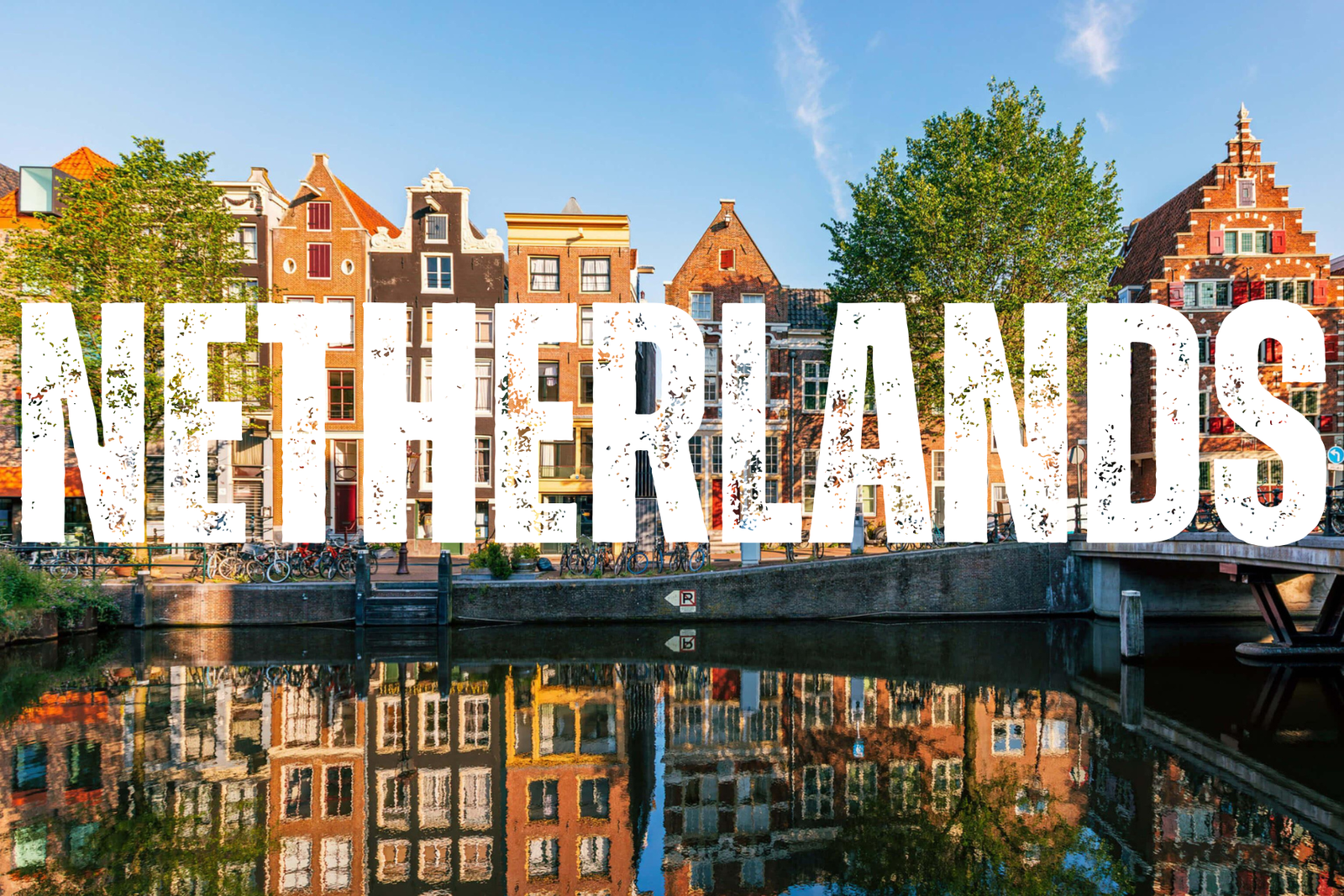
3. Netherlands – The Right to Request Remote Work

  • Capital: Amsterdam
  • Currency: Euro (EUR)
  • Official Language: Dutch
  • Population: 17.5 million

Imagine telling your boss you want to work from home — and having the law backing you up. In the Netherlands, employees can formally request remote or flexible work, and an employer can’t dismiss it with a vague excuse or simply say “no.” If they refuse, they must provide a real, justified reason. That changes everything. It shifts the discussion from control to trust, from attendance to productivity. Suddenly, work fits around life instead of consuming it entirely. Once you get used to that freedom, the idea of being tied to a desk five days a week starts to seem wildly outdated.

4. Brazil – Everyone Gets a 13th-Month Salary

  • Capital: Brasília
  • Currency: Brazilian Real (BRL)
  • Official Language: Portuguese
  • Population: 215 million

In Brazil, December brings more than holidays and warm weather — it also includes an extra paycheck. Legally, workers are entitled to a 13th-month salary paid at year’s end as a Christmas bonus. This isn’t a benefit or a favor from employers, but a guaranteed entitlement. This additional income can help with travel, family expenses, or simply make the holiday season less stressful. When a country incorporates generosity into its calendar, work feels more fulfilling, and life tends to be more balanced.

5. Sweden – 480 Days of Paid Parental Leave

  • Capital: Stockholm
  • Currency: Swedish Krona (SEK)
  • Official Language: Swedish
  • Population: 10.5 million

Having a child in Sweden doesn’t mean choosing between your career and your family. Parents are entitled to 480 days of paid parental leave per child, and those days can be shared between both parents. It’s not rushed, it’s not frowned upon, and it’s not treated like a workplace inconvenience. The law is based on the idea that raising a child requires time, presence, and support — not stress and sacrifice. When a country provides parents with nearly a year and a half to truly be there for their kids, it sends a clear message that family isn’t something to be squeezed in around work, but a vital part of life worth protecting.
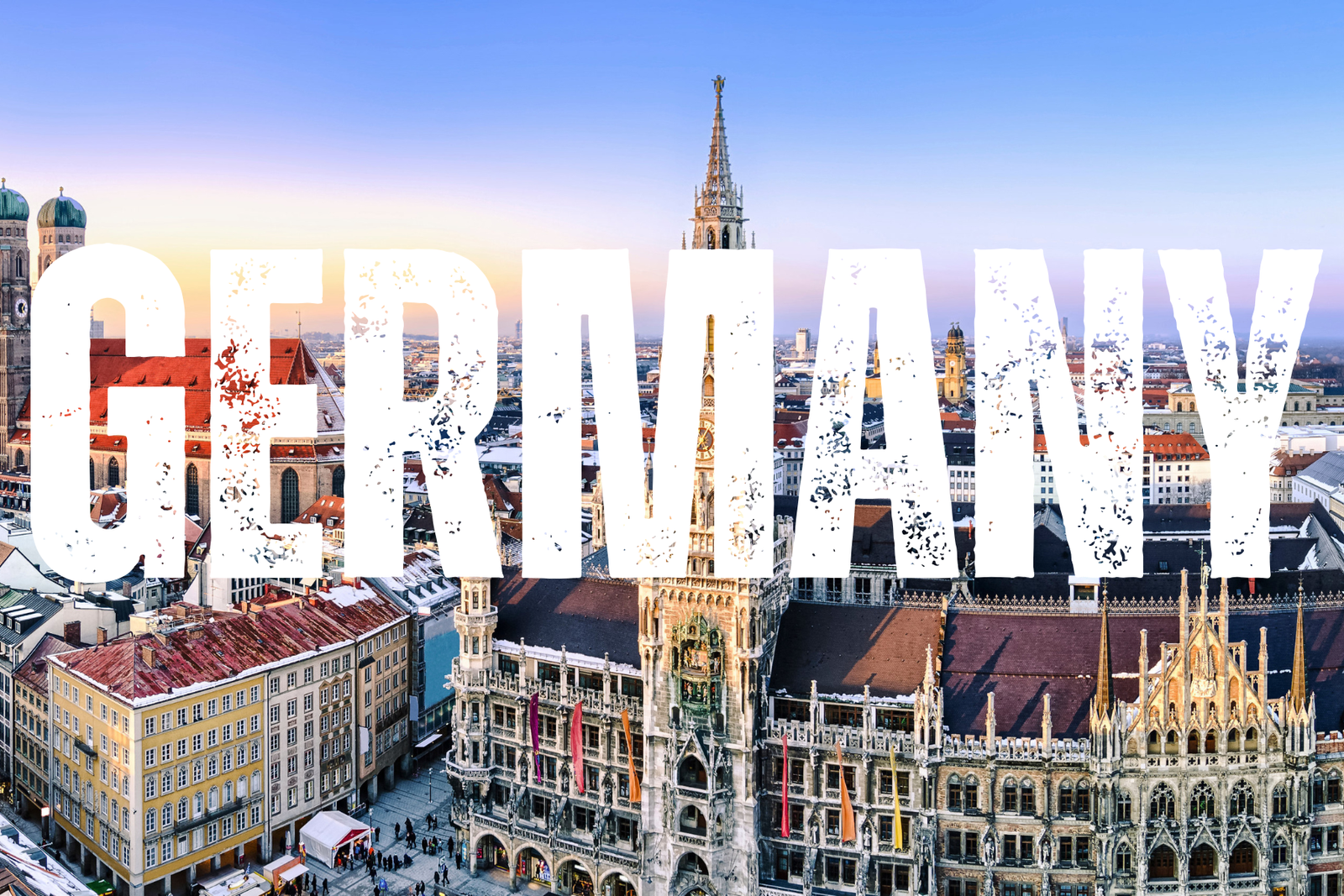
6. Germany – You Get Your Money Back for Long Train Delays

  • Capital: Berlin
  • Currency: Euro (EUR)
  • Official Language: German
  • Population: 84 million

Trains run late everywhere, but Germany is one of the few countries that actually acknowledges it. If your train is delayed by more than an hour, you can claim your money back. No fuss, no need to argue your case — that’s just how it works. Your time is valued, and the system respects that. It’s a small detail, but once you experience a country that takes accountability seriously, it’s hard not to notice how much easier everyday life feels.

7. Portugal – Your Boss Can’t Contact You After Hours

  • Capital: Lisbon
  • Currency: Euro (EUR)
  • Official Language: Portuguese
  • Population: 10.3 million

In Portugal, the workday officially concludes when hours end. Legally, employers cannot reach out to employees after hours unless there’s an urgent emergency. This means no emails at night, no messages on weekends, and no expectation to be constantly available. The law clearly separates work from personal life, safeguarding it. Reclaiming your evenings allows time to slow down, reduces stress, and gives life outside work the attention it deserves.

8. Ecuador – Nature Has Legal Rights

  • Capital: Quito
  • Currency: US Dollar (USD)
  • Official Language: Spanish
  • Population: 18 million

Here, nature isn’t viewed as something to be owned or exploited. Rivers, forests, and entire ecosystems are recognised by law as having their own rights, allowing citizens to step in legally when they are threatened or harmed. If a river becomes polluted or a forest is destroyed, people can act on its behalf. It’s a radical change that redefines how the land is respected and protected. Living under such a system makes sustainability feel genuine — not just a slogan, but a shared responsibility embedded in everyday life.

General FAQ’s

Are These Laws Actually Real Or Just Rare Cases?

Every law mentioned here is real and currently in effect. Some are written into national legislation, while others are long-standing policies that shape everyday life. Details can vary slightly by region and may change over time, but these aren’t loopholes or one-off experiments — they’re part of how these countries function.

Do These Laws Apply To Foreigners Or Only Citizens?

It depends on the law. Many protections apply to anyone who lives and works in the country, including foreign residents, while others require permanent residency, long-term visas, or local employment contracts. In most cases, once you’re legally part of the system, you benefit from it.

Is It Realistic To Move Abroad Because Laws Like These?

For many people, yes. While scenery and lifestyle are important, laws that safeguard your time, family life, income, and personal wellbeing often become the deciding factor. These rules don’t make life perfect, but they can reduce daily stress — and that alone can be a powerful reason to move.

About the Author
Previous Post
You Can Now Park a Full-Scale Red Bull Racing F1 Car in Your Living Room
Next Post
14 Best Coffee Machines You Can Buy

Related Articles

Top 10 best Currency around the World

Reading Time: 11 minutes

Our team of editors and experts thoughtfully chooses each product. If you decide to buy through one of our links, we may earn a commission. Learn more. Want to know how we test products? Click here for more details.

Currencies are not merely figures displayed on a screen; they are vital to the global economy, affecting various aspects from travel arrangements to investment tactics. Whether you’re an experienced traveler, a knowledgeable investor, or simply interested in worldwide economic movements, knowing which currencies lead the market can be incredibly useful. This article will examine the ten strongest currencies projected for 2025, delving into the elements that bolster their strength and the economic influence they wield.

For travelers, understanding currency values is crucial for effective trip planning. This knowledge aids in budgeting, maximizing your money, and steering clear of unexpected issues while exchanging funds. Investors too gain from monitoring robust currencies, as their fluctuations can significantly influence market prospects and global investments. Whether you’re engaged in forex trading or simply handling everyday finances, a thorough comprehension of these currencies is vital for staying proactive.

Currency value is influenced by various factors, such as inflation rates, government policies, interest rates, and economic stability. Nations with stable political environments and effective fiscal strategies generally possess stronger currencies, resulting in greater purchasing power in the global market. Now, let’s explore the top 10 strongest currencies of 2025, examining what makes each unique and why they maintain significant value internationally.

What Is Strong Currency?

A strong currency is one that has a high value compared to other currencies on the global market. Essentially, it means that you get more foreign currency for your own. For instance, if one Kuwaiti Dinar is worth more than 3 U.S. Dollars, you can see that the Kuwaiti Dinar is strong. But what’s behind this power? It’s a combination of economic factors that ensure a currency maintains its value and purchasing power over time.

RankCurrencyCountry/RegionCurrency CodeValue Against USD
1Kuwaiti DinarKuwaitKWD1 KWD = 3.26 USD
2Bahraini DinarBahrainBHD1 BHD = 2.65 USD
3Omani RialOmanOMR1 OMR = 2.60 USD
4Jordanian DinarJordanJOD1 JOD = 1.41 USD
5British PoundUnited KingdomGBP1 GBP = 1.31 USD
6Gibraltar PoundGibraltarGIP1 GIP = 1.31 USD
7Cayman Islands DollarCayman IslandsKYD1 KYD = 1.20 USD
8Swiss FrancSwitzerlandCHF1 CHF = 1.16 USD
9EuroEurozoneEUR1 EUR = 1.05 USD
10U.S. DollarUnited StatesUSD1 USD = 1.00 USD

Example 1: Kuwaiti Dinar (KWD)

Let’s take the Kuwaiti Dinar (KWD) as an example. For years, the Dinar has been one of the strongest currencies, and its impressive value stems from several favourable economic factors. Here’s a breakdown:

  • Low Inflation: Kuwait successfully controls inflation, maintaining the stability of its currency’s value. This process is similar to safeguarding money in a secure place, which helps retain its value over time. Nations with low inflation tend to have a strong currency because their money maintains purchasing power more efficiently than other countries.
  • High Demand for Exports: Kuwait’s wealth primarily stems from its extensive oil reserves. Given the global demand for oil, there is a steady necessity for the Kuwaiti Dinar for purchasing. As individuals and businesses worldwide require Kuwaiti oil, they concurrently need Kuwaiti currency for transactions, thus enhancing its value.
  • Political Stability: Kuwait boasts a reliable political climate that instills confidence in investors. A secure political environment encourages investors to maintain their financial commitments, increasing currency demand and further enhancing its strength.

The Kuwaiti Dinar remains robust due to three crucial factors: low inflation, strong export demand, and political stability. When examining the strongest currencies of 2025, we will notice that many experience similar influences.

1. Kuwaiti Dinar – KWD

The First one on the list is the Kuwaiti Dinar (KWD), which stands out as the world’s strongest currency, valued at 1 KWD for every 3.25 USD. What contributes to this exceptional value? The answer lies in oil. With some of the largest oil reserves in the world, Kuwait earns substantial revenue. This affluence enables the country to uphold robust foreign reserves and enforce stable fiscal policies, which sustains the Dinar’s high value.

Kuwait’s relatively small population, when compared to its substantial economic wealth, contributes to the strength of its currency. Thanks to its strong economy, the Kuwaiti Dinar provides stability in forex trading, making it a preferred choice for investors interested in the Middle East.

2. Bahraini Dinar – BHD

Next on the list is the Bahraini Dinar (BHD), currently valued at 2.65 USD. While Bahrain’s economy has historically depended on oil exports, the nation has actively expanded into areas such as banking, finance, and tourism. This diversification has strengthened Bahrain’s economic stability and established it as a regional financial center. A significant aspect of the Bahraini Dinar’s strength is its peg to the U.S. Dollar, which guarantees currency stability, even amid fluctuations in global oil prices. For investors, this pegging offers peace of mind, as the BHD provides long-term reliability in a typically unstable market.

While Bahrain’s oil reserves may be smaller than those of its neighbours, the government has cleverly reinvested its oil wealth to diversify the economy, establishing a robust foundation for future growth. With a well-regulated banking system, minimal public debt, and substantial foreign reserves, the Bahraini Dinar remains a safe and appealing currency for investors in the Middle East.

3. Omani Rial – OMR

The Omani Rial (OMR) is valued at 2.60 USD. This currency reflects Oman’s careful economic management and its abundant natural resources, especially oil and gas. Although Oman’s oil reserves are relatively modest compared to its neighbors, the country has made considerable progress in diversifying its economy, emphasizing tourism, agriculture, and manufacturing, all of which have helped create a stable and resilient economic environment.

The strength of the Omani Rial is mainly due to the country’s dedication to fiscal discipline and its fixed exchange rate with the U.S. Dollar, providing stability despite varying global oil prices. Additionally, Oman’s stable government and effectively managed sovereign wealth fund bolster the OMR’s reputation as a trustworthy and appealing currency for international investors.

Moreover, Oman’s limited population and strategic investments in infrastructure and human resources have bolstered its economic stability, establishing the Omani Rial as a reliable option for those looking for security in the Middle East. With minimal public debt and robust foreign reserves, Oman’s currency remains competitive in global markets.

4. Jordanian Dinar – JOD

The Jordanian Dinar (JOD), currently valued at 1.41 USD, ranks among the strongest currencies worldwide, despite Jordan’s limited natural resources. This strength stems from the nation’s careful fiscal strategies, efforts towards economic diversification, and effective management. Jordan has successfully cultivated a resilient economy, largely supported by foreign aid, remittances, and a service-driven sector encompassing banking, tourism, and telecommunications. The JOD’s stability benefits from its peg to the U.S. Dollar, effectively shielding it from inflation and global economic shifts. With solid foreign reserves, low public debt, and a strategically positioned small population, the Jordanian Dinar continues to be a stable and appealing currency for investors looking for reliability in the Middle East.

5. British Pounds – GPB

The British Pound (GBP), currently valued at 1.31 USD, ranks among the world’s most reliable currencies. This reliability stems from the United Kingdom’s expansive and varied economy, alongside its significant global financial presence. The Pound’s value is buoyed by a strong banking sector, healthy foreign reserves, and the UK’s active participation in international trade. Although faced with challenges like Brexit, the Pound continues to demonstrate resilience, bolstered by effective monetary policies and the UK’s standing as a stable economic authority. For investors, the British Pound represents both stability and opportunity, making it a highly sought currency in the global marketplace.

The Pound gains from the UK’s strong financial institutions, such as the Bank of England, which help sustain its value. Its liquidity enhances its appeal for international trade and investment, and the nation’s political and economic stability further reinforces trust in the currency. Consequently, the GBP is a reliable and recognized option for investors looking for security in the global financial arena.

6. Gibraltar Pound – GIP

The Gibraltar Pound (GIP) is pegged to the British Pound at a rate of 1.31 USD, ensuring stability and confidence in global markets. As the currency of Gibraltar, a British Overseas Territory, the GIP enjoys the advantages of the UK’s strong financial reputation and solid economic policies. Gibraltar’s economy, which relies on tourism, financial services, and online gaming, bolsters the currency’s value. Moreover, its advantageous tax structure and robust financial sector make it a desirable center for international business. The British Pound peg shields the GIP from market fluctuations, allowing it to remain a dependable and trusted currency for both local transactions and global trade.

7. Cayman Islands Dollar – KYD

With a value of 1.20 USD, the Cayman Islands Dollar (KYD) ranks among the strongest currencies in the Caribbean. This strength is closely tied to the vibrant financial services sector on the islands, which encompasses hedge funds, investment companies, and international banks. Renowned as a tax haven, the Cayman Islands draw considerable international investment, further enhancing the KYD’s value. Its resilience is supported by strict fiscal policies and a stable economy, bolstered by tourism, real estate, and finance. The KYD is pegged to the U.S. Dollar, helping it maintain stability in the global market, making it a reliable currency for both local and international transactions.

8. Swiss Franc – CHF

Commonly seen as a “safe-haven currency,” the Swiss Franc (CHF), currently valued at 1.16 USD, is well-regarded for its stability, particularly during periods of global market fluctuations. The Franc’s enduring strength is supported by Switzerland’s strong banking sector, low inflation rates, and a history of political neutrality. These elements, combined with a reputation for economic stability, position the CHF as the preferred option for investors pursuing security and dependability. In times of market uncertainty, the Swiss Franc emerges as the currency of choice for those aiming to protect their investments, providing exceptional stability and liquidity amidst turmoil.

9. Euro – EUR

Valued at 1.05 USD, the Euro (EUR) is one of the world’s most popular currencies, representing the economies of 19 European nations. As the official currency of the Eurozone, it draws strength from the European Union’s robust economy, a significant player in global trade. The European Central Bank’s monetary policies bolster the Euro’s stability by controlling inflation and ensuring financial security. Although there are occasional challenges, like economic disparities among Eurozone members, the Euro continues to be a pivotal global currency, favoured by investors and widely utilized in international transactions. Its liquidity and strong presence in global markets render it a reliable choice for those seeking stable currency alternatives.

The Euro is widely used beyond the Eurozone and serves as a significant reserve currency for central banks around the globe. Its importance in international trade, especially in sectors such as energy, commodities, and finance, boosts its global impact. Additionally, the Euro’s value benefits from the collective GDP of the EU, positioning it as a formidable competitor to major currencies like the U.S. Dollar. For both investors and businesses, the Euro’s stability and extensive presence remain essential to the global financial system.

10. U.S. Dollar – USD

Although the U.S. Dollar (USD) appears last on this list, with a value of 1.00 USD, it ranks as the most traded currency globally. Approximately 88% of all forex transactions involve the USD, highlighting its dominance in global markets. Its strength stems from both the size and stability of the U.S. economy, combined with its recognition as the primary reserve currency worldwide. Whether in facilitating international trade or providing opportunities for investment in the forex market, the U.S. Dollar is crucial to global finance. With unmatched liquidity and robust support from the U.S. economy, the USD continues to be the favoured currency for investors, businesses, and governments around the globe, ensuring exceptional stability and trust.

Finances
About the Author

Related Articles

arrow_drop_up