
























Our team of editors and experts carefully selects each product. If you choose to purchase through one of our links, we may earn a commission. Learn more. Do you want to know how we test products? Click here for more details.
Once considered a futuristic fantasy, foldable phones are now a reality — but let’s be honest, the technology is still finding its footing. We’re still in the early stages, where foldable devices are maturing quickly but haven’t fully captured the mainstream market yet. Most people are still holding on to traditional smartphones, waiting for foldables to either become more durable, more affordable, or simply more “normal” before making the switch.
However, if you’re even slightly curious, there’s something truly exciting about this new wave of devices. Imagine unfolding a compact phone to reveal a screen large enough for immersive gaming, multitasking like a pro, or watching your favorite Netflix show with a genuine cinematic feel — all from a device that still fits in your pocket. That’s the magic that foldable phones aspire to: the convenience of a regular smartphone combined with the flexibility of a small tablet.
Although the foldable phone market remains relatively small compared to traditional flagships, it is experiencing rapid growth. Brands like Samsung, Google, and others continually push boundaries, offering improved designs, sturdier hinges, brighter screens, and more innovative software enhancements that genuinely make folding your phone feel practical — rather than merely a flashy gimmick.
If you’re ready to explore something different (and undeniably cooler), here’s a look at the three best foldable phones available for purchase right now — the ones that demonstrate the future of smartphones are already here.
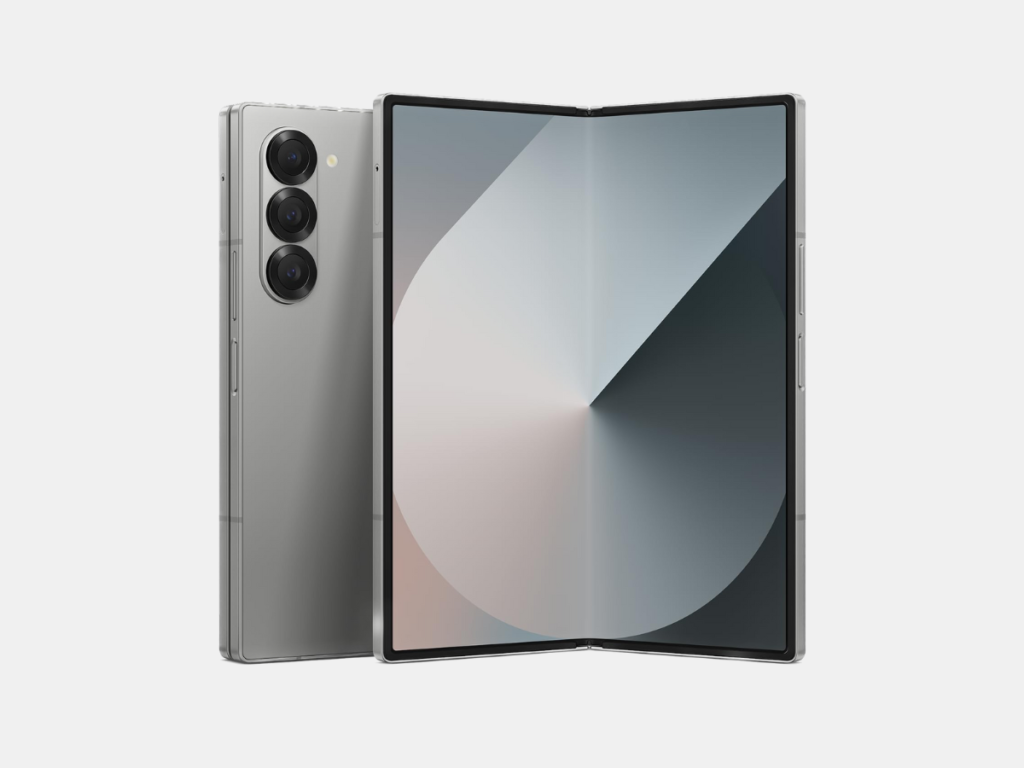
If you’re serious about diving into the world of foldables, the Samsung Galaxy Z Fold6 is the one leading the pack. Samsung didn’t reinvent the wheel this year, but they polished nearly everything. The design feels more natural in hand, featuring a slightly wider cover screen that’s easier to type on without feeling cramped — a significant improvement that many users immediately noticed. Once you unfold it, the 7.6-inch AMOLED display remains as impressive as ever, providing an ideal setup for gaming, streaming, or multitasking.
Most users agree that day-to-day performance is buttery smooth, whether you’re switching between apps, editing photos, or even shooting videos. (And yes, the ability to film in up to 8K at 30fps is a significant plus.) People also appreciate practical upgrades like the side-mounted fingerprint sensor, enhanced hinge durability, and IP48 dust and water resistance, which finally provide a bit more peace of mind for everyday use.
That said, it’s not all perfect. Some users mention that the crease in the middle of the display — while slightly less noticeable than before — is still present and catches the light at certain angles. Others point out that the phone’s sheer size and weight make it feel more like carrying two phones stacked together rather than a sleek, ultra-portable device. With a starting price around $1,899 USD, it’s definitely a luxury purchase, not something everyone will easily justify.
Still, most real-world users who took the plunge agree on one thing: once you become accustomed to the Fold6’s larger screen and flexibility, it’s very difficult to return to a traditional phone. If you seek the best foldable experience available today — and are okay with a few quirks — the Galaxy Z Fold6 remains the foldable to beat.

Camera: Rear: 50MP Main + 48MP Ultra-Wide + 48MP Telephoto, Front (Cover): 9.5MP, Inner: 8MP
Price: From USD $1,799
If Samsung’s Fold feels like a polished powerhouse, the Google Pixel 9 Pro Fold offers a fresh, smarter alternative. Users seem to love the Pixel Fold’s natural “passport-style” design — it is wider and shorter than the Galaxy Fold, which makes it feel more like a regular phone when closed and less like a TV remote. That alone makes it more comfortable for one-handed use, and many users indicate they prefer the way it feels in daily life.
Where the Pixel 9 Pro Fold truly excels is in the software experience. Google’s version of Android is clean, intelligent, and fully optimized for a folding device. App continuity operates seamlessly, split-screen multitasking feels smooth, and overall, the phone doesn’t just fold — it intelligently adapts when you do. If you’re looking for a folding phone that feels polished on the inside, not just on the outside, this one gets it right.
Cameras represent another significant advantage for the Pixel 9 Pro Fold. It easily outperforms most other foldables in real-world photography. The 50MP main sensor captures crisp, detailed images, and Google’s integrated AI tools such as Magic Eraser and Best Take make photo editing effortless. Users frequently highlight how simple it is to capture amazing photos without needing to worry much about lighting or settings — a feature for which Pixel phones have long garnered praise.
Yet again, it does have some downsides. Some users point out that the crease running down the center of the Pixel Fold’s display is slightly more visible compared to Samsung’s design. Others note that while the Tensor G4 chip is fast and efficient for everyday tasks, it doesn’t quite match the raw gaming and processing power of Snapdragon chips under heavy use. Although durability appears to be better than the first generation, some still feel cautious about how the hinge and screen will hold up after a year or two of intense use.
That said, with a starting price of around $1,799 USD, the Pixel 9 Pro Fold is slightly more affordable than Samsung’s top-tier Fold, making it a serious contender. If you want a foldable that feels like a regular phone when closed, offers incredible cameras, and provides one of the smartest Android experiences available today, the Pixel 9 Pro Fold delivers. It’s not just about looking different; it’s about making the foldable life feel natural.

If the Galaxy Fold is all about going big, the Samsung Galaxy Z Flip6 is all about being compact and stylish. This foldable is designed for those who don’t want a mini tablet in their pocket — they simply want a phone that folds in half, feels great in hand, and looks even better when opened. Real-world users appreciate how satisfying the flip motion is, reminiscent of snapping shut a classic flip phone, but with a stunning 6.7-inch AMOLED display waiting inside.
One of the most praised updates to the Flip6 is its improved cover screen. At 3.4 inches, it’s larger and smarter than ever, allowing you to check messages, control music, access widgets, and even reply to texts without opening the phone. Users report it finally feels useful, not just decorative, making quick interactions much more convenient. Samsung has clearly listened to feedback from previous generations, enhancing the small screen experience significantly.
When it comes to performance, the Flip6 stands out thanks to the Snapdragon 8 Gen 3 and a solid 12GB of RAM. Daily tasks such as messaging, social media, and streaming are smooth and quick, while light gaming runs without any significant issues. The 50MP main camera is a considerable upgrade from earlier Flip models, delivering brighter and sharper shots even in challenging lighting conditions. Furthermore, users appreciate that the Flip6 avoids the typical black, silver, or gray options — it offers a range of fun colours, finally allowing people to choose a phone that truly feels personal and unique.
Of course, there are still a few trade-offs. Some users mention that the crease remains visible and noticeable when scrolling, though it’s not a dealbreaker. Others point out that battery life is decent but not outstanding — it’ll last a full day with moderate use, but power users might find themselves recharging before bed. While the Flip6 feels more durable than previous models, foldable screens are still softer than traditional glass, so it’s something to consider if you’re hard on your phones.
The Samsung Galaxy Z Flip6 is one of the most accessible foldable phones available today. It’s fun, stylish, and practical enough for everyday use. If you want a foldable that fits easily in your pocket, delivers solid performance, offers fresh colour options, and turns heads every time you flip it open, the Galaxy Z Flip6 is undoubtedly the best compact foldable on the market right now.
Key Things to Ask Yourself Before Picking Up a New Phone
Before diving into buying your next Foldable Phone, it’s worth slowing down and asking yourself a few real questions. Nowadays, the options are endless — massive screens, incredible cameras, lightning-fast chips — but not every feature justifies an extra cost. The key is understanding what you truly need versus what merely sounds appealing. Establishing the right priorities saves money and ensures you end up with a phone that genuinely fits your daily life. Whether you seek raw performance, a great camera, long battery life, or something new in your hand, clarifying your must-haves will make your decision much easier.
Here are a few insightful questions to consider before making your move:
How much are you willing to spend? Set your budget early. Whether you’re looking at a $350 mid-ranger or a $1,500 flagship, knowing how much you want to spend keeps you focused. Expensive doesn’t always mean better for your needs — and these days, you can get a seriously good phone without breaking the bank.
What do you really need it for? A killer camera? All-day gaming? Just browsing and texting? Be honest about how you’ll actually use your phone. If you’re not pushing the limits with games or heavy editing, you probably don’t need a top-tier processor — and you could save a lot of money picking something smarter for your lifestyle.
How important is the camera to you? If photography matters, don’t just look at the megapixel count. Find out how the phone performs in real-world situations like low light, fast motion, and portrait shots. A good camera setup can seriously upgrade your daily experience — especially if you’re capturing memories or building your social media feed.
Do you care about software and updates? Stock Android is clean and easy to use, while other brands add more features and customizations. Think about what you prefer — a simple, straightforward phone or one loaded with extras. Also, if you plan to hold onto your device for a few years, make sure it’ll get regular updates to keep things smooth and secure.
What little extras make a big difference to you? Wireless charging, water resistance (IP68), fast charging, stylus support — small features can change how you use your phone every day. Decide what matters most and check if your pick includes it. Sometimes it’s those extras that turn a good phone into a great one.
Elias Albay is the Founder and Director of Many Men Magazine, a Toronto-based digital publication dedicated to promoting modern masculinity through style, culture, and self-improvement. What started as a personal turning point became a purposeful platform. — born from Elias’ desire to create something meaningful after completing his studies and finding no career path that truly matched his ambitions. With a background in Civil Engineering from York University and experience in Commercial Flight Operations at CAE, he applied skills, and resilience from both fields to forge a new path.
Our team of editors and experts thoughtfully chooses each product. If you decide to buy through one of our links, we may earn a commission. Learn more. Want to know how we test products? Click here for more details.
New York City is many things—fast, loud, unforgettable—but one of its greatest treasures is hidden in plain sight: its museums. This is a city where you can explore ancient Egyptian temples at The Met in the morning, stand face-to-face with a T. rex at the Natural History Museum by lunch, and end your evening gazing at Van Gogh’s Starry Night at MoMA. Every corner of the city offers a new doorway into art, history, science, and stories that span centuries.
But the magic of New York’s museum scene isn’t just in its famous names. Beyond the well-known landmarks, you’ll discover places dedicated to fashion, photography, jazz, and even the city’s subway system—quirky, intimate spaces that showcase a side of New York not found in guidebooks. Whether you’re an art enthusiast, history buff, or simply curious about the world, these cultural treasures demonstrate that New York is a museum in itself, with endless galleries waiting to be explored.
If New York City had a diary, this museum would be it. Housed in a stately Colonial-style building near the top of Central Park since 1932, the Museum of the City of New York captures the essence of the Big Apple, from its humble beginnings as a Dutch trading post to the cultural hub it is today. Many New Yorkers aren’t even aware it’s there, but inside lies a collection of over 1.5 million items—photography, paintings, drawings, furniture, decorative objects, and manuscripts—each connected to the history of the city’s five boroughs.
Because it sits just off the usual tourist trail, the museum tends to attract visitors with genuine enthusiasm, making exploring its galleries feel more personal. The exhibits flow smoothly from immigration stories to the birth of hip-hop in the Bronx, providing an up-close look at the city’s growth. It’s the kind of place that makes even lifelong New Yorkers stop and say, “Wow, I didn’t know that about my city,” while giving first-time visitors a chance to connect with the pulse of the Big Apple.
Why Visit: To experience New York’s story told with all the chaos, beauty, and brilliance it deserves.
Address: 1220 5th Ave, New York, NY 10029, United States
Located on four acres in northern Manhattan’s Fort Tryon Park, The Met Cloisters is a branch of the Metropolitan Museum of Art and the only museum in North America dedicated solely to the art and architecture of the Middle Ages. Constructed in the 1930s, the building features five medieval-inspired cloisters integrated into a modern museum structure, providing an authentic setting for illuminated manuscripts, detailed tapestries, sculptures, and sacred objects. Overlooking the Hudson River, it offers a tranquil retreat where visitors can stroll through peaceful gardens and stone archways, admiring medieval treasures while experiencing a rare sense of calm, far from the usual hustle and bustle of the city just a few subway stops south.
Why Visit: For a peaceful retreat into medieval Europe without leaving Manhattan.
Founded: May 10, 1938
Located: Fort Tryon Park
Address: 99 Margaret Corbin Dr, New York, NY 10040, United States
The American Museum of Natural History isn’t just a museum—it’s an adventure. Located on the Upper West Side since 1869, this institution has developed into one of the world’s most renowned natural history museums, with 45 permanent exhibition halls and over 34 million specimens in its collection. From towering dinosaur skeletons to stunning gems and minerals, it’s the kind of place where you can feel both small and endlessly curious.
Highlights include the legendary 122-foot-long Titanosaur, the iconic Blue Whale model that hovers above the Milstein Hall of Ocean Life, and the Rose Center for Earth and Space, which will make you rethink your place in the cosmos. It’s a museum that doesn’t just showcase science—it makes you feel it, whether you’re standing in front of meteorites older than Earth itself or gazing into a recreated diorama of the African savannah. For kids, adults, and everyone in between, it’s pure wonder on display.
Why Visit: To walk among dinosaurs, touch the stars, and experience pure wonder.
Founded: April 6, 1869
Located: Theodore Roosevelt Park
Address: 200 Central Prk W, New York, NY 10024, United States
Housed in a Beaux-Arts mansion on Fifth Avenue, Neue Galerie takes you straight to early 20th-century Vienna and Berlin with its intimate collection of German and Austrian art and design. Inside, you’ll find works by Gustav Klimt, Egon Schiele, and other modern masters, alongside decorative objects and furniture that seem to belong in a chic European salon. The museum’s highlight is Klimt’s stunning Portrait of Adele Bloch-Bauer I—the “Golden Lady”—a piece so radiant it could warrant a visit on its own. Small in scale but rich in atmosphere, Neue Galerie encourages you to slow down, linger with each artwork, and end your visit at Café Sabarsky, where Viennese pastries and strong coffee complete the illusion of stepping into another time and place.
Why Visit: To immerse yourself in Vienna’s golden age and view Klimt’s masterpiece up close.
Founded: November 16, 2001
Located: Manhattan
Address: 1048 5th Ave, New York, NY 10028, United States
What started as financier J.P. Morgan’s private collection has evolved into one of New York’s most captivating cultural venues. The Morgan Library & Museum, situated in an elegant Madison Avenue building, houses everything from rare manuscripts and early printed books to drawings, artifacts, and even a Gutenberg Bible. Step inside the grand Renaissance-style library and you’re enveloped by soaring ceilings, intricate woodwork, and shelves filled with centuries-old volumes — it feels less like a museum and more like entering the study of a literary monarch. Beyond its historic rooms, the museum also hosts rotating exhibitions that span from medieval treasures to modern masterpieces, making each visit feel new and full of discovery.
Why Visit: To discover J.P. Morgan’s luxurious library and immerse yourself in literary treasures.
Founded: March 28, 1924
Located: Madison Avenue Building
Address: 1225 Madison Ave, New York, NY 10016, United States
Situated in Midtown Manhattan, MoMA appears smaller from the street than it actually is, stretching across an impressive 630,000 square feet of gallery space. It’s one of the world’s most influential museums, attracting over a million visitors each year to admire works by Van Gogh, Monet, Picasso, Matisse, Rothko, Frida Kahlo, Salvador Dalí, Diane Arbus, and many others. Walking through its sleek galleries feels like traversing a timeline of modern creativity, with highlights like Starry Night and Monet’s Water Lilies anchoring an experience that celebrates the very best of artistic innovation.
But MoMA isn’t just about showcasing masterpieces—it’s about exploration. The museum’s rotating exhibitions reveal new stories that can only be experienced in the moment, making every visit feel one of a kind. Beyond the galleries, MoMA’s renowned gift shop has become a destination in itself, brimming with books, design objects, and creative keepsakes you won’t want to leave behind. Whether you’re an art enthusiast or simply exploring the modern canon, MoMA provides both the icons you expect and the surprises you didn’t know you needed.
Why Visit: Discover the masterpieces that shaped modern art and uncover new stories you won’t find anywhere else.
Founded: 1929
Located: Midtown Manhattan
Address: 11 W 53rd St, New York, NY 10019, United States
Tucked away in Chelsea, the Rubin Museum of Art is a calming escape dedicated to the art and culture of the Himalayas, India, and nearby regions. Its collection of thangkas, sculptures, and textiles offers insights into centuries of spiritual and artistic traditions, while rotating exhibitions and cultural programs—ranging from mindfulness sessions to contemporary installations—connect ancient practices with modern life. More than just a museum, the Rubin feels like a sanctuary, inviting visitors to slow down, reflect, and experience a different pace of New York City.
Why Visit: To step into a Himalayan sanctuary of art, culture, and calm in the heart of New York.
Founded: October 2, 2004
Located: Manhattan’s Chelsea Neighbourhood
Address: 140 W 17th St, New York, NY 10011, United States
Located on the edge of Central Park’s Museum Mile, El Museo del Barrio highlights Latin American, Caribbean, and Latino art and culture, making it one of the most lively and community-focused museums in New York. Its collection includes pre-Columbian artifacts, modern and contemporary art, photography, and mixed-media pieces that celebrate the richness and diversity of Latino heritage. With a strong focus on Puerto Rican and Nuyorican culture, the museum not only preserves history but also provides a platform for voices shaping today’s cultural scene. Intimate in size but impactful, El Museo del Barrio feels less like a traditional museum and more like a cultural heartbeat that reflects the city’s energy.
Why Visit:To explore the art, history, and stories of Latin American and Caribbean communities in New York.
Founded: 1969
Located: Upper Manhattan
Address: 1230 5th Ave, New York, NY 10029, United States
Few museums in the world are as instantly recognizable as the Guggenheim. Designed by Frank Lloyd Wright and opened in 1959, its iconic spiral building on Fifth Avenue is as much a masterpiece as the art it displays. Inside, the circular ramp guides visitors upward through a collection that features modern and contemporary icons—Picasso, Kandinsky, Chagall, Pollock—alongside dynamic temporary exhibitions that keep the space feeling fresh and innovative. Even if you’re not a dedicated art lover, simply walking the spiral offers a memorable experience in itself.
But the Guggenheim is more than just a landmark; it’s a living dialogue between architecture and art. The museum’s intimate galleries off the main rotunda invite you to slow down and focus, while the sweeping central space provides a cinematic way of experiencing art that feels entirely unique. It’s one of those places where the building and the collection work hand in hand, leaving you with an impression that lingers long after you’ve stepped back onto Fifth Avenue.
Why Visit:To experience modern art within one of New York’s most iconic buildings.
Founded: 1939
Located: Upper East Side Of Manhattan
Address: 1071 5th Ave, New York, NY 10128, United States
Housed in a 1902 Georgian mansion on the Upper East Side—once Andrew Carnegie’s residence—the Cooper Hewitt is as much about the building as it is about the collection. One of the finest Gilded Age homes still standing, it provides the perfect backdrop for the museum’s 200,000-plus objects that span centuries of design. From furniture and metalwork to sculpture, musical instruments, and pottery, the collection highlights how design has shaped daily life across cultures and eras. What sets it apart is its interactive edge: visitors can sketch their own creations, experiment with digital tools, and use an electronic pen to “collect” favorite objects for later. More under-the-radar than its neighbors like the Met and the Guggenheim, the Cooper Hewitt feels refreshingly uncrowded, offering both inspiration and calm in one of the city’s grandest historic settings.
Why Visit: To explore the past, present, and future of design inside a Gilded Age mansion.
Founded: 1896
Located: Upper East Side Of Manhattan
Address: 2 E 91st St, New York, NY 10128, United States
The Met is the crown jewel of New York’s Museum Mile—an institution so vast it feels like stepping into the history of civilization itself. Founded in 1870 and situated on Fifth Avenue near Central Park, it houses over two million works of art spanning 5,000 years. From ancient Egyptian temples and medieval armour to Renaissance paintings and Impressionist masterpieces, its galleries tell a story spanning the world. Highlights include Van Gogh’s Self-Portrait, the Temple of Dendur, and rotating blockbuster exhibitions that draw visitors from around the world. With more than 6 million visitors each year, it’s one of the most visited museums on Earth, yet it still offers quiet corners where you can discover a peaceful masterpiece.
But The Met is more than just its collection—it’s an experience. The steps outside have become a landmark in New York; the rooftop garden provides sweeping views of Central Park and the city skyline, and its halls host a range of exhibits, from fashion shows to musical instruments. A day here can feel like journeying across continents and eras without ever leaving Manhattan. Whether you’re a first-time visitor heading straight for The Temple of Dendur or a seasoned local returning for the latest exhibit, The Met always has something new to discover.
Why Visit: To journey through 5,000 years of world history in a single building.
Founded: 1870
Located: Central Park
Address: 1000 5th Ave, New York, NY 10028, United States
On the Bowery in Lower Manhattan, the New Museum immediately catches the eye with its striking stacked-box design, a modern landmark that reflects the innovative art it houses. Established in 1977 and moved to its current location in 2007, it is exclusively devoted to contemporary art, providing a platform for voices and ideas that push limits and challenge perceptions. Unlike the more traditional institutions uptown, the New Museum embraces risk, displaying emerging artists alongside daring exhibitions that frequently extend beyond the white walls into multimedia, performance, and experimental works. Compact yet lively, it feels like the heartbeat of the present, making each visit unique.
Why Visit: Experience contemporary art that is daring, experimental, and of-the-moment.
Founded: 1977
Located: Lower East Side Of Manhattan
Address: 235 Bowery, New York, NY 10002, United States
Founded in 1804, the New-York Historical Society is the city’s oldest museum, and it takes pride in that title. Located on Central Park West, it combines the atmosphere of a traditional history museum with the energy of a cultural centre, offering a collection that ranges from George Washington’s inauguration chair to Tiffany lamps and original Hudson River School paintings. With over 1.6 million works—including paintings, artifacts, maps, and documents—it tells the story of New York and America side by side, making it a place where local and national history come together.
Beyond its permanent collection, the museum keeps things fresh with rotating exhibitions that explore topics from women’s history to the Civil Rights Movement. The Patricia D. Klingenstein Library features rare books and manuscripts, while the DiMenna Children’s History Museum is family-friendly without sacrificing its scholarly edge. It’s one of those places that manages to feel both grand and accessible, grounding visitors in the city’s roots while opening doors to larger conversations about the nation as a whole.
Why Visit: To explore New York’s oldest museum and discover how the city’s history is part of America’s story.
Founded: 1804
Located: Central Park
Address: 170 Central Prk W, New York, NY 10024, United States
For millions of people, Ellis Island was the first glimpse of America—a place where dreams and uncertainty collided. Between 1892 and 1954, more than 12 million immigrants passed through its halls, making it one of the most significant sites in the country’s history. Today, the Ellis Island National Museum of Immigration preserves those stories with photographs, documents, artifacts, and interactive exhibits that trace the journeys of people who helped shape the nation. Walking through its restored Great Hall feels like stepping back in time, imagining the hopes and fears carried by those who stood in the same space generations ago.
The museum is not just about history—it’s about connection. Visitors can search family records at the American Family Immigration History Center, explore exhibitions showcasing immigrant contributions, and reflect on the ongoing story of immigration in America. Located beside the Statue of Liberty, Ellis Island remains one of New York’s most powerful and moving museum experiences, serving as a reminder that the city—and the nation—were built on the courage and resilience of newcomers.
Why Visit: To walk in the footsteps of millions of immigrants and connect with America’s story of hope and new beginnings.
Founded: 1892
Located: New Jersey
Address: Ellis Is, Jersey City, NJ 07305, United States
Every American should visit the 9/11 Memorial & Museum at least once in their lifetime. Built on the site of the former World Trade Center, it honours the nearly 3,000 lives lost during the September 11, 2001 attacks and those who risked everything in the aftermath. The memorial itself features two vast reflecting pools set within the footprints of the Twin Towers, their cascading waterfalls surrounded by bronze panels inscribed with the names of every victim. It’s a space of quiet reflection in the middle of downtown Manhattan, where the sound of rushing water offers both a tribute and a reminder.
Beneath the plaza, the museum guides visitors deeper into the events and effects of that day through artifacts, personal stories, multimedia displays, and exhibitions that blend history with humanity. From fragments of twisted steel to recordings of survivors, the experience is both sobering and moving, aimed not only to remember but to educate future generations. It’s a challenging visit, but one that leaves a lasting impression long after you’ve stepped outside.
Why Visit: To honour the memory of 9/11 and reflect on its enduring impact in a space of remembrance and resilience.
Founded: March 13, 2006
Located: World Trade Center Complex
Address: 180 Greenwich St, New York, NY 10007, United States
Housed in a stunning Renaissance Revival building in the Flatiron District, Fotografiska is a museum that feels as much like a cultural hotspot as it does an art space. Originally founded in Stockholm, the New York outpost maintains the same philosophy: photography that’s bold, contemporary, and unafraid to spark conversation. The exhibitions rotate frequently, showcasing work from world-renowned photographers as well as emerging talents, with themes ranging from fashion and politics to identity and society. Add to that a lively café, late-night hours, and a chic atmosphere, and Fotografiska becomes more than a museum — it’s an experience that blends art, community, and nightlife in a uniquely New York way.
Why Visit: To see powerful photography in a space that feels like a blend of museum and cultural gathering spot.
Founded: December 5, 2019
Located: Gramercy Park Manhattan
Address: 281 Park Ave S, New York, NY 10010, United States
Located just off Times Square, the Museum of Broadway is the city’s first museum dedicated entirely to the history and magic of the Great White Way. Colourful, interactive, and full of theatrical energy, it guides visitors through a journey from Broadway’s earliest productions to today’s record-breaking shows. The exhibits combine rare costumes, set pieces, props, and archival materials with immersive, Instagram-worthy installations that allow you to step directly into the world of theatre. It’s part history lesson, part backstage pass, and part celebration of Broadway’s power to inspire generations of dreamers.
Why Visit: Get behind the curtain to see the history and glamour of Broadway up close.
Founded: November 15, 2022
Located: 145 w 45 LLC
Address: 145 W 45th St, New York, NY 10036, United States
18. National Museum Of The American Indian New York
Located inside the grand Beaux-Arts Alexander Hamilton U.S. Custom House in Lower Manhattan, the National Museum of the American Indian provides an engaging look at Indigenous cultures across the Americas. Its collection spans thousands of years, featuring artifacts, ceremonial objects, clothing, and tools that tell stories of resilience, creativity, and strong ties to the land. Alongside historic pieces, the museum also showcases contemporary Native artists whose work reflects both tradition and modern identity, fostering a dialogue between past and present.
What makes the experience even more special is its setting. The Custom House itself is one of New York’s most impressive buildings, with ornate architecture that lends the exhibitions a sense of grandeur. Free to visit, the museum offers an accessible and eye-opening reminder that the history of New York—and America as a whole—cannot be told without acknowledging the cultures that were here first.
Why Visit: Discover Indigenous history and art within one of Manhattan’s most beautiful historic venues.
Founded: 1989
Located: Alexander Hamilton U.S. Custom House
Address: 1 Bowling Green, New York, NY 10004, United States
Just off Delancey Street on Essex in the Lower East Side, you’ll find the relatively new home of the International Center of Photography, a museum dedicated to showcasing the power of images. Far from static, ICP feels vibrant, with exhibitions that seamlessly shift between photojournalism, fashion, documentary work, and contemporary experimentation. Every display explores photography’s ability to capture truth, spark dialogue, and challenge how we perceive the world around us. With its constantly changing exhibits, the ICP offers a different experience each time—making it a place to revisit whenever you’re seeking inspiration through the lens.
Why Visit: To experience photography as both an art form and a powerful influence that shapes culture.
Founded: 1974
Located: Eisner Brothers
Address: 84 Ludlow St, New York, NY 10002, United States
The Whitney is where American art takes centre stage. Relocated to its striking Renzo Piano–designed building in the Meatpacking District in 2015, the museum has become a downtown icon, with its industrial-chic architecture and sweeping terraces overlooking the Hudson River. Inside, the focus is clear: 20th- and 21st-century American art, from Edward Hopper and Georgia O’Keeffe to modern masters like Basquiat, Cindy Sherman, and Jeff Koons. The collection feels distinctly American, chronicling the nation’s cultural shifts through bold, challenging, and diverse voices.
But the Whitney isn’t just about what hangs on the walls—it’s about perspective. The building’s expansive outdoor spaces invite visitors to step outside and take in the skyline, giving the museum a distinctly New York character. Add to that the buzz of the Whitney Biennial, a must-see showcase of contemporary American art, and you have a museum that’s both rooted in tradition and ever-changing. It’s a place that reflects not just where American art has been but where it’s headed.
Why Visit: Experience American art in a space as bold and dynamic as the city itself.
Founded: 1930
Located: Meatpacking District and West Village neighbourhoods of Manhattan
Address: 99 Gansevoort St, New York, NY 10014, United States
On the Lower East Side, the Tenement Museum vividly brings New York’s immigrant history to life by opening the doors of restored tenement buildings that once housed families from the 19th and early 20th centuries. Instead of glass cases and distant artifacts, guided tours take you through recreated apartments filled with the everyday details of Irish, Jewish, Italian, and other immigrant households—worn furniture, family photos, and kitchens that tell stories of survival and hope. The experience feels intimate and personal, reminding you that New York’s identity has always been shaped by the hopes and struggles of newcomers. Beyond the buildings, neighbourhood walking tours extend the story to the streets themselves, illustrating how waves of immigration transformed not just one block, but the entire city.
Why Visit: To explore the lives of immigrant families and see how their stories shaped New York.
Founded: November 12, 1988
Located: Lower East Side of Manhattan
Address: 103 Orchard St, New York, NY 10002, United States
Hidden underground in a decommissioned 1936 subway station in Downtown Brooklyn, the New York Transit Museum stands as one of the city’s most unique museums. It shares the history of how New York’s transit system—its subways, buses, and bridges—shaped the expansion of the city into the metropolis it is today. Visitors can walk through vintage subway cars, explore exhibits on turnstiles and tokens, and discover the engineering achievements behind the tunnels and tracks that keep the city moving. It’s a blend of history lesson and nostalgic journey, offering a rare opportunity to sit in a 1930s subway car or see how the system has evolved over the decades.
Why Visit: Step back in time aboard vintage subway cars and explore how transit shaped New York.
Founded: July 4, 1976
Located: Brooklyn’s Borough Hall
Address: 99 Schermerhorn St, Brooklyn, NY 11201, United States
In Long Island City, Queens, MoMA PS1 functions as the bold and experimental counterpart to the Museum of Modern Art. Housed in a former public school building, it preserves its raw, industrial character by transforming old classrooms and hallways into venues for cutting-edge installations, performance art, and multimedia projects. The setting itself enhances the experience—there’s something exhilarating about seeing avant-garde art in a space that still echoes its past life as a neighbourhood school.
What makes MoMA PS1 unique is its bold stance on contemporary art. Exhibitions frequently address pressing social issues and challenge traditional ideas, while its iconic Warm Up summer music series combines art, music, and community in a way that’s distinctly New York. Each visit brings something unexpected, making PS1 less of a conventional museum and more of an evolving cultural lab.
Why Visit: To experience contemporary art in its most innovative and surprising expressions.
Founded: 1971
Located: Long island City
Address: 22-25 Jackson Ave, Queens, NY 11101, United States
In Astoria, Queens, the Museum of the Moving Image is a haven for anyone interested in film, television, and digital media. Situated in a former building of the historic Kaufman Astoria Studios, it delves into the art, history, and technology of moving images. Permanent exhibitions display everything from vintage cameras and costumes to interactive displays that allow you to try dubbing voices or editing film clips. It’s a mix of behind-the-scenes access and hands-on workshops, making the magic of movies accessible to visitors of all ages.
Beyond its permanent collection, the museum is known for its rotating exhibitions and screenings, often showcasing cult classics, contemporary filmmakers, and innovative television. The Jim Henson Exhibition remains a perennial favourite, celebrating the creativity behind the Muppets and Sesame Street with puppets, sketches, and video clips that evoke instant nostalgia. Whether you’re a cinephile, a casual fan, or simply curious about how moving images influence culture, this museum helps you fall in love with the screen all over again.
Why Visit: To step behind the camera and discover the art and magic of film, television, and media.
Founded: September 10, 1988
Located: Astoria Queens Neighbourhood
Address: 36-01 35th Ave, Queens, NY 11106, United States
As one of the largest and oldest art museums in the country, the Brooklyn Museum serves as a cultural hub that compares to its Manhattan counterparts while providing a more laid-back, neighbourhood vibe. Its extensive collection covers thousands of years, from ancient Egyptian artefacts to contemporary installations, with highlights including the renowned feminist artwork The Dinner Party by Judy Chicago and a remarkable selection of American and European paintings. The museum is also known for its strong dedication to diversity, showcasing artists and stories that mirror Brooklyn’s vibrant, multicultural spirit.
What truly makes the Brooklyn Museum stand out is how accessible it feels. With its airy Beaux-Arts building, spacious galleries, and regular blockbuster exhibitions, it strikes the perfect balance between a world-class institution and a community space. Monthly events like First Saturdays feature music, performances, and open doors to the public, making the museum about gathering and conversation as much as it is about the art on the walls. It’s a place where history, culture, and contemporary voices all feel right at home.
Why Visit: To experience world-class art in a museum that feels both global and distinctly Brooklyn.
Founded: 1972
Located: Flushing Meadows Corona Park
Address: Flushing Meadows Corona Park, Building, Corona, NY 11368, United States
The Brooklyn Museum is one of the largest art museums in the United States, but what sets it apart is its ability to feel both world-class and welcoming. Located in a grand Beaux-Arts building near Prospect Park, the museum’s collection covers over 5,000 years of art, from ancient Egyptian artefacts to bold modern works. Highlights include Judy Chicago’s pioneering feminist installation The Dinner Party, an impressive collection of American and European paintings, and a strong representation of African, Asian, and Indigenous art that mirrors the borough’s diversity. It’s a museum that not only preserves the past—it actively engages with the present.
More than just a place to view art, the Brooklyn Museum serves as a community hub. Monthly events like First Saturdays turn the galleries into lively spaces filled with music, performances, and conversation, welcoming both locals and visitors. Alongside major travelling exhibitions and thought-provoking contemporary shows, it creates a museum that feels dynamic, inclusive, and distinctly Brooklyn.
Why Visit: A worldwide collection experience in a space that feels as creative and diverse as Brooklyn itself.
Founded: 1897
Located: Prospect Park
Address: 200 Eastern Pkwy, Brooklyn, NY 11238, United States
In Long Island City, Queens, The Noguchi Museum offers a peaceful retreat founded by Japanese-American artist Isamu Noguchi in 1985 as the first museum in the U.S. created by a living artist to showcase his own work. Inside, minimalist galleries and a tranquil sculpture garden display Noguchi’s innovative blend of art, design, and architecture, from monumental stone pieces to delicate furniture that blur the line between functionality and artistry. Bathed in natural light and thoughtfully arranged, the museum invites visitors to slow down, reflect, and connect with Noguchi’s belief that art should be an everyday part of life—making it a hidden gem of calm and creativity away from the city’s constant rush.In Long Island City, Queens, The Noguchi Museum offers a peaceful retreat founded by Japanese-American artist Isamu Noguchi in 1985 as the first museum in the U.S. created by a living artist to showcase his own work. Inside, minimalist galleries and a tranquil sculpture garden display Noguchi’s innovative blend of art, design, and architecture, from monumental stone pieces to delicate furniture that blur the line between functionality and artistry. Bathed in natural light and thoughtfully arranged, the museum invites visitors to slow down, reflect, and connect with Noguchi’s belief that art should be an everyday part of life—making it a hidden gem of calm and creativity away from the city’s constant rush.
Why Visit: To find tranquility and inspiration in a museum that combines art, design, and nature.
Founded: 1985
Located: Long Island City
Address: 9-01 33rd Rd, Astoria, NY 11106, United States
Elias Albay is the Founder and Director of Many Men Magazine, a Toronto-based digital publication dedicated to promoting modern masculinity through style, culture, and self-improvement. What started as a personal turning point became a purposeful platform. — born from Elias’ desire to create something meaningful after completing his studies and finding no career path that truly matched his ambitions. With a background in Civil Engineering from York University and experience in Commercial Flight Operations at CAE, he applied skills, and resilience from both fields to forge a new path.