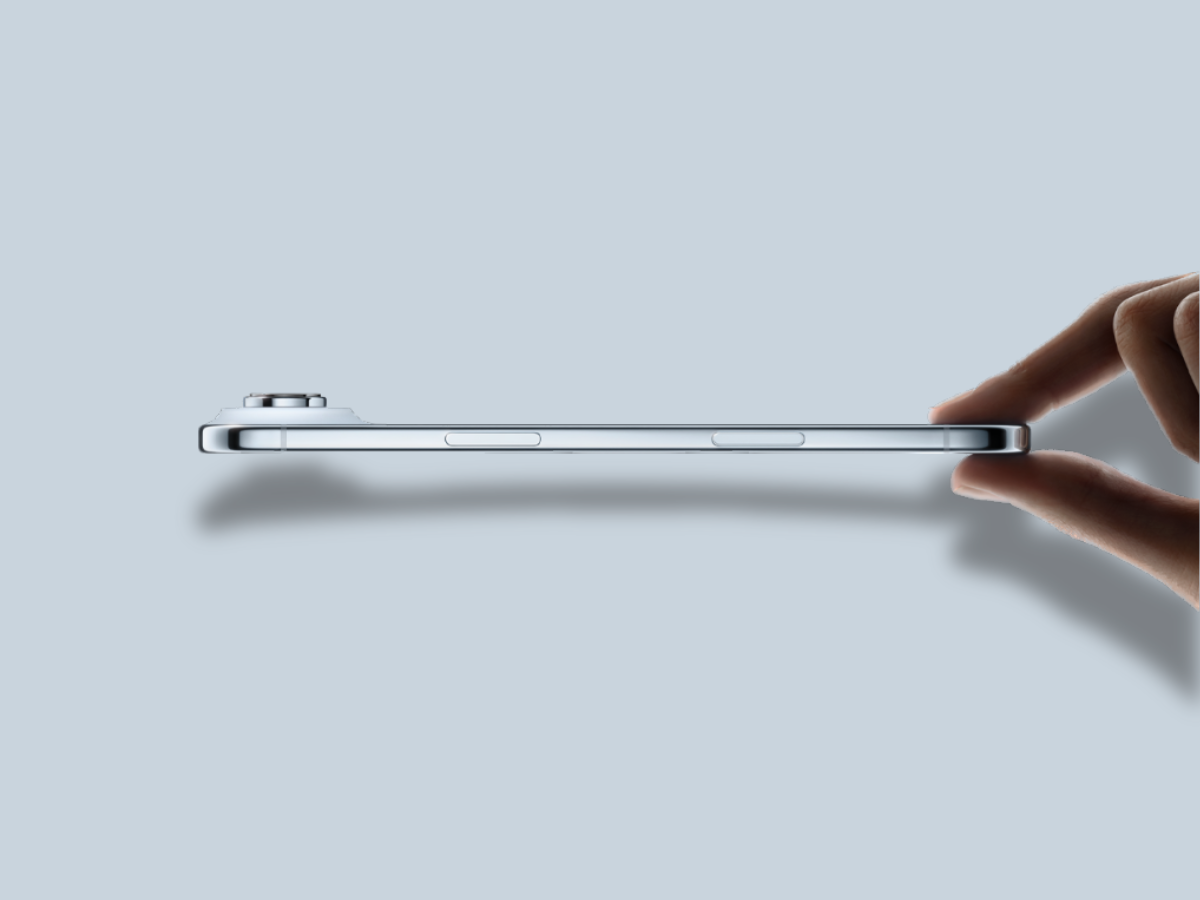







Another year, another Apple software update, and this time it brings a handful of upgrades — a new feature here, a tweak there — enough to refresh your device but rarely enough to change how you use it. But every so often, a company decides to go a little further. With iOS 26, the company is preparing what many insiders are calling the biggest overhaul to the iPhone experience since iOS 7 reshaped the entire interface back in 2014. After more than a decade of building on that foundation, Apple finally seems ready to evolve the platform in a meaningful way.
Early previews hint at an update that goes beyond cosmetic polish. iOS 26 is expected to rethink how core features behave, refine long-standing tools, and introduce smarter, more capable on-device intelligence — all while keeping Apple’s trademarks of speed and privacy intact. It isn’t just another end-of-year patch; it feels like the start of a new era for the iPhone.
In this guide, we’ll break down everything you need to know. From how to install iOS 26, to which models will actually support it, to what Apple is doing with Siri’s long-awaited improvements — consider this your complete look at the update everyone will be talking about.
Apple typically saves its major software releases for the second half of the year, and iOS 26 is expected to follow this pattern. After its announcement at WWDC in June, the update will undergo the usual beta testing before being officially released on 15 September 2025. That date aligns perfectly with Apple’s typical mid-September rollout, just ahead of the next iPhone launch.
Updating to iOS 26 is simple. Once the update is officially available, just go to your iPhone’s settings and let the device handle the rest. Follow the steps below, and your phone will guide you through the download and installation process.
Settings → General → Software Update
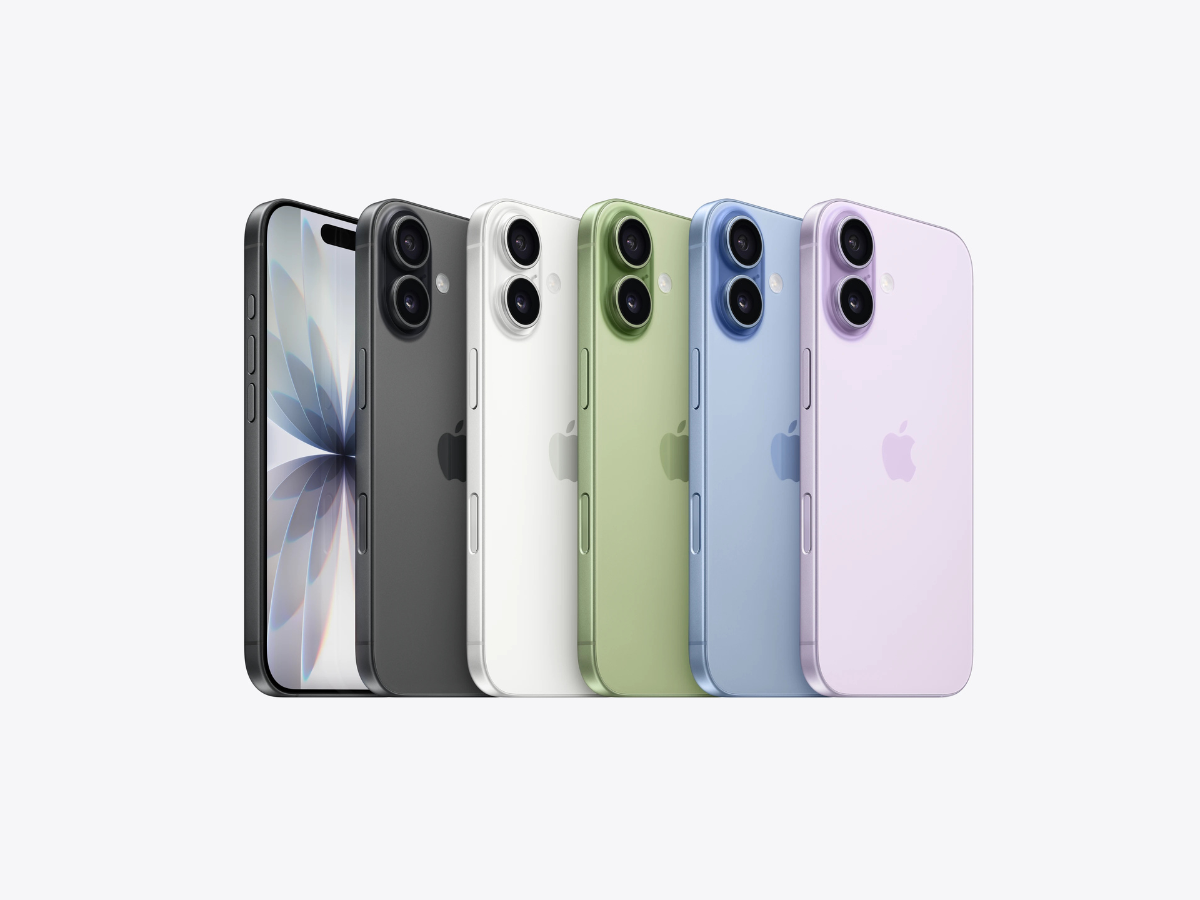
Apple isn’t abandoning older models with iOS 26. In fact, the update stretches all the way back to the iPhone 11 generation, offering a surprisingly large group of users access to the new software. The newly announced iPhone 17 lineup will naturally be front and centre, but many existing devices will also be compatible. Here’s the complete list of supported models:
- iPhone 11, 11 Pro, 11 Pro Max
- iPhone 12, 12 Pro, 12 Pro Max, 12 Mini
- iPhone 13, 13 Pro, 13 Pro Max, 13 Mini
- iPhone 14, 14 Plus, 14 Pro, 14 Pro Max
- iPhone 15, 15 Plus, 15 Pro, 15 Pro Max
- iPhone 16, 16 Plus, 16 Pro, 16 Pro Max, 16e
- iPhone SE (2nd gen and 3rd gen)
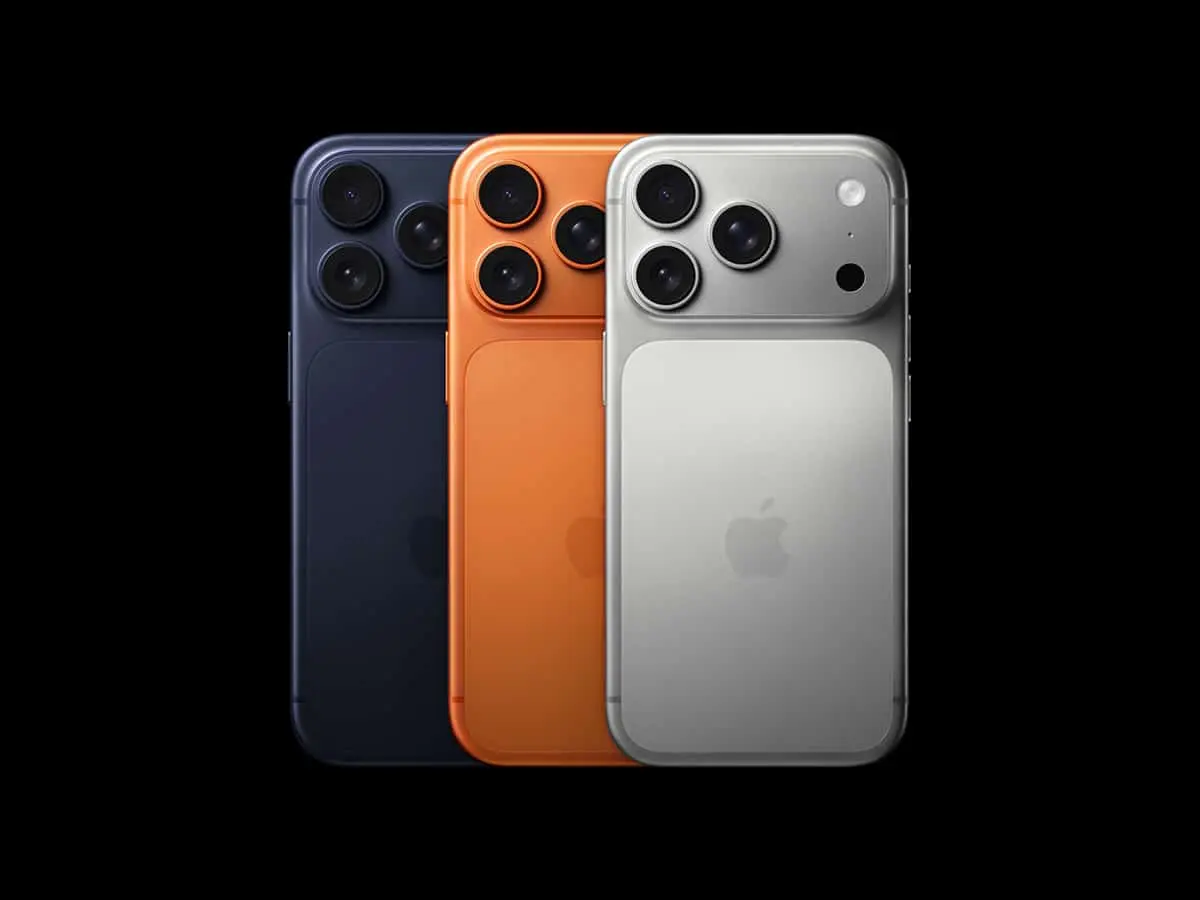
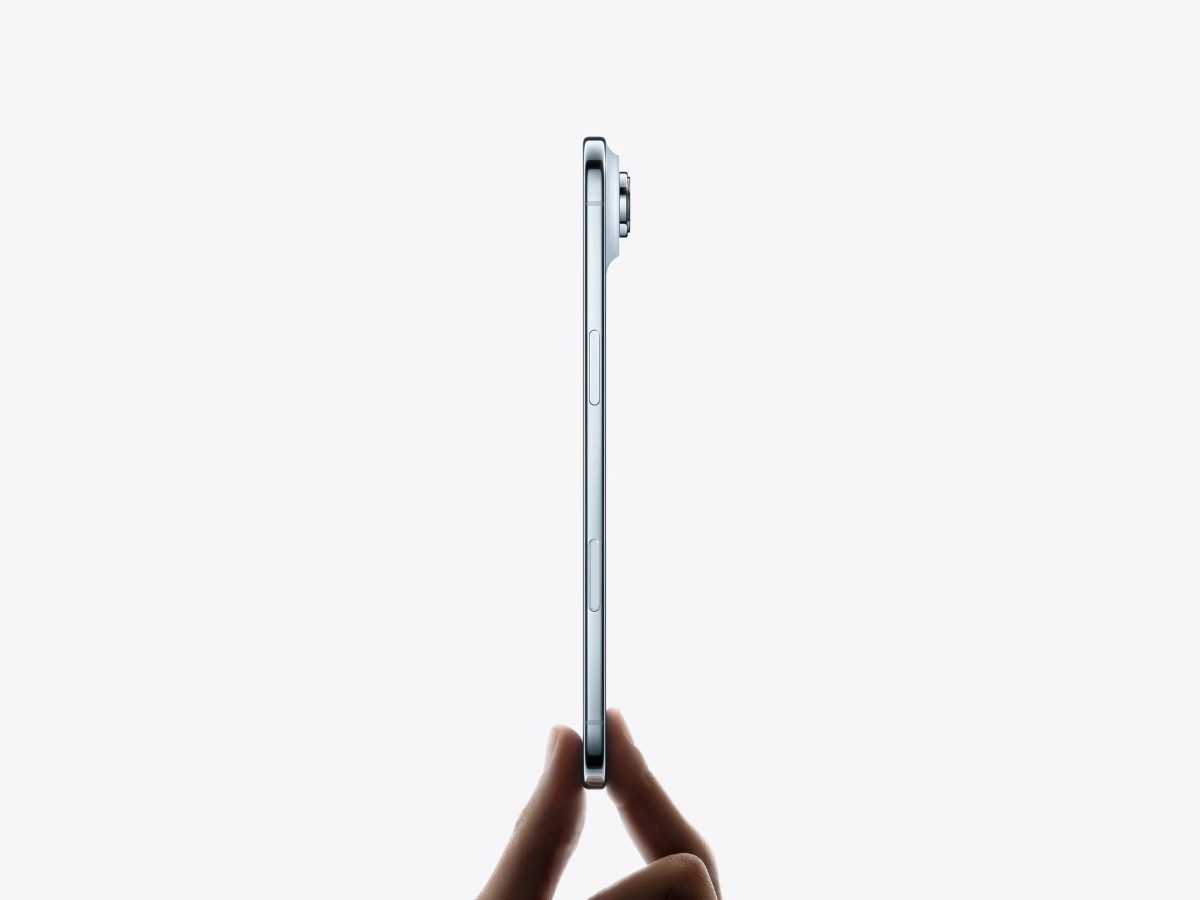
- iPhone 17, 17 Pro, 17 Pro Max, and iPhone 17 Air
One thing to keep in mind, though, is that not every device gets every feature. Apple’s new AI tools require the power of an A17 Pro chip, meaning models from the iPhone 11 through the iPhone 15 Plus will miss out on those more advanced capabilities. They’ll still get the core improvements of iOS 26 — just not the AI extras.
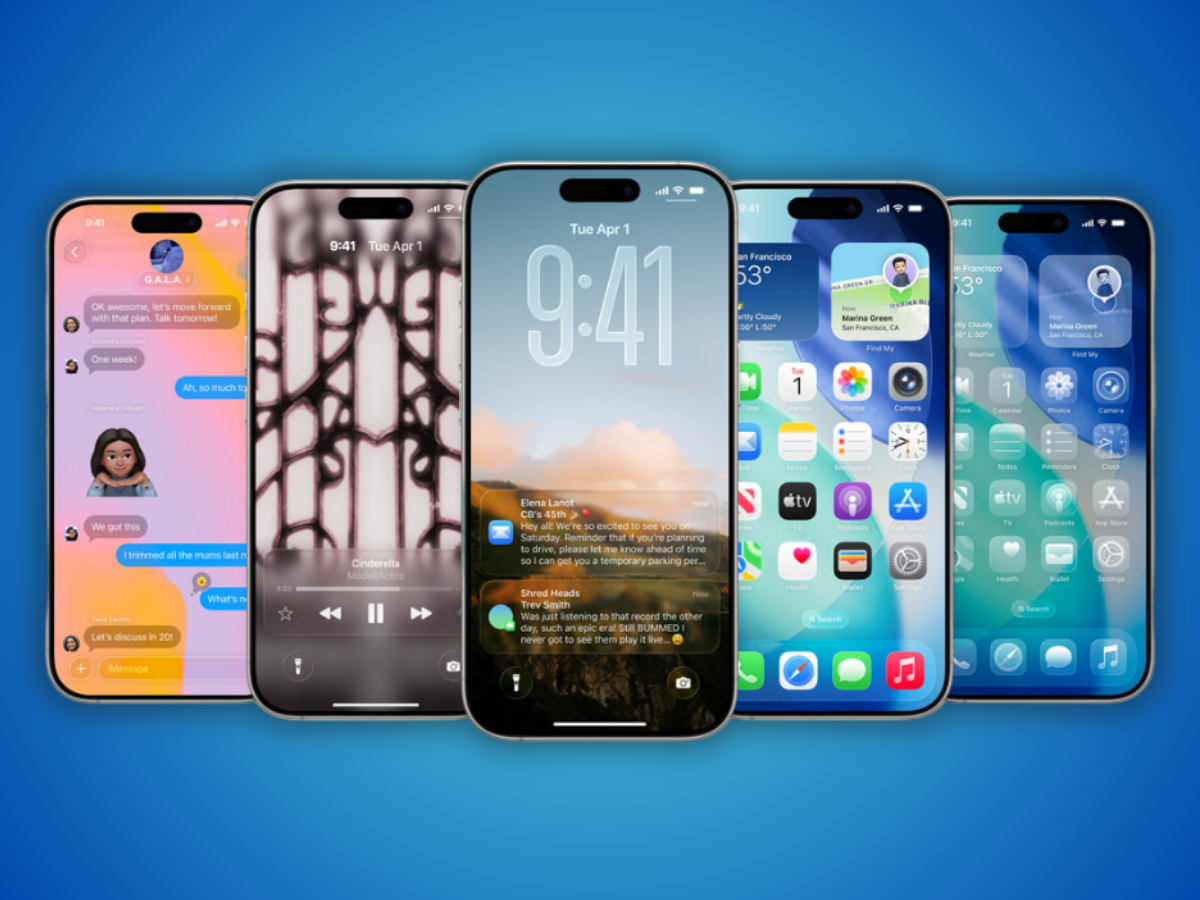
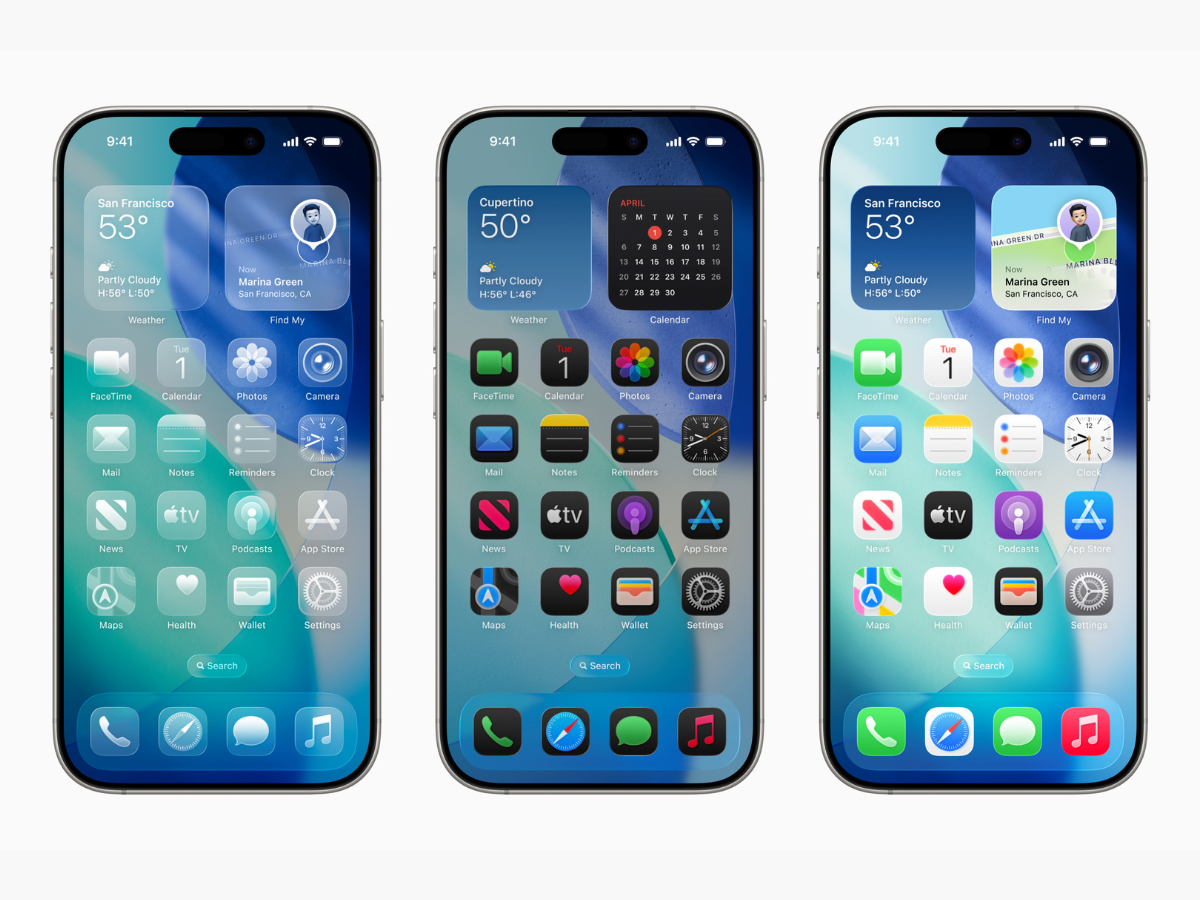
Apple is making its next major move with ‘Liquid Glass’ to refresh the iPhone’s interface, marking one of the most cohesive design efforts the company has undertaken in years. Instead of treating each device line as a separate universe, Apple is unifying everything so iOS, iPadOS, macOS, and even visionOS share the same visual style. The inspiration clearly comes from visionOS, but the version you see in iOS 26 has been adapted to feel natural on a touchscreen — smooth, rounded, and almost liquid-like as you navigate through the system… pretty cool in my opinion.
The aesthetic focuses on a glassy, softened look where elements shift and adapt as you interact with them. Panels blur dynamically, menus feel more layered, and the entire interface has a kind of fluid depth. It’s a striking change, but in the early beta stages, it wasn’t without its hiccups. Some translucent surfaces made text harder to read, and a few UI components — like search bars and keyboards — didn’t always appear or disappear when they should. Typical beta behaviour, but noticeable enough to raise questions about how well the final version would perform.
Apple’s later betas demonstrated notable improvements. The company refined contrast, fine-tuned transparency, and strengthened areas that initially seemed fragile. By the final versions, Liquid Glass appeared more stable, and reading problems were largely fixed. When all elements aligned, the new visual style seemed like a natural progression instead of a mere flashy test.
One surprising benefit is how much more customization Apple is offering. You can adjust different transparency levels for your home screen and app icons, switch between updated light and dark themes, and generally give your device a look that’s more “you” than any previous version of iOS allowed. Apple has always preferred a controlled visual environment, but iOS 26 loosens things up just enough to make the OS feel more personal without compromising its clean aesthetic.
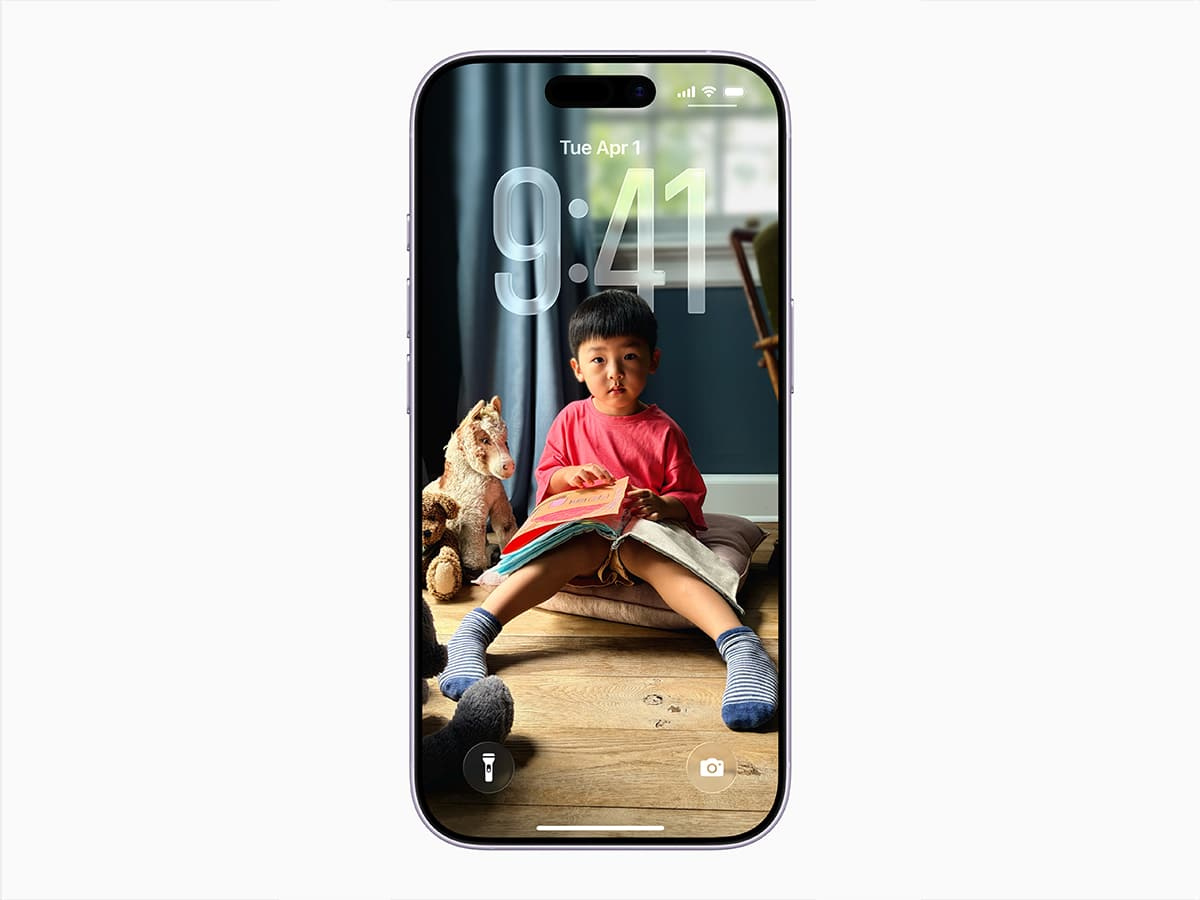
iOS 26 isn’t just bringing a new look — Apple has packed in a long list of upgrades that touch nearly every part of the operating system. Some changes make daily tasks easier, while others introduce entirely new features. Here are a few of the standout features Apple has highlighted so far.
- Messages will now automatically filter out spam texts, preventing scam attempts and random bots from disrupting your actual conversations. It’s a quiet update, but one that’ll make everyday messaging much cleaner.
- Messages, FaceTime, and Phone are now equipped with built-in translation tools that enable instant communication with people in other languages. Paired with AirPods Pro 3 — which can translate spoken words around you — iOS 26 aims to eliminate much of the friction involved in cross-language conversations.
- Apple is launching a dedicated gaming hub for iPhone, iPad, and Mac. It consolidates leaderboards, friends’ activity, and personalised recommendations, creating a single place for all gaming-related content within the Apple ecosystem.
- Shortcuts is upgrading with a new feature called AI Actions, allowing you to create automations that connect directly to Apple’s growing AI models. It opens the door to much more advanced, context-aware automations than iOS has ever provided.
- Apple Music is introducing an AI-driven DJ mode that mixes tracks based on genre, tempo, or overall mood. It can even subtly adjust timing between songs to ensure smoother transitions — perfect for parties, workouts, or simply avoiding awkward song jumps.
Apple is promising a lot with iOS 26, and while the company typically delivers, there are still a few bigger features from last year’s update that never made it to launch. And that’s worth discussing — because it may give us clues about what will actually ship on launch day.
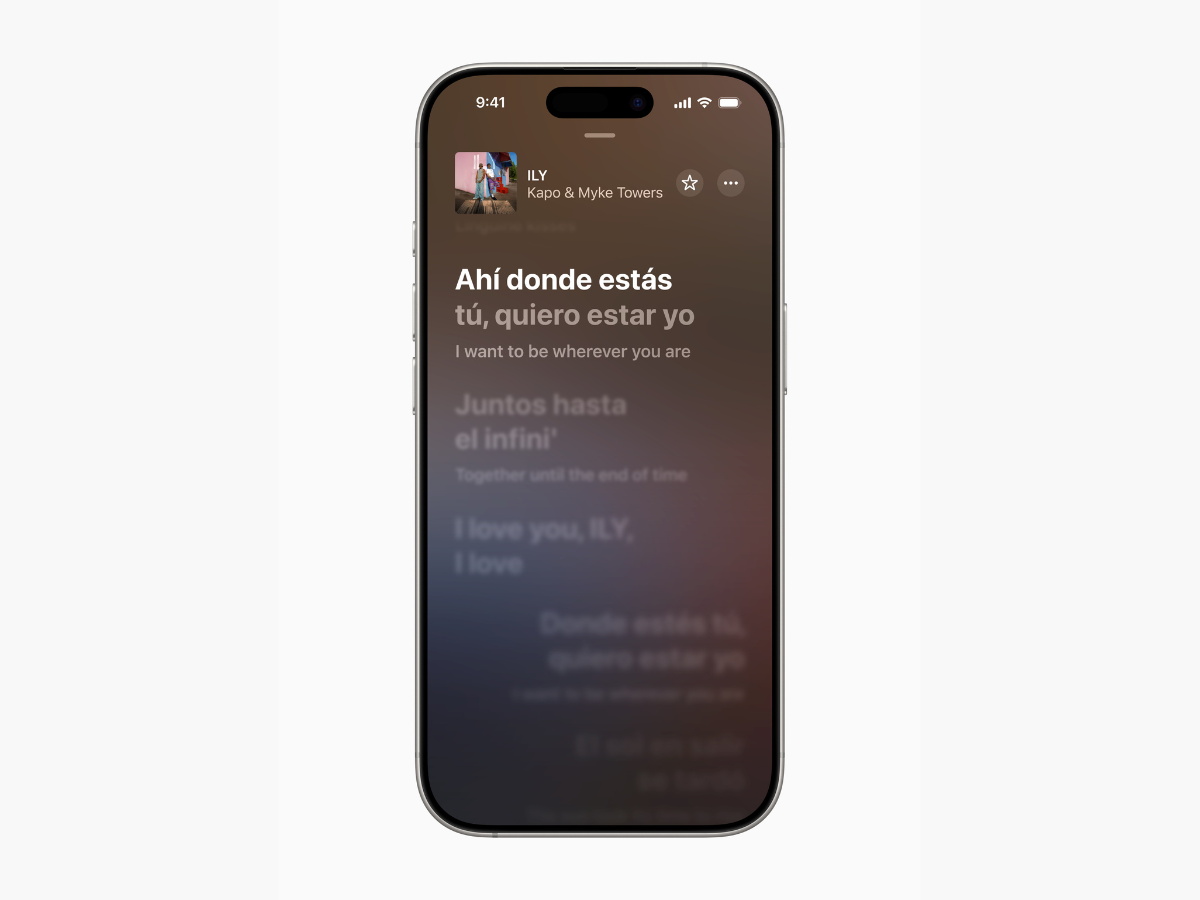
The big question on everyone’s mind is simple: Is Siri finally prepared to compete with the top AI assistants? Based on everything we know so far…not quite.
Apple has been positioning Siri as a key part of its new Apple Intelligence strategy, but behind the scenes, things haven’t gone as smoothly as the company hoped. In a recent interview with The Wall Street Journal, Apple’s software chief Craig Federighi admitted the team initially aimed higher than what the technology could reliably deliver. Apple had planned a two-phase rollout of Siri’s advanced AI tools, but after extensive internal testing, the company decided the new version wasn’t ready for public release. As a result, the more ambitious Siri upgrades have been pushed back indefinitely.
That doesn’t mean Siri is standing still. iOS 26 introduces some meaningful tweaks — like live translation built directly into Messages, FaceTime, and Phone — along with a tighter, more seamless connection to ChatGPT for more complex queries. But the deeper “Apple Intelligence” version of Siri that Apple previewed last year? That’s on pause.
Federighi clearly explained the issue: while Apple had early versions running, Siri struggled with reliability once users moved beyond simple, obvious questions. The assistant couldn’t consistently handle more flexible or off-script requests, and Apple wasn’t willing to release something that didn’t meet its standards.
To make things even more complicated, Apple had already heavily promoted these Siri upgrades as headline features for iOS 18 and the iPhone 16 series. Now that those features have been postponed, the company faces multiple class-action lawsuits alleging false advertising regarding its promised Apple Intelligence rollout. Not exactly the smooth debut Apple was aiming for. So yes — Siri is getting better in iOS 26. But the major overhaul Apple teased? That one’s still waiting in the wings.