


Our team of editors and experts thoughtfully chooses each product. If you decide to buy through one of our links, we may earn a commission. Learn more. Want to know how we test products? Click here for more details.
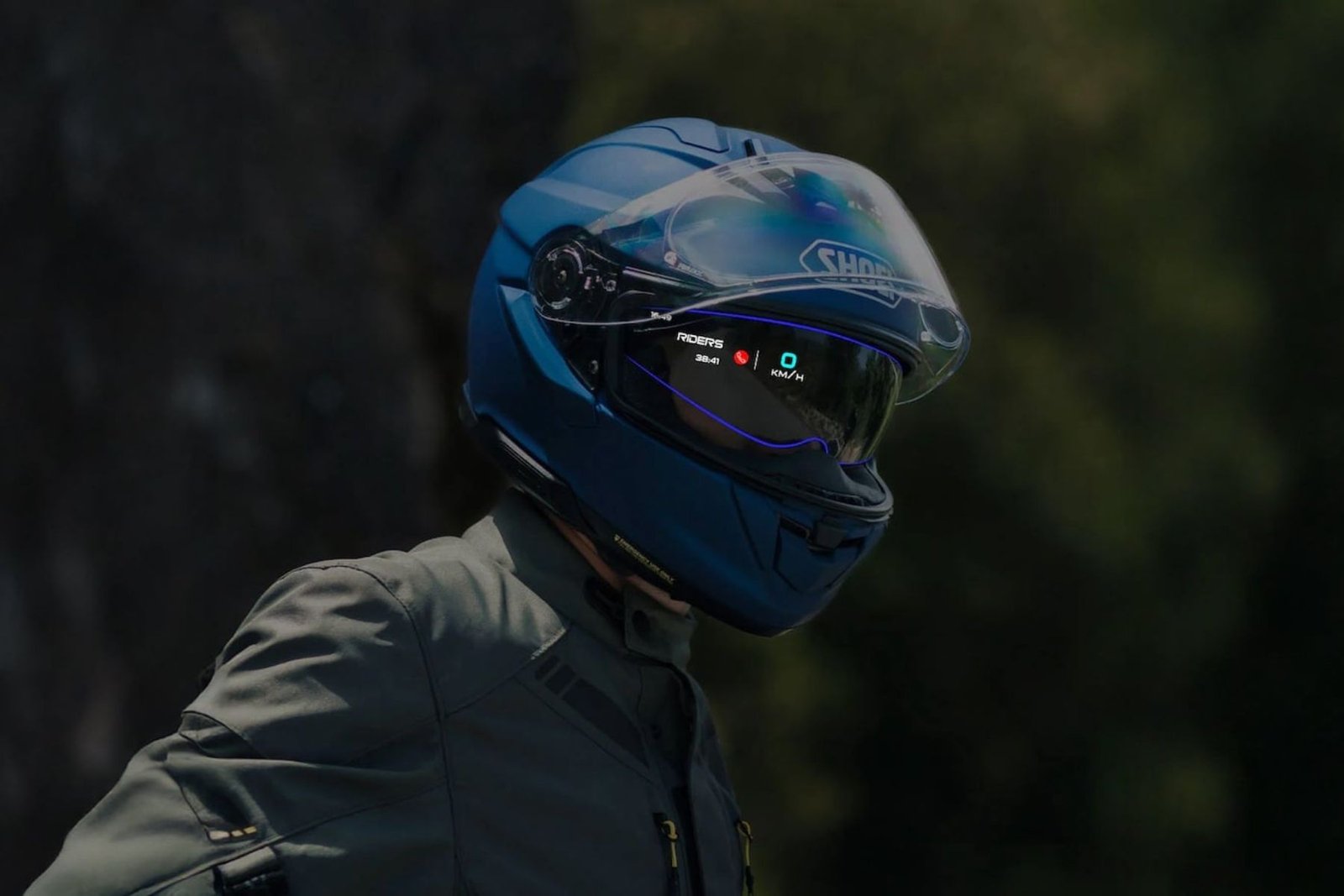
For years, smart helmets have promised the future and delivered the world’s first fully integrated AR display using EyeLights’ nano-OLED HUD to project speed, navigation cues, calls, and GPS-based radar alerts, such as warnings for speed cameras and enforced zones, three metres ahead of you with minimal distractions while riding. Every rider knows how dangerous those distractions can be.
It’s pretty awesome just by looking at it how aesthetic and clean it looks, partnering with Shoei and Eyelights by placing a tiny OLED display right into the visor itself rather than sticking or bolting extra hardware. You won’t find a big, bulky gadget hanging off the side; what would be the point of that? Right? This is a full HD projection that is completely visible even during strong daylight and only appears when you want it, which makes it feel like part of how you see the world, not like a little mini screen grabbing your attention.
It gives you a quick glance at the essentials, while the rest of your view stays clear of obstacles and doesn’t disturb you. According to Eyelights, it suggests that this setup can noticeably improve reaction times, which gives the GT-Air 3 smart a safety advantage rather than just an aesthetic one. Its less flashy hallmarks that you see nowadays are more about reducing friction between the rider and the information provided, making this helmet a step ahead of other smart helmets currently on the market.
Shoei GT-Air 3 Smart | Image: Supplied
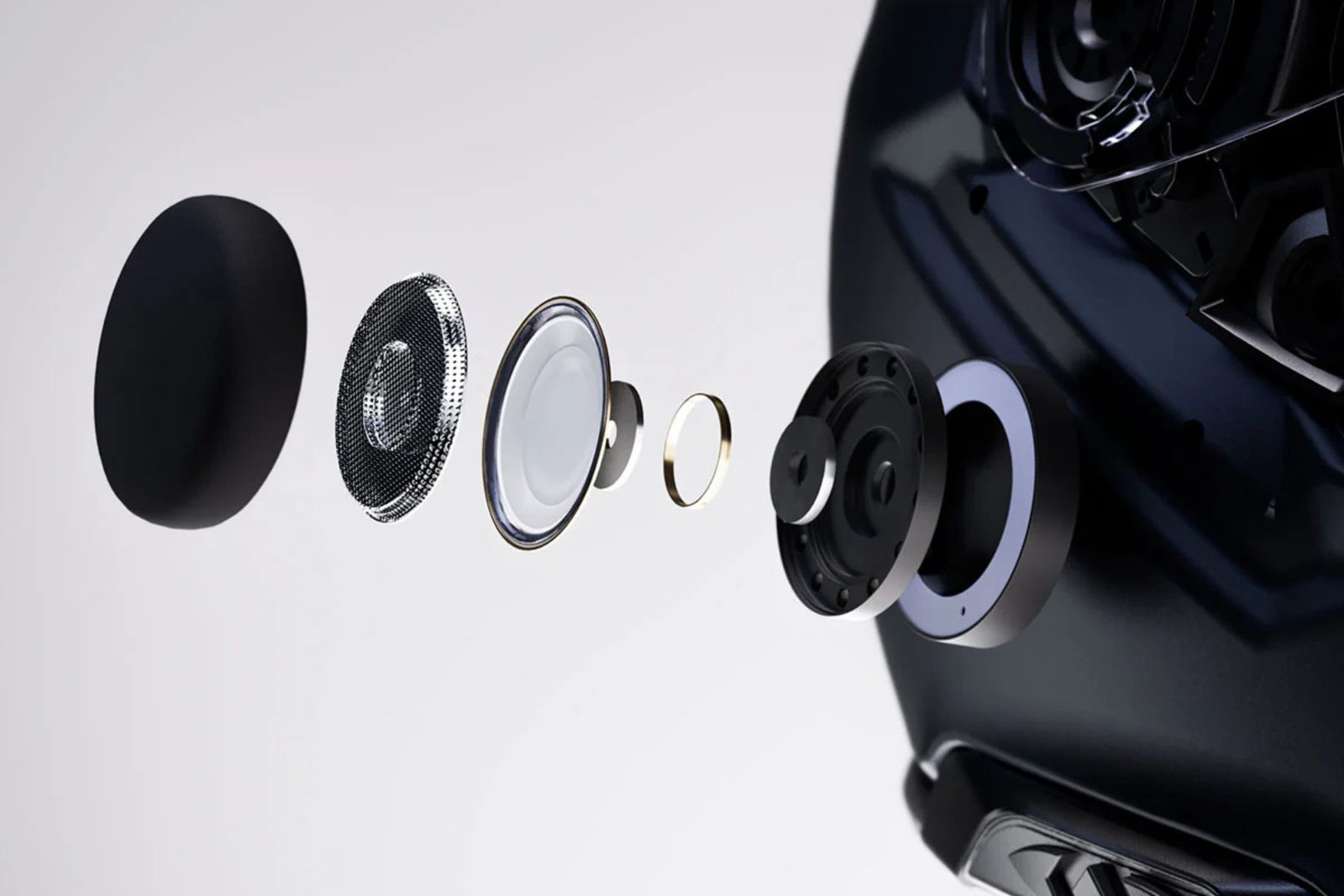
Shoei considered how riders communicate on the road, which is why the GT-Air 3 Smart features a fully integrated intercom system. There’s no artificial limit on range or the number of riders you can connect with, and it works well with other major intercom brands. Both online and offline mesh modes are supported, and the built-in audio system includes enhanced speakers, a noise-cancelling microphone, and voice control via Siri or Google Assistant. All of this is housed within the helmet, including the battery and wiring, giving you a sleek look and reducing air resistance, just like the regular GT-Air 3.
Now that we’ve discussed the tech aspect, let’s focus more on the helmet itself. The GT-Air 3 smart features the brand’s AIM shell construction, a layered composite designed to better absorb impact forces compared to single-material shells. It complies with both DOT and the latest ECE 22.06 safety standards, meaning it has been tested according to the most recent regulations in both the US and Europe.
Comfort and practicality haven’t been overlooked either. Ventilation is managed by large, adjustable intake vents at the chin and crown, with rear exhaust ports ensuring air circulates through the helmet while you ride. You also get Shoei’s QSV-2 internal sun visor and a Pinlock-compatible outer shield, making it straightforward to handle glare and foggy conditions. Shoei hasn’t released an official weight for the Smart version yet, but since the standard GT-Air 3 weighs around 1.77 kg, it’s reasonable to expect a slight increase once all the extra tech is included — a trade-off many riders will likely accept for the benefits this helmet offers.
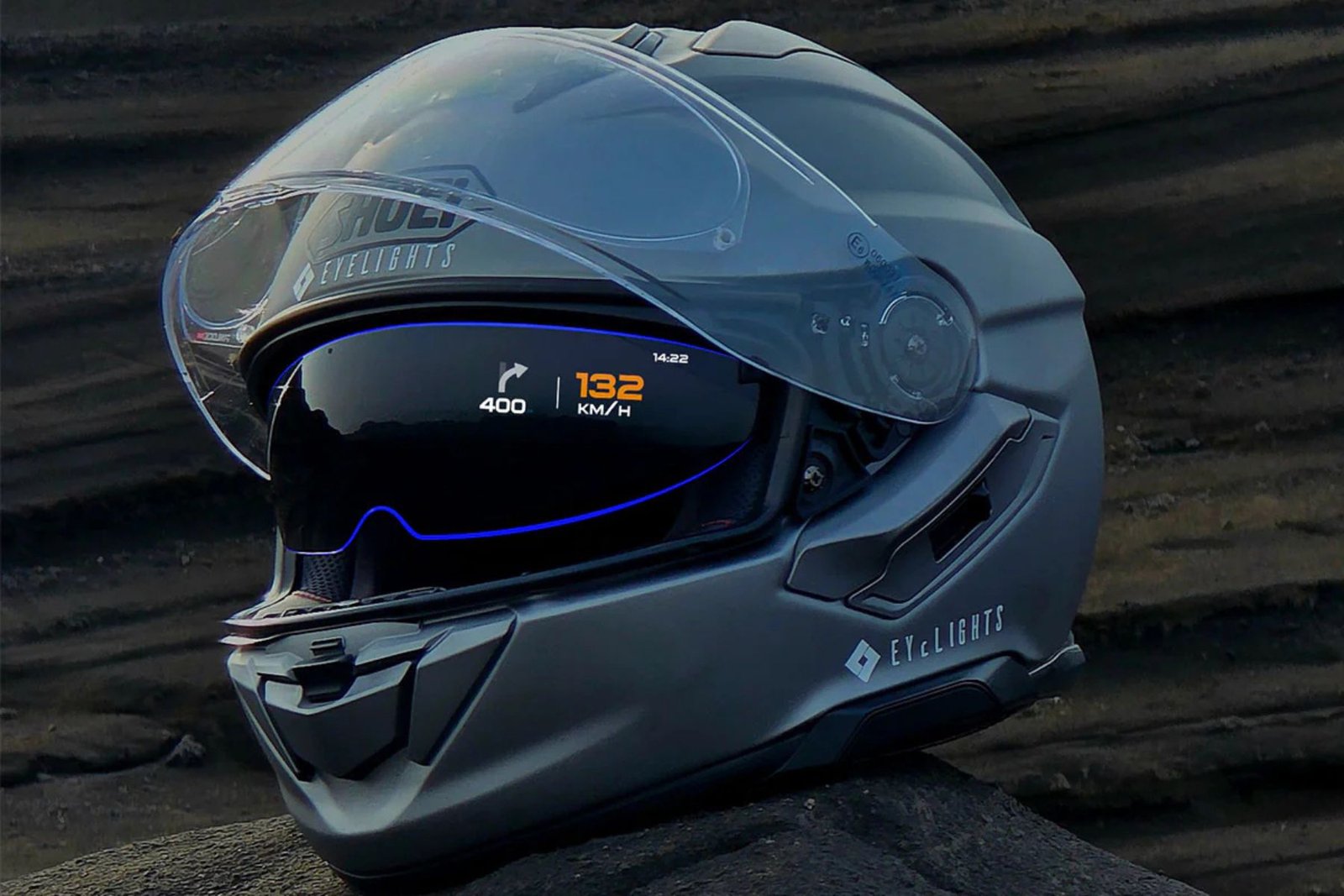
Shoei GT-Air 3 Smart | Image: Supplied
Pricing is where the GT-Air 3 Smart really starts to make sense, especially at a starting price of USD $1,400 or EUR €1,199, making it one of Shoei’s Premium products. It comes in White, Matte Black, Matte Metallic Blue, Matte Metallic Grey, and the more expressive REALM TC10 graphic, with sizes ranging from S to XXL.
It’s worth noting that prices shape the discussion around smart helmets, but other models like Cardo’s Beyond GTS or Sena’s Phantom mainly concentrate on communication and intercom features. This one is transforming the market, and I believe many other brands will redirect their focus to fully integrated AR displays, as demand shifts towards them rather than traditional “connected” helmets.
This is really important for many, because AR helmets have been promised for years but have not arrived anytime soon. We’ve seen many other brands focusing on camera-assisted visor concepts or futuristic overlays and object detection like BMW Motorrad, so it’s safe to say that the GT-Air 3 Smarts feels different because it finally needs something ready for real-world riding, and that’s where Shoei Helmets are heading too.
Elias Albay is the Founder and Director of Many Men Magazine, a Toronto-based digital publication dedicated to promoting modern masculinity through style, culture, and self-improvement. What started as a personal turning point became a purposeful platform. — born from Elias’ desire to create something meaningful after completing his studies and finding no career path that truly matched his ambitions. With a background in Civil Engineering from York University and experience in Commercial Flight Operations at CAE, he applied skills, and resilience from both fields to forge a new path.
Our team of editors and experts thoughtfully chooses each product. If you decide to buy through one of our links, we may earn a commission. Learn more. Want to know how we test products? Click here for more details.
This creative collaboration is truly unique. It started as a shared passion for motorsport culture and creativity, which eventually led to a full partnership between Deus Ex Machina and MINI John Cooper Works. Instead of just producing lots of stuff or trying quick marketing tricks, these two brands chose a different path, a more personal one. They ended up with two unique creations that truly showcase MINI’s rich racing history and Deus’s relaxed, practical lifestyle. It’s a place where how well something functions is just as important as its own distinctive vibe, and where design focuses on the feeling it gives you, not just what it looks like with your eyes.
That partnership is going to be a big deal at IAA Mobility 2025 in Munich. The project will show up for the first time anywhere at the MINI Pavilion on September 6. Small details that truly matter come together to shape the collaboration. For example, the sleek, subtle white “X” on the roof of each car symbolizes the intersection of two creative worlds. It’s not about loudly shouting “brand!” at everyone. Instead, it quietly marks a special moment, showing that this partnership isn’t just talk but genuinely reflects what both sides aim to achieve together. Let’s take a closer look.
MINI JCW x Deus Ex Machina | Image: BMW / Deus Ex Machina
“The Skeg”: MINI Cooper JCW Electric
At first, “The Skeg” just looks like a wild custom car showpiece—a tribute to surf culture, but with a fresh, electric twist. Decked out in bold yellow and silver, this MINI Cooper JCW-inspired ride borrows its attitude from those classic fibreglass surfboards. It begs you to look closer, to catch all the little touches that set it apart.
Carby Tuckwell, Deus Ex Machina’s co-founder and creative director, said the whole process just clicked. The MINI design team actually cared. They showed up with real excitement and a clear sense of what the MINI name means. Forget the usual corporate red tape—these folks treated MINI like the icon it is. The collaboration between Deus, MINI, Designworks, and longtime partner Matte felt easy and natural, more like a jam session than a boardroom meeting.
Operating in more than 15 countries, the company has built its reputation on collaboration and creativity. ‘The Skeg’ exemplifies this philosophy by blending precise designs with raw materials like metal and fibreglass. Instead of chasing fleeting trends and mass production, this project remains true to its brand heritage through craftsmanship, movement, and cultural influence, paying attention to every detail—from the choice of materials to the way it weaves surf culture into the car’s design.
MINI JCW x Deus Ex Machina | Image: BMW / Deus Ex Machina
If you are familiar with the MINI Cooper JWC Electric, then you’ll notice it still delivers 190 kW (258 hp) to the front wheels, with custom fibreglass components that appear across the roof, front, rear, and interior, which reduces the overall weight by around 15%, giving it a sharper and more expressive profile. Additionally, with the wider fenders, front grille, and a flexible surf-inspired rear spoiler, it benefits from enhanced aerodynamics.
Inside the cabin, you’ll notice the surfboard culture becomes more evident, with the interior resembling a surf shop rather than the typical EV cockpit you often see. The fibreglass trays are designed to hold wetsuits alongside neoprene-trimmed lightweight racing bucket seats, while a fibreglass dashboard ties the whole space together. You’ll also notice the tension straps stretched across the roof as a reference for securing a surfboard. It is a smart design that’s been presented in a modern MINI interior for everyday use.
The finishing touches bring everything to life with an oversized white “X,” which serves as a visual anchor throughout the cabin. This is complemented by Deus Collection branding and subtle 3D-printed accents in the centre console. This idea merges the two brands, creating something that feels both playful and thoughtfully deep throughout the design.
MINI JCW x Deus Ex Machina | Image: BMW / Deus Ex Machina
“The Machina”: MINI Cooper JCW
“The Skeg” gives off cool surf vibes and brings back sunny, old-school memories. But “The Machina”? That one’s all about the racetrack. It really digs into MINI John Cooper Works’ racing roots, yet Deus Ex Machina’s unique style shines through. This one’s the feistier of the pair. It takes a MINI Cooper JCW with a combustion engine and cranks everything up for pure performance. It’s all about precision and a bold attitude, with no room for a relaxed vibe.
You can tell just by looking at “The Machina” what it’s all about.They made the outside darker and more serious, drawing inspiration from racetracks instead of beaches. The colours and finishes feel more like a pit lane than a coastal retreat.They really made sure every part of this car, from how it sits to all the little details, looks like it’s going fast even when it’s just parked.It’s not so much about being charming as it is about this feeling of being wound up, prepared to act.
Just like the electric version, the team behind “The Machina” worked together because they really respected what came before it, not because they wanted to completely change everything.MINI has this amazing history in racing, which really set the stage. Then Deus came in and added their unique touch. What we got was a car that truly respects both brands, without going overboard for one or the other.You know, you can really see that balance in the design. It pulls from those classic racing vibes, but it still feels totally modern and, without a doubt, like Deus.
MINI JCW x Deus Ex Machina | Image: BMW / Deus Ex Machina
When you step inside, you’ll see the cabin keeps up that idea of being all about performance. It’s more about what works and staying focused than having too much extra stuff.We picked out materials, textures, and finishes that remind you of race tracks. The idea was to make the spot feel like it has a real purpose, not just to look pretty.Instead of big, obvious logos, we added little custom touches. This lets the car’s personality shine through, but if you’re really looking, you’ll see hints of our teamwork.
The thing that really makes “The Machina” special is how well it gets its message across. It doesn’t need any tricks or fancy stuff to get its message across. It just lets the way things are sized, the materials picked, and a bit of holding back do all the hard work.You know how a lot of car brands just slap a name on something and call it a collaboration? This MINI Cooper JCW is different. It actually feels real, like they really thought about the culture it came from.
‘The Machina’ really helps fill out the story, especially when you see it next to “The Skeg.’ It’s interesting how both pieces, even though they’re so different, really capture what that partnership is all about. One way to see it is as being laid-back and easygoing, while the other is all about precision and excellent results. But at the end of the day, they both arrive at the same concept idea: good collaboration doesn’t mean losing your own vibe; it actually helps you understand who you are even better.
MINI JCW x Deus Ex Machina | Image: BMW / Deus Ex Machina
Two Brands, One Creative Vision
Munich truly stole the spotlight when the MINI JCW and Deus Ex Machina partnership finally made its public debut, beyond just showcasing cool cars. This collaboration wasn’t sudden; it had been developing behind the scenes for over a year, so the reveal felt genuine rather than forced. The MINI Pavilion was bustling with reporters, longtime fans of both brands, and passionate MINI and Deus enthusiasts. It more closely resembled a vibrant community gathering than a typical product launch.
The two show cars stood with the MINI JCW race car from Nürburgring 24 Hours, showcasing motorsport history. Inside, MINI x Deus gear drew attention and curiosity. As the night went on, it felt more like a launch and party, especially with Ziggy Alberts’ live performance creating a relaxed, authentic vibe. It seemed more natural, driven by genuine connection, real design, and the belief that good ideas speak for themselves.
MINI JCW x Deus Ex Machina | Image: BMW / Deus Ex Machina
The Apparel
Besides the two custom JCW cars, MINI and Deus Ex Machina are releasing a special clothing line that really brings the entire vibe together. It will be available in their stores and online worldwide, after first being showcased at IAA Mobility in Munich on September 8, 2025. The clothes, like the cars, focus more on a cool vibe than flashy logos. They blend race car styles with surf culture and everyday wear.
Carby Tuckwell, who co-founded and is the creative director at Deus, views designing clothes as pretty much the same thing as building cars. It’s really just the same creative process; he’s just applying it to something different. “Apparel is apparel. What shifts is the context, with the cars becoming part of the narrative, but the process of designing clothes remains rooted in all the same principles.”
You’ll see the apparel for the first time alongside the cars at IAA Mobility 2025. There’s even a special MINI JCW x DEUS Night planned for September 6 at the MINI Pavilion in Munich, just for this occasion. You can view the vehicles and the entire collection until September 14. It really gives you a good sense of this collaboration, which is about their shared values as much as it is about the design.
Elias Albay is the Founder and Director of Many Men Magazine, a Toronto-based digital publication dedicated to promoting modern masculinity through style, culture, and self-improvement. What started as a personal turning point became a purposeful platform. — born from Elias’ desire to create something meaningful after completing his studies and finding no career path that truly matched his ambitions. With a background in Civil Engineering from York University and experience in Commercial Flight Operations at CAE, he applied skills, and resilience from both fields to forge a new path.