





Gaming

Bungie’s ‘Marathon’— Everything You Need to Know: Characters, Release Date, & More

Reading Time: 10 minutes

Share via

Our team of editors and experts thoughtfully chooses each product. If you decide to buy through one of our links, we may earn a commission. Learn more. Want to know how we test products? Click here for more details.

For years, Bungie has been one of the biggest names in sci-fi shooters, creating iconic franchises like Halo and Destiny. Now, the studio is taking a new direction with ‘Marathon’, a multiplayer extraction shooter focused on survival, risk, and intense combat. Although the game’s first reveal earlier this year didn’t impress many fans, it has since made a strong comeback. Bungie is now showing off more of the world, gameplay features, and action-packed battles set on Tau Ceti IV.

Bungie has confirmed that ‘Marathon’ is aiming to release in March 2026, though the exact date has not yet been set. The newest videos show that the extra time has made a difference. The game feels more focused now, with a clear style centred on extraction gameplay where staying alive is more important than just getting kills. Players take on the role of cybernetic mercenaries called Runners, who enter dangerous areas to gather loot, fight other teams, and try to escape without losing what they have.

The studio has also confirmed that ‘Marathon’ will be a paid game instead of free-to-play, with Bungie aiming for a $40 price and free updates during the first year. Bungie is avoiding some of the annoying seasonal systems found in many modern multiplayer games, keeping reward passes available all the time rather than making them vanish after short events. Thanks to Bungie’s reputation for great gunplay, the game’s eye-catching art style, and the rising popularity of extraction shooters, ‘Marathon’ is already one of the most talked-about upcoming multiplayer games.

What Is Bungie’s ‘Marathon’?

Long before Halo made Bungie one of the biggest names in gaming, the studio first built its sci-fi reputation through the original Marathon trilogy back in the 1990s. This new version returns to that universe years later, placing players inside a dangerous future shaped by missing colonies, mysterious factions, and a giant interstellar ship hanging silently above a ruined planet.

The game takes place on Tau Ceti IV, a colony where everyone disappeared under unknown circumstances. Players take on the role of Runners, mercenaries who have left their human bodies behind and now use artificial bodies designed for fighting and survival. Working for secret, powerful groups, Runners are sent into dangerous areas to find weapons, upgrades, supplies, and clues about what happened on the planet and on the huge Marathon ship orbiting above.

Marathon is based on PvPvE extraction gameplay, meaning players fight both enemy creatures and other human teams in each match. Players can play alone or team up while exploring different maps across Tau Ceti IV. The further players go into risky areas, the better the rewards, but staying alive long enough to get away is more important than just getting kills. Losing a fight can mean losing valuable gear, loot, and progress gained during the run.

Bungie also seems to focus a lot on long-term progress, letting players improve their Runner, try out different setups, and unlock better gear over time. Along with the game’s clear sci-fi look, intense survival action, and Bungie’s well-known skill with shooting mechanics, Marathon already feels very different from most multiplayer shooters out there.
‘Marathon’ (2026) | Image: Bungie

How Does ‘Marathon’ Play?

‘Marathon’ is based on extraction-style gameplay where staying alive is more important than just getting kills. Players enter large maps on Tau Ceti IV alone or with teammates, looking for weapons, implants, supplies, and valuable items while facing hostile enemies and rival teams at the same time. After gathering enough gear, players must reach an extraction point and escape safely before losing everything. This pressure is present in every match, especially when other teams head toward the same goals and extraction areas.

The shooting in ‘Marathon’ keeps the fast, smooth style Bungie is known for, but the game feels more tense and strategic than Destiny. Winning isn’t just about fighting; positioning, teamwork, movement, and knowing when to leave weigh just as much. Bungie is building the game for long-term progress, so you can customize your Runner, try different gear, and unlock better equipment as you play. Based on what’s been shown so far, ‘Marathon’ is less about constant action and more about those stressful moments when one mistake can end your run.

‘Marathon’ (2026) | Image: Bungie

What Are the Classes and Factions in ‘Marathon’?

One of the most important choices in ‘Marathon’ is picking which Runner Shell to use in a match. Each Shell is designed for a different way of fighting and surviving, so the class you pick can completely change how a run goes. Some are built for tough fights, while others focus more on sneaking, moving quickly, helping teammates, or grabbing valuable gear and escaping unseen.

Here are the Runner Shells Bungie has revealed so far:

① Destroyer: A heavy combat Shell equipped with a riot shield and shoulder-mounted rocket launchers.

② Thief: A fast Shell focused on grabbing loot, using grappling hooks and remote-controlled drones.

③ Blackbird: A recon-focused Shell designed for scouting and revealing enemy positions.

④ Glitch: A highly mobile Shell built around speed and flanking enemies.

⑤ Void: A stealth-focused Shell capable of turning invisible and using smoke to escape danger.

⑥ Lifeline: A medic-style Shell focused on healing and supporting teammates during runs.

⑦ Rook: A prototype Shell that appears more disposable, allowing players to attempt loot runs without risking valuable equipment.

Besides the Shell itself, players can also customize weapons, implants, and gear setups depending on how they want to play each match. Some players will likely chase enemy teams across the map, while others may focus entirely on sneaking through dangerous areas to collect loot and leave before trouble starts. Bungie also confirmed that Shells can be customized with skins, unlocks, and upgrades, but the system seems more focused on different setups and playstyles than on creating a fully custom character like in Destiny.

The world of ‘Marathon’ is also shaped by powerful groups operating behind the scenes across Tau Ceti IV. So far, Bungie has introduced Traxus, a dangerous big company, Arachne, a combat-focused cult; and MIDA, a name longtime Bungie fans will likely recognize right away. Players will likely be able to work with these groups over time, unlocking support, upgrades, and equipment based on the loyalty earned during a season.

What makes the system interesting is the freedom it seems to offer players. Bungie does not appear interested in forcing everyone into a single role or a single style of gameplay. Instead, ‘Marathon’ seems built around experimenting with different Shells, weapons, and strategies, depending on how players want to survive each run.

‘Marathon’ (2026) | Image: Bungie

The Maps of ‘Marathon’

Players take on the role of Runners, but Bungie has said that Tau Ceti IV is really at the heart of ‘Marathon’. In each match, you explore big shared maps, searching for weapons, valuables, resources, and hidden clues before making your escape. Since every team is after the same things, even calm moments can suddenly turn into tense battles over loot or escape routes.

Every run feels tense because of the risks involved. If you die during a mission, you lose all the gear and valuables you were carrying. Bungie says you can come back with a different character, but anything you lost stays on the map for other teams to grab. The more often you escape, the better your gear and resources will be for your next runs.

Each map changes the difficulty and rewards. Some areas are safer, giving you a chance to recover after a tough loss, while others are much more dangerous but offer better loot.

Here are the maps that have been revealed so far:

① Perimeter: This is an unfinished expansion zone linked to the Tau Ceti IV colony. Bungie says it’s a lower-level map with less danger and smaller rewards, so it’s a good spot for new players or for rebuilding after losing gear.

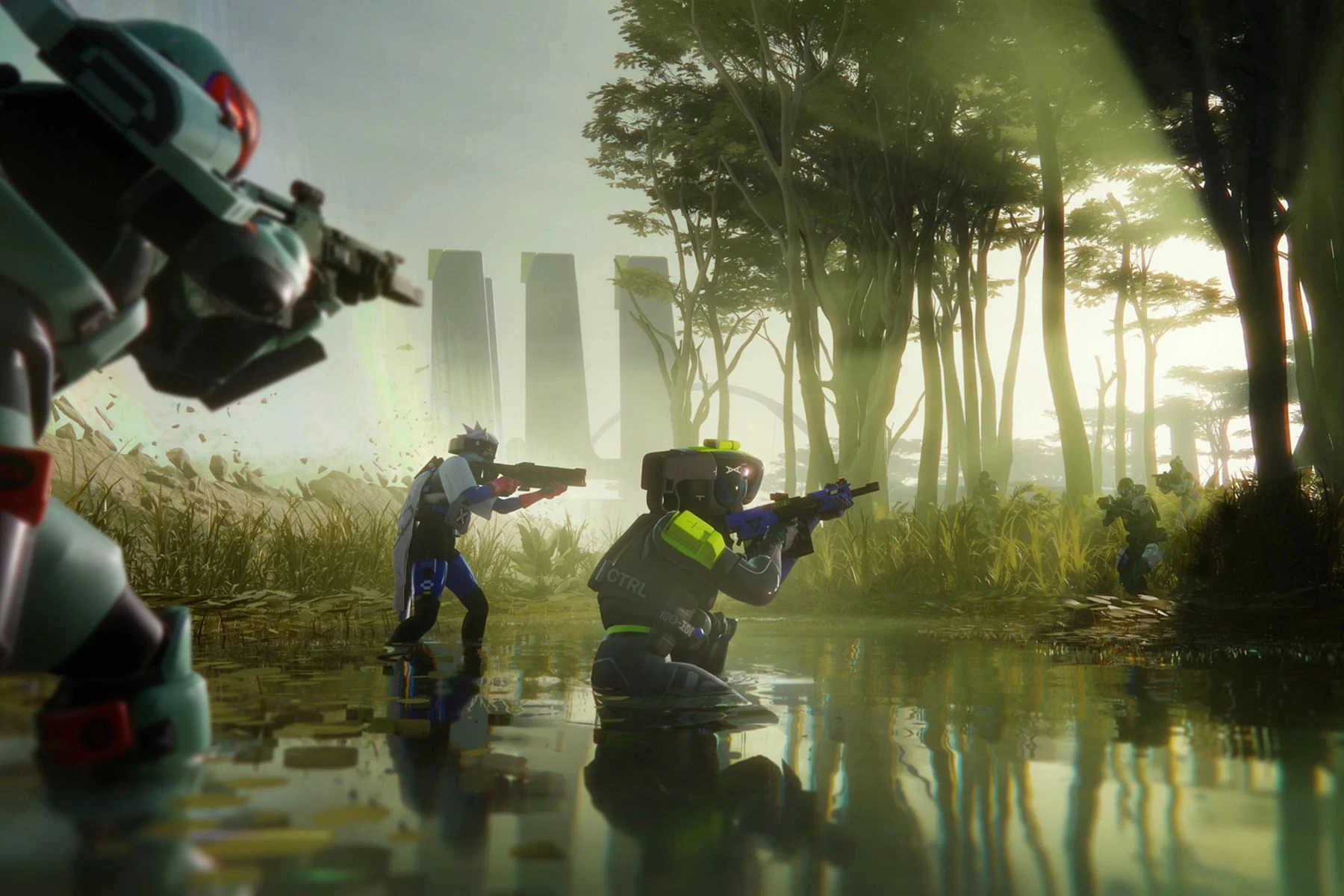
② Dire Marsh: This flooded marshland has strange sci-fi touches like glowing ground, floating cargo containers, and overlapping structures that often push squads into fights. Bungie confirmed that up to 18 players can be on this map at once, so teams clash often as they compete for resources.

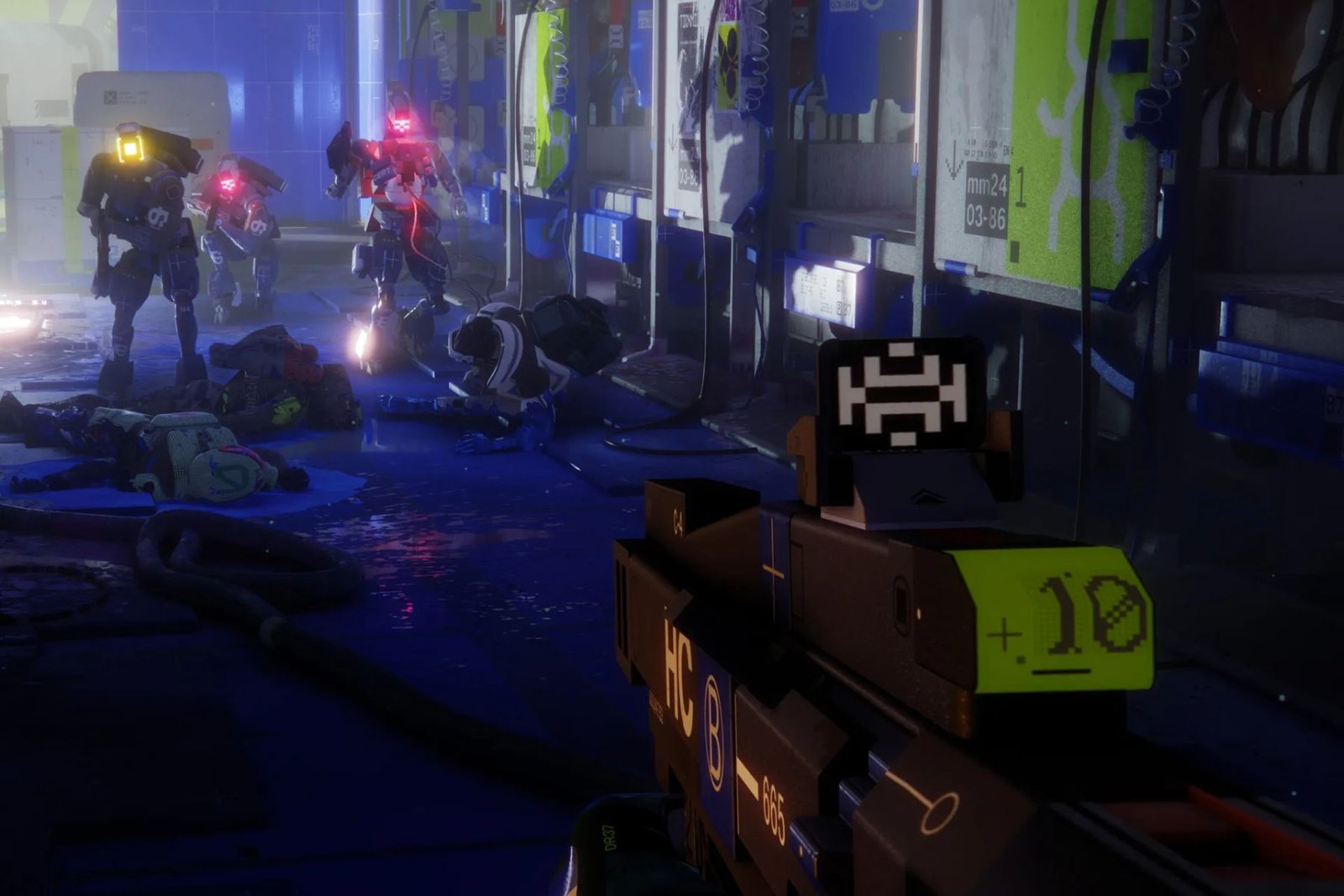
③ Outpost: This is a heavily guarded UESC facility packed with hostile security bots and tight vertical spaces. Bungie says it’s one of the most dangerous maps, with computer-controlled enemies and rival players fighting in the same spots. Still, it offers some of the best loot in the game.

④ Cryo Archive: This map is on the massive Marathon ship orbiting Tau Ceti IV. Cryo Archive is designed as an endgame area for well-equipped players. Bungie says its difficulty is similar to high-level activities in Destiny, and there are several vaults with better rewards the deeper you go.

Each map stands out because it handles player interaction, difficulty, and survival pressure in its own way. Some places let you explore and rebuild at your own pace, while others almost always lead to fights as soon as squads cross paths. With the shifting risks, the chance of losing your gear, and the mystery of Tau Ceti IV, the maps already look like a big reason why ‘Marathon’ could stand out from other multiplayer shooters.

The number of players changes from map to map. Bungie has confirmed that Dire Marsh can have up to 18 players at once, so several squads are fighting over the same loot, escape points, and resources. Other maps might have fewer players, and some could get even more chaotic based on their size and difficulty. This variety should make each location feel unique instead of just repeating the same formula.

If you survive a run and escape, you get to keep all the loot, weapons, and resources you found, which you can use in future matches or for upgrades. The more you risk, the more you can win, but there’s always the chance of losing everything. That pressure is at the heart of ‘Marathon’, especially as you learn escape routes, high-value spots, and which fights are worth it.
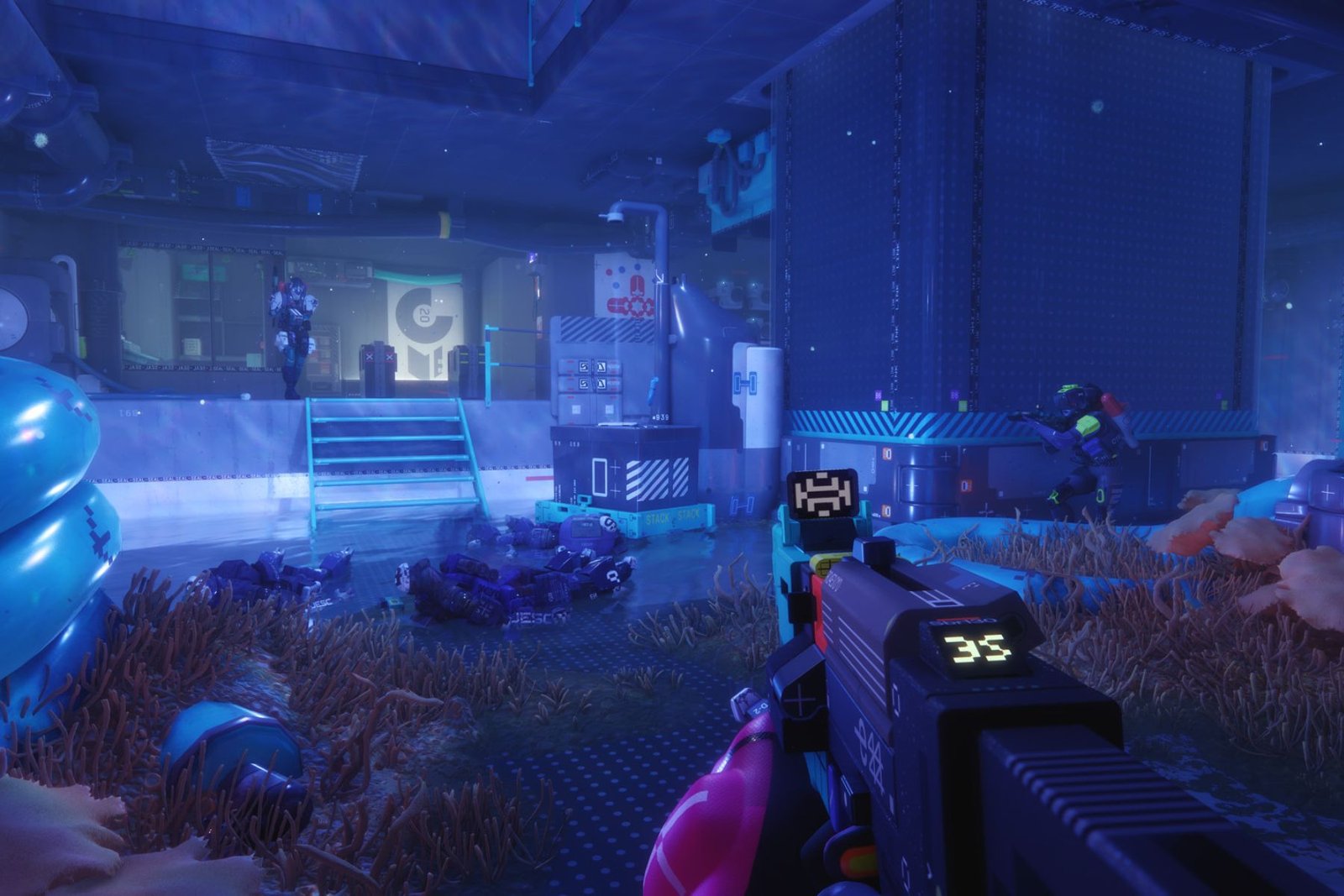
‘Marathon’ (2026) | Image: Bungie

Why Everyone Is Talking About ‘Marathon’?

A big reason people are paying so much attention to ‘Marathon’ is the studio behind it. Bungie helped shape modern shooters with games like Halo and Destiny, so the idea of Bungie entering the extraction shooter genre immediately caught players’ interest. Once the gameplay started showing up, the talk only got louder because of the game’s clear sci-fi art style, unusual world design, and the constant tension in every run.

The extraction shooter genre has become much more crowded in the last few years, but very few games have really become popular with a wide audience. That is part of why ‘Marathon’ feels different right now. Bungie is clearly aiming for something more tense and deliberate, rather than just nonstop action. Surviving, escaping with loot, managing risk, and knowing when to avoid fights all seem just as important as shooting. With the mystery around Tau Ceti IV, the different Runner Shells, and Bungie’s reputation for smooth gunplay, ‘Marathon’ has quickly become one of the multiplayer games people can’t stop talking about.

‘Marathon’ (2026) | Image: Bungie

‘Marathon’ Release Date

Bungie has confirmed that ‘Marathon’ is planned for release in March 2026, though the exact date remains unconfirmed. Unlike many modern multiplayer shooters, the game will be sold for $40 rather than being free-to-play, with free updates during the first year. The studio also said that reward passes will always be available and won’t disappear after short seasons, so players won’t have to rush to complete content before it’s gone. With growing interest in extraction shooters and Bungie’s long experience with multiplayer games, Marathon is already one of the most anticipated shooters for 2026.


About the Author

Related Articles

Watches

Zenith Goes Skeleton and Stone With the Chronomaster Sport and G.F.J. at Watches & Wonders 2026

Reading Time: 11 minutes

Our team of editors and experts thoughtfully chooses each product. If you decide to buy through one of our links, we may earn a commission. Learn more. Want to know how we test products? Click here for more details.

Following its 160th anniversary celebrations in 2025, Zenith could easily have taken a quieter approach to Watches and Wonders 2026, but the Le Locle manufacture arrived in Geneva with seven new watches spread across two very different collections. The Chronomaster Sport supplied the modern, high-frequency performance, while the G.F.J. brought classical proportions, rare materials and one of the most important chronometer movements in Zenith’s history.

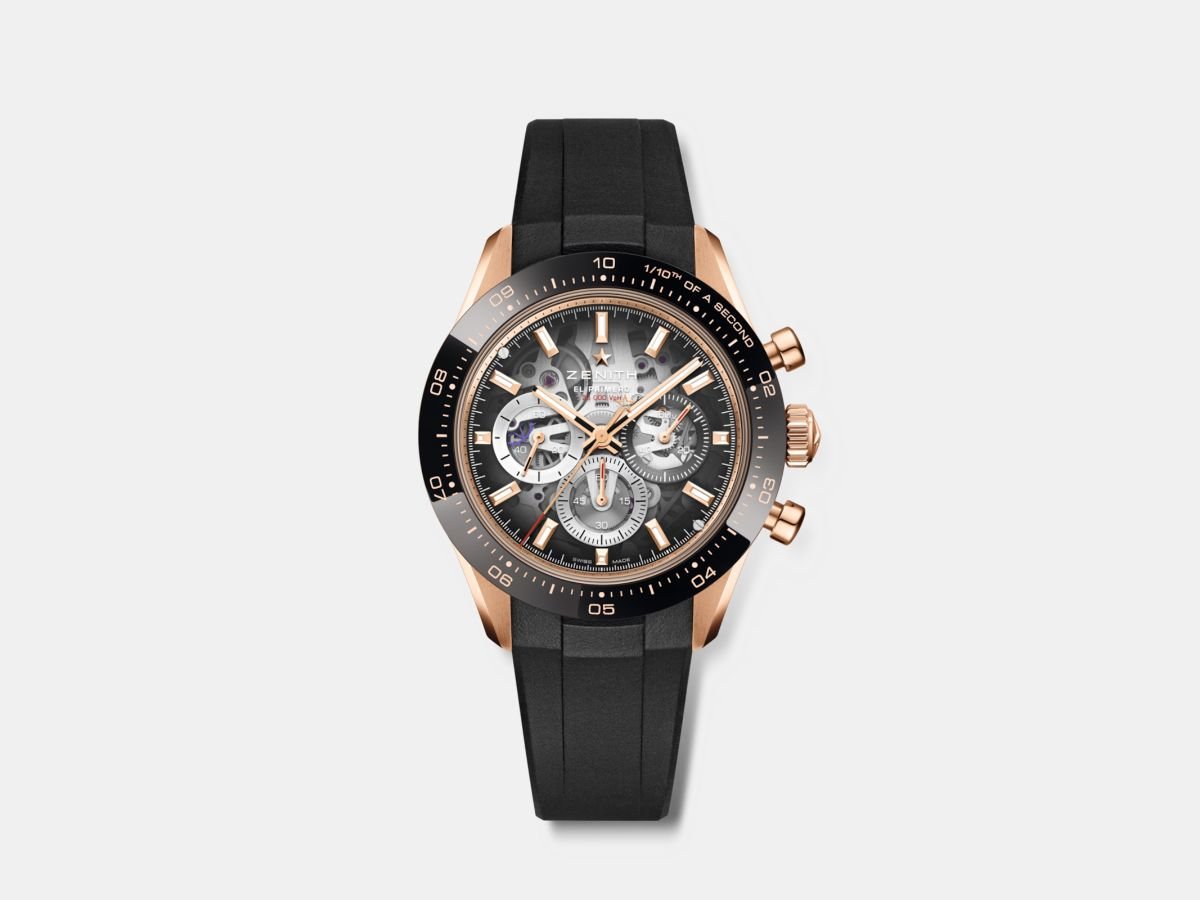
The biggest news was the arrival of the first fully skeletonized Chronomaster Sport, offered in four distinct executions. Two stainless-steel models pair their openworked displays with either black or green ceramic bezels, while an 18K rose-gold version adds a black ceramic bezel and rubber strap. Sitting at the top is an extravagant rose-gold edition with 50 baguette-cut diamonds around the bezel, limited to only 10 pieces. Zenith also introduced a separate two-tone Chronomaster Sport combining stainless steel, rose gold and a mother-of-pearl dial, with production restricted to 50 examples.

For the more traditionally minded collector, Zenith expanded the G.F.J. family with two striking interpretations powered by the revived hand-wound Calibre 135. One combines an 18K yellow-gold case with a naturally patterned bloodstone dial and is limited to 161 pieces, while the considerably rarer tantalum edition features a black onyx centre, diamond hour markers and a production run of just 20 watches.

Now that we have the introduction out of the way, let’s take a closer look at every watch Zenith unveiled at Watches and Wonders 2026, from the openworked Chronomaster Sport models to the two precious-stone G.F.J. releases.

Zenith Releases at Watches & Wonders 2026 Overview:

Zenith’s 2026 line-up moves between open-worked high-frequency chronographs, precious materials and traditional observatory chronometry. While the Chronomaster Sport Skeleton brings visible mechanics and modern engineering to the foreground, the latest G.F.J. models offer a quieter expression of the manufacture’s history. These five releases stood out most for their design, technical character and collectability.

Zenith Chronomaster Sport Ref. 51.3102.3600/01.M3100
Zenith Chronomaster Sport Image: Zenith / Supplied

Zenith Chronomaster Sport

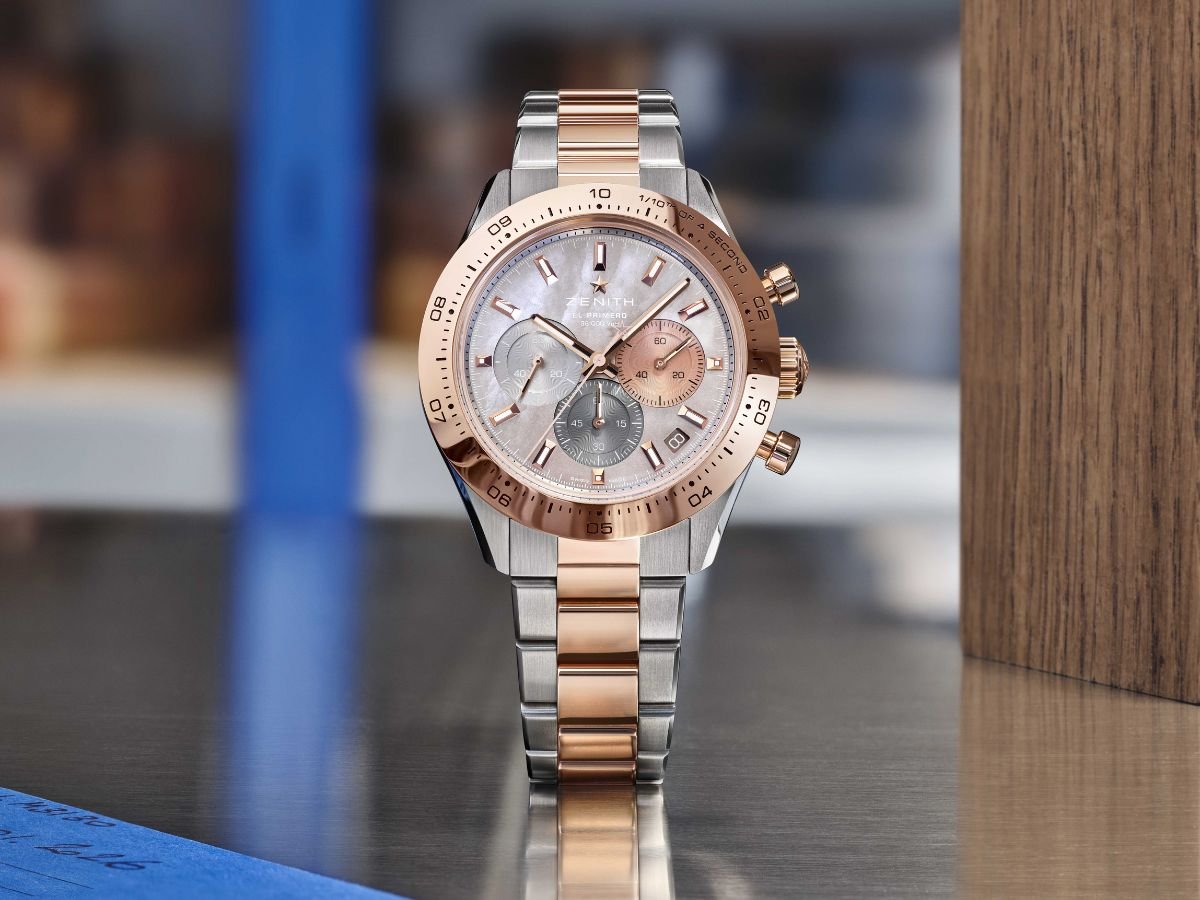
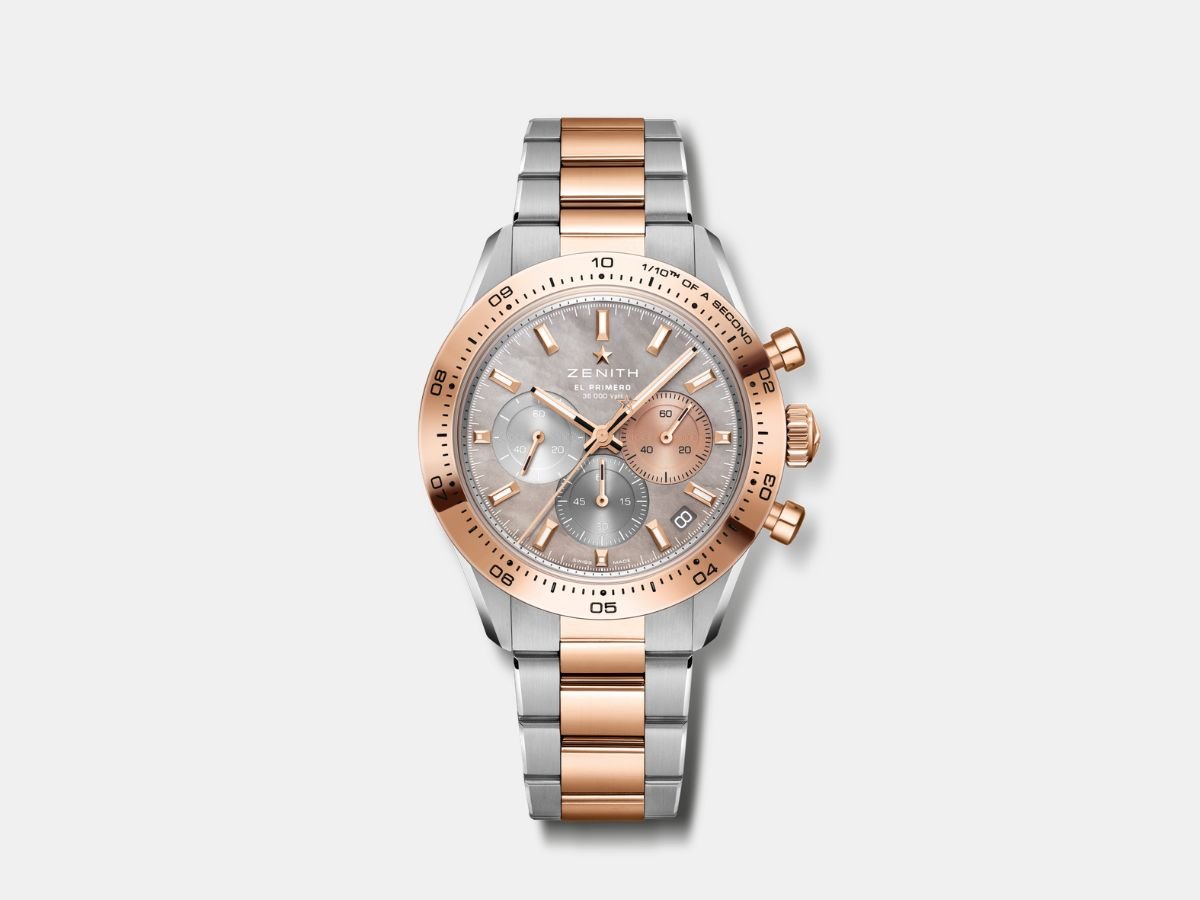
First up, we have the Chronomaster Sport that usually never struggles to grab attention once it’s spotted, but for Watches and Wonders 2026, Zenith has given its high-frequency chronograph a noticeably more polished personality. It still frames the familiar sporting proportions of the collection while introducing stainless steel, 18K rose gold and mother-of-pearl in a limited edition of just 50 pieces.

The 41mm stainless-steel case is framed by a rose-gold bezel, crown and chronograph pushers, creating a warmer appearance without distancing the watch from its performance-focused roots. Light moves naturally across the mother-of-pearl dial, revealing subtle changes in colour around the overlapping blue, anthracite and light-grey counters, while gold-plated hands and hour markers coated with Super-LumiNova maintain clarity. The date remains tucked between 4 and 5 o’clock, and water resistance is rated at 100 metres.

Behind the dial sits the automatic El Primero 3600, which runs at 36,000 vibrations per hour and measures elapsed time to one-tenth of a second. Its central chronograph hand completes a full trip around the dial every 10 seconds, accompanied by a 60-second counter at 3 o’clock and a 60-minute counter at 6 o’clock. The movement provides approximately 60 hours of power reserve and can be viewed through the sapphire caseback, where its column wheel, horizontal clutch and star-shaped openworked rotor are placed on display.

The two-tone bracelet carries the same mixture of steel and rose gold across the wrist, with alternating brushed and polished surfaces lending the design greater depth, while an additional black rubber strap offers a more casual alternative.

Zenith Chronomaster Sport Ref. 51.3102.3600/01.M3100 | Image: Zenith / Supplied
  • Brand: Zenith
  • Model: Chronomaster Sport
  • Reference: 51.3102.3600/01.M3100
  • Diameter: 41 mm
  • Thickness: 13.6 mm
  • Material: Stainless steel & 18K rose gold
  • Dial: Mother-of-pearl with three different-coloured counters
  • Calibre: El Primero 3600
  • Power Reserve: 60 Hours
  • Water-Resistance: 10 Bar (100 metres, 330 feet)
  • Price: USD $20,100 (Limited Edition – 50 Pieces)
Zenith G.F.J. In Tantalum Ref.
Zenith G.F.J. In Tantalum | Image: Zenith

Zenith G.F.J. In Tantalum

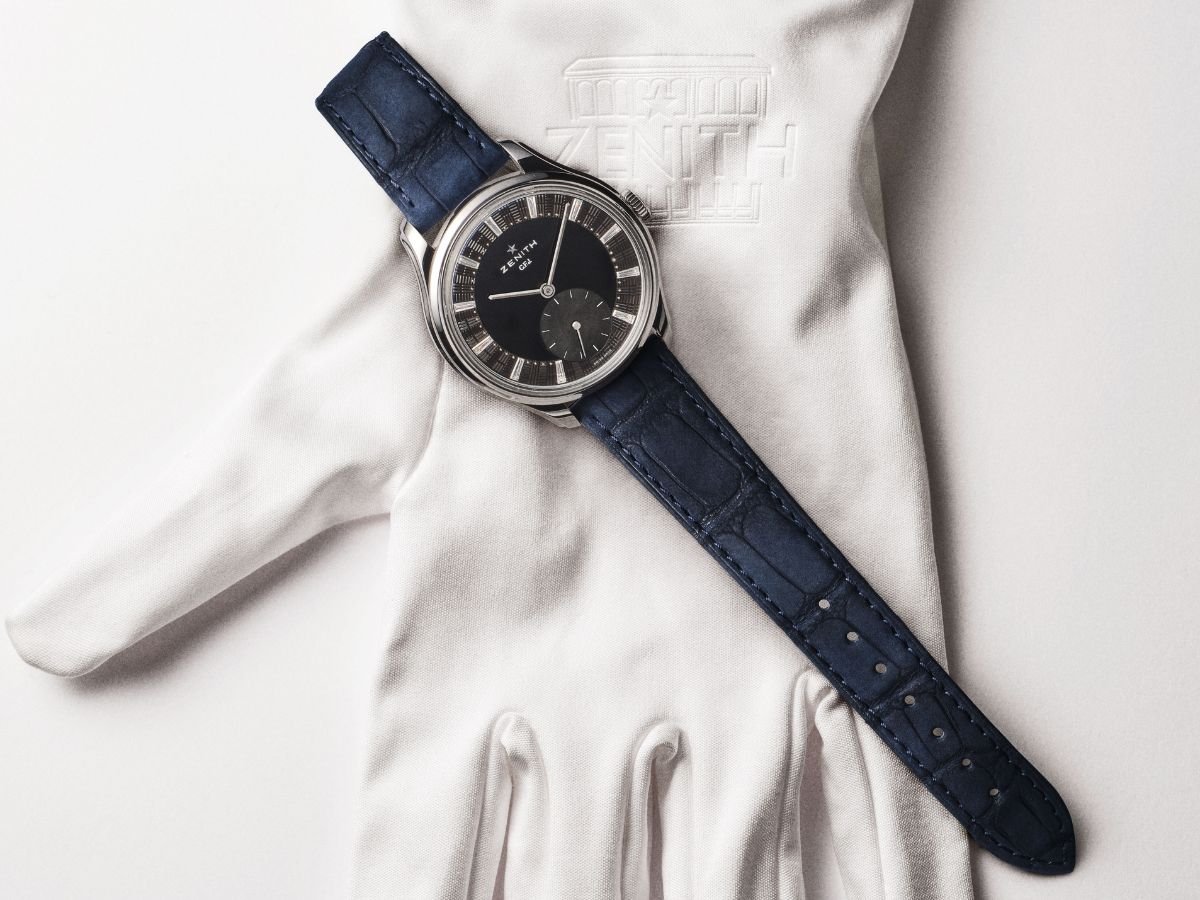
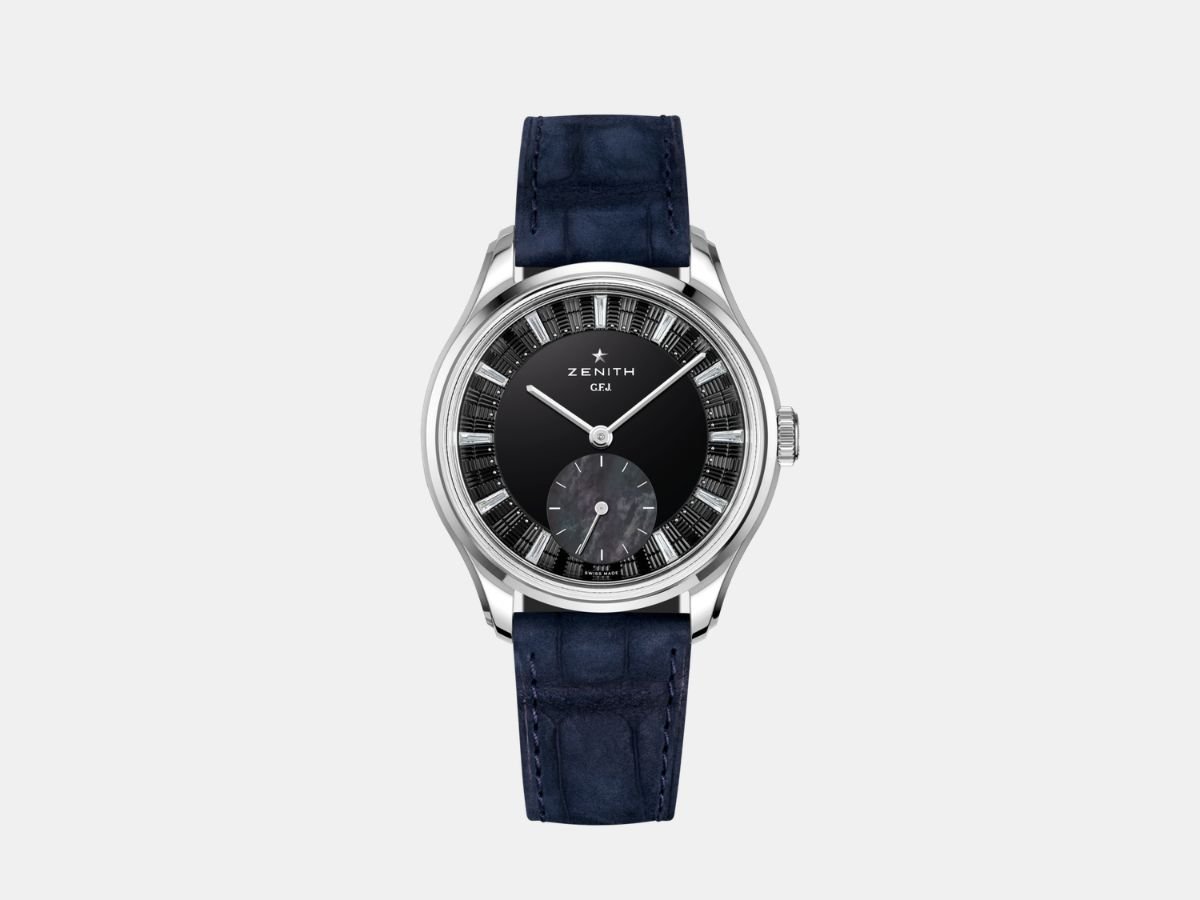
The G.F.J. in tantalum is Zenith’s most exclusive interpretation of the collection to date, with production limited to only 20 pieces. Its 39.15mm case retains the stepped bezel and sculpted lugs associated with the G.F.J., although tantalum’s natural blue-grey colour and considerable density give the watch a darker, weightier presence. Highly resistant to corrosion yet notoriously difficult to machine and finish, the unusual metal brings a distinctly modern edge to the otherwise classical design.

A polished black onyx centre provides the dial with an almost liquid appearance, while an oversized grey mother-of-pearl small-seconds counter introduces a softer contrast at 6 o’clock. The surrounding brick-pattern guilloché draws inspiration from the façade of Zenith’s historic Le Locle manufacture, with 11 trapeze-cut diamond hour markers and faceted 18K white-gold hands adding a restrained touch of brilliance.

Inside is the hand-wound Calibre 135, a modern revival of Zenith’s celebrated observatory chronometer movement, equipped with a Breguet overcoil, stop-seconds mechanism and 72-hour power reserve. The COSC-certified movement is regulated to within ±2 seconds per day, while its ruthenium-treated bridges and Côtes de Genève can be viewed through the sapphire caseback. Supplied with blue nubuck alligator, black alligator and grey calfskin straps, the 50-metre water-resistant watch is priced at US$83,400.

Zenith G.F.J. In Tantalum Ref. 98.1865.0135/21.C212 | Image: Zenith
  • Brand: Zenith
  • Model: G.F.J. In Tantalum
  • Reference: 98.1865.0135/21.C212
  • Diameter: 39.15 mm
  • Thickness: 10.5 mm
  • Material: Stainless steel & 18K rose gold
  • Dial: Signature brick-pattern guilloché outer ring with onyx centre & mother-of-pearl small-seconds counter
  • Calibre: Calibre 135
  • Power Reserve: 72 Hours
  • Water-Resistance: 5 Bar (50 metres, 165 feet)
  • Price: USD $83,400 (Limited Edition – 20 Pieces)
Zenith G.F.J. – The Ongoing Legacy Of The Calibre 135 | Image: Zenith

Zenith G.F.J. — The Ongoing Legacy Of The Calibre 135 

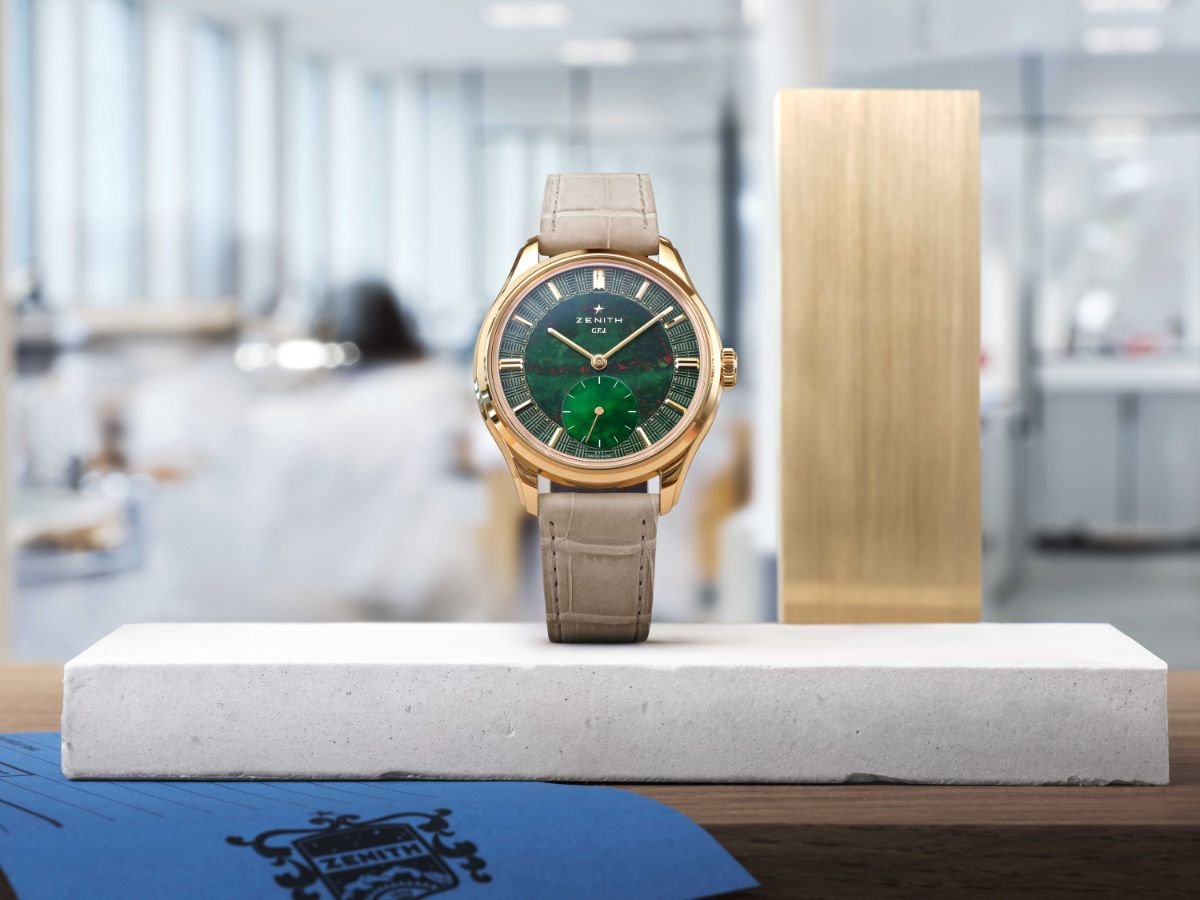
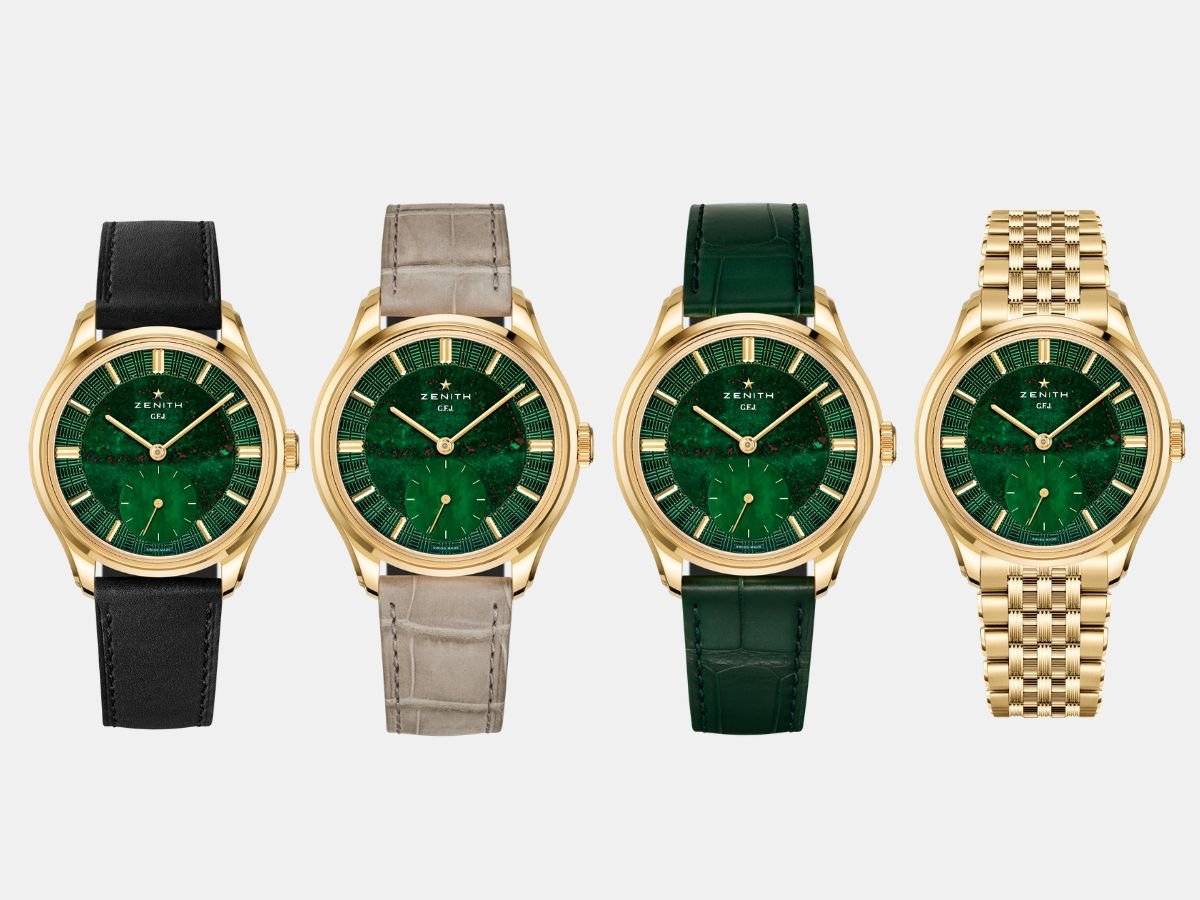
The G.F.J. returns for 2026 with a warmer and more expressive take on Zenith’s modern precision watch. Named after founder Georges Favre-Jacot, the collection was created as a lasting home for the revived Calibre 135, rather than a one-time historical tribute. This approach was recognized when the first model won the Chronometry Prize at the 2025 Grand Prix d’Horlogerie de Genève. The new version comes in 18K yellow gold with a bloodstone dial, limited to 161 pieces.

Precision has been key to Zenith since the late 19th century, with the company winning a record 2,333 prizes in observatory timing competitions. Made between 1949 and 1962, the original Calibre 135 was designed especially for these tough tests, while its competition-level 135-O version won 235 awards and took first place five years in a row at the Neuchâtel Observatory from 1950 to 1954.

Instead of just copying the old movement, Zenith has updated its design for today while keeping its 30mm size, off-center wheel, large balance, and 18,000 vibrations per hour speed. The hand-wound movement now runs for 72 hours without needing a rewind. Improvements like a new gear system, adjustment screws, a special hairspring, double-arrow regulator, and stop-seconds feature help each COSC-certified movement keep time within ±2 seconds per day.

This mechanical heritage is housed in a slim 39.15mm yellow-gold case with a stepped bezel, curved lugs, and water resistance up to 50 metres. Under the sapphire crystal, naturally patterned bloodstone fills the center of the dial, alongside a mother-of-pearl small-seconds dial and an outer guilloché ring inspired by the brick wall of Zenith’s Le Locle factory. The movement is visible through the sapphire caseback, showing wide Côtes de Genève stripes, hand-finished edges, dark ruthenium surfaces, and gold-colored engravings. The watch comes with beige nubuck alligator, green alligator, and black calfskin straps, with a matching yellow-gold bracelet sold separately.

Zenith G.F.J. – The Ongoing Legacy Of The Calibre 135 Ref. 30.1865.0135/56.C216 | Image: Zenith
  • Brand: Zenith
  • Model: G.F.J. – The Ongoing Legacy Of The Calibre 135
  • Reference: 30.1865.0135/56.C216
  • Diameter: 39.15 mm
  • Thickness: 10.5 mm
  • Material: 18K – Yellow gold
  • Dial: Signature brick guilloché on the outer ring with a jasper “bloodstone” centre and a mother-of-pearl small-seconds counter.
  • Calibre: Calibre 135
  • Power Reserve: 72 Hours
  • Water-Resistance: 5 Bar (50 metres, 165 feet)
  • Price: USD $51,900 (Limited Edition – 161 Pieces)
Zenith Skeletonized Chronomaster Sport | Image: Zenith

Zenith Skeletonized Chronomaster Sport

Zenith’s relationship with high-frequency chronographs stretches back to 1969, when the manufacture introduced the El Primero as the world’s first automatic, integrated high-frequency chronograph movement. Its 5Hz frequency, equal to 36,000 vibrations per hour, made it possible to measure one-tenth of a second and established the technical foundation upon which the modern Chronomaster collection would eventually be built. At Watches and Wonders 2026, that long-running story enters a more transparent phase with the first Chronomaster Sport Skeleton.

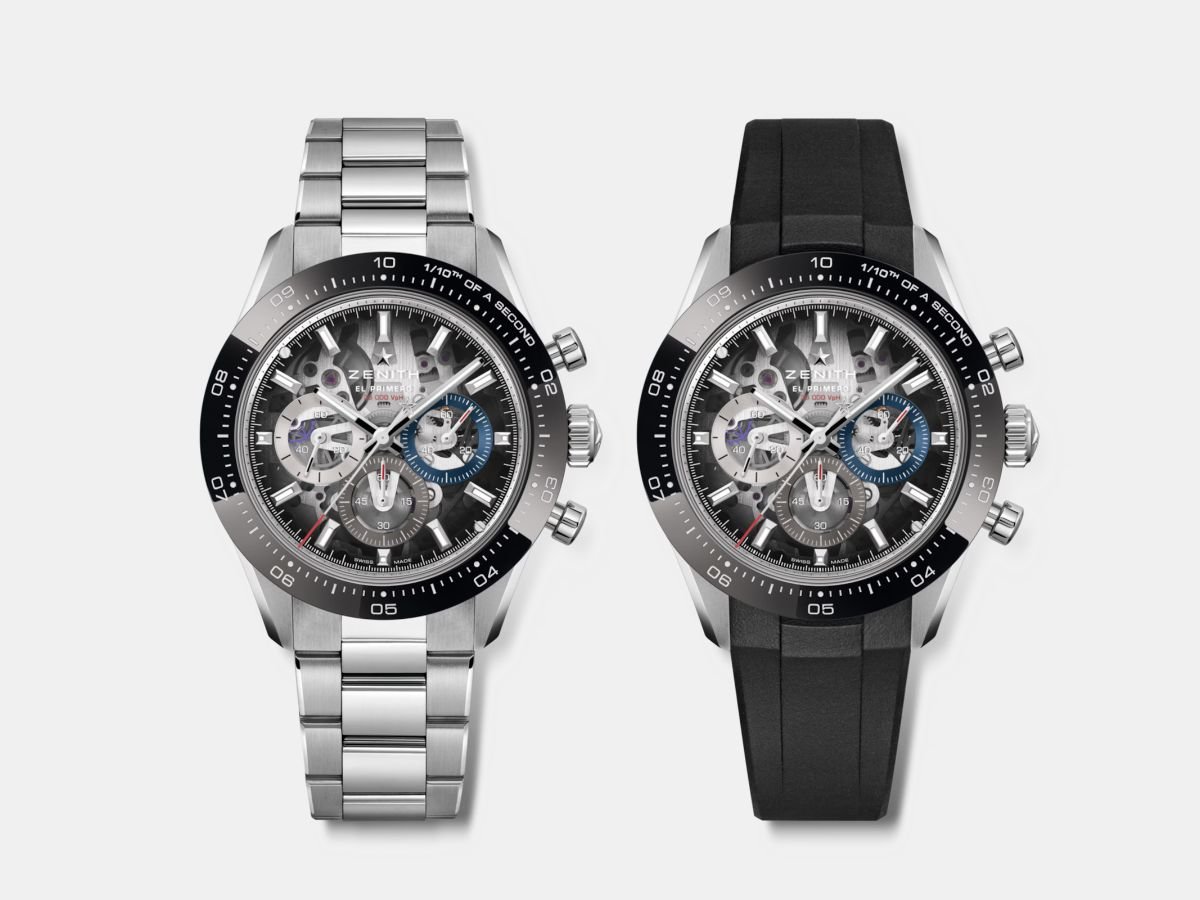
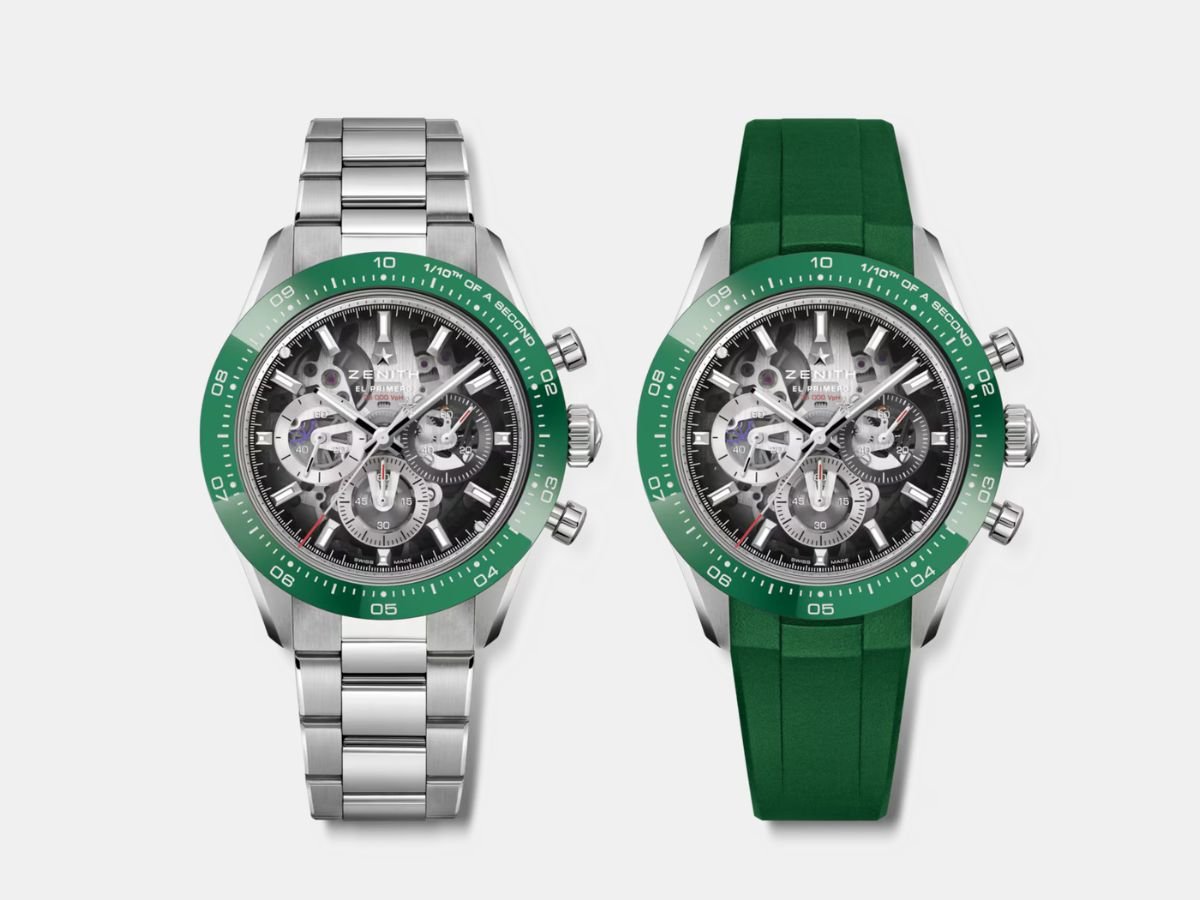
Its smoked sapphire dial changes gradually from black at the perimeter to almost completely transparent at the centre, exposing the openworked El Primero 3600 SK without abandoning the Chronomaster’s visual identity. Overlapping counters in grey, anthracite and blue recall the original El Primero, while Super-LumiNova-coated hands and markers prevent the mechanical background from overwhelming the time display. The 41mm case combines brushed and polished surfaces with pump-style pushers, a scratch-resistant ceramic bezel and 100 metres of water resistance.

Beneath the dial, the El Primero 3600 SK continues to operate at 5Hz, driving its central chronograph hand around the dial once every 10 seconds so each tenth can be read directly from the graduated bezel. The open construction reveals its blue column wheel, horizontal clutch and silicon escape wheel, while the addition of a stop-seconds mechanism allows the time to be set more precisely. An openworked Zenith-star rotor maintains the view from the sapphire caseback, with the automatic movement providing approximately 60 hours of power reserve.

Four versions make up the collection, including stainless-steel models with either black or green ceramic bezels, both supplied on three-link bracelets with additional matching rubber straps. An 18K rose-gold model pairs a black ceramic bezel with a black rubber strap, while a 10-piece limited edition adds a rose-gold bracelet and a bezel set with 50 baguette-cut diamonds. The steel editions also introduce the patented ZENCLASP, a 41-component folding clasp developed over three years and tested through more than 600,000 opening and closing cycles. Its tool-free system adjusts in 2.5mm increments across a 10mm range, while ceramic locking components and a lift-up safety cover help maintain a secure fit.

Zenith Chronomaster Sport Skeleton Ref. 03.3130.3600:01.M3130
Zenith Chronomaster Sport Skeleton Ref. 03.3130.3600:01.M3130 | Image: Zenith

Chronomaster Sport Skeleton — Black Ceramic Bezel

  • Brand: Zenith
  • Model: Chronomaster Sport Skeleton
  • Reference: 03.3130.3600:01.M3130
  • Diameter: 41 mm
  • Thickness: 13.6 mm
  • Material: Stainless steel with black ceramic bezel
  • Bracelet/Strap: Stainless steel bracelet with the new micro-adjustable folding clasp. Additional black rubber strap included.
  • Dial: Open-worked, tinted sapphire with three different-coloured counters
  • Calibre: El Primero 3600 SK
  • Power Reserve: 60 Hours
  • Water-Resistance: 10 Bar (100 metres, 330 feet)
  • Price: USD $16,700
Zenith Chronomaster Sport Skeleton Ref. 03.3131.3600:01.M3130
Zenith Chronomaster Sport Skeleton Ref. 03.3131.3600:01.M3130 | Image: Zenith

Chronomaster Sport Skeleton — Green Ceramic Bezel

  • Brand: Zenith
  • Model: Chronomaster Sport Skeleton
  • Reference: 03.3131.3600:01.M3130
  • Diameter: 41 mm
  • Thickness: 13.6 mm
  • Material: Stainless steel with green ceramic bezel
  • Bracelet/Strap: Stainless steel bracelet with the new micro-adjustable folding clasp. Additional black rubber strap included.
  • Dial: Open-worked, tinted sapphire with three different-coloured counters
  • Calibre: El Primero 3600 SK
  • Power Reserve: 60 Hours
  • Water-Resistance: 10 Bar (100 metres, 330 feet)
  • Price: USD $16,700
Zenith Chronomaster Sport Skeleton Ref. 18.3130.3600:01.R951
Zenith Chronomaster Sport Skeleton Ref. 18.3130.3600:01.R951 | Image: Zenith

Chronomaster Sport Skeleton — Rose Gold Black Ceramic bezel

  • Brand: Zenith
  • Model: Chronomaster Sport Skeleton
  • Reference: 18.3130.3600:01.R951
  • Diameter: 41 mm
  • Thickness: 13.6 mm
  • Material: 18K Rose gold
  • Dial: Open-worked, tinted sapphire with three different-coloured counters
  • Calibre: El Primero 3600 SK
  • Power Reserve: 60 Hours
  • Water-Resistance: 10 Bar (100 metres, 330 feet)
  • Price: USD $31,500
Zenith Chronomaster Sport Skeleton Ref. 22.3130.3600:01.M3100
Zenith Chronomaster Sport Skeleton Ref. 22.3130.3600:01.M3100 | Image: Zenith

Chronomaster Sport Skeleton — Rose Gold & Diamonds

  • Brand: Zenith
  • Model: Chronomaster Sport Skeleton
  • Reference: 22.3130.3600:01.M3100
  • Diameter: 41 mm
  • Thickness: 13.6 mm
  • Material: 18K Rose gold
  • Dial: Openworked, tinted sapphire with three different-coloured counters
  • Calibre: El Primero 3600 SK
  • Power Reserve: 60 Hours
  • Water-Resistance: 10 Bar (100 metres, 330 feet)
  • Price: USD $111,000 (Limited Edition – 10 Pieces)

What Do We Think About zenith’s 2026 Releases?

Zenith’s 2026 collection feels focused, with the manufacture concentrating on two very different sides of its identity. The Chronomaster Sport Skeleton delivers the immediate excitement, placing the El Primero 3600 SK on display while introducing the genuinely useful ZENCLASP adjustment system. The G.F.J. models take a quieter approach, using tantalum, yellow gold and natural stone dials to prove that the revived Calibre 135 is becoming a permanent part of Zenith’s modern collection rather than remaining a one-off anniversary piece.

Our only reservation is that the line-up relies heavily on variations of two existing families, so anyone expecting an entirely new collection may find it slightly conservative. Even so, the individual watches have been thoughtfully executed, with the steel Chronomaster Sport Skeleton offering the strongest combination of performance and everyday wearability, while the tantalum G.F.J. stands out as the most technically and materially ambitious release.

Watches & WondersZenith
About the Author
arrow_drop_up