




ArchitectureLifestyle

Fritz Hansen Brings the Architecture of Sound to Copenhagen at 3 Days Of Design 2026

Reading Time: 12 minutes

Share via

Our team of editors and experts thoughtfully chooses each product. If you decide to buy through one of our links, we may earn a commission. Learn more. Want to know how we test products? Click here for more details.

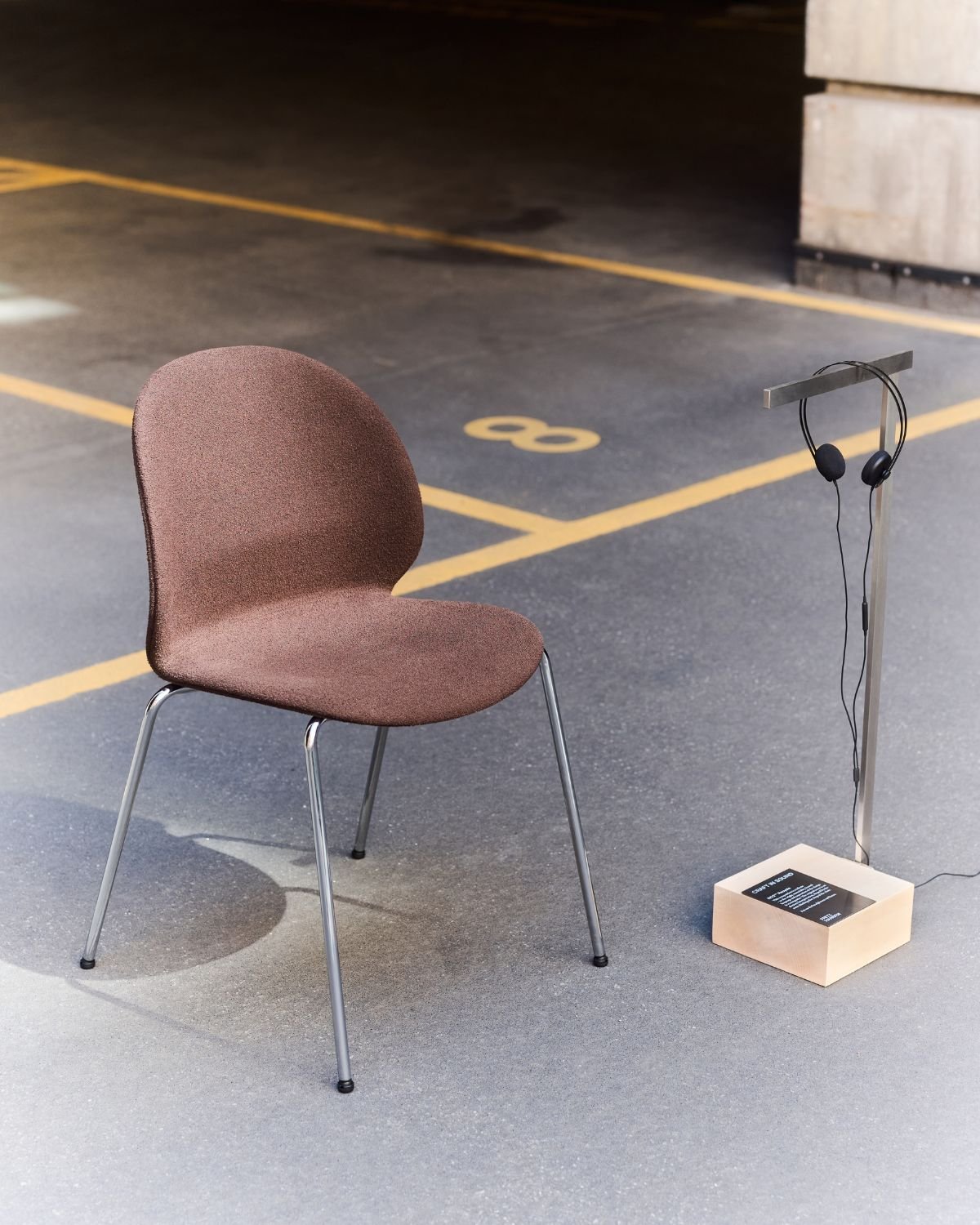
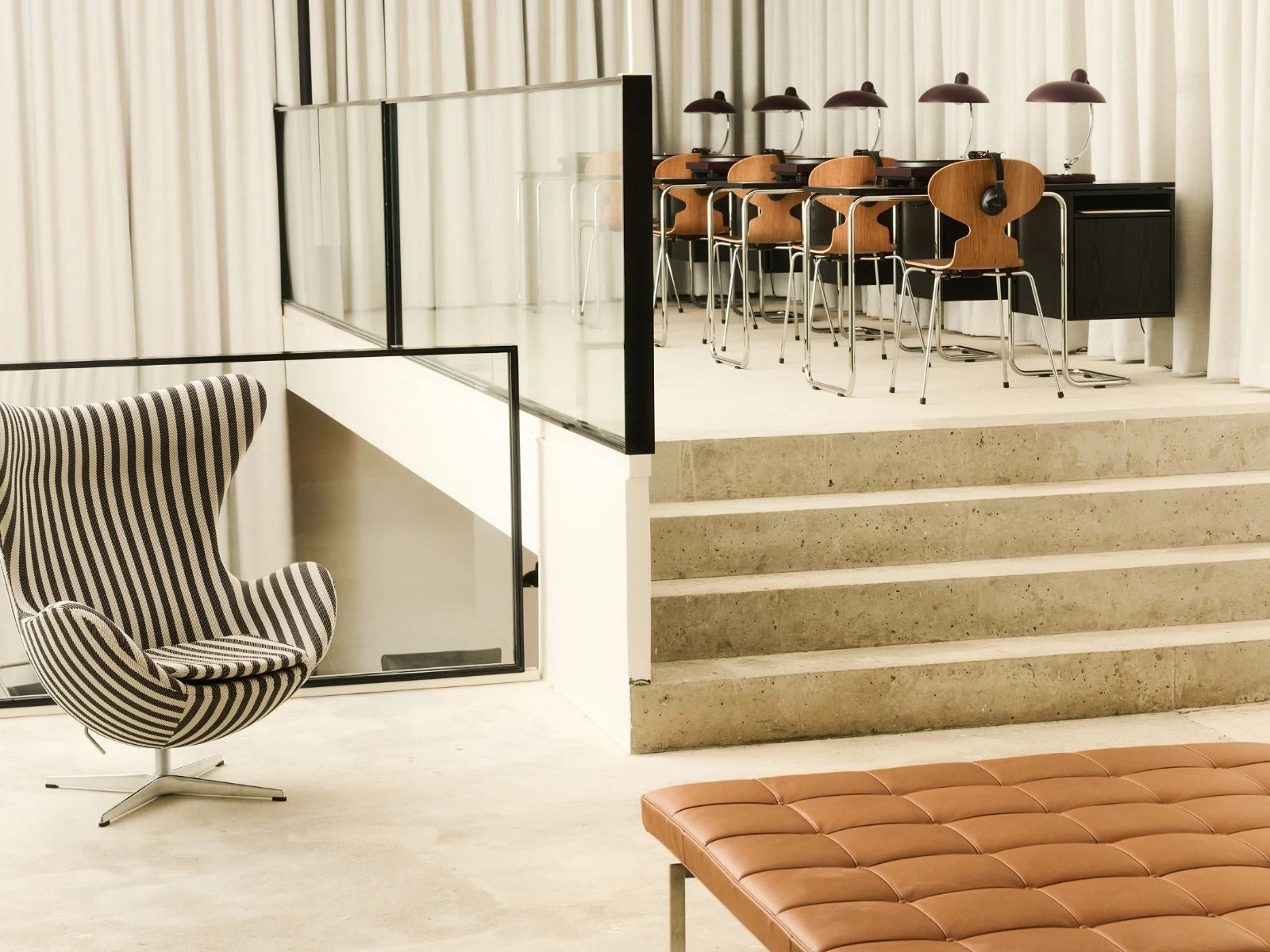
For 3 Days Of Design 2026, Fritz Hansen took a different approach to the traditional furniture exhibition, turning its attention away from products displayed in complete silence and towards the atmosphere surrounding them. Instead of filling another perfectly arranged showroom with objects visitors could admire from a careful distance, the Danish design brand introduced podcasts, vinyl records, live DJ sessions and recordings captured during the production of its furniture.

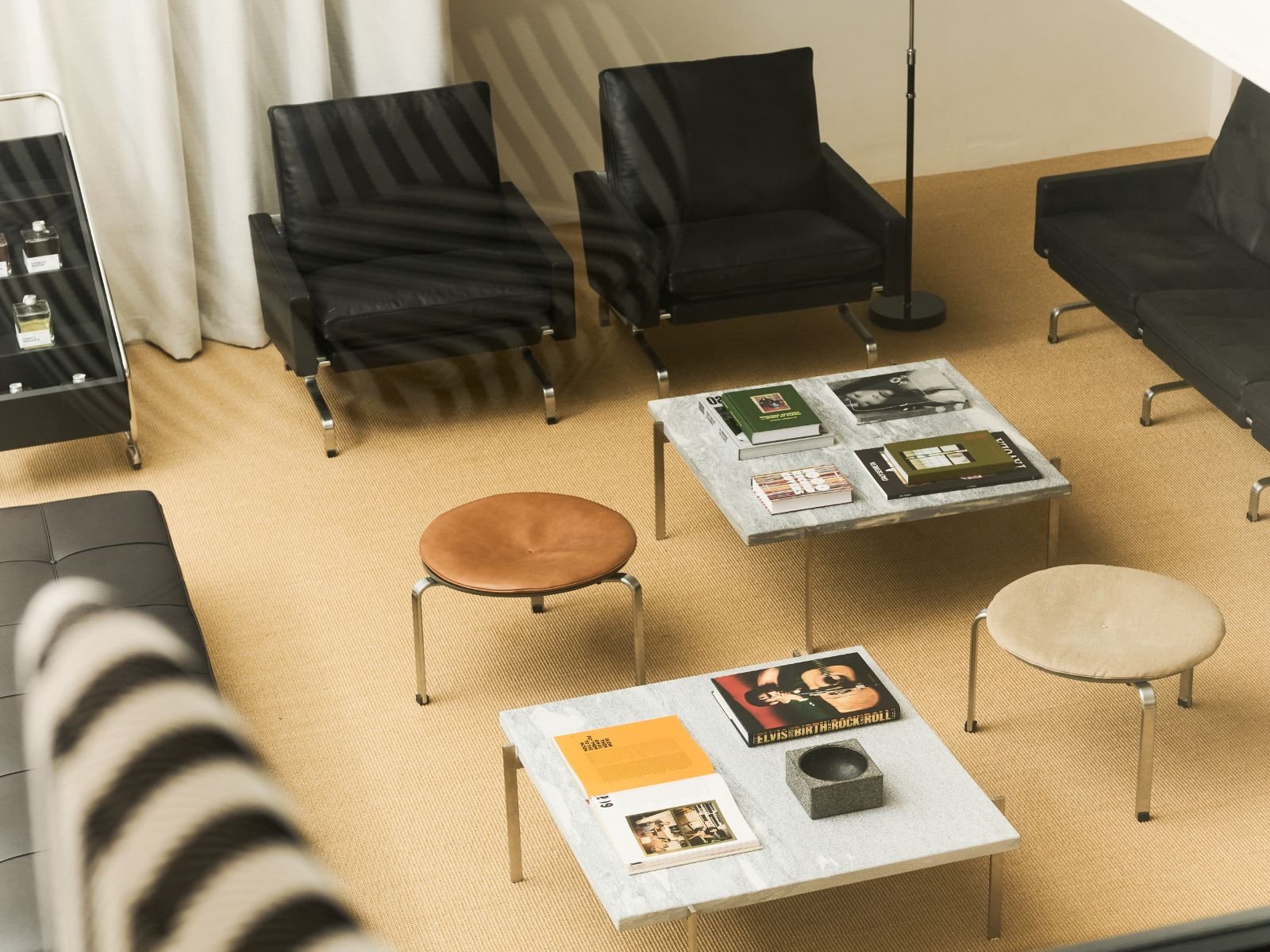
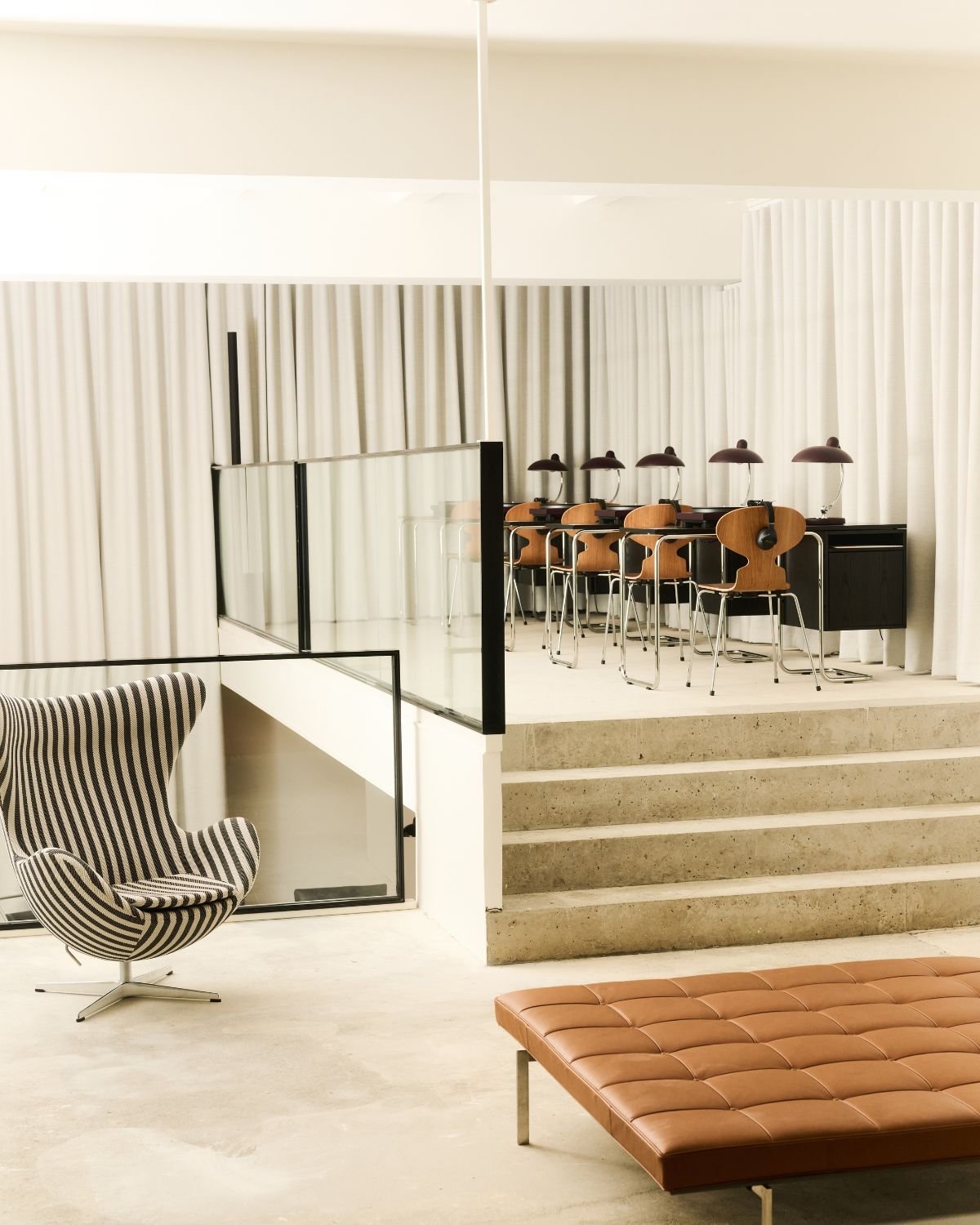
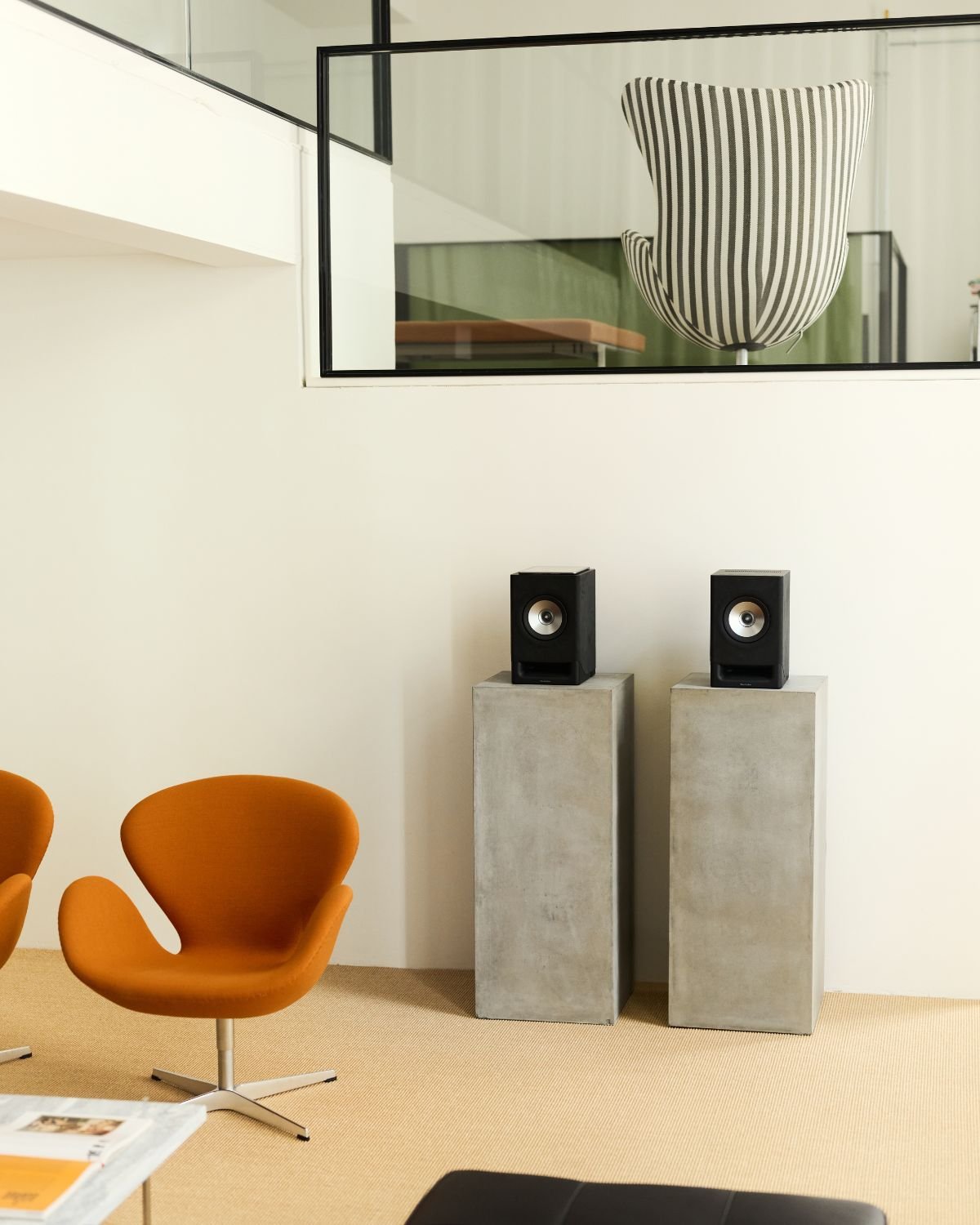
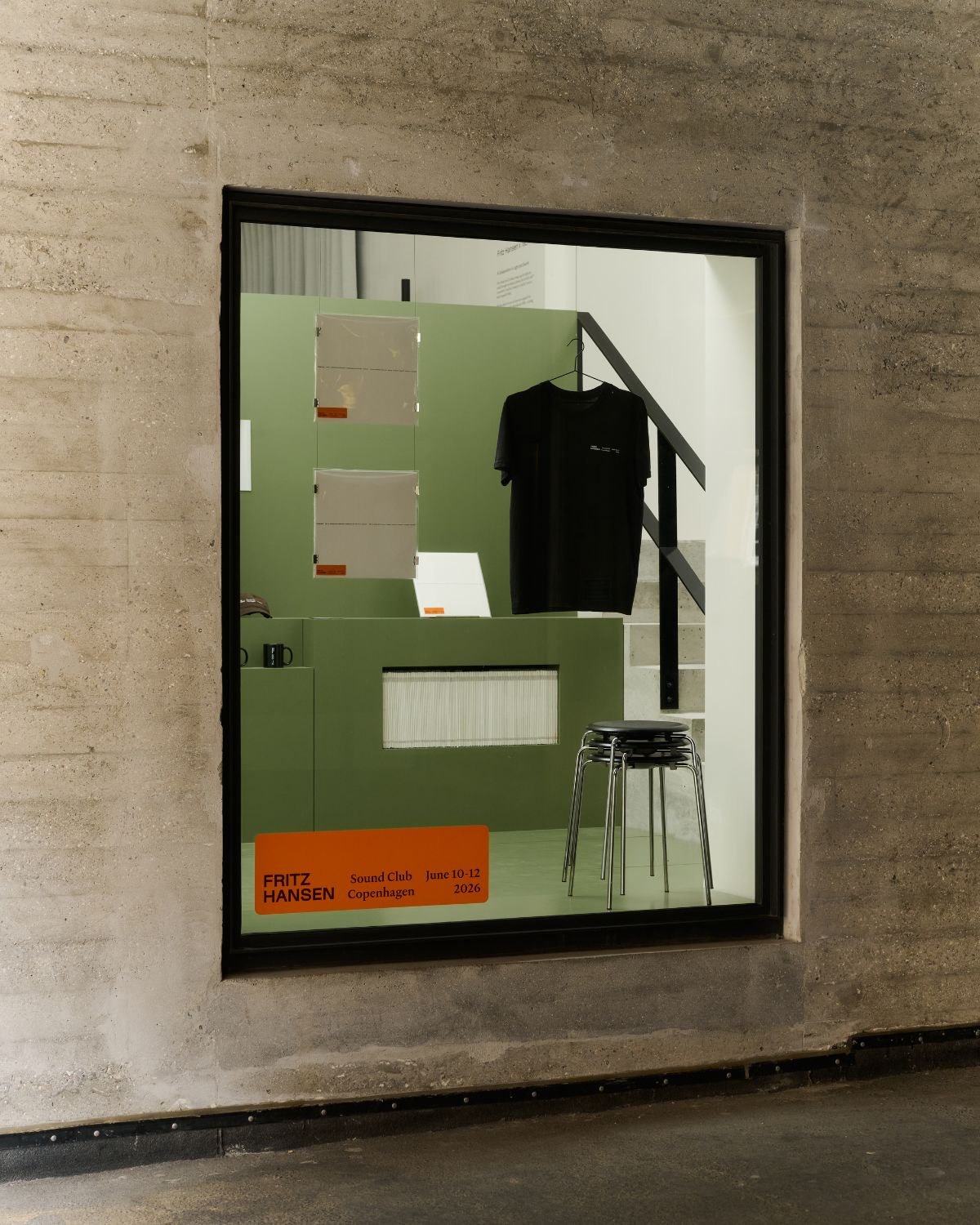
Called Fritz Hansen Sound Club, the installation extended across three connected areas at the company’s Copenhagen flagship on Løvstræde 5, including a listening lounge, courtyard and Flagship Store. Created with Japanese audio brand Technics, each space examined how music, lighting, furniture and materials work together to influence how people move through a room, where they choose to pause and how long they decide to remain there.

The result was an exhibition designed to be heard as much as seen, while giving visitors a reason to do something increasingly unusual during a busy design festival — put down the phone, take a seat and stay for a while.
Fritz Hansen's Sound Club at 3 Days of Design
Fritz Hansen’s Sound Club at 3 Days of Design | Image: Fritz Hansen

Fritz Hansen’s Sound Club at 3 Days of Design

Sound Club was built around the idea that furniture and architecture only establish part of a room’s character, with lighting and sound determining much of how the space is actually experienced. A chair may provide somewhere to sit, but the surrounding music can decide whether someone stays for half an hour or gets up again after checking one notification.

As Els Van Hoorebeeck, Creative Director at Fritz Hansen, explains, “Sound plays a direct role in how we experience space. It shapes how we move, where we pause, and how we relate to furniture, light and materials. With Fritz Hansen Sound Club, we explore how these elements work together to define the character of a space, and how this way of thinking continues to shape our design today,” says Els Van Hoorebeeck, Creative Director at Fritz Hansen.
Fritz Hansen's Sound Club at 3 Days of Design
Fritz Hansen’s Sound Club at 3 Days of Design | Image: Fritz Hansen
Fritz Hansen's Sound Club at 3 Days of Design
Fritz Hansen’s Sound Club at 3 Days of Design | Image: Fritz Hansen

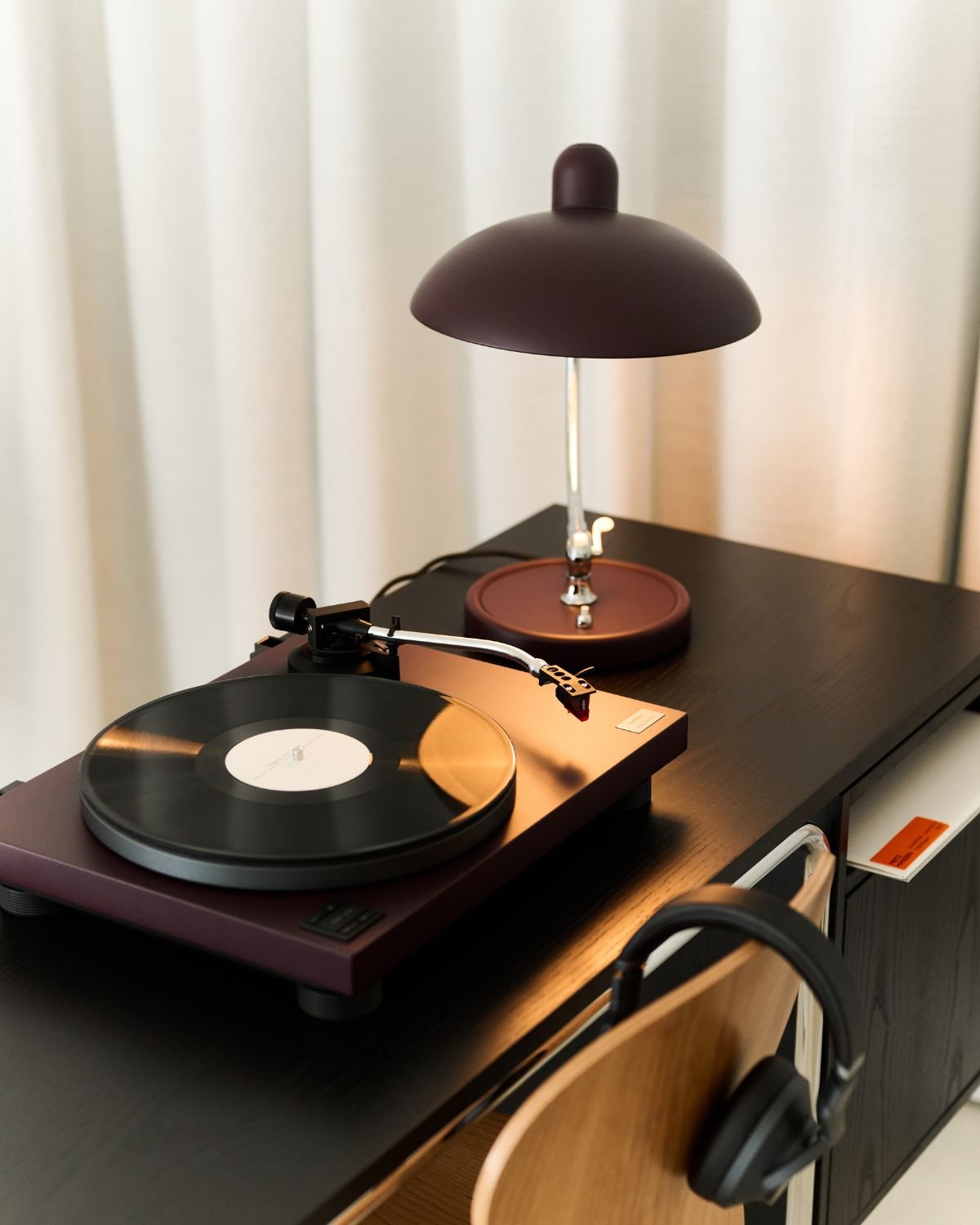
That approach changed the exhibition from showing furniture as separate items. A lounge chair feels different when it is in a room with a podcast playing out loud, just like a table lamp has a different purpose when it shines light on someone listening to a record with headphones.

The installation was also designed in response to the pace of 3daysofdesign itself, where visitors are usually moving between exhibitions, showroom launches, and events across Copenhagen. Rather than directing everyone through one fixed route, Fritz Hansen allowed guests to choose how much time they wanted to spend inside each area, whether that meant listening to a podcast, playing an entire record, stopping for coffee or sitting through a live DJ set.

Fritz Hansen wanted visitors to engage with the surroundings rather than simply taking a photograph and moving on, using music as an emotional layer that could connect a room to a particular memory.
Fritz Hansen's Sound Club at 3 Days of Design
Fritz Hansen’s Sound Club at 3 Days of Design | Image: Fritz Hansen

How Fritz Hansen & Technics Found Common Ground

The collaboration with Technics did not begin inside a meeting room with a presentation full of brand values. During research trips to clubs in Seoul and, later, a Technics café in Kyoto, Van Hoorebeeck and her team repeatedly noticed KAISER Idell Lamps positioned alongside Technics Turntables.

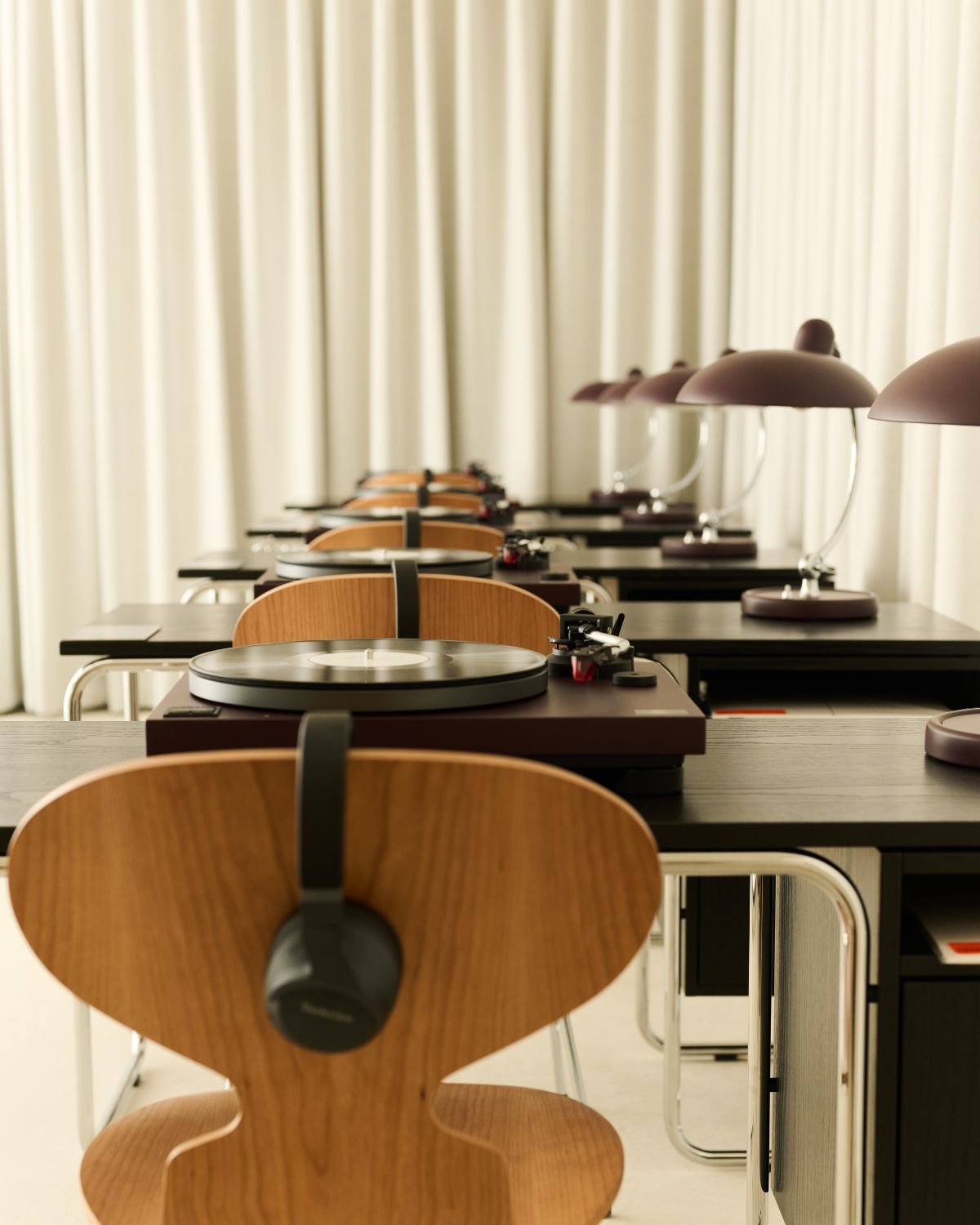
The visual relationship between the curved arm of the lamp and the tonearm of the turntable provided the first connection, but the two brands also shared a broader focus on performance, precision, craftsmanship and longevity. One specializes in furniture and lighting while the other is closely associated with audio equipment, yet both design objects are intended to remain useful well beyond the trend cycle.
Fritz Hansen's Sound Club at 3 Days of Design
Fritz Hansen’s Sound Club at 3 Days of Design | Image: Fritz Hansen
Fritz Hansen's Sound Club at 3 Days of Design
Fritz Hansen’s Sound Club at 3 Days of Design | Image: Fritz Hansen

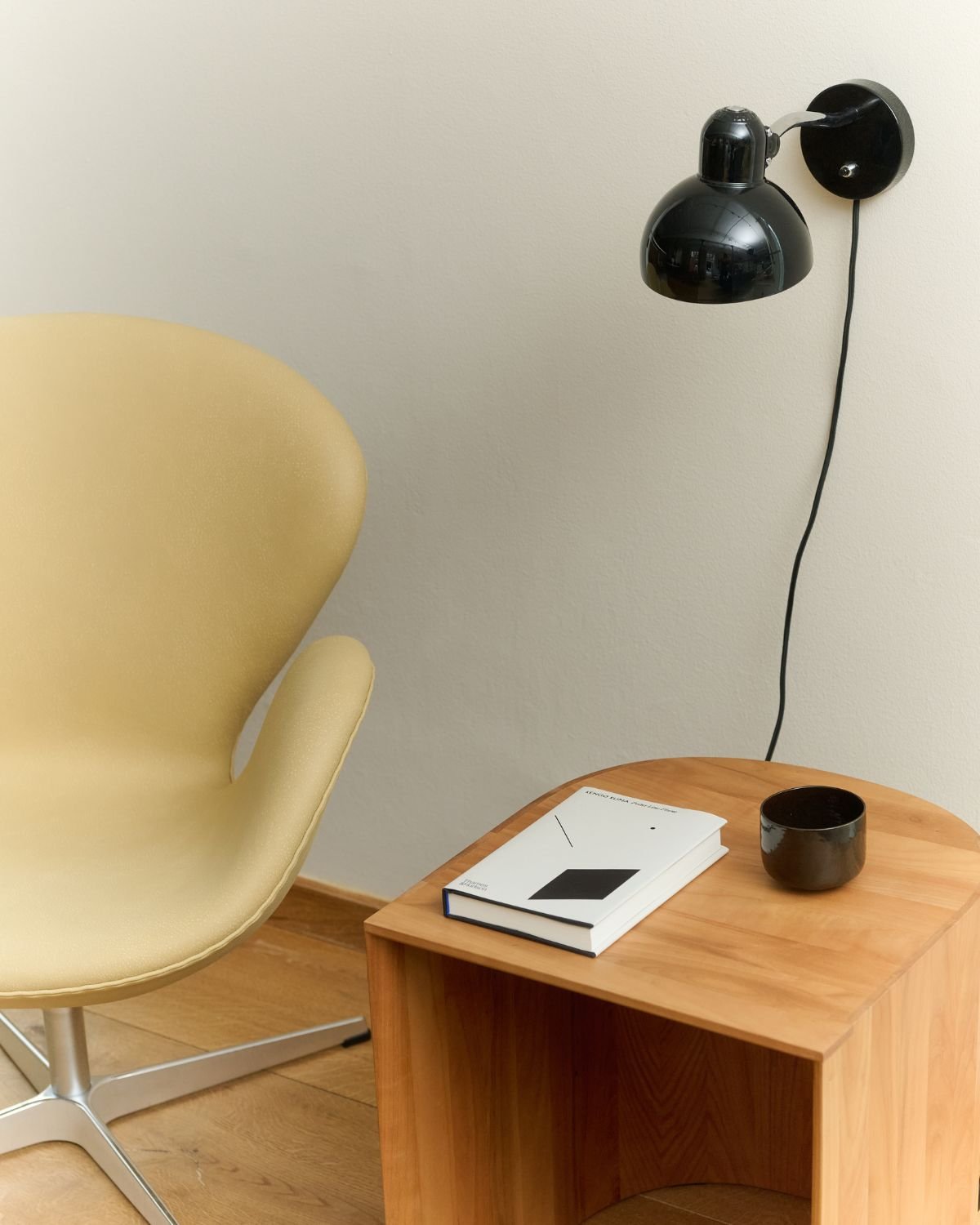
That connection became particularly relevant as Fritz Hansen marked the 90th anniversary of the KAISER Idell 6631-T Luxus Table Lamp, originally designed by Christian Dell in 1936. Its curved connecting arm, carefully proportioned shade and function-led construction have helped it remain one of the more recognizable examples of Bauhaus lighting, with the design surviving nine decades without requiring a touchscreen or companion app.

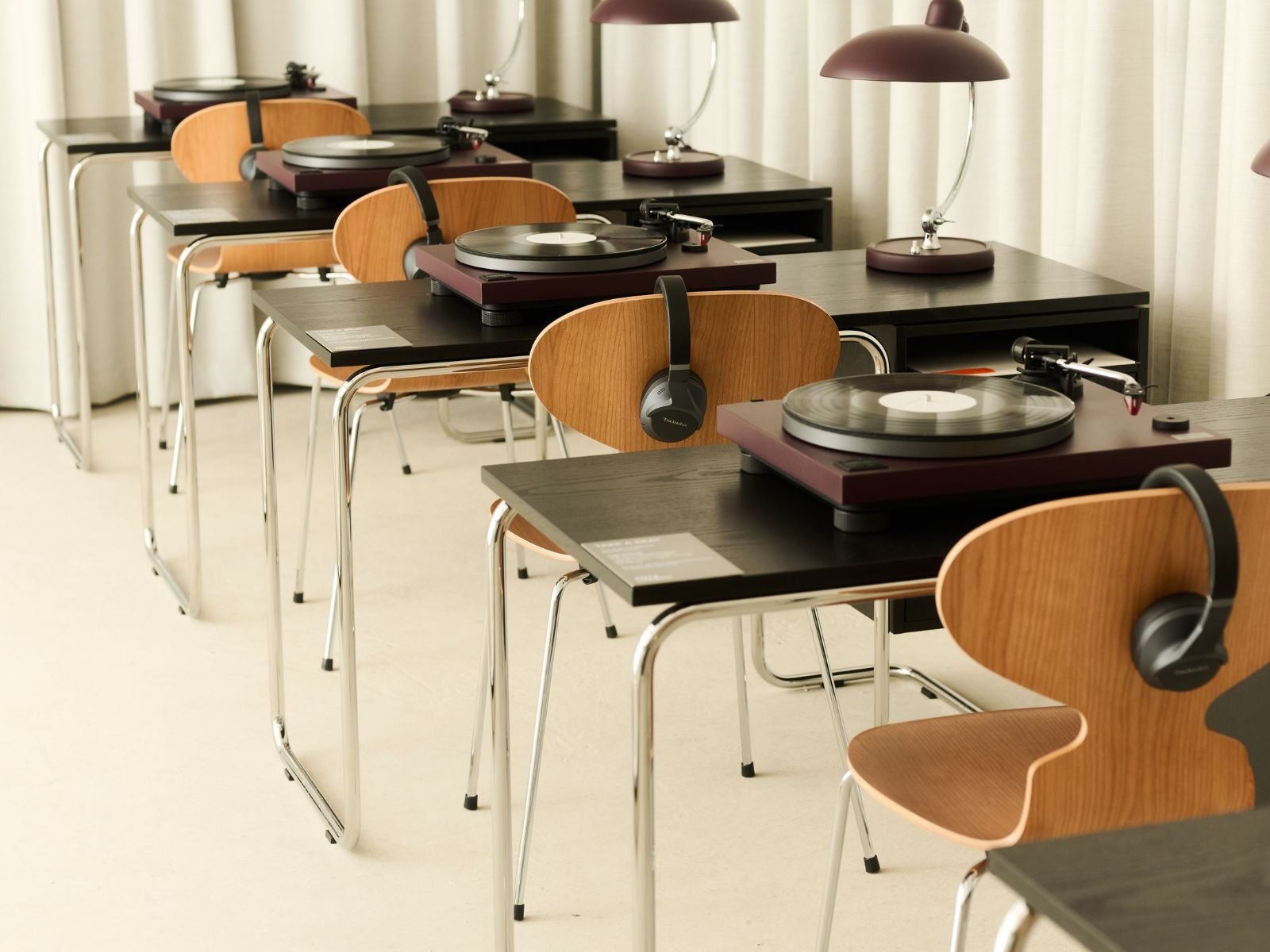
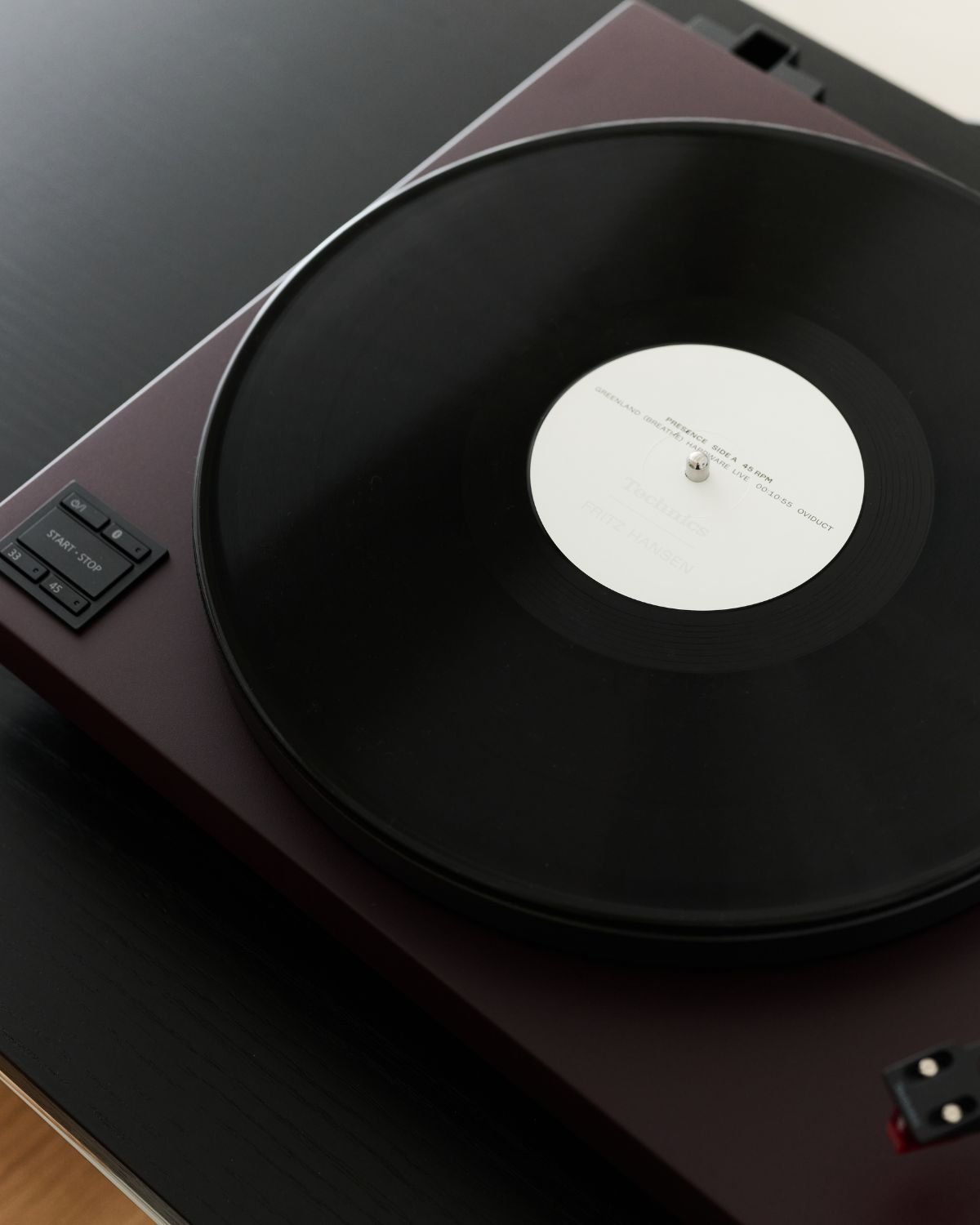
To commemorate the anniversary, Fritz Hansen and Technics created coordinated limited editions of the KAISER Idell Table Lamp and SL-40CBT Turntable. Both received the same deep-burgundy finish, a colour that forms part of Fritz Hansen’s evolving visual identity and connects the two products without dramatically redesigning either one.

At Sound Club, the lamp and turntable stood out, but the display was really about showing how they work together. The lamp lit a specific spot as the turntable played music, making picking a record feel special rather than just background noise.

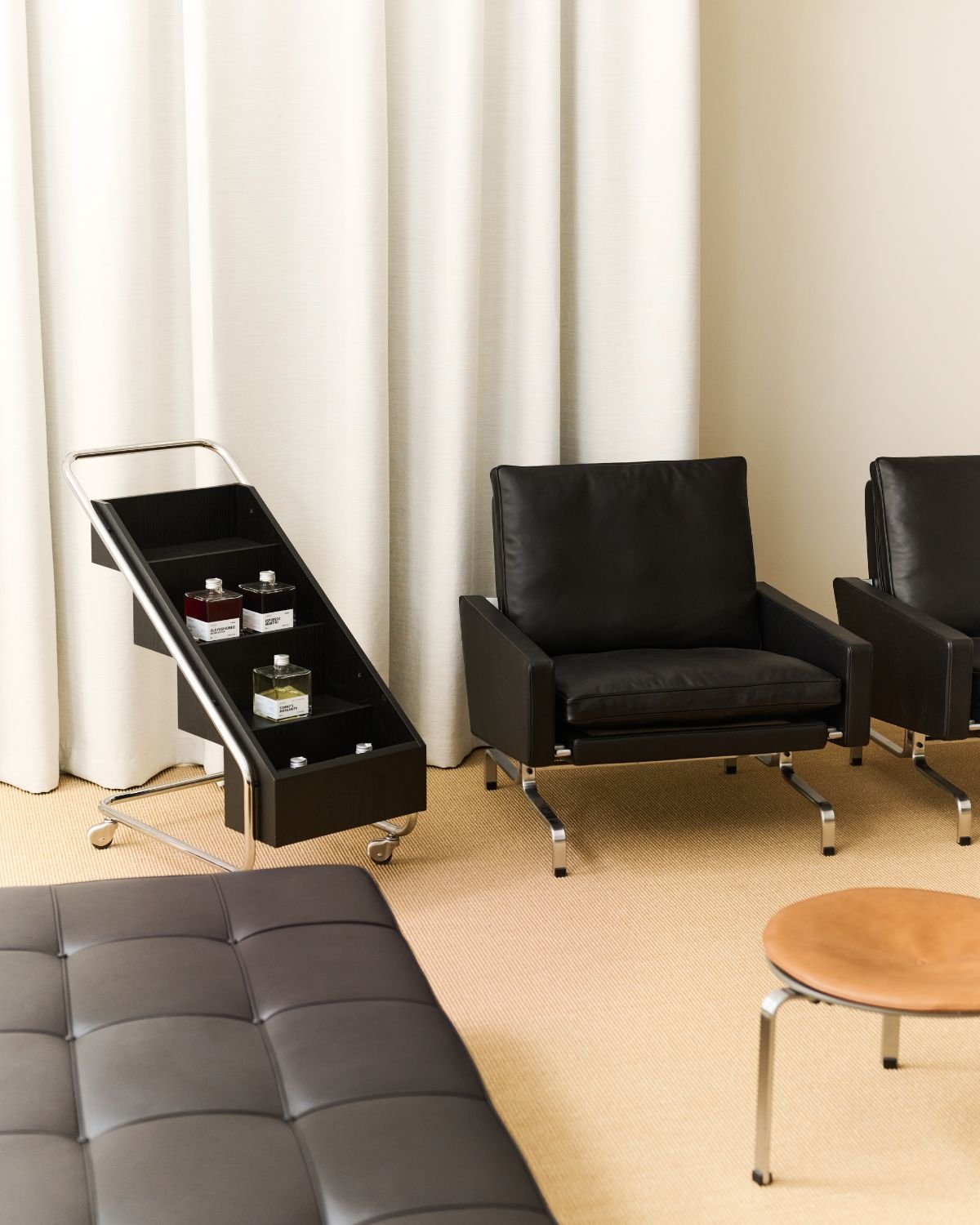
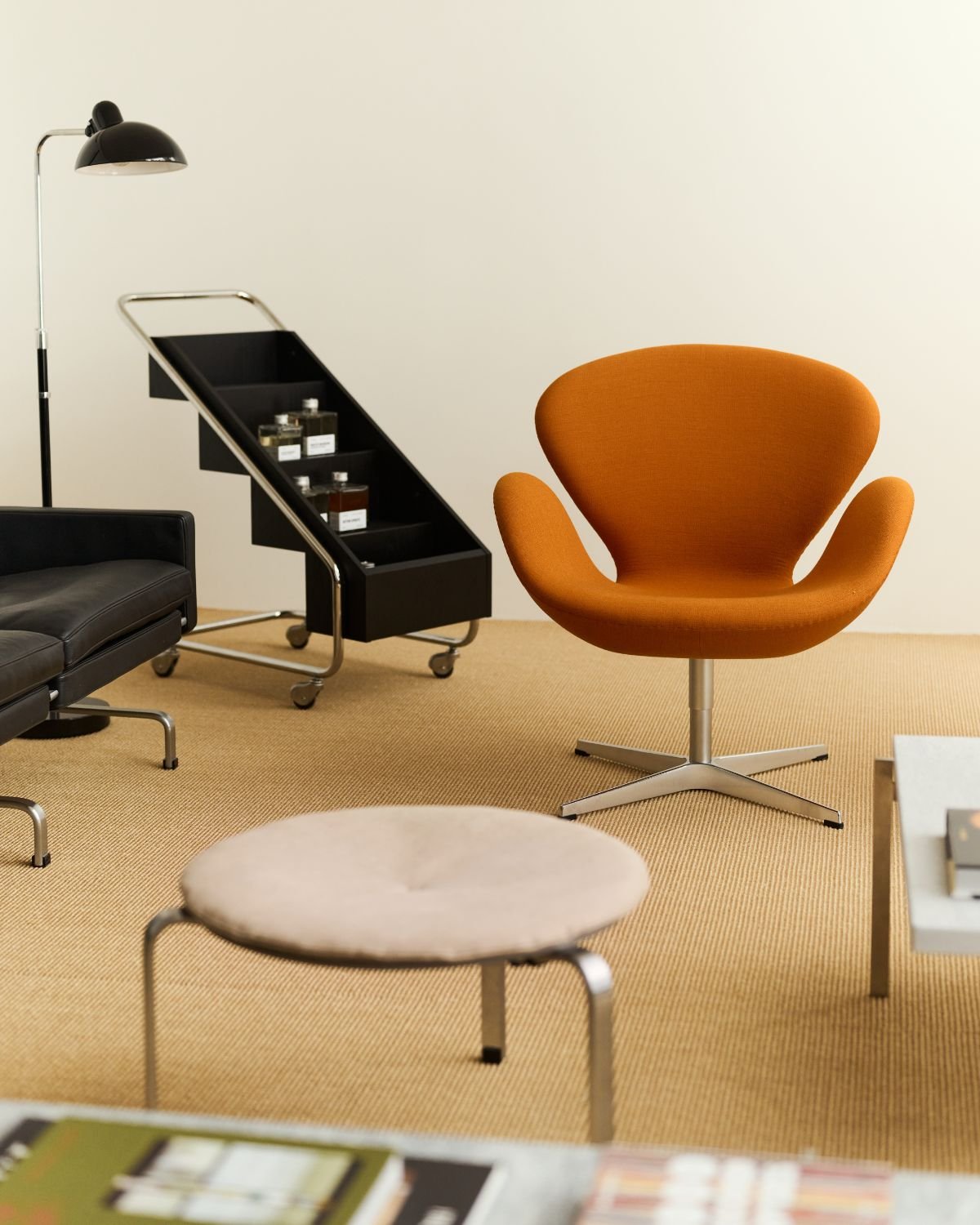
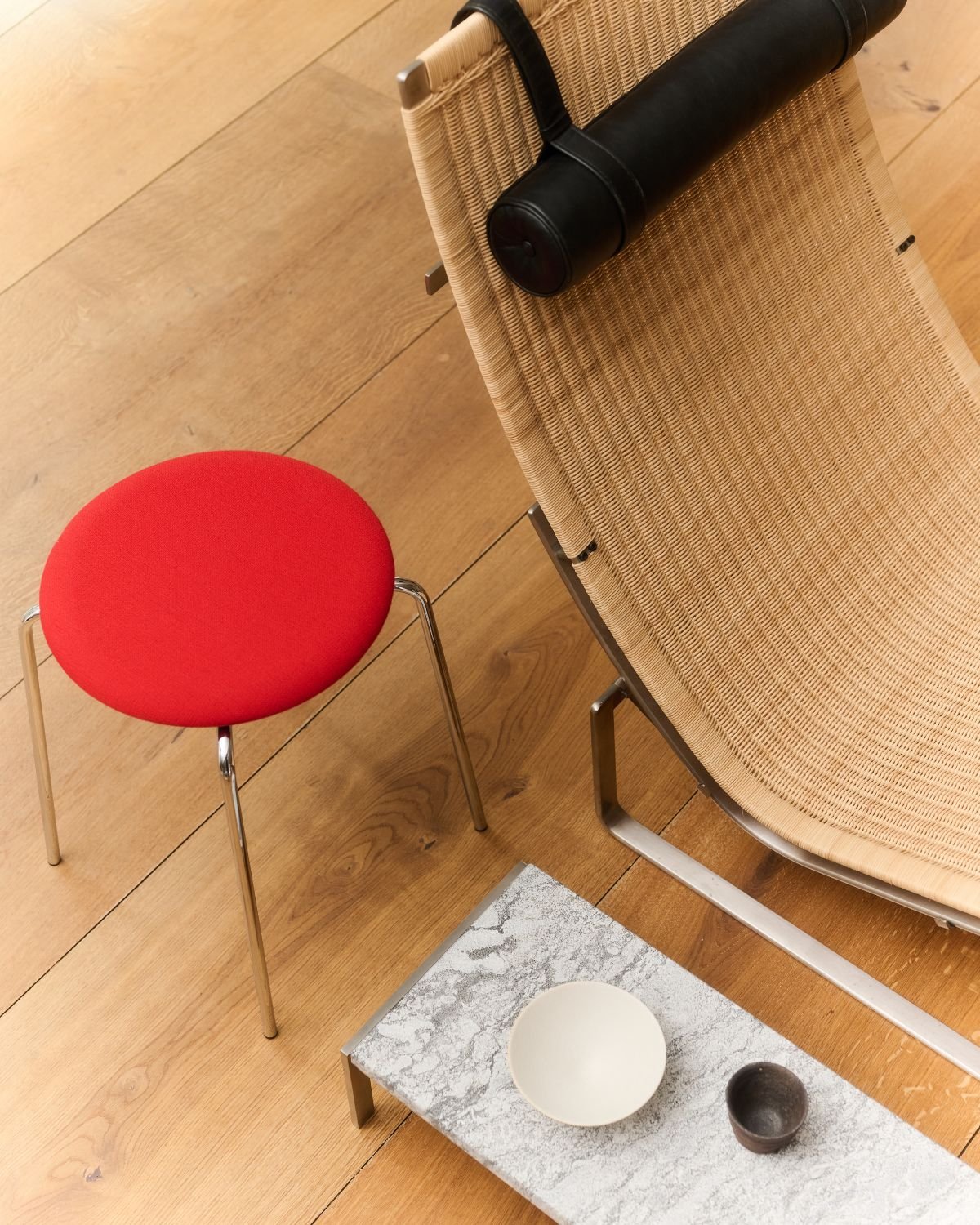
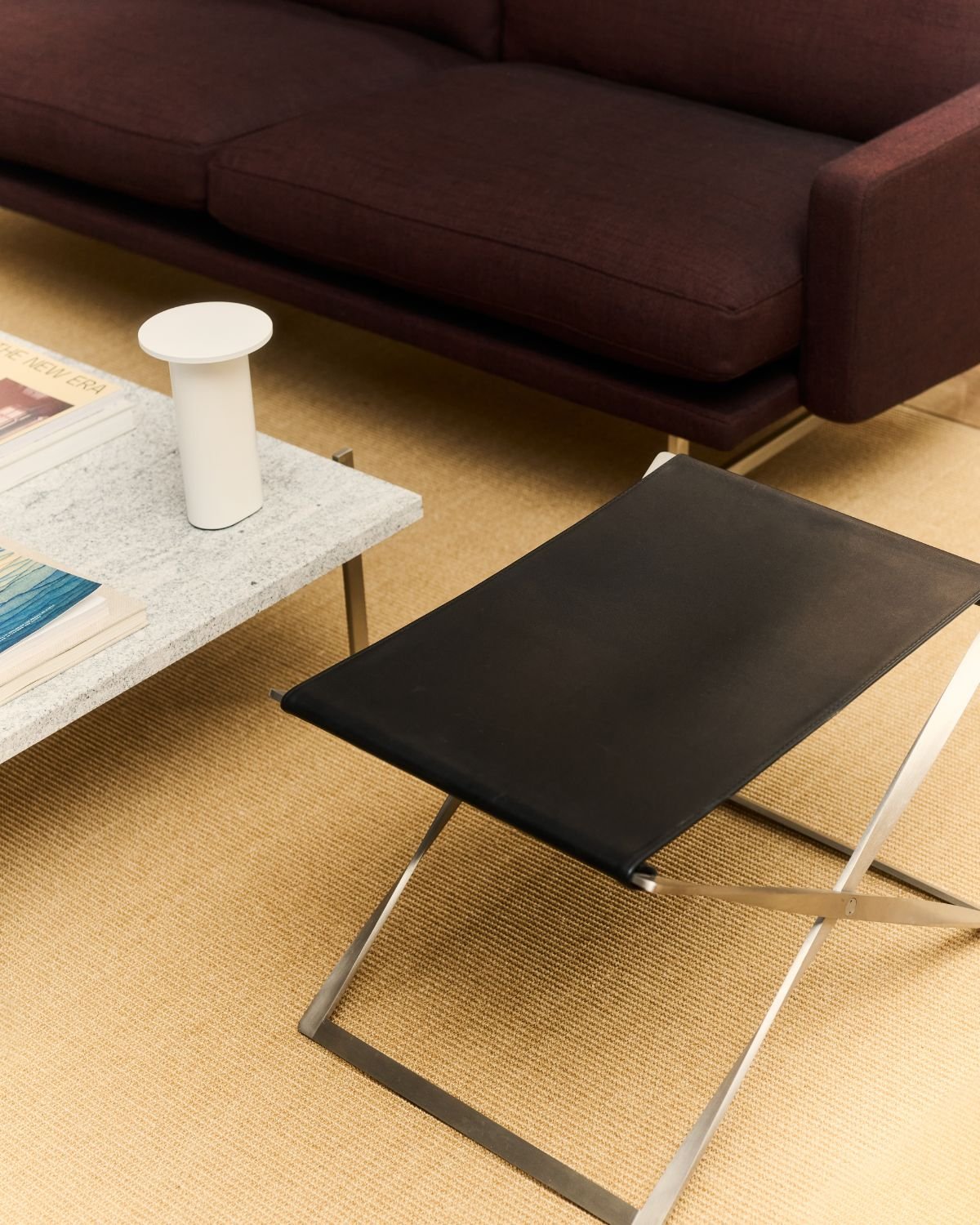
The collaboration also brought Fritz Hansen’s archive into the exhibition. Original steel furniture from the 1930s, including a table and drinks trolley, was returned specifically for Sound Club and positioned alongside the KAISER Idell Lamp and Technics turntable, creating a setting that connected almost a century of design history.

Fritz Hansen's Sound Club at 3 Days of Design
Fritz Hansen’s Sound Club at 3 Days of Design | Image: Fritz Hansen

Inside the Fritz Hansen Sound Club Experience

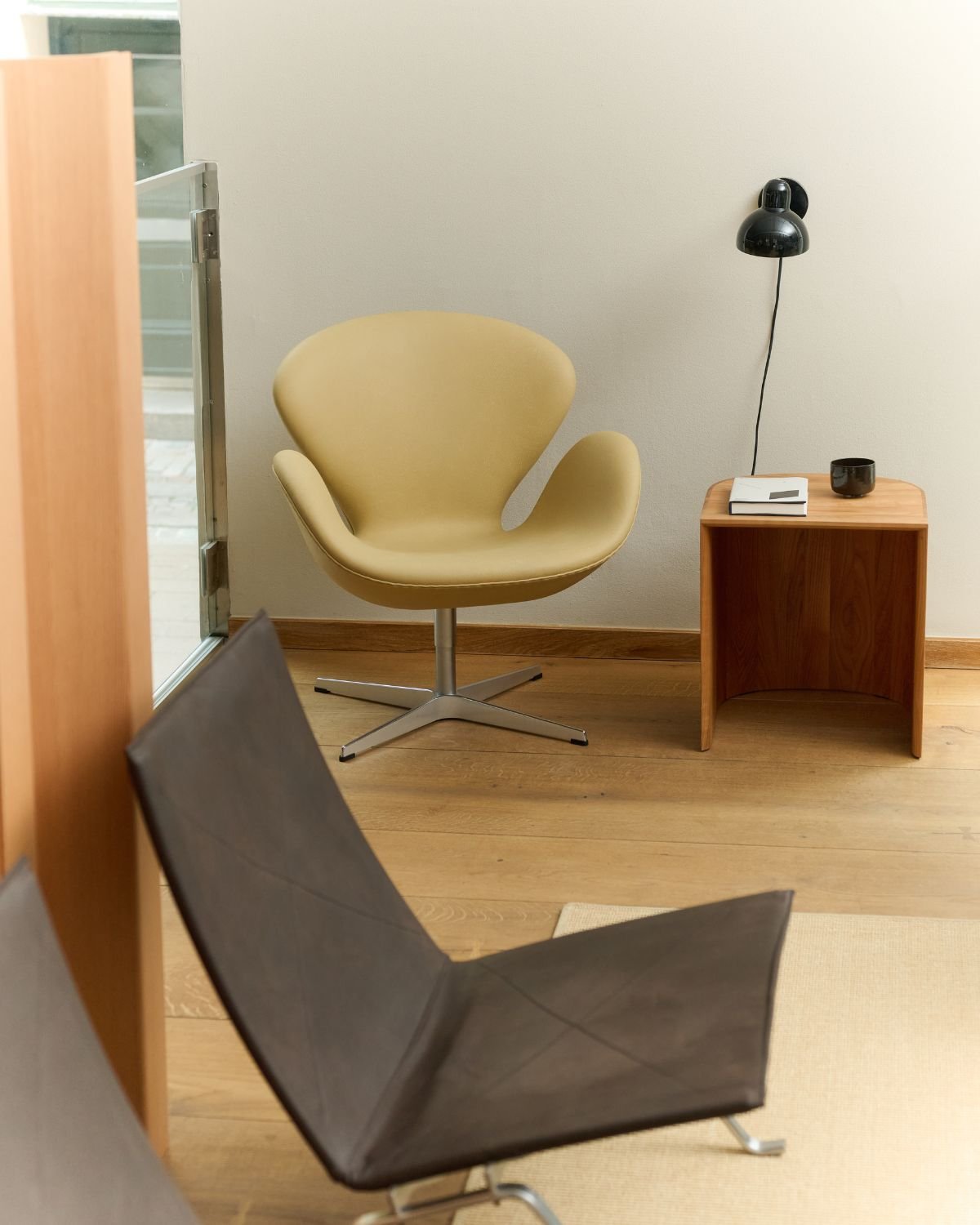
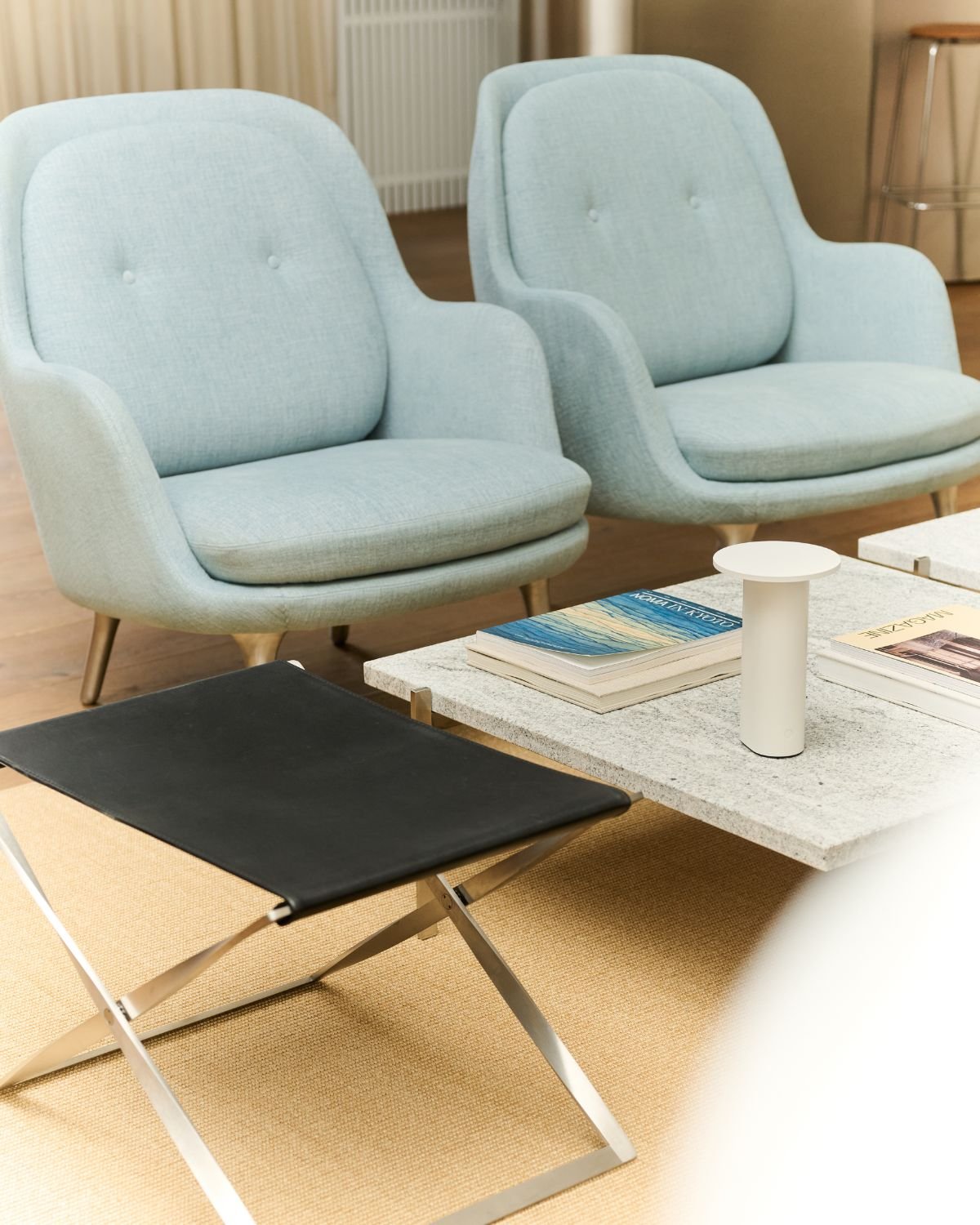
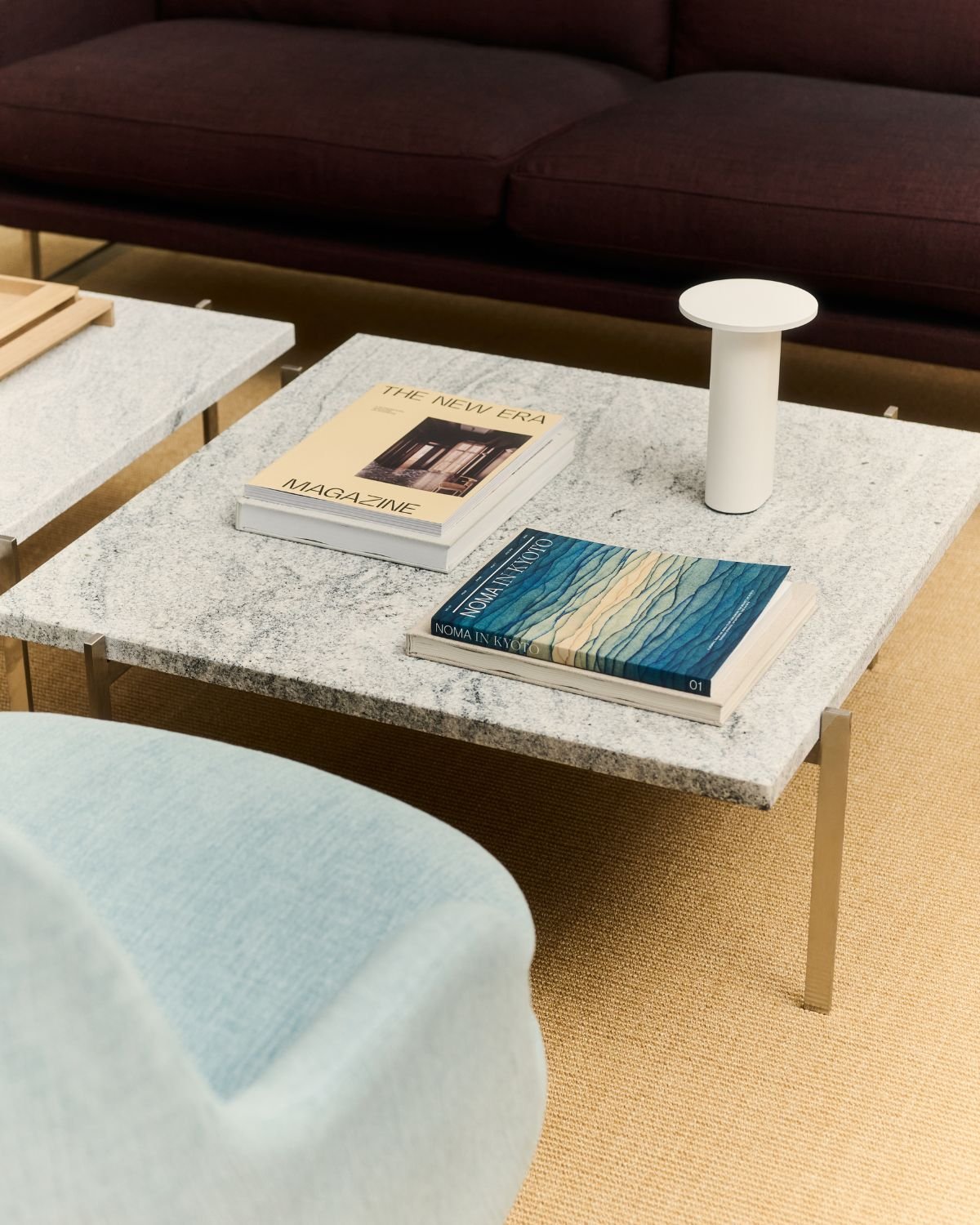
The first part of Sound Club was a listening lounge where visitors could sit in Fritz Hansen’s upholstered furniture while the company’s new podcast series played openly into the room. The sound was shared throughout the space rather than delivered through headphones, making the lounge the more communal of the installation’s listening environments.

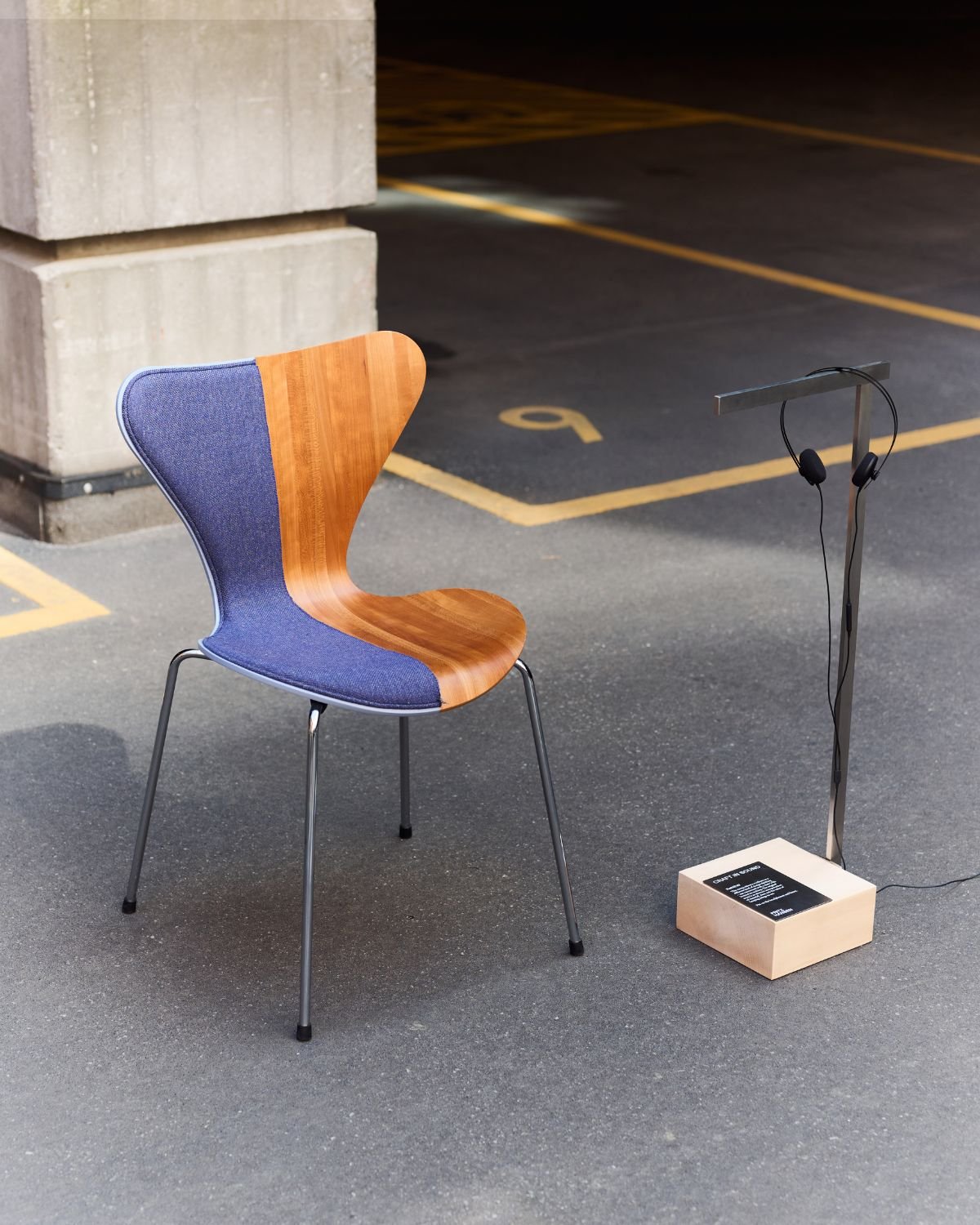
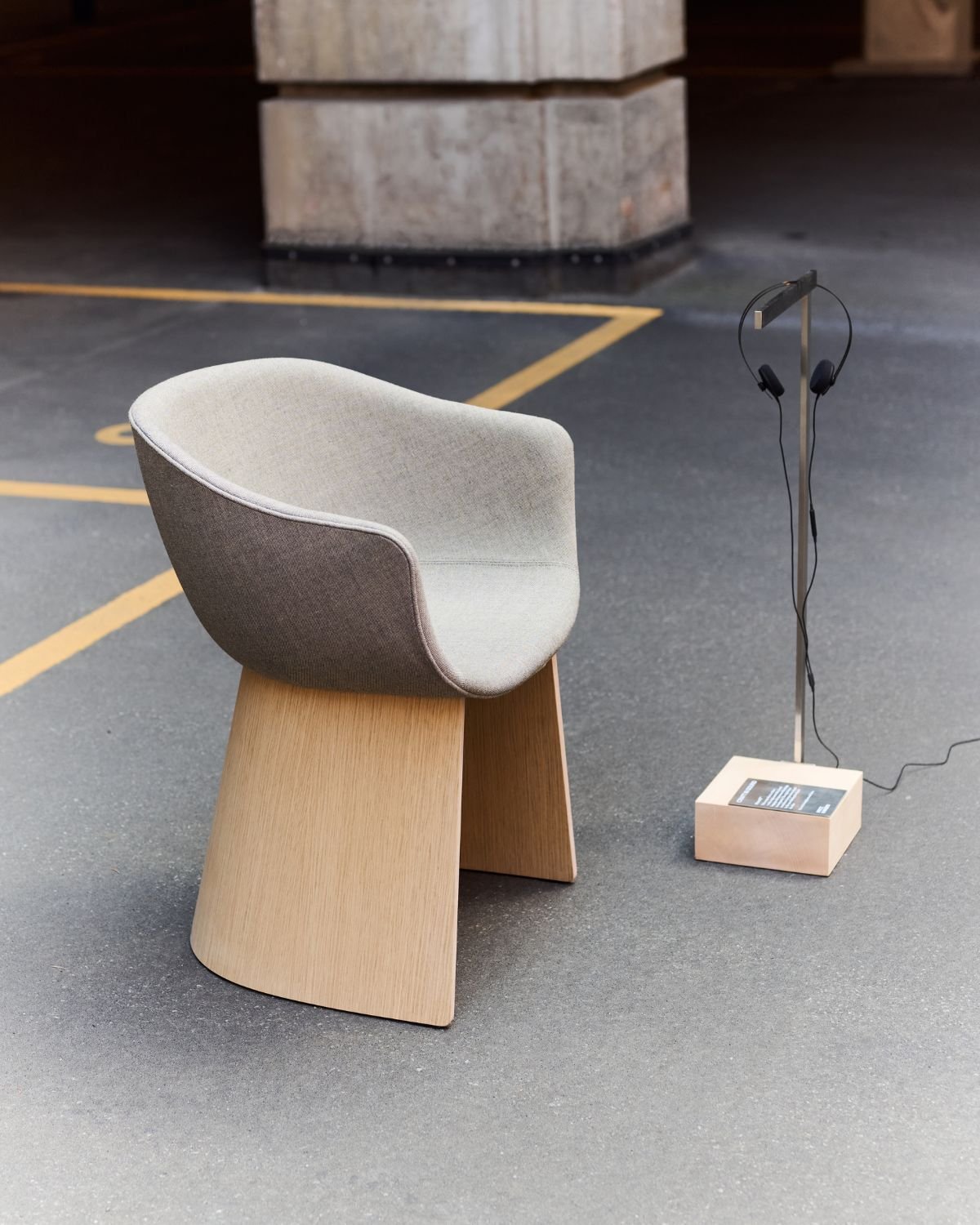
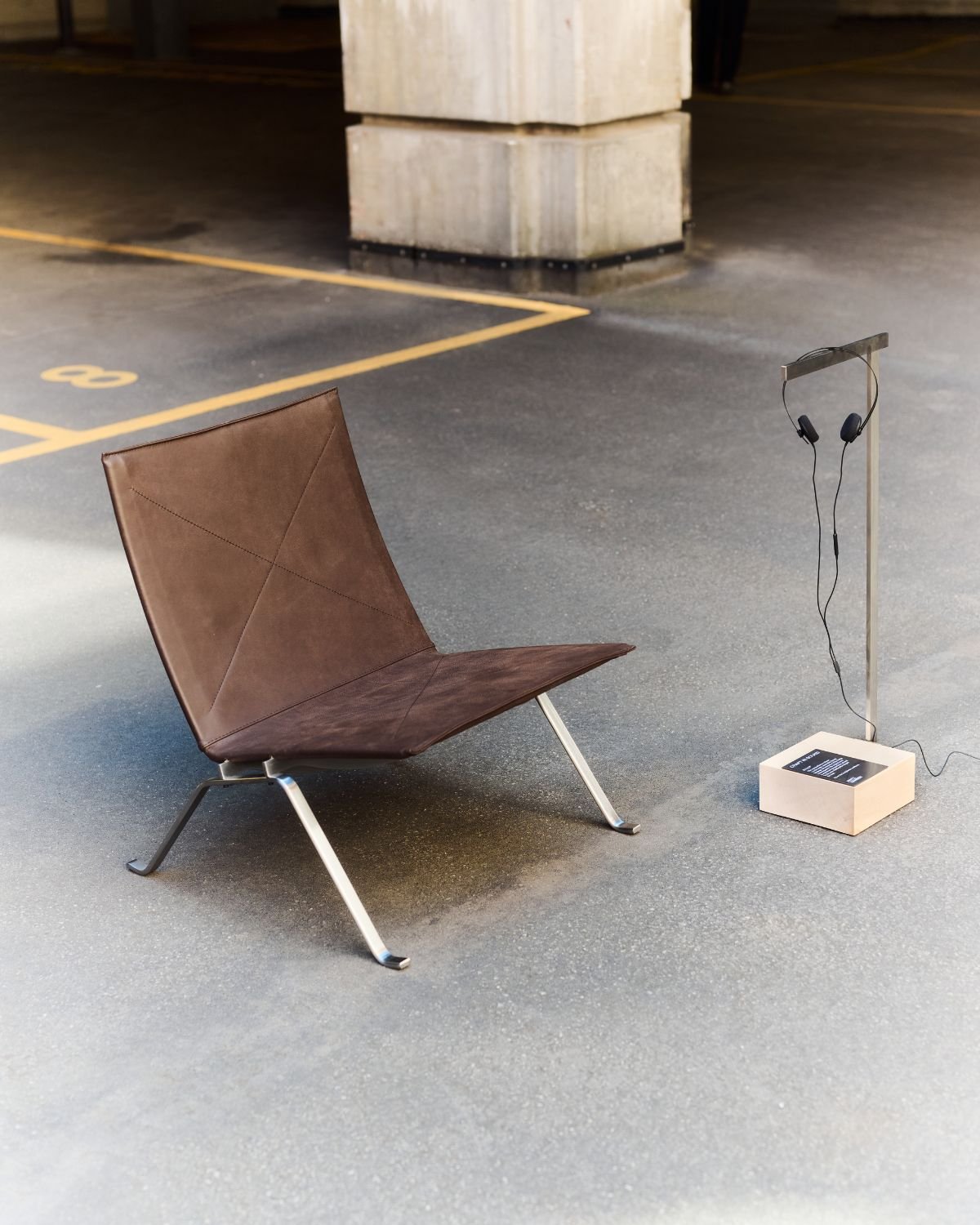
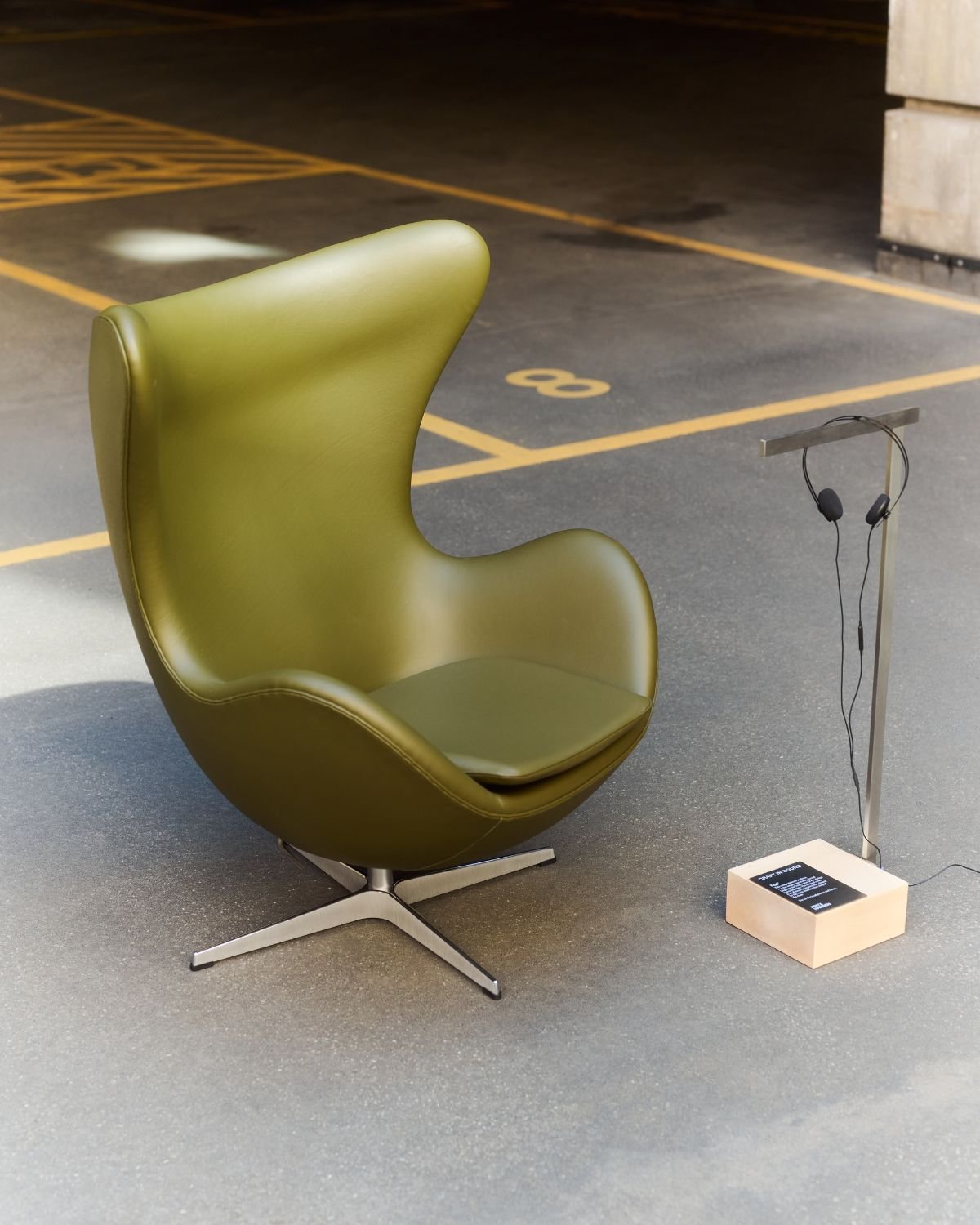
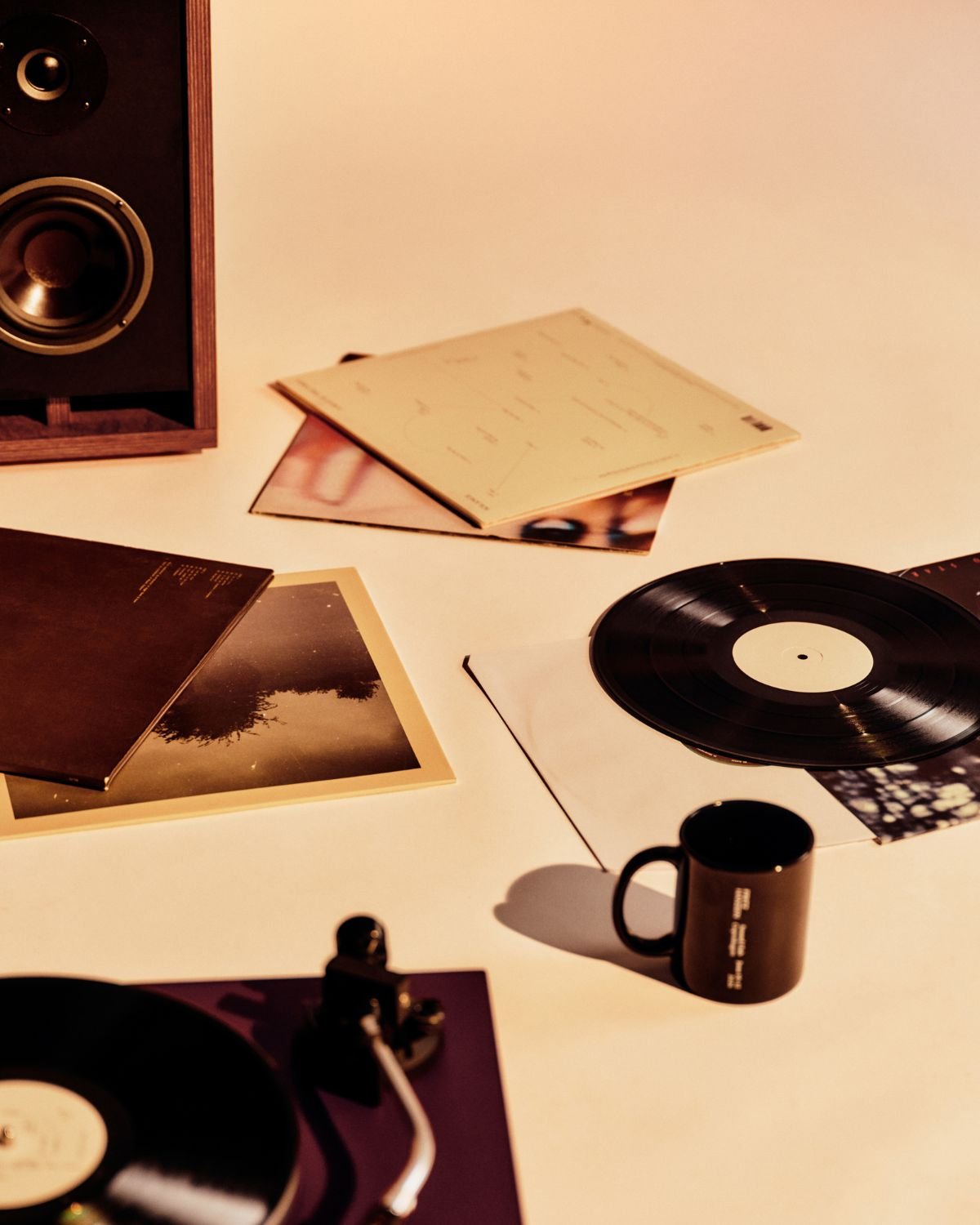
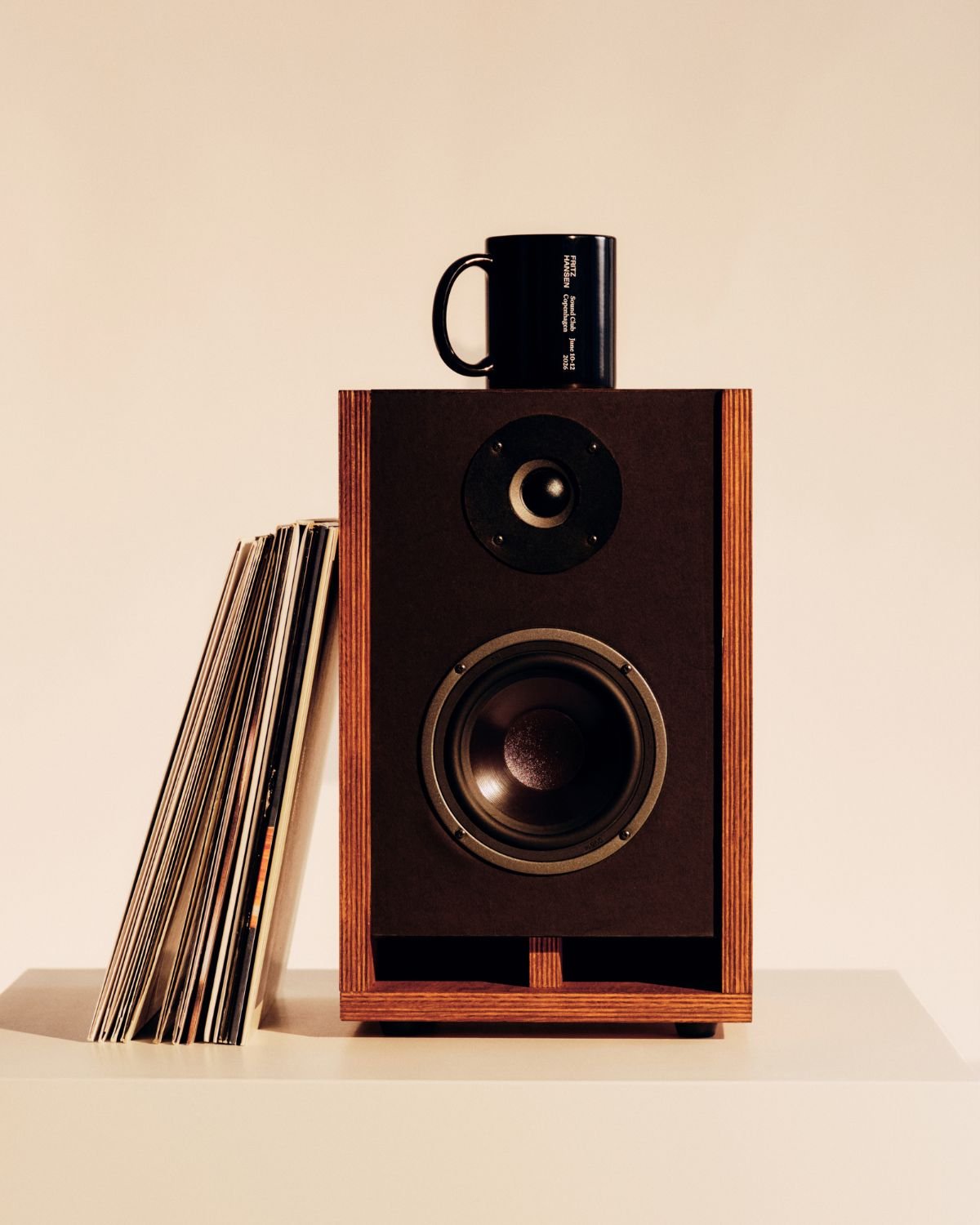
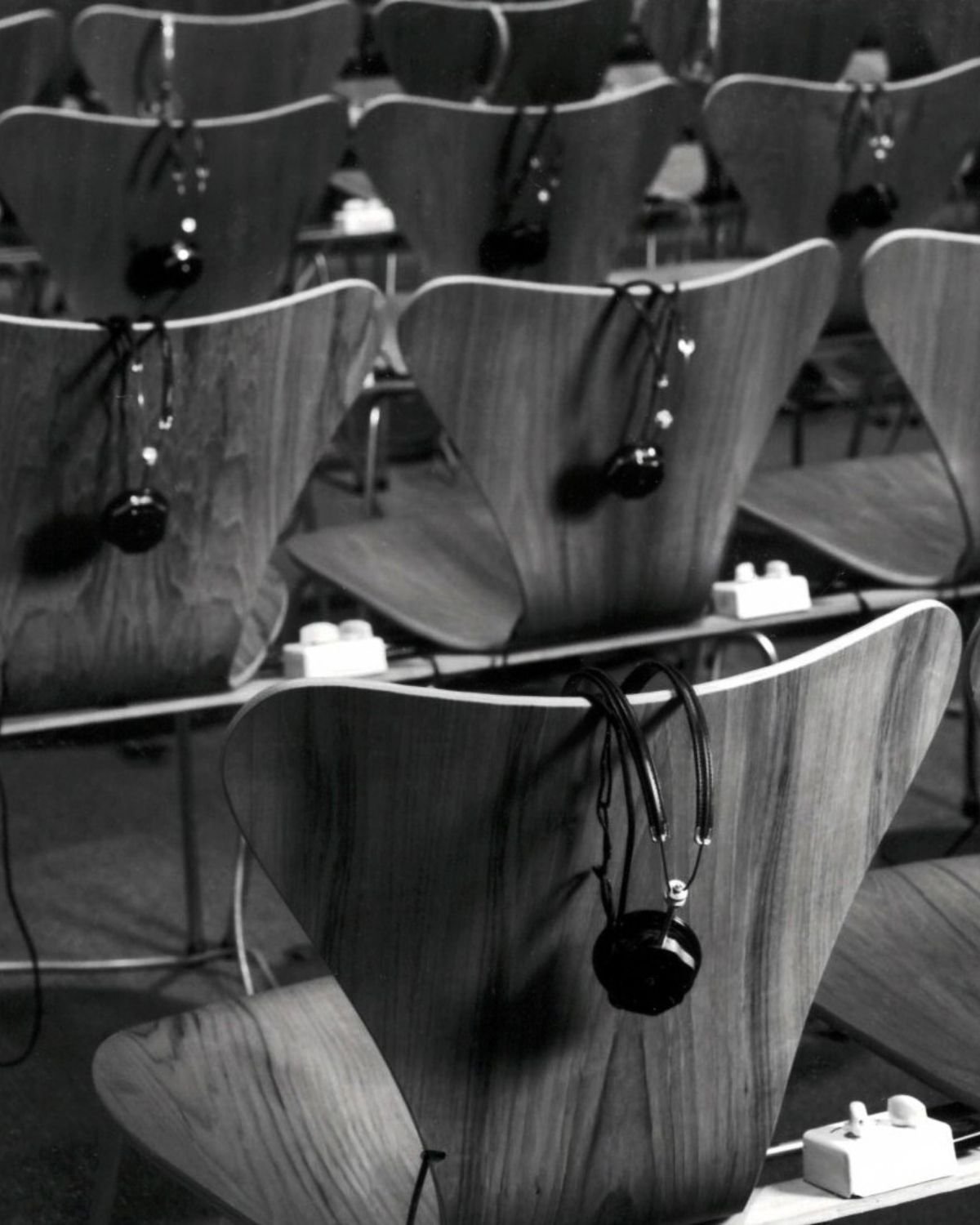
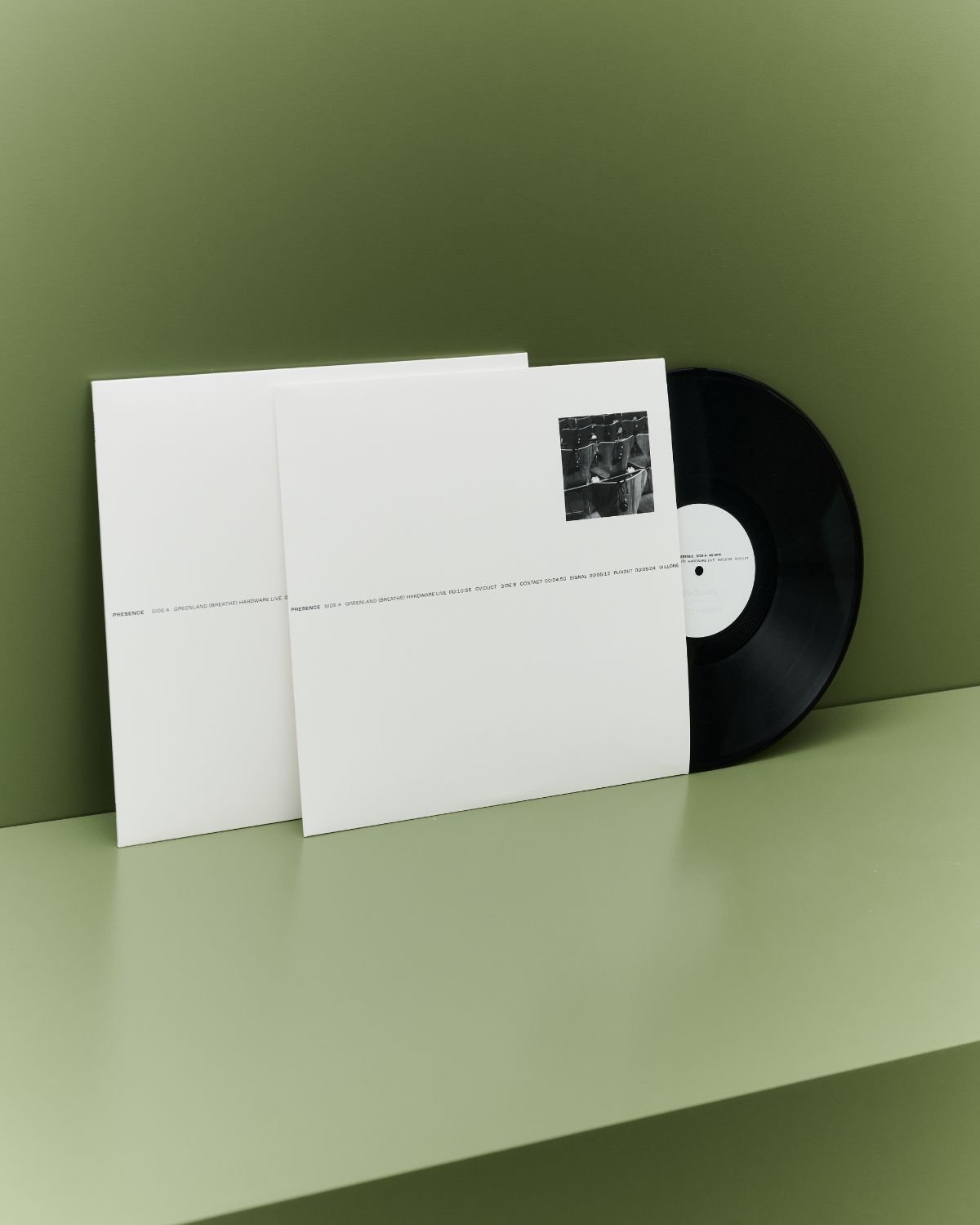
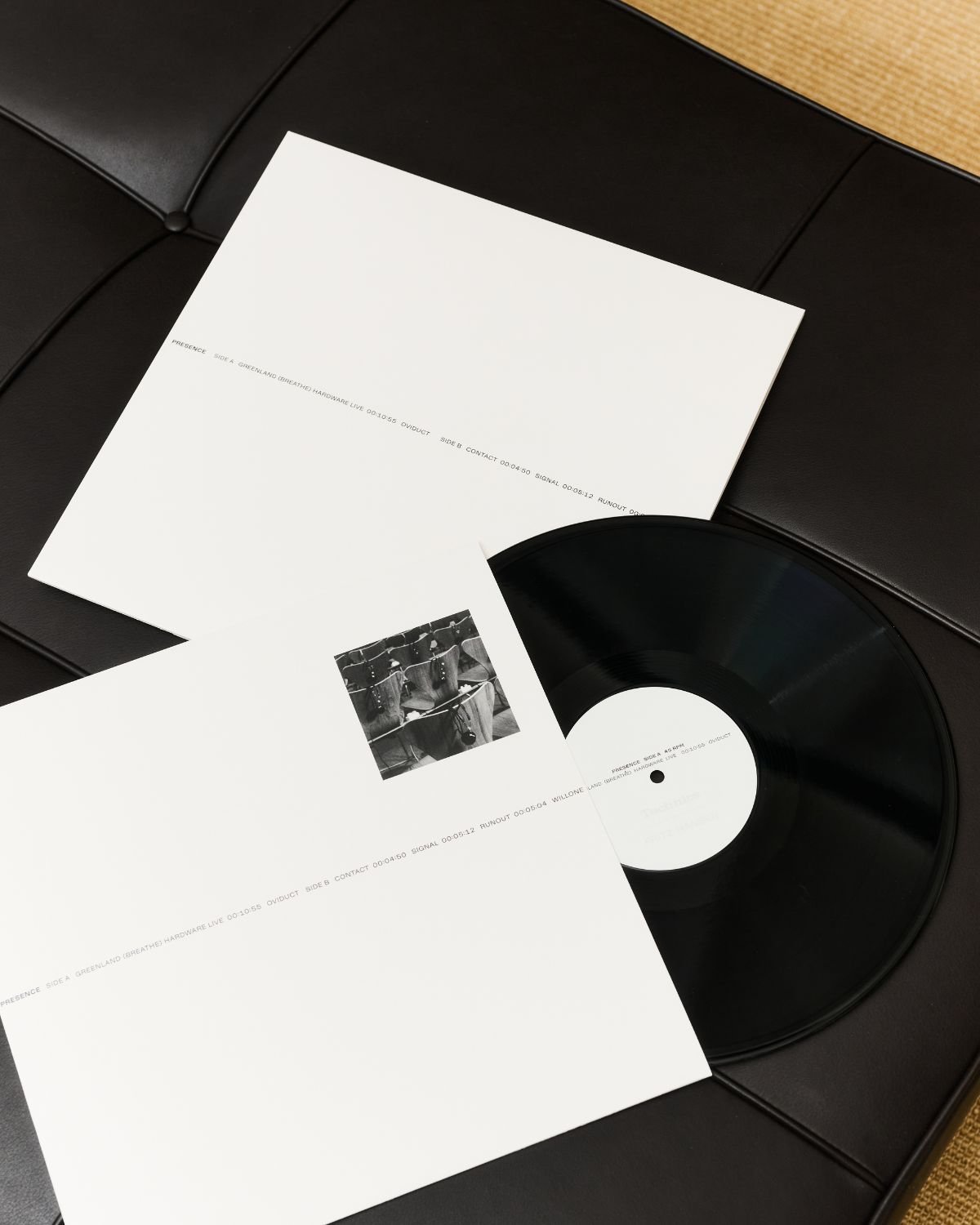
Next to it, the listening bar provided a more private experience. Limited-edition KAISER idell™ lamps and Technics turntables were placed on original Bauhaus-style archive tables, with visitors invited to sit down, put on a pair of noise-cancelling headphones and listen to an exclusive vinyl record created for the exhibition.

The release featured original music composed by Kim C, also known as Oviduct, and William de Waal, who performs as Willone. Combined with the low lighting, archive furniture and analogue audio equipment, the setup created a more focused listening experience than the open lounge, while giving Sound Club its own soundtrack instead of relying on another carefully selected collection of familiar records.
Fritz Hansen's Sound Club at 3 Days of Design
Fritz Hansen’s Sound Club at 3 Days of Design | Image: Fritz Hansen
Fritz Hansen's Sound Club at 3 Days of Design
Fritz Hansen’s Sound Club at 3 Days of Design | Image: Fritz Hansen

The installation then continued into the courtyard, where a kiosk hosted live DJ sessions throughout the three-day event. Fritz Hansen’s Outdoor Collection provided seating for visitors to relax with freshly baked goods, lunch and refreshments from Sonny, making the courtyard a more casual stop between the listening areas and Flagship Store.

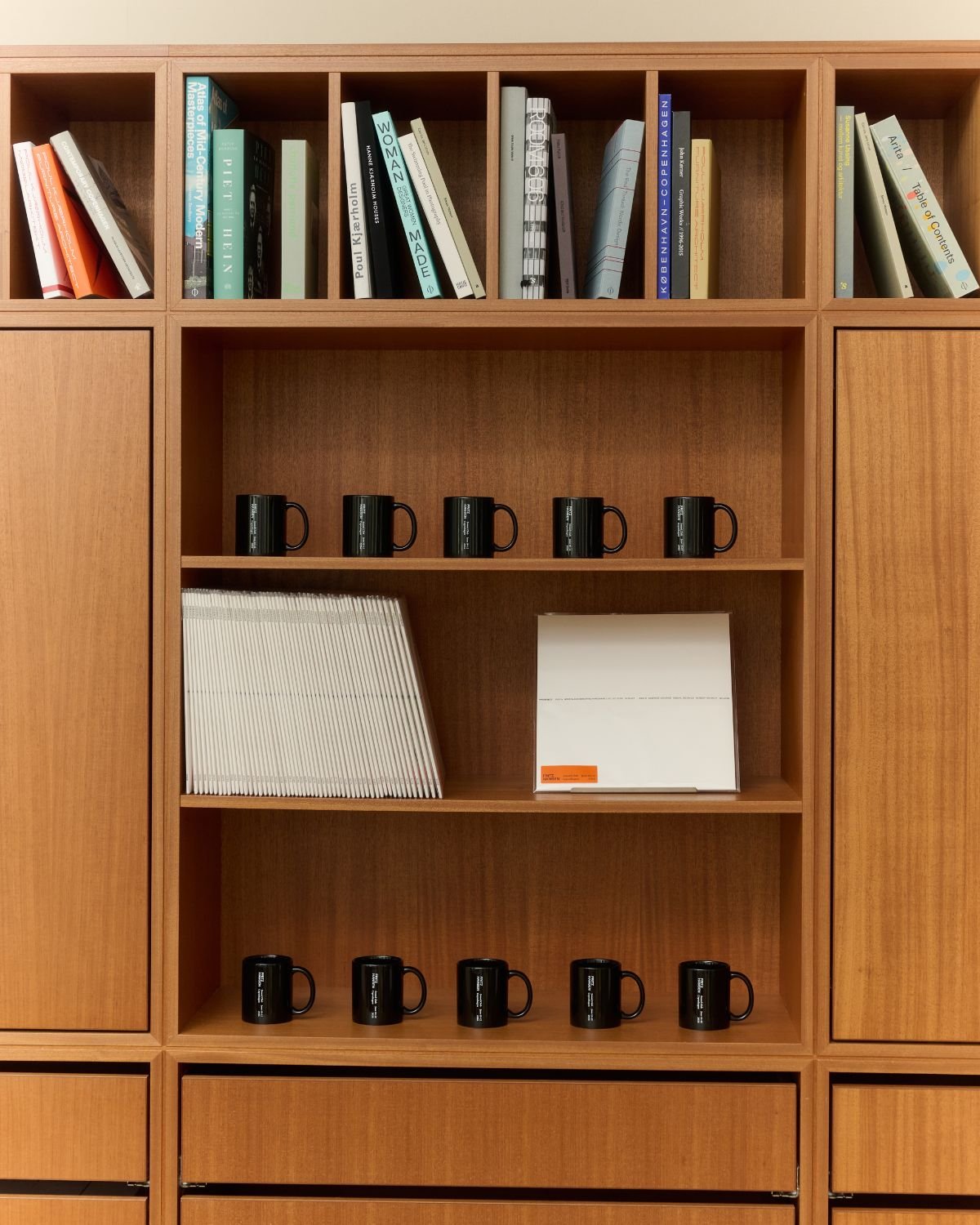
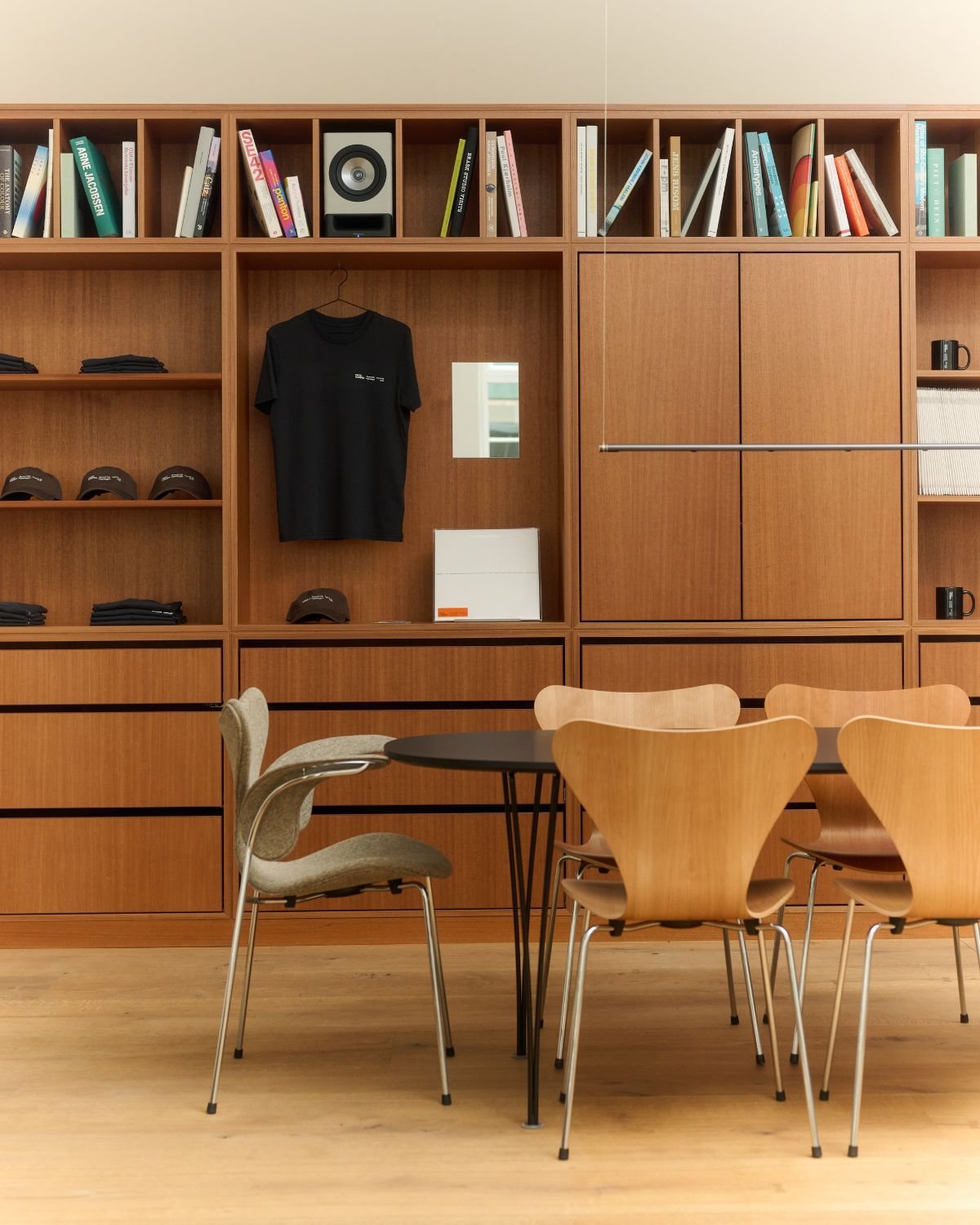
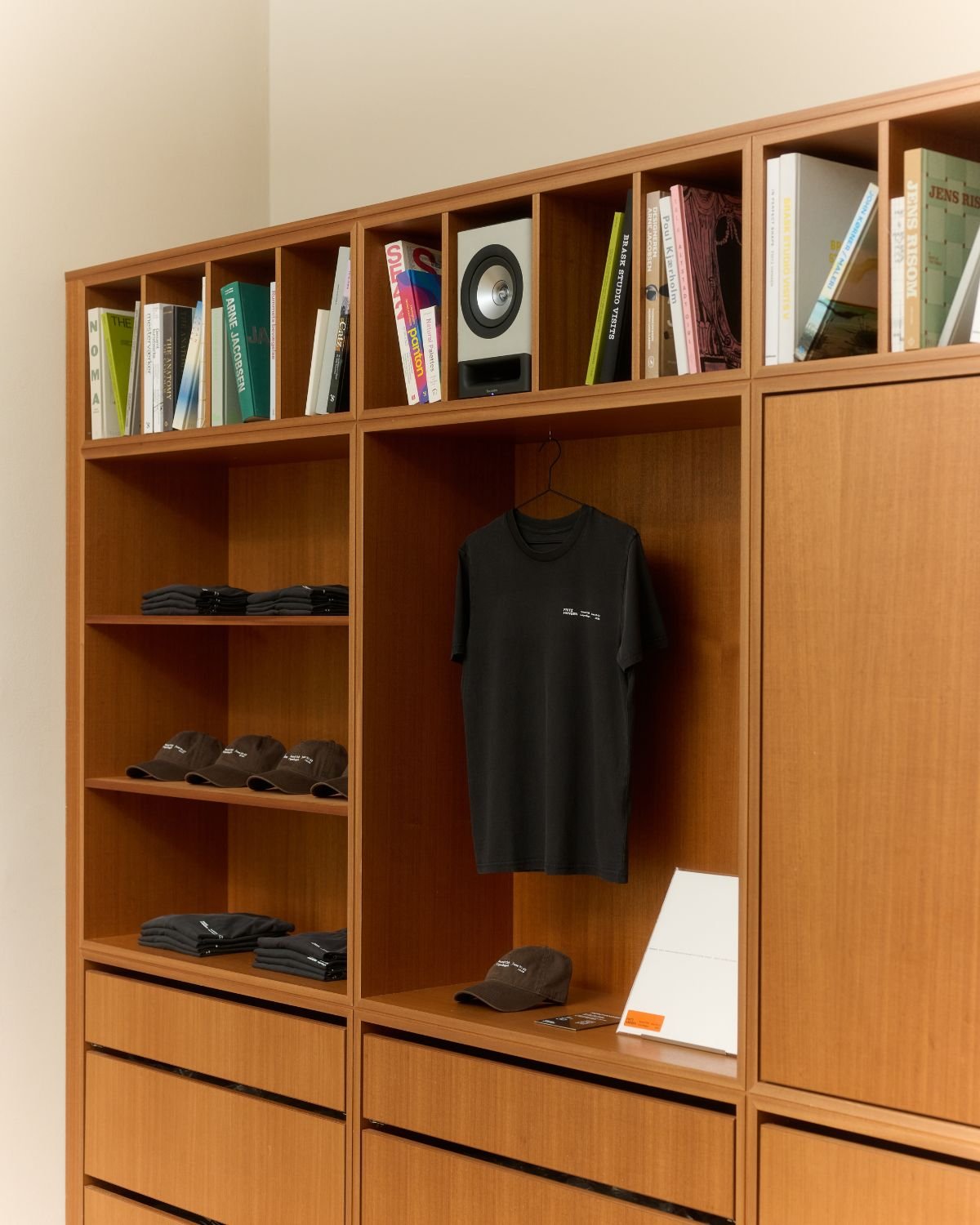
Inside the Flagship Store, Fritz Hansen presented its Autumn 2026 novelties alongside recordings of the tools, materials and handcraft used to produce its furniture. These included another addition to the KAISER Idell lighting family, an update by Cecilie Manz, an expansion of the N02 Recycle series by Japanese studio nendo and a new interpretation of the Superellipse™ table.

The production recordings added another layer to the installation by revealing parts of the furniture-making process that customers would not normally hear. Some Fritz Hansen craftspeople can reportedly determine whether a component has been assembled correctly from its sound, meaning the recordings were not simply industrial background noise but part of how the furniture is inspected and understood during production.

Fritz Hansen also introduced a new KAISER Idell Wall Lamp as part of the Autumn 2026 collection, extending Christian Dell’s design language into another part of the room while retaining the same emphasis on precision, proportion and practical function.
Fritz Hansen's Sound Club at 3 Days of Design
Fritz Hansen’s Sound Club at 3 Days of Design | Image: Fritz Hansen
Fritz Hansen's Sound Club at 3 Days of Design
Fritz Hansen’s Sound Club at 3 Days of Design | Image: Fritz Hansen

Sound Club ultimately worked because it gave visitors several ways to experience the furniture without forcing everyone through the same route. Guests could listen socially in the lounge, concentrate on a record at the listening bar, spend time with a DJ in the courtyard or hear how the furniture was made inside the Flagship Store.

The exhibition still looked as carefully controlled as you would expect from Fritz Hansen, but the addition of sound made the rooms feel occupied rather than staged. Furniture determined where people sat, lighting shaped what they saw, and music influenced how long they remained there, which is a fairly convincing demonstration of why sound deserves a place in the design conversation.

Fritz Hansen's Sound Club at 3 Days of Design
Fritz Hansen’s Sound Club at 3 Days of Design | Image: Fritz Hansen
Fritz Hansen's Sound Club at 3 Days of Design
Fritz Hansen’s Sound Club at 3 Days of Design | Image: Fritz Hansen
Fritz Hansen's Sound Club at 3 Days of Design
Fritz Hansen’s Sound Club at 3 Days of Design | Image: Fritz Hansen
Fritz Hansen's Sound Club at 3 Days of Design
Fritz Hansen’s Sound Club at 3 Days of Design | Image: Fritz Hansen
Fritz Hansen's Sound Club at 3 Days of Design
Fritz Hansen’s Sound Club at 3 Days of Design | Image: Fritz Hansen
Fritz Hansen's Sound Club at 3 Days of Design
Fritz Hansen’s Sound Club at 3 Days of Design | Image: Fritz Hansen
Fritz Hansen's Sound Club at 3 Days of Design
Fritz Hansen’s Sound Club at 3 Days of Design | Image: Fritz Hansen
Fritz Hansen's Sound Club at 3 Days of Design
Fritz Hansen’s Sound Club at 3 Days of Design | Image: Fritz Hansen
Fritz Hansen's Sound Club at 3 Days of Design
Fritz Hansen’s Sound Club at 3 Days of Design | Image: Fritz Hansen
Fritz Hansen's Sound Club at 3 Days of Design
Fritz Hansen’s Sound Club at 3 Days of Design | Image: Fritz Hansen
Fritz Hansen's Sound Club at 3 Days of Design
Fritz Hansen’s Sound Club at 3 Days of Design | Image: Fritz Hansen
Fritz Hansen's Sound Club at 3 Days of Design
Fritz Hansen’s Sound Club at 3 Days of Design | Image: Fritz Hansen
Fritz Hansen's Sound Club at 3 Days of Design
Fritz Hansen’s Sound Club at 3 Days of Design | Image: Fritz Hansen
Fritz Hansen's Sound Club at 3 Days of Design
Fritz Hansen’s Sound Club at 3 Days of Design | Image: Fritz Hansen
Fritz Hansen's Sound Club at 3 Days of Design
Fritz Hansen’s Sound Club at 3 Days of Design | Image: Fritz Hansen
Fritz Hansen's Sound Club at 3 Days of Design
Fritz Hansen’s Sound Club at 3 Days of Design | Image: Fritz Hansen
Fritz Hansen's Sound Club at 3 Days of Design
Fritz Hansen’s Sound Club at 3 Days of Design | Image: Fritz Hansen
Fritz Hansen's Sound Club at 3 Days of Design
Fritz Hansen’s Sound Club at 3 Days of Design | Image: Fritz Hansen
Fritz Hansen's Sound Club at 3 Days of Design
Fritz Hansen’s Sound Club at 3 Days of Design | Image: Fritz Hansen
Fritz Hansen's Sound Club at 3 Days of Design
Fritz Hansen’s Sound Club at 3 Days of Design | Image: Fritz Hansen
Fritz Hansen's Sound Club at 3 Days of Design
Fritz Hansen’s Sound Club at 3 Days of Design | Image: Fritz Hansen
Fritz Hansen's Sound Club at 3 Days of Design
Fritz Hansen’s Sound Club at 3 Days of Design | Image: Fritz Hansen
Fritz Hansen's Sound Club at 3 Days of Design
Fritz Hansen’s Sound Club at 3 Days of Design | Image: Fritz Hansen
Fritz Hansen's Sound Club at 3 Days of Design
Fritz Hansen’s Sound Club at 3 Days of Design | Image: Fritz Hansen
Fritz Hansen's Sound Club at 3 Days of Design
Fritz Hansen’s Sound Club at 3 Days of Design | Image: Fritz Hansen
Fritz Hansen's Sound Club at 3 Days of Design
Fritz Hansen’s Sound Club at 3 Days of Design | Image: Fritz Hansen
Fritz Hansen's Sound Club at 3 Days of Design
Fritz Hansen’s Sound Club at 3 Days of Design | Image: Fritz Hansen
About the Author

Related Articles

Smartphones

The 5 Best Android Phones You Can Buy Today

Reading Time: 13 minutes

Our team of editors and experts carefully selects each product. If you choose to purchase through one of our links, we may earn a commission. Learn more. Do you want to know how we test products? Click here for more details.

Choosing the best Android phone in 2025 isn’t just picking a device — it’s about finding the right fit for your lifestyle. Maybe you want a camera that rivals a DSLR, a battery that won’t quit halfway through the day, or a design that feels as good as it looks. The good news? There’s no shortage of options. The bad news? Sorting through endless specs and flashy ads can feel like a full-time job.

Some phones are designed for raw power, while others focus on style, simplicity, or a seamless Android experience. Let’s be honest: if you’re ready to break away from the Apple crowd and truly stand out from everyone else, Android offers authentic variety. Whether you’re a gamer, a content creator, a casual scroller, or just someone who wants a phone that does everything without the drama, there’s a perfect match waiting for you.

We get it—you don’t want to spend hours comparing processors and refresh rates. That’s why we’ve done the work for you, cutting through the noise to bring you a shortlist that actually matters. Real-world performance, camera quality, battery life, and overall value are what count.

So, if you’re ready to upgrade your pocket game and step away from the ordinary, these are the five best Android phones you can buy today. No fluff. No nonsense. Just the best of the best, right here.

Quick Picks: Best Android Phones at a Glance

Samsung Galaxy S25 Ultra | Image: Phone Arena

1. Samsung Galaxy S25 Ultra

  • Brand: Samsung
  • Model: Galaxy S25 Ultra
  • Display: 6.8″ Dynamic AMOLED 2X, QHD+, 120Hz refresh rate
  • Processor: Qualcomm Snapdragon 8 Gen 4
  • Battery: 5,500mAh with 65W fast charging
  • Memory: 12GB / 16GB RAM options
  • Storage: 256GB / 512GB / 1TB
  • Camera: 200MP main, 12MP ultrawide, 10MP periscope zoom, 10MP telephoto
  • Price: From USD $1,299

When you want the absolute best, Samsung’s Galaxy S25 Ultra is the phone that doesn’t hold back. It’s the heavy hitter in the Android world — blending incredible camera power, top-tier performance, and a sleek design into one impressive piece of tech. The 6.8-inch Dynamic AMOLED 2X display is as good as it gets: extremely sharp, buttery smooth at 120Hz, and bright enough to blind you on a sunny day. Whether you’re gaming, streaming, or just doom-scrolling, the S25 Ultra makes everything look amazing.

The Snapdragon 8 Gen 4 chip propels this phone into true powerhouse territory. Apps launch quickly, multitasking feels effortless, and gaming performance reaches new heights. Samsung complements this with a robust 5,500mAh battery and 65W fast charging — ensuring you get genuine all-day endurance and a speedy recharge when needed. In real-world usage, this is a device you can rely on without the concern of needing to find a charger halfway through the day.

Let’s be honest — you’re here for the camera, and the S25 Ultra impresses. The 200MP primary sensor captures stunning detail, while multiple zoom lenses make 10x and 30x shooting effortless. Low light, portraits, ultra-wide shots — this setup handles it all easily. Whether a casual photographer or aiming for studio-level Instagram, this phone is ideal.

If there’s a downside, it’s the price — but honestly, you get what you pay for. The S25 Ultra doesn’t cut corners, and you can feel it every time you pick it up. From the refined build quality to the software experience with Samsung’s One UI, everything about this phone exudes premium quality. If you want the best Android phone available today — with no compromises — the Galaxy S25 Ultra is the choice.

Xiaomi Poco X7 PRO | Image: POCO

2. Xiaomi POCO X7 Pro

  • Brand: Xiaomi
  • Model: Poco X7 Pro
  • Display: 6.67″ CrystalRes 1.5K AMOLED, 120Hz refresh rate
  • Processor: MediaTek Dimensity 8400-Ultra (4nm, ARM Cortex-A725)
  • Battery: 6000mAh with 90W HyperCharge (full charge in 42 minutes)
  • Memory: 8GB / 12GB LPDDR5X RAM options
  • Storage: 256GB / 512GB UFS 4.0
  • Camera: 50MP main (OIS), 8MP Ultra-wide, 2MP macro, 20MP front camera
  • Price: USD $440

Why spend big when you can get power like this? Xiaomi’s Poco X7 Pro is easily one of the best budget phones available right now. The 6.67-inch CrystalRes AMOLED display looks much more expensive than its price tag suggests, and the buttery 120Hz refresh rate keeps everything from gaming to scrolling smooth and crisp. Powered by the MediaTek Dimensity 8400-Ultra chip, the phone delivers flagship-level speed without the flagship-level cost — and paired with a massive 6000mAh battery and 90W fast charging, it’s designed to manage your day with room to spare.

The X7 Pro introduces HyperOS, Xiaomi’s next-gen software. It’s sleeker, lighter, and faster than MIUI, but you may need time to reacquaint yourself with it. With many pre-installed apps and games, prepare to spend time tidying up for a clean setup. Once done, HyperOS feels fast and polished, an impressive upgrade for this price.

On the camera side, the Poco X7 Pro delivers serious performance. Its 50MP main sensor with optical image stabilization captures sharp, vibrant shots, while the 8MP ultrawide and 2MP macro complete a capable setup. For quick social snaps or everyday moments, it’s more than sufficient. With IP68 water resistance, fast UFS 4.0 storage, and high-quality RAM, this phone feels anything but budget. For the price, the Poco X7 Pro is easily one of the smartest purchases you can make today.

Google Pixel 9 | Image: Google Store

3. Google Pixel 9

  • Brand: Google
  • Model: Pixel 9
  • Display: 6.2″ OLED, 120Hz refresh rate
  • Processor: Google Tensor G4
  • Battery: 4,600mAh with 30W fast charging
  • Memory: 12GB RAM
  • Storage: 128GB / 256GB
  • Camera: 50MP main, 12MP ultrawide, 10.5MP front camera
  • Price: From $799

If you want pure Android as Google intended, the Pixel 9 is the phone to beat. Clean, fast, and impressively smart, it’s a breath of fresh air compared to the heavily skinned versions of Android available elsewhere. The 6.2-inch OLED display with a 120Hz refresh rate makes every swipe and scroll feel incredibly smooth, while its compact size makes it one of the easiest premium phones to handle with one hand. No gimmicks, no unnecessary bloat — just pure, refined Android, upgraded every month directly from Google.

Performance-wise, the new Tensor G4 chip isn’t just about raw horsepower — and that’s not a bad thing. Based on early impressions and reviews, it excels at real-world tasks, emphasizing smarter AI-driven features rather than merely chasing benchmarks. Smarter calls, faster voice typing, and next-level photo editing are included. Additionally, the expected price of the Pixel 9 around $799 feels refreshingly fair compared to what Samsung and Apple are charging these days. You still get a true flagship experience without the eye-watering $1,200+ price tags.

And then there’s the camera — easily one of the best on the market. The 50MP main sensor, supported by Google’s unbeatable image processing, captures every shot perfectly whether you’re taking quick photos on the go or showcasing your creative side. From low-light wizardry to portrait perfection, the Pixel 9 demonstrates that you don’t need a complicated setup to achieve incredible results. If you’re looking for a phone that’s smart, simple, and just plain good, the Pixel 9 makes a very strong case for itself.

Google Pixel 9 Pro Fold | Image: Supplied

4. Google Pixel 9 Pro Fold

  • Brand: Google
  • Model: Pixel 9 Pro Fold
  • Display: 7.9″ inner OLED foldable display, 120Hz refresh rate; 6.4″ cover display
  • Processor: Google Tensor G4
  • Battery: 4,800mAh with 30W fast charging
  • Memory: 12GB RAM
  • Storage: 256GB / 512GB
  • Camera: 50MP main, 12MP Ultra-wide, 10.8MP telephoto
  • Price: from USD $1,500

If you want a foldable that truly feels like a proper flagship, the Google Pixel 9 Pro Fold is your answer. You get a massive 7.9-inch OLED inner display that unfolds into a mini tablet, perfect for multitasking, gaming, or just showing off at the coffee shop. The Tensor G4 chip powers the device, and based on early impressions, it seems to handle everything smoothly — from juggling apps to editing photos across the dual screens.

That said, foldables aren’t for everyone, and at around USD $1,500, it’s an investment. However, compared to other foldable we’ve seen, the Pixel 9 Pro Fold appears more polished, and if you’re seeking that fresh, futuristic vibe without going full Samsung, it’s a strong contender.

Where the Pixel 9 Pro Fold truly excels is in the experience. Google’s clean Android interface extends beautifully across both screens, allowing seamless transitions between tablet mode and phone mode without any awkward interruptions. Early reviews indicate it’s among the smoothest foldable transitions available — and that’s a significant advantage. Additionally, you get the same Pixel camera magic integrated, featuring a 50MP main sensor that makes everyday photos look stunningly good. While foldables still have minor trade-offs, like concerns about durability, if you want cutting-edge technology that genuinely feels intuitive and easy to use, this one finally hits the mark.

Nothing Phone ( 2 ) | Image: Nothing

5. Nothing Phone ( 2 )

  • Brand: Nothing
  • Model: Phone ( 2 )
  • Display: 6.7″ LTPO OLED, 120Hz refresh rate
  • Processor: Qualcomm Snapdragon 8+ Gen 1
  • Battery: 4,700mAh with 45W fast charging
  • Memory: 8GB / 12GB RAM options
  • Storage: 128GB / 256GB / 512GB
  • Camera: 50MP main, 50MP ultrawide
  • Price: From uSD $599

If you’re tired of the same old designs and want something that truly stands out, the Nothing Phone 2 is the answer. With its transparent back, distinctive Glyph Interface lighting system, and clean, minimalist software, it feels like a breath of fresh air in a sea of dull slabs. The 6.7-inch LTPO OLED display looks fantastic, offering vibrant colours and a buttery 120Hz refresh rate that makes scrolling and gaming feel smooth and sharp. Priced at around $599, it’s significantly more affordable than most premium flagships on the market today.

Performance is solid thanks to the Snapdragon 8+ Gen 1 chip, while the lightweight Android skin keeps everything fast and clean. Based on all we’ve seen and read, opinions are quite clear: it’s not aiming to be the fastest or most powerful phone available. If you focus solely on specs, you’ll find bigger numbers elsewhere. But that misses the point. The Nothing Phone 2 prioritizes design, experience, and everyday usability — and in that regard, it absolutely delivers. It feels distinct in the best way possible, and many users find themselves genuinely enjoying their phone again rather than simply tolerating it.

Camera-wise, the dual 50MP setup is good enough for casual shots, social media, and night photography, even if it doesn’t go head-to-head with ultra-premium flagships. But what you’re buying into is the feel: the premium build, the clever use of Glyph lights for notifications, and the clean Android experience that doesn’t shove ads or bloatware in your face. If you want a bold alternative that feels fun and fresh — without costing a fortune — the Nothing Phone 2 is a seriously smart move.

Key Things to Ask Yourself Before Picking Up a New Phone

Before diving into buying your next Android phone, it’s worth to slow down and asking yourself a few real questions. Nowadays, the options are endless — massive screens, incredible cameras, lightning-fast chips — but not every feature justifies an extra cost. The key is understanding what you truly need versus what merely sounds appealing. Establishing the right priorities not only saves money but also ensures you end up with a phone that truly fits your daily life. Whether you seek raw performance, a great camera, long battery life, or simply something that feels new in your hand, clarifying your must-haves will make your decision much easier.
Here are a few insightful questions to consider before making your move:

  1. How much are you willing to spend?
    Set your budget early. Whether you’re looking at a $350 mid-ranger or a $1,500 flagship, knowing how much you want to spend keeps you focused. Expensive doesn’t always mean better for your needs — and these days, you can get a seriously good phone without breaking the bank.

  2. What do you really need it for?
    A killer camera? All-day gaming? Just browsing and texting? Be honest about how you’ll actually use your phone. If you’re not pushing the limits with games or heavy editing, you probably don’t need a top-tier processor — and you could save a lot of money picking something smarter for your lifestyle.
  3. How important is the camera to you?
    If photography matters, don’t just look at the megapixel count. Find out how the phone performs in real-world situations like low light, fast motion, and portrait shots. A good camera setup can seriously upgrade your daily experience — especially if you’re capturing memories or building your social media feed.
  4. Do you care about software and updates?
    Stock Android is clean and easy to use, while other brands add more features and customizations. Think about what you prefer — a simple, straightforward phone or one loaded with extras. Also, if you plan to hold onto your device for a few years, make sure it’ll get regular updates to keep things smooth and secure.
  5. What little extras make a big difference to you?
    Wireless charging, water resistance (IP68), fast charging, stylus support — small features can change how you use your phone every day. Decide what matters most and check if your pick includes it. Sometimes it’s those extras that turn a good phone into a great one.

About the Author
arrow_drop_up