






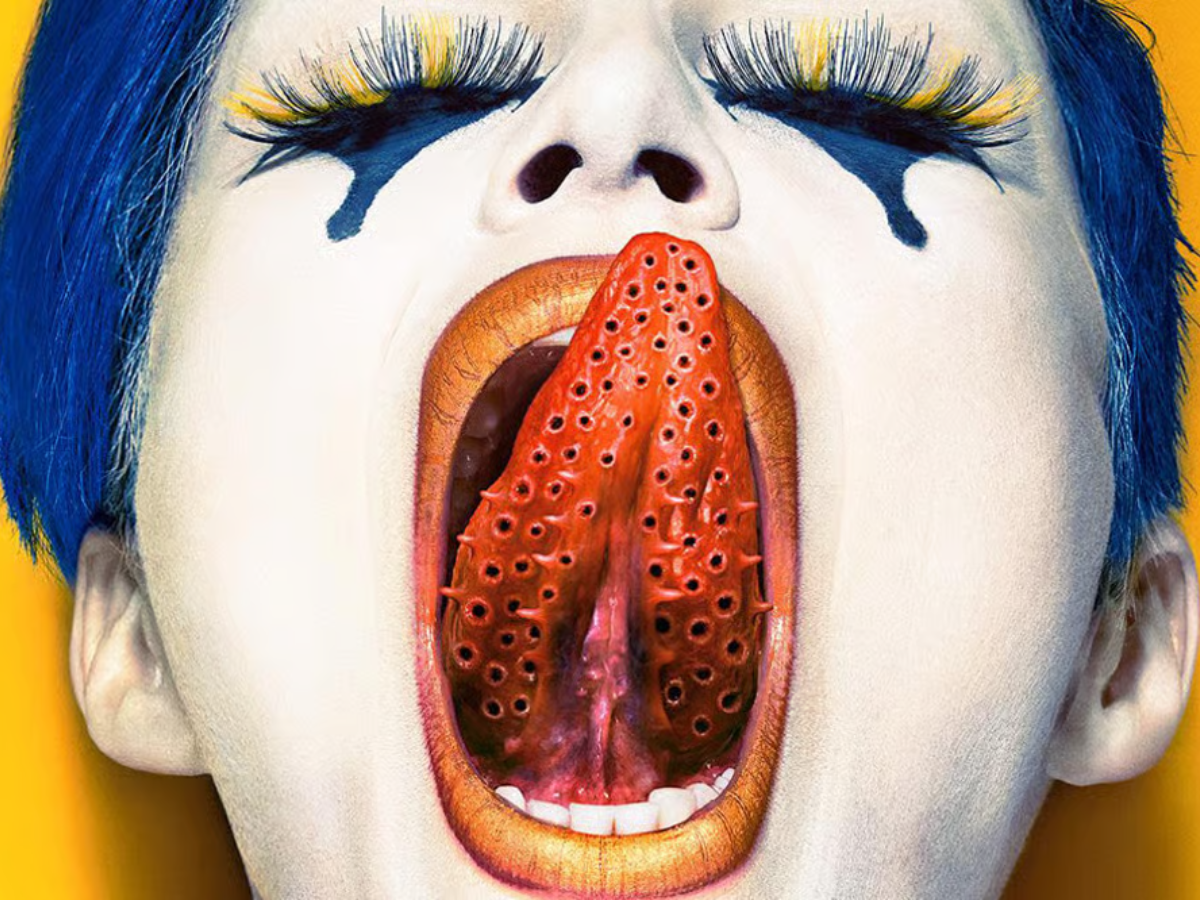

Ever scrolled past a photo of a lotus seed pod or a honeycomb and suddenly felt your skin crawl? That uneasy shiver down your spine, or even a rush to look away, could be linked to something called trypophobia — a fear or discomfort prompted by clusters of small holes or bumps. It’s a term that’s been gaining attention online for years, sparking debates on whether it’s a genuine phobia or just another internet‑born buzzword.
But here’s the thing: trypophobia isn’t officially recognised as a medical condition, even though many people claim to experience it. Some describe it as a mild unease, while others say it causes intense anxiety, nausea, or even panic. With so many different experiences, the question becomes: is trypophobia a legitimate phobia, or are we just more connected than ever to images that overload our brains?
Now that we’ve introduced the topic, what exactly is trypophobia? According to Healthline, the condition “is a fear or disgust of closely packed holes”. This unusual reaction can vary greatly — for some, it is a brief feeling of unease or a quick shiver, while for others, it can lead to sweating, nausea, or even a full panic attack.
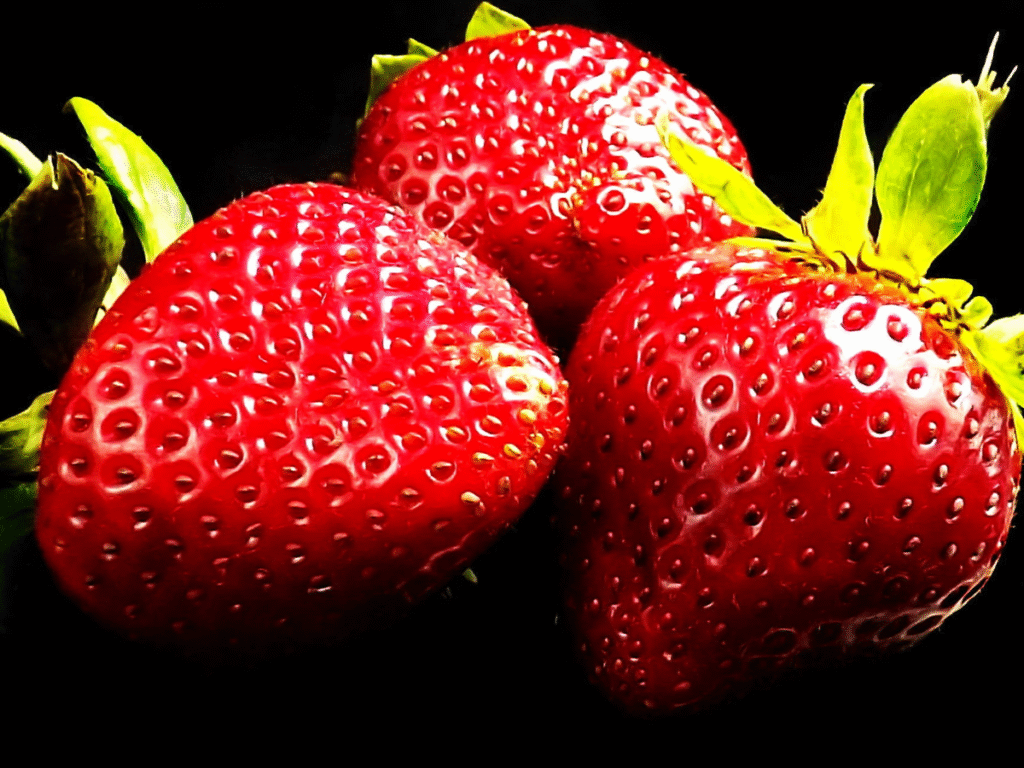
What makes trypophobia so intriguing is how ordinary its triggers can be. We’re not talking about frightening horror-movie images — instead, it’s commonplace textures like the seeds on a strawberry, the pores of a lotus pod, the surface of coral, or the bubbly patterns in a pancake. To most people, these are harmless details of nature. But for someone with trypophobia, they can be utterly unbearable to look at.
Although the condition isn’t officially recognised as a medical phobia in the DSM‑5, it’s hard to ignore how widespread it seems to be. Browse social media, and you’ll see countless posts from people claiming to feel physically uncomfortable just from coming across a photo of a honeycomb. And if you’re starting to feel a bit uneasy just reading this, don’t worry — you’re definitely not alone.
Researchers believe the reaction may be more linked to disgust than fear, as our brains are wired to react strongly to certain high-contrast patterns. Some theories even propose it could be an evolutionary remnant, warning us about dangerous things like disease or poisonous animals that often display similar clustered textures.
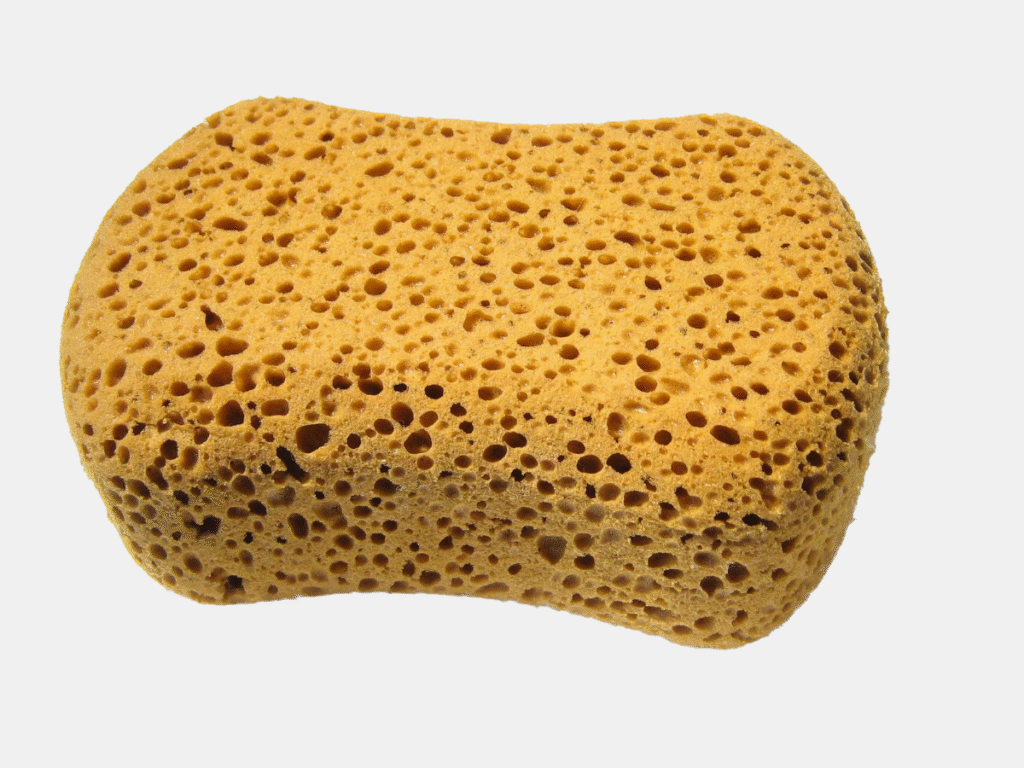
So yes, you might think you’re just creeped out by a picture of a sponge, but your brain could be sending warning signals that stem from survival instincts. And if you’re currently side‑eyeing that strawberry in your fruit bowl — our apologies. Maybe save it for after the next section.

So, what exactly triggers trypophobia into overdrive? The short answer: clusters. These tightly packed patterns of holes or bumps can appear completely harmless to some, yet for others, they instantly evoke feelings of unease, disgust, or even panic. From natural textures to everyday objects, the triggers can occur almost anywhere — often when you least expect them.
Here are some of the most common triggers people mention:
- Lotus seed pods
- Honeycombs
- Coral
- Strawberries
- Sponges
- Aerated chocolate
- Pancakes with bubbles
- Certain fabrics or patterned surfaces
What’s fascinating is how common many of these triggers seem to be. Across different cultures and age groups, people report remarkably similar reactions to the same patterns. It’s as if our brains are wired to notice these shapes — and in some cases, recoil from them. That prompts an important question: why do these clusters bother so many of us?
If you’ve ever come across a photo of a lotus pod or a bubbly pancake and suddenly felt your skin crawl, you’re not imagining things — that uncomfortable reaction might be related to trypophobia. The symptoms can appear differently for everyone, but one thing remains the same: they often happen quickly, before you’ve even had a chance to process what you’re seeing.
For many people, the initial reaction is a wave of disgust or revulsion, often accompanied by physical signs like goosebumps, sweating, or a crawling sensation across the skin. Some describe it as an itch they can’t quite scratch, while others compare it to the feeling of something moving just beneath their skin. It’s not exactly pleasant, and it’s definitely not easy to ignore once it begins.
In more severe cases, trypophobia can cause nausea, dizziness, a rapid heartbeat, or even difficulty breathing. Some individuals also report shaking or trembling, and for a small percentage, the experience can escalate into a full-blown panic attack. That’s why, for those who are sensitive, even casually scrolling through social media can become an unexpectedly stressful experience if the wrong image appears.
Common Symptoms:
- Disgust or intense revulsion
- Goosebumps or chills
- Sweating
- Itchiness or crawling sensation on the skin
- Nausea or queasiness
- Dizziness or lightheadedness
- Rapid heartbeat
- Shaking or trembling
- Shortness of breath
- Anxiety or panic attacks
It’s worth noting that not everyone who experiences trypophobia feels it to the same extent. For some, it’s just a quick, fleeting “ew” that passes rapidly. For others, it’s so overpowering that they actively avoid certain foods, images, or even objects in real life. Although the medical community hasn’t officially recognised it as a phobia, the severity of these symptoms demonstrates that the discomfort is very real.
So, if you’ve ever found yourself slamming your phone face‑down after seeing a cluster of holes, you’re not alone — and your reaction is more common than you might think.
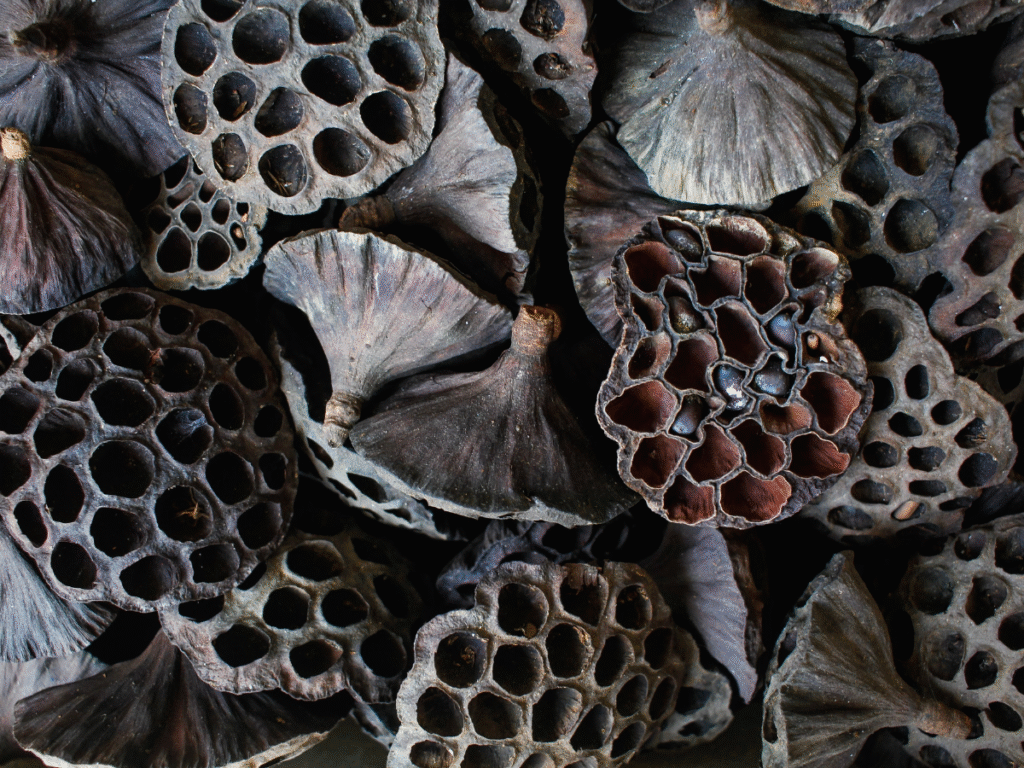
Although many people report feeling uneasy, nauseous, or even panicked when they see clustered holes, trypophobia isn’t officially recognised as a phobia. You won’t find it in the DSM‑5, the manual used by mental health professionals, mainly because most sufferers don’t describe their reaction as fear. Instead, it’s often disgust or intense discomfort — and in psychology, that doesn’t always meet the criteria for a true phobia.
Experts suggest the reaction might be more about how our brains interpret certain patterns rather than fear itself. Clusters of holes or bumps can subconsciously remind us of things we’ve evolved to avoid, such as skin infections or poisonous animals, triggering a visceral response even when we know the object is harmless. So, while doctors might not classify it as a “real” phobia, the very real reactions people experience are difficult to deny.
If you’ve reached this point in the article without feeling queasy, itchy, or like you need to slam your phone shut — good news, you probably don’t have trypophobia. Congratulations, you’ve passed the unofficial test. For those who aren’t as lucky, though, here comes the part you’ve been waiting for: treatment.
Since trypophobia isn’t officially recognised as a phobia, there’s no formal medical diagnosis. However, that doesn’t mean you’re forced to suffer in silence. A doctor or therapist can help assess how strong your reaction is, often by asking questions or showing images to observe your response. Treatment usually begins with exposure therapy — a gradual (and sometimes uncomfortable) process of confronting your triggers until they begin to lose their power.
If that feels overwhelming, there’s also cognitive behavioural therapy (CBT), where you’ll learn techniques to manage the anxiety associated with those unsettling visuals. Think deep breathing, mindfulness, and reframing how your brain reacts when it sees those dreaded hole-filled patterns. Over time, these methods can help you feel more in control.
Certainly, if you prefer to skip therapy sessions, there’s always the simple option: look away. Sometimes the easiest way to manage trypophobia is just to avoid the triggers — no shame in protecting your peace.
Is trypophobia a real medical condition?
Not officially. Trypophobia isn’t listed in the DSM‑5, which means it’s not recognized as a formal phobia by doctors. That said, the reactions people report — from nausea to panic — are very real, and the medical community acknowledges that the discomfort is genuine.
What usually triggers trypophobia?
Common triggers include items like lotus seed pods, honeycombs, sponges, strawberries, coral, or even bubbly pancakes. Essentially, they are clusters of small holes or bumps that your brain finds unsettling.
Can trypophobia go away on its own?
For some, it’s a passing discomfort that doesn’t significantly interfere with daily life. But if it’s strong enough to impact your routine, therapies like exposure therapy or CBT can help lessen the intensity of your reaction. Avoiding triggers is also a perfectly valid short‑term strategy.