




Cars

1954 Mercedes-Benz W196R Sells for $52 Million Becoming the Second Most Expensive Car Ever

Reading Time: 6 minutes

Share via

Our team of editors and experts thoughtfully chooses each product. If you decide to buy through one of our links, we may earn a commission. Learn more. Want to know how we test products? Click here for more details.

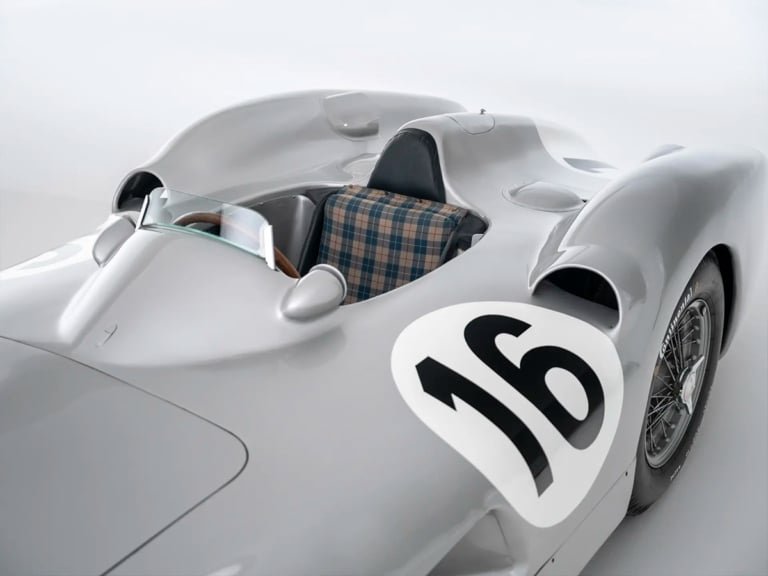
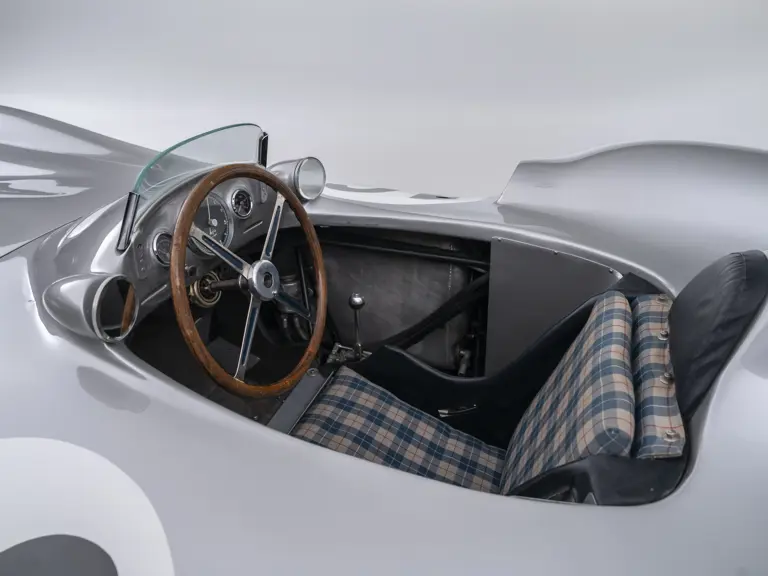
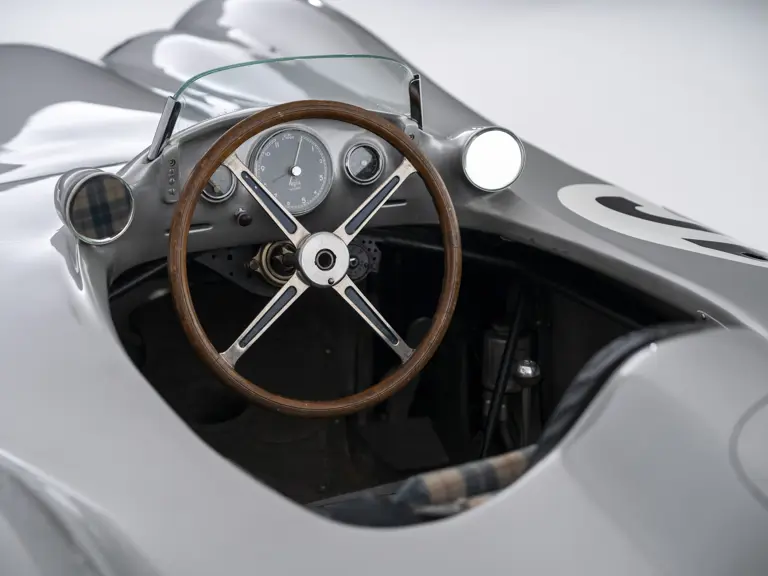
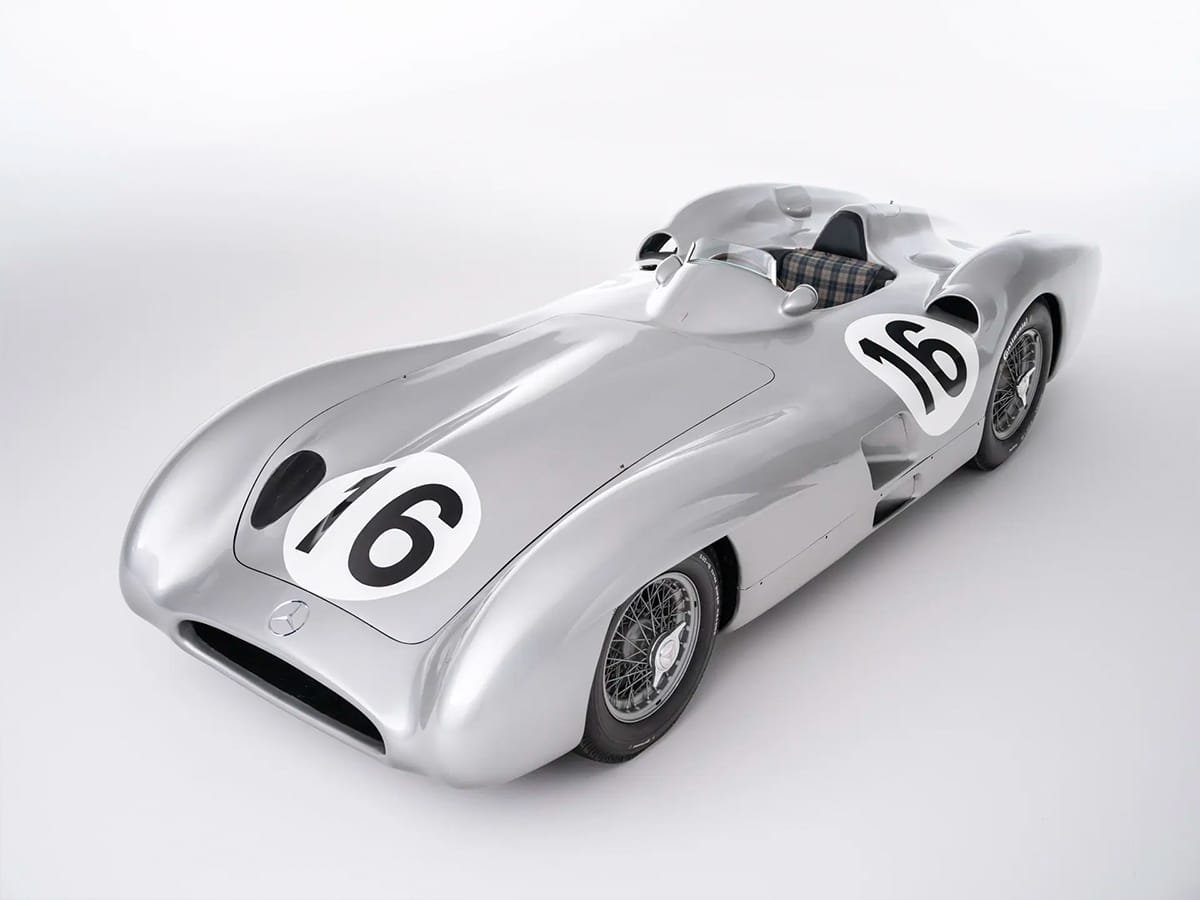
Collectors have long been attracted to rarity, but the discovery of a vintage automotive piece after decades of concealment elevates the thrill. This was evident at RM Sotheby’s recent auction, where a 1954 Mercedes-Benz W196 R Stromlinienwagen sold for an incredible $52 million USD, ranking as the second most expensive car ever auctioned.

This wasn’t just any old Mercedes. It was chassis number 00009/54, a machine that epitomizes the golden age of Formula 1 engineering. Developed under the meticulous supervision of Rudolf Uhlenhaut, the W196 R was a technological marvel that combined performance with futuristic design. With its Stromlinienwagen (“streamliner”) bodywork, it looked like it had been from the future—a car designed to cut through the air at top speed.

Only four of these streamliner-bodied W196 R models are known to exist, and they were specifically designed for high-speed circuits. The body, constructed from Elektron magnesium alloy, weighed just 88 pounds (40 kilograms), making it lighter than aluminium while still strong enough to meet the demands of Formula 1 racing. The result was an aerodynamic masterpiece that could easily reach speeds over 186 mph (300 km/h)—staggering for the 1950s.

Key Highlights:

  • Sold at RM Sotheby’s, becoming the second most expensive car ever sold at auction.
  • 1954 Mercedes-Benz W196 R Stromlinienwagen (Chassis 00009/54)
  • Only four streamliner-bodied W196 R cars are known to still exist.
  • Released after 59 years at the Indianapolis Motor Speedway Museum, with appearances at Pebble Beach and Petersen Automotive Museum.
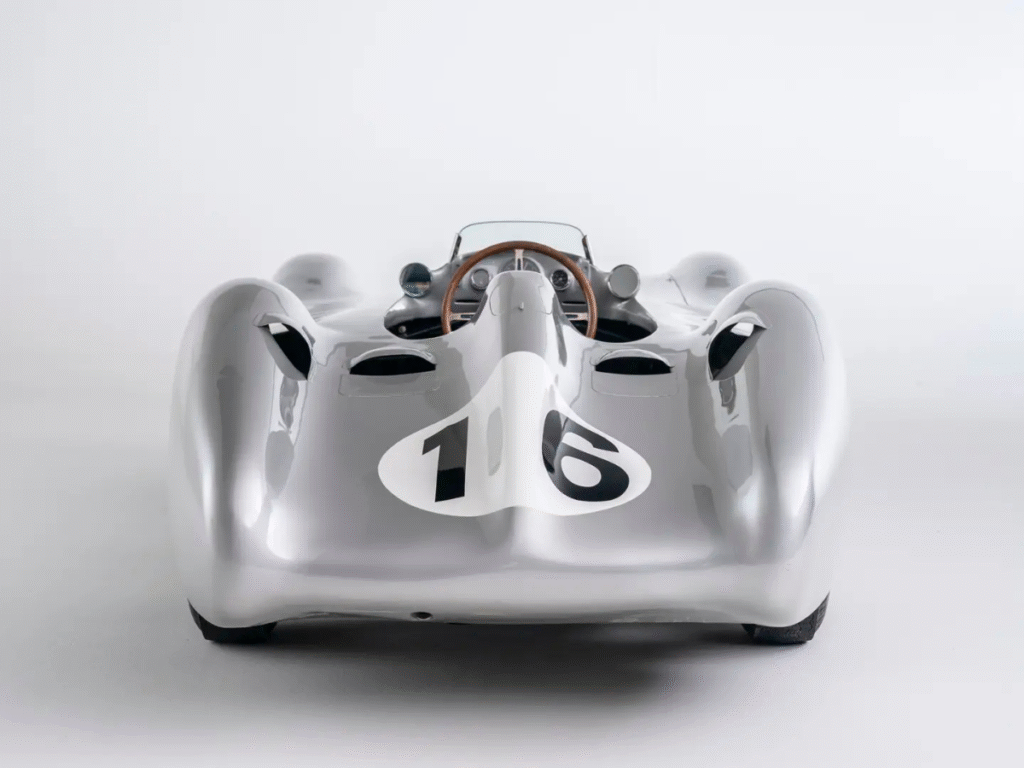
1954 Mercedes-Benz W 196 R Stromlinienwagen | Image: Sotheby’s

Beneath the sleek skin sat an inline eight-cylinder engine, essentially two four-cylinder units bolted together, producing between 257 and 290 horsepower depending on its race setup. Pair that with innovations like front double wishbone suspension, torsion-bar springs, Alfin drum brakes, and Uhlenhaut’s patented low-pivot swing axle rear suspension, and you had one of the most advanced racing cars of its era. This wasn’t just a car—it was a rocket ship in disguise.

The W196 R made an immediate impact on the track. When it debuted in 1954, Mercedes entered three cars into the French Grand Prix at Reims. The result? A dominant 1st, 2nd, and 7th place finish, with factory driver Juan Manuel Fangio leading the way. Fangio went on to win the 1954 Formula 1 World Championship in the W196 R, ending Ferrari’s winning streak and showing that Mercedes-Benz had built the ultimate racing machine.

The car’s legend only grew in 1955 when the streamlined W196 returned for the newly redesigned Monza circuit, which featured a dramatic high-banked section. Fangio and teammate Piero Taruffi surged to a 1-2 finish, while Stirling Moss—driving this very chassis, 00009/54—set the fastest lap with an average speed of 215.7 km/h on lap 21. These victories cemented the Stromlinienwagen’s place in motorsport history.

Italian Grand Prix in Monza, 11 September 1955 | Image: Sotheby’s

However, Mercedes’ Formula 1 dominance was brief. After the tragic 1955 Le Mans disaster, which fundamentally changed motorsport safety, Mercedes-Benz withdrew from racing completely. In October that year, the brand held a formal ceremony to retire the W196 R, relocating most examples to the Daimler-Benz Museum in Stuttgart. Four were eventually donated to other institutions worldwide—including this one.

Chassis 00009/54 was transferred to the Indianapolis Motor Speedway Museum in 1965 and stayed there for almost 59 years. Throughout this period, it became a key exhibit, appreciated by fans but not altered by collectors. Its time in the museum provided it with a pristine provenance, free from restorations or ownership changes that can lessen the value of classic race cars.
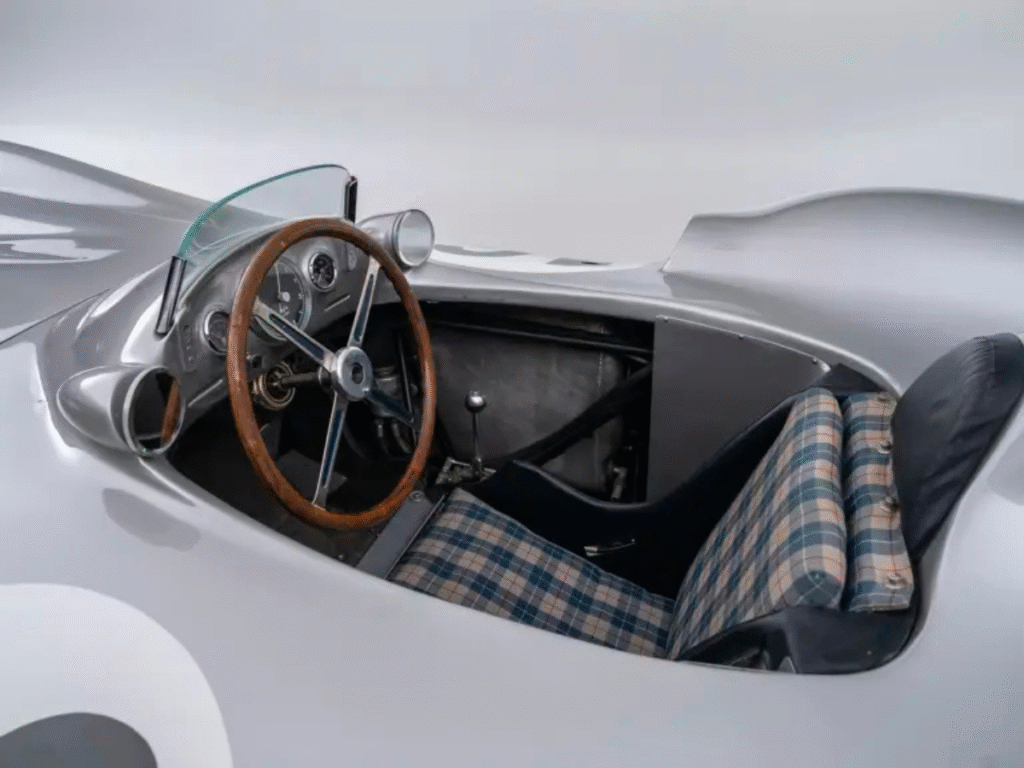
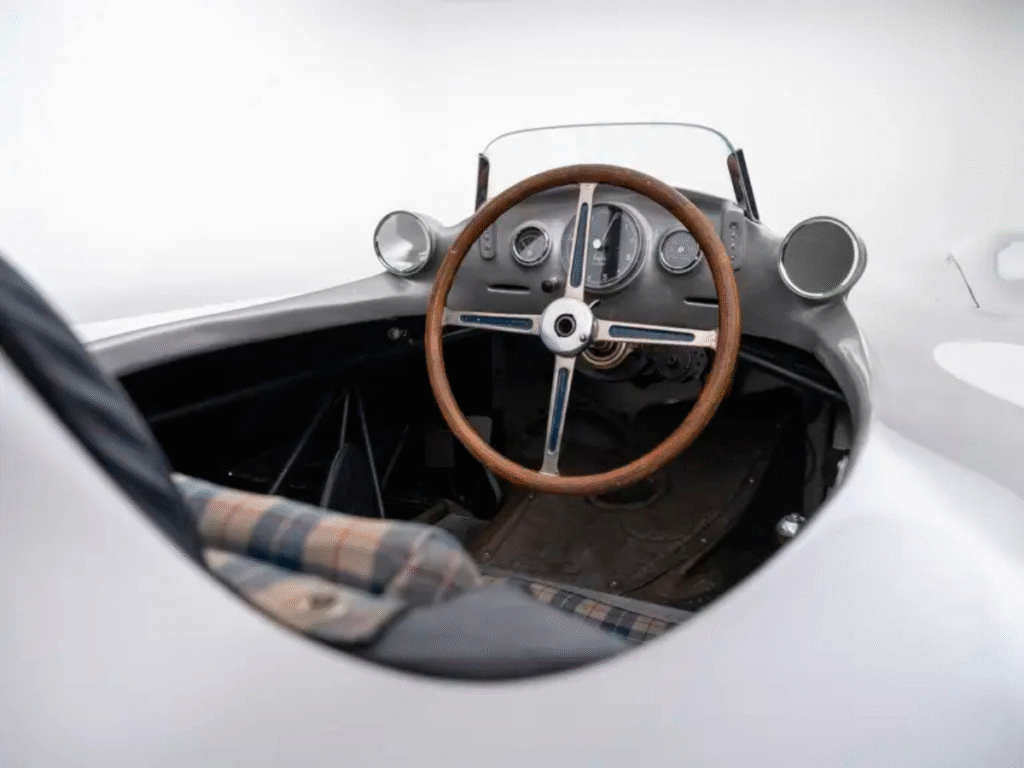
1954 Mercedes-Benz W 196 R Stromlinienwagen | Image: Sotheby’s

For collectors, the W196 R is the ultimate combination: rarity, an impeccable history, technological innovation, and a direct link to motorsport legends like Fangio and Moss. It’s the kind of car that even billionaires couldn’t previously afford, kept away in museums for decades. Now, one fortunate collector has managed to acquire it, adding a priceless piece of Formula 1 history to their collection.

The sale also sends a clear message: the desire for historically significant race cars is stronger than ever. In a world where Ferrari 250 GTOs and Aston Martins often dominate headlines, this Mercedes-Benz proves that Formula 1 machines—with their stories of speed, innovation, and championship glory—hold just as much, if not more, value in the eyes of collectors.

With only four of these streamliner-bodied W196 Rs known to exist, opportunities like this come around only once in a lifetime. And with its combination of race-winning pedigree, unbroken provenance, and stunning beauty, it’s no wonder this car commands a price tag that firmly cements its place in history.
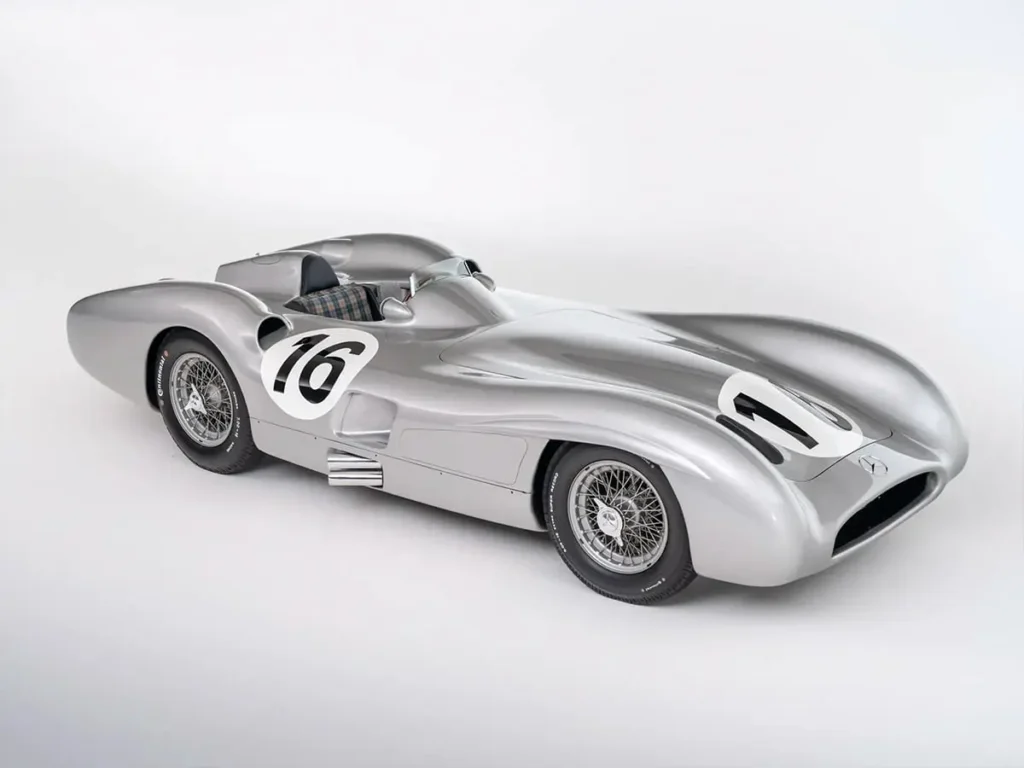
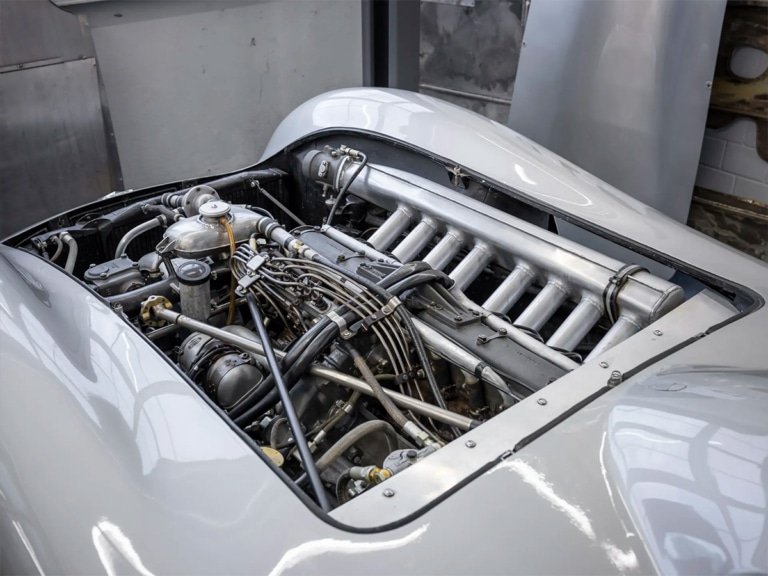
1954 Mercedes-Benz W 196 R Stromlinienwagen | Image: Sotheby’s
1954 Mercedes-Benz W 196 R Stromlinienwagen chassis number 00009/54 | Image: Sotheby’s
1954 Mercedes-Benz W 196 R Stromlinienwagen | Image: Sotheby’s
1954 Mercedes-Benz W 196 R Stromlinienwagen chassis number 00009/54 | Image: Sotheby’s
1954 Mercedes-Benz W 196 R Stromlinienwagen | Image: Sotheby’s

Mercedes Benz
About the Author
Previous Post
The Best 5 Creed Fragrances to Make Your Presence Unforgettable
Next Post
The Real Cost of Top Gun: Maverick: How Tom Cruise & Paramount Spent Millions for Authenticity

Related Articles

AirPods Pro 3 Is Here! Ready for Apple’s Ultimate Audio Upgrade?

Reading Time: 8 minutes

Our team of editors and experts thoughtfully chooses each product. If you decide to buy through one of our links, we may earn a commission. Learn more. Want to know how we test products? Click here for more details.

The iPhones weren’t the only highlights of Apple’s event — the AirPods Pro 3 came with significant upgrades. This year’s model includes the biggest addition: a heart-rate sensor, a feature that quietly turns earbuds into a more capable health buddy for your workouts or daily routines. Apple has also redesigned the fit by introducing foam-infused ear tips available in five sizes, including the brand-new XXS option for people who’ve always found the previous AirPods just a bit too large. It’s a small change, but definitely an important one for comfort and seal.

Apple claims that its world’s best in-ear Active Noise Cancellation (ANC) technology can block up to twice as much background noise as its previous model, marking a significant improvement for anyone spending time on trains, planes, or in noisy gyms. Pair that with Live Translation in iOS 26 and the upgrade to IP57 water- and sweat-resistance, and you can see what Apple aimed for this year.

Considering everything packed into a device about the size of one of those small smart-home sensors barely noticeable in a corner of a room, the USD $249 price tag seems quite reasonable for what you’re getting. If you’re planning to upgrade, pre-orders open on September 10, with full availability online and in stores starting September 19.

Highlights:

  • “World’s best Active Noise Cancellation (ANC)”—twice Pro 2, eight-hour battery life.
  • AirPods Pro 3 now feature heart rate sensing, Live Translation, and an improved fit.
  • IP57 Sweat & Water-Resistance Makes Them Suitable for Workouts.
  • Preorders begin September 10, available September 19 in the United States, Canada, and 50+ regions at USD $249.

A Closer Look at the AirPods Pro 3’s Upgraded Active Noise Cancellation (ANC)

Let’s start with Apple’s bold statement, “world’s best in-ear Active Noise Cancellation (ANC)”—a claim you can find in any pair available on the market today. Big claim, but this holds true, especially considering its previous generation AirPods Pro 2, which remains a popular choice, and that’s not hard to believe as Apple managed to push things even further this year.

So, how did they do it? Well, they achieved this through three ways:

  • Ultra-low noise microphones
  • Advanced computational audio
  • New foam-infused ear tips for greater passive noise isolation

What happens when you put all this together? You get an Active Noise Cancellation (ANC) that feels different the moment you start listening. The AirPods Pro 3 block out up to 2x as much noise than the AirPods Pro 2 and close to 4x more than the first-generation model, which makes a huge difference if you are squeezing yourself into a busy area, trying to focus at work, or just chilling at home.

The soundstage feels more immersive because distractions fade faster, allowing your music or podcasts to sit in a clearer, quieter space. Even with that increase in isolation, Apple still managed to extend the battery life: with ANC on, the AirPods Pro 3 provide up to eight hours of playback — roughly a 33 percent increase over last year’s model.

Apple AirPods Pro 3 | Image: Apple

How Comfortable are the new AirPods 3?

When it comes to comfort, the AirPods Pro 3 build on what already worked and push it a bit further. The previous generation fit most people well, but Apple clearly wanted a more secure, more sealed fit this time. To achieve this, the company relied on extensive research — scanning over 10,000 ears, analysing 100,000 hours of real-world usage, and gathering data from more than 300 million measuring points. That work led to a subtle redesign intended to improve passive isolation even before ANC is activated.

The buds are slightly smaller, and Apple adjusted the stem and ear-tip shape so everything lines up more closely to the center of the ear. This makes them sit more naturally, feel more stable, and less likely to stick out — basically, no more “antenna ears.” Apple also released new foam-infused ear tips in five sizes, including a new XXS option, which will be welcome for anyone who had trouble with the previous fit.

They’re now IP57 sweat and water-resistant, so taking them to the gym or out for a run isn’t an issue. And this is where the new heart-rate sensor comes into play. Apple’s tiny custom-built PPG sensor fires off invisible infrared pulses hundreds of times per second to monitor your heart rate in real-time. It’s impressive technology for something this small, and while some people might side-eye anything that beams light into their ear canal, the idea is to make fitness tracking feel more natural and hands-free.

During workouts, AirPods Pro 3 users can measure their heart rate and track workouts with a new experience in the Fitness app on iPhone, while enjoying an upgraded in-ear fit and added durability with IP57 during activities like running, HIIT, yoga, and more. | Image: Apple

Live Translation to AirPods 

The AirPods Pro 3 introduce one of Apple’s most ambitious features yet: Live Translation. It’s still in beta, but even in its early stage, the concept is remarkable. With a simple toggle, your AirPods can enable a genuine conversation with someone who speaks an entirely different language. Apple combines computational audio and its new Apple Intelligence system to keep everything hands-free, allowing you to speak naturally and hear translated responses in real time. It’s designed for travel, work, study sessions, or simply connecting with people who don’t share the same first language.

If the person you’re talking to isn’t using AirPods, Apple still provides a workaround. Your iPhone can be held horizontally to display live transcription of your speech in their language, while their responses are translated back into your preferred language via your AirPods. It’s reminiscent of the early days of FaceTime — one of those features that starts as a convenience and quickly becomes essential after a few uses.

What makes it even more impressive is when both people are wearing AirPods with Live Translation turned on. Longer conversations become simpler because ANC subtly dims the other person’s voice, helping you concentrate on the translation without losing the natural flow of the chat. At launch, the feature supports English, French, German, Portuguese, and Spanish, with Italian, Japanese, Korean, and Simplified Chinese coming later this year. It’s early days, but this could quietly become one of the main reasons to upgrade.

AirPods Pro 3 deliver a more immersive listening experience and the world’s best ANC of any in-ear wireless headphones, whether users are in transit, at the office, or winding down at home. | Image: Apple

When Can You Expect to Get Your Hands on the AirPods Pro 3?

“With AirPods Pro 3, the most popular headphones take a massive leap forward, providing fantastic sound quality and the world’s best ANC of any in-ear wireless headphones,” said John Ternus, Apple’s senior vice president of Hardware Engineering. “Combined with an improved fit that provides greater stability for even more people, heart rate sensing, extended battery life, and Live Translation enabled by Apple Intelligence, AirPods Pro 3 take personal audio to the next level.”

Customers in the United States, Canada, and dozens of other regions will be able to pre-order the AirPods Pro 3 starting Wednesday, September 10, with full availability both online and in stores beginning Friday, September 19. Pricing starts at USD $249, placing them in line with the rest of Apple’s premium audio lineup.

Apple
About the Author

Related Articles

arrow_drop_up