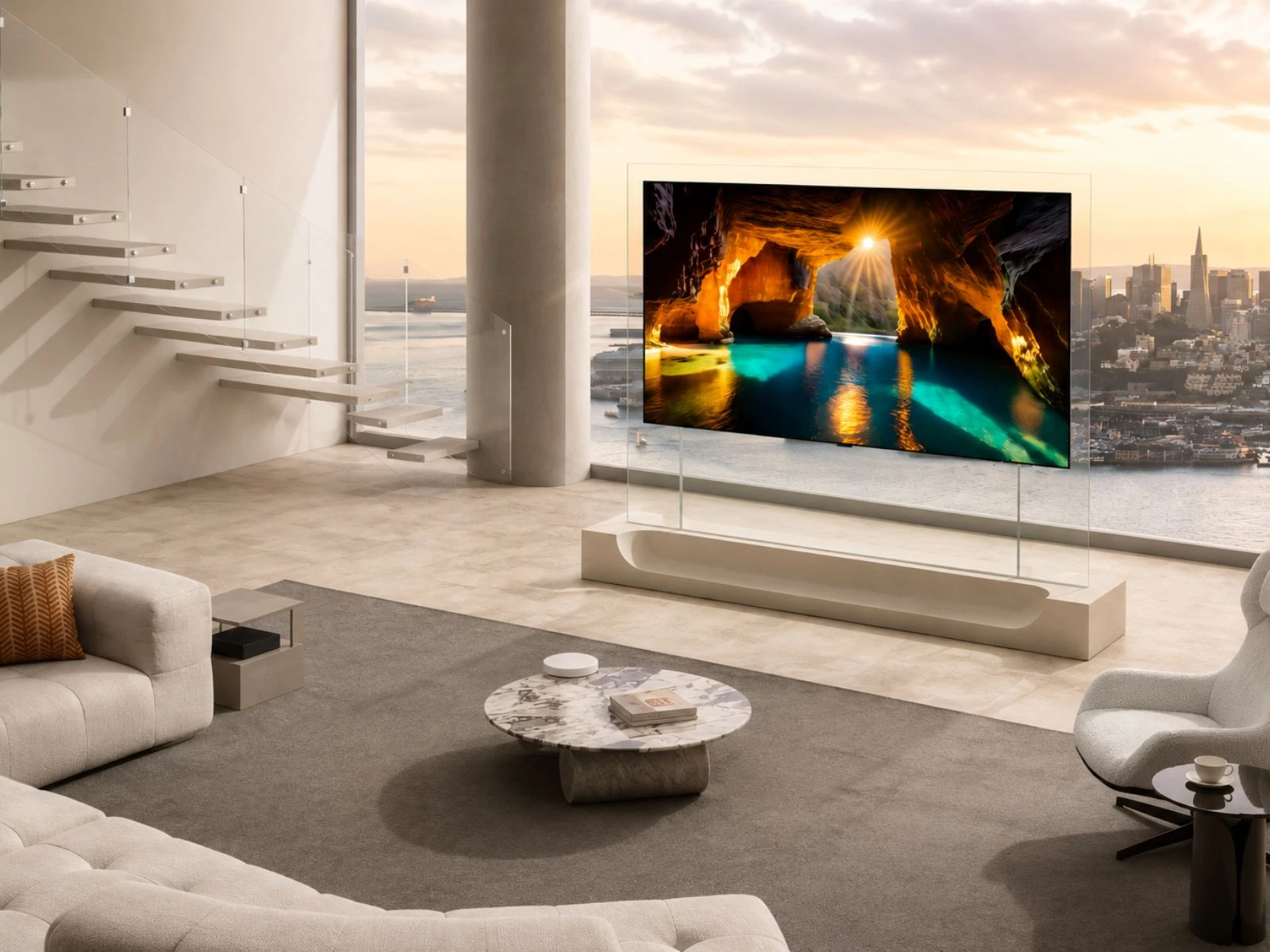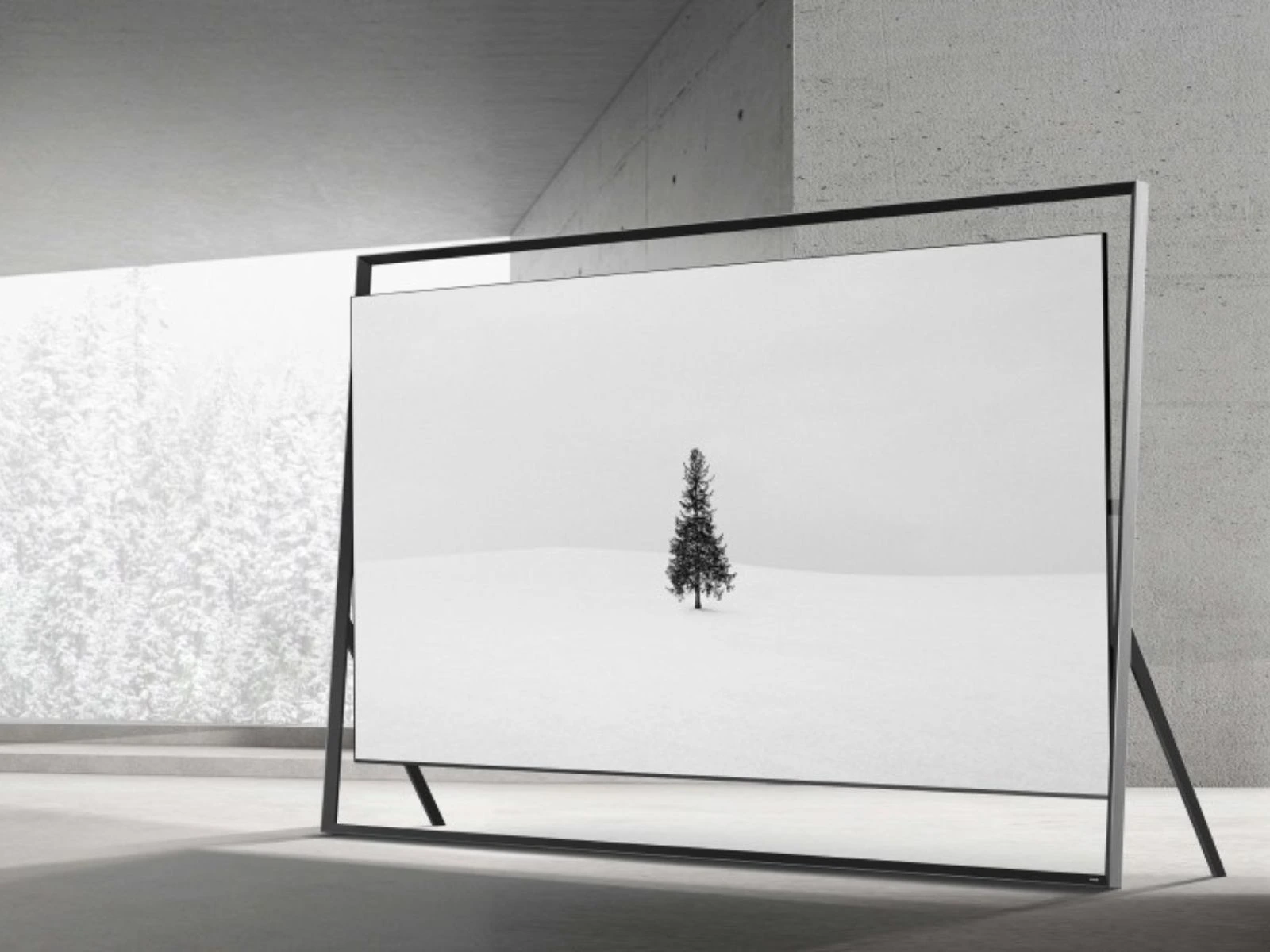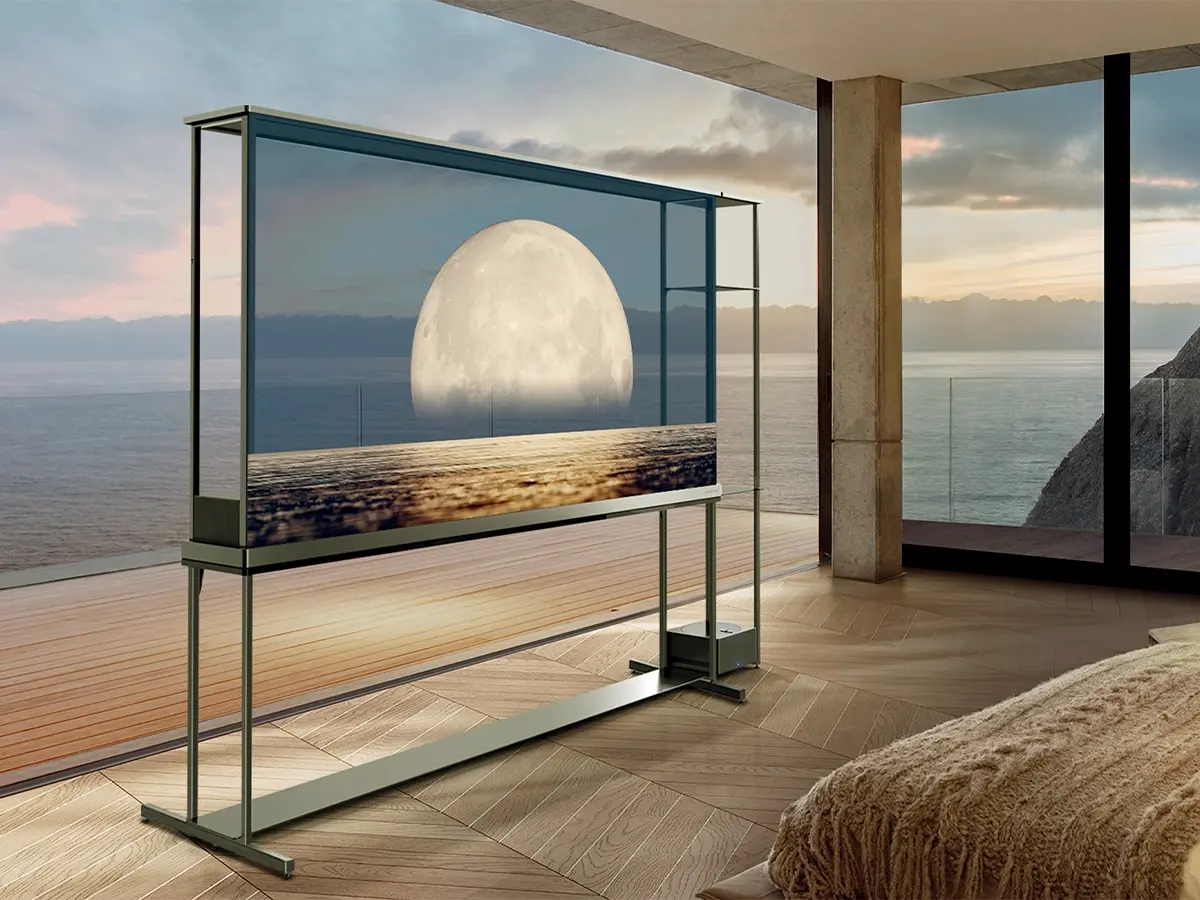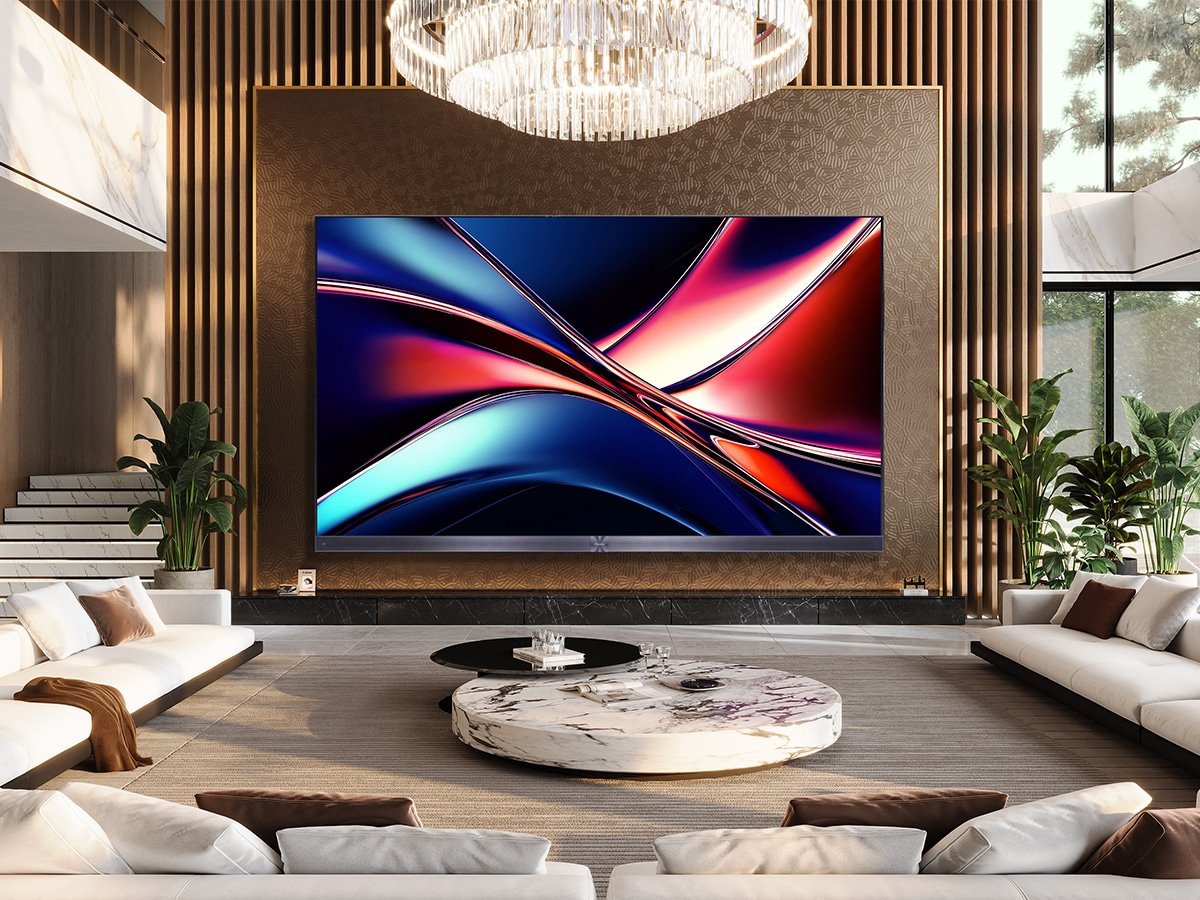







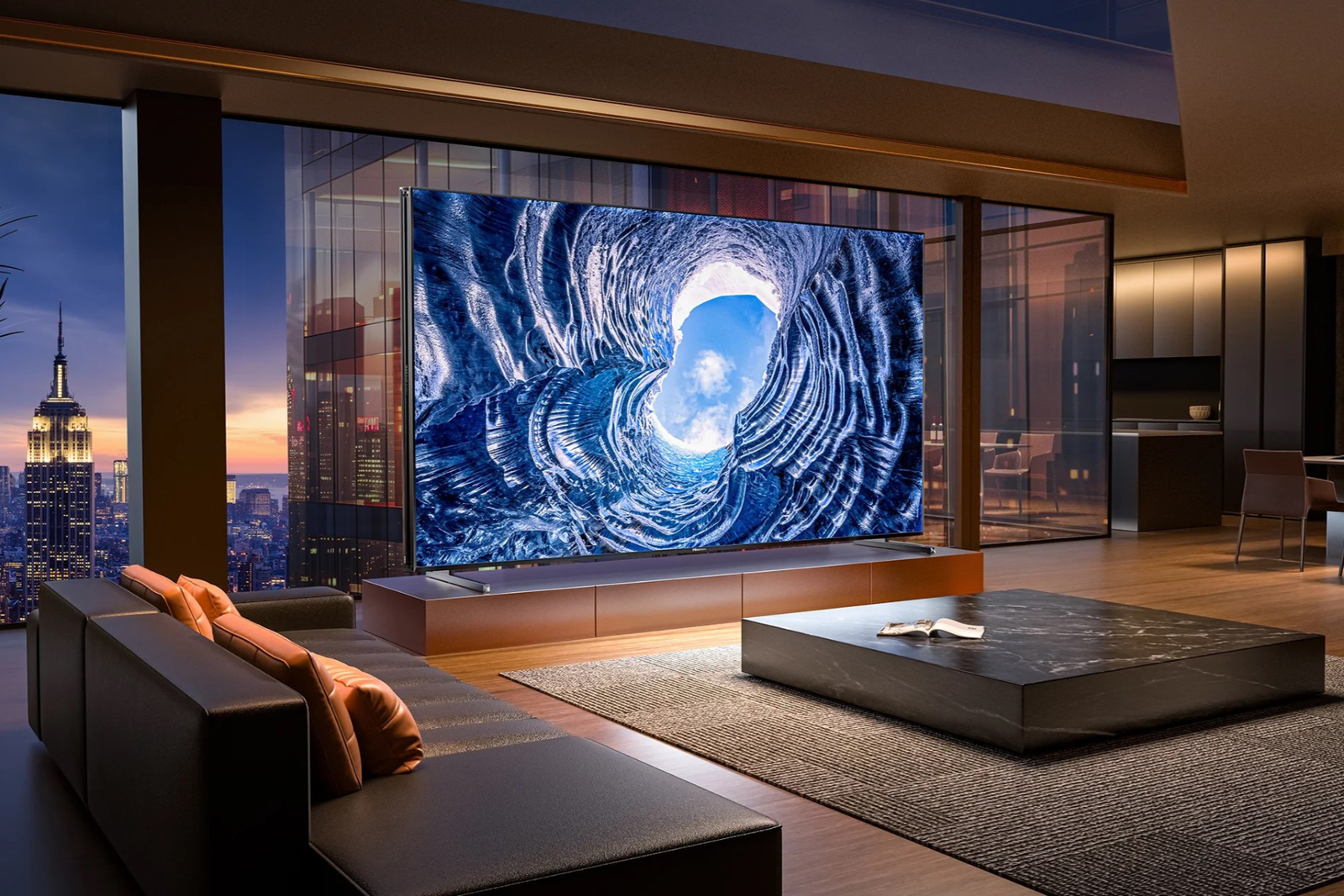

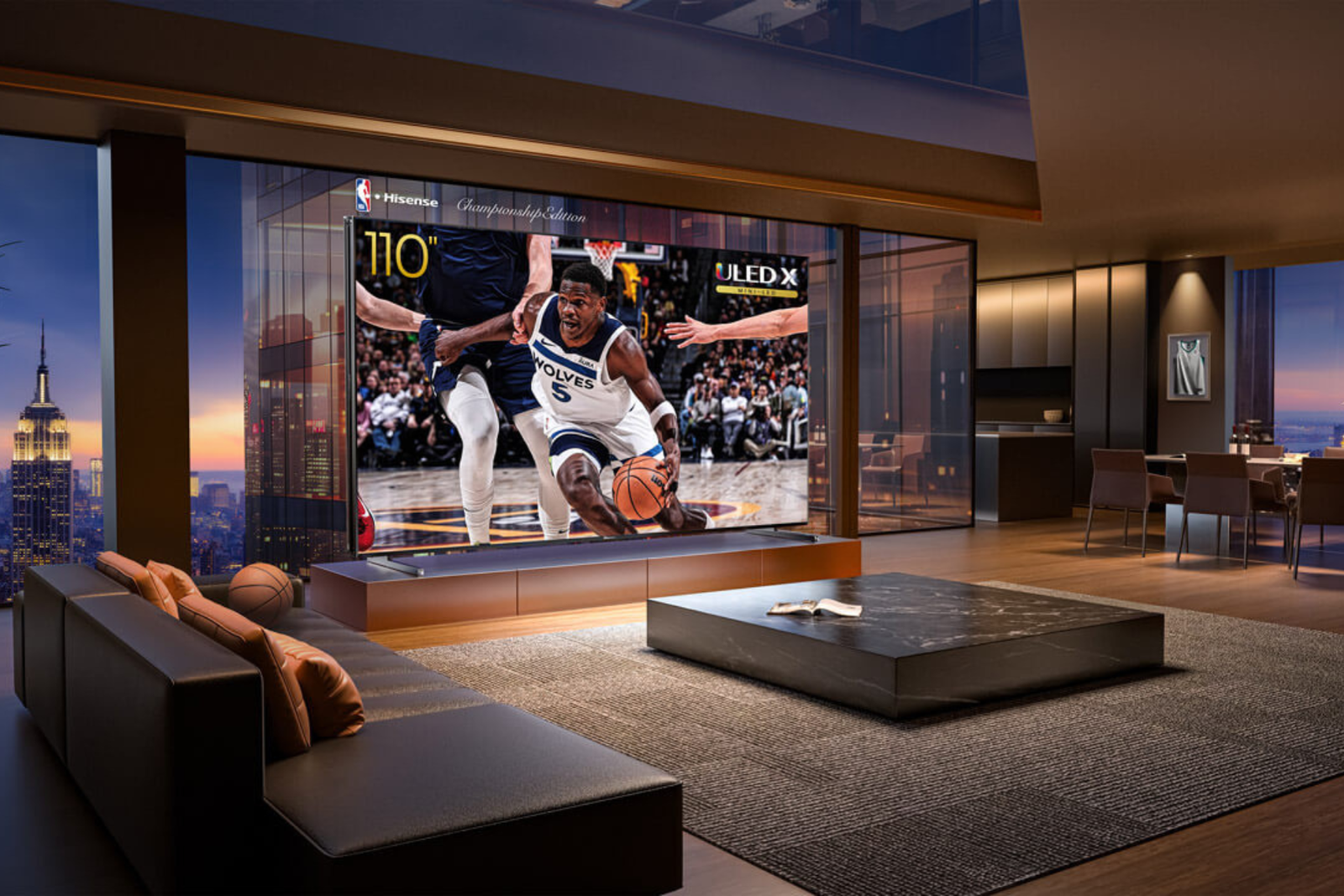
- The Hisense 110-Inch ULED X TV features a spacious 110-inch Mini-LED screen designed for cinema-quality viewing.
- Hisense brands the 110UX as a flagship model, highlighting its proprietary Mini-LED X technology and its high-brightness performance.
- The TV supports next-generation gaming features, including HDMI 2.1, a 144Hz refresh rate, and variable refresh rate support.
- Priced at $14,999, the Hisense 110-Inch ULED X is more affordable than many large OLED and projector-based home cinema systems.
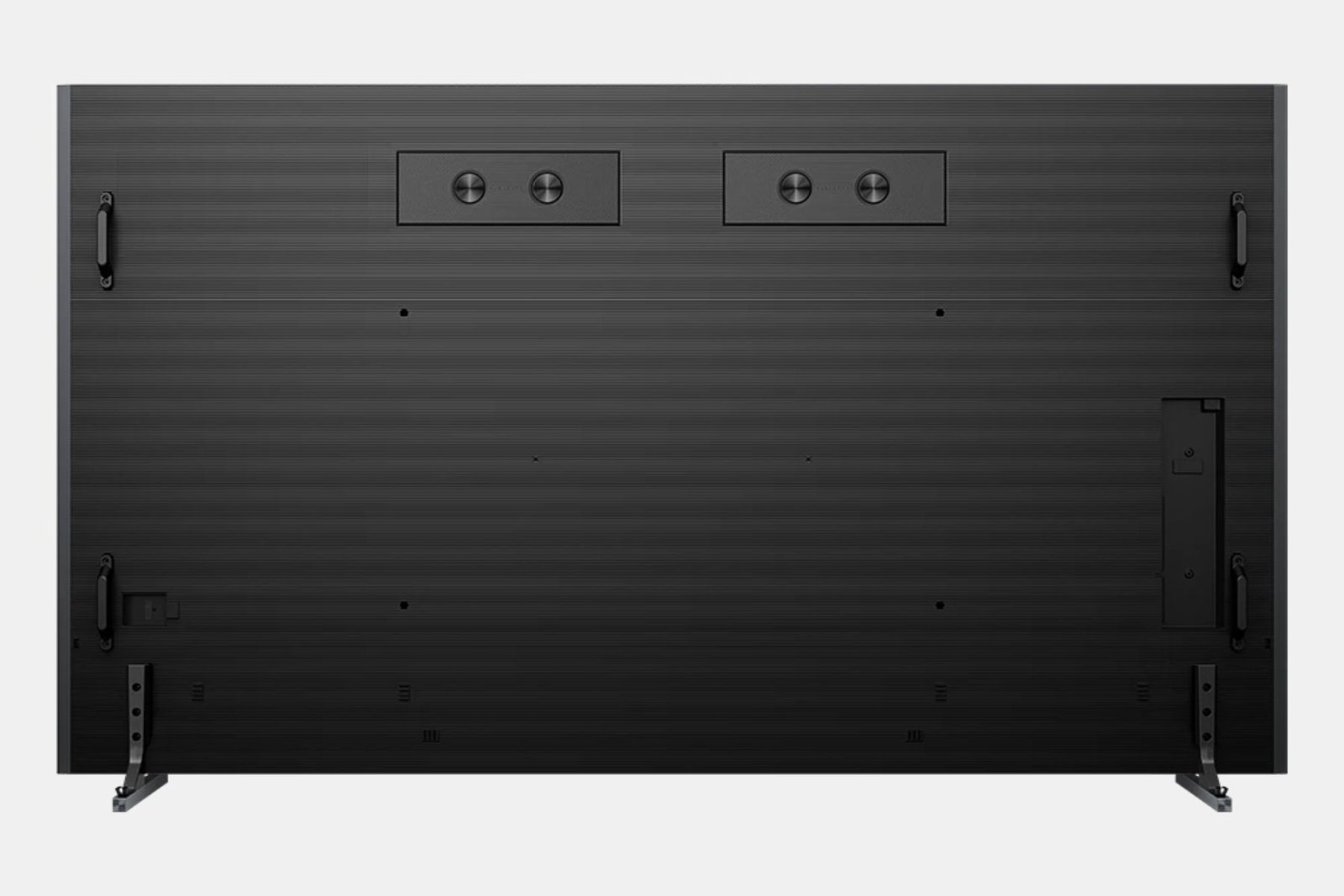
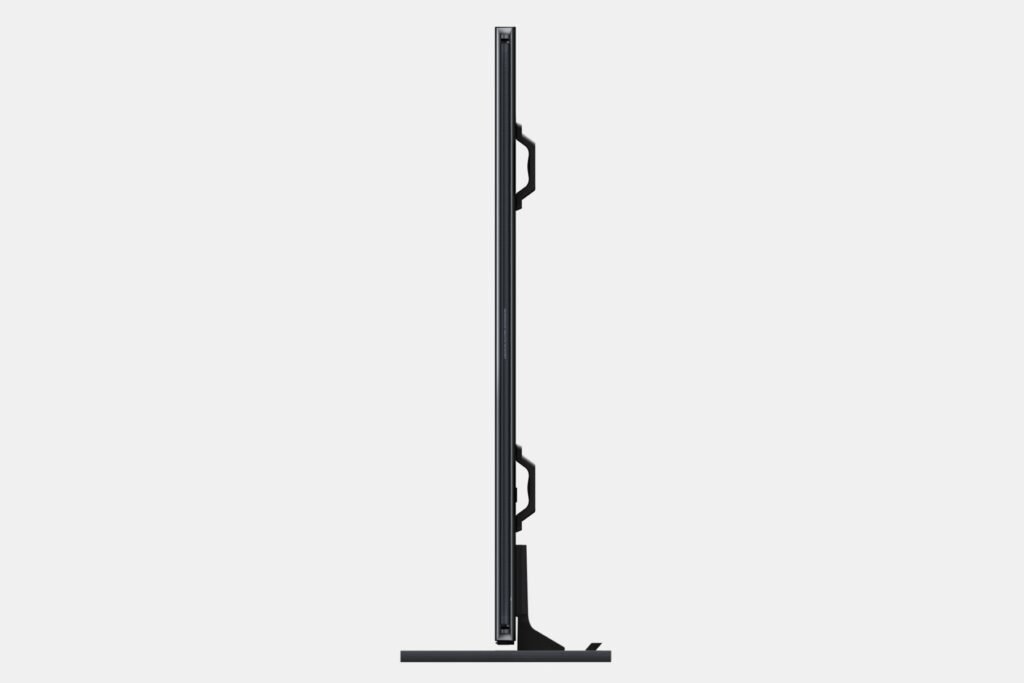
The first thing you notice about the Hisense 110-Inch ULED X isn’t its picture quality, but its price. It may seem crazy to spend what could be a car deposit on a TV, until you consider what this device truly is. A 110-inch screen isn’t just “big”; it’s a statement piece that defines a room. With dimensions of 2530 × 487 × 1495 mm and weighing a hefty 108.5 kg, it’s clear this isn’t an ordinary purchase. You’ll plan your space around it, double-check measurements, and likely argue over its placement. When compared to most 65-inch TVs that weigh about 20 kg, the ULED X feels less like an upgrade and more like entering a different league altogether.
| Hisense 110-Inch ULED X | |
| Display | LED |
| LED Panel Type | Mini-LED QLED |
| Image Processor | Hi-View Engine X |
| Resolution | 4K (2160p) |
| Resolution Upscaling | AI-powered 4K Upscaling |
| High Frame Rate | 144Hz |
| Colour Bit Depth | 10-bit |
| HDR Format Support | -Dolby Vision™ IQ -HDR 10+ Adaptive -HDR 10 |
| Audio System | 4.2.2-channel sound system tuned by Devialet |
| HDMI Connectivity | -2 x HDMI 2.1 -2 x HDMI 2.0 |
| Smart Functions | – Netflix, – Hulu -Prime Video -Apple TV+ -Peacock -YouTube TV -Google Play Movies & TV -Paramount+ |
| Features | -Mini-LED ULED X Technology -Mobile to TV -Screen Mirroring -Smart Capable |
| Price | USD $14,999 |
The Hisense 110-inch ULED X isn’t just a big TV — it’s a halo product designed to showcase what the brand can achieve when size, processing power, and brightness are pushed to the limit. While it doesn’t aim to compete with OLEDs, Hisense heavily relies on its proprietary Mini-LED X technology and in-house chipset to deliver a picture that feels boldly unapologetic. The result is a screen created for impact rather than subtlety, and on a 110-inch display, that approach makes a lot of sense.
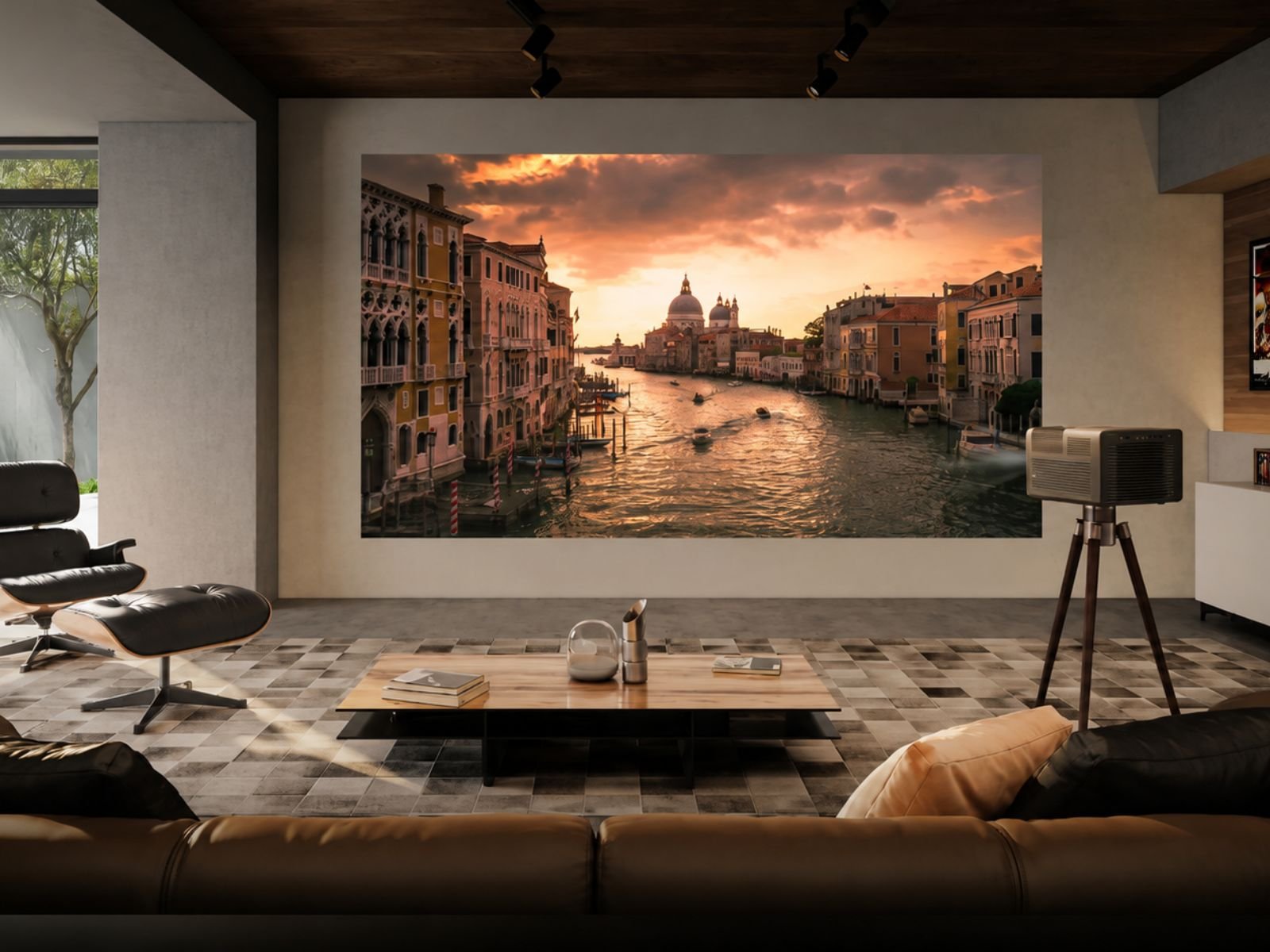
With a massive number of full-array local dimming zones working behind the scenes and peak brightness that reaches levels most TVs can’t match, highlights hit with severe intensity — that’s where the picture quality really shows off. Bright scenes look explosive without washing out details, and darker scenes hold up surprisingly well given the screen size. In well-lit rooms, especially, the ULED X feels unbeatable — it easily beats ultra-short-throw projectors, which are basically the only alternative at this scale. Yes, a projector avoids having a literal wall of TV in your living room, but it simply can’t match this level of brightness or impact.
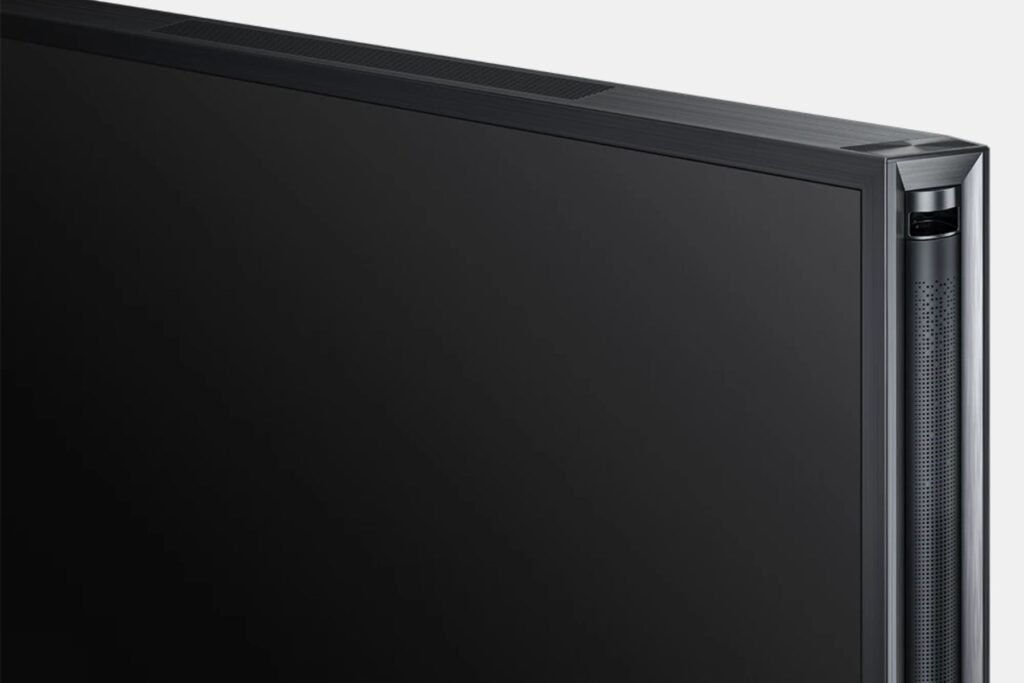
A high native refresh rate combined with strong motion processing keeps sports, action films, and gaming smooth and clear, even when the screen is filled edge-to-edge. Quantum Dot colour adds depth without becoming oversaturated, and HDR formats like Dolby Vision IQ and HDR10+ Adaptive ensure the image remains balanced across different lighting conditions. Upscaled content also performs better than expected — lower-resolution streams don’t fall apart at this size, which is crucial for day-to-day viewing.
The built-in multi-channel speaker system with Dolby Atmos delivers a broad, room-filling soundstage with clear dialogue and solid low-end presence, where Hisense performs well. It won’t replace a dedicated surround sound setup, but it’s far from an afterthought. If you’re the type of buyer considering a TV of this size, pairing it with a soundbar or complete home theatre system seems like a natural next step rather than a necessity.
Beyond movies and shows, the ULED X has proven itself capable during lengthy viewing sessions without noticeable fatigue. The brightness levels and adaptive contrast handling make it a superior choice for daytime viewing and bright environments — a common challenge for large-screen TVs. Its consistency makes it versatile for everything from casual sports watching to marathon streaming sessions, and it remains cool even when filling up an entire wall.
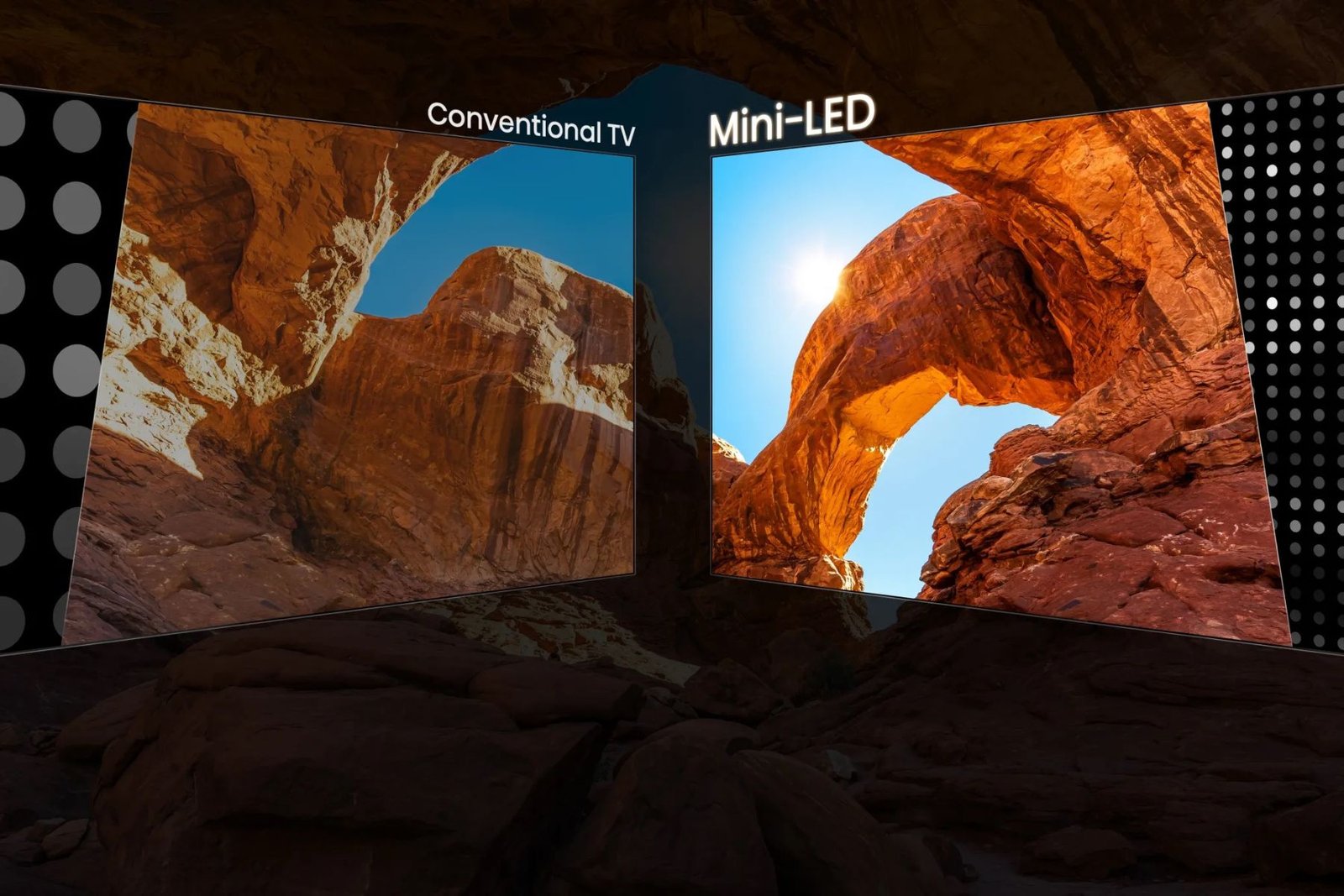
Now you’re going to question yourself: what’s the difference between OLED and Mini LED, and what does it mean for you? Well, for starters, OLED and Mini-LED represent two very different approaches in picture technology. OLED panels are known for delivering truly infinite contrast thanks to their self-illuminating pixels; each pixel can turn off individually, creating perfect blacks and smooth gradations in dark scenes. This often results in an image that feels more natural and cinematic, especially when you’re watching in a dimly lit room. That’s where OLED excels — both literally and figuratively — and why many enthusiasts still swear by it, even if size options are limited.
On the other hand, Mini-LED, as seen in the Hisense 110-inch ULED X, takes a different approach. Instead of self-emitting pixels, it employs a dense array of dimming zones behind an LCD panel to control light more precisely than traditional LED TVs. When combined with powerful processing and high brightness, Mini-LED can produce remarkably impactful HDR highlights and excellent colour volume in well-lit environments. You won’t achieve the perfect black floors typical of OLEDs. Still, you gain sheer scale and brightness that OLEDs currently cannot match, all without the risk of image retention at larger sizes —a significant advantage in spaces where ambient light is part of the viewing experience—such as a living room with windows.
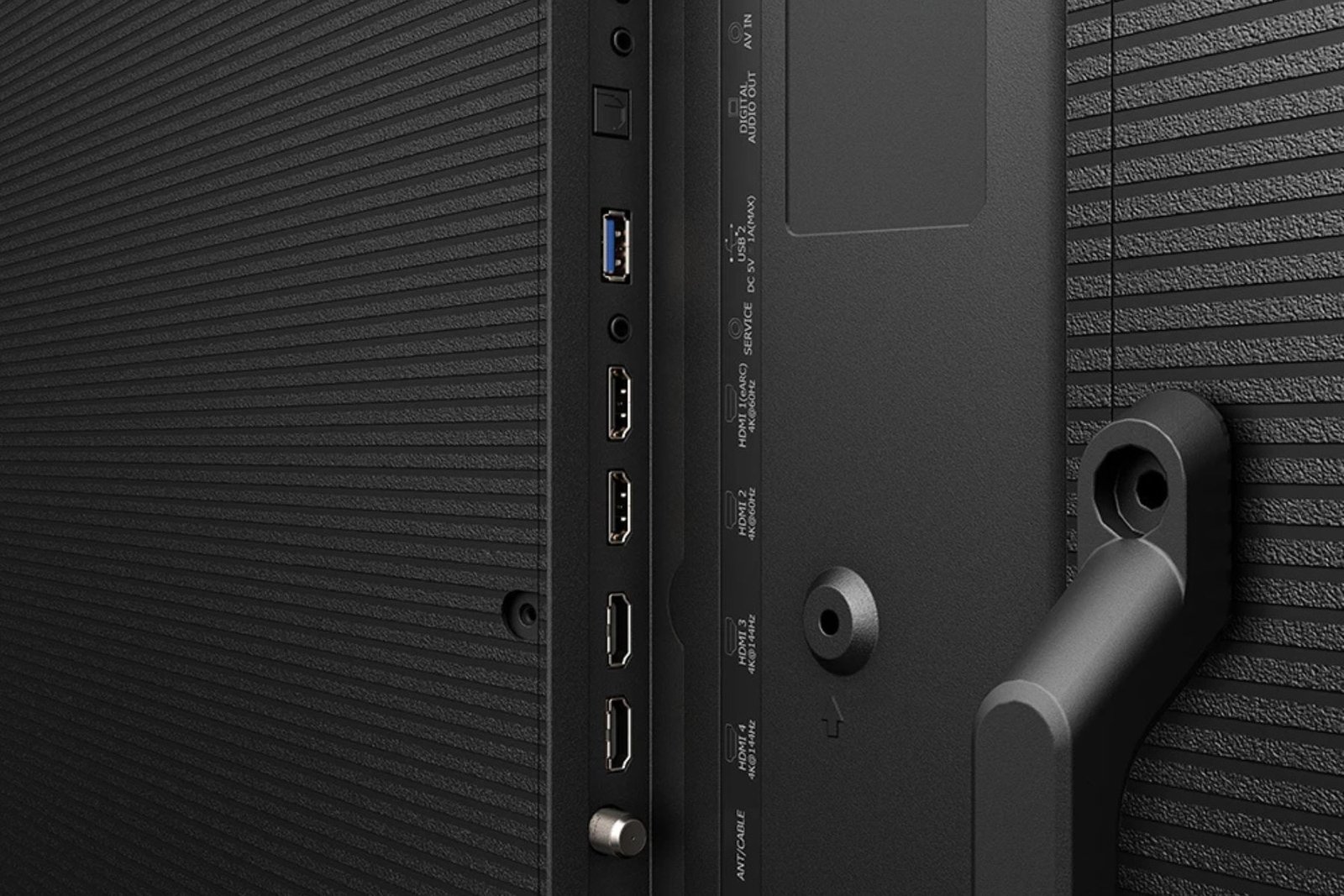
For gamers, the Hisense 110-inch ULED X is clearly designed with next-gen consoles in mind. HDMI 2.1 support on key inputs allows the TV to fully utilize the capabilities of the PlayStation 5, PS5 Pro, and Xbox Series X, combining high refresh rates with features like Variable Refresh Rate and Auto Low Latency Mode. With a native refresh rate reaching up to 144Hz and support for AMD FreeSync Premium Pro, fast-paced games feel smooth, responsive, and tear-free. Motion handling is further improved by low-latency MEMC processing, which helps keep action sharp without introducing distracting artifacts during gameplay.
At the back, the port selection seems suitable for a display of this calibre, offering a combination of HDMI 2.0 and HDMI 2.1 inputs, USB ports for media playback or accessories, wired Ethernet, dual-band Wi-Fi, Bluetooth 5.0, and even legacy inputs for older equipment. This makes the ULED X flexible enough to handle consoles, PCs, sound systems, and streaming devices all at once — no juggling cables or compromises required. For anyone setting up a proper all-in-one entertainment system, that range of connectivity is just as important as the raw picture quality.
Navigation is quick, app switching is seamless, and major platforms like Netflix and YouTube are exactly where you’d expect them to be. While many enthusiasts still favour using an external streamer like an Apple TV 4K, the built-in experience here doesn’t feel like an afterthought. On the software side, the TV operates on Hisense’s VIDAA U system, which keeps things simple. Even the remote shows attention to detail — it’s solar-powered, thoughtfully designed, and can be recharged via USB-C when needed, meaning fewer dead batteries and less to worry about during extended viewing or gaming sessions.
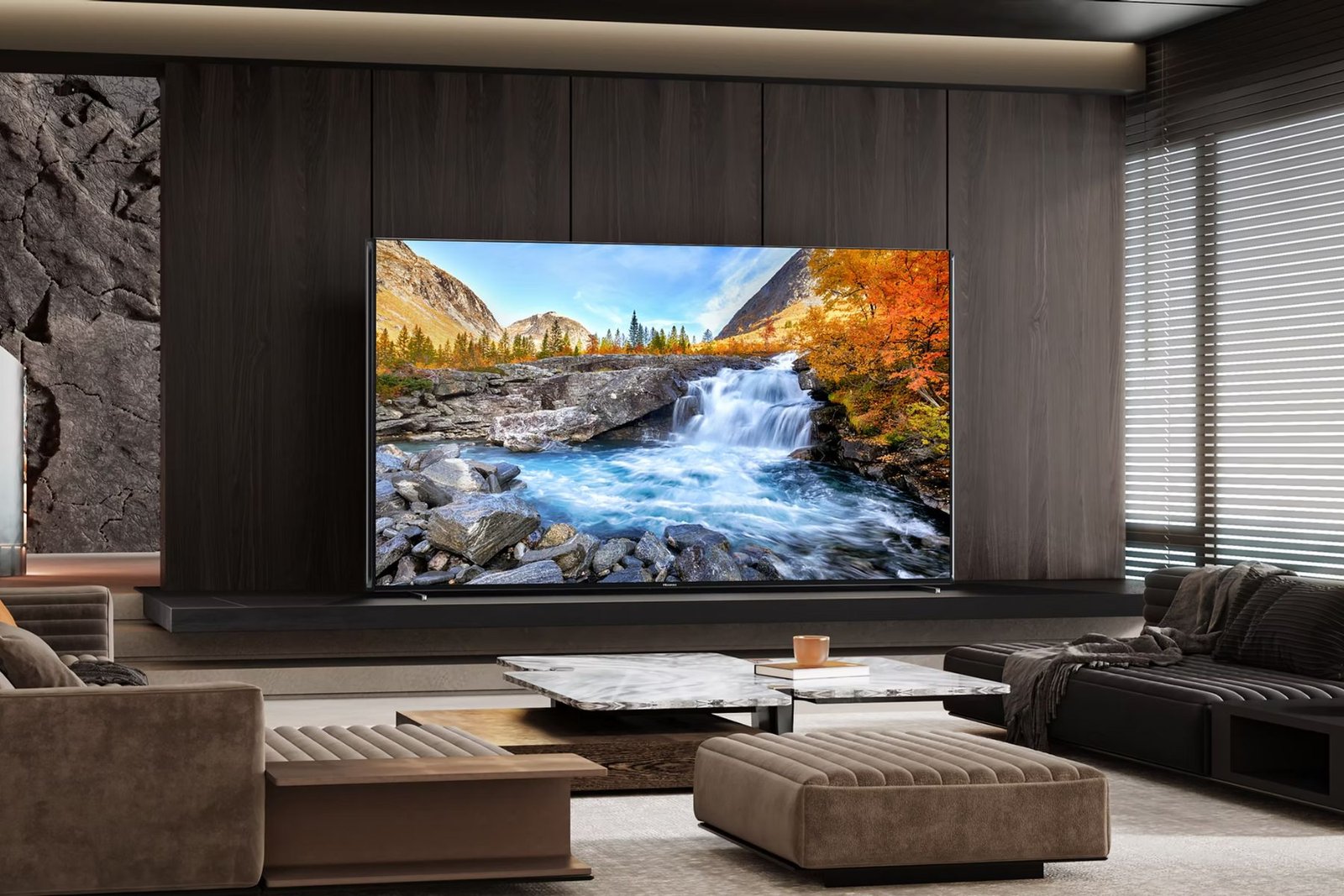
There’s a lot to think about before you get your hands on one of these. If you’re already considering the Hisense 110UX and have set aside the money, the choice is quite simple, and you should probably go ahead and purchase it. This is one of those buys where any hesitation typically vanishes once the screen turns on. The tougher decision is for those still undecided, and that has much less to do with picture quality and much more to do with whether your space can actually accommodate something this large.
The 110UX is quite large in real life, with dimensions of 2530 × 487 × 1495 mm including the stand. It requires a spacious area that doesn’t feel cramped or crowded. If you don’t plan to wall-mount it and aren’t using a 600 × 1100 mm VESA mount, then cabinet height is an important factor. Mounting it too high can cause discomfort during extended viewing, which nobody wants.
My personal view is that space is just as important as budget in this case. If you can give this TV the room it needs, it will reward you every time you watch it. If you can’t, no amount of brightness or processing power will change the fact that it can dominate the room in the wrong way. Carefully measuring your space is essential with a TV like this.