



















Cars

BMW Just Flipped the Script on In-Car Tech with Its New Panoramic iDrive and OS X

Reading Time: 6 minutes

Share via

Our team of editors and experts thoughtfully chooses each product. If you decide to buy through one of our links, we may earn a commission. Learn more. Want to know how we test products? Click here for more details.

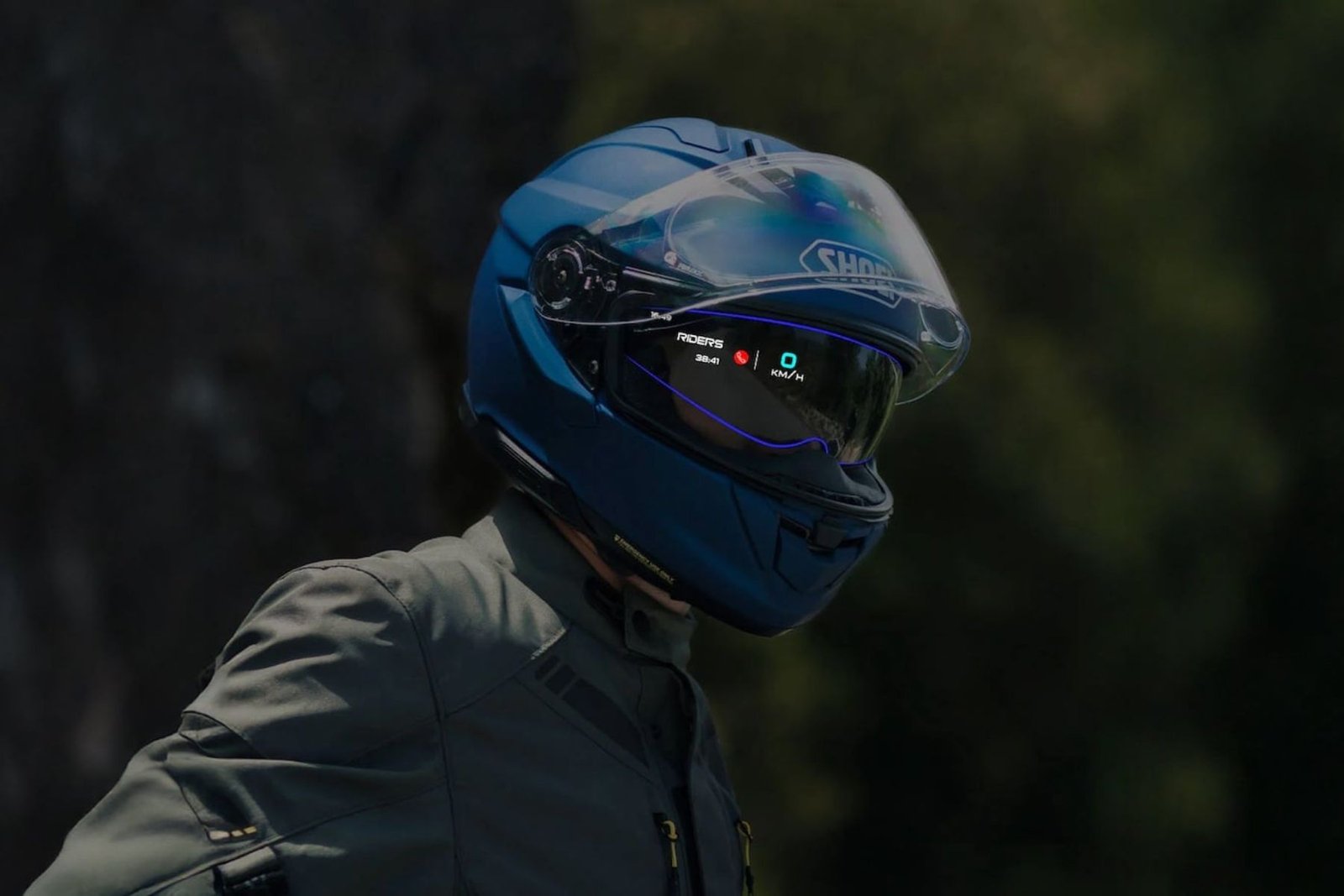
Your phone might still be off-limits while driving—but with BMW’s new Panoramic iDrive stretching across your entire windshield, you might not even notice it… Unless you’re trying to order a pizza at 120 km/h. Starting in late 2025, every new BMW will feature a full-width Head-Up Display that runs from A-pillar to A-pillar. It’s not just a screen—it’s a complete rethink of how we interact with our cars.

The moment you step inside the next generation of BMW, you’ll notice something different. The cabin doesn’t shout at you with chrome accents or flash a hundred touchpoints begging for your attention. Instead, it draws you in quietly—with a full-width digital interface that feels more like a luxury cockpit than a traditional car interior. Welcome to BMW’s bold new era, unveiled at CES 2025, powered by Panoramic iDrive and the all-new Operating System X.

Key Highlights:

  • The A-pillar to A-pillar HUD displays essential information such as speed and navigation across the entire windshield—easily seen by both the driver and passenger.
  • The 3D head-up option enhances depth in visuals, making prompts and alerts feel more natural on the road.
  • “Shy tech” controls on the steering wheel only appear when needed, maintaining a clean and distraction-free cabin.
  • The new OS X software is quick, customizable, and supports over-the-air updates for continuous improvements.
  • HypersonX Wheel audio features 43 dynamic sounds that respond to your drive mode for a more engaging experience.
  • All of this is arriving in late 2025, debuting in BMW’s Neue Klasse EVs before being available in other models.
BMW Unveils 3D Panoramic iDrive Display for a Next-Level Driving Experience | Image: BMW

One of the most noticeable features of this redesign is Panoramic Vision, a full-width head-up display that spans from one side of the windshield to the other. Instead of confining information to a small area in front of the driver, BMW distributes it along a subtle, darkened band just below your line of sight. Speed, turn-by-turn navigation, arrival times, and driver-assist features all reside here—always within reach, never overwhelming. As BMW explains, it “presents relevant information for both the driver and front passenger, using the entire width of the windscreen.”

Including that passenger is significant. For years, only the driver saw the data, while your co-pilot had to guess or use a second screen. Now, they’re part of the experience. Whether you’re road-tripping, exploring new cities, or just seeking a more connected drive—this change is important.

Want to take it further? Choose the 3D HUD upgrade. It adds subtle depth and dimension to visual elements like navigation arrows or lane assist prompts. The effect is almost cinematic—sharp, smooth, and easy on the eyes. And the best part? It doesn’t need fancy custom windshields that cost a fortune to replace. BMW designed it for durability and easy maintenance.

Next come the controls — and this is where BMW’s “shy tech” philosophy truly shines. Instead of cluttering the steering wheel with buttons and dials, BMW redesigned it with smooth surfaces that activate only when needed. Touch-sensitive panels light up contextually and offer soft haptic feedback with each action. It’s sleek, intuitive, and honestly, a bit addictive. BMW calls it “a modern interpretation of driver orientation,” and it really does feel like the future — clean, responsive, and purposeful.

BMW Debuts Panoramic iDrive And Operating System X | Image: BMW

Over to the centre screen, and it’s clear BMW wasn’t just adding another tablet. The new display is ergonomically tilted and supports drag-and-drop customization. You can move widgets, change layouts, and even flick tiles from the screen directly onto the HUD. No unnecessary taps. No menu diving. Just what you need—how you want it. It’s personal without being complicated.

All of this operates on the newly developed BMW Operating System X, an in-house platform built on the Android Open Source Project. Unlike third-party systems that can feel disconnected or sluggish, OS X was designed specifically for BMW vehicles. It’s fast, elegantly designed, and supports over-the-air updates—so your car continues to evolve. BMW states it’s “characterised by high performance, a modern graphics display and the possibility to carry out updates and upgrades at short intervals.”

What’s especially impressive here is the flexibility. You can adjust lighting themes, customise your display layout, personalise drive settings, and even tweak how the HUD reacts to different driving situations. OS X isn’t just infotainment—it’s the backbone of a truly adaptive driving environment.

Custom Backgrounds Now Supported on BMW’s Operating System X | Image: BMW

But let’s not forget about the ears. BMW has introduced something called HypersonX Wheel, a fully reimagined audio environment designed around driver emotion and context. Think of it as a soundtrack for your driving mode. In Sport, you’ll hear sharper, more responsive sounds. In Personal, the cabin softens, breathing with you as you relax into the drive. There are 43 assignable sounds in total, covering everything from start-up tones to feedback for climate changes, volume adjustments, and even turn signals. It may sound subtle—but together, it creates a powerful sense of presence and control.

And yes, all of this is actually happening soon. BMW’s new Panoramic iDrive system and OS X will debut in the upcoming Neue Klasse electric vehicles starting at the end of 2025. After that, the system will be rolled out across BMW’s global lineup, bringing this next-generation experience to more drivers than ever before.

BMWCES
About the Author
Previous Post
Apple Intelligence is Here; discover All the Features You Can do!
Next Post
Former F1 Boss Bernie Ecclestone’s ‘Priceless’ F1 Car Collection to Be Sold

Related Articles

10 Ways Serge Gainsbourg Still Inspires the Way Men Dress Today

Reading Time: 13 minutes

Our team of editors and experts thoughtfully chooses each product. If you decide to buy through one of our links, we may earn a commission. Learn more. Want to know how we test products? Click here for more details.

There are style icons, and then there is Serge Gainsbourg — a man who never followed fashion but somehow shaped it for generations. His influence wasn’t from perfect tailoring or carefully chosen outfits, but from the way he wore his clothes with a kind of effortless confidence that couldn’t be taught. Everything he wore felt lived-in, unapologetic, and unmistakably his. At a time when pop culture was loud and polished, Gainsbourg made imperfection look irresistible.

The striped sailor sweaters, worn denim, louche suits, trench coats, jazz shoes, and military shirts — none of it has aged. Instead, these pieces have become foundational elements in modern menswear, reappearing on runways and in everyday closets as a new generation relearns what he mastered decades ago: personality matters more than perfection. Gainsbourg didn’t just wear clothes; he used them as an extension of his mood, his music, and his refusal to conform.

This is why, even long after his era, men continue to look up to him for inspiration. Gainsbourg showed us that great style isn’t about following trends but about adopting a look so natural that it becomes part of your identity. His wardrobe was simple, but the way he wore it was extraordinary — a reminder that true elegance comes from attitude, not price tags.

Here are 10 style lessons from Serge Gainsbourg that still inspire the way men dress today, and why his signature moves remain iconic classics.

Unbutton Your Shirt – Serge Gainsbourg | Image: Getty Images – Keystone-France

Style Lesson #1

Unbutton Your Shirt

If there’s one rule Serge Gainsbourg lived by, it’s that a shirt should never feel stiff or over-structured. He treated buttons like suggestions, not obligations. Leaving the top two — sometimes three — undone became part of his signature style. It wasn’t about showing skin; it was about signaling ease, confidence, and a refusal to dress for anyone but himself. The result was a look that felt relaxed, sensual, and quietly rebellious all at once.

Most men hesitate to unbutton beyond the first clasp, worried it might look too casual. Gainsbourg proved the opposite — that a slightly undone shirt can make you look more comfortable in your own skin. It softens tailored outfits, adds personality to simple ones, and instantly shifts your style from “try-hard” to “effortlessly cool.” His lesson still holds today: don’t be afraid to open things up a little. A few undone buttons can do more for your style than a perfectly pressed collar ever will.

Style Lesson #2

The British Trench Coat Move

The British Trench Coat Move – Serge Gainsbourg | Image: Getty Images – INA

Gainsbourg had a way of wearing a trench coat that felt unmistakably his — a mix of British tailoring and Parisian nonchalance. While most men see the trench as a polished, nearly formal outer layer, he approached it with relaxed confidence. The coat wasn’t meant to look perfect; it was meant to move with him. He’d throw it on over a wrinkled shirt, let the belt hang loose, the collar slightly lifted, the fabric catching in the breeze as if it were part of his stride.

The lesson isn’t about choosing the most expensive trench but about wearing it with personality rather than perfection. Let it hang naturally, avoid tightening the belt too much, and don’t mind a little rumpling. A trench looks best when it feels lived-in, not shiny. Gainsbourg knew that outerwear reflects attitude — and when you wear a trench with relaxed confidence, it transforms from just a coat into a statement piece.

What makes this move so timeless is its versatility. A trench coat worn the Gainsbourg way works in spring, autumn, day or night, dressed up or down. It adds a cinematic touch to a simple outfit and gives even the cleanest tailoring a hint of rebellion. It’s a small style shift — but once you try it, you’ll see why it’s one of his most enduring signatures.

Invest in a Strong Paletot Coat – Serge Gainsbourg | Image: Getty Images – Yves LE ROUX

Style Lesson #3

Invest in a Strong Paletot Coat

Of all the outerwear Serge Gainsbourg wore, the paletot coat was one of his subtle power moves. Double-breasted, slightly oversized, and beautifully structured, it conveyed an elegance that never felt forced. Gainsbourg leaned toward pieces with soft shoulders and a relaxed drape — coats that moved with him rather than sitting stiffly on his frame. It allowed him to find that perfect balance between polished and casual, looking sharp without ever seeming to try too hard.

It’s timeless, masculine, and capable of elevating almost everything beneath it, from casual denim to tailored suits. Its structure commands presence, while the gentle drape adds attitude — a combination that feels effortlessly cinematic. The key lesson is to own at least one coat that makes you feel like the star of your own film, and that’s how Gainsbourg understood that some pieces don’t just finish an outfit; they change how you move through the world.

Style Lesson #4

Let White Jazz Shoes Do the Talking

Let White Jazz Shoes Do the Talking – Serge Gainsbourg | Image: Getty Images – Sergio Gaudenti

Gainsbourg did something few men would even try — he made white jazz shoes look effortlessly cool. Slim, bright, and a bit quirky, they shouldn’t have worked, yet on him they became a quiet trademark. He paired them with denim, soft tailoring, rumpled shirts, and even the occasional suit, allowing the shoes to add a subtle flash of personality without overwhelming the outfit. You don’t need bold pieces to stand out; you need one unexpected detail that feels unique for you. Whether it’s a jazz shoe, vintage boot, or an offbeat accessory, just make sure it gives you that look of character and confidence. His footwear calls on rebellion instead of shouting for attention, and sometimes the smallest choices speak the loudest.

Suit Up With Real Elegance – Serge Gainsbourg | Image: Getty Images – INA

Style Lesson #5

Suit Up With Real Elegance

Many men still struggle to suit up properly, but Gainsbourg took a straightforward approach to his suit style. He wore suits the way most men wear T-shirts — naturally, comfortably, and with no stiffness. His jackets had soft shoulders, his trousers fell effortlessly, and nothing ever looked overly structured or carefully planned. He preferred pinstripes, navy wool, and muted tones, letting the cut and drape speak more than the fabric itself. While he wasn’t afraid of double-breasted jackets, he wore them with the same relaxed attitude — a slightly undone shirt, a casual slouch, a cigarette hanging lazily from his fingers — should I say more than this?

That’s the real elegance men can learn from today. A suit shouldn’t feel like a costume or something reserved for special occasions, but more of an extension of you—easy, fluid, and expressive. The real talk happens when tailoring becomes your second nature, rather than focusing on perfection and instead embracing comfort, movement, and personality. Gainsbourg proved that crisp lines or strict rules don’t create elegance; it’s created by the man inside the suit. Wear yours with that same quiet confidence, and suddenly the outfit transforms.

One of Gainsbourg’s greatest tricks was knowing how to let a suit breathe. He’d loosen a button, skip the tie, or pair formal tailoring with shoes that weren’t traditionally “proper.” That contrast — refined clothing worn with rebellious ease — is what made his style unforgettable, which showed how elegance doesn’t have to be rigid, but can move and breathe without overthinking it.

This brings us to this lesson: a suit isn’t meant to be intimidating but to empower. That’s why the majority of Gainsbourg’s tailoring never really shouted for attention, yet it always commanded presence. He understood that a well-cut suit gives a man quiet authority, even when everything else about him looks deliberately relaxed. That blend of softness and strength is what makes his elegance so timeless — and so worth borrowing today.

Build Your Knitwear Wardrobe Around a Classic Sailor Sweater – Serge Gainsbourg | Image: Getty Images – INA

Style Lesson #6

Build Your Knitwear Wardrobe Around a Classic Sailor Sweater

Long before “quiet luxury” became a thing, Gainsbourg was already embodying it with one of his most iconic staples — the classic Breton sailor sweater. Striped, slightly loose, and worn with the confident ease that defined him, it became one of his most recognizable uniforms. He paired it effortlessly with denim, soft tailoring, trench coats, or simply a cigarette and a mischievous attitude. The beauty of the sailor sweater lies in its simplicity: clean, confident, and a true classic of French fashion.

You don’t see this often nowadays, but build your knitwear around a single timeless piece that instantly elevates everything you wear. A good sailor sweater adds personality to casual outfits, provides structure to more tailored looks, and introduces a touch of European cool to whatever you layer it over. It’s versatile, seasonless, and quietly stylish, and could become your signature without you even realizing it — exactly why it became Gainsbourg’s.

Style Lesson #7

How to Modernize the Denim-and-Black-Suit Mix

How to Modernize the Denim-and-Black-Suit Mix – Serge Gainsbourg | Image: Getty Images – Jean Paul Guilloteau

Gainsbourg had a talent for breaking rules in ways that somehow looked better than the rules themselves. One of his most underrated moves was pairing crisp black tailoring with relaxed, worn-in denim — a combination that shouldn’t work on paper but absolutely does in practice. The secret lies in the contrast: a structured jacket with soft jeans; sharp colours with a lived-in texture, and Gainsbourg created a balance between refinement and rebellion that feels more natural than being polished.

Modernizing this mix is a lot easier than it seems. Start with a black blazer that isn’t too stiff — something with soft shoulders and a bit of movement, a jacket that looks just as good open as it does buttoned. The key is to pair it with clean, mid-wash denim that’s slightly worn-in. No rips, and don’t overthink it. Let the contrast breathe. The black suit jacket adds sophistication; the jeans bring attitude, and together you get a look that feels relaxed, confident, and quietly intentional.

The Revival of the Pinstripe – Serge Gainsbourg | Image: Getty Images – KeyStone

Style Lesson #8

The Revival of the Pinstripe

Before pinstripes became a runway staple again, Serge Gainsbourg was already reimagining them in his own rebellious way. He loved a pinstripe suit — not the power-dressing, boardroom type, but the softer, slightly disheveled version that felt more like a second skin than a formal uniform. His pinstripes slouched, moved, and breathed with him. He’d wear them with open collars, undone ties, unpolished boots — taking something traditionally strict and giving it personality. Gainsbourg showed that pinstripes don’t have to look corporate; they can look poetic, rebellious, even intimate.

Today, the pinstripe is back, but wearing it well still relies on that lesson. Choose a suit with a relaxed drape, softer shoulders, and a stripe that appears refined rather than loud. Skip the rigid styling and let the suit breathe — unbutton a few buttons, loosen the structure, or pair it with knitwear or denim to push the look. The aim isn’t to resemble a banker; it’s to appear as a man who knows that elegance doesn’t have to be uptight. That’s why the look continues to feel so modern.

Style Lesson #9

Own Unconventional Shades

Own Unconventional Shades – Serge Gainsbourg | Image: Getty Images – Jean-Louis URLI

Shades can be among the most expressive pieces a man wears, especially when the frames aren’t the typical, understated kind. Serge Gainsbourg was drawn to lenses that had character—slightly oversized shapes, soft tints, and styles that added mood rather than just blocking the sun. The goal isn’t to look eccentric; it’s to pick a pair that subtly changes your entire presence, something that feels personal and quietly distinctive. A rounded frame, a smoky tint, or a silhouette just different enough from the mainstream can give your outfit a sense of individuality without trying too hard. The right unconventional shades become part of your identity, not just an accessory, and that’s what makes them worth having.

Turn a Classic US Army Shirt Into a Fashion Statement – Serge Gainsbourg | Image: Getty Images – Bertrand LAFORET

Style Lesson #10

Turn a Classic US Army Shirt Into a Fashion Statement

Before the military-inspired style became a fixture in modern menswear, the US Army shirt was already quietly iconic, thanks to the way Serge Gainsbourg wore it. What might have seemed utilitarian or rugged became unexpectedly chic when he incorporated it into his wardrobe with that soft, Parisian nonchalance. He regarded the piece as a versatile layer — sometimes buttoned, sometimes open, always relaxed — pairing it with tailored trousers, washed denim, or a sharp jacket to create a balance of masculinity and ease that felt entirely his own.

One of his most memorable looks was the Army shirt left generously unbuttoned, paired with high-waisted white trousers, a style that radiated the kind of louche confidence only he could exude. It echoed the spirit of ‘60s cinema — perhaps a nod to David Hemmings in Blow-Up — but Gainsbourg’s take was much more carefree, complete with a Gitanes cigarette as the final touch.

Fashion Advice
About the Author

Related Articles

arrow_drop_up