




















Appliance & Tvs

Ready to Transform Your Living Room Into a Cinema With a $15,000 Hisense 110-Inch ULED X TV?

Share via

Our team of editors and experts thoughtfully chooses each product. If you decide to buy through one of our links, we may earn a commission. Learn more. Want to know how we test products? Click here for more details.

  • The Hisense 110-Inch ULED X TV features a spacious 110-inch Mini-LED screen designed for cinema-quality viewing.
  • Hisense brands the 110UX as a flagship model, highlighting its proprietary Mini-LED X technology and its high-brightness performance.
  • The TV supports next-generation gaming features, including HDMI 2.1, a 144Hz refresh rate, and variable refresh rate support.
  • Priced at $14,999, the Hisense 110-Inch ULED X is more affordable than many large OLED and projector-based home cinema systems.

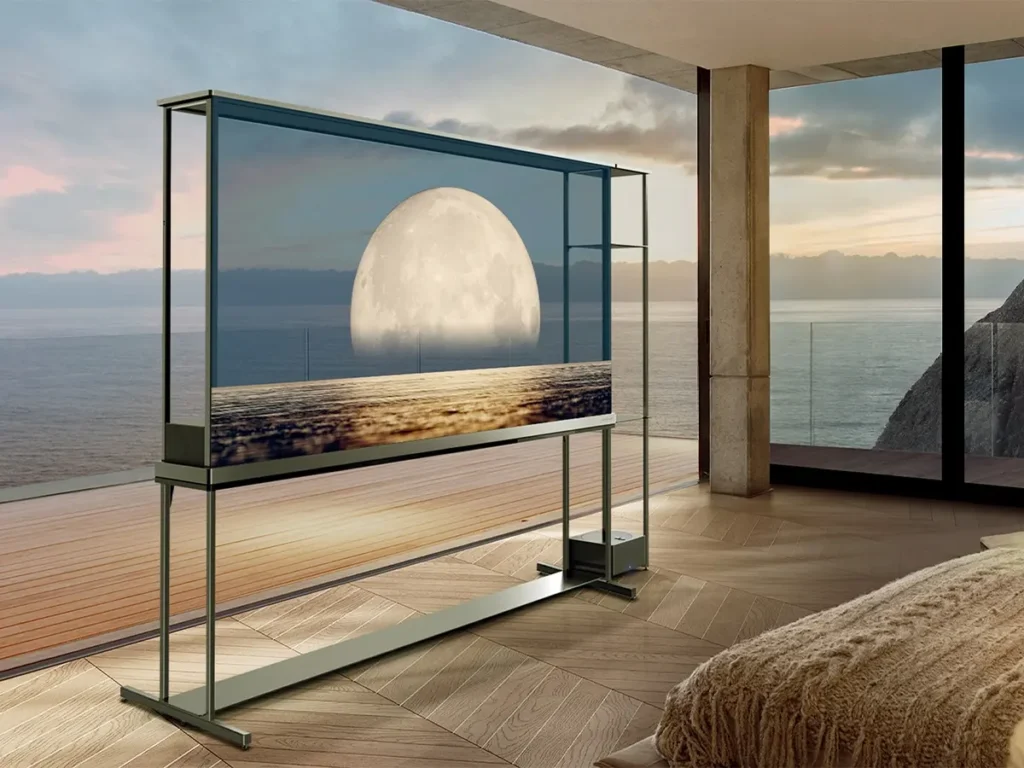
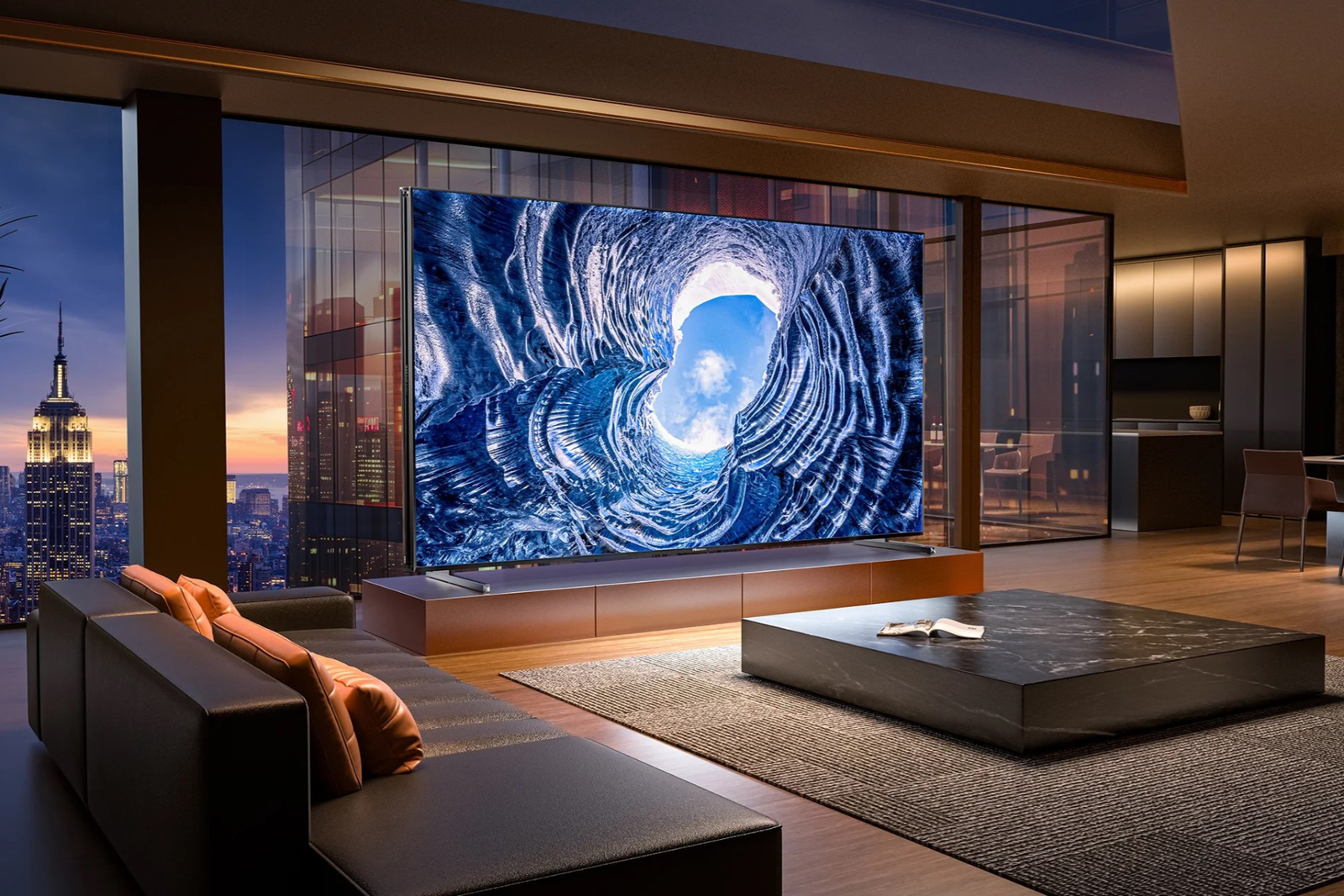
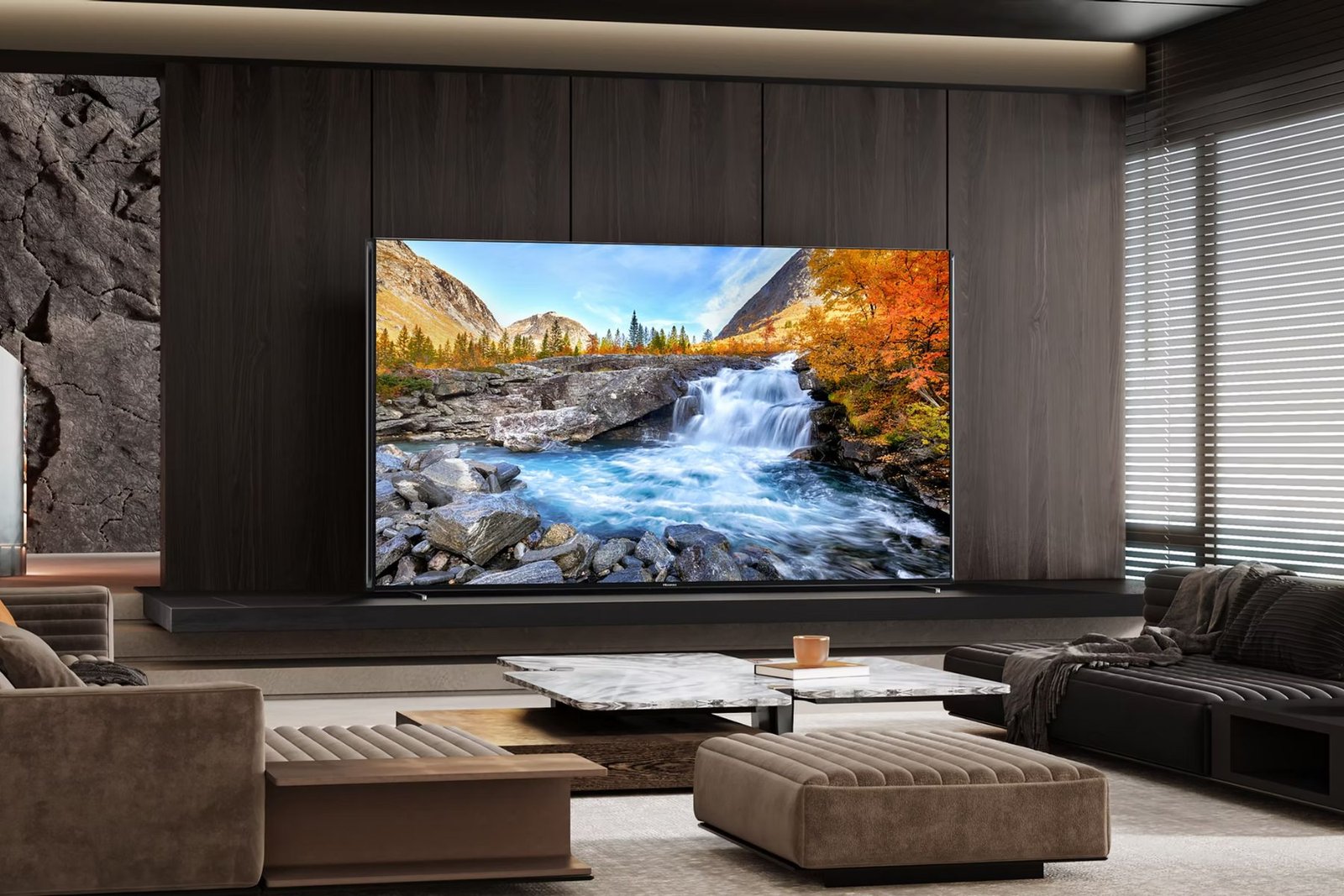
The first thing you notice about the Hisense 110-Inch ULED X isn’t its picture quality, but its price. It may seem crazy to spend what could be a car deposit on a TV, until you consider what this device truly is. A 110-inch screen isn’t just “big”; it’s a statement piece that defines a room. With dimensions of 2530 × 487 × 1495 mm and weighing a hefty 108.5 kg, it’s clear this isn’t an ordinary purchase. You’ll plan your space around it, double-check measurements, and likely argue over its placement. When compared to most 65-inch TVs that weigh about 20 kg, the ULED X feels less like an upgrade and more like entering a different league altogether.
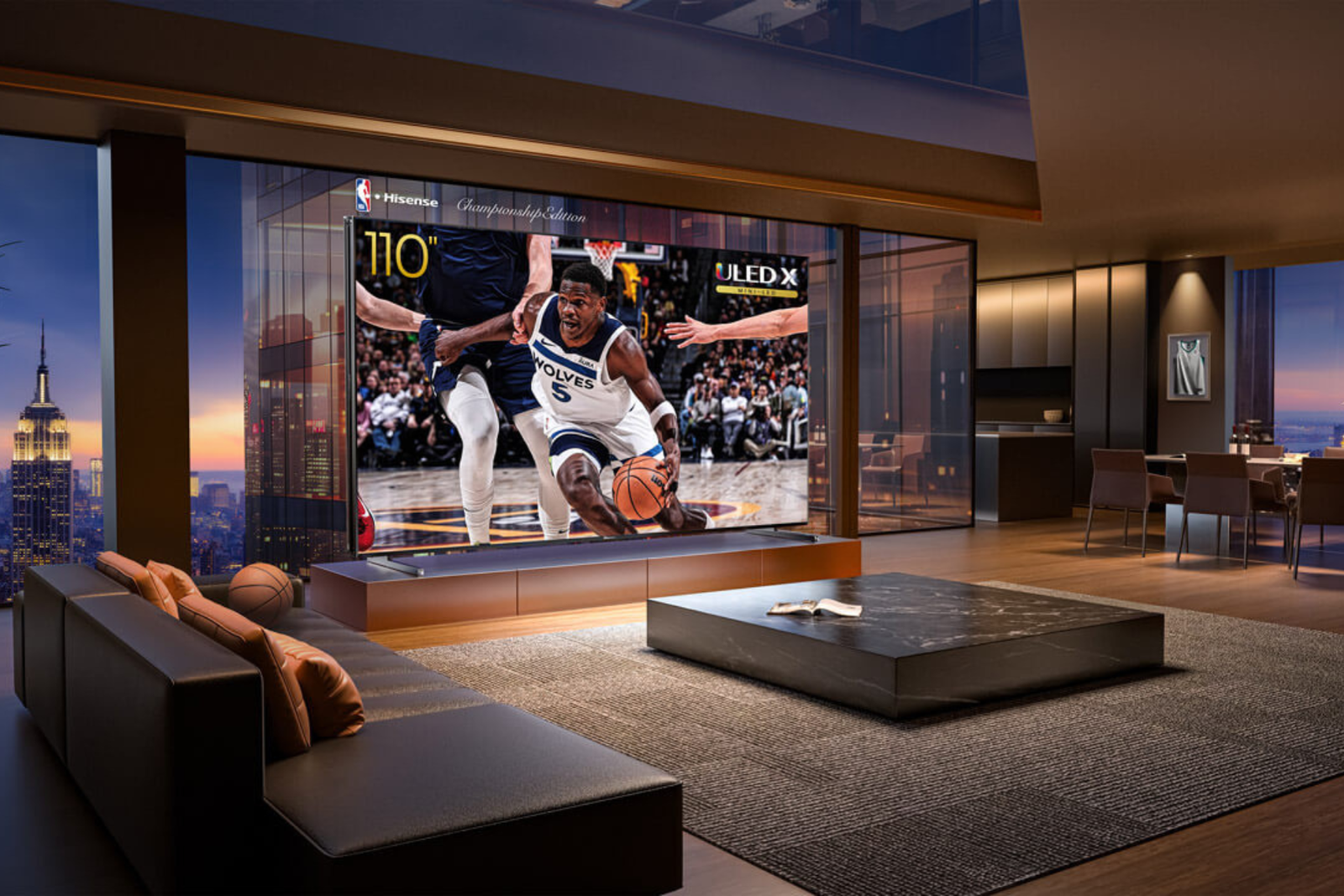
Hisense 110-Inch ULED X TV | Image: Supplied

Hisense 110-Inch ULED X Specifications

Hisense 110-Inch ULED X
Display LED
LED Panel TypeMini-LED QLED
Image ProcessorHi-View Engine X
Resolution4K (2160p)
Resolution UpscalingAI-powered 4K Upscaling
High Frame Rate144Hz
Colour Bit Depth10-bit
HDR Format Support-Dolby Vision™ IQ
-HDR 10+ Adaptive
-HDR 10
Audio System4.2.2-channel sound system tuned by Devialet
HDMI Connectivity-2 x HDMI 2.1
-2 x HDMI 2.0
Smart Functions– Netflix,
– Hulu
-Prime Video
-Apple TV+
-Peacock
-YouTube TV
-Google Play Movies & TV
-Paramount+
Features -Mini-LED ULED X Technology
-Mobile to TV
-Screen Mirroring
-Smart Capable
PriceUSD $14,999
Hisense 110-Inch ULED X TV | Image: Supplied

How does the Hisense 110-Inch ULED X perform?

The Hisense 110-inch ULED X isn’t just a big TV — it’s a halo product designed to showcase what the brand can achieve when size, processing power, and brightness are pushed to the limit. While it doesn’t aim to compete with OLEDs, Hisense heavily relies on its proprietary Mini-LED X technology and in-house chipset to deliver a picture that feels boldly unapologetic. The result is a screen created for impact rather than subtlety, and on a 110-inch display, that approach makes a lot of sense.

With a massive number of full-array local dimming zones working behind the scenes and peak brightness that reaches levels most TVs can’t match, highlights hit with severe intensity — that’s where the picture quality really shows off. Bright scenes look explosive without washing out details, and darker scenes hold up surprisingly well given the screen size. In well-lit rooms, especially, the ULED X feels unbeatable — it easily beats ultra-short-throw projectors, which are basically the only alternative at this scale. Yes, a projector avoids having a literal wall of TV in your living room, but it simply can’t match this level of brightness or impact.
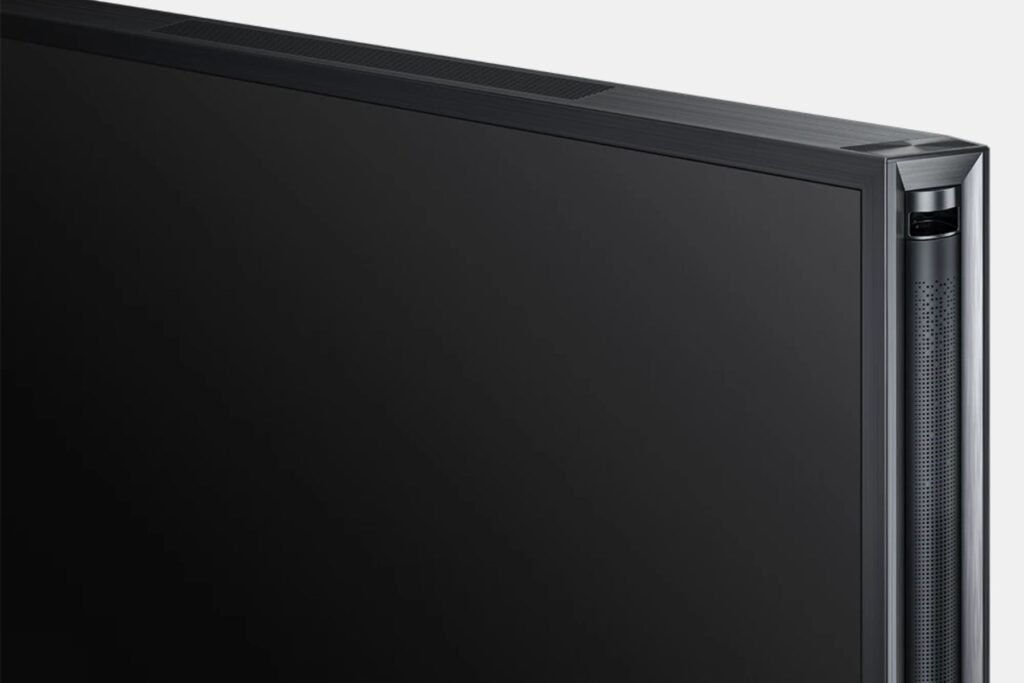
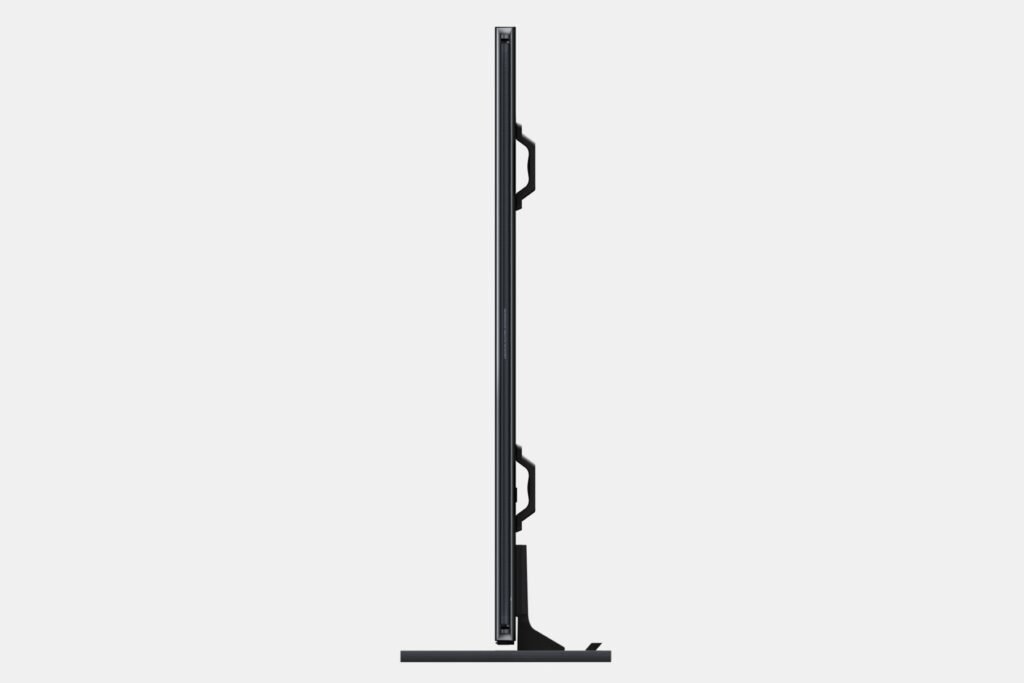
Hisense 110-Inch ULED X TV | Image: Supplied

A high native refresh rate combined with strong motion processing keeps sports, action films, and gaming smooth and clear, even when the screen is filled edge-to-edge. Quantum Dot colour adds depth without becoming oversaturated, and HDR formats like Dolby Vision IQ and HDR10+ Adaptive ensure the image remains balanced across different lighting conditions. Upscaled content also performs better than expected — lower-resolution streams don’t fall apart at this size, which is crucial for day-to-day viewing.

The built-in multi-channel speaker system with Dolby Atmos delivers a broad, room-filling soundstage with clear dialogue and solid low-end presence, where Hisense performs well. It won’t replace a dedicated surround sound setup, but it’s far from an afterthought. If you’re the type of buyer considering a TV of this size, pairing it with a soundbar or complete home theatre system seems like a natural next step rather than a necessity.

Beyond movies and shows, the ULED X has proven itself capable during lengthy viewing sessions without noticeable fatigue. The brightness levels and adaptive contrast handling make it a superior choice for daytime viewing and bright environments — a common challenge for large-screen TVs. Its consistency makes it versatile for everything from casual sports watching to marathon streaming sessions, and it remains cool even when filling up an entire wall.
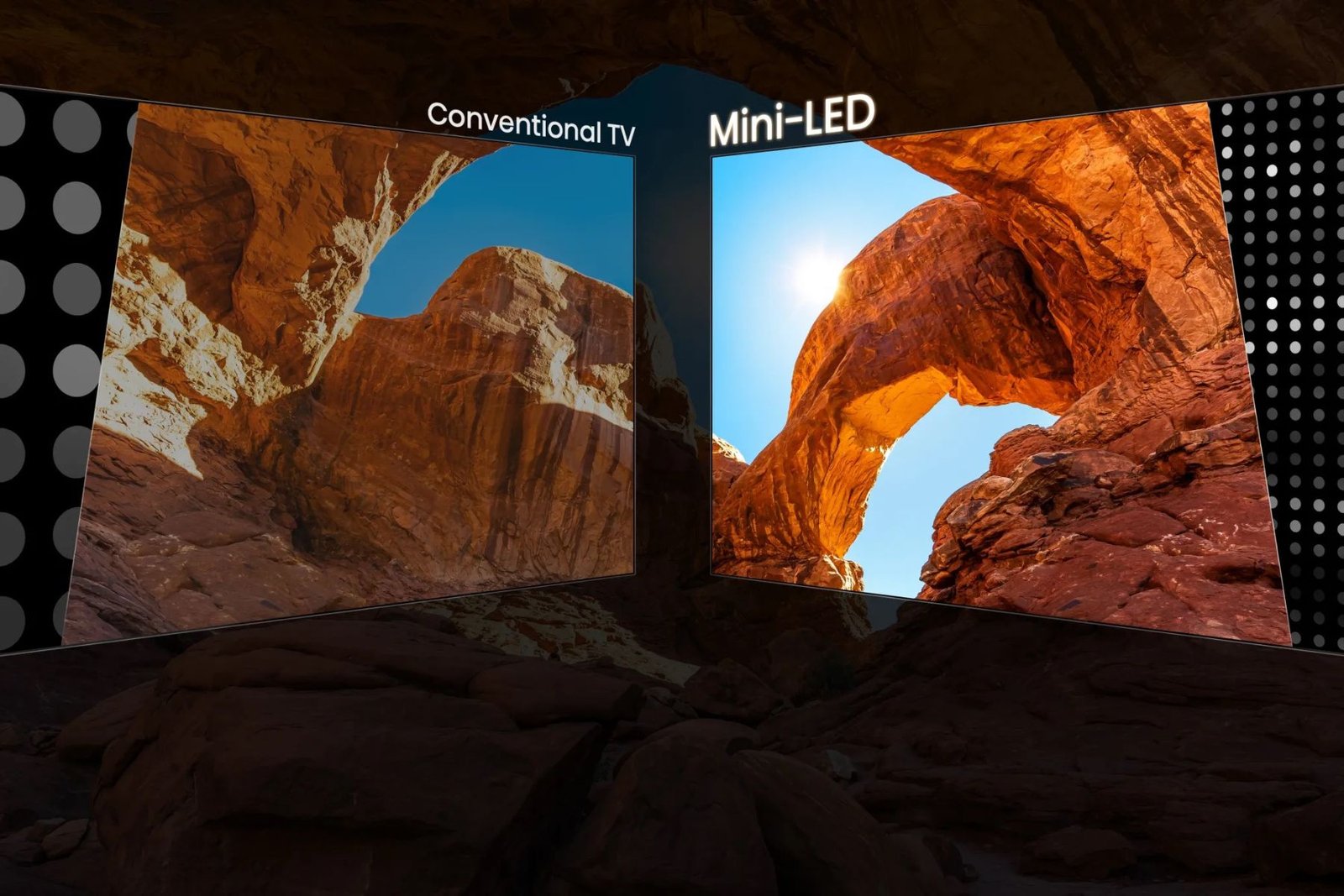
Compared to the conventional TV, Mini-LED TV can show more vibrant colours because of the more local dimming zones (small dots in the panel area). | Image: Supplied

OLED VS Mini LED

Now you’re going to question yourself: what’s the difference between OLED and Mini LED, and what does it mean for you? Well, for starters, OLED and Mini-LED represent two very different approaches in picture technology. OLED panels are known for delivering truly infinite contrast thanks to their self-illuminating pixels; each pixel can turn off individually, creating perfect blacks and smooth gradations in dark scenes. This often results in an image that feels more natural and cinematic, especially when you’re watching in a dimly lit room. That’s where OLED excels — both literally and figuratively — and why many enthusiasts still swear by it, even if size options are limited.

On the other hand, Mini-LED, as seen in the Hisense 110-inch ULED X, takes a different approach. Instead of self-emitting pixels, it employs a dense array of dimming zones behind an LCD panel to control light more precisely than traditional LED TVs. When combined with powerful processing and high brightness, Mini-LED can produce remarkably impactful HDR highlights and excellent colour volume in well-lit environments. You won’t achieve the perfect black floors typical of OLEDs. Still, you gain sheer scale and brightness that OLEDs currently cannot match, all without the risk of image retention at larger sizes —a significant advantage in spaces where ambient light is part of the viewing experience—such as a living room with windows.
Hisense 110-Inch ULED X TV | Image: Supplied

What operating system powers the Hisense 110-Inch ULED X?

For gamers, the Hisense 110-inch ULED X is clearly designed with next-gen consoles in mind. HDMI 2.1 support on key inputs allows the TV to fully utilize the capabilities of the PlayStation 5, PS5 Pro, and Xbox Series X, combining high refresh rates with features like Variable Refresh Rate and Auto Low Latency Mode. With a native refresh rate reaching up to 144Hz and support for AMD FreeSync Premium Pro, fast-paced games feel smooth, responsive, and tear-free. Motion handling is further improved by low-latency MEMC processing, which helps keep action sharp without introducing distracting artifacts during gameplay.

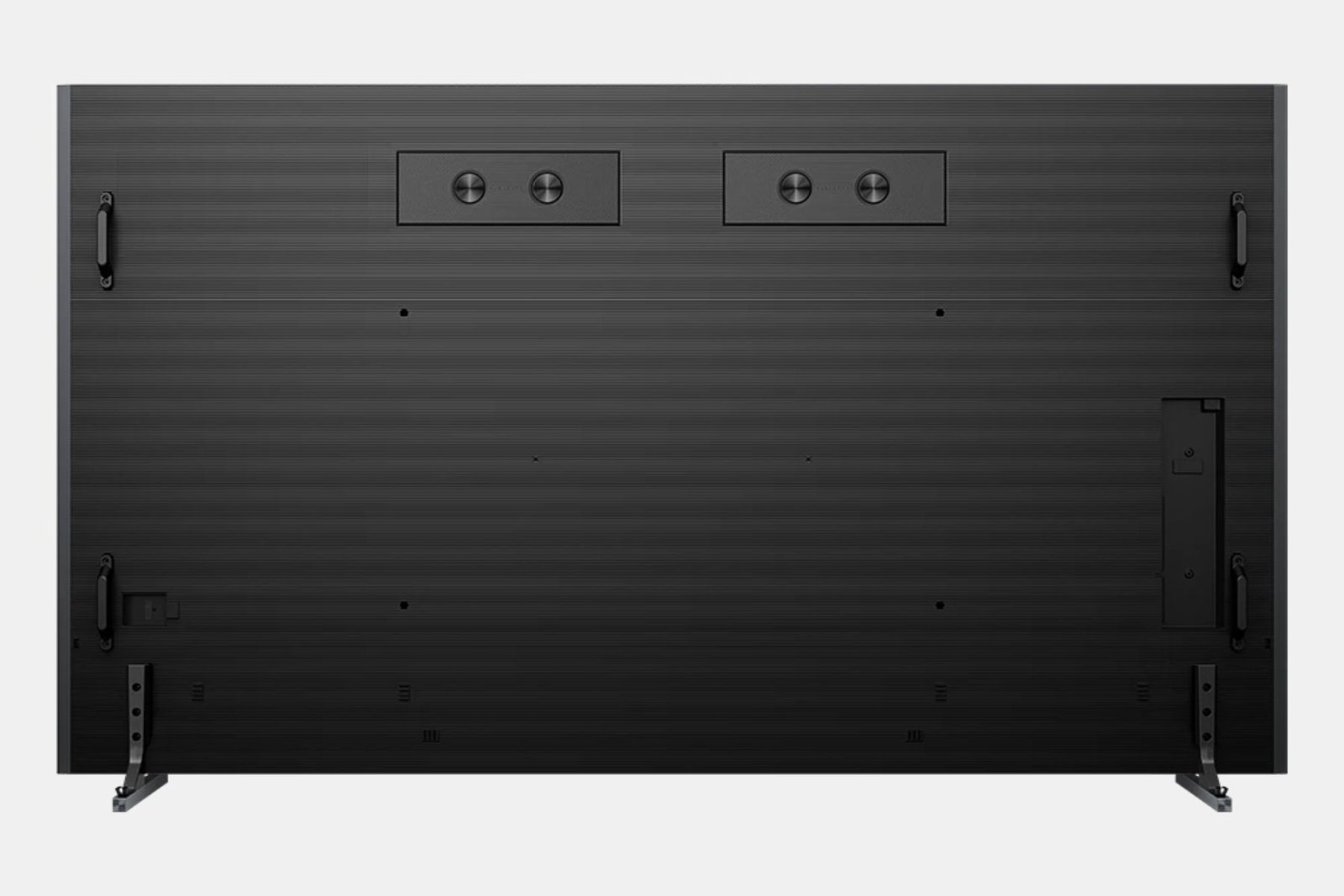
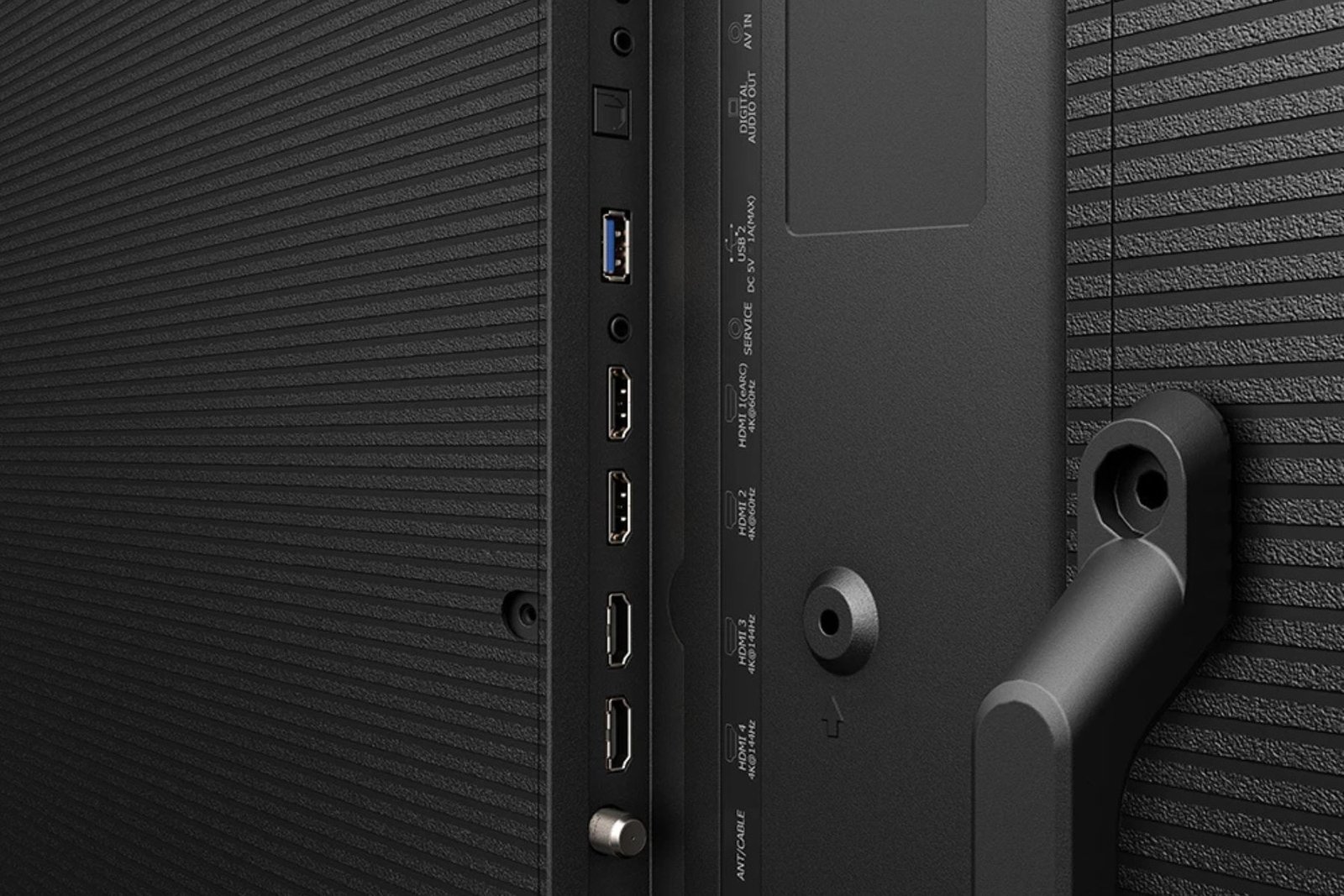
At the back, the port selection seems suitable for a display of this calibre, offering a combination of HDMI 2.0 and HDMI 2.1 inputs, USB ports for media playback or accessories, wired Ethernet, dual-band Wi-Fi, Bluetooth 5.0, and even legacy inputs for older equipment. This makes the ULED X flexible enough to handle consoles, PCs, sound systems, and streaming devices all at once — no juggling cables or compromises required. For anyone setting up a proper all-in-one entertainment system, that range of connectivity is just as important as the raw picture quality.

Navigation is quick, app switching is seamless, and major platforms like Netflix and YouTube are exactly where you’d expect them to be. While many enthusiasts still favour using an external streamer like an Apple TV 4K, the built-in experience here doesn’t feel like an afterthought. On the software side, the TV operates on Hisense’s VIDAA U system, which keeps things simple. Even the remote shows attention to detail — it’s solar-powered, thoughtfully designed, and can be recharged via USB-C when needed, meaning fewer dead batteries and less to worry about during extended viewing or gaming sessions.
Hisense 110-Inch ULED X TV | Image: Supplied

Hisense 110-Inch ULED X TV Price

There’s a lot to think about before you get your hands on one of these. If you’re already considering the Hisense 110UX and have set aside the money, the choice is quite simple, and you should probably go ahead and purchase it. This is one of those buys where any hesitation typically vanishes once the screen turns on. The tougher decision is for those still undecided, and that has much less to do with picture quality and much more to do with whether your space can actually accommodate something this large.

The 110UX is quite large in real life, with dimensions of 2530 × 487 × 1495 mm including the stand. It requires a spacious area that doesn’t feel cramped or crowded. If you don’t plan to wall-mount it and aren’t using a 600 × 1100 mm VESA mount, then cabinet height is an important factor. Mounting it too high can cause discomfort during extended viewing, which nobody wants.

My personal view is that space is just as important as budget in this case. If you can give this TV the room it needs, it will reward you every time you watch it. If you can’t, no amount of brightness or processing power will change the fact that it can dominate the room in the wrong way. Carefully measuring your space is essential with a TV like this.

Hisense
About the Author
Previous Post
L’Heure Élevée – Watch News #3
Next Post
Dior Men’s Winter Collection 2025–2026 Might Be the Best Fashion Show of the Year So Far

Related Articles

Denis Villeneuve Officially Announced as Director of the Next 007 James Bond Film

Reading Time: 8 minutes

Our team of editors and experts thoughtfully chooses each product. If you decide to buy through one of our links, we may earn a commission. Learn more. Want to know how we test products? Click here for more details.

Canadian filmmaker Denis Villeneuve has officially been confirmed as the director of the next 007 James Bond film, Amazon MGM Studios announced. The Oscar-nominated auteur — known for visually stunning and thought-provoking films like Dune, Blade Runner 2049, Arrival, and Sicario — will join producers Amy Pascal and David Heyman to craft the franchise’s next chapter.

For Villeneuve, the project is more than just another big-budget production; it’s deeply personal. “Some of my earliest movie-going memories are connected to 007. I grew up watching James Bond films with my father, ever since Dr. No with Sean Connery. I’m a die-hard Bond fan,” he revealed. “To me, he’s sacred territory. I intend to honour the tradition and open the path for many new missions to come. This is a massive responsibility, but also incredibly exciting for me and a huge honour. Amy, David, and I are absolutely thrilled to bring him back to the screen. Thank you to Amazon MGM Studios for their trust.”

Denis Villeneuve to Direct New James Bond Film |Image: Amazon MGM Studio

Denis Villeneuve Officially Joins the James Bond Franchise

The Denis Villeneuve Bond film marks the start of a bold new chapter for the world’s most famous spy. It not only introduces a visionary new director, but also becomes the first Bond film officially released under the Amazon MGM Studios banner. When Amazon purchased MGM in 2021 for a staggering USD $8.4 billion, the deal was praised as a milestone that secured the rights to one of cinema’s most iconic franchises—James Bond—along with a collection of other Hollywood classics.

However, things weren’t quite so simple. Bond’s longtime stewards, Barbara Broccoli and Michael G. Wilson of Eon Productions, kept 50 percent ownership and full creative control, reducing Amazon’s influence. Reports of friction quickly emerged, with heated debates over the possibility of spin-offs and TV adaptations. Tensions escalated when Broccoli allegedly dismissed Amazon’s proposals in colourful language, clearly indicating that the streaming giant wouldn’t reshape Bond without a fight.

After months of wrangling, February brought resolution. Broccoli and Wilson have officially handed over creative control to Amazon MGM Studios in a deal valued at approximately USD $1 billion. It was a monumental shift in the franchise’s history, opening the door for Amazon to chart Bond’s future on its own terms.

Denis Villeneuve on the set of ‘Blade Runner 2049’ | Image: Getty Images – Stephen Vaughan

That future now has a director whose caliber matches Bond’s legendary legacy. Denis Villeneuve, the Oscar-nominated filmmaker behind Dune, Blade Runner 2049, Arrival, and Sicario, has officially agreed to helm the next 007 adventure. Known for his mastery of atmosphere, scale, and visual storytelling, Villeneuve is expected to bring new energy to a franchise that thrives on reinvention.

Mike Hopkins, head of Prime Video and Amazon MGM Studios, called the choice a perfect fit. “We are honoured that Denis has agreed to direct James Bond’s next chapter. He is a cinematic master whose filmography speaks for itself,” Hopkins said. “From Blade Runner 2049 to Arrival to the Dune films, he has created compelling worlds, striking visuals, complex characters, and—most importantly—immersive storytelling that global audiences crave in theatres. James Bond is in the hands of one of today’s top filmmakers, and we can’t wait to start on 007’s next adventure.”

Denis Villeneuve on the set of ‘Dune’ | Image: Warner Bros.

Bond’s Next Chapter

Denis Villeneuve stepping into the Bond universe feels like a landmark moment for the franchise. For decades, filmmakers have struggled to balance the weight of 007’s legacy with the need to reinvent. Villeneuve’s track record indicates he’s more than capable. As one of Hollywood’s most respected directors, he has consistently demonstrated he can take a beloved property and revitalise it without losing the core that made it iconic in the first place.

A notable example occurred in 2017 when he revisited Ridley Scott’s sci-fi classic with Blade Runner 2049. Tacking on a sequel to one of the most esteemed films in cinema history was a bold move, but Villeneuve’s vision found the perfect mix of homage and innovation. The film was both praised by critics and loved by fans, earning acclaim for advancing the story in a way that felt genuine yet distinctly modern. That success solidified his reputation as a filmmaker who knows how to honour legacy while creating something entirely his own.

In an era where reboots and sequels often stumble—think Star Wars, Indiana Jones, or Ghostbusters, all of which struggled to recapture their original appeal—Bond fans have good reason to remain hopeful. Villeneuve isn’t just another director for hire; he’s a lifelong 007 enthusiast who has openly discussed his personal connection to the character. That passion, along with his talent for balancing spectacle and depth, indicates the franchise is in capable hands.

Of course, the biggest question still remains: who will wear the tuxedo and hold Bond’s iconic Walther PPK? While Villeneuve has the creative skill to reshape the franchise’s tone and vision, the casting of the next James Bond is still the missing piece of the puzzle. Until that is announced, fans can only guess—but one thing is clear: under Villeneuve’s direction, Bond’s next chapter will be bold, true to the spirit, and unforgettable.

Aaron Taylor-Johnson announced as OMEGA Brand Ambassador | Image: OMEGA

Who Will Be The Next James Bond?

While Denis Villeneuve’s appointment as director has set the stage for Bond’s future, one major question still remains: who will wear the tuxedo and take on the role of 007? Amazon MGM Studios has yet to officially confirm the next James Bond, and speculation has been rampant ever since Daniel Craig ordered his last martini. From household names to rising stars, the rumour mill has churned through a wide range of possibilities, keeping fans eagerly guessing.

In the immediate aftermath of Craig’s departure, heavyweights like Idris Elba and Tom Hardy appeared as natural contenders. Both actors possessed the grit, charisma, and box-office appeal to convincingly portray Bond. However, whispers within Eon Productions suggested that the producers were considering a younger candidate—someone who could potentially lead the franchise through multiple films, just as Craig did for over 15 years.

That shift in focus brought Aaron Taylor-Johnson into the spotlight. With standout performances in Bullet Train and the upcoming Nosferatu, he’s demonstrated both the physicality and range to step into Bond’s shoes. His partnership with OMEGA, the watch brand forever tied to 007, only intensified speculation, with many viewing it as a subtle confirmation. However, the tepid reception to Kraven the Hunter has cast some doubt on whether he’s truly the studio’s first choice.

Tom Hardy may be the next James Bond | Image: Getty Images

Adding intrigue to the conversation is Aaron Pierre, a rising British talent whose commanding screen presence has quickly distinguished him. Known for his role in Netflix’s Rebel Ridge, Pierre has the intensity and fresh energy that could redefine what a modern Bond looks like. At 31, he fits the mould of a younger, long-term choice—someone who could bring a new kind of edge to the franchise while still embodying the sophistication fans expect.

For now, Amazon MGM Studios remains tight-lipped. What is certain, however, is that a decision will need to be made soon. Villeneuve is already preparing to dive into Dune: Messiah, the third chapter of his epic sci-fi saga, which means Bond production won’t begin immediately. That delay gives Amazon just enough time to announce the next actor to carry Bond’s legacy. Until then, the speculation continues—and fans will keep their martinis chilled, waiting for the day 007 officially returns.

About the Author

Related Articles

arrow_drop_up