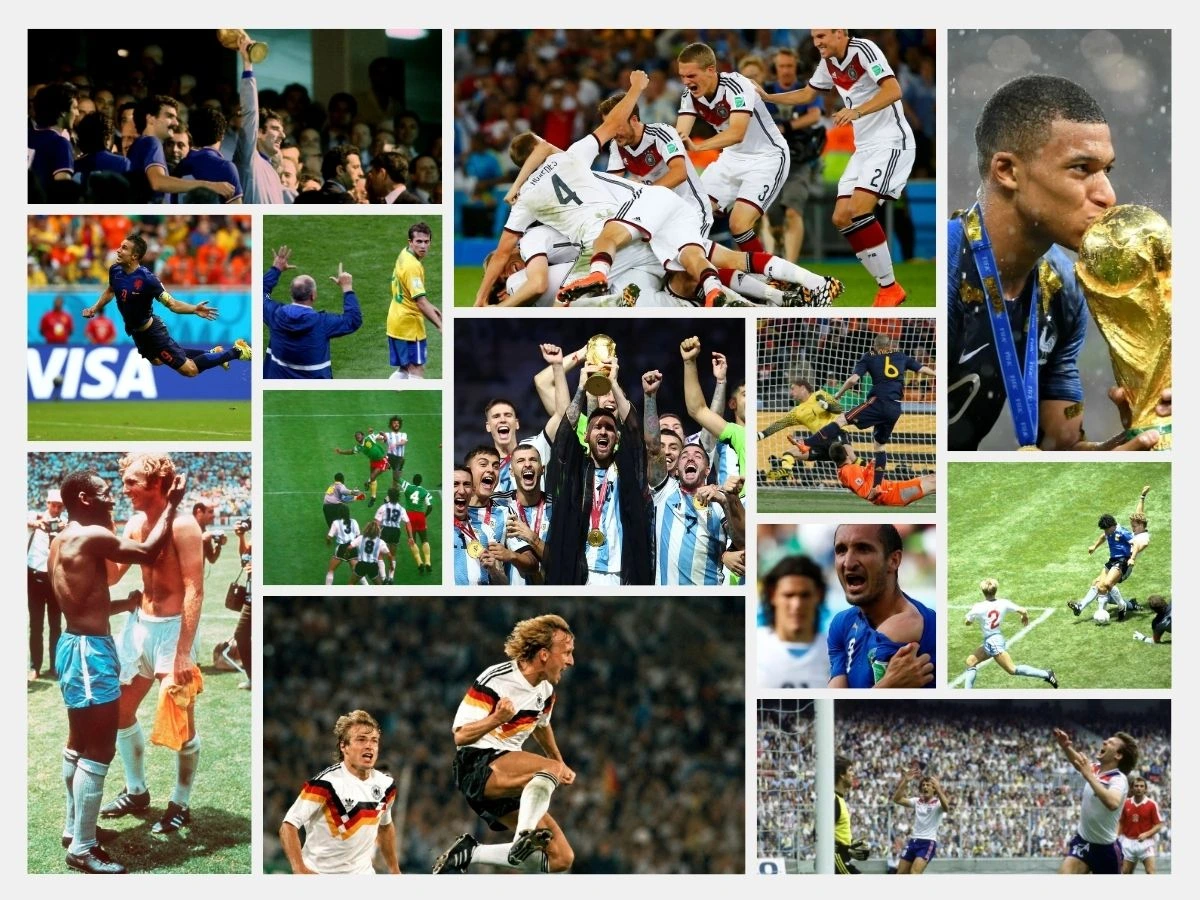






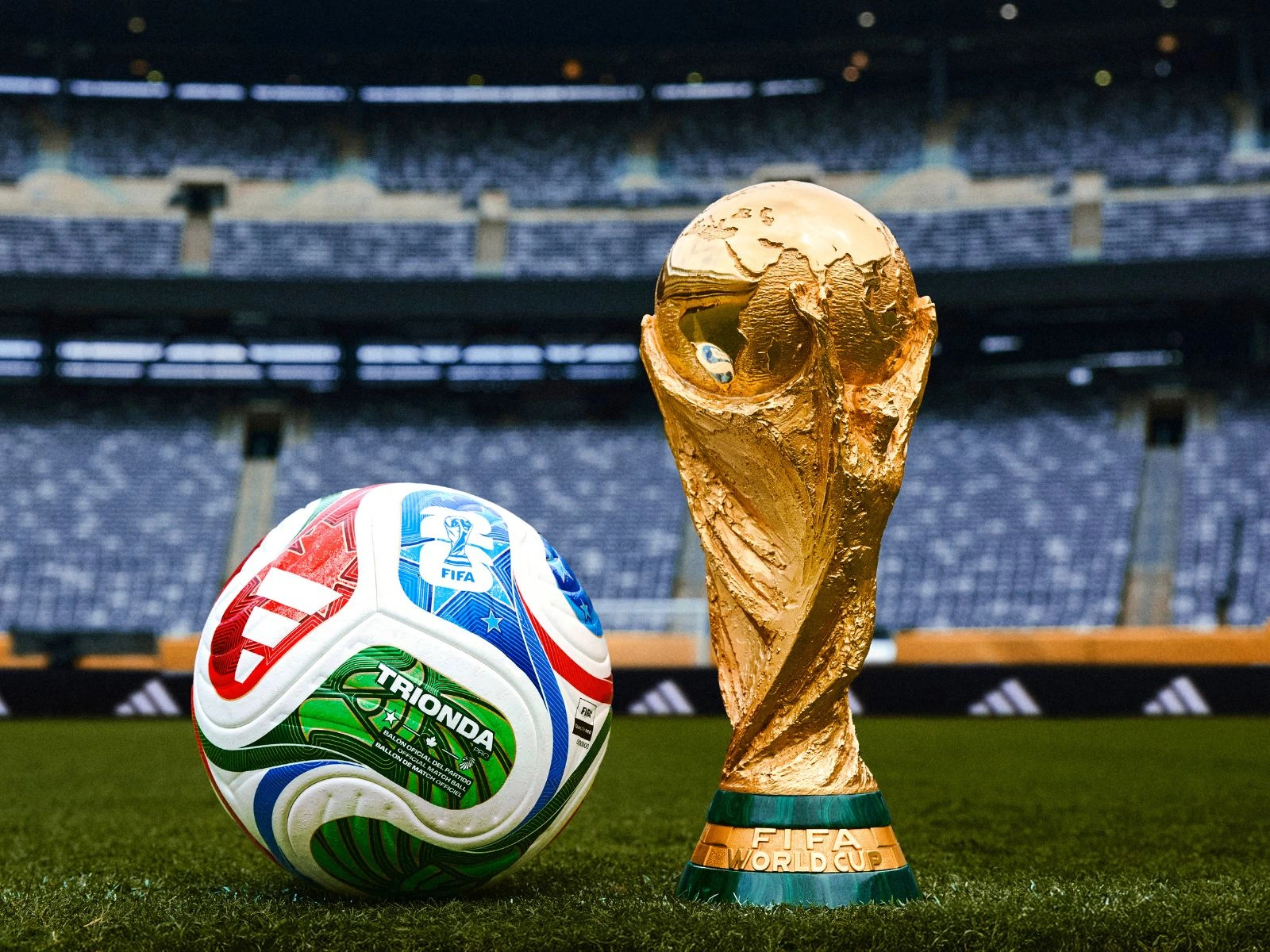

The FIFA World Cup has always been big, but 2026 takes that idea and runs with it. For the first time in tournament history, 48 nations will compete for football’s biggest prize, up from the 32-team format we’ve grown used to, bringing more countries, more matches and a completely different route to the final.
It is also the first World Cup to be jointly hosted by three countries, with Canada, Mexico and the United States sharing the tournament across 16 host cities. In total, 104 matches will be played between the opening game on 11 June and the World Cup Final on 19 July 2026.
Advertisement · Continue Reading Below
The expanded tournament also means the group stage looks a little different. Instead of eight groups of four, the 48 teams have been divided into 12 groups of four, running from Group A through Group L. The top two teams from each group will advance automatically, while the eight best third-placed teams will also survive to reach a newly introduced Round of 32.
So, whether you’re figuring out where the defending champions landed, which nations are making their first appearance or simply trying to understand how this enormous World Cup actually works, here’s everything you need to know about the 2026 FIFA World Cup.
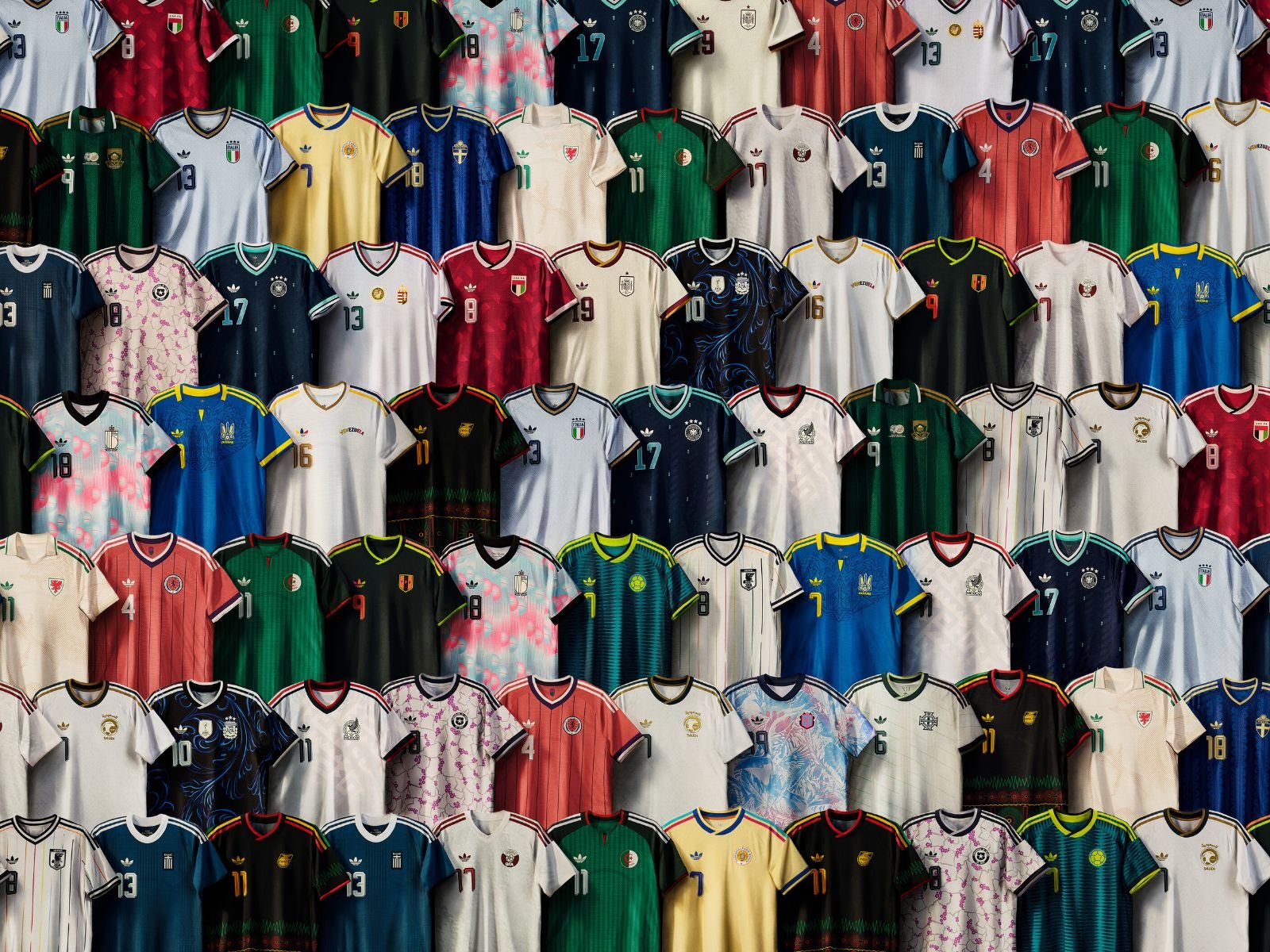
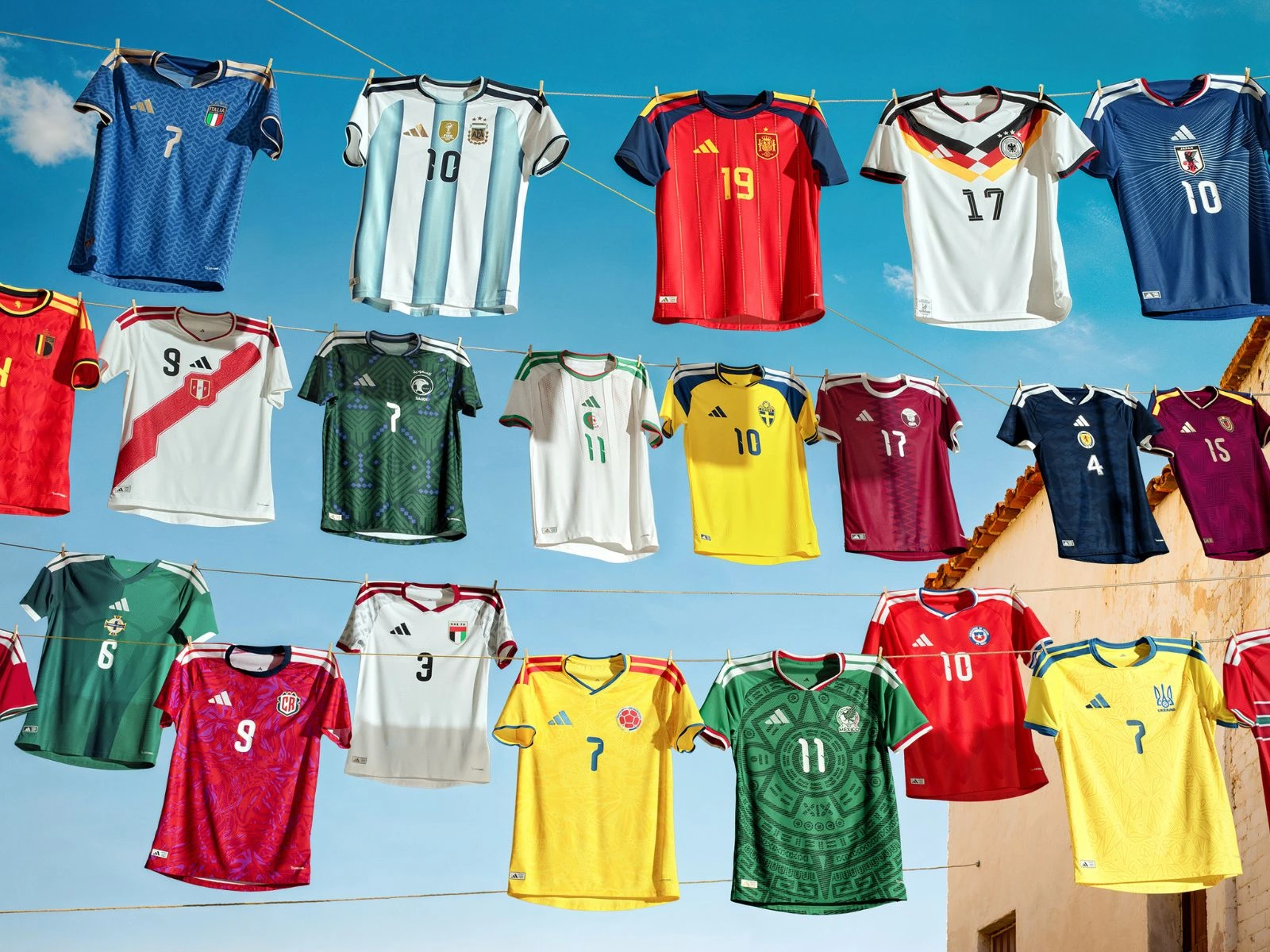
Forty-eight teams, 12 groups and plenty of interesting match-ups. For the first time in World Cup history, the tournament features 12 groups of four, bringing together nations from across all six confederations. The three host countries are spread across the draw, with Mexico leading Group A, Canada in Group B and the United States in Group D.
There’s plenty of star power throughout the draw too, with Argentina beginning the defence of its 2022 title in Group J, while the likes of Brazil, France, Spain, Germany, England and Portugal are scattered across the remaining groups. And with only three matches for each nation to make its mark before the knockout stage, there isn’t much room for a slow start.
- Mexico
- South Africa
- South Korea
- Czechia
Mexico will have the honour of kicking off the tournament. As one of the three host nations, El Tri qualified automatically and were placed into Group A alongside South Africa, South Korea and Czechia. There’s some history involved here too: 2026 makes Mexico the first country to host the men’s FIFA World Cup three times, following the 1970 and 1986 tournaments.
- Canada
- Bosnia and Herzegovina
- Qatar
- Switzerland
Canada gets home advantage in Group B, where it faces Bosnia and Herzegovina, Qatar and Switzerland. Like Mexico and the United States, Canada qualified automatically as a co-host, with its opening match taking place in Toronto before another home group fixture in Vancouver.
- Brazil
- Morocco
- Haiti
- Scotland
- United States
- Paraguay
- Australia
- Türkiye
The United States completes the trio of host nations and enters Group D alongside Paraguay, Australia and Türkiye. The Americans will begin their campaign in Los Angeles, while Seattle is also among the cities selected to stage one of the USA’s group-stage matches.
- Germany
- Curaçao
- Côte d’Ivoire
- Ecuador
- Netherlands
- Japan
- Sweden
- Tunisia
Advertisement · Continue Reading Below
- Belgium
- Egypt
- Iran
- New Zealand
- Spain
- Cabo Verde
- Saudi Arabia
- Uruguay
- France
- Senegal
- Iraq
- Norway
- Argentina
- Algeria
- Austria
- Jordan
All eyes will naturally be on Argentina in Group J. Lionel Messi and company arrive in North America as the reigning world champions after their unforgettable victory over France in the 2022 final in Qatar. Argentina will face Algeria, Austria and World Cup debutants Jordan as it attempts to become the first nation since Brazil in 1962 to successfully defend the men’s World Cup title.
- Portugal
- DR Congo
- Uzbekistan
- Colombia
- England
- Croatia
- Ghana
- Panama
England and Croatia headline the final group, joined by Ghana and Panama. The two European sides know each other particularly well on the World Cup stage, including Croatia’s famous semi-final victory over England in 2018.
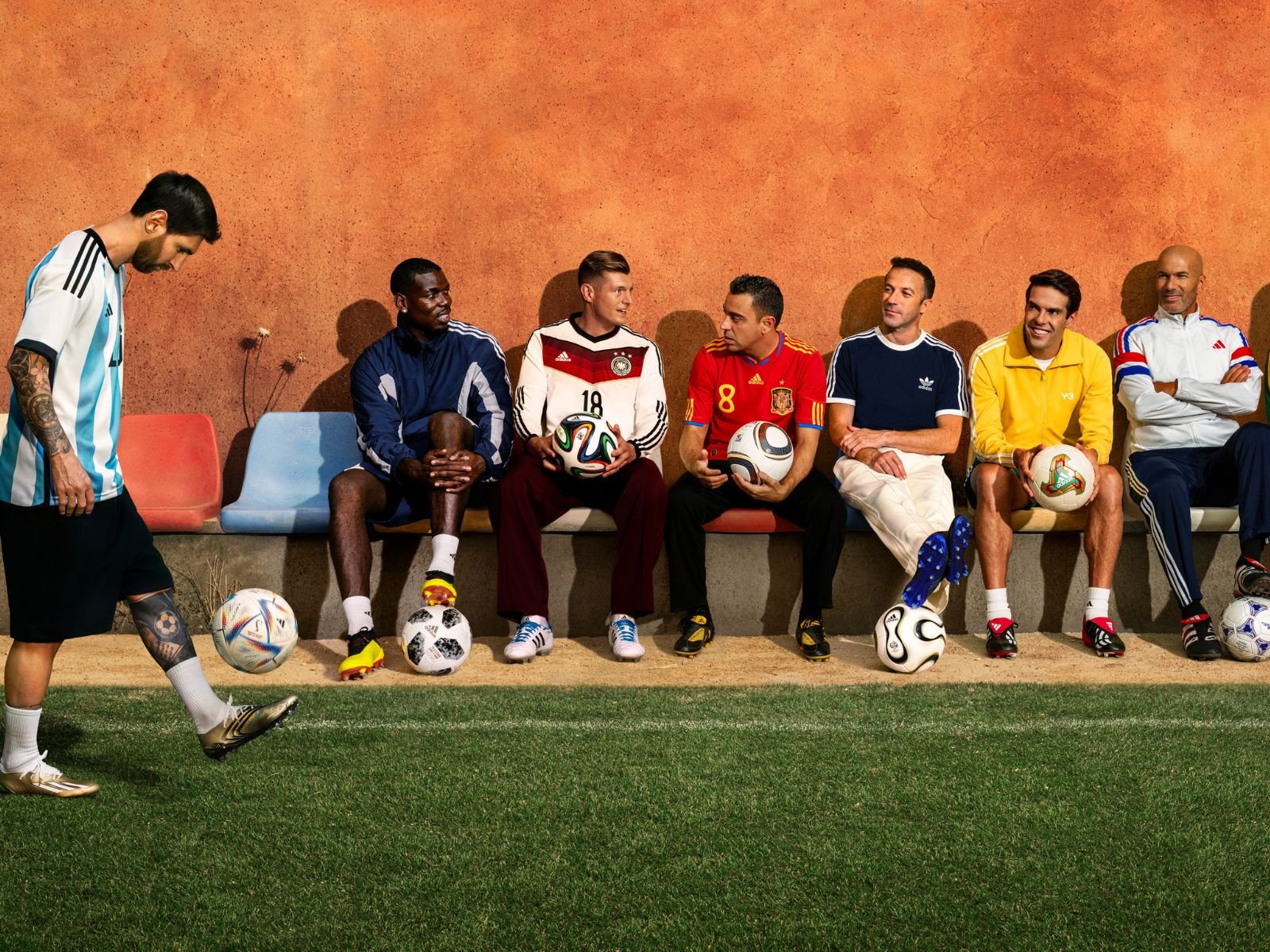
The World Cup format we’ve known for decades is getting a major makeover for 2026. The tournament expands from 32 to a record 48 teams, divided into 12 groups of four, with each nation playing the other three teams in its group once.
This is how the points system works:
3 Points: Win
1 Point: Draw
0 Points: Loss
Once all three matches have been played, the top two teams from each group automatically advance, while the eight best third-placed teams also qualify, creating a brand-new 32-team knockout field.
From there, it’s straight knockout football through the Round of 32, Round of 16, quarter-finals, semi-finals and final. The expanded format means the tournament now features a massive 104 matches, including 72 during the group stage, and the two countries that make it to the final will have played eight matches instead of seven. In other words, more nations are chasing the trophy than ever before — and there’s now an even longer road between them and becoming world champions.
he 2026 FIFA World Cup spans Canada, Mexico, and the United States, with 16 host cities across the three countries. FIFA has also regionalized much of the schedule into eastern, central, and western zones to reduce travel and give players more recovery time between games.
- Toronto Stadium — Toronto
- BC Place Vancouver — Vancouver
- Mexico City Stadium — Mexico City
- Guadalajara Stadium — Guadalajara
- Monterrey Stadium — Monterrey
- Atlanta Stadium — Atlanta
- Boston Stadium — Boston
- Dallas Stadium — Dallas
- Houston Stadium — Houston
- Kansas City Stadium — Kansas City
- Los Angeles Stadium — Los Angeles
- Miami Stadium — Miami
- New York New Jersey Stadium — New York/New Jersey
- Philadelphia Stadium — Philadelphia
- San Francisco Bay Area Stadium — San Francisco Bay Area
- Seattle Stadium — Seattle
Dallas gets an especially heavy workload, hosting nine matches, more than any other host city, while Atlanta and Dallas will stage the two semi-finals. Miami gets the third-place match, and New York/New Jersey gets the biggest game of them all.
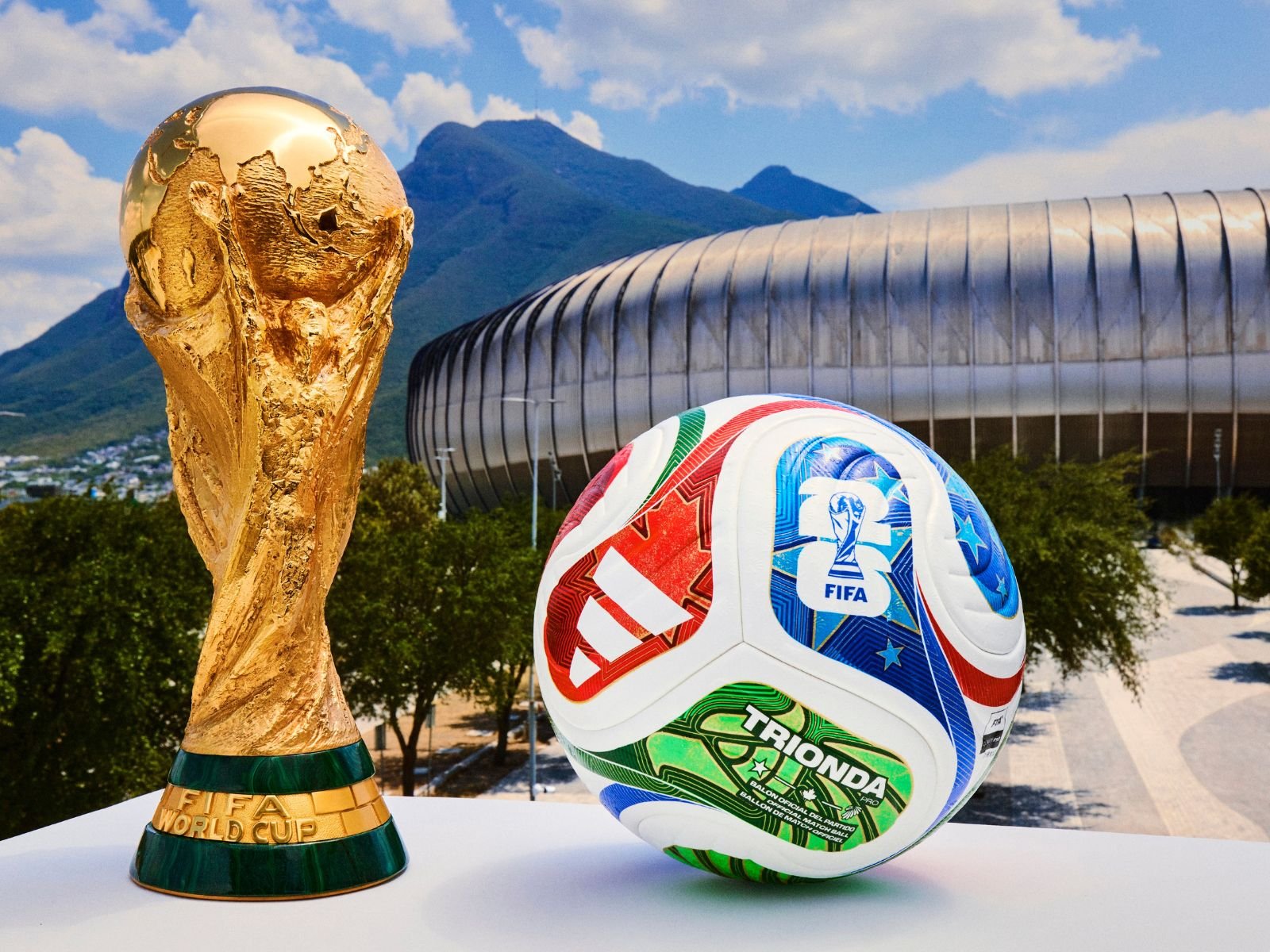
The official kick-off will start on Thursday, 11 June 2026, when Mexico takes on South Africa in Group A at Mexico City Stadium. Kick-off is scheduled for 1:00pm local time. That same day, South Korea faces Czechia in Guadalajara to complete the tournament’s first two matches.
The Mexico opener carries some extra history. Mexico previously hosted the World Cup in 1970 and 1986, making 2026 its record third turn as a host nation. This time, though, it won’t be doing it alone, with Canada and the United States joining the party.
Canada begins its tournament against Bosnia and Herzegovina in Toronto the following day, while the United States opens against Paraguay in Los Angeles. From there, the 48-team World Cup is well and truly underway.
After more than two weeks of group-stage football, the tournament moves into its first-ever World Cup Round of 32.
The group stage runs from 11 June through 27 June, before the Round of 32 begins on 28 June. That new knockout round effectively adds another hurdle between the group stage and Round of 16.
The major dates to remember are:
- Group Stage: 11–27 June
- Round of 32: 28 June–3 July
- Round of 16: 4–7 July
- Quarter-finals: 9–11 July
- Semi-finals: 14–15 July
- Third-place Match: 18 July
- FIFA World Cup Final: 19 July
The quarter-finals will be staged across Boston, Los Angeles, Miami and Kansas City before Dallas hosts the first semi-final on 14 July and Atlanta hosts the second on 15 July. The two losing semi-finalists then head to Miami for the third-place match on 18 July.
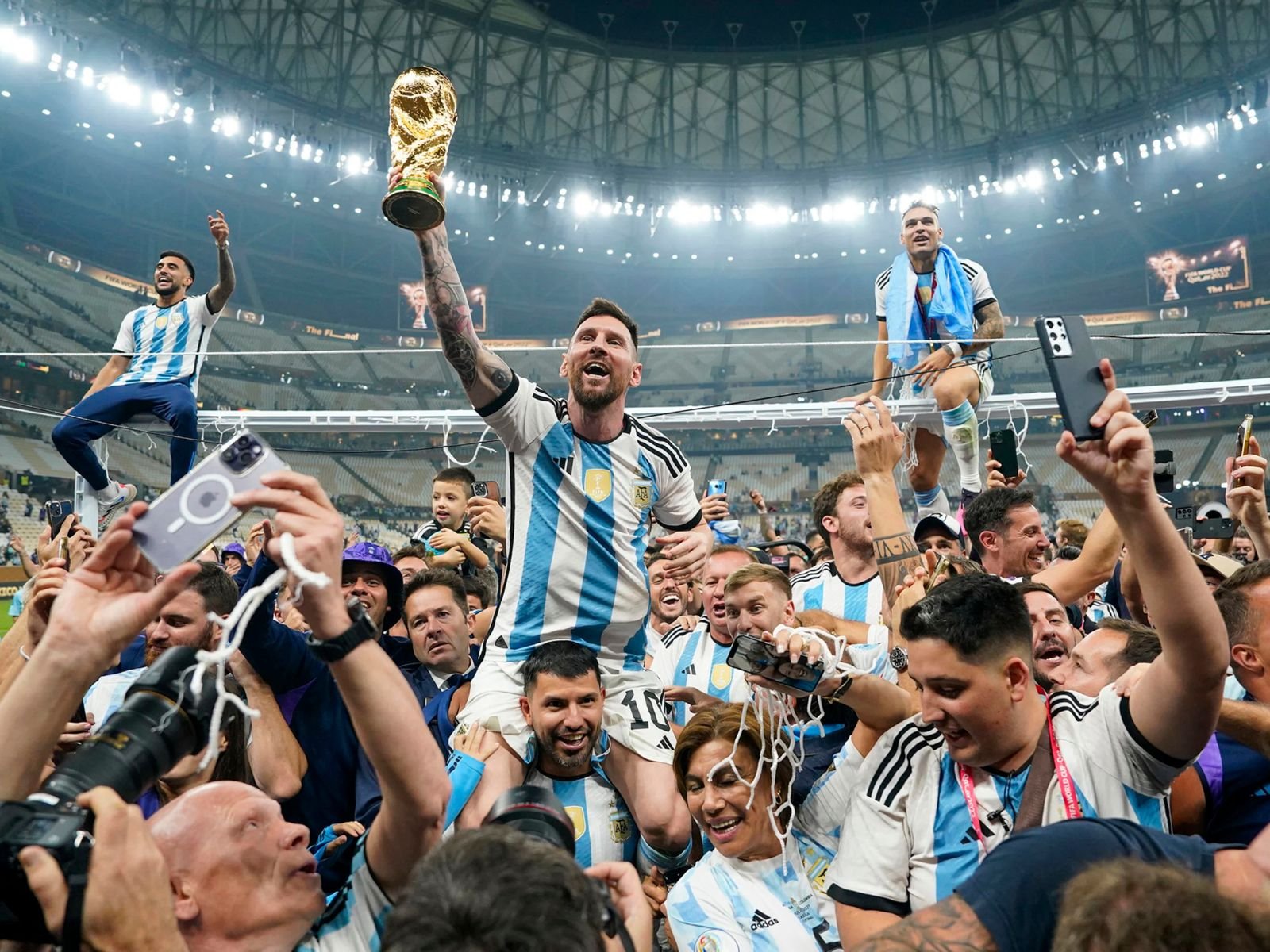
After 48 teams, three host nations, 16 host cities and 103 previous matches, everything comes down to one final game.
The 2026 FIFA World Cup Final takes place on Sunday, 19 July 2026, at New York New Jersey Stadium, with kick-off scheduled for 3:00pm local time. It will be Match 104 and officially bring the largest World Cup in history to a close.
Getting there will be tougher than ever. The two finalists will have survived three group matches followed by the Round of 32, Round of 16, quarter-finals and semi-finals before finally stepping onto the pitch in New York/New Jersey. For the first time, lifting the World Cup could require navigating eight matches rather than seven.
That’s ultimately what makes the 2026 tournament so fascinating. The World Cup hasn’t simply added another handful of teams. It has been fundamentally reshaped — more nations, another knockout round, more cities and more football than we’ve ever had at a single edition.
Forty-eight countries will arrive across North America dreaming about the same thing. By 19 July, only one will be left holding the trophy.