







Feeling bored of playing the same old games with your friends? Looking for something new to keep the squad hyped for your next weekend or Sunday session? We’ve all been there—same maps, same missions, same inside jokes that aren’t as funny as they used to be. That’s when it’s time to switch things up and bring some fresh energy into your gaming nights.
Trust me, there’s nothing better than playing with your squad time, and yes, I’m sure also solo sessions have their place, but nothing beats the chaos of jumping into a new world together, cracking jokes over voice chat, and pulling off moments you’ll still be laughing about weeks later. From sweat-soaked competitive lobbies to laid-back party games that let you relax, the best multiplayer titles offer something for every type of squad.
Now, if you’re ready to upgrade your routine and turn those stale nights into unforgettable sessions, you’ve come to the right place. Here are the 15 best online games to squad up on, guaranteed to bring the fun, trash talk, and maybe even a few rage quits back into your group’s gaming life.
Let’s get into it, shall we?
- Genre: Battle Royale / Shooter
- Release Date: July 21, 2017
- Developer: Epic Games
- Platforms: PC, PlayStation, Xbox, Nintendo Switch, Mobile
- Players: 1-4
- Price: Free-to-play
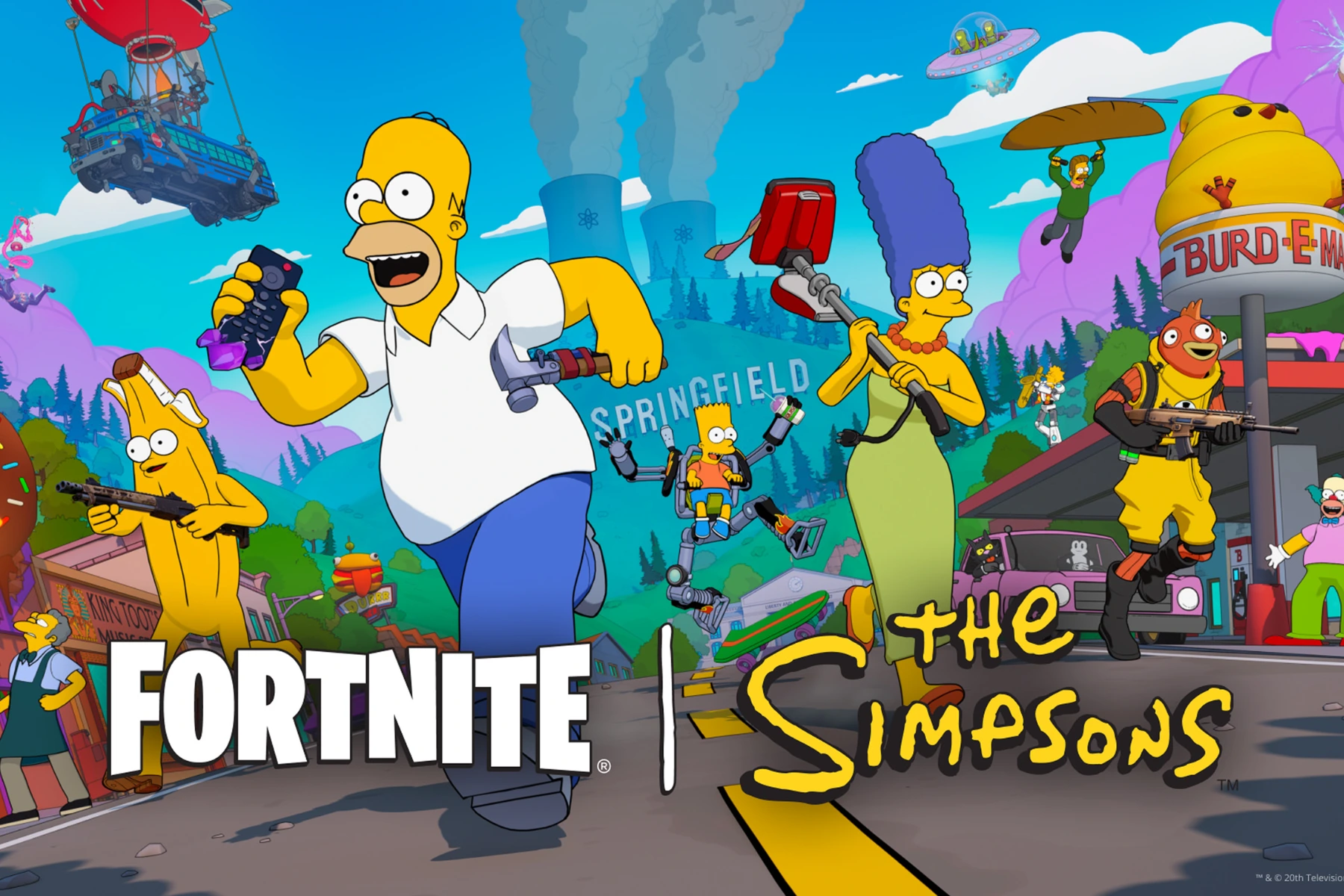
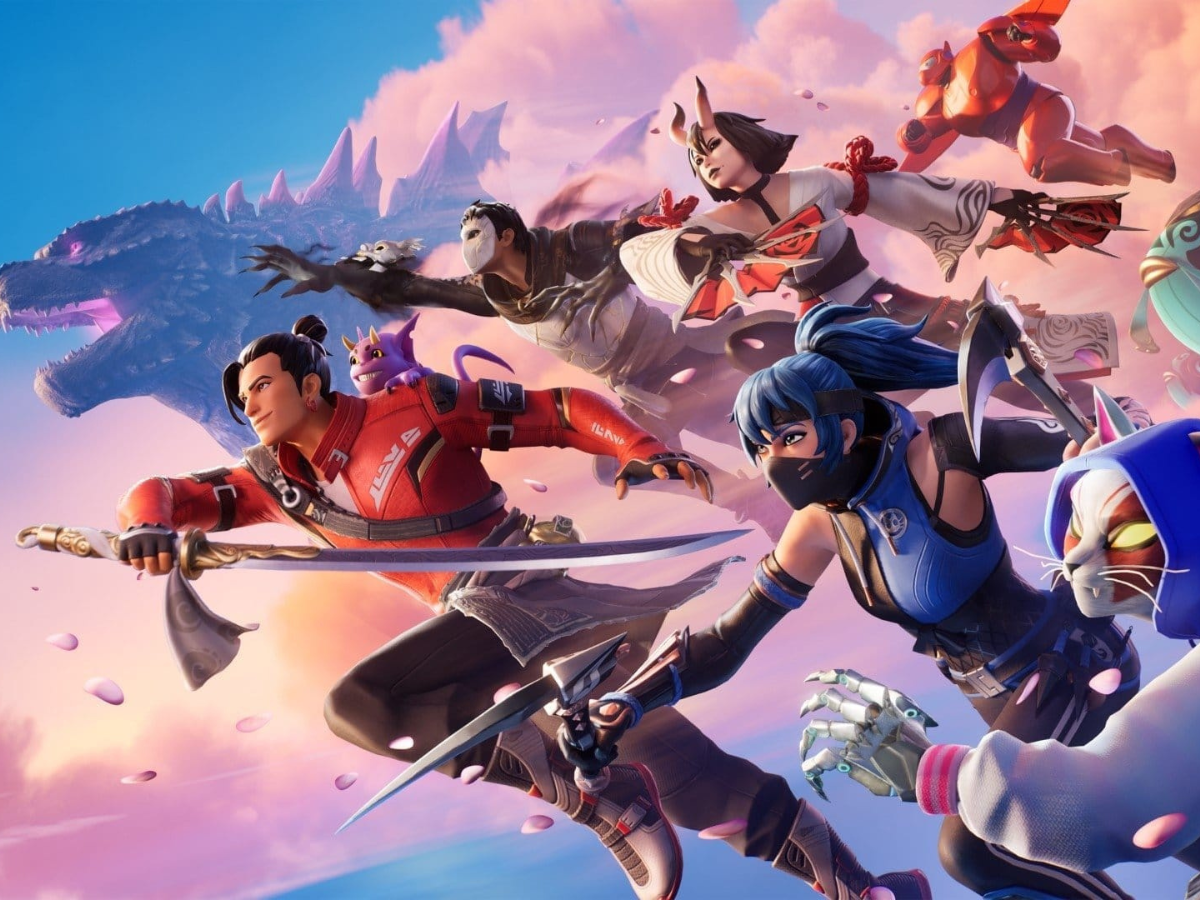
Fortnite has grown far beyond its origins as just another battle royale. These days, it’s less of a single game and more of a universe where you can do almost anything with your squad. One night, you might drop in for a sweaty zero-build session; the next, you’re front row at an in-game concert, racing cars, or even jumping into a Lego survival adventure. It’s constantly changing, and that unpredictability is exactly what keeps players coming back.
Epic keeps things fresh with seasons that turn the game upside down every few months. Sure, the essentials—jumping out of the Battle Bus, looting, and trying to be the last squad standing—stay as addictive as ever, but Fortnite always finds a way to add some spice. Whether you’re building skyscraper-sized forts in seconds, testing out the latest mode like Ballistic, or just hiding in a bush while your teammates do all the work (we’ve all been there), it’s the kind of game that never runs out of stories to tell.
- Genre: Battle Royale / Hero Shooter
- Release Date: February 4, 2019
- Developer: Respawn Entertainment
- Platforms: PC, PlayStation 4, PlayStation 5, Xbox Series X/S, Xbox One, Nintendo Switch, Nintendo Switch 2
- Players: 1-3
- Price: Free-to-play
If Fortnite is the wild party where anything goes, Apex Legends is the sharp, tactical alternative where teamwork truly shines. It’s a game built around squads, and every legend you choose comes with unique abilities that can completely change the outcome of a fight. From dropping a shield wall to zipping across the map with a grappling hook, no two characters—or matches—ever play out the same way.
The fast-paced gunplay is where Apex really flexes its muscles. Movement feels smooth, firefights are fierce, and clutch moments happen around every corner. There’s nothing quite like pulling off a last-second revive or outsmarting an enemy squad with a perfectly timed ability. It’s chaotic in the best way, but never sloppy—you’ll always feel like your squad’s coordination can make or break the game.
For those Sunday sessions when the boys want something a bit more intense than casual party games, Apex is the ultimate test of communication, reflexes, and squad synergy. Win or lose, every match is an adrenaline rush that leaves you craving just one more drop.
- Genre: Sports / Arcade (Car Soccer)
- Release Date: July 7, 2015
- Developer: Psyonix
- Platforms: PC, PlayStation, Xbox, Nintendo Switch
- Players: 1–8 players
- Price: Free-to-play
Rocket League often refers to car soccer as taking the world’s most popular sport and turning it upside down—literally. Instead of cleats and grass, you’ve got rocket-powered cars flipping through the air, boosting across the field, and scoring goals that would make Messi jealous (quite literally). It’s fast, it’s crazy, and it’s the kind of game where no two matches ever unfold the same way.
If you’re brand new, it’s complete chaos—bumping into your mates, missing easy shots, and laughing at how silly it all is. If you keep at it, though, the skill ceiling is crazy high. Aerial dribbles, wall rides, trick passes—the game rewards creativity just as much as accuracy.
It’s also the perfect mood-setter for a squad night. Did we mention matches only last a few minutes? Making it perfect for quick pick-up games or for running it back until you get revenge. Whether you’re there to climb the ranked ladder or just mess around in custom modes, Rocket League always sparks those “did you just see that?!” moments that keep the whole crew hooked.
- Genre: Hero Shooter / Team-Based PvP
- Developer: NetEase Games
- Platforms: PC (PlayStation & Xbox versions expected)
- Players: 6v6 battles
- Price: Free-to-play
Marvel Rivals stormed onto the scene at the end of 2024 and haven’t slowed down in 2025. The game drops you into 6v6 battles with a roster of over 30 Marvel heroes and villains, each with unique powers and roles—Vanguard, Duelist, or Strategist. You’re limited to one of each hero on your team, so mastering a few backups is just as important as sticking with your main.
At first glance, people called it an Overwatch clone, but Marvel Rivals brings enough personality to carve out its own identity. For one, it’s completely third-person, which gives the fights a more cinematic, comic-book feel. Add in team-based combos—like pairing Groot’s protection with Rocket’s firepower or using Doctor Strange’s portals to pull off surprise attacks—and you’ve got a formula that feels chaotic in the best way possible.
The game launched with a large selection of maps, ranked and casual modes, plus regular events and cosmetic unlocks. Crossplay is available, but with a twist: you can mix platforms in casual modes, while ranked matches keep you on your own system. It’s easy to feel overwhelmed with so many heroes staring back at you, but once your team finds a rhythm, every match feels like its own blockbuster battle scene.
And yes, it’s free-to-play—which means the in-game shop is filled with flashy costumes and cosmetics. The good news? You don’t need to spend a dime to enjoy the action with your crew. But I don’t blame you when you see Venoms rocking a new skin, and that itch of resisting not purchasing is a real endgame.
- Genre: Kart Racing
- Developer: Nintendo EPD
- Platform: Nintendo Switch 2
- Players: Races support up to 24 players simultaneously.
- Price: USD $79.99
Ready to take the crew for a drive through chaos? Mario Kart World flips the script on the classic kart racer by dropping you into a massive, roaming world where you can zoom from one iconic course to the next, go off-road across terrains, and even alter day/night cycles and weather. It’s the kind of game where your team picks their favourite character—yes, even the quirky ones like a penguin or a cow—and then just goes wild racing, drifting, boosting, and pulling off crazy stunts while laughing about someone’s epic crash.
What makes it such a strong choice for your next “boys’ session” is that it combines pure arcade fun with a big-group vibe: up to 24 players means it’s not just you and two friends—it’s your whole squad plus chaos and one of our favourites from Nintendo Switch, whether it’s burning rubber in the “Knockout Tour” elimination mode or just roaming around Free Roam with the boys hunting collectibles or taking funny photos mid-drift. It’s built for good times and goofy stories. If your usual gaming pick feels like it’s gone flat, this is a fresh pit-stop you’ll want to charge into.
- Genre: Fighting Game
- Developer: Bandai Namco Studios & Arika
- Platforms: PlayStation 5, Xbox Series X/S, Windows PC
- Players: 1-on-1 fights (online multiplayer supported)
- Price: uSD $59.99
Now if you’re looking for a dramatic fight, look no further than Tekken 8, which marks a new era for the franchise — not just visually, but socially. For the first time ever, the series introduced cross-platform play, allowing PlayStation, Xbox, and PC fighters to throw hands without barriers. The eighth entry feels like a perfect balance of classic Tekken chaos and modern fighting game design, featuring a stacked roster of characters you can take through an explosive story mode or jump straight into online battles against players from around the world.
Tekken 8 keeps things light with fun side modes like Tekken Ball, where you’re still technically fighting, but with a beach ball instead of your fists. Even after its first year, the game refuses to slow down—Season 2 introduced a new fighter, sweeping balance changes, and buffs that completely reshaped how certain characters play.
- Genre: First-Person Shooter
- Developer: Embark Studios
- Platforms: PC, PlayStation 5, Xbox Series X/S
- Players: 3-player teams (up to 12 players per match)
- Price: Free-to-play
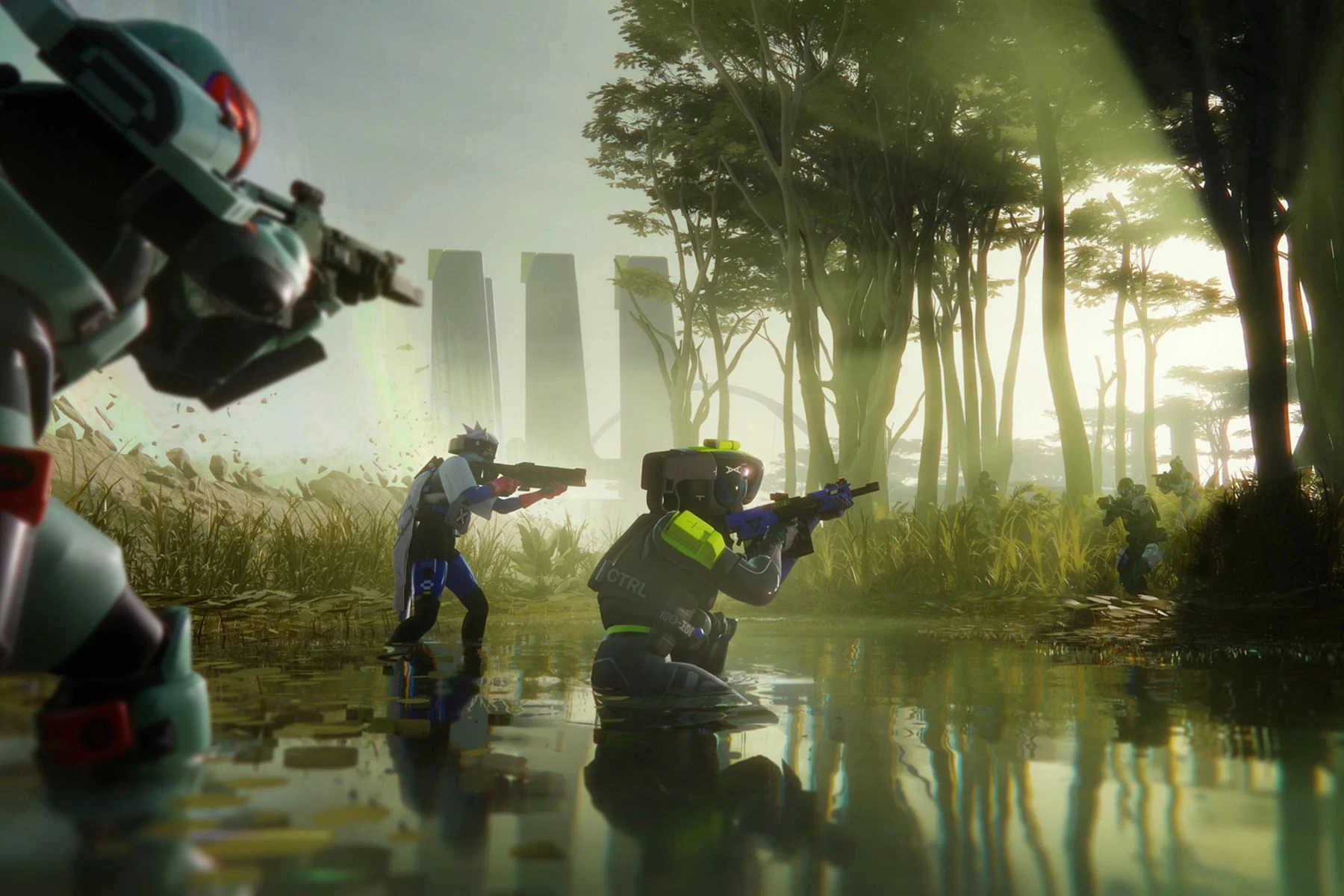
The Finals arrived with a bang and quickly became one of the most exciting FPS experiences in years. Imagine a fast-paced game show where you and your two teammates compete to grab cash, destroy buildings, and outthink rival teams—all in fully destructible arenas. Every wall, floor, and staircase can fall apart under gunfire or explosives, forcing teams to adapt on the fly. It’s chaotic, unpredictable, and incredibly satisfying when your strategy pays off.
Each class—Light, Medium, or Heavy—has unique loadouts and play styles, allowing your team to blend stealthy flanks with brute force or defensive control. The momentum-based movement, gadgets, and vertical maps make every match feel cinematic, especially when someone sends half the arena tumbling with a well-placed RPG.
Since its debut, The Finals has continued to evolve with new maps, limited-time modes, and steady balance updates that keep things competitive. It’s the kind of game where every victory feels earned and every loss turns into “one more round.” If your squad’s looking for pure chaos with a tactical edge, this is the one that’ll have everyone yelling in voice chat for hours.
- Genre: Action-Adventure / Platform (Co-op Only)
- Developer: Hazelight Studios
- Platforms: PlayStation 5, Xbox Series X/S, PC (Windows), Nintendo Switch 2
- Players: 2
- Price: USD $49.99
If your squad is looking for something a bit different—less “shoot & loot” and more “laugh & collaborate”—Split Fiction offers a perfect twist. You two jump into the roles of writers Mio and Zoe, trapped within their own imaginary worlds (one sci-fi, one fantasy) and forced to collaborate if they ever want to escape. The game throws you into one minute of dragon-riding, then the next dodging hover cars in a neon city—you never know what strange, wild scene is coming next.
The best part here is how well it works as a duo. One purchase, and a friend can join via the Friend’s Pass; full cross-play across platforms means you and your buddy can team up no matter what console each of you uses. While the game’s co-op design is tight and purposeful, it still offers enough different mechanics and visual flair that your Sunday session won’t feel like the same old routine. And when you pull off that perfectly timed team jump or solve a puzzle together? That’s the kind of moment your crew will remember next week.
- Genre: First-Person Shooter
- Developer: Treyarch & Raven Software (Published by Activision)
- Platforms: PlayStation 5, Xbox Series X/S, PC
- Players: Up to 150 players (Warzone) / 1–6 players (Black Ops 6 modes)
- Price: USD $69.99
Call of Duty is basically the weekly gathering spot for gamers worldwide. With Black Ops 6 and Warzone at the forefront, the series feels more alive—or more connected than ever. Both titles support full cross-platform matchmaking, making it simpler than ever to team up with friends regardless of the system they use. If you’re on console and want to avoid PC lobbies (and the occasional cheater), you can now turn off cross-play entirely—a new feature that’s been a significant win for console players.
Cross-play is incredibly simple. All you need is your friend’s Activision ID, a quick add through the social menu, and you’re ready to join a match together. It’s smooth, adaptable, and remains one of the top features Call of Duty has introduced since Modern Warfare (2019) first brought it in.
Gameplay-wise, Black Ops 6 offers that sleek espionage-heavy campaign and the new Omni-Movement System, allowing you to dive, sprint, and aim in any direction. Meanwhile, Warzone remains the ideal arena for large-scale, chaotic fun—150 players dropping in, looting, and shouting through comms as the circle shrinks. Whether you’re sweating through ranked matches or just having fun with the squad, this duo has something for everyone.
- Genre: Action Role-Playing Game
- Developer: Capcom
- Platforms: PlayStation 5, Xbox Series X/S, Windows PC
- Players: 1-4
- Price: USD $69.99
Capcom’s Monster Hunter Wilds takes everything players loved about World and cranks the scale up even higher. You take on the role of a professional Hunter—a sword-swinging, bow-wielding protector for hire—charged with maintaining peace between civilisation and the giant creatures that inhabit the untamed wilds. Some hunts are quick cleanups, while others feel like confronting a natural disaster. Each encounter tells its own story, and every victory feels earned through grit, teamwork, and a touch of luck.
This time, the world feels more alive than ever. You’re moving through vast open areas that change with the weather, turning familiar hunting grounds into new challenges on the spot. While you can go solo, Wilds shines brightest when playing with friends—calling out strategies mid-fight, setting traps, or running for safety when a monster suddenly decides it’s had enough. Co-op has been made easier to set up than before, though it still has that slightly clunky Monster Hunter charm during matchmaking.
The smartest way to experience it? Team up for story missions when you can, then go on free hunts to enjoy the scenery and gather rare loot. Monster Hunter Wilds isn’t just a sequel—it’s a big, evolving adventure built for squads who love the thrill of the hunt.
- Genre: Third-Person Shooter / Roguelike
- Developer: Housemarque
- Platforms: PlayStation 5, Windows PC
- Players: 1–2
- Price: USD $69.99
Few games evoke the feeling of mystery and tension quite like this PS5 exclusive from Housemarque. At its core, it’s a compelling sci-fi story following astronaut Selene Vassos, stranded on the hostile planet Atropos and caught in a relentless time loop. Each death resets the world, rebuilding alien landscapes and spawning new threats, turning every run into an experience of discovery, chaos, and déjà vu. The story unfolds gradually, with each loop revealing more about Selene’s haunting past and the planet’s eerie secrets.
What makes it even better is that it’s no longer a solo affair. Thanks to the Ascension update, two players can now explore Atropos together online. The addition of co-op transforms the experience from a lonely fight for survival into a shared odyssey filled with clutch revives, synchronized dodges, and shared panic when the sky lights up with enemy fire. It’s brutal, beautiful, and unbelievably satisfying once you and your partner finally conquer the loop.
With its slick gameplay, cinematic storytelling, and mind-bending world design, Returnal is the ideal challenge for duos who thrive on intensity and enjoy solving mysteries.
- Genre: Fantasy Survival – Crafting
- Developer: Jagex Ltd
- Platforms: PC (Windows)
- Players: 1–4
- Price: USD $29.99
Set on the newly discovered continent of Ashenfall, RuneScape: Dragonwilds places you and your team at the heart of Gielinor’s most dangerous frontier. The landscape is breathtaking, but every part of it seems to push you out. From savage wildlife to ancient powers tied to the Dragon Queen, survival isn’t just about building a base — it’s about earning your place in a world that actively fights against you.
You’ll chop, cook, craft, and fight to carve out a home in this hostile wilderness, and every skill you develop opens new ways to survive. It’s a familiar formula done right, blending nostalgia from RuneScape’s long history with new, magical twists that keep things exciting. Levelling up your abilities feels truly rewarding—especially when you start experimenting with rune-infused powers like Axtral Projection, which lets you send your enchanted axe spinning through the air to clear forests in seconds.
It’s wild, a bit ridiculous, and exactly the kind of moment that makes this survival game shine. Even in Early Access, Dragonwilds already feels alive—a tough, unpredictable playground where teamwork, creativity, and a touch of mischief go a long way.
- Genre: Online Shooter / Action RPG
- Developer: Bungie
- Platforms: PlayStation 5, Xbox Series X/S, Windows PC
- Players: Up to 6-player fireteams (PvE & PvP modes)
- Price: Free-to-play
Seven years on, Destiny 2 has become one of the biggest live-service games worldwide. Bungie has created a universe that keeps expanding—new storylines, seasonal events, and world updates encourage Guardians to return week after week. One of the best features is full cross-platform play, so regardless of which system your friends use, you can jump into the action together. It’s one of those rare multiplayer experiences that genuinely feels connected, from PlayStation to PC.
There’s a bit of everything here, but Destiny 2’s core is in its PvE content. Raids, dungeons, and strikes require communication, precision, and a squad that stays calm under pressure. The sense of achievement when you finally defeat a boss that’s wiped out your team half a dozen times? Unmatched. PvP enthusiasts can enjoy Crucible or Gambit, but it’s those long, strategic co-op sessions that define the experience. Oh, did we mention that it’s free to play? It’s one of the easiest ways to get your friends hooked for your next gaming night.
- Genre: Sports / Basketball Simulation
- Developer: Visual Concepts
- Publisher: 2K Games
- Platforms: PlayStation 5, Xbox Series X/S, PC, Nintendo Switch
- Players: 1–4
- Price: USD $29.99
Bruh, wanna hit some 2K? Yeah, this year’s edition marks 25 years of the 2K series with the new ProPLAY technology, which turns real NBA footage directly into gameplay animations — meaning your favourite players move, shoot, and react more realistically than ever. Whether you’re running pickup games in The City, building your dream roster in MyTEAM, or taking your custom player through MyCAREER, the game thrives on teamwork and competition.
It’s also fully cross-platform, allowing PlayStation and Xbox players to finally compete or team up — a long-awaited feature that’s made multiplayer smoother and much more accessible. Sure, you’ll still encounter the occasional player hogging the ball, but when your team finds its rhythm — passing, dunking, and locking down on defence and those high-energy moments where friendship, rivalry, and skill collide in the perfect highlight reel.
- Genre: Sports / Football Simulation
- Developer: EA Vancouver & EA Romania
- Platforms: PlayStation 5, Xbox Series X/S, PC, Nintendo Switch
- Players: 1–22 (online multiplayer, Ultimate Team, Clubs, Career Mode)
- Price: USD $69.99
Let’s not forget our football fans out there, and this one is for you guys with EA’s flagship football series that continues to dominate the pitch. EA Sports FC 26 keeps the momentum going with sharper visuals, improved player physics, and a renewed focus on realistic movement that makes every touch and tackle feel alive. The gameplay feels smoother, faster, and more reactive than before, giving players the freedom to express themselves with precision passing, fluid dribbling, and some truly satisfying goals. It’s the kind of game where one clutch volley or last-minute save can change the entire vibe of a Sunday session.
Cross-play remains one of the biggest highlights, enabling PlayStation, Xbox, and PC players to team up or compete against each other without restrictions. For squads, the Clubs mode truly kicks off—the cheer and chaos are unmatched as you and your friends craft a team from the ground up, design your jackets, and climb through divisions like a genuine football club. The camaraderie, chaos, and occasional yelling over missed penalties make it one of the top multiplayer experiences out there.
Beyond Clubs, there’s still plenty to explore. Ultimate Team keeps its addictive grind alive with new chemistry systems and player cards, while Career Mode allows you to take control of your favourite club or craft your own football story from scratch. Despite the yearly debates about micro transactions and balance tweaks, there’s no denying that EA Sports FC 26 remains the top football experience to share with your friends—intense, unpredictable, and endlessly repayable.
Every title on this list has been part of our own gaming nights with friends and coworkers, where things usually start calm and end in complete mayhem, laughter, and friendly trash talk. These are the games that light up the group chat, keep everyone online longer than planned, and bring that spark of competition and camaraderie that makes multiplayer gaming what it is. We know which titles genuinely deliver the energy — the ones that make you cheer after a clutch win, yell after a bad loss, or laugh until your mic cuts out. We test new releases, track updates, and monitor popular games to recommend the best online squad games. We’ve experienced those all-nighters, played in the best lobbies, and know what creates hype for unforgettable sessions.