






Smartphones

How Apple Created The Thinnest ‘iPhone Air’ In Its Lineup

Reading Time: 8 minutes

Share via

Our team of editors and experts thoughtfully chooses each product. If you decide to buy through one of our links, we may earn a commission. Learn more. Want to know how we test products? Click here for more details.

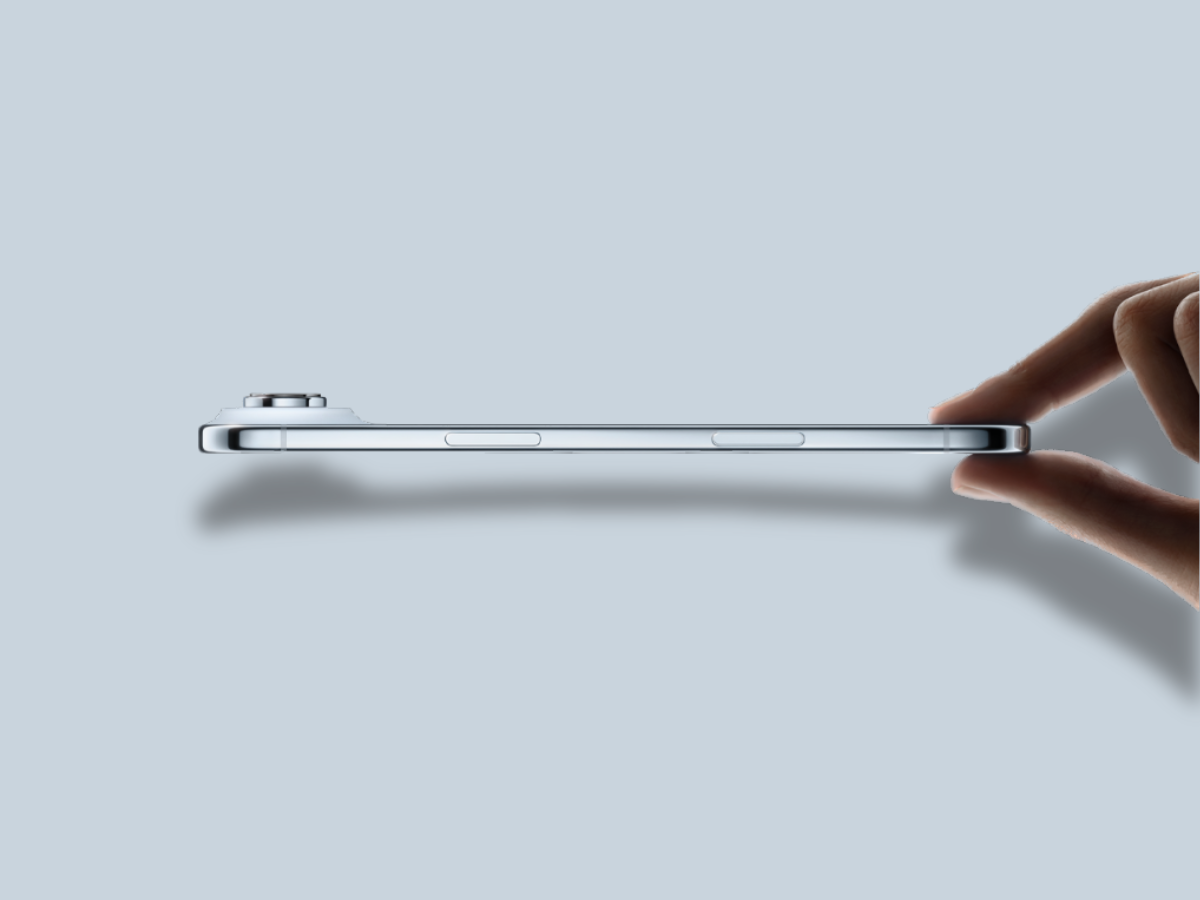
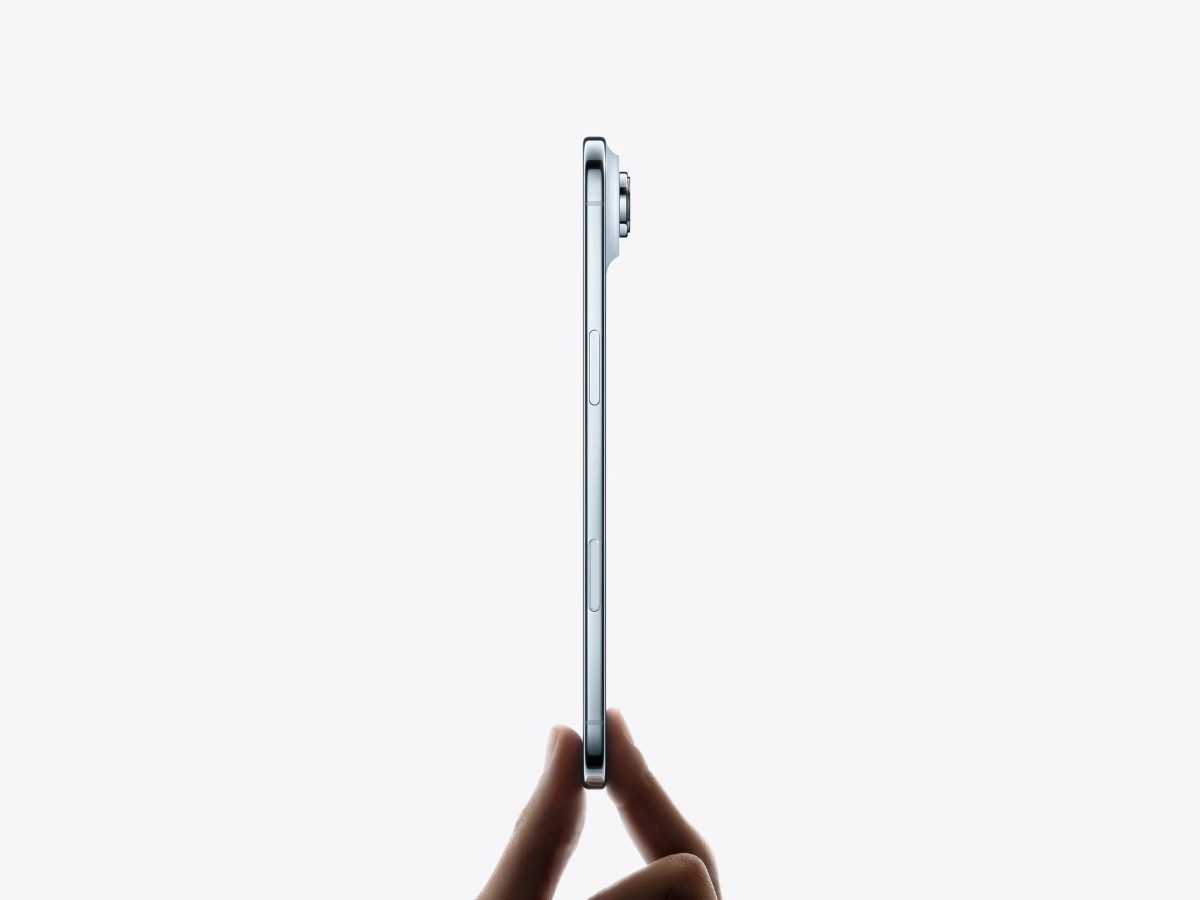
Apple has been flirting with ultra-thin iPhones for years, but the iPhone Air is the first time the company has truly delivered on that promise in a meaningful way. At just 5.6mm thick, powered by the new A19 Pro chip, and positioned between the iPhone 17 and 17 Pro, the Air feels less like a mere variant and more like Apple creating a whole new segment in the lineup. It’s light, sleek, and very deliberate in how it sets itself apart from the rest of the family.

Of course, comparisons didn’t take long to surface. Some people immediately wondered if the Air was now the thinnest phone in the world — and the answer is still no. That record still belongs to Huawei’s tri-fold Mate XT Ultimate, which achieves an almost unbelievable 3.6mm thickness when fully unfolded. However, that device benefits from spreading components across multiple panels. Apple had to design within the constraints of a single, rigid slab of glass and metal.

That challenge is what makes the iPhone Air intriguing. To hit this thinness without sacrificing performance, Apple had to rethink parts of the internal layout that haven’t changed in years. Components were reshaped, shifted, or merged; material choices became more strategic; and some long-standing design beliefs were completely reevaluated.

Naturally, the world reacted as it always does — half calling it a bold glimpse at where smartphones are headed, the other half insisting they made the right choice by sticking with Samsung this time. No surprise there.

What’s worth exploring is how Apple actually engineered this. Building a 5.6mm flagship isn’t just a matter of ‘shrinking it and shipping it.’ There’s real engineering behind this silhouette — and a few clever sacrifices that made it possible.

Here’s what went into creating the thinnest iPhone Apple has ever released.
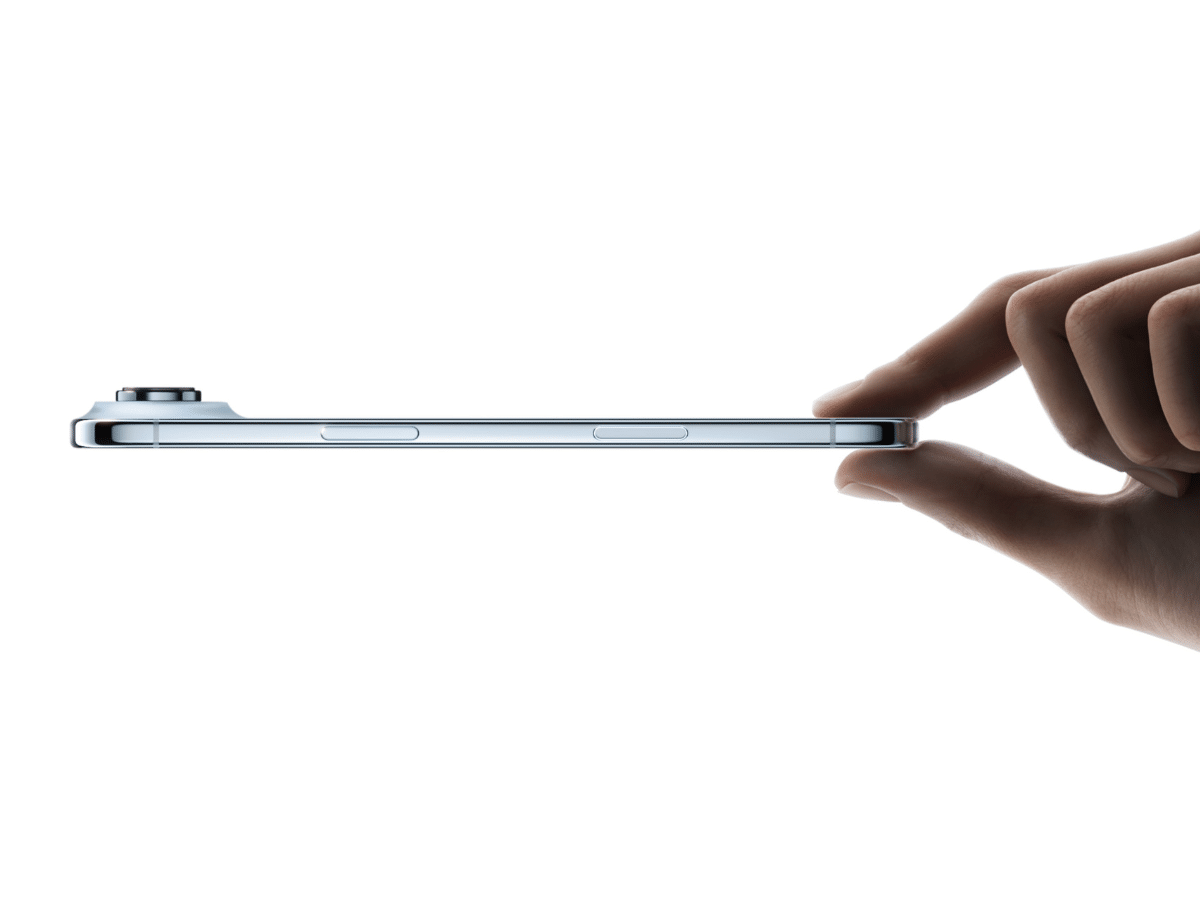
iPhone Air | Image: Apple

The All-New Redesigned iPhone

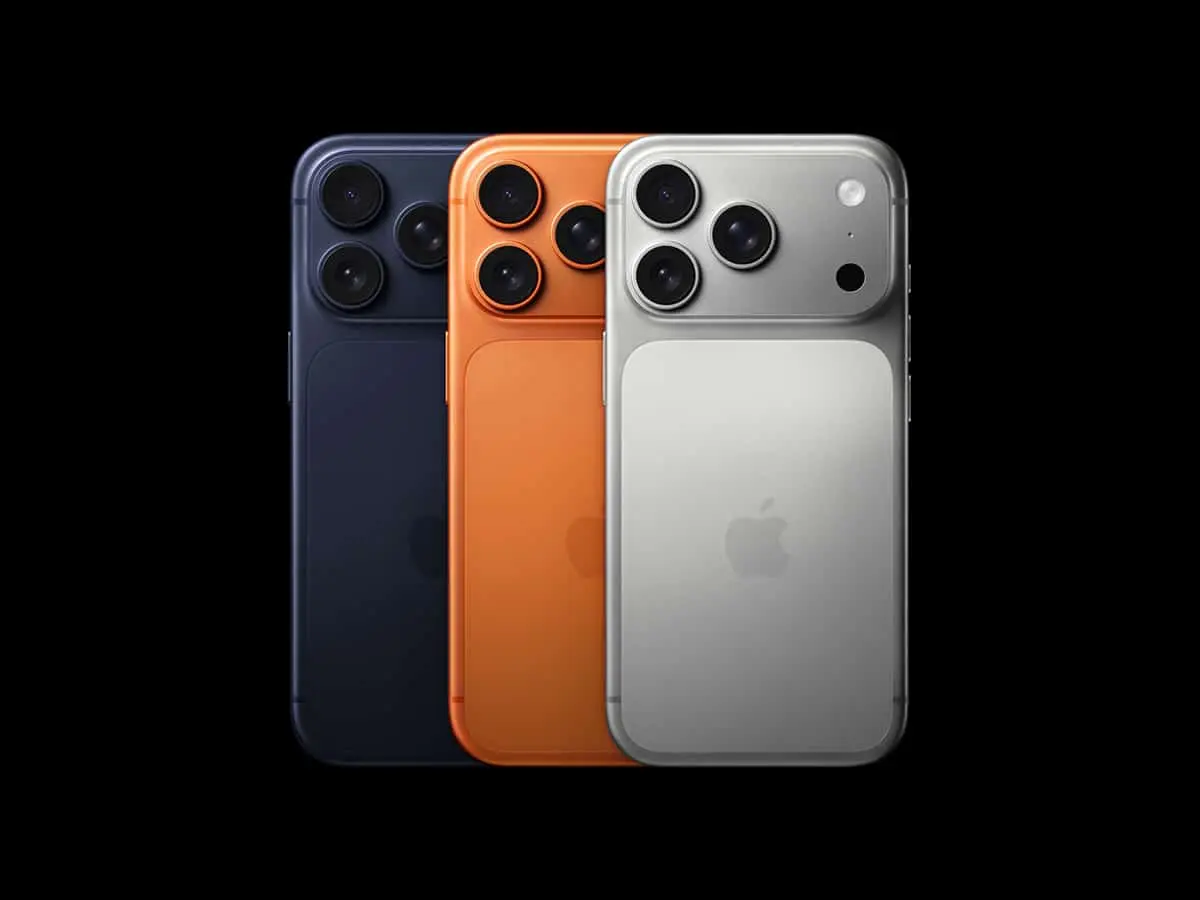
The first thing you might notice on the iPhone Air is the camera bump — or “camera plateau,” as Apple likes to call it. Typically, I’m not a fan of these protruding islands. They’ve always felt like engineering compromises disguised as design choices. On a Pro device, that’s okay. On a phone designed for daily use? The bumps often get in the way more than they help. But the iPhone Air is a rare exception where the bump truly justifies itself, because it’s not merely housing a lens — it’s housing the phone’s essential hardware.

Instead of spreading components evenly across the entire chassis like most smartphones, Apple concentrated much of the iPhone Air’s internal components into the camera bump. The goal was to free up as much space as possible inside the main body so the Air could remain ultra-thin while still leaving room for a functional battery.

It’s the same thought when Apple used when shrinking down the MacBook’s internals to create the original MacBook Air back in 2008 — take the essential components, miniaturise them, and arrange them efficiently. This redesign also explains why the Air currently comes with just a single camera for now. Fitting a second lens would require shrinking the internals even further, something Apple might try in a future model.
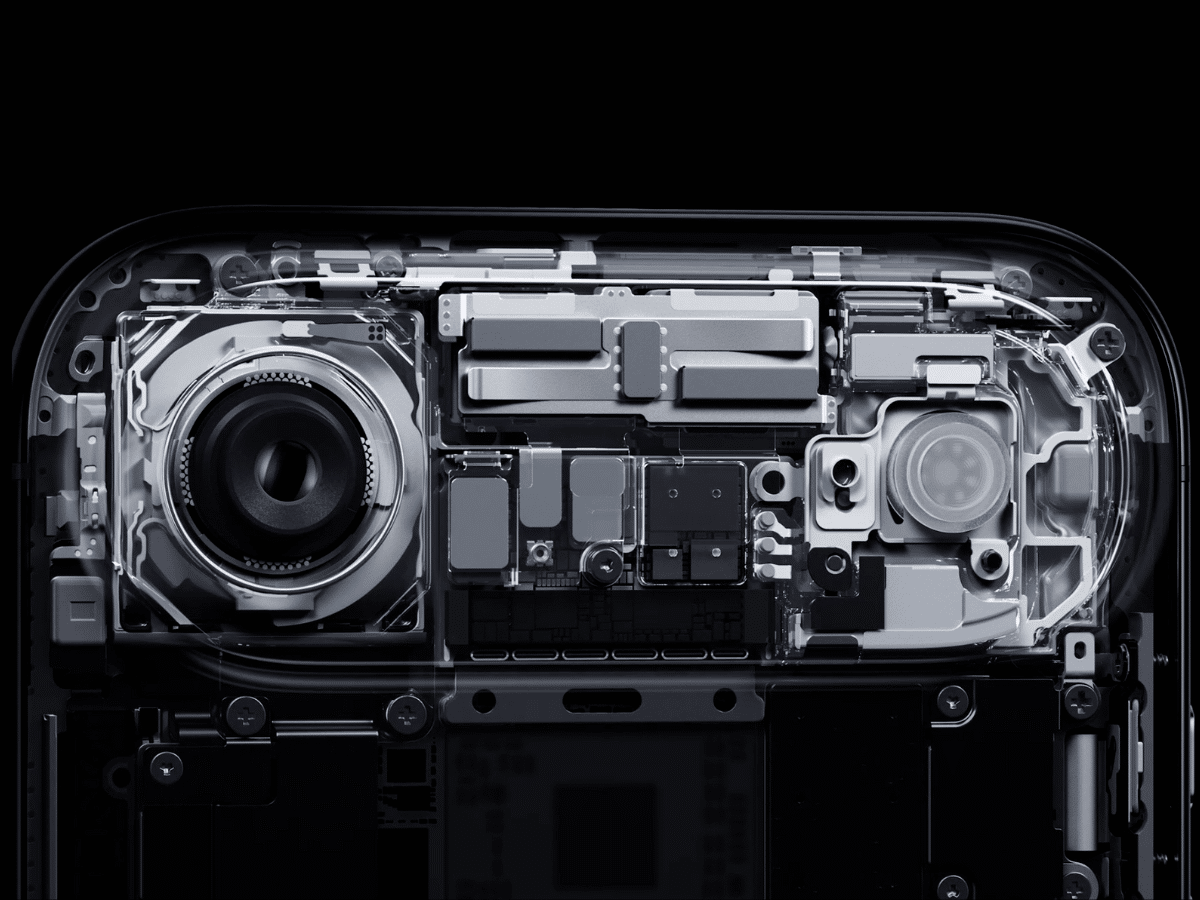
The iPhone Air’s plate is sculpted to fit the custom cameras, speaker, and Apple silicon, dedicating more space to the battery.| Image: Apple

Inside, you’ll find the compact structure that lives on the new silicon. The A19 Pro powers the iPhone Air — a slightly simplified version of the chip in the 17 Pro models — along with Apple’s updated C1X modem and the all-new N1 networking chip. The C1X is an evolution of Apple’s first in-house modem, which debuted in the iPhone 16e, with Apple claiming significant improvements in efficiency and speed. The bigger upgrade is the N1, which introduces Bluetooth 6, Wi-Fi 7, and Thread support, making the Air more future-proof and more power-efficient for everyday use.

But as an iPhone user myself, I can’t help but think about its thermal performance, considering it will be packed into this hardware with such a thin frame, and it makes me wonder how it will hold up with heat during heavy workloads. But until I get a hold of one and see it in real-world conditions, I’ll let the iPhone do the talking.
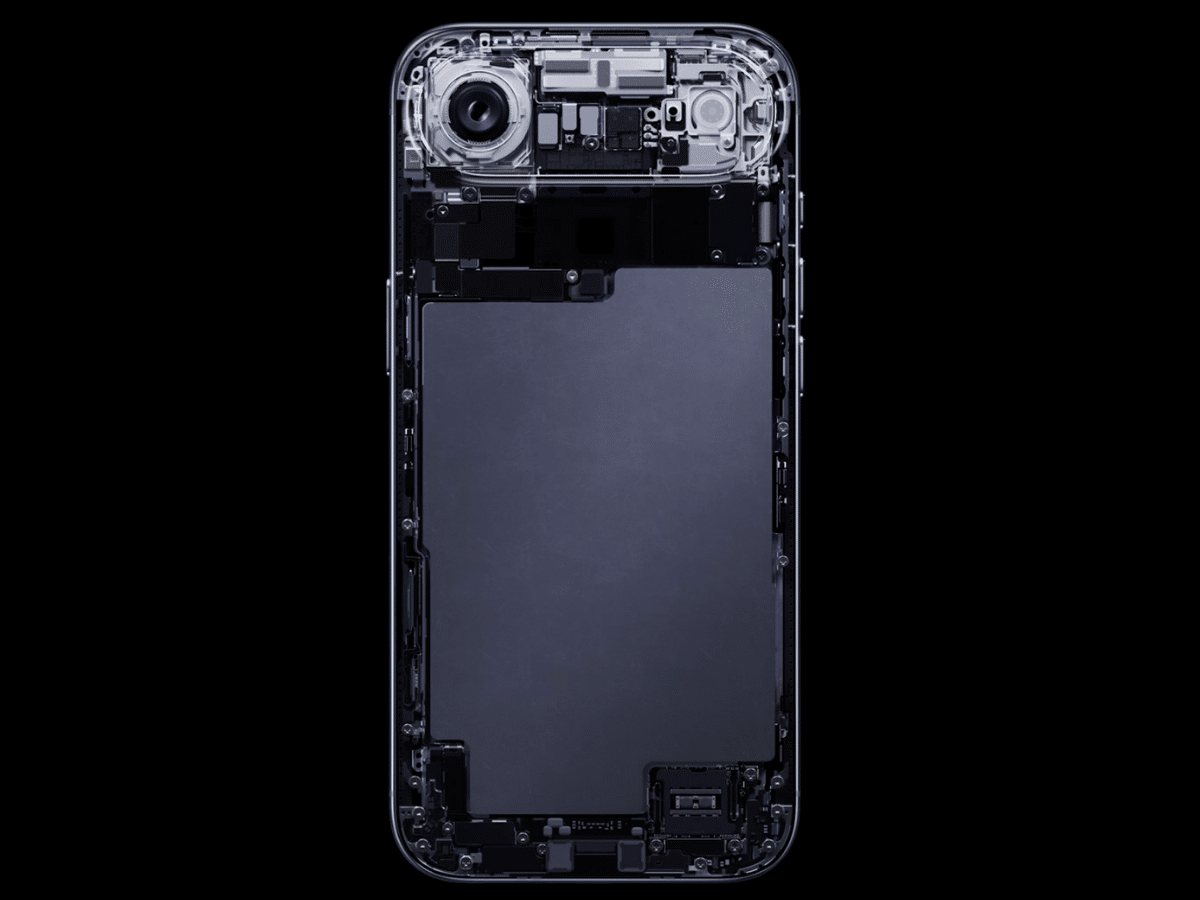
Iphone Air’s Battery | Image: Apple

iPhone Air’s Battery

Now, this is where things become interesting, and everyone is curious about the iPhone Air’s battery. The iPhone Air features a 3,149mAh battery, which is notably small compared to the rest of Apple’s lineup. For perspective, the 6.1-inch iPhone 16e has a 4,005mAh cell, and the standard iPhone 17 comes with a 3,692mAh battery. On paper, the Air appears underpowered — a battery of this size in such a slim phone doesn’t initially inspire confidence.

But the Air’s secret isn’t battery size; it’s efficiency. Thanks to the combined work of the A19 Pro chip, the new C1X modem, and the N1 networking chip, the phone manages to stretch its smaller battery surprisingly far. Apple claims the Air can reach 27 hours of video playback, which actually exceeds the 16e despite the Air having a significantly smaller battery. That’s a pretty bold statement for a device built around extreme thinness.

Here’s the good news: if you want even more battery life, Apple has its usual solution—the iPhone Air MagSafe Battery that snaps onto the back of the phone. With that added, the Air jumps to 40 hours of video playback, surpassing even the 17 Pro Max and its massive 5,088mAh battery. You’ll need to pay extra for the accessory, but the option is available for users seeking multi-day stamina at USD $99.

Most people look for battery improvements when upgrading their phone, and in a roundabout way, Apple has delivered them here. The raw capacity might not impress, but the gains from the C1X and N1 chips suggest a bigger trend — the kind of smart power management that could benefit every model in the iPhone 18 lineup. If Apple can bring these efficiencies to its larger, more capable devices, we could see serious battery advancements next year.
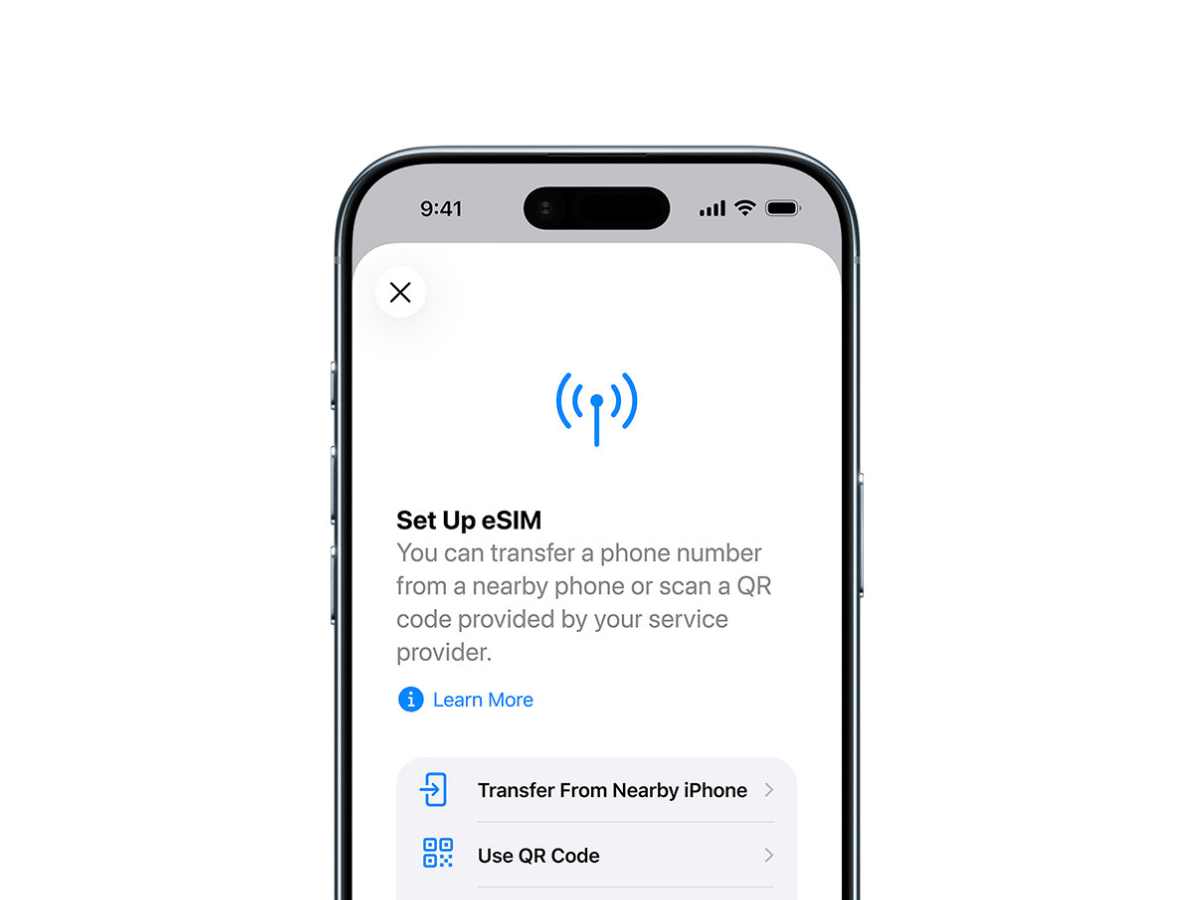
iPhone Air is locked to eSim | Image: Apple

No SIM Card Tray?

When aiming for extreme thickness, obviously, there’s going to be something missing for sure, and one of them is the complete removal of the physical SIM card tray. The iPhone Air is the first in the lineup to operate exclusively on eSIM, with no fallback option. Apple states that removing the tray was necessary to free up space inside the 5.6mm frame — and on a device this thin, every tiny component matters.

The change sounds simple on paper, but it’s a real challenge for anyone using an older device that still relies on a physical SIM. Not all carriers worldwide support eSIM, and even in areas where it’s offered, the traditional method of removing your SIM and inserting it into a new phone remains the fastest way to get started. Anyone who frequently switches devices knows how easy that used to be, especially for those who travel quite often.

With eSIM, the process becomes a bit more complex. Transferring to a new phone requires an internet connection, carrier approval, and a few extra setup steps. It works, and it’s improving with each generation, but it’s not as instant or widespread as the physical card we’ve used for years.

I believe that, in the long run, this will be the future for all smartphones, with Apple potentially leading the industry towards a time when physical SIMs no longer exist — the iPhone Air could very well be the turning point — but for now, it feels a bit like when Apple removed the headphone jack. The move makes sense from an engineering perspective, yet it still hurts for users who appreciated the simplicity of swapping cards in seconds.


AppleiPhone
About the Author
Previous Post
MINI JCW x Deus Ex Machinas Unveil Dual One-Off Cars
Next Post
Here’s Everything You Missed From Apple’s iPhone 17 Showcase

Related Articles

Samsung’s Galaxy S25: The Next Big Step in Mobile AI Evolution

Reading Time: 8 minutes

Our team of editors and experts thoughtfully chooses each product. If you decide to buy through one of our links, we may earn a commission. Learn more. Want to know how we test products? Click here for more details.

Samsung has just launched its new Galaxy S25 smartphone lineup, offering a multitude of enhancements to last year’s impressive S24 series. However, your excitement for these refined devices may depend on one crucial factor: your perspective on AI.

As is tradition at Samsung, the new lineup includes three models—the Galaxy S25, S25+, and the flagship S25 Ultra. Together, they signify what Samsung describes as “a new chapter in mobile AI.” According to the tech giant, the devices’ multimodal AI agents are designed to “change the way users interact with their phones—and with their world.”

Samsung Galaxy S25+ | Image: Samsung

Whether that vision sounds promising or somewhat unsettling likely depends on how you perceive our increasingly AI-integrated future. For now, it signifies more human-like interactions with your phone’s AI, along with a variety of additional features that, while perhaps not essential, are undeniably impressive. The S25 range also features several notable hardware enhancements, including an upgraded camera system and a new curved design for the Ultra model. Initially, I was skeptical about moving away from the S24 Ultra’s signature square corners, but after experiencing the S25 Ultra hands-on at a recent preview briefing, I must admit the slightly curved corners add a touch of elegance.

Now that we have that introduction out of the way, let’s explore in more depth what the Galaxy S25, S25+, and S25 Ultra offer—and whether they live up to the hype.

Samsung S25 Key Specifications Breakdown

The Galaxy S25 series offers a versatile lineup with something for everyone, from compact convenience to cutting-edge innovation. Whether you’re looking for a lightweight option, a balanced mid-tier device, or a flagship powerhouse, the S25 series delivers. The Galaxy S25 focuses on portability and essential features, while the Galaxy S25+ brings a larger display and improved battery life. For those who demand the best, the Galaxy S25 Ultra stands out with its stunning 200MP camera, S Pen support, and premium design. This breakdown of the key specs showcases how Samsung caters to different user preferences while setting new standards for performance and design in the smartphone market.

Model Galaxy S25Galaxy S25+ Galaxy S25 Ultra 
OSAndroid 15 One UI 7Android 15 One UI 7Android 15 One UI 7
Display 6.2-inch FHD+6.7-inch QHD+6.9-inch QHD+
Display Resolution Dynamic AMOLED 2X Display  Super Smooth 120Hz Refresh Rate (1-120Hz) Vision Booster  Adaptive Colour Tone Dynamic AMOLED 2X Display  Super Smooth 120Hz Refresh Rate (1-120Hz) Vision Booster  Adaptive Colour Tone Dynamic AMOLED 2X Display  Super Smooth 120Hz Refresh Rate (1-120Hz)  Vision Booster  Adaptive Colour Tone
Memory & Storage 12 GB + 128 GB 
12 GB + 256 GB
12 GB + 512 GB
12 GB + 256 GB
12 GB + 512 GB 
12 GB + 256 GB
12 GB + 512 GB 
12 GB + 1 TB
Rear Camera Resolution50.0 MP
10.0 MP
12.0 MP
50.0 MP 1
0.0 MP 1
2.0 MP
200.0 MP
50.0 MP
50.0 MP 
10.0 MP
Rear Camera Zoom Optical Zoom 3x Optical Quality Zoom 2x (Enabled By Adaptive Pixel Sensor)  Digital Zoom Up to 30x Optical Zoom 3x Optical Quality Zoom 2x (Enabled By Adaptive Pixel Sensor)  Digital Zoom Up to 30x Optical Zoom 3x and 5x  Optical Quality Zoom 2x and 10x (Enabled By Adaptive Pixel Sensor)  Digital Zoom Up to 100x 
Front Camera Resolution 12 MP 12 MP12 MP
S Pen Support NoNoYes 
Dimensions  (HxWxD, mm) 146.9 x 70.5 x 7.2 158.4 x 75.8 x 7.3162.8 x 77.6 x 8.2 
Weight 162g 190g218g 
Battery 4,000 mAh 4,900 mAh5,000 mAh 

Snapdragon 8 Elite Chip

The Snapdragon 8 Elite chip is the new chip behind the Samsung Galaxy S25 series, delivering significant performance improvements—40% faster NPU, 37% faster CPU, and 30% faster GPU—compared to previous models. In other words, it provides smoother multitasking, faster gaming, and an enhanced AI-driven experience.

This is where AI capabilities make the difference in the devices becoming more intuitive. They offer smarter voice commands, real-time translation, and AI-powered image processing, delivering stunning visuals and smooth gameplay. Despite all the power, the Snapdragon 8 Elite also ensures energy efficiency, giving you all-day use. Plus, it’s paired with an enhanced cooling system that keeps the phone from overheating, even during intensive tasks like 8K video recording.

Samsung Galaxy S25 Ultra | Image: Samsung

One UI 7

With the launch of One UI 7, taking their AI-powered user interface to exciting new heights! This update is all about automation—say goodbye to the days of manually managing apps, calendars, and emails. One UI 7 is designed to be your true AI companion, understanding your needs and freeing up your time for what really matters.

So, what’s new? Let’s dive into some of the standout features:

  • Natural Interactions: This next-gen interface, developed in partnership with Google, interprets text, speech, images, and videos, making your interactions feel more fluid and intuitive. Need to make a call or send an email? Just tap, and you’re good to go.
  • Gemini AI Integration: With the power of Google’s Gemini AI model, One UI 7 enhances various apps, including third-party ones like Spotify. Planning to add your favourite sports team’s schedule? Just ask, and let One UI 7 handle it,
  • Personal Data Engine: This innovative feature analyzes your usage patterns right on your device, allowing the system to offer personalized AI functionalities tailored just for you. The more you use it, the smarter it gets.

And the best part? If you’re not ready to upgrade to the Galaxy S25 just yet, don’t worry! One UI 7 will eventually roll out to older Galaxy devices, so everyone can enjoy these amazing AI enhancements.

Samsung is clearly paving the way for a more intuitive and AI-driven future in mobile tech with One UI 7, and we can’t wait to see what’s next.

Samsung Galaxy S25 Ultra | Image: Samsung

50MP Ultra-wide Camera

Samsung’s camera system has long been a point of pride, and the Galaxy S25 range looks set to further solidify its place at the top of the mobile photography game, especially with the S25 Ultra leading the way. At the forefront of this leap forward is the new 50MP Ultra-wide Camera sensor, a major upgrade from the S24 Ultra’s 12MP.

This improvement was demonstrated during a preview briefing, where it certainly impressed. The 50MP Ultra-wide Camera captures ultra-detailed shots across a range of distances, delivering stunning clarity with vibrant colours—qualities that Samsung claims are made possible by its high-resolution sensors and the ProVisual Engine.

Samsung Galaxy S25+ | Image: Samsung

Additionally, the S25 series now supports 10-bit HDR recording by default, enabling users to capture more details in a wider range of lighting conditions. This means the S25 Ultra will perform even better in tricky environments, offering clean, clear footage with more dynamic contrast and richer colours. Samsung’s AI-powered processor plays a role here, analyzing movement and time to reduce noise, while offering more precise detection of both moving and static objects for sharper images in nearly any scenario.

The camera system is also packed with a range of AI-enhanced editing features—some of which may feel gimmicky to some—but Samsung’s solid track record in mobile photography is hard to ignore. If history is any indication, the 50MP Ultra-wide Camera on the S25 series will live up to the brand’s high standards and deliver exceptional results for photographers and casual users alike. Whether you’re capturing wide-angle shots, detailed close-ups, or high-quality video, you can expect impressive performance across the board.

Samsung Galaxy S25 Ultra | Image: Samsung

Availability and Pricing

The Samsung Galaxy S25 series is set to launch globally on February 14, with availability in key markets such as the U.S., Europe, and parts of Asia. Pre-orders will likely begin shortly before the official release, and you’ll be able to purchase the devices through Samsung’s official website, major retailers, and carrier partners.

Here’s a breakdown of the pricing in USD for the different models in the S25 Range Series:

  • Galaxy S25: Starting at USD $799
  • Galaxy S25+: Starting at USD $1,119
  • Galaxy S25 Ultra: Starting at USD $1,299

These prices reflect the base configurations with standard storage options, but higher storage variants will likely be available for an additional cost. Keep in mind that prices may vary by region and special promotions, so it’s a good idea to check with local retailers or Samsung’s official website for the most up-to-date information.

Samsung Galaxy S25+ | Image: Samsung
Samsung’s New Crocs Case With The Obligatory Jibbitz | Image: Samsung

About the Author

Related Articles

arrow_drop_up