




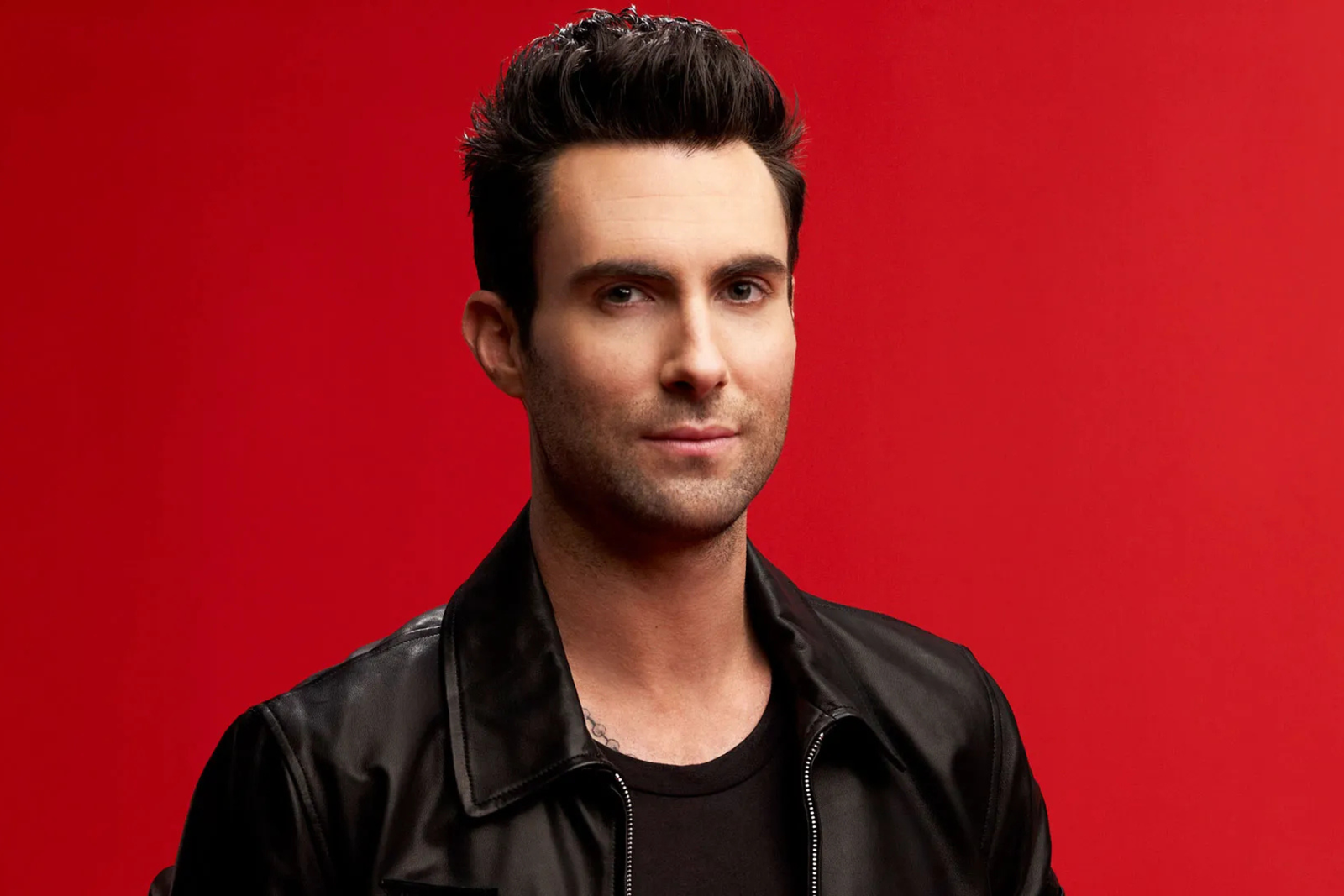

A bigger forehead is one of those features people often overthink, even though it’s rarely the first thing anyone else notices. Most of the time, it isn’t the feature itself that looks off, but the haircut sitting above it. When the proportions are wrong, the whole look feels awkward; when they’re right, everything suddenly clicks into place.
These hairstyles are designed to complement your natural features rather than against them, focusing on balance, texture, and movement instead of trying to hide anything, which is exactly why this list comes in. Some of the cuts are clean and low-maintenance, others are more relaxed or expressive, but every style here is chosen for being easy to live with and genuinely flattering without feeling forced.
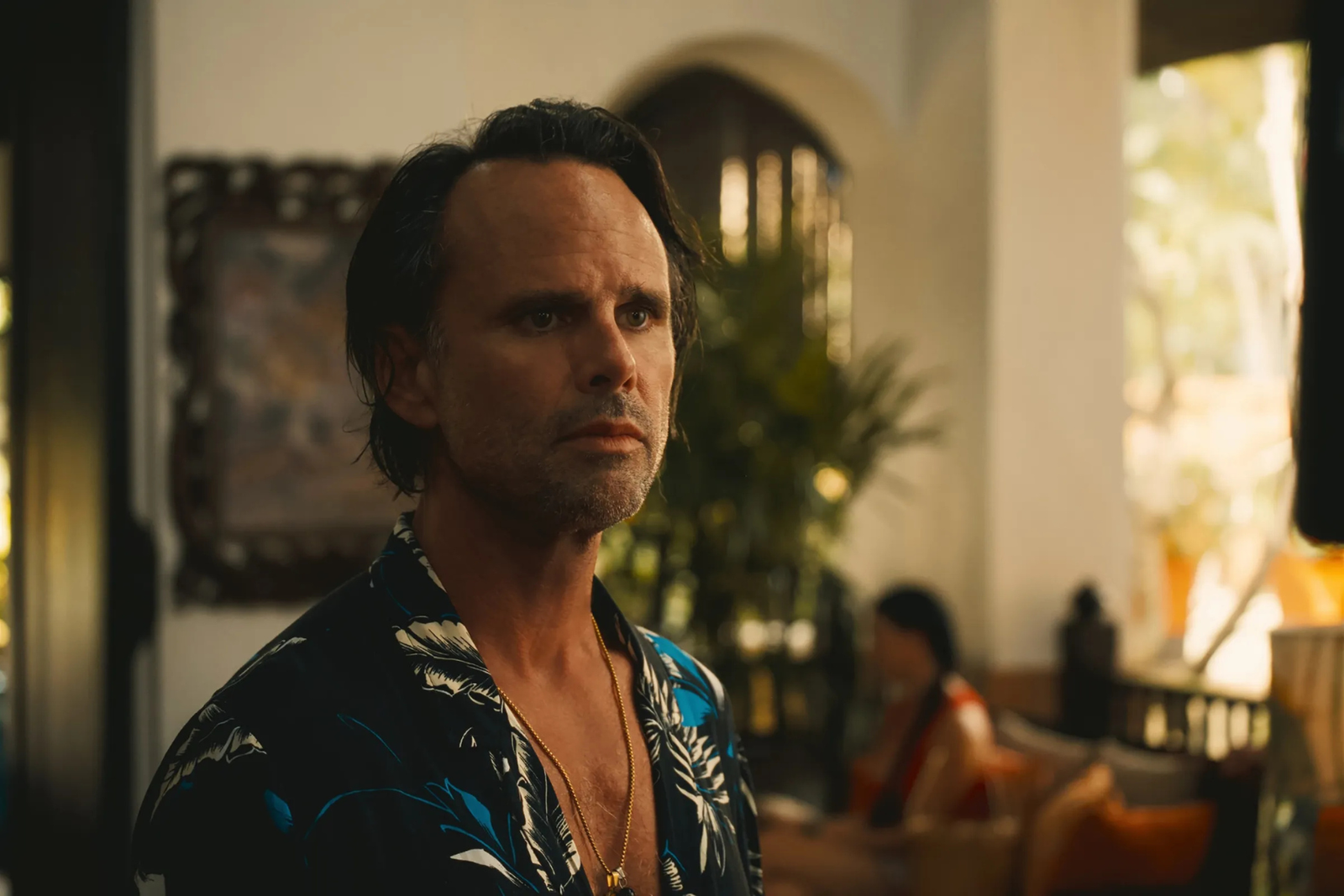
Having a bigger or higher forehead doesn’t limit your options nearly as much as many think. The right haircut can completely change how everything comes together, and there are plenty of styles that do this without trying to hide anything. Some lean into texture and longer fringe to soften the appearance, others focus on shape and structure to draw attention elsewhere, and some simply keep it simple and confident. The key is choosing a cut that feels intentional and complements what you already have, which is exactly what the styles below are meant to do.
Now let’s check the list out.
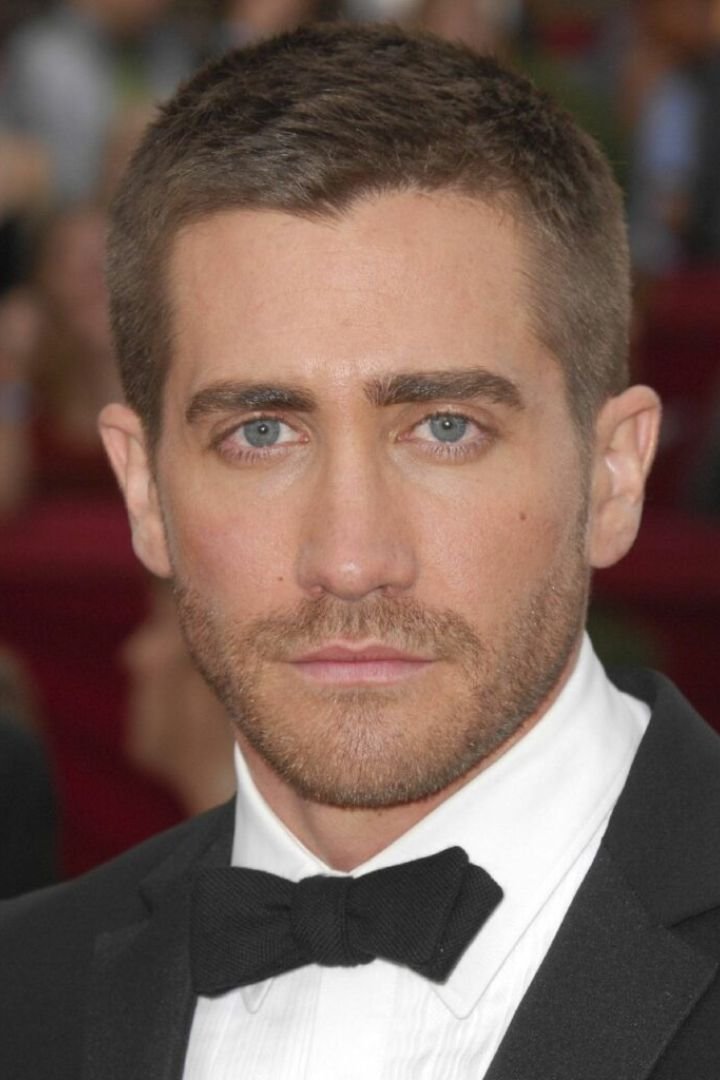
- Style: Short and structured with a clean, tapered finish
- Best Suited For: Oval, round, & heart-shaped faces
- Maintenance Level: Low maintenance with minor trims every 3–4 weeks
We’ll start with the first one — the crew cut — because it’s one of those haircuts that proves you don’t need tricks to look good. When dealing with a bigger forehead, the instinct is often to cover it up, but that approach only works if your hair is thick and cooperative. Once density drops or the hairline starts to shift, heavier styles can quickly look messy and unbalanced.
The crew cut avoids all of that by focusing on proportion. Tapered or faded sides keep the shape tidy, while a slightly longer top adds just enough presence to stop the look from feeling flat. Instead of drawing attention to the hairline, the cut spreads focus evenly across the head, which can actually make a higher or receding hairline much less noticeable.
It’s sharp without being severe, easy to maintain without looking lazy, and adaptable to different hair types, and that’s what keeps the crew cut timeless in its versatility. If you’ve got the volume, a touch of texture on top modernizes the look, but even in its simplest form, the crew cut remains one of the most reliable hairstyles a man can choose.
Pro Tip: Use a matte clay or a light pomade and maintain a natural finish. If you add too much shine, the hair will only draw more attention upwards.
- Style: Short, forward-styled cut with a defined fringe & controlled length
- Best Suited For: Oval, square, & heart-shaped faces
- Maintenance Level: Low to moderate maintenance with trims every 3–5 weeks
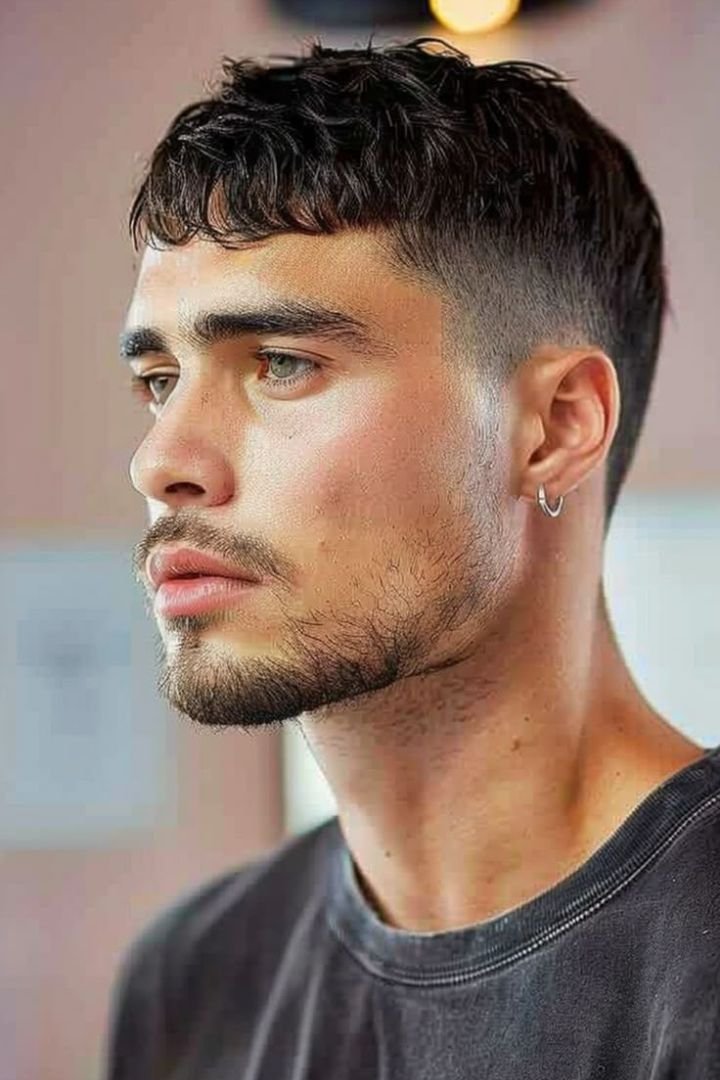
If there’s one hairstyle that has lasted for centuries, it has to be The Caesar, because it better understands proportion than most modern hairstyles. This makes it especially suitable for men with larger foreheads or hairlines that are beginning to thin. By directing the hair forward instead of upward or outward, the cut naturally softens the upper part of the face while adding visual width, helping to balance longer or more angular face shapes without needing volume or bold styling.
The main feature of this cut is the defining aspect of the Caesar, which is its fringe, kept short and deliberately blunt to create a clean, horizontal line across the forehead. This detail isn’t about hiding anything outright but about adding structure in a way that seems intentional and controlled. Unlike many cropped styles, the Caesar generally leaves slightly more length on the top and sides, allowing the hair to transition naturally into tapered sideburns and a tidy neckline, rather than disrupting the shape with harsh fades.
Although it’s often grouped with French crops or blowout tapers, the Caesar sets itself apart through flow rather than contrast. The hair falls evenly from the crown toward the sides, creating a rounded silhouette that feels unified and forgiving, especially if hair density varies or the hairline lacks perfect symmetry. This makes it one of the more versatile options for men seeking a polished look without demanding precision cuts.
The style also allows for subtle personalization, depending on how bold you want the finish to feel. Texture can be added to soften the fringe and modernize the look, while a sharper front line can create a more graphic effect if the hairline permits. Adding facial hair can further anchor the overall appearance, drawing attention downward and creating a stronger sense of balance across the face.
Pro Tip: Apply a small amount of texture powder or matte paste to dry hair, then use your fingers to guide everything forward. Focus on shaping rather than adding height, so the fringe stays controlled and the overall silhouette remains tidy.
- Style: Cropped cut with a textured top & a short, forward fringe
- Best Suited For: Oval, round, & square face shapes
- Maintenance Level: Moderate maintenance with trims every 3–5 weeks
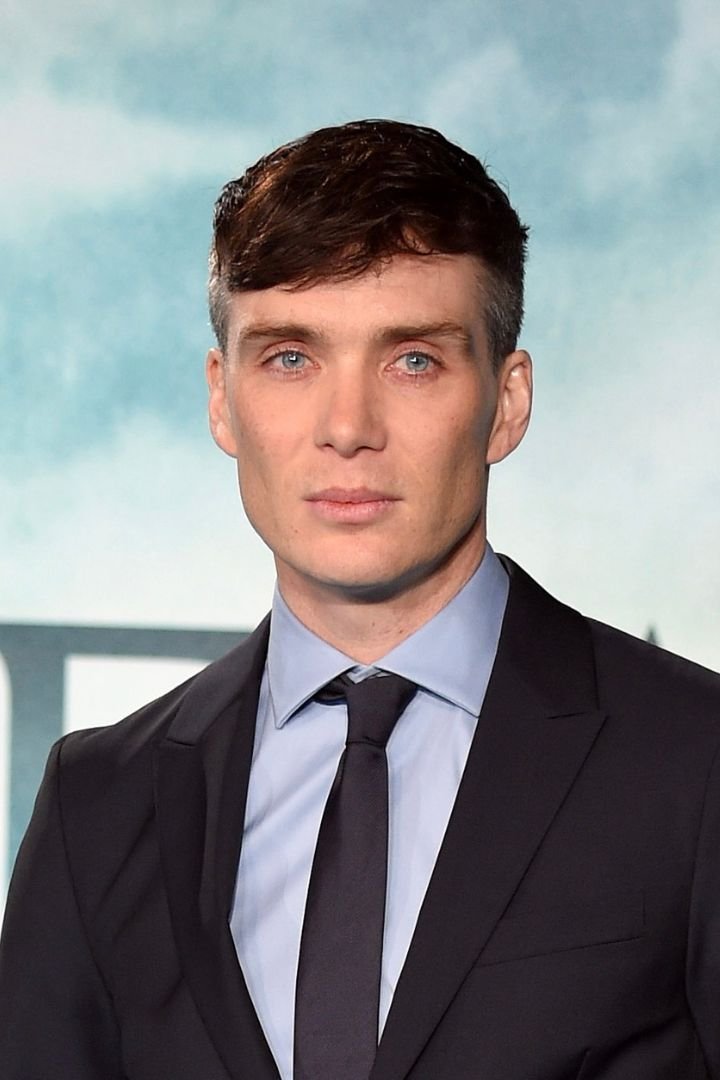
The French crop is one of our favourite hairstyles on this list, and it’s also one that many of us already wear in some form, even if we don’t always name it. It works particularly well for men with larger foreheads because the short, forward-styled fringe helps visually shorten the upper part of the face, creating balance without relying on volume or dramatic styling techniques.
What makes the French crop so appealing is how it combines control with texture in a way that looks natural rather than forced. The fringe can be kept relatively blunt to add width to longer face shapes, while the top is usually cut with plenty of texture, creating a slightly worn-in finish that softens the overall look and prevents the cut from appearing too rigid as it grows out.
The success of the French crop ultimately depends on execution, especially in how the top blends into the sides and back. The perimeter is usually kept short and tidy to frame the face, while the top stays around finger length and is point-cut to promote movement and flexibility. Depending on the hairline, the front can be shaped more sharply or left softer, but when styled forward with minimal product, the French crop remains one of the most dependable and easygoing hairstyles a man can choose.
Pro Tip: Work a small amount of textured powder or matte paste through dry hair, then guide it forward with your fingers, focusing on separation and movement rather than height, so the overall shape remains balanced and controlled.
- Style: Medium-length cut with volume at the front & textured movement throughout
- Best Suited For: Oval, round, & square face shapes
- Maintenance Level: Moderate maintenance with trims every 3–4 weeks
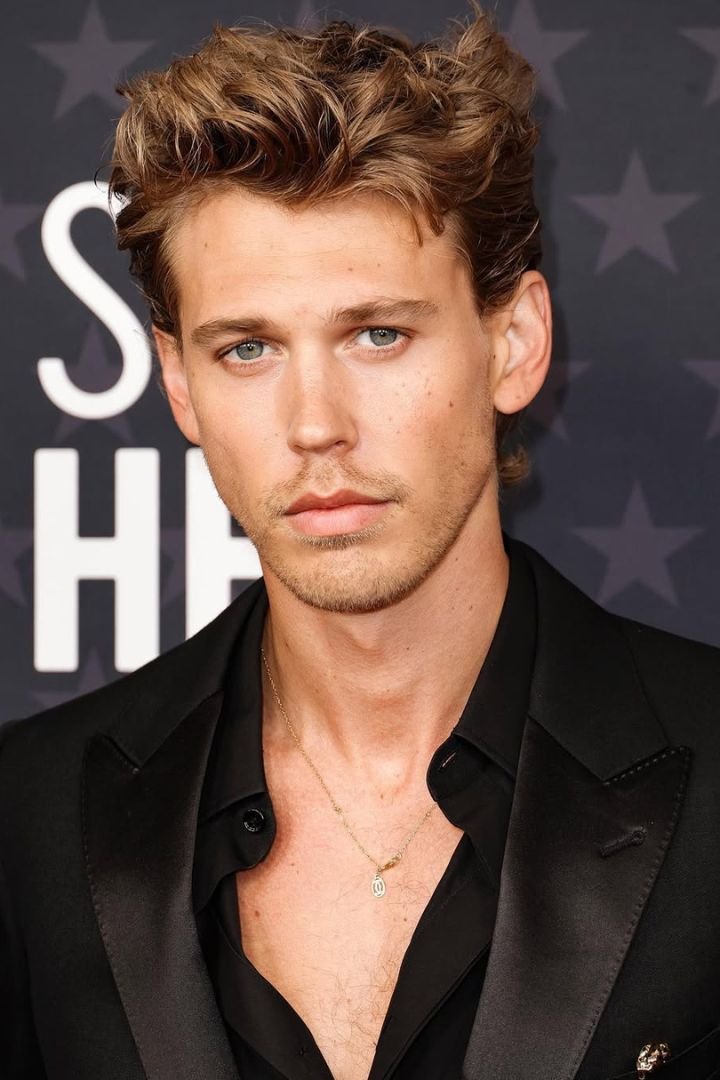
The textured quiff has become a popular hairstyle for men with larger foreheads because it balances presence and restraint, using movement rather than stiffness to create proportion. Instead of pushing the hair straight up or back, the style introduces gentle lift at the front while keeping the rest of the top textured and fluid, which helps draw attention across the hairstyle rather than directly toward the hairline.
It’s also a cut that’s been embraced by many modern style icons, with Austin Butler being one of the most recognizable examples in recent years. His take on the textured quiff, often worn slightly loose and imperfect, demonstrates how effective the style can be when it looks lived-in rather than overly styled. Other celebrities have adopted similar variations for the same reason — the texture softens the look, adds character, and keeps the hairstyle feeling effortless even when it’s clearly well considered.
The volume should feel intentional but never excessive, while the sides remain tapered or faded to keep the overall shape clean. With the right balance, the quiff enhances facial structure without exaggerating the forehead, making it a confident, versatile option that works just as well dressed down as it does styled for a more polished setting.
Pro Tip: Work a matte clay or texture cream through towel-dried hair and lift gently at the front using your fingers, focusing on movement rather than height so the style remains relaxed and proportional.
- Style: Medium-length cut with relaxed layers & natural movement
- Best Suited For: Oval, square, & heart-shaped faces
- Maintenance Level: Moderate maintenance with trims every 4–6 weeks
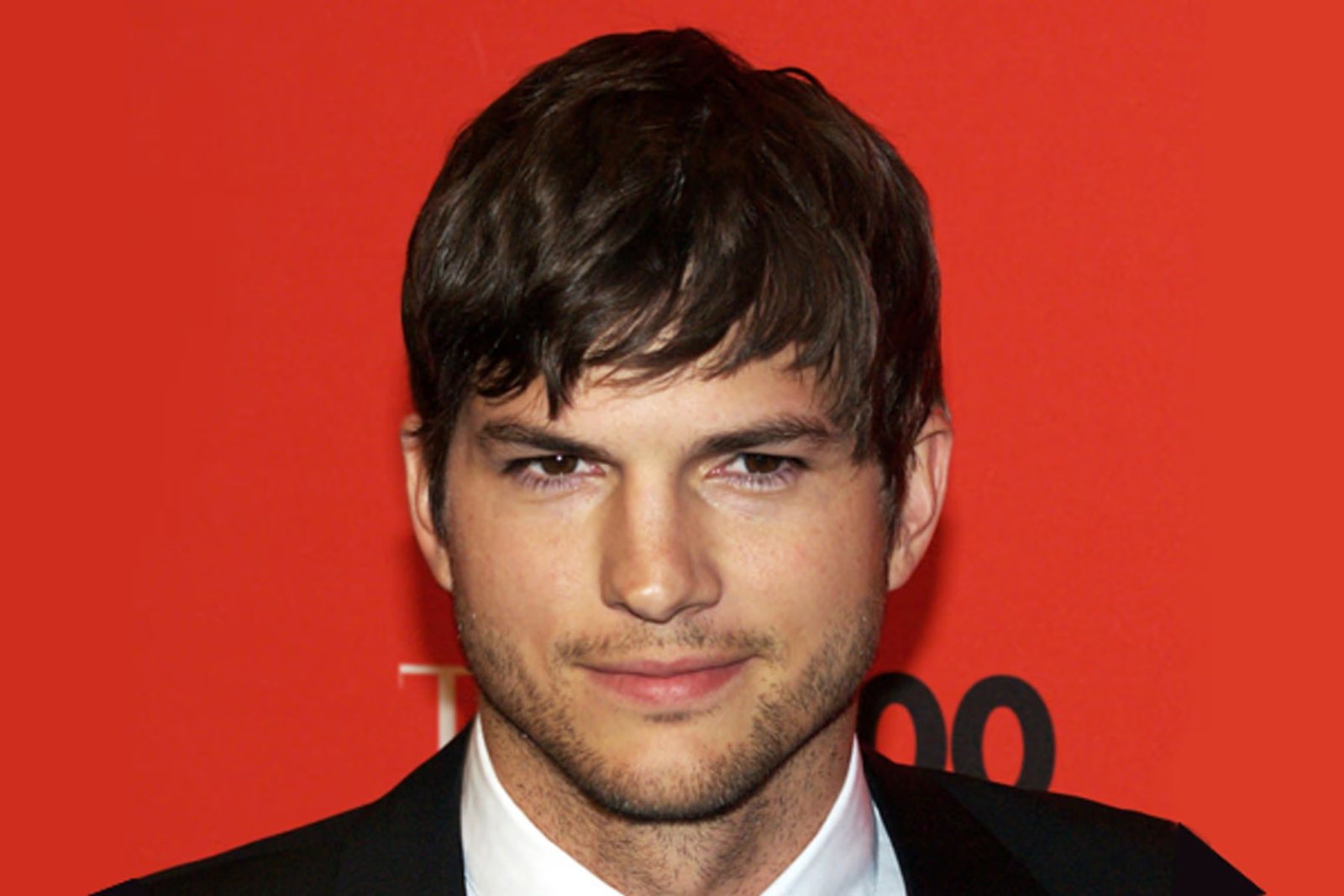
Remember when The Beatles arrived in the 60’s with their iconic hairstyles that influenced men’s fashion? Its lasting appeal lies in how easily it frames the face. For men with larger foreheads, the longer fringe and soft layers help break up the upper part of the face, drawing attention downward and creating balance without relying on sharp lines or heavy styling.
Unlike more structured haircuts, the mop top is centred on movement and texture, which is why it looks best when the hair is allowed to fall naturally. The length through the top and fringe creates a soft curtain effect across the forehead, while subtle layering prevents the style from feeling heavy or shapeless. When done right, it adds width and softness rather than volume, making it especially flattering for men who prefer a relaxed, lived-in look.
The style has undergone many modern reinterpretations, with actors like Ashton Kutcher helping to bring it back into the spotlight over the years. His versions of the mop top often appeared slightly cleaner and more refined, demonstrating that the cut can evolve without losing its casual appeal. This adaptability is what keeps the mop top relevant, making it feel current rather than nostalgic when tailored to the individual.
Although the mop top might seem easy to maintain, it still benefits from careful trimming and light upkeep to keep its shape. It grows out well, but regular trims help maintain the layers and keep the fringe sitting naturally across the forehead. When styled lightly and allowed to flow freely, the mop top remains a reliable choice for men seeking a softer, approachable hairstyle that complements, rather than clashes with, a larger forehead.
Pro Tip: Apply a lightweight cream or soft-hold product to damp hair and let it air-dry or blow-dry gently, encouraging natural movement so the fringe settles forward without appearing stiff or overworked.
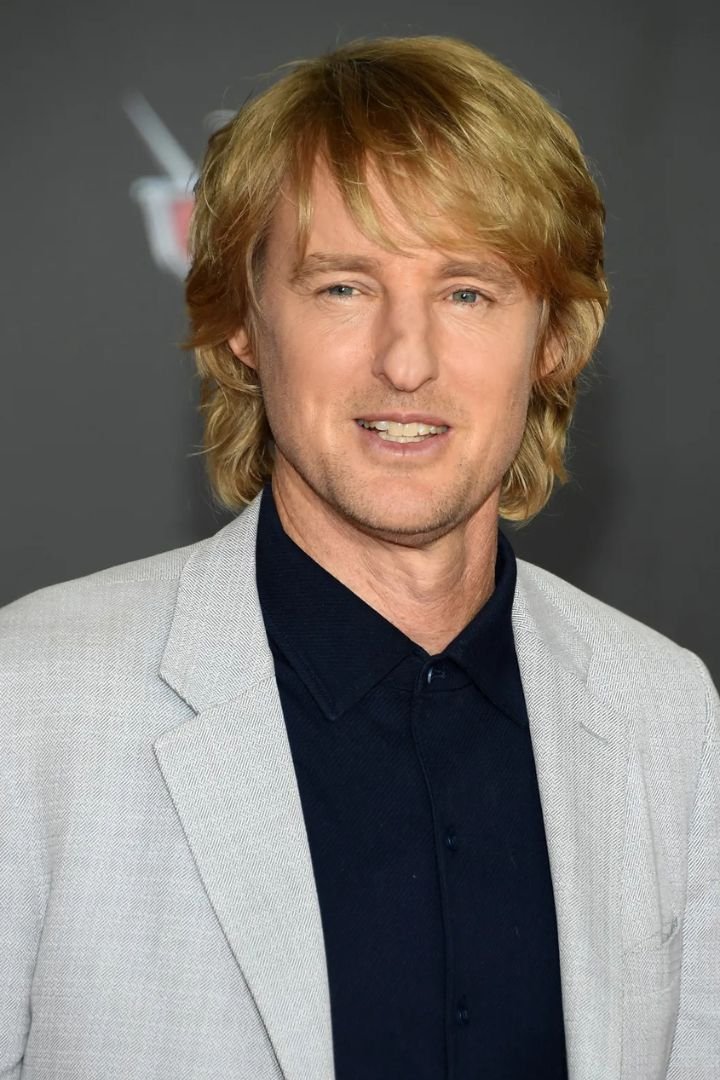
- Style: Layered, medium-length cut with heavy texture & natural movement
- Best Suited For: Oval, square, & heart-shaped faces
- Maintenance Level: Moderate maintenance with trims every 5–7 weeks
The shag cut features medium length and intentionally choppy layers, which add movement and a relaxed shape, especially suited for men with larger foreheads. The longer top and soft fringe draw attention away from the hairline, while feathered sides and back keep the overall silhouette light and balanced. Instead of relying on sharp structure, the shag employs flow and texture to soften facial proportions, making it a laid-back choice that still appears purposeful.
One of the biggest advantages of the shag cut is how adaptable it is. You can embrace a more retro, ’1970s-inspired look by growing out the length at the back, or keep it modern and sleek with a shorter, cleaner style. It works just as well worn long and loose as it does in a more compact, textured shaggy version, depending on your preferred amount of layering and definition. Using your fingers and a small amount of cream to style it, the cut lets you switch between relaxed, lived-in finishes and more structured textures, making it one of the most versatile hairstyles on this list.
Pro Tip: Blow-dry gently with your fingers to lift the layers, then work a small amount of styling cream through the hair to define texture while maintaining a soft, natural finish.
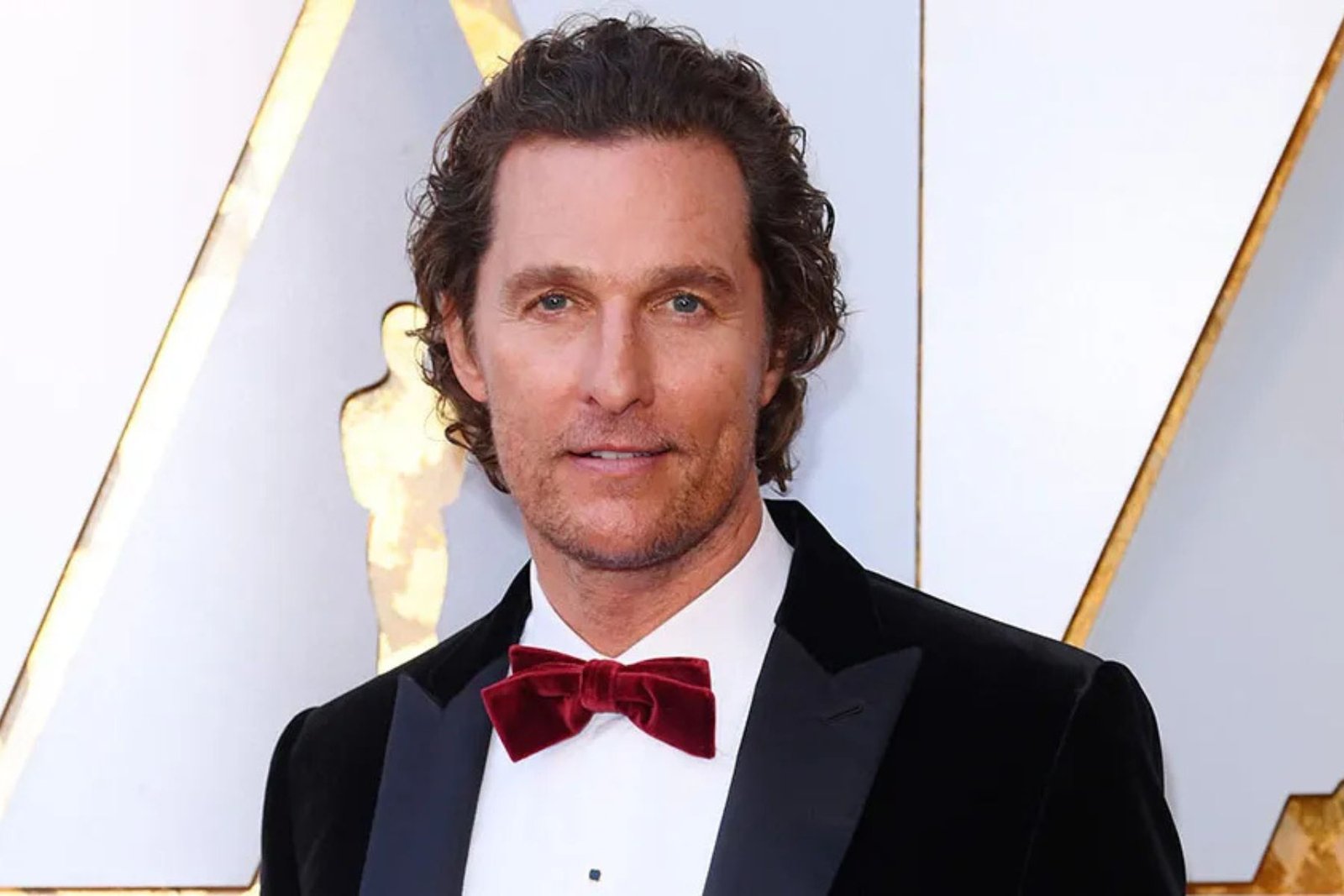
- Style: Medium-length cut with balanced layers & a refined, natural shape
- Best Suited For: Oval, square, & heart-shaped faces
- Maintenance Level: Moderate maintenance with trims every 4–6 weeks
If the shag cut leans into texture and attitude, the medium layered cut builds on those same foundations and refines them into a cleaner, more adaptable shape that feels easier to manage daily. By keeping length through the top and adding soft, graduated layers, the style creates lift and movement that help balance a larger forehead while maintaining a relaxed overall silhouette rather than a rigid one, allowing the hair to frame the face naturally without relying on a heavy fringe or exaggerated volume.
The effectiveness of the medium layered cut lies in how easily it creates fullness and flow. With the hair sitting at a comfortable medium length, gentle waves and layered sections work together to add dimension and natural movement, helping to distribute visual weight more evenly across the face. When dried with fingers and finished with a light texturing product, the cut maintains volume and texture without looking overly styled, making it a reliable choice for men who want a polished yet easygoing appearance.
Pro Tip: Dry your hair with your fingers, lifting gently at the roots to encourage natural volume. Then, apply a light sea salt spray to enhance texture and achieve a full, effortless finish without stiffness.
- Style: Short cut with layered texture and a natural, matte finish
- Best Suited For: Oval, round, & square face shapes
- Maintenance Level: Low to moderate maintenance with trims every 3–5 weeks
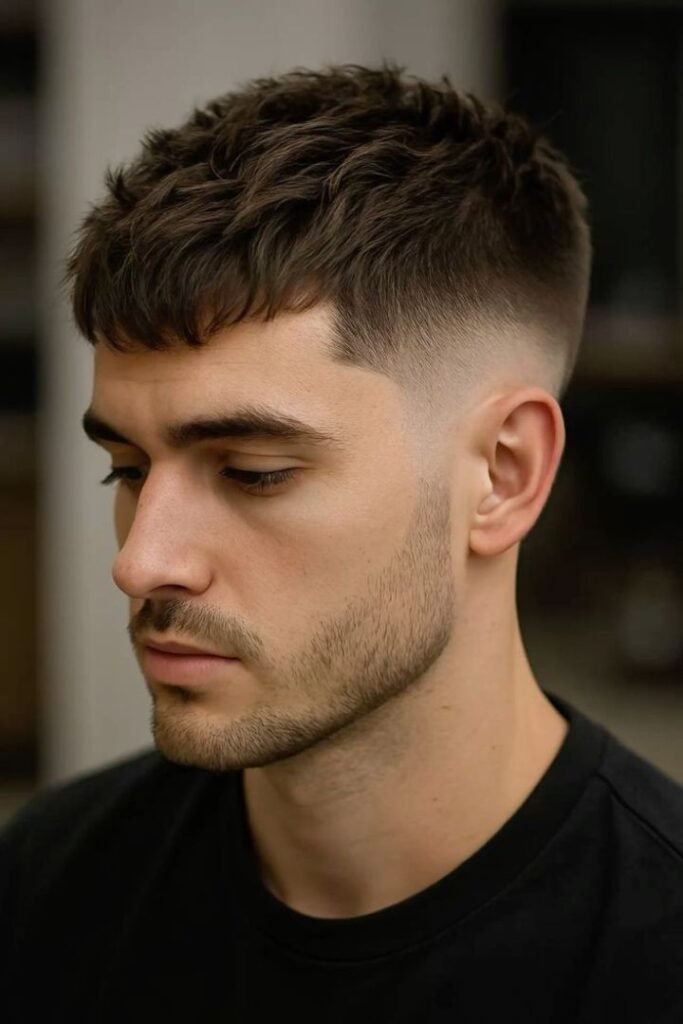
The short textured cut is another one of our favourite styles on this list, and it’s easy to see why it’s so popular right now. It has become a go-to choice for men who want a current look without feeling overstyled, and for those with larger foreheads, the added texture on top helps soften the overall appearance while keeping facial proportions balanced rather than top-heavy.
One of the biggest strengths of this haircut is how many directions it can go in while remaining relatively short. Tapered sides can be paired with longer hair on top for a subtle quiff that adds movement without extra height, while letting the fringe fall forward creates a more youthful, textured look that naturally draws attention away from the forehead. Even within the same length range, variations such as slicker undercut-inspired styles, softly defined faux hawks, or naturally textured looks for wavy and curly hair all comfortably fall under the short textured category.
It allows experimentation without adding extra length, making it easy to adapt the haircut as trends change or personal style evolves, which is why flexibility keeps this style fresh. When done well, the short textured cut offers a modern, confident look that suits different hair types and lifestyles, all while remaining practical and aligned with current men’s fashion.
Pro Tip: Work a small amount of matte clay or texture cream through dry hair with your fingers, encouraging separation and movement while maintaining a soft, controlled finish.
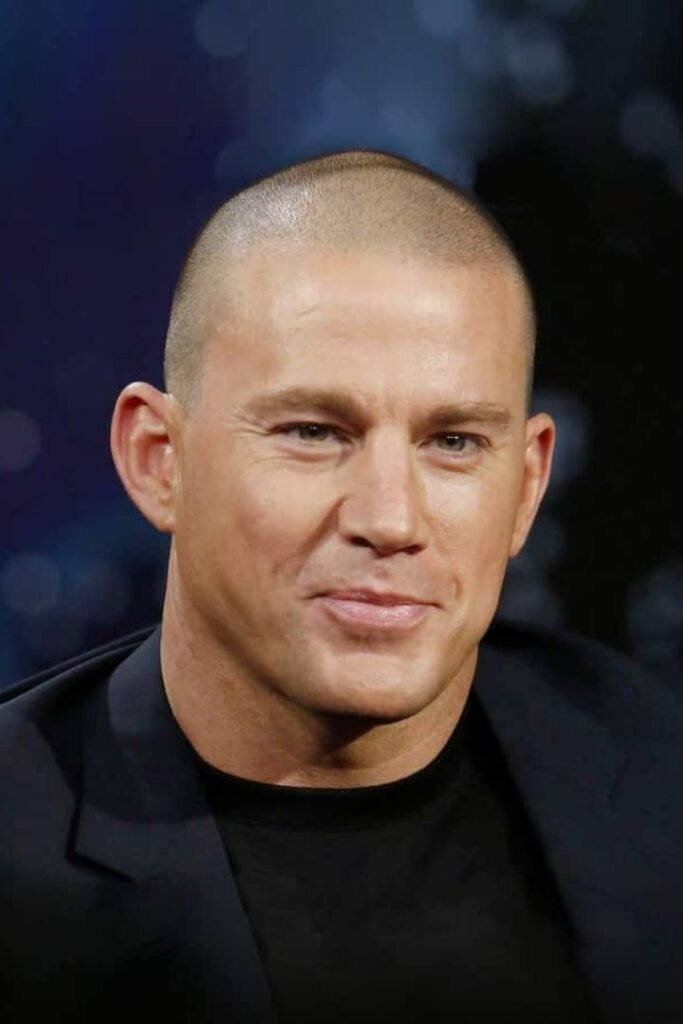
- Style: Ultra-short cut with an even or lightly faded finish
- Best Suited For: Oval, square, & diamond face shapes
- Maintenance Level: Very low maintenance with trims every 2–4 weeks
This style is often misunderstood when it comes to men with big foreheads, which is the Buzz Cut, but when done correctly, it can be one of the most effective and confident choices available. Instead of trying to hide or soften the hairline, the buzz cut highlights it, creating a clean, even look that draws attention to the overall head shape and facial features rather than individual details.
Maintaining consistent length across the hair or pairing a slightly longer top with a subtle fade on the sides helps avoid an overly harsh appearance, while also adding definition to the silhouette. This approach works particularly well for men with strong bone structure or facial hair, as a beard can further anchor the look and draw focus downward, naturally balancing a higher forehead.
Beyond aesthetics, the buzz cut’s appeal lies in its simplicity and practicality. It requires virtually no styling, suits a wide range of lifestyles, and exudes a confidence that comes from owning the look rather than overthinking it. For men who prefer minimal effort and maximum impact, the buzz cut remains a timeless choice that proves sometimes less really is more.
Pro Tip: Keep the scalp moisturized, and if you wear facial hair, maintain clean lines to ensure the overall look remains sharp and intentional rather than unfinished.
- Style: Medium-length, loose waves with a natural, sun-worn finish
- Best Suited For: Oval, square, & heart-shaped faces
- Maintenance Level: Moderate maintenance with trims every 6–8 weeks
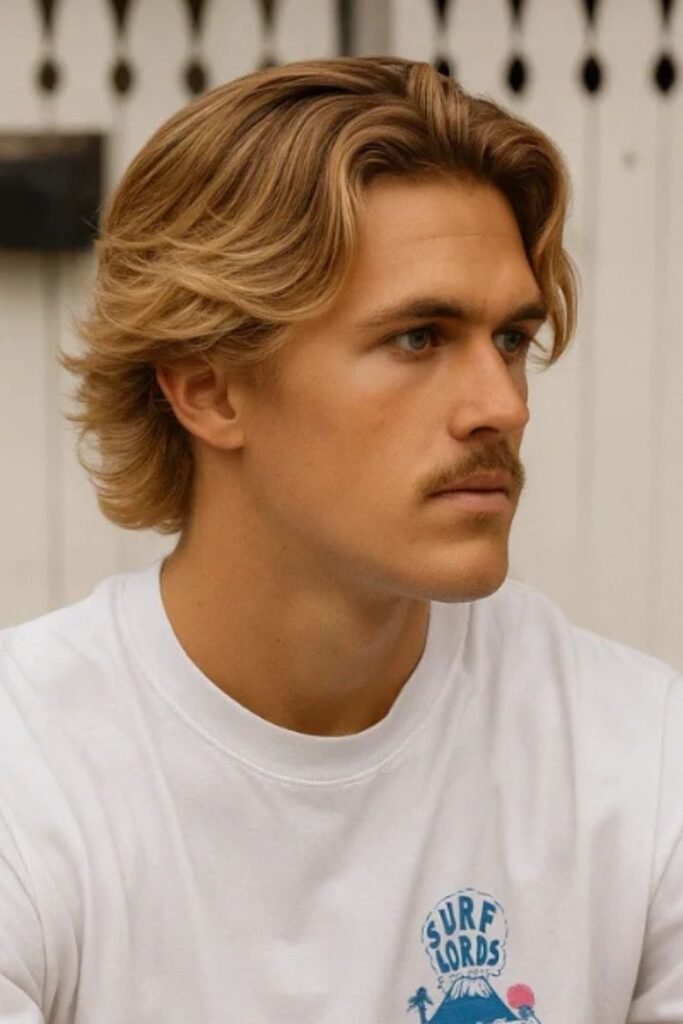
Surfer hair suits men with larger foreheads because it depends on length, movement, and softness rather than structure to create harmony across the face. The longer fringe and natural wave pattern help break up the upper part of the face, allowing the hair to fall forward and to the sides in a way that feels natural rather than forced, which naturally draws attention away from the hairline.
The hair is generally kept medium in length with subtle layers throughout, allowing waves to form naturally and preventing the style from sitting flat or heavy. Unlike more polished cuts, the slightly tousled finish is part of its charm, as it adds width and movement while maintaining a relaxed and approachable look instead of being overly groomed.
Although surfer hair appears low-effort, it still benefits from thoughtful upkeep to avoid looking messy. Regular trims help shape the style and reduce bulk, while light styling boosts texture without making the hair heavy. When styled well, surfer hair provides an easygoing, confident look for men who want a hairstyle that softens a larger forehead and embraces a relaxed, modern vibe.
Pro Tip: Apply a sea-salt spray or a lightweight texturizing product to damp hair, then let it air-dry or diffuse gently, encouraging natural waves and movement while maintaining a soft, touchable finish.
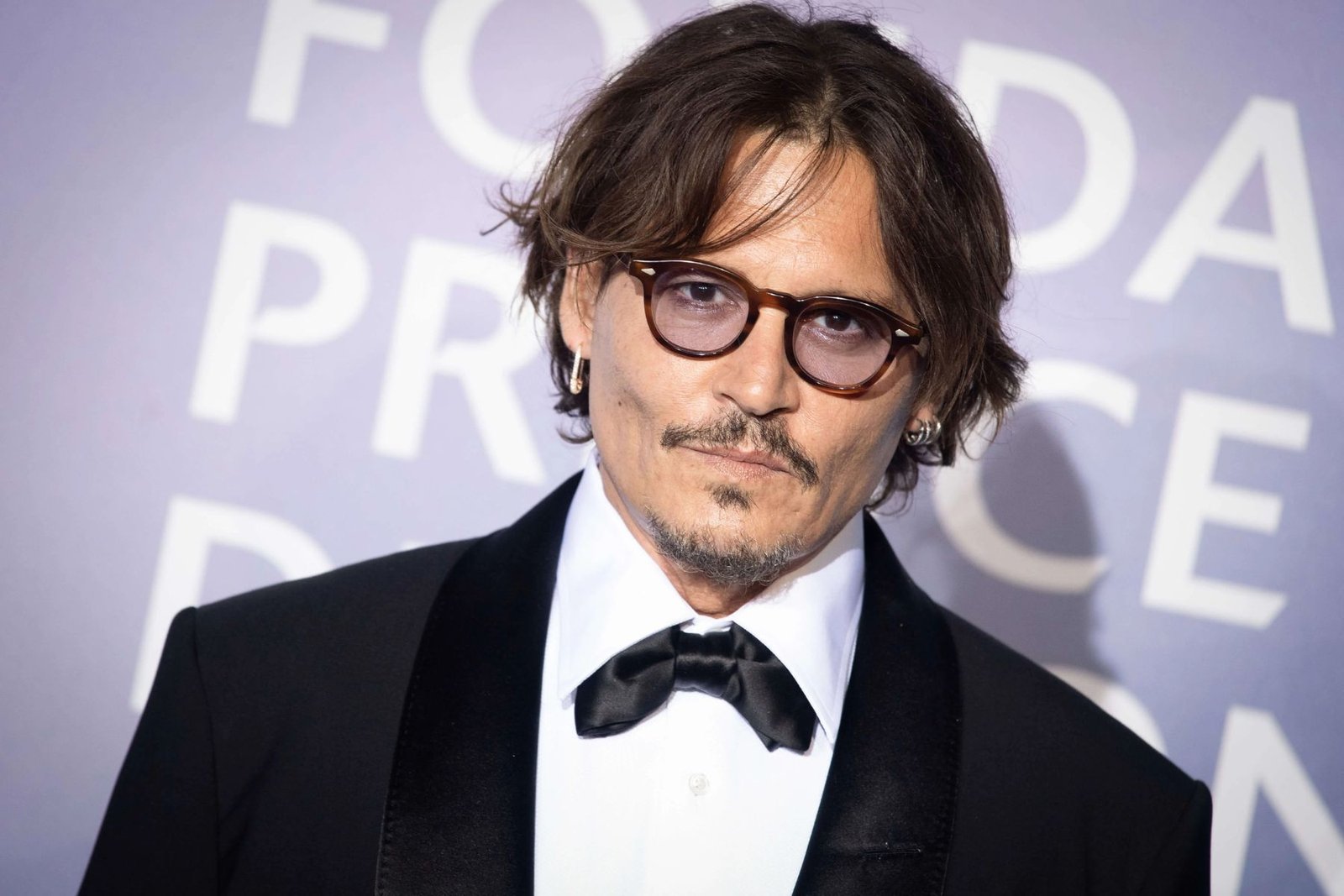
- Style: Medium-length cut with a centre or soft middle part & face-framing fringe
- Best Suited For: Oval, square, & heart-shaped faces
- Maintenance Level: Moderate maintenance with trims every 4–6 weeks
Curtain bangs have a long and recognizable history in men’s grooming, first emerging as a countercultural style in the late 1960s before becoming a defining look throughout the 1970s and later resurfacing in the 1990s. Over the decades, the style has been embraced by musicians, actors, and creatives who favour an effortless, slightly rebellious aesthetic built around movement rather than structure.
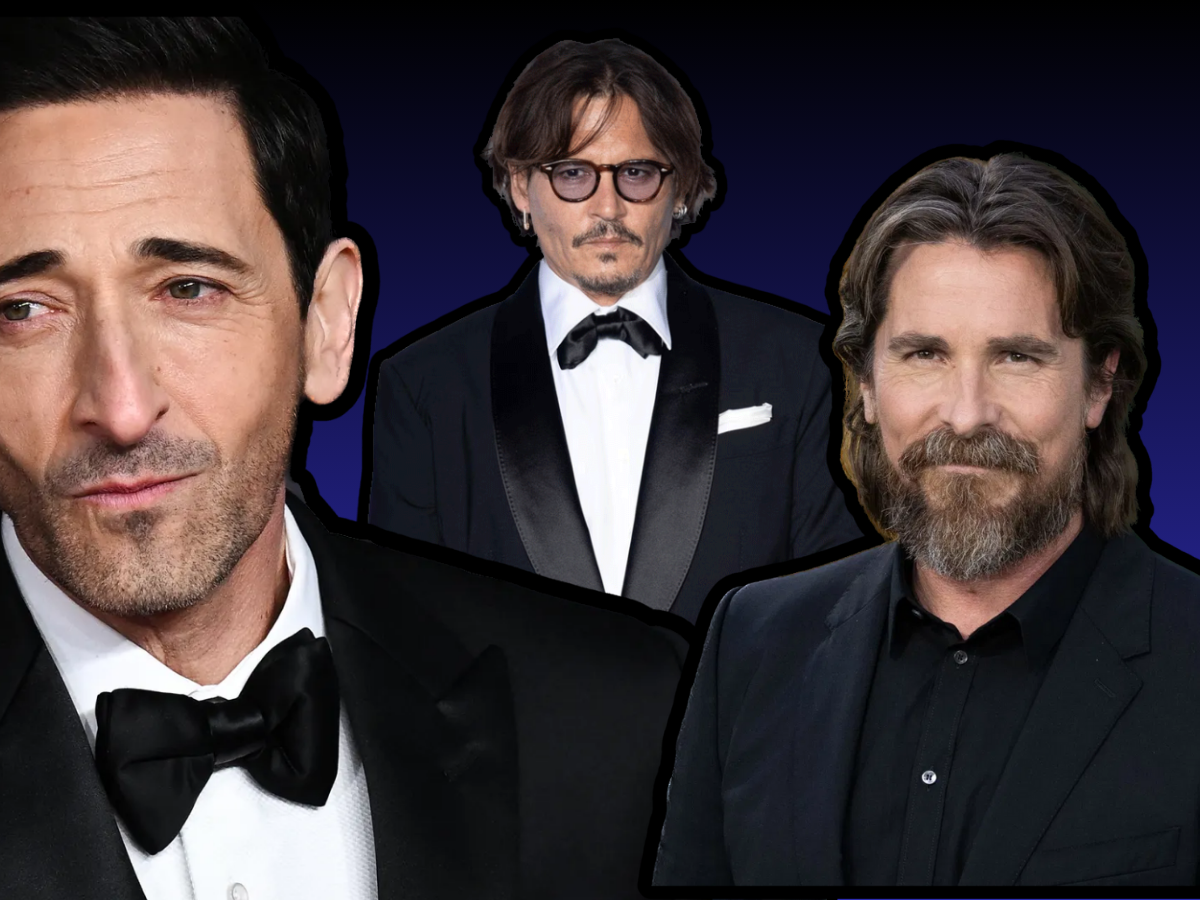
One of the most lasting modern examples is Johnny Depp, who helped establish curtain bangs as a signature look throughout the 1990s and early 2000s. Whether worn loose and layered during his early film roles or styled with a slightly messier finish off-screen, Depp’s interpretation of the cut demonstrated how effective it could be when paired with natural texture and confidence. His version wasn’t about precision or polish, but about framing the face in a way that felt relaxed and authentically personal.
From a practical perspective, curtain bangs work particularly well for men with larger foreheads because of how the fringe interacts with facial proportions. Instead of lying flat across the hairline, the hair is parted down the middle or slightly off-centre, allowing it to fall to each side of the forehead. This framing effect draws attention outward, creating balance while maintaining an open and natural look rather than a concealed one.
Modern interpretations of curtain bangs tend to soften the overall shape, using subtle layers to help the fringe blend seamlessly into the rest of the haircut. This keeps the style feeling current rather than nostalgic, while still retaining the character that made it iconic in the first place. When maintained properly, curtain bangs offer a timeless, versatile option that balances history, personality, and proportion in a way few hairstyles do.
Pro Tip: Apply a lightweight styling cream or mousse to damp hair, then dry using your fingers or a round brush, guiding the fringe outward and slightly back to maintain its natural split and relaxed flow.
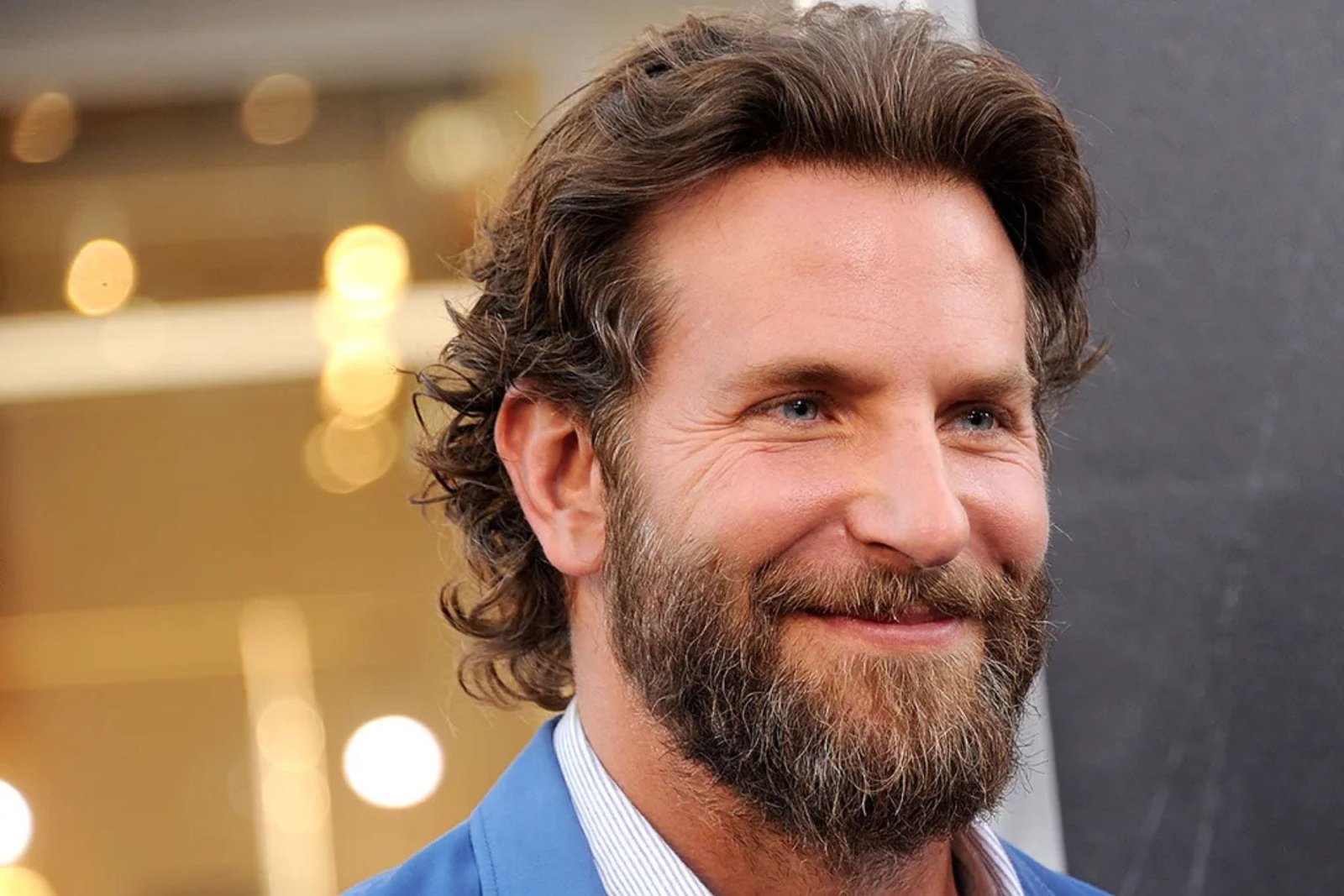
- Style: Medium-to-long length with natural flow pushed back & to the sides
- Best Suited For: Oval, square, & heart-shaped faces
- Maintenance Level: Moderate maintenance with trims every 6–8 weeks
There’s a reason the bro flow never really goes out of style — it’s one of the few hairstyles that looks confident without trying too hard. Focused on length, movement, and restraint, the style suits men with larger foreheads because it lets the hair fall naturally instead of forcing it into shape. By brushing the hair back and to the sides, the bro flow softens the top of the face and creates balance through motion rather than coverage.
The longer front creates an open look while still framing the face, and subtle layering stops the hair from sitting flat or heavy, making the bro flow stand out — that’s how effortlessly it sits once it reaches the right length. With minimal styling and occasional trims to keep its shape, the bro flow provides a relaxed, modern vibe that suits both off-duty and more polished settings, proving that sometimes the most effective hairstyle is the one that looks the least forced.
Pro Tip: Apply a lightweight styling cream or leave-in conditioner to damp hair, then let it dry naturally or with gentle airflow. This helps the hair fall smoothly back into place while preserving its natural movement.

- Style: Shorter at the front & sides with controlled length through the back
- Best Suited For: Oval, square, & heart-shaped faces
- Maintenance Level: Moderate maintenance with trims every 4–6 weeks
The word “mullet” still carries some baggage, but the modern version has moved well beyond its bold past, becoming a surprisingly versatile choice when styled with restraint. Today’s mullet keeps things neat and deliberate at the front, with shorter, textured hair that’s easy to manage, while gradually allowing more length and movement toward the back. This balance suits men with larger or higher foreheads, as texture through the top and fringe helps frame the face, while extra length at the back redirects attention away from the upper head.
Rather than harsh contrasts, the transition from front to back is gradual, with the sides kept relatively short through soft tapers instead of aggressive fades, and that’s what separates a modern mullet from its retro counterpart. Texture plays a key role here, especially at the front, where point cutting helps create movement and flexibility, ensuring the style feels contemporary rather than theatrical.
The back is where personality comes into play, but even then, restraint is essential. Length is usually kept just an inch or two longer than the sides and feathered to maintain flow, allowing the haircut to feel expressive without overwhelming the overall silhouette. When executed with balance and intention, the modern mullet offers a confident, fashion-forward option that embraces individuality while still working harmoniously with a bigger forehead.
Pro Tip: Use a lightweight, textured cream or matte paste on the top and fringe to define movement, then let the back sit naturally so the shape stays controlled and modern rather than exaggerated.
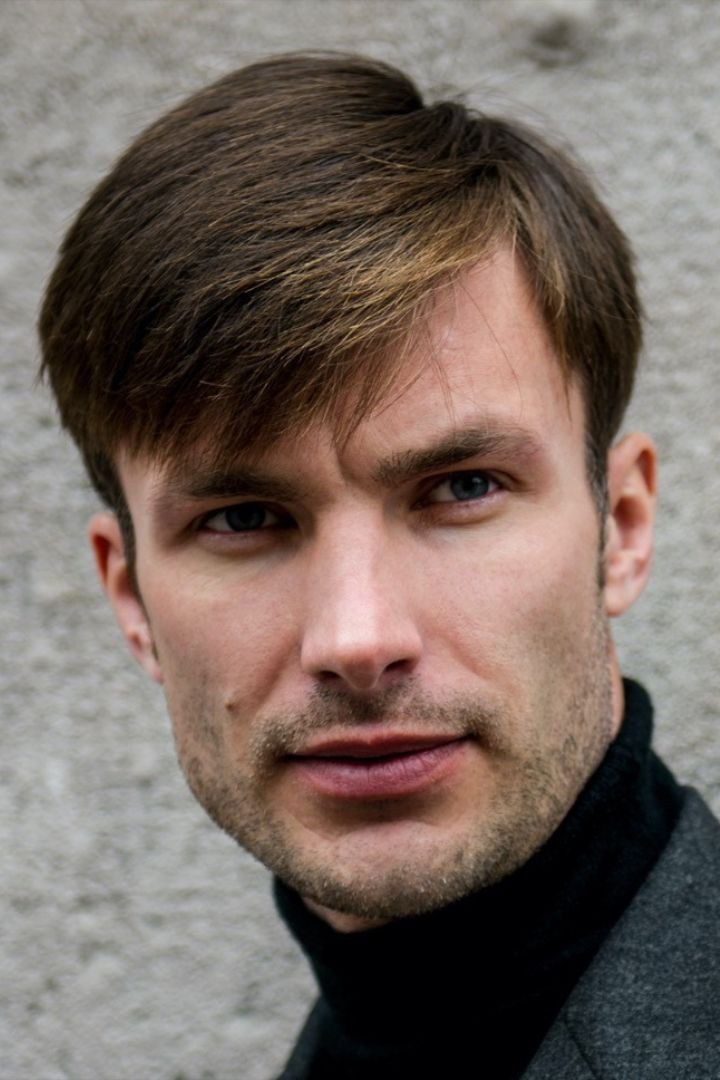
- Style: Medium-length cut with a fringe styled diagonally across the forehead
- Best Suited For: Oval, round, & square face shapes
- Maintenance Level: Moderate maintenance with trims every 4–6 weeks
Asymmetry is the key to why the side-swept fringe remains so effective. The longer front section is directed down and to one side, creating movement that softens facial features and adds width where needed. By leaving a reasonable length through the sides and back, the haircut achieves a cohesive flow from front to back, avoiding harsh contrasts and helping the style feel balanced and natural rather than forced.
Part of this cut’s appeal is in its versatility and timeless relevance. Over the years, it has become a more fluid, nearly unisex style while still being a classic men’s haircut. When cut with scissors, textured, and styled loosely with the fingers, the side-swept fringe can look relaxed and casual or slightly more polished with product, making it a reliable choice that easily adapts to different personal styles.
Pro Tip: Start with a matte texturizinga product or clay, then use your fingers to sweep the hair down and to the side. Leave the finish a bit tousled to create a relaxed, natural appearance.
- Style: Medium-length cut with natural curls left forward & lightly layered
- Best Suited For: Oval, round, & heart-shaped faces
- Maintenance Level: Moderate maintenance with trims every 4–6 weeks
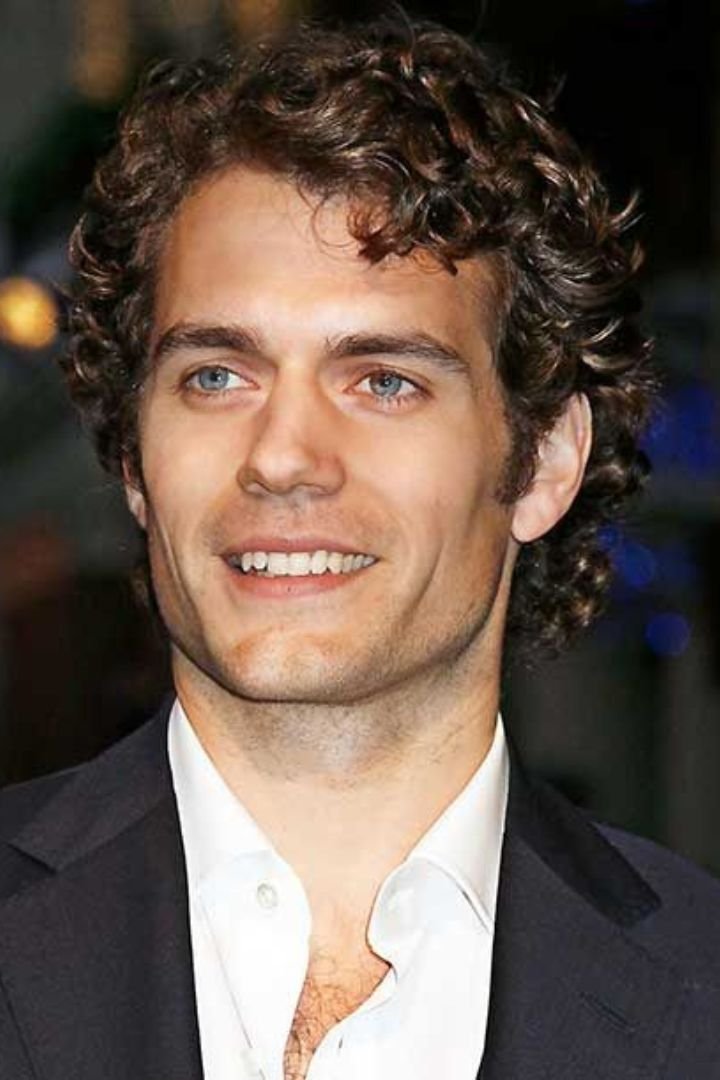
Natural texture has a way of doing the heavy lifting, and that’s exactly what makes this style so effective. Allowing curls to fall forward and move freely, the cut shapes and adds personality without depending on strict structure or clean lines, creating a look that is expressive yet intentional and balanced.
Light layering helps control volume and promotes definition, while the fringe can be worn relaxed for an easygoing finish or shaped slightly for a more refined look, depending on the occasion. This is what gives this hairstyle its strength: its adaptability from day to day. When styled with minimal product and paired with clean sides, the look highlights natural curl patterns and delivers a confident, modern finish that adds texture and individuality to the end of this list.
Pro Tip: Apply a curl cream or lightweight leave-in conditioner to damp hair and let it air-dry or diffuse gently, focusing on moisture and definition rather than control.
When people talk about a “big” forehead, it’s important to remember that there isn’t a specific measurement that suddenly tips things into problem territory. In men, it generally comes on proportion rather than size, meaning how the forehead relates to the rest of the face, hairline, and overall head shape. Factors like hair density, the shape of the hairline, and even how a haircut sits can influence perception much more than any number ever could. In most cases, what’s seen as a larger forehead is simply one that attracts more visual attention, which is why the right hairstyle can make such a noticeable difference.
Finding the right hairstyle becomes much easier once you stop focusing on one feature and start looking at the bigger picture. Hair type, face shape, and the way your hairline naturally grows all play a role in how a haircut sits and how balanced it feels overall. When those elements work together, the result looks effortless rather than forced.
Your natural hair texture should always guide your decision. Straight hair tends to sit flatter, which is why styles with a side sweep or subtle fringe help create balance and movement. Wavy hair benefits from layered cuts that let the hair flow naturally, adding width and softness without appearing heavy. Curly or thick hair works best when volume is controlled and layered through the top, as this creates shape while maintaining proportions.
Face shape adds another layer of context when choosing the right cut. Round faces often suit angled or side-swept styles that create the illusion of length, while square faces look better when sharp edges are softened with texture or layers. Oval faces are the most flexible and can handle most styles comfortably, especially those with movement, whereas heart-shaped faces tend to benefit from longer bangs that help balance the width at the top.
Understanding your hairline makes a noticeable difference. Straight or rounded hairlines typically pair well with side parts or swept styles that follow the natural growth. More defined or M-shaped hairlines often look better with textured fringe that breaks up strong lines, while higher hairlines benefit from layered or forward-styled cuts that create a softer, more natural transition instead of drawing attention upward.
Styling plays just as big a role as the haircut itself, and small tweaks can make a noticeable difference in how everything comes together. The goal isn’t to overcomplicate things, but to use movement, texture, and the right products to help the hair sit in a way that feels balanced and intentional throughout the day.
- Add Volume: Adding a bit of volume at the front of your hairstyle helps balance facial proportions and prevents everything from feeling too flat. This can be achieved by gently lifting the roots, adding texture through the top, or allowing a soft fringe to fall forward, all of which help the hair sit more naturally around the face.
- Use Lightweight Styling products: Heavier products tend to pull the hair down and reveal more skin than you might prefer, so lighter options are generally the better choice. Sea salt sprays, light creams, or soft-hold clays help maintain movement and shape without making the hair look stiff, greasy, or overly styled.
- Avoid Tight or Slicked Styles: Styles that pull the hair straight back or sit too close to the scalp can make everything feel more exposed and unbalanced. Softer shapes with texture and forward movement tend to be much more forgiving and give the hairstyle a more relaxed, flattering finish.
When it comes to haircuts and styling, the biggest mistake is choosing styles that feel too tight, flat, or overdone. Hair that’s slicked straight back, cut too close to the scalp, or weighed down with heavy product can throw off the overall balance and make everything seem harsher than necessary. Overly stiff shapes and sharp lines also tend to exaggerate proportions, while softer cuts with movement and texture usually create a more natural, flattering look. Keeping things flexible, relaxed, and intentional will almost always lead to a better result.
This guide is based on research, pattern analysis, and real-world observation rather than trend-driven enthusiasm or superficial appeal. We evaluated how different hairstyles perform across various face shapes, hair types, and everyday situations, paying close attention to consistency, longevity, and how these cuts age over time. By reviewing established grooming resources, style publications, and widespread practical use, we focused on approaches that maintain lasting relevance rather than styles that succeed only in theory or fleeting popularity. The result is advice that emphasizes balance, practicality, and wearability, offering guidance rooted in substance rather than passing trends.