






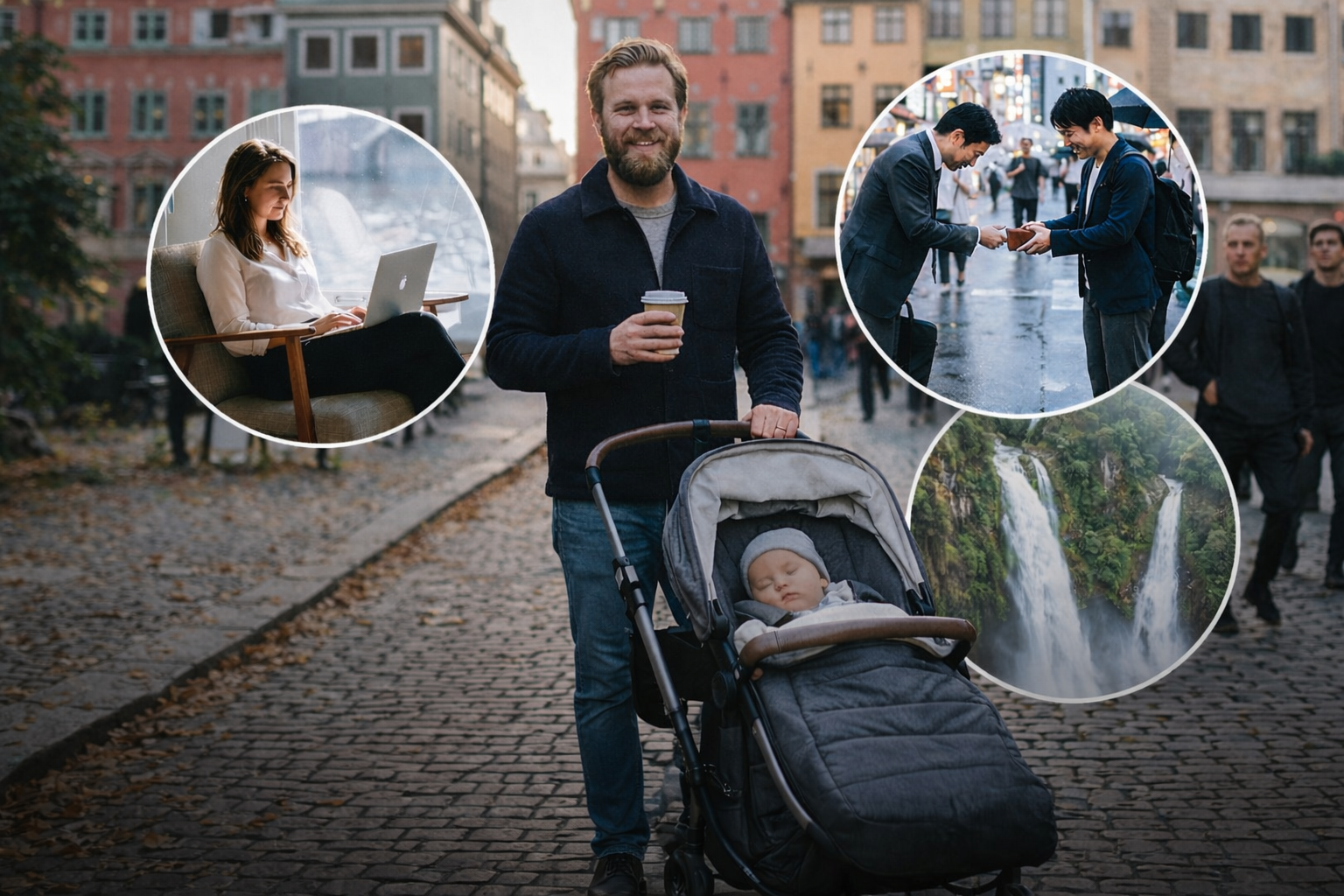

Some countries don’t just look good on a map — they live better on paper. The difference often comes down to the laws people wake up to every day, the ones that shape how much time they get off, how they’re treated at work, how families are supported, and how trust functions in society. This isn’t about grand political ideas or empty promises, but real rules that quietly improve daily life. And once you realize these laws already exist elsewhere, it becomes very hard not to imagine what living under them might actually feel like.
- Capital: Oslo
- Currency: Norwegian Krone (NOK)
- Official Language: Norwegian
- Population: 5.5 million
Money isn’t something that gets hidden away or whispered about here. Tax records are public, which means you can legally look up what anyone earns — including your boss. Income, wealth, and tax paid are all visible. At first, it feels confronting, almost uncomfortable, but that’s exactly why it works. When everything is out in the open, tax dodging becomes harder, massive pay gaps are easier to question, and trust replaces suspicion. It’s a system built on accountability, and once you live with that level of openness, secrecy starts to feel strangely outdated.

- Capital: Tokyo
- Currency: Japanese Yen (JPY)
- Official Language: Japanese
- Population: 125 million
Losing your wallet doesn’t automatically cause panic here. If someone finds it and returns it, the law states you owe them a reward. Not as a gesture of goodwill, but as part of the system. That small rule quietly encourages people to do the right thing, which explains why lost wallets, phones, and even cash often find their way back to their owners. When honesty is expected and rewarded, everyday life feels calmer, safer, and surprisingly trustworthy.
- Capital: Amsterdam
- Currency: Euro (EUR)
- Official Language: Dutch
- Population: 17.5 million
Imagine telling your boss you want to work from home — and having the law backing you up. In the Netherlands, employees can formally request remote or flexible work, and an employer can’t dismiss it with a vague excuse or simply say “no.” If they refuse, they must provide a real, justified reason. That changes everything. It shifts the discussion from control to trust, from attendance to productivity. Suddenly, work fits around life instead of consuming it entirely. Once you get used to that freedom, the idea of being tied to a desk five days a week starts to seem wildly outdated.

- Capital: Brasília
- Currency: Brazilian Real (BRL)
- Official Language: Portuguese
- Population: 215 million
In Brazil, December brings more than holidays and warm weather — it also includes an extra paycheck. Legally, workers are entitled to a 13th-month salary paid at year’s end as a Christmas bonus. This isn’t a benefit or a favor from employers, but a guaranteed entitlement. This additional income can help with travel, family expenses, or simply make the holiday season less stressful. When a country incorporates generosity into its calendar, work feels more fulfilling, and life tends to be more balanced.
- Capital: Stockholm
- Currency: Swedish Krona (SEK)
- Official Language: Swedish
- Population: 10.5 million
Having a child in Sweden doesn’t mean choosing between your career and your family. Parents are entitled to 480 days of paid parental leave per child, and those days can be shared between both parents. It’s not rushed, it’s not frowned upon, and it’s not treated like a workplace inconvenience. The law is based on the idea that raising a child requires time, presence, and support — not stress and sacrifice. When a country provides parents with nearly a year and a half to truly be there for their kids, it sends a clear message that family isn’t something to be squeezed in around work, but a vital part of life worth protecting.
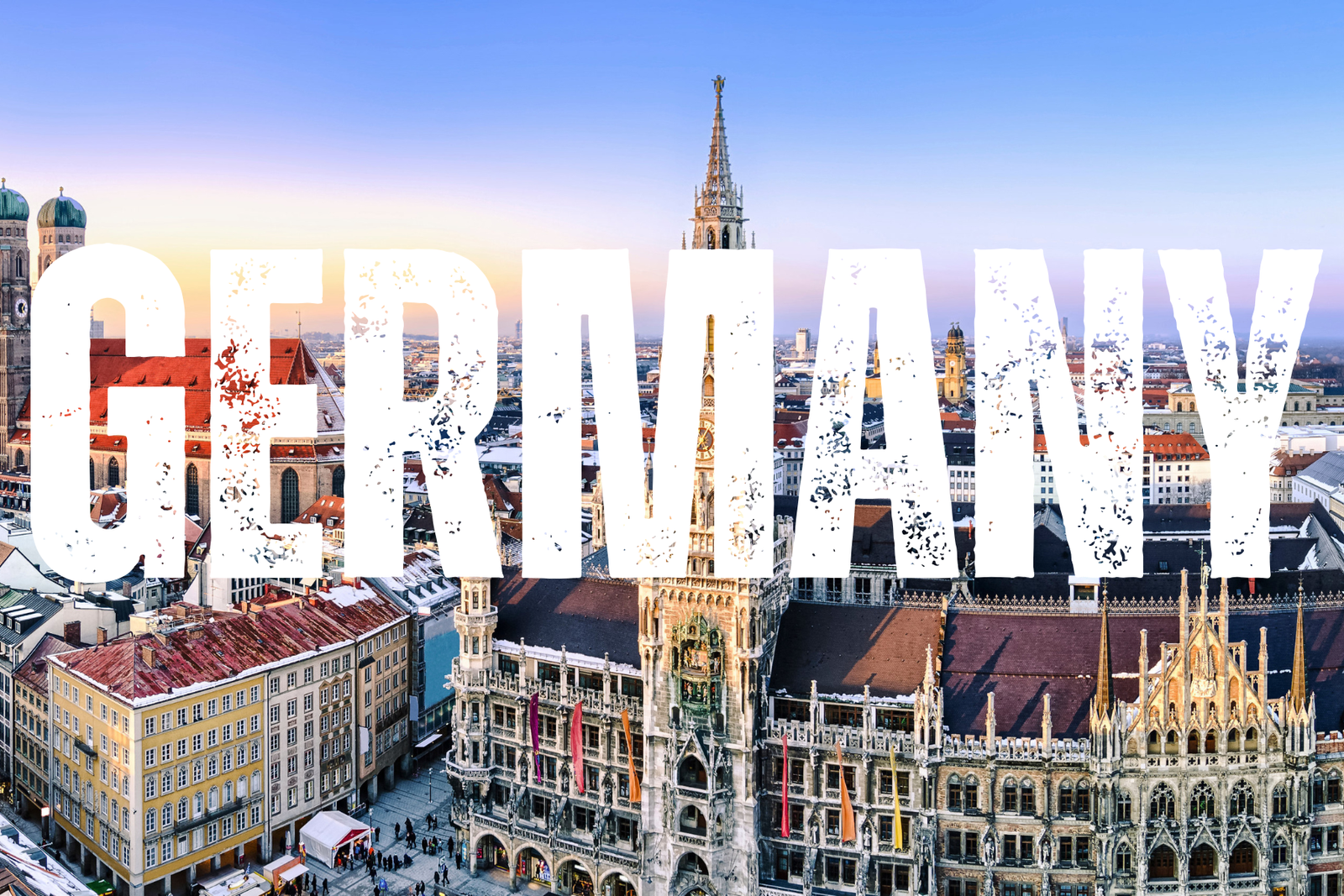
- Capital: Berlin
- Currency: Euro (EUR)
- Official Language: German
- Population: 84 million
Trains run late everywhere, but Germany is one of the few countries that actually acknowledges it. If your train is delayed by more than an hour, you can claim your money back. No fuss, no need to argue your case — that’s just how it works. Your time is valued, and the system respects that. It’s a small detail, but once you experience a country that takes accountability seriously, it’s hard not to notice how much easier everyday life feels.

- Capital: Lisbon
- Currency: Euro (EUR)
- Official Language: Portuguese
- Population: 10.3 million
In Portugal, the workday officially concludes when hours end. Legally, employers cannot reach out to employees after hours unless there’s an urgent emergency. This means no emails at night, no messages on weekends, and no expectation to be constantly available. The law clearly separates work from personal life, safeguarding it. Reclaiming your evenings allows time to slow down, reduces stress, and gives life outside work the attention it deserves.

- Capital: Quito
- Currency: US Dollar (USD)
- Official Language: Spanish
- Population: 18 million
Here, nature isn’t viewed as something to be owned or exploited. Rivers, forests, and entire ecosystems are recognised by law as having their own rights, allowing citizens to step in legally when they are threatened or harmed. If a river becomes polluted or a forest is destroyed, people can act on its behalf. It’s a radical change that redefines how the land is respected and protected. Living under such a system makes sustainability feel genuine — not just a slogan, but a shared responsibility embedded in everyday life.
Are These Laws Actually Real Or Just Rare Cases?
Every law mentioned here is real and currently in effect. Some are written into national legislation, while others are long-standing policies that shape everyday life. Details can vary slightly by region and may change over time, but these aren’t loopholes or one-off experiments — they’re part of how these countries function.
Do These Laws Apply To Foreigners Or Only Citizens?
It depends on the law. Many protections apply to anyone who lives and works in the country, including foreign residents, while others require permanent residency, long-term visas, or local employment contracts. In most cases, once you’re legally part of the system, you benefit from it.
Is It Realistic To Move Abroad Because Laws Like These?
For many people, yes. While scenery and lifestyle are important, laws that safeguard your time, family life, income, and personal wellbeing often become the deciding factor. These rules don’t make life perfect, but they can reduce daily stress — and that alone can be a powerful reason to move.