




Watches

Ulysse Nardin [Super] Freak Turns Horology Into a Living Display of Time

Reading Time: 5 minutes

Share via

Our team of editors and experts thoughtfully chooses each product. If you decide to buy through one of our links, we may earn a commission. Learn more. Want to know how we test products? Click here for more details.

  • Introduced as the world’s first automatic double tourbillon watch with a flying carousel.
  • Built around two inclined flying tourbillons that rotate in opposite directions.
  • Features the world’s smallest vertical differential alongside a patented miniature gimbal system.
  • Uses Ulysse Nardin’s Grinder automatic winding system to deliver a 72-hour power reserve.
  • Each watch requires around 60 hours of assembly by a single watchmaker.
  • Limited to 50 pieces, priced at USD $361,600 or EUR €348,100.

Back in 2001, Ulysse Nardin surprised the watchmaking world with the launch of the original Freak at Baselworld. It broke almost every rule collectors expected by removing the usual dial, hands, and even the crown. Instead, the watch’s movement itself turned to show the time, turning mechanical watchmaking into a moving work of art. It was also the first wristwatch to use silicon parts in the escapement, a major innovation that has since become common in modern high-end watchmaking.

Twenty-five years later, and as Ulysse Nardin celebrates both the Freak’s silver anniversary and the manufacture’s 180th anniversary, the independent Swiss watchmaker is once again redefining what is possible. Unveiled at Watches and Wonders 2026, the new Super Freak is described as the most complicated time-only watch ever created.

Now, Let’s Take a Closer Look at the Ulysse Nardin Super Freak!

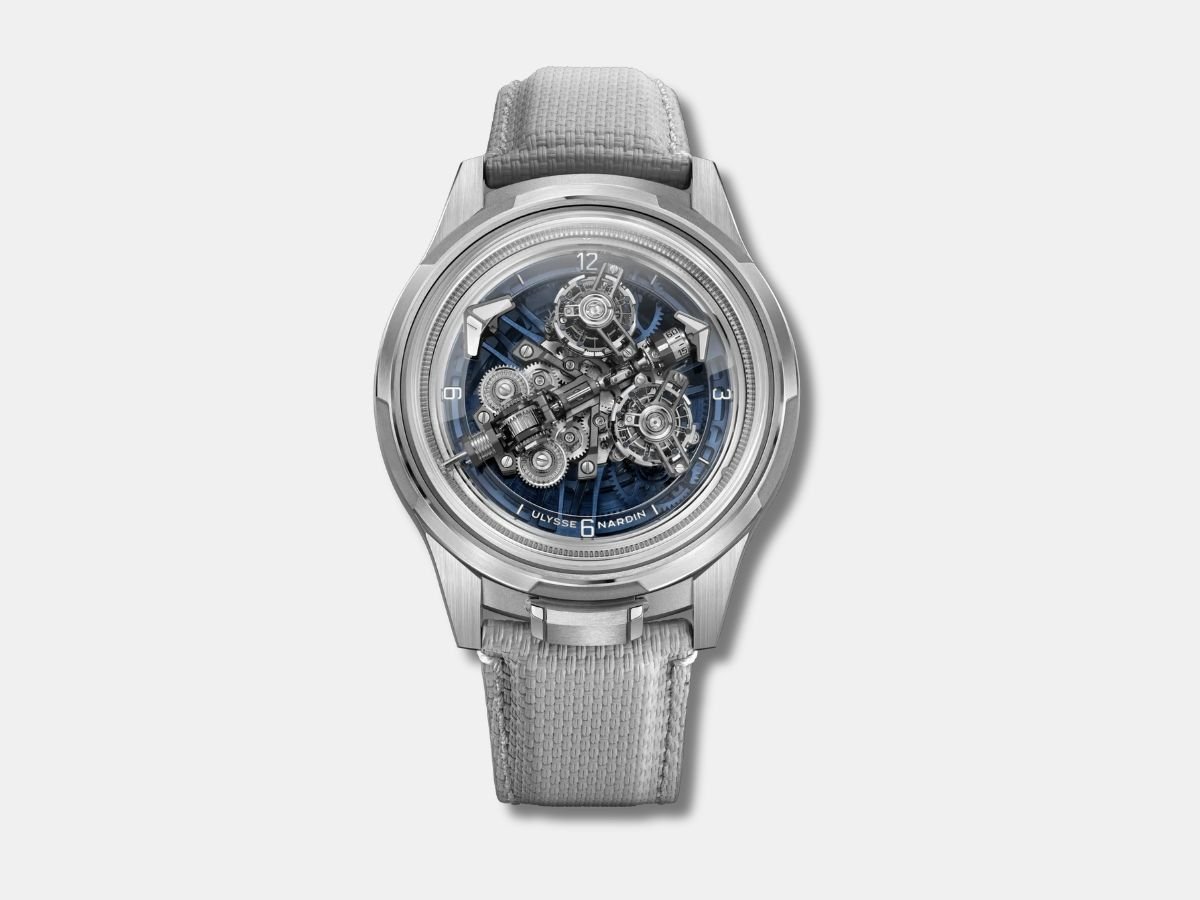
Ulysse Nardin Super Freak Ref. 2520-500LE-3A-BLUE/3A
Ulysse Nardin Super Freak | Image: Ulysse Nardin

Meet the World’s First Automatic Double Tourbillon

Housed inside the Super Freak is Ulysse Nardin’s newly developed Calibre UN-252, an extraordinary in-house movement comprising 511 individual components. Four years of intensive research and development went into developing the self-winding calibre, reflecting the immense engineering required to bring the brand’s most ambitious time-only watch to life. Rather than sitting beneath a conventional dial, the movement itself becomes the watch’s display, showcasing the technical brilliance and pioneering spirit that have defined the Freak collection for the past 25 years. The new Super Freak is described as the most complicated time-only watch ever created.

Its most eye-catching part is the light minute bridge, which holds two flying tourbillons, tilted at 10 degrees, and is made of titanium. Turning in opposite directions, each tourbillon makes a full turn every 60 seconds while the whole flying carousel moves around the dial once every hour to show the minutes. Even with such a complex mechanism, the entire bridge weighs only 3.5 grams, making it seem like the parts are floating inside the 44 mm white gold case.

Ulysse Nardin Super Freak Ref. 2520-500LE-3A-BLUE/3A
Ulysse Nardin Super Freak | Image: Ulysse Nardin
Ulysse Nardin Super Freak Ref. 2520-500LE-3A-BLUE/3A
Ulysse Nardin Super Freak | Image: Ulysse Nardin

Powering this amazing design is Ulysse Nardin’s patented Grinder automatic winding system. Known as one of the most efficient winding systems in the industry, it captures even the smallest wrist movements using four very thin moving levers, providing excellent energy transfer and a 72-hour power reserve. This impressive engineering makes sure the Super Freak works as well as it looks.

To maintain exceptional precision, Ulysse Nardin also developed several entirely new micro-mechanisms. The Super Freak incorporates the world’s smallest vertical differential, measuring only 5 mm and consisting of 69 microscopic components, which continuously averages the rate of the two Tourbillons for greater stability. That energy is then transmitted through a newly patented 4.8 mm gimbal system to power the first-ever seconds display in the Freak collection’s history. Manufactured to tolerances of just one micron, these tiny components highlight the extraordinary level of precision behind what Ulysse Nardin calls its most complicated time-only watch ever created.
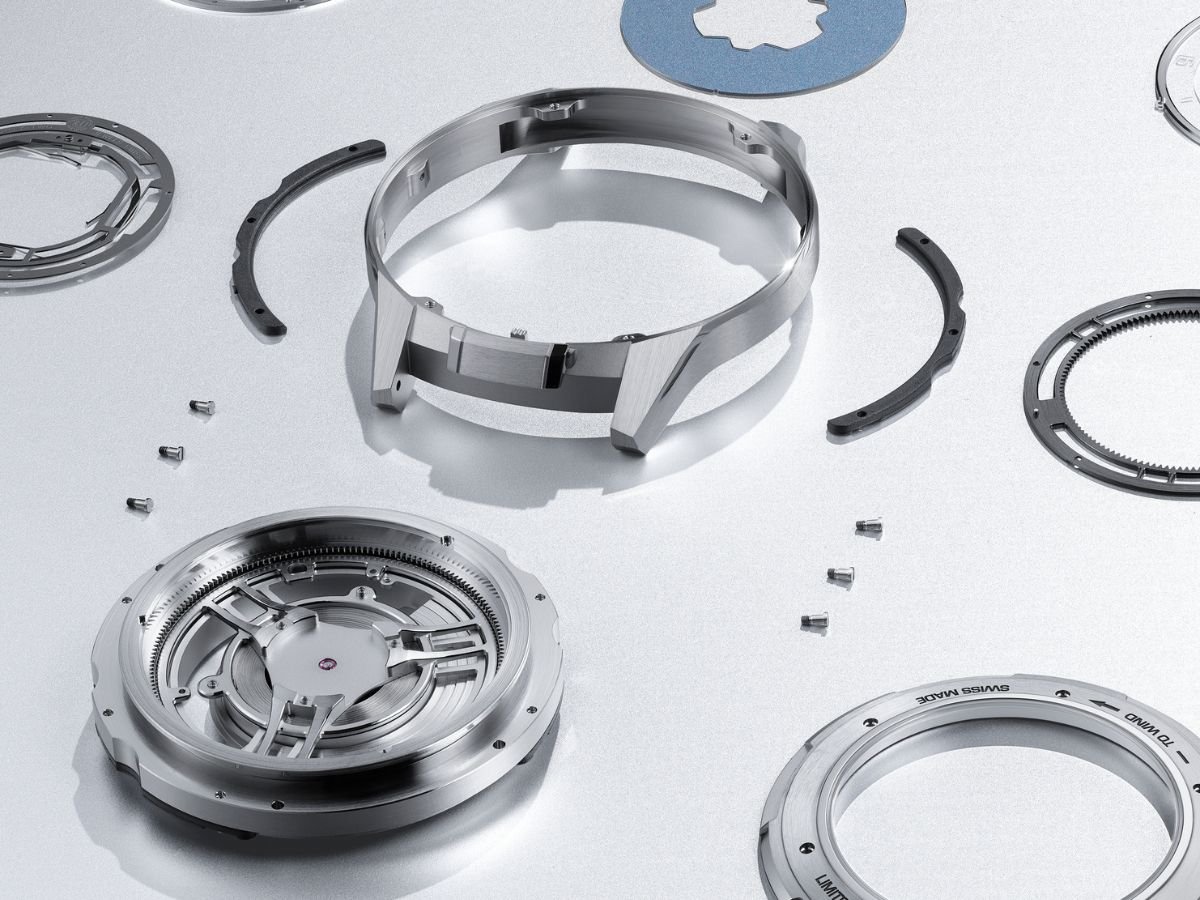
Ulysse Nardin Super Freak Ref. 2520-500LE-3A-BLUE/3A
Ulysse Nardin Super Freak | Image: Ulysse Nardin

Built by Hand, Engineered for the Future

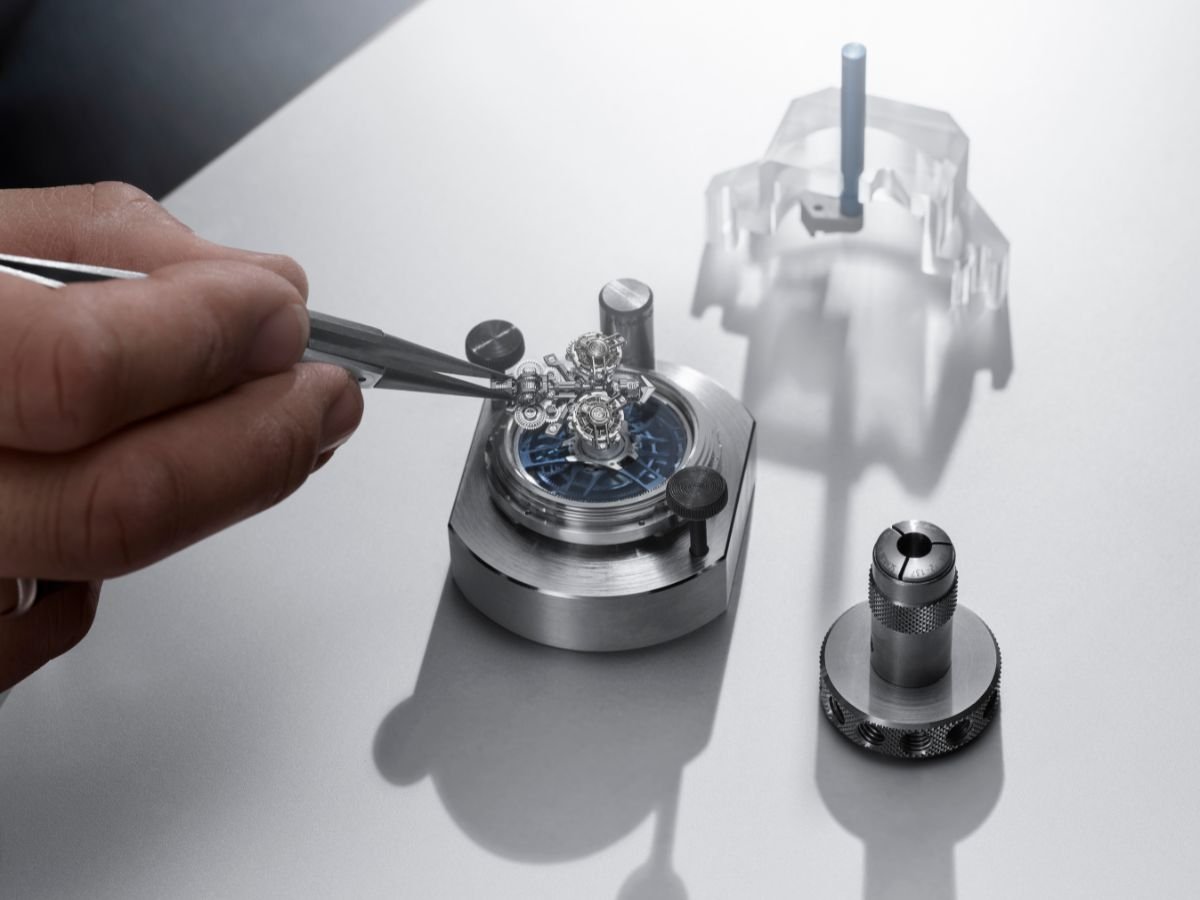
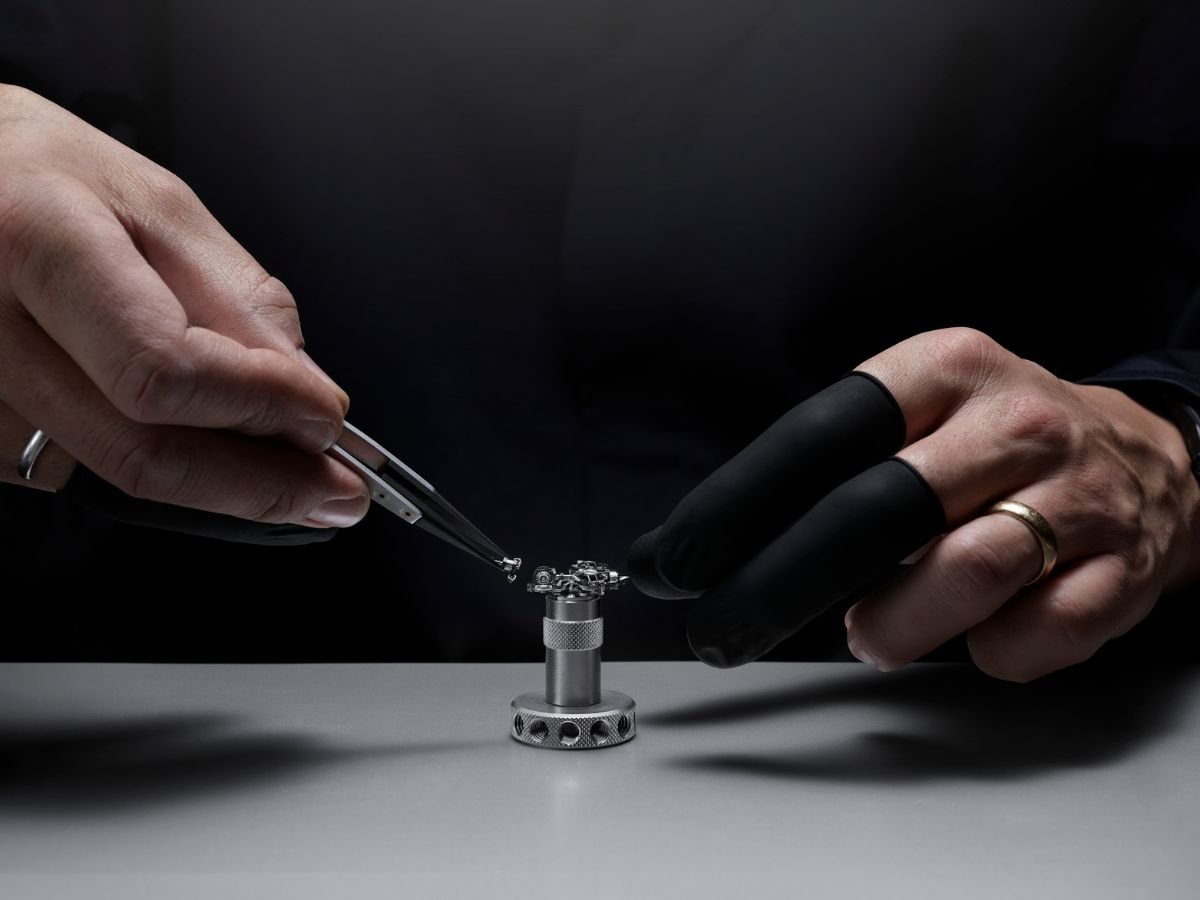
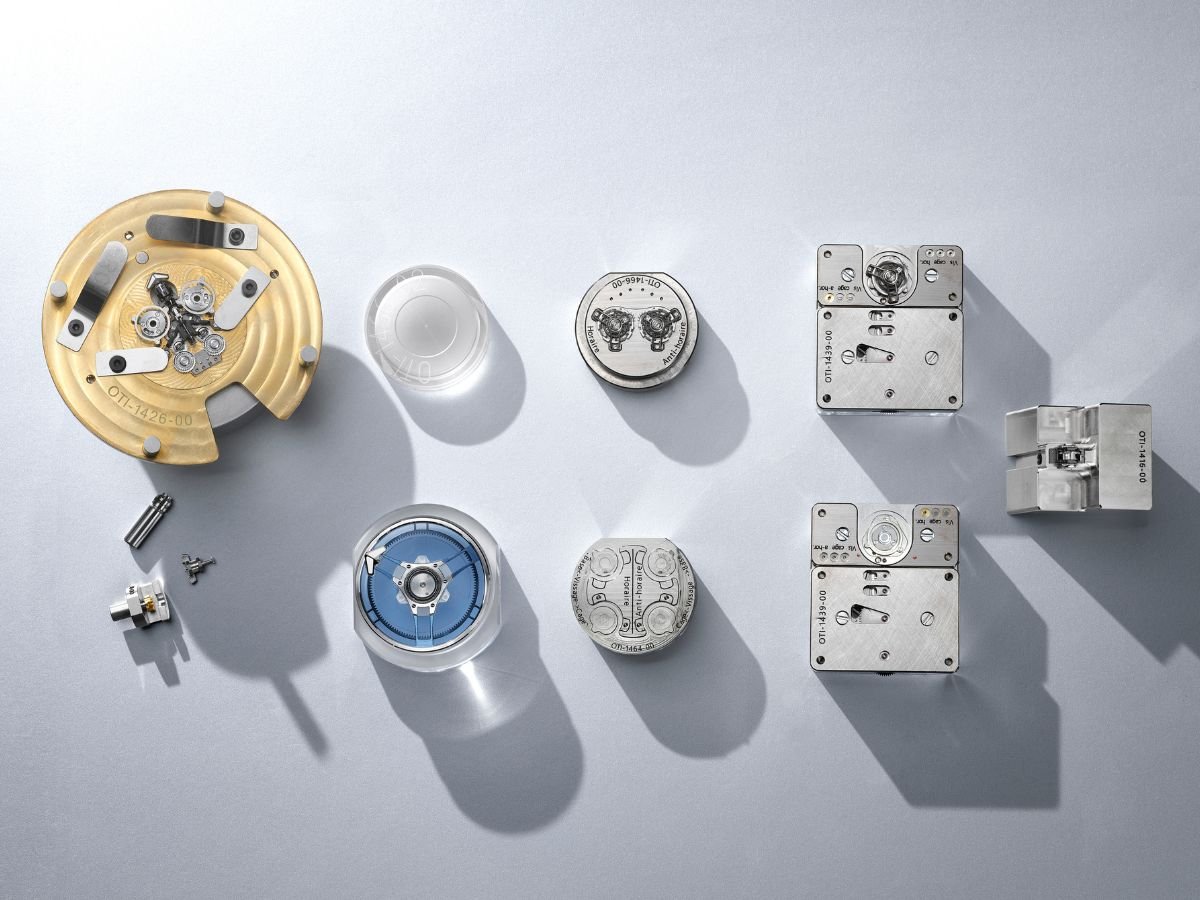
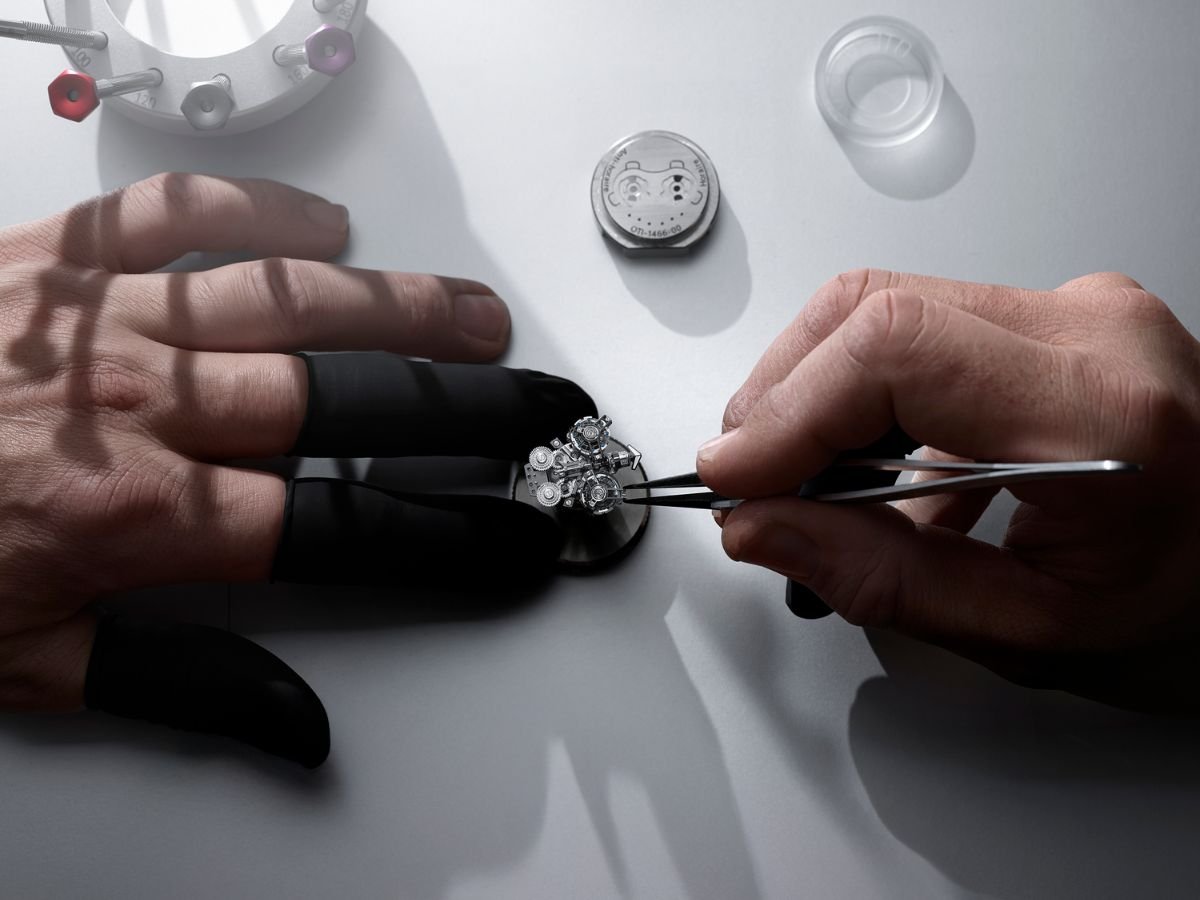
Despite its futuristic engineering, the Super Freak still remains traditional Swiss craftsmanship. More than 70% of its components are hand-finished, while every one of the 50 limited-edition pieces is assembled from start to finish by a single Grandes Complications watchmaker in La Chaux-de-Fonds. The process requires around 60 hours of assembly, followed by several days of rigorous testing to ensure the movement performs exactly as intended.

Visually, the Super Freak is unlike anything else on the market. Rather than relying on conventional beauty, its attraction lies in watching an intricate mechanical ecosystem in constant motion. Ulysse Nardin says 97.46% of the movement is continuously active, transforming the watch into a living display of engineering beneath the sapphire crystal. Time is displayed via a transparent blue Nanosital hour disc, a highly durable polycrystalline material chosen for its optical clarity and strength. Finished with white Super-LumiNova accents, the icy-blue display pays tribute to the brand’s maritime heritage by revealing the remarkable movement beneath.
Ulysse Nardin Super Freak Ref. 2520-500LE-3A-BLUE/3A
Ulysse Nardin Super Freak | Image: Ulysse Nardin
Ulysse Nardin Super Freak Ref. 2520-500LE-3A-BLUE/3A
Ulysse Nardin Super Freak | Image: Ulysse Nardin

All of this is housed in a 44 mm white-gold case, redesigned to improve ergonomics while staying true to the Freak’s unconventional DNA. As with every Freak, there is no crown. Instead, the time is adjusted by rotating the bezel, while winding can be performed manually through the sapphire case back if required. It’s an ingenious system that reinforces just how differently Ulysse Nardin approaches traditional watchmaking.

Limited to only 50 pieces worldwide, the Ulysse Nardin Super Freak costs USD $361,600 or EUR €348,100. While only a lucky few collectors will ever own one, the Super Freak is an amazing example of what can be achieved when classic skill, the latest technology, and bold creativity come together in one watch.

Ulysse Nardin Super Freak Ref. 2520-500LE-3A-BLUE/3A
Ulysse Nardin Super Freak Ref. 2520-500LE-3A-BLUE/3A | Image: Ulysse Nardin
  • Brand: Ulysse Nardin
  • Model: Super Freak
  • Reference: 2520-500LE-3A-BLUE/3A
  • Diameter: 44 mm
  • Thickness: 16.54 mm
  • Material: White Gold
  • Dial: Blue Nanosital hour disc with white Super-LumiNova indicators
  • Key mechanisms:
    • Two 10°-inclined flying tourbillons
    • Flying carousel
    • Vertical differential
    • Patented gimbal system
    • Grinder winding system
  • Strap: Grey rubber ballistic strap with white gold deployant buckle
  • Calibre: Calibre UN-252 Manufacture Automatic
  • Power Reserve: 72 Hours
  • Water-Resistance: 5 Bar (50 metres, 165 feet)
  • Price: USD $361,600 – EUR €348,100

Watches & WondersUlysse Nardin
About the Author

Related Articles

Seiko 145th Anniversary Collection
Watches

Seiko Celebrates 145 Years With Four Limited-Edition Watches Inspired by Its History

Reading Time: 7 minutes

Our team of editors and experts thoughtfully chooses each product. If you decide to buy through one of our links, we may earn a commission. Learn more. Want to know how we test products? Click here for more details.

Seiko has 145 years of history to dig through, so when it comes time to celebrate an anniversary this big, there’s no shortage of inspiration. The story stretches back to 1881, when 21-year-old Kintaro Hattori opened a shop in Tokyo’s Ginza district to import, sell, and repair watches and clocks. By 1892, he had established the Seikosha factory, and just three years later the company produced its first pocket watch, the Timekeeper — laying some of the foundations for what would become one of Japan’s most important Japanese watchmakers and a name recognized around the world.

For its 145th anniversary in 2026, Seiko is looking right back to those beginnings with four limited editions spanning King Seiko, Prospex, Astron and Presage. Despite coming from very different corners of the Seiko catalogue, the watches are tied together by warm gold-coloured accents, chosen to represent success and prosperity, while several details reach much further back to patterns associated with Kintaro Hattori’s early timepieces.

One looks back to early Japanese watchmaking craftsmanship, another taps into Seiko’s pioneering chronograph history, the Astron represents decades of technological innovation, and the Presage goes back to the Timekeeper. Four watches, four very different chapters of Seiko history.

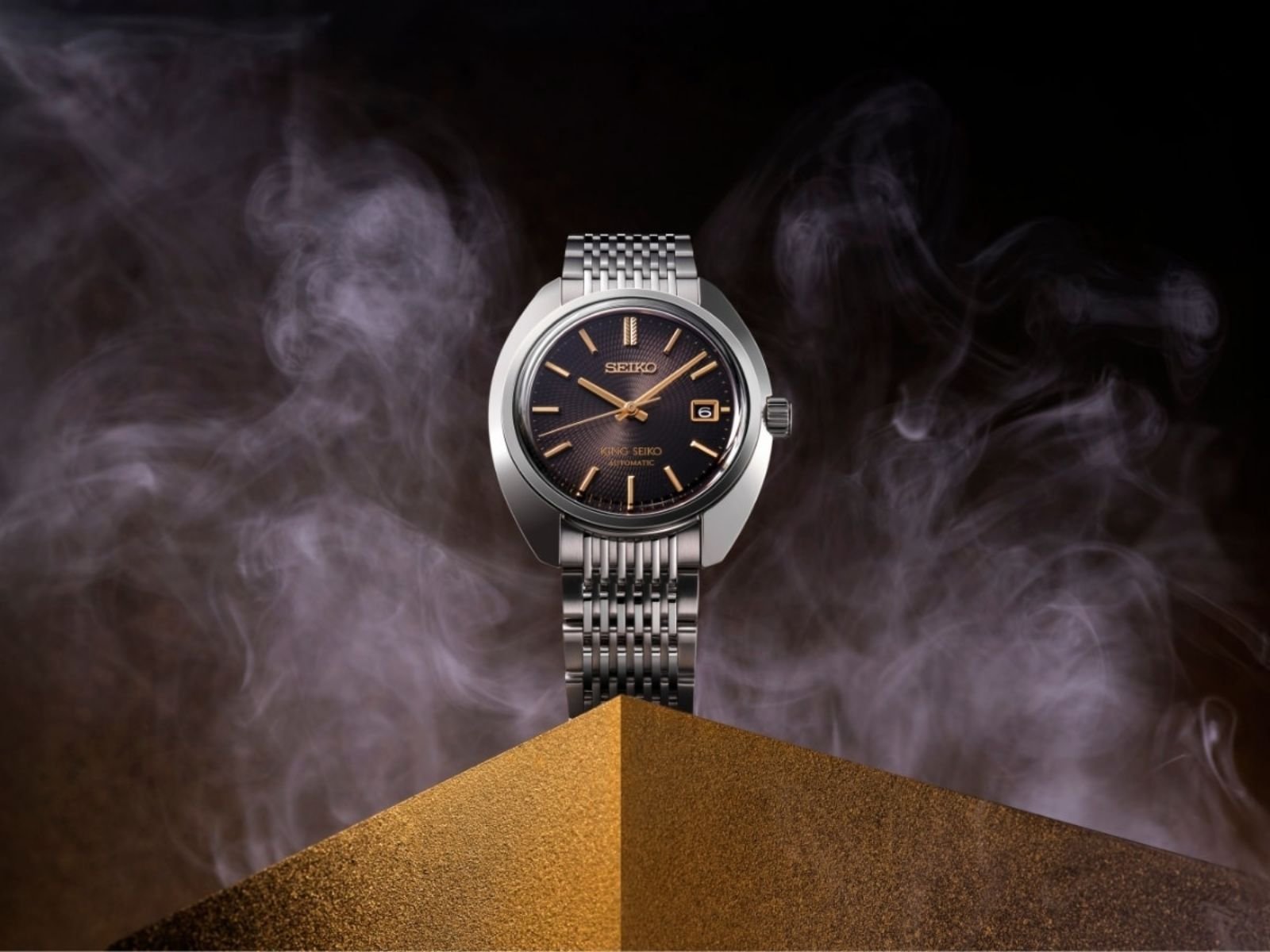
King Seiko SJE121
King Seiko – KS1969 Ref. SJE121 | Image: Seiko

King Seiko

  • Brand: Seiko
  • Model: King Seiko 
  • Reference: SJE121
  • Diameter: 39.4 mm
  • Thickness: 9.9 mm
  • Material: Stainless Steel
  • Dial: Deep Gray
  • Calibre: Calibre 6L35
  • Power Reserve: 45 Hours
  • Water-Resistance: 5 Bar (50 metres, 165 feet)
  • Price: USD $3,100 (Limited Edition – 800 Pieces)

The first watch in Seiko’s anniversary quartet is the King Seiko SJE121, and this is where the connection to Kintaro Hattori’s earliest days becomes particularly clear. Part of the KS1969 series, the SJE121 features a finely textured grey gradient dial inspired by an intricate pattern Hattori arranged to have engraved onto imported pocket watches sold during the company’s early years. The grey gradually darkens towards the outer edge of the dial, while the gold-coloured hands, applied indexes and Seiko branding provide a warm contrast — carrying the gold theme that runs throughout the anniversary collection.

The stainless-steel case measures 39.4mm across and just 9.9mm thick, with that slender profile helped by Seiko’s Calibre 6L35 automatic movement, which delivers approximately 45 hours of power reserve. The design itself draws inspiration from the King Seiko 45KCM introduced in 1969, while a multi-row stainless-steel bracelet combines mirror-polished and brushed surfaces to give the watch a subtle sparkle as it catches the light.

Flip it over, and Seiko has squeezed in another piece of King Seiko history. The caseback carries an engraved brand mark inspired by the famous King Seiko “shield” emblem of the 1960s, a design Seiko has modernized while retaining the original silhouette. Each watch is also engraved with “LIMITED EDITION” and its own individual serial number, which feels particularly appropriate considering only 800 examples of the SJE121 will be produced worldwide. It’s a small finishing touch, but exactly the kind of detail you want to find on a watch created to celebrate 145 years of Seiko history.

Seiko Prospex Speedtimer SRQ059
Seiko Prospex Speedtimer SRQ059 | Image: Seiko

Seiko Prospex Speedtimer

  • Brand: Seiko
  • Model: Prospex Speedtimer 
  • Reference: SRQ059
  • Diameter: 42 mm
  • Thickness: 14.6 mm
  • Material: Stainless Steel
  • Dial: White Dial
  • Calibre: Calibre 8R48
  • Power Reserve: 45 Hours
  • Water-Resistance: 10 Bar (100 metres, 330 feet)
  • Price: USD $2,500 (Limited Edition – 700 Pieces)

Next up is one of our favourites from Seiko’s 145th-anniversary collection: the Prospex Speedtimer SRQ059, which gets considerably sportier. Seiko’s chronograph story stretches back to 1964 with Japan’s first wristwatch chronograph, followed in 1969 by the Speedtimer, which combined a column wheel and vertical clutch in an automatic chronograph.

The SRQ059 taps into that racing-era heritage with a 42mm stainless-steel case, flowing lines inspired by Speedtimers of the 1960s and ’70s, and a crisp white dial punctuated by gold details. There’s something particularly good about that combination — it feels celebratory without losing the purposeful, instrument-like character you’d expect from a Prospex.

Underneath sits the Calibre 8R48 automatic mechanical chronograph, hand-assembled by Seiko’s skilled watchmakers and equipped with both a vertical clutch and column wheel for precise chronograph operation. You get a 30-minute counter at 9 o’clock, a 12-hour counter at 6, a tachymeter and approximately 45 hours of power reserve, while the case offers a dual-curved sapphire crystal, super-hard coating and 100 metres of water resistance.

Only 700 pieces will be made worldwide — the smallest production run of the four watches we’re covering — and with its mechanical chronograph movement, vintage Speedtimer influence, and restrained gold touches, this is easily one of the anniversary pieces we’d be most tempted to put on our own wrist.

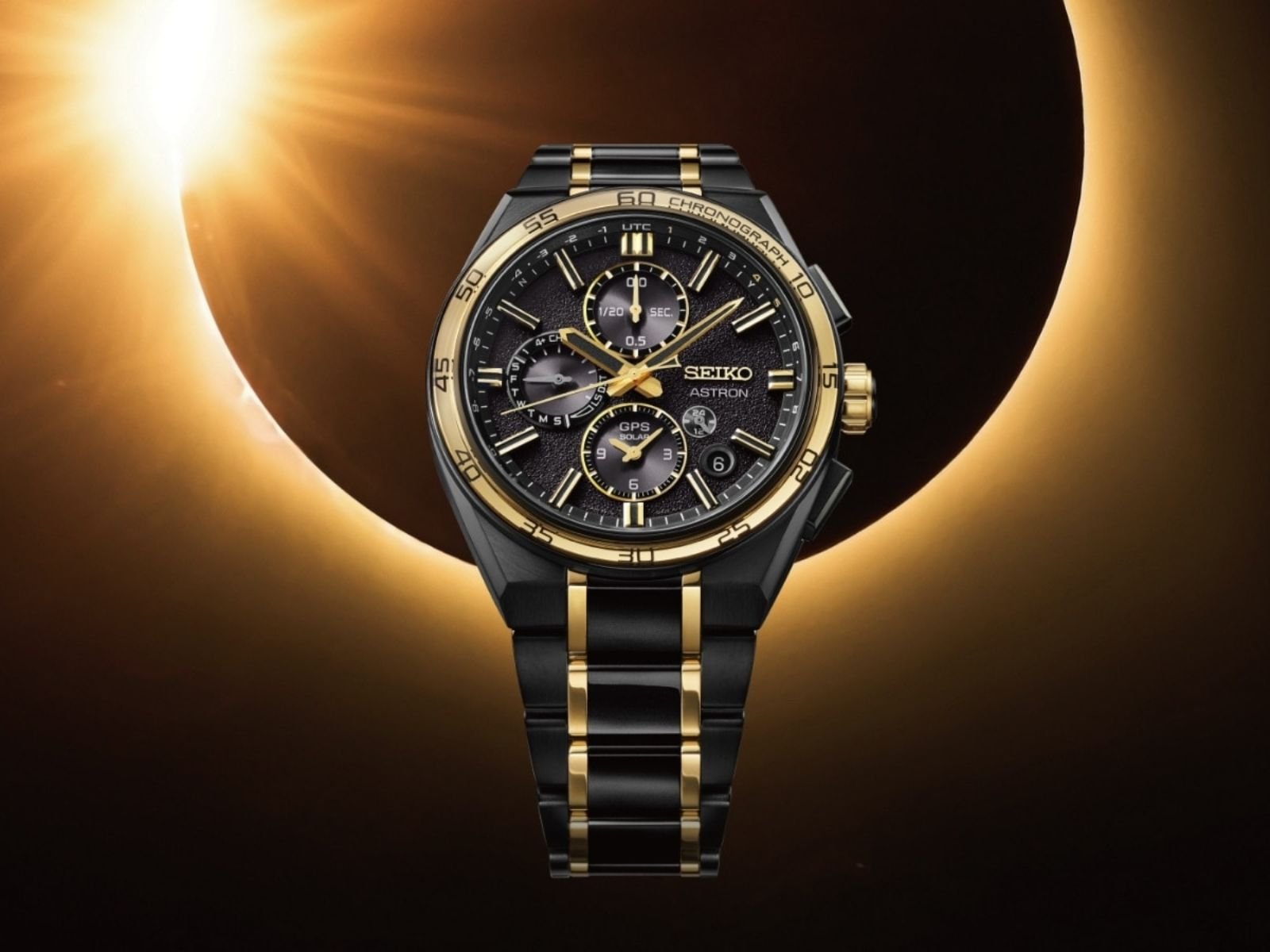
Seiko Astron SSH186
Seiko Astron GPS Solar Dual-Time Chronograph Ref. SSH186 | Image: Seiko

Seiko Astron GPS Solar Dual-Time Chronograph

  • Brand: Seiko
  • Model: Astron
  • Reference: SSH186
  • Diameter: 44.1 mm
  • Thickness: 14.4 mm
  • Material: Titanium With Black Super-Hard Coating
  • Dial: White Dial
  • Calibre: 5X83 – GPS solar
  • Power Reserve: 45 Hours
  • Water-Resistance: 10 Bar (100 metres, 330 feet)
  • Price: USD $3,300 (Limited Edition – 1,450 Pieces)

Astron has long represented Seiko’s more technologically ambitious side, making it a fitting addition to the 145th-anniversary collection. The name dates back to 1969 and the Quartz Astron, the world’s first quartz watch, before returning in 2012 with Seiko’s world-first GPS Solar watch. That history of pushing watch technology forward continues here, only wrapped in a much darker and more dramatic anniversary package.

The 44.1mm titanium case and bracelet feature a black super-hard coating, contrasted with gold-coloured details across the dial, case, and bracelet. A gold-coloured sapphire crystal insert adds another layer to the bezel, but my favourite little detail might be the UTC scale: Seiko has highlighted the numbers 1, 4 and 5 in gold, quietly spelling out the 145th-anniversary connection without plastering it across the dial.

Inside is where things get properly technical. The solar-powered Calibre 5X83 can automatically connect to GPS satellites up to twice a day to maintain accurate time, while also packing in dual time, a 1/20-second chronograph, world time across 38 time zones, automatic DST adjustment and a perpetual calendar correct through 2100. Fully charged, it’ll run for around six months — or approximately two years in power-save mode.

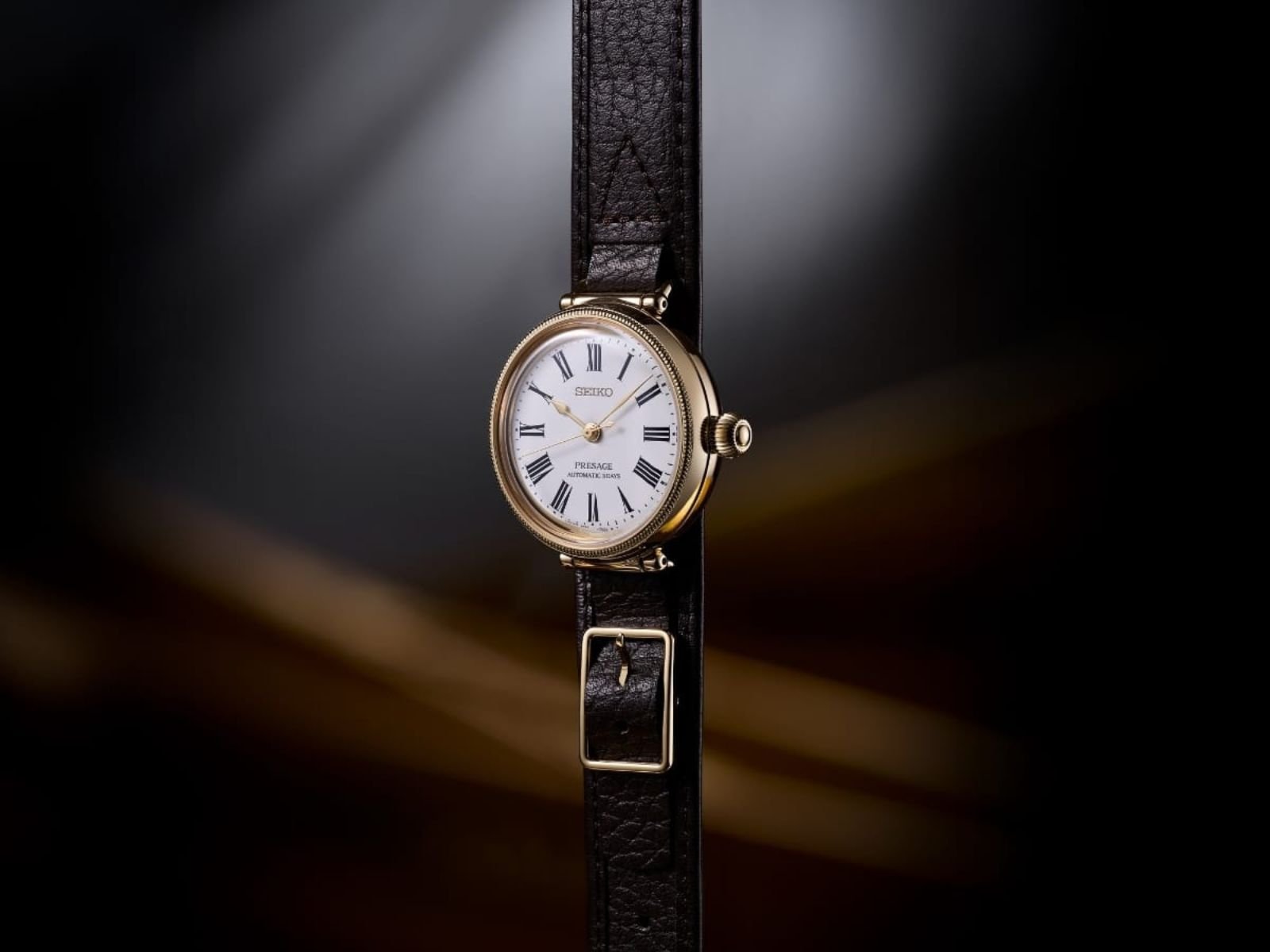
Seiko Presage SPB538
Seiko Presage Ref. SPB538 | Image: Seiko

Seiko Presage

  • Brand: Seiko
  • Model: Presage
  • Reference: SPB538
  • Diameter: 35 mm
  • Thickness: 12.3 mm
  • Material: Stainless Steel
  • Dial: White Enamel Dial
  • Calibre: Calibre 6R51
  • Power Reserve: 72 Hours
  • Water-Resistance: 5 Bar (50 metres, 165 feet)
  • Price: USD $1,900 (Limited Edition – 1,450 Pieces)

The Seiko Presage brings the collection full circle, taking us back to one of the earliest chapters in Seiko’s history. Its design draws on a variation of the Timekeeper, the company’s first pocket watch, produced by the Seikosha factory in 1895. That influence is immediately obvious in the wonderfully old-school onion crown, intricately detailed bezel and compact 35mm stainless-steel case, giving this Presage a character that feels completely different from the other three watches in the collection.

The star of the show, though, is the smooth white enamel dial with Slender Roman numerals that reinforce the vintage look, while the box-shaped sapphire crystal adds extra depth and helps recreate some of the charm of the original pocket watch. Inside you’ll find Seiko’s automatic Calibre 6R51, delivering a generous 72-hour power reserve, while movable lugs connect the case to a pull-through leather strap sourced from Leather Working Group-certified tanneries.

This feels like the right watch to close out the quartet. Across King Seiko, Prospex, Astron and Presage, Seiko has managed to celebrate 145 years without simply making four variations of the same anniversary watch. Each one tells a different part of the story, but the Presage takes us closest to where it all began — turning a design inspired by an 1895 pocket watch into something you can still comfortably wear in 2026. After 145 years of mechanical watchmaking, chronographs, quartz and GPS technology, ending back at the Timekeeper feels rather fitting.

Seiko
About the Author
arrow_drop_up