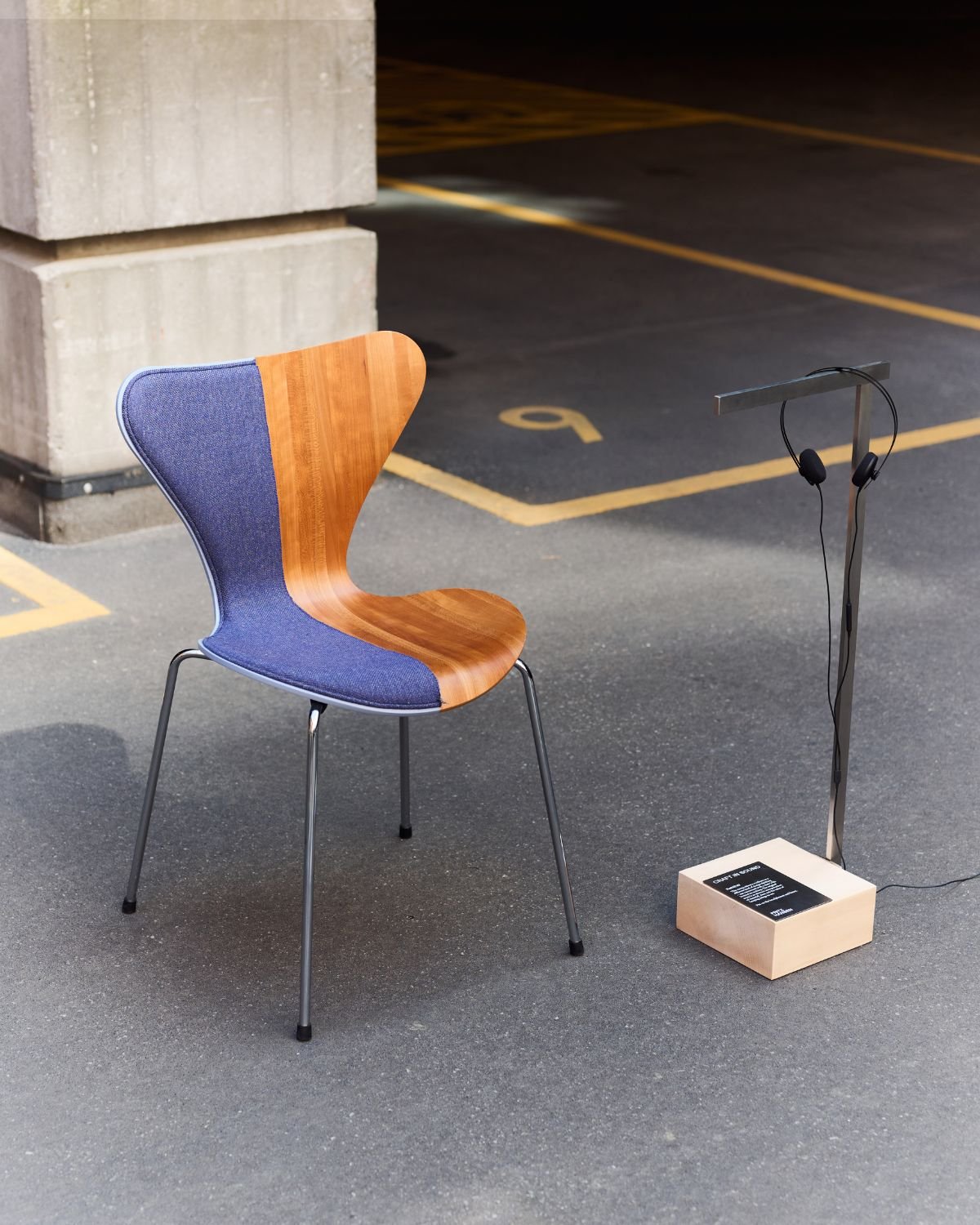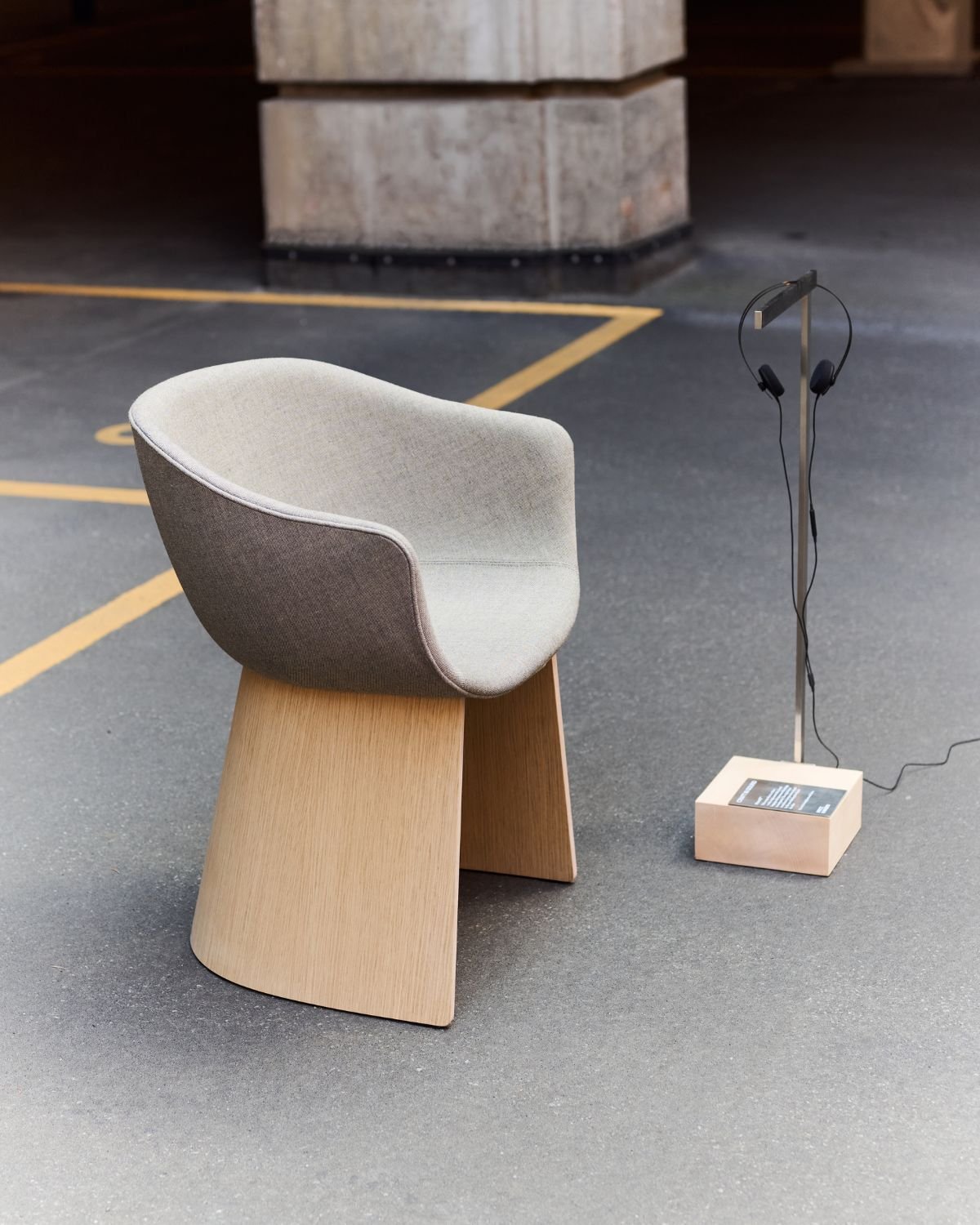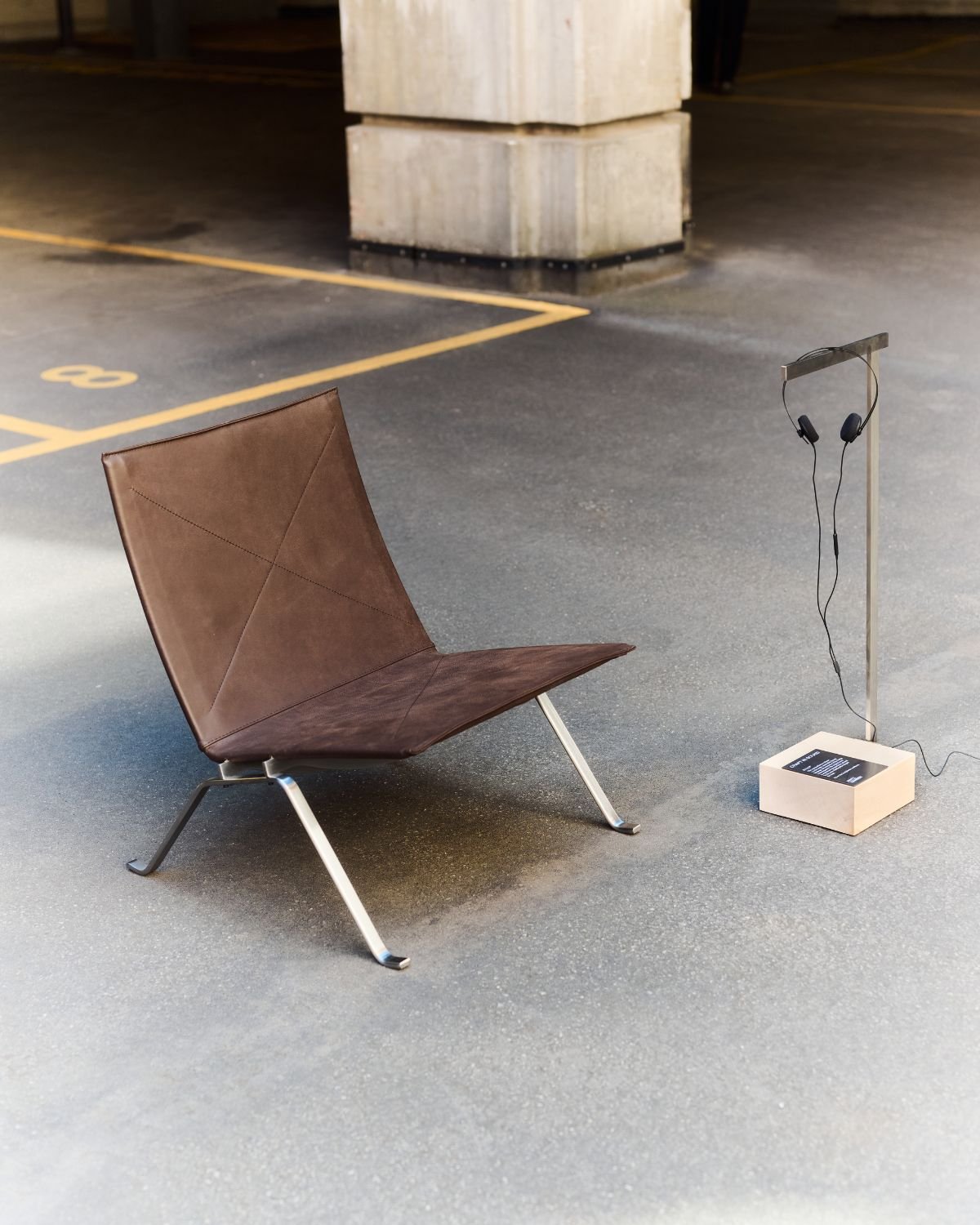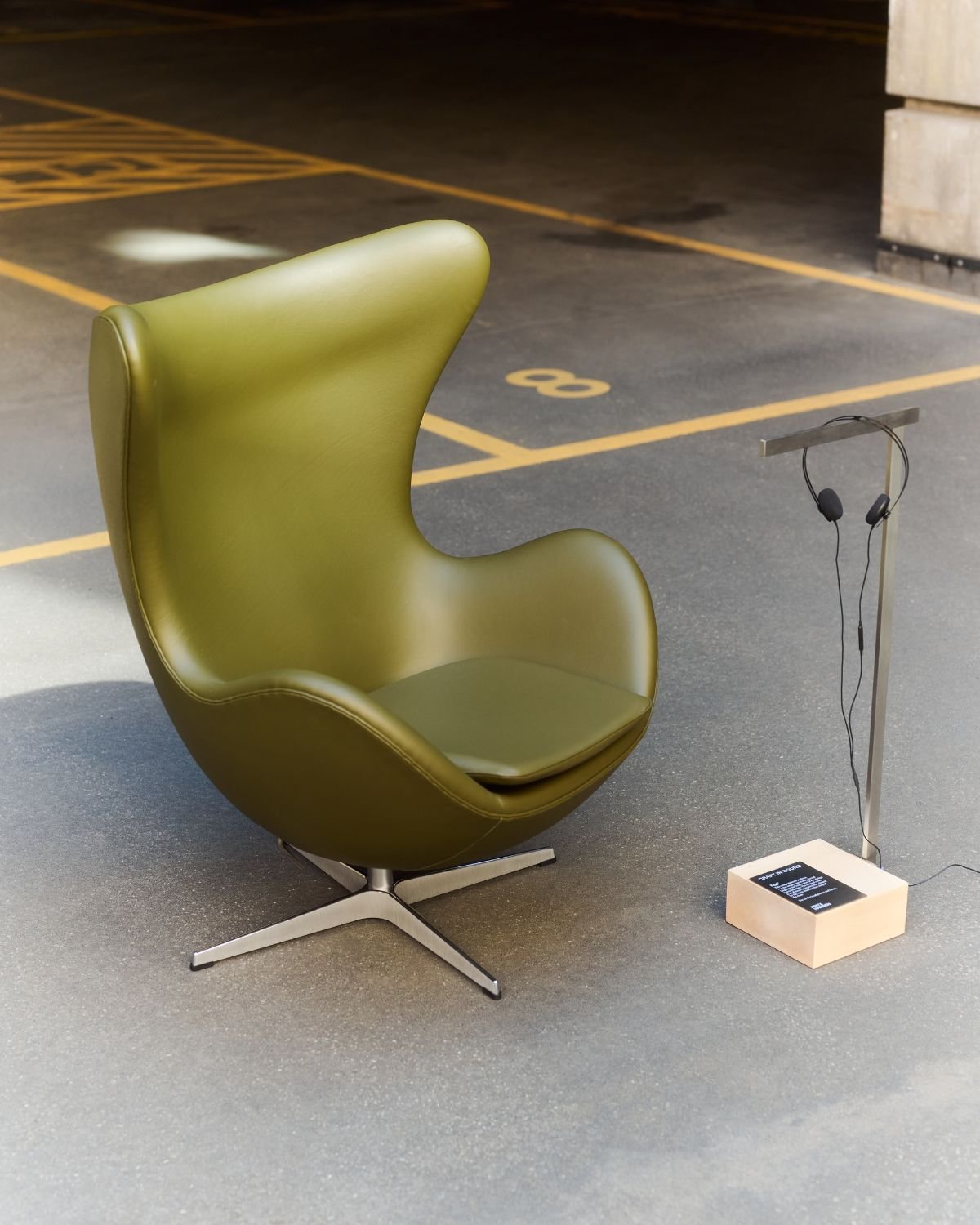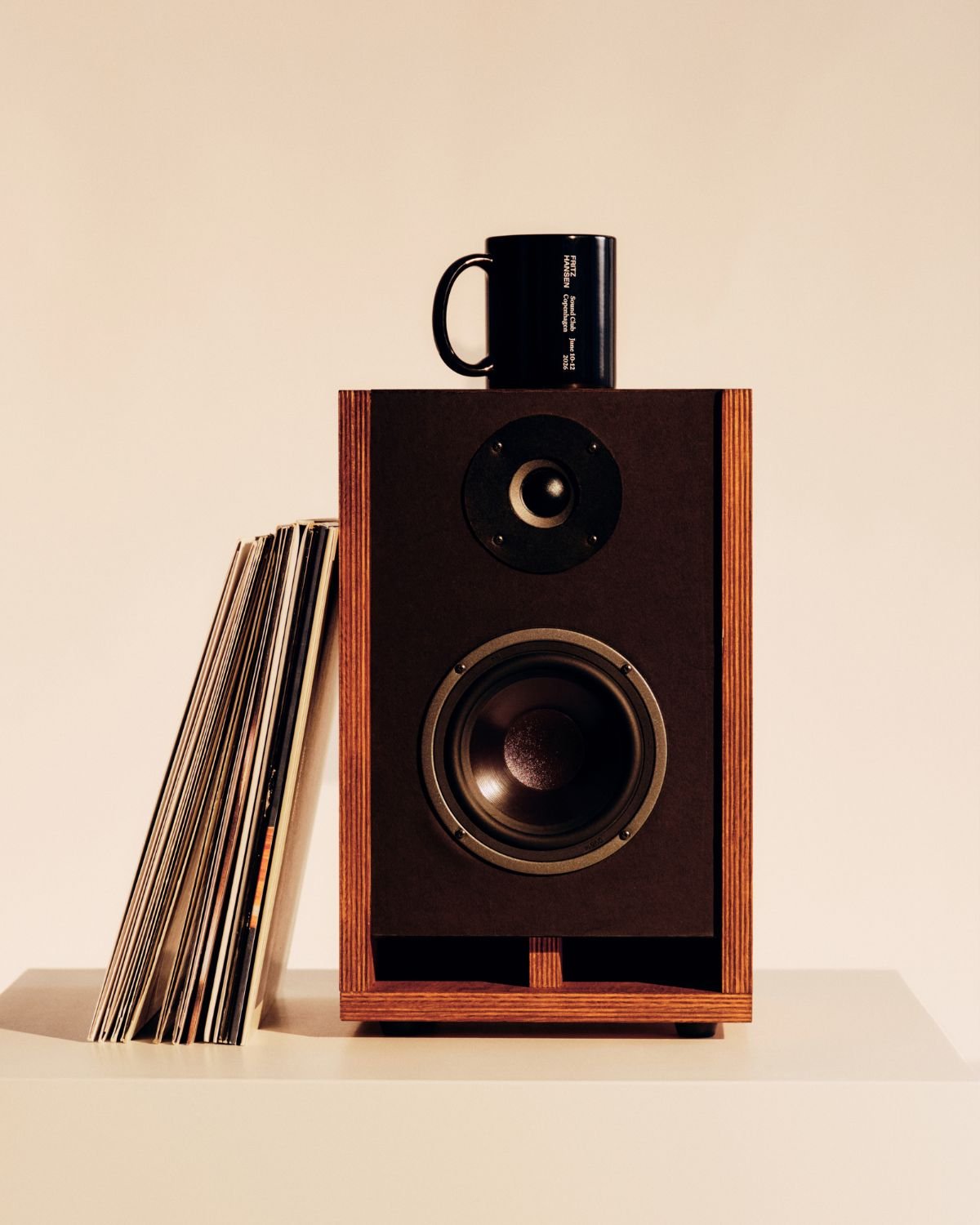







For 3 Days Of Design 2026, Fritz Hansen took a different approach to the traditional furniture exhibition, turning its attention away from products displayed in complete silence and towards the atmosphere surrounding them. Instead of filling another perfectly arranged showroom with objects visitors could admire from a careful distance, the Danish design brand introduced podcasts, vinyl records, live DJ sessions and recordings captured during the production of its furniture.
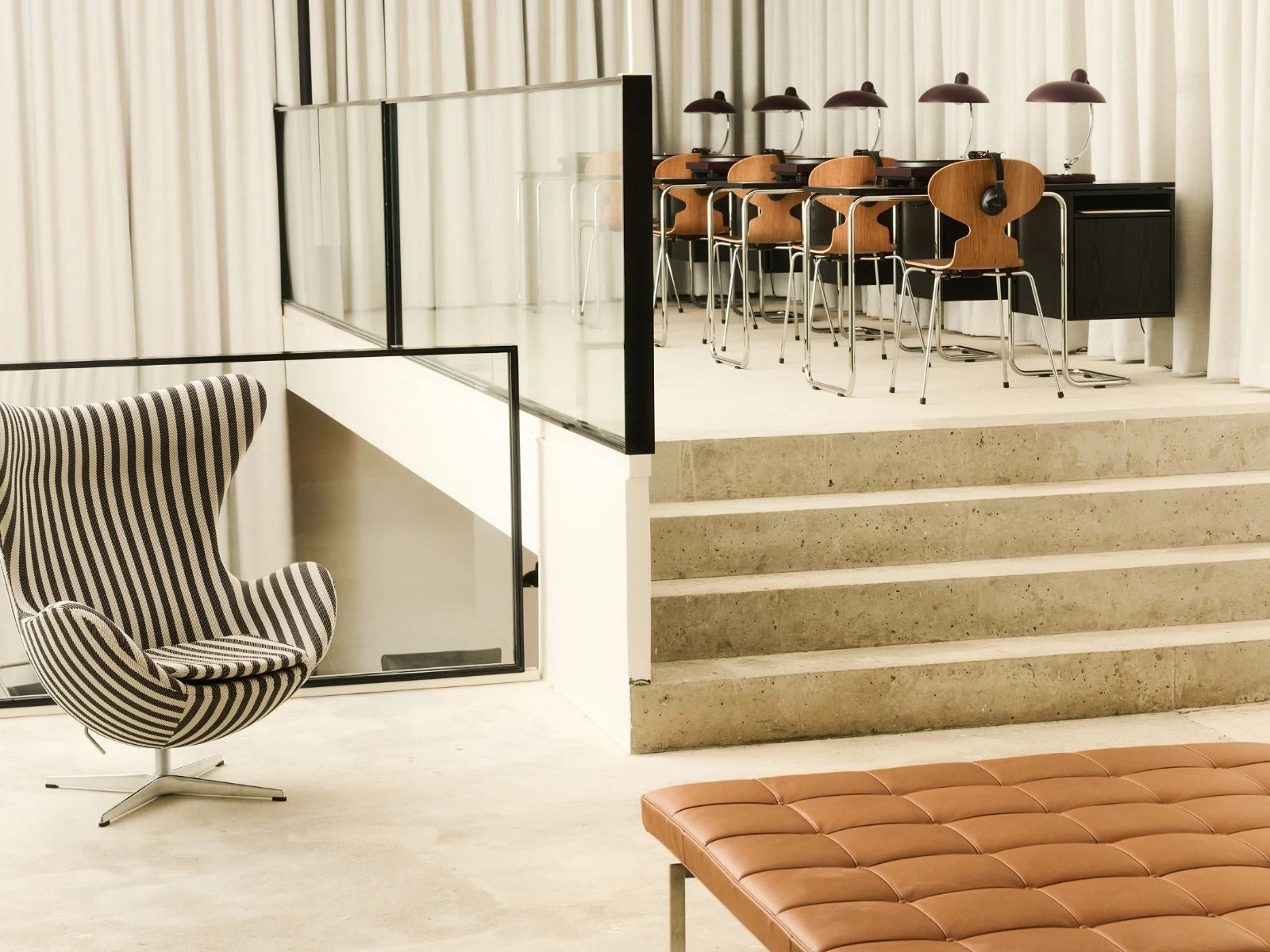
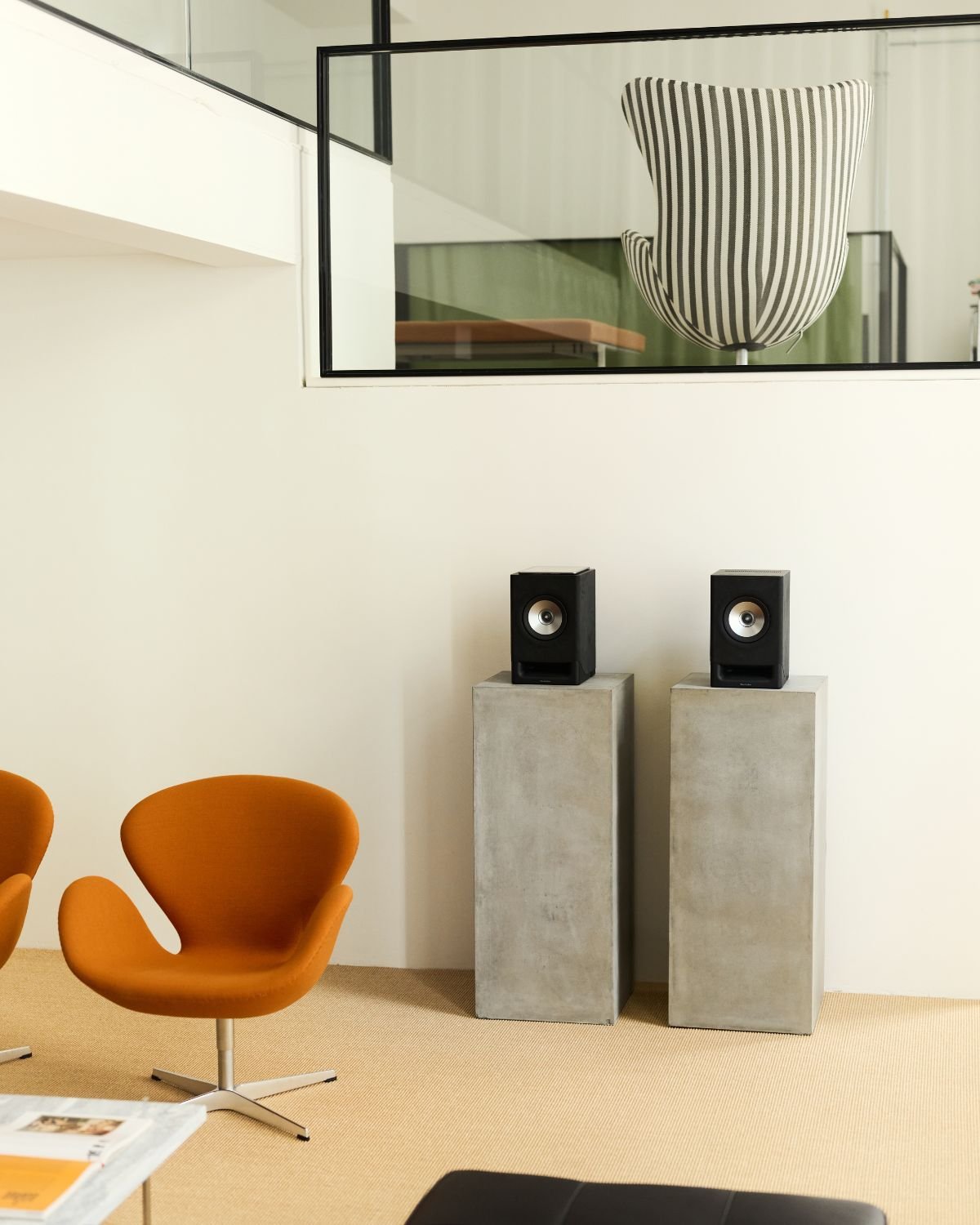
Called Fritz Hansen Sound Club, the installation extended across three connected areas at the company’s Copenhagen flagship on Løvstræde 5, including a listening lounge, courtyard and Flagship Store. Created with Japanese audio brand Technics, each space examined how music, lighting, furniture and materials work together to influence how people move through a room, where they choose to pause and how long they decide to remain there.
The result was an exhibition designed to be heard as much as seen, while giving visitors a reason to do something increasingly unusual during a busy design festival — put down the phone, take a seat and stay for a while.
Sound Club was built around the idea that furniture and architecture only establish part of a room’s character, with lighting and sound determining much of how the space is actually experienced. A chair may provide somewhere to sit, but the surrounding music can decide whether someone stays for half an hour or gets up again after checking one notification.
Advertisement · Continue Reading Below
As Els Van Hoorebeeck, Creative Director at Fritz Hansen, explains, “Sound plays a direct role in how we experience space. It shapes how we move, where we pause, and how we relate to furniture, light and materials. With Fritz Hansen Sound Club, we explore how these elements work together to define the character of a space, and how this way of thinking continues to shape our design today,” says Els Van Hoorebeeck, Creative Director at Fritz Hansen.
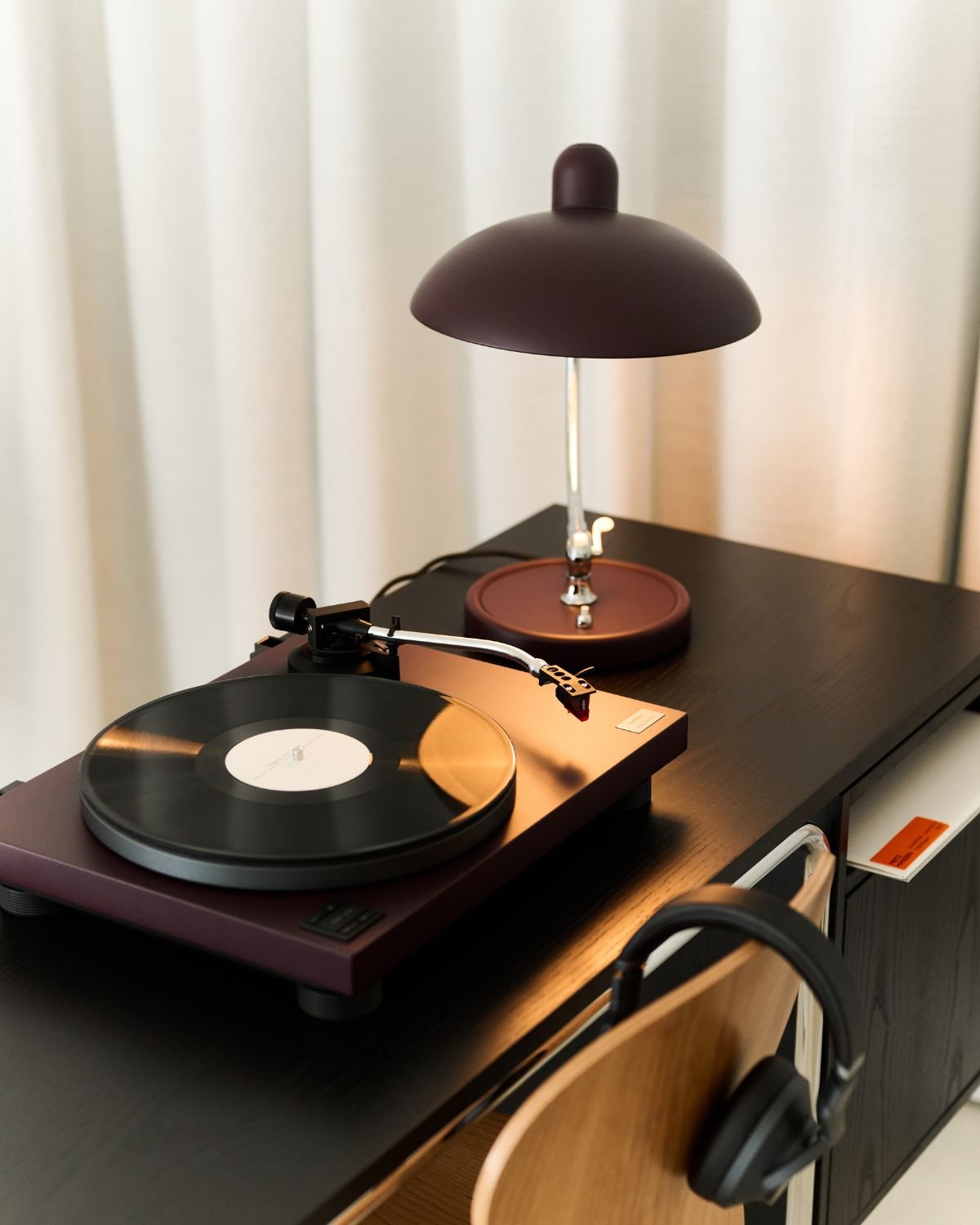
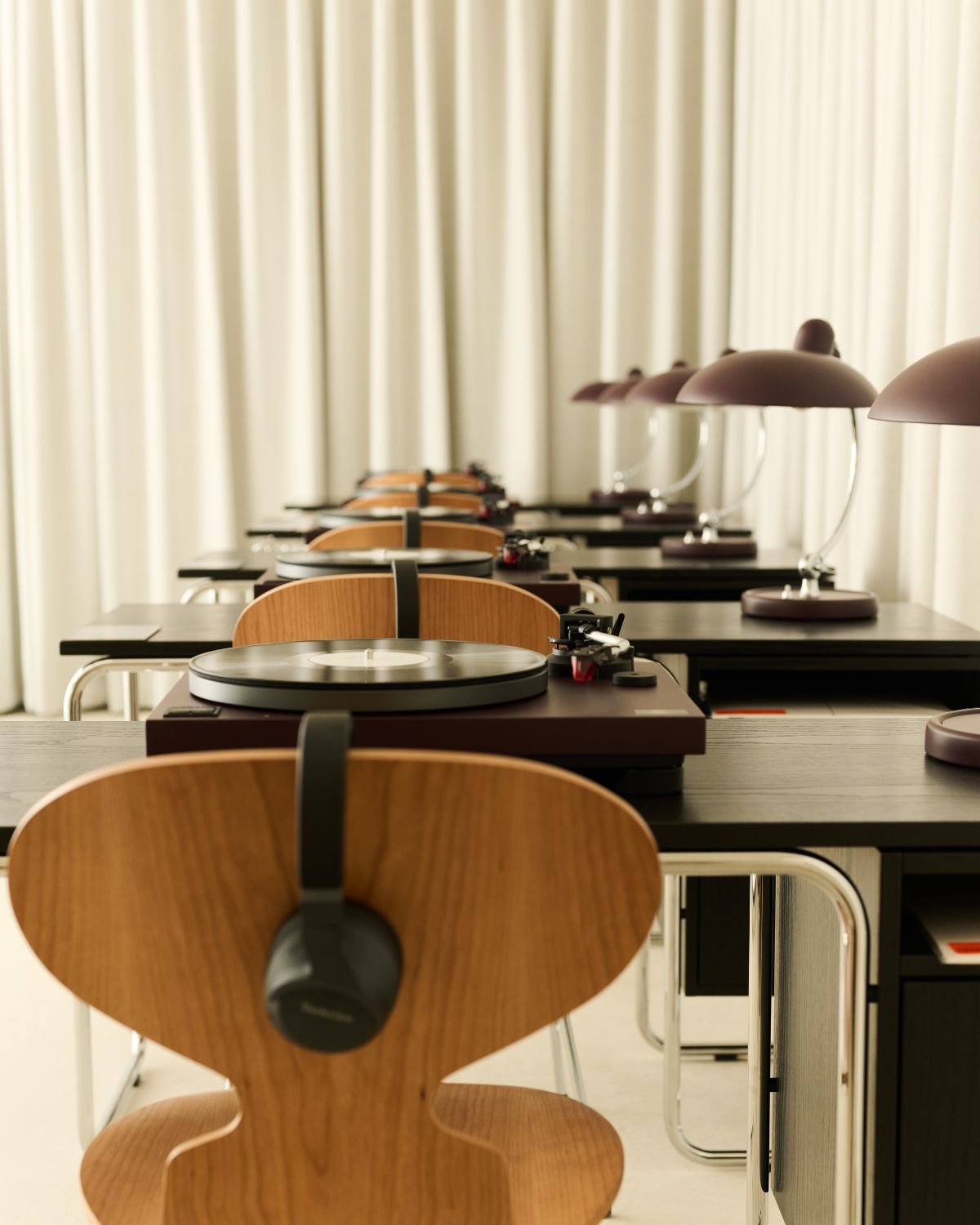
That approach changed the exhibition from showing furniture as separate items. A lounge chair feels different when it is in a room with a podcast playing out loud, just like a table lamp has a different purpose when it shines light on someone listening to a record with headphones.
The installation was also designed in response to the pace of 3daysofdesign itself, where visitors are usually moving between exhibitions, showroom launches, and events across Copenhagen. Rather than directing everyone through one fixed route, Fritz Hansen allowed guests to choose how much time they wanted to spend inside each area, whether that meant listening to a podcast, playing an entire record, stopping for coffee or sitting through a live DJ set.
Fritz Hansen wanted visitors to engage with the surroundings rather than simply taking a photograph and moving on, using music as an emotional layer that could connect a room to a particular memory.
The collaboration with Technics did not begin inside a meeting room with a presentation full of brand values. During research trips to clubs in Seoul and, later, a Technics café in Kyoto, Van Hoorebeeck and her team repeatedly noticed KAISER Idell Lamps positioned alongside Technics Turntables.
The visual relationship between the curved arm of the lamp and the tonearm of the turntable provided the first connection, but the two brands also shared a broader focus on performance, precision, craftsmanship and longevity. One specializes in furniture and lighting while the other is closely associated with audio equipment, yet both design objects are intended to remain useful well beyond the trend cycle.
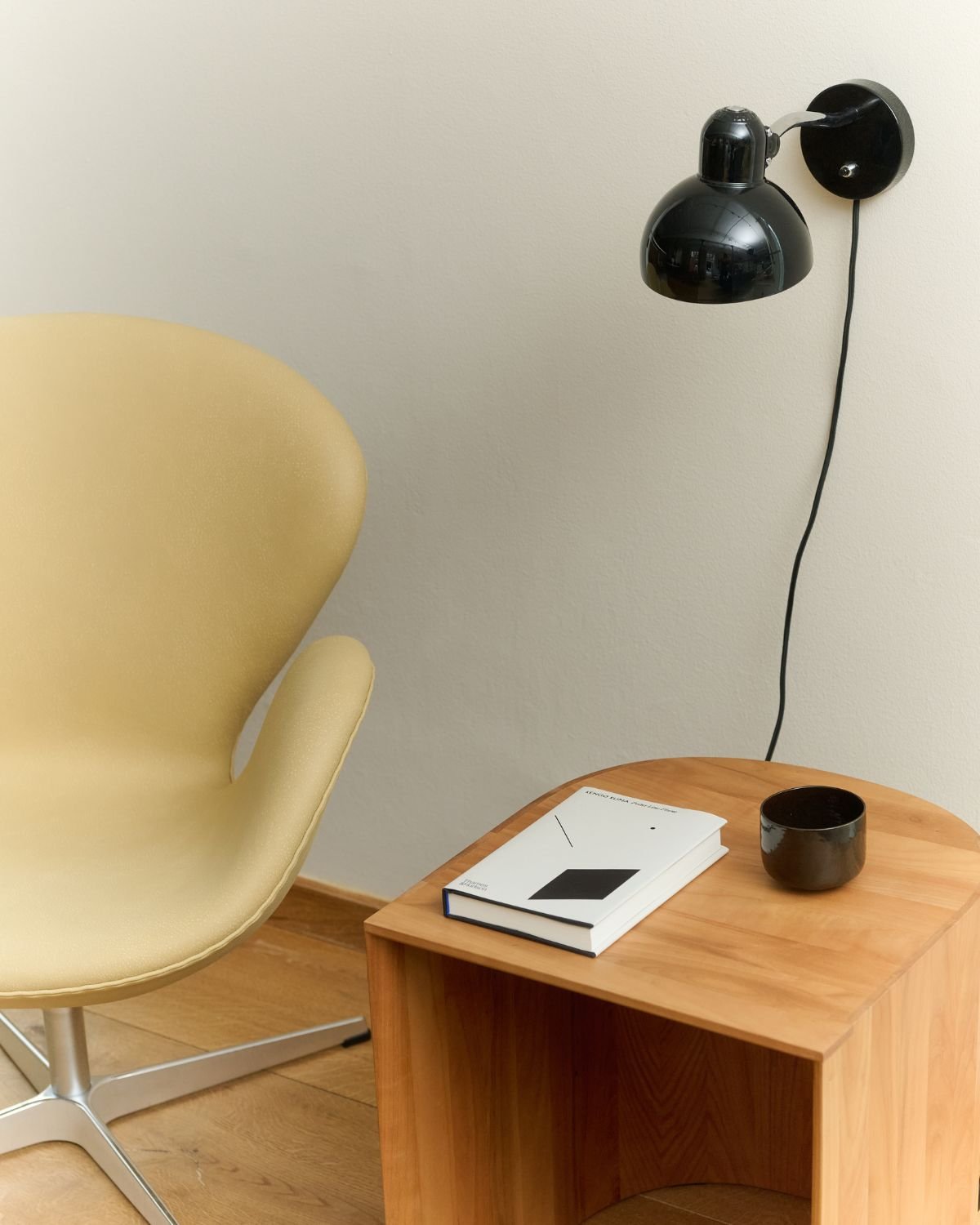
That connection became particularly relevant as Fritz Hansen marked the 90th anniversary of the KAISER Idell 6631-T Luxus Table Lamp, originally designed by Christian Dell in 1936. Its curved connecting arm, carefully proportioned shade and function-led construction have helped it remain one of the more recognizable examples of Bauhaus lighting, with the design surviving nine decades without requiring a touchscreen or companion app.
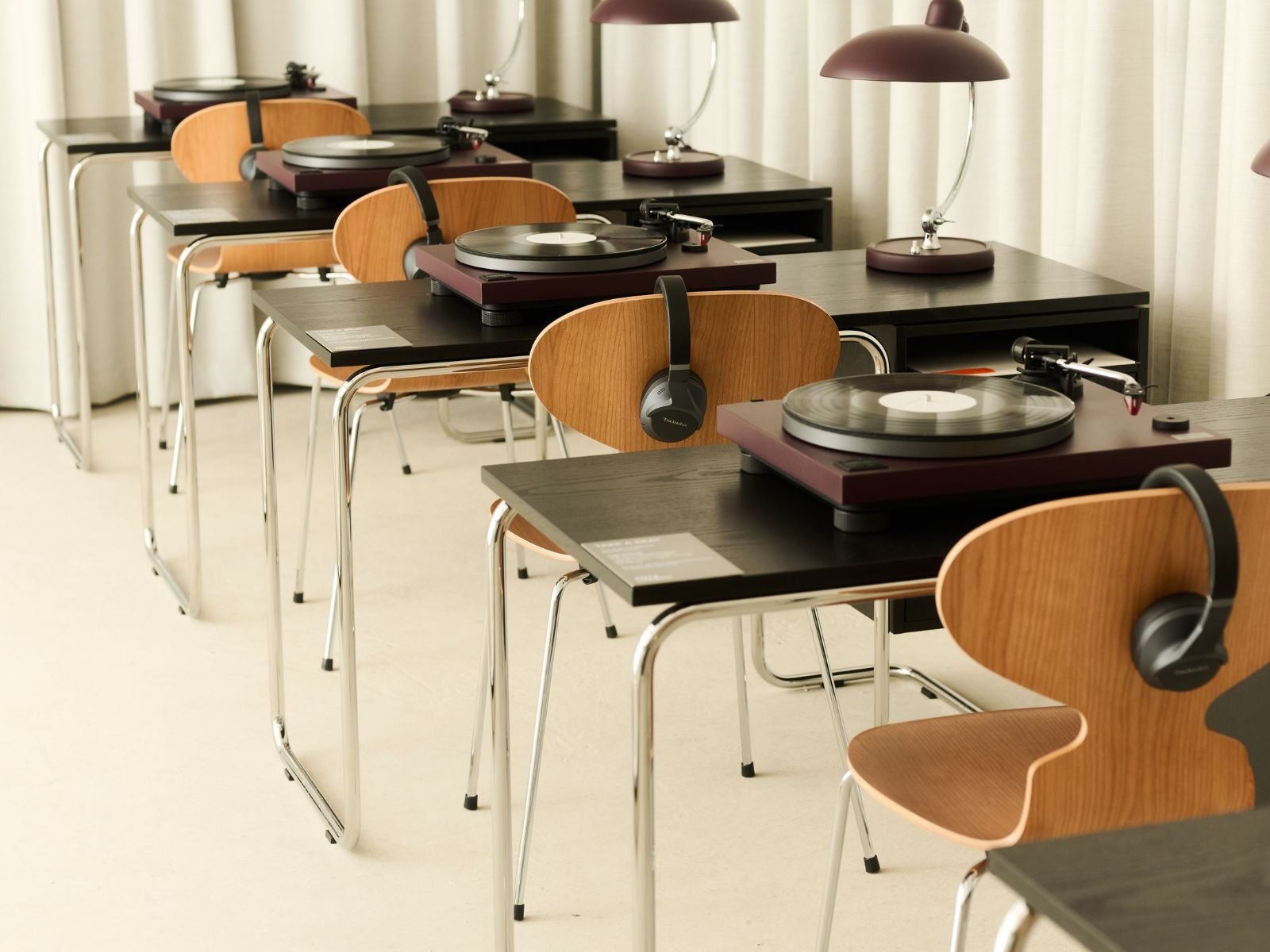
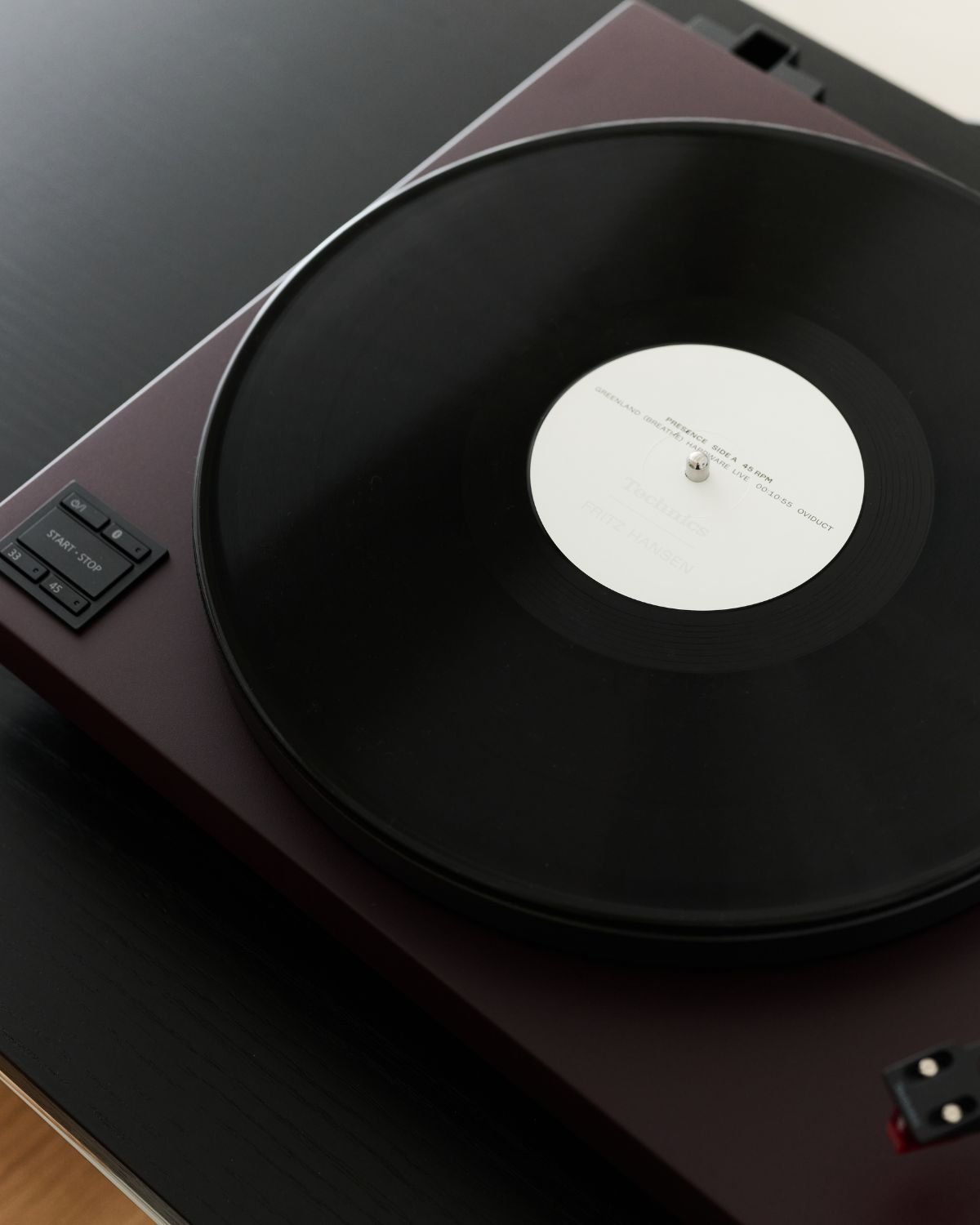
To commemorate the anniversary, Fritz Hansen and Technics created coordinated limited editions of the KAISER Idell Table Lamp and SL-40CBT Turntable. Both received the same deep-burgundy finish, a colour that forms part of Fritz Hansen’s evolving visual identity and connects the two products without dramatically redesigning either one.
Advertisement · Continue Reading Below
At Sound Club, the lamp and turntable stood out, but the display was really about showing how they work together. The lamp lit a specific spot as the turntable played music, making picking a record feel special rather than just background noise.
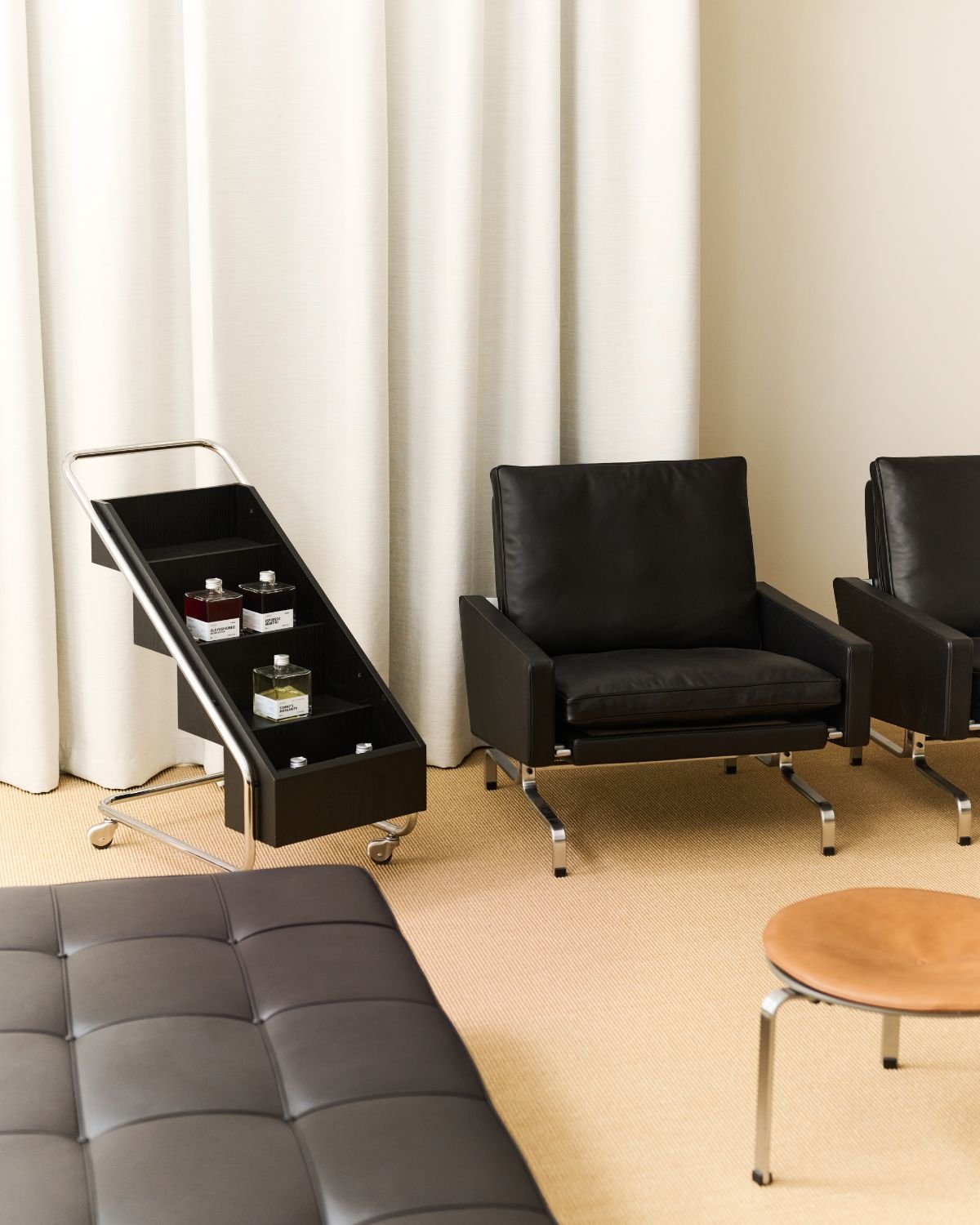
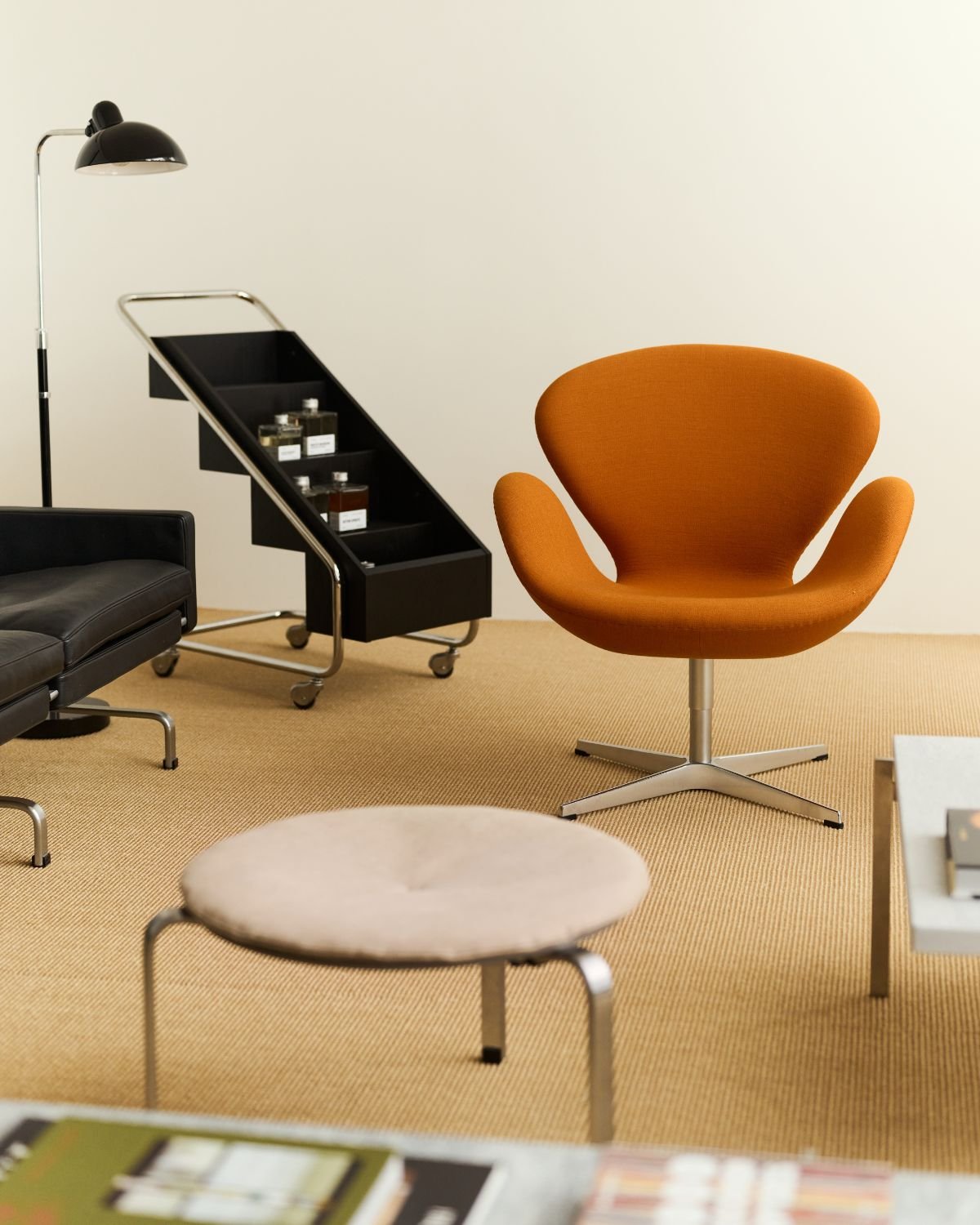
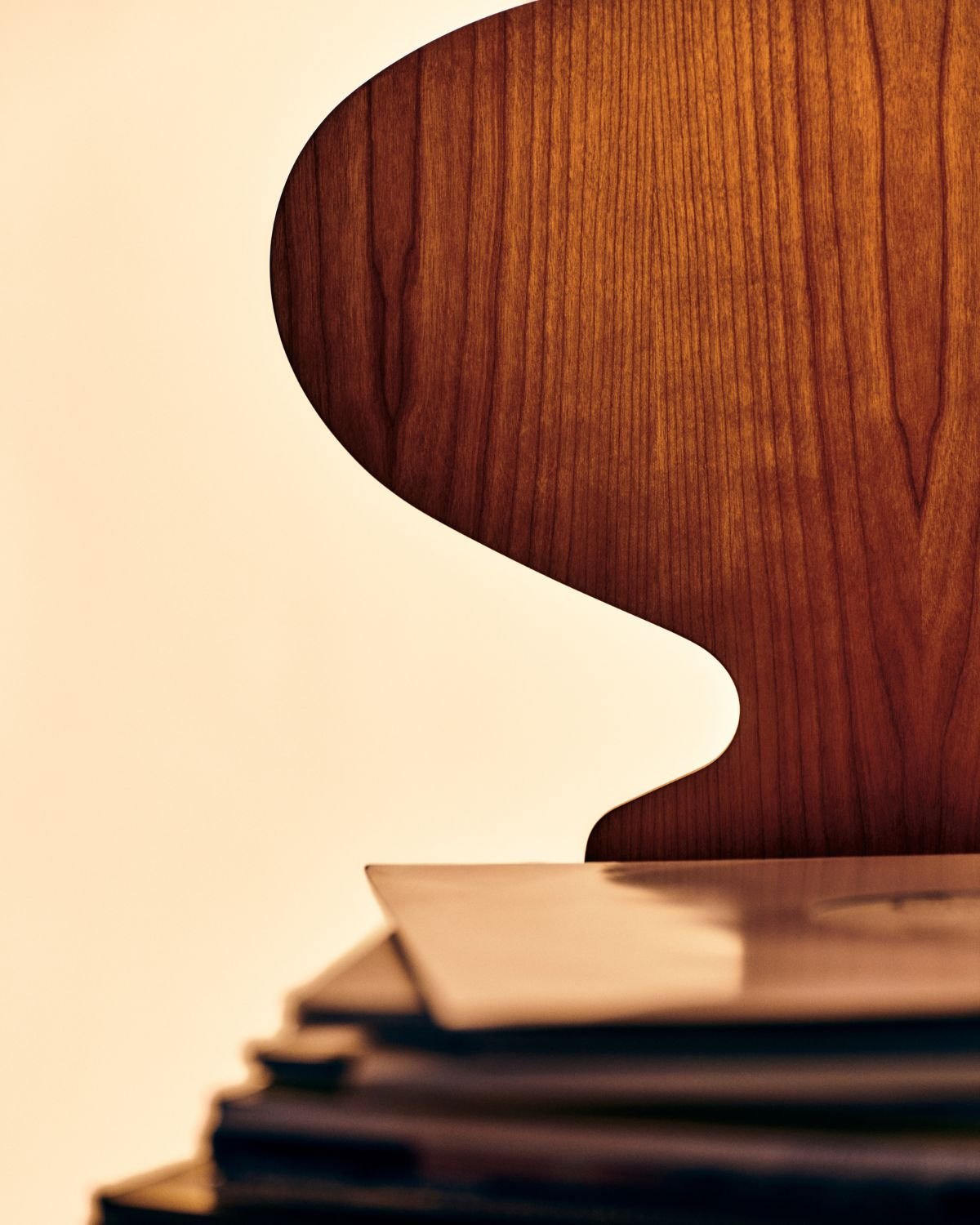
The collaboration also brought Fritz Hansen’s archive into the exhibition. Original steel furniture from the 1930s, including a table and drinks trolley, was returned specifically for Sound Club and positioned alongside the KAISER Idell Lamp and Technics turntable, creating a setting that connected almost a century of design history.
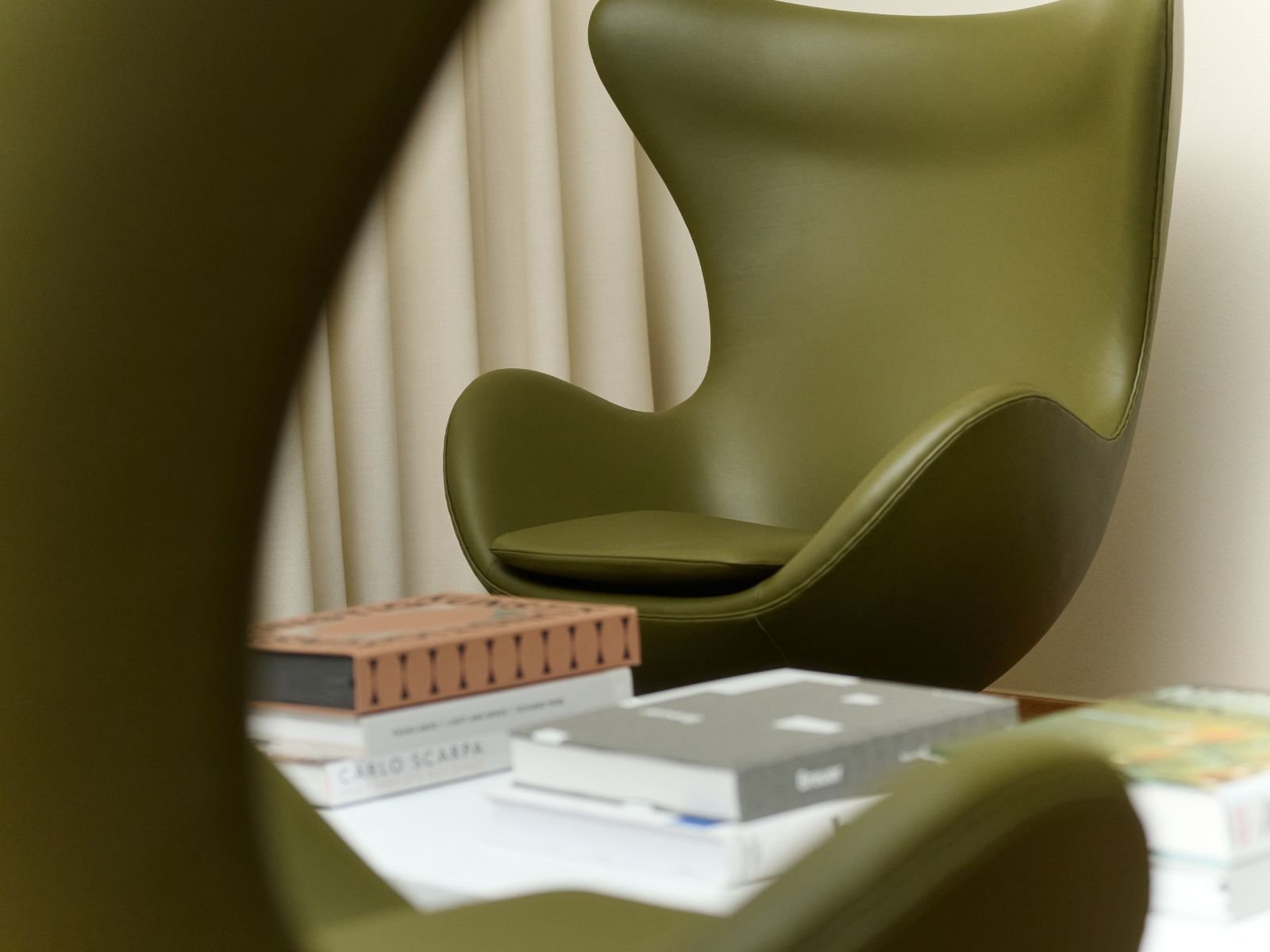
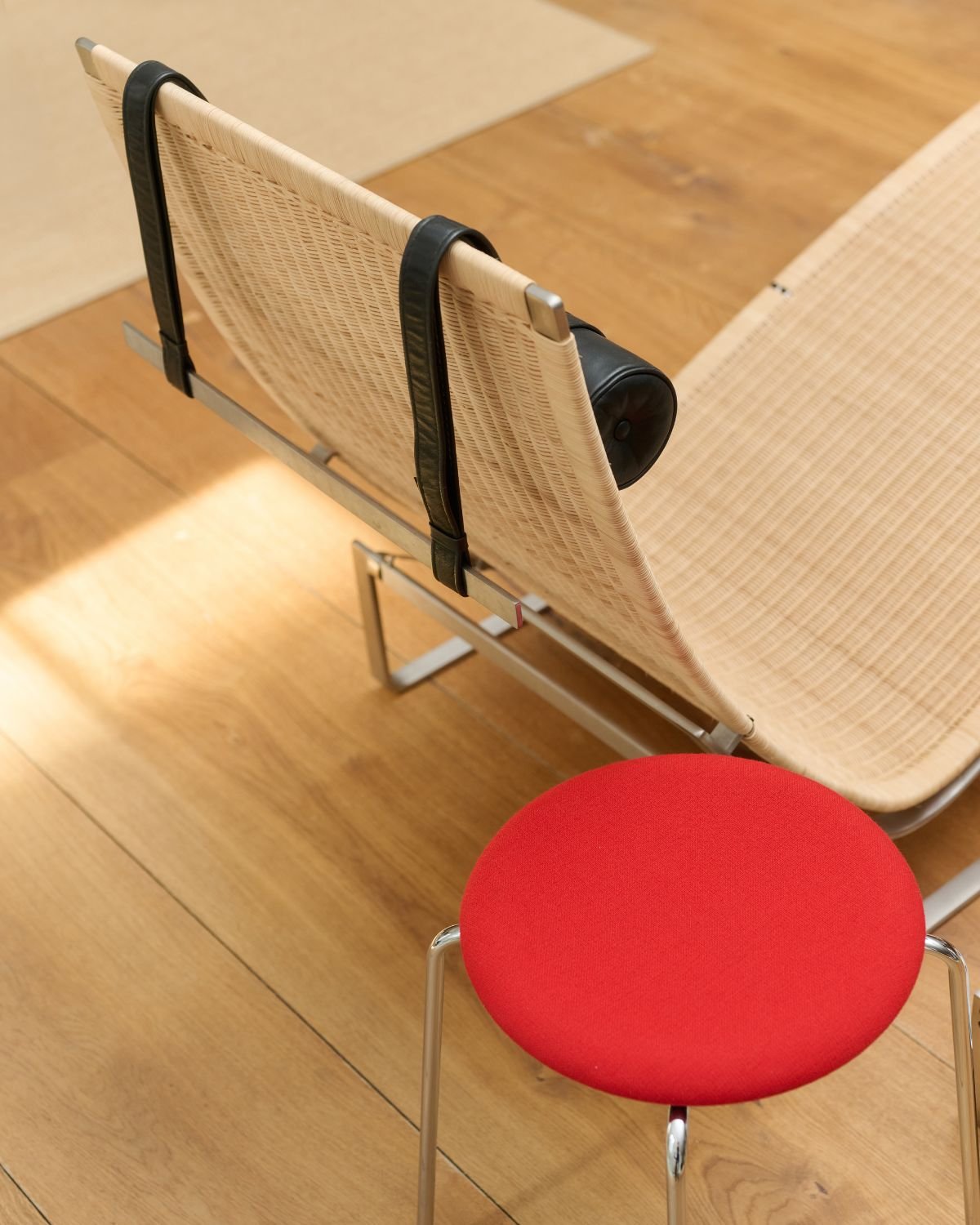
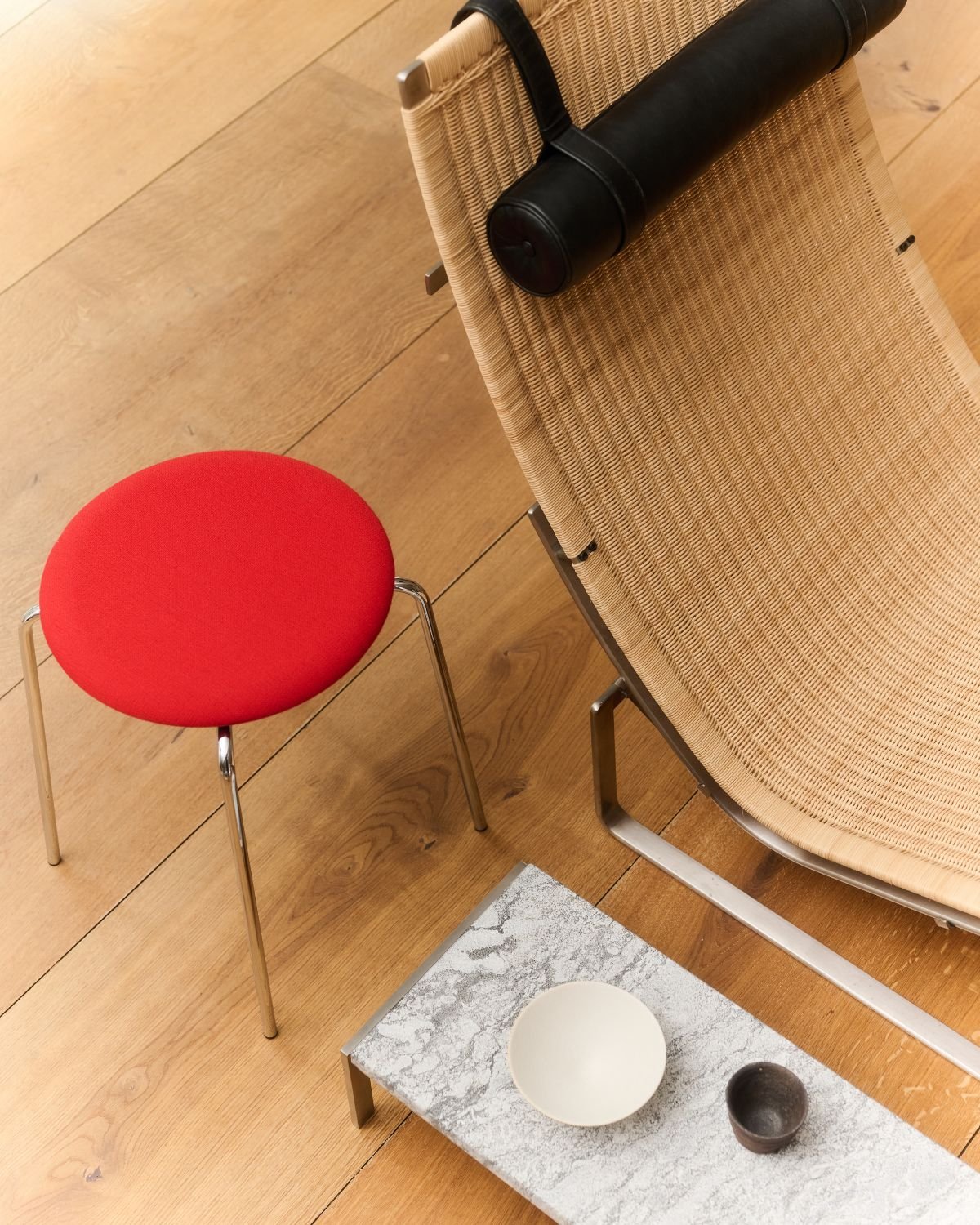
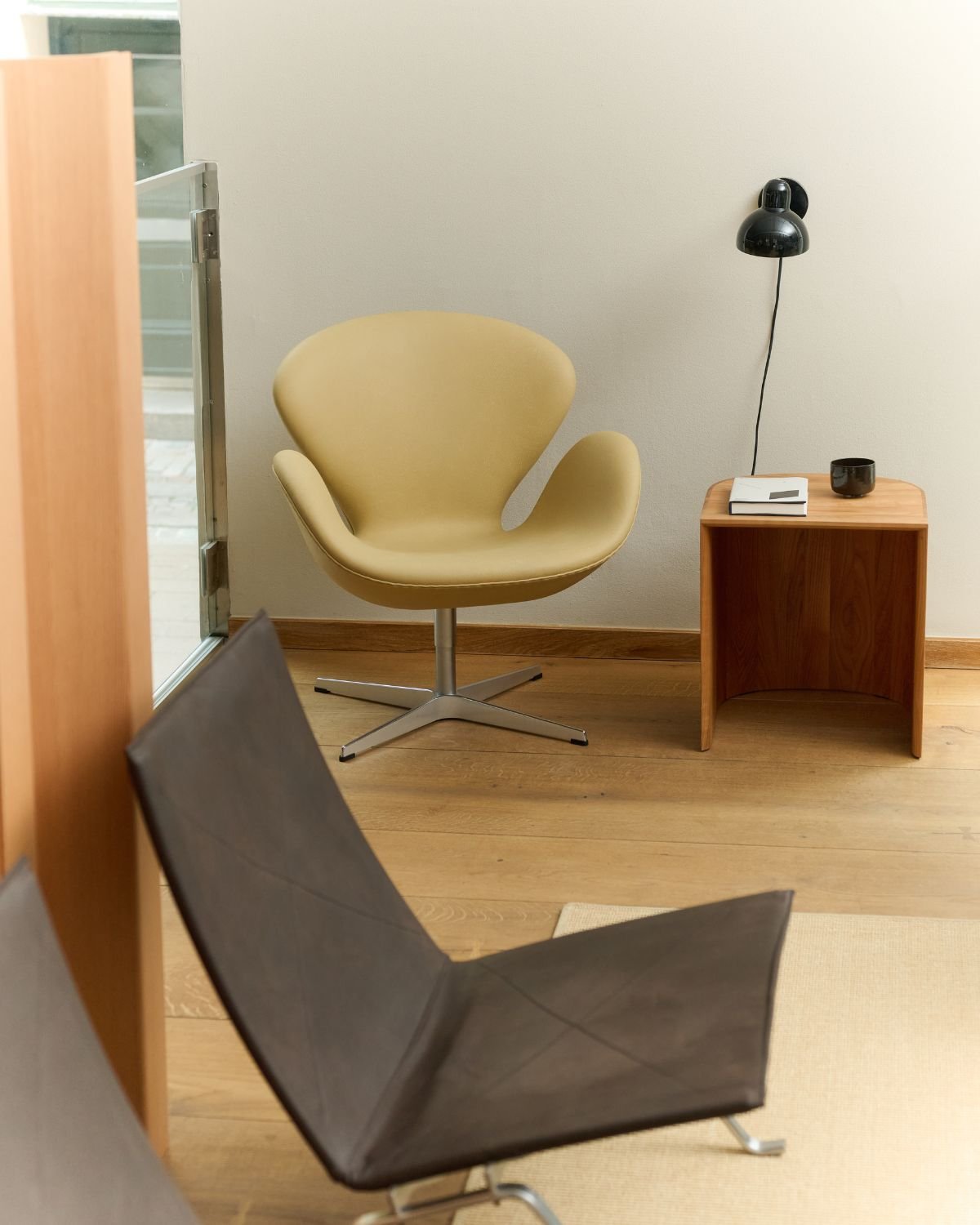
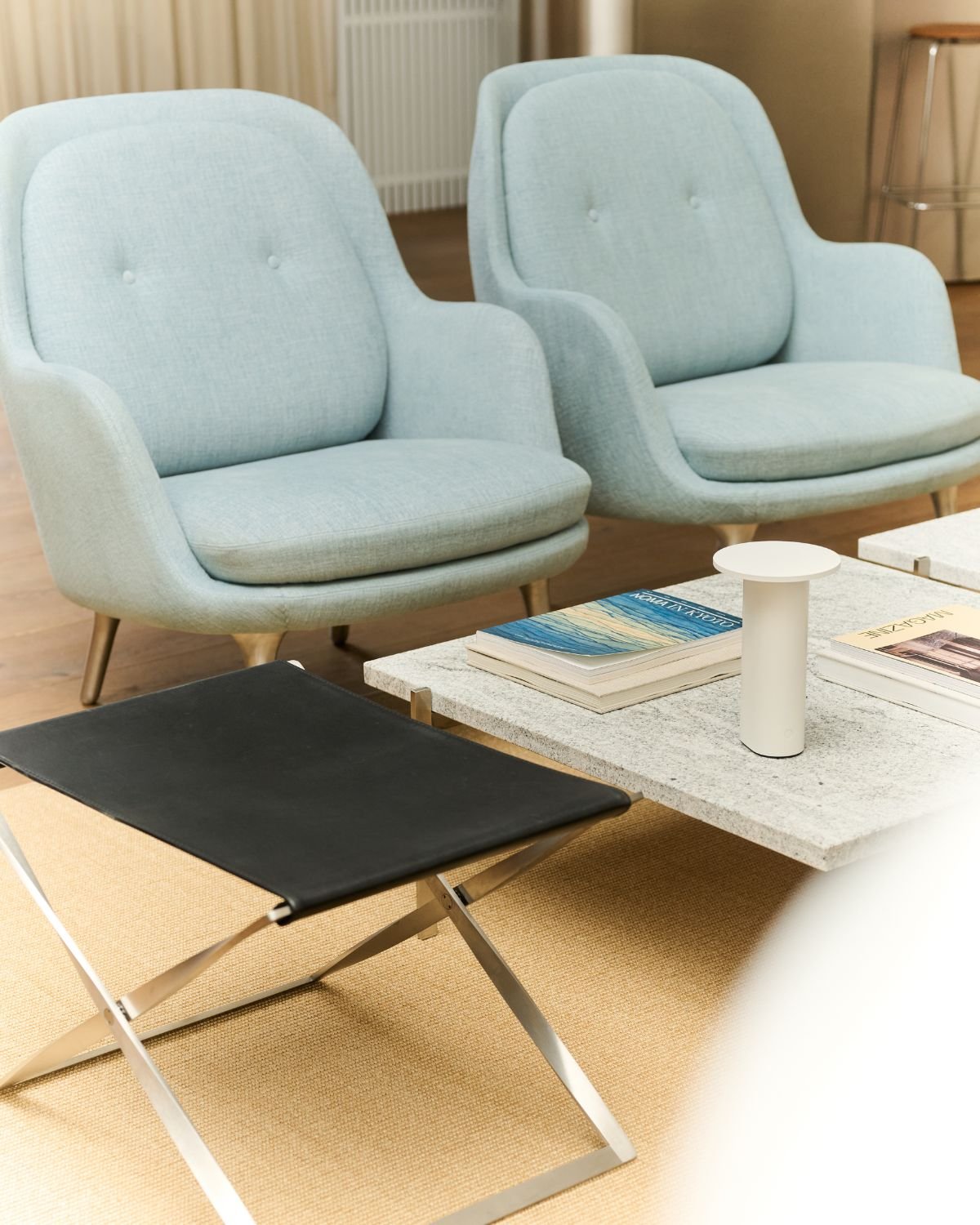
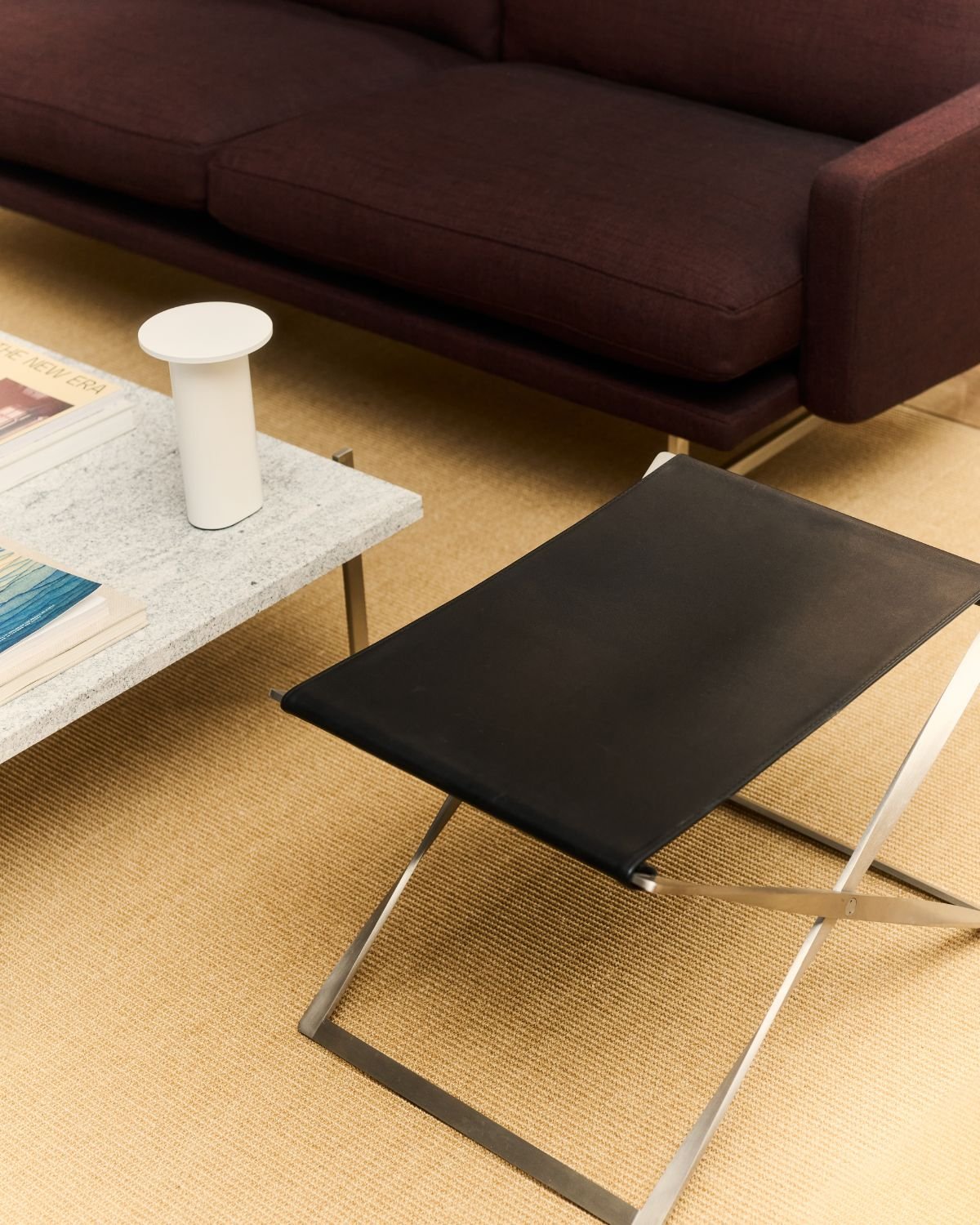
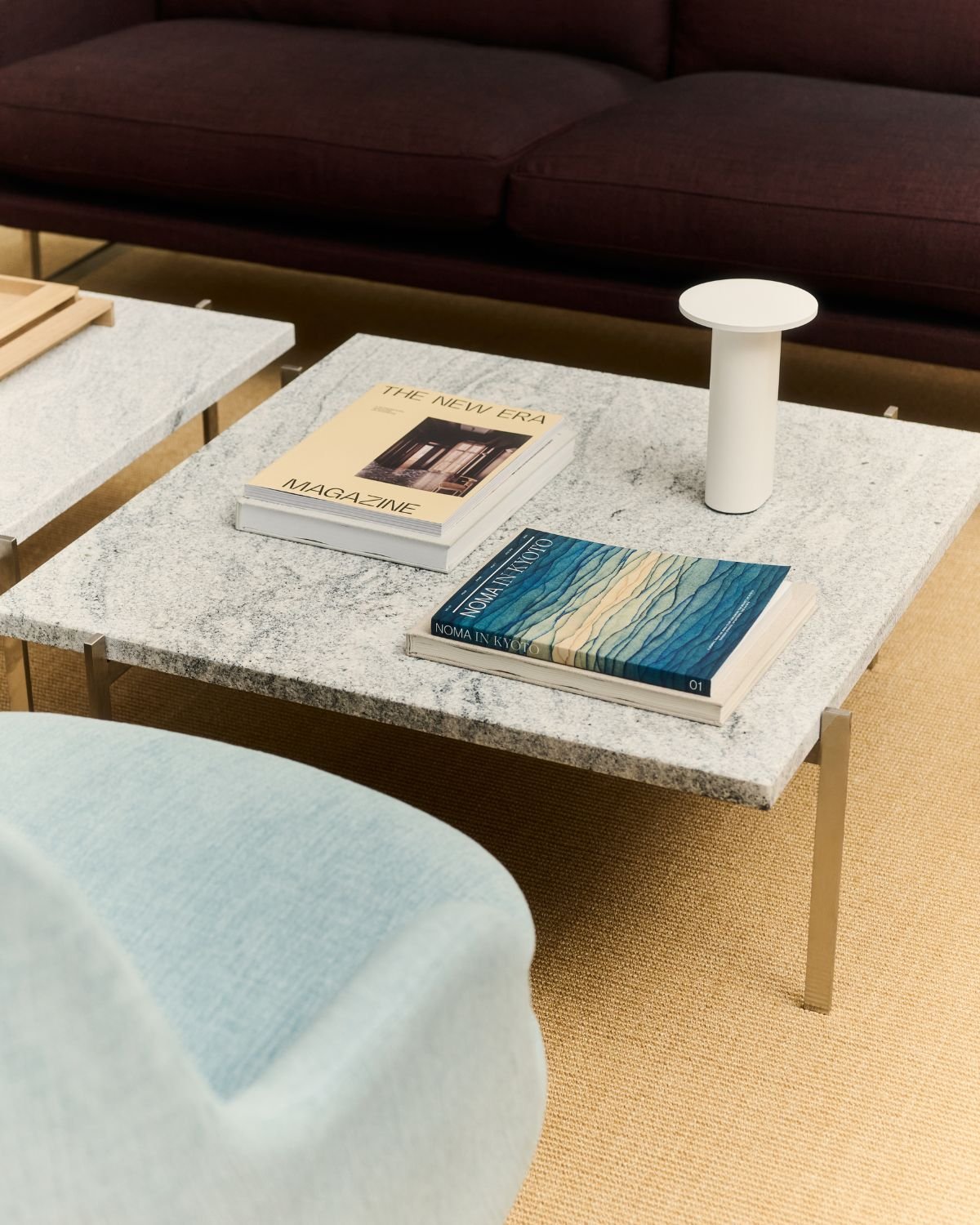
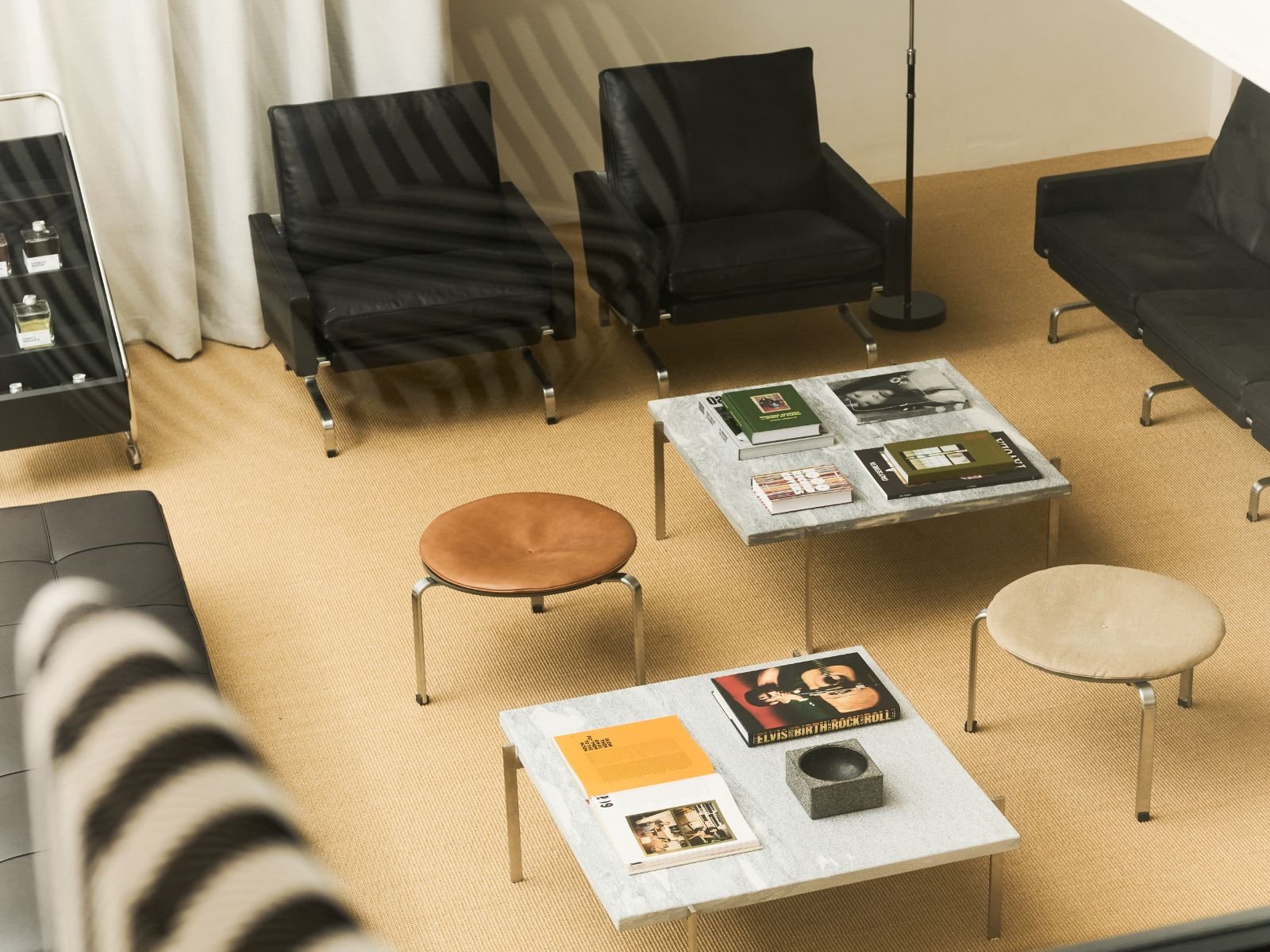
The first part of Sound Club was a listening lounge where visitors could sit in Fritz Hansen’s upholstered furniture while the company’s new podcast series played openly into the room. The sound was shared throughout the space rather than delivered through headphones, making the lounge the more communal of the installation’s listening environments.
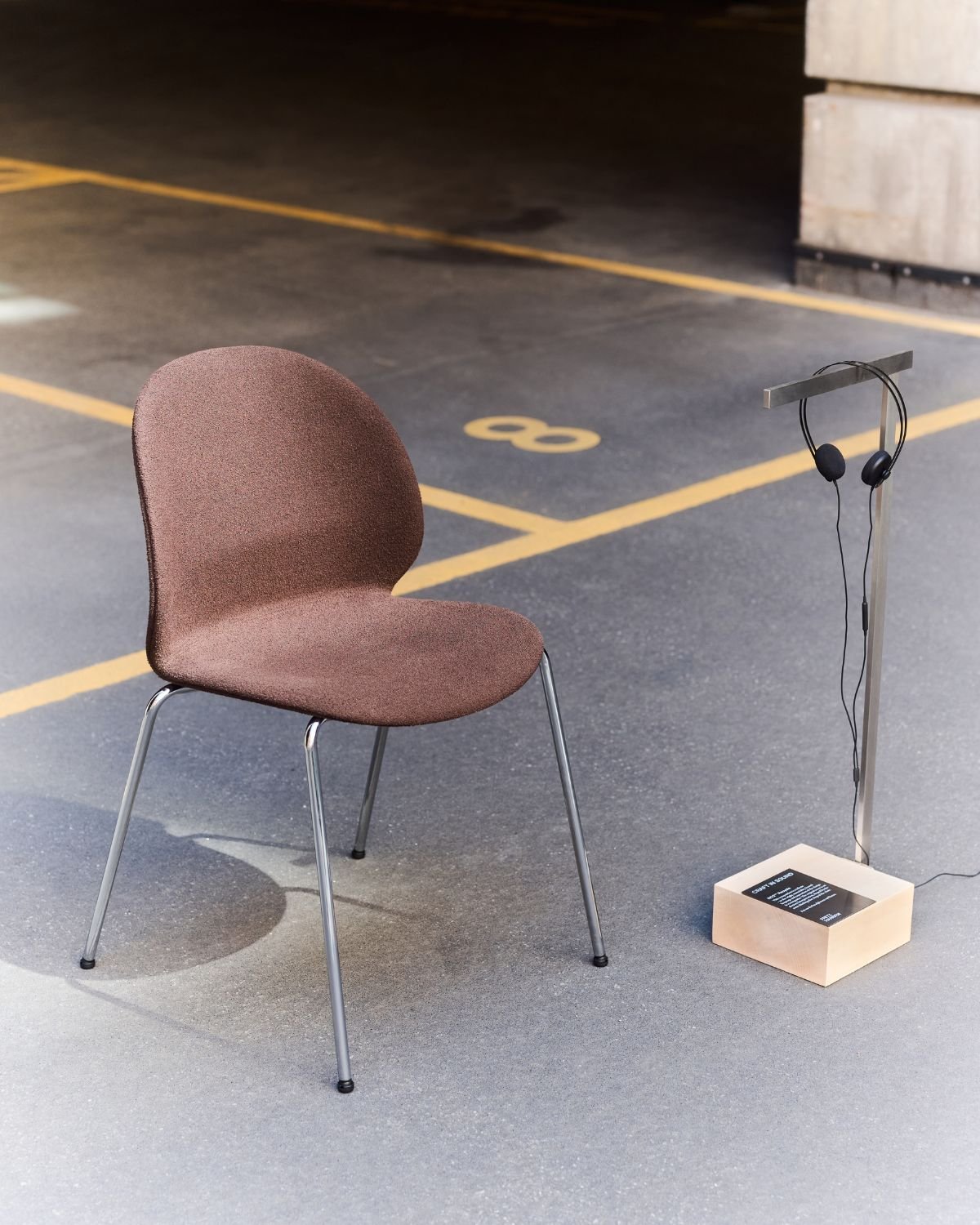
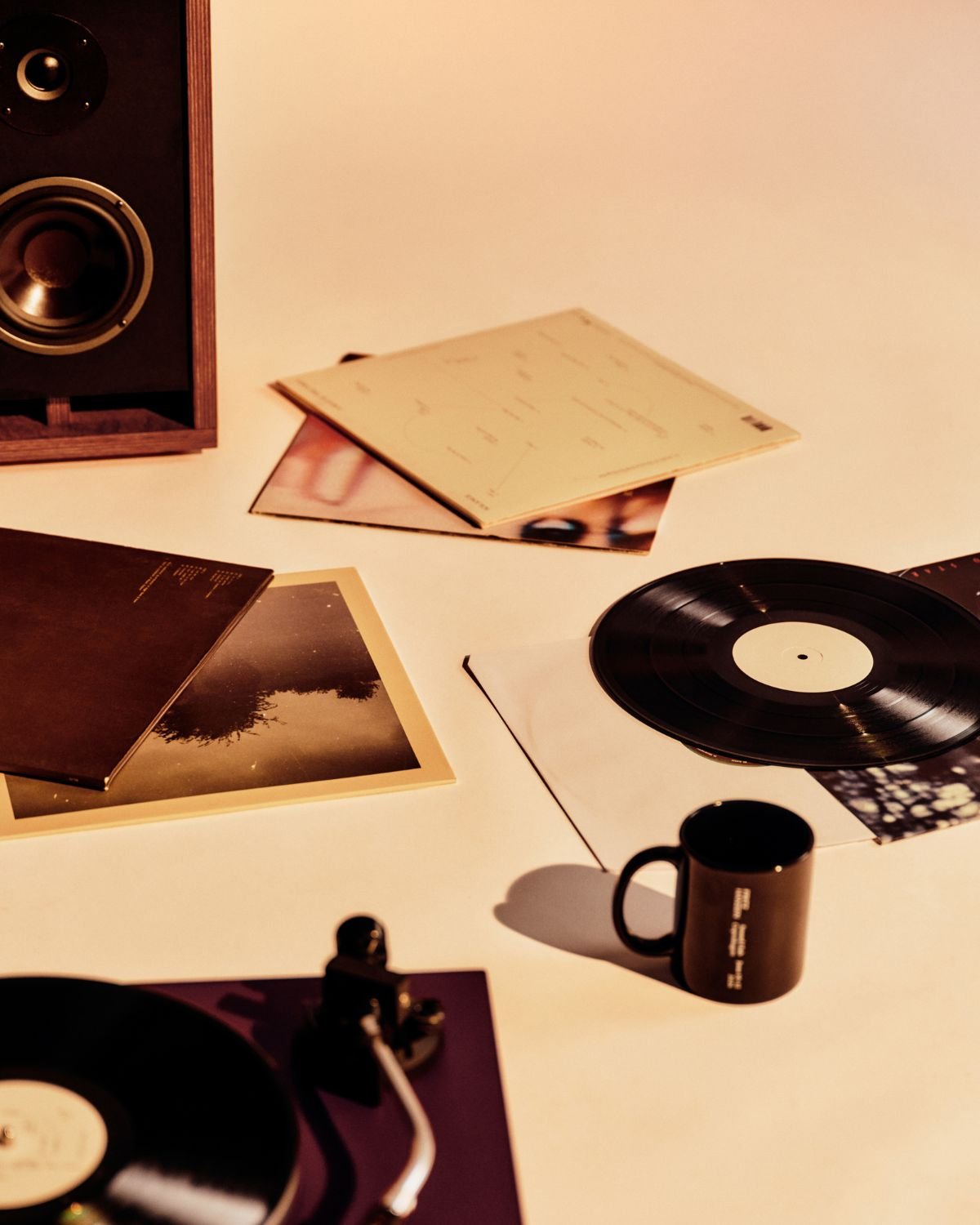
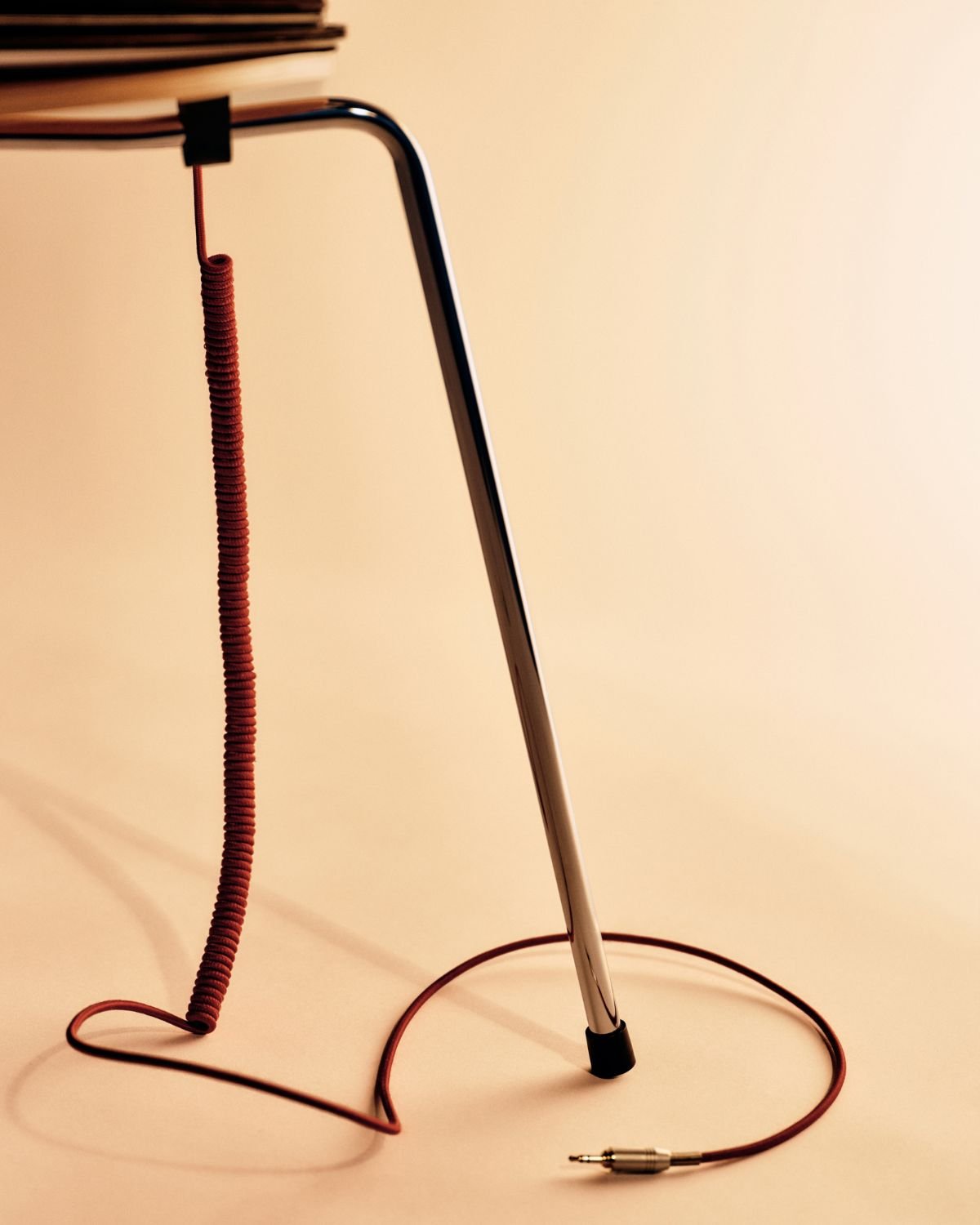
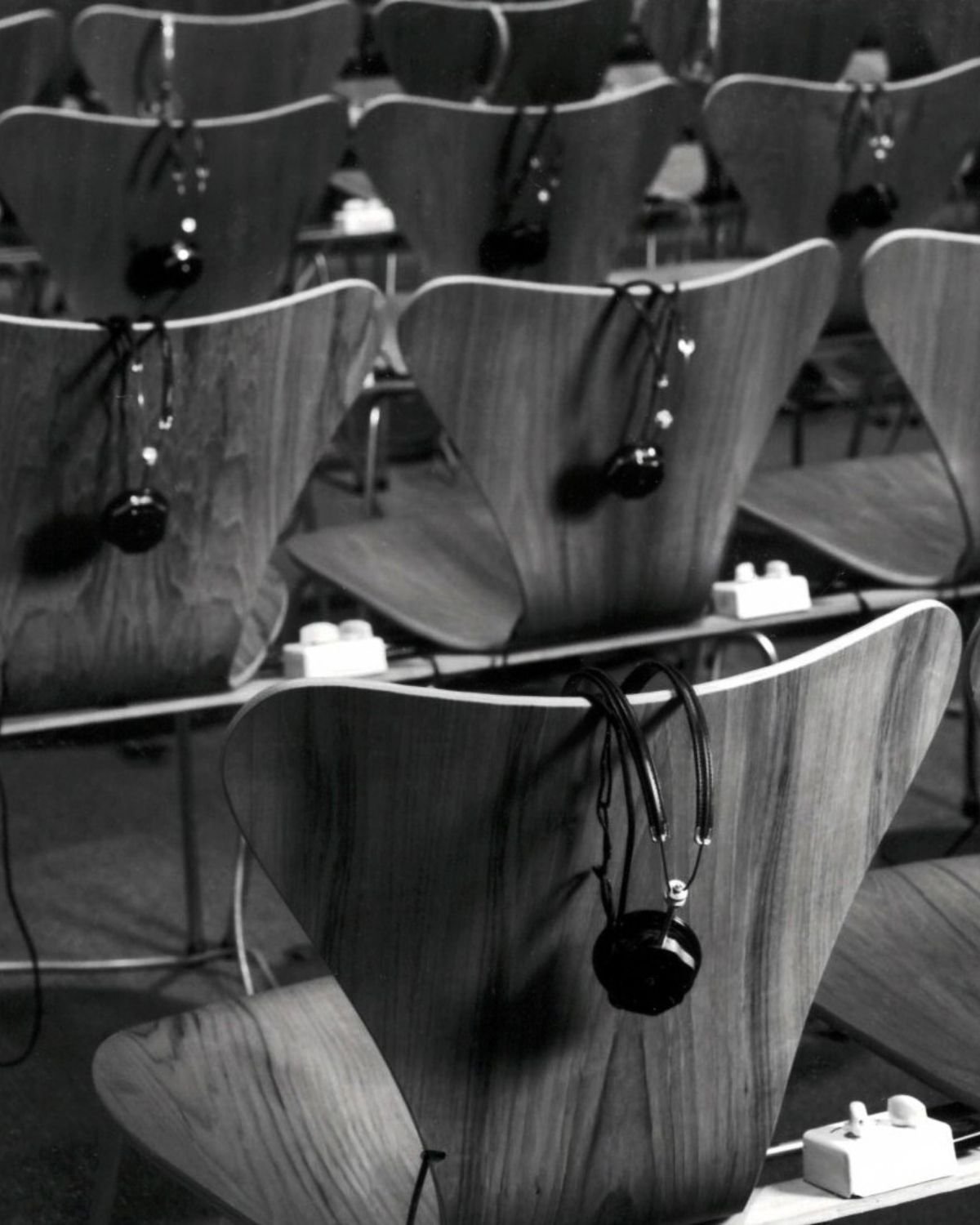
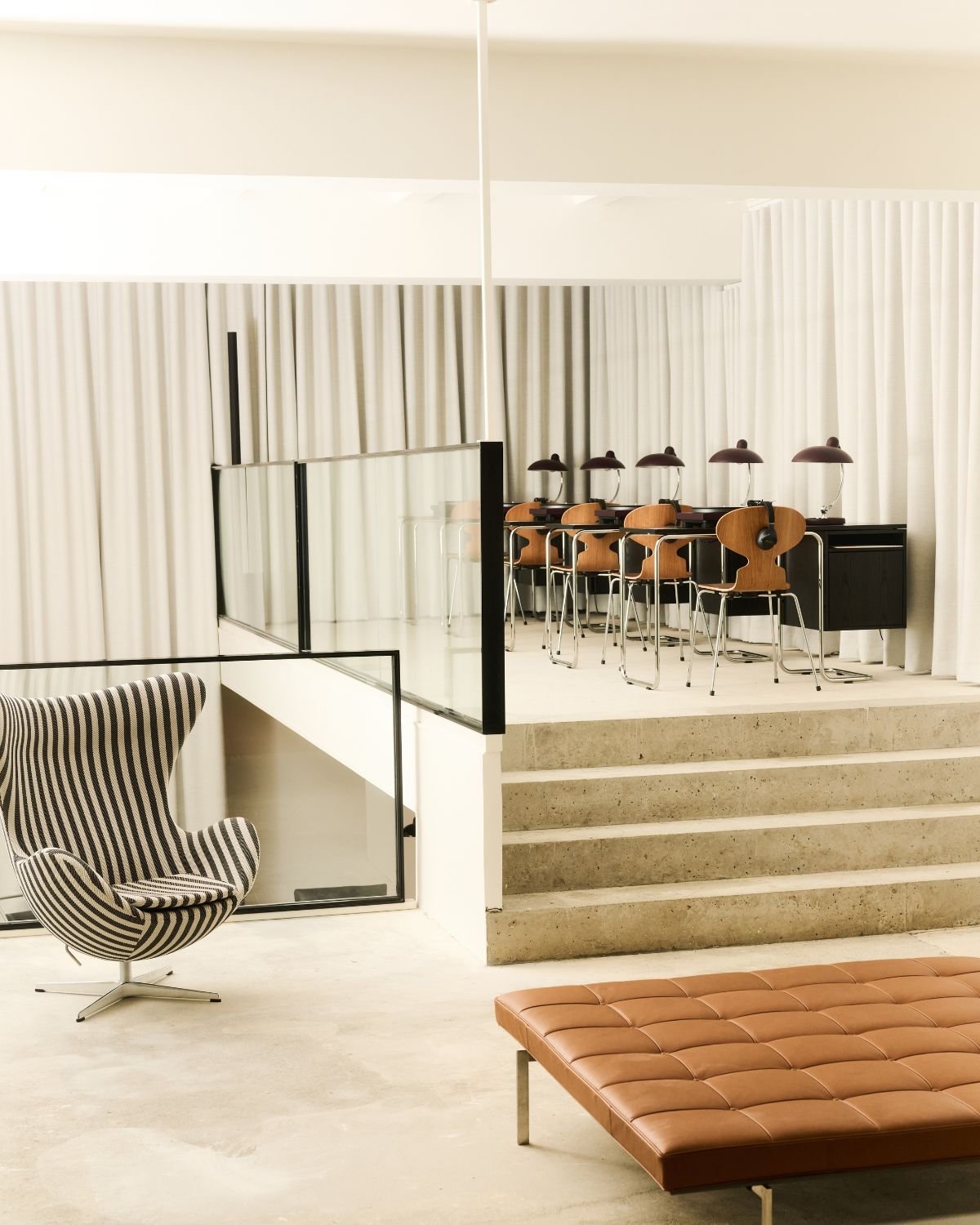
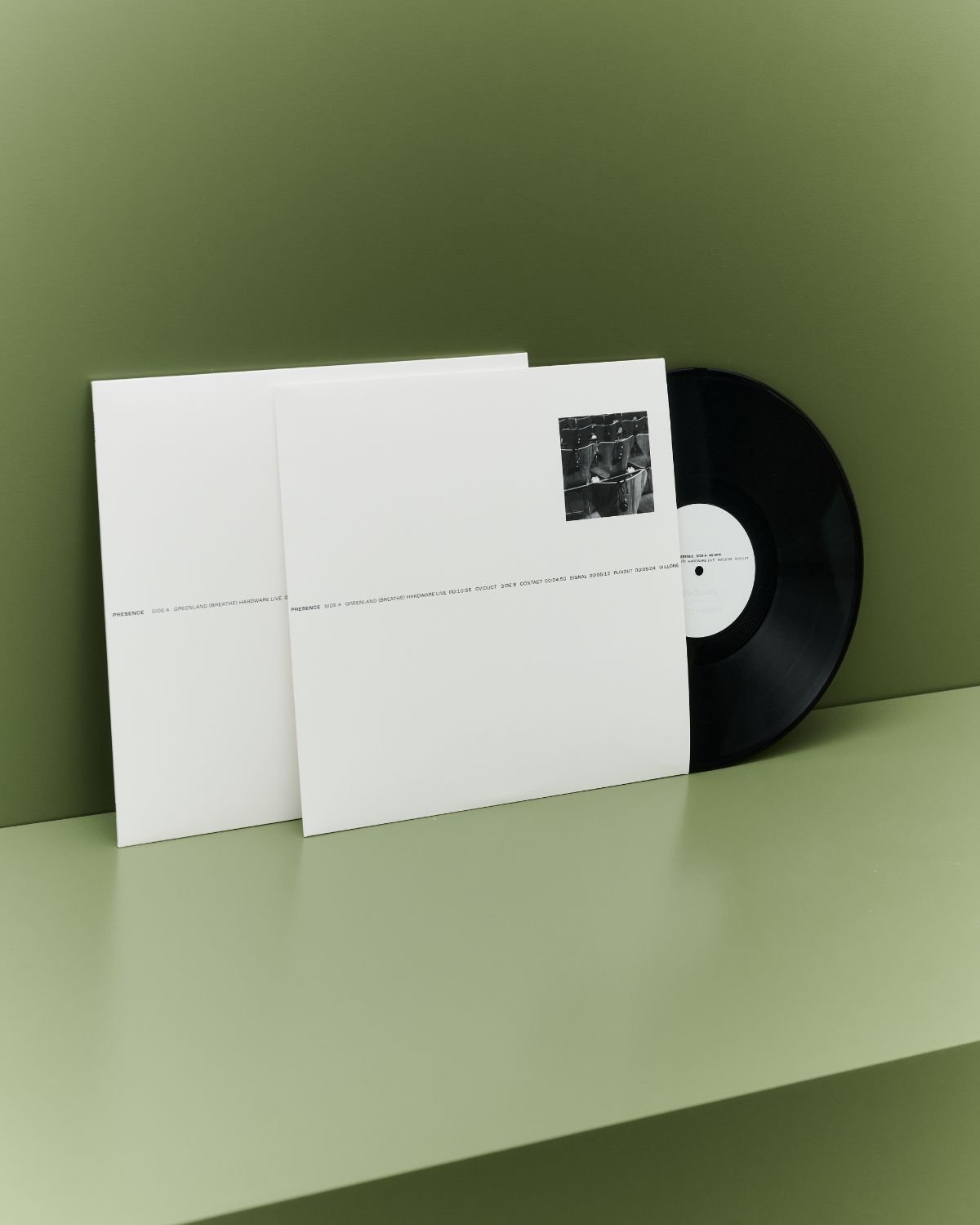
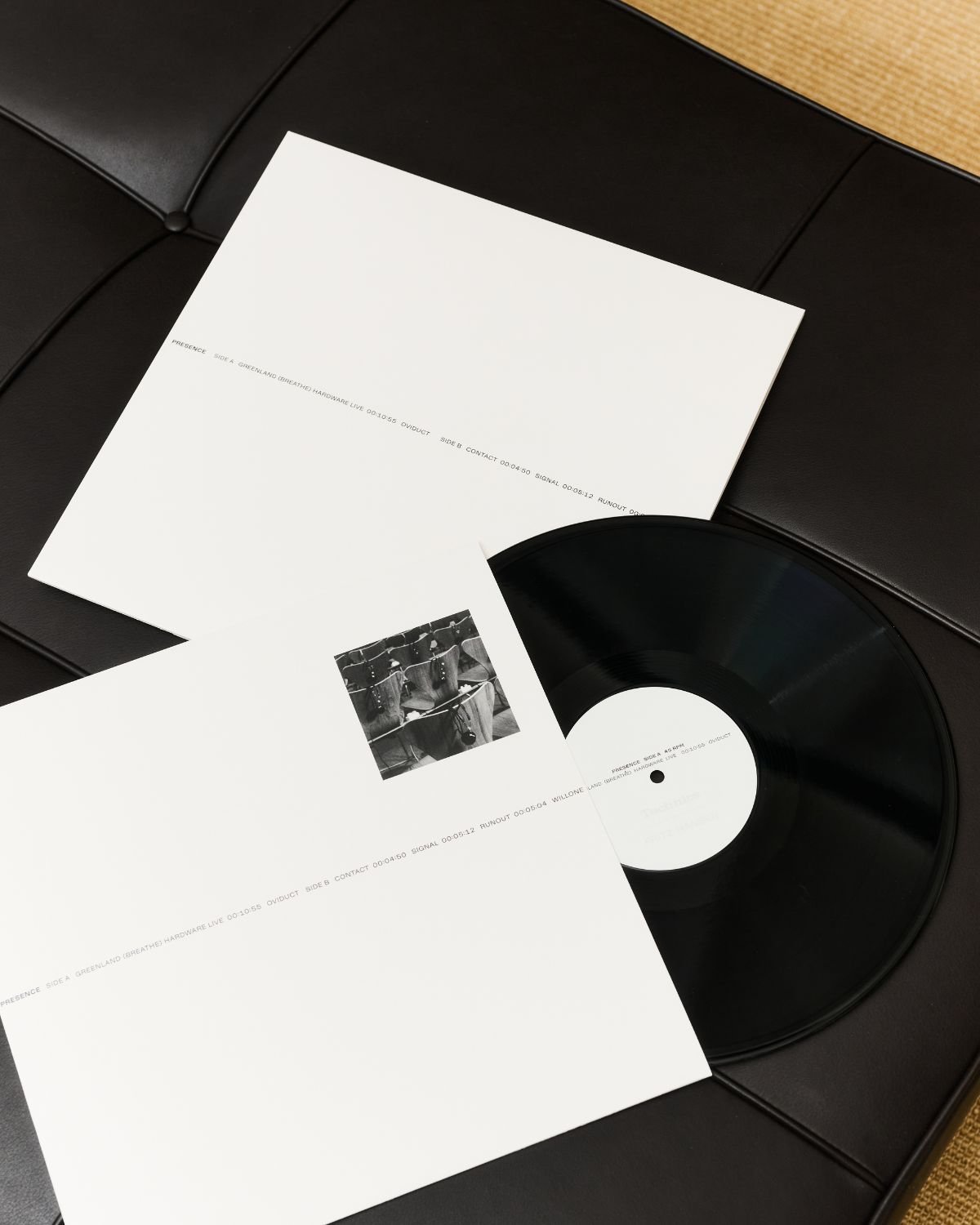
Next to it, the listening bar provided a more private experience. Limited-edition KAISER idell™ lamps and Technics turntables were placed on original Bauhaus-style archive tables, with visitors invited to sit down, put on a pair of noise-cancelling headphones and listen to an exclusive vinyl record created for the exhibition.
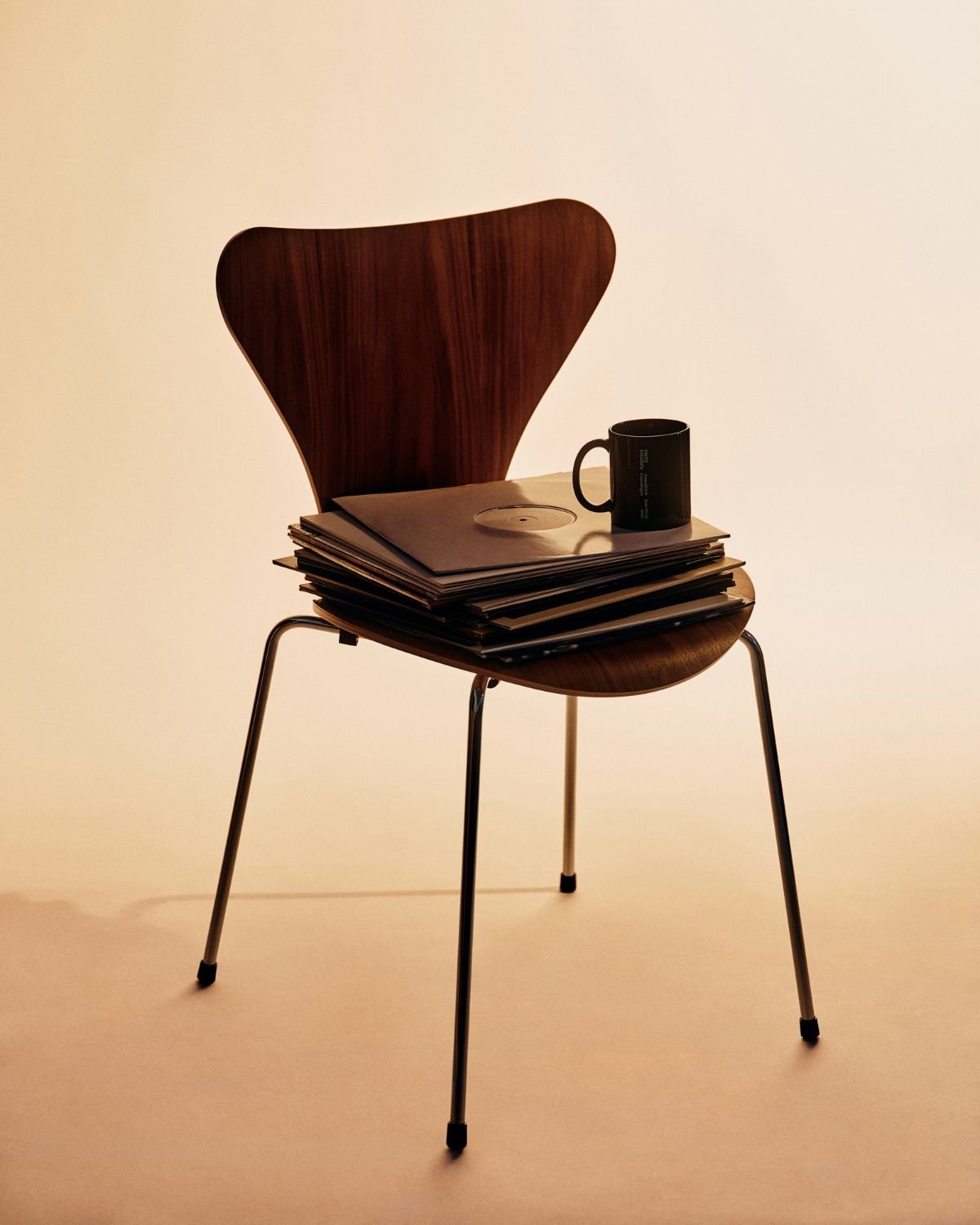
The release featured original music composed by Kim C, also known as Oviduct, and William de Waal, who performs as Willone. Combined with the low lighting, archive furniture and analogue audio equipment, the setup created a more focused listening experience than the open lounge, while giving Sound Club its own soundtrack instead of relying on another carefully selected collection of familiar records.
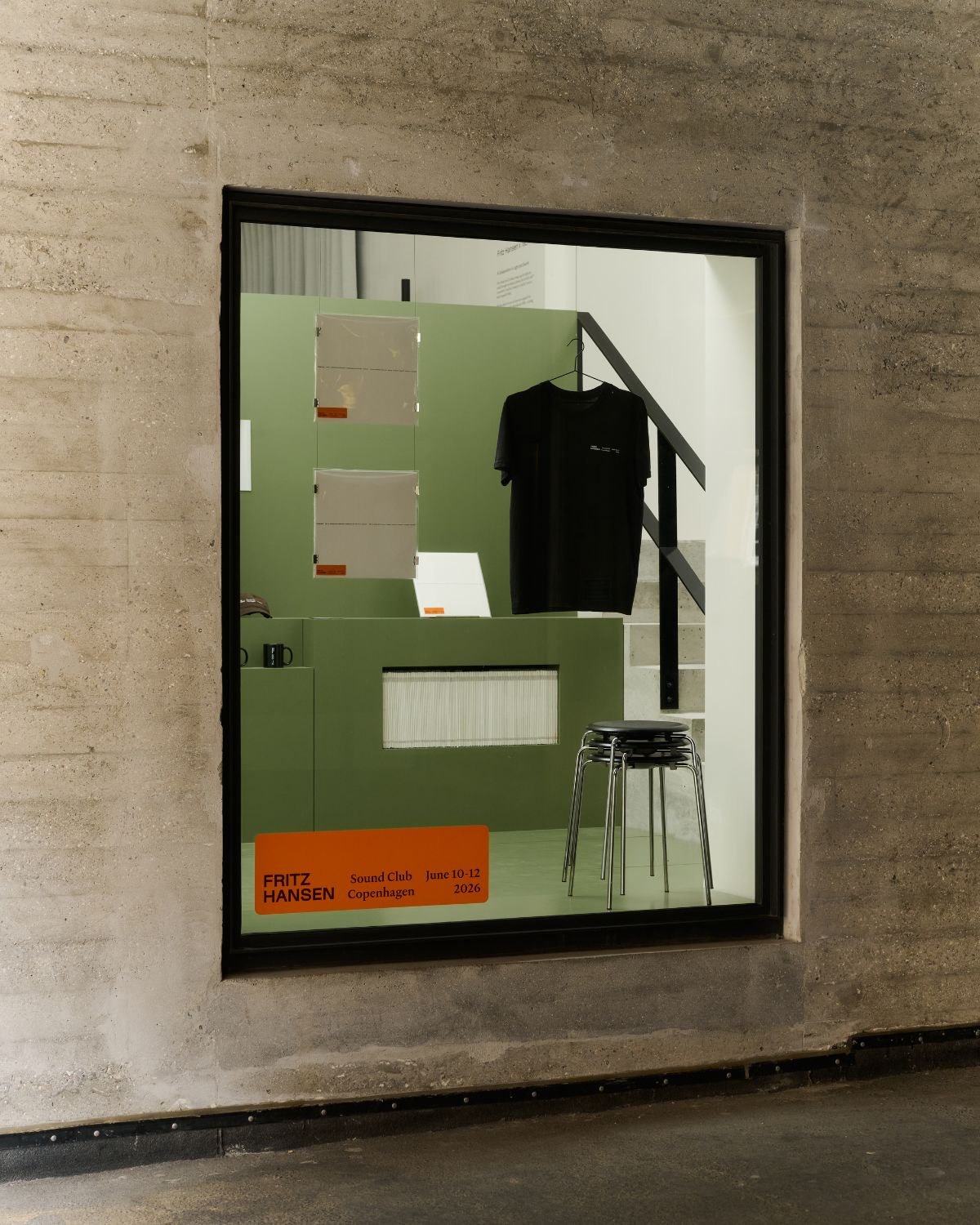
The installation then continued into the courtyard, where a kiosk hosted live DJ sessions throughout the three-day event. Fritz Hansen’s Outdoor Collection provided seating for visitors to relax with freshly baked goods, lunch and refreshments from Sonny, making the courtyard a more casual stop between the listening areas and Flagship Store.
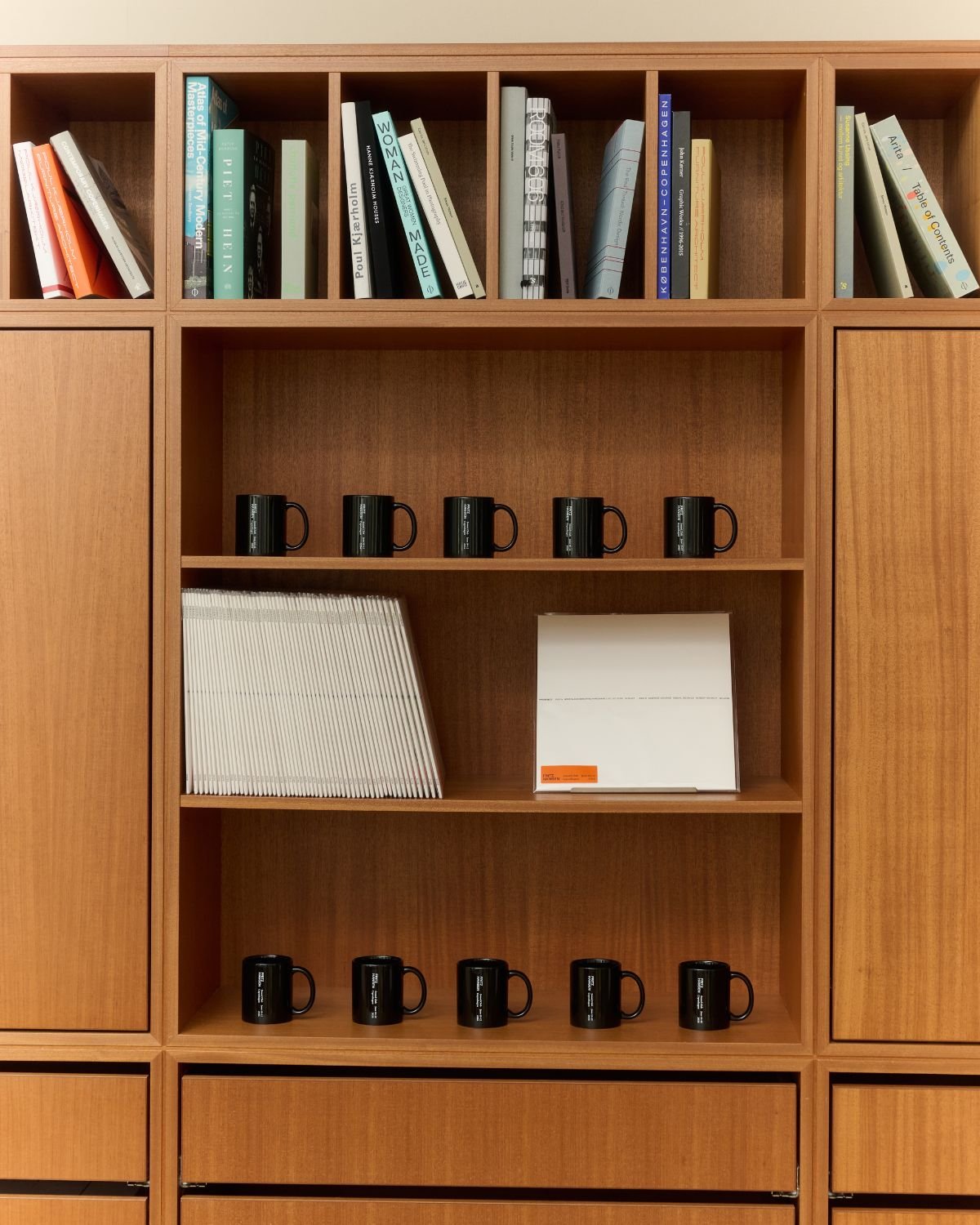
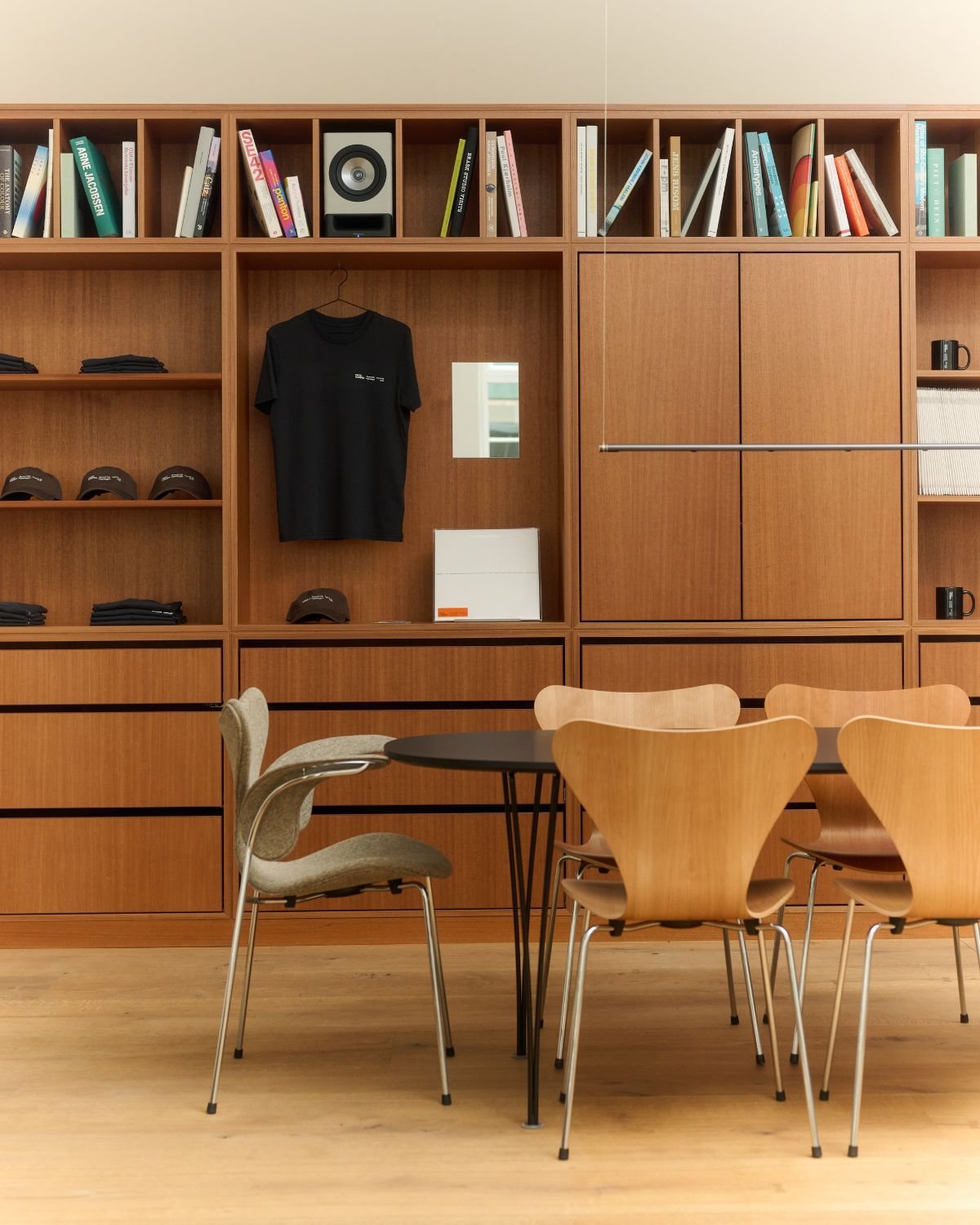
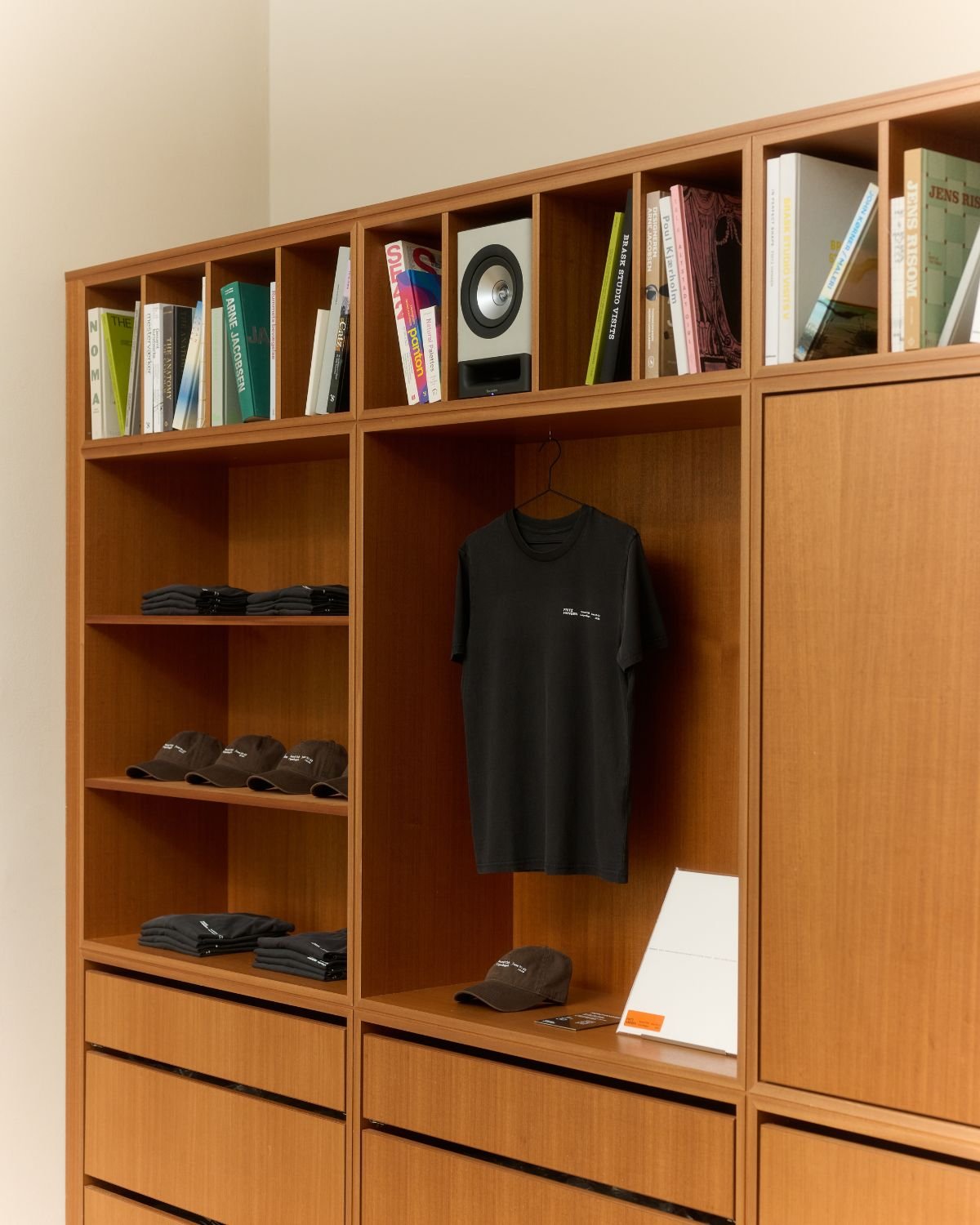
Inside the Flagship Store, Fritz Hansen presented its Autumn 2026 novelties alongside recordings of the tools, materials and handcraft used to produce its furniture. These included another addition to the KAISER Idell lighting family, an update by Cecilie Manz, an expansion of the N02 Recycle series by Japanese studio nendo and a new interpretation of the Superellipse™ table.
Advertisement · Continue Reading Below
The production recordings added another layer to the installation by revealing parts of the furniture-making process that customers would not normally hear. Some Fritz Hansen craftspeople can reportedly determine whether a component has been assembled correctly from its sound, meaning the recordings were not simply industrial background noise but part of how the furniture is inspected and understood during production.
Fritz Hansen also introduced a new KAISER Idell Wall Lamp as part of the Autumn 2026 collection, extending Christian Dell’s design language into another part of the room while retaining the same emphasis on precision, proportion and practical function.
Sound Club ultimately worked because it gave visitors several ways to experience the furniture without forcing everyone through the same route. Guests could listen socially in the lounge, concentrate on a record at the listening bar, spend time with a DJ in the courtyard or hear how the furniture was made inside the Flagship Store.
The exhibition still looked as carefully controlled as you would expect from Fritz Hansen, but the addition of sound made the rooms feel occupied rather than staged. Furniture determined where people sat, lighting shaped what they saw, and music influenced how long they remained there, which is a fairly convincing demonstration of why sound deserves a place in the design conversation.
Advertisement · Continue Reading Below