





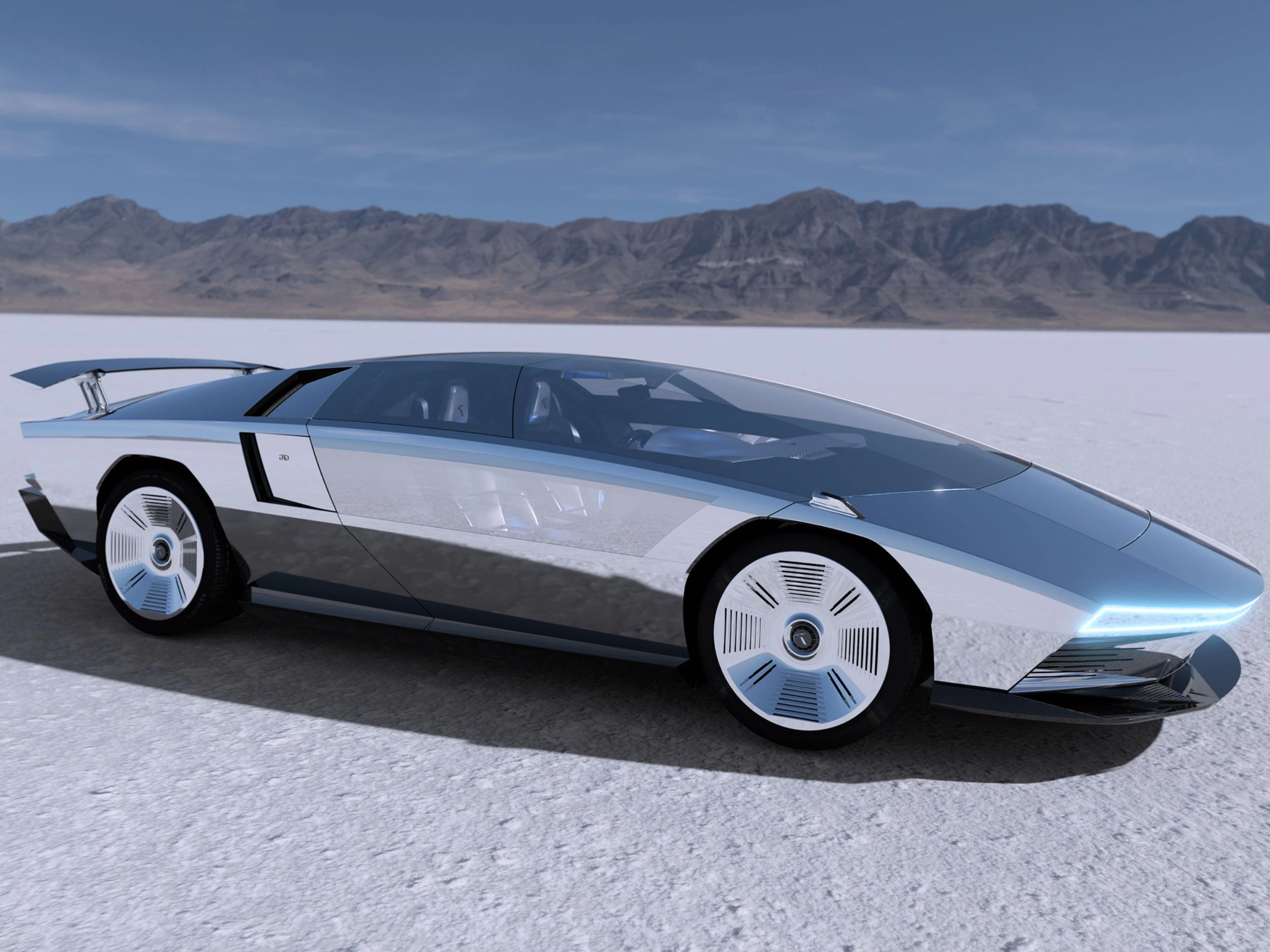
GFG Style’s Peralta S
Cars

GFG Style’s One-Off Peralta S Brings 1970s Italian Wedge Design Into the Future

Reading Time: 7 minutes

Share via

Our team of editors and experts thoughtfully chooses each product. If you decide to buy through one of our links, we may earn a commission. Learn more. Want to know how we test products? Click here for more details.

  • The Peralta S is the first one-off ever created by GFG Style.
  • Designed by Fabrizio Giugiaro, it takes inspiration from his father Giorgetto Giugiaro’s legendary 1970s Maserati Boomerang.
  • Underneath sits the Maserati MC20’s 3.0-litre twin-turbo Nettuno V6, producing 630 CV (621 hp) and 730 Nm of torque, with rear-wheel drive.
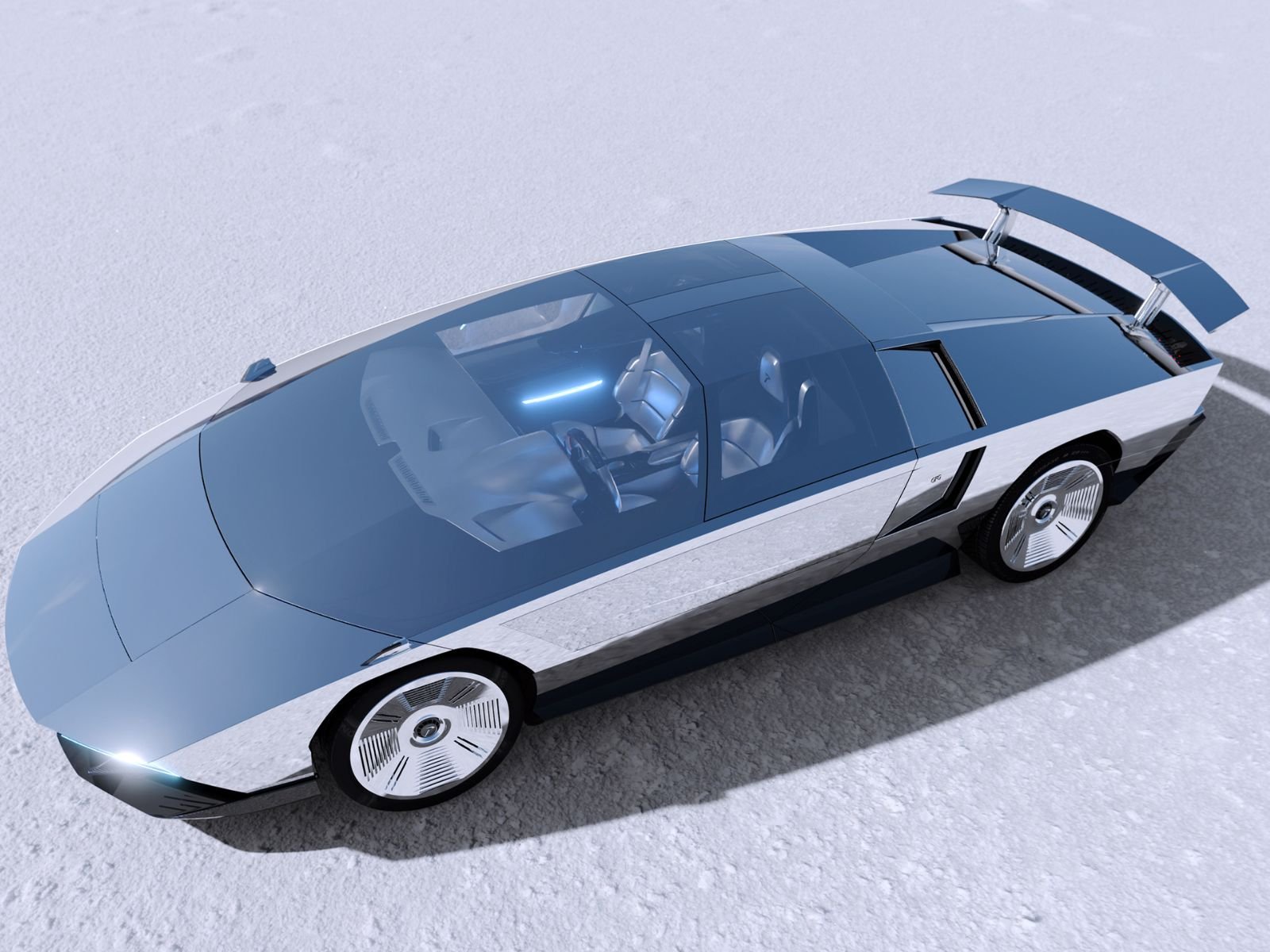
  • The futuristic body is handcrafted entirely from exposed, mirror-polished aluminium, creating the monolithic look that defines the Peralta S.
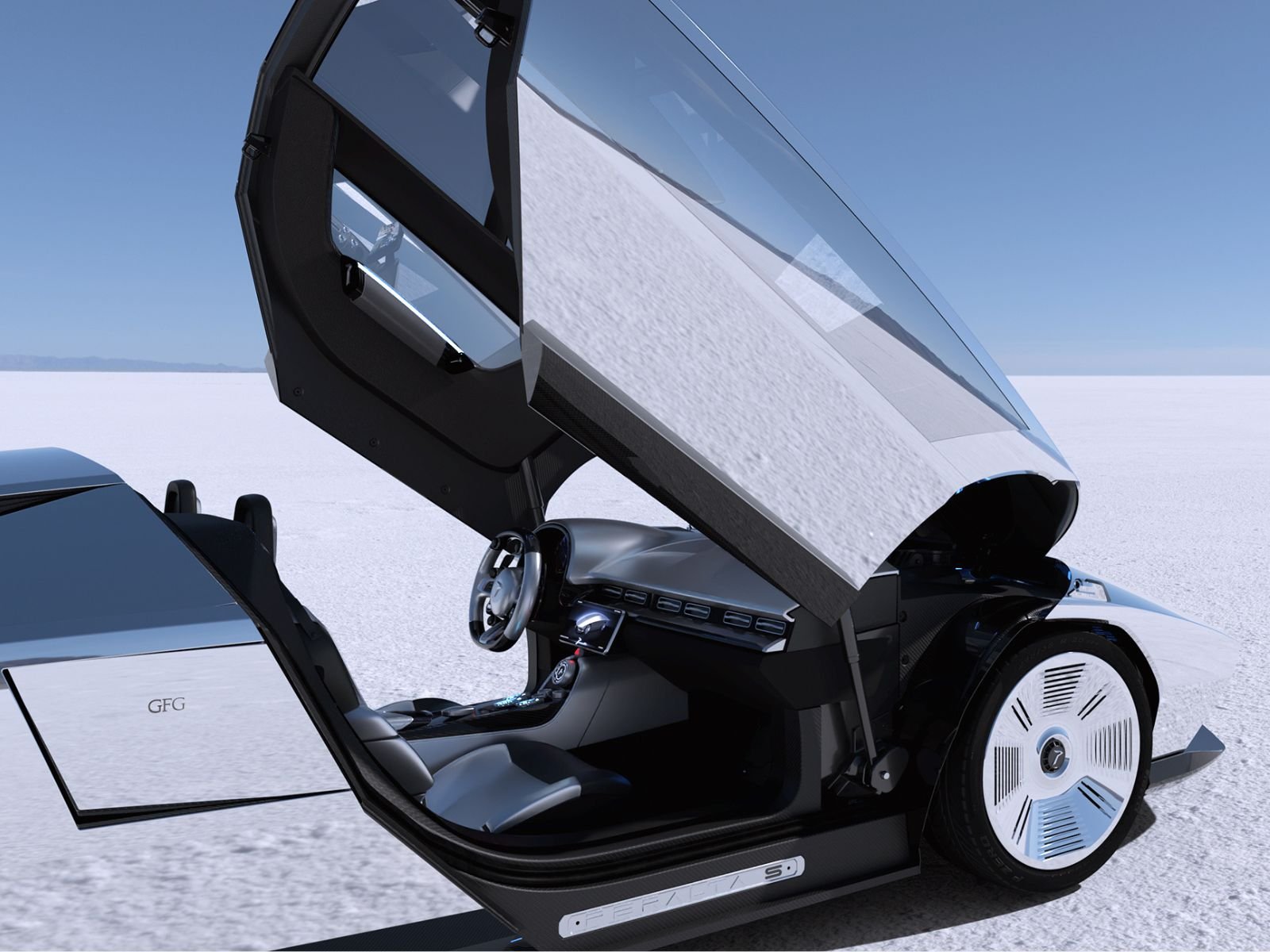
  • Instead of conventional doors, the entire dome lifts open in one movement.

There was a time when Italian concept cars looked like they had been drawn with a ruler and absolutely nobody saw that as a problem. The 1970s gave us some of the wildest wedge-shaped machines ever put on four wheels, and more than 50 years later, GFG Style is bringing some of that magic back with the Peralta S — a one-off sports car born from an idea by Giorgetto Giugiaro and designed by his son, Fabrizio Giugiaro.

Commissioned by Mexican collector Carlos Peralta and his sons Juan Carlos and Nicolas, the Peralta S is also the first one-off GFG Style has ever created. It made its public debut at the Pastejé Automotive Invitational in Mexico on March 22, 2025, with both Giorgetto and Fabrizio Giugiaro travelling from Italy for the occasion. And while its dramatic wedge shape looks straight out of the golden age of Italian concept cars, this isn’t simply an exercise in nostalgia — underneath is a fully functioning mid-engine, rear-wheel-drive sports car handcrafted to turn a 1970s design philosophy into something for today
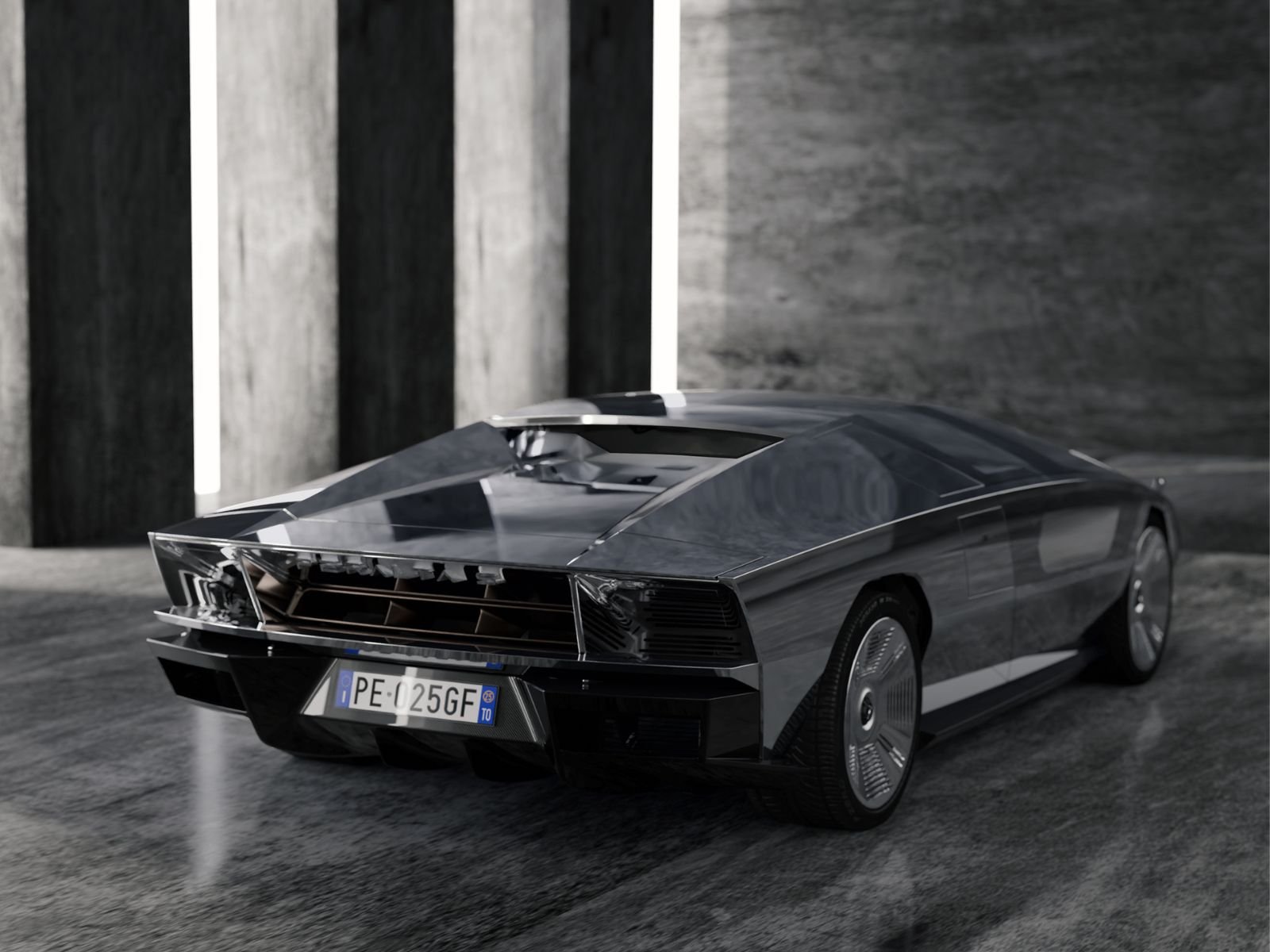
GFG Style’s Peralta S
GFG Style’s Peralta S | Image: GFG Style

A Tribute to the Maserati Boomerang

You don’t have to look particularly hard at the Peralta S to see where some of its inspiration came from. The one-off reaches back to Giorgetto Giugiaro’s legendary Maserati Boomerang, the radical wedge-shaped concept created in the early 1970s and one of the defining examples of an era when Italian designers seemed determined to make sports cars look like something that had just landed from another planet.

As Fabrizio Giugiaro explains, the whole point was to create something deliberately removed from modern automotive design. “The Peralta S has a typically 1970s attitude and has nothing to do with today’s cars. I wanted to embellish it with quotations, styling cues and references to shapes from a past that made history, but it is also a tribute to my father, through the reinterpretation in a modern key of the volumes of the Boomerang.”

Rather than simply recreating one of his father’s most famous designs, Fabrizio has taken that low, dramatic wedge philosophy and pushed it forward. The result is sharp geometry, enormous glass surfaces, and mirror-polished metal, with proportions that feel completely different from the rounded, aerodynamically complicated supercars we’re used to seeing today.

“There are dozens of sports cars that have become iconic that took their cues from those shapes; it was pure avant-garde. For me, it is one of Giorgetto’s most incredible and successful stylistic exercises.”

The Peralta S was later named Carrozzieri-Italiani.com Car of the Year 2025, beating a shortlist that included creations from Zagato, Pininfarina and Touring. The award combined votes and evaluations from design experts, professional designers, historians, readers and members of the publication’s community.
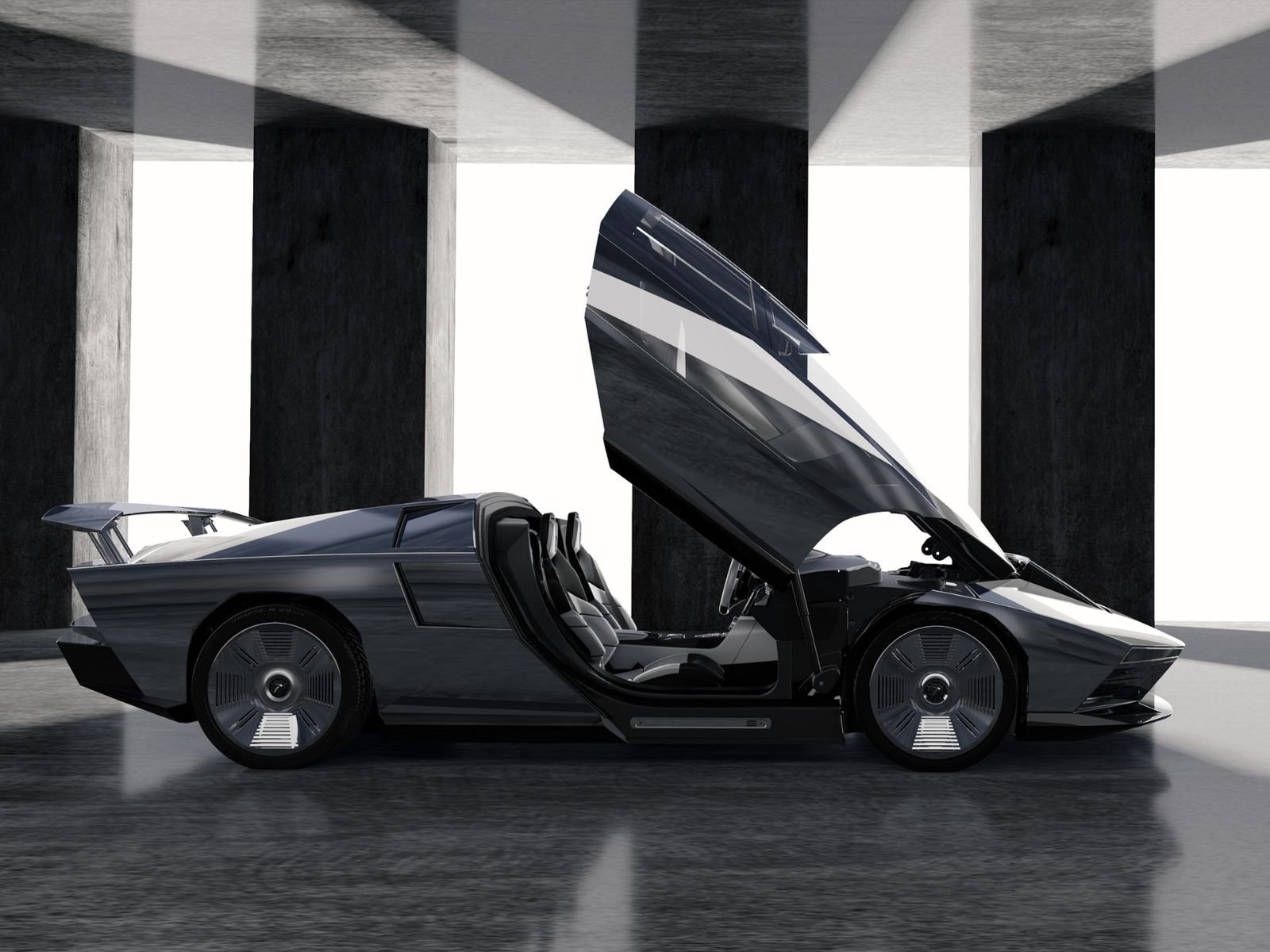
GFG Style’s Peralta S
GFG Style’s Peralta S | Image: GFG Style

How the Peralta S Was Built

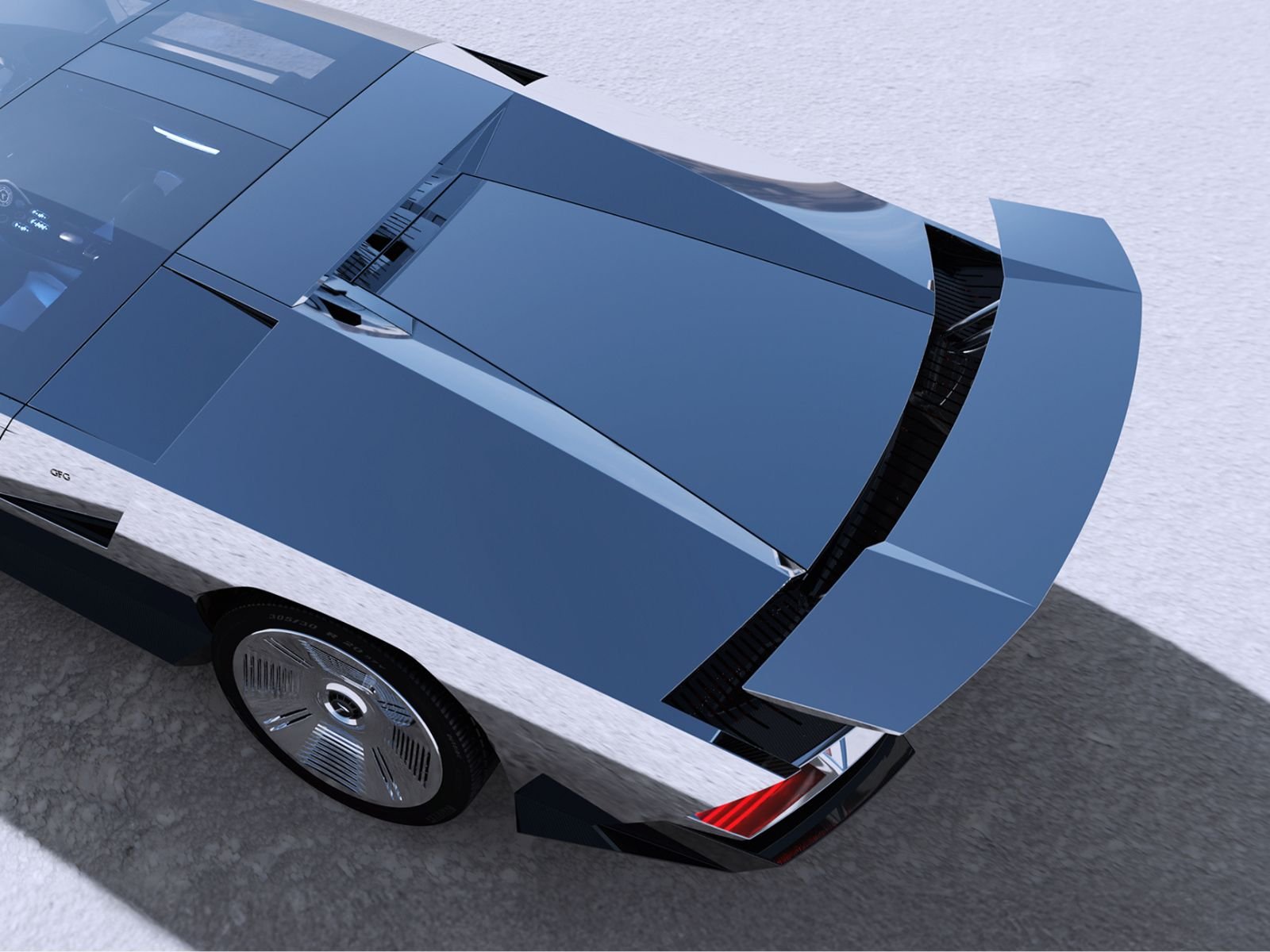
This is where things get even more interesting. The Peralta S is handcrafted from exposed, mirror-polished aluminum, with the body and glazed surfaces designed to visually blend into one another. When everything is closed and switched off, GFG Style describes the resulting appearance as monolithic, almost as though the entire car has been carved from one enormous piece of polished metal.

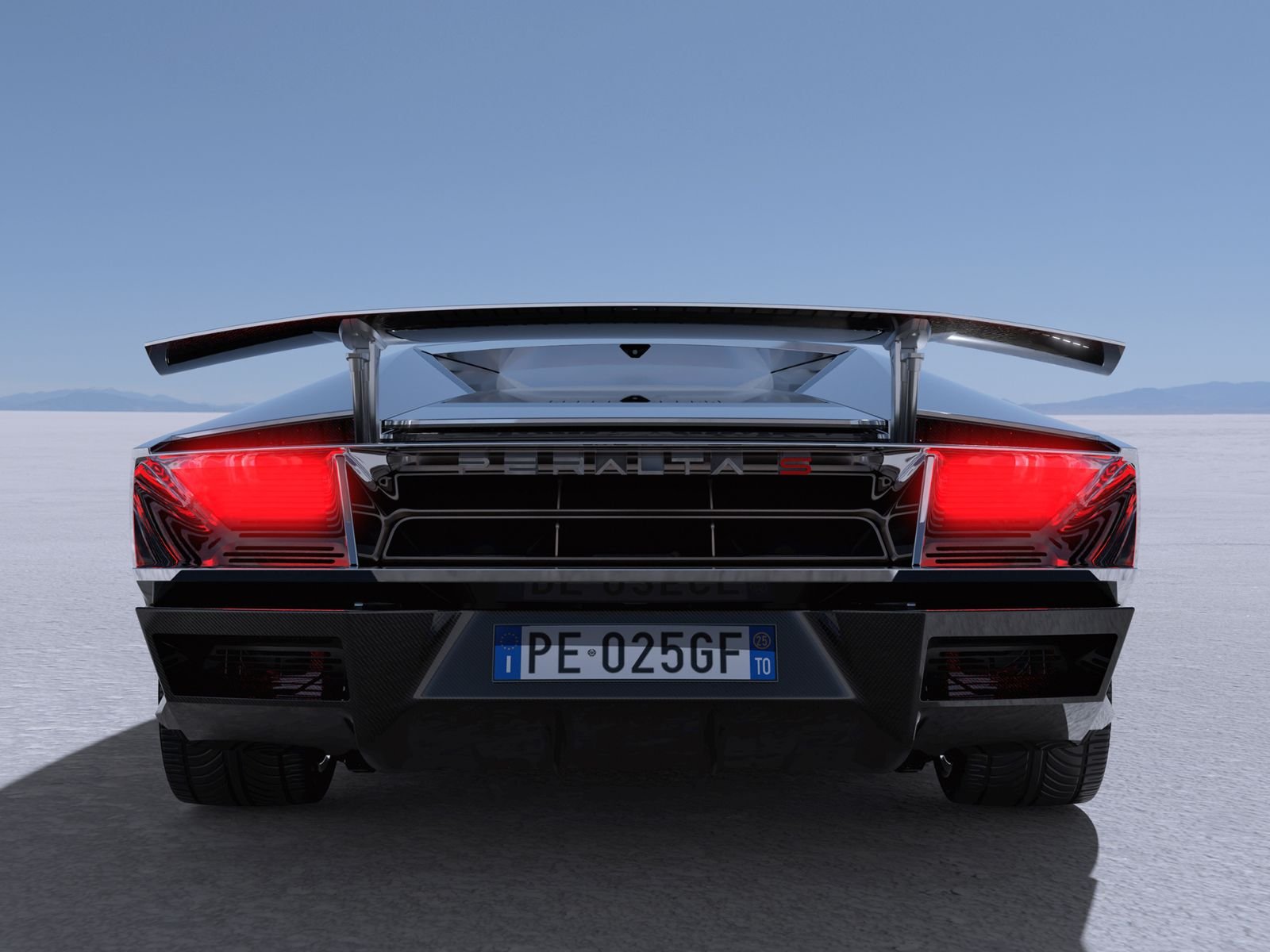
Look closer, and you’ll find plenty of clever details hidden inside that simple shape. The headlights are concealed within the nose, while the rear lights remain hidden beneath the aluminum and produce what GFG calls a “shadow light” effect when illuminated. An integrated rear spoiler also rises from the body when required, subtly changing a shape that otherwise looks remarkably clean when sitting still.
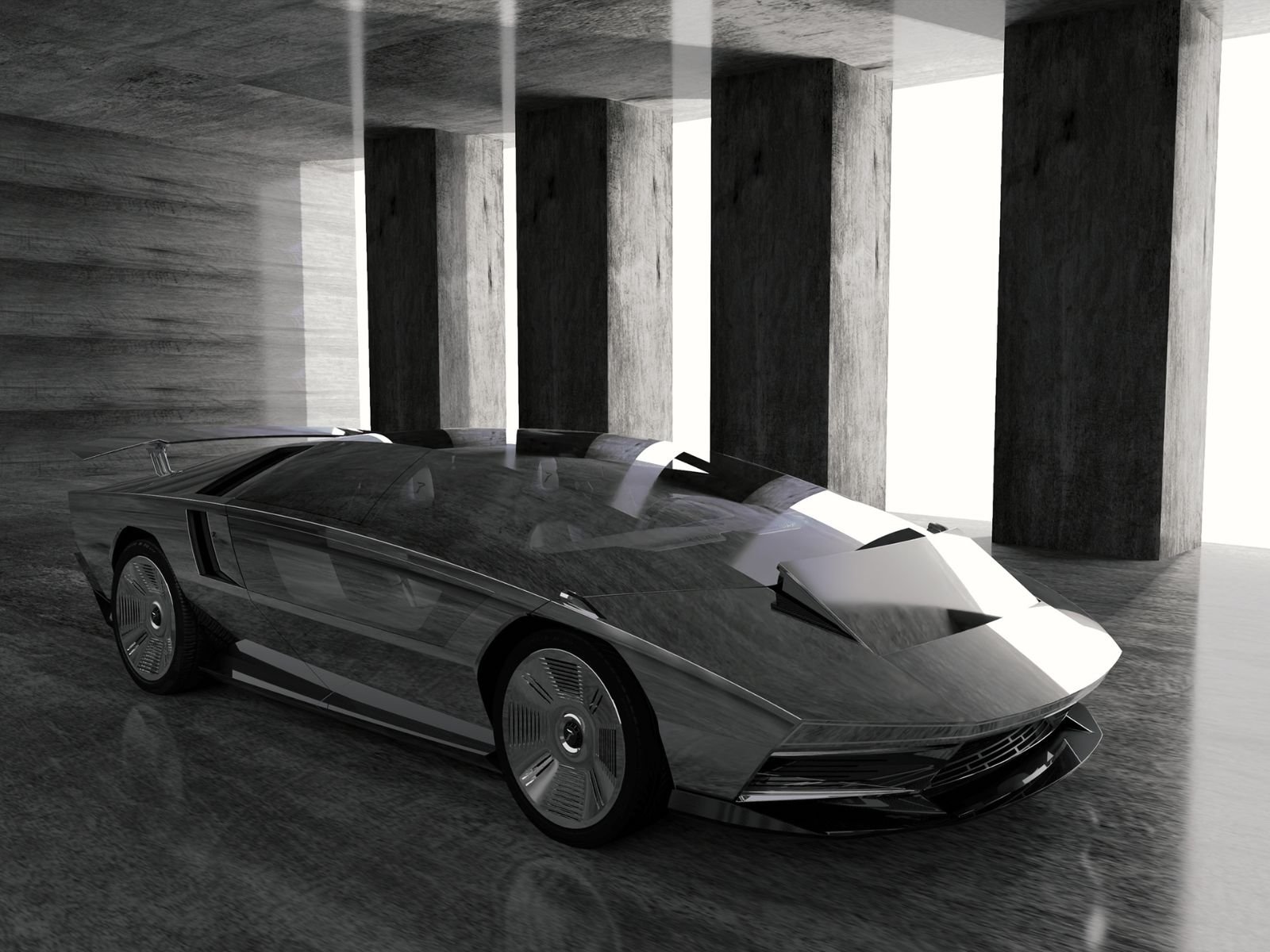
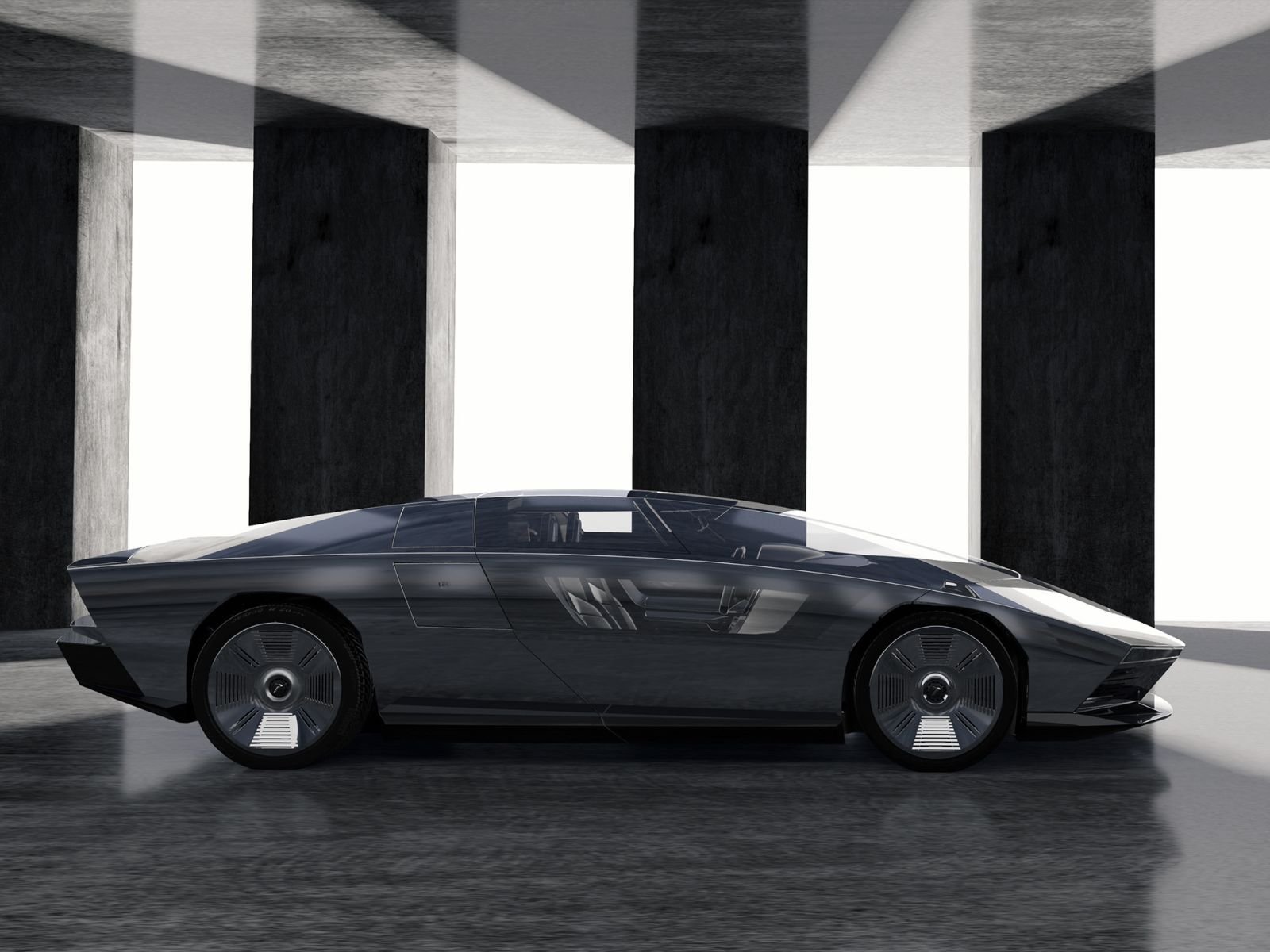
GFG Style’s Peralta S
GFG Style’s Peralta S | Image: GFG Style
GFG Style’s Peralta S
GFG Style’s Peralta S | Image: GFG Style

Not everything is aluminum, though. Exposed carbon fibre is used for the front spoiler, side sills and rear diffuser, providing some visual contrast while keeping the more functional aerodynamic pieces separate from the polished bodywork.

Then there’s the way you actually get inside. Forget conventional doors — the Peralta S lifts its entire upper dome in a single movement, turning the windscreen, roof and surrounding structure into one enormous opening. It’s wildly theatrical and probably not the quickest way to grab something you’ve forgotten inside, but on a one-off Giugiaro concept inspired by the 1970s, normal doors would almost feel disappointing.
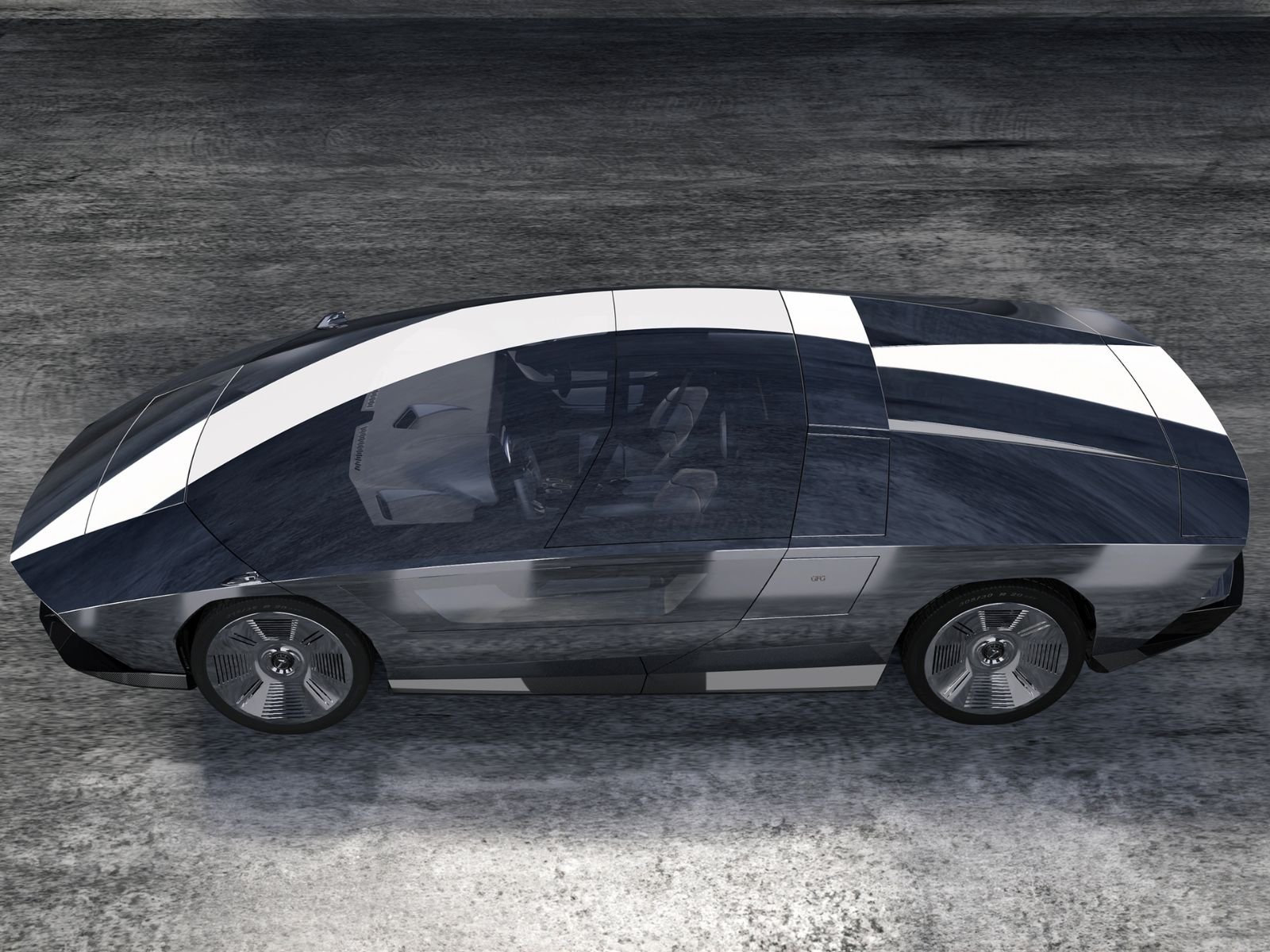
GFG Style’s Peralta S
GFG Style’s Peralta S | Image: GFG Style

There’s a Maserati MC20 Underneath All That Aluminium

For all the concept-car drama happening on the outside, the Peralta S isn’t built on some experimental platform that will never move under its own power. Underneath sits the chassis and mechanical package of the Maserati MC20, retaining its mid-engine, rear-wheel-drive layout. GFG Style says the MC20’s technical characteristics remain unchanged, with Manifattura Automobili Torino (MAT) providing technical support during the project.

That means there’s some serious modern supercar hardware hiding beneath all that 1970s-inspired aluminum. The MC20 uses Maserati’s 3.0-litre twin-turbo Nettuno V6, producing 630 CV (621 hp), with the standard car capable of hitting 100 km/h in under 2.9 seconds and continuing beyond 325 km/h. The Peralta S isn’t really about chasing lap times, though — the MC20 gives Fabrizio Giugiaro’s design a proven modern foundation while allowing the bodywork to remain the star of the show.GFG Style Peralta S Specifications

GFG Style Peralta S Specifications:

  • Model: GFG Style Peralta S
  • Year: 2025
  • Production: One-off
  • Designer: Fabrizio Giugiaro
  • Design Inspiration: Giorgetto Giugiaro’s 1971 Maserati Boomerang
  • Donor Platform: Maserati MC20
  • Layout: Mid-engine, rear-wheel drive
  • Engine: 3.0-litre twin-turbo Nettuno V6
  • Power: 630 CV (621 hp)
  • Body: Handcrafted mirror-polished aluminium
  • Carbon Fibre: Front spoiler, side sills & rear diffuser
  • Entry: Single-movement lifting dome
  • Lighting: Concealed front & rear lighting
  • Rear Aero: Integrated deployable spoiler
  • Commissioned By: Carlos Peralta and his sons Juan Carlos and Nicolas
  • Debut: Pastejé Automotive Invitational, Mexico — March 22, 2025
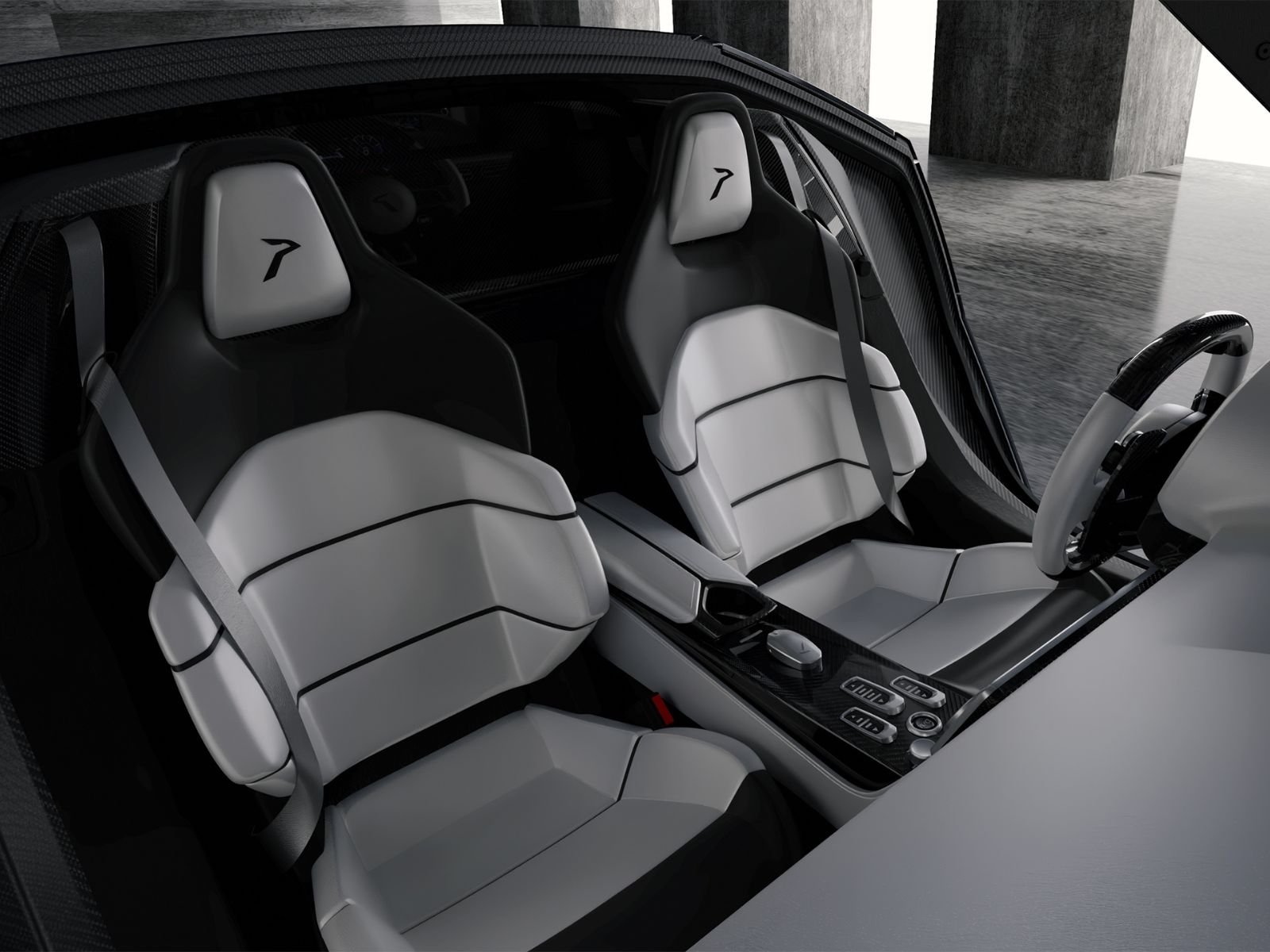
GFG Style’s Peralta S
GFG Style’s Peralta S | Image: GFG Style
GFG Style’s Peralta S
GFG Style’s Peralta S | Image: GFG Style

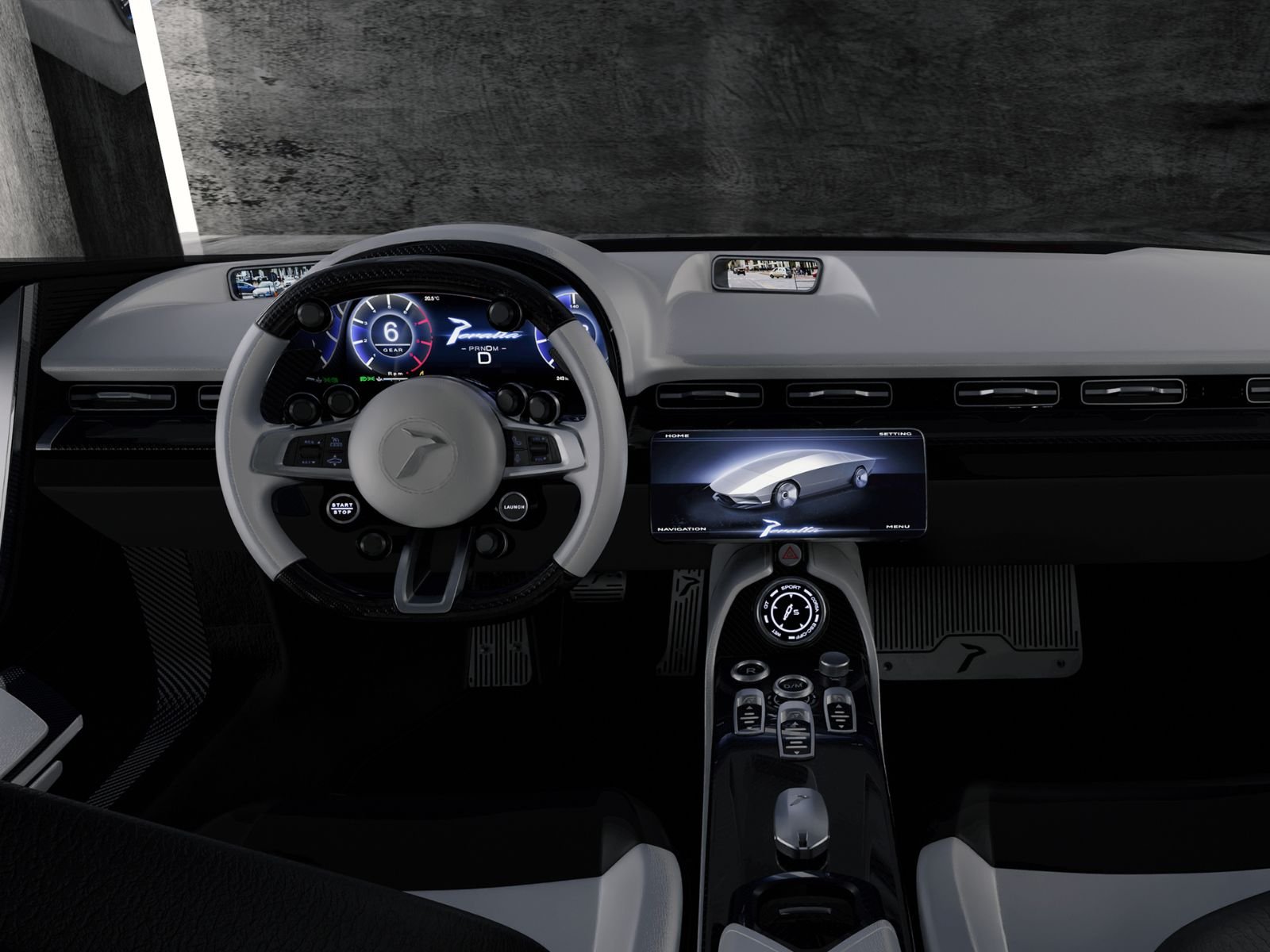
Inside, the 1970s influence continues without simply recreating an old cabin. Chrome-effect metallic leather wraps the seats and other surfaces, while the tightly wrapped seating gives the interior more of a cockpit feel than a traditional supercar cabin. It’s another example of the Peralta S looking backwards for inspiration without pretending the last 50 years of car design never happened.

And then we can finish the section by noting that this was never intended for mass production — it’s a true one-off destined for the private collection that commissioned it. GFG Style itself confirms that’s where the car is ultimately headed.
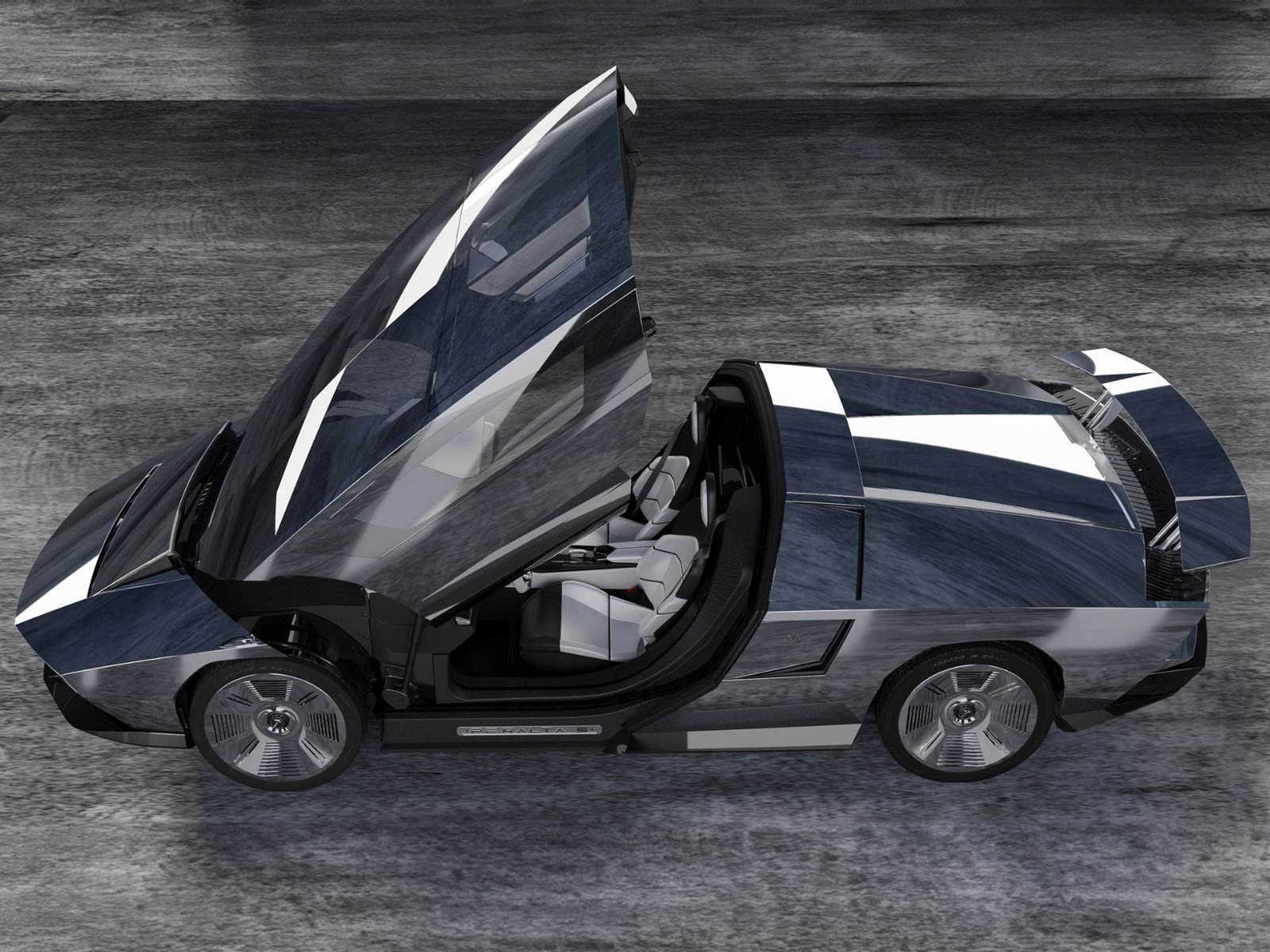
GFG Style’s Peralta S
GFG Style’s Peralta S | Image: GFG Style

A One-Off That Keeps Italian Coachbuilding Alive

The Peralta S was never designed to become the next production supercar, and that’s part of what makes it so interesting. It was created for one collector, built as GFG Style’s first one-off and will ultimately live in the private collection it was commissioned for. With no sales targets or thousands of customers to please, Fabrizio Giugiaro had the freedom to create something deliberately unconventional — the kind of freedom that has always made Italian coachbuilding such an important part of automotive design.

And the gamble seems to have paid off. The Peralta S was named Carrozzieri-Italiani.com’s Car of the Year 2025, beating a shortlist that included creations from Zagato, Pininfarina and Touring Superleggera. More than 50 years after the Maserati Boomerang helped define the Italian wedge era, the Peralta S proves those wonderfully wild ideas can still work today — especially when someone is willing to build just one.
GFG Style’s Peralta S
GFG Style’s Peralta S | Image: GFG Style
GFG Style’s Peralta S
GFG Style’s Peralta S | Image: GFG Style
GFG Style’s Peralta S
GFG Style’s Peralta S | Image: GFG Style
GFG Style’s Peralta S

Supercars
About the Author

Related Articles

Watches

IWC Takes the Pilot’s Watch Into Space With the Venturer Vertical Drive

Reading Time: 9 minutes

Our team of editors and experts thoughtfully chooses each product. If you decide to buy through one of our links, we may earn a commission. Learn more. Want to know how we test products? Click here for more details.

  • The first IWC mechanical watch engineered and certified for human spaceflight aboard Haven-1.
  • The patent-pending Vertical Drive system replaces the traditional crown with a rotating bezel and rocker switch.
  • White zirconium oxide ceramic, Ceratanium®, and an FKM rubber strap designed to withstand the harsh conditions of orbit.
  • A dedicated 24-hour mission time display and independently adjustable home time keep astronauts on schedule during up to 16 sunrises a day.
  • The IWC Pilot’s Venturer Vertical Drive is priced at USD $28,200.

For nearly a century, IWC Schaffhausen has built Pilot’s Watches with one destination in mind: the sky. From military cockpits to commercial airliners, the collection has earned its reputation as a dependable tool watch built for professionals who rely on precision. But as space exploration enters a new era—one once dominated by NASA and now increasingly shared with commercial missions—IWC has decided it’s time to look beyond the atmosphere.

Enter the Pilot’s Venturer Vertical Drive—the first IWC watch designed, engineered and certified specifically for human spaceflight. Developed in partnership with aerospace company Vast, the watch wasn’t adapted from an existing Pilot’s model. Instead, it was created from a blank sheet of paper to meet the unique demands of life in orbit, where astronauts need to operate their equipment while wearing pressurized gloves and where every piece of gear is expected to perform under extreme conditions.

That fresh approach is obvious the moment you see it. There is no traditional crown. Instead, every function is controlled through an innovative, patent-pending rotating bezel system paired with a rocker switch on the side of the case, allowing astronauts to wind the movement or adjust home and mission time without removing their gloves. Built from white zirconium oxide ceramic and Ceratanium®, the watch has also been qualified by Vast for flight aboard Haven-1, the world’s first planned commercial space station.

It’s a bold step for IWC Schaffhausen and a natural evolution of the Pilot’s Watch. If these watches once helped aviators navigate the skies, the Venturer Vertical Drive suggests the next frontier isn’t the cockpit at all—it’s space.

IWC Pilot’s Venturer Vertical Drive Ref. IW328601
IWC Pilot’s Venturer Vertical Drive | Image: Supplied / IWC

How the IWC Pilot’s Venturer Vertical Drive Works Without a Crown?

The first thing you’ll notice about the Pilot’s Venturer Vertical Drive isn’t what it has—it’s what it doesn’t. There is no traditional crown anywhere on the case. For a mechanical watch, that’s a bold decision, but IWC wasn’t chasing a futuristic design for its own sake. Anyone who’s tried to manipulate small controls while wearing thick gloves can imagine the challenge. Now picture doing it in a pressurized EVA suit during a spacewalk. A conventional crown simply isn’t practical in that environment, so IWC went back to the drawing board.

This is what IWC calls ‘Vertical Drive’—a patent-pending system that replaces the crown with a rotating Ceratanium® bezel and a prominent rocker switch on the left side of the case. Inside, a clutch mechanism transfers the bezel’s rotation directly to the winding stem, allowing the watch to perform functions that would normally require a crown. Using the rocker switch, the wearer can quickly switch between winding the movement, setting home time, or adjusting mission time, all while wearing astronaut gloves.

Even winding the watch has been considered. Once winding mode is selected, simply rotating the Ceratanium® bezel counter-clockwise manually charges the movement, while the automatic rotor continues to wind the watch during normal wear. It’s a completely different way of interacting with a mechanical watch, but one that makes perfect sense once you understand who it was designed for. Rather than adapting an existing Pilot’s Watch for space, IWC has rethought one of the most familiar parts of watchmaking and created a system that feels purpose-built for life beyond Earth.

IWC Pilot’s Venturer Vertical Drive
IWC Pilot’s Venturer Vertical Drive | Image: IWC
IWC Pilot’s Venturer Vertical Drive
IWC Pilot’s Venturer Vertical Drive | Image: IWC

Designed for Orbit

Building a watch for space isn’t simply a matter of making it tougher. Before it even reaches orbit, it has to withstand the violent forces of a rocket launch, in which intense vibration and acceleration place enormous stress on every component. Once in space, the challenges only increase. Vacuum conditions, powerful ultraviolet radiation and dramatic temperature swings—from more than 100°C in direct sunlight to around -150°C in the shade—create an environment unlike anything a watch will ever experience on Earth.

To get the Pilot’s Venturer Vertical Drive ready for space, IWC worked with Vast, the company building Haven-1, the first planned commercial space station. At Vast’s headquarters in Long Beach, California, engineers put the watch through tough vibration and pressure tests, including simulations with forces up to 10g, which is much higher than what typically occurs during launch. After each test, they checked the watch to make sure it still worked perfectly. Only then did it earn official approval to fly on Haven-1. As Vast CEO Max Haot said, “IWC’s dedication to engineering excellence, delivering uncompromising accuracy, reliability, and astronaut-focused design, aligns perfectly with Vast’s human-centric approach to developing Haven-1.”

The watch itself has been built around materials chosen specifically for these conditions. Its 44.3 mm case is designed from white zirconium oxide ceramic, one of the hardest materials used in modern watchmaking, while the bezel and caseback are made from Ceratanium®, IWC’s proprietary material that combines the lightness of titanium with the scratch resistance of ceramic. The engraved caseback even features a stylized spacecraft, a subtle nod to the mission this watch was created for.

Even the strap has been designed with space in mind. Made from integrated white FKM rubber, it offers excellent thermal insulation while resisting ultraviolet radiation and extreme temperature changes that would quickly degrade conventional materials. Even the strap reflects that same thought. Made from integrated white FKM rubber, it’s built to handle harsh UV exposure and extreme temperature changes without losing its shape or durability. For a watch created for life beyond Earth, every material in this design had a job to do.

IWC Pilot’s Venturer Vertical Drive Ref. IW328601
IWC Pilot’s Venturer Vertical Drive | Image: IWC

16 Sunrises a Day

Time works very differently once you leave Earth behind. A spacecraft or space station completes an orbit roughly every 90 minutes, meaning astronauts can experience as many as 16 sunrises and 16 sunsets in a single day. At that point, the familiar rhythm of morning and night becomes meaningless, so crews rely on UTC (Coordinated Universal Time) or GMT to keep a consistent schedule for work, sleep and mission operations. That’s exactly the environment the Pilot’s Venturer Vertical Drive was designed for.

To reflect that reality, IWC has kept the dial clean and highly legible. The matte black, reflection-free dial displays the mission’s reference time using the central hour and minute hands, while a dedicated outer hand points to a 24-hour scale running around the edge of the dial. If astronauts want to keep track of home, the central hour hand can be adjusted independently in one-hour increments, making it easy to display a second time zone without interrupting mission time. It’s a practical solution that works just as well for frequent travellers back on Earth.

The finer details bring the whole display to life with the black triangular hour and minute hands filled with green Super-LumiNova, while the arrow-tipped 24-hour hand glows blue, matching the blue seconds hand and inner chapter ring—a subtle reference to the thin blue horizon astronauts see when looking back at Earth from orbit. Powering it all is IWC’s newly developed Calibre 32722, an automatic movement with a 120-hour power reserve, an integrated GMT module, and a date display at 3 o’clock, ensuring the watch is every bit as mechanically capable as it is visually.

IWC Pilot’s Venturer Vertical Drive

From Cockpit to Orbit

For decades, IWC’s Pilot’s Watches have been built around a simple idea: create instruments that are easy to read, dependable under pressure and intuitive to use. The Pilot’s Venturer Vertical Drive stays true to that philosophy, but instead of being designed for life in the cockpit, it has been reimagined for a very different kind of flight. The same principles that once guided pilots through the skies have now been adapted for astronauts heading into orbit.

Instead of relying on a traditional crown, IWC introduced the Vertical Drive system, redesigned the display around mission time and selected materials capable of handling the unforgiving conditions of space. Nothing has been added for show—every feature has a clear purpose.

As Christian Knoop, Creative Director at IWC Schaffhausen, explains, “These emerging players operate much like brands, deliberately harnessing the power of design to inspire people and spark enthusiasm for their bold visions. With its rounded edges and black and white colour scheme, it embodies our vision of a modern space watch and carries IWC’s tool watch legacy into the 21st century.”

Most of us will never need a mechanical watch that’s qualified for human spaceflight, and that’s perfectly fine. What makes the Pilot’s Venturer Vertical Drive so fascinating isn’t simply where it can go—it’s the engineering mindset behind it. Designing for one of the harshest environments imaginable forced IWC to rethink almost every aspect of a traditional tool watch, resulting in one of the most original releases we’ve seen in years. At USD $28,200, it’s certainly not an everyday purchase, but it’s a compelling reminder that some of the best innovations happen when watchmakers stop refining the familiar and start solving entirely new problems.

IWC Pilot's Venturer Vertical Drive Ref. IW328601
IWC Pilot’s Venturer Vertical Drive Ref. IW328601 | Image: Supplied / IWC

IWC Pilot’s Venturer Vertical Drive

  • Brand: IWC Schaffhausen
  • Model: Pilot’s Venturer Vertical Drive
  • Reference: IW328601
  • Diameter: 44.4 mm
  • Thickness: 16.7 mm
  • Material: White zirconium oxide ceramic
  • Dial: Black
  • Calibre: Automatic, Self-Winding 32722
  • Power Reserve: 120 Hours / 5 Days
  • Water-Resistance: 10 Bar (100 metres, 330 feet)
  • Price: USD $28,200

Watches & WondersIWC SchaffhausenSpaceNASA
About the Author
arrow_drop_up