




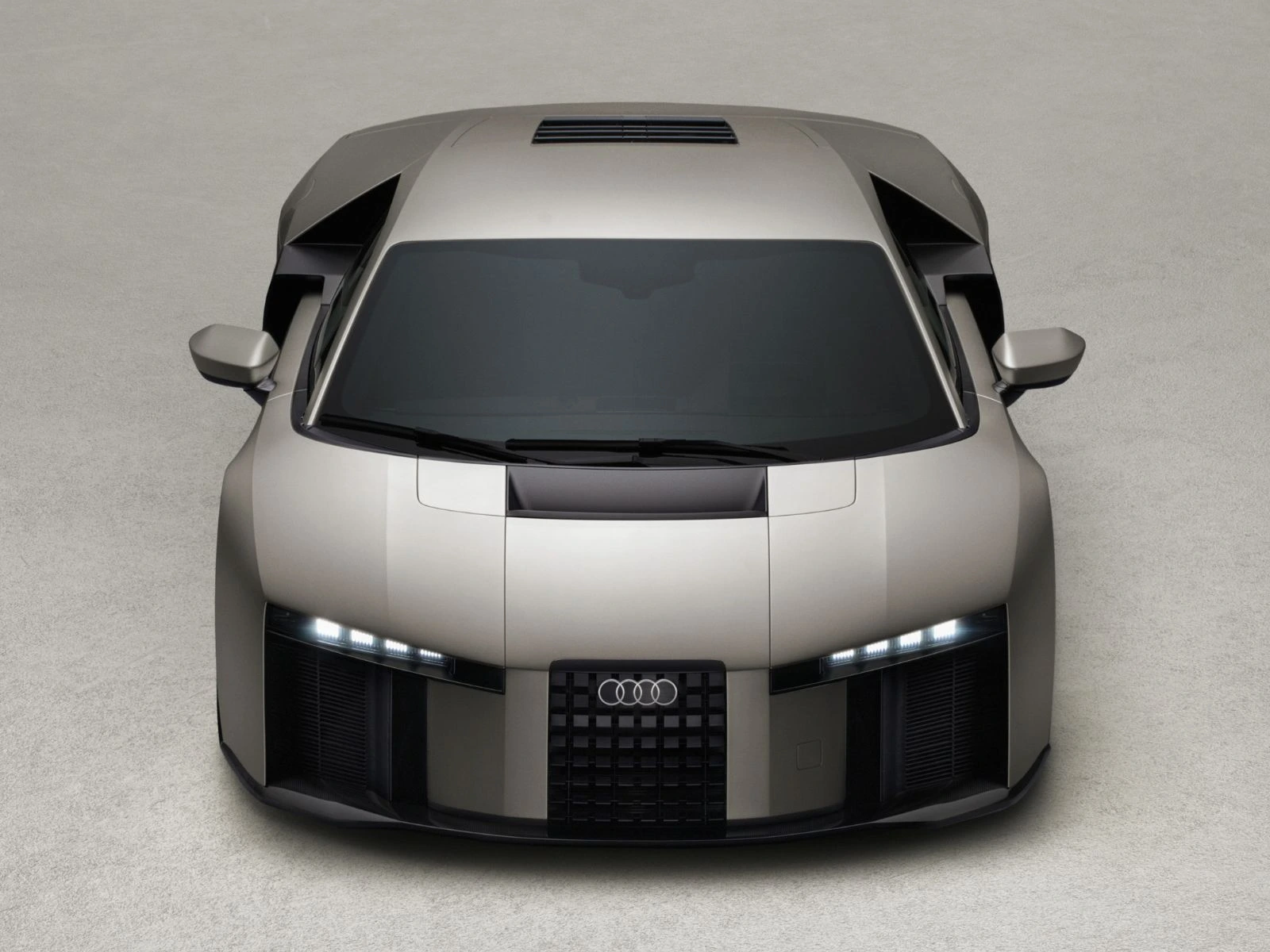

- The Audi Nuvolari is the fastest and most powerful production car in the brand’s history.
- Its hybrid system combines a 4.0-litre biturbo V8 with three electric motors to produce 1,001 PS.
- It reaches 100km/h in 2.6 seconds and has a top speed exceeding 350km/h.
- Predictive quattro, active aerodynamics and a carbon exterior bring Formula 1 technology to the road.
- Production is limited to 499 cars, with deliveries beginning in the first half of 2027.
Modern supercars are being asked to perform a difficult balancing act. Emissions rules are making enormous unassisted combustion engines harder to justify, yet full electrification has not completely won over drivers who still want noise, mechanical drama and something happening behind their shoulders. High-performance hybrid systems have become the industry’s preferred middle ground, combining electric assistance with the character enthusiasts still expect from a proper supercar.
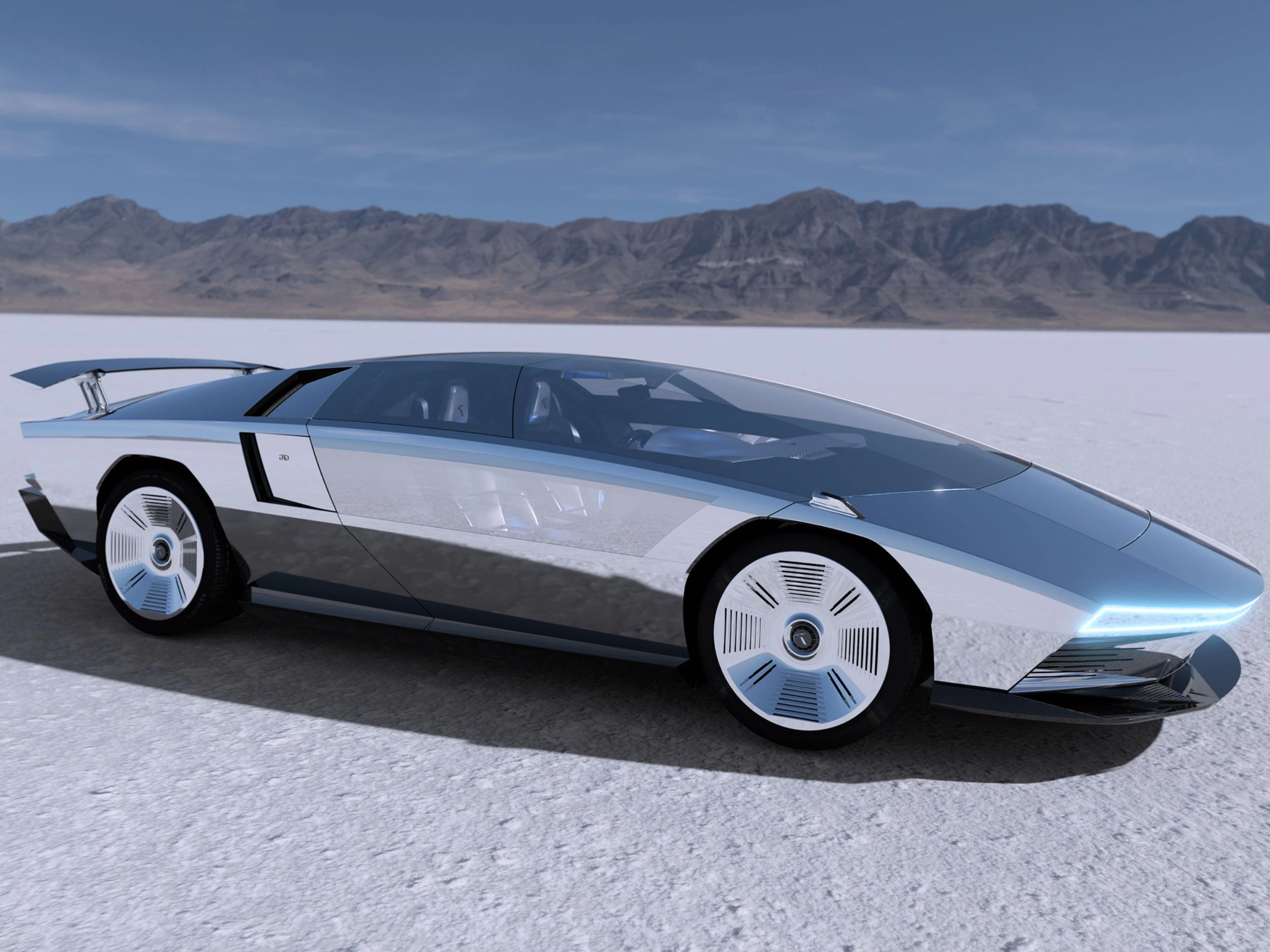
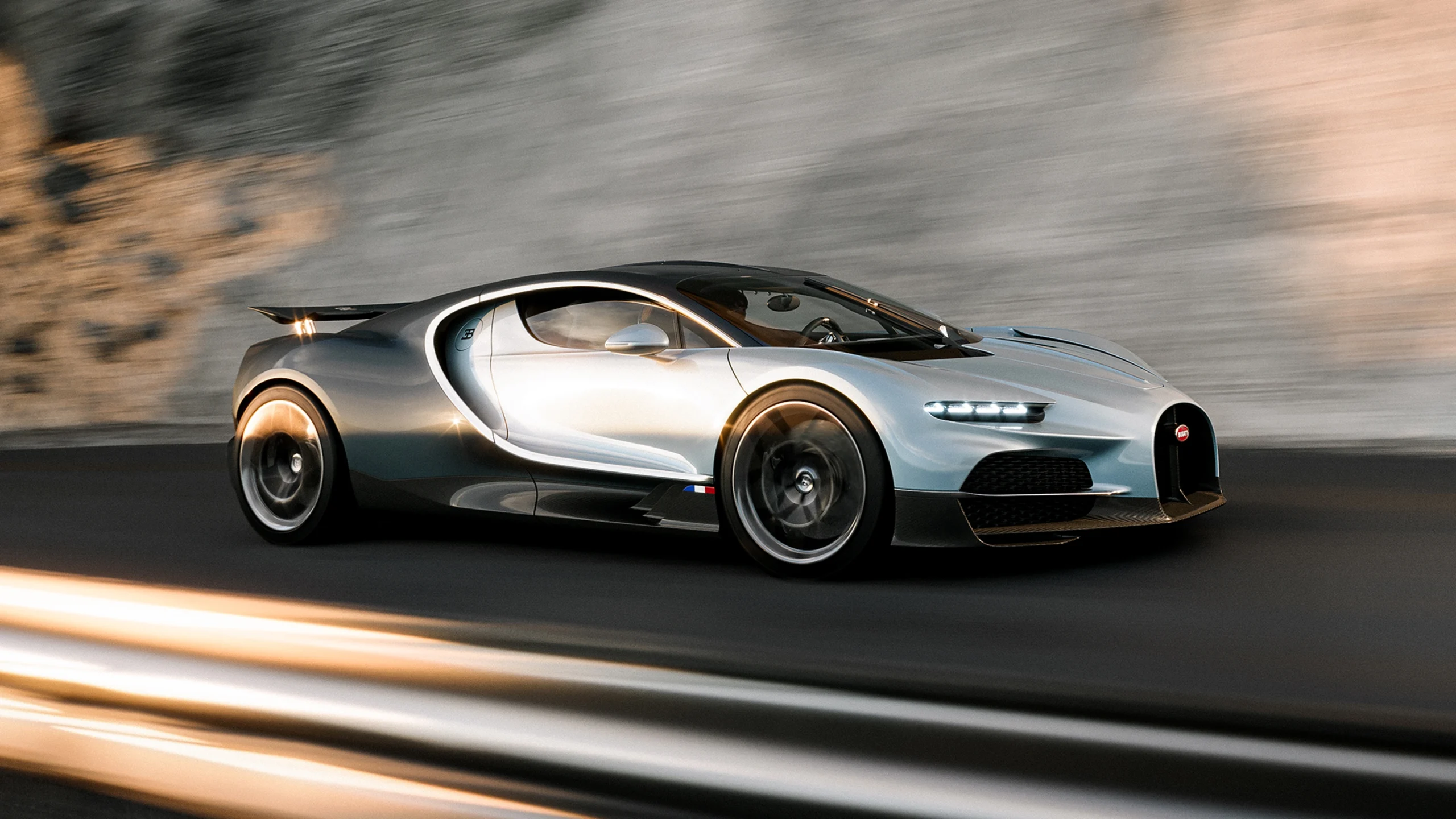
Audi has now joined that movement with the Nuvolari, its first high-performance hybrid supercar and the fastest, most powerful production vehicle in the brand’s history. Named after legendary Italian racing driver Tazio Nuvolari, it combines a mid-mounted 4.0-litre twin-turbo V8 with a 7.3kWh battery and three axial-flux electric motors, each producing 110kW. The complete system delivers 736kW, or 1,001 PS, while the V8 spins to a superbike-challenging 10,000 rpm—proof that entering the hybrid age does not have to mean turning the volume down.
Advertisement · Continue Reading Below
With only 499 limited-edition examples, the Nuvolari arrives as Audi’s answer to the supercar-shaped space left behind by the R8, although it brings considerably more power and Formula 1-inspired technology to the role. It also introduces the brand’s new design philosophy, along with active aerodynamics, an evolved Audi Space Frame and the next generation of quattro. This is not simply an R8 with a battery attached; it is Audi rebuilding its halo car for a very different performance era.
Let’s take a closer look at the new Audi Nuvolari!
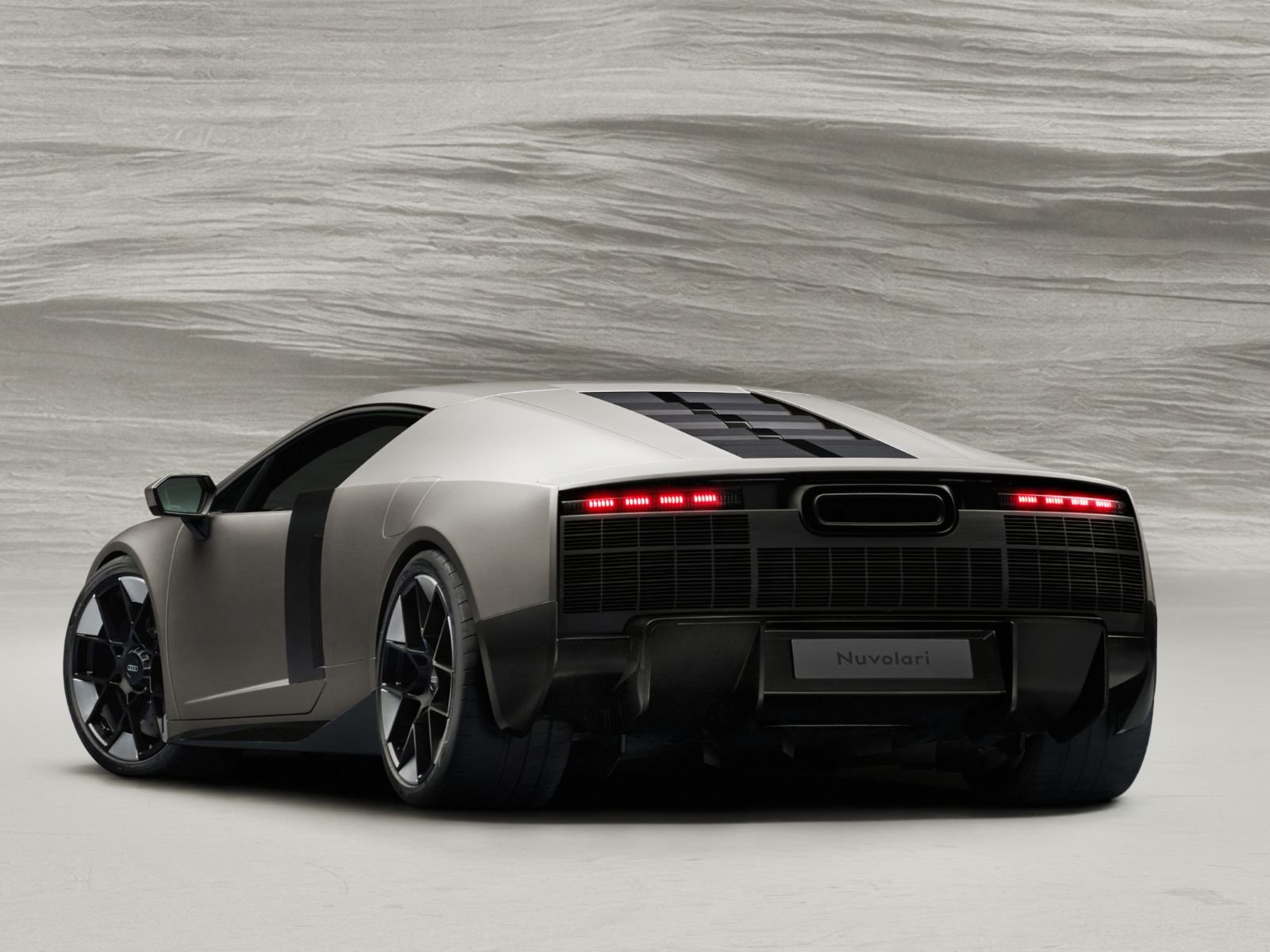
Before getting into the technology working beneath the Nuvolari, it helps to see exactly what Audi is trying to control. These are the headline numbers behind the most powerful and fastest production car in the brand’s history.
Audi Nuvolari Specifications:
- Engine:. 4.0-litre twin-turbo V8
- Battery: 7.3kWh lithium-ion battery
- Electric motors: Three 110kW axial-flux electric motors
- Power output: 736kW (1,001 PS / approximately 987 hp)
- Engine torque: 730Nm
- Vehicle dynamics: quattro predictive ride with variable torque vectoring
- Acceleration: 0–100km/h in 2.6 seconds — requires more than 80% battery charge & a battery temperature above 28°C
- 0–200km/h: 6.8 seconds — top speed exceeds 350km/h
- Production: Limited to 499 examples worldwide
- Price: Price on application
Those figures make the Nuvolari impressive in a straight line, but they also create a fairly obvious problem once the road begins to bend. Putting 1,001 PS into a road car is one thing; making sure it reaches the ground without immediately becoming an expensive cloud of tyre smoke is another.
Audi’s answer is quattro predictive ride, a new control system designed to react before the Nuvolari actually loses grip. It continuously processes information including steering angle, acceleration, yaw rate and the available level of traction to build a real-time picture of how the car is behaving.
If it anticipates a loss of grip while cornering, the system can redistribute torque between the axles and individual wheels, apply targeted braking and adjust the active aerodynamics before the slide properly begins. Two oil-cooled axial-flux electric motors sit on the front axle and deliver up to 2,150Nm of torque, allowing the system to vary power between the front wheels almost instantly.
A third electric motor positioned between the V8 and transmission completes the four-drive-unit setup, helping the Nuvolari remain stable on wet roads, changing surfaces and the sort of corner exits where 1,001 PS can become a problem remarkably quickly.
In simple terms, the Nuvolari does not wait for the tyres to lose grip before reacting. It prepares the car for what is about to happen next.
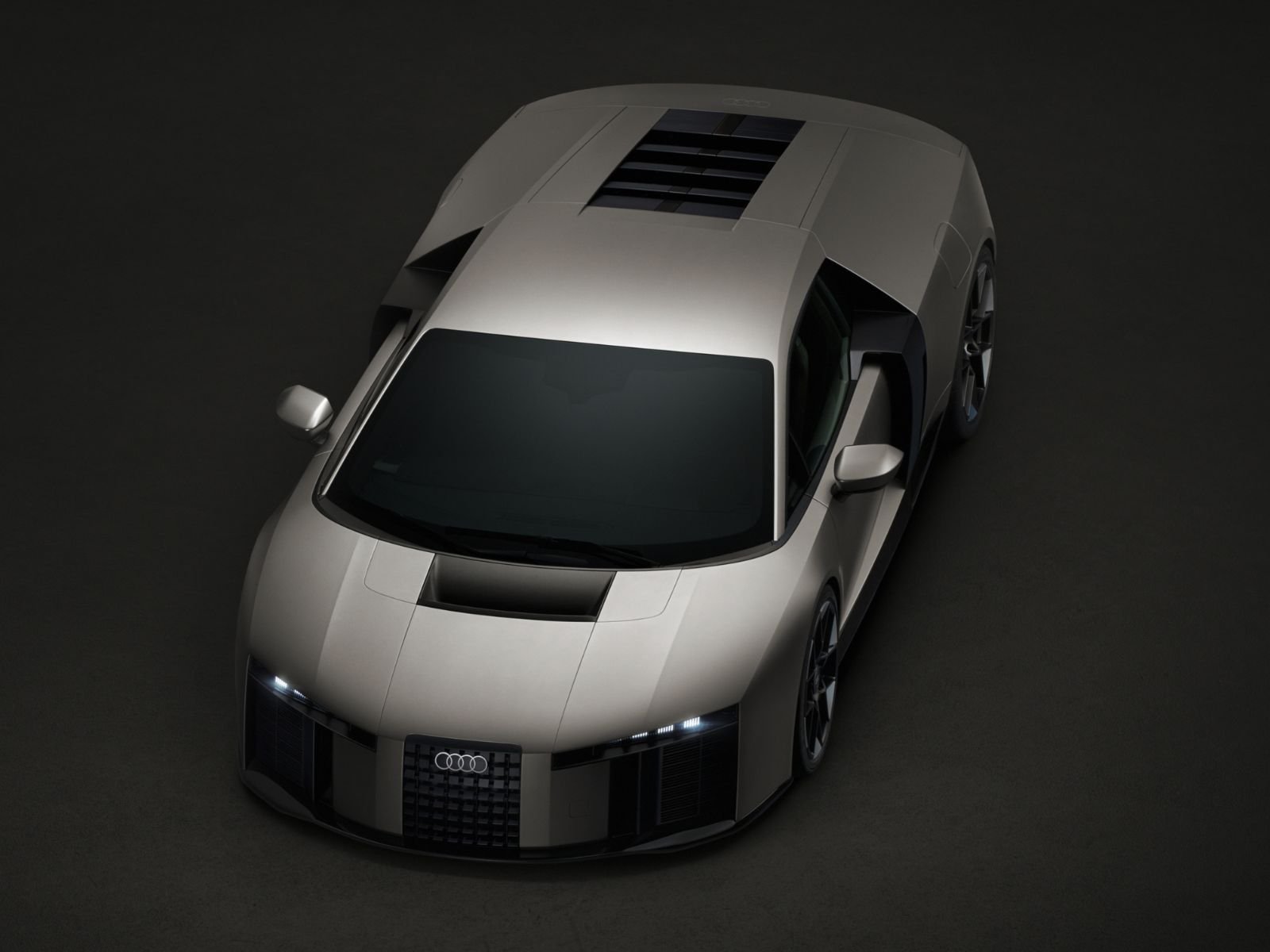
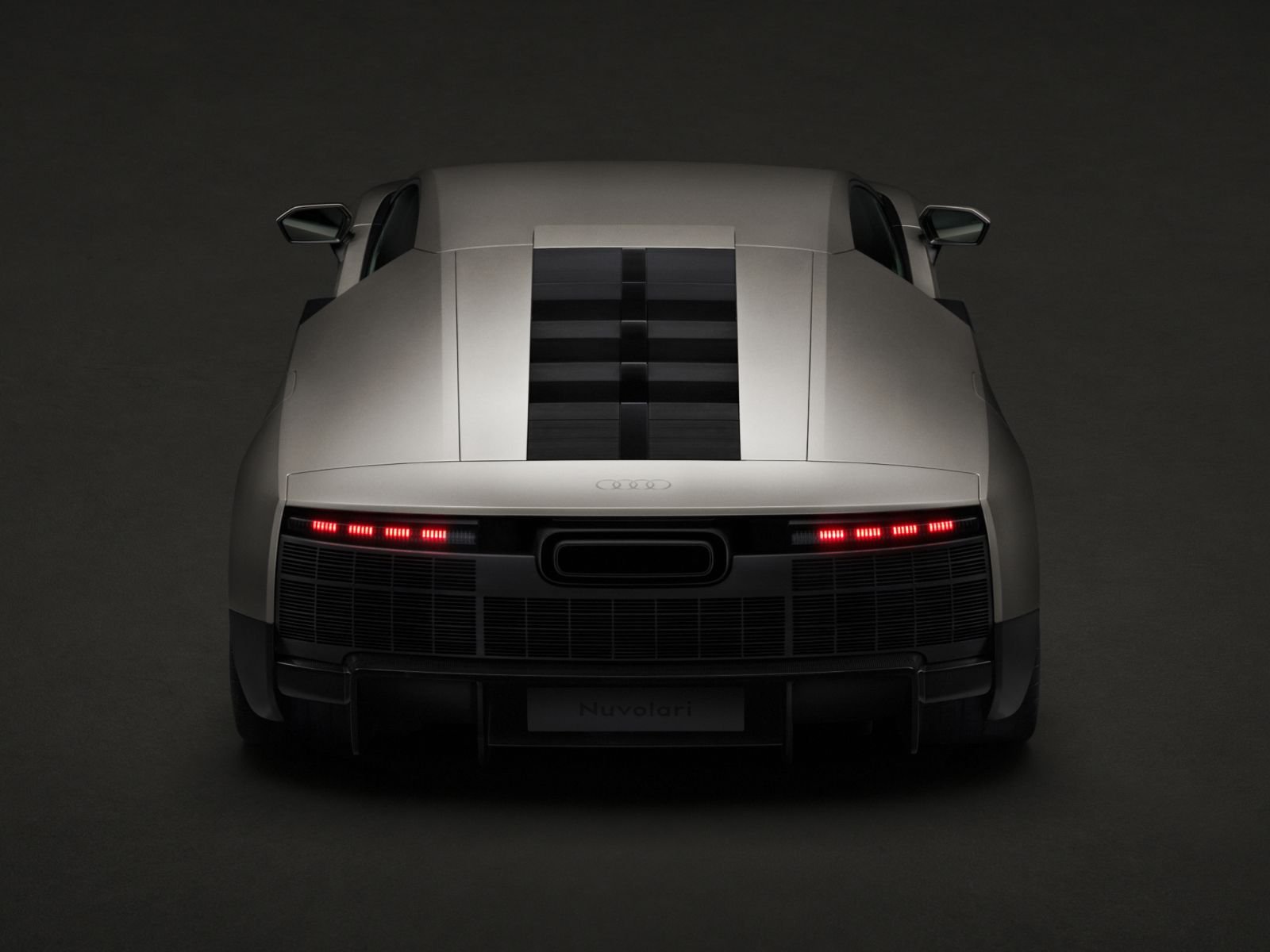
Drivers still have some say in how much assistance they receive. Rotary controls on the steering wheel provide access to E-Hybrid, Balanced, Dynamic and Dynamic+ modes, while Track Mode introduces more detailed traction settings ranging from Wet and Dry to Race and TC Off. The final option is presumably intended for drivers with considerable talent, substantial confidence or a very relaxed relationship with replacement tyres.
Launch Control also borrows from Audi’s Formula 1 programme, deploying stored battery energy to deliver maximum acceleration while the predictive system manages traction. Under the required battery conditions, the Nuvolari can reach 100km/h in 2.6 seconds and 200km/h in 6.8 seconds before continuing beyond 350km/h.
Advertisement · Continue Reading Below
Stopping it requires equally serious hardware. Audi Ceramic Pro brakes combine a brake-by-wire system with ten-piston front callipers and 420 x 40mm discs, while four-piston rear callipers work with 410 x 32mm discs. Internal cooling improves heat dissipation by up to 21% over conventional carbon-ceramic brakes, while as much as 0.3g of deceleration can be handled electrically before the hydraulic system joins in.
Audi says the complete braking system can absorb as much as 2.8 megawatts under extreme conditions, putting its stopping performance on the level of a current Formula 1 car. That seems sensible when the vehicle it is slowing can travel at more than 350km/h
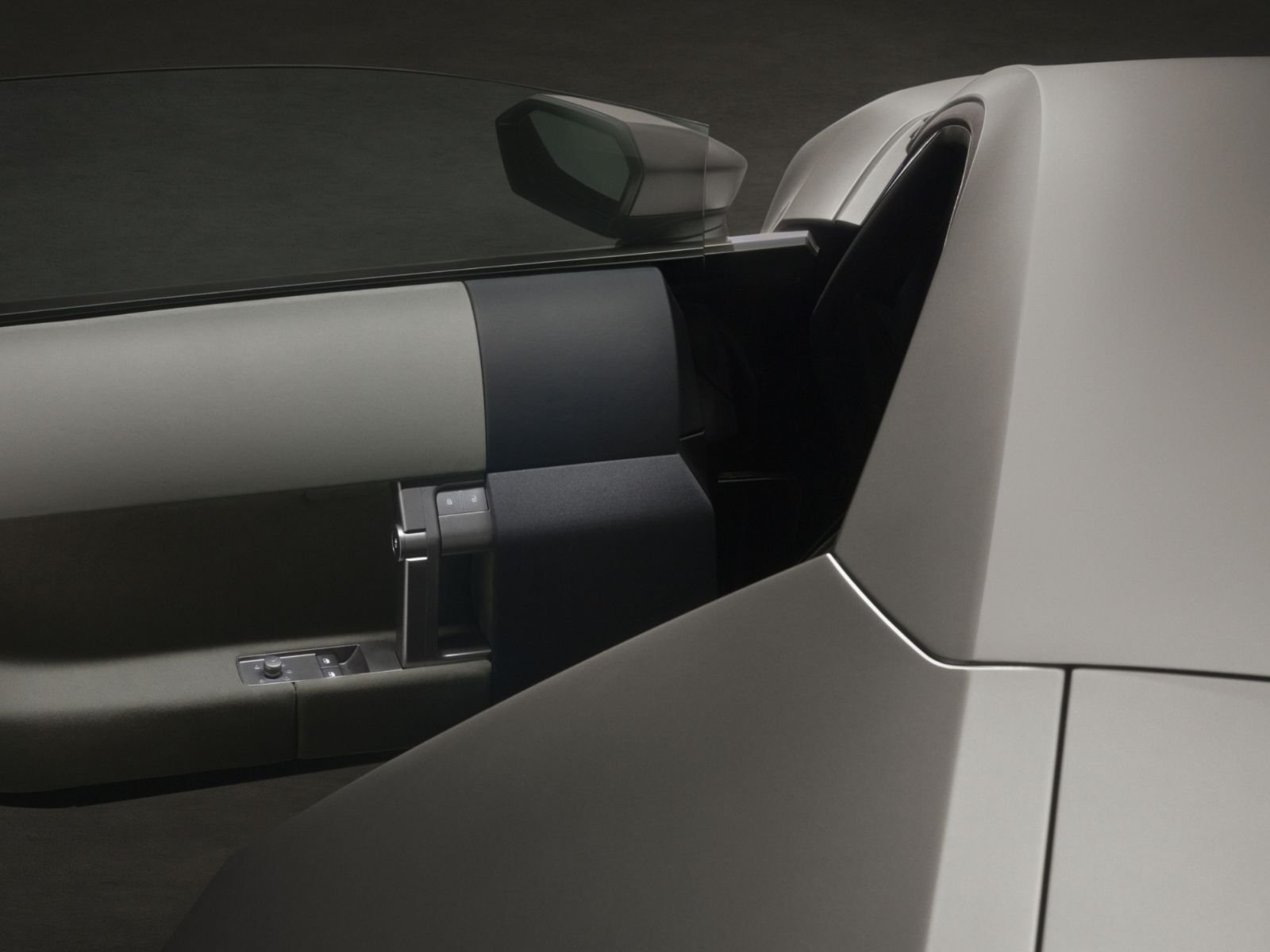
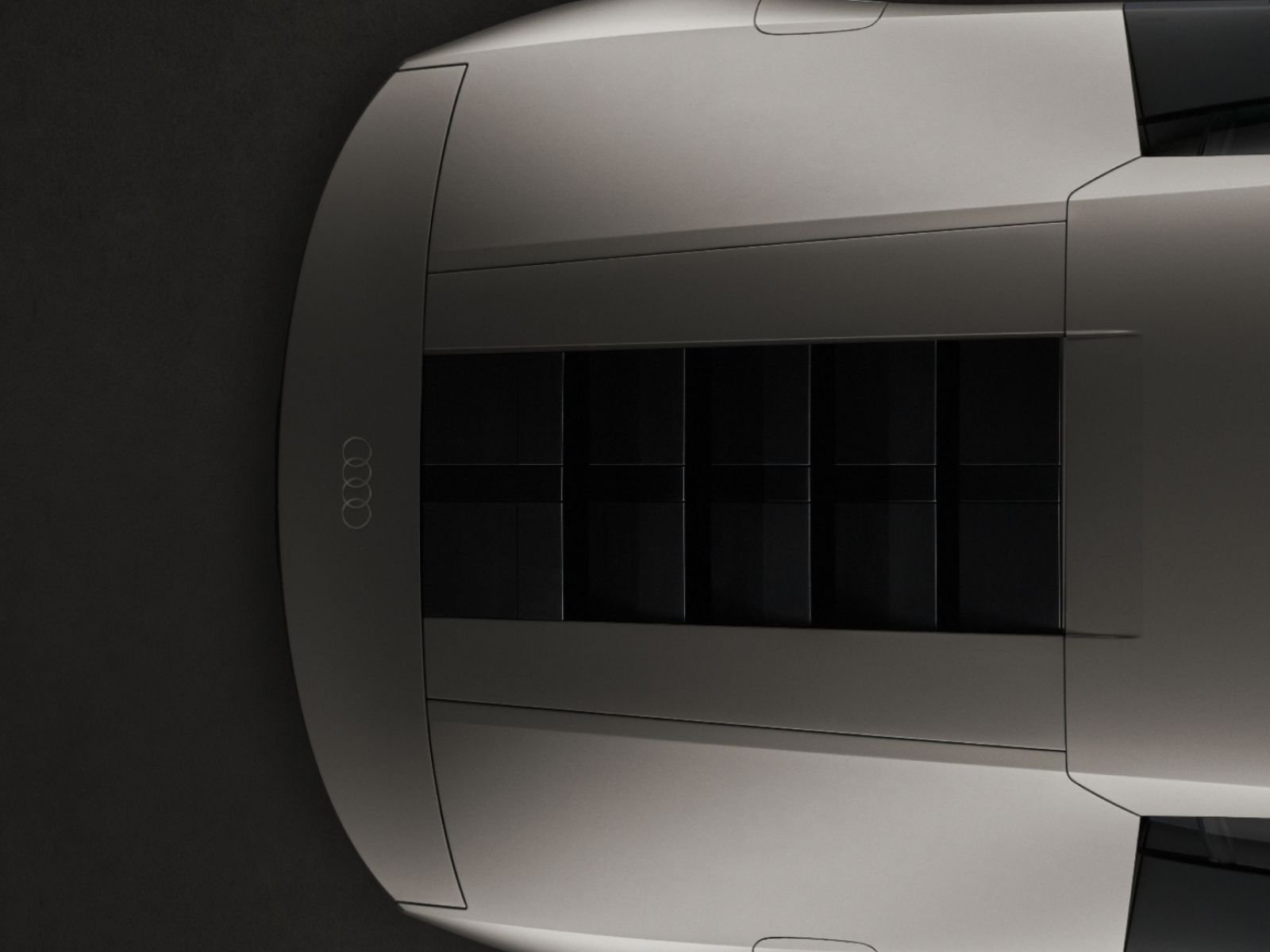
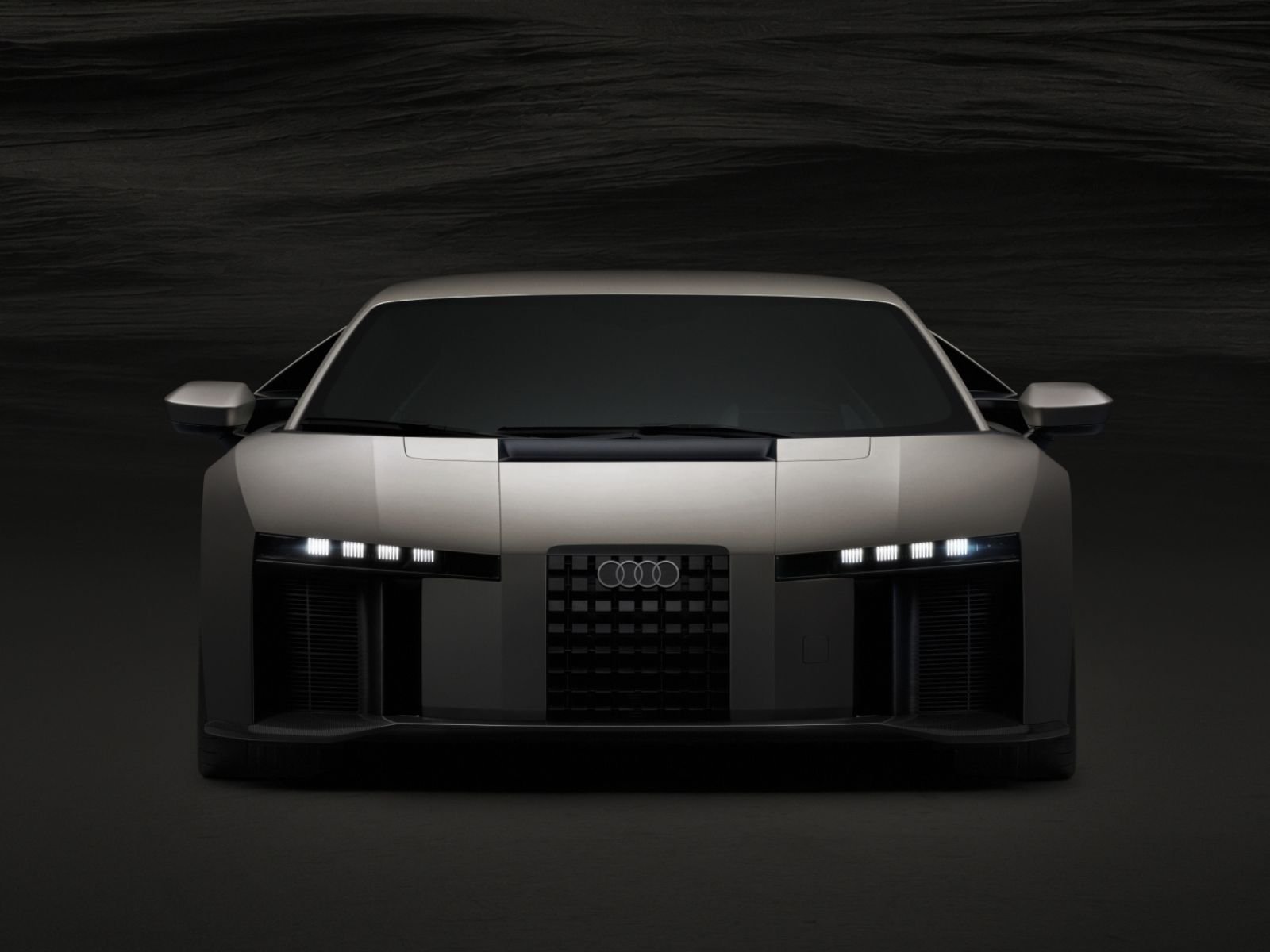
The Nuvolari combines Audi’s familiar Space Frame construction with a carbon-fibre exterior for the first time, giving the supercar a lightweight yet highly rigid foundation. Almost every exterior component is made from carbon-fibre-reinforced plastic using a prepreg autoclave process influenced by Formula 1 manufacturing, while the mid-engine proportions are finished in Audi’s signature Titanium paint—the same colour seen on its Concept C and Formula 1 car.
Much of that dramatic bodywork exists to manage cooling and airflow rather than simply make the Nuvolari look fast while standing still. Large front intakes feed fresh air towards the brakes, biturbo V8 and hybrid components, while 64 precisely angled elements in the front Vertical Frame guide air through a concealed S-duct. This creates additional downforce over the front axle, reduces lift at high speeds and helps remove heat from a powertrain producing 1,001 PS.
The deployable rear wing completes the active aerodynamic system, moving between Closed, Low Downforce and High Downforce positions. It retracts into the bodywork to reduce drag, adjusts automatically in the more aggressive driving modes and can be lowered manually using an F1-style DRS button for maximum speed along a straight. Under braking and through corners, it returns to its high-downforce position, helping the Nuvolari produce more than 400kg of downforce—which should prove useful when the speedometer wanders beyond 350km/h.
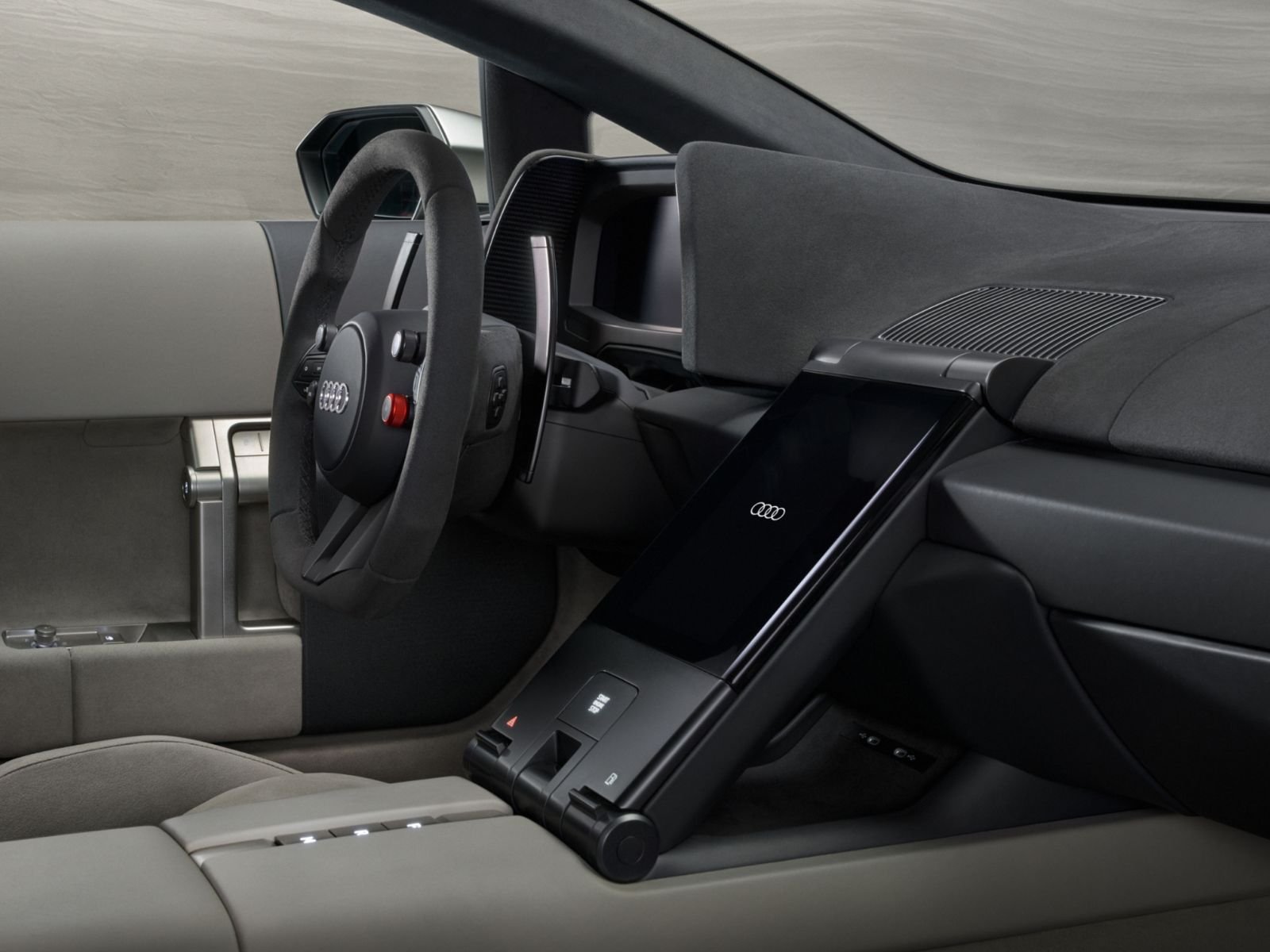
Inside, the Audi Nuvolari is clearly focused on the act of driving. Its reduced cockpit architecture places the essential displays, physical controls and human-machine interface directly within the driver’s field of view, keeping important information front and centre while secondary content fades into the background. Look closely at the digital interface, and you will also find colour accents inspired by the Auto Union Type C, providing a subtle link to Audi’s record-breaking motorsport era of the 1930s.
Advertisement · Continue Reading Below
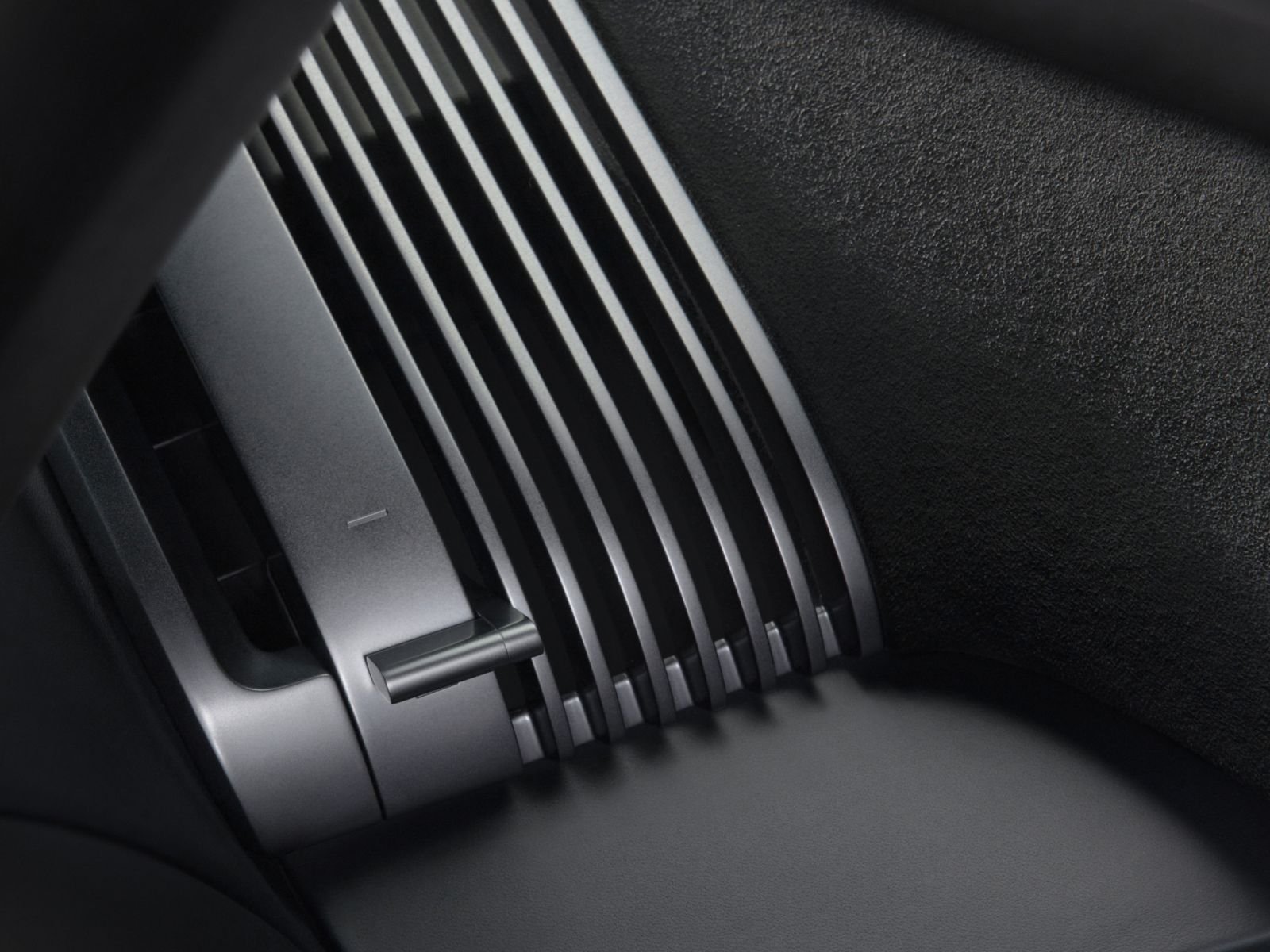
The cabin uses a distinctive two-zone colour scheme, with a deep, dark finish surrounding the driver to support concentration and a lighter Shadow Dune treatment across the rear section. Anodized aluminum appears around the central display, air vents and controls, adding some premium detail without making the cockpit feel unnecessarily decorative.
Lightweight seats feature carbon-fibre structures in their bases and backrests, reducing weight while increasing stiffness and lateral support during hard cornering. Their ergonomic shape is also intended to promote a natural seating position and provide clearer feedback from the road—which will probably be appreciated when 1,001 PS is waiting a few centimetres behind your shoulders.
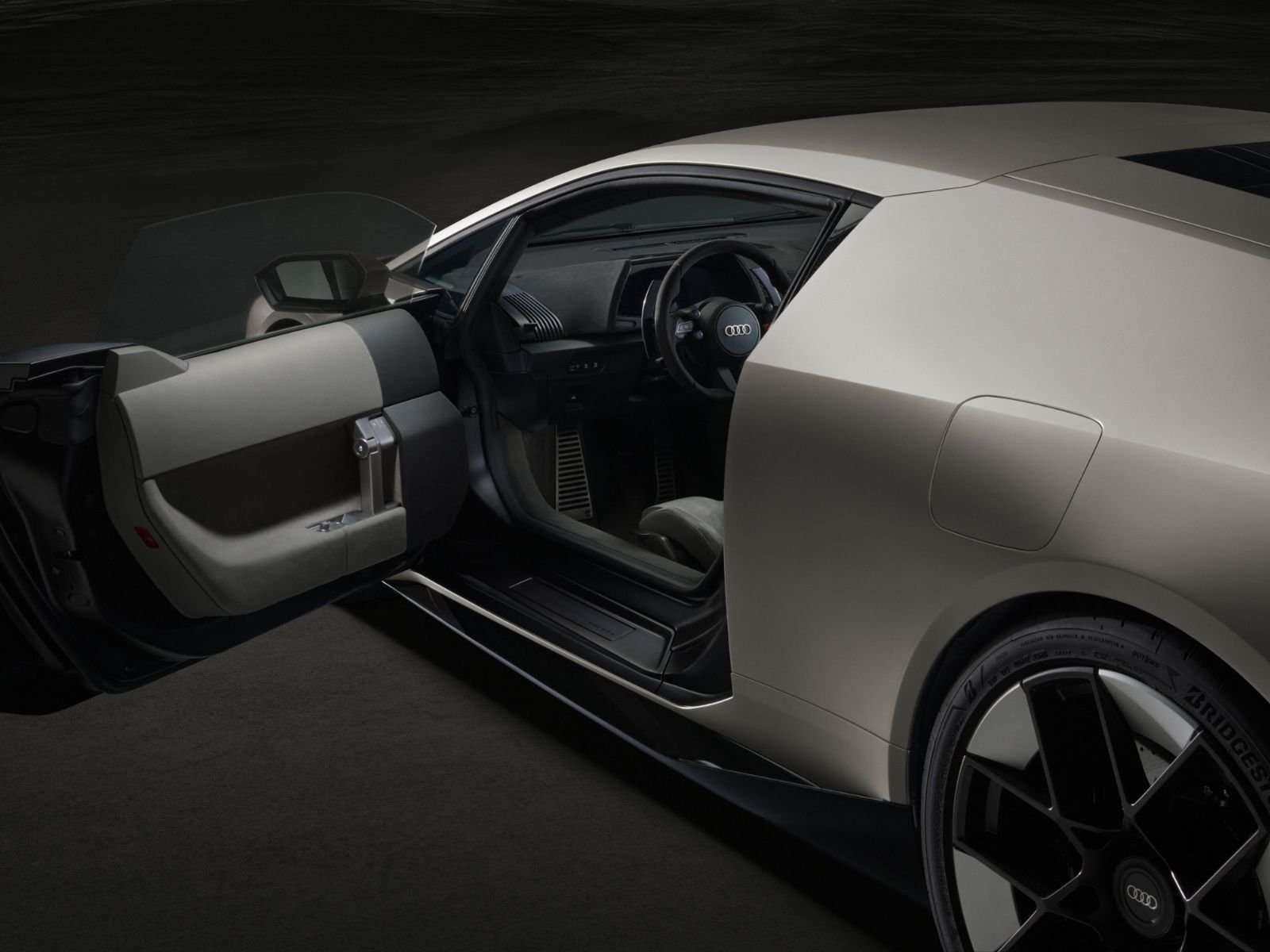
Audi will build only 499 Nuvolaris worldwide, with deliveries beginning in the first half of 2027. European pre-orders are scheduled to open in the fourth quarter of 2026, although customers can already register their interest through an Audi partner.
Official pricing and country allocations have not been announced. Considering the hand-laid carbon body, complex hybrid powertrain and personalized ordering process, expect the Nuvolari to cost considerably more than any previous Audi road car.