


Oris Star Edition Ref: 01 733 7813 4151-Set
Watches

Oris Celebrates 60 Years of Watchmaking Freedom With the New Star Edition

Reading Time: 7 minutes

Share via

Our team of editors and experts thoughtfully chooses each product. If you decide to buy through one of our links, we may earn a commission. Learn more. Want to know how we test products? Click here for more details.

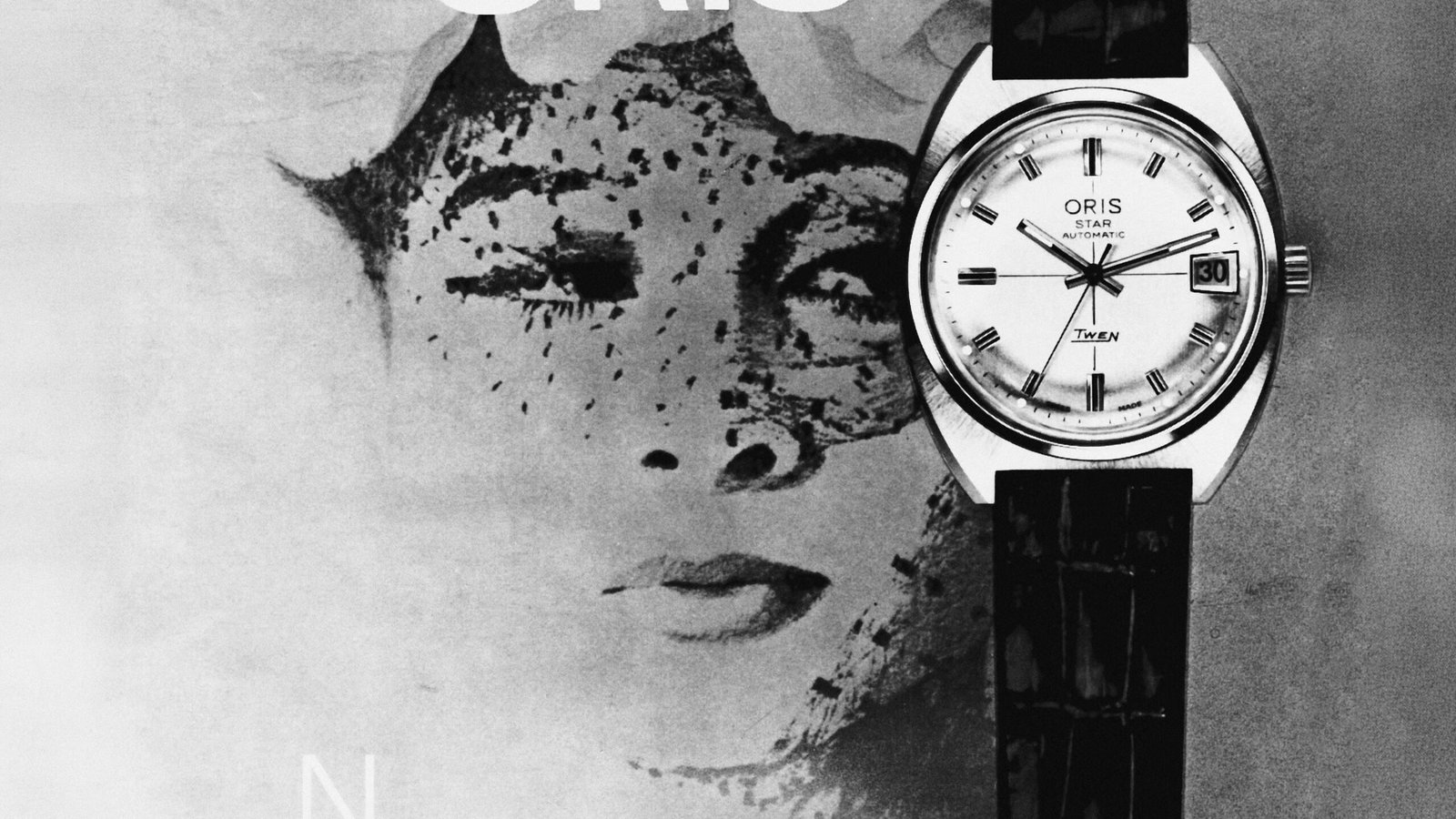
Ask many modern Oris enthusiasts to name the watch that mattered most to the company, and they may point towards the Big Crown, the Aquis or one of its modern Calibre 400 models. Far fewer would mention the Oris Star, yet this modest watch represents one of the most important moments in the Hölstein manufacturer’s history, marking the beginning of an era in which the company could finally pursue new mechanical technology on its own terms.

At the centre of that story is the Swiss lever escapement, a mechanism that became the standard foundation for quality mechanical watch movements because it offered greater accuracy and durability than the simpler pin-lever, or Roskopf, alternative. However, Oris was prevented from adopting it by the Swiss Watch Statute, introduced through a federal decree on 12 March 1934 as part of an effort to stabilize and protect the watch industry during the Great Depression. Although the rules were designed to control damaging competition, their permit system eventually restricted innovation and left manufacturers such as Oris tied to technologies they were already using.

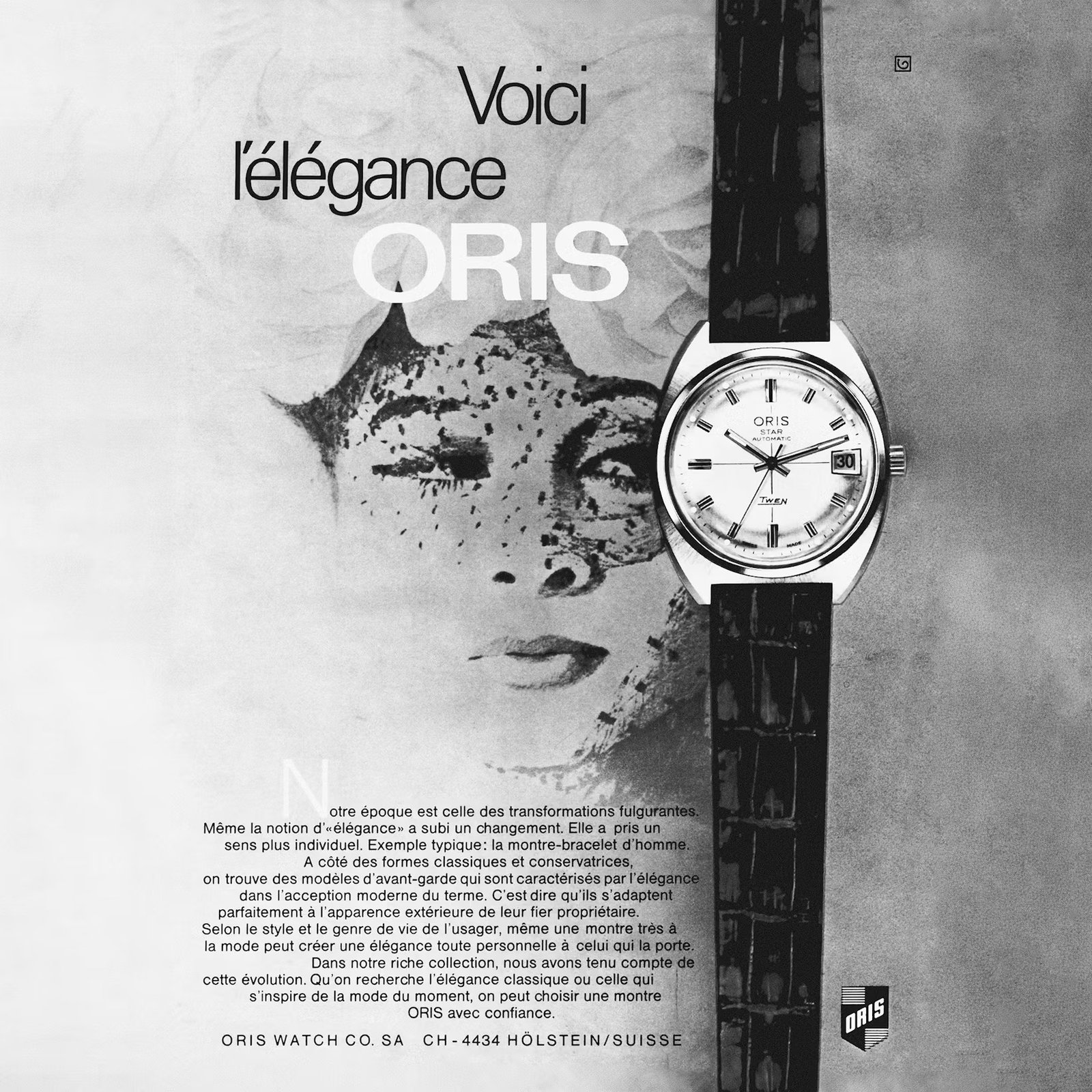
In 1956, Oris hired young lawyer Dr Rolf Portmann to challenge those restrictions, beginning a campaign that lasted almost a decade before he succeeded in 1965. With its freedom restored, Oris introduced its first lever-escapement watch the following year and named it the Star, creating a symbol of the company’s hard-won independence and technological progress.

Now, 60 years later, the Star Edition has returned at Watches and Wonders 2026, giving an often-overlooked chapter of Oris history its proper place in the spotlight while inviting us to take a closer look at the watch that helped change everything.
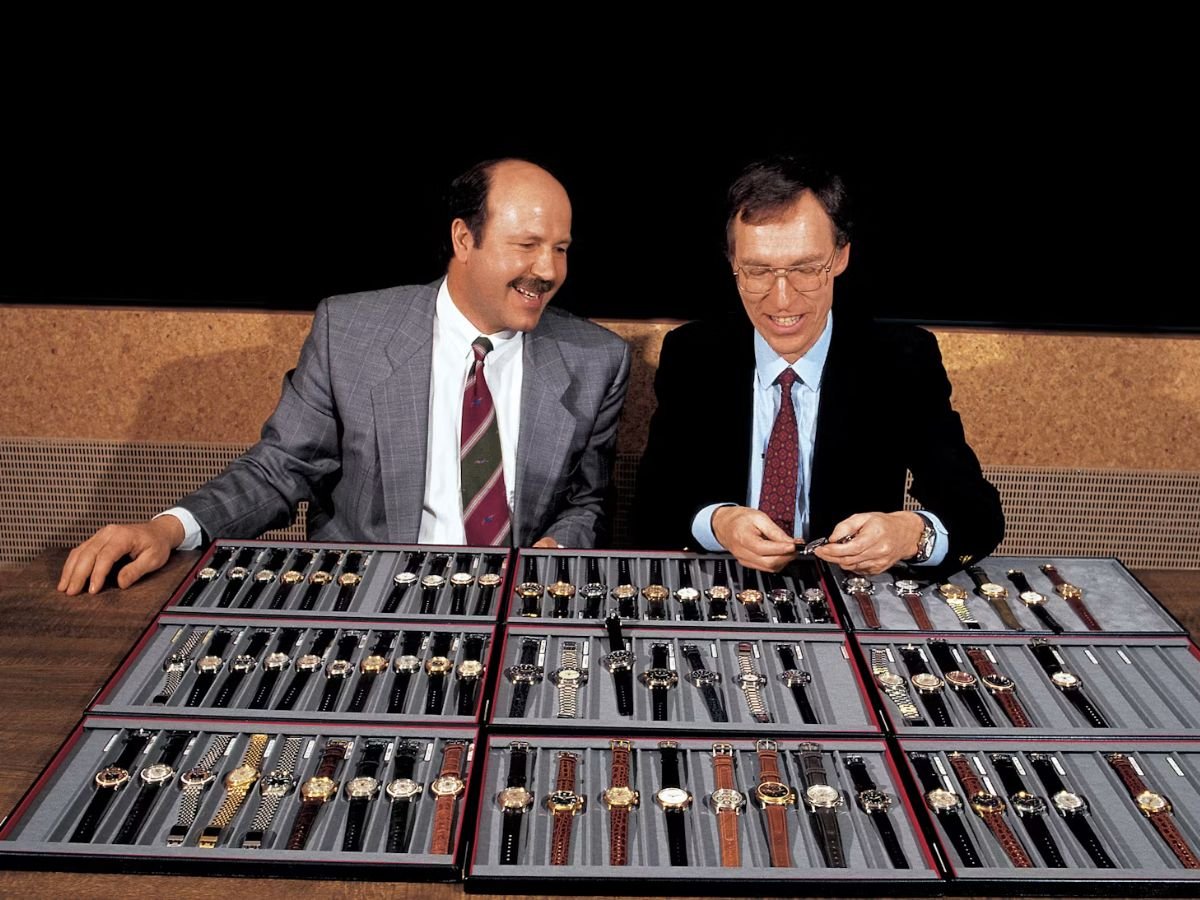
Dr. Rolf Portmann and Ulrich W. Herzog, key figures in Oris' history, staged a management buyout in 1982 to secure the brand's independence
Ulrich W. Herzog (left) and Dr. Rolf Portmann (right), whose 1982 management buyout restored Oris as an independent watchmaker. | Image: Oris

The Lawyer Who Gave Oris Its Freedom

Dr Rolf Portmann’s connection to Oris began long before he joined the company, as his father had already worked for the watchmaker in their hometown of Hölstein. After training as a lawyer, Portmann returned home and was hired by Oris in 1956 to take on the difficult task of challenging the Swiss Watch Statute. What followed was almost a decade of lobbying and legal work aimed at removing the restrictions that prevented Oris from adopting the more accurate Swiss lever escapement. His efforts finally succeeded in 1965, allowing the company to develop watches without seeking permission from the industry’s powerful cartel-like system.

The victory did far more than inspire the original Oris Star one year later, as Portmann remained with the company and took on responsibilities across manufacturing, property and human resources before eventually helping to shape its modern future. In 1982, he joined Ulrich W. Herzog in a management buyout that restored Oris as an independent watchmaker, and he remains the company’s Honorary Chairman. The revived Star Edition therefore celebrates more than the return of a 1960s design; it honours the man whose persistence gave Oris the freedom to innovate and later helped secure its independence.
Oris Star Edition Ref: 01 733 7813 4151-Set
Oris Star Edition | Image: Oris

The Star of 1966 Shines Again

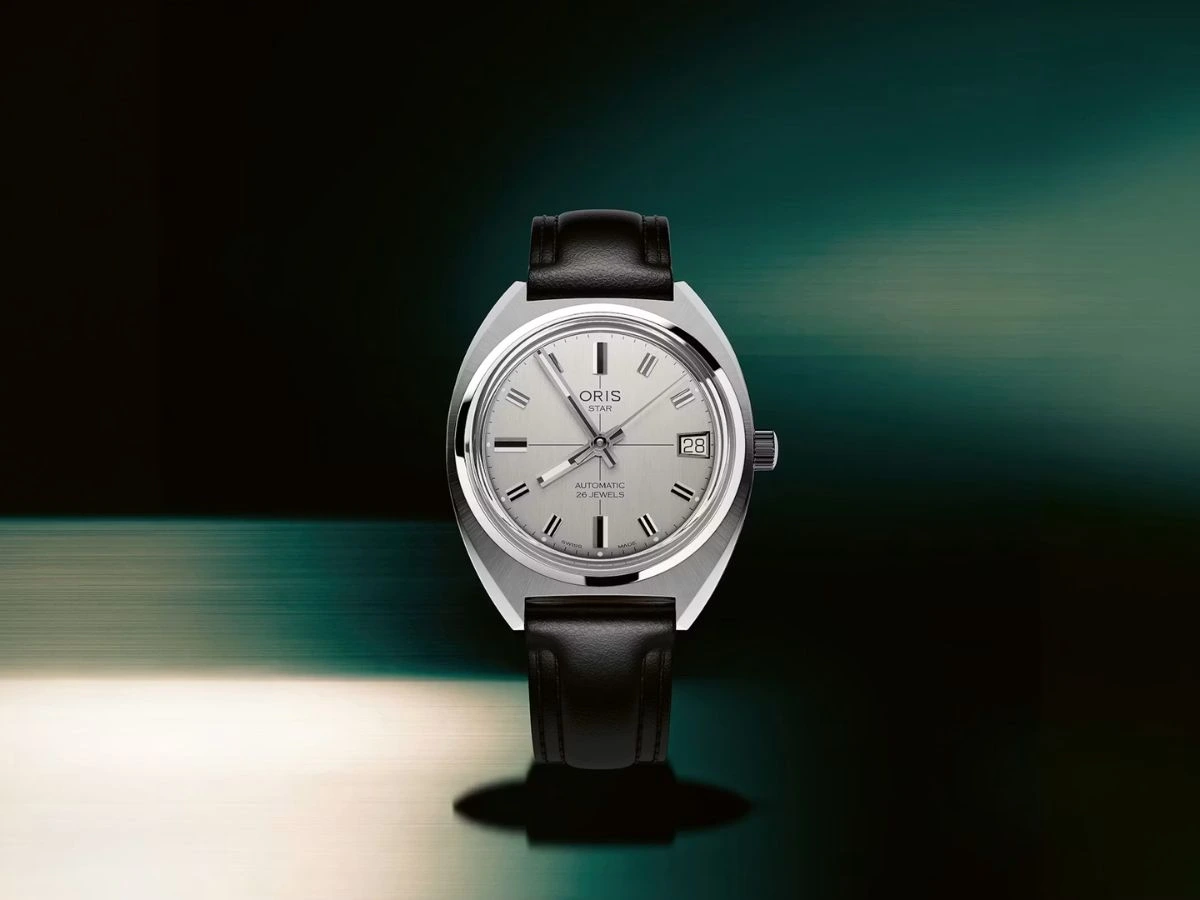
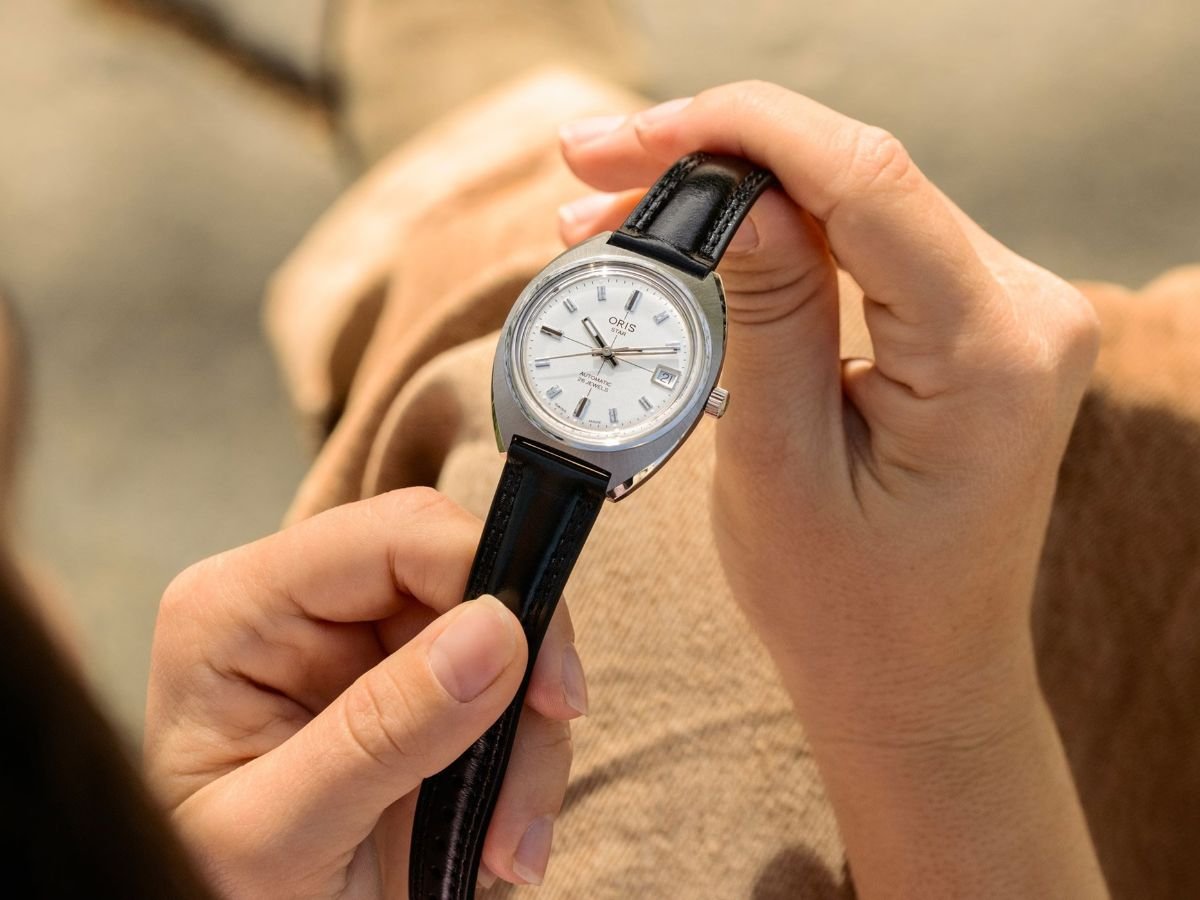
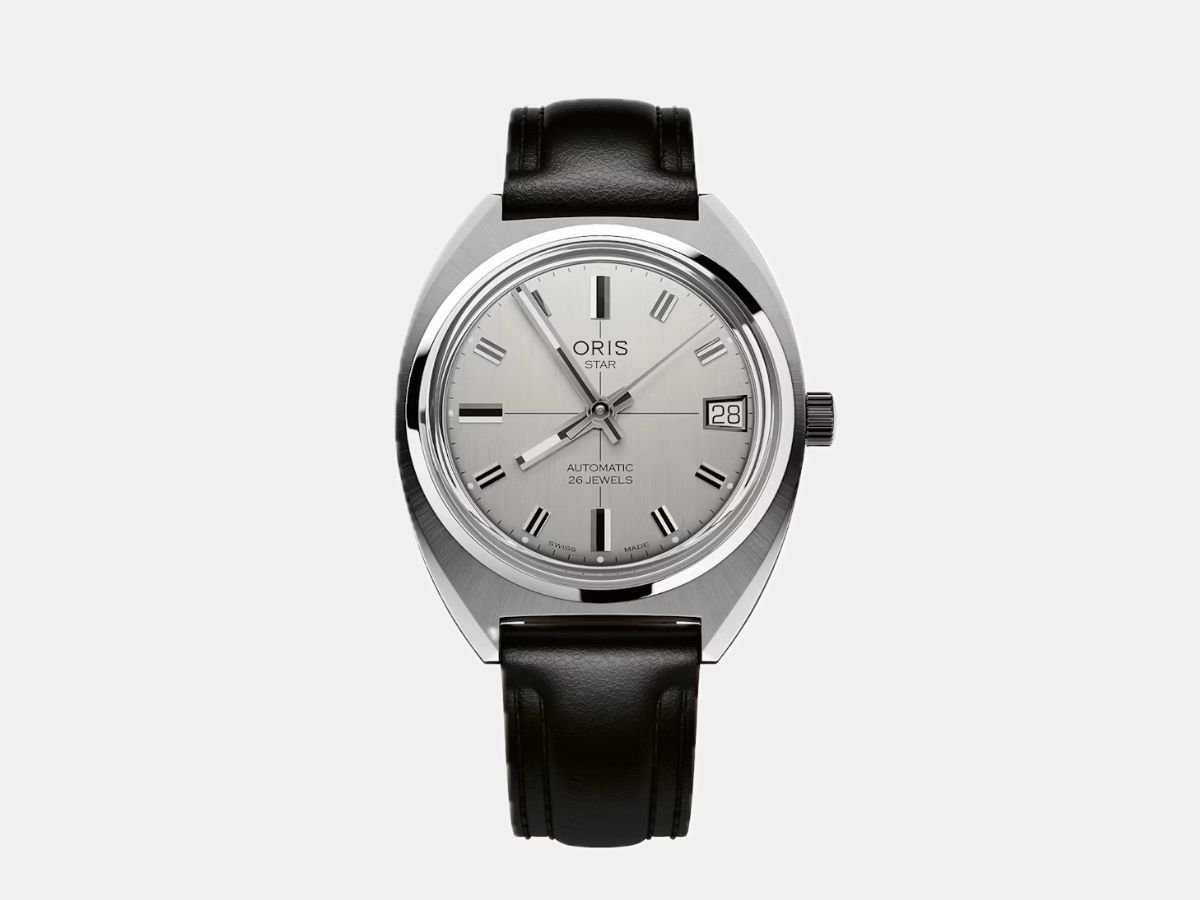
ather than modernizing the original Star beyond recognition, Oris has remained remarkably faithful to the watch that appeared in 1966. The multi-piece stainless-steel case measures 35mm across, 11.1mm thick and 41.5mm from lug to lug, closely matching the dimensions of the vintage model known to collectors as the “Star Twen.” Its barrel-shaped profile and integrated lugs capture the more adventurous side of 1960s design, when watchmakers were beginning to move beyond traditional round cases.

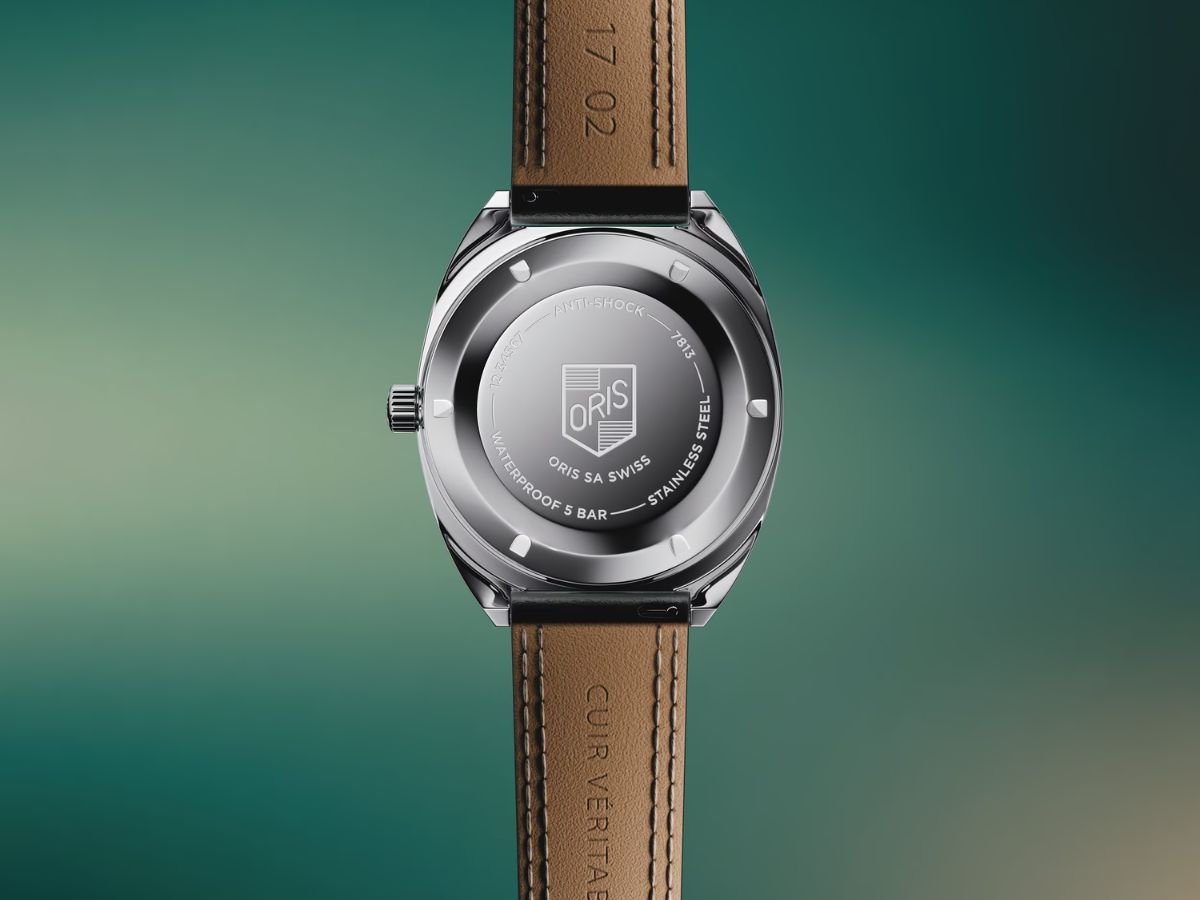
The case combines a pronounced vertical satin-brushed surface with broad polished bevels that emphasize its sweeping shape, while a slim polished bezel frames the dial without adding unnecessary visual weight. Oris has also chosen a domed Plexiglass crystal instead of modern sapphire, giving the watch the warmth and gentle distortion associated with vintage acrylic. A screwed caseback carrying the historic Oris Shield engraving and 50 metres of water resistance provide a welcome degree of modern practicality.

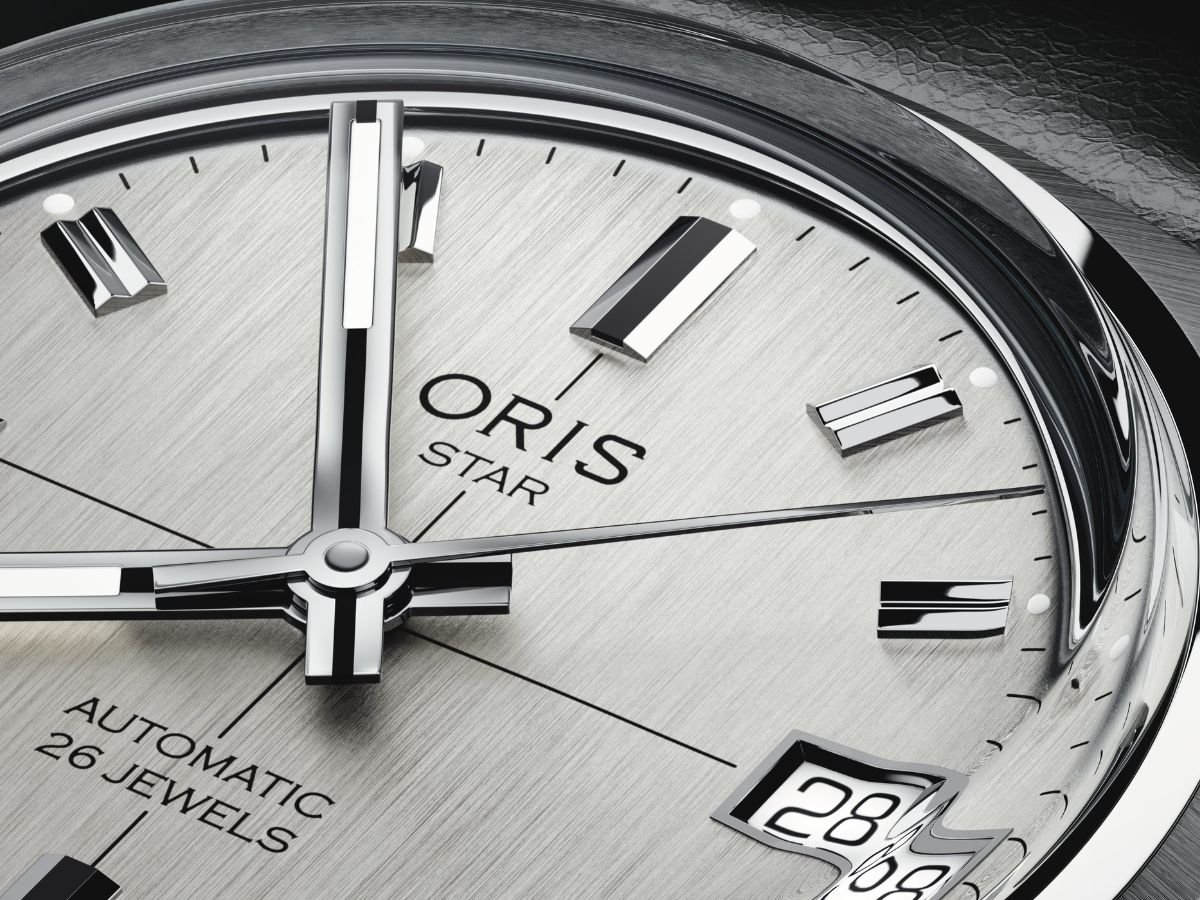
Under the crystal is a silver-colored dial that keeps the simple style of the original. A thin crosshair splits the surface, while double-baton hour markers are joined by wider marks at the main positions, each with a dark center. The polished, square-tipped hands match this geometric style, with Super-LumiNova added to the hands and hour markers to make them easier to see in the dark.

A framed trapezoidal date window at 3 o’clock introduces another period-correct detail, while the “Star,” “Automatic” and “26 Jewels” inscriptions reinforce the watch’s mid-century character. Finished with a slim black leather strap and stainless-steel pin buckle, the Star Edition feels less like a loose interpretation and more like the original watch brought forward with just enough refinement to suit modern everyday wear.
Oris Star Edition Ref: 01 733 7813 4151-Set
Oris Star Edition | Image: Oris
Oris Star Edition Ref: 01 733 7813 4151-Set
Oris Star Edition | Image: Oris

Calibre 733 Keeps the Star Shining

Powering the modern Star Edition is the automatic Oris Calibre 733-1, which brings present-day reliability to a watch whose identity was originally built around the arrival of the Swiss lever escapement. Measuring 25.6mm in diameter, the movement operates at 28,800 vibrations per hour (4Hz) and provides approximately 41 hours of power reserve when fully wound.

Alongside the central hours, minutes and seconds, Calibre 733-1 drives the instantaneous date display and includes a date corrector, fine-timing device and stop-seconds function for more accurate setting. Oris keeps the movement hidden behind the solid screwed caseback and its historic Shield engraving, preserving the appearance of the 1966 model while allowing the mechanics underneath to meet the expectations of a dependable modern watch.
Oris Star Edition Ref: 01 733 7813 4151-Set
Oris Star Edition | Image: Oris

Reaching for the Star in May 2026

The Oris Star Edition went on sale in May 2026, priced at USD $2,300 through Oris boutiques, the brand’s online store, and authorized retailers. It is not a limited edition with numbers, so more collectors can own the 60th-anniversary revival without having to compete for a limited number. At that price, the Star offers more than small size and authentic vintage style, carrying a real piece of Oris history in a watch made to be worn, not just kept in a collection.
Oris Star Edition Ref: 01 733 7813 4151-Set
Oris Star Edition Ref: 01 733 7813 4151-Set | Image: Oris
  • Brand: Oris
  • Model: Star Edition
  • Reference: 01 733 7813 4151-Set
  • Diameter: 35 mm
  • Thickness: 11.1 mm
  • Material: Multi-piece stainless steel case
  • Dial: Silver-Toned
  • Calibre: Oris Calibre 733
  • Power Reserve: 41 Hours
  • Water-Resistance: 5 Bar (50 metres, 165 feet)
  • Price: USD $2,300

Oris Star Edition | Image: Oris

Watches & WondersOris
About the Author
Movies & Tv Shows

‘Melania’ Review: A Box Office Hit and One of the Worst Films Ever Made

Reading Time: 9 minutes

Our team of editors and experts thoughtfully chooses each product. If you decide to buy through one of our links, we may earn a commission. Learn more. Want to know how we test products? Click here for more details.

For years, Melania Trump has stayed one of the most private and mysterious figures in American politics. Despite being in the public eye for almost ten years, she has mostly avoided interviews, rarely appeared in the political spotlight, and often seemed content to let others tell her story. ‘Melania’ seems to offer something truly interesting: never-before-seen access to the 20 days leading up to Donald Trump’s second inauguration, with cameras following the future First Lady as she prepares to return to the White House. The promise is simple but powerful—an opportunity to finally understand the woman behind the headlines.

The documentary debuted during an unusual weekend at the box office, with horror movies and internet stars crowding the scene. ‘Melania’ quietly became a major story, earning about USD$10 million and finishing third nationally, surpassing early estimates of USD$3–5 million. For a 2026 documentary, this is a notable success and a top genre opening in years. Audiences were clearly curious to see who Melania Trump truly is beyond her public image.

The reaction that followed, however, was a completely different story.

Critics didn’t waste much time delivering their verdict, and it wasn’t pretty. In fact, the gap between audience interest and critical reception became almost as interesting as the documentary itself. Review sites soon reported some of the lowest scores for a major release in recent years, highlighting a clear gap between the film’s financial success and critics’ disappointment.

And that’s where things start to get interesting.

Directed by Brett Ratner and made with Melania’s direct involvement, the film gives viewers a look at meetings, planning sessions, family moments, and preparations for one of the most important political events in recent American history. But despite all this access, the film faces a problem it never fully fixes. The cameras are allowed in the room, but the audience rarely feels included in the conversation. What we see is a polished, carefully controlled picture that shows a lot of what Melania does but surprisingly little about who she really is.

Behind the Designer Curtain

Filmed over the last 20 days before Donald Trump’s 2025 inauguration, Melania follows the future First Lady as she travels between Mar-a-Lago, Trump Tower, Washington, D.C., and, finally, the White House. Director Brett Ratner gets a look inside a world most people only ever see through carefully arranged photos and TV shows. For a short time, it seems like the documentary might reveal the private side of one of the most protected public figures of the last ten years.

Instead, the film shows Melania as a planner, organizer, and perfectionist. Much of the movie follows her as she manages inauguration plans, discusses clothing choices, reviews invitation designs, and offers opinions on everything from flower arrangements to table settings. The documentary also mentions her interest in architecture and interior design, including her role in updating parts of the White House during Donald Trump’s first term. If the film focuses on one side of Melania, it is her attention to how things look and the small details.

The documentary follows her from private jets and luxury residences to fashion fittings and official events, moving through a world that is sealed off from everyday life. Every room that was taken over is spotless, meetings are carefully planned, and even the conversations felt controlled. The result is clearly polished, but over time, that polish starts to feel like a problem.

You spend almost two hours with Melania Trump, and from the beginning, she’s hard to understand before the film even starts. The documentary shows where she goes, what she wears, what she agrees to, and what she helps plan, but aside from all that, you rarely get to see what she thinks, what motivates her, or even who she is when the cameras are off and thats what makes ‘Melania’ such a frustrating to watch, don’t get me wrong the access is amazing, just not understanding is the issue.

Behind-the-scenes in ‘Melania’ captures the First Lady walking through a formal government building alongside security and staff in ‘Melania’ 2026| Image: Amazon MGM Studios

All Access, No Answers

The biggest issue with Melania isn’t what it shows—it’s what it refuses to explore. For a documentary built around one of the most talked-about women in modern politics, there is remarkably little curiosity. Difficult questions never arrive. Controversial moments are largely ignored. Conversations that feel as though they might reveal something meaningful often end just as they begin. The film spends plenty of time observing Melania, but rarely attempts to understand her. You leave knowing more about invitation cards, seating arrangements, and wardrobe fittings than you do about the person at the centre of the story.

The cameras were able to reach places journalists never would, but the documentary treats that access as the endpoint rather than the beginning. Instead of digging deeper, it often seems happy just to look at the surface, but there were short moments when they took a closer look —a quick comment, a personal memory, a sign of vulnerability—but those moments vanish almost as soon as they come. By the end, ‘Melania’ felt less like a wardrobe display than a documentary itself, and more like a carefully controlled show that keeps the audience at a distance while claiming to have let them in.

First-Lady Melania Behind-the-scenes in ‘Melania’ 2026 | Image: Amazon MGM Studios

What Critics Are Saying About Melania

If while the box-office numbers suggested a documentary on the verge of becoming a surprise success story, the critical response quickly pulled the conversation in the opposite direction. Reviews arrived almost simultaneously with the film’s release, and many critics didn’t hold back. Across major review aggregators, ‘Melania’ found itself near the bottom of the year’s releases, with reviewers arguing that the film had extraordinary access to its subject but very little interest in asking meaningful questions. One of the strongest reactions came from The Guardian, which argued that there may well be a fascinating documentary about Melania Knauss, the Slovenian model who eventually became First Lady, but that this wasn’t it. The review compared the film to an expensive display piece—beautifully assembled, carefully preserved, but lacking much life beneath the surface.

That feeling carried through much of the critical conversation. Many reviewers felt the documentary spent more time presenting Melania than understanding her. Despite rare access, critics argued that the film avoided difficult subjects, skimmed over controversial moments, and rarely ventured beyond the carefully managed image that has followed her for years. For a documentary centred on one of the most discussed women in modern politics, many walked away feeling they still didn’t know much more about her than they did before buying a ticket.

Audience reactions, however, told a completely different story. Verified audience scores on Rotten Tomatoes climbed close to perfect, creating one of the largest divides between critics and moviegoers in recent memory. Of course, there is an important detail to remember. A documentary about Melania Trump is unlikely to attract many casual viewers. Most people in those cinema seats probably arrived with opinions already formed long before the opening credits rolled.

Meanwhile, user-driven platforms swung hard in the opposite direction. IMDb scores fell to about 1.3 out of 10 at one point, briefly placing ‘Melania’ among the lowest-rated films on the site. Unlike verified ticketing systems, platforms such as IMDb and Metacritic don’t require proof that someone has actually seen the movie, making them easy targets for politically motivated voting from all sides. The documentary drew significant attention across the United States, Canada, and the United Kingdom, but attention and admiration are clearly not the same thing. Wherever the film played, it seemed to generate more debate than praise. In the end, the story surrounding Melania proved far more interesting than what appeared on screen.

‘Melania’ 2026  Washington Premiere Event | Image: Amazon MGM Studios

The Final Word

The money involved in Melania is nearly as interesting as how people have responded to the film. Reports say Amazon spent more than $100 million to get the documentary and promote it. That’s a huge amount, especially since most documentaries cost much less and often don’t even make it to theatres. Financially, Melania isn’t really competing with other documentaries. It’s playing in a whole different league.

That’s why some people in the industry think making money wasn’t Amazon’s main goal. For a company as big as Amazon, spending that much can mean more than just ticket sales. Things like access, building relationships, influence, and long-term plans can be just as important as making a lot of money right away.

As a movie, ‘Melania’ probably won’t change many opinions, that’s for sure. Supporters will find things to like, critics will likely stay unconvinced, and people hoping for a deep look at one of America’s most private public figures might leave feeling disappointed. Still, no matter your politics, the documentary has already done something most films never achieve—getting headlines and becoming part of a much bigger conversation that went far beyond the documentary itself.

IMDb: 1.3 | Tomatometer: 10% | Popcornmeter: 99% | Average: 40.6

★☆☆☆☆

‘Melania’ 2026 | Image: Amazon MGM Studios

Documentary
About the Author
arrow_drop_up