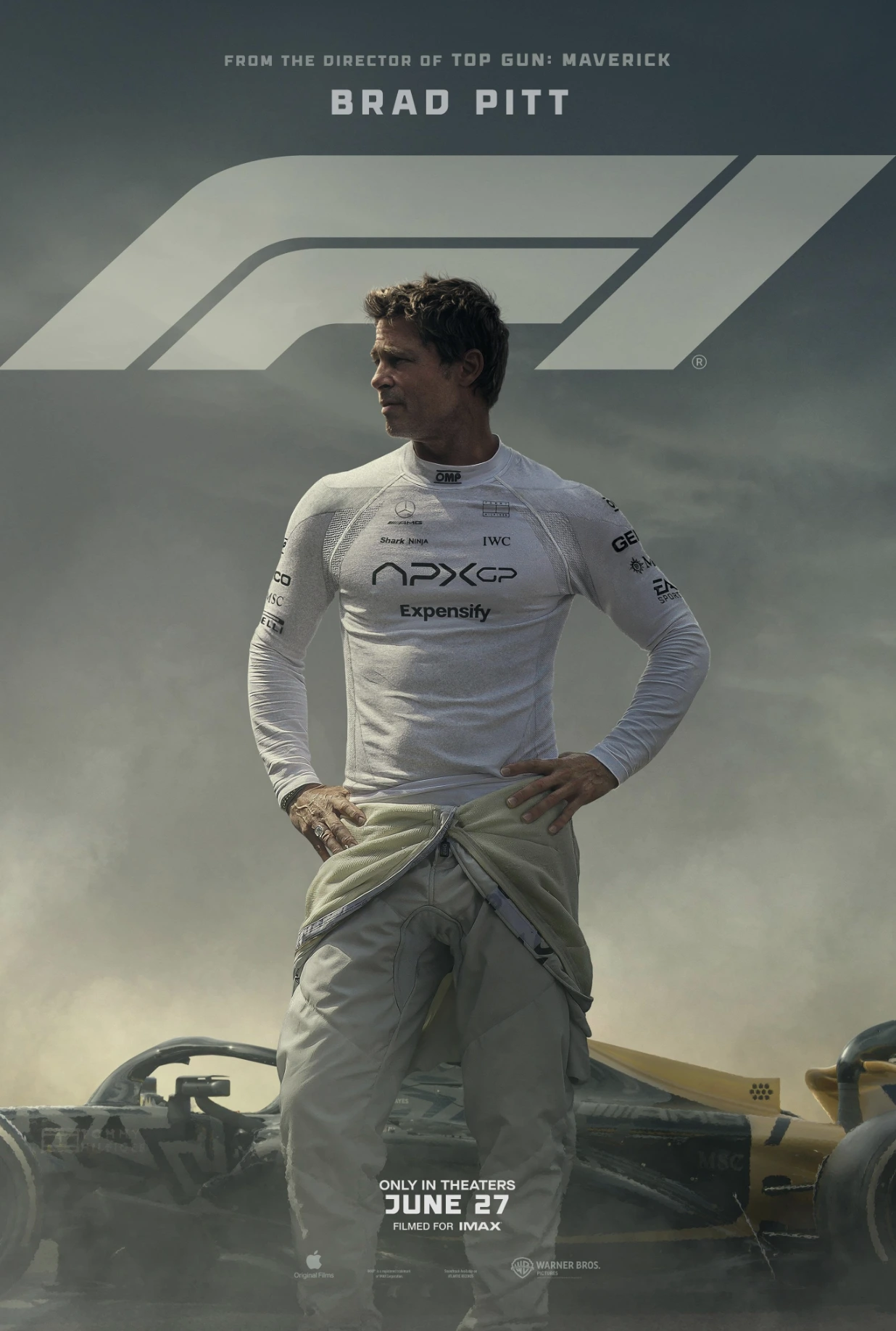




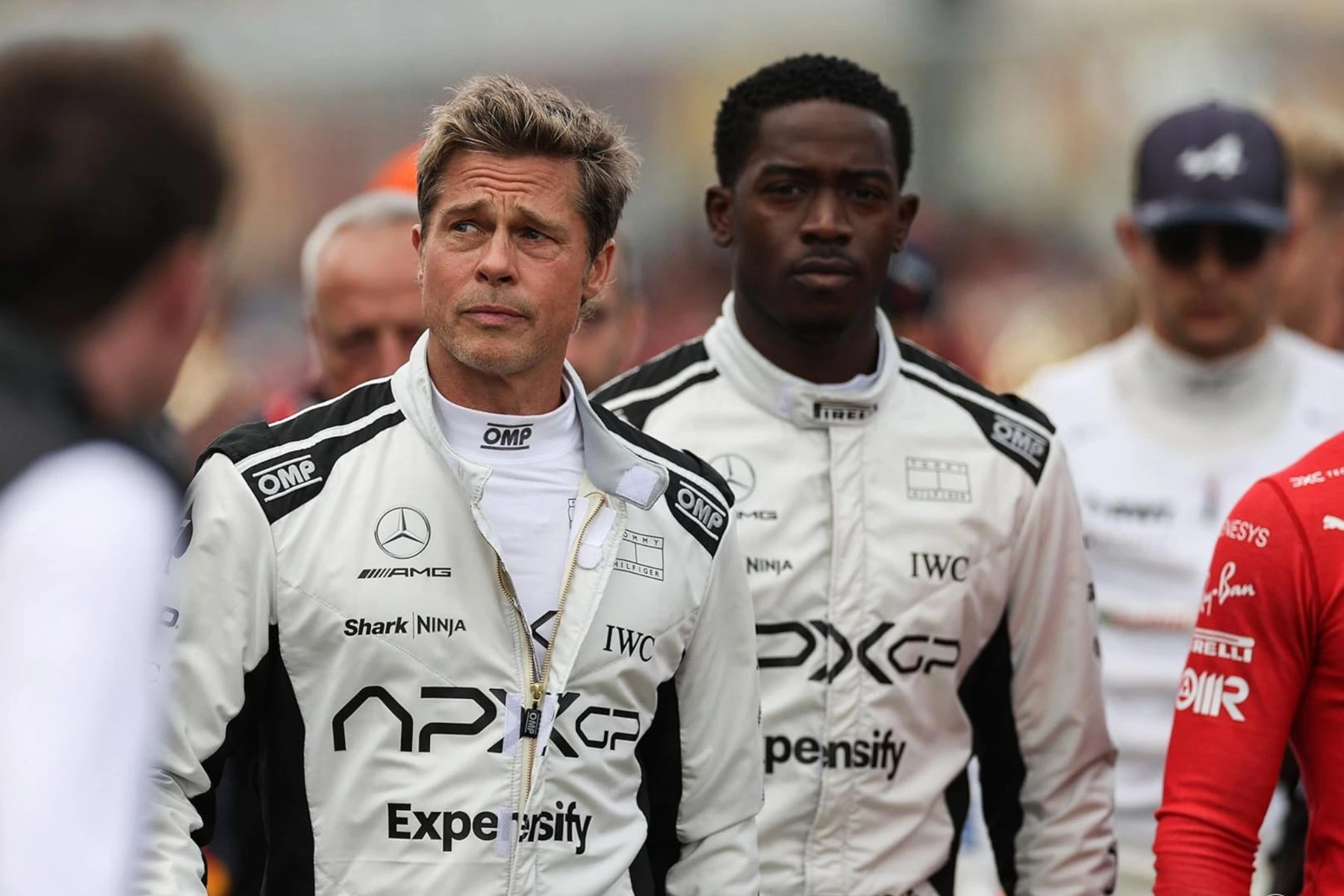

Alright, boys, this is the moment Formula 1 fans have been waiting for. Brad Pitt is getting behind the wheel and bringing the world’s fastest sport to the big screen. Simply called ‘F1: The Movie’, the much-awaited racing film will hit cinemas on June 25, 2025, and everything suggests it will be one of the biggest movie events of the year. After months of waiting, Apple has finally shown another preview of the film, giving fans a clearer view of the size, speed, and excitement to come.
The people making the film are just as impressive as the action on screen. Joseph Kosinski, who directed ‘Top Gun: Maverick’, is directing this film, and famous producer Jerry Bruckheimer is working with Chad Oman to bring the story to life. The main actors include Brad Pitt, Damson Idris, Kerry Condon, and Javier Bardem, as well as several well-known figures from the Formula 1 world. From the latest clips, this is much more than a typical sports movie, putting viewers right in the intense world of Grand Prix racing.
Advertisement · Continue Reading Below
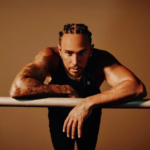
The best part of what makes F1 so exciting is how closely it has worked with the sport itself. Seven-time Formula 1 World Champion Lewis Hamilton is a producer and has helped make sure the racing feels real. The trailer also shows real team leaders, paddock personalities, and people fans will immediately recognize. From the garages to the starting line, Formula 1 has opened its doors like never before, giving the filmmakers amazing access to how the sport really works.
The result is nothing more than a film made from everything that makes Formula 1 so exciting to watch, from its intense rivalries, career-changing moments, heartbreak, comeback stories, and the never-ending fight for victory. With Brad Pitt to the mix, combine it with real Grand Prix weekends, and put it in the hands of the team behind one of the most successful action films of recent years, and F1 has all the parts of a blockbuster that could have racing fans and movie lovers lining up when the lights go out.
While F1 was filmed during actual Formula 1 race weekends, don’t expect a documentary. The production spent time at some of the sport’s biggest events and venues, including the British Grand Prix at Silverstone, the Las Vegas Strip Circuit, and the Yas Marina Circuit in Abu Dhabi, allowing the filmmakers to capture the feel of a real Formula 1 season. At the center of the story is Brad Pitt’s character, Sonny Hayes, a former Formula 1 driver who is drawn back into the sport for one last chance at success with the fictional APXGP team.
Speaking about the film, Pitt said that Hayes was once one of Formula 1’s promising stars in the 1990s before a serious crash ended his racing career. Years later, an old friend, played by Javier Bardem, comes to him with an offer he can’t refuse. Bardem’s character owns APXGP, a struggling team eager for a fresh start after many years of failure.
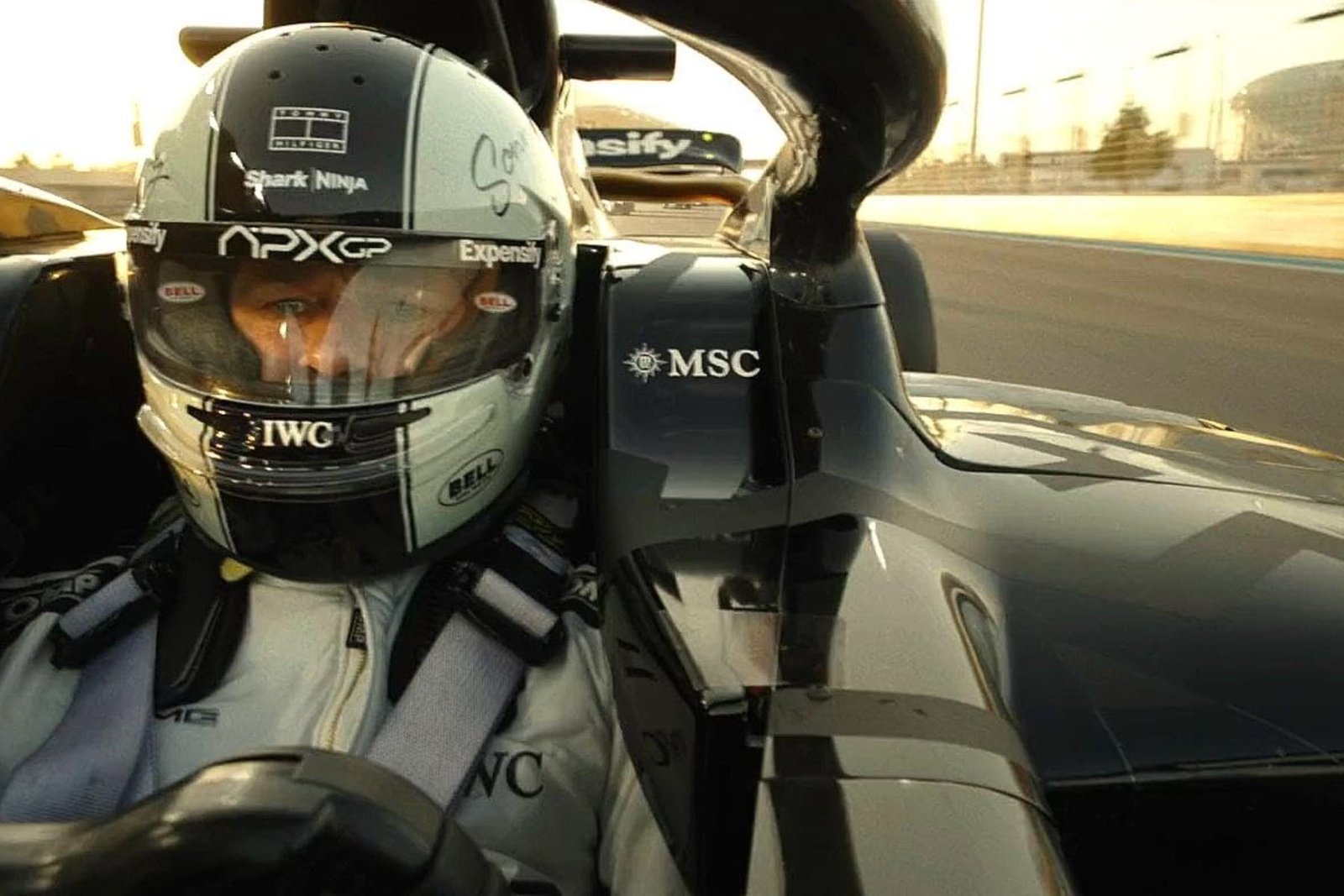
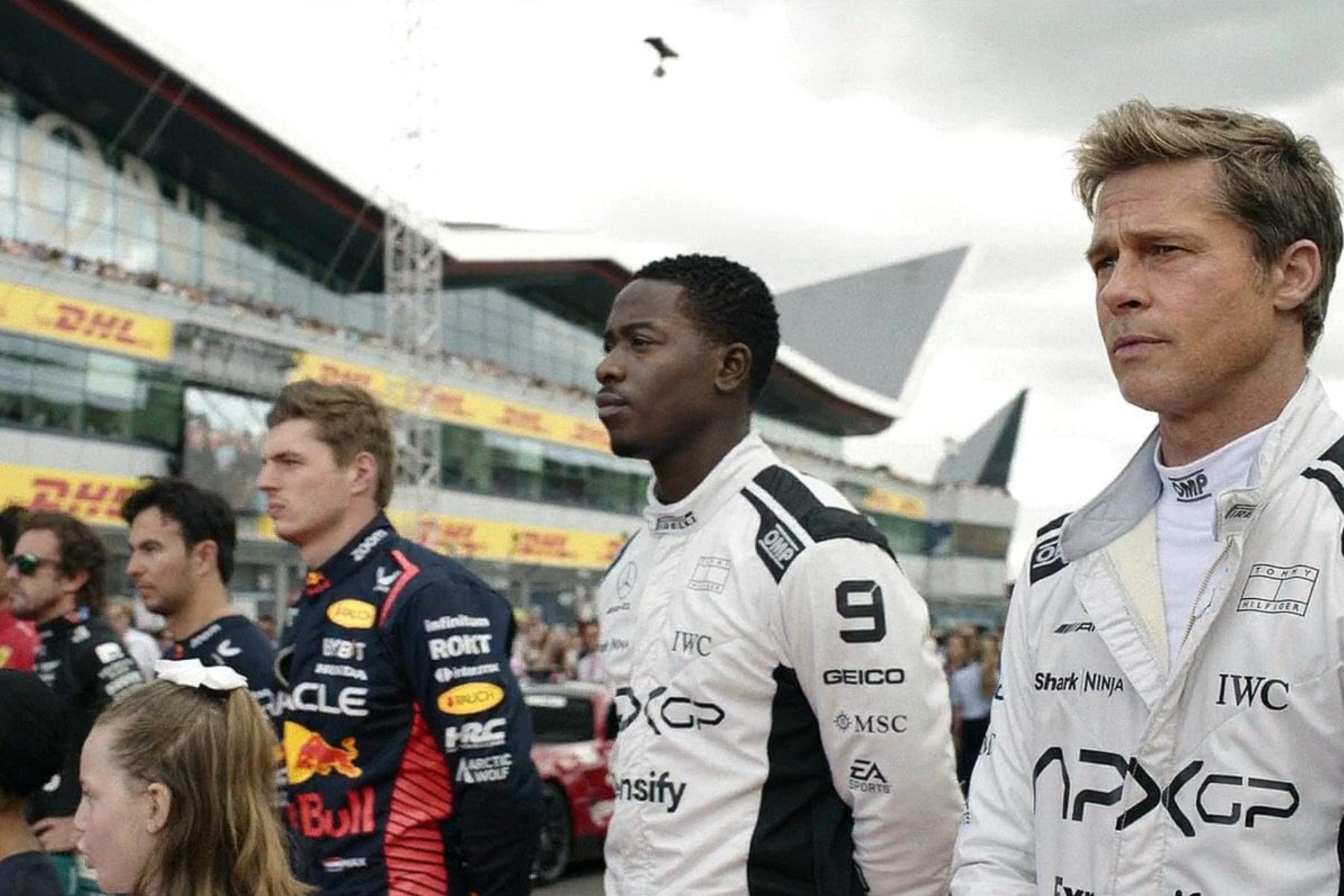
As Pitt explained: “They’re a last place team, they’re 21-22 on the grid, they’ve never scored a point. But they have a young star, played by Damson Idris, and they bring me in as a kind of Hail Mary and hijinks ensue.” That unlikely partnership between a veteran racer seeking redemption and a young star trying to prove himself seems to be the heart of the story.
The trailer also hints that F1 won’t focus only on what happens while driving. In one important moment, Hayes urges Kerry Condon’s character to redesign APXGP’s car and get it ready “for combat,” suggesting the film will also delve into the technical side of Formula 1. From engineering breakthroughs and development struggles to the constant search for better performance, the movie seems ready to show what it really takes to turn a struggling team into a strong competitor. Fans of Netflix’s Drive to Survive will see how important those behind-the-scenes choices can be during a season.
Advertisement · Continue Reading Below
Of course, Formula 1 cars are still the real stars. Much of the trailer shows the speed, danger, and excitement that make the sport so thrilling, with fast shots of cars racing through corners, fighting side by side, and pushing the limits on some of the world’s most famous tracks. Adding more realism, Pitt did not leave all the driving to stunt drivers.
Much like Tom Cruise’s hands-on style in ‘Top Gun: Maverick’, Pitt spent a lot of time driving during filming and reportedly earned the respect of those around him, including producer Lewis Hamilton, a seven-time Formula 1 World Champion. Judging by the footage released so far, the filmmakers have gone to great lengths to make F1 feel as real as possible.
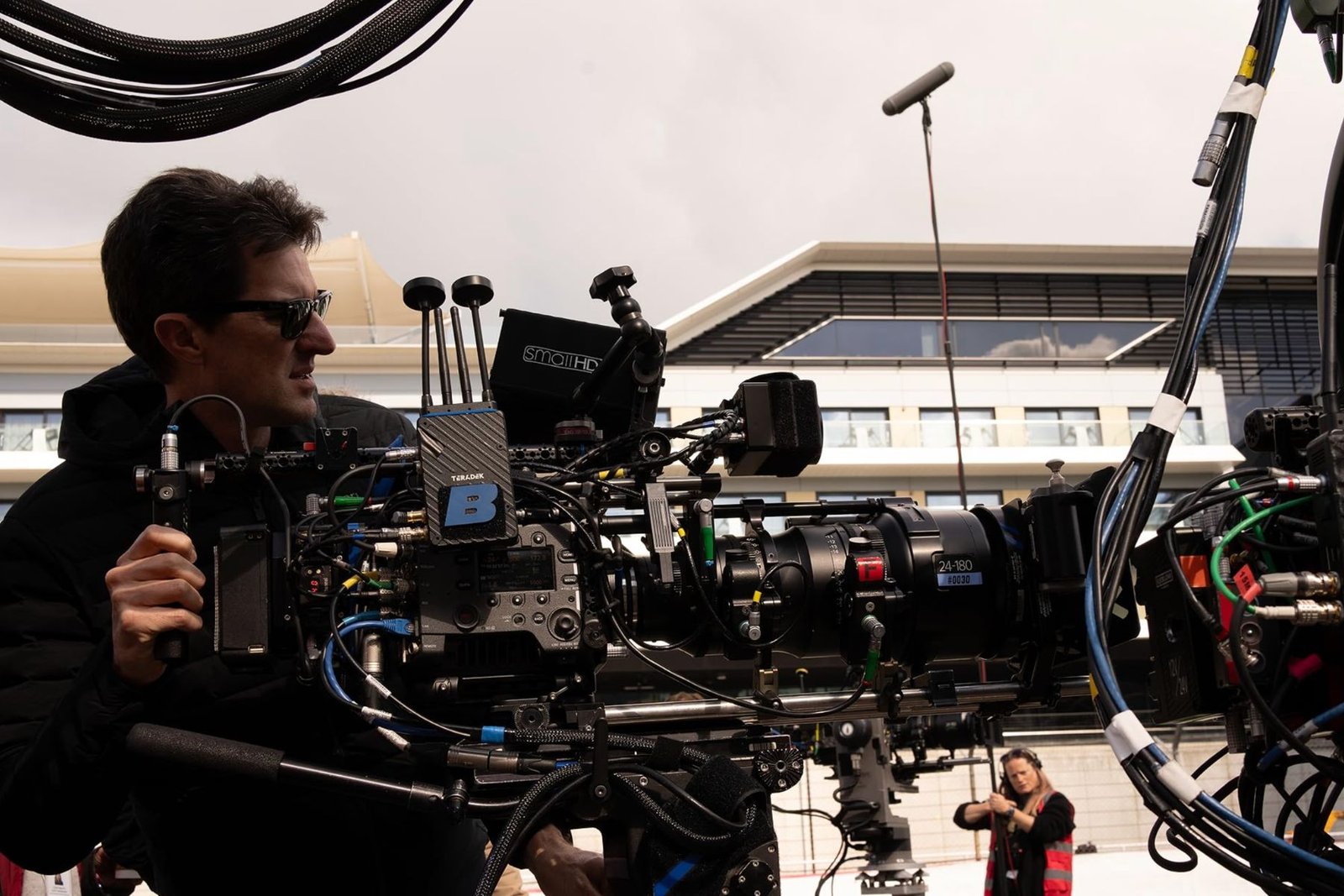
One of the biggest highlights of the F1 movie is the effort the filmmakers put into depicting the sport in its real setting. Instead of mostly using studio sets, the team followed the Formula 1 schedule and filmed scenes at actual Grand Prix locations around the world. By putting the fictional APXGP team alongside real Formula 1 events, the cast and crew captured the special atmosphere, pressure, and excitement of race weekends. Sometimes, Brad Pitt and Damson Idris even drove modified Formula 2 cars designed to resemble modern F1 cars on the track during real Grand Prix weekends, in front of thousands of fans.
The movie was filmed at several iconic F1 circuits, including:
- Silverstone Circuit, United Kingdom
- Hungaroring, Hungary
- Spa-Francorchamps, Belgium
- Monza, Italy
- Zandvoort, Netherlands
- Suzuka Circuit, Japan
- Autódromo Hermanos Rodríguez, Mexico City, Mexico
- Las Vegas Strip Circuit, United States
- Yas Marina Circuit, Abu Dhabi
- Circuit of The Americas, Austin, Texas, USA
A lot of the film’s authenticity comes from Lewis Hamilton, who is a producer through his company, Dawn Apollo Films. Hamilton has been deeply involved in the production, helping with everything from racing details and script discussions to camera angles and the on-screen presentation of Formula 1.
Talking about the project’s goals, Hamilton said: “We want everyone to love it and to really feel that we encapsulate what the essence of this sport is all about. That’s our goal and I hope we can do you proud.” Thanks to Formula 1 giving the filmmakers special access, the aim has always been to make a movie that feels real for longtime fans but is also easy for newcomers to enjoy.
Advertisement · Continue Reading Below
Before filming started, the seven-time World Champion took Pitt out on track in Los Angeles and quickly saw that he already had some skills. “For someone that hasn’t raced, he’s definitely already got a keen eye,” Hamilton said. “He already had a knack for the lines, and he was fully, fully on it.”
Similar to Tom Cruise’s hands-on approach in Top Gun: Maverick, Pitt didn’t just sit in front of a green screen or rely solely on stunt doubles. He got into the race cars himself, feeling the speed, pressure, and intensity of being in a Formula 1 cockpit. With director Joseph Kosinski’s focus on practical filmmaking, this dedication could make F1 one of the most realistic racing movies ever made.
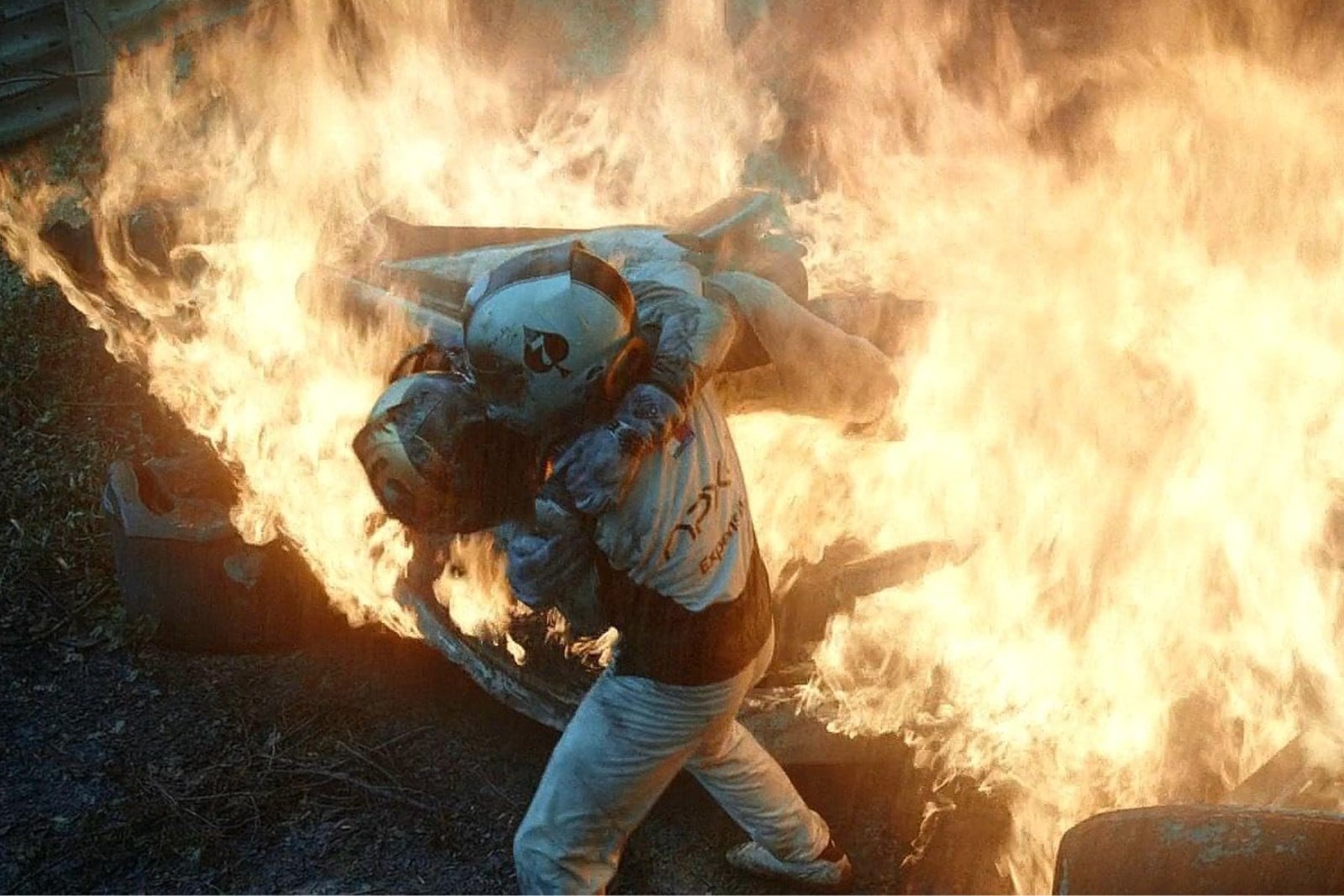
Come on, lads, we’ve all done it. Sitting behind the wheel at a red light, holding the steering wheel a bit tighter than needed, imagining we’re about to race off the starting line at Silverstone instead of going to work. For many of us, becoming a Formula 1 driver was as big a dream as becoming a football star or an astronaut. Some gave up the dream early. Others still think they could beat Max Verstappen if someone just handed over the keys. That’s exactly why F1 has connected with so many. Under the Hollywood budget and famous cast is a story about one of the biggest dreams in sports, racing the fastest cars in the world in front of millions of people.
The excitement goes far beyond Brad Pitt’s role. Formula 1 has never been more popular, and the film comes at a time when drivers are worldwide stars and race weekends seem like big cultural events. Having Lewis Hamilton involved from the start gives the project a level of trust most sports movies can only hope for. More importantly, it seems the filmmakers understand what keeps fans watching every Sunday. The pressure before the lights go out. The quick decisions. The heartbreak when things go wrong. The feeling that one perfect lap can change everything. Judging by the trailers, F1 isn’t just using Formula 1’s name—it looks set to capture the thrill that made so many of us fall in love with the sport in the first place.
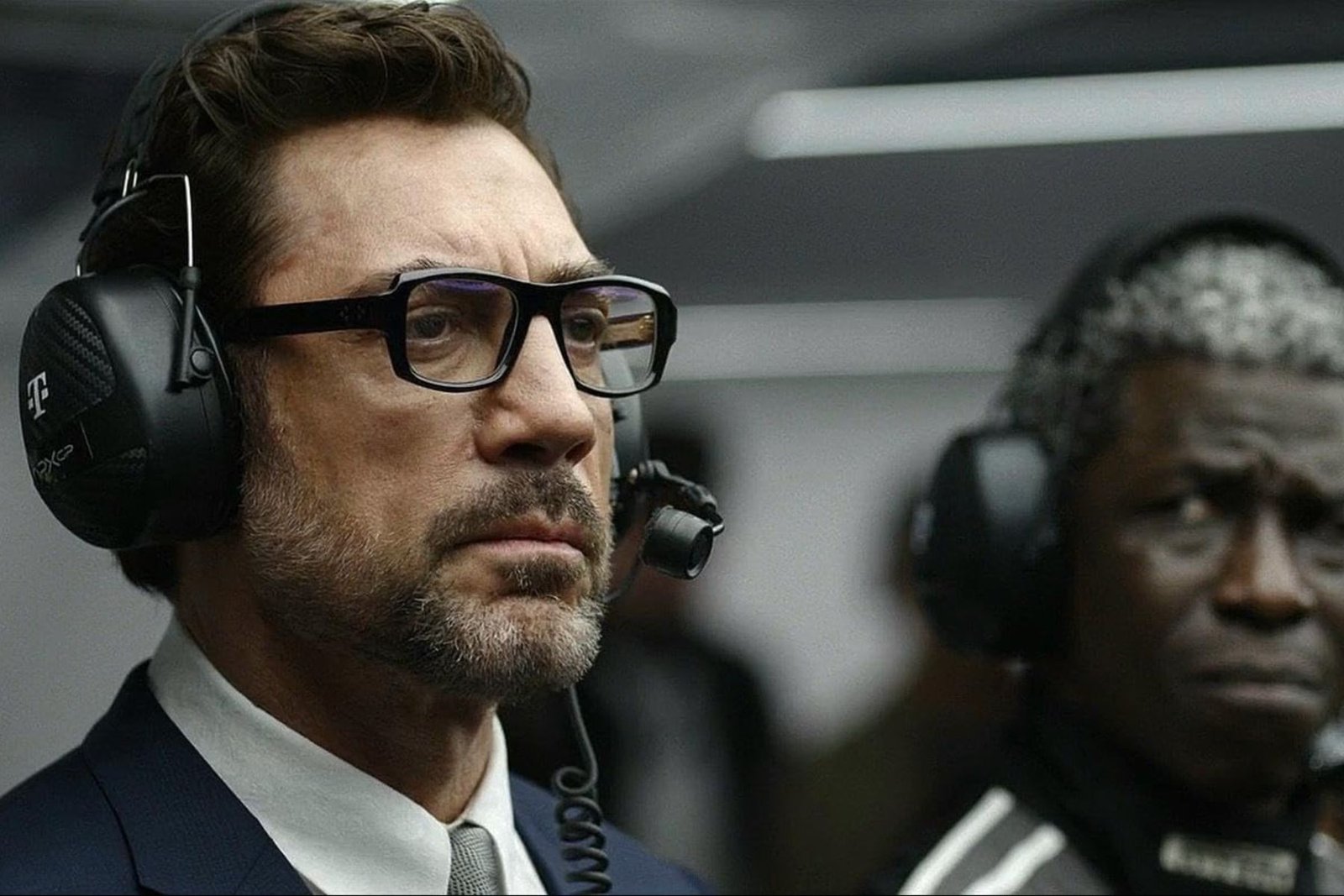
The racing may be the main attraction, but F1 also features a strong supporting cast that helps bring the world of APXGP to life. From experienced drivers and rising talents to team owners, engineers, and key figures behind the scenes, the film is filled with characters who add depth to the story beyond the action on the track. While the high-speed racing delivers plenty of excitement, the personal rivalries, friendships, and pressures of competing at the highest level of motorsport play an equally important role. But the film’s main focus is the relationship between Sonny Hayes and Joshua Pearce, two drivers from different generations who must learn to work together in a sport where careers can change in an instant.
Here’s the full list of ‘F1: The Movie Cast:
- Sonny Hayes — played by Brad Pitt
- Joshua Pearce — played by Damson Idris
- Ruben Cervantes — played by Javier Bardem
- Kate McKenna — played by Kerry Condon
- Peter Banning — played by Tobias Menzies
- Kaspar Smolinski — played by Kim Bodnia
- Bernadette — played by Sarah Niles
- Nickleby — played by Will Merrick
- Fazio — played by Joseph Balderrama
- Dodge — played by Abdul Salis
- Jodie — played by Callie Cooke
- Cash — played by Samson Kayo
- Don Cavendish — played by Simon Kunz
- Lisbeth Bampton — played by Liz Kingsman
- Simone Ashley — played by Simone Ashley
- Liesl — played by Ramona Von Pusch
- Kaspar’s Son — played by Barney Smith
- Kaspar’s Daughter — played by Poppy Smith
Looking through the cast list, this is beyond racing, with a strong cast that includes Academy Award nominees, seasoned actors, and up-and-coming talent. Brad Pitt and Javier Bardem lend a Hollywood touch, while Kerry Condon and Damson Idris bring emotional depth. With actors from various generations and backgrounds, the film showcases the thrill of Formula 1 and the personal stories we don’t often see during the season’s races.
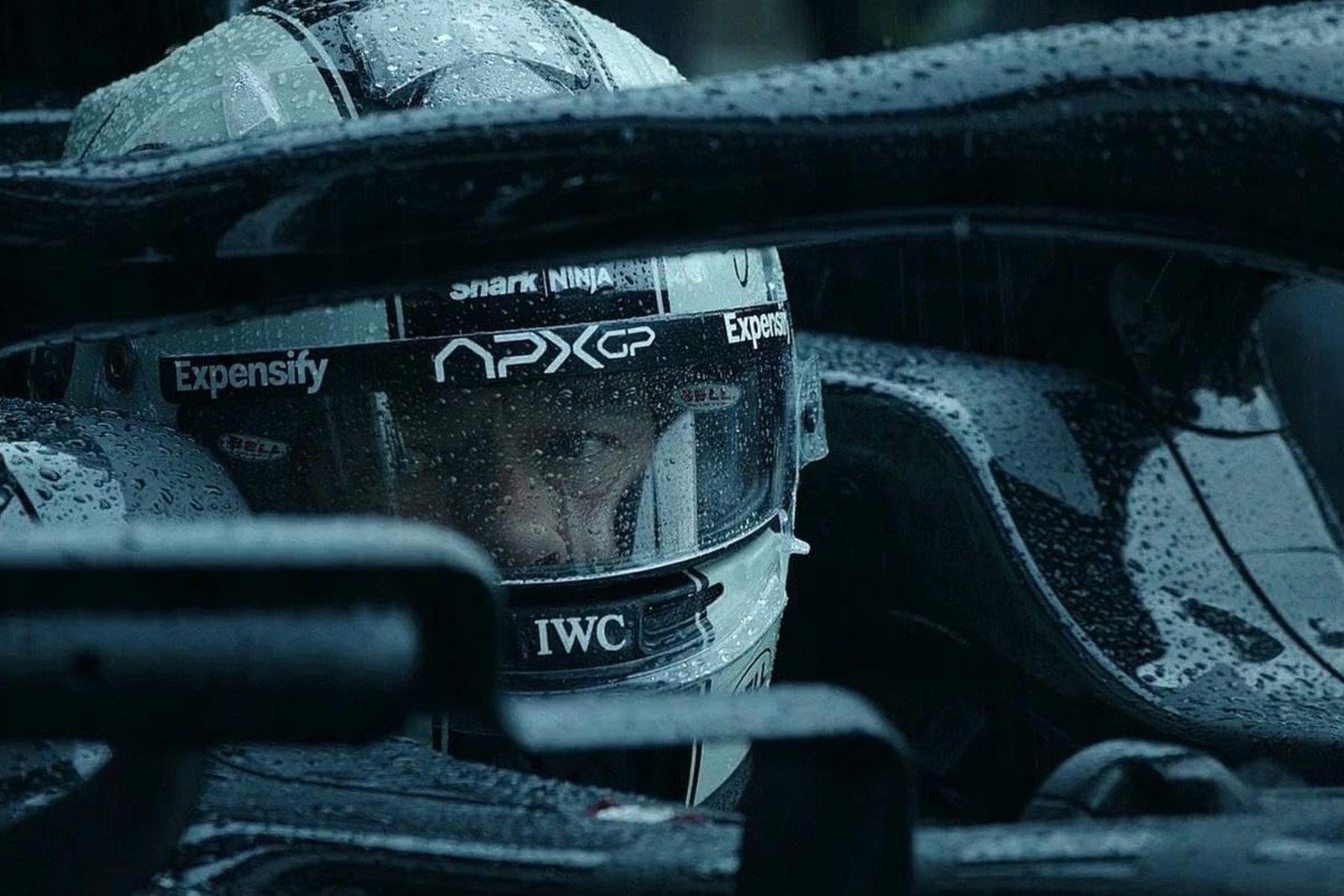
The chequered flag is finally in sight. F1 is set to hit cinemas internationally on June 25, 2025, before arriving in the United States on June 27, 2025. For Formula 1 fans, it’s been a long wait, but with Brad Pitt behind the wheel, Lewis Hamilton helping shape the project behind the scenes, and footage captured during real Grand Prix weekends, the film has all the ingredients of a major summer blockbuster. Better still, audiences will also have the option of experiencing F1 in IMAX, giving viewers an even closer look at the speed, noise, and intensity of life at over 300 km/h. If there was ever a movie made for the biggest screen possible, this might just be it.
Advertisement · Continue Reading Below