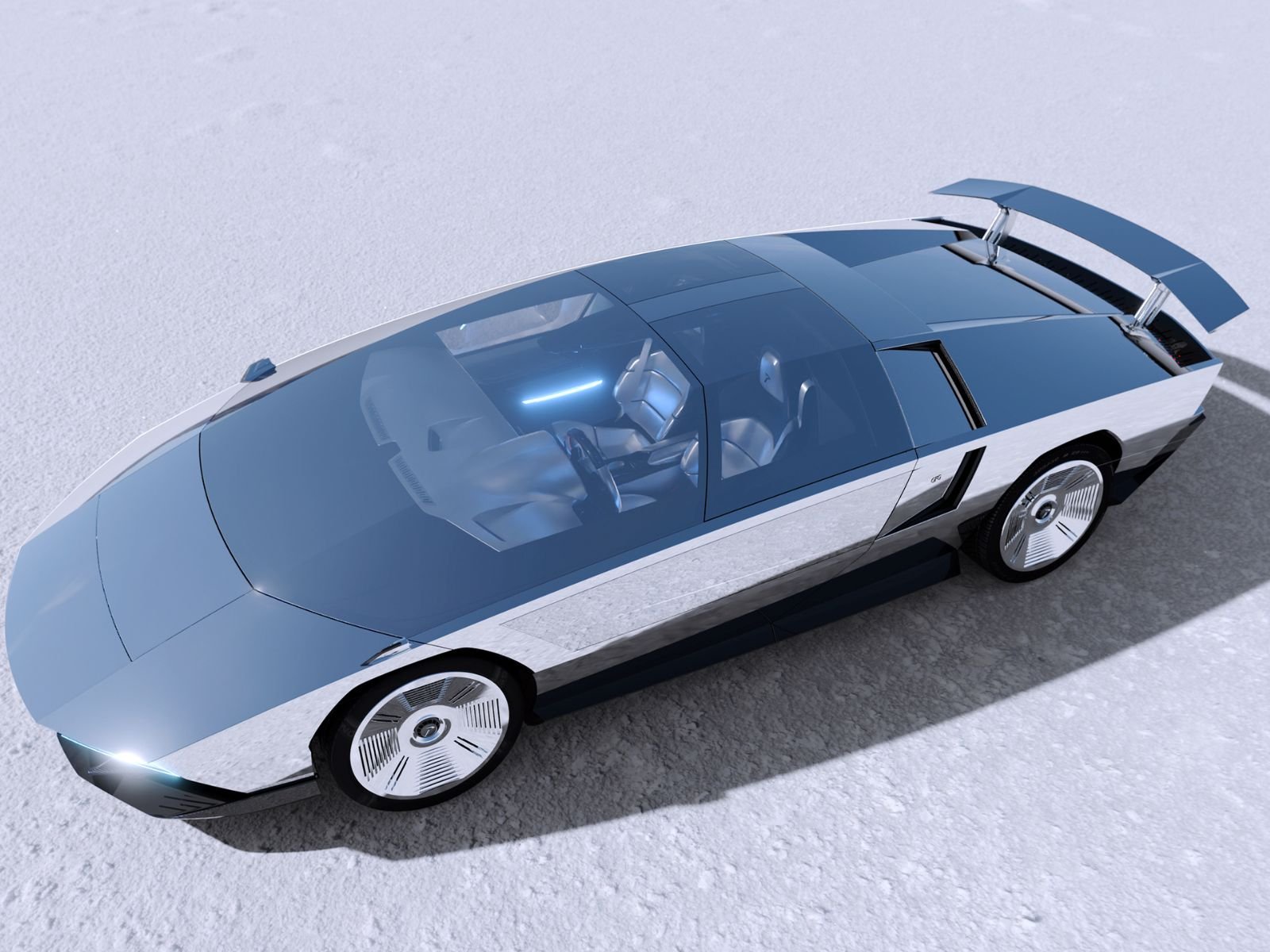







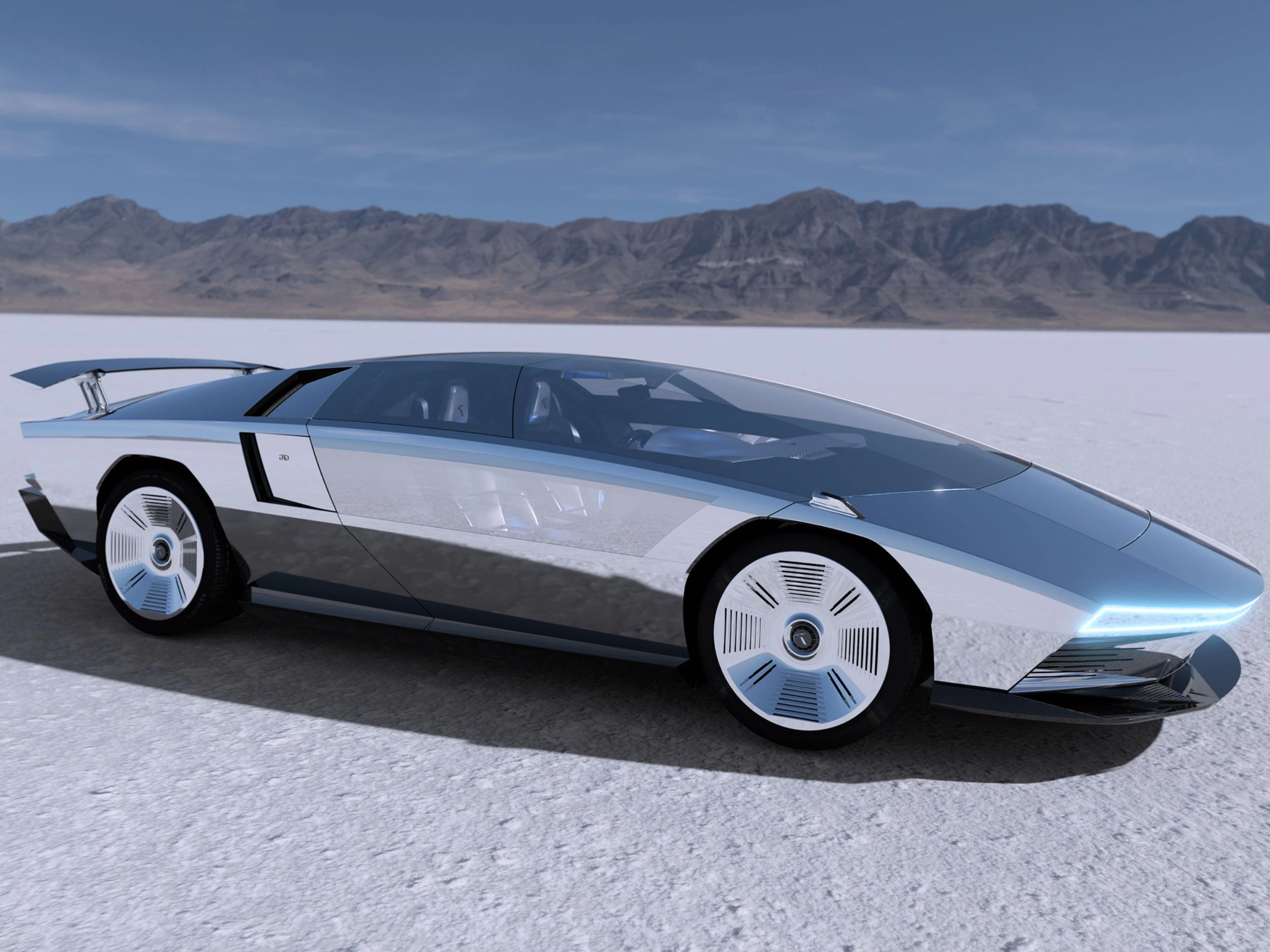

- The Peralta S is the first one-off ever created by GFG Style.
- Designed by Fabrizio Giugiaro, it takes inspiration from his father Giorgetto Giugiaro’s legendary 1970s Maserati Boomerang.
- Underneath sits the Maserati MC20’s 3.0-litre twin-turbo Nettuno V6, producing 630 CV (621 hp) and 730 Nm of torque, with rear-wheel drive.
- The futuristic body is handcrafted entirely from exposed, mirror-polished aluminium, creating the monolithic look that defines the Peralta S.
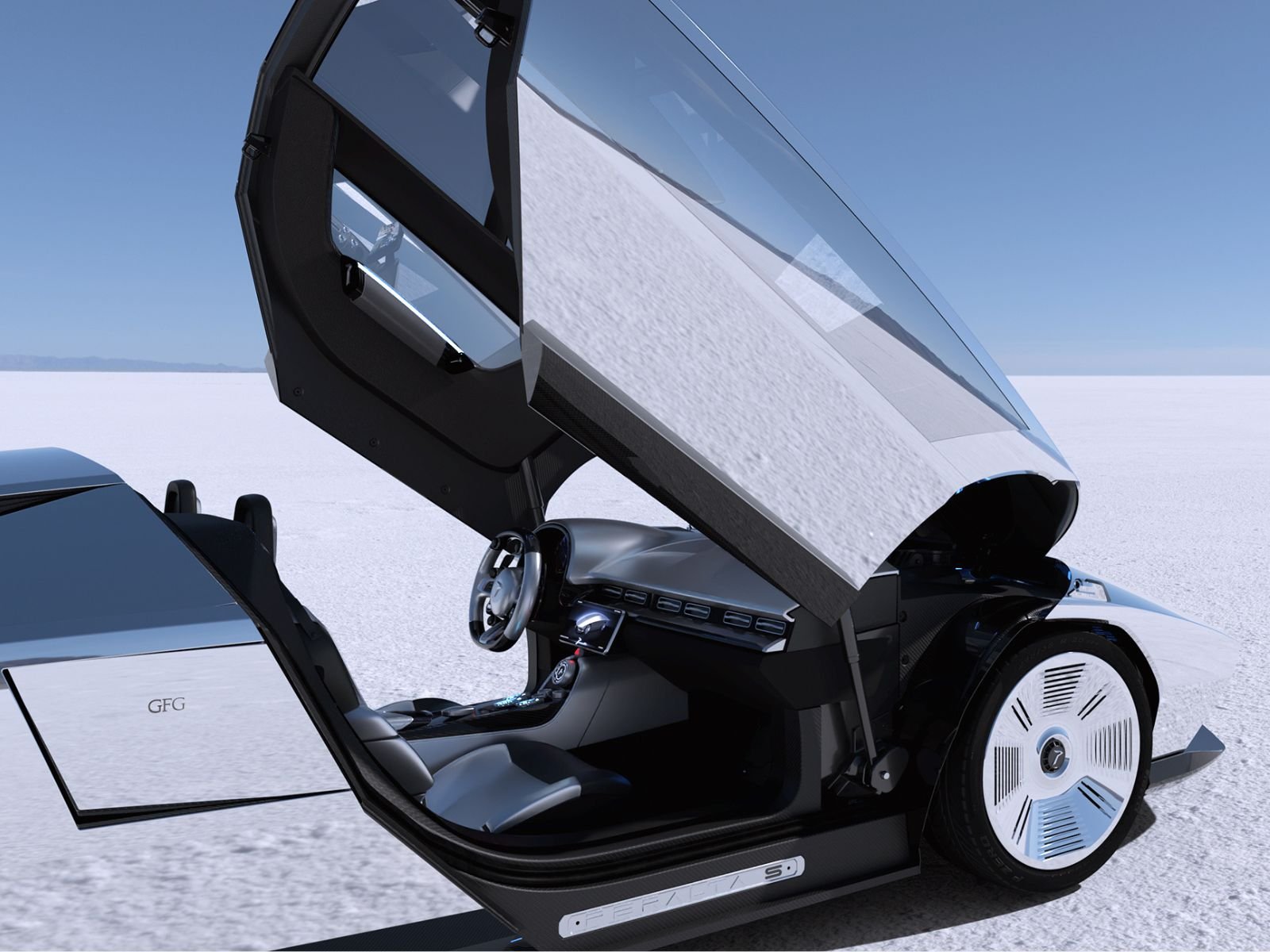
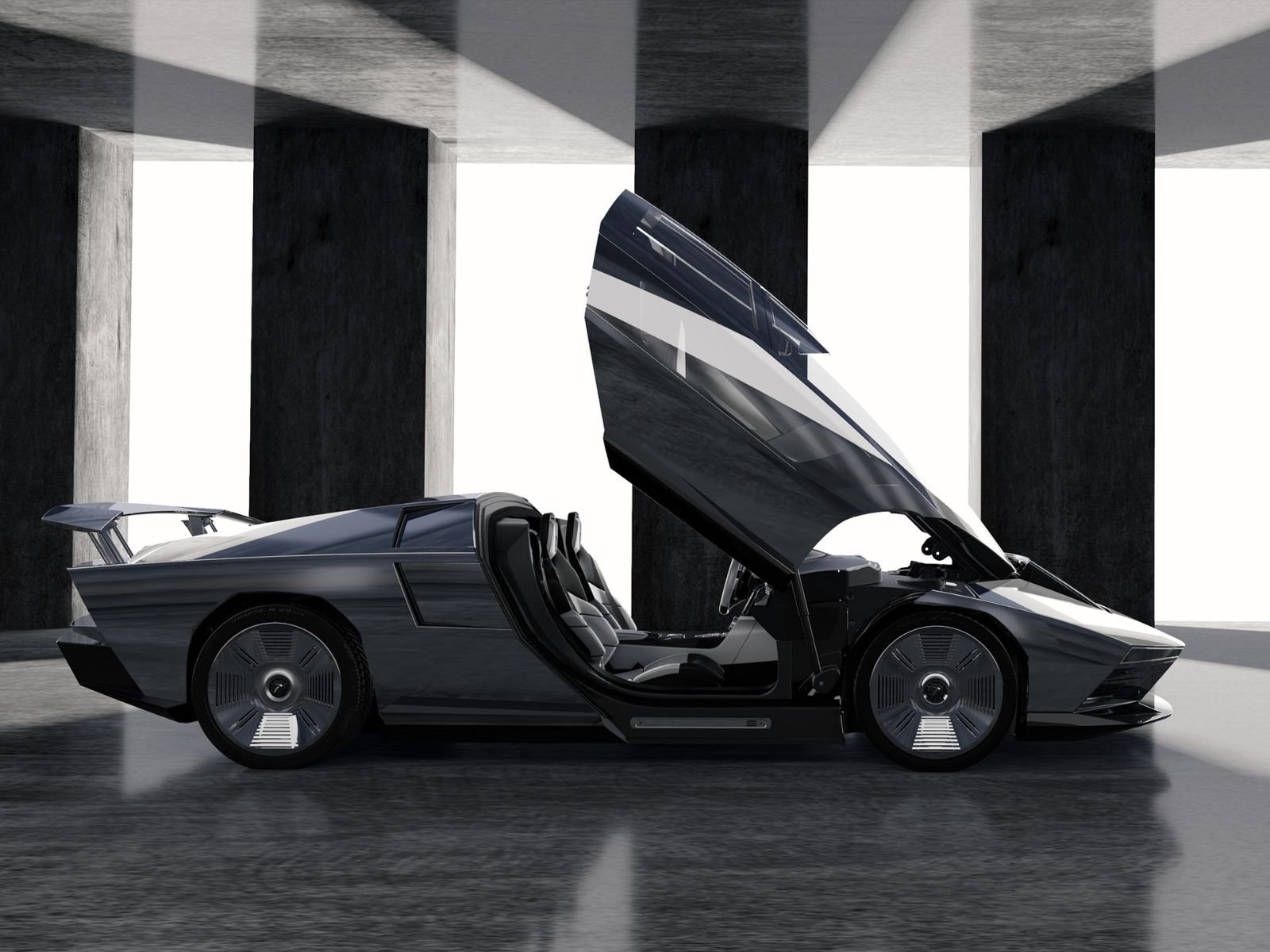
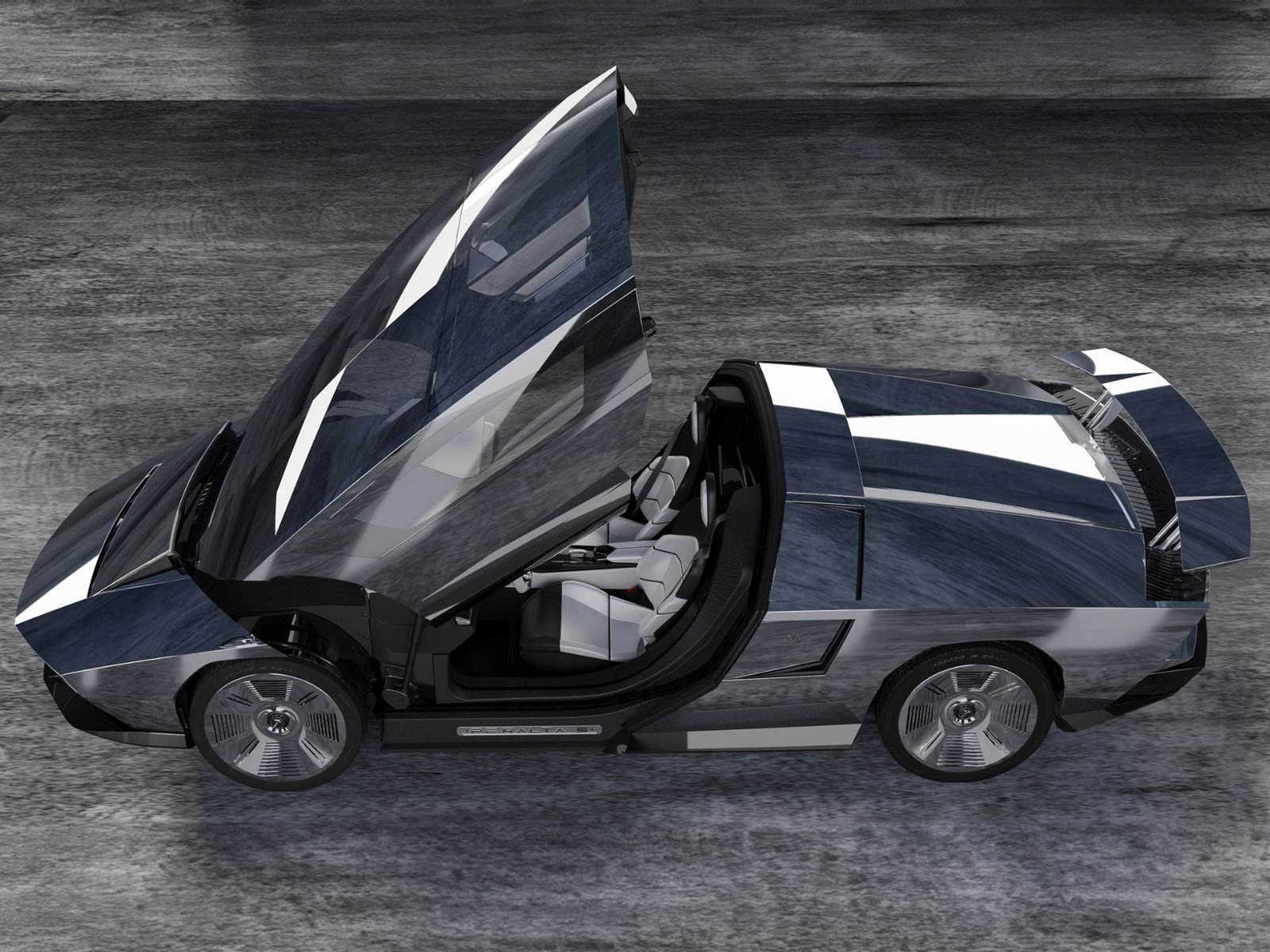
- Instead of conventional doors, the entire dome lifts open in one movement.
There was a time when Italian concept cars looked like they had been drawn with a ruler and absolutely nobody saw that as a problem. The 1970s gave us some of the wildest wedge-shaped machines ever put on four wheels, and more than 50 years later, GFG Style is bringing some of that magic back with the Peralta S — a one-off sports car born from an idea by Giorgetto Giugiaro and designed by his son, Fabrizio Giugiaro.
Commissioned by Mexican collector Carlos Peralta and his sons Juan Carlos and Nicolas, the Peralta S is also the first one-off GFG Style has ever created. It made its public debut at the Pastejé Automotive Invitational in Mexico on March 22, 2025, with both Giorgetto and Fabrizio Giugiaro travelling from Italy for the occasion. And while its dramatic wedge shape looks straight out of the golden age of Italian concept cars, this isn’t simply an exercise in nostalgia — underneath is a fully functioning mid-engine, rear-wheel-drive sports car handcrafted to turn a 1970s design philosophy into something for today
You don’t have to look particularly hard at the Peralta S to see where some of its inspiration came from. The one-off reaches back to Giorgetto Giugiaro’s legendary Maserati Boomerang, the radical wedge-shaped concept created in the early 1970s and one of the defining examples of an era when Italian designers seemed determined to make sports cars look like something that had just landed from another planet.
As Fabrizio Giugiaro explains, the whole point was to create something deliberately removed from modern automotive design. “The Peralta S has a typically 1970s attitude and has nothing to do with today’s cars. I wanted to embellish it with quotations, styling cues and references to shapes from a past that made history, but it is also a tribute to my father, through the reinterpretation in a modern key of the volumes of the Boomerang.”
Advertisement · Continue Reading Below
Rather than simply recreating one of his father’s most famous designs, Fabrizio has taken that low, dramatic wedge philosophy and pushed it forward. The result is sharp geometry, enormous glass surfaces, and mirror-polished metal, with proportions that feel completely different from the rounded, aerodynamically complicated supercars we’re used to seeing today.
“There are dozens of sports cars that have become iconic that took their cues from those shapes; it was pure avant-garde. For me, it is one of Giorgetto’s most incredible and successful stylistic exercises.”
The Peralta S was later named Carrozzieri-Italiani.com Car of the Year 2025, beating a shortlist that included creations from Zagato, Pininfarina and Touring. The award combined votes and evaluations from design experts, professional designers, historians, readers and members of the publication’s community.
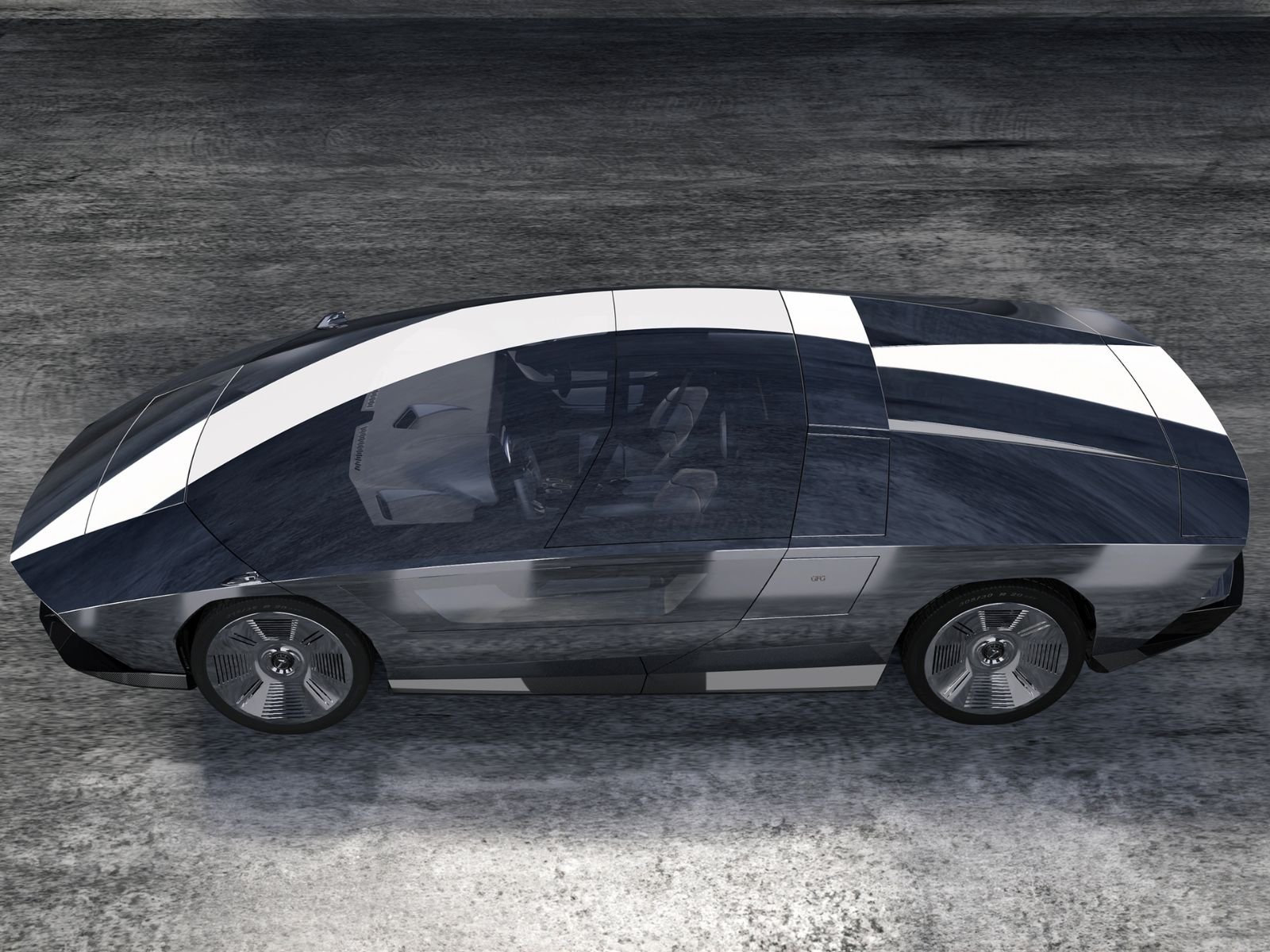
This is where things get even more interesting. The Peralta S is handcrafted from exposed, mirror-polished aluminum, with the body and glazed surfaces designed to visually blend into one another. When everything is closed and switched off, GFG Style describes the resulting appearance as monolithic, almost as though the entire car has been carved from one enormous piece of polished metal.
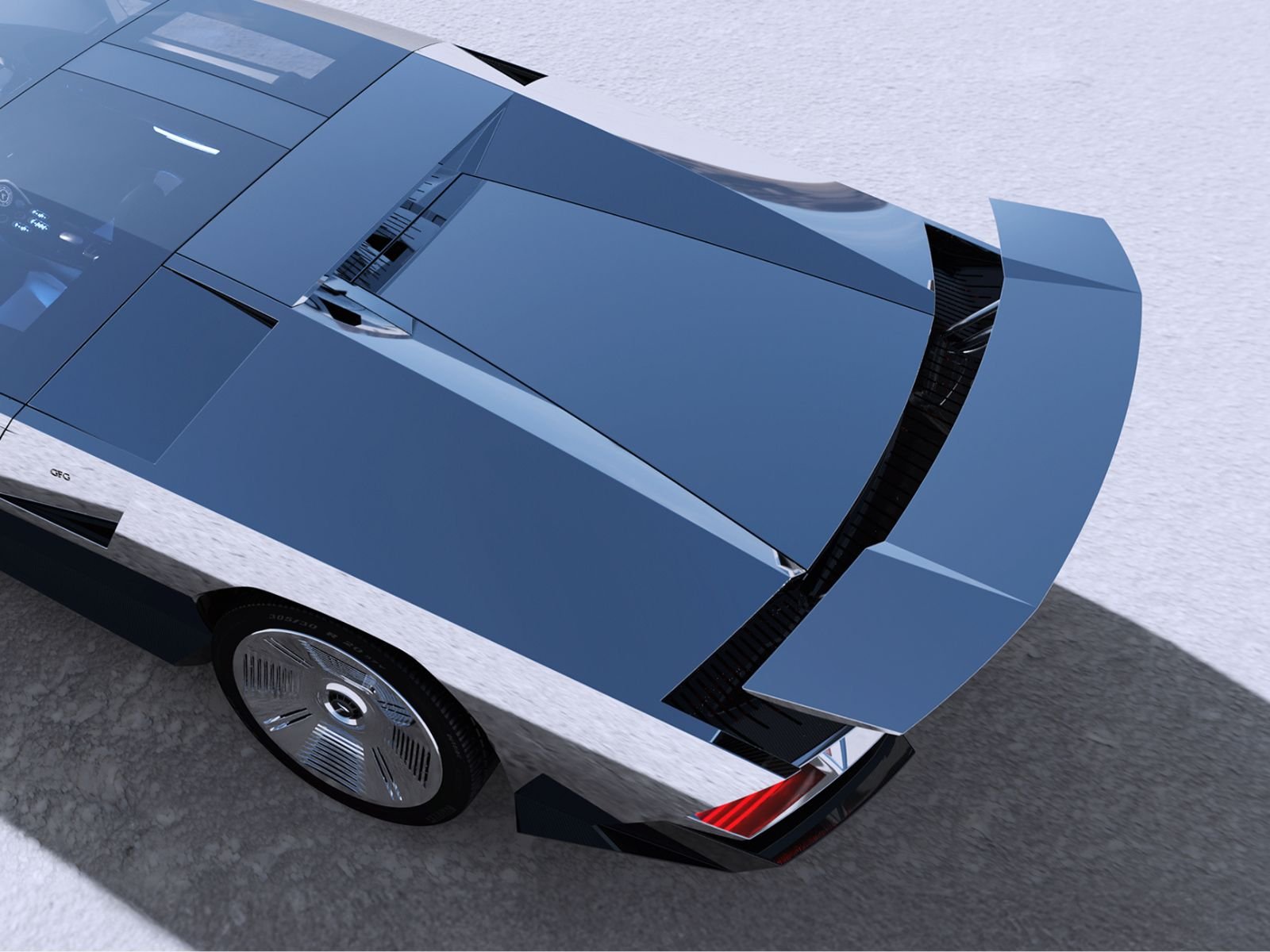
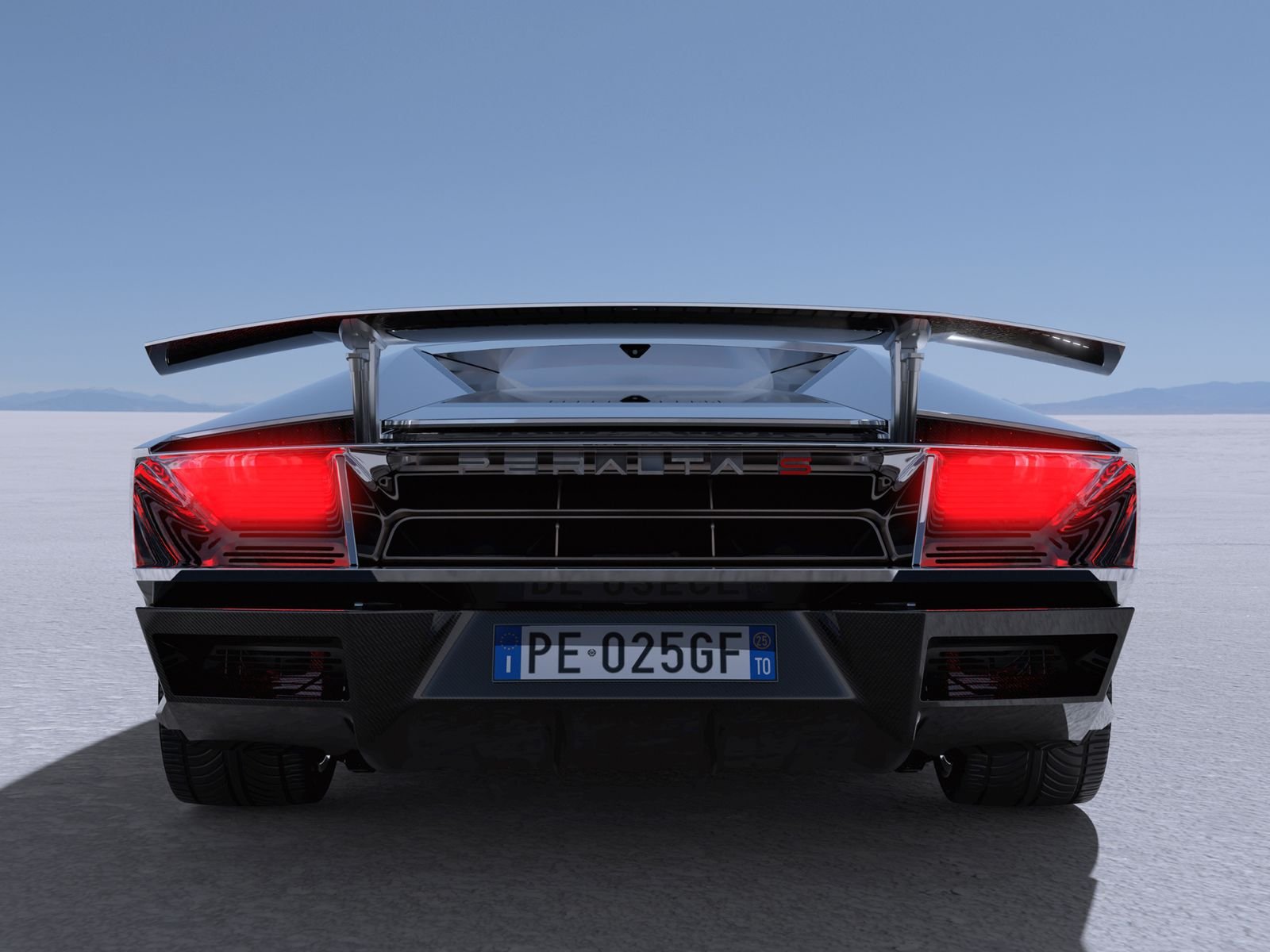
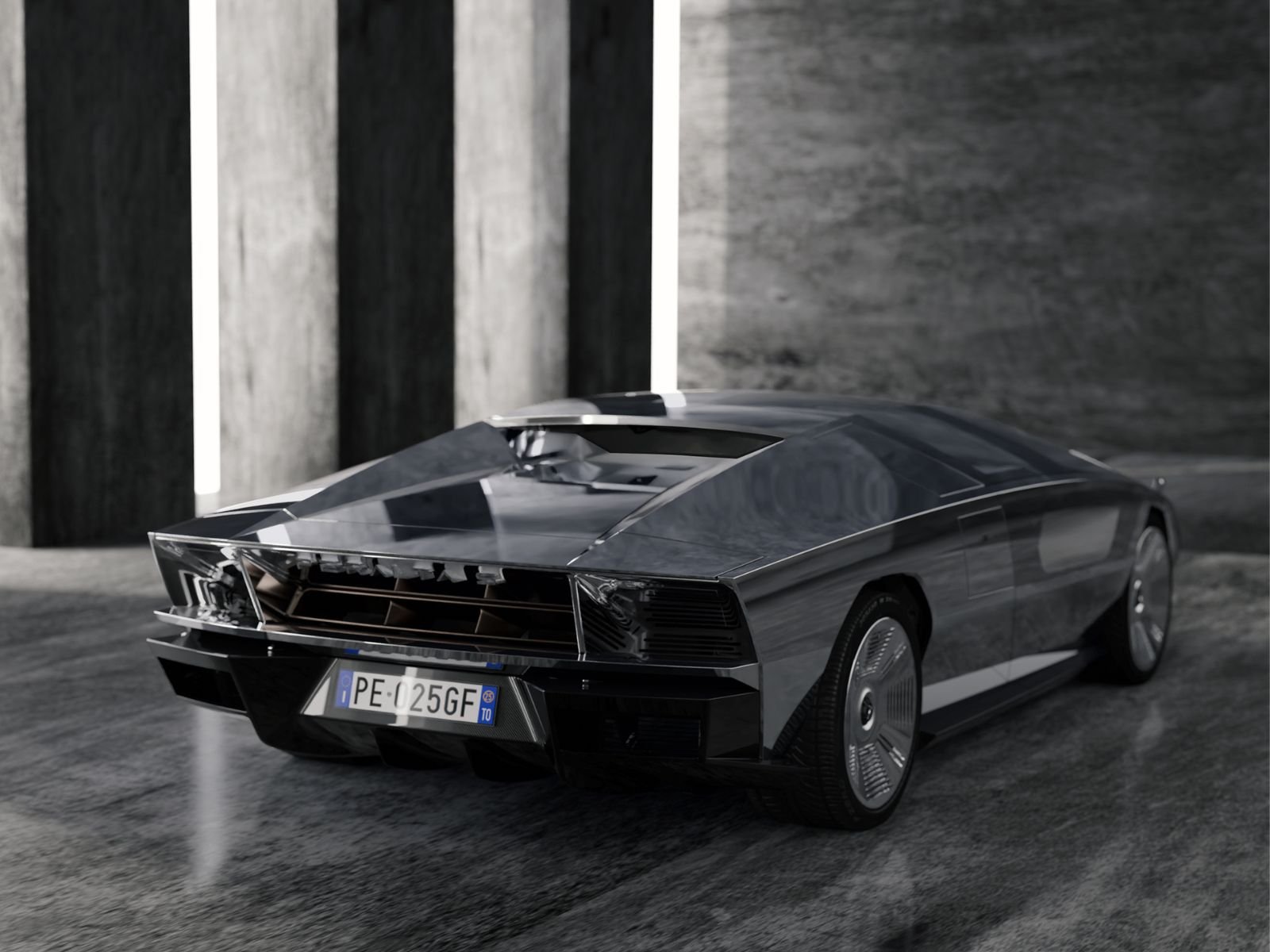
Look closer, and you’ll find plenty of clever details hidden inside that simple shape. The headlights are concealed within the nose, while the rear lights remain hidden beneath the aluminum and produce what GFG calls a “shadow light” effect when illuminated. An integrated rear spoiler also rises from the body when required, subtly changing a shape that otherwise looks remarkably clean when sitting still.
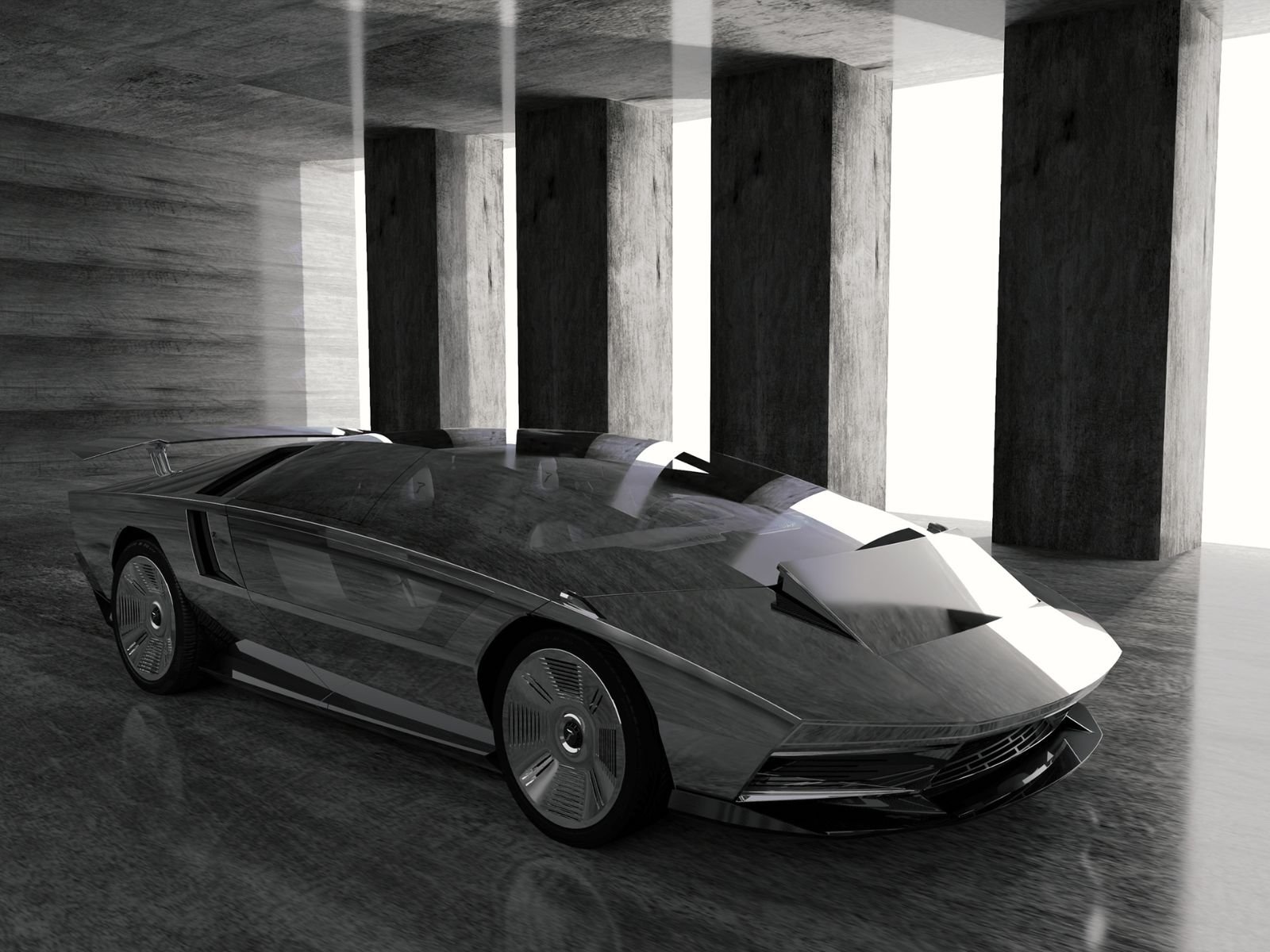
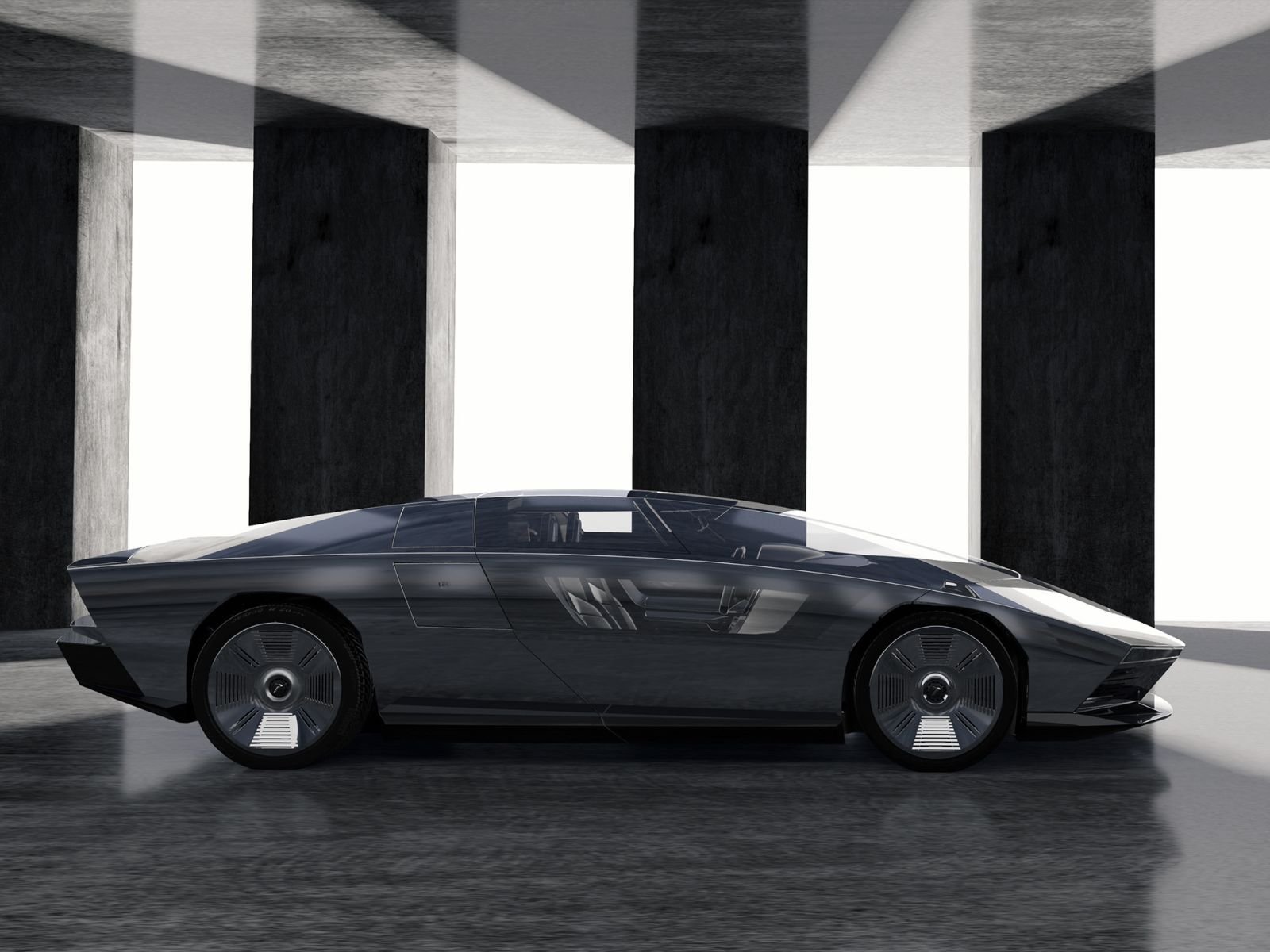
Not everything is aluminum, though. Exposed carbon fibre is used for the front spoiler, side sills and rear diffuser, providing some visual contrast while keeping the more functional aerodynamic pieces separate from the polished bodywork.
Then there’s the way you actually get inside. Forget conventional doors — the Peralta S lifts its entire upper dome in a single movement, turning the windscreen, roof and surrounding structure into one enormous opening. It’s wildly theatrical and probably not the quickest way to grab something you’ve forgotten inside, but on a one-off Giugiaro concept inspired by the 1970s, normal doors would almost feel disappointing.
For all the concept-car drama happening on the outside, the Peralta S isn’t built on some experimental platform that will never move under its own power. Underneath sits the chassis and mechanical package of the Maserati MC20, retaining its mid-engine, rear-wheel-drive layout. GFG Style says the MC20’s technical characteristics remain unchanged, with Manifattura Automobili Torino (MAT) providing technical support during the project.
That means there’s some serious modern supercar hardware hiding beneath all that 1970s-inspired aluminum. The MC20 uses Maserati’s 3.0-litre twin-turbo Nettuno V6, producing 630 CV (621 hp), with the standard car capable of hitting 100 km/h in under 2.9 seconds and continuing beyond 325 km/h. The Peralta S isn’t really about chasing lap times, though — the MC20 gives Fabrizio Giugiaro’s design a proven modern foundation while allowing the bodywork to remain the star of the show.GFG Style Peralta S Specifications
Advertisement · Continue Reading Below
- Model: GFG Style Peralta S
- Year: 2025
- Production: One-off
- Designer: Fabrizio Giugiaro
- Design Inspiration: Giorgetto Giugiaro’s 1971 Maserati Boomerang
- Donor Platform: Maserati MC20
- Layout: Mid-engine, rear-wheel drive
- Engine: 3.0-litre twin-turbo Nettuno V6
- Power: 630 CV (621 hp)
- Body: Handcrafted mirror-polished aluminium
- Carbon Fibre: Front spoiler, side sills & rear diffuser
- Entry: Single-movement lifting dome
- Lighting: Concealed front & rear lighting
- Rear Aero: Integrated deployable spoiler
- Commissioned By: Carlos Peralta and his sons Juan Carlos and Nicolas
- Debut: Pastejé Automotive Invitational, Mexico — March 22, 2025
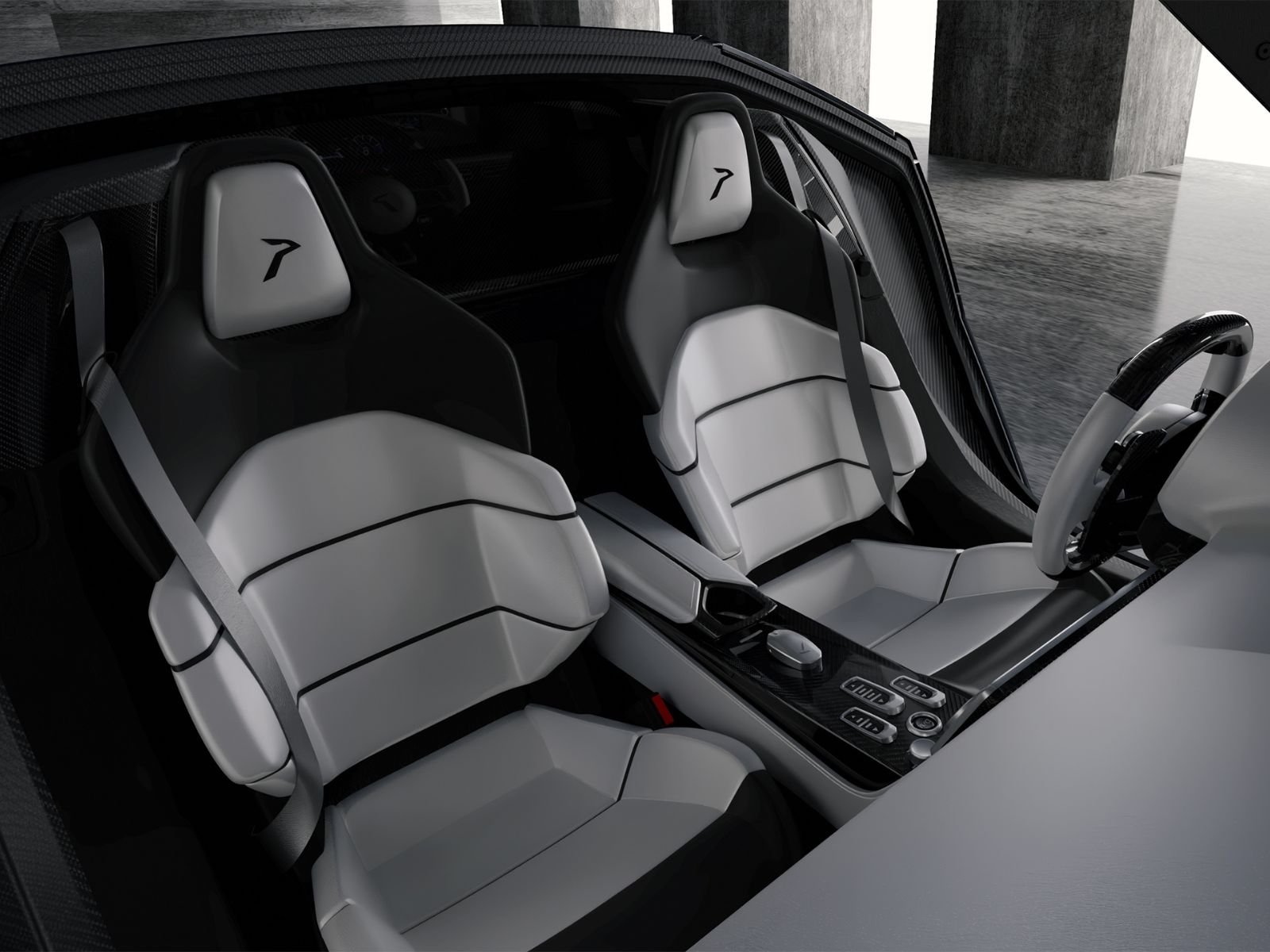
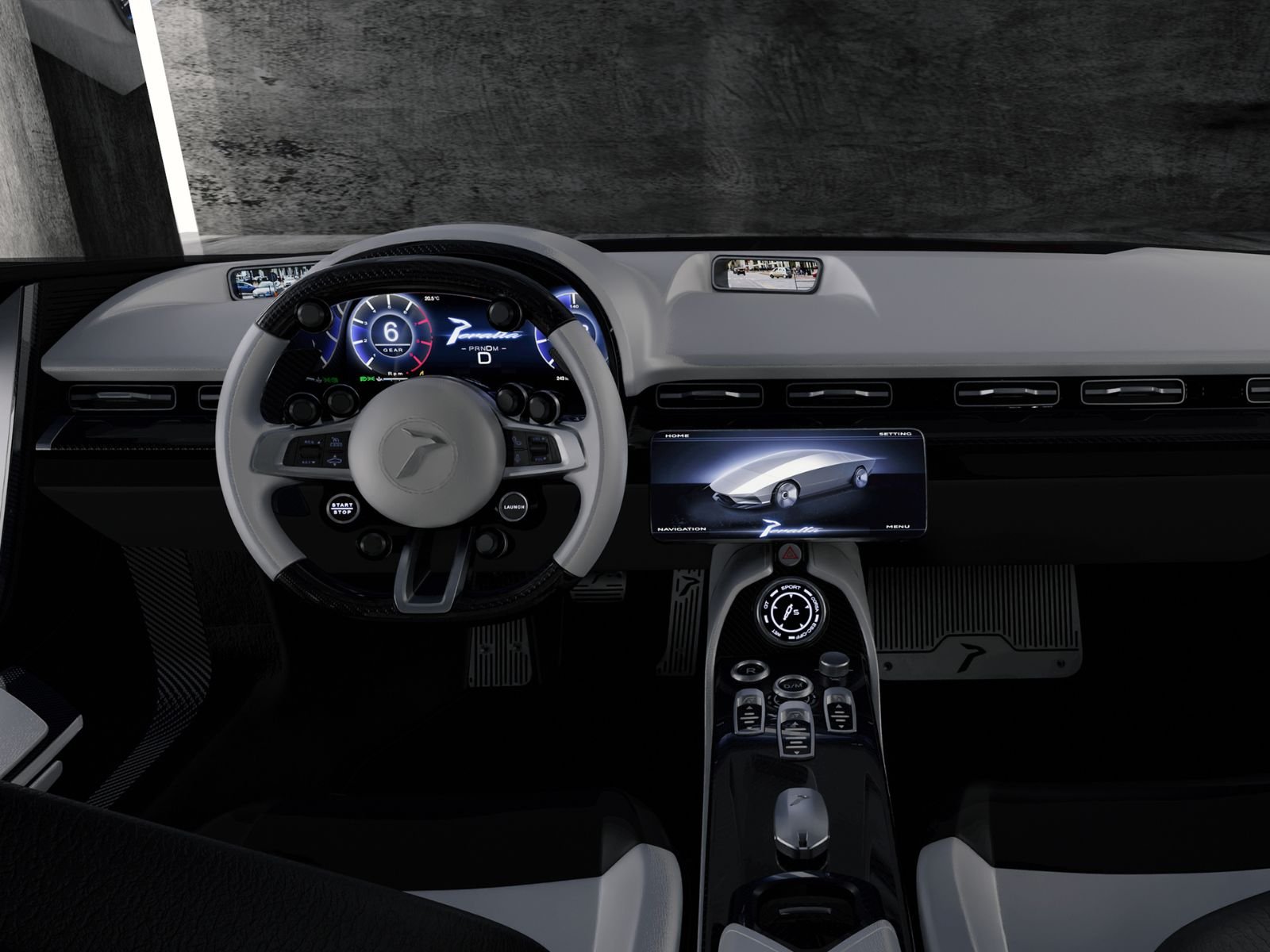
Inside, the 1970s influence continues without simply recreating an old cabin. Chrome-effect metallic leather wraps the seats and other surfaces, while the tightly wrapped seating gives the interior more of a cockpit feel than a traditional supercar cabin. It’s another example of the Peralta S looking backwards for inspiration without pretending the last 50 years of car design never happened.
And then we can finish the section by noting that this was never intended for mass production — it’s a true one-off destined for the private collection that commissioned it. GFG Style itself confirms that’s where the car is ultimately headed.
The Peralta S was never designed to become the next production supercar, and that’s part of what makes it so interesting. It was created for one collector, built as GFG Style’s first one-off and will ultimately live in the private collection it was commissioned for. With no sales targets or thousands of customers to please, Fabrizio Giugiaro had the freedom to create something deliberately unconventional — the kind of freedom that has always made Italian coachbuilding such an important part of automotive design.
And the gamble seems to have paid off. The Peralta S was named Carrozzieri-Italiani.com’s Car of the Year 2025, beating a shortlist that included creations from Zagato, Pininfarina and Touring Superleggera. More than 50 years after the Maserati Boomerang helped define the Italian wedge era, the Peralta S proves those wonderfully wild ideas can still work today — especially when someone is willing to build just one.