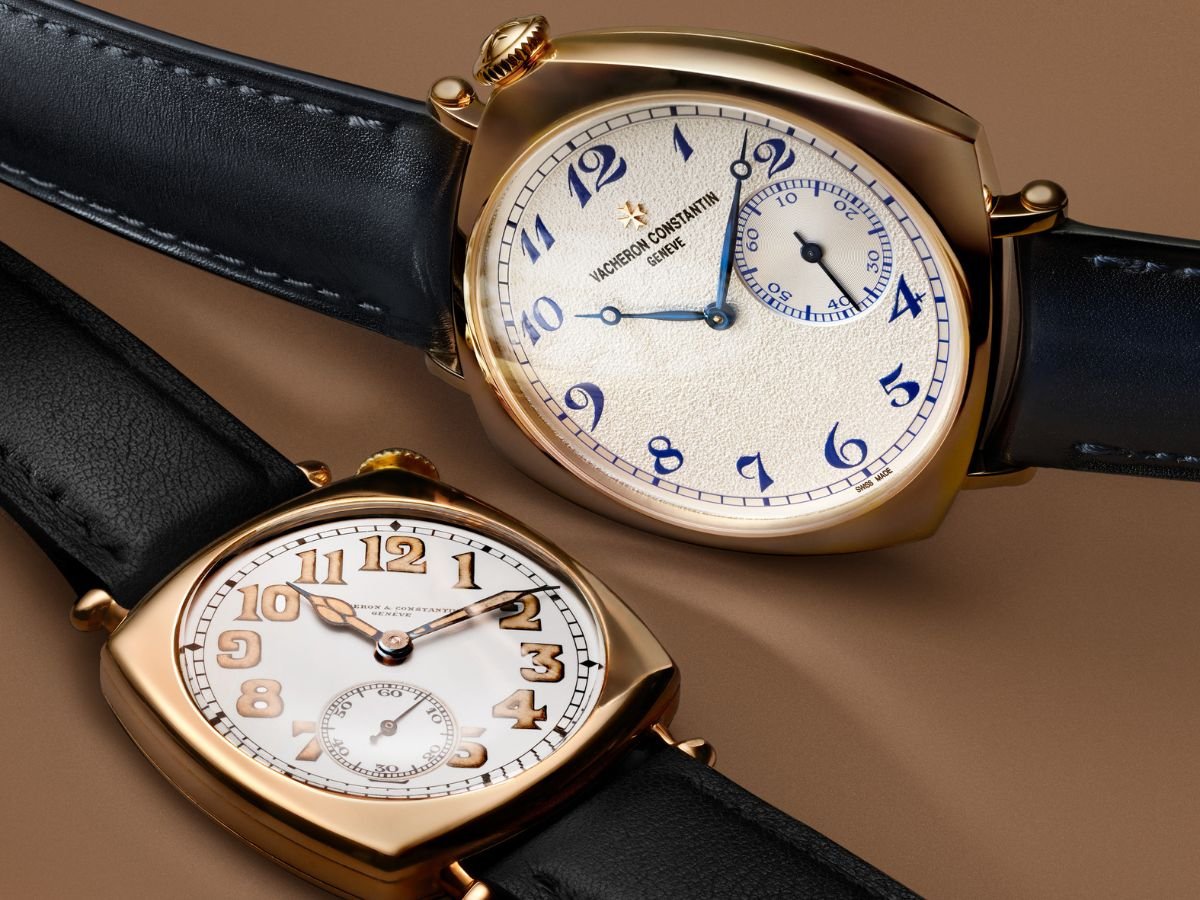
The Roaring Twenties changed everything from art and fashion to how people told time, as wristwatches started replacing pocket watches and gave watchmakers a chance to try completely new designs. Vacheron Constantin took advantage of this freedom in 1919 with a small series of cushion-shaped watches whose dials were turned 45 degrees, then adapted the idea for the American market in 1921. The unusual design let drivers read the time without moving their wrists away from the steering wheel, making the American 1921 known as the perfect watch for a gentleman driver.
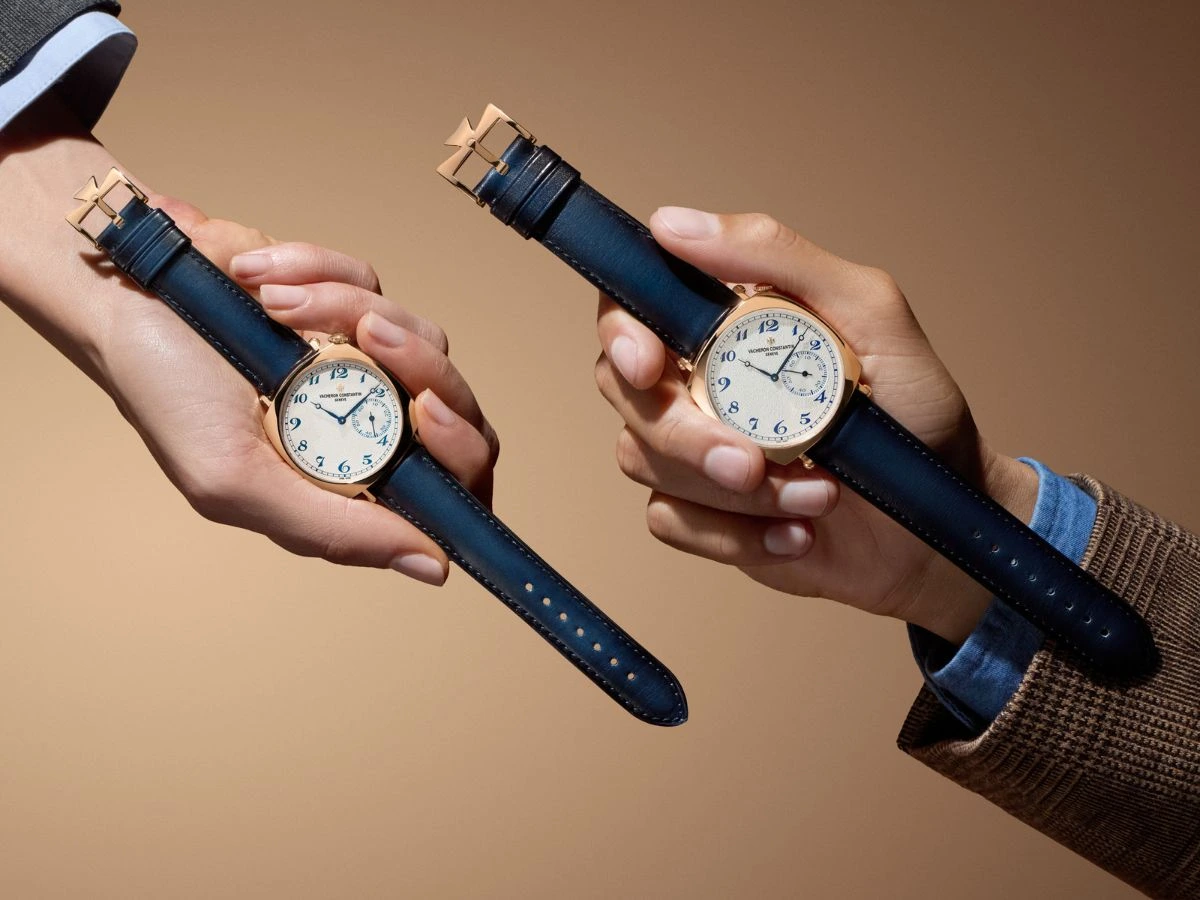
More than a hundred years later, the Historiques American 1921 is still one of the brand’s most famous designs, and Vacheron Constantin has brought it back for Watches and Wonders 2026 with two new pink-gold versions. Available in 36.5mm and 40mm sizes, the newest models feature textured silver-coloured dials, bright blue numbers, and matching blue hands while keeping the tilted display, off-center crown, and simple charm of the original. Instead of just copying the past, these new versions bring the bold and unique style of the Roaring Twenties into today.
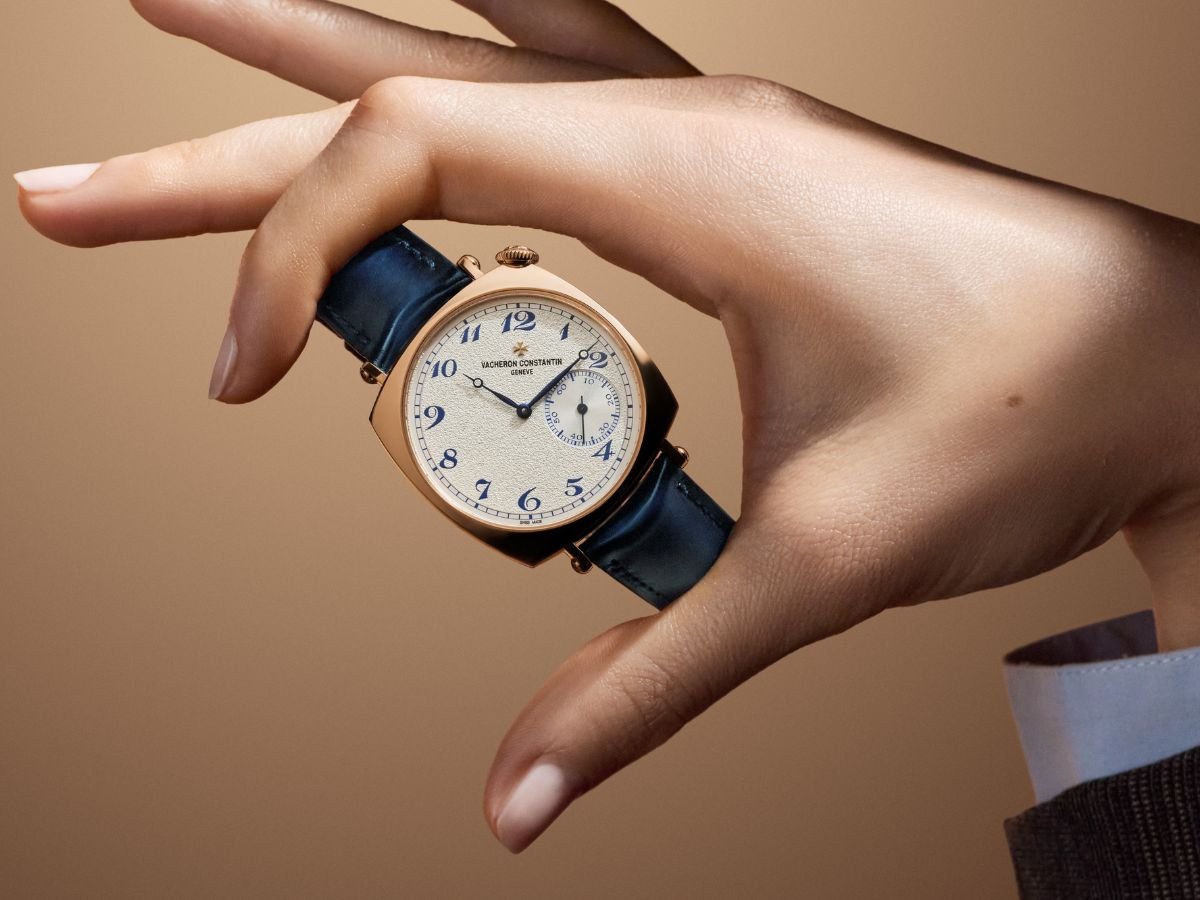
Vacheron Constantin Historiques American 1921 | Image:Vacheron Constantin
The Bee’s Knees of Driver’s Watches
Long before the driver’s watch became a common type, Vacheron Constantin was trying out ways to make it easier to read the time while driving. In 1919, the company made a few cushion-shaped wristwatches with their dials turned 45 degrees, so the wearer could see the time without turning the wrist much. The design was eye-catching, but it was also truly useful at a time when wristwatches were starting to replace pocket watches, and cars were changing daily life.
Vacheron Constantin revisited the idea in 1921 with another small series made for the American market, adding changes that made the watch more elegant and visually balanced. Only 24 of these were made, making the original American 1921 a very rare example of Jazz Age watchmaking. Its unusual crown position and differently placed small-seconds display added to a design that broke traditional symmetry but was still very easy to read.
Although it was meant for driving, but the watch also attracted fans outside the car world. Two were owned by American writer and clergyman Samuel Parkes Cadman, an early radio host known for speaking out against racism and antisemitism. Its angled dial reportedly let him check the time quietly while preaching, and one of his watches later became part of Vacheron Constantin’s heritage collection.
The American 1921 joined Vacheron Constantin’s modern Historiques collection in 2008 with a 40mm version, followed by a smaller 36.5mm model in 2017. Its 100th anniversary in 2021 brought more versions and a carefully recreated unique piece made using old methods, showing that the original idea is still popular. With its practical roots, bold design, and unique character, the American 1921 remains the best of driver’s watches.
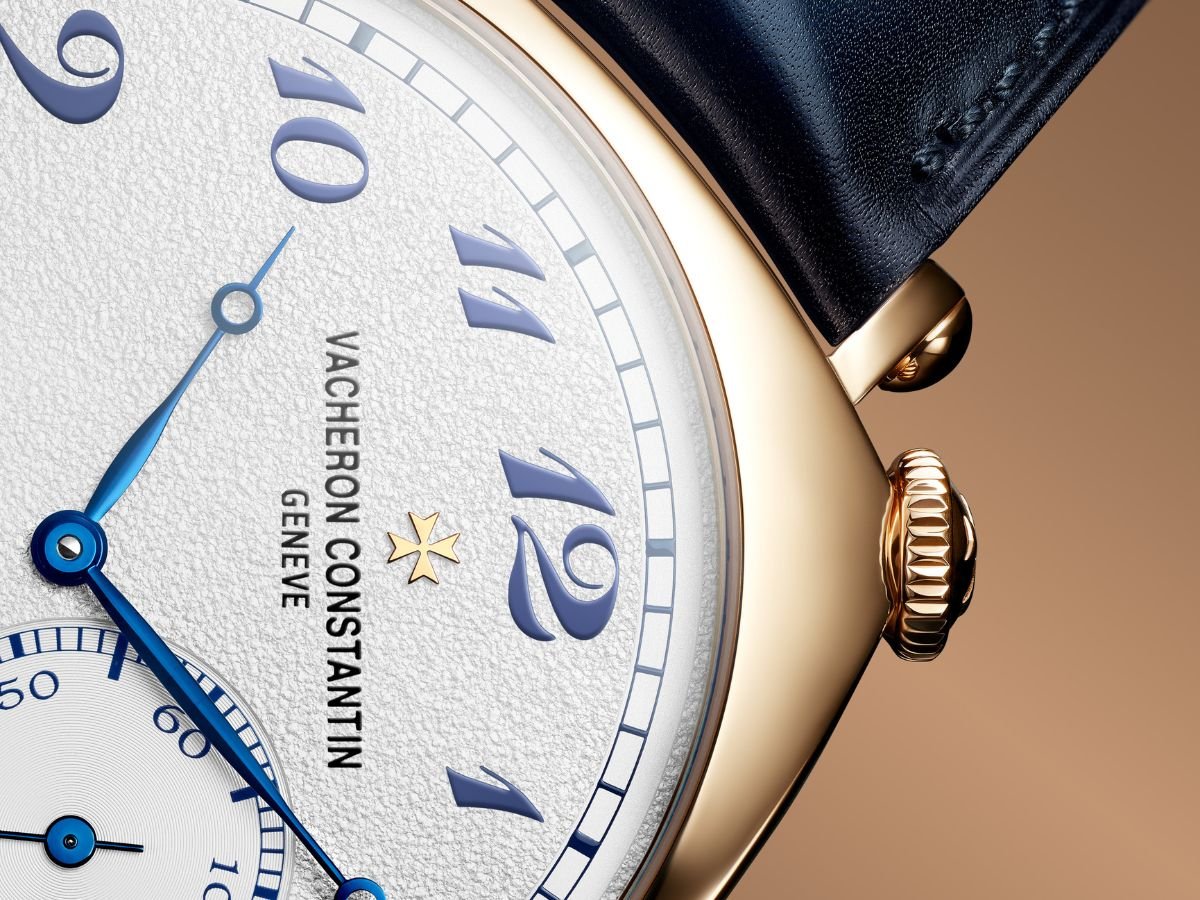
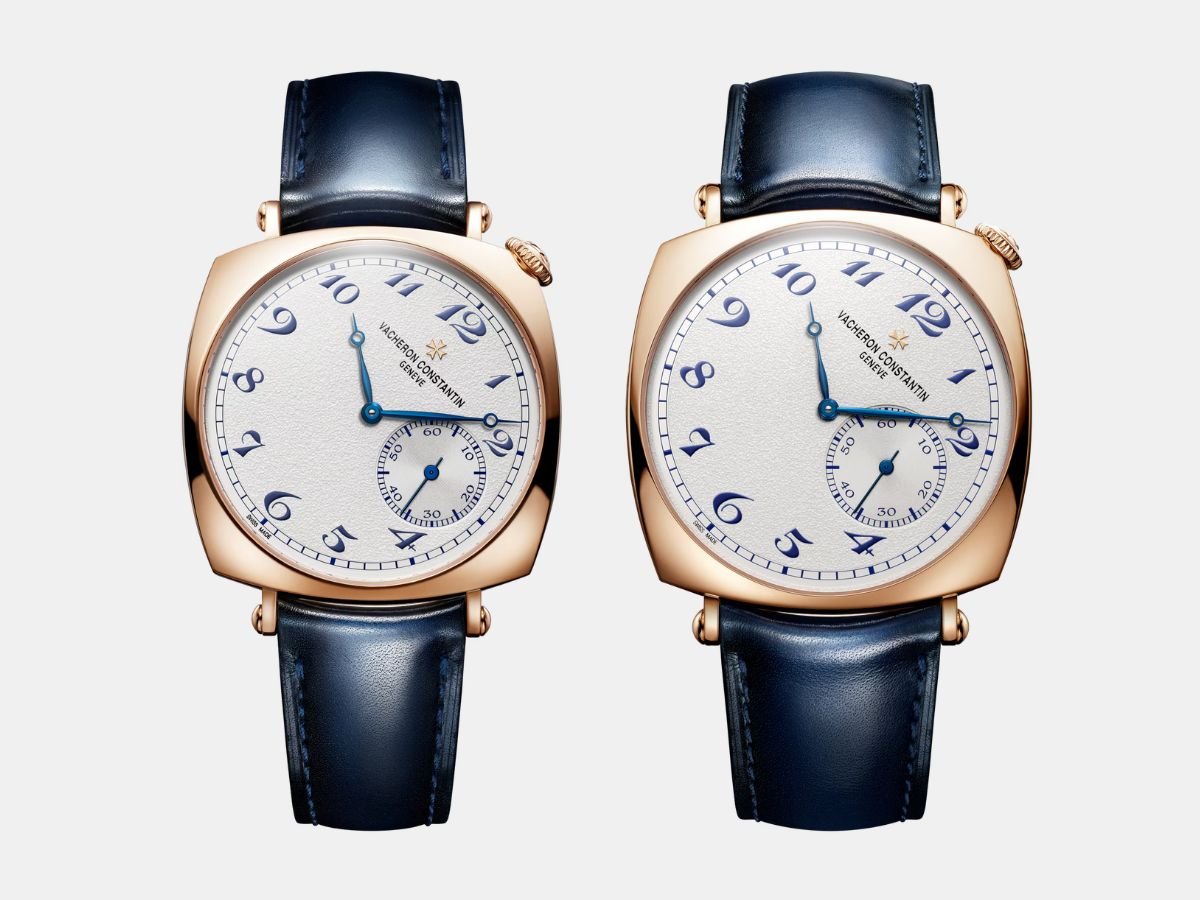
Vacheron Constantin Historiques American 1921 | Image:Vacheron Constantin
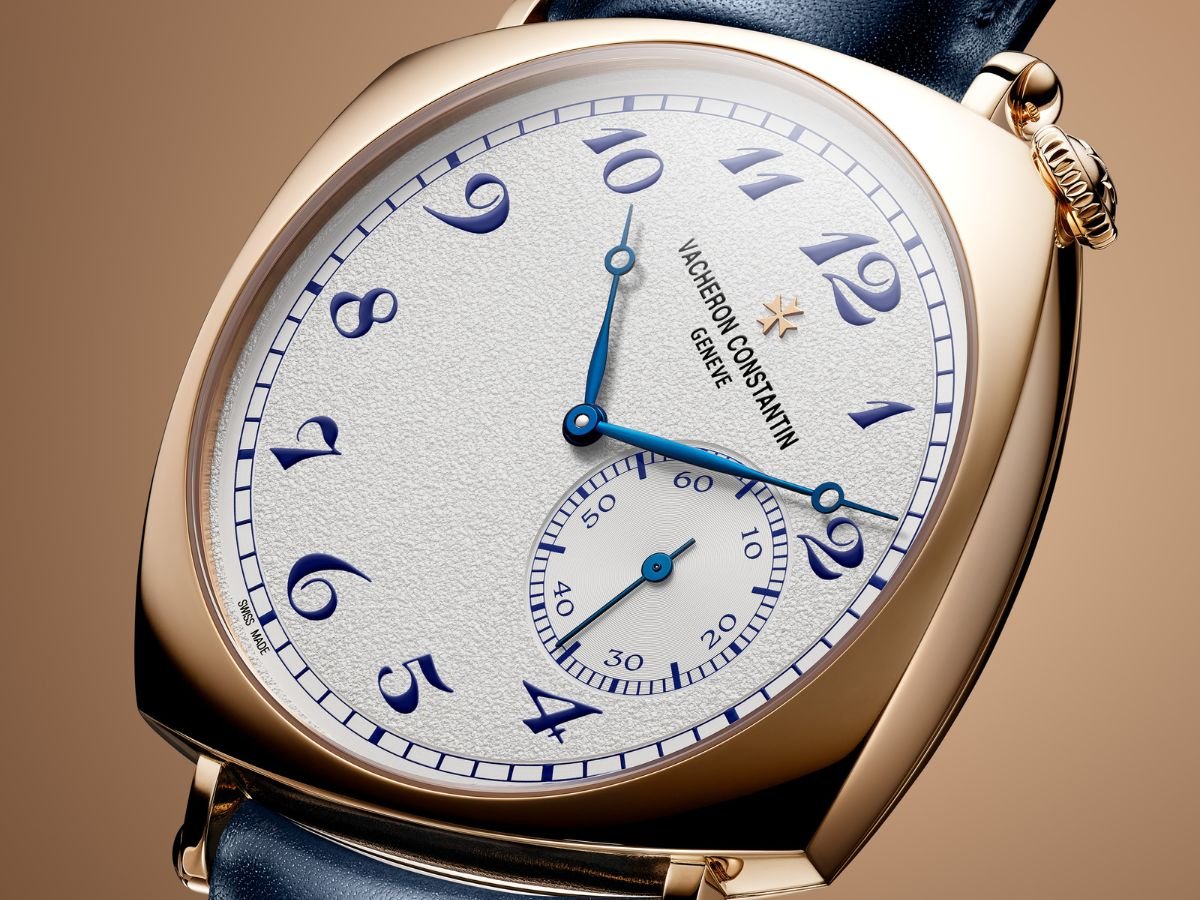
Vacheron Constantin Historiques American 1921 | Image:Vacheron Constantin
Puttin’ on the Ritz for 2026
For 2026, the Historiques American 1921 has put on its glad rags, returning in two sizes measuring 36.5mm and 40mm. The case material for both models is polished 18K 5N pink gold, bringing warmth and refinement to the watch’s distinctive form. Vacheron Constantin has resisted the temptation to interfere with its defining geometry, retaining the cushion-shaped case, diagonal display and crown positioned at 1:30 while concentrating its attention on colour, texture and finishing.
The most noticeable change is the grained silver-toned dial, which creates a softly textured backdrop for bright blue Arabic numerals, a matching railway minute track and slender open-tipped hands made from blued 18K gold. A circular satin finish around the dial’s edge provides subtle contrast, while the small-seconds counter receives a snailed surface and remains conventionally oriented at 3 o’clock, creating a playful visual tension against the rotated hours and minutes.
Completing the new look is a dark-blue patinated calfskin strap with a gentle gradient effect, secured by an 18K pink-gold pin buckle. The smaller model measures only 7.41mm thick, while the 40mm edition comes in at 8.06mm, allowing both to retain the slim, elegant profile expected of a refined dress watch. Each version also features a scratch-resistant sapphire crystal, a transparent caseback and 30 metres of water resistance, bringing practical modern construction to a design rooted firmly in the Roaring Twenties.
Vacheron Constantin Historiques American 1921 | Image:Vacheron Constantin
Hitting on All Sixes With Calibre 4400 AS
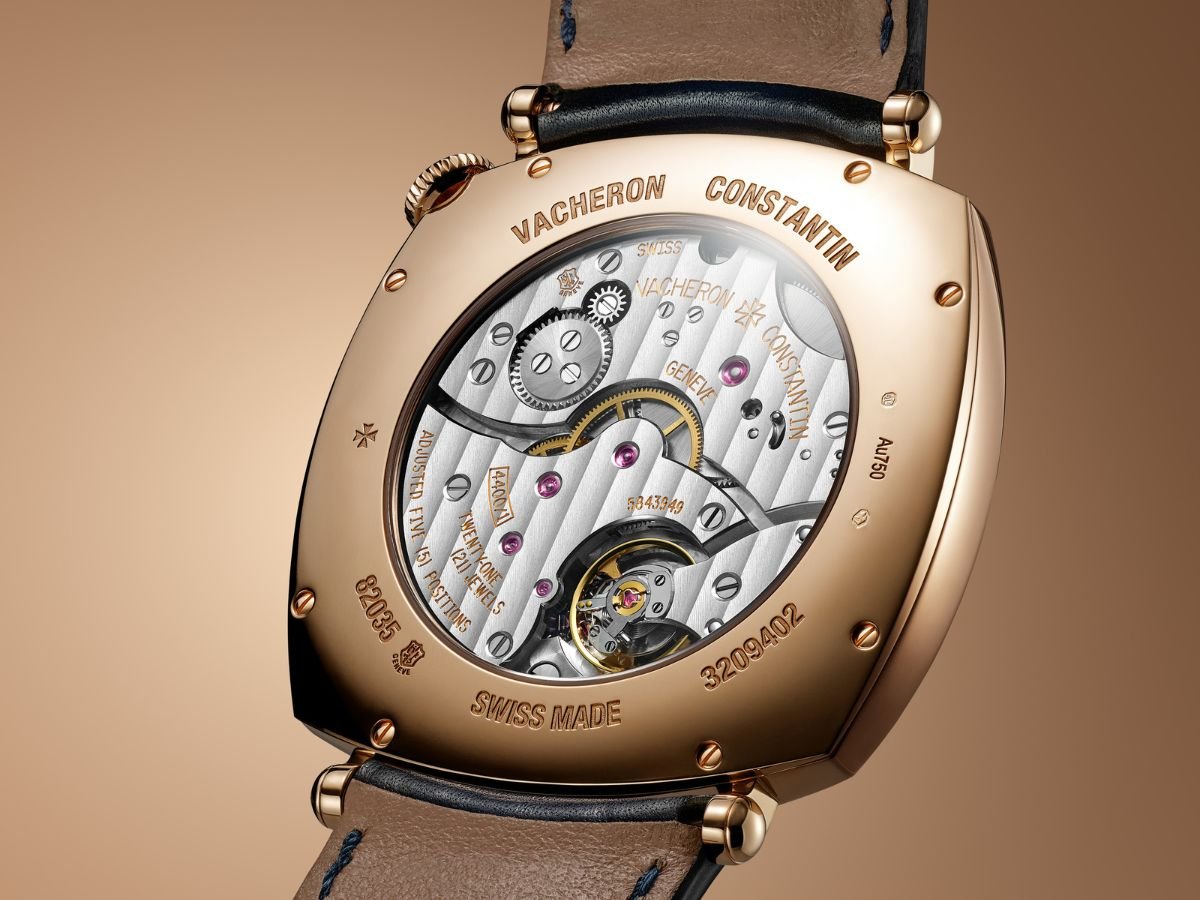
Beneath the American 1921 pays tribute to its century-old predecessor, its construction is thoroughly modern. Scratch-resistant sapphire crystal and 30 metres of water resistance provide everyday practicality, while the transparent caseback reveals Vacheron Constantin’s in-house Calibre 4400 AS. The hand-wound movement drives the hours, minutes and subsidiary seconds and is rotated within the case to align its functions with the asymmetrical dial. At only 2.8mm thick, it allows the 36.5mm model to measure a slender 7.41mm in height, while the 40mm version comes in at 8.06mm.
Measuring 28.6mm across, the Calibre 4400 AS comprises 127 components and 21 jewels, runs at 4Hz and delivers a 65-hour power reserve. Côtes de Genève decorate its two broad bridges and the balance cock supporting the free-sprung balance, with every detail visible through the sapphire caseback. Both models also carry the Hallmark of Geneva, confirming their provenance and adherence to demanding standards of craftsmanship, finishing, reliability and precision. It may retain the unconventional character of the Roaring Twenties, but beneath the dial, the American 1921 is hitting on all sixes by modern haute horlogerie standards.
Vacheron Constantin Historiques American 1921 | Image:Vacheron Constantin
A Pretty Penny for the American 1921
The Historiques American 1921 commands a pretty penny, with the 36.5mm model priced at US$37,200 and the larger 40mm version at US$45,000. Either size represents a substantial investment, although the use of polished 18K 5N pink gold, an in-house movement and the Hallmark of Geneva helps explain its place at the loftier end of Vacheron Constantin’s collection.
Neither model is a numbered limited edition; both join the permanent Historiques collection and are offered through Vacheron Constantin boutiques and authorized retailers. Availability will differ by location, so prospective buyers may need to contact a boutique, register their interest, or place a special order.
Elias Albay is the Founder and Director of Many Men Magazine, a Toronto-based digital publication dedicated to promoting modern masculinity through style, culture, and self-improvement. What started as a personal turning point became a purposeful platform. — born from Elias’ desire to create something meaningful after completing his studies and finding no career path that truly matched his ambitions. With a background in Civil Engineering from York University and experience in Commercial Flight Operations at CAE, he applied skills, and resilience from both fields to forge a new path.
Our team of editors and experts thoughtfully chooses each product. If you decide to buy through one of our links, we may earn a commission. Learn more. Want to know how we test products? Click here for more details.
There’s just something about citrus fragrances — they’re like the ideal pick-me-up in a bottle. One spritz and suddenly you’re in an Italian orchard, with the sun warming your skin and fresh lemons and bergamot hanging heavy in the air. These scents are made for spring and summer, where bursts of orange, lime, lemon, and grapefruit keep things light, refreshing, and clean in the heat. They don’t last as long as the heavier woody or spicy options — and that’s exactly what makes them perfect for warmer weather, when you want a fragrance that feels effortless rather than overwhelming.
We’ve sampled some of the most popular citrus colognes out there, and each one has its own way of capturing sunshine. From zesty blends that feel like sipping cocktails by the beach, to refined compositions that add sophistication to your daily routine, these scents are crafted to lift your mood and elevate your style. Think of them as a quick escape to a clear-skied summer’s day — only this time, it’s just one spritz away. Let’s explore the citrus scene and see which ones earn a spot on your shelf.
Wearability: Bright and versatile, perfect for everyday & warmer weather
Longevity: 3–5 Hours
Price: from USD $168
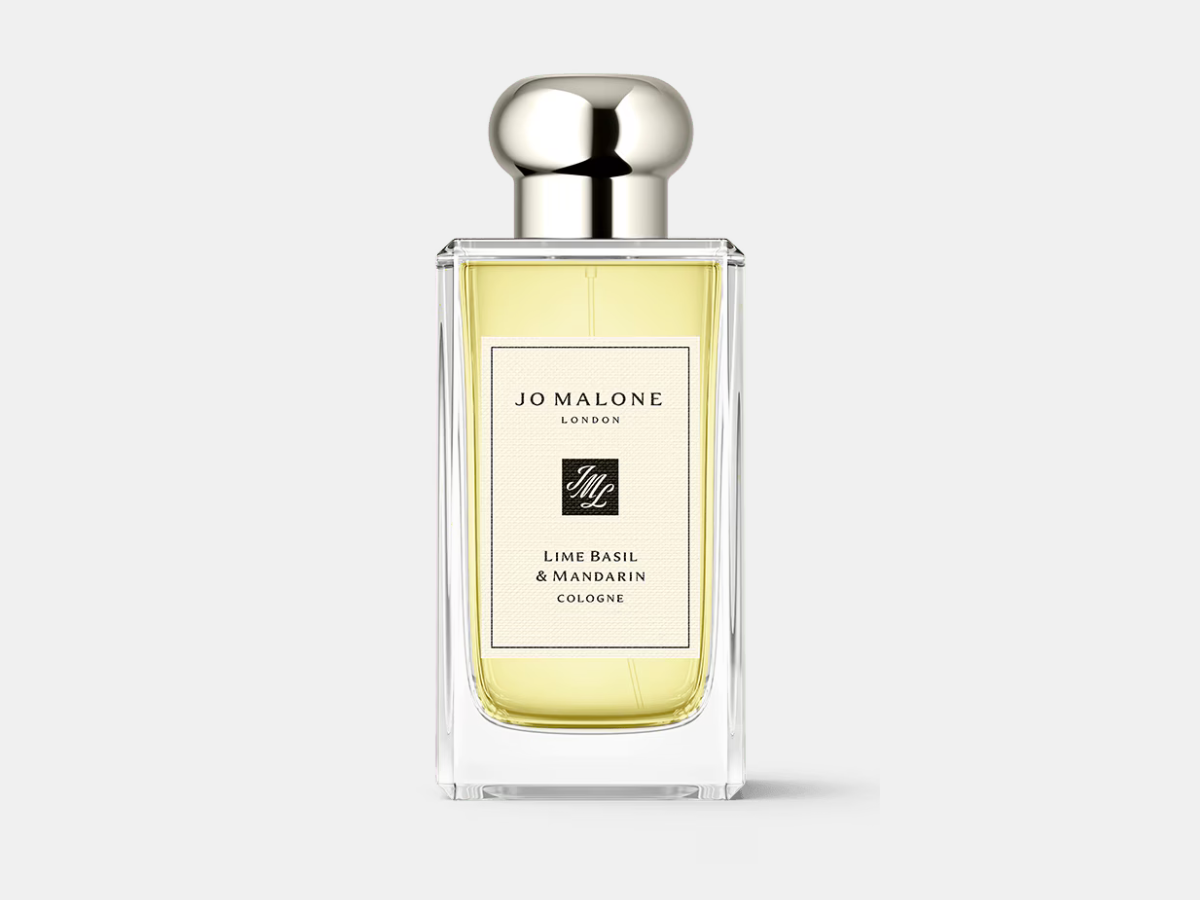
There’s a reason Lime Basil & Mandarin has become one of Jo Malone’s signature creations — it’s fresh, unexpected, and entirely unisex. Instead of opting for the typical sweet citrus, this fragrance pairs vibrant lime with aromatic basil and a peppery note, adding a sophisticated touch that feels both contemporary and timeless. It’s the kind of scent that adapts beautifully, working perfectly for casual daytime wear or a more polished look in the evening.
Think of it as a citrus fragrance with a twist — lively yet with just enough depth to keep things interesting. It’s refreshing without feeling one-dimensional, striking the perfect balance between playful and sophisticated. The result is a scent that never feels out of place, whether you’re grabbing a quick coffee or heading to a dinner party.
Scent: Vibrant orange zest, fresh lemon, mint, and a subtle mossy base
Wearability: Perfect for daytime, spring and summer freshness
Longevity: ~1–2 hours on skin, fading mostly by the second hour.
Price: USD $215
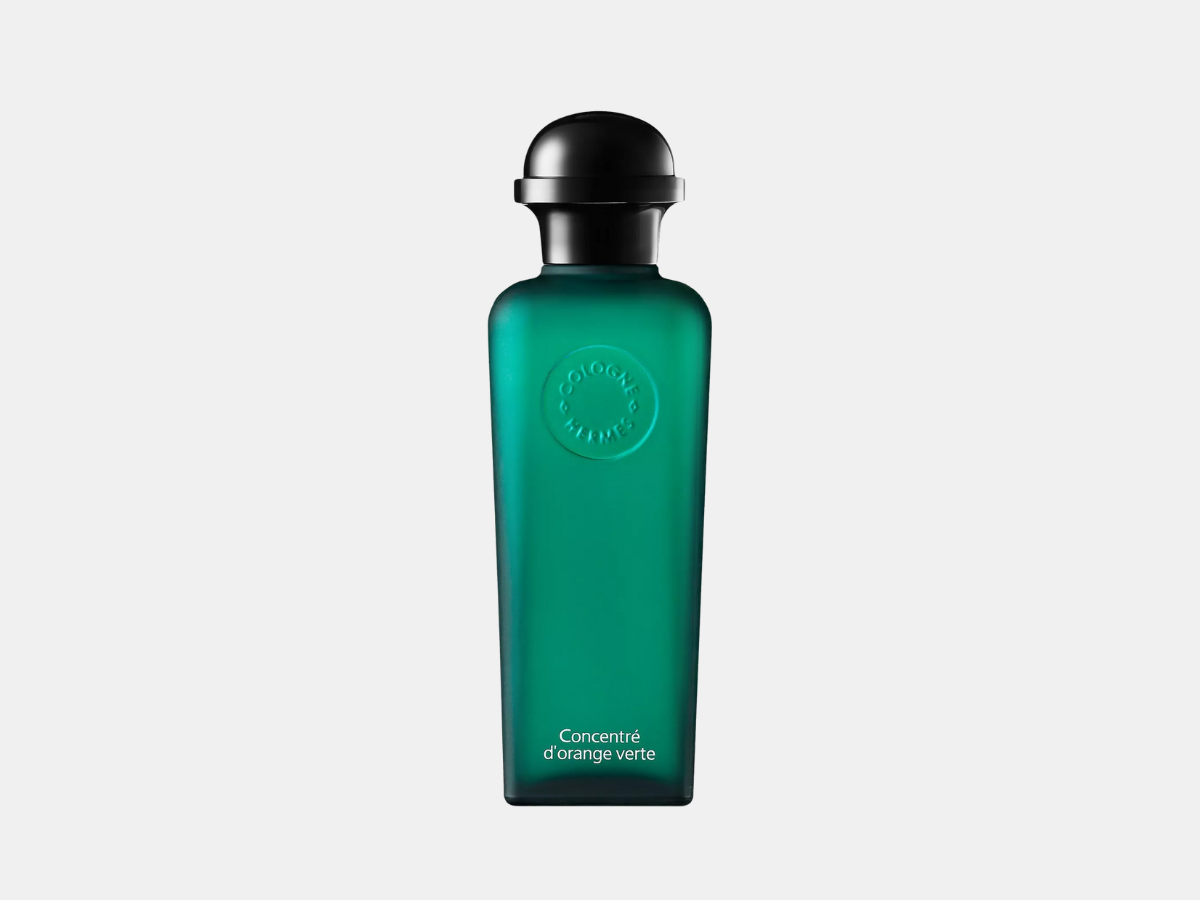
If there’s one fragrance that defines the phrase bottled sunshine, it’s Hermès Eau d’Orange Verte. Created back in 1979, this cologne remains as timeless and invigorating as a freshly peeled orange. From the first spray, you’re greeted with a juicy burst of citrus — orange and lemon — complemented by a green, earthy note that prevents it from becoming overly sweet. It’s crisp, bright, and effortlessly sophisticated, the kind of scent that feels just as perfect on a laid-back Sunday brunch as it does after a long day at the office when you need a little mood boost.
Sure, it doesn’t linger for hours like a woody or spicy fragrance, but that’s part of its charm — it’s meant to be light, airy, and uplifting, the olfactory equivalent of opening the windows on a breezy summer morning. Reapply whenever you feel like it, and let this classic Hermès creation remind you why citrus fragrances will never go out of style.
Scent: Bright neroli, bergamot, grapefruit, lemon, with a soft ambergris base
Wearability: Ideal for spring and summer days, elegant yet casual
Longevity: 4–6 Hours
Price: USD $490
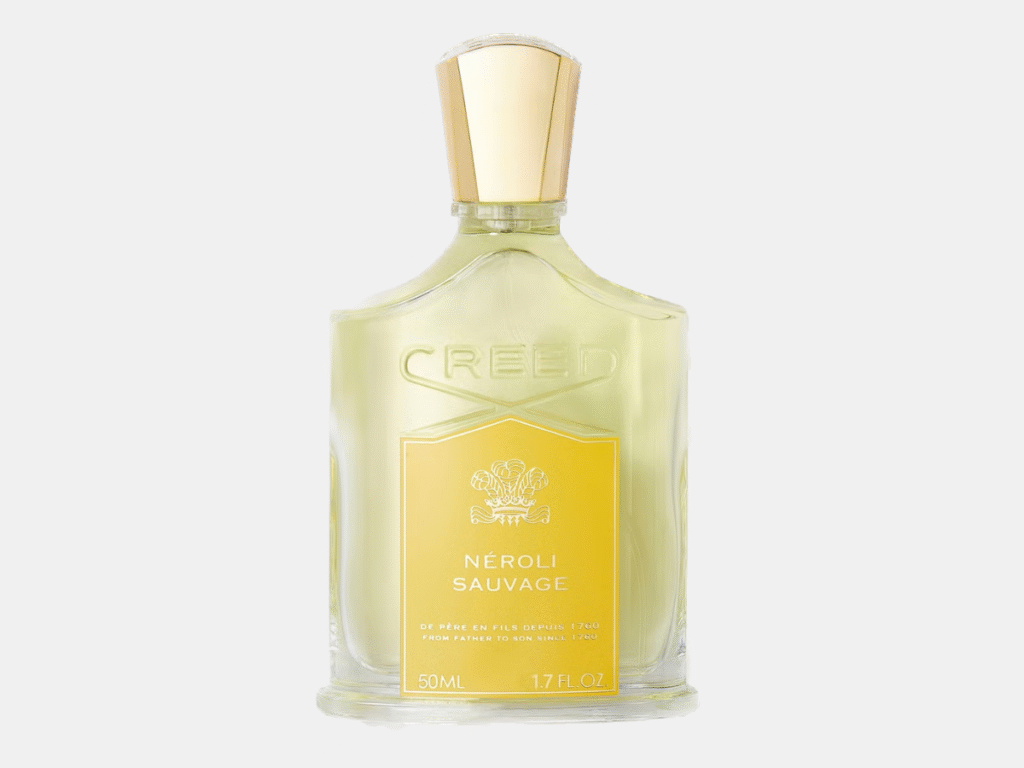
If sunshine had a tailor, it would probably smell like Neroli Sauvage from Creed. This citrus masterpiece elevates neroli with the addition of lemon, bergamot, and grapefruit, crafting a fragrance as crisp as a linen suit on a sweltering summer’s day. It’s breezy enough for an afternoon at the beach but refined enough for a rooftop cocktail party, finding the perfect balance between casual and elegant. With 4–6 hours of wear, it lasts just long enough to keep you smelling fresh without overstaying its welcome — like the perfect guest at a summer soirée.
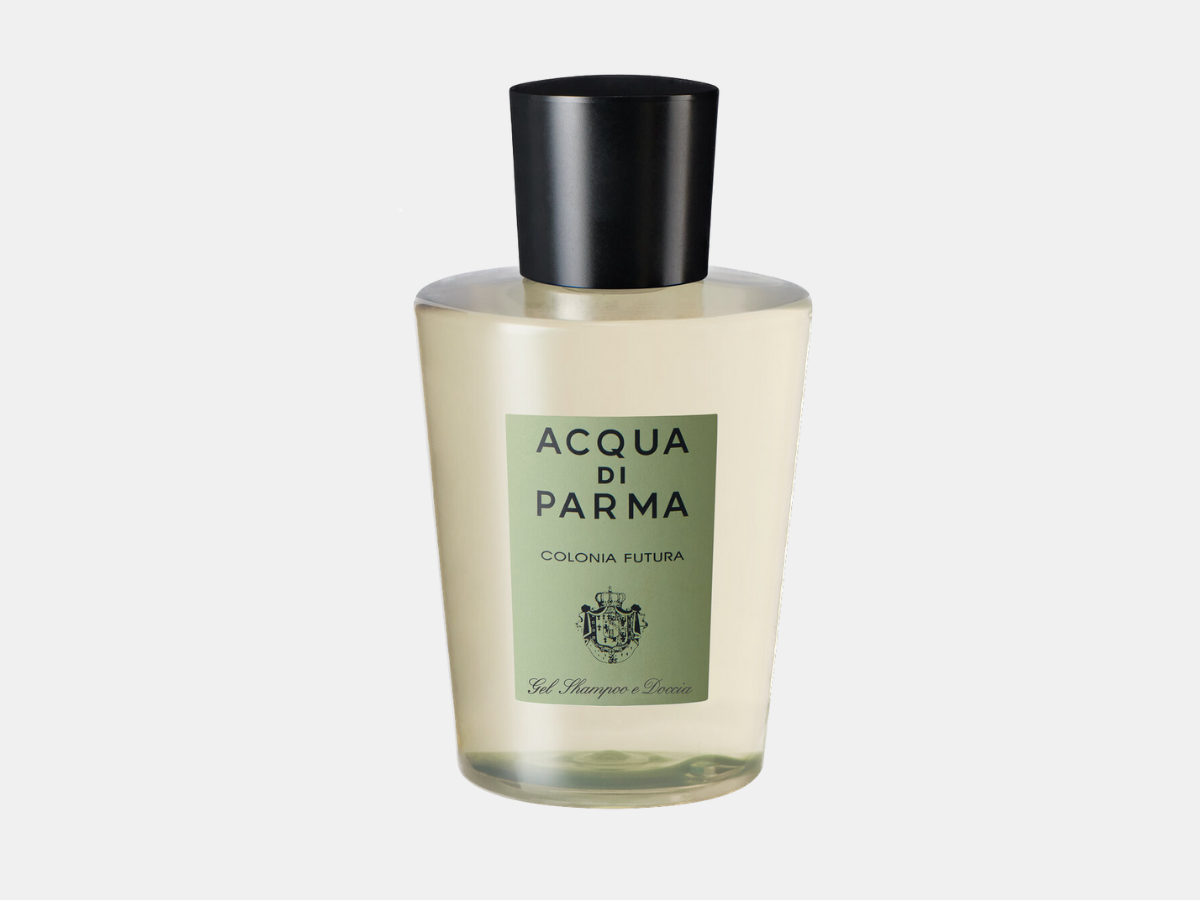
Colonia Futura takes Acqua di Parma’s citrus heritage and gives it a modern, green twist. From the very first spray, you’re greeted with a lively burst of lemon, bergamot, and grapefruit that feels like stepping into the Italian sun. Then comes the herbal kick of clary sage, adding depth and character, while the earthy note of vetiver grounds the whole composition. It’s fresh, refined, and just the right amount of bold — a fragrance that reminds you citrus doesn’t always have to play it safe.
This is a scent that works anywhere: a crisp companion for warm afternoons, a stylish edge for evenings out, and even a confidence booster before a big meeting. It’s light enough for daily wear but complex enough to leave an impression, making Colonia Futura a valuable addition to any citrus lover’s collection.
Wearability: A bold citrus fragrance for spring and summer, day or night
Longevity: ~6–8 hours on skin
Price: USD $400
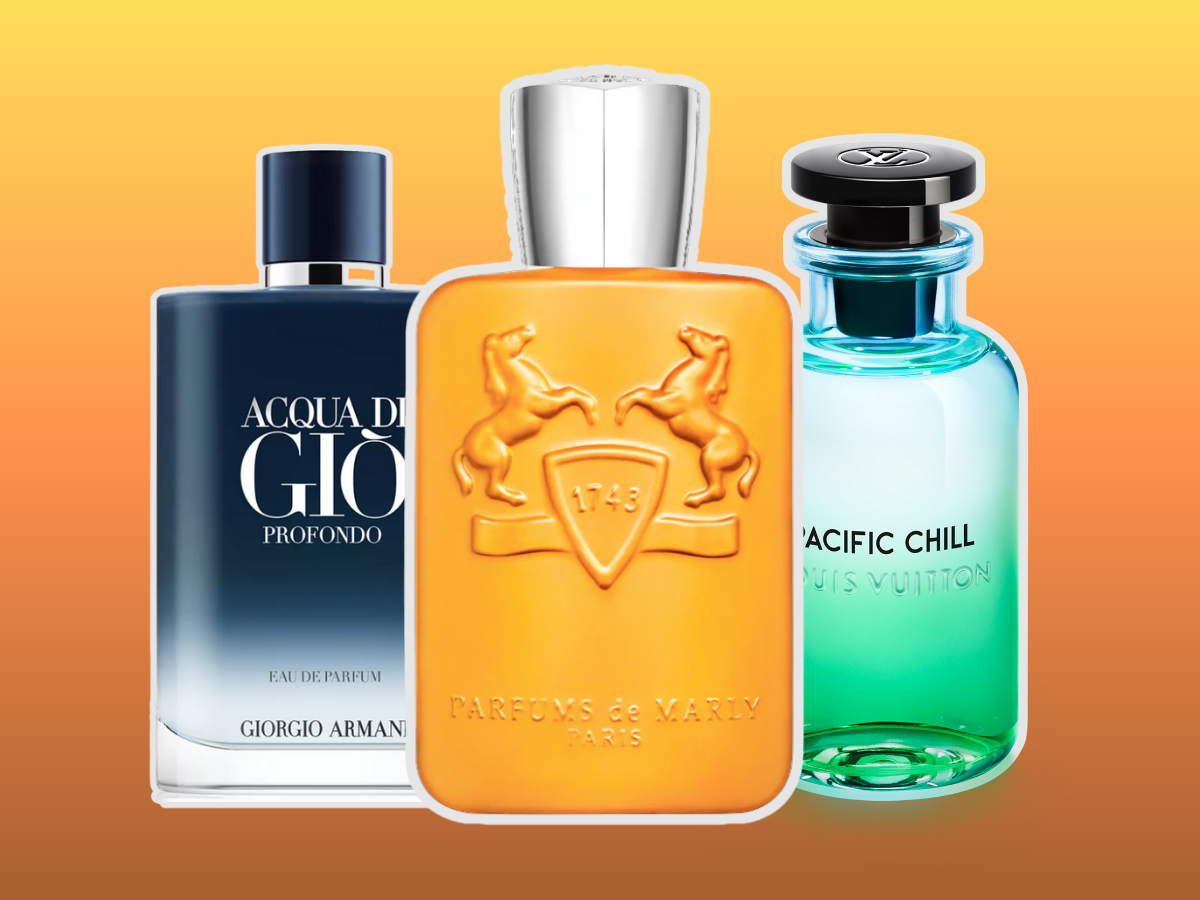
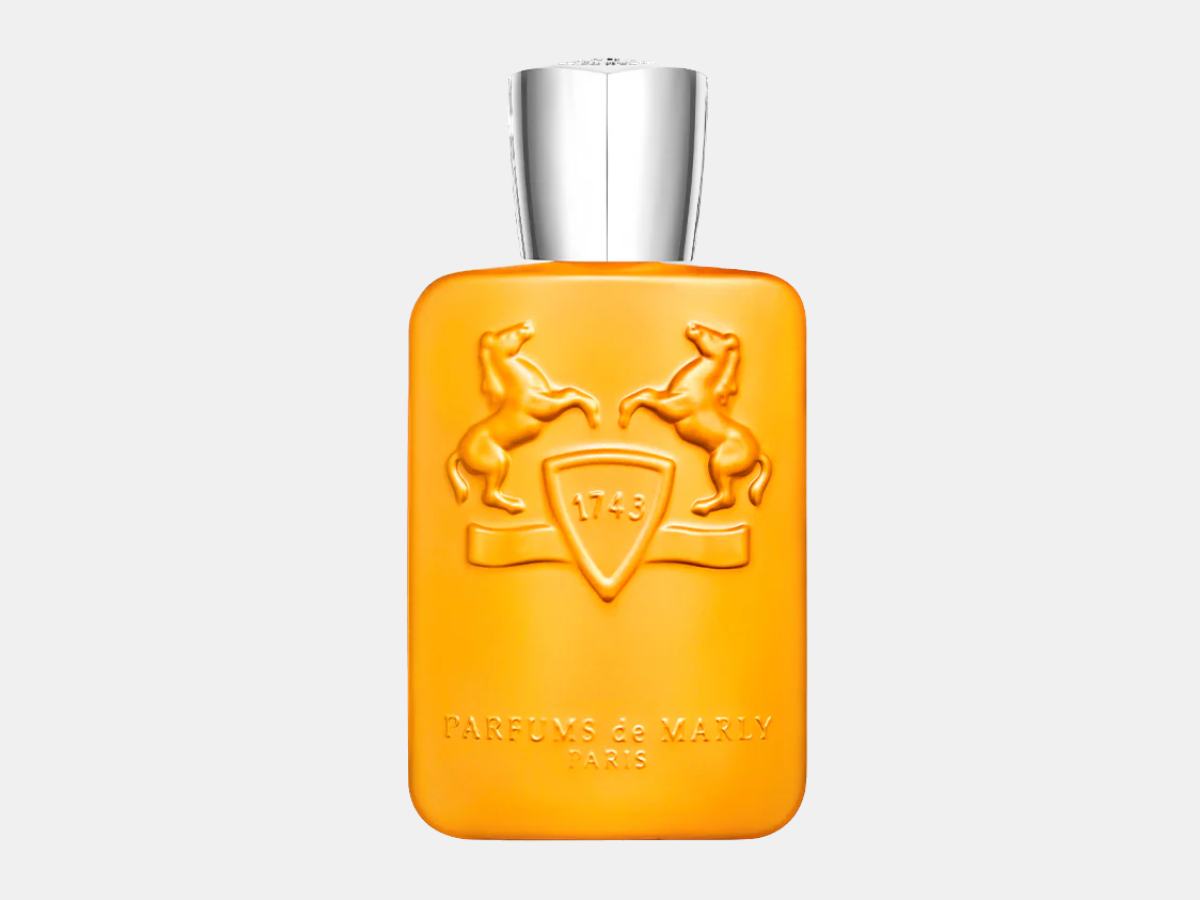
Perseus is Parfums de Marly’s take on citrus with muscle — a fragrance that doesn’t just refresh, it commands attention. The opening is a punchy burst of grapefruit and bergamot, sharp and invigorating, with blackcurrant adding a juicy twist. As it settles, dry woods and amber provide depth, while cashmere woods offer a smooth, sophisticated finish. The result is a citrus scent that feels both energetic and grounded, playful yet undeniably masculine.
This one stands out due to its strong presence. Unlike many citrus colognes that fade quickly, this one would last you for a couple of hours, making it suitable for work, evenings out, and all occasions in between. It’s bold but not overwhelming—a citrus scent that demonstrates Parfums de Marly’s ability to combine freshness with their characteristic luxury.
Wearability: Fresh and versatile, great for everyday wear year-round
Longevity: 7–8 Hours
Price: USD $155
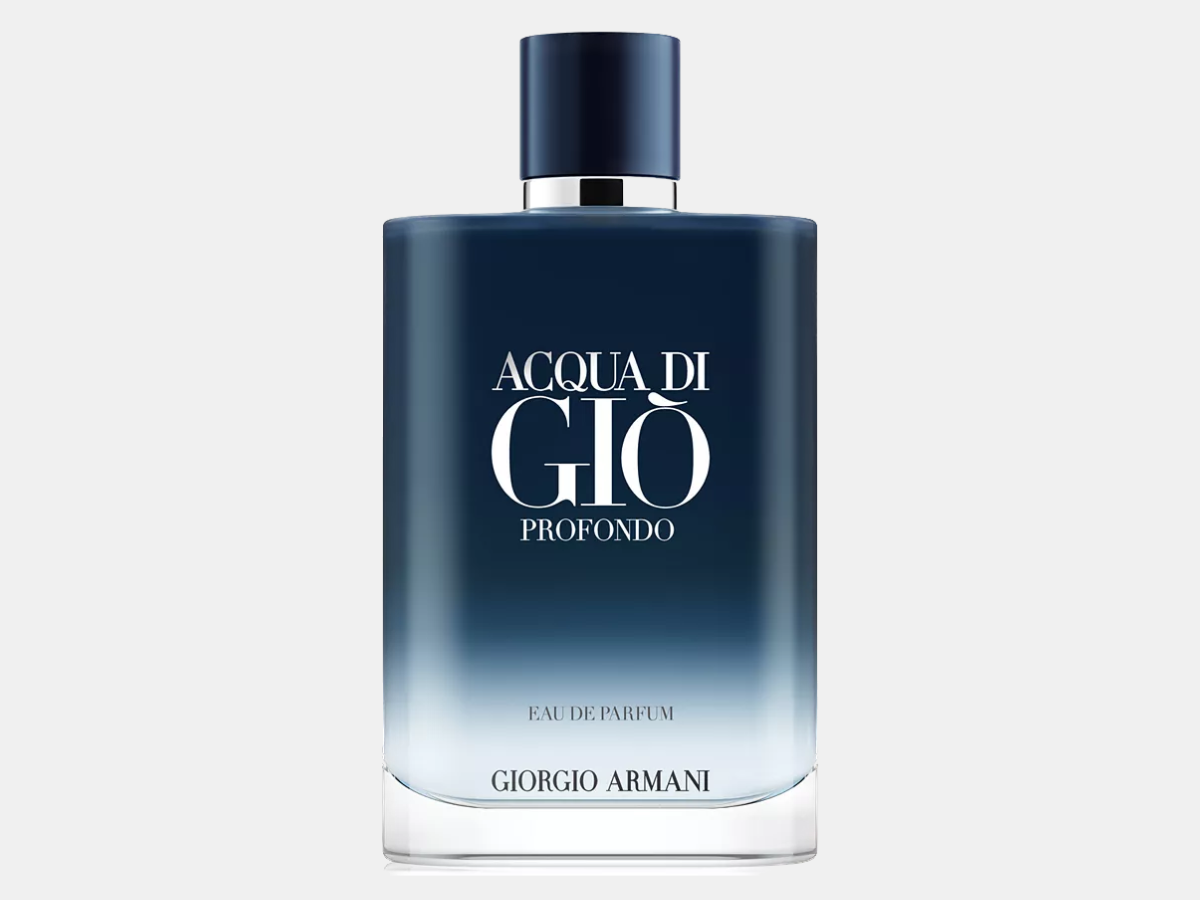
Acqua di Giò Profondo builds on the original classic, Acqua di Giò, by adding more depth and maturity. The fragrance opens with bright citrus notes — bergamot and green mandarin — but its true shine comes from how it combines these notes with invigorating marine accords. As it develops, herbal hints of rosemary and lavender introduce sophistication, while cypress and patchouli provide a clean, masculine edge.
It’s the kind of fragrance that feels like plunging into deep blue waters — invigorating, bold, yet effortlessly suitable. It’s ideal for everything from workdays to evenings out, balancing fresh citrus brightness with confident modern masculinity. For men seeking a citrus scent with more staying power and depth, Profondo is an easy choice.
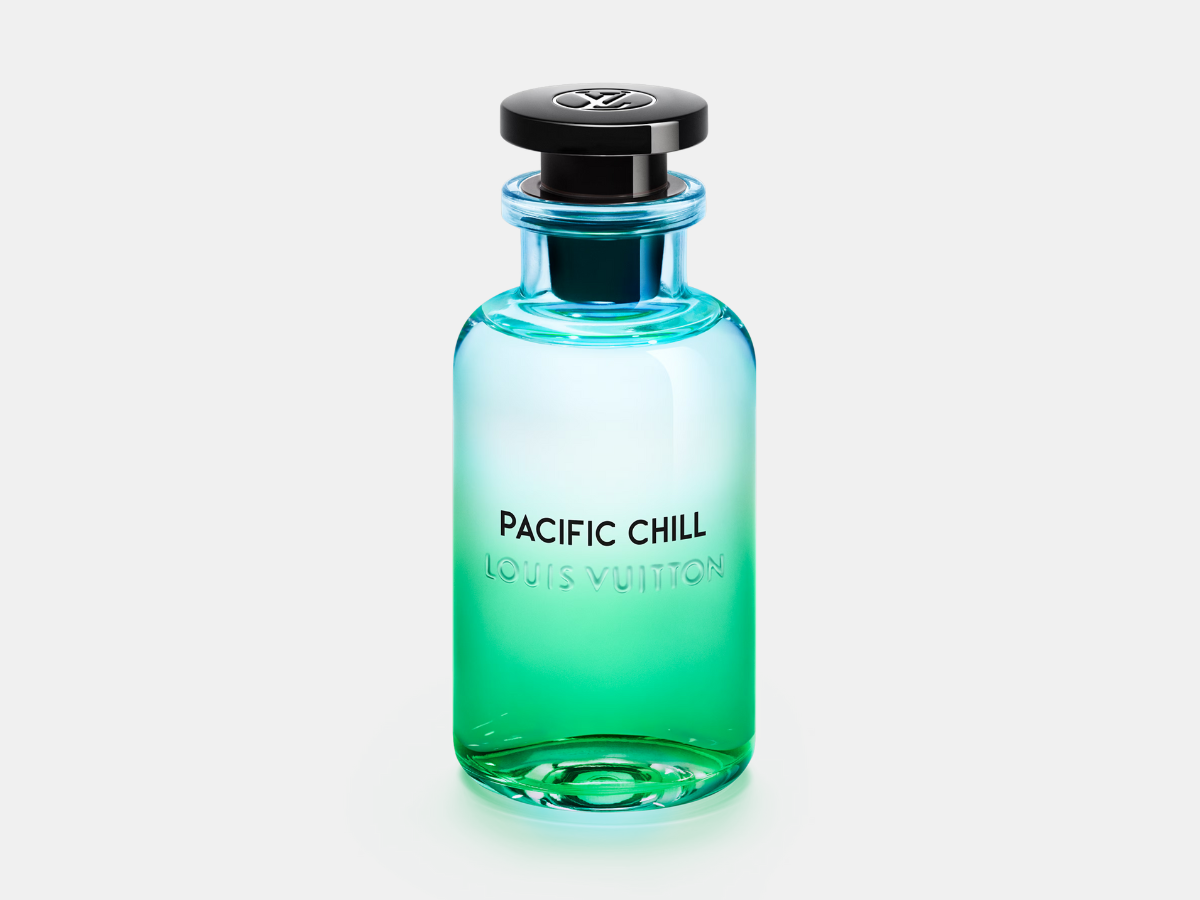
Louis Vuitton calls it Pacific Chill, but this scent could easily be named “vacation in a bottle.” It bursts open with juicy blackcurrant and zesty lemon, instantly cooling like a citrus sorbet on a hot afternoon. Add basil, coriander, and peppermint, and you have a fragrance that feels like your favourite detox drink — only much more stylish. The fig and carrot seed smooth things out, giving it just enough depth to stop it from being your average citrus splash.
This is citrus with a designer touch: playful, breezy, and just a touch indulgent. It’s ideal for sunny days when you seek something both refreshing and sophisticated, like enjoying cocktails along the coast as the ocean breeze keeps you cool. It lingers long enough to leave an impression without losing that light, carefree vibe.
Scent: Australian finger lime, coriander, vetiver, sandalwood, and cedarwood
Wearability: Perfect for summer days, casual outings, & laid-back evenings
Longevity: 5–7 Hours
Price: USD $205
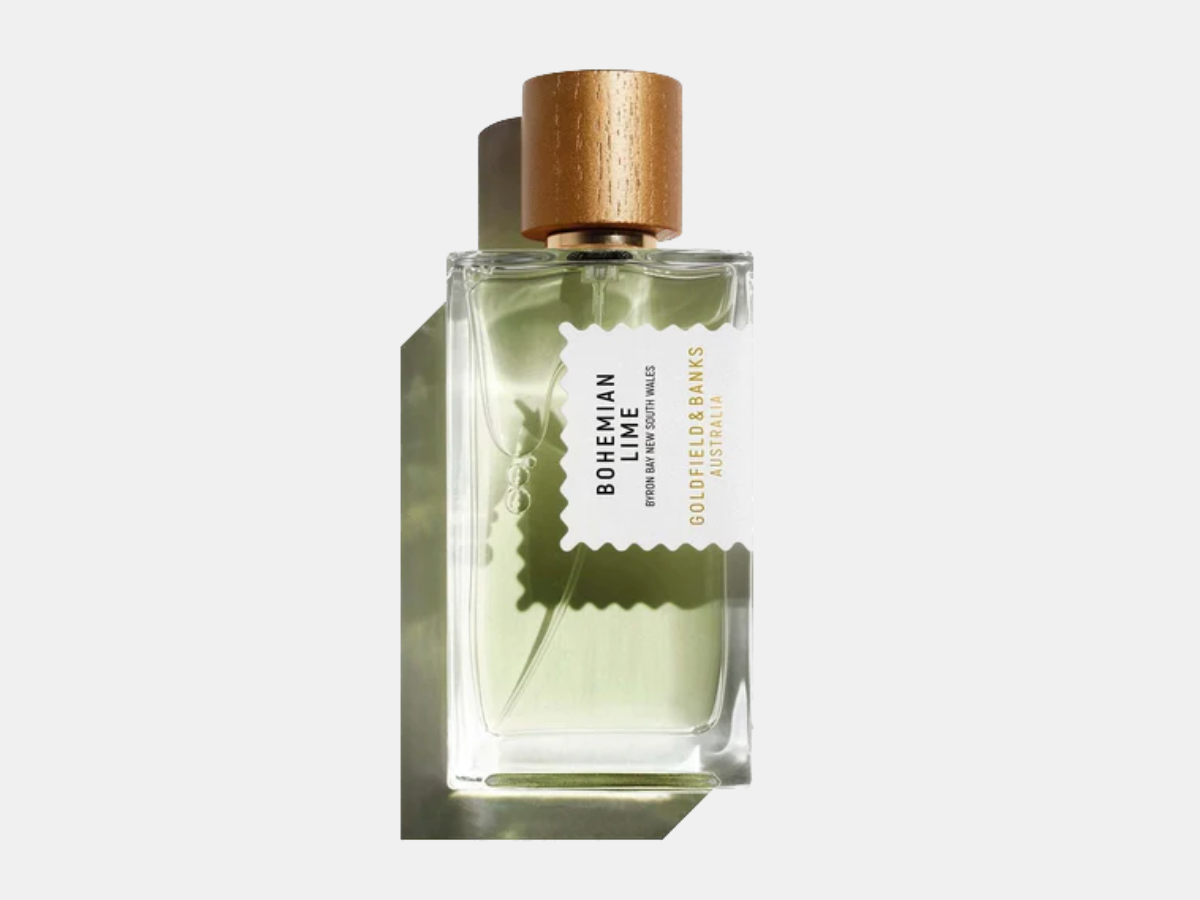
If you’ve ever wondered what an Australian summer smells like, Bohemian Lime offers the answer. Beginning with the sharp, juicy burst of finger lime — a citrus native to Australia — it immediately feels fresh, zesty, and vibrant. The coriander adds a spicy-green note, while vetiver and sandalwood introduce smooth, woody depth that makes it more than just a fleeting citrus splash.
What makes Bohemian Lime stand out is its relaxed charm. It doesn’t try too hard to impress, yet it has a fresh, inviting quality that encourages people to lean in a little closer. Think of it as citrus with a free spirit — playful, adventurous, and effortlessly stylish, like a fragrance made for road trips along the coast or golden afternoons outdoors.
Wearability: Perfect for summer days, seaside escapes, or upscale evenings
Longevity: 5–7 Hours
Price: USD $490
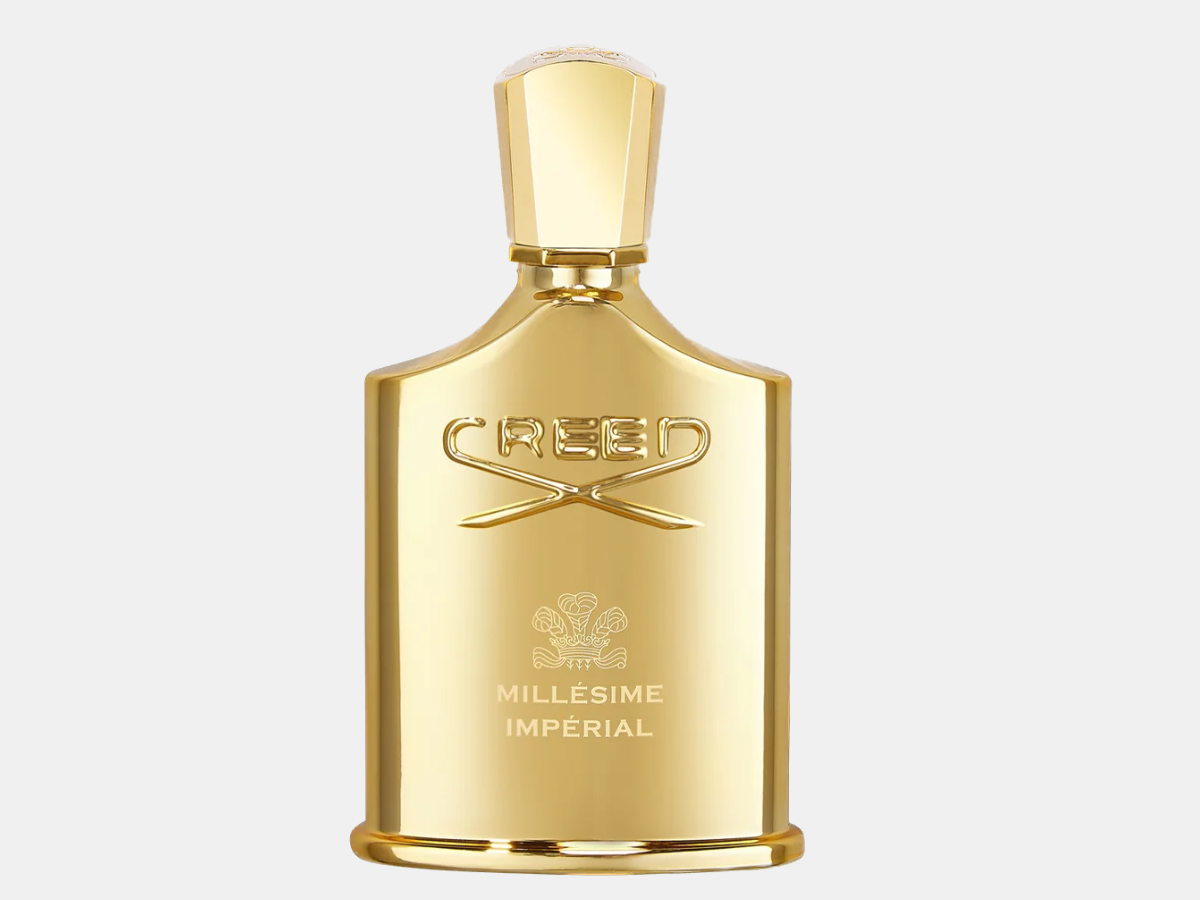
We’ve got another Creed for you, and this one is all about coastal elegance. Millésime Impérial is essentially bottled seaside luxury — imagine Amalfi coastlines, golden sunsets, and the salty kiss of sea air drifting through citrus orchards. The opening delivers a juicy citrus burst before settling into a refined blend of fruits, salty marine notes, and a musky-woody base that keeps everything balanced and sophisticated.
It’s light and breezy yet undeniably luxurious, perfect for a yacht deck, summer wedding, or an evening outing where you want to stay effortlessly elegant. It lasts well enough to see you through the day without fading, leaving a fresh, regal scent that underscores Creed’s dominance in the luxury citrus market.
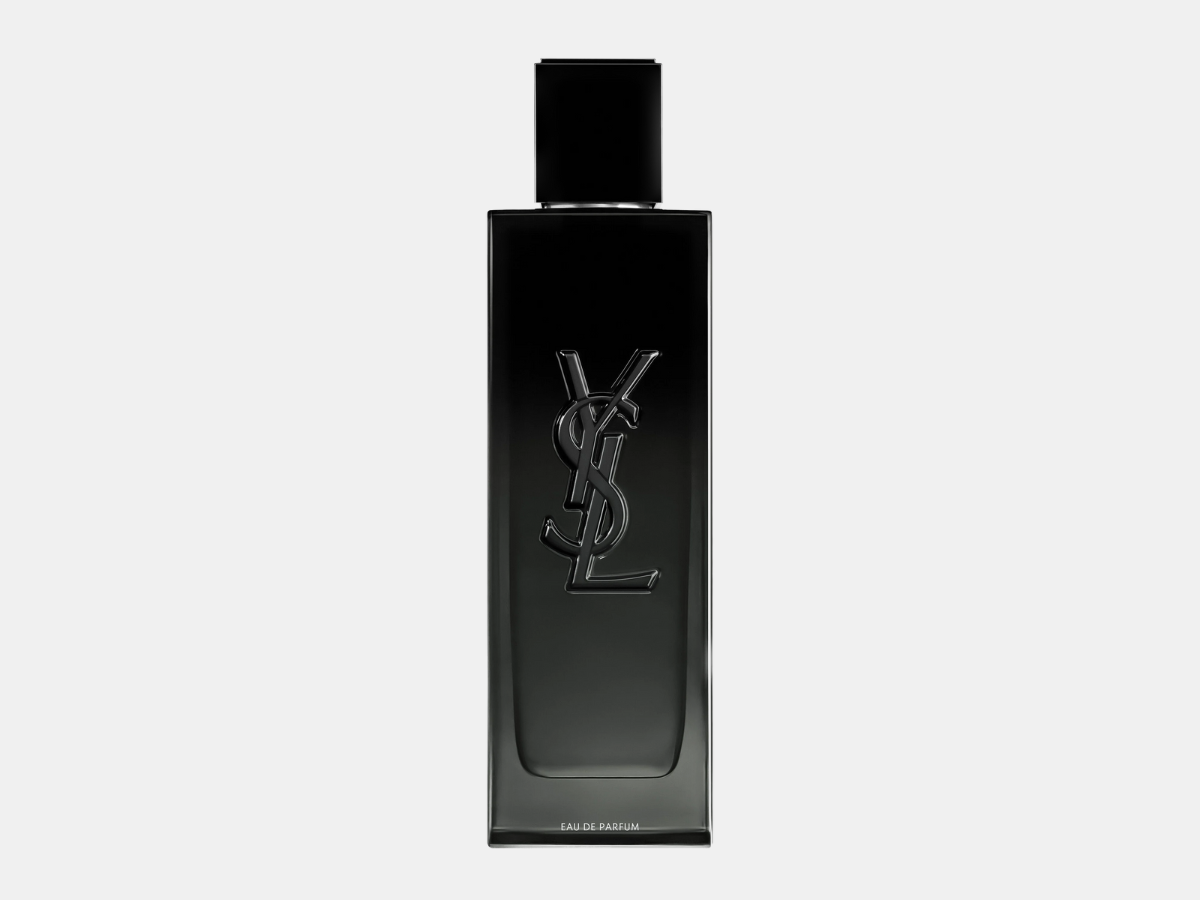
Yves Saint Laurent MYSLF Eau de Parfum | Image: Yves Saint Laurent
10. Yves Saint Laurent – MYSLF Eau de Parfum
Scent: Calabrian bergamot, Tunisian orange blossom, patchouli, & musky woods
Wearability: A versatile citrus-woody blend for both day & night
Longevity: 7–9 Hours
Price: USD $165
We saved the best for last with YSL’s MYSLF, a fragrance that feels like citrus confidence bottled up and dressed in black. It opens with the sparkling brightness of Calabrian bergamot before easing into the smooth floral warmth of Tunisian orange blossom. As it settles, patchouli and musky woods add depth and longevity, creating a blend that’s fresh, bold, and unmistakably modern.
What makes MYSLF unique is its versatility. It’s crisp and energetic enough for daytime wear, yet its woody-musky base gives it the edge you need at night. The result? A scent that feels as sharp as a tailored blazer but as comfortable as your go-to T-shirt — making it one of the most stylish ways to finish off our citrus fragrance lineup.
Before we finish, there are a few citrus highlights that didn’t make the main list but are still worth a spot in your rotation. Think of these as the bonus round — fragrances that add their own kick of freshness, character, and style. They might not shine as brightly as the main stars, but each one offers something special, whether it’s bold sophistication, coastal charm, or just a fresh twist on a classic.
Tom Ford – Private Blend Mandarino Di Amalfi (USD $300): This is Tom Ford’s interpretation of bottling the Italian coast. Bursting with juicy mandarin, lemon, and basil, it feels like sipping a cocktail on a terrace overlooking the Amalfi cliffs, with the sea breeze mingling with citrus orchards. Hints of herbs and florals add a sophisticated touch, making it both luxurious and relaxed. It’s not just a fragrance — it’s a summer escape you can spray on at any time, ideal for men who want their citrus with a hint of elegance.
Hugo Boss – BOSS Bottled Bold Citrus (USD $170): A sharper, fresher spin on the BOSS classic, this fragrance amplifies the citrus with bright mandarin and grapefruit before layering them over woods and spices. The result is clean, lively, and contemporary, a scent that feels designed for the man who thrives on hustle and precision. It’s office-appropriate yet confident enough to take you into the evening, hitting that perfect balance between business sharpness and casual style.
Jo Malone London Pomegranate Noir Cologne (USD $168): Not your typical citrus, but the sparkling top notes give way to ripe pomegranate, smoky guaiac wood, and spicy undertones for a bold, unisex statement. It’s rich, intriguing, and exudes a mysterious charm that sets it apart from lighter citrus options. Imagine citrus colliding with a darker, juicier core — the result is a fragrance that feels daring and effortlessly chic, perfect for nights when you want to stand out without shouting.
Dior Sauvage Eau de Parfum (USD $232): One of the most iconic men’s fragrances of the last decade, Sauvage starts with a burst of Calabrian bergamot, followed by spicy pepper notes and ambroxan. The citrus top notes give it a fresh edge that immediately grabs your attention, but it’s the strong, long-lasting dry down that makes it so adaptable. Whether you’re at the office, going out for the night, or travelling, Sauvage is that dependable scent that always adds fresh confidence with a magnetic appeal.
Dolce & Gabbana Light Blue Pour Homme (USD $182): A quintessential summer classic, Light Blue Pour Homme is crisp, breezy, and refreshingly timeless. Bursting with grapefruit, bergamot, and aquatic notes, it instantly transports you to the Mediterranean — think sunlit coastlines, turquoise waters, and salty air. It’s casual yet seductive, light enough for daily wear but charismatic enough to make an impression. This is one of those scents that never goes out of style, as it captures the essence of summer perfectly.
Why Trust Our List?
Choosing the right citrus fragrance can feel overwhelming — with so many options promising freshness and style, it’s hard to know which ones truly stand out. That’s why our selections are based on real testing, research, and feedback from fragrance enthusiasts who understand the difference between a passing trend and a timeless classic. We’ve concentrated on how these scents perform in daily life — from their balance of citrus notes to their versatility across seasons and occasions. This list isn’t just a collection of bottles; it’s a carefully curated guide rooted in genuine experience and a love for fragrances, so you can trust that each pick truly deserves a spot in your rotation.
Elias Albay is the Founder and Director of Many Men Magazine, a Toronto-based digital publication dedicated to promoting modern masculinity through style, culture, and self-improvement. What started as a personal turning point became a purposeful platform. — born from Elias’ desire to create something meaningful after completing his studies and finding no career path that truly matched his ambitions. With a background in Civil Engineering from York University and experience in Commercial Flight Operations at CAE, he applied skills, and resilience from both fields to forge a new path.