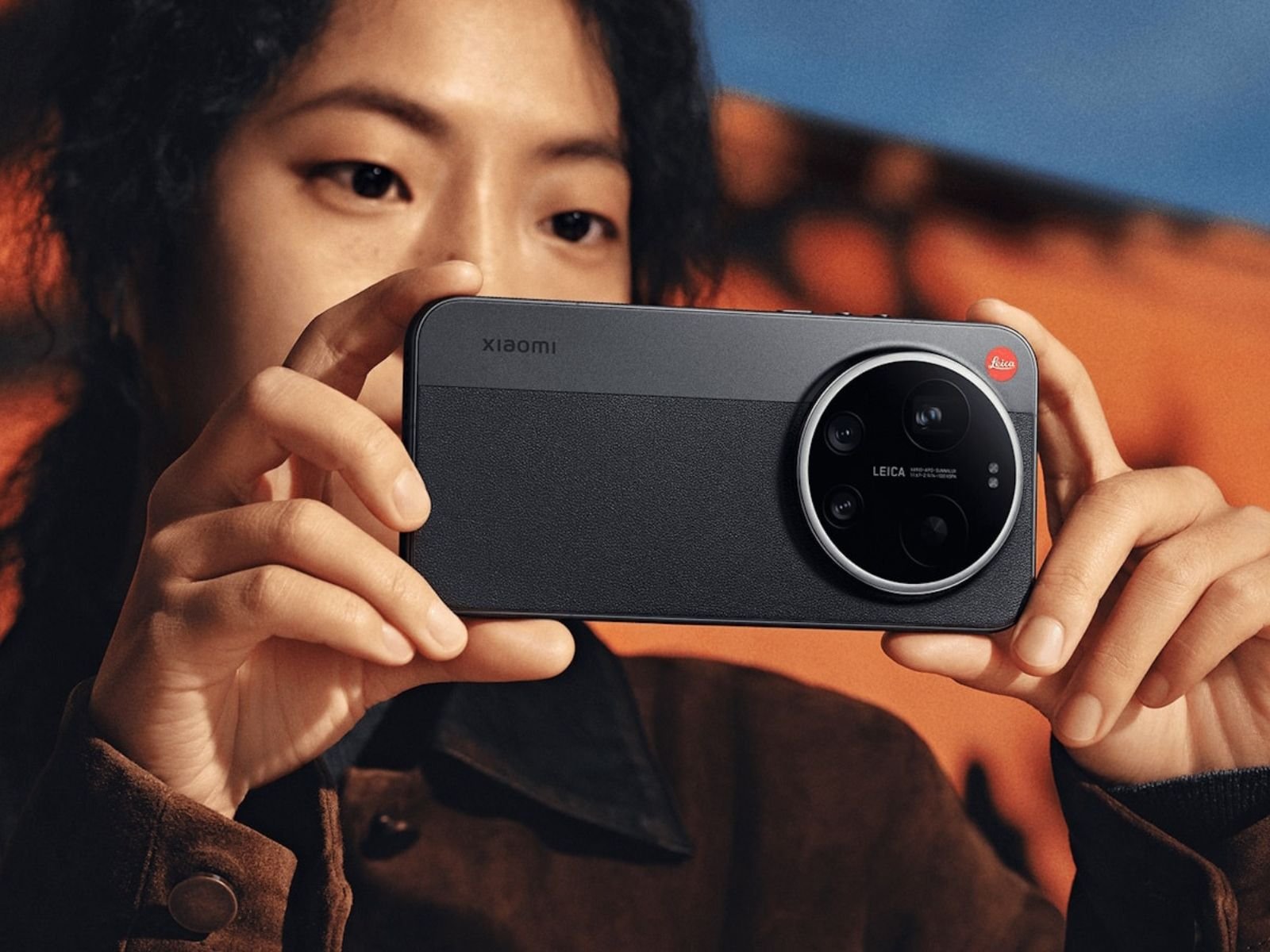







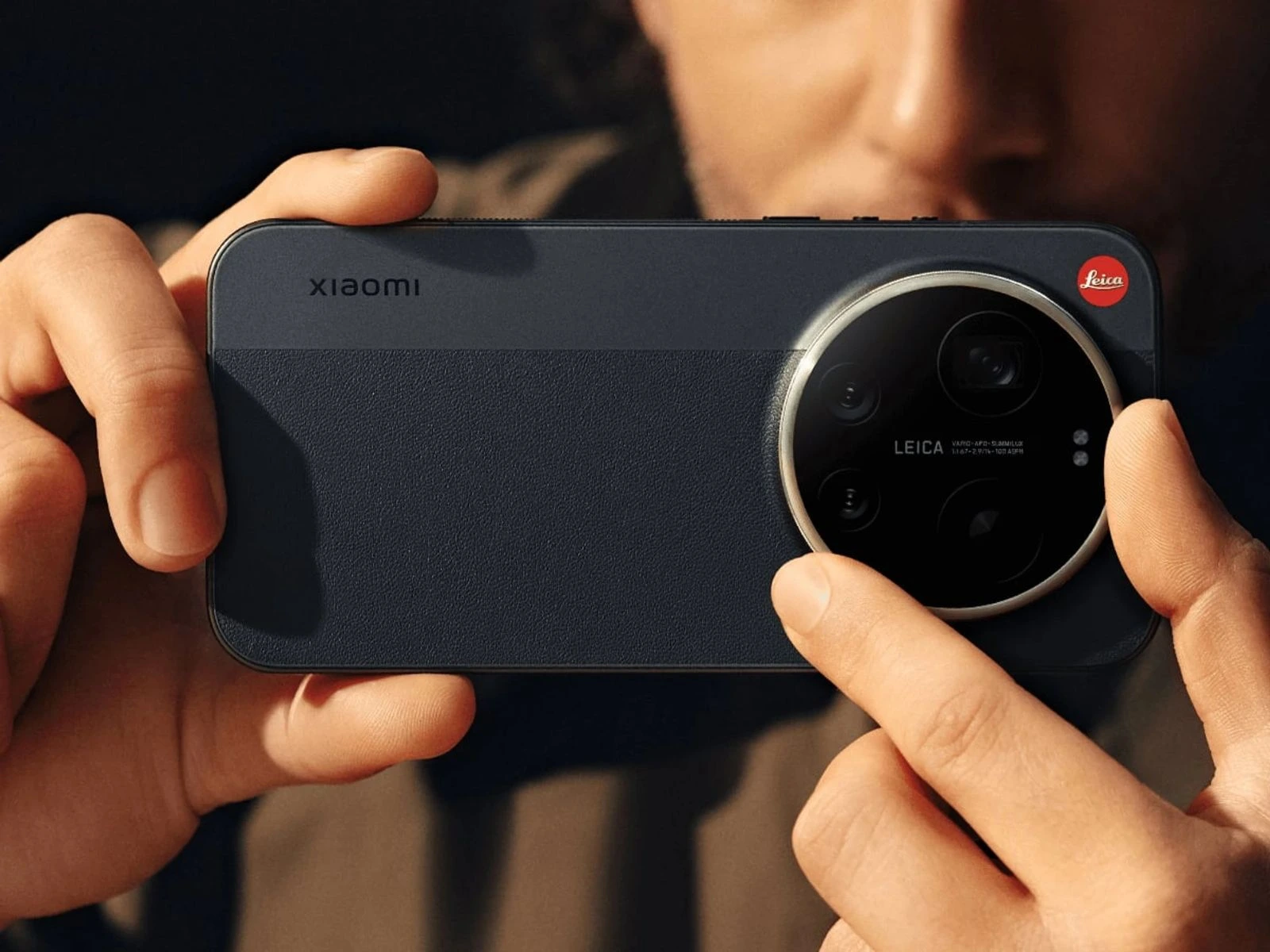

Smartphone cameras have become ridiculously capable over the last few years, but actually using one still mostly involves tapping icons, dragging sliders and pinching a piece of glass. Xiaomi apparently decided that wasn’t quite enough. For its latest photography-focused flagship, it has teamed up with Leica to put something far more familiar to photographers directly onto the phone — a physical camera ring you can actually turn.
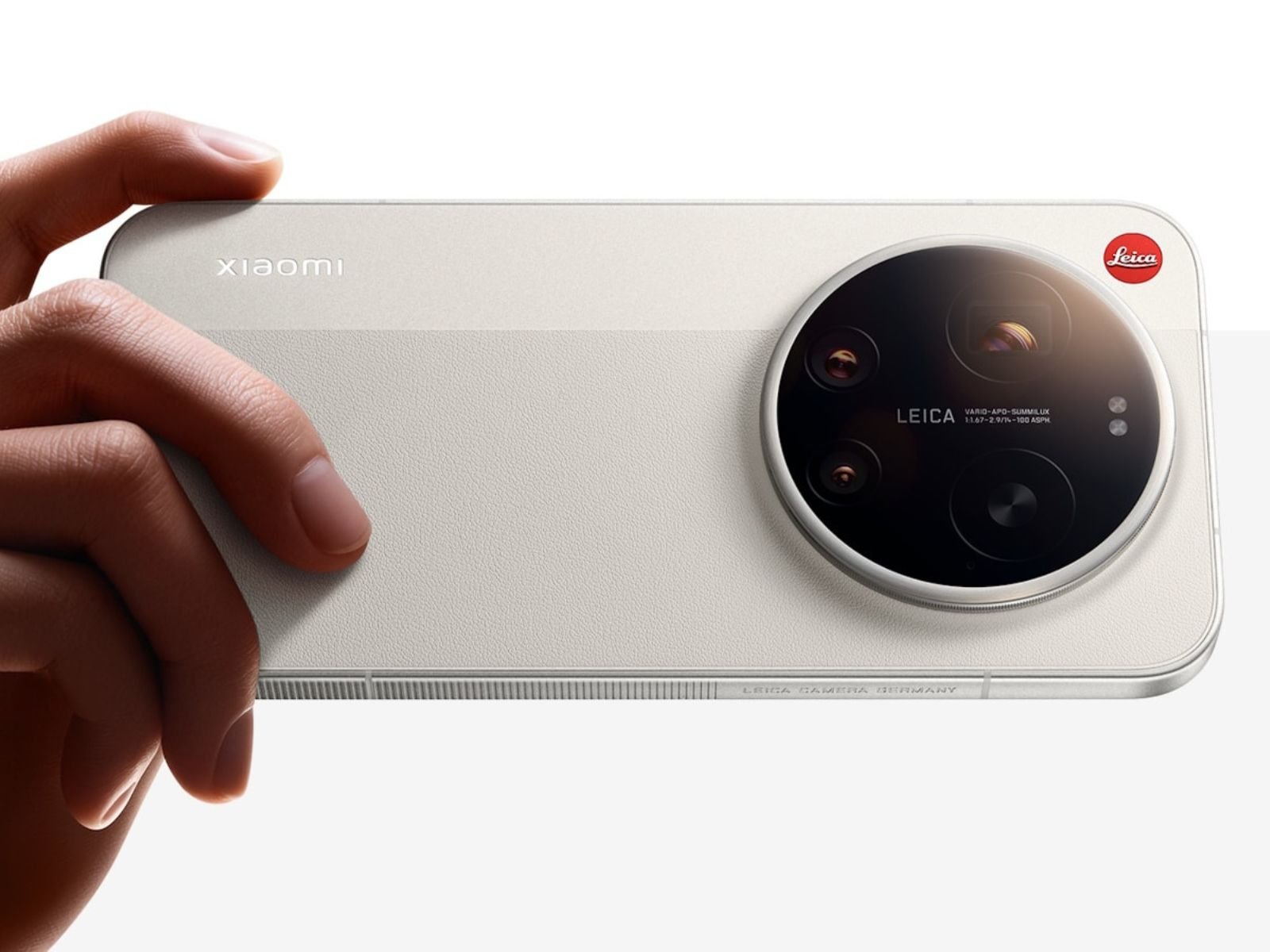
The Xiaomi 17 Ultra Leica Edition builds on the already camera-focused 17 Ultra and brings it even closer to feeling like a real camera. Beyond its massive 200MP telephoto lens, 1-inch main sensor, and Leica optics, this special edition adds a physical control ring around the rear camera module. The ring has 20 ball bearings and an optical sensor that can detect very small movements. It’s the kind of fun detail that makes you wonder why we’ve spent so long pinching screens to control smartphone cameras.
- Display: 6.9-inch Xiaomi HyperRGB OLED, 1–120Hz LTPO, up to 3,500 nits peak brightness
- Software: Xiaomi HyperOS 3
- Processor: Snapdragon 8 Elite Gen 5
- RAM & Storage: 16GB RAM with 512GB or 1TB storage
- Cameras: 50MP 23mm 1-inch main, 200MP 75–100mm telephoto, 50MP 14mm ultra-wide & 50MP front camera
- Camera Features: 75–100mm mechanical optical zoom, Leica UltraPure optics, Leica APO lens & LOFIC HDR
- Video: Up to 8K/30fps & 4K/120fps Dolby Vision and Log
- Leica Features: Physical Leica Camera Ring, Leica Essential Mode, Leica photographic styles, Leica filters & Leica Frames
- Battery: 6,000mAh
- Charging: 90W wired & 50W wireless HyperCharge
- Build & Durability: Aluminium alloy frame with IP68 water & dust resistance
- Colours: Leica Edition available in Black only
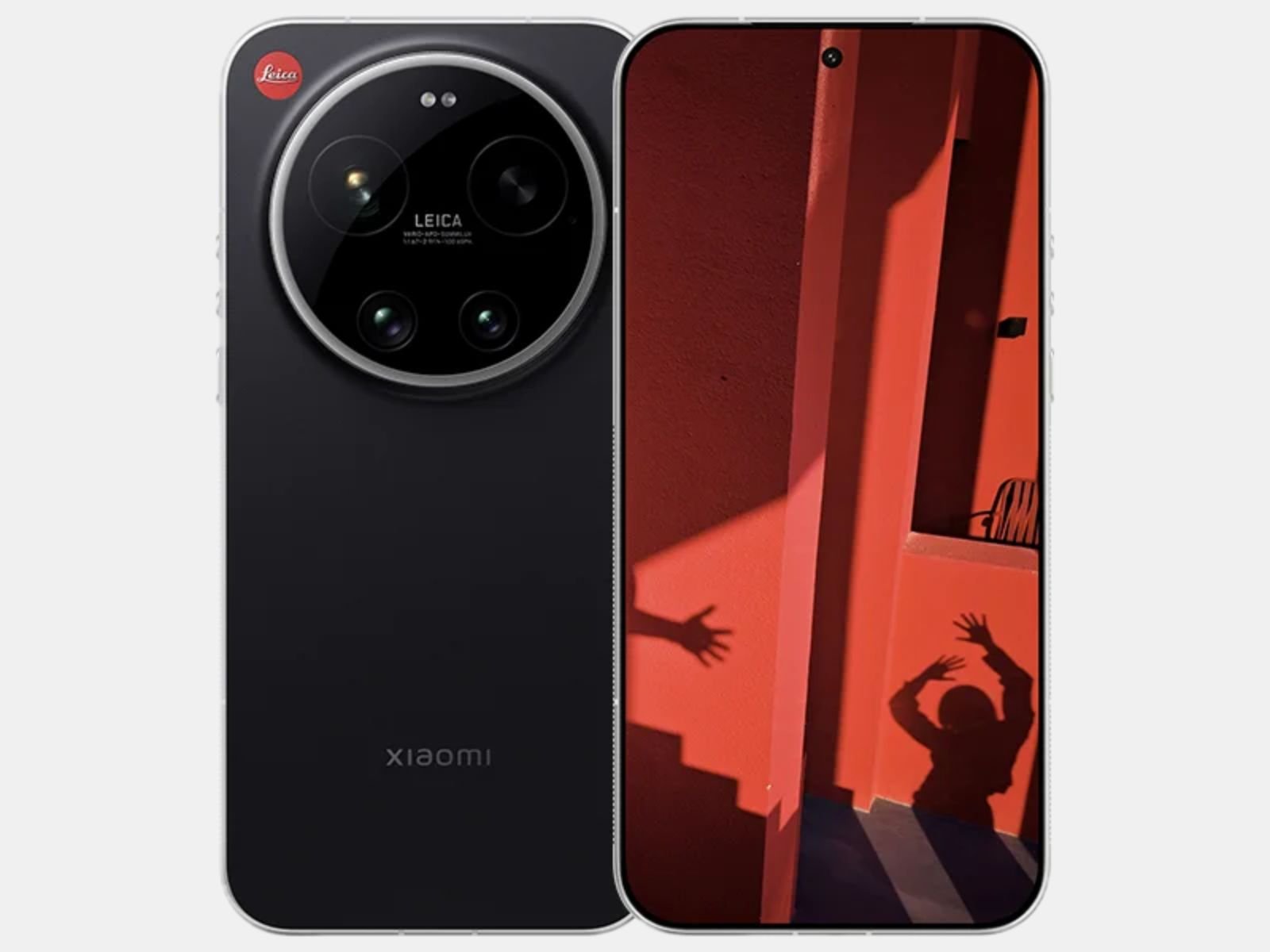
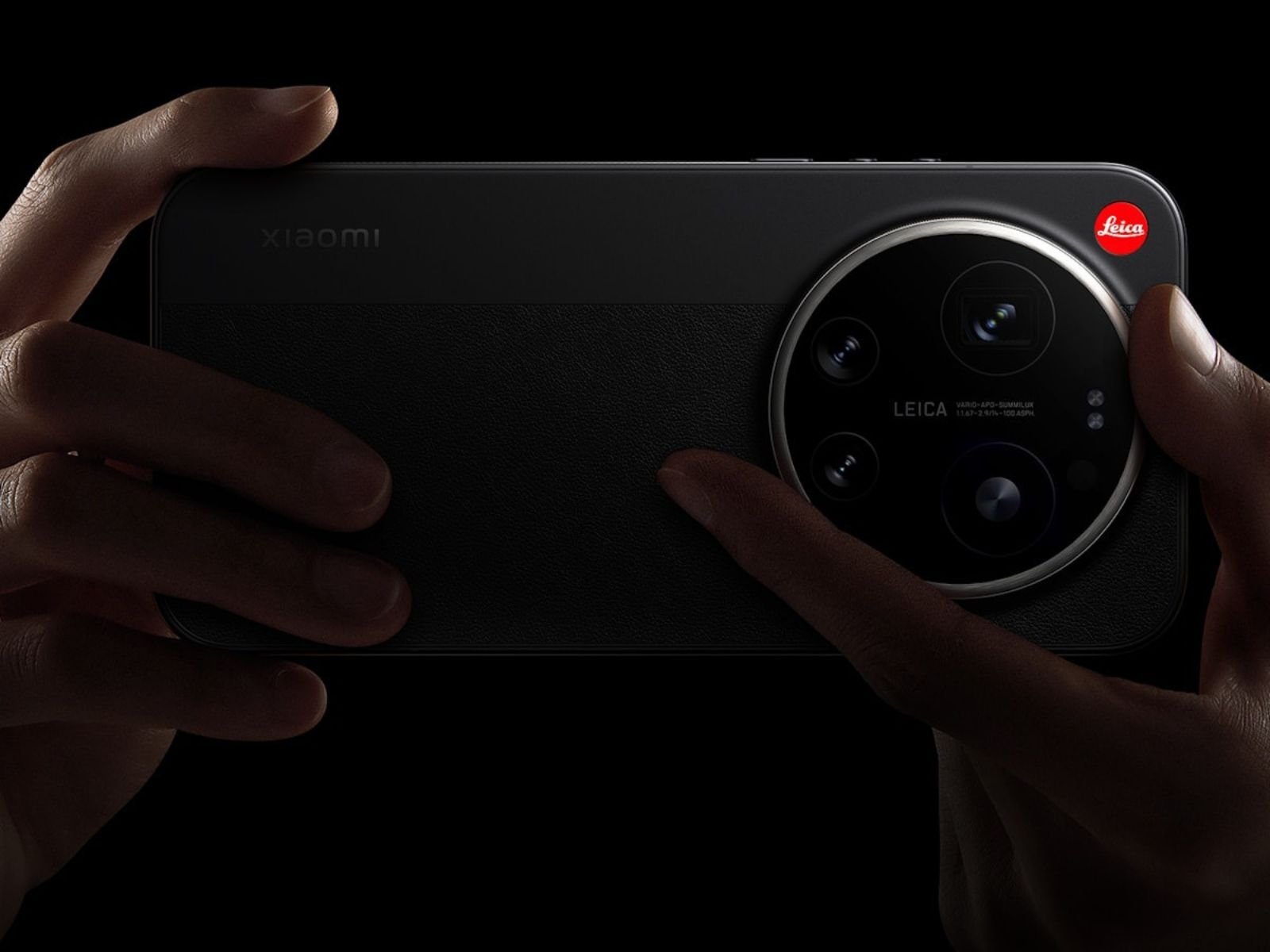
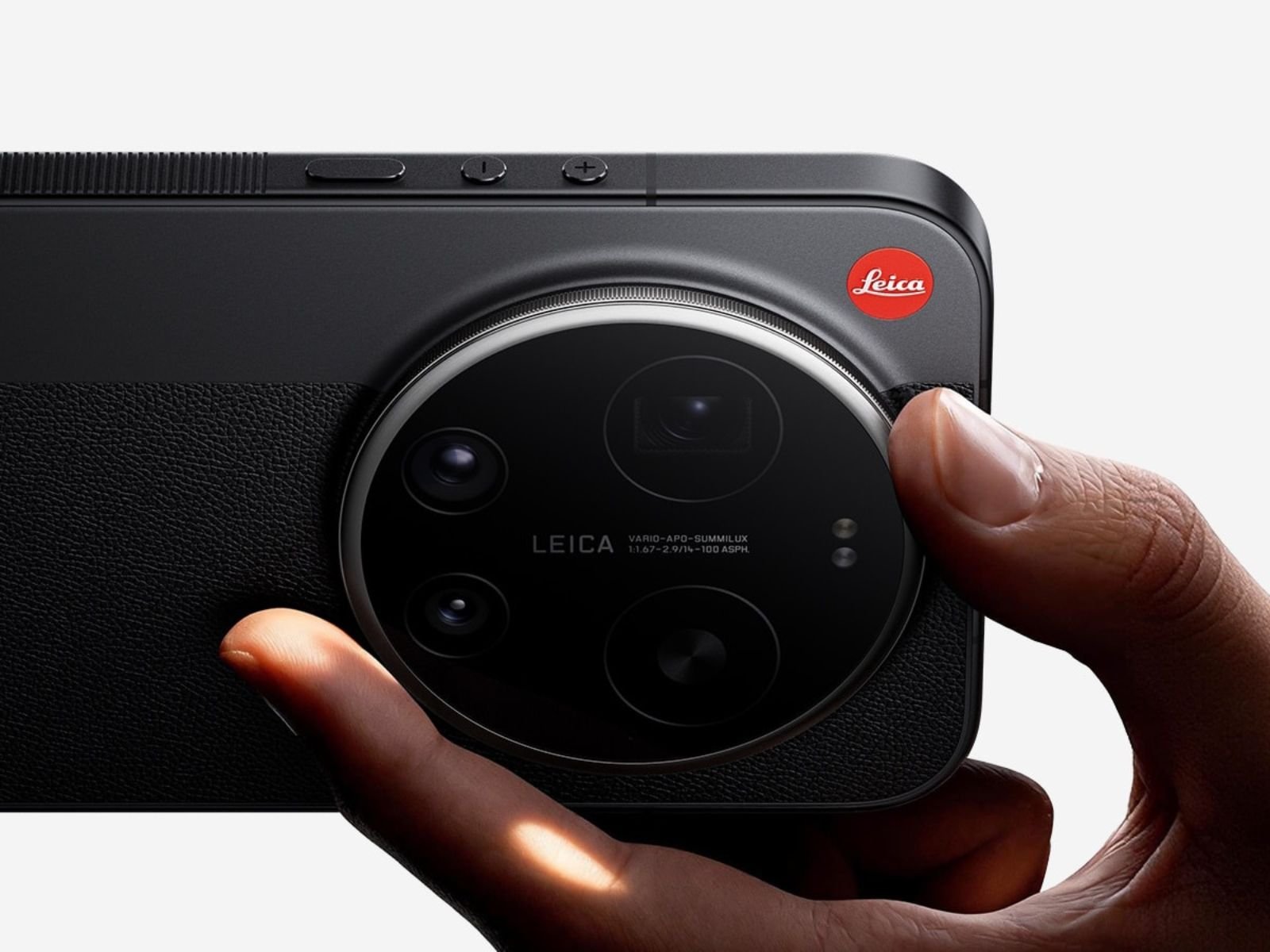
That ring isn’t there just to make the back of the phone look more like a Leica. Xiaomi says its Leica Camera Ring borrows the operating logic of traditional cameras, giving photographers a tactile way to interact with the camera system instead of relying entirely on touchscreen controls.
Inside are 20 high-strength ball bearings designed to give the ring a smooth mechanical feel, while an optical displacement sensor can detect movements as small as 0.03mm. Xiaomi has even engineered a dedicated sealing system around it, allowing the phone to retain its IP66, IP68 and IP69 dust and water-resistance ratings.
Advertisement · Continue Reading Below
It’s a small detail, but one that changes the phone’s character. Plenty of manufacturers have added dedicated camera buttons over the years, but wrapping a proper rotating control around that enormous rear camera module makes the Leica Edition feel less like another smartphone with impressive cameras and more like something deliberately designed around photography.
Of course, a fancy ring wouldn’t mean much if the cameras underneath couldn’t do the job. At the centre of the system is a 200MP Leica telephoto camera with a large 1/1.4-inch sensor and genuine mechanical optical zoom from 75mm to 100mm. Instead of simply cropping into an image as you zoom, three lens groups physically move inside the phone to change focal length.
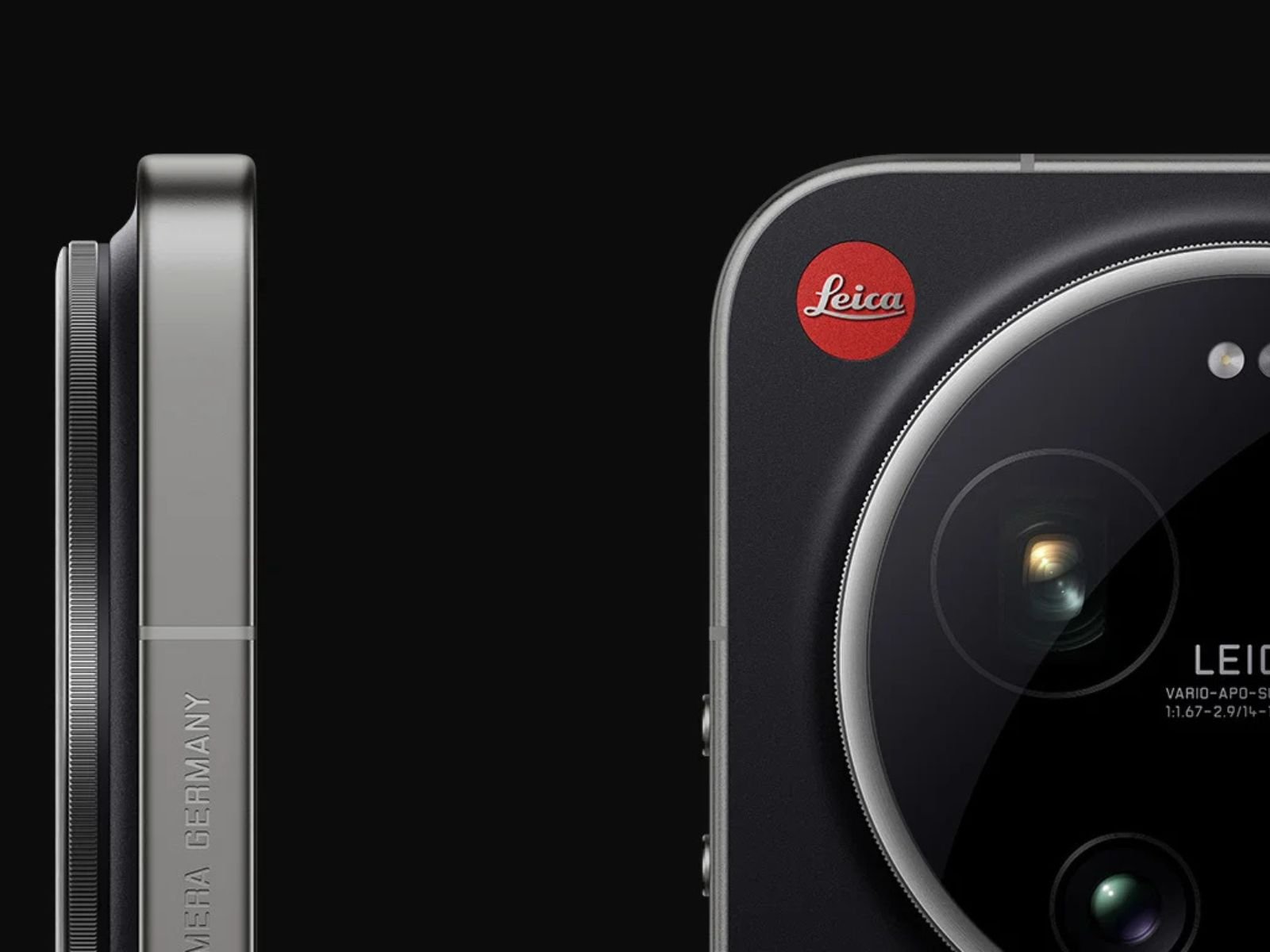
Alongside it sits a 50MP 23mm main camera with a 1-inch Light Fusion 1050L sensor, an f/1.67 aperture and optical image stabilization. It also has a 50MP 14mm ultra-wide, giving the phone a three-camera setup that covers everything from landscapes to portraits and longer-range shots. Leica’s APO optical design is used on the telephoto to help control colour fringing, while Xiaomi’s UltraPure optical system tackles reflections, glare and other unwanted optical effects.
The 17 Ultra also offers 4K at up to 120fps in Dolby Vision and Log, alongside 8K at 30fps. At this point, calling the thing on the back a “camera bump” feels slightly disrespectful.
Photography might dominate the conversation, but Xiaomi hasn’t forgotten everything else a phone needs to do. The 17 Ultra runs Qualcomm’s Snapdragon 8 Elite Gen 5 platform with LPDDR5X memory, while a large vapour-chamber cooling system helps manage heat when the processor and cameras are being pushed hard.
Advertisement · Continue Reading Below
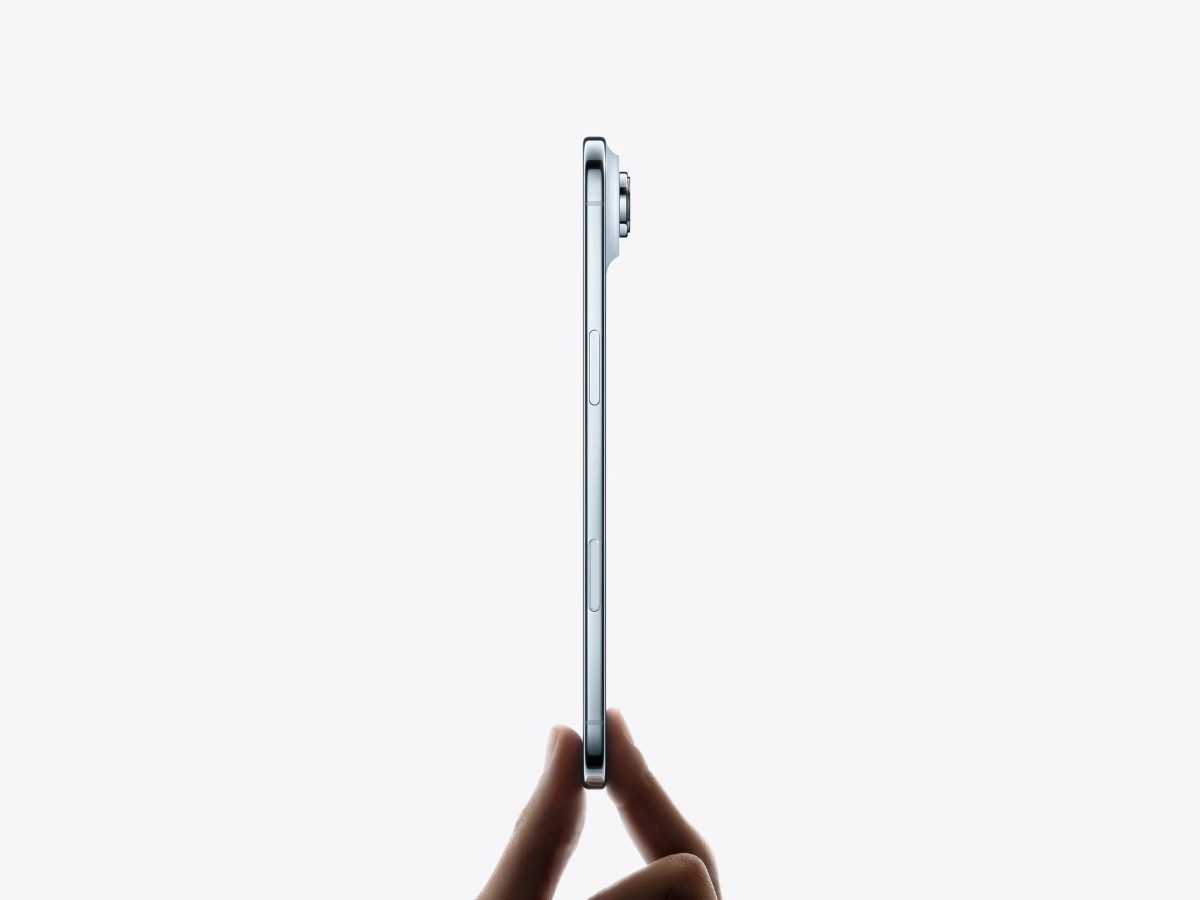
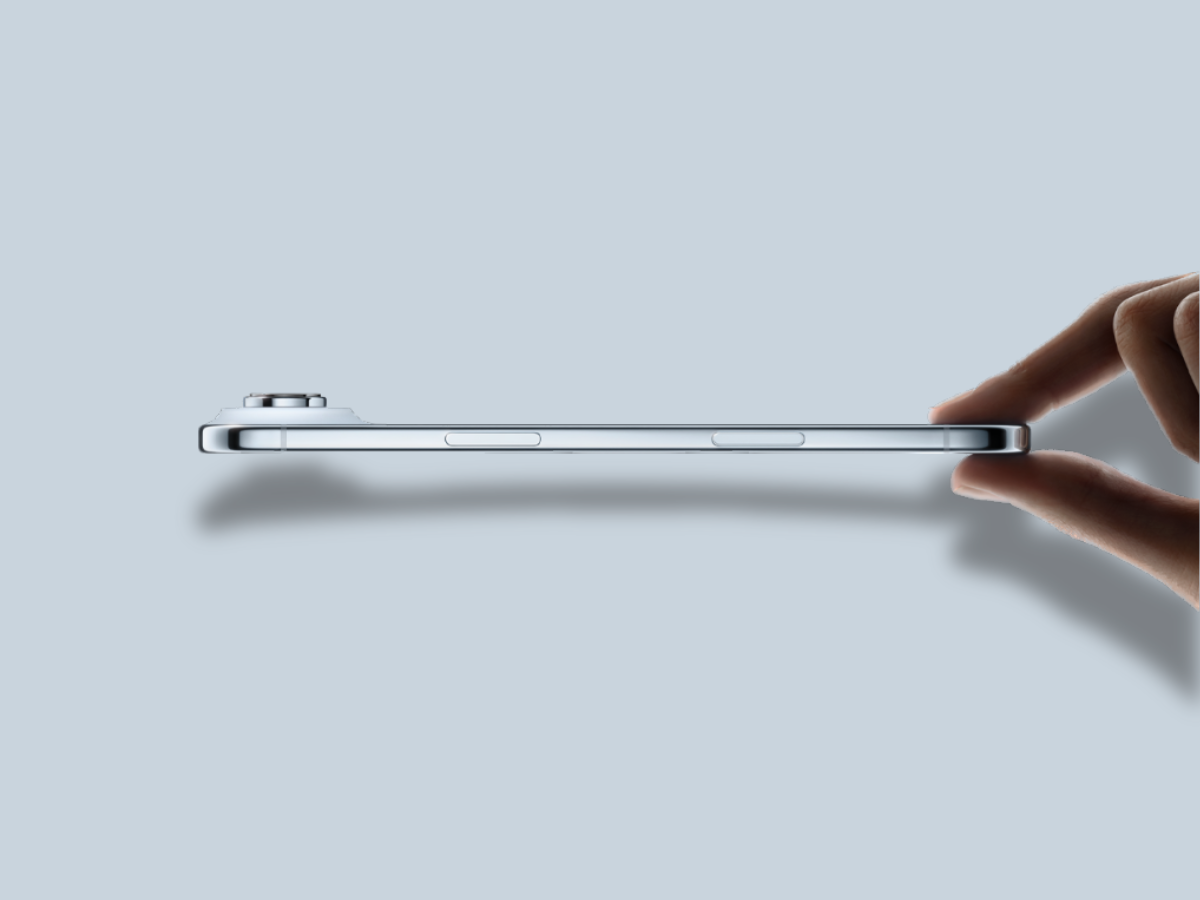
Up front is a 6.9-inch AMOLED display with a 1–120Hz adaptive refresh rate, while the 6,000mAh battery supports 90W wired and 50W wireless charging. Despite everything Xiaomi has stuffed inside, the standard 17 Ultra measures just 8.29mm thick, although the Leica Edition is slightly heavier at 223.4 grams.
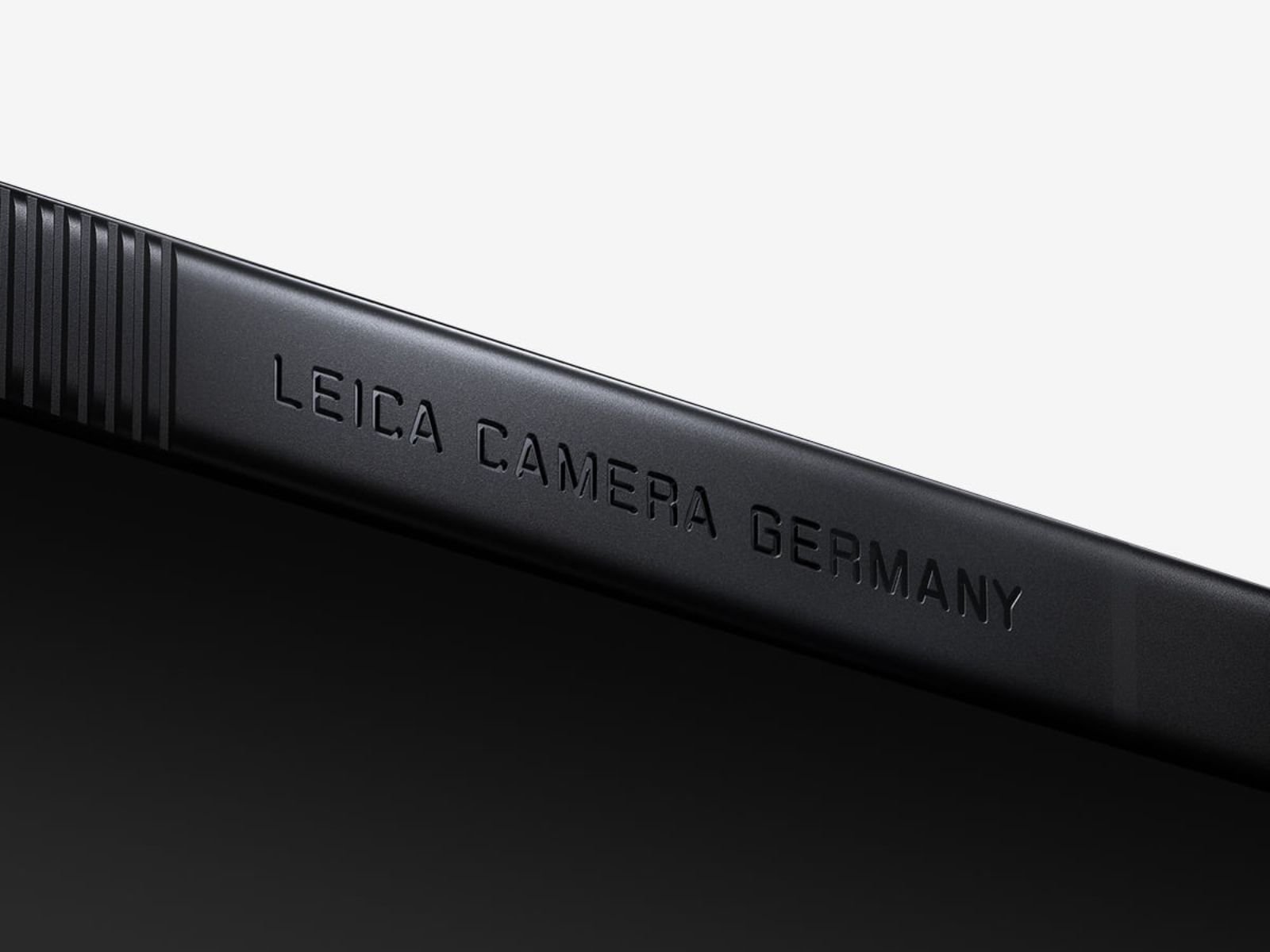
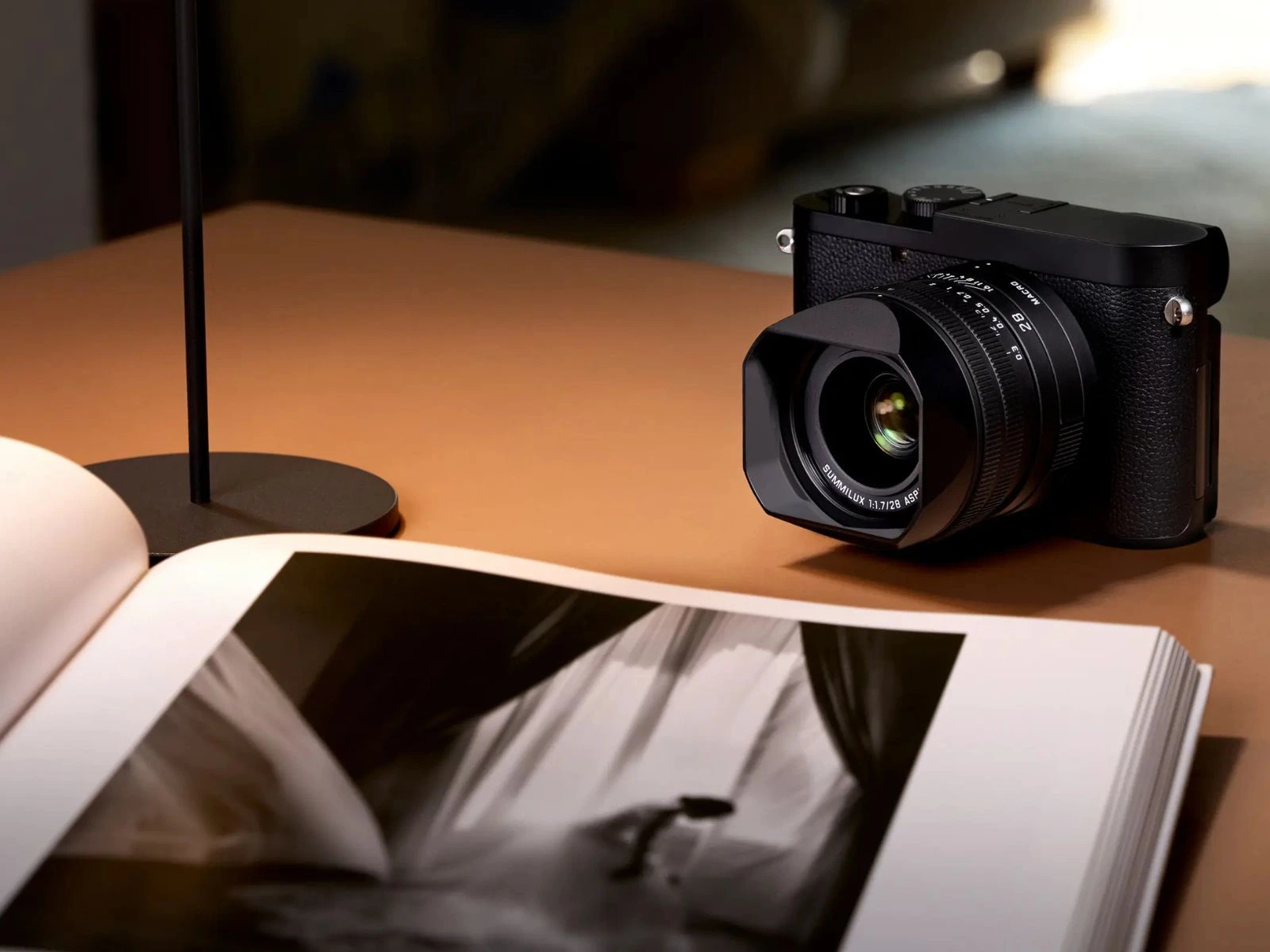
Xiaomi includes Leica-specific photography styles and its Leica Essential Mode, which attempts to recreate characteristics associated with classic Leica cameras, including the M9 and M3. The phone even features a Leica red doton the phone itself —the first time Xiaomi has placed the famous badge directly on one of its smartphones.
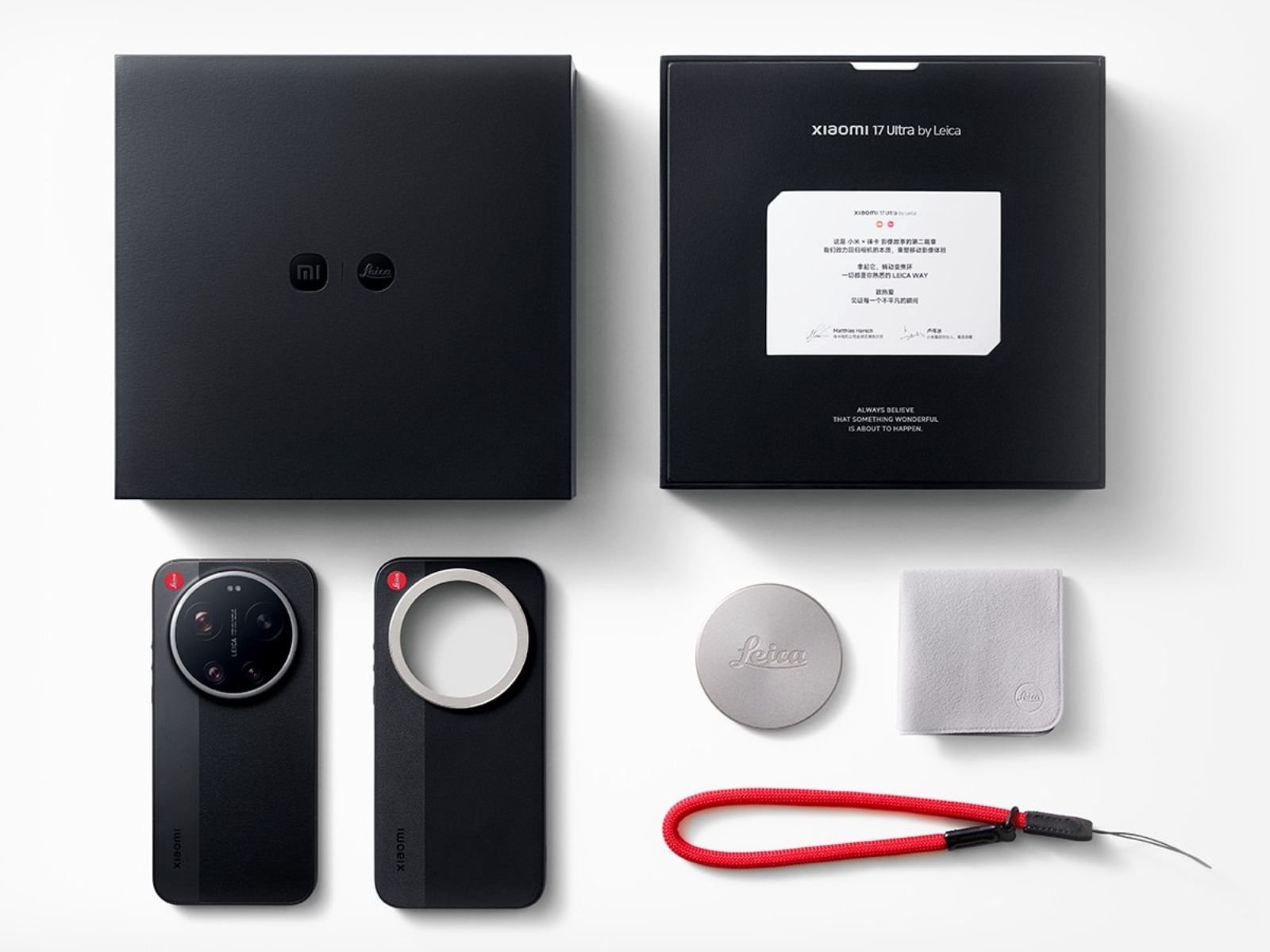
Xiaomi originally unveiled the 17 Ultra in China in December 2025 before launching the series globally on February 28, 2026. Outside China, the Leica Edition arrives as the Leica Leitzphone powered by Xiaomi, offered exclusively in black with 16GB of RAM and 1TB of storage for €1,999. Unfortunately for American photographers who like what they see, there’s no official U.S. release, continuing Xiaomi’s absence from the U.S. smartphone market.
Smartphone manufacturers have spent years trying to make cameras disappear into software, but Xiaomi and Leica have gone in the opposite direction. They’ve added something mechanical, tactile and deliberately camera-like to a device we normally operate by poking at glass. Whether everyone needs a physical camera ring on their phone is another question — but we’d happily take this over another AI button.