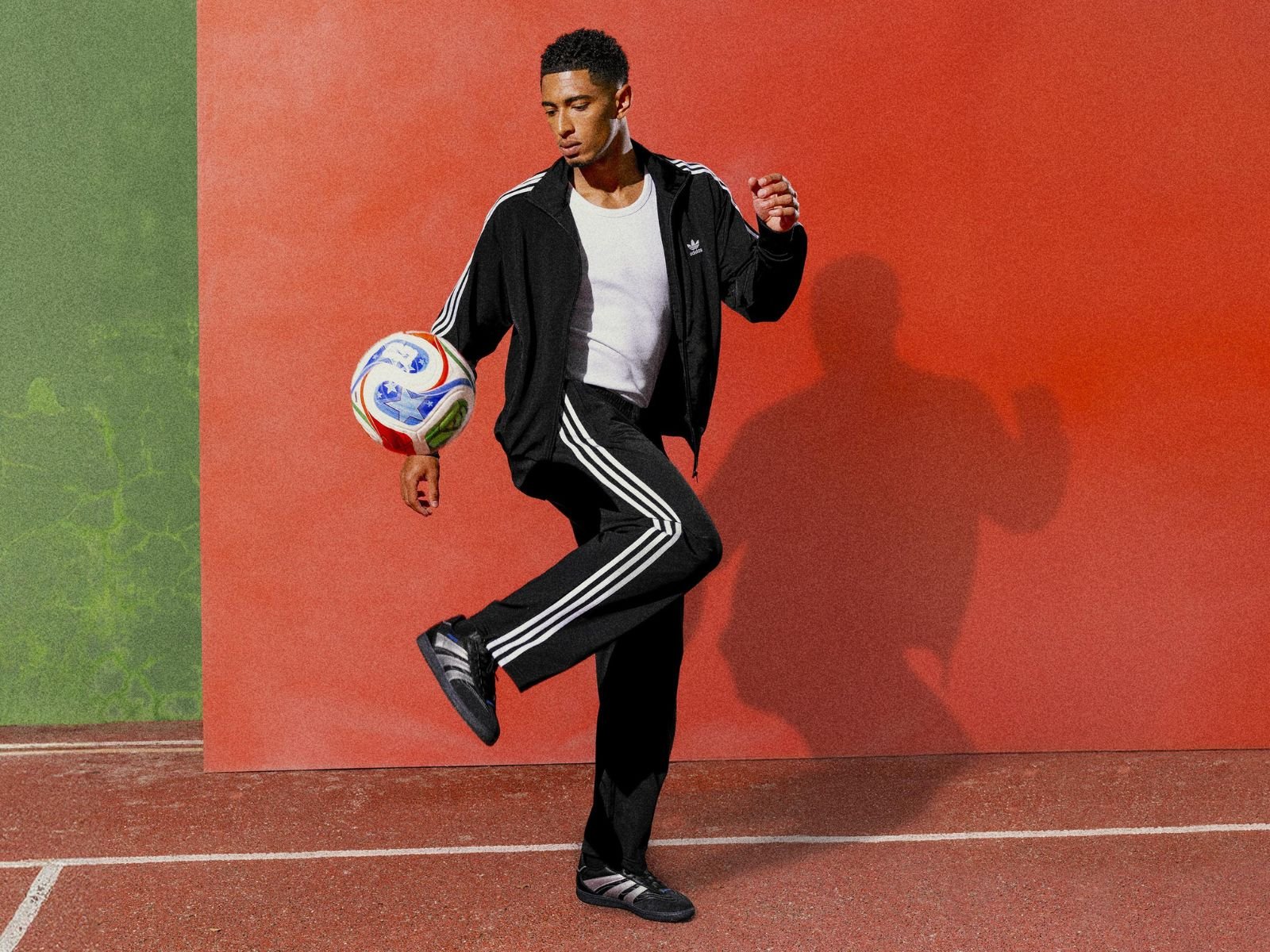




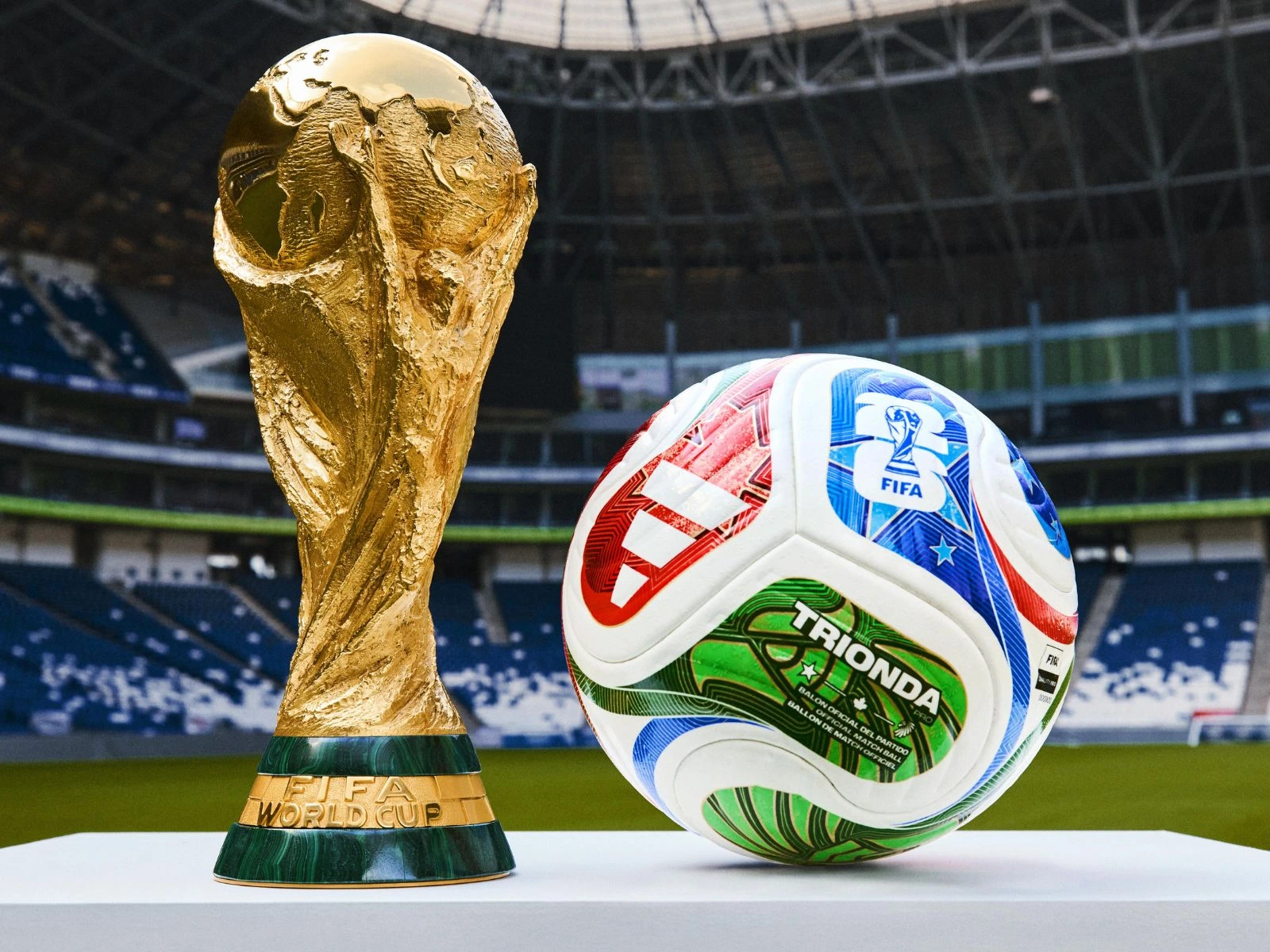

- TRIONDA is the Official Match Ball of the 2026 FIFA World Cup, celebrating host nations Canada, Mexico and the United States.
- A new four-panel construction uses deep seams and textured surfaces to improve flight stability and grip.
- Connected Ball Technology uses a 500Hz motion sensor to send precise ball data to VAR in real time.
- The adidas TRIONDA Pro Official Match Ball is priced at USD $170 and is available through adidas and selected retailers
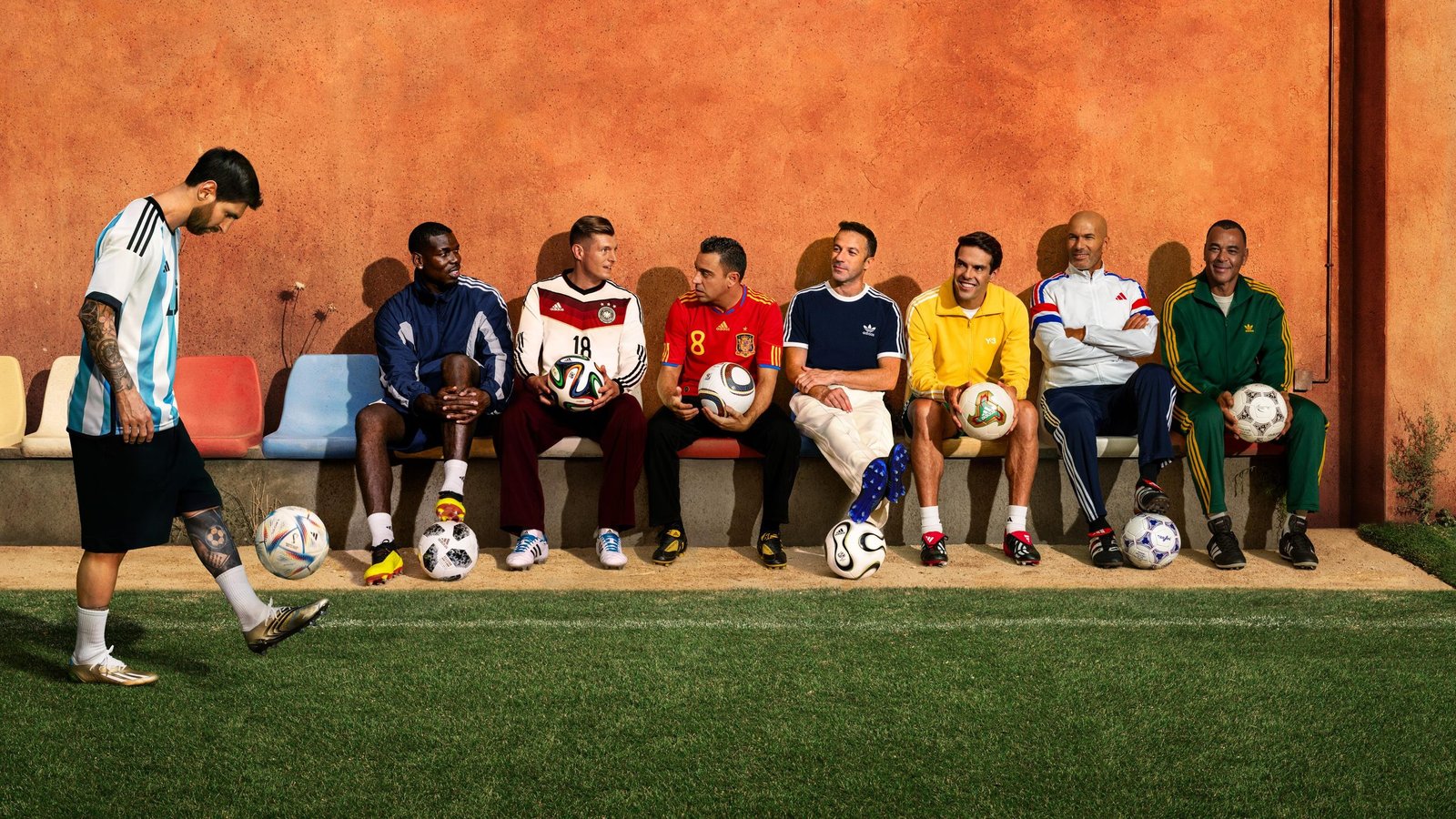
The ball is one of those little things that can come to define a World Cup. From the Telstar and Tango to the Brazuca and Al Rihla, adidas has spent decades creating match balls that become inseparable from the tournaments they were made for. For the 2026 FIFA World Cup, that responsibility falls to TRIONDA — a completely new Official Match Ball created to celebrate the first World Cup hosted across three countries: Canada, Mexico, and the United States.
Advertisement · Continue Reading Below
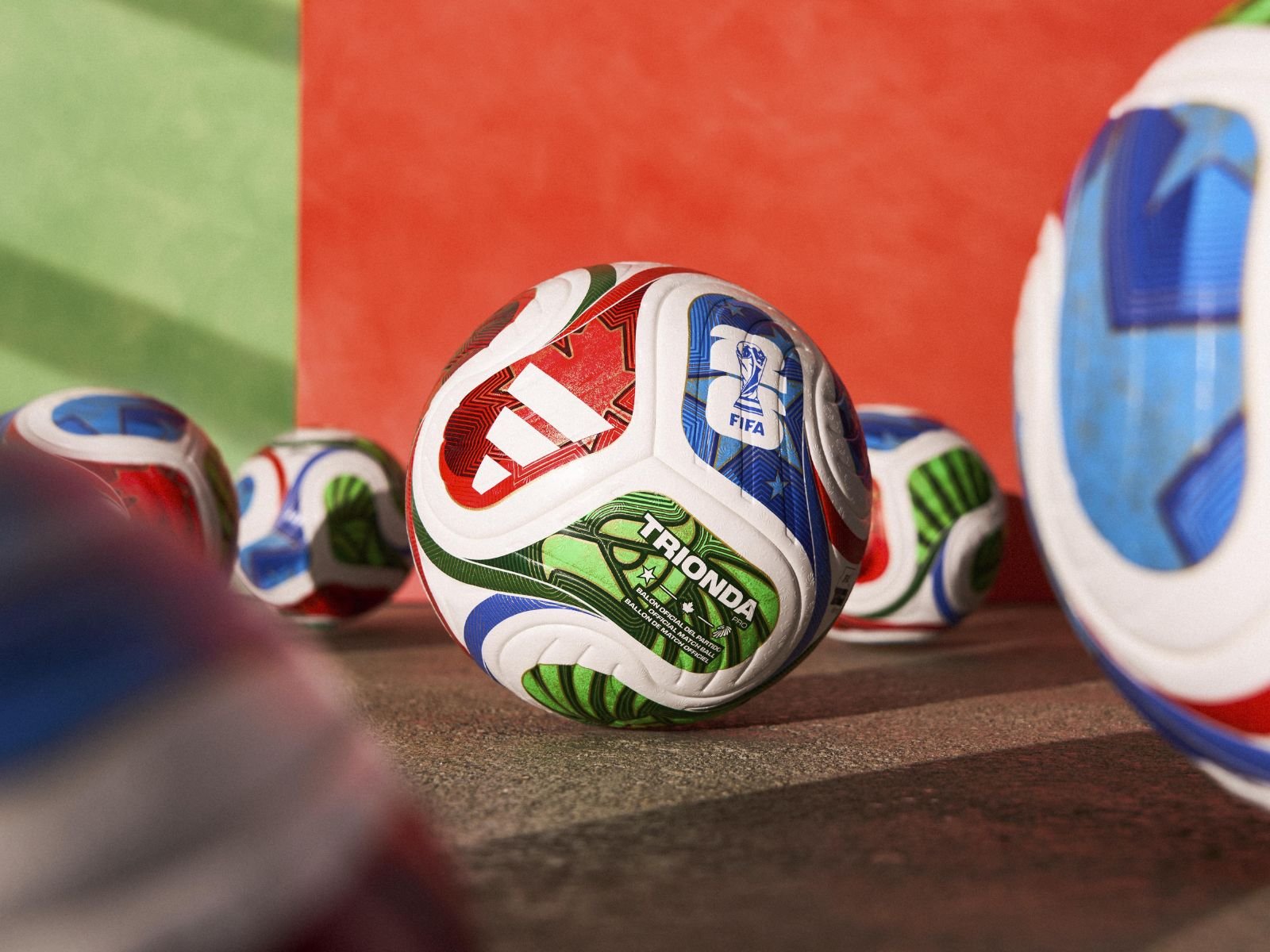
Its name translates to “three waves”, while its red, green and blue graphics bring the colours and identities of all three host nations together across a striking new four-panel design.
But TRIONDA isn’t simply about looking good when it rolls out onto the pitch. Underneath those colourful graphics is some seriously clever engineering, including a redesigned four-panel construction, textured surfaces developed to improve stability and grip, and the latest generation of adidas’ Connected Ball Technology. It’s a football designed to represent three host nations while also giving players and match officials some of the most advanced technology adidas has ever packed into a World Cup ball.
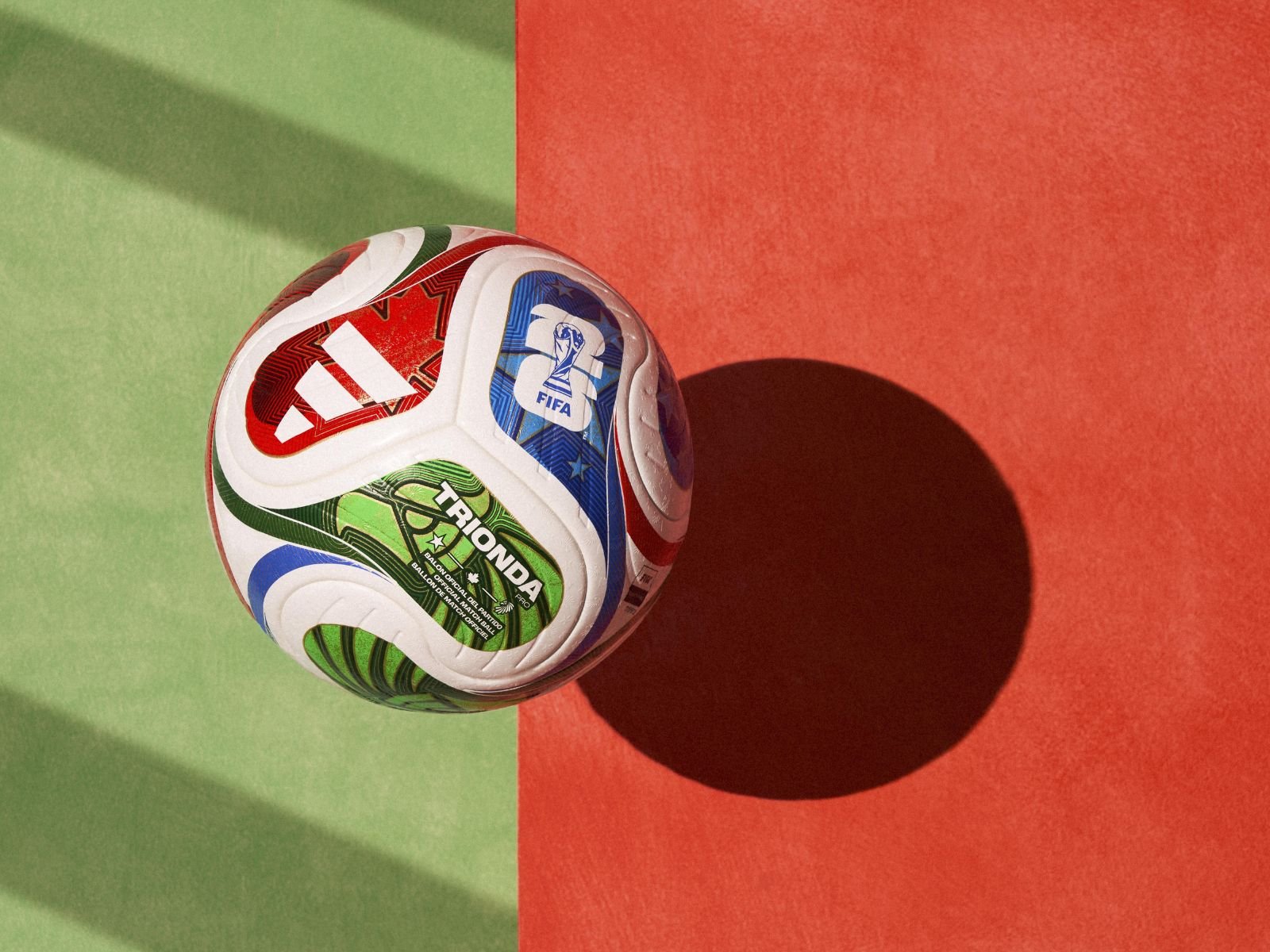
With the 2026 FIFA World Cup being staged across Canada, Mexico and the United States, adidas wanted TRIONDA to feel like a celebration of all three hosts rather than simply another tournament ball. Even the name tells that story — TRIONDA means “three waves”, combining Tri for three with Onda for waves.
That idea flows through the ball’s new four-panel construction, where red, blue and green graphics sweep across each panel before meeting in a triangular formation at the centre — representing the three nations coming together to host the tournament for the first time.
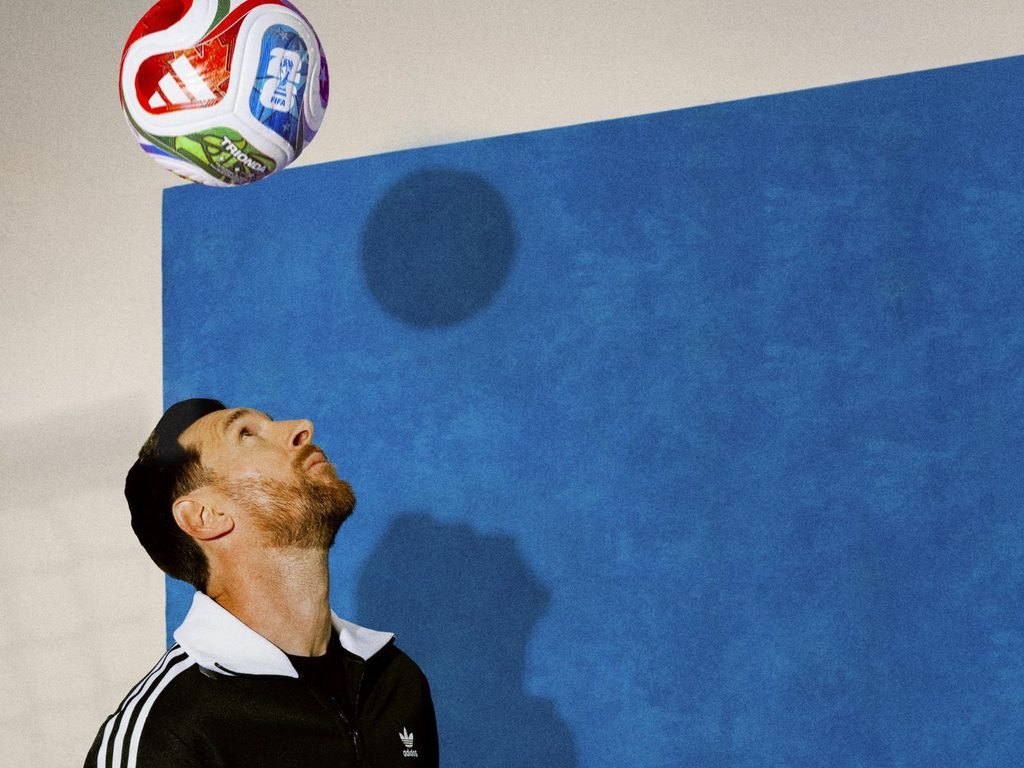

Look a little closer, and each country gets its own unmistakable symbol. There’s a maple leaf for Canada, an eagle for Mexico and a star for the United States, appearing both as bold graphics and subtly embossed into the ball’s matte surface. adidas then finishes everything with gold detailing inspired by the FIFA World Cup trophy, giving the otherwise colourful design a little championship shine.
It’s probably one of the more playful World Cup balls adidas has produced, but none of those details are there purely for decoration. Those embossed national icons also add texture and grip, while the unusual four-panel construction plays an important role in how TRIONDA behaves through the air — which is where the technology behind the ball starts getting particularly interesting.
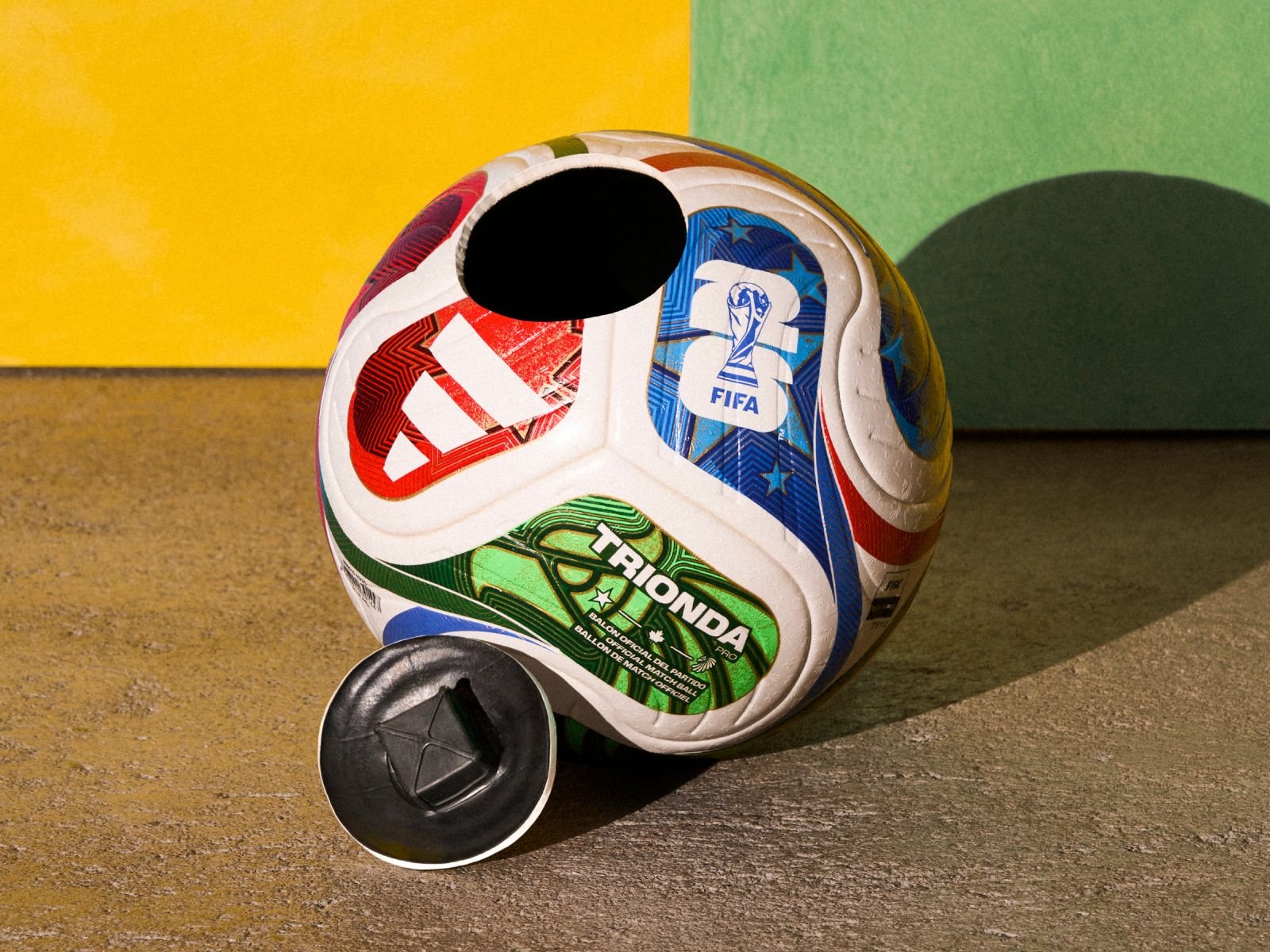
TRIONDA’s colourful exterior might grab your attention first, but plenty of engineering lies beneath it. adidas has moved to a completely new four-panel construction, using intentionally deep seams and strategically positioned debossed lines to create evenly distributed drag that keeps the ball stable as it travels through the air. Even the embossed maple leaf, eagle and star details aren’t purely decorative — their textured finish is designed to provide additional grip when players dribble or strike the ball in wet or humid conditions.
Sam Handy, General Manager at adidas Football, says, “With TRIONDA, every detail has an impact. The embossed textures, layered graphics and bold colours make the ball stand out instantly, creating a design that feels alive in your hands. It’s the most visually playful FIFA World Cup ball we’ve ever created – a piece of craftsmanship built for the biggest stage, that makes you want to hold it, admire it, and above all, play with it.”
Advertisement · Continue Reading Below
But the really clever stuff is hidden inside. Match Day versions of TRIONDA feature the latest generation of adidas’ Connected Ball Technology, including a 500Hz inertial measurement unit (IMU) motion sensor. Unlike the centre-mounted system used previously, the chip now sits inside a specially created layer within one of TRIONDA’s four panels, while counterbalances positioned across the remaining three panels help keep the ball balanced and stable in flight.
That sensor tracks the ball’s movement and sends precise data to the Video Assistant Referee (VAR) system in real time. Combined with player-position data and artificial intelligence, it can help officials make faster offside decisions while also identifying individual touches when reviewing incidents such as a potential handball. Developed alongside Kinexon, it’s the kind of technology most people will never notice while watching a match—but inside TRIONDA, the ball itself has effectively become another source of information for officials.
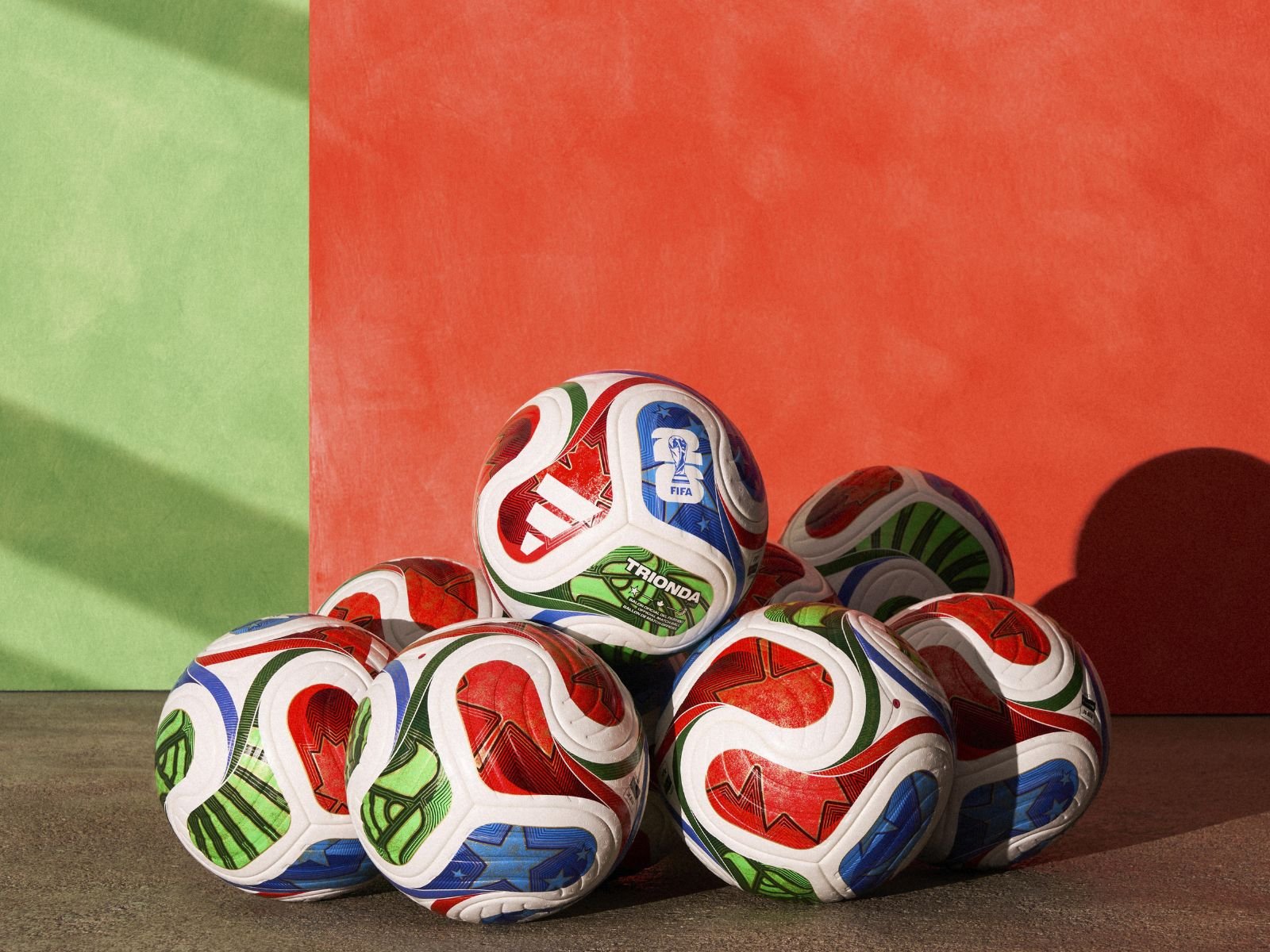
If you want to own the same ball used on football’s biggest stage, the adidas TRIONDA Pro Official Match Ball is available for USD $170 from adidas and select retailers. This top model is sold alongside more affordable TRIONDA versions for players and fans who don’t need the full match-day specs.
This is the real deal, made for the 2026 FIFA World Cup. It features a unique four-panel design, a textured surface, and performance-focused engineering—the same ball seen on the field in Canada, Mexico, and the United States. After the tournament, TRIONDA will likely become a piece of World Cup history, whether it’s displayed on shelves, added to collections, or still being kicked around.