Our team of editors and experts thoughtfully chooses each product. If you decide to buy through one of our links, we may earn a commission. Learn more. Want to know how we test products? Click here for more details.
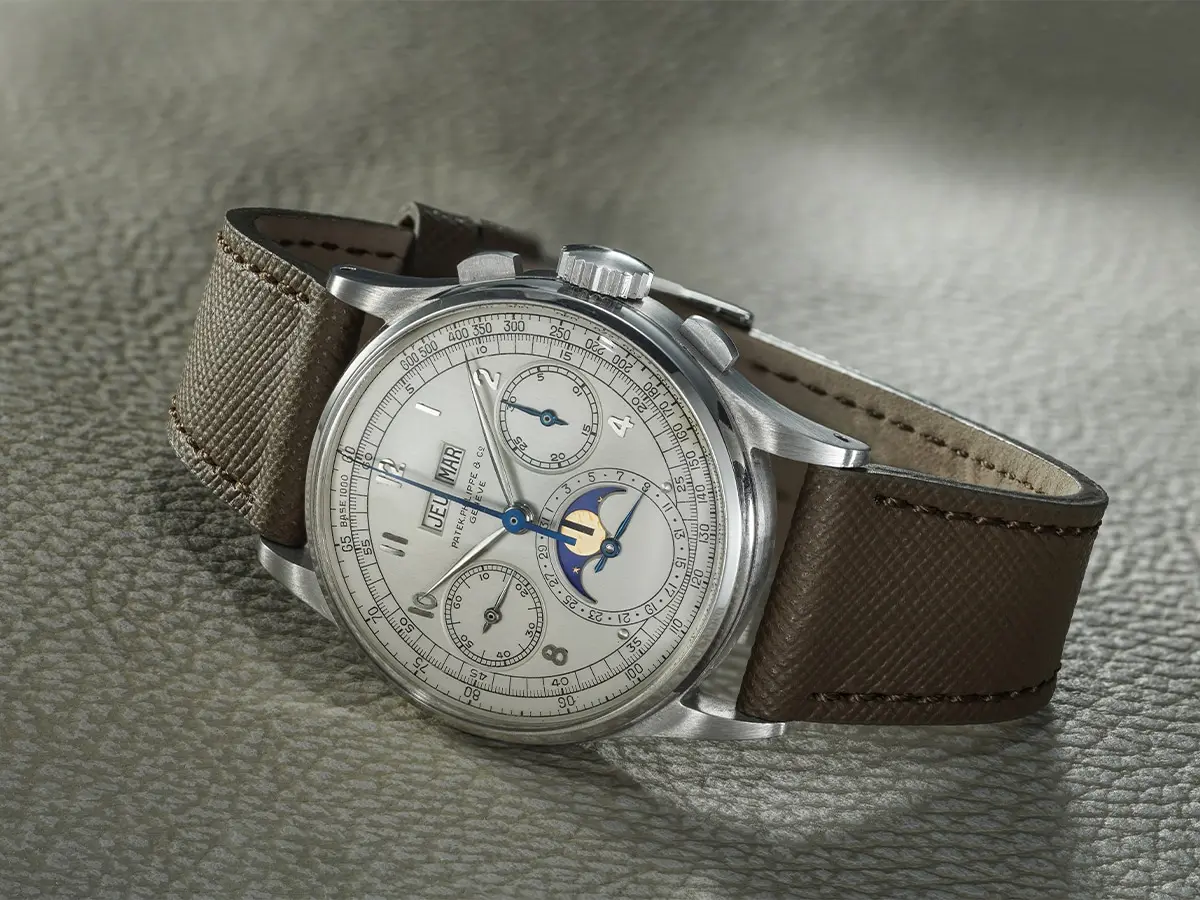
A stainless-steel Patek Philippe Ref. 1518 will headline Phillips in Association with Bacs & Russo this November in Geneva.
The watch is one of just four known steel Ref. 1518 examples, widely regarded as the rarest configuration of this landmark reference.
The same piece set the watch world alight in 2016 when it achieved over CHF 11 million, becoming the first wristwatch to cross the eight-figure barrier at auction.
It will return to the rostrum as part of the Decade One (2015–2025) anniversary sale, carrying an estimate above CHF 8 million.
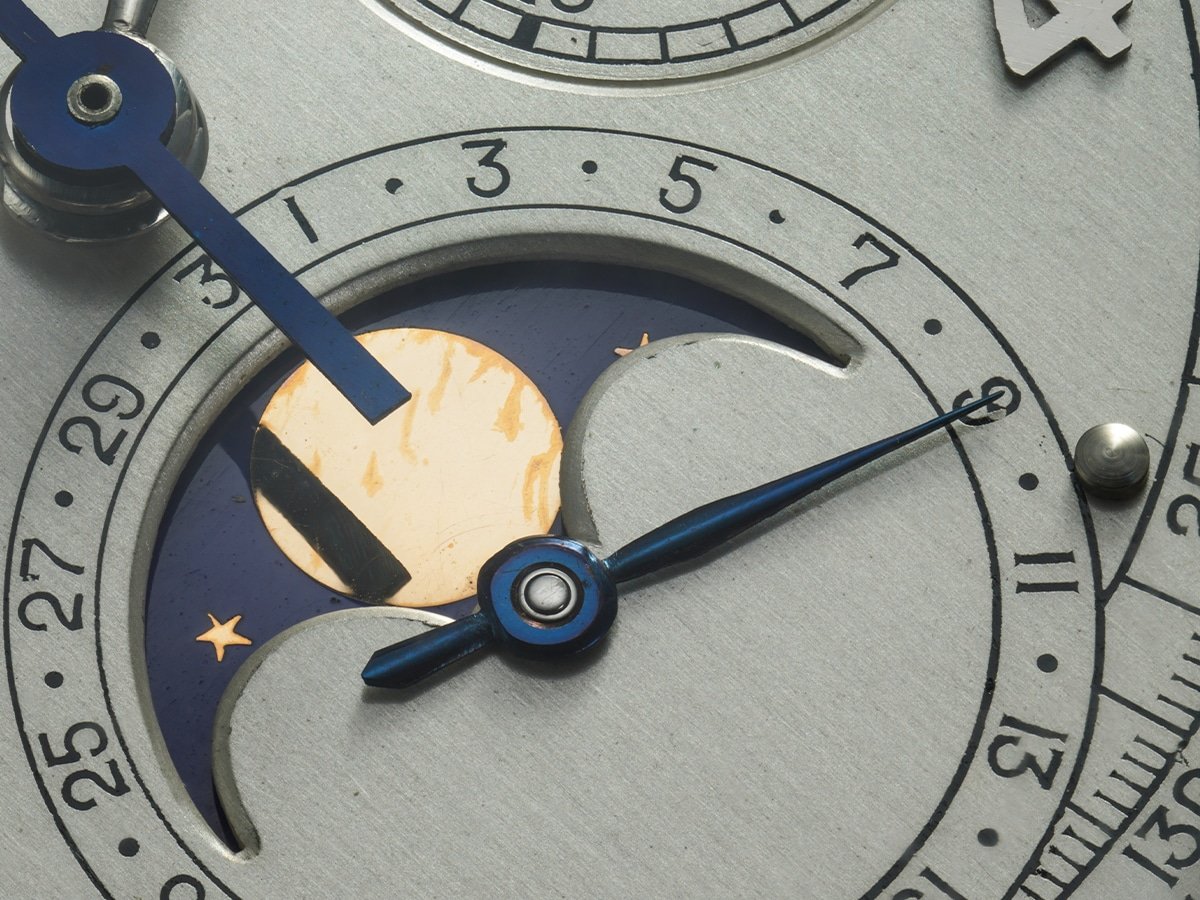
A stainless-steel Patek Philippe perpetual calendar chronograph set for auction is more than just another highlight—it’s a historic event. This November, Phillips and Bacs & Russo will present a watch so rare that Phillips Deputy Chairman Alexandre Ghotbi stated it “belongs in the same conversation as a Ferrari 250 GTO or a Rothko.” That comparison says a lot about its significance. The watch in question is the historic Patek Philippe Ref. 1518, first introduced in the early 1940s during World War II. It was the first wristwatch to combine a perpetual calendar with a chronograph, a breakthrough that forever altered the world of complicated watchmaking.
What makes this watch unique is its material. Out of approximately 218 Ref. 1518 watches produced, nearly all were in yellow gold. Only four are known to be in stainless steel, and this is one of them. For Patek Philippe collectors, steel versions of complex models are nearly legendary, making ownership extremely rare. This November’s auction is not just about selling a rare watch—it signifies an important milestone in watchmaking history.
Patek Philippe Perpetual Calendar Chronograph Ref. 1518 | Image: Phillips Auctions
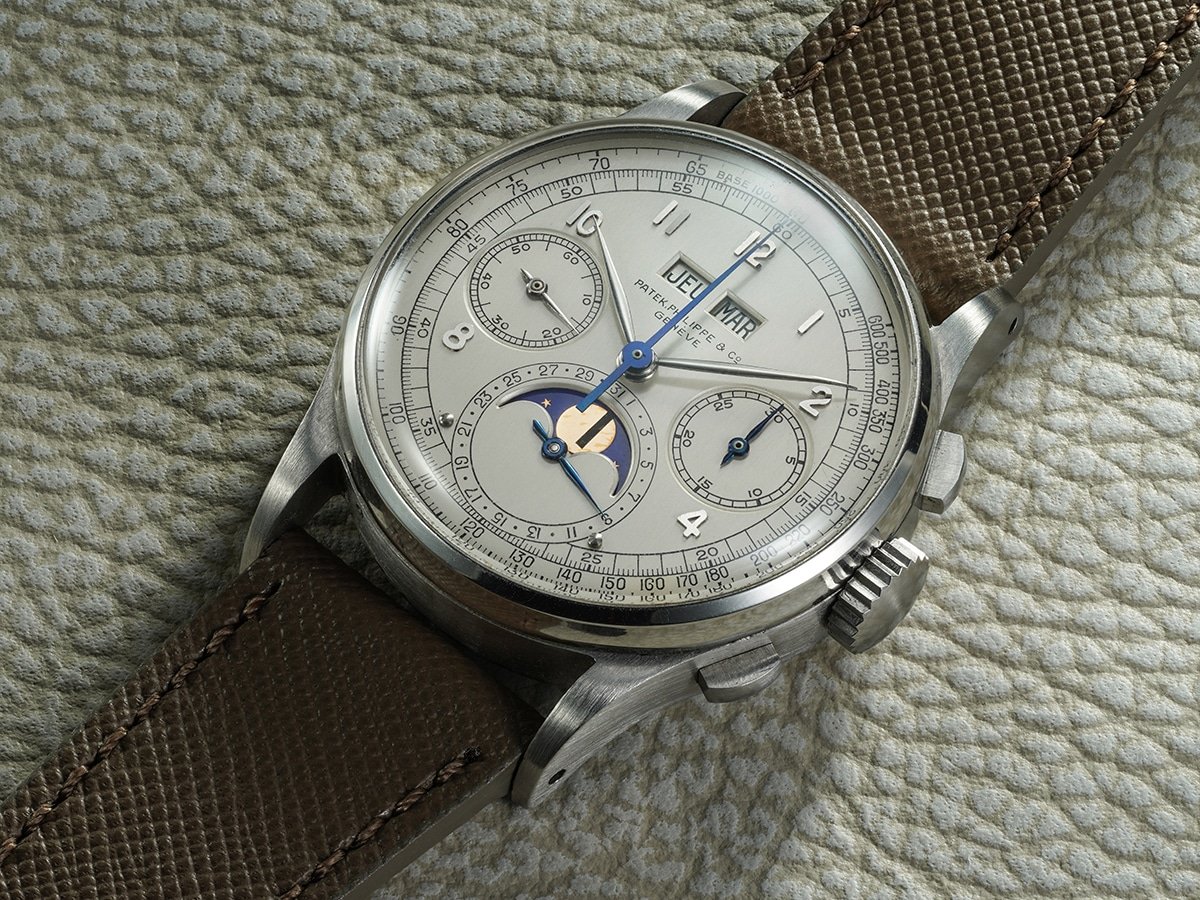
The stainless-steel Patek Philippe Ref. 1518 returning to auction is not venturing into unfamiliar territory. This very piece already made history in 2016 when Phillips hammered it down for CHF 11 million, roughly USD $11 million at the time. The USD $17.8 million sale of Paul Newman’s Rolex Daytona Ref. 6239 a year later was one of the headline-grabbing results that followed, marking a pivotal moment in the modern watch auction scene. For many collectors, it was a unique period when authentic “unicorn” pieces appeared.
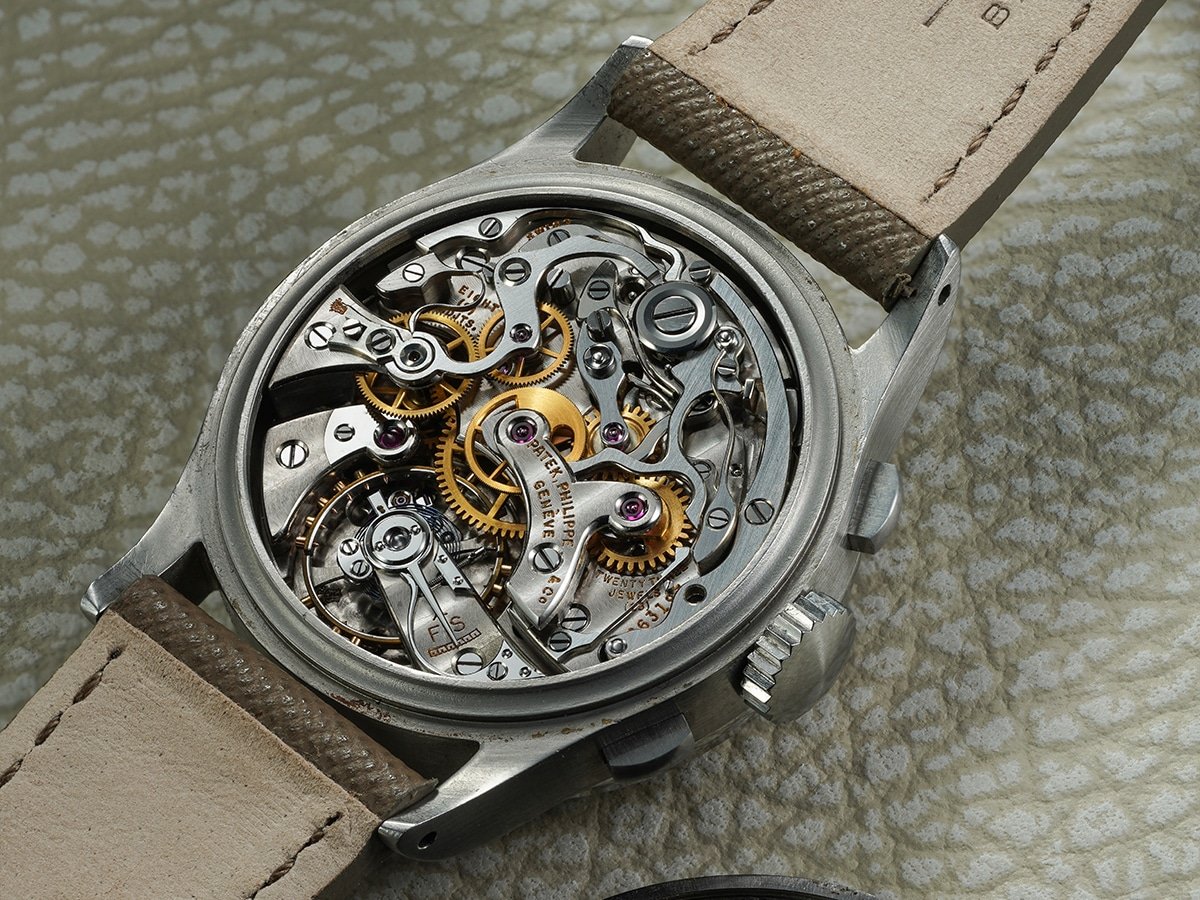
The same steel 1518 is expected to sell for between CHF 8 million and CHF 16 million this November as it returns to the auction block. Although high-end auctions can be unpredictable, that range broadly covers various outcomes. Still, the watch has a strong foundation due to its excellent condition, near-mythical rarity, and proven track record. Bidding at this level is influenced by both figures and legacy, as well as confidence. Once the auction room settles, the question will be how far someone is willing to go to acquire one of the rarest Patek Philippes ever made.
Patek Philippe Perpetual Calendar Chronograph Ref. 1518 | Image: Phillips Auctions
Few watches hold the same level of significance as this stainless-steel Patek Philippe Ref. 1518. It is not just rare; it’s the kind of piece collectors talk about for years. Its previous appearance at auction shifted the market’s tone, and now, as it returns to the stage, there is a real sense that something important is about to happen again. But we’ll see how it goes in the upcoming days.
“Just four stainless-steel Patek Philippe reference 1518s are publicly known today. Each one is extraordinary. This is the one that captured the world’s attention in 2016,” said Aurel Bacs, senior consultant, Phillips in Association with Bacs & Russo.
“It redefined the market and ushered in a new era in watch collecting. For seasoned collectors and newcomers alike, its return to auction marks a moment of rare opportunity – making it the perfect watch to headline our 10th anniversary auction in Geneva this November.”
Of the four known steel examples, this particular watch is thought to be the first one produced, which only adds to its significance. It will headline the Decade One (2015–2025) sale organized by Phillips in collaboration with Bacs & Russo, and it is estimated to fetch around CHF 8,000,000, roughly USD $10.5 million. In a market where prices can rise quickly once bidding starts, that figure might just be the beginning of what could turn into another historic moment.
Elias Albay is the Founder and Director of Many Men Magazine, a Toronto-based digital publication dedicated to promoting modern masculinity through style, culture, and self-improvement. What started as a personal turning point became a purposeful platform. — born from Elias’ desire to create something meaningful after completing his studies and finding no career path that truly matched his ambitions. With a background in Civil Engineering from York University and experience in Commercial Flight Operations at CAE, he applied skills, and resilience from both fields to forge a new path.
Our team of editors and experts thoughtfully chooses each product. If you decide to buy through one of our links, we may earn a commission. Learn more. Want to know how we test products? Click here for more details.
Gaming isn’t confined to your living room anymore. These days, the power of a console can fit right into your backpack—or even your pocket. From sleek handhelds that let you pick up where you left off on the train, to powerful portables that rival full-sized systems, handheld gaming has truly levelled up. Whether you’re reliving nostalgia with retro-inspired classics, diving into AAA titles on the go, or looking for something lightweight for quick gaming sessions, there’s a console out there designed just for you.
Of course, with so many options on the market, figuring out which one deserves your money can feel overwhelming. That’s where we come in. We’ve spent time exploring some of the best handheld gaming consoles available and have rounded them up here to make the choice easier for you.
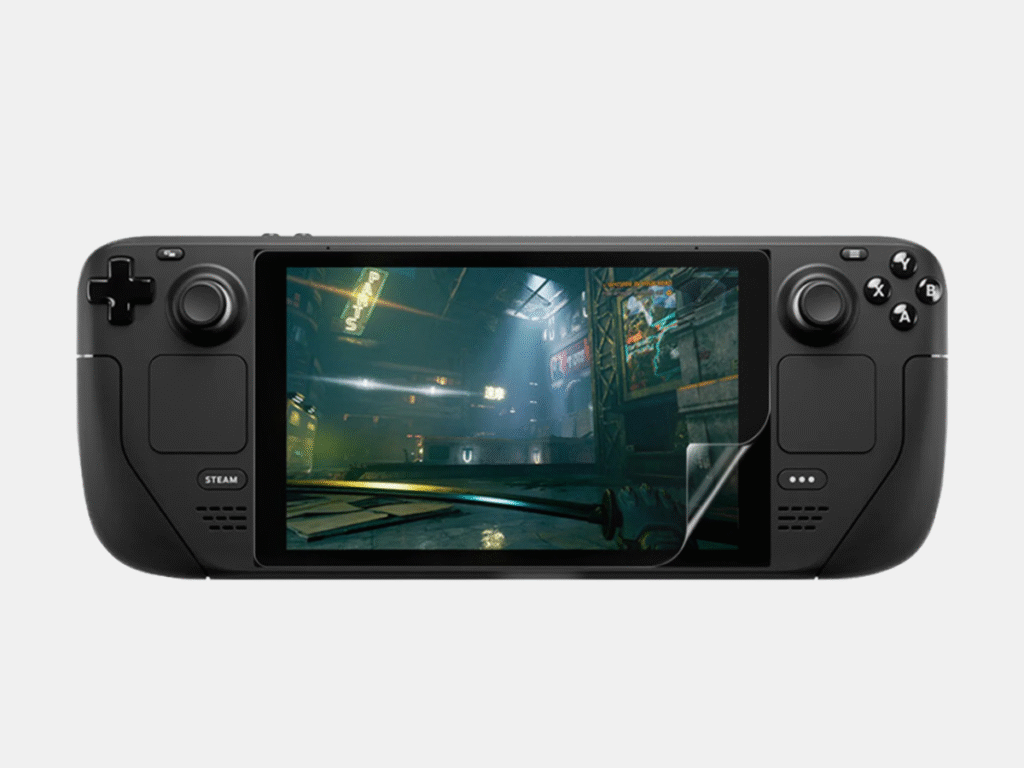
Valve’s Steam Deck OLED enhances everything fans loved about the initial handheld PC by adding a brighter, more vibrant OLED display. The difference is immediate—you’re getting deeper blacks, richer colours, and smoother motion, making your favourite PC games look stunning on the move. It’s also slimmer, lighter, and more efficient, with better battery life thanks to the OLED panel.
What makes this console special is its versatility. You can play indie favourites like Hades during your commute, then dock it at home for a big-screen AAA experience with Elden Ring or Cyberpunk 2077. Combine that with the extensive Steam library and mod support, and the Steam Deck OLED isn’t just a handheld—it’s a pocket-sized PC powerhouse designed for gamers who want it all.
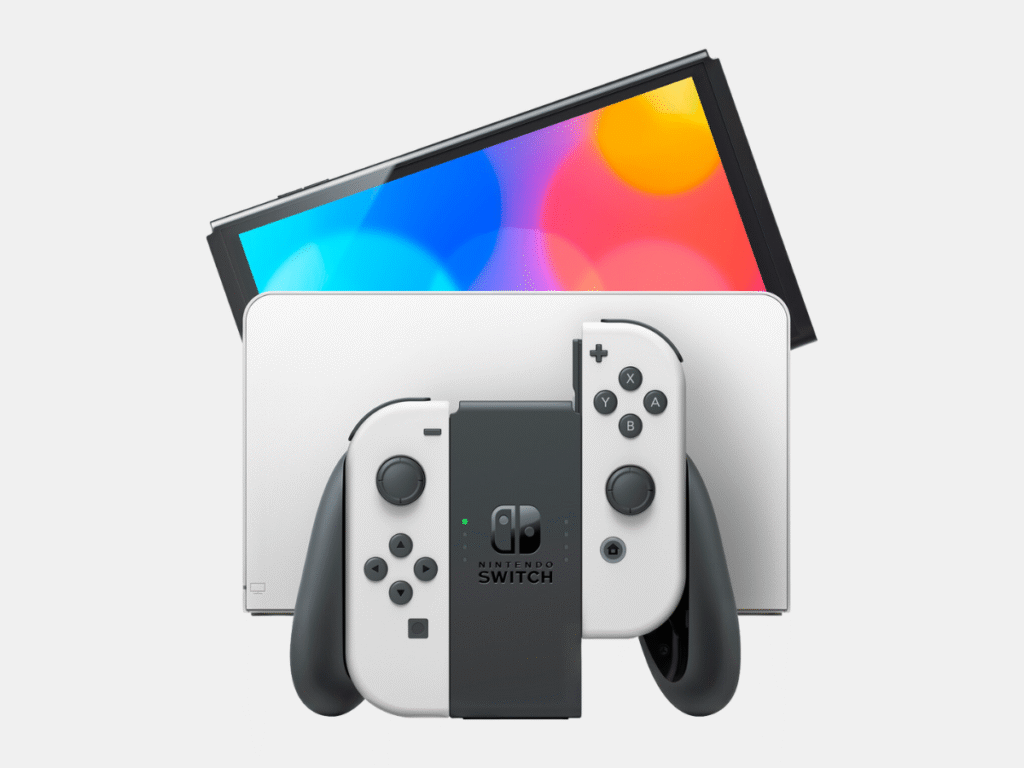
The Nintendo Switch OLED takes everything people already enjoy about the Switch by making it brighter, sharper, and more enjoyable to use. Its vivid 7-inch OLED screen brings games to life with richer colours and deeper contrasts, instantly improving handheld gameplay. Combine this with the improved kickstand and upgraded onboard speakers, and you have a console that feels more refined and polished straight out of the box.
Beyond visuals, the OLED model incorporates practical upgrades that make a difference in daily use. With 64GB of internal storage, there’s more space for your expanding digital library, and the redesigned dock now features a wired LAN port for those seeking smoother online gameplay. These might seem like minor updates, but together they add up to a far more premium gaming experience.
What really makes the Switch OLED special is its versatility. Whether you’re playing solo during a commute, propping it up on a table for a quick session with friends, or docking it to enjoy on the big screen, the console transitions seamlessly between modes. It’s portable gaming that doesn’t compromise on quality, delivering a sleek balance of fun, flexibility, and style.
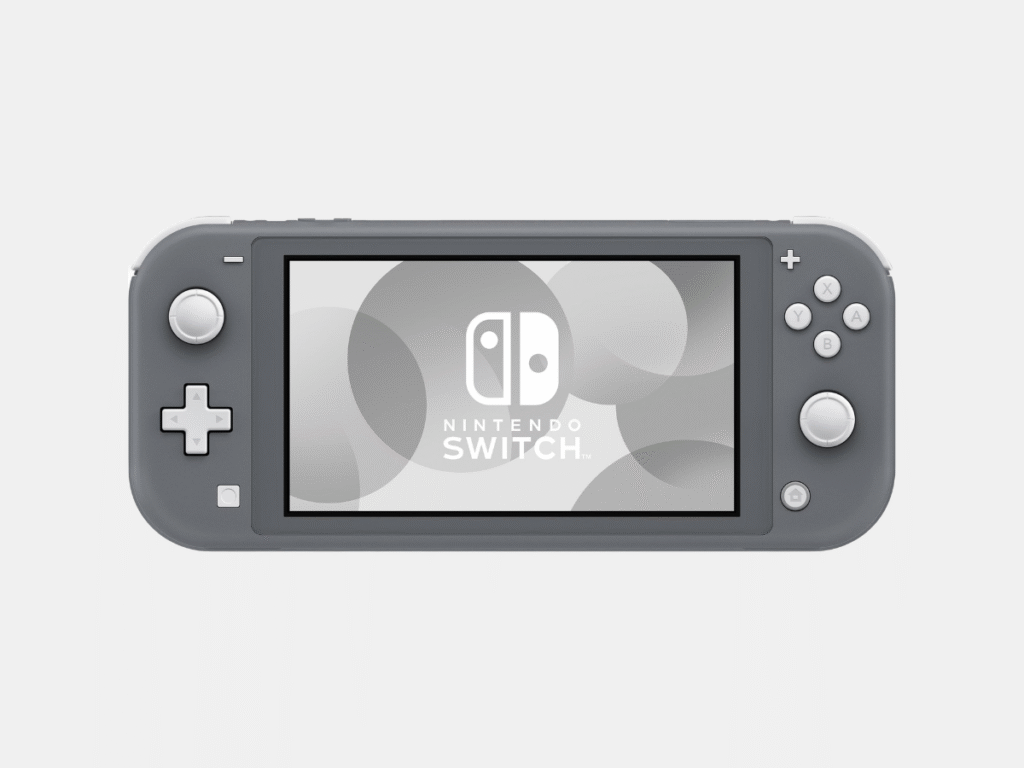
The Nintendo Switch Lite is all about portability. Compact, lightweight, and streamlined for handheld play, it’s the ideal choice for gamers who want to take their adventures anywhere. The 5.5-inch LCD screen still offers sharp, vibrant visuals, and with the controls built right into the device, there’s no worry about misplaced Joy-Cons or extra accessories.
But the appeal of the Switch Lite extends beyond just its size. Nintendo designed it with the everyday gamer in mind—whether that’s diving into Animal Crossing on a flight, grinding through Pokémon battles during a commute, or sneaking in a quick round of Mario Kart between classes. It’s affordable without sacrificing what matters most: Nintendo’s signature gaming magic.
Sure, it can’t connect to a TV like its bigger sibling, but that’s kind of the point. By focusing solely on handheld use, the Switch Lite becomes the ultimate “grab and go” console—easy to toss in a backpack, durable enough to handle everyday use, and still powerful enough to deliver the whole Switch experience in the palm of your hand.
Battery Life: Up to 8 hours (varies by settings and usage)
Price: USD $799
The ROG Ally X is ASUS’s solution for gamers who want a handheld console that feels like a portable gaming PC. Featuring a sleek 7-inch 120Hz screen, it delivers smooth, responsive gameplay that makes everything from AAA hits to indie titles feel fantastic in handheld mode. Coupled with the power of the AMD Ryzen Z1 Extreme APU and a generous 24GB of RAM, it’s a device that can easily handle even the most demanding games.
What makes the Ally X stand out is how it combines strong performance with sleek design. It’s light enough to carry easily, yet still built to provide an immersive experience with its ergonomic grips and cooling system that keeps everything running smoothly. The 1TB SSD means you won’t have to choose between your favourite games, and the battery life—although it depends on usage—lasts longer than most PC-style handhelds on the market.
Battery Life: 3–6 hours (depending on performance settings)
Storage Options: 2TB, 4TB SSD (expandable via microSD)
Price: USD $799
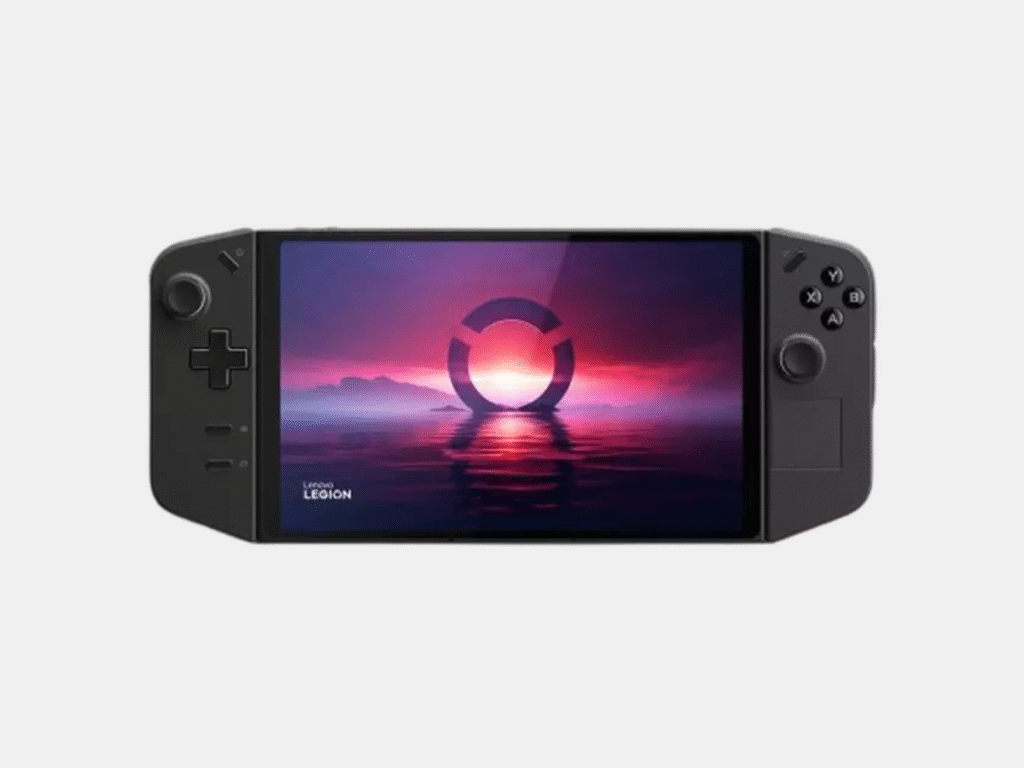
Lenovo threw its hat into the handheld gaming market with the Legion Go, and it’s one of their most daring choices yet. Boasting a large 8.8-inch QHD+ display with a smooth 144Hz refresh rate, it features the biggest screen on any mainstream handheld currently available. This extra space makes everything—whether you’re exploring open worlds or competing in shooters—look sharp, vibrant, and immersive in a way smaller handhelds simply can’t match.
Beyond the screen, the Legion Go offers impressive power with the AMD Ryzen Z1 Extreme APU and 16GB of RAM, delivering top-tier performance even for demanding PC games. One of its most distinctive features? The detachable controllers. Inspired by the Nintendo Switch, they provide flexibility to play in handheld, tabletop, or even FPS mode, where one controller doubles as a motion-enabled mouse. It’s Lenovo’s way of demonstrating that innovation still has plenty of room in the handheld market.
Although its battery life isn’t record-breaking, the Legion Go’s blend of power, versatility, and large screen size makes it a strong contender. For gamers seeking a handheld that feels like a portable desktop setup, this device hits the mark.
Storage Options: microSD support for firmware updates and saves
Battery Life: 6–10 hours
Price: USD $219
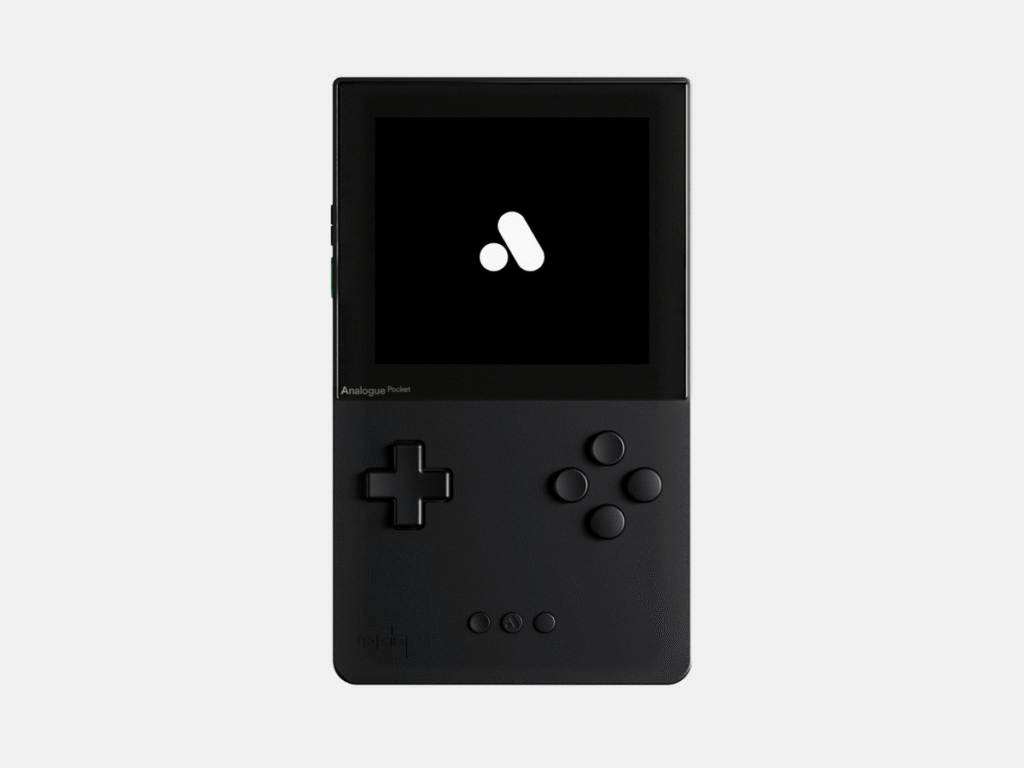
The Analogue Pocket is nostalgia perfected, bringing retro handheld gaming into the modern era with precision and style. At first glance, it resembles a sleek upgrade of the classic Game Boy, but once you turn it on, the magic begins. Its 3.5-inch LCD features a stunning 1600×1440 resolution, making old-school sprites and environments look sharper and more vibrant than ever imagined.
What makes the Pocket truly unique is its versatility. Out of the box, it plays Game Boy, Game Boy Colour, and Game Boy Advance cartridges, but with adaptors, you can expand that library to include systems like the Game Gear, Neo Geo Pocket Colour, and Atari Lynx. This isn’t emulation—it’s FPGA hardware, meaning you’re experiencing the games as authentically as possible, just with modern enhancements. Add in features like save states, a built-in synthesizer for music creation, and dock support for TV play, and it becomes clear that the Analogue Pocket isn’t just a handheld; it’s a tribute to gaming history.
Choosing the right handheld console isn’t just about grabbing the flashiest option on the shelf—it’s about matching the device to your lifestyle and the way you play. From long-haul flights to quick gaming sessions on the couch, a few key factors make all the difference in how much you’ll actually enjoy your console. Here’s what to keep in mind before you buy:
Portability: If you’re always on the move, you need something that’s easy to toss in your bag and take with you. No one wants to carry around a heavy brick. Find a handheld device that’s small enough to travel with but large enough to offer a solid screen and comfortable controls. It’s all about finding that perfect balance.
Battery Life: Few things kill the vibe faster than a “low battery” warning mid-boss fight. Aim for a device that provides at least 6–12 hours of gameplay. Pro tip: some handhelds come with fast-charging, so you can get back into the game with just a quick top-up.
Display Quality: No one wants to squint at a dull, washed-out screen. A sharp, vibrant display elevates your experience. OLED panels are the true MVP—they make colours pop and blacks appear deep. For a truly premium feel, opt for at least 1080p resolution so every detail shines.
Performance & Game Library: Look for a device with enough power (processor + RAM) to handle modern titles smoothly, without lag. Equally important is the library—whether it’s exclusive titles you can’t find elsewhere or a large catalogue of PC ports, ensure it has the games you genuinely want to play.
Storage: Choose a console with ample built-in storage and the option to expand using microSD or SSD. That way, you won’t have to delete your favourites just to make room for the next big adventure.
Ergonomics: If it doesn’t feel comfortable in your hands, you won’t play for long. Check the comfort of the grips, button placement, and overall weight. A well-designed handheld should feel natural during marathon sessions and not cause your hands to cramp.
Size and Weight: Too heavy and it feels like a workout; too small and the controls become cramped. The best handheld consoles strike a balance between size and weight so they’re lightweight enough to carry easily but sturdy enough to provide a satisfying, immersive experience.
When it comes down to it, choosing a handheld console is about more than just specs on a page — it’s about how well the device fits into your daily routine. Are you looking for something lightweight for commuting, or a powerhouse that can tackle your favourite AAA titles effortlessly? Perhaps comfort, screen quality, or battery life are the main priorities for you. Once you identify what matters most, the decision becomes easier, and you’ll end up with a console that feels less like just a gadget and more like the ideal gaming companion.
Why Trust Us?
We take handheld gaming seriously, analysing specs, performance tests, and real-world usability to ensure every suggestion is meaningful. Our team looks past marketing hype, focusing on the details that truly matter—comfort, battery life, display quality, portability, and the overall gaming experience. Every device we feature is assessed based on how it performs in everyday situations, not just lab conditions. We also gather feedback from everyday players, cross-check with trusted tech reviewers, and monitor the latest industry updates so you always get the most accurate, current advice. By combining hands-on experience, community insights, and industry knowledge, we can identify the consoles worth your time and money.
Elias Albay is the Founder and Director of Many Men Magazine, a Toronto-based digital publication dedicated to promoting modern masculinity through style, culture, and self-improvement. What started as a personal turning point became a purposeful platform. — born from Elias’ desire to create something meaningful after completing his studies and finding no career path that truly matched his ambitions. With a background in Civil Engineering from York University and experience in Commercial Flight Operations at CAE, he applied skills, and resilience from both fields to forge a new path.