







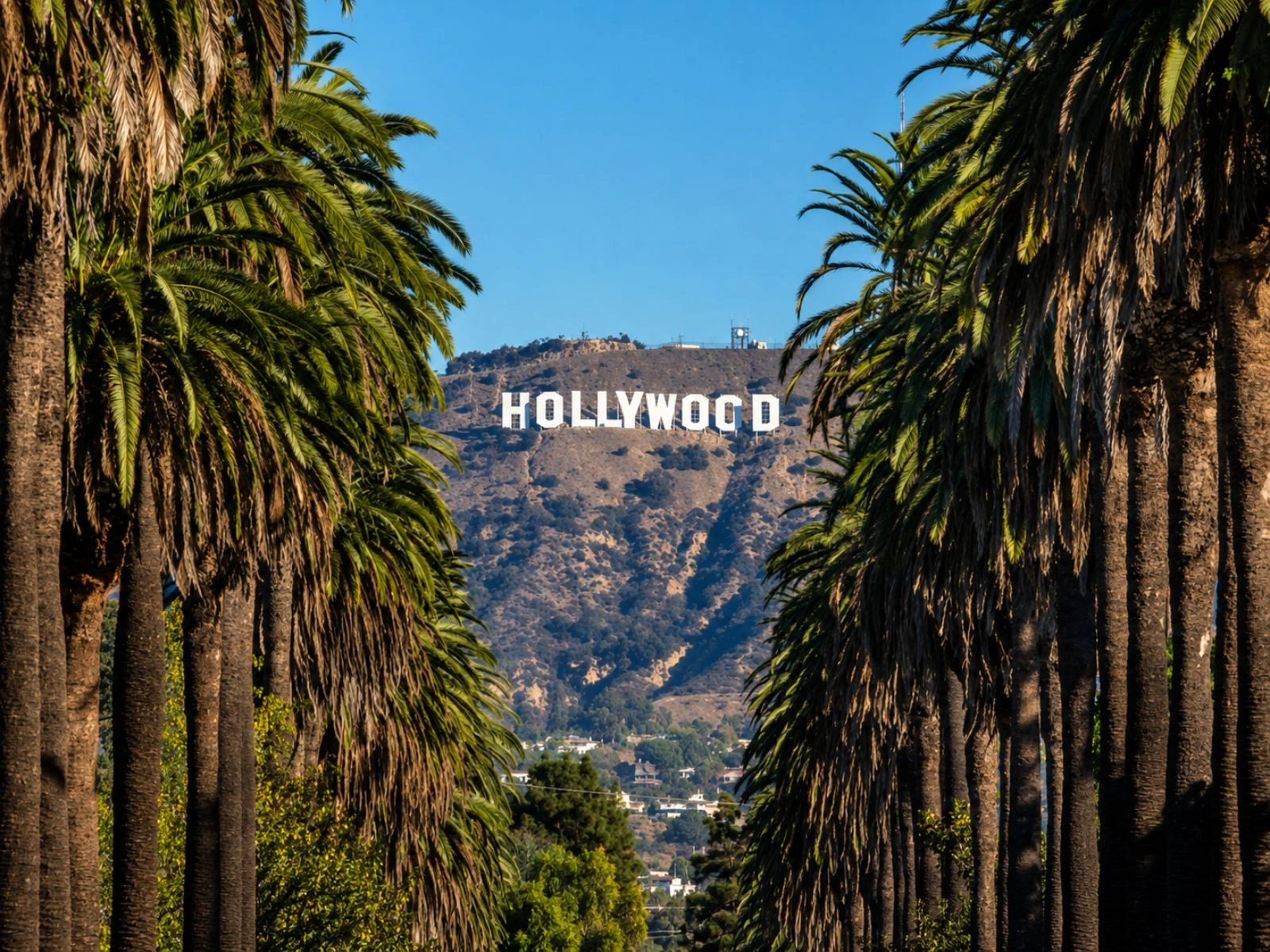

Hollywood, palm trees, golden beaches, and convertibles gliding along the Pacific—for decades, California has dazzled the world with a version of itself that seems lifted straight from the silver screen. Los Angeles serves up plenty of that dream, from the Hollywood Sign perched above the city to the vibrant, unpredictable crowds of Venice Beach. Yet the real magic begins when you step beyond the postcard and discover what lies off the beaten path.
Step away from the movie studios and beach towns, and California reveals itself as a land of endless variety: 840 miles of rugged coastline, nearly 200 mountain ranges, vast deserts and nine awe-inspiring national parks. One morning you might wake to the sound of waves, watch the sun dip behind Joshua trees by evening, and days later stand in the shadow of Yosemite’s towering granite walls. Head north, and the landscape transforms again, swapping palm trees for the rolling vineyards of Napa Valley, the dramatic hills of San Francisco, and redwoods so ancient and immense they shrink everything else to toy size.
This ultimate guide gathers 24 unforgettable experiences from Los Angeles and Southern California to the deserts, Central Coast, Yosemite, San Francisco and the wilds of Northern California. Inside, you’ll find must-see landmarks, scenic road trips, quirky landscapes, culinary delights, world-class wines and hidden gems you never knew existed. California is far too vast to conquer in a single journey, but that has never stopped dreamers from trying. So let’s discover just how much of the Golden State we can pack into one adventure.
Advertisement · Continue Reading Below
With 24 experiences covering everything from beaches and theme parks to deserts, vineyards and ancient forests, narrowing down our favourites is no easy job. However, if we had to choose the experiences that best capture California’s variety—and the ones we would happily plan another trip around—these would be our standout picks.
- Best Overall: Hike to the Hollywood Sign & Visit Griffith Observatory
- Best National Park: Spend a Weekend in Yosemite National Park
- Best Coastal Drive: Drive the Iconic Highway 1 to Big Sur
- Best City Experience: Explore San Francisco’s Steep Streets & Crooked Houses
- Best Weekend Escape: Spend a Weekend in Napa Valley
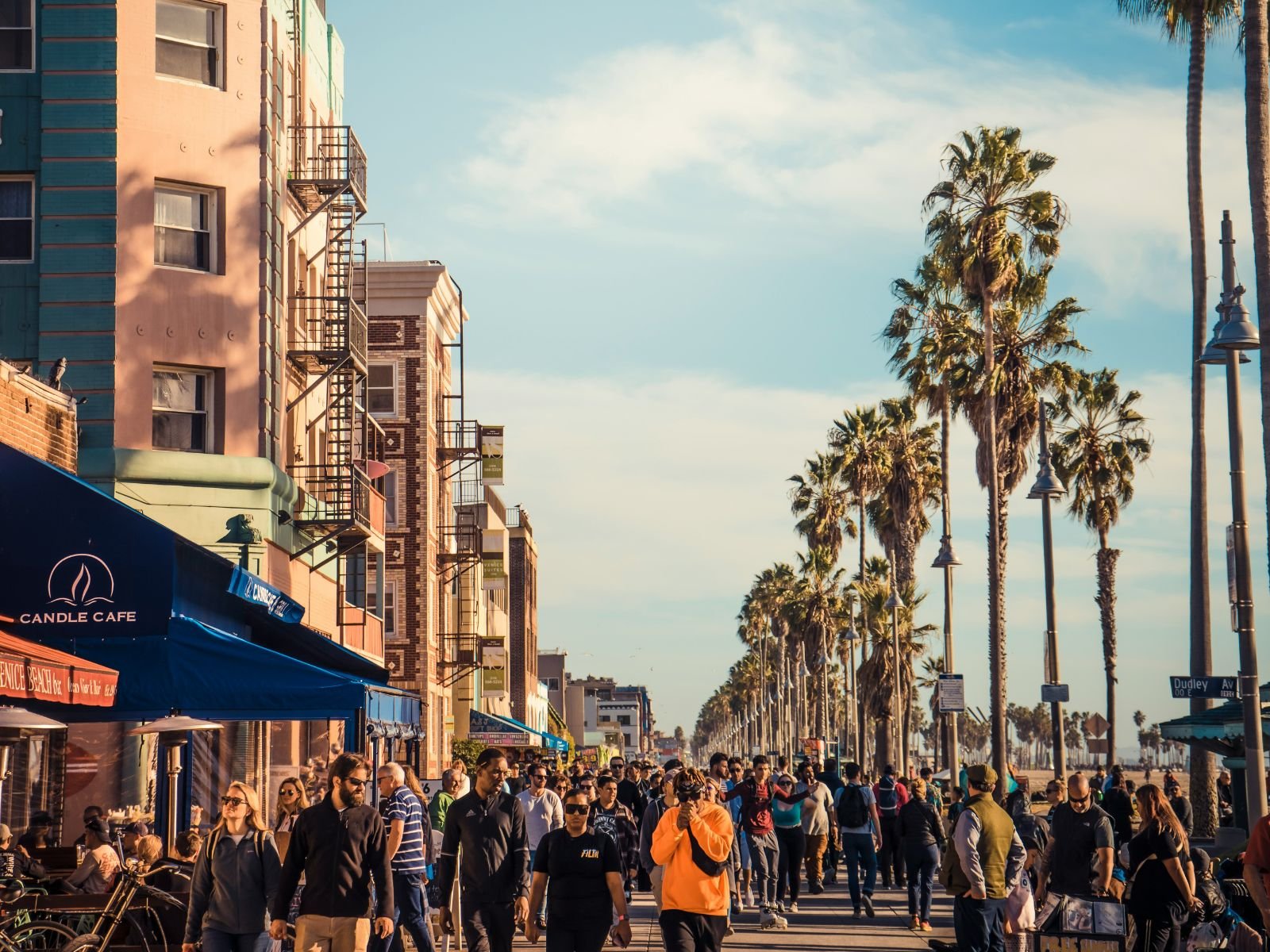
Los Angeles and Southern California are where the California fantasy feels most familiar, with palm-lined streets, movie studios, golden beaches and hillside homes that always seem to catch the sunset perfectly. Yet Los Angeles is far more interesting than its Hollywood Sign than anyone says, unfolding through an enormous collection of neighbourhoods, creative communities, restaurants and coastal towns that can feel like completely different cities. One moment you are watching skateboarders and street performers in Venice Beach, and the next you are hiking above the Hollywood Sign or cruising towards Malibu with the Pacific beside you.
Travel beyond Los Angeles and Southern California continues to deliver its greatest hits, from Disneyland and Universal Studios Hollywood to Laguna Beach’s hidden coves, Catalina Island’s relaxed waterfront and Temecula’s rolling vineyards. Farther south, San Diego adds beautiful beaches, excellent food and the museums and gardens of Balboa Park, giving the region enough variety to fill several trips. Distances can be deceiving, and traffic is practically a supporting character, but few places make the journey between stops quite this entertaining.
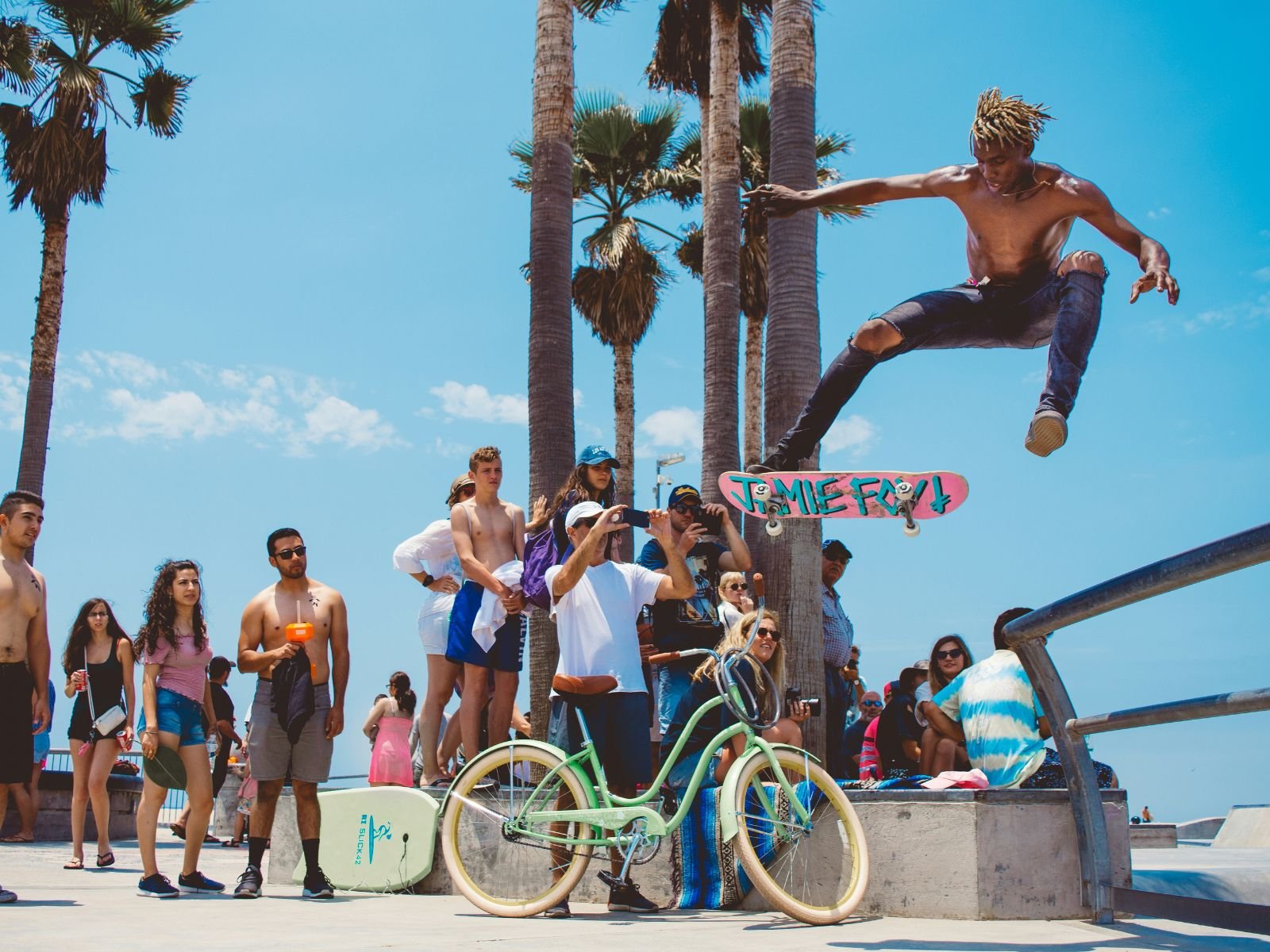
Few places in California attract a crowd as wild, vibrant and unpredictable as Venice Beach. The Boardwalk attracts one of the most colourful and unpredictable crowds in Los Angeles, bringing together local characters, tourists, musicians, artists, bodybuilders, skaters and street performers along the same stretch of Pacific coastline.
There is always something competing for your attention. One minute you might be watching skaters carve through the bowls at Venice Beach Skatepark, and the next you are passing handmade art stalls, outdoor basketball games, spontaneous performances and the famous Muscle Beach gym. It feels less like an ordinary beachfront walk and more like an open-air stage where nobody appears to have received the same script.
Advertisement · Continue Reading Below
That unpredictability is what makes Venice such an essential Southern California experience. You do not necessarily need an itinerary—just follow Ocean Front Walk, stop whenever something catches your eye and accept that you will probably see at least one thing you cannot fully explain.
To experience the Boardwalk from the middle of the action, walk it during a busy afternoon or rent a bicycle and continue towards Santa Monica. If you would rather observe everything with a drink in hand, grab a patio table at The Waterfront or head towards the rooftop at The Venice Whaler near Venice Pier. Either way, the crowd is very much part of the attraction.
No California trip feels complete without seeing the Hollywood Sign, but just seeing it from a car window doesn’t really show how beautiful it is. Several official trails go through Griffith Park, including the popular six-mile Brush Canyon Trail, which takes you behind the famous white letters for wide views across the city. The 5.3-mile Mount Hollywood Trail is an easier choice, while the shorter but steeper Cahuenga Peak Trail is better for experienced hikers. You can’t walk right up to or touch the sign, but the view from the nearby hills is definitely worth the climb. Before you start, be sure to check the official Hollywood Sign hiking guide to pick the best trail for your visit.
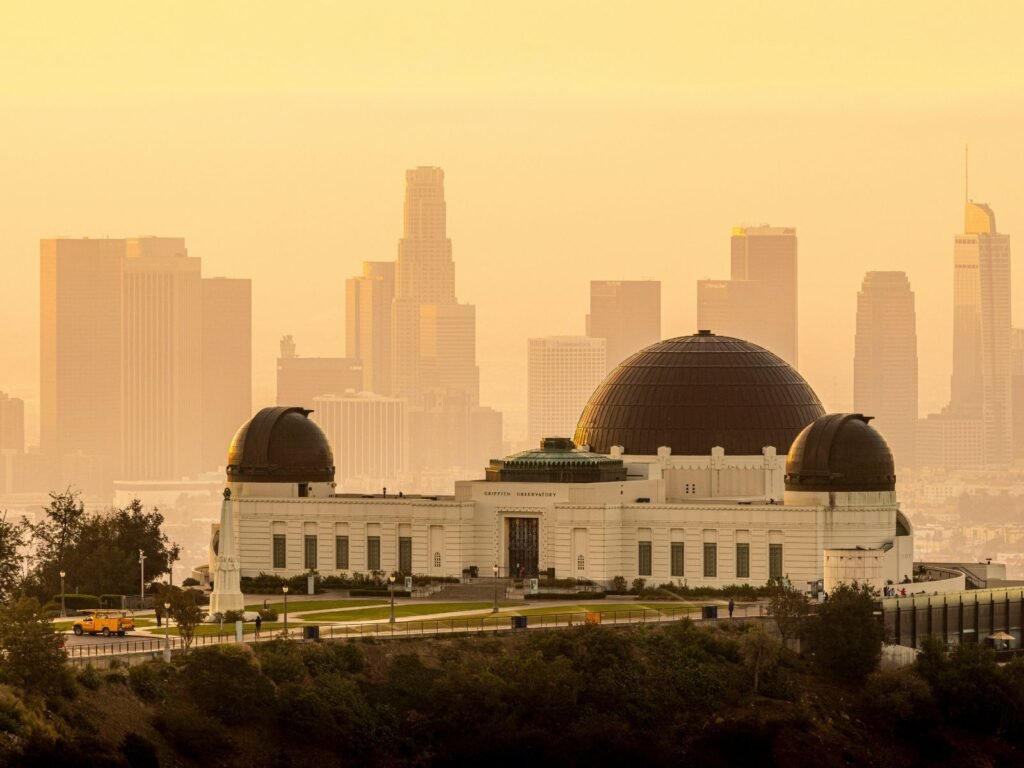
After the hike, head to Griffith Observatory, where the terraces offer another great view of Los Angeles and the Hollywood Sign. Entry to the building and grounds is free, letting you see astronomy exhibits and use public telescopes, but planetarium shows need a separate ticket. Try to get there before sunset and stay as the city lights start to sparkle below, but keep in mind that parking nearby costs money and is limited, especially in the evenings and on weekends.
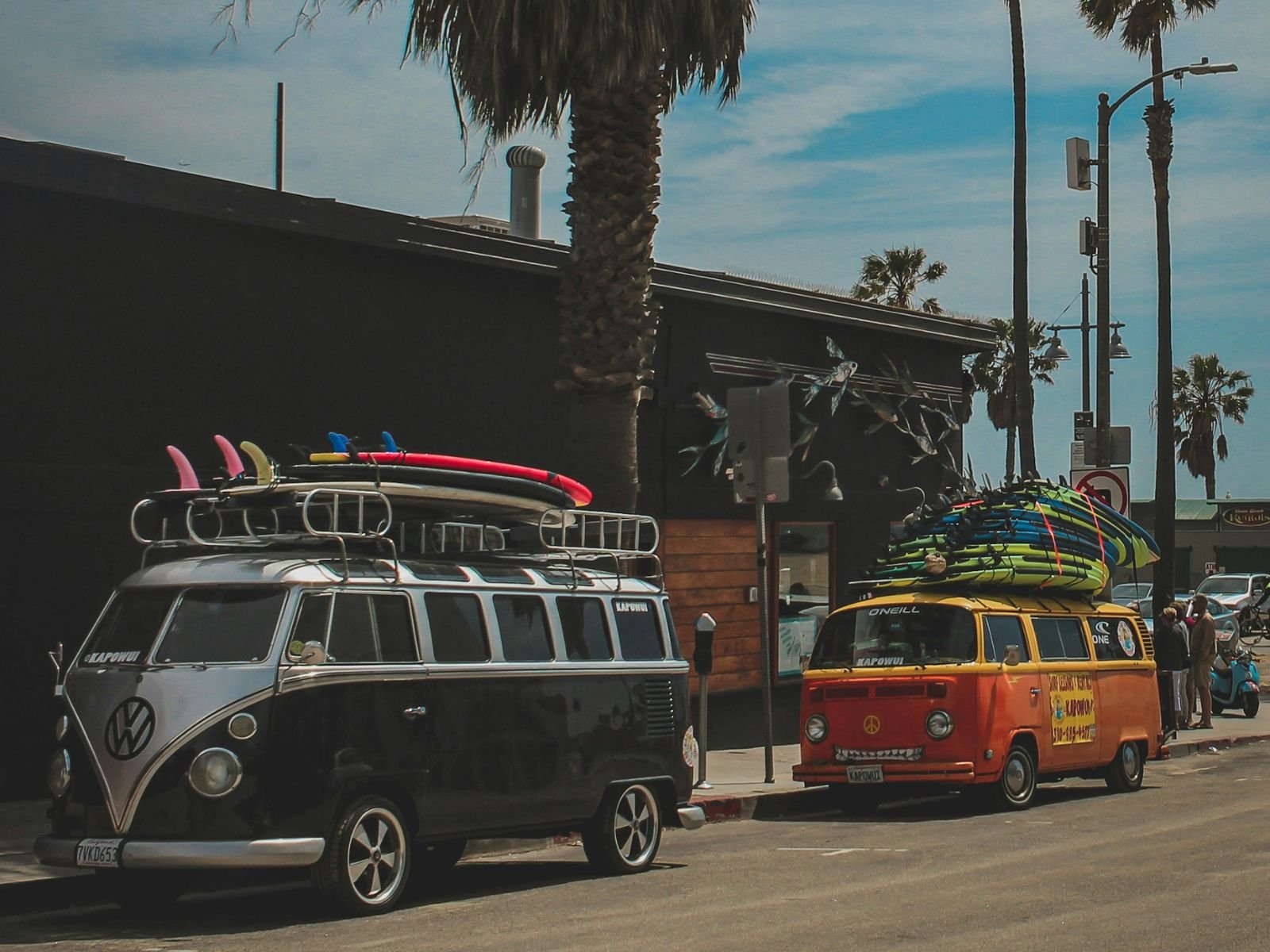
There are plenty of ways to explore Malibu, but few feel as perfectly Californian as cruising around in a colourful vintage Volkswagen bus with the windows down and the coastline rolling past. Several local experiences take visitors through Malibu Wine Country and along scenic stretches of the Pacific Coast Highway, stopping at vineyards, mountain viewpoints and photo-worthy locations along the way. One tour even lets you explore Saddlerock Ranch in a classic VW bus, complete with music, wine tasting and a cheese and charcuterie board. It is wonderfully retro, slightly impractical and easily one of the most memorable ways to spend an afternoon in Malibu—just bring a jacket, because that open-air ride can get surprisingly windy.
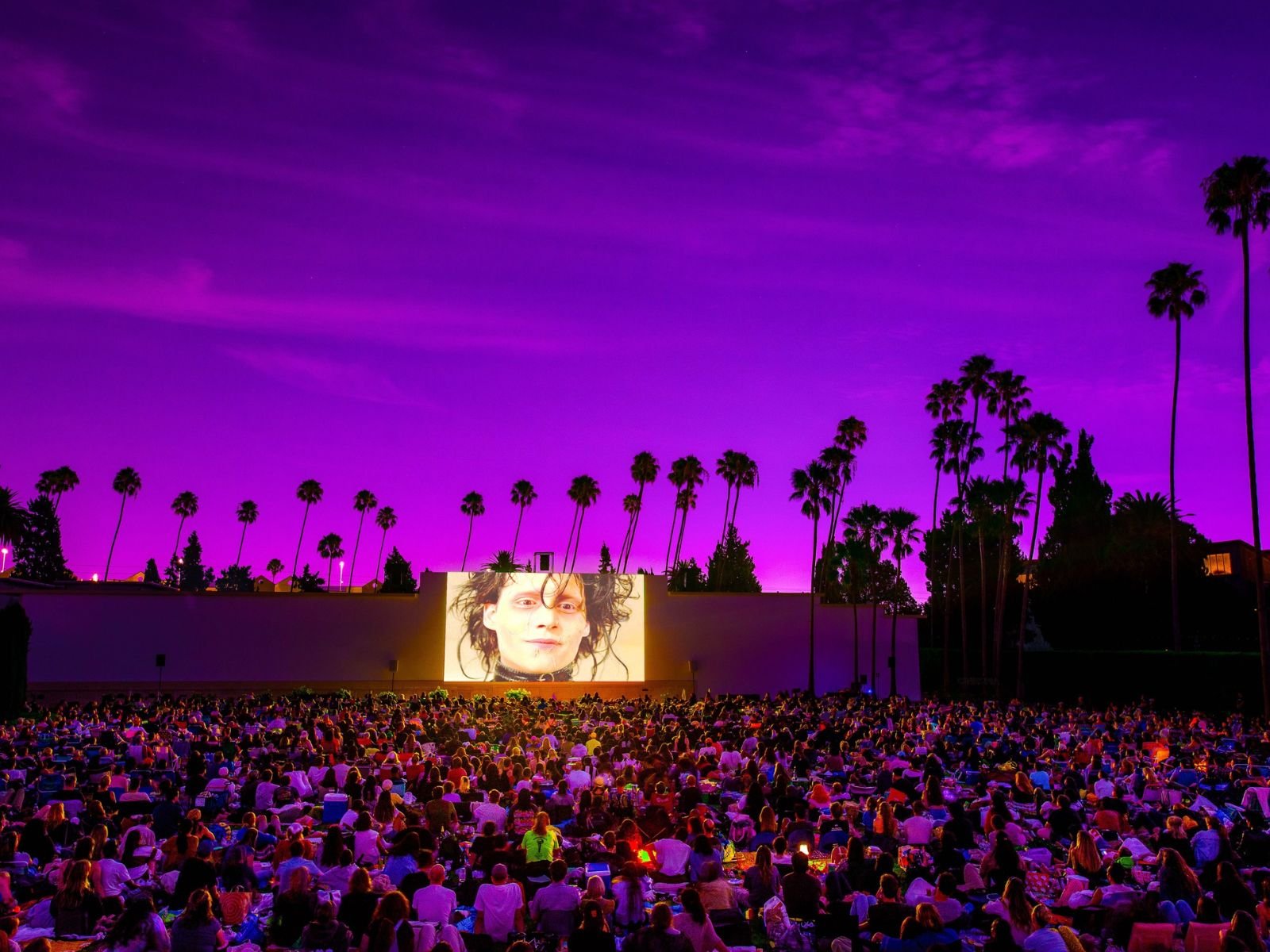
Watching a movie in a cemetery might seem a bit unusual, but Cinespia has made it one of Los Angeles’ most unforgettable summer events. Since 2002, people have gathered on the Fairbanks Lawn at Hollywood Forever Cemetery to watch classic movies shown on the side of a mausoleum, surrounded by blankets, picnic baskets, and a lot of old Hollywood charm. Screenings usually happen from May to September, and guests can bring their own food, beer, and wine, but hard liquor is not allowed. Come early to get a good spot, check out the themed photo booth, and get comfortable before the movie starts under the stars. Be sure to buy your Cinespia tickets ahead of time because popular shows often sell out fast.

Ready for a fun day? Universal Studios Hollywood combines a working film studio with the kind of rides that make you forget you are technically still in Los Angeles. Start with the legendary Studio Tour for a behind-the-scenes look at real sets and backlots before racing through Mario Kart: Bowser’s Challenge inside SUPER NINTENDO WORLD, exploring Hogwarts in The Wizarding World of Harry Potter or getting soaked on Jurassic World – The Ride. Thrill-seekers can also experience Fast & Furious: Hollywood Drift, the park’s first high-speed outdoor roller coaster, featuring ride vehicles that rotate 360 degrees while travelling at speeds of up to 72 mph.
Advertisement · Continue Reading Below
You could easily spend an entire day hopping between the Upper and Lower Lots, so arrive early and download the official app to monitor wait times, navigate the park and plan your route. An Express ticket can be worth considering during weekends, school holidays and other busy periods, especially if you only have one day available. Check the operating calendar and book your Universal Studios Hollywood tickets before visiting, as opening hours and attraction availability can change.
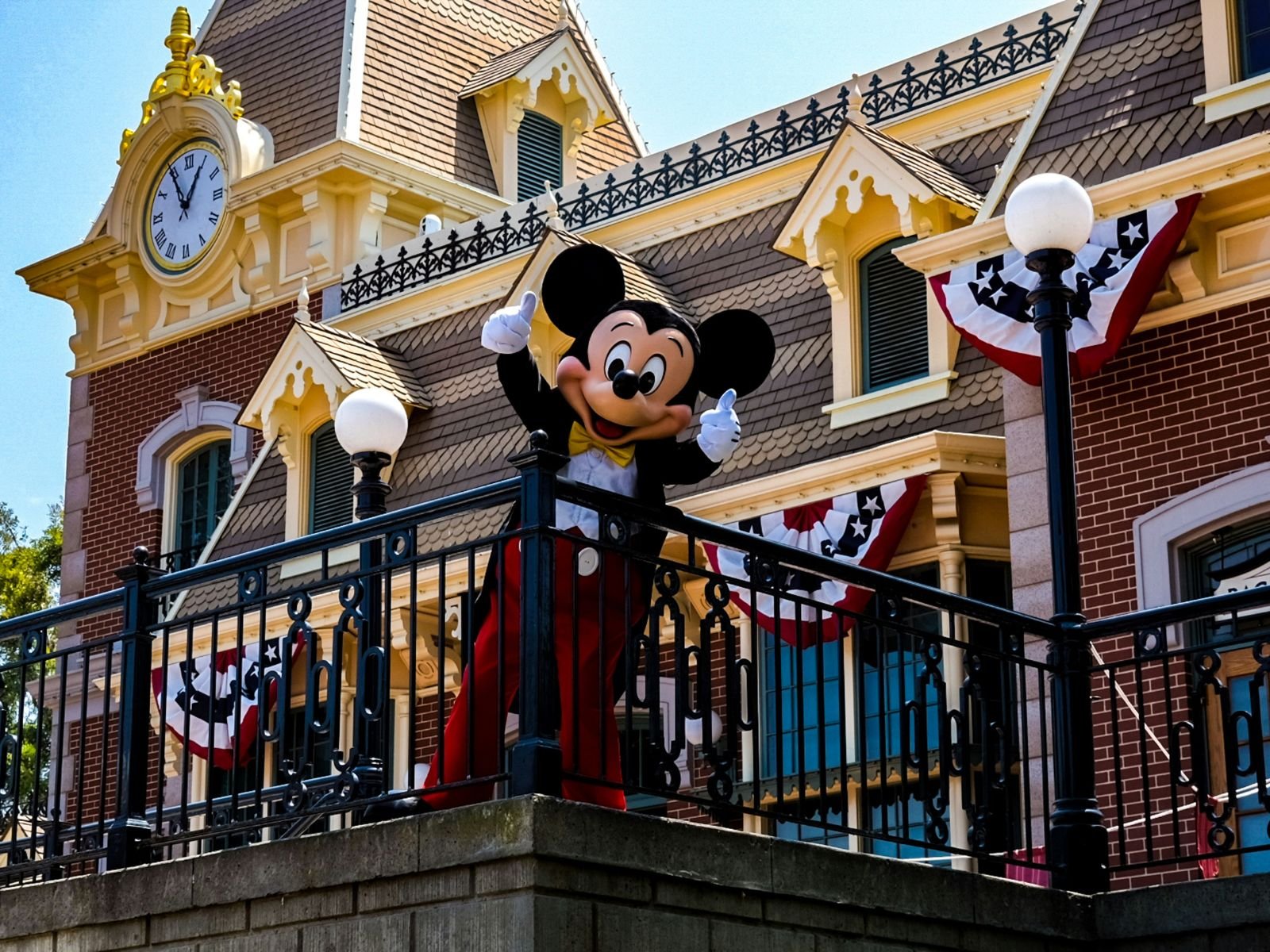
No California theme park guide would be complete without Disneyland, the original park where Disney’s theme park story began in 1955. Walk beneath Sleeping Beauty Castle, ride classics such as Pirates of the Caribbean and the Haunted Mansion, or head into Star Wars: Galaxy’s Edge to pilot the Millennium Falcon and experience the enormous Rise of the Resistance. Even if you are visiting without kids, there is something undeniably nostalgic about wandering down Main Street, U.S.A. with a churro in hand and staying late enough to watch the nighttime entertainment.
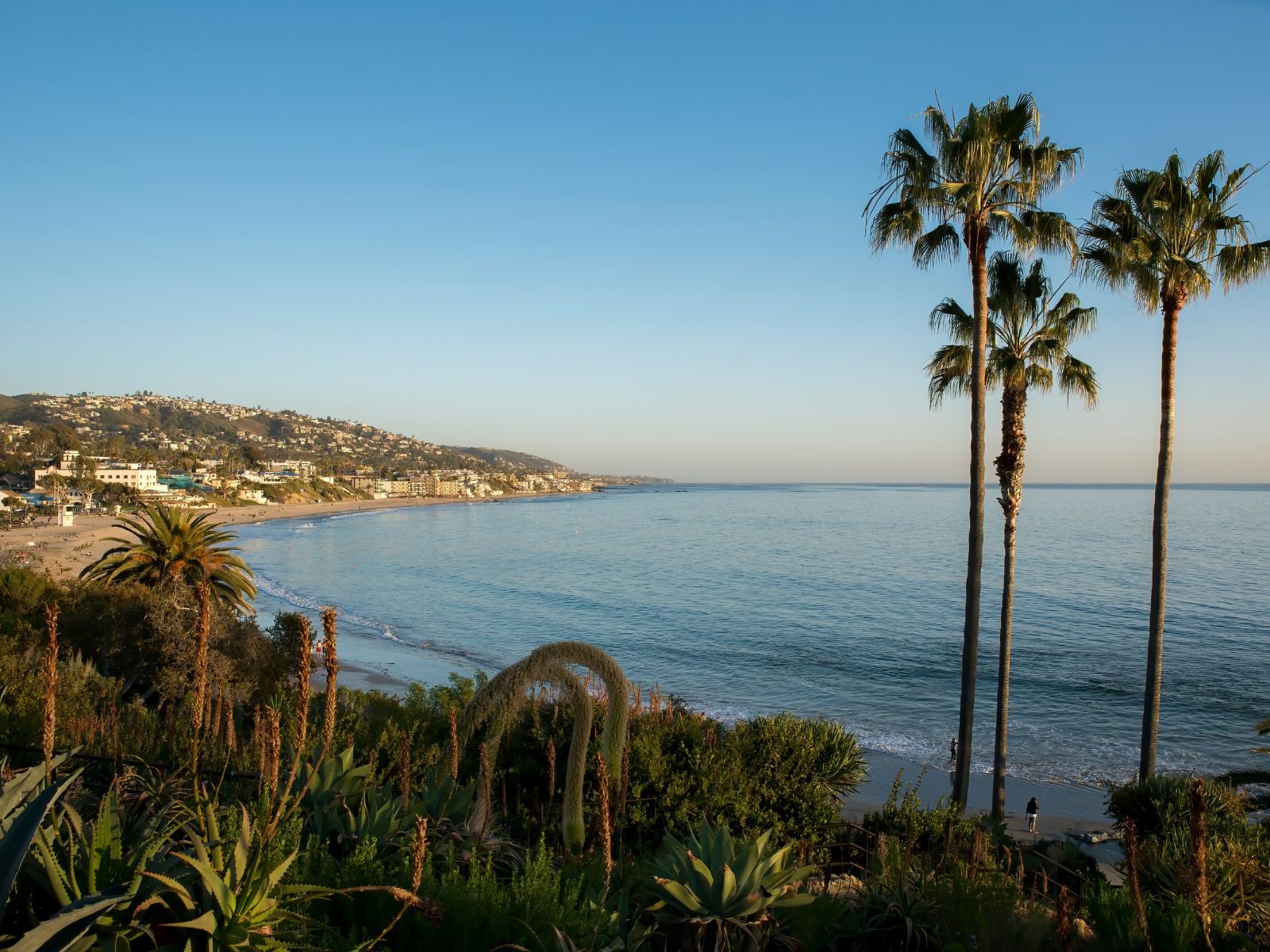
With more than seven miles of coastline broken up by sandy coves, tide pools and dramatic cliffs, Laguna Beach is made for beach-hopping. Begin at Main Beach and walk through Heisler Park for sweeping coastal views before searching for the famous pirate tower at Victoria Beach, tackling the staircase down to Thousand Steps Beach or spreading out beside the waves at Aliso Beach. Every stop has a slightly different personality, so pack your swimwear, walking shoes and enough time to explore more than one.
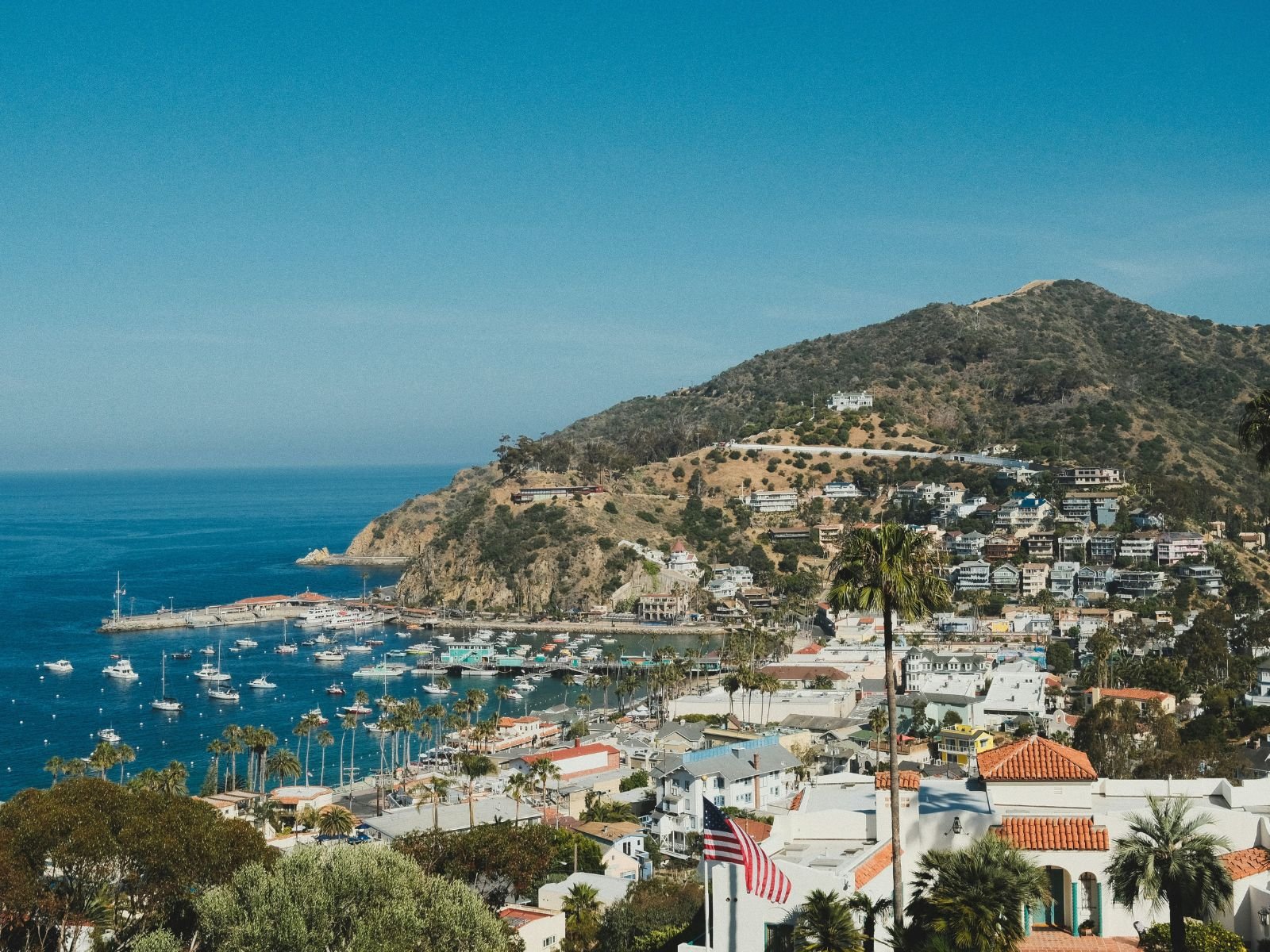
Just 22 miles off the Southern California coast, Catalina Island feels much farther from Los Angeles than the roughly hour-long ferry ride would suggest. Most first-time visitors stay in Avalon, where colourful waterfront buildings, palm-lined streets and the landmark Catalina Casino give the town an almost Mediterranean feel. Rent a golf cart to explore the surrounding hills, snorkel through the kelp forests at Lover’s Cove, kayak along the coast or spend the afternoon relaxing at Descanso Beach Club.
For something quieter and more outdoorsy, head to Two Harbours for hiking, paddleboarding, diving and peaceful beaches without Avalon’s busier atmosphere. Catalina Express operates year-round services from Long Beach, San Pedro and Dana Point, but departures and hotels can fill quickly during summer and holiday weekends. It’s basically a vacay within your California vacation.
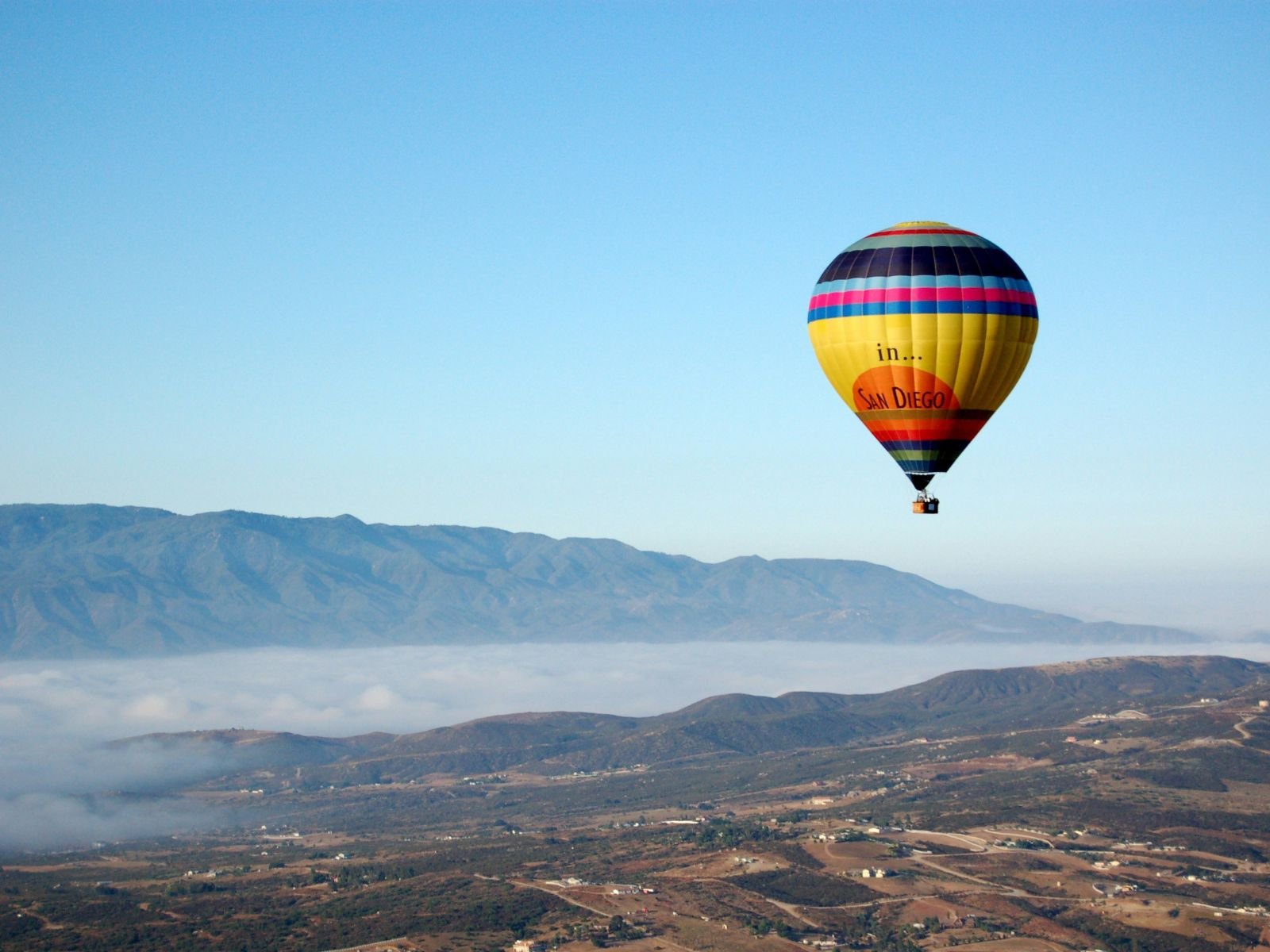
Temecula’s vineyards look beautiful from the road, but they are even better from a basket floating quietly above the valley at sunrise. Hot-air balloon flights operate throughout the year, weather permitting, and usually spend around 60 to 75 minutes drifting over rows of vines, rolling hills and the surrounding mountains before finishing with a celebratory toast. Yes, the early wake-up call can be painful, but calmer morning winds mean flights only operate around sunrise—and watching the first light spill across Southern California Wine Country makes it worth losing a little sleep.
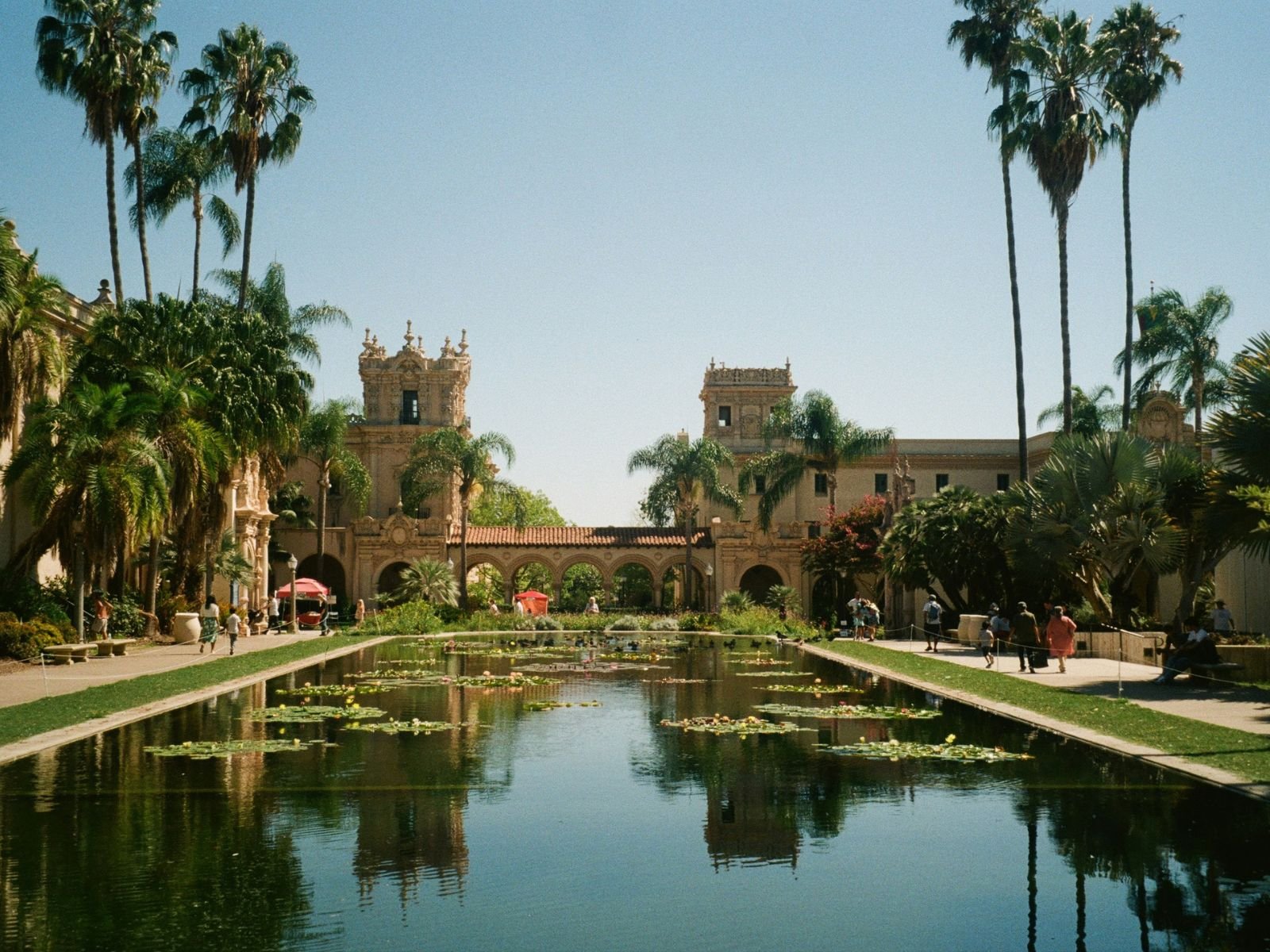
From a dinosaur exhibition to a Japanese garden, all without ever leaving central San Diego, the park spans more than 1,000 acres and brings together 17 museums and cultural institutions, all set within ornate Spanish Colonial Revival architecture, fountains and landscaped gardens. Spend the morning exploring the San Diego Museum of Art, Fleet Science Center or San Diego Natural History Museum, then slow things down beside the koi ponds and stone pathways of the Japanese Friendship Garden.
Advertisement · Continue Reading Below
Even without entering a museum, there is plenty to see by simply wandering along El Prado and through the park’s outdoor spaces. Stop at the historic Botanical Building and Lily Pond, photograph the colourful tiles and fountains of Alcázar Garden, or find a quiet bench in the Rose Garden. There is far too much to cover in one visit, so choose two or three museums that genuinely interest you and leave enough time to enjoy the architecture and gardens between them.
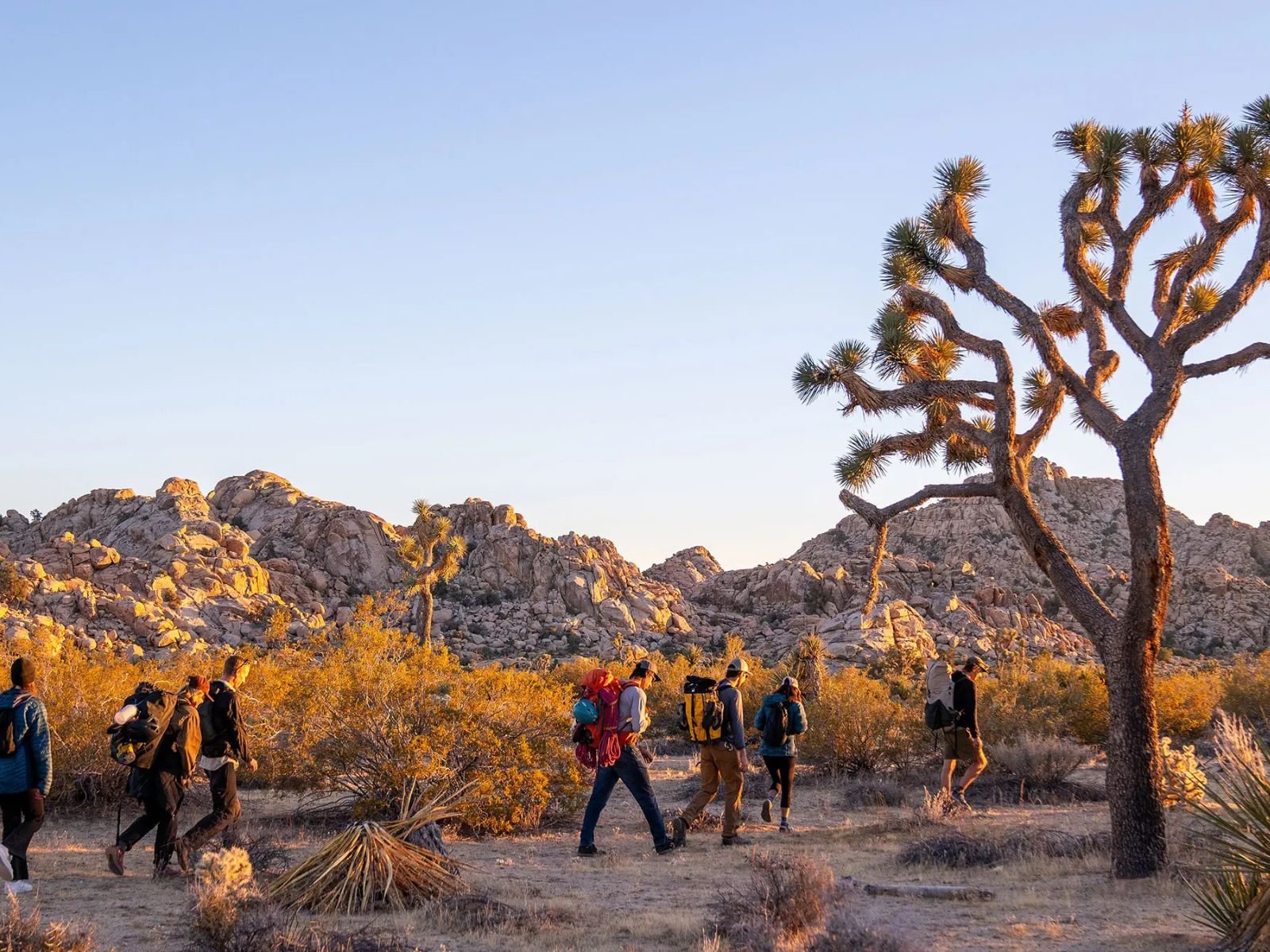
Joshua Tree National Park looks like someone dropped a collection of enormous boulders and strange, spiky trees onto another planet. The park sits where the Mojave and Colorado deserts meet, creating a landscape filled with rugged mountains, cactus gardens and its unmistakable namesake trees. It is one of those places where simply driving between viewpoints feels like part of the adventure.
The one-mile Hidden Valley Trail is an easy introduction, winding through a rock-enclosed valley surrounded by Joshua trees and giant granite formations. You can also follow the 1.1-mile Barker Dam Trail, stop for a photograph at Skull Rock or head to Keys View for sweeping views across the Coachella Valley and San Andreas Fault. More experienced hikers can tackle longer routes, but even the shorter trails provide plenty of desert scenery without consuming the entire day.
Stay until after sunset if you can, because the park’s dark skies are every bit as impressive as its daytime landscape. Just remember that this is still a remote desert — there are no restaurants, fuel stations or reliable water sources inside the park, while mobile reception is extremely limited. Bring more water than you think you will need, download your maps beforehand and avoid longer hikes during the intense summer heat.
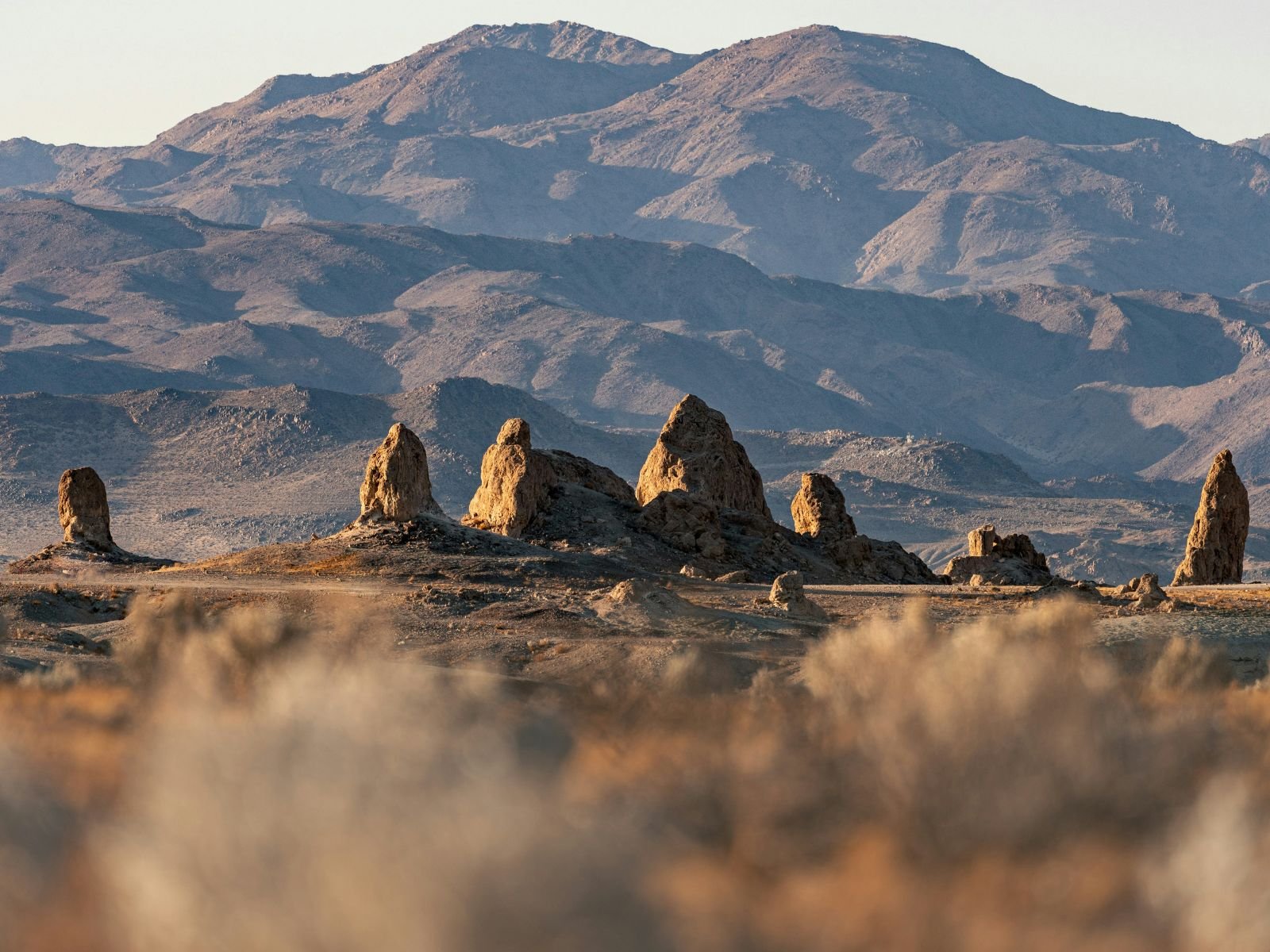
Rising from the dry bed of Searles Lake, the Trona Pinnacles look more like the backdrop of a science-fiction film than somewhere you would expect to find in California. More than 500 calcium-carbonate tufa spires are scattered across a 14-square-mile area, with some reaching more than 140 feet high. They formed between 10,000 and 100,000 years ago, when the surrounding basin sat beneath as much as 640 feet of water. The site was designated a National Natural Landmark in 1968 and has since appeared in numerous films, commercials and photo shoots because, well, finding an alien planet this close to Los Angeles is far more convenient than building one.
You can drive between the formations, stop to explore them on foot and stay until sunset, when the changing light makes the entire valley feel even more otherworldly. Reaching the pinnacles requires following a five-mile dirt road from State Route 178, which is generally accessible to two-wheel-drive vehicles in dry conditions. Take it slowly and avoid attempting the drive after heavy rain, when the road may close or become difficult to navigate. There is no drinking water, rubbish collection or reliable mobile reception at the site, so arrive prepared and take everything you bring back out with you.
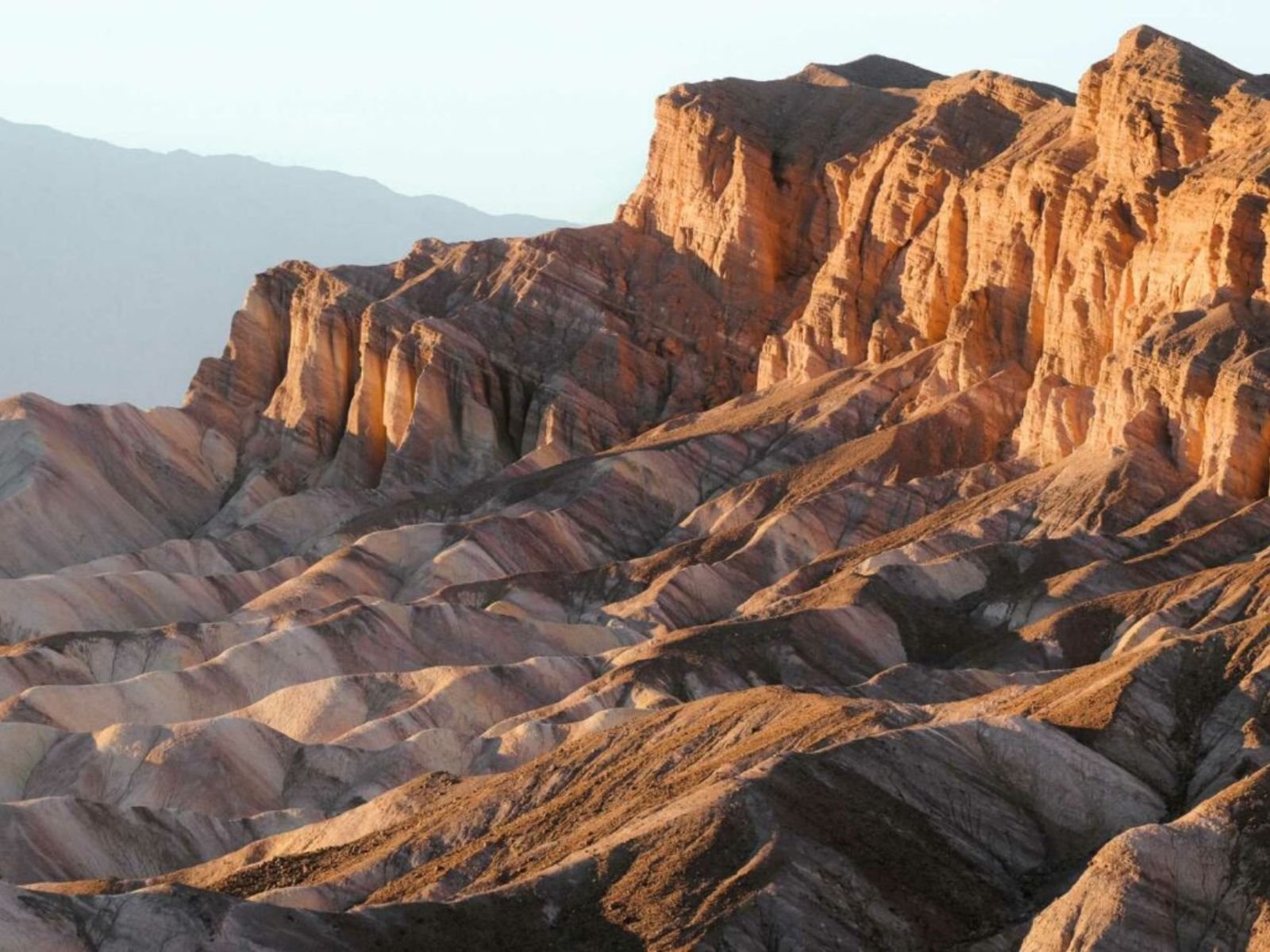
Death Valley may have one of the least inviting names in California, but its landscapes are anything but lifeless. Spread across more than three million acres, the park shifts between salt flats, sculpted badlands, colourful canyons, enormous sand dunes and mountains rising sharply from the desert floor. The scale is difficult to appreciate until you begin driving through it and realize the next viewpoint is still another hour away.
Begin at Badwater Basin, the lowest point in North America at 282 feet below sea level, where geometric salt formations stretch toward the surrounding peaks. Watch the morning light sweep across the golden badlands at Zabriskie Point, follow the colourful curves of Artists Drive and walk over the shifting sands of Mesquite Flat Sand Dunes. If you stay after sunset, Death Valley’s dark skies reveal another side of the park, with stars filling a landscape almost completely free from city lights.
This is also the hottest place on Earth, with summer temperatures that can reach 130°F (54°C), so it is not a place to take lightly. Visit during the cooler months if possible, bring plenty of water and fuel, and avoid hiking in low-lying areas during summer. Mobile phone signal is weak across the park, and sudden floods can damage or close roads without warning, so it is important to download maps and check current conditions before you go.
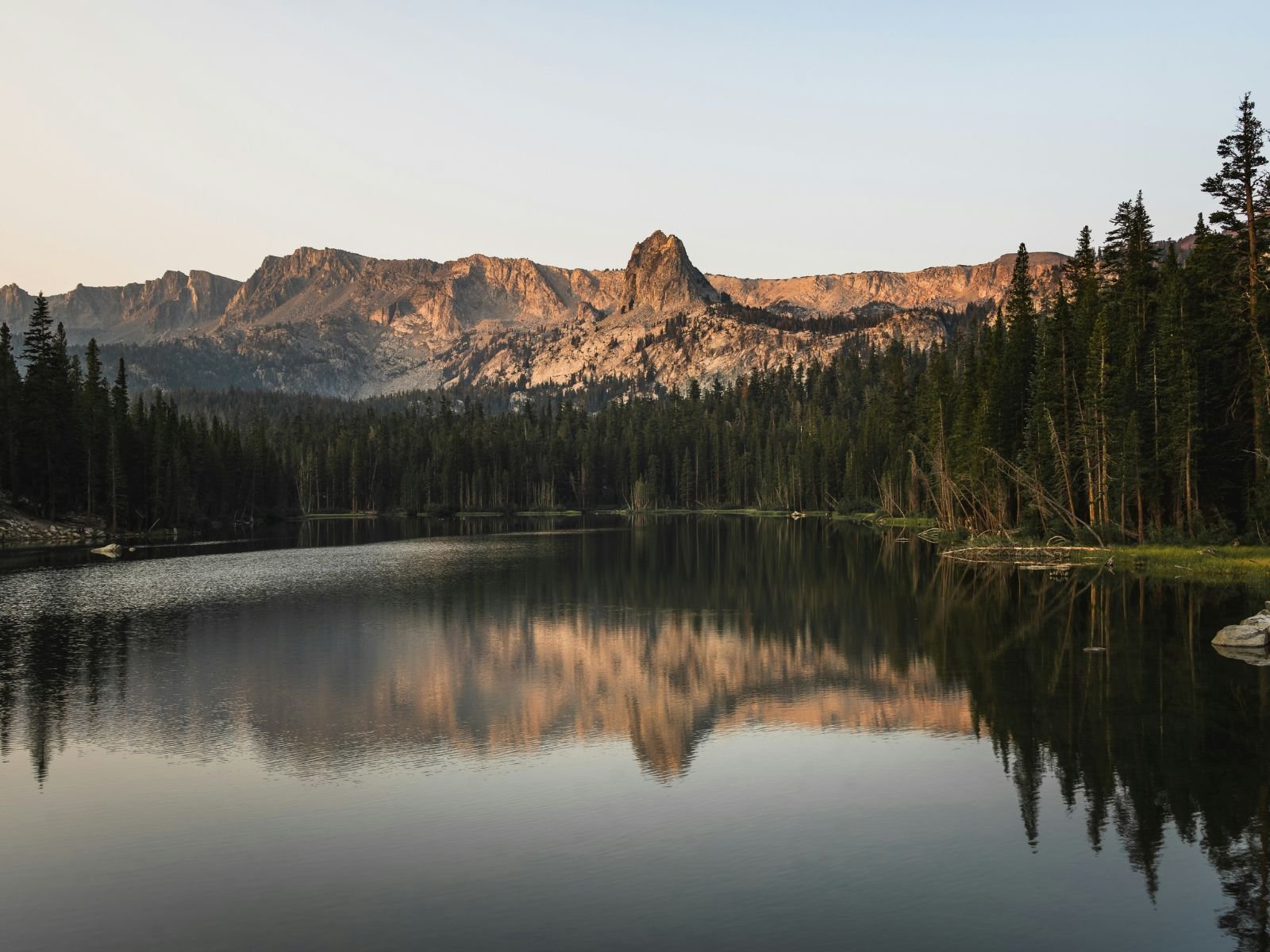
Hidden in Long Valley beneath the snow-capped Eastern Sierra, Wild Willy’s Hot Spring feels like nature built its own outdoor spa and forgot to charge admission. A wooden boardwalk leads across the sagebrush to several geothermal pools, including one shaped remarkably like a heart, where you can soak in warm mineral water while looking toward the surrounding mountains. Visit around sunrise or sunset for the best views and a little more peace, but remember that the final approach follows an unpaved road that can become muddy or inaccessible after heavy rain or snow. There are no changing rooms, showers or rubbish services, so bring a towel, respect other visitors and pack out everything you carry in.
After the theme parks, crowded boardwalks and sun-soaked energy of Los Angeles and Southern California, the Central Coast encourages you to slow everything down. Stretching between Los Angeles and San Francisco, this is the California of winding coastal roads, quiet beach towns, rolling vineyards and cliffs that fall dramatically into the Pacific.
Highway 1 ties much of it together, passing through places such as Santa Barbara, San Luis Obispo, San Simeon and Big Sur. Along the way, you can taste local wine, hike beside the ocean, watch enormous elephant seals lounging on the sand and pull over whenever the view becomes too good to ignore—which happens quite often around here.
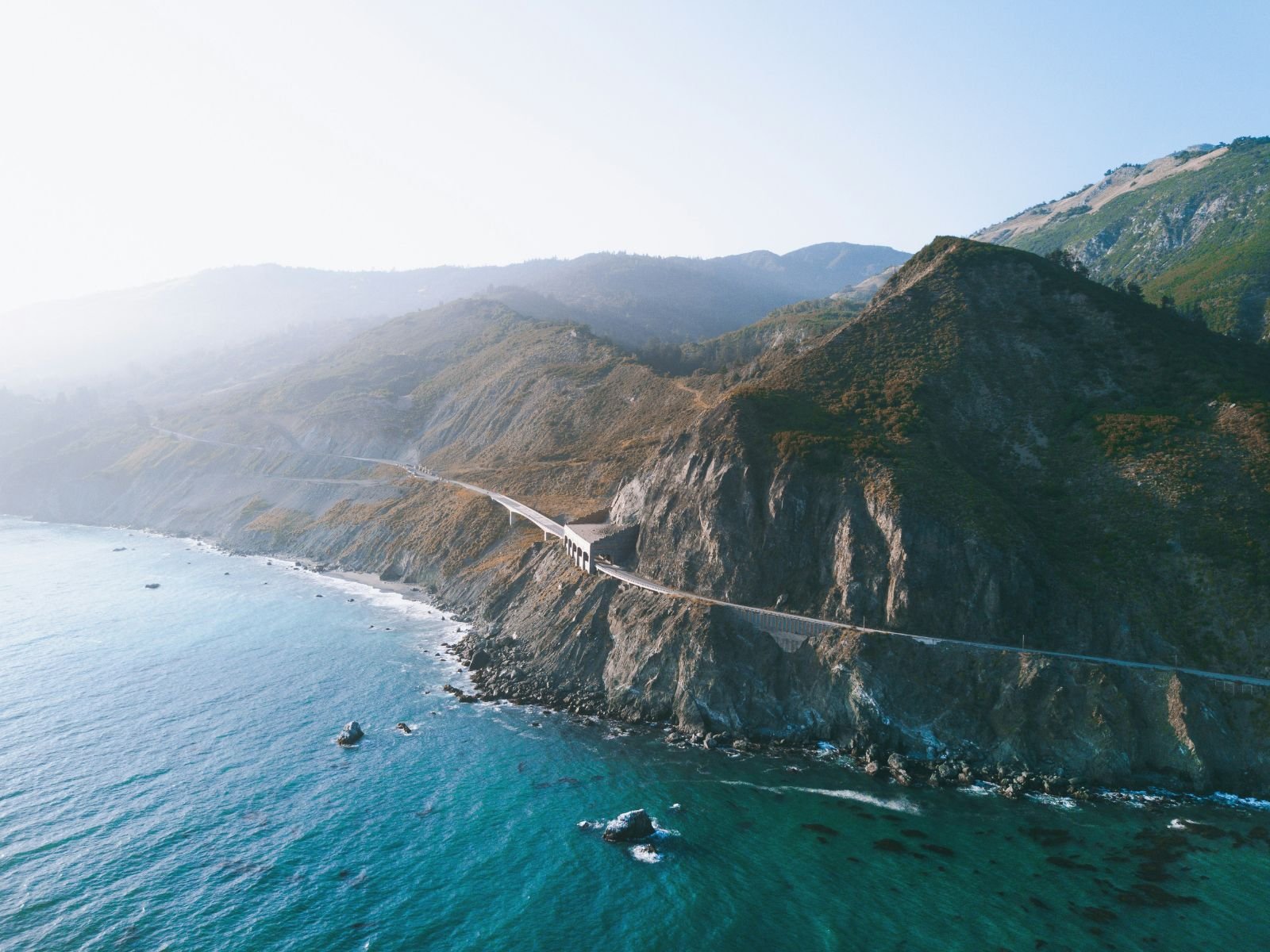
Few road trips capture the beauty of California’s Central Coast quite like Highway 1. The road follows the Pacific through laid-back beach towns, rolling green hills and stretches of coastline where rugged cliffs fall dramatically into the ocean. Around almost every bend, another view appears—waves crashing against rocky sea stacks, quiet coves hidden below and mountains disappearing into the coastal mist.
Advertisement · Continue Reading Below
As you travel north, the scenery becomes increasingly dramatic. Pass the sandy shores of Pismo Beach, watch Morro Rock rise from the water and continue through Cambria and San Simeon before reaching the wild coastline of Big Sur. Pull over at the coastal viewpoints along the way, where you may spot sea otters, elephant seals or migrating whales moving through the Pacific.
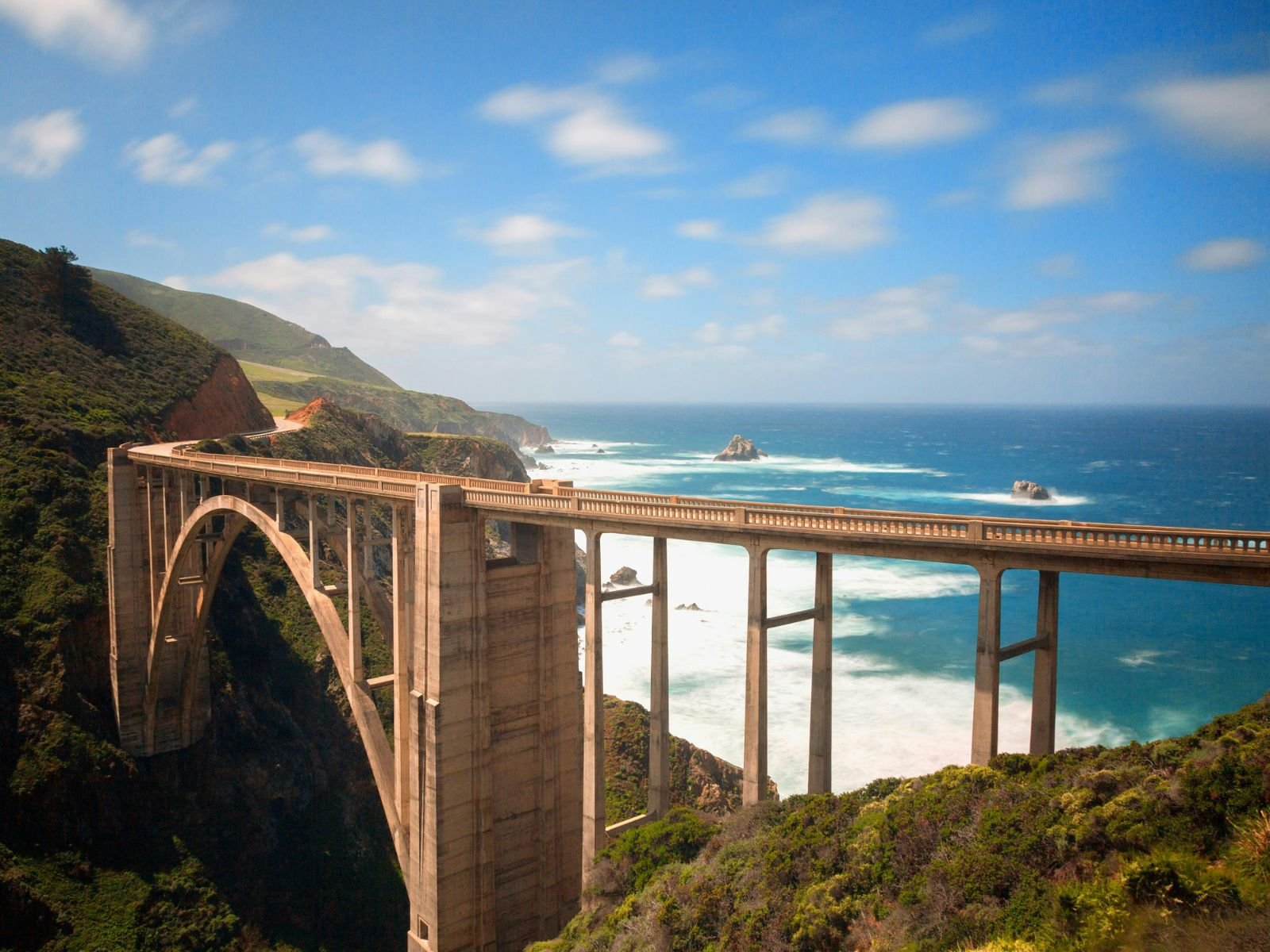
Once you reach Big Sur, stop at Bixby Creek Bridge for the classic photograph, walk beneath the towering redwoods at Pfeiffer Big Sur State Park and search for the purple sand and rocky archway at Pfeiffer Beach. This is not a drive to rush. Give yourself an entire day, stop whenever the view catches your attention and let the beautiful California Central Coast become the main attraction.
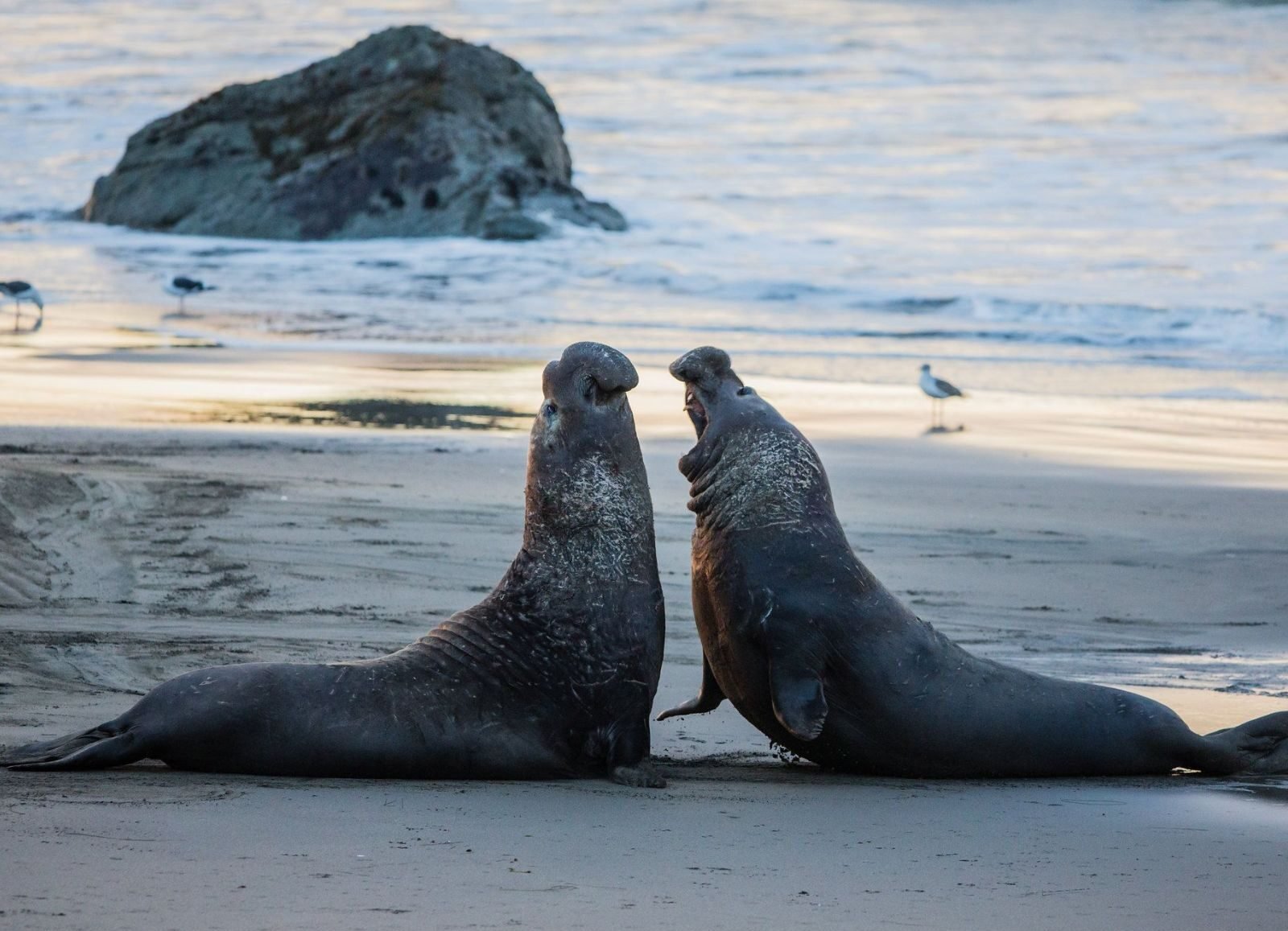
Just off Highway 1 near San Simeon, hundreds—and sometimes thousands—of northern elephant seals gather along the sand at the Piedras Blancas Rookery to sleep, bark, wrestle and occasionally throw sand over themselves with surprising enthusiasm. Opened throughout the year and positioned above the beach, although the biggest crowds of seals generally appear during winter breeding season and the spring and autumn moults. Bring binoculars, keep to the designated viewing areas, and prepare for a roadside wildlife stop — but keep in mind it’s going to be loudey and smelly than expected.
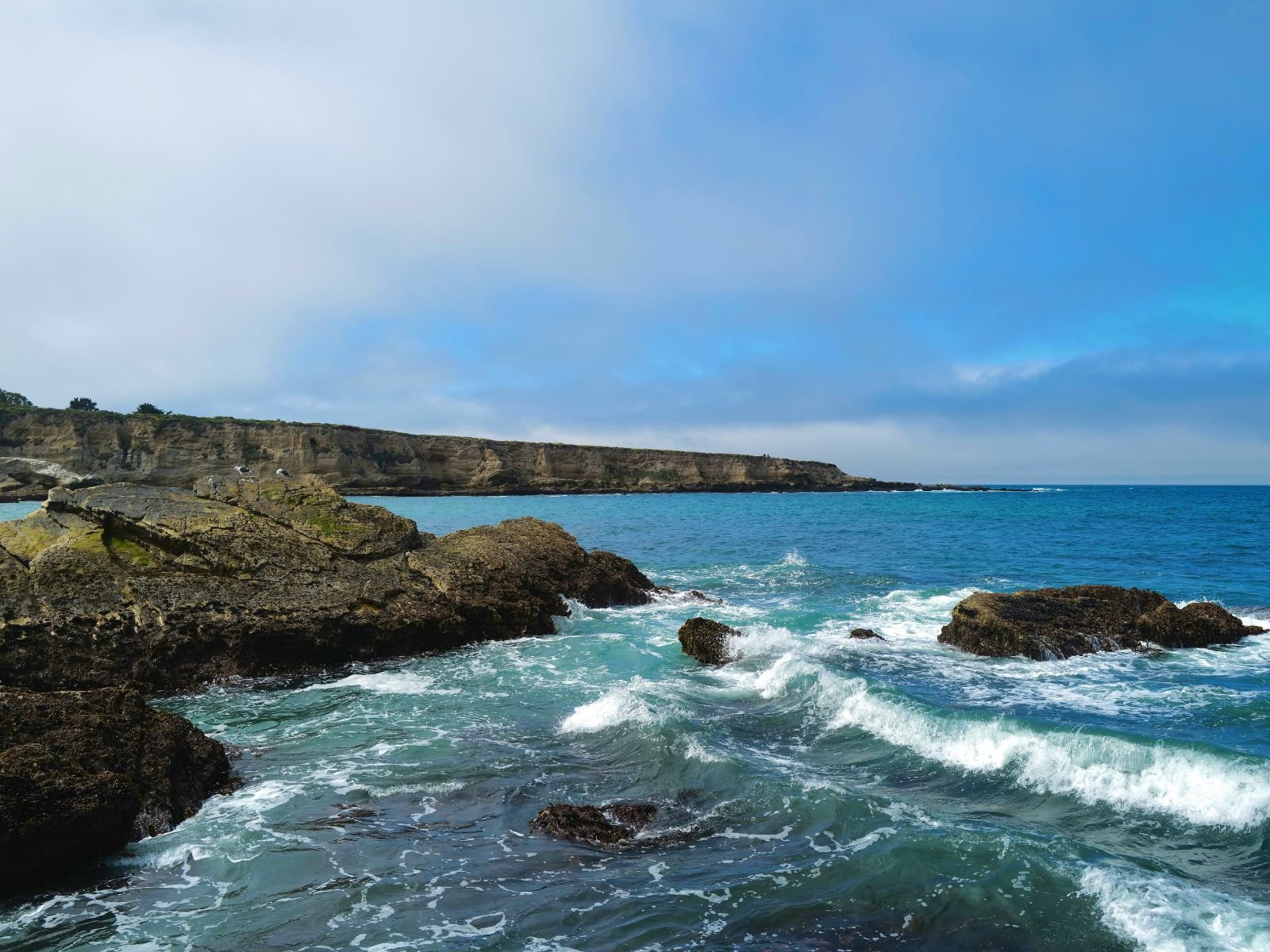
Montaña de Oro may not receive the same attention as Big Sur, but that is part of what makes it such a rewarding Central Coast stop. At the park’s northern end, the Sand Spit Trail leads toward a quiet stretch of beach backed by rolling dunes that separate the Pacific Ocean from the Morro Bay estuary. The short opening section offers broad views toward Morro Rock, while continuing across the sand brings windswept scenery, coastal wildlife and considerably fewer crowds than many of California’s better-known beaches.
There is much more here than dunes, so leave time to visit Spooner’s Cove and walk a section of the Bluff Trail, which follows the clifftops past sea stacks, tide pools and secluded coves. Montaña de Oro translates to “Mountain of Gold,” a name inspired by the golden wildflowers that cover its hills in spring, although the ocean views make the park worth visiting in any season.
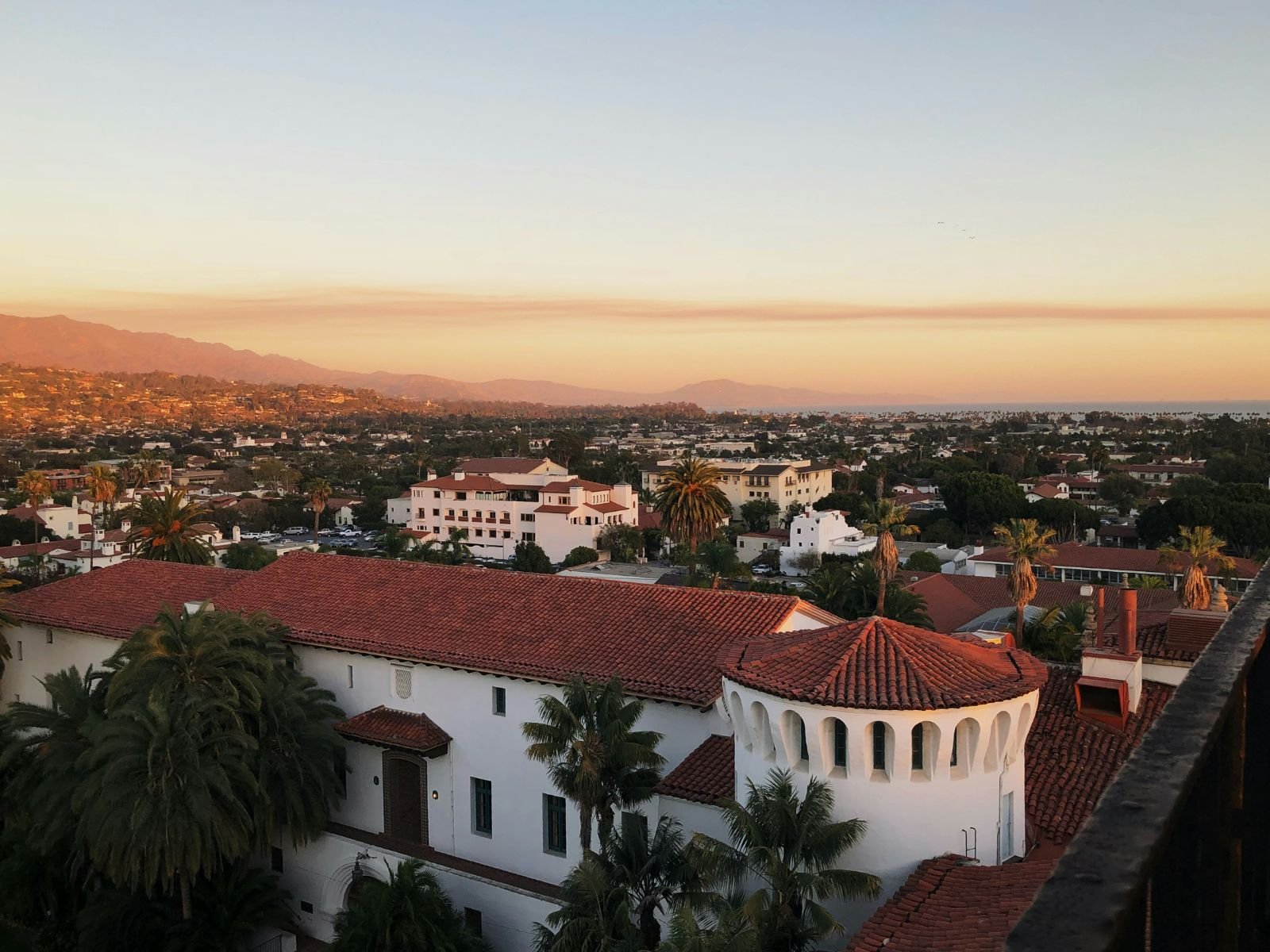
Santa Barbara makes wine tasting feel like part of everyday coastal living. Backed by the Santa Ynez Mountains and facing the Pacific Ocean, the city combines palm-lined beaches, white Spanish-style buildings and sunny restaurant patios with the relaxed pace of California wine country. The Urban Wine Trail brings more than 20 wineries and tasting rooms into its walkable neighbourhoods, letting you sample local Pinot Noir, Chardonnay and Syrah without spending the day driving between distant vineyards.
The Funk Zone is the liveliest place to begin, with tasting rooms tucked inside converted warehouses surrounded by colourful murals, restaurants and independent shops near the waterfront. Head to Stearns Wharf for wine accompanied by views across the ocean and Channel Islands, or wander toward the Presidio neighbourhood for quieter tasting rooms surrounded by historic architecture. Midtown offers another side of the city, with working wineries where barrels and production spaces sit alongside the tasting areas.
Trying to complete the entire trail in one day would be ambitious for all the wrong reasons, so choose three or four places and enjoy the city between tastings. Stop for lunch on a sunny patio, walk along the waterfront or watch the light change over the mountains before returning for another glass. Santa Barbara is not simply somewhere to taste wine—it is somewhere that makes you briefly wonder whether moving to the California coast would really be such an unreasonable decision.
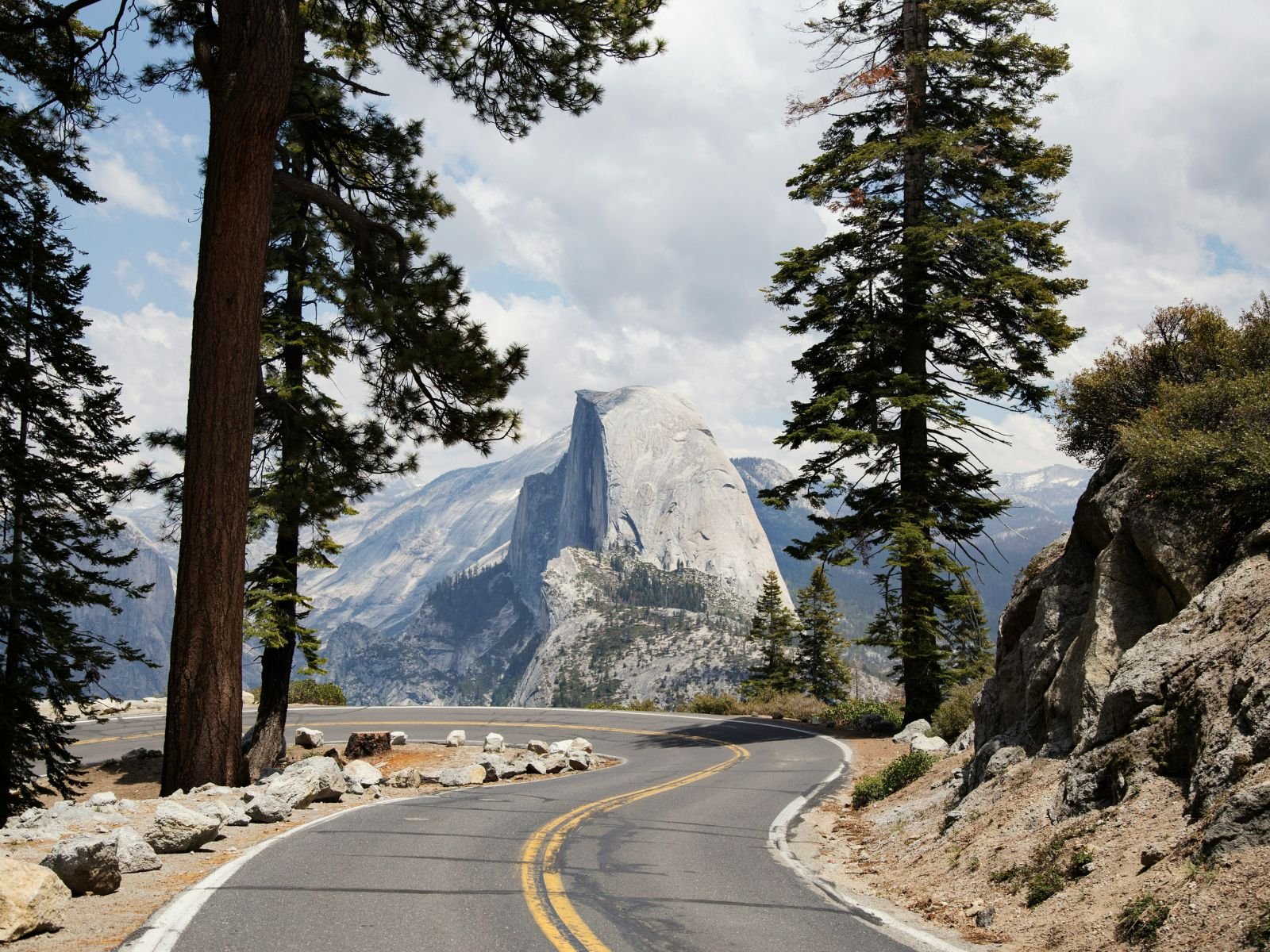
As the road leaves the Central Coast behind, California begins trading oceanfront highways for granite mountains, rolling vineyards, misty cities and forests filled with some of the tallest trees on Earth. Yosemite introduces this side of the state with enormous waterfalls, alpine meadows and sheer rock faces rising above the valley, while San Francisco adds steep streets, colourful neighbourhoods and spectacular views across the bay toward the unmistakable Golden Gate Bridge.
Travelling farther north reveals yet another version of California, as Napa Valley’s carefully planted vineyards gradually give way to quieter coastal towns, rugged shorelines and ancient redwood forests where the roads disappear beneath trees hundreds of feet tall. The landscape becomes wilder, greener and more dramatic with every mile, offering a side of the state that feels completely removed from the sunshine, theme parks and crowded beaches associated with Southern California.
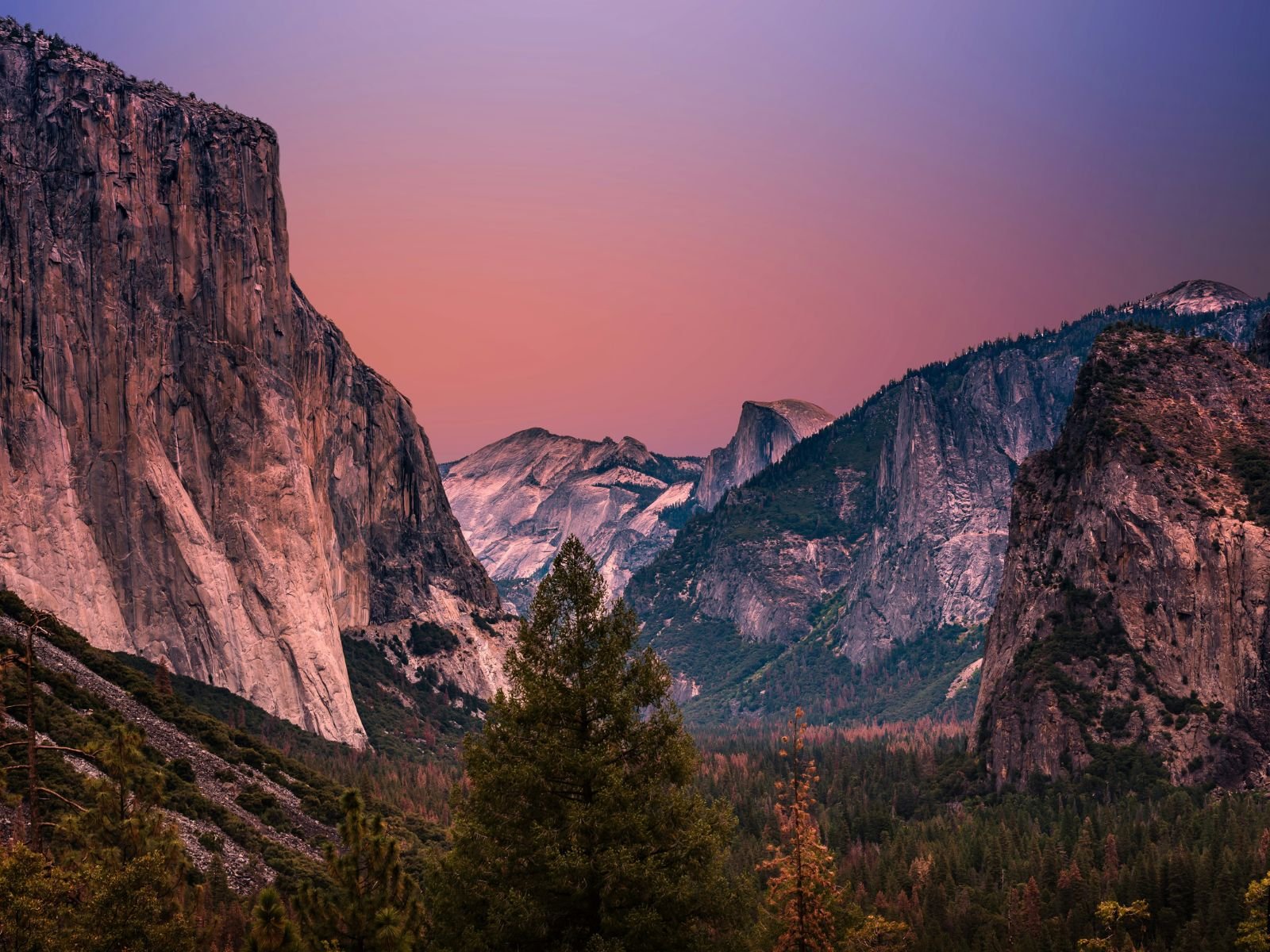
Yosemite deserves far more than a rushed stop between California cities, because its waterfalls, granite cliffs and giant sequoias reveal themselves differently as the light and weather change throughout the day. Begin in Yosemite Valley, where El Capitan rises more than 3,000 feet above the valley floor, and Half Dome appears between pine forests, meadows and the winding Merced River, before continuing toward Tunnel View for the classic panorama that brings the entire landscape together.
Advertisement · Continue Reading Below
Use your second day to explore beyond the valley, whether that means driving to Glacier Point for sweeping views across the Sierra Nevada, walking beneath ancient trees in Mariposa Grove or following Tioga Road through the high country toward Tuolumne Meadows and Tenaya Lake. These higher-elevation roads are seasonal and generally close during winter, while the waterfalls are usually most powerful during spring and early summer as melting snow rushes down from the mountains.
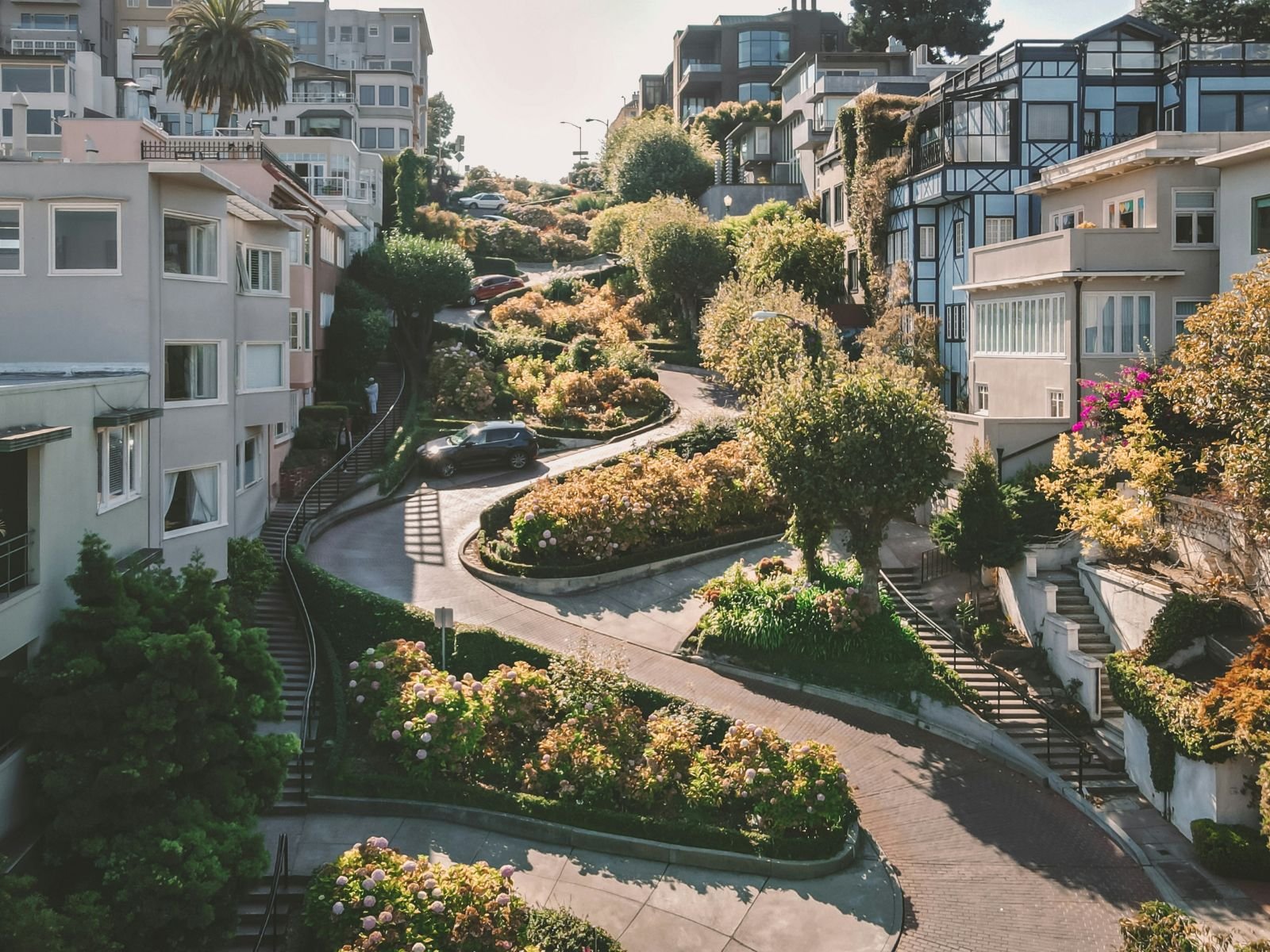
Few cities make walking feel like sightseeing quite as much as this one, where almost every steep climb seems to end with another sweeping view across the rooftops and bay. Begin at Lombard Street’s famous block between Hyde and Leavenworth, where eight tight hairpin turns weave between manicured gardens and beautiful hillside homes. The curves were originally created to make the hill’s intimidating 27% grade easier for cars to descend, resulting in one of California’s most photographed streets.
From there, ride the Powell–Hyde cable car across the hills before continuing to Alamo Square, where the colourful Painted Ladies stand against the downtown skyline. The houses are not actually crooked, of course, but the slopes, unusual perspectives and tightly packed Victorian architecture can make the whole city feel wonderfully off-kilter. Find a spot on the grass, give your legs a break and enjoy one of those unmistakable views that could only belong to San Francisco.
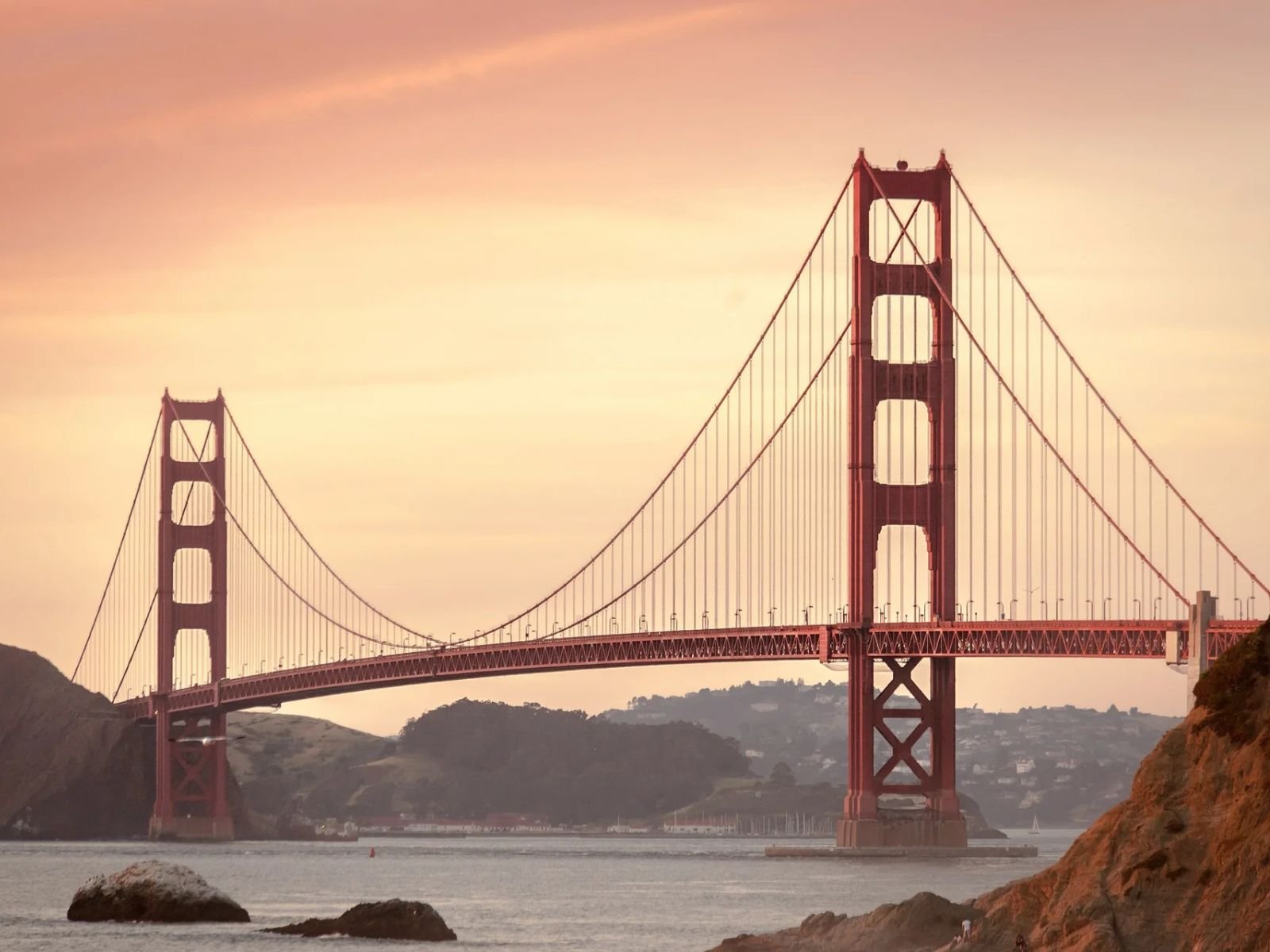
Seeing the Golden Gate Bridge from a viewpoint is one thing, but crossing it under your own steam gives you an entirely different appreciation of its size. The bridge stretches for approximately 1.7 miles, with a one-way walk usually taking around 45 to 60 minutes depending on how often you stop for photographs—which, given the views, will probably be quite often.
As you make your way across, the scenery opens in every direction, taking in San Francisco’s skyline, Alcatraz Island, the Marin Headlands and the seemingly endless Pacific Ocean. The wind, fog and constant hum of traffic are all part of the experience, while standing beneath the bridge’s enormous International Orange towers makes the landmark feel even more impressive than it does from land.
Cycling is the faster and more adventurous option, particularly if you begin around Crissy Field and continue across the bridge into Sausalito. You can spend a few hours exploring the waterfront town before taking the ferry back to San Francisco, turning a simple bridge crossing into a brilliant half-day excursion. Bicycle access is available around the clock, although cyclists may be directed to different sidewalks depending on the time and day, so check the official guidance before setting off.
Whichever way you choose to cross, bring an extra layer because conditions on the bridge can be much colder and windier than elsewhere in the city. Try to visit early in the morning for lighter crowds, although a little fog should not discourage you—the sight of the towers disappearing into the clouds is part of that classic San Francisco wonder.

Step through the Dragon Gate and follow the aromas of roasted duck, freshly steamed dumplings and warm pastries into the oldest Chinatown in North America. Beyond the lantern-lined stretch of Grant Avenue, the neighbourhood unfolds across bustling markets, family-run restaurants, traditional tea shops, temples and bakeries where you can pick up everything from custard tarts to still-warm fortune cookies. Come hungry, wander without much of a plan and turn lunch into an afternoon of dim sum, street snacks and small discoveries tucked along the surrounding alleys—just remember that ordering one more basket of dumplings has never been the wrong decision.
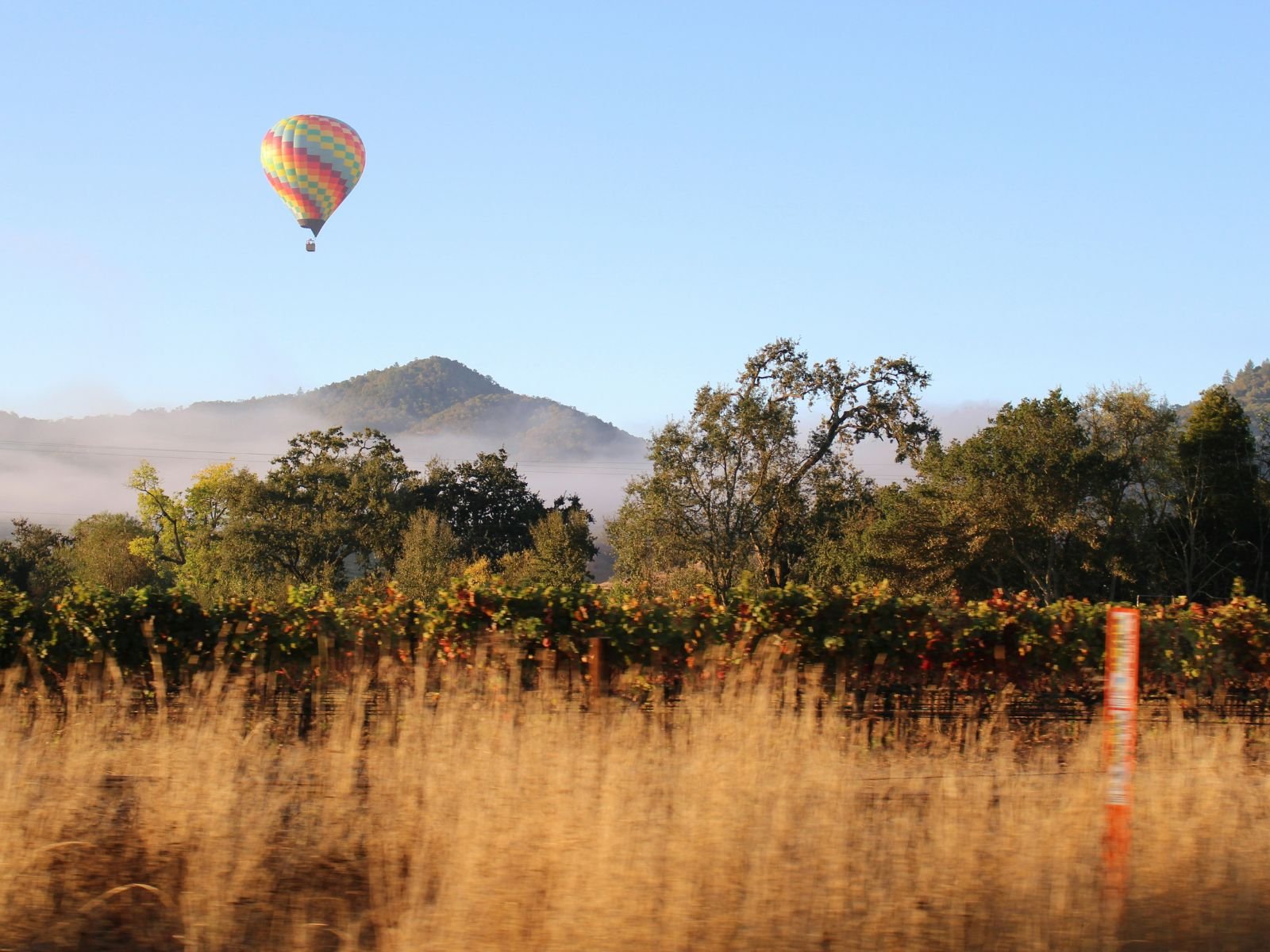
Rolling vineyards, sunlit hills and glasses that somehow keep refilling make Napa Valley an easy place to stretch a day trip into an entire weekend. Spend your mornings visiting a mixture of historic estates and smaller boutique wineries, then slow things down over a long lunch in Yountville or an afternoon wandering the shops, galleries and tasting rooms of St. Helena. Wine may receive most of the attention, but the farm-to-table restaurants, luxurious inns and peaceful countryside are every bit as important to the experience.
There is plenty to do between tastings, whether that means cycling part of the Napa Valley Vine Trail, taking a scenic ride aboard the Wine Train or slipping into Calistoga for its mineral-rich hot springs and famous mud baths. Book your tastings and dinner reservations ahead of time, arrange a driver if you plan on visiting several wineries and leave some empty space in your itinerary—the best part of Napa is having nowhere urgent to be except your next meal.
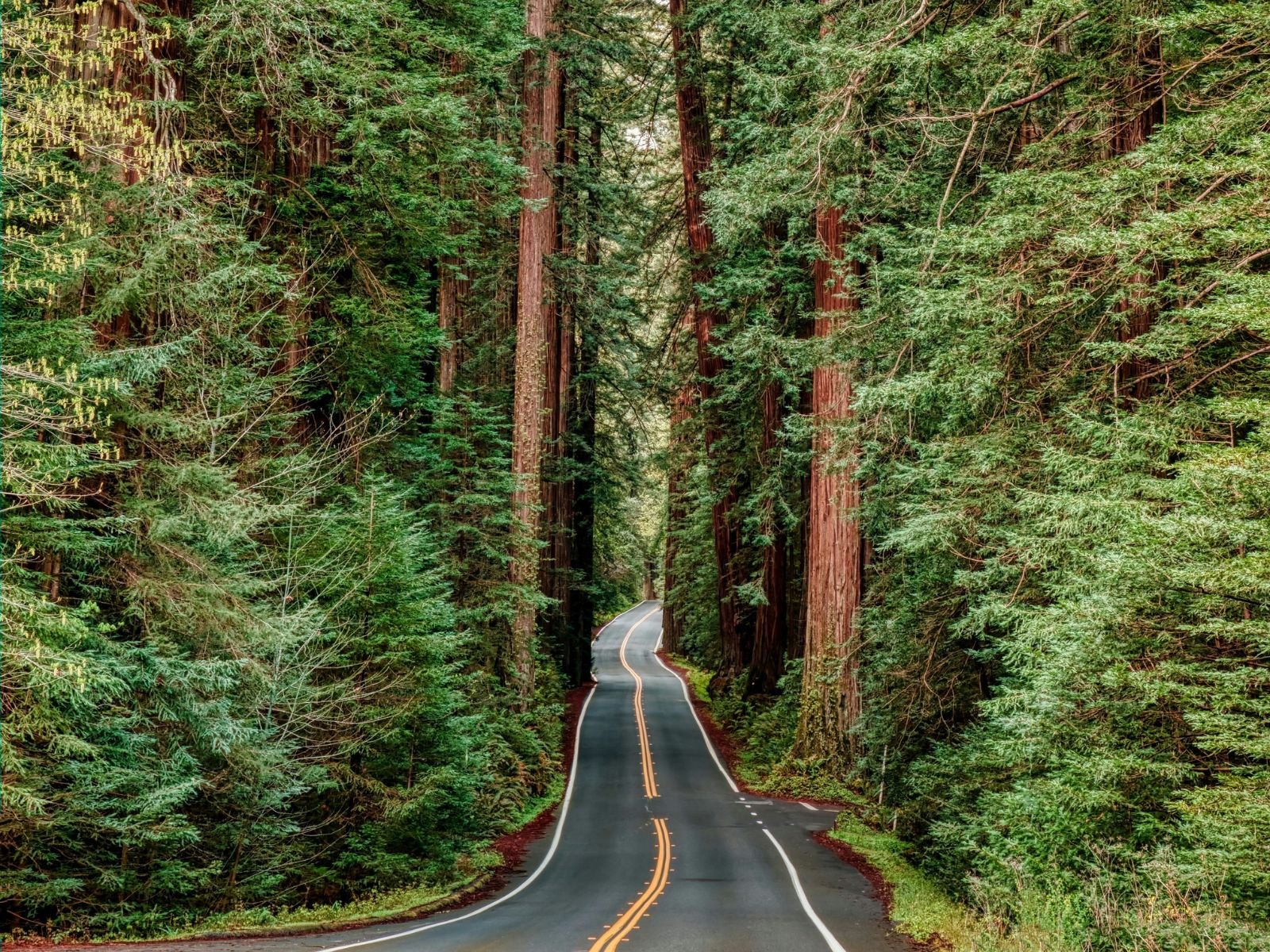
There are scenic drives, and then there is the Avenue of the Giants, where your car suddenly feels toy-sized beneath some of the tallest trees on Earth. This 31-mile stretch of old Highway 101 winds through Humboldt Redwoods State Park, following gentle curves beneath a canopy of ancient coastal redwoods while passing quiet forest communities, picnic areas and access points along the Eel River. You could technically complete the drive in about an hour, but rushing through a forest that has been growing for centuries feels slightly disrespectful.
Give yourself at least half a day so you can pull over whenever another enormous grove catches your attention, which will happen often. Founders’ Grove is one of the most worthwhile stops, offering an easy walk through the forest and a close look at the fallen Dyerville Giant, a 362-foot redwood that came crashing down in 1991. With sunlight filtering through the canopy, ferns covering the forest floor and enormous trunks rising in every direction, it is one of those rare places where silence feels like part of the attraction.
Advertisement · Continue Reading Below
You can visit California any time of year, but each season offers a unique experience depending on whether you’re heading to the beaches, deserts, mountains, wine regions, or big cities. The state is huge, and the weather can shift quickly as you drive. For example, it might be sunny in Los Angeles, foggy in San Francisco, snowing near Yosemite, and extremely hot in Death Valley all at once.
There’s no single best month to visit California—it depends on your plans. Spring and fall usually offer the best weather and smaller crowds than the rest of the seasons. Summer is ideal for the beach and mountains, while winter is great for skiing, quieter cities, and desert trips. Before heading out, pack layers and check the weather, wildfire news, and road conditions for long drives.
Spring in California
Spring, from March to May, is one of the best times to explore California, bringing mild temperatures, greener landscapes and wildflowers across parts of the state. It is a particularly good season for hiking in Joshua Tree, exploring Death Valley before the extreme heat arrives and visiting Yosemite while its waterfalls are being fed by melting mountain snow. Coastal drives are generally comfortable, although occasional rain and lingering snow may still affect some mountain roads.
Summer in California
Summer, from June to August, is made for Southern California’s beaches, theme parks and long evenings beside the coast, although it is also the busiest and often most expensive time to visit. Yosemite and other mountain destinations become more accessible as seasonal roads reopen. In contrast, desert areas such as Death Valley can become dangerously hot and are best avoided during the middle of the day. San Francisco and the Central Coast may still feel surprisingly cool and foggy, so bring an extra layer even when the rest of the state is living in shorts.
Fall in California
Fall, from September to November, might be the best time to visit. The weather is nice, crowds are smaller, and the scenery is colourful. The coast often has clear skies as the summer fog fades, and wine regions like Napa Valley and Santa Barbara come alive with harvest season. It’s usually still warm enough for the beach and road trips, but always check for wildfire risks before going into forests or remote areas.
Winter in California
Winter, from December to February, is when the Sierra Nevada is great for skiing and snowy scenery, while the coast gets cooler weather and some rain. It’s also a good time to visit California’s deserts, like Joshua Tree and Death Valley, since it’s not as hot as in summer. There are usually fewer crowds except during the holidays, but snow can close mountain passes and some roads near Yosemite, so always check conditions before you travel.
California is considerably larger than it appears on a map, so allow plenty of time when travelling between regions. These estimates reflect direct driving in normal conditions and do not include meal breaks, sightseeing stops or Los Angeles traffic doing what Los Angeles traffic does best.
- Los Angeles to Anaheim: 26 miles (approximately 40 minutes to 1 hour)
- Los Angeles to Laguna Beach: 50 miles (approximately 1 to 1.5 hours)
- Los Angeles to Temecula: 85 miles (approximately 1.5 to 2 hours)
- Los Angeles to Joshua Tree: 130 miles (approximately 2.5 hours)
- Los Angeles to Trona Pinnacles: 190 miles (approximately 3 hours)
- Los Angeles to Death Valley: 270 miles (approximately 4.5 to 5 hours)
- Los Angeles to Santa Barbara: 95 miles (approximately 2 hours)
- Los Angeles to Big Sur: 295 miles (approximately 5.5 to 6 hours)
- Santa Barbara to San Simeon: 145 miles (approximately 2 hours and 45 minutes)
- San Simeon to Big Sur: 68 miles (approximately 1.5 to 2 hours)
- Big Sur to San Francisco: 145 miles (approximately 2.5 to 3 hours)
- San Francisco to Napa Valley: 50 miles (approximately 1 to 1.5 hours)
- San Francisco to Yosemite Valley: 190 miles (approximately 4 hours)
- San Francisco to the Avenue of the Giants: 225 miles (approximately 4 to 4.5 hours)
- Death Valley to Mammoth Lakes: 210 miles (approximately 4 hours and 15 minutes)
Highway 1, mountain passes and desert roads can be affected by weather, landslides, snow or seasonal closures, so check current road conditions before setting out. The drive between San Simeon and Big Sur may only take around two hours without stopping, but once the coastal viewpoints start appearing, completing it that quickly becomes almost impossible.