



Movies & Tv Shows

‘One Battle After Another’ Review — It Doesn’t Stay In One Lane

Reading Time: 7 minutes

Share via

Our team of editors and experts thoughtfully chooses each product. If you decide to buy through one of our links, we may earn a commission. Learn more. Want to know how we test products? Click here for more details.

Some films open quietly, giving you space to settle in. Not this one. One Battle After Another grabs you from the first frame, pulling you into its world without warning. The pace is relentless, and the mood shifts between explosive action and sly humour, as if the film itself is daring you to keep up. It’s a whirlwind introduction—jarring, electric, and impossible to look away from.

With Paul Thomas Anderson behind the camera—known for films like Boogie Nights, Magnolia, and There Will Be Blood—there’s always a certain level of expectation. This project feels no different, yet it still manages to stand apart, leaning into a tone that feels slightly less predictable while carrying the weight you’d expect from his work.

And at the centre of the storm is Leonardo DiCaprio. He doesn’t just play a role—he anchors the chaos, giving the story a beating heart. Each glance, each pause, feels charged with history and doubt. Around him, the cast shifts and collides, everyone caught in the undertow of conflict. The film’s true focus isn’t spectacle but the quiet pressure and raw uncertainty that shape those who survive.

Beneath the gunfire and strategy, the film lingers on the wounds you can’t see—the ones left behind when the fighting stops. It’s about the aftermath, the echoes of decisions made in the heat of battle, and the resilience it takes to keep moving forward. By the end, you realize this isn’t just a story about war—it’s about the people who emerge from it, changed forever.
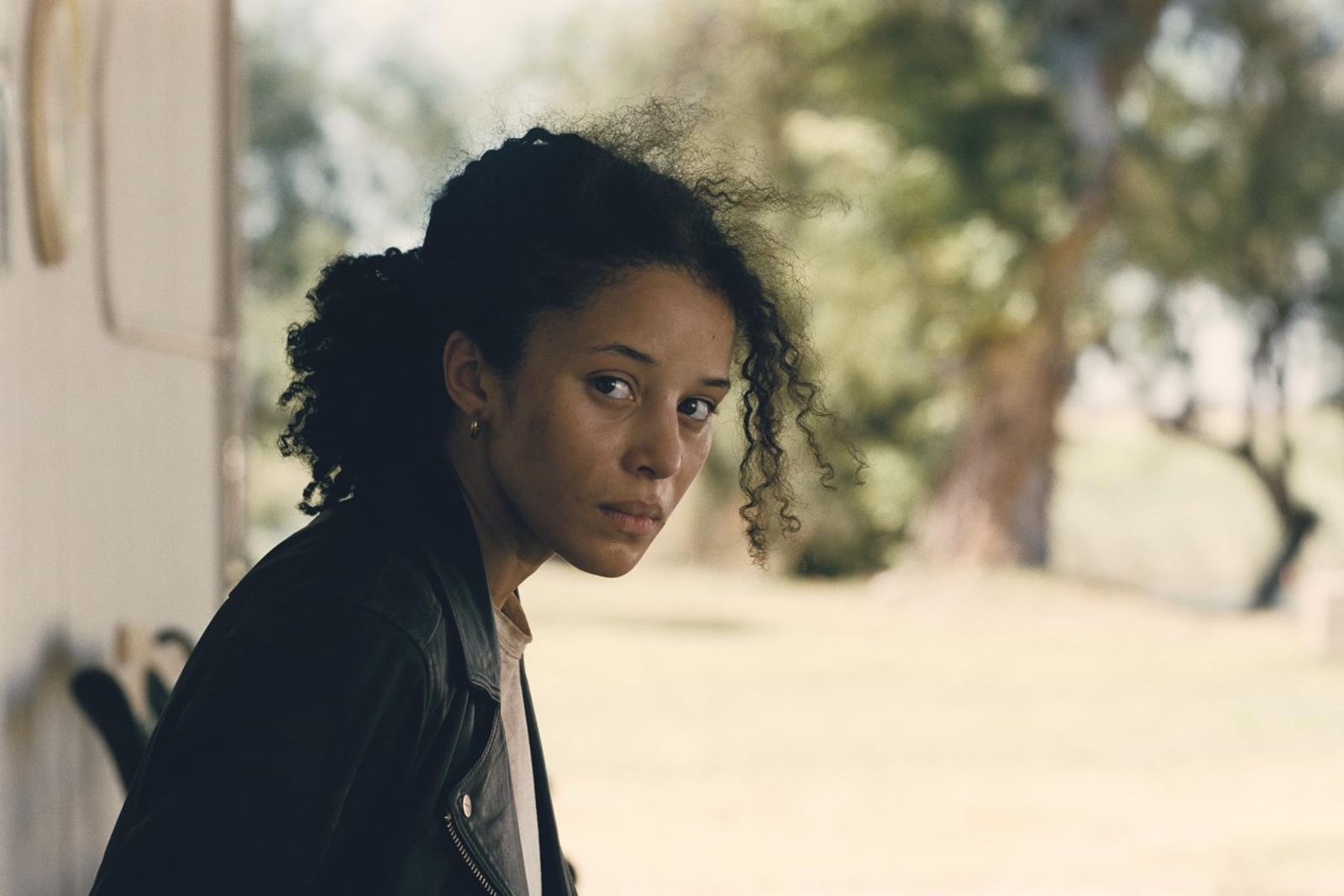
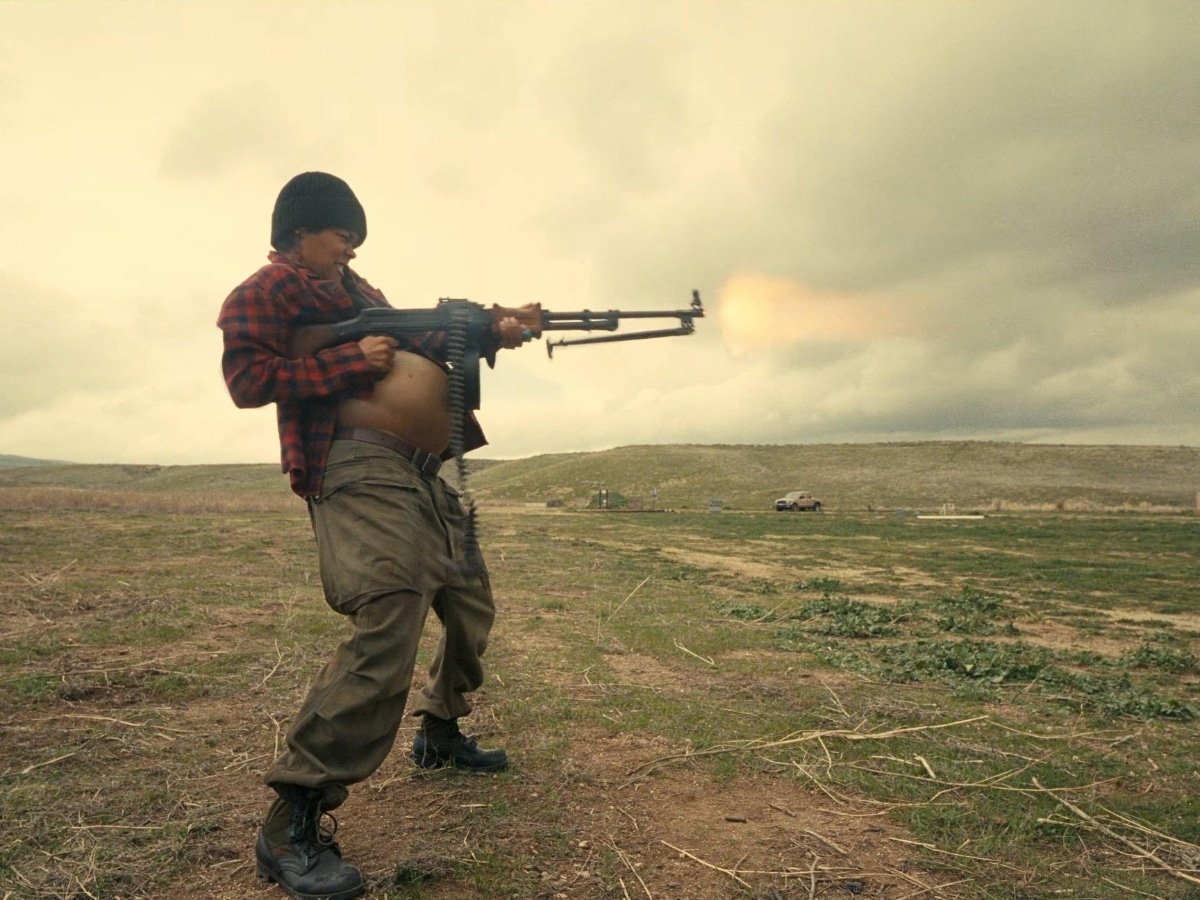
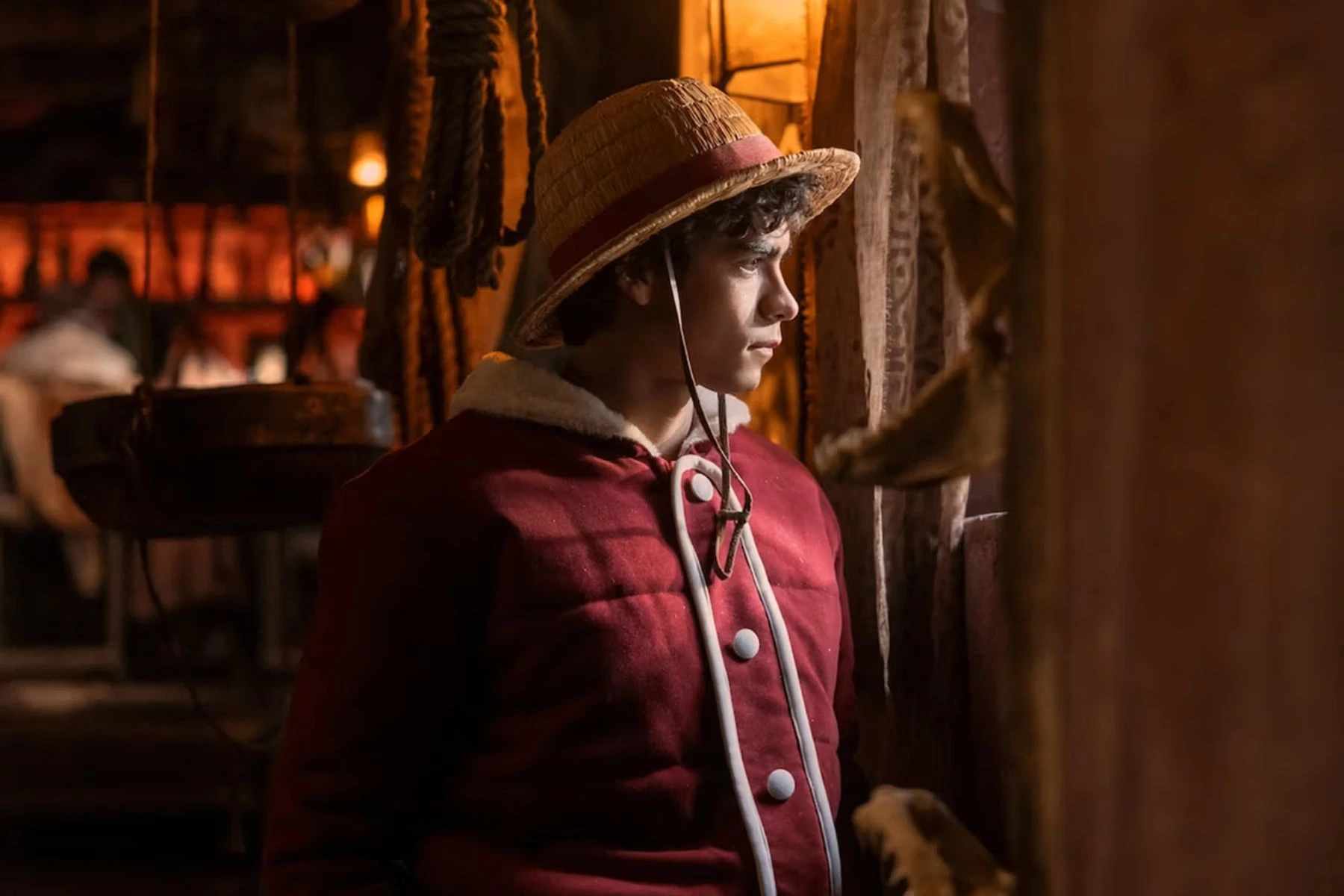
Willa Ferguson, Played by Chase Infiniti in ‘One Battle After Another’ | Image: Supplied

The Past Has A Way Of Catching Up

One Battle After Another quickly draws you in and becomes much more personal than it first appears. Leonardo DiCaprio plays Bob Ferguson, a character who’s hard to define. He’s messy, unpredictable, and still haunted by his past. The story is based on Thomas Pynchon’s Vineland, but under Paul Thomas Anderson’s direction, it feels less like a straightforward adaptation and more like its own creation. The film is looser, more chaotic, and a bit tougher to figure out.

Bob isn’t a typical revolutionary hero. He was part of the French 75, but now he’s a single father living a quieter, somewhat unstable life with his daughter, Willa. Their relationship is at the heart of the film, shifting between frustration, humour, and quiet moments where feelings go unspoken. Chase Infiniti brings both toughness and vulnerability to Willa, making their connection feel genuine.

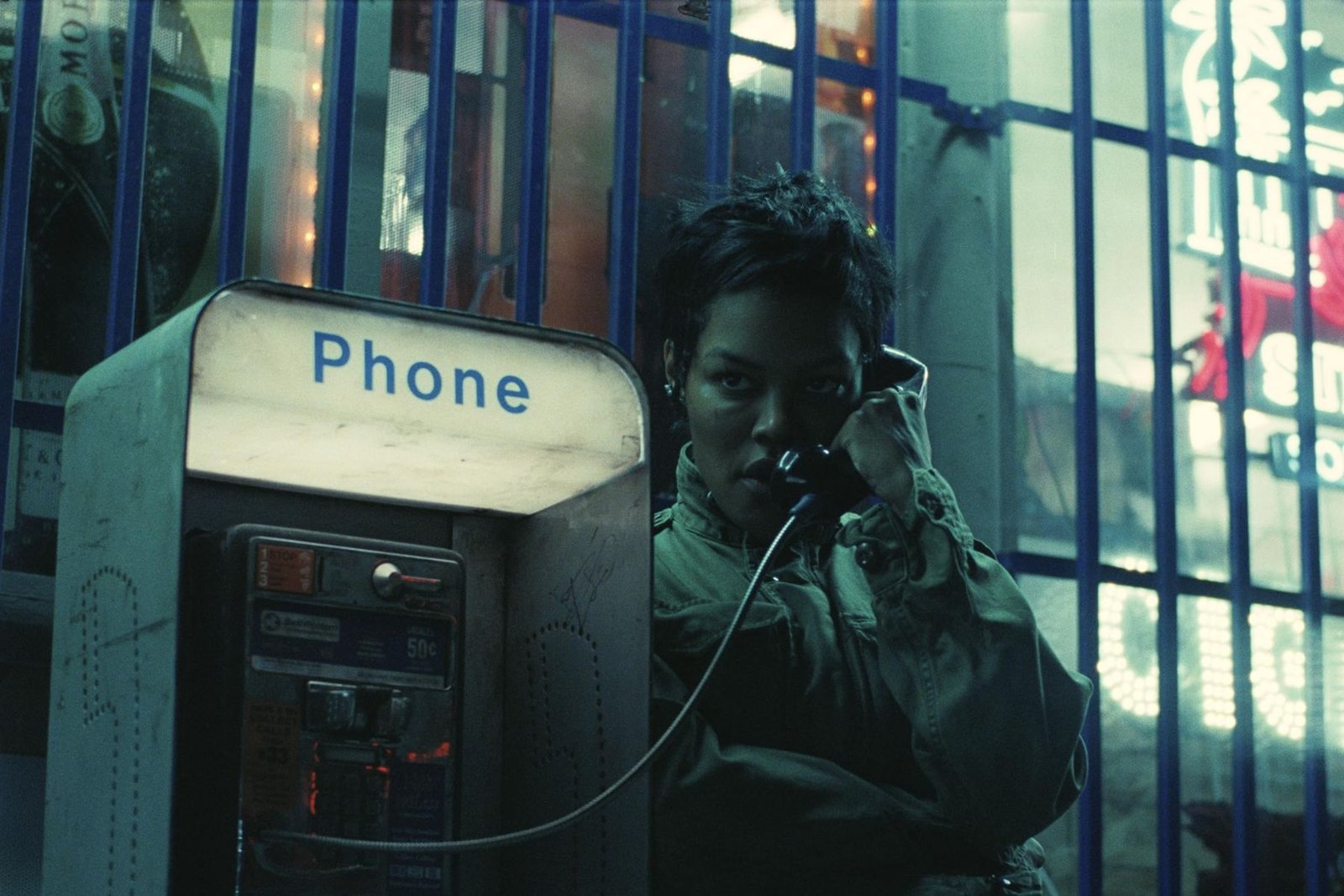
Perfidia Beverly Hills, Played by Teyana Taylor in ‘One Battle After Another’ | Image: Supplied
Perfidia Beverly Hills, played by Teyana Taylor in ‘One Battle After Another’ | Image: Supplied

Bob’s character also brings a surprising amount of humour, mostly through his paranoia and bad habits. These moments lighten the mood without detracting from the story’s seriousness. This balance keeps the film from becoming too heavy, even as things start to fall apart.

Just when things seem to find their rhythm, everything changes. Sean Penn appears as Colonel Steven J. Lockjaw, and the energy in the film shifts right away. He’s intense, a bit unhinged, and adds just enough absurdity to stand out while still fitting into the story.

After that, the story continues to move quickly. Bob is pulled back into a world he tried to leave, reconnecting with old friends and facing challenges that seem bigger than him. What begins quietly soon becomes a desperate struggle, with much more at stake than it first appeared.
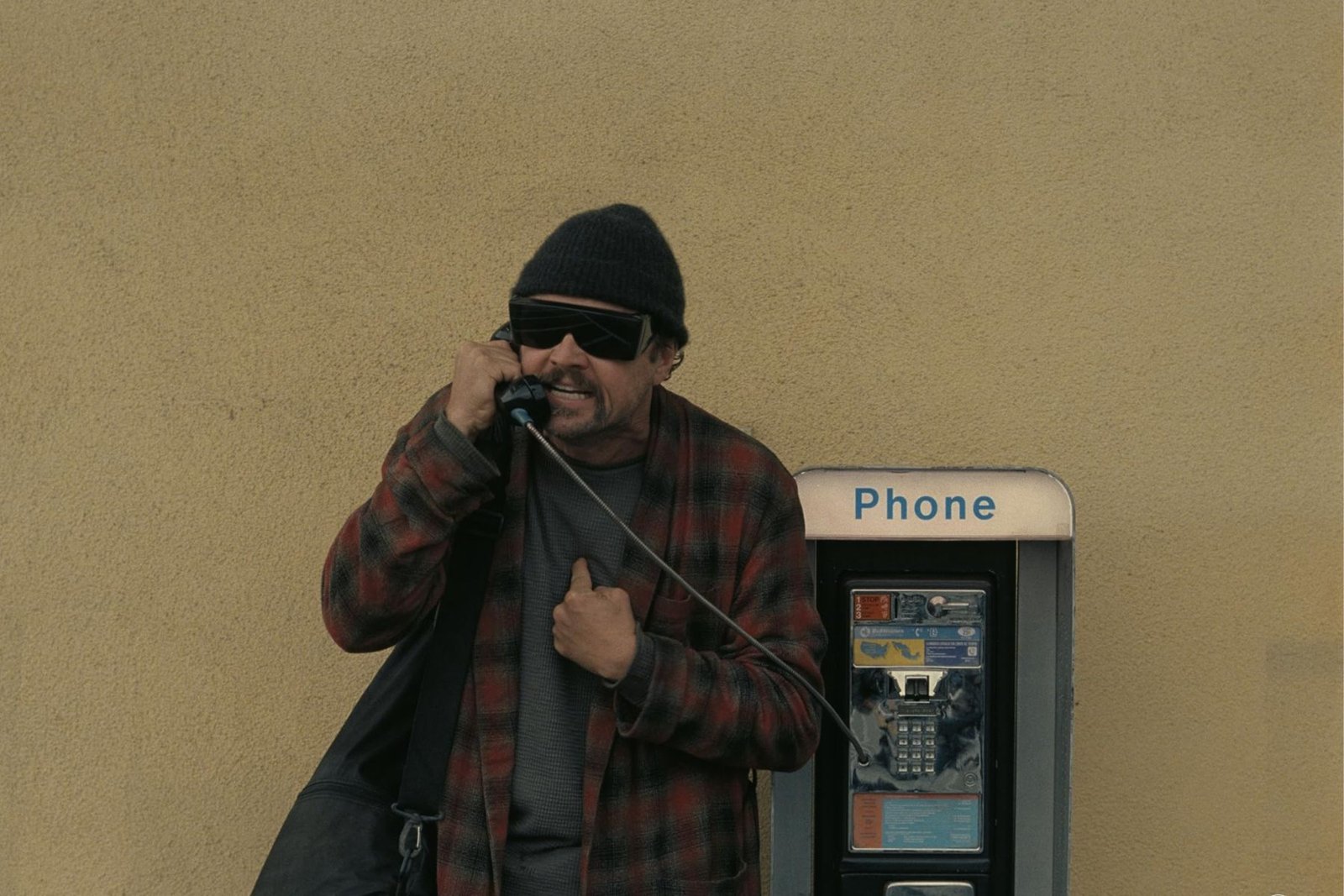
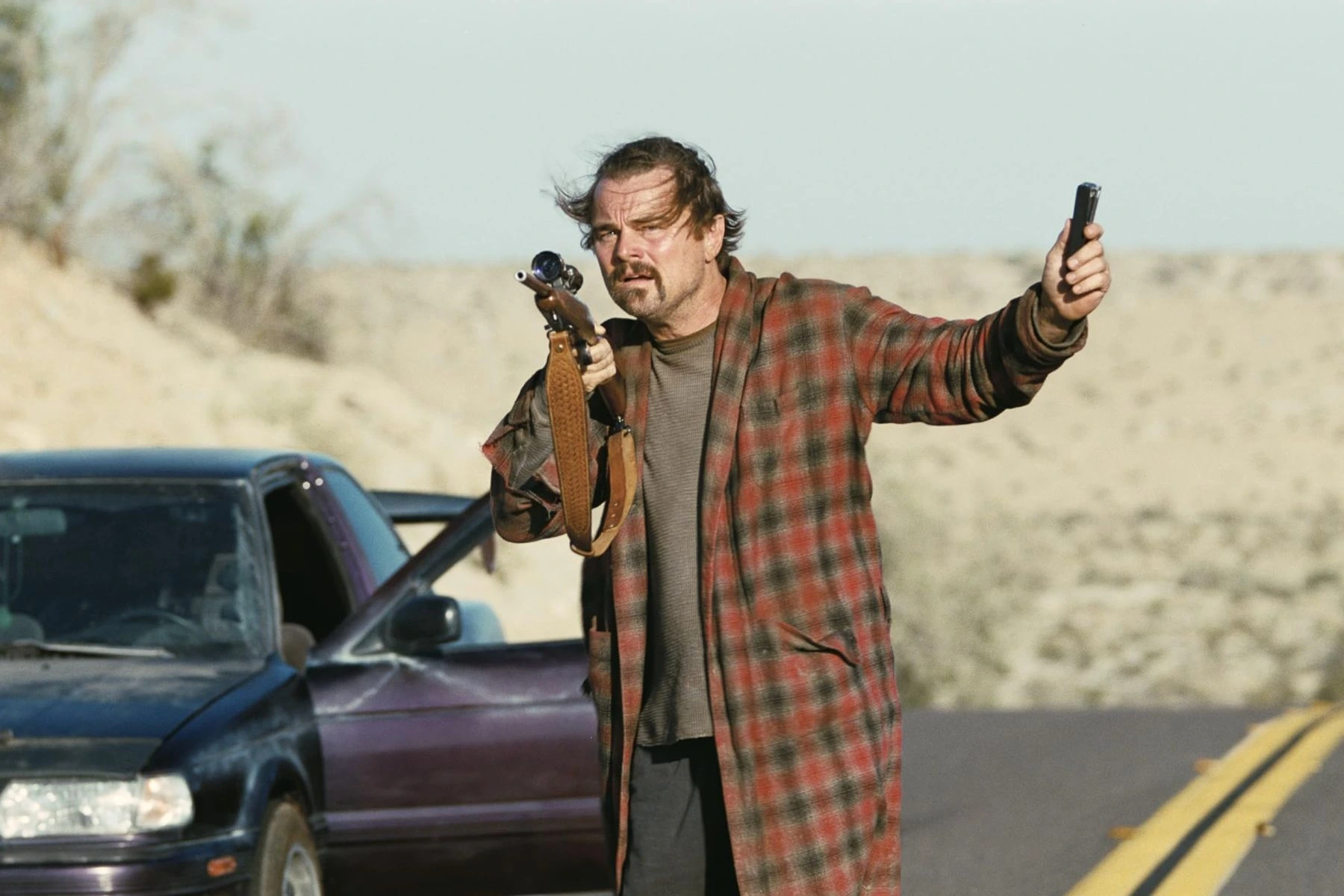
Bob Ferguson, Played by Leonardo DiCaprio in ‘One Battle After Another’ | Image: Supplied

When It All Comes Together

Once the film settles in, One Battle After Another stands out for its smooth transitions between action, quieter character moments, and surprising humour. This mix is what makes the film special, especially with Leonardo DiCaprio leading the way. His laid-back and unpredictable performance really brings out the film’s focus on variety and tone.

There are moments that remind you of the energy DiCaprio showed in The Wolf of Wall Street and the intensity from The Revenant. But this time, the film has a different feel, leaning more into awkwardness, chaos, and physical comedy—something not often seen in his past roles.

This variety also shapes the film’s action, which never feels repetitive or overdone. The action scenes build tension naturally, and the car chases stand out because each has its own style. Instead of just getting bigger, the action changes in tone and purpose, leading to a finale that feels grounded and intentional, with a clear tribute to classic chase movies.

Besides DiCaprio, the supporting cast is key to the film’s balance. Teyana Taylor brings a strong, commanding presence to her scenes, while Regina Hall adds emotional depth that grounds the story. Benicio del Toro plays a quietly steady character, offering stability amid all the action, which proves more important than it seems at first.
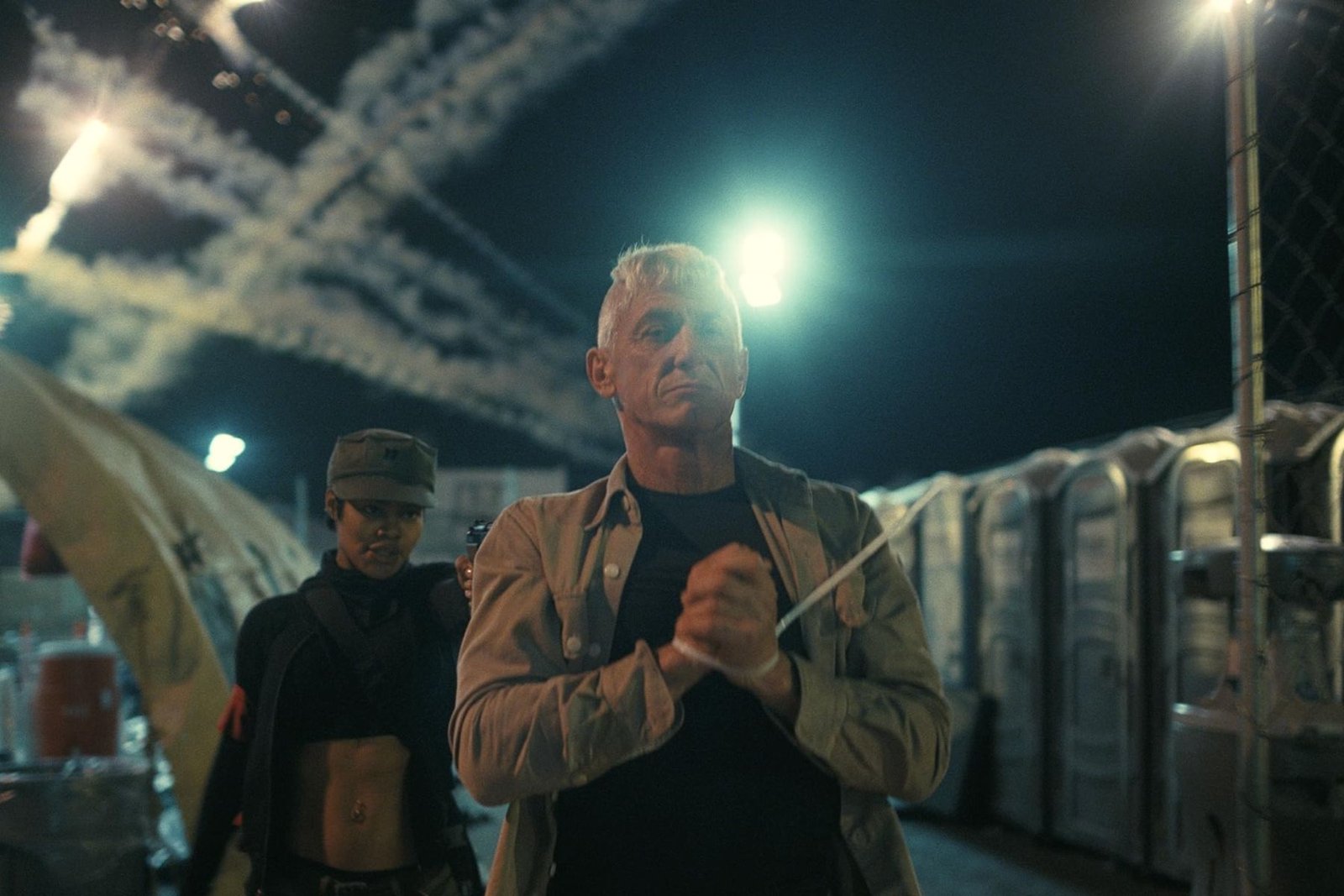
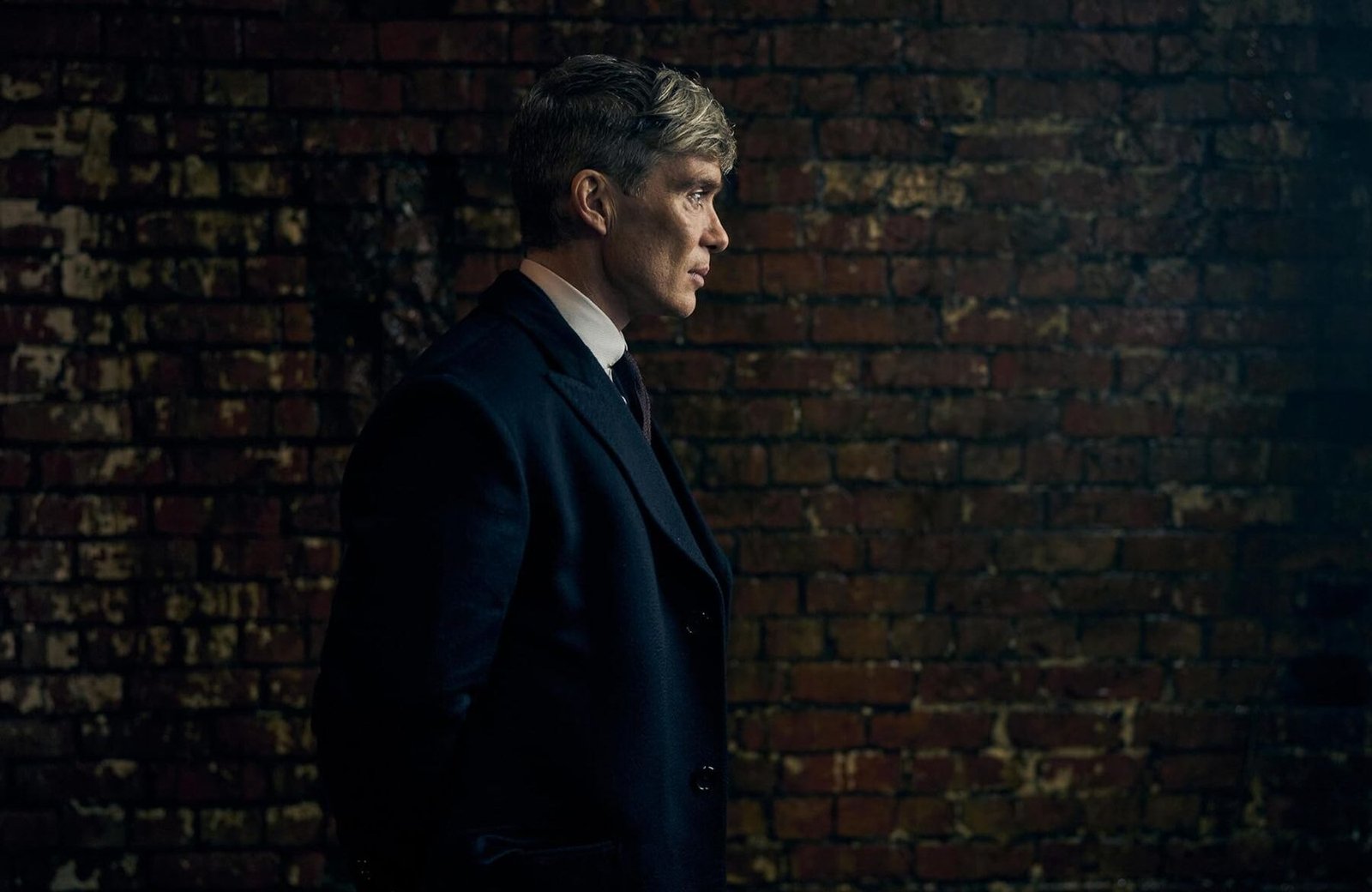
Colonel Steven J. Lockjaw, Played by Sean Penn in ‘One Battle After Another’ | Image: Supplied

On the technical side, the film keeps up its momentum and never feels drawn out. Jonny Greenwood’s score grabs your attention right away and holds it, while Paul Thomas Anderson’s camera work gives the movie a constant sense of movement. Even in quieter scenes, something is always changing or building, keeping the film engaging throughout its longer runtime.

And speaking about the runtime, even though it goes past two and a half hours, the film never feels too long. The pacing keeps everything moving and makes the whole experience engaging from beginning to end. The length feels necessary, not excessive, which is just right for a film like this.
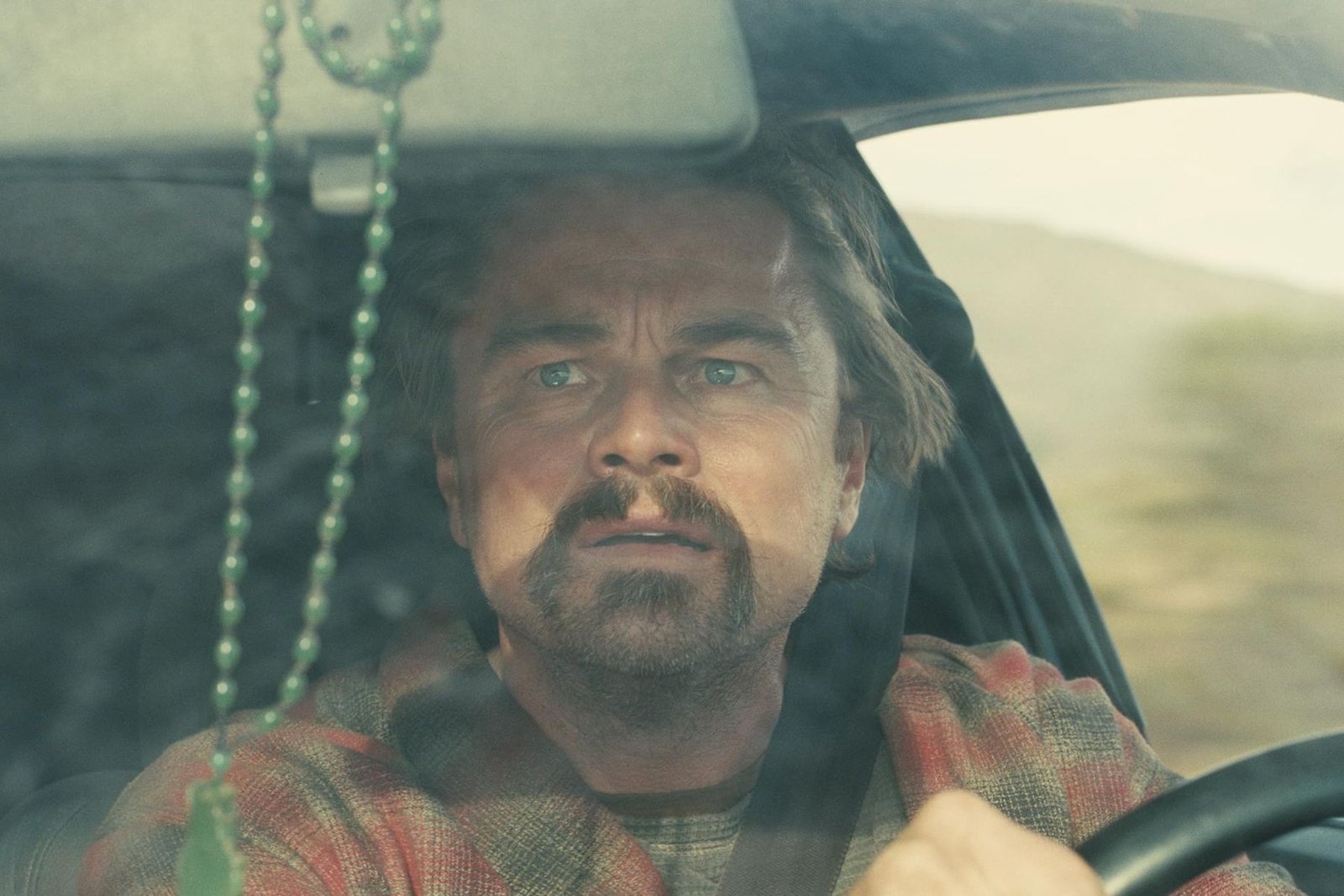
Bob Ferguson, Played by Leonardo DiCaprio in ‘One Battle After Another’ | Image: Supplied

When It’s All Said & Done

One Battle After Another is a film that doesn’t fit into just one category, and that’s part of its appeal. It shifts smoothly between action, drama, and humour, which helps it stand out without feeling forced. With Paul Thomas Anderson directing, expectations are high, and even though it’s too soon to compare it to his earlier movies, this already seems like a strong entry in his impressive body of work.

The film relies mostly on its characters, with Leonardo DiCaprio leading a cast that keeps things interesting. Not everyone will connect with it, especially given its length and shifting tone, but it still makes an impact. If it stands the test of time, it might become one of those movies people mention when discussing Anderson’s best work.

IMDb: 7.7 | Tomatometer: 94% | Popcornmeter: 85% | Average: 85.3

★★★★★

About the Author
Cars

BMW Just Flipped the Script on In-Car Tech with Its New Panoramic iDrive and OS X

Reading Time: 6 minutes

Our team of editors and experts thoughtfully chooses each product. If you decide to buy through one of our links, we may earn a commission. Learn more. Want to know how we test products? Click here for more details.

Your phone might still be off-limits while driving—but with BMW’s new Panoramic iDrive stretching across your entire windshield, you might not even notice it… Unless you’re trying to order a pizza at 120 km/h. Starting in late 2025, every new BMW will feature a full-width Head-Up Display that runs from A-pillar to A-pillar. It’s not just a screen—it’s a complete rethink of how we interact with our cars.

The moment you step inside the next generation of BMW, you’ll notice something different. The cabin doesn’t shout at you with chrome accents or flash a hundred touchpoints begging for your attention. Instead, it draws you in quietly—with a full-width digital interface that feels more like a luxury cockpit than a traditional car interior. Welcome to BMW’s bold new era, unveiled at CES 2025, powered by Panoramic iDrive and the all-new Operating System X.

Key Highlights:

  • The A-pillar to A-pillar HUD displays essential information such as speed and navigation across the entire windshield—easily seen by both the driver and passenger.
  • The 3D head-up option enhances depth in visuals, making prompts and alerts feel more natural on the road.
  • “Shy tech” controls on the steering wheel only appear when needed, maintaining a clean and distraction-free cabin.
  • The new OS X software is quick, customizable, and supports over-the-air updates for continuous improvements.
  • HypersonX Wheel audio features 43 dynamic sounds that respond to your drive mode for a more engaging experience.
  • All of this is arriving in late 2025, debuting in BMW’s Neue Klasse EVs before being available in other models.
BMW Unveils 3D Panoramic iDrive Display for a Next-Level Driving Experience | Image: BMW

One of the most noticeable features of this redesign is Panoramic Vision, a full-width head-up display that spans from one side of the windshield to the other. Instead of confining information to a small area in front of the driver, BMW distributes it along a subtle, darkened band just below your line of sight. Speed, turn-by-turn navigation, arrival times, and driver-assist features all reside here—always within reach, never overwhelming. As BMW explains, it “presents relevant information for both the driver and front passenger, using the entire width of the windscreen.”

Including that passenger is significant. For years, only the driver saw the data, while your co-pilot had to guess or use a second screen. Now, they’re part of the experience. Whether you’re road-tripping, exploring new cities, or just seeking a more connected drive—this change is important.

Want to take it further? Choose the 3D HUD upgrade. It adds subtle depth and dimension to visual elements like navigation arrows or lane assist prompts. The effect is almost cinematic—sharp, smooth, and easy on the eyes. And the best part? It doesn’t need fancy custom windshields that cost a fortune to replace. BMW designed it for durability and easy maintenance.

Next come the controls — and this is where BMW’s “shy tech” philosophy truly shines. Instead of cluttering the steering wheel with buttons and dials, BMW redesigned it with smooth surfaces that activate only when needed. Touch-sensitive panels light up contextually and offer soft haptic feedback with each action. It’s sleek, intuitive, and honestly, a bit addictive. BMW calls it “a modern interpretation of driver orientation,” and it really does feel like the future — clean, responsive, and purposeful.

BMW Debuts Panoramic iDrive And Operating System X | Image: BMW

Over to the centre screen, and it’s clear BMW wasn’t just adding another tablet. The new display is ergonomically tilted and supports drag-and-drop customization. You can move widgets, change layouts, and even flick tiles from the screen directly onto the HUD. No unnecessary taps. No menu diving. Just what you need—how you want it. It’s personal without being complicated.

All of this operates on the newly developed BMW Operating System X, an in-house platform built on the Android Open Source Project. Unlike third-party systems that can feel disconnected or sluggish, OS X was designed specifically for BMW vehicles. It’s fast, elegantly designed, and supports over-the-air updates—so your car continues to evolve. BMW states it’s “characterised by high performance, a modern graphics display and the possibility to carry out updates and upgrades at short intervals.”

What’s especially impressive here is the flexibility. You can adjust lighting themes, customise your display layout, personalise drive settings, and even tweak how the HUD reacts to different driving situations. OS X isn’t just infotainment—it’s the backbone of a truly adaptive driving environment.

Custom Backgrounds Now Supported on BMW’s Operating System X | Image: BMW

But let’s not forget about the ears. BMW has introduced something called HypersonX Wheel, a fully reimagined audio environment designed around driver emotion and context. Think of it as a soundtrack for your driving mode. In Sport, you’ll hear sharper, more responsive sounds. In Personal, the cabin softens, breathing with you as you relax into the drive. There are 43 assignable sounds in total, covering everything from start-up tones to feedback for climate changes, volume adjustments, and even turn signals. It may sound subtle—but together, it creates a powerful sense of presence and control.

And yes, all of this is actually happening soon. BMW’s new Panoramic iDrive system and OS X will debut in the upcoming Neue Klasse electric vehicles starting at the end of 2025. After that, the system will be rolled out across BMW’s global lineup, bringing this next-generation experience to more drivers than ever before.

BMWCES
About the Author
arrow_drop_up