





The winners from the Golden Globe Awards are officially in, and awards season is already off to a chaotic start. Some of the night’s biggest favourites walked away with major wins, while a few heavily talked-about films somehow left empty-handed despite entering the ceremony with multiple nominations. Between emotional speeches, surprise upsets, awkward reactions, and social media instantly melting down with opinions, the Golden Globes once again reminded everyone why Hollywood awards season can become so unpredictable.
While Hamnet became one of the night’s biggest talking points, projects like One Battle After Another and Adolescence quietly dominated the ceremony, collecting multiple awards throughout the evening. A few actors and films that many people expected to win suddenly lost momentum once the categories began to be announced, quickly changing the online conversation.
Advertisement · Continue Reading Below
Of course, it would not be awards season without a few controversies and snubs. Plenty of movie fans were frustrated after several heavily nominated films failed to win anything, while others questioned some of the acting winners almost immediately after the ceremony ended. The lack of recognition for Ne Zha 2 also became one of the biggest online talking points after the movie became a massive global box-office success over the past year.
From breakout performances finally getting their moment to shocking losses nobody expected, the 2026 Golden Globe Awards delivered plenty of drama before Oscar season has even properly started.
Here are the biggest winners, losers, and the complete list of results from the night.
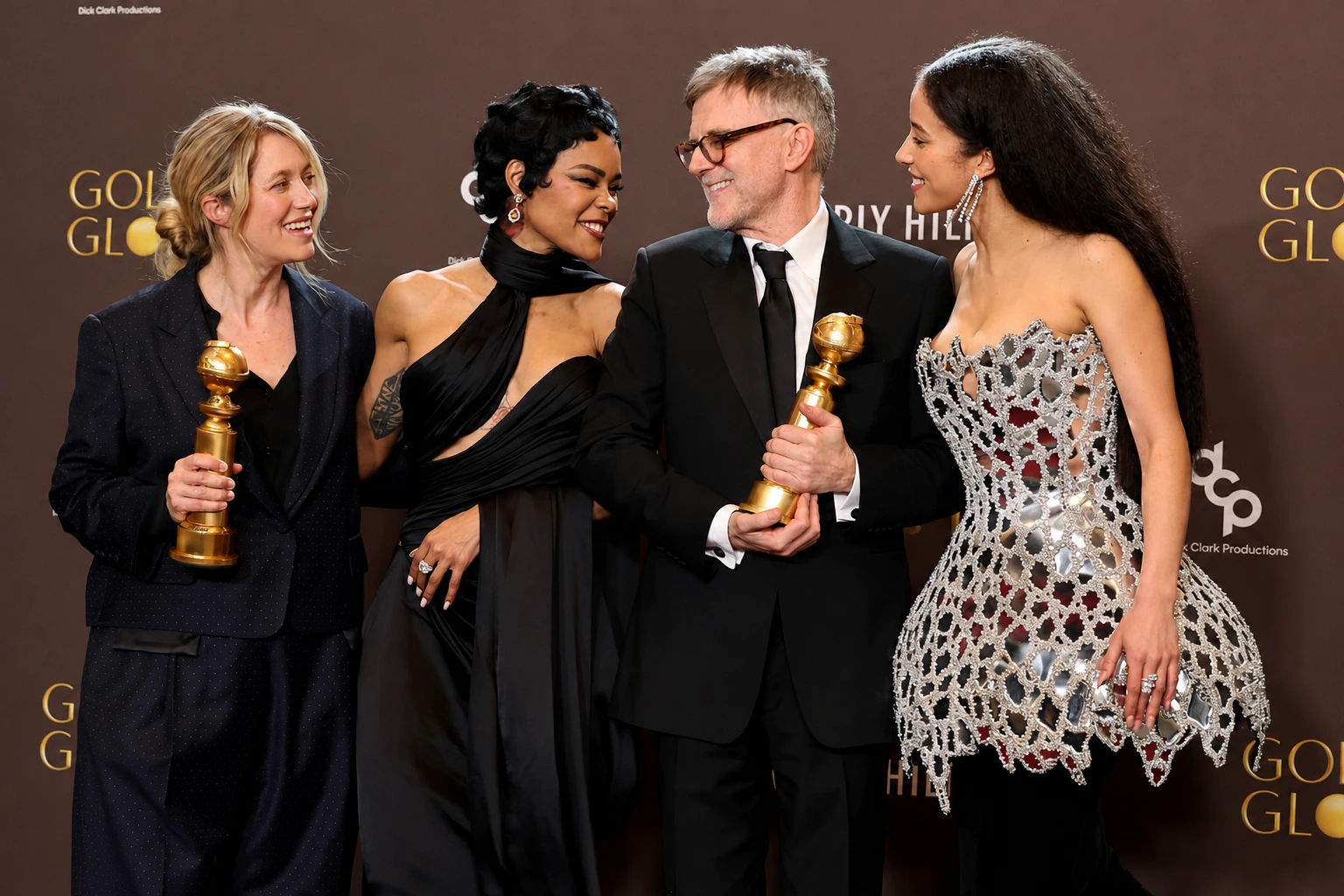
One Battle After Another was one of the night’s biggest success stories, with Paul Thomas Anderson’s latest film standing out as a top winner. The film took home four major awards, including Best Motion Picture – Musical or Comedy. Anderson also won Best Director and Best Screenplay. Although the cast included stars like Leonardo DiCaprio, Sean Penn, and Benicio Del Toro, much of the spotlight fell on Teyana Taylor, who won Best Supporting Actress for her role as the revolutionary leader Perfidia. By the end of the night, One Battle After Another had clearly established itself as a strong contender for the rest of awards season.
In television, Adolescence dominated the limited series categories and was arguably the night’s biggest winner. The series won Best Limited Series, and its cast picked up several major acting awards. Erin Doherty won Best Supporting Actress (TV), Owen Cooper took Best Supporting Actor (TV), and Stephen Graham earned Best Actor in a Limited Series or TV Movie. The show’s big night made Adolescence one of the most talked-about winners and confirmed its reputation as one of the year’s standout TV dramas.
- Awards:
- Best Motion Picture – Musical or Comedy
- Best Director: Paul Thomas Anderson
- Best Screenplay: Paul Thomas Anderson
- Best Supporting Actress: Teyana Taylor
Paul Thomas Anderson’s ‘One Battle After Another’ is a big Hollywood film already generating awards buzz. It blends political tension, dark humour, and emotional drama, making it one of the year’s most talked-about movies. The story follows Bob, a failed revolutionary living off the grid with his independent daughter, Willa. He’s always watching his back. When an old enemy shows up and Willa disappears, Bob is pulled back into the dangerous world he tried to leave behind. Leonardo DiCaprio delivers one of his best performances in years, bringing a quieter, more controlled intensity alongside Sean Penn and Benicio Del Toro. Teyana Taylor is notable as Perfidia, a revolutionary leader, delivering one of the night’s breakout performances. Anderson’s direction has earned praise this awards season for balancing intimate character moments with broader political themes. After the Golden Globes, ‘One Battle After Another’ is seen as one of the year’s most important films.
Advertisement · Continue Reading Below
- Best Limited Series
- Best Supporting Actress TV: Erin Doherty
- Best Supporting Actor TV: Owen Cooper
- Best Actor (Limited Series/TV Movie): Stephen Graham
Netflix’s ‘Adolescence’ quickly became one of the year’s standout TV dramas, with its prestigious Golden Globe wins making it a major topic at the ceremony. The show tells the story of a teenage boy accused of a violent crime and looks at how the case affects his family, friends, and community. It pushes everyone to face tough questions about guilt, trauma, and responsibility. Stephen Graham gave one of the year’s most memorable performances, and both Erin Doherty and Owen Cooper were also highlights of the series. Audiences and critics connected with Adolescence because it handled difficult topics with realism and honesty, focusing on the human side of the story rather than sensationalism. By the end of the night, the series had securely established itself as one of the year’s most praised TV releases.
- Hamnet — 2 Awards
- Best Motion Picture — Drama
- Best Actress (Drama) — Jessie Buckley
- The Secret Agent — 2 Awards
- Best Motion Picture — Non-English Language
- Best Actor (Drama) — Wagner Moura
- KPop Demon Hunters — 2 Awards
- Best Animated Feature
- Best Original Song (“Golden”)
- Sinners — 2 Awards
- Cinematic and Box Office Achievement
- Best Original Score — Ludwig Göransson
- The Pitt — 2 Awards
- Best TV Series — Drama
- Best Actor (TV Drama) — Noah Wyle
- The Studio — 2 Awards
- Best TV Series – Musical or Comedy
- Best Actor (TV Comedy) — Seth Rogen
Advertisement · Continue Reading Below
- Nominations:
- Best Actress (Musical/Comedy) — Cynthia Erivo
- Best Supporting Actress — Ariana Grande
- Best Original Song — “No Place Like Home”
- Best Original Song — “The Girl in the Bubble”
- Cinematic and Box Office Achievement
Audiences are heading back to Oz with the second chapter of the ‘Wicked: For Good’ story, which is already one of the most talked-about films ahead of awards season. The movie is set to be released on 21 November 2025. Cynthia Erivo earned a nomination for Best Actress (Musical/Comedy) for her role as Elphaba, and Ariana Grande picked up a nomination for Best Supporting Actress as Glinda. The story follows Elphaba, now feared as the Wicked Witch of the West and forced into exile in the Ozian forest, while Glinda stays in the Emerald City, enjoying fame and power. As anger toward Elphaba grows across Oz, the two former friends are brought back together in a story that promises to change both their relationship and the future of Oz. The film also received two nominations for Best Original Song with “No Place Like Home” and “The Girl in the Bubble,” as well as a nomination for Cinematic and Box Office Achievement, making it one of the year’s biggest releases both critically and commercially.
Nominations:
- Best Supporting Actor — Stellan Skarsgård (Winner)
- Best Motion Picture – Drama
- Best Motion Picture – Non-English Language
- Best Actress (Drama) — Renate Reinsve
- Best Supporting Actress — Elle Fanning
- Best Supporting Actress — Inga Ibsdotter Lilleaas
- Best Director — Joachim Trier
- Best Screenplay — Joachim Trier & Eskil Vogt
Despite entering the Golden Globe Awards 2026 with nine nominations, the film won only one, thanks to Stellan Skarsgård’s Best Supporting Actor win. Directed by Joachim Trier, the film follows sisters Nora and Agnes as they try to reconnect with their estranged father, Gustav, a former filmmaker hoping to repair both his career and his family. When Gustav offers Nora a role in his comeback film and she turns it down, he gives the part to a young Hollywood actress, further straining the family’s already complicated situation. Some viewers thought the film moved too slowly and was too restrained, but most critics praised it for being emotionally honest, truly human, and painfully relatable as it explores family resentment, emotional distance, and old wounds. Renate Reinsve was widely recognized for her powerful performance, and the screenplay by Joachim Trier and Eskil Vogt helped make Sentimental Value one of the most respected international dramas of the year.
Nominations:
- Best Motion Picture – Drama
- Best Actor (Drama) — Oscar Isaac
- Best Supporting Actor — Jacob Elordi
- Best Director — Guillermo del Toro
- Best Original Score — Alexandre Desplat
Guillermo del Toro’s Frankenstein was one of the most talked-about films at the Golden Globe Awards 2026. It mixes gothic horror, emotion, and a cast full of big stars like Oscar Issac, Jacob Elordi and Christoph Waltz. Based on Mary Shelley’s famous novel, the story follows Victor Frankenstein, a talented but dangerously obsessed scientist, who creates a monstrous creature played by Jacob Elordi. The Creature was praised for his powerful portrayal, which was one of his toughest and most emotional performances, despite the film receiving five nominations and winning no awards. Some criticized the film for being violent and dark, while others praised del Toro for fully depicting the sad feelings and the 19th-century Gothic style that make Shelley’s story famous in the first place. Another major criticism was Alexandre Desplat’s music and the film’s impressive visuals, which balanced horror with emotional depth, helping the film stand out as one of the best cinematic releases.
Advertisement · Continue Reading Below
- Hamnet (WINNER)
- Frankenstein
- It Was Just an Accident
- Sinners
- Sentimental Value
- The Secret Agent
- One Battle After Another (WINNER)
- Blue Moon
- Bugonia
- Marty Supreme
- No Other Choice
- Nouvelle Vague
- KPop Demon Hunters (WINNER)
- Acro
- Demon Slayer: Kimetsu no Yaiba – Infinity Castle
- Elio
- Little Amélie or the Character of Rain
- Zootopia 2
- The Secret Agent, Brazil (WINNER)
- It Was Just An Accident, France
- No Other Choice, South Korea
- Sentimental Value, Norway
- Sirāt, Spain
- The Voice of Hind Rajab, Tunisia
- Jessie Buckley, Hamnet (WINNER)
- Eva Victor, Sorry, Baby
- Jennifer Lawrence, Die My Love
- Julia Roberts, After the Hunt
- Renate Reinsve, Sentimental Value
- Tessa Thompson, Hedda
Advertisement · Continue Reading Below
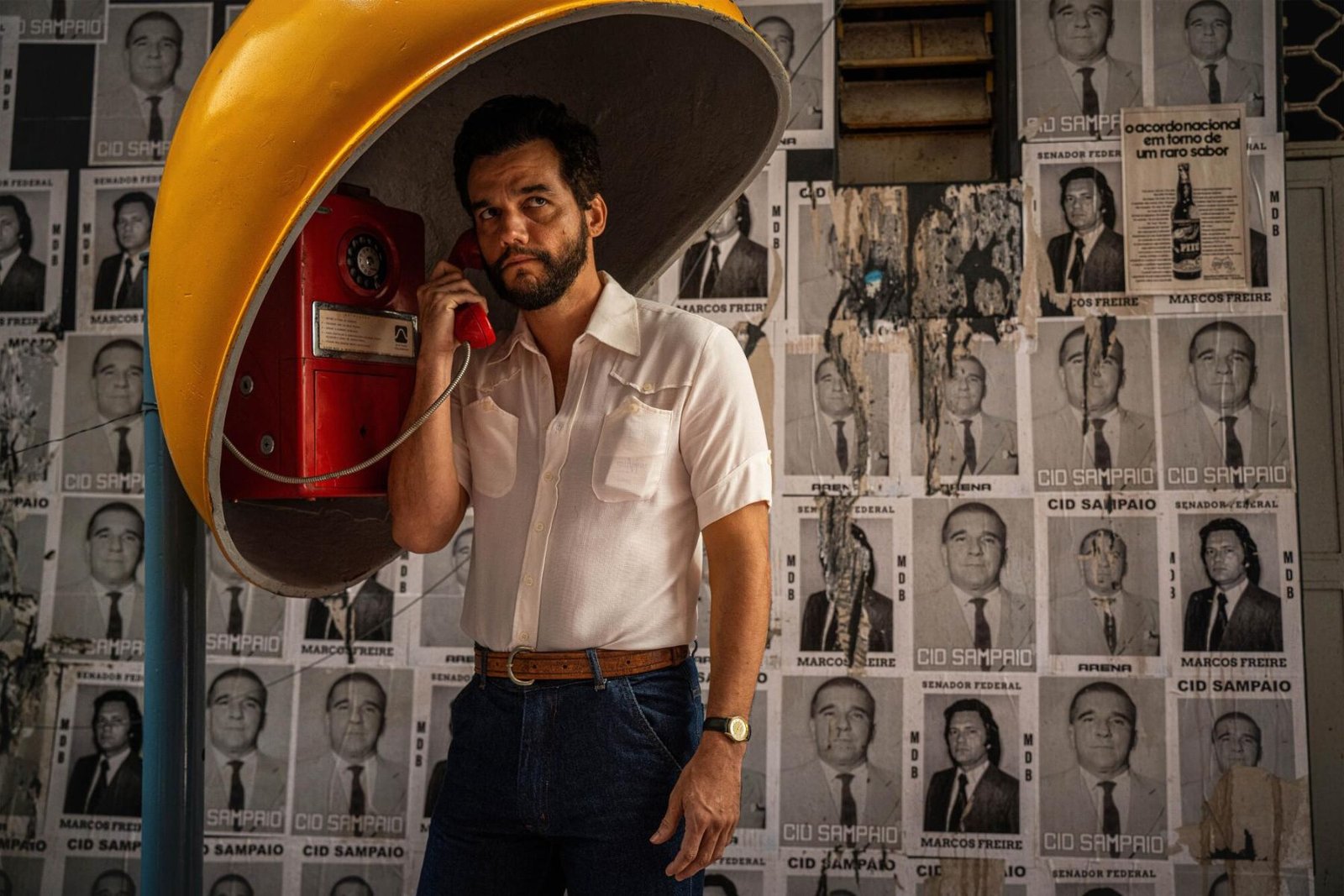
- Wagner Moura, The Secret Agent (WINNER)
- Dwayne Johnson, The Smashing Machine
- Jeremy Allen White, Springsteen: Deliver Me from Nowhere
- Joel Edgerton, Train Dreams
- Michael B. Jordan, Sinners
- Oscar Issac, Frankenstein
- Rose Byrne, If I Had Legs I’d Kick You (WINNER)
- Amanda Seyfried, The Testament of Ann Lee
- Chase Infiniti, One Battle After Another
- Cynthia Erivo, Wicked: For Good
- Emma Stone, Bugonia
- Kate Hudson, Song Sung Blue
- Timothée Chalamet, Marty Supreme (WINNER)
- Ethan Hawk, Blue Moon
- George Clooney, Jay Kelly
- Jesse Plemons, Bugonia
- Lee Byung-Hun, No Other Choice
- Leonardo DiCaprio, One Battle After Another
- Teyana Taylor, One Battle After Another (WINNER)
- Amy Madigan, Weapons
- Ariana Grande, Wicked: For Good
- Elle Fanning, Sentimental Value
- Emily Blunt, The Smashing Machine
- Inga Ibsdotter Lilleaas, Sentimental Value
Advertisement · Continue Reading Below
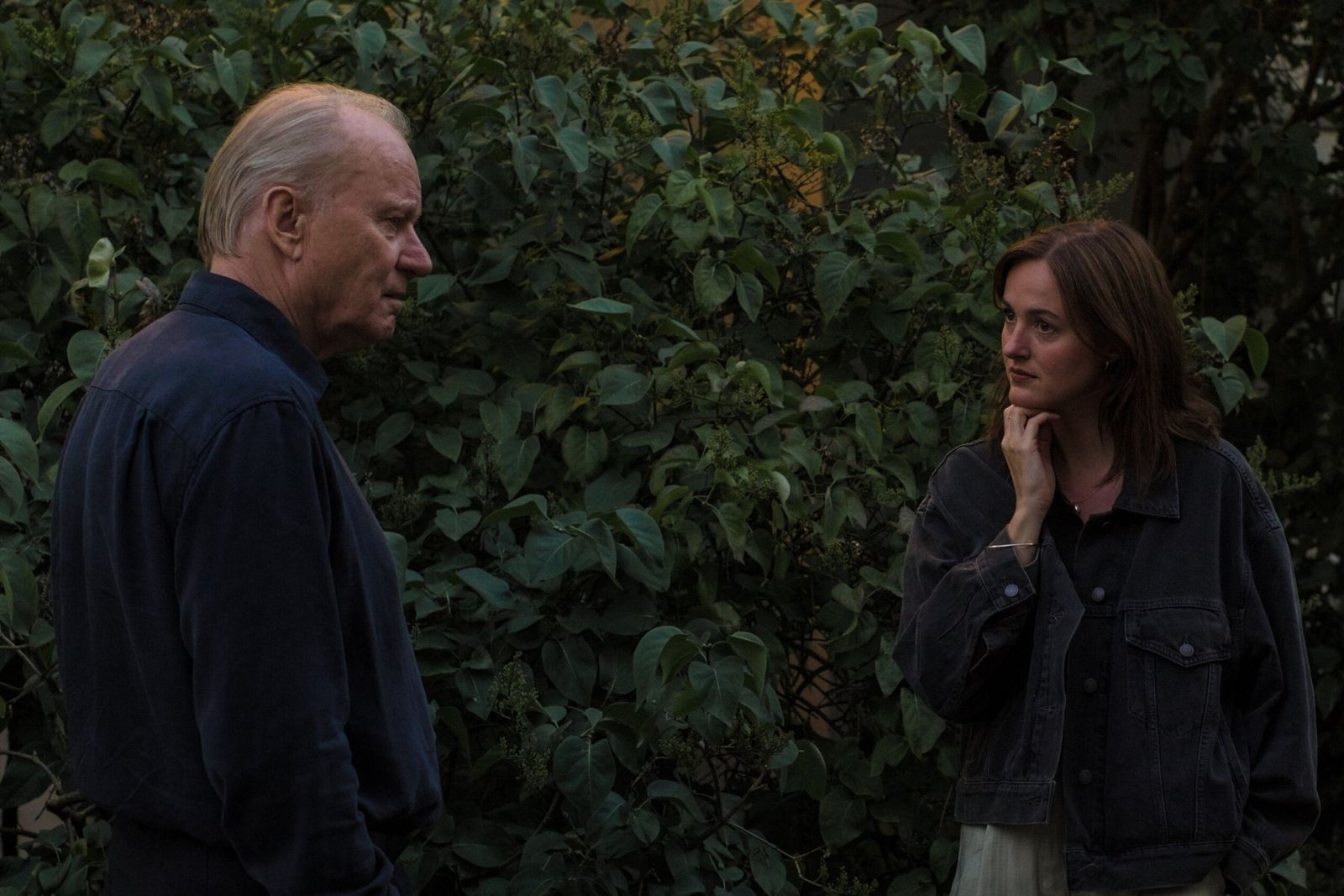
- Stellan Skarsgård, Sentimental Value (WINNER)
- Adam Sandler, Jay Kelly
- Benicio del Toro, One Battle After Another
- Jacob Elordi, Frankenstein
- Paul Mescal, Hamnet
- Sean Penn, One Battle After Another
- Paul Thomas Anderson, One Battle After Another (WINNER)
- Chloé Zhao, Hamnet
- Guillermo del Toro, Frankenstein
- Jafar Panahi, It Was Just An Accident
- Joachim Trier, Sentimental Value
- Ryan Coogler, Sinners
- Paul Thomas Anderson, One Battle After Another (WINNER)
- Chloé Zhao and Maggie O’Farrell, Hamnet
- Jafar Panahi, It Was Just An Accident
- Joachim Trier and Eskil Vogt, Sentimental Value
- Ronald Bronstien and Josh Safdie, Marty Supreme
- Ryan Coogler, Sinners
- Ludwig Göransson, Sinners (WINNER)
- Alexandre Desplat, Frankenstein
- Hans Zimmer, F1
- Jonny Greenwood, One Battle After Another
- Kangding Ray, Sirāt
- Max Richter, Hamner
Advertisement · Continue Reading Below
- Golden, KPop Demon Hunters, written by Joong Gyu Kwak, Yu Han Lee, Hee Dong Nam, Jeong Hoon Seo, Park Hong Jun, Kim Eun-jae (EJAE), Mark Sonnenblick (WINNER)
- Dream as One, Avatar: Fire and Ash, written by Miley Cyrus, Andrew Wyatt, Mark Ronson, Simon Franglen
- I Lied to You, Sinners, written by Raphael Saadiq, Ludwig Göransson
- No Place Like Home, Wicked: For Good, written by Stephen Schwartz
- The Girl in the Bubble, Wicked: For Good, written by Stephen Schwartz
- Train Dreams, Train Dreams, written by Nick Cave, Bryce Dessner
- Sinners (WINNER)
- Avatar: Fire and Ash
- F1
- KPop Demon Hunters
- Mission: Impossible – The Final Reckoning
- Weapons
- Wicked: For Good
- Zootopia 2
- The Pitt (WINNER)
- The Diplomat
- Pluribus
- Severance
- Slow Horses
- The White Lotus
- The Studio (WINNER)
- Abbott Elementary
- The Bear
- Hacks
- Nobody Wants This
- Only Murders in the Building
- Adolescence (WINNER)
- All Her Fault
- Black Mirror
- Dying for Sex
- The Beast in Me
- The Girlfriend
Advertisement · Continue Reading Below
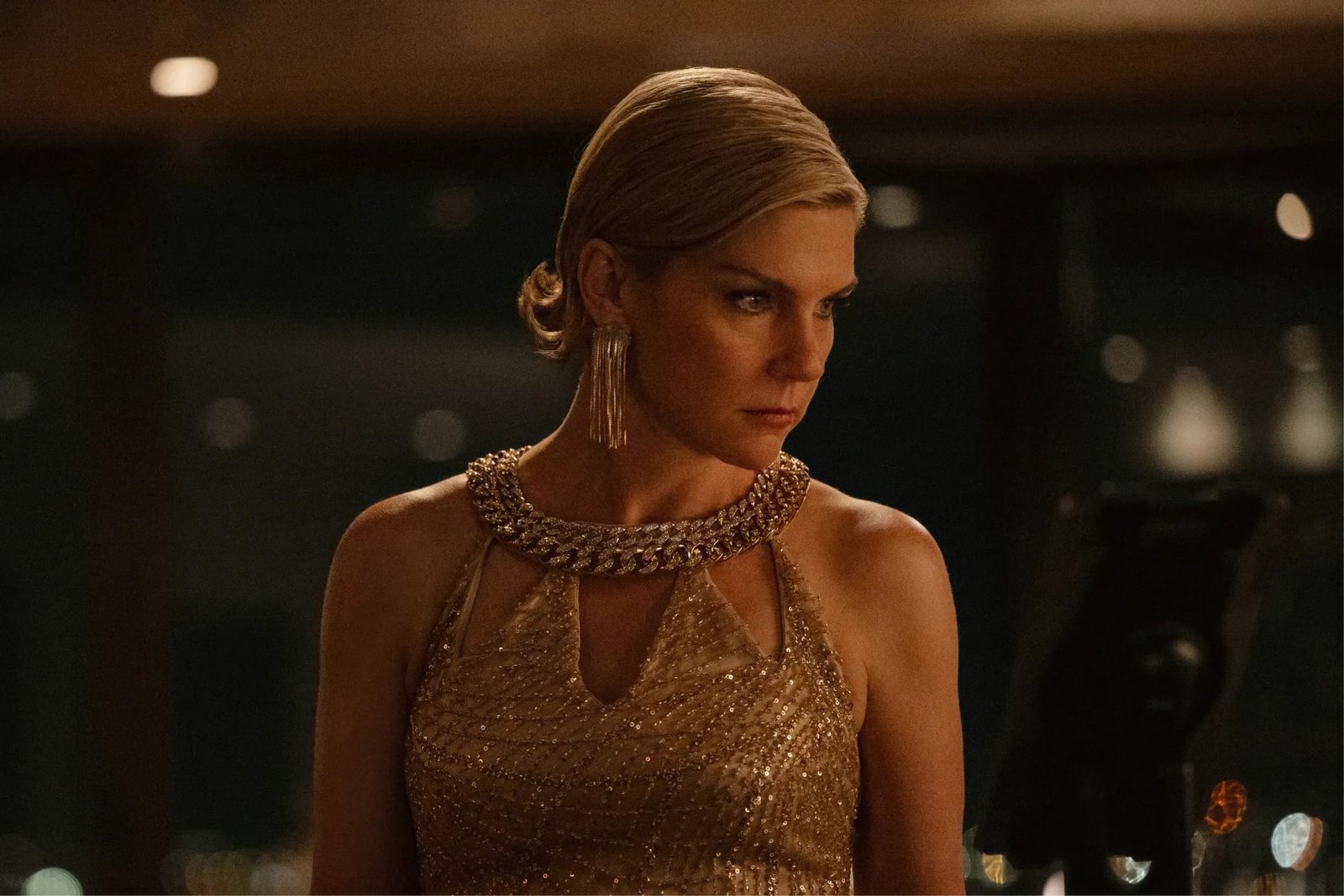
- Rhea Seehorn, Pluribus (WINNER)
- Bella Ramsey, The Last of Us
- Britt Lower, Severance
- Helen Mirren, MobLand
- Kathy Bates, Matlock
- Keri Russell, The Diplomat
- Noah Wyle, The Pitt (WINNER)
- Adam Scott, Severance
- Diego Luna, Andor
- Gary Oldman, Slow Horses
- Mark Ruffalo, Task
- Sterling Brown, Paradise
- Jean Smart, Hacks (WINNER)
- Ayo Edebiri, The Bear
- Jenna Ortega, Wednesday
- Kristen Bell, Nobody Wants This
- Natasha Lyonne, Poker Face
- Selena Gomez, Only Murders in the Building
- Seth Rogan, The Studio (WINNER)
- Adam Brody, Nobody Wants This
- Glen Powell, Chad Powers
- Jeremy Allen White, The Bear
- Martin Short, Only Murders in the Building
- Steve Martin, Only Murders in the Building
- Michelle Williams, Dying for Sex (WINNER)
- Amanda Seyfried, Long Bright River
- Claire Danes, The Beast in Me
- Rashida Jones, Black Mirror
- Robin Wright, The Girlfriend
- Sarah Snook, All Her Fault
Advertisement · Continue Reading Below
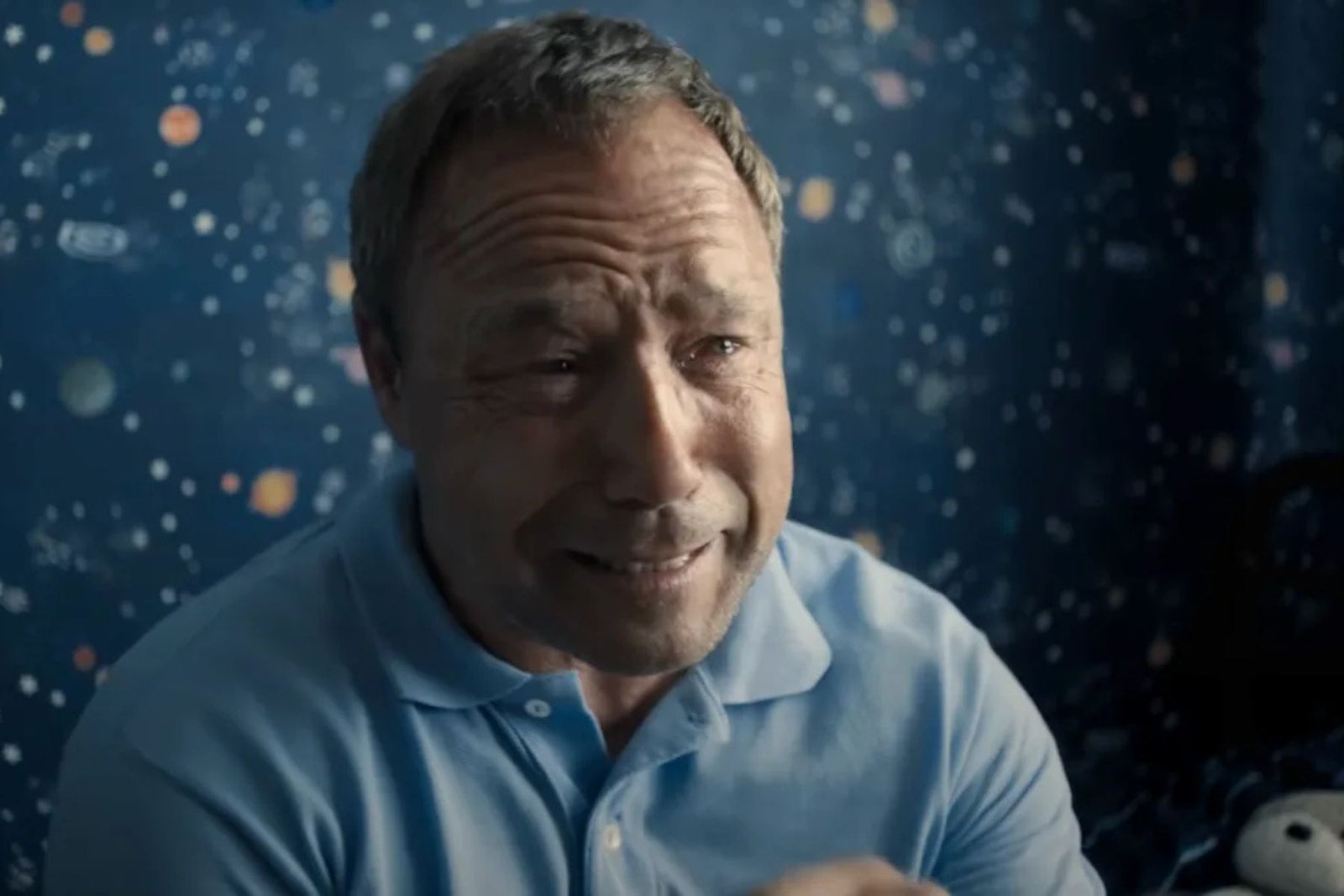
- Stephen Graham, Adolescence (WINNER)
- Charlie Hunnam, Monster: The Ed Gein Story
- Jacob Elordi, The Narrow Road to the Deep North
- Jude Law, Black Rabbit
- Matthew Rhys, The Beast in Me
- Paul Giamatti, Black Mirror
- Erin Doherty, Adolescence (WINNER)
- Aimee Lou Wood, The White Lotus
- Carrie Coon, The White Lotus
- Catherine O’Hara, The Studio
- Hannah Einbinder, Hacks
- Parker Posey, The White Lotus
- Owen Cooper, Adolescence (WINNER)
- Ashley Walters, Adolescence
- Billy Crudup, The Morning Show
- Jason Issacs, The White Lotus
- Tramell Tillman, Severance
- Walton Goggins, The White Lotus
Advertisement · Continue Reading Below
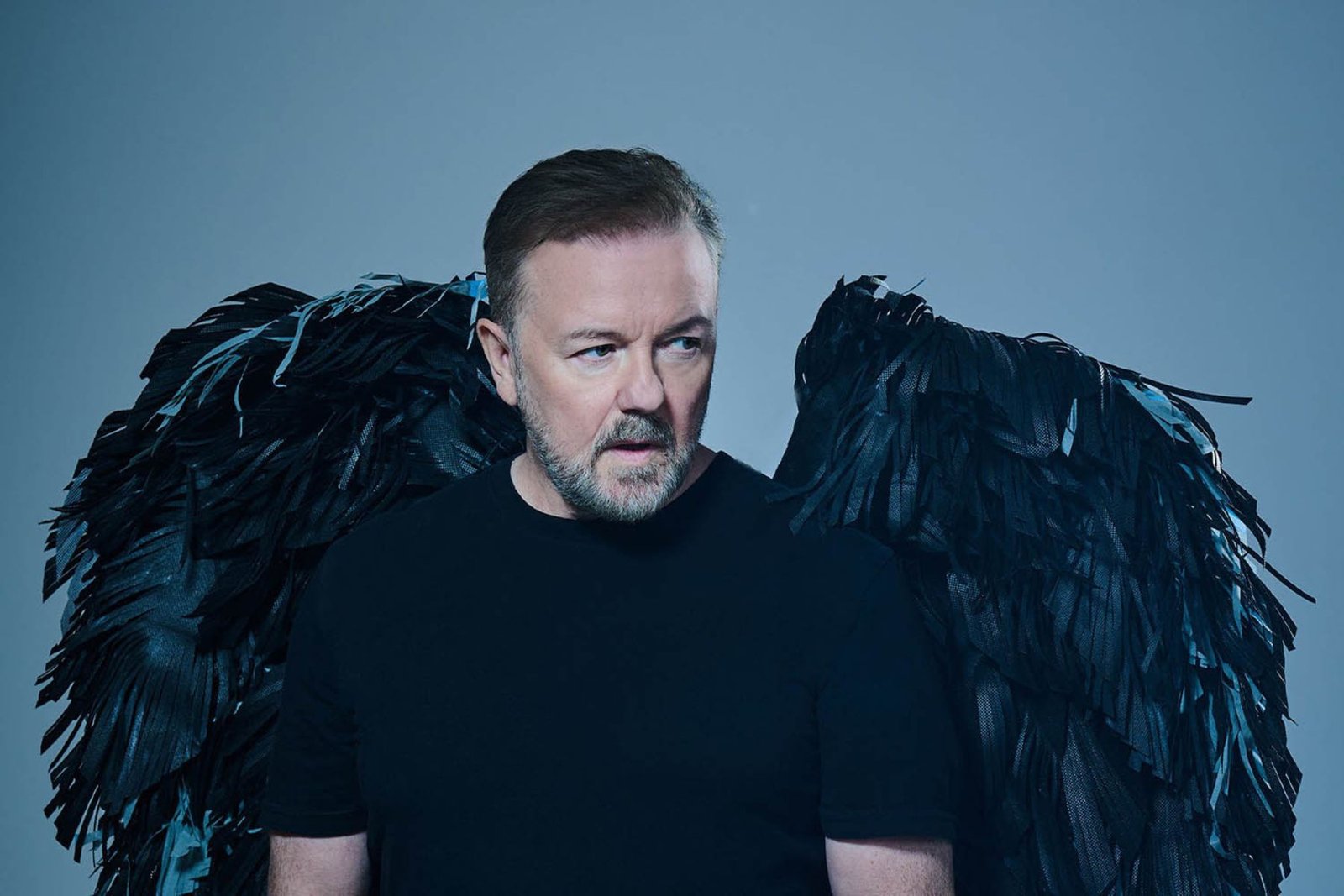
- Ricky Gervais: Mortality (WINNER)
- Bill Maher: Is Anyone Else Seeing This?
- Brett Goldstein: The Second Biggest Night of your Life
- Kevin Hart: Acting My Age
- Kumail Nanjiani: Night Thoughts
- Sarah Silverman: Postmortem
- Good Hang with Amy Poehler (WINNER)
- Armchair Expert with Dax Shepard
- Alex Cooper presents Call Her Daddy
- Smartless with Jason Bateman, Sean Hayes, Will Arnet
- The Mel Robbins Podcast
- Up First from NPR