





Watches

Zenith Goes Skeleton and Stone With the Chronomaster Sport and G.F.J. at Watches & Wonders 2026

Reading Time: 13 minutes

Share via

Our team of editors and experts thoughtfully chooses each product. If you decide to buy through one of our links, we may earn a commission. Learn more. Want to know how we test products? Click here for more details.

Following its 160th anniversary celebrations in 2025, Zenith could easily have taken a quieter approach to Watches and Wonders 2026, but the Le Locle manufacture arrived in Geneva with seven new watches spread across two very different collections. The Chronomaster Sport supplied the modern, high-frequency performance, while the G.F.J. brought classical proportions, rare materials and one of the most important chronometer movements in Zenith’s history.

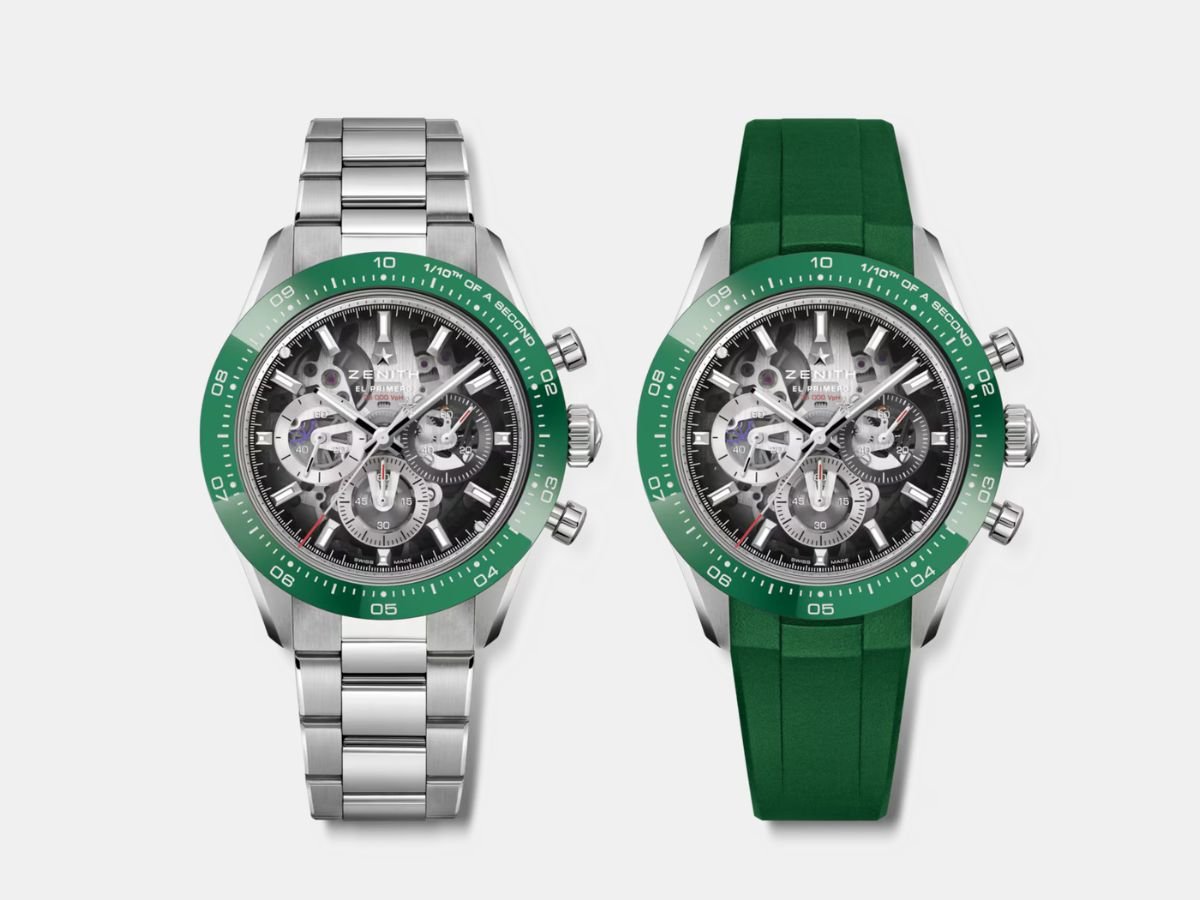
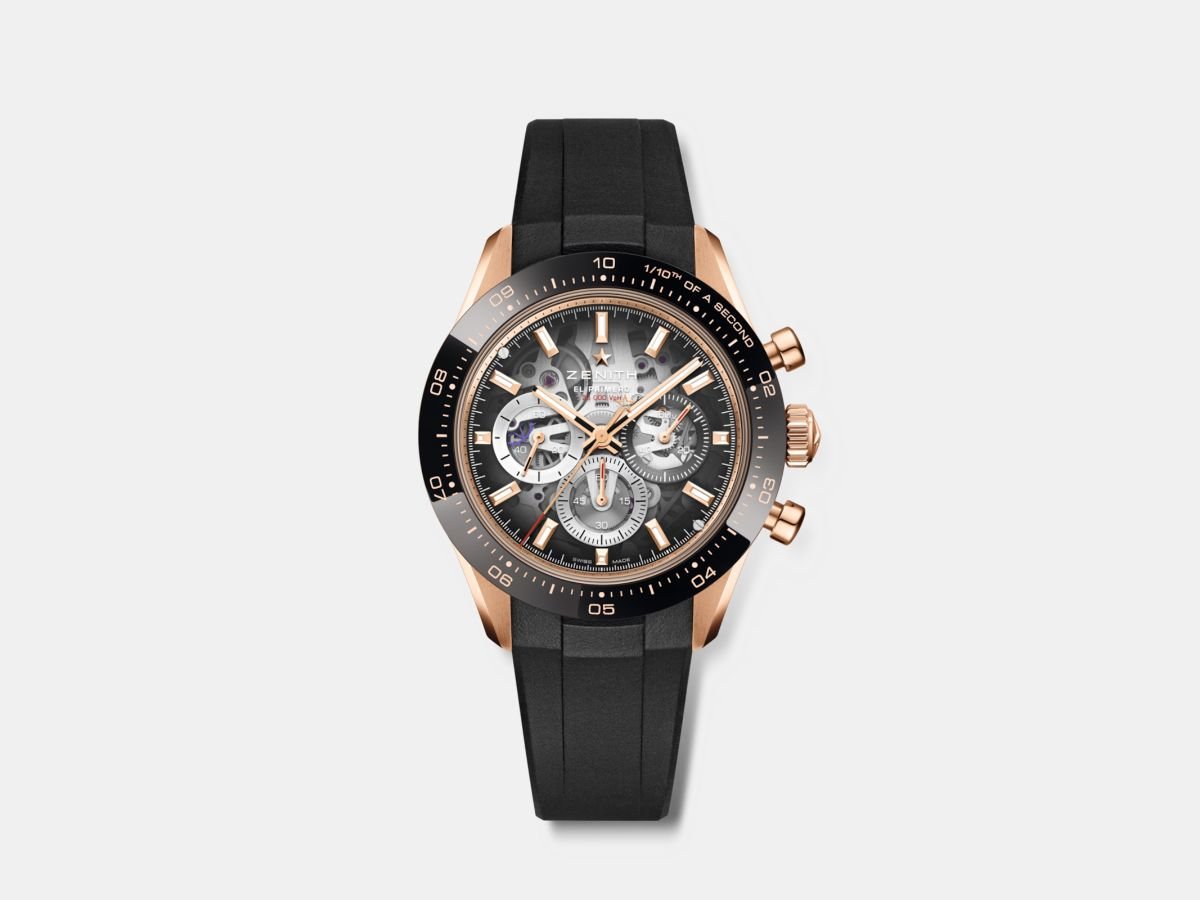
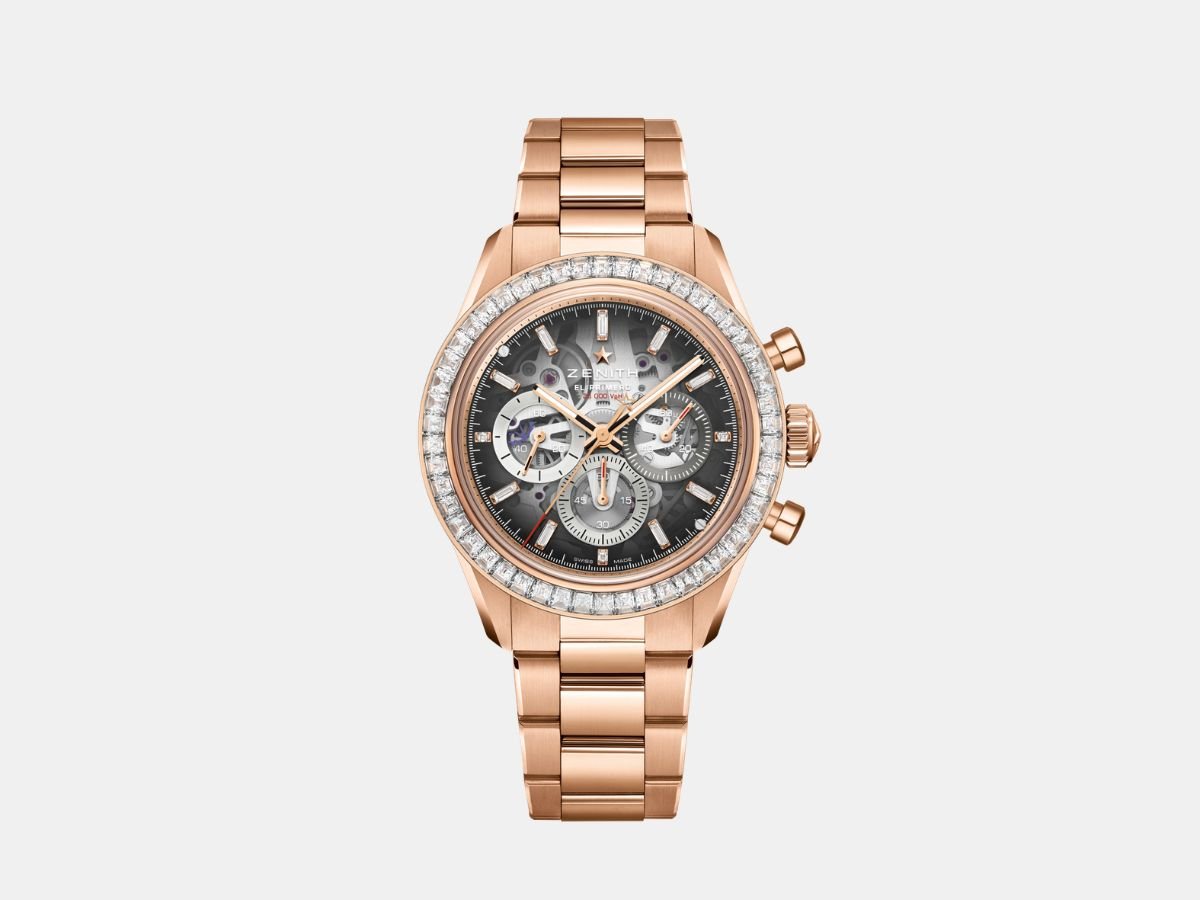
The biggest news was the arrival of the first fully skeletonized Chronomaster Sport, offered in four distinct executions. Two stainless-steel models pair their openworked displays with either black or green ceramic bezels, while an 18K rose-gold version adds a black ceramic bezel and rubber strap. Sitting at the top is an extravagant rose-gold edition with 50 baguette-cut diamonds around the bezel, limited to only 10 pieces. Zenith also introduced a separate two-tone Chronomaster Sport combining stainless steel, rose gold and a mother-of-pearl dial, with production restricted to 50 examples.

For the more traditionally minded collector, Zenith expanded the G.F.J. family with two striking interpretations powered by the revived hand-wound Calibre 135. One combines an 18K yellow-gold case with a naturally patterned bloodstone dial and is limited to 161 pieces, while the considerably rarer tantalum edition features a black onyx centre, diamond hour markers and a production run of just 20 watches.

Now that we have the introduction out of the way, let’s take a closer look at every watch Zenith unveiled at Watches and Wonders 2026, from the openworked Chronomaster Sport models to the two precious-stone G.F.J. releases.

Zenith Releases at Watches & Wonders 2026 Overview:

Zenith’s 2026 line-up moves between open-worked high-frequency chronographs, precious materials and traditional observatory chronometry. While the Chronomaster Sport Skeleton brings visible mechanics and modern engineering to the foreground, the latest G.F.J. models offer a quieter expression of the manufacture’s history. These five releases stood out most for their design, technical character and collectability.

Zenith Chronomaster Sport Ref. 51.3102.3600/01.M3100
Zenith Chronomaster Sport Image: Zenith / Supplied

Zenith Chronomaster Sport

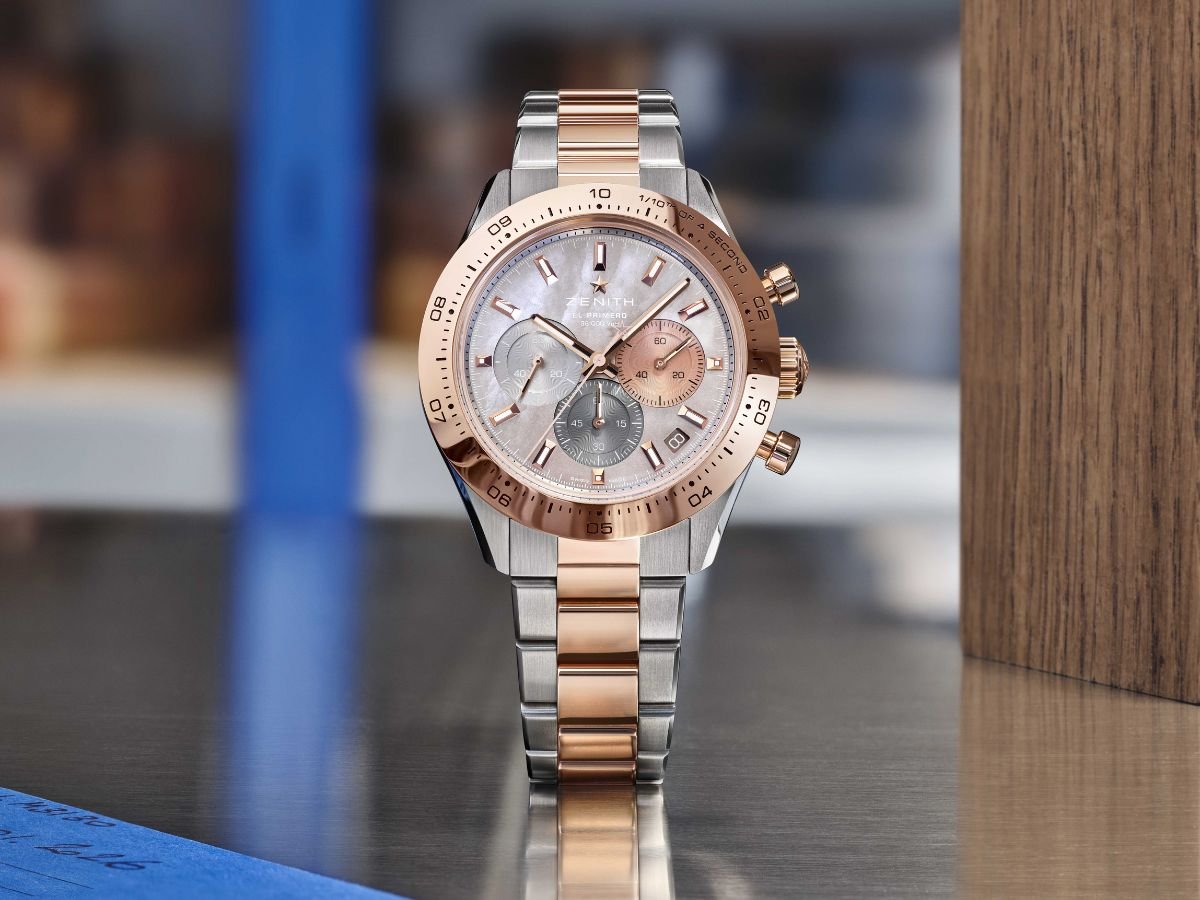
First up, we have the Chronomaster Sport that usually never struggles to grab attention once it’s spotted, but for Watches and Wonders 2026, Zenith has given its high-frequency chronograph a noticeably more polished personality. It still frames the familiar sporting proportions of the collection while introducing stainless steel, 18K rose gold and mother-of-pearl in a limited edition of just 50 pieces.

The 41mm stainless-steel case is framed by a rose-gold bezel, crown and chronograph pushers, creating a warmer appearance without distancing the watch from its performance-focused roots. Light moves naturally across the mother-of-pearl dial, revealing subtle changes in colour around the overlapping blue, anthracite and light-grey counters, while gold-plated hands and hour markers coated with Super-LumiNova maintain clarity. The date remains tucked between 4 and 5 o’clock, and water resistance is rated at 100 metres.

Behind the dial sits the automatic El Primero 3600, which runs at 36,000 vibrations per hour and measures elapsed time to one-tenth of a second. Its central chronograph hand completes a full trip around the dial every 10 seconds, accompanied by a 60-second counter at 3 o’clock and a 60-minute counter at 6 o’clock. The movement provides approximately 60 hours of power reserve and can be viewed through the sapphire caseback, where its column wheel, horizontal clutch and star-shaped openworked rotor are placed on display.

The two-tone bracelet carries the same mixture of steel and rose gold across the wrist, with alternating brushed and polished surfaces lending the design greater depth, while an additional black rubber strap offers a more casual alternative.
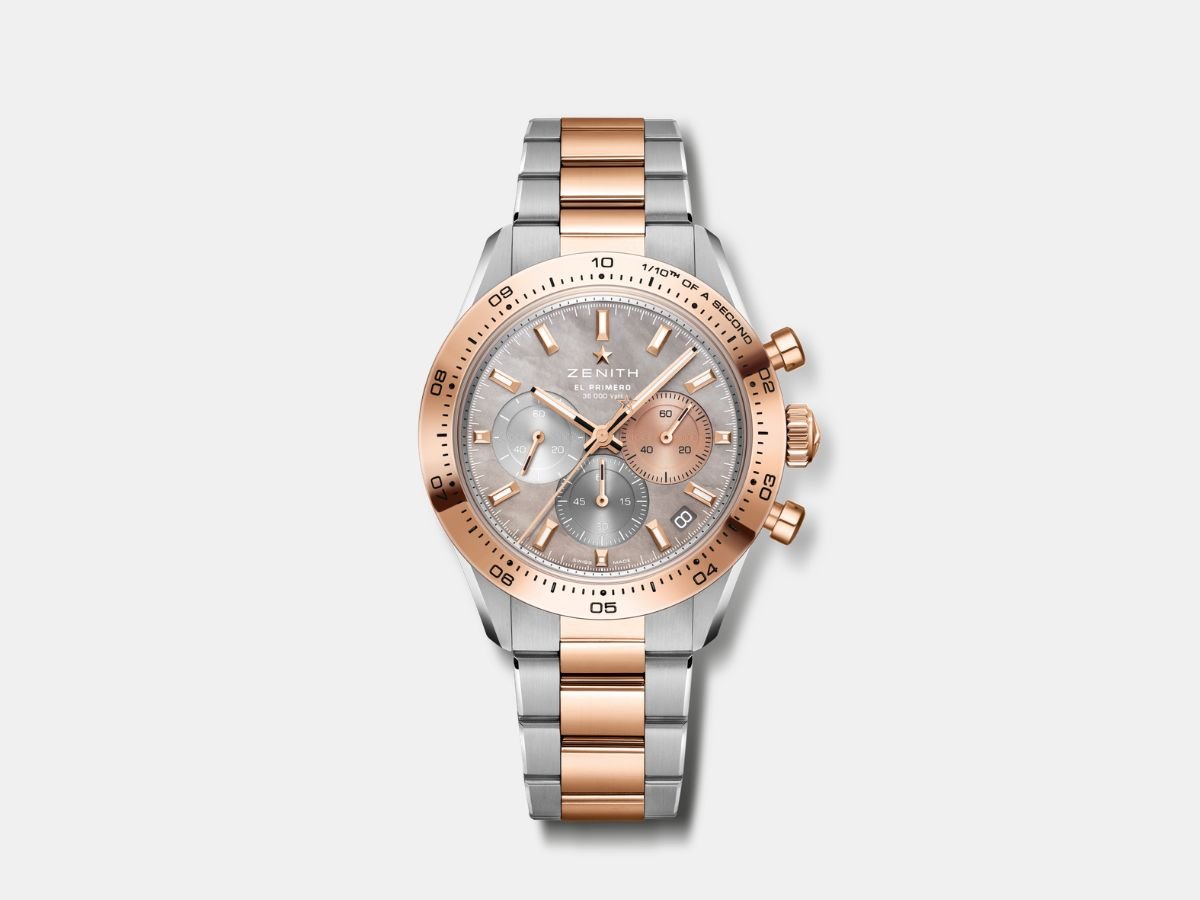
Zenith Chronomaster Sport Ref. 51.3102.3600/01.M3100 | Image: Zenith / Supplied
  • Brand: Zenith
  • Model: Chronomaster Sport
  • Reference: 51.3102.3600/01.M3100
  • Diameter: 41 mm
  • Thickness: 13.6 mm
  • Material: Stainless steel & 18K rose gold
  • Dial: Mother-of-pearl with three different-coloured counters
  • Calibre: El Primero 3600
  • Power Reserve: 60 Hours
  • Water-Resistance: 10 Bar (100 metres, 330 feet)
  • Price: USD $20,100 (Limited Edition – 50 Pieces)
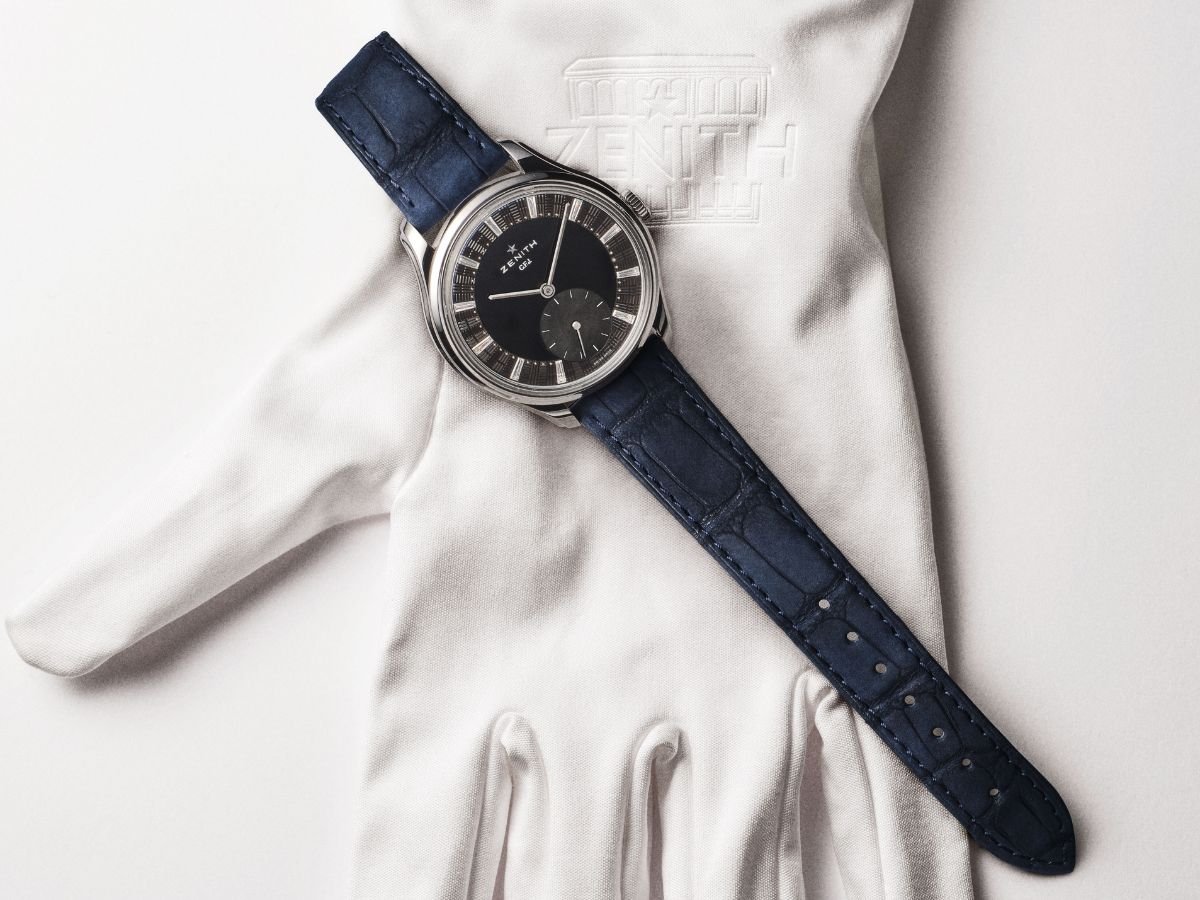
Zenith G.F.J. In Tantalum Ref.
Zenith G.F.J. In Tantalum | Image: Zenith

Zenith G.F.J. In Tantalum

The G.F.J. in tantalum is Zenith’s most exclusive interpretation of the collection to date, with production limited to only 20 pieces. Its 39.15mm case retains the stepped bezel and sculpted lugs associated with the G.F.J., although tantalum’s natural blue-grey colour and considerable density give the watch a darker, weightier presence. Highly resistant to corrosion yet notoriously difficult to machine and finish, the unusual metal brings a distinctly modern edge to the otherwise classical design.

A polished black onyx centre provides the dial with an almost liquid appearance, while an oversized grey mother-of-pearl small-seconds counter introduces a softer contrast at 6 o’clock. The surrounding brick-pattern guilloché draws inspiration from the façade of Zenith’s historic Le Locle manufacture, with 11 trapeze-cut diamond hour markers and faceted 18K white-gold hands adding a restrained touch of brilliance.

Inside is the hand-wound Calibre 135, a modern revival of Zenith’s celebrated observatory chronometer movement, equipped with a Breguet overcoil, stop-seconds mechanism and 72-hour power reserve. The COSC-certified movement is regulated to within ±2 seconds per day, while its ruthenium-treated bridges and Côtes de Genève can be viewed through the sapphire caseback. Supplied with blue nubuck alligator, black alligator and grey calfskin straps, the 50-metre water-resistant watch is priced at US$83,400.
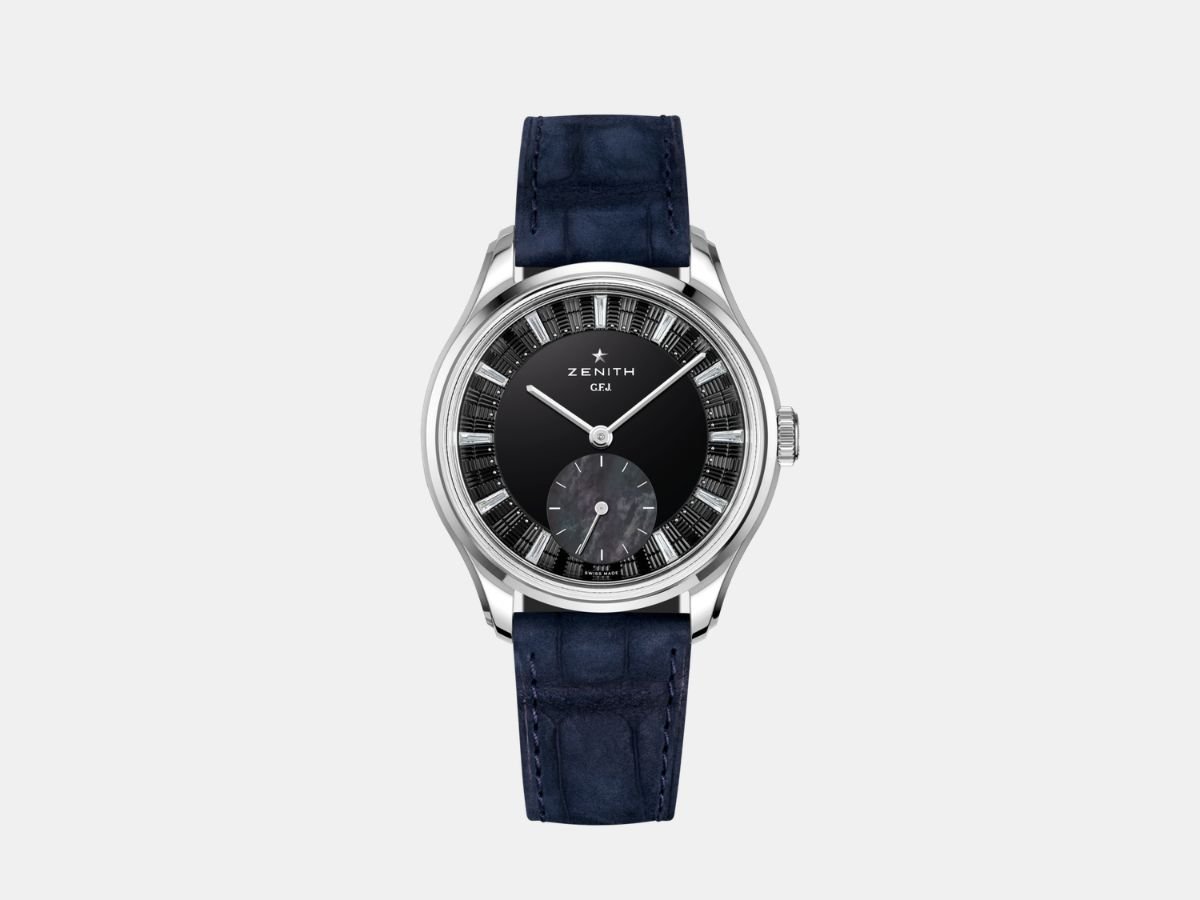
Zenith G.F.J. In Tantalum Ref. 98.1865.0135/21.C212 | Image: Zenith
  • Brand: Zenith
  • Model: G.F.J. In Tantalum
  • Reference: 98.1865.0135/21.C212
  • Diameter: 39.15 mm
  • Thickness: 10.5 mm
  • Material: Stainless steel & 18K rose gold
  • Dial: Signature brick-pattern guilloché outer ring with onyx centre & mother-of-pearl small-seconds counter
  • Calibre: Calibre 135
  • Power Reserve: 72 Hours
  • Water-Resistance: 5 Bar (50 metres, 165 feet)
  • Price: USD $83,400 (Limited Edition – 20 Pieces)
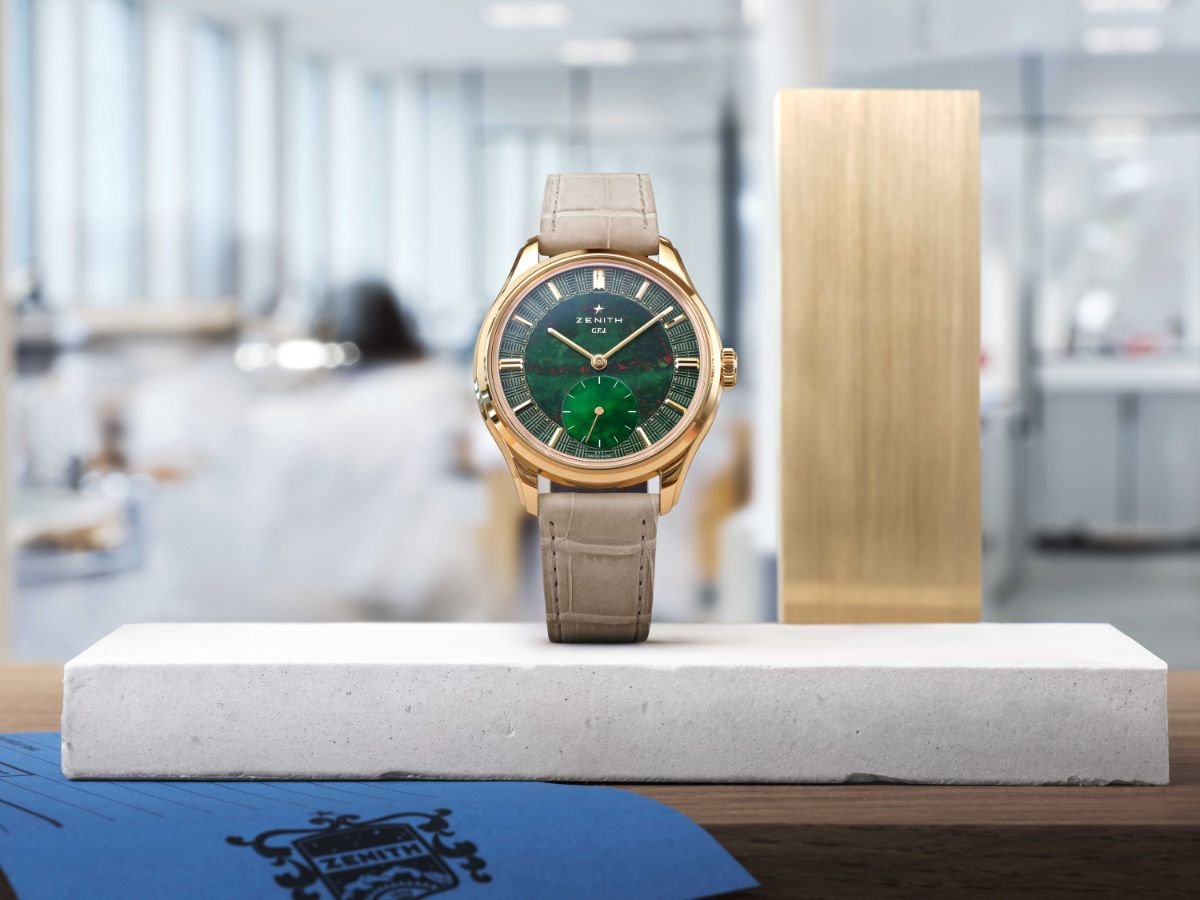
Zenith G.F.J. – The Ongoing Legacy Of The Calibre 135 | Image: Zenith

Zenith G.F.J. — The Ongoing Legacy Of The Calibre 135 

The G.F.J. returns for 2026 with a warmer and more expressive take on Zenith’s modern precision watch. Named after founder Georges Favre-Jacot, the collection was created as a lasting home for the revived Calibre 135, rather than a one-time historical tribute. This approach was recognized when the first model won the Chronometry Prize at the 2025 Grand Prix d’Horlogerie de Genève. The new version comes in 18K yellow gold with a bloodstone dial, limited to 161 pieces.

Precision has been key to Zenith since the late 19th century, with the company winning a record 2,333 prizes in observatory timing competitions. Made between 1949 and 1962, the original Calibre 135 was designed especially for these tough tests, while its competition-level 135-O version won 235 awards and took first place five years in a row at the Neuchâtel Observatory from 1950 to 1954.

Instead of just copying the old movement, Zenith has updated its design for today while keeping its 30mm size, off-center wheel, large balance, and 18,000 vibrations per hour speed. The hand-wound movement now runs for 72 hours without needing a rewind. Improvements like a new gear system, adjustment screws, a special hairspring, double-arrow regulator, and stop-seconds feature help each COSC-certified movement keep time within ±2 seconds per day.

This mechanical heritage is housed in a slim 39.15mm yellow-gold case with a stepped bezel, curved lugs, and water resistance up to 50 metres. Under the sapphire crystal, naturally patterned bloodstone fills the center of the dial, alongside a mother-of-pearl small-seconds dial and an outer guilloché ring inspired by the brick wall of Zenith’s Le Locle factory. The movement is visible through the sapphire caseback, showing wide Côtes de Genève stripes, hand-finished edges, dark ruthenium surfaces, and gold-colored engravings. The watch comes with beige nubuck alligator, green alligator, and black calfskin straps, with a matching yellow-gold bracelet sold separately.
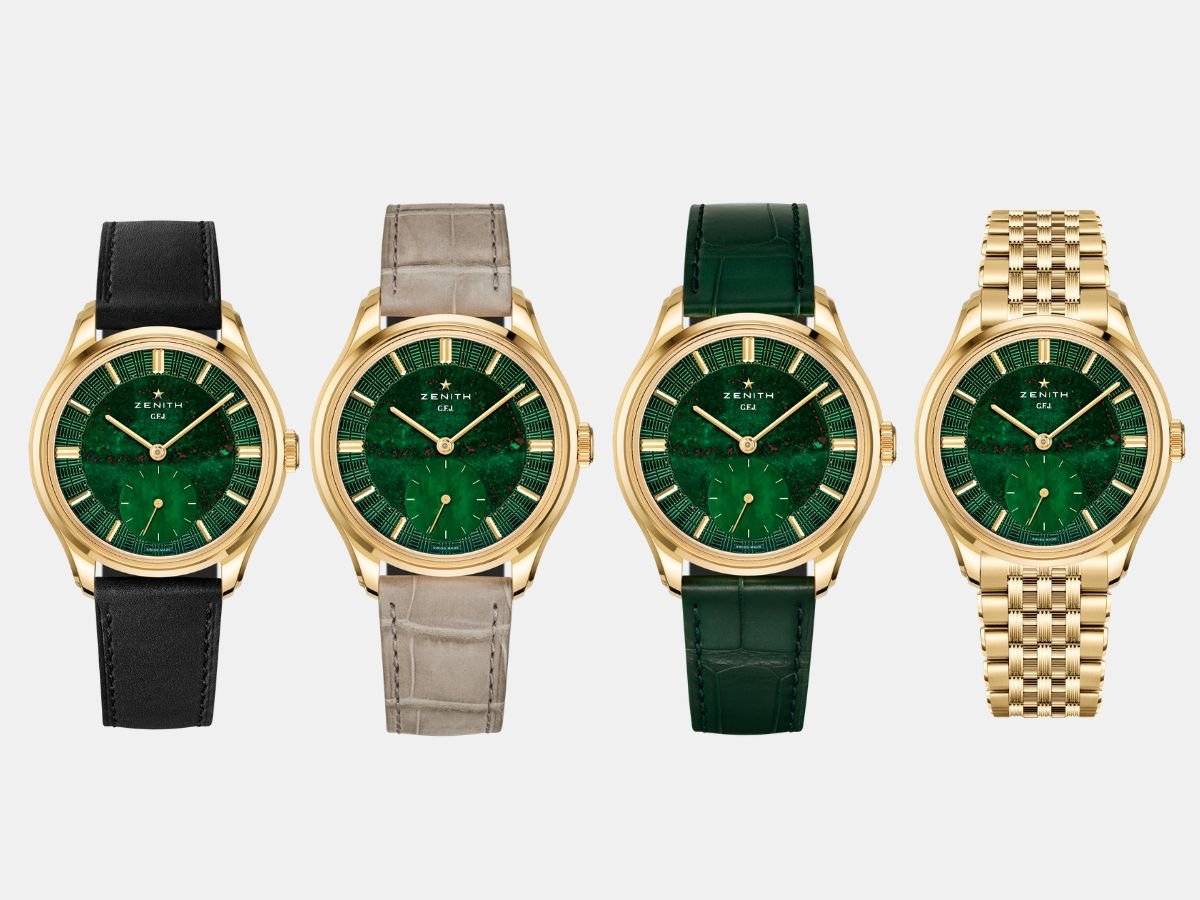
Zenith G.F.J. – The Ongoing Legacy Of The Calibre 135 Ref. 30.1865.0135/56.C216 | Image: Zenith
  • Brand: Zenith
  • Model: G.F.J. – The Ongoing Legacy Of The Calibre 135
  • Reference: 30.1865.0135/56.C216
  • Diameter: 39.15 mm
  • Thickness: 10.5 mm
  • Material: 18K – Yellow gold
  • Dial: Signature brick guilloché on the outer ring with a jasper “bloodstone” centre and a mother-of-pearl small-seconds counter.
  • Calibre: Calibre 135
  • Power Reserve: 72 Hours
  • Water-Resistance: 5 Bar (50 metres, 165 feet)
  • Price: USD $51,900 (Limited Edition – 161 Pieces)

Zenith Skeletonized Chronomaster Sport | Image: Zenith

Zenith Skeletonized Chronomaster Sport

Zenith’s relationship with high-frequency chronographs stretches back to 1969, when the manufacture introduced the El Primero as the world’s first automatic, integrated high-frequency chronograph movement. Its 5Hz frequency, equal to 36,000 vibrations per hour, made it possible to measure one-tenth of a second and established the technical foundation upon which the modern Chronomaster collection would eventually be built. At Watches and Wonders 2026, that long-running story enters a more transparent phase with the first Chronomaster Sport Skeleton.

Its smoked sapphire dial changes gradually from black at the perimeter to almost completely transparent at the centre, exposing the openworked El Primero 3600 SK without abandoning the Chronomaster’s visual identity. Overlapping counters in grey, anthracite and blue recall the original El Primero, while Super-LumiNova-coated hands and markers prevent the mechanical background from overwhelming the time display. The 41mm case combines brushed and polished surfaces with pump-style pushers, a scratch-resistant ceramic bezel and 100 metres of water resistance.

Beneath the dial, the El Primero 3600 SK continues to operate at 5Hz, driving its central chronograph hand around the dial once every 10 seconds so each tenth can be read directly from the graduated bezel. The open construction reveals its blue column wheel, horizontal clutch and silicon escape wheel, while the addition of a stop-seconds mechanism allows the time to be set more precisely. An openworked Zenith-star rotor maintains the view from the sapphire caseback, with the automatic movement providing approximately 60 hours of power reserve.

Four versions make up the collection, including stainless-steel models with either black or green ceramic bezels, both supplied on three-link bracelets with additional matching rubber straps. An 18K rose-gold model pairs a black ceramic bezel with a black rubber strap, while a 10-piece limited edition adds a rose-gold bracelet and a bezel set with 50 baguette-cut diamonds. The steel editions also introduce the patented ZENCLASP, a 41-component folding clasp developed over three years and tested through more than 600,000 opening and closing cycles. Its tool-free system adjusts in 2.5mm increments across a 10mm range, while ceramic locking components and a lift-up safety cover help maintain a secure fit.
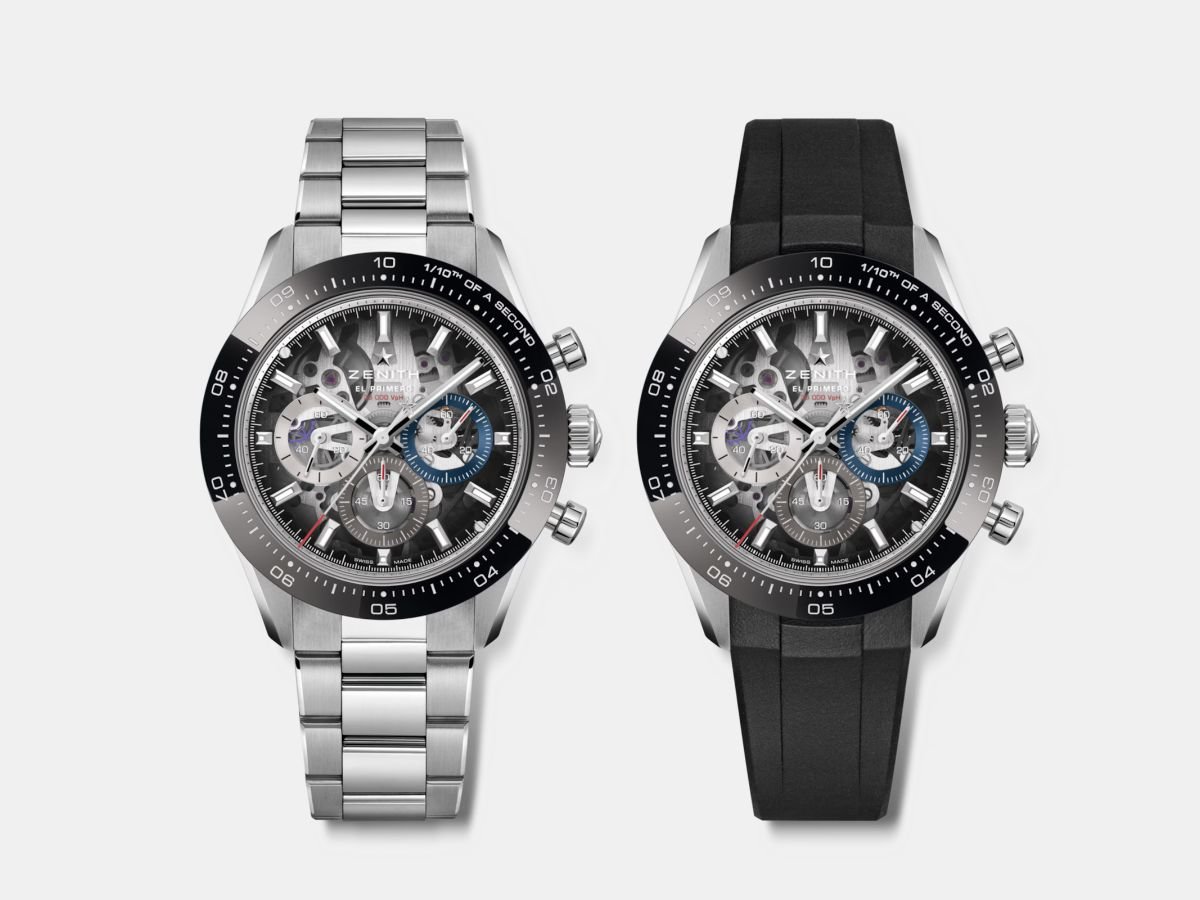
Zenith Chronomaster Sport Skeleton Ref. 03.3130.3600:01.M3130
Zenith Chronomaster Sport Skeleton Ref. 03.3130.3600:01.M3130 | Image: Zenith

Chronomaster Sport Skeleton — Black Ceramic Bezel

  • Brand: Zenith
  • Model: Chronomaster Sport Skeleton
  • Reference: 03.3130.3600:01.M3130
  • Diameter: 41 mm
  • Thickness: 13.6 mm
  • Material: Stainless steel with black ceramic bezel
  • Bracelet/Strap: Stainless steel bracelet with the new micro-adjustable folding clasp. Additional black rubber strap included.
  • Dial: Open-worked, tinted sapphire with three different-coloured counters
  • Calibre: El Primero 3600 SK
  • Power Reserve: 60 Hours
  • Water-Resistance: 10 Bar (100 metres, 330 feet)
  • Price: USD $16,700
Zenith Chronomaster Sport Skeleton Ref. 03.3131.3600:01.M3130
Zenith Chronomaster Sport Skeleton Ref. 03.3131.3600:01.M3130 | Image: Zenith

Chronomaster Sport Skeleton — Green Ceramic Bezel

  • Brand: Zenith
  • Model: Chronomaster Sport Skeleton
  • Reference: 03.3131.3600:01.M3130
  • Diameter: 41 mm
  • Thickness: 13.6 mm
  • Material: Stainless steel with green ceramic bezel
  • Bracelet/Strap: Stainless steel bracelet with the new micro-adjustable folding clasp. Additional black rubber strap included.
  • Dial: Open-worked, tinted sapphire with three different-coloured counters
  • Calibre: El Primero 3600 SK
  • Power Reserve: 60 Hours
  • Water-Resistance: 10 Bar (100 metres, 330 feet)
  • Price: USD $16,700
Zenith Chronomaster Sport Skeleton Ref. 18.3130.3600:01.R951
Zenith Chronomaster Sport Skeleton Ref. 18.3130.3600:01.R951 | Image: Zenith

Chronomaster Sport Skeleton — Rose Gold Black Ceramic bezel

  • Brand: Zenith
  • Model: Chronomaster Sport Skeleton
  • Reference: 18.3130.3600:01.R951
  • Diameter: 41 mm
  • Thickness: 13.6 mm
  • Material: 18K Rose gold
  • Dial: Open-worked, tinted sapphire with three different-coloured counters
  • Calibre: El Primero 3600 SK
  • Power Reserve: 60 Hours
  • Water-Resistance: 10 Bar (100 metres, 330 feet)
  • Price: USD $31,500
Zenith Chronomaster Sport Skeleton Ref. 22.3130.3600:01.M3100
Zenith Chronomaster Sport Skeleton Ref. 22.3130.3600:01.M3100 | Image: Zenith

Chronomaster Sport Skeleton — Rose Gold & Diamonds

  • Brand: Zenith
  • Model: Chronomaster Sport Skeleton
  • Reference: 22.3130.3600:01.M3100
  • Diameter: 41 mm
  • Thickness: 13.6 mm
  • Material: 18K Rose gold
  • Dial: Openworked, tinted sapphire with three different-coloured counters
  • Calibre: El Primero 3600 SK
  • Power Reserve: 60 Hours
  • Water-Resistance: 10 Bar (100 metres, 330 feet)
  • Price: USD $111,000 (Limited Edition – 10 Pieces)

What Do We Think About zenith’s 2026 Releases?

Zenith’s 2026 collection feels focused, with the manufacture concentrating on two very different sides of its identity. The Chronomaster Sport Skeleton delivers the immediate excitement, placing the El Primero 3600 SK on display while introducing the genuinely useful ZENCLASP adjustment system. The G.F.J. models take a quieter approach, using tantalum, yellow gold and natural stone dials to prove that the revived Calibre 135 is becoming a permanent part of Zenith’s modern collection rather than remaining a one-off anniversary piece.

Our only reservation is that the line-up relies heavily on variations of two existing families, so anyone expecting an entirely new collection may find it slightly conservative. Even so, the individual watches have been thoughtfully executed, with the steel Chronomaster Sport Skeleton offering the strongest combination of performance and everyday wearability, while the tantalum G.F.J. stands out as the most technically and materially ambitious release.


Watches & WondersZenith
About the Author
Health & Fitness

How Much Protein Do You Need Each Day?

Reading Time: 16 minutes

Our team of editors and experts thoughtfully chooses each product. If you decide to buy through one of our links, we may earn a commission. Learn more. Want to know how we test products? Click here for more details

Protein is one of the three key macronutrients—along with carbohydrates and fats—that our bodies require for energy, growth, and overall well-being. Although carbohydrates and fats frequently take center stage in discussions about energy sources, protein plays an essential role in tissue construction and repair, as well as in the production of enzymes and hormones, and in supporting the immune system. Often referred to as “the building blocks of life,” proteins consist of amino acids and are present in muscles, organs, skin, and hair, underscoring their critical importance in sustaining a healthy body.

Whether you are an athlete striving for optimal performance, a busy professional juggling multiple tasks, or someone dedicated to enhancing their wellness, understanding your protein requirements is essential for effective nutrition. Protein plays a critical role in muscle recovery, boosting metabolism, and managing hunger. Your protein needs may vary based on factors such as age, gender, activity level, and specific health or fitness goals. For instance, athletes typically require a higher protein intake to support muscle repair and growth, whereas those with less active lifestyles may not need as much. Additionally, pregnant women and individuals recovering from illness may require more protein to promote optimal growth and recovery.

This guide explores the science behind daily protein requirements, details how to calculate your ideal intake, and presents strategies for increasing protein in your diet. By the conclusion, you will be equipped with insights and resources to tailor your nutrition for your health and fitness objectives. Are you prepared to fuel your body? Let’s discover how to fulfill your protein needs!

Arnold Schwarzenegger | Image: Supplied

Why Protein Is So Important?

Protein does more than just build muscles; it is vital for nearly every function of the body. It significantly contributes to the immune system’s strength, promotes healthy skin, hair, and nails, and helps regulate hormones and enzymes. The U.S. Department of Agriculture states, “Protein is involved in the production of hormones like insulin and thyroid hormones, which are crucial for metabolism and blood sugar control.” Without adequate protein, the body cannot function at its best. Beyond its physiological roles, protein is crucial for tissue repair and cell regeneration. “Protein is the cornerstone of cellular repair,” states nutritionist Jennifer Hines. “It’s vital for ensuring the body’s ability to recover, whether from exercise or everyday wear and tear.” This makes protein an essential nutrient, particularly for maintaining a healthy, well-functioning body.

Muscle Repair and Growth

Protein is essential for rebuilding and repairing muscle tissue. When you exercise, small tears occur in your muscle fibres. Protein aids in repairing these fibres, strengthening them and promoting muscle growth and recovery. That’s why consuming protein after workouts is important—your body requires these amino acids to initiate the repair process. Regularly consuming protein can also enhance muscle mass and strength, making it a crucial element of most fitness routines.

Enzyme and Hormone Production

Your body generates enzymes and hormones that manage digestion and metabolism, primarily derived from proteins. If protein intake is insufficient, the production of these vital substances is impaired. For instance, digestive enzymes are responsible for breaking down food, whereas hormones such as insulin regulate blood sugar levels. “Without sufficient protein, the synthesis of enzymes and hormones may be hindered, affecting digestion, metabolism, and overall bodily functions.” A lack of protein can lead to metabolic imbalances, which disrupt nutrient absorption, energy production, and general well-being.

Immune System Support

Proteins play a crucial role in creating antibodies that fight infections. Insufficient protein intake can compromise the immune system, increasing vulnerability to diseases. “Proteins form the basis of immune cells that detect and neutralize harmful bacteria and viruses” Consuming enough protein is essential for maintaining a strong immune system and protecting the body against illness.

Skin, Hair, and Nail Health

Protein is crucial for generating collagen and keratin, the key skin, hair, and nail elements. A lack of protein can compromise these tissues, resulting in brittle hair and nails and reducing skin elasticity. Collagen offers structural support to the skin, helping to retain its firmness and elasticity, whereas keratin fortifies hair and nails. “The body depends on protein to uphold the structural integrity of skin and hair, significantly affecting appearance and overall skin health” Adequate protein consumption keeps these tissues strong and healthy, promoting a vibrant and youthful look.

Optimum Nutrition Gold Standard 100% Whey | Image: Optimum Nutrition

What is Protein?

Protein is an essential macronutrient required for the growth, repair, and maintenance of body tissues. It is made up of amino acids, which are the building blocks for muscles, enzymes, hormones, and other critical biological elements. Inadequate protein intake can hinder your body’s ability to perform vital functions, including muscle recovery, immune support, and cell upkeep.

Proteins perform a variety of functions in the body, providing structural support and facilitating chemical reactions. “Proteins are involved in nearly every biological process and are crucial for maintaining cellular structures, growth, and repair. ” They play a role in almost every biological process, underscoring their importance to human health. Since the body cannot store protein like it does carbohydrates or fats, it is essential to intake protein through the diet to meet daily requirements consistently.

Beyond its structural and functional roles, protein plays a part in energy production as well. While carbohydrates and fats remain the primary energy sources for the body, protein can serve as fuel during periods of fasting, intense workouts, or when calorie intake is restricted. Additionally, having enough protein helps regulate appetite by increasing feelings of fullness, reducing cravings, and supporting weight management. Therefore, protein is a vital nutrient for muscle health and overall metabolic function, contributing to long-term well-being.

There are three primary types of proteins in the body, each serving distinct functions:

  • Fibrous Proteins: Offer structural support to cells and tissues. Notable examples are collagen, found in skin and connective tissues, and keratin, present in hair and nails. Generally insoluble in water, fibrous proteins play a crucial role in maintaining the body’s structural integrity.
  • Globular Proteins: Globular proteins are water-soluble and essential for biological functions. They include enzymes that catalyze reactions and hemoglobin for oxygen transport. Many hormones, such as insulin, are also globular proteins regulating bodily processes.
  • Membrane Proteins: Proteins in cell membranes are crucial for communication. They transport substances, act as receptors for signalling molecules, and regulate immune responses. Key examples include ion channels and receptor proteins, facilitating interactions and maintaining homeostasis.
Types Of Proteins | Image: EatingWell

Types Of Protein

Protein is an essential and versatile nutrient that performs a variety of functions in the body. Various types of protein offer unique benefits and different levels of essential amino acids. To achieve a balanced diet, including a range of protein sources is crucial. Particularly, animal protein stands out as one of the most common and effective choices.

Animal Proteins

Animal protein is valued for its genetic similarities to humans, providing a complete source of essential amino acids in ideal proportions. “Animal proteins are considered complete proteins because they contain all nine essential amino acids that the body cannot synthesize.” This characteristic supports digestion and is crucial for muscle fibre growth. Common foods high in animal protein include:

  • Red Meat
  • Eggs
  • Fish
  • Dairy

Animal protein plays a significant role in the health of muscles, tendons, and organs. However, it’s crucial to recognize that there are other effective methods to increase your protein intake.

What Is Plant Proteins & How Is It Used? | Image: The Spruce Eats

Plant Proteins

For those who wish to avoid meat or dairy, there are numerous plant-based options available to satisfy your protein requirements. Many plants and plant products are naturally rich in protein, including:

  • Seitan
  • Tofu
  • Lentils
  • Chickpeas
  • Green peas
  • Quinoa
  • Soybeans
  • Nuts

Plant-based options provide a great way to boost protein intake while avoiding animal products. In addition to protein, they are packed with vital nutrients like fibre, vitamins, and minerals, which contribute to a healthy, balanced diet. Whether you’re a vegetarian, vegan, or just trying to cut back on animal products, these alternatives help fulfill your protein requirements.

Protein Supplements | Image: 1mg

Protein Supplements

Incorporating protein supplements into your diet is another effective way to boost your daily protein intake. Protein powders make it easy to reach your protein goals quickly and efficiently, often with minimal effort. “Athletes and fitness enthusiasts commonly use protein supplements to enhance muscle recovery and support overall dietary needs.” Furthermore, many protein supplements are low in carbohydrates and calories, making them convenient for those monitoring their overall intake. Common types of protein supplements include:

  • Protein concentrates
  • Protein isolates
  • Protein hydroisolates
Here’s Why It’s Important To Stay Hydrated | Image: JEFIT

How Much Protein Should You Have?

Your daily protein needs vary based on age, gender, activity level, and health objectives. While general recommendations exist, it’s vital to customize your intake according to your unique situation. For example, someone looking to gain muscle requires more protein than someone whose goal is to preserve their current weight. Your protein intake should align with your lifestyle and support your health or fitness goals, whether that’s losing weight, building muscle, or maintaining overall wellness.

Recommended Daily Intake

The Recommended Dietary Allowance (RDA) for protein is set at 0.8 grams per kilogram of body weight for the average adult. For instance, a person weighing 70 kg (154 lbs) needs about 56 grams of protein each day. This amount is sufficient for most inactive adults to maintain essential bodily functions. However, the RDA is intended for an average individual; those with specific circumstances—like athletes or individuals recovering from an illness—might require more. It’s crucial to acknowledge that the RDA serves as a foundational guideline, and individual needs can vary based on one’s lifestyle and health conditions.

Adjusting Protein Based On Activity Level

Sedentary Individuals

If you have a mostly inactive lifestyle, the recommended daily allowance (RDA) for protein generally meets your health needs. Your body’s requirement for protein does not rise significantly in the absence of regular exercise. Nonetheless, even with minimal activity, sufficient protein intake is crucial for enhancing metabolism, preserving lean muscle mass, and ensuring proper bodily functions.

Active Individuals

Regular exercisers require more protein. The American College of Sports Medicine advises athletes to consume 1.2 to 2.0 grams of protein per kilogram of body weight, varying with training intensity. Those engaged in rigorous workouts or endurance activities should aim for the higher end of this spectrum to aid muscle repair and growth. Since regular exercise diminishes the body’s protein stores, it’s essential to replenish them through diet for optimal recovery and performance. For instance, a 75 kg (165 lbs) athlete may need between 90 and 150 grams of protein daily, depending on their activity level.

The organization recommends that individuals participating in regular activities like running, cycling, or swimming should intake 1.2 to 1.4 grams of protein per kilogram of body weight daily. For strength-trained athletes, including powerlifters, the requirement increases to about 1.6 to 1.7 grams per kilogram. Here is a straightforward summary of the suggested protein intake according to activity level:

  • Sedentary – Multiply by 0.5
  • Light activity – Multiply by 0.6
  • Moderate – Multiply by 0.7
  • Active – Multiply by 0.8
  • Very Active – Multiply by 0.9
  • Athlete – Multiply by 1.0

Older Adults

As we get older, our muscle mass decreases, and our bodies become less efficient at using protein. Older adults could benefit from raising their protein intake to about 1.0 to 1.2 grams per kilogram of body weight to combat this. This increase supports the preservation of both muscle mass and strength. Consuming more protein also helps maintain muscle health and enhances bone density, which are crucial as we age. Furthermore, a diet rich in protein can assist in recovery from illness or surgery, reducing muscle loss and promoting quicker healing.

Meal Prep Ultimate Guide | Image: Fit Meals 4U

Protein for Weight Loss

For weight loss, protein is essential for reshaping your body and losing excess weight. However, simply increasing protein intake won’t guarantee weight loss. Studies indicate that a higher protein consumption can enhance metabolism, leading to greater calorie burning. The U.S. Department of Agriculture states, “Increasing protein intake can raise your metabolic rate by about 80-100 calories per day, making it easier to maintain a calorie deficit and lose weight.” Nonetheless, the benefits of protein extend beyond merely boosting metabolism.

One of the most notable advantages of a protein-rich diet is its capacity to suppress hunger. Protein not only supports muscle mass but also helps you feel fuller for longer, meaning you’re less likely to overeat or snack between meals. “Protein is like a hunger suppressant in disguise,” says registered dietitian Emily Hines. “By providing lasting satiety, it helps prevent those late-night cravings and the mindless snacking that can add unnecessary calories.” According to a study published in PubMed Central, participants who increased their protein intake to 25% of their daily calories experienced a significant reduction in appetite and a 60% decrease in food cravings.

For those serious about losing weight, protein is a valuable tool. It’s not just about increasing your protein intake but also ensuring that you’re selecting nutrient-dense sources. Whether you’re following a specific diet plan, such as intermittent fasting or the ketogenic diet, protein plays a vital role. As Hines notes, “If you’re looking to lose weight, focus on a higher intake of protein. It helps curb your appetite while providing essential nutrients your body needs to stay strong.” In short, protein isn’t merely a food; it’s a powerful ally in any weight loss journey.

By incorporating more protein-rich foods into your diet, you will support muscle growth and gain better control over your calorie intake, making it easier to achieve your weight loss goals. When protein becomes a central part of your meals, weight loss shifts from being about restriction to focusing on nourishing your body with the right nutrients.

Common Protein Mistakes & Misconceptions | Image: Rolling Out

Common Protein Mistakes and Misconceptions

Protein is essential for muscle growth, metabolism, and general health. However, many individuals often make familiar errors while adding it to their diets. Miscalculating portion sizes, depending excessively on supplements, or ignoring concealed ingredients can hinder progress toward weight loss and fitness objectives.

  • Eating Too Much Protein – It’s a common misconception that consuming more protein guarantees better results; however, surplus protein can convert to fat if not utilized for energy. Rather than fixating exclusively on the amount, finding a balance between protein consumption and total calorie requirements is crucial for preventing unnecessary weight gain.
  • Ignoring Hidden Sugars in Protein Supplements – Many protein shakes and bars have added sugars and artificial ingredients that can hinder weight loss. Opting for low-sugar, high-quality protein sources supports maintaining a calorie deficit while still fulfilling nutritional needs.
  • Relying Too Much on Shakes – While protein shakes are convenient, they shouldn’t replace whole foods. Whole foods require more energy to digest, which can help enhance metabolism. Lean meats, eggs, fish, and legumes offer essential nutrients that protein powders often lack.

By steering clear of these common errors and making wiser protein selections, you can enhance your weight loss efforts while promoting muscle growth and overall health.

General FAQ’s

Can I Get Enough Protein From Plant-Based Foods?

Yes, Plant-based foods like lentils, beans, quinoa, tofu, and nuts are excellent sources of protein. By combining different plant foods, you can ensure you’re getting all nine essential amino acids.

Is There Such a Thing as Too Much Protein?

While protein is essential for health, consuming excessive amounts (typically above 2.0g/kg) can put a strain on your kidneys, especially if you have preexisting kidney issues. It’s best to stick to your individual protein needs.

How Do I Know If I’m Eating Enough Protein?

You can track your protein intake using apps like MyFitnessPal or consult with a dietitian. Look out for signs like muscle loss, fatigue, or frequent illness, which may indicate insufficient protein.

What Are the Best Protein Sources for Weight Loss?

Lean protein sources like chicken breast, turkey, tofu, and fish are excellent for weight loss because they are low in fat and calories but high in protein, which helps keep you feeling full longer.

Can Protein Help with Muscle Growth?

Yes, consuming enough protein is crucial for muscle repair and growth, particularly after strength training or vigorous physical activity. Try to eat protein within 30 minutes to an hour following your workout to enhance muscle recovery.

Citations

  1. U.S. Department of Health and Human Services. (2020). Protein and Your Health. Retrieved from www.health.gov
  2. American College of Sports Medicine. (2016). Protein Requirements for Athletes. Medicine & Science in Sports & Exercise, 48(4), 676-683.
  3. National Institutes of Health. (2019). Dietary Protein and Its Role in Healthy Skin. Retrieved from www.nih.gov
  4. Harrison, R., Smith, T., & Johnson, P. (2017). Protein’s Role in Cellular Function and Growth. BioChem Journal, 342(2), 311-319.
  5. Schoenfeld, B. J., & Aragon, A. A. (2018). The Role of Protein in Weight Management and Health. Journal of the International Society of Sports Nutrition, 15(1), 1-12.
  6. Harvard T.H. Chan School of Public Health. (2020). Animal vs. Plant Protein. Retrieved from www.hsph.harvard.edu
  7. Zhao, X., Liu, L., & Wang, Z. (2018). Protein Supplementation for Enhancing Muscle Recovery. Sports Medicine, 48(1), 55-70.
  8. American Dietetic Association. (2016). Protein Needs and Sources. Journal of the Academy of Nutrition and Dietetics, 116(6), 975-981.

About the Author
arrow_drop_up