





World Cup OMB Trophy NewYork
Sports

2026 FIFA World Cup Groups: Every Team, Group & What You Need to Know

Share via

Our team of editors and experts thoughtfully chooses each product. If you decide to buy through one of our links, we may earn a commission. Learn more. Want to know how we test products? Click here for more details.

The FIFA World Cup has always been big, but 2026 takes that idea and runs with it. For the first time in tournament history, 48 nations will compete for football’s biggest prize, up from the 32-team format we’ve grown used to, bringing more countries, more matches and a completely different route to the final.

It is also the first World Cup to be jointly hosted by three countries, with Canada, Mexico and the United States sharing the tournament across 16 host cities. In total, 104 matches will be played between the opening game on 11 June and the World Cup Final on 19 July 2026.

The expanded tournament also means the group stage looks a little different. Instead of eight groups of four, the 48 teams have been divided into 12 groups of four, running from Group A through Group L. The top two teams from each group will advance automatically, while the eight best third-placed teams will also survive to reach a newly introduced Round of 32.

So, whether you’re figuring out where the defending champions landed, which nations are making their first appearance or simply trying to understand how this enormous World Cup actually works, here’s everything you need to know about the 2026 FIFA World Cup.

adidas 2026 World Cup National Teams | Image: adidas

2026 FIFA World Cup Groups

Forty-eight teams, 12 groups and plenty of interesting match-ups. For the first time in World Cup history, the tournament features 12 groups of four, bringing together nations from across all six confederations. The three host countries are spread across the draw, with Mexico leading Group A, Canada in Group B and the United States in Group D.

There’s plenty of star power throughout the draw too, with Argentina beginning the defence of its 2022 title in Group J, while the likes of Brazil, France, Spain, Germany, England and Portugal are scattered across the remaining groups. And with only three matches for each nation to make its mark before the knockout stage, there isn’t much room for a slow start.

Group A

  • Mexico
  • South Africa
  • South Korea
  • Czechia

Mexico will have the honour of kicking off the tournament. As one of the three host nations, El Tri qualified automatically and were placed into Group A alongside South Africa, South Korea and Czechia. There’s some history involved here too: 2026 makes Mexico the first country to host the men’s FIFA World Cup three times, following the 1970 and 1986 tournaments.

Group B

  • Canada
  • Bosnia and Herzegovina
  • Qatar
  • Switzerland

Canada gets home advantage in Group B, where it faces Bosnia and Herzegovina, Qatar and Switzerland. Like Mexico and the United States, Canada qualified automatically as a co-host, with its opening match taking place in Toronto before another home group fixture in Vancouver.

Group C

  • Brazil
  • Morocco
  • Haiti
  • Scotland

Group D

  • United States
  • Paraguay
  • Australia
  • Türkiye

The United States completes the trio of host nations and enters Group D alongside Paraguay, Australia and Türkiye. The Americans will begin their campaign in Los Angeles, while Seattle is also among the cities selected to stage one of the USA’s group-stage matches.

Group E

  • Germany
  • Curaçao
  • Côte d’Ivoire
  • Ecuador

Group F

  • Netherlands
  • Japan
  • Sweden
  • Tunisia

Group G

  • Belgium
  • Egypt
  • Iran
  • New Zealand

Group H

  • Spain
  • Cabo Verde
  • Saudi Arabia
  • Uruguay

Group I

  • France
  • Senegal
  • Iraq
  • Norway

Group J

  • Argentina
  • Algeria
  • Austria
  • Jordan

All eyes will naturally be on Argentina in Group J. Lionel Messi and company arrive in North America as the reigning world champions after their unforgettable victory over France in the 2022 final in Qatar. Argentina will face Algeria, Austria and World Cup debutants Jordan as it attempts to become the first nation since Brazil in 1962 to successfully defend the men’s World Cup title.

Group K

  • Portugal
  • DR Congo
  • Uzbekistan
  • Colombia

Group l

  • England
  • Croatia
  • Ghana
  • Panama

England and Croatia headline the final group, joined by Ghana and Panama. The two European sides know each other particularly well on the World Cup stage, including Croatia’s famous semi-final victory over England in 2018.
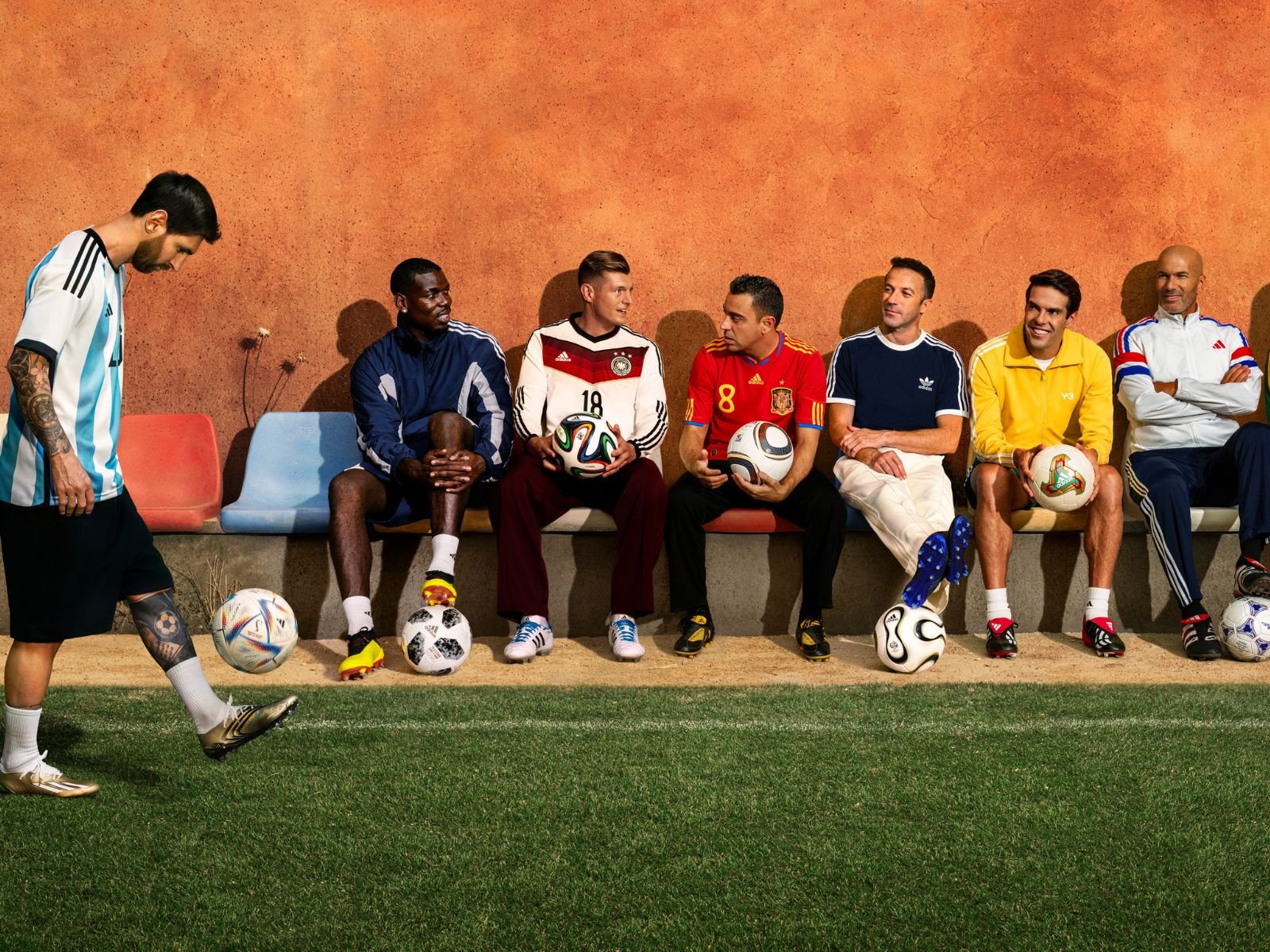
OMB Global Lead Activation Messi, Pogba, Kroos, Xavi, Del Piero, Kaka, Zidane, & Cafu | Image: adidas

How Does the 2026 FIFA World Cup Format Work?

The World Cup format we’ve known for decades is getting a major makeover for 2026. The tournament expands from 32 to a record 48 teams, divided into 12 groups of four, with each nation playing the other three teams in its group once.

This is how the points system works:

3 Points: Win
1 Point: Draw
0 Points: Loss

Once all three matches have been played, the top two teams from each group automatically advance, while the eight best third-placed teams also qualify, creating a brand-new 32-team knockout field.

From there, it’s straight knockout football through the Round of 32, Round of 16, quarter-finals, semi-finals and final. The expanded format means the tournament now features a massive 104 matches, including 72 during the group stage, and the two countries that make it to the final will have played eight matches instead of seven. In other words, more nations are chasing the trophy than ever before — and there’s now an even longer road between them and becoming world champions.
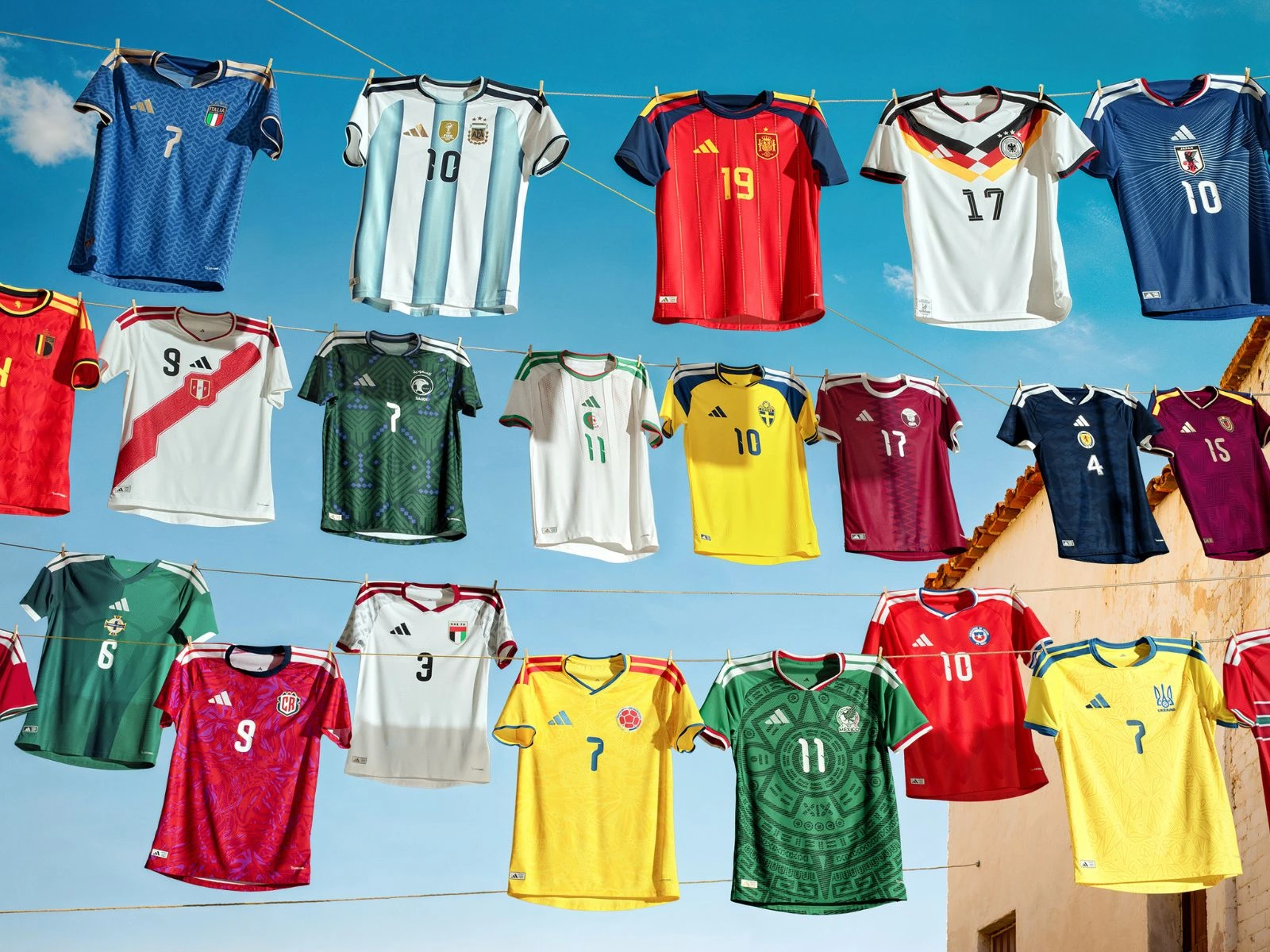
adidas World Cup 2026 Jerseys
adidas 2026 World Cup National Teams | Image: adidas

Where Is the 2026 FIFA World Cup Being Played?

he 2026 FIFA World Cup spans Canada, Mexico, and the United States, with 16 host cities across the three countries. FIFA has also regionalized much of the schedule into eastern, central, and western zones to reduce travel and give players more recovery time between games.

Canada

  • Toronto Stadium — Toronto
  • BC Place Vancouver — Vancouver

Mexico

  • Mexico City Stadium — Mexico City
  • Guadalajara Stadium — Guadalajara
  • Monterrey Stadium — Monterrey

United States

  • Atlanta Stadium — Atlanta
  • Boston Stadium — Boston
  • Dallas Stadium — Dallas
  • Houston Stadium — Houston
  • Kansas City Stadium — Kansas City
  • Los Angeles Stadium — Los Angeles
  • Miami Stadium — Miami
  • New York New Jersey Stadium — New York/New Jersey
  • Philadelphia Stadium — Philadelphia
  • San Francisco Bay Area Stadium — San Francisco Bay Area
  • Seattle Stadium — Seattle

Dallas gets an especially heavy workload, hosting nine matches, more than any other host city, while Atlanta and Dallas will stage the two semi-finals. Miami gets the third-place match, and New York/New Jersey gets the biggest game of them all.

World Cup OMB Trophy Mexico
World Cup OMB Trophy Mexico | Image: adidas

The 2026 FIFA World Cup Opening Match

The official kick-off will start on Thursday, 11 June 2026, when Mexico takes on South Africa in Group A at Mexico City Stadium. Kick-off is scheduled for 1:00pm local time. That same day, South Korea faces Czechia in Guadalajara to complete the tournament’s first two matches.

The Mexico opener carries some extra history. Mexico previously hosted the World Cup in 1970 and 1986, making 2026 its record third turn as a host nation. This time, though, it won’t be doing it alone, with Canada and the United States joining the party.

Canada begins its tournament against Bosnia and Herzegovina in Toronto the following day, while the United States opens against Paraguay in Los Angeles. From there, the 48-team World Cup is well and truly underway.

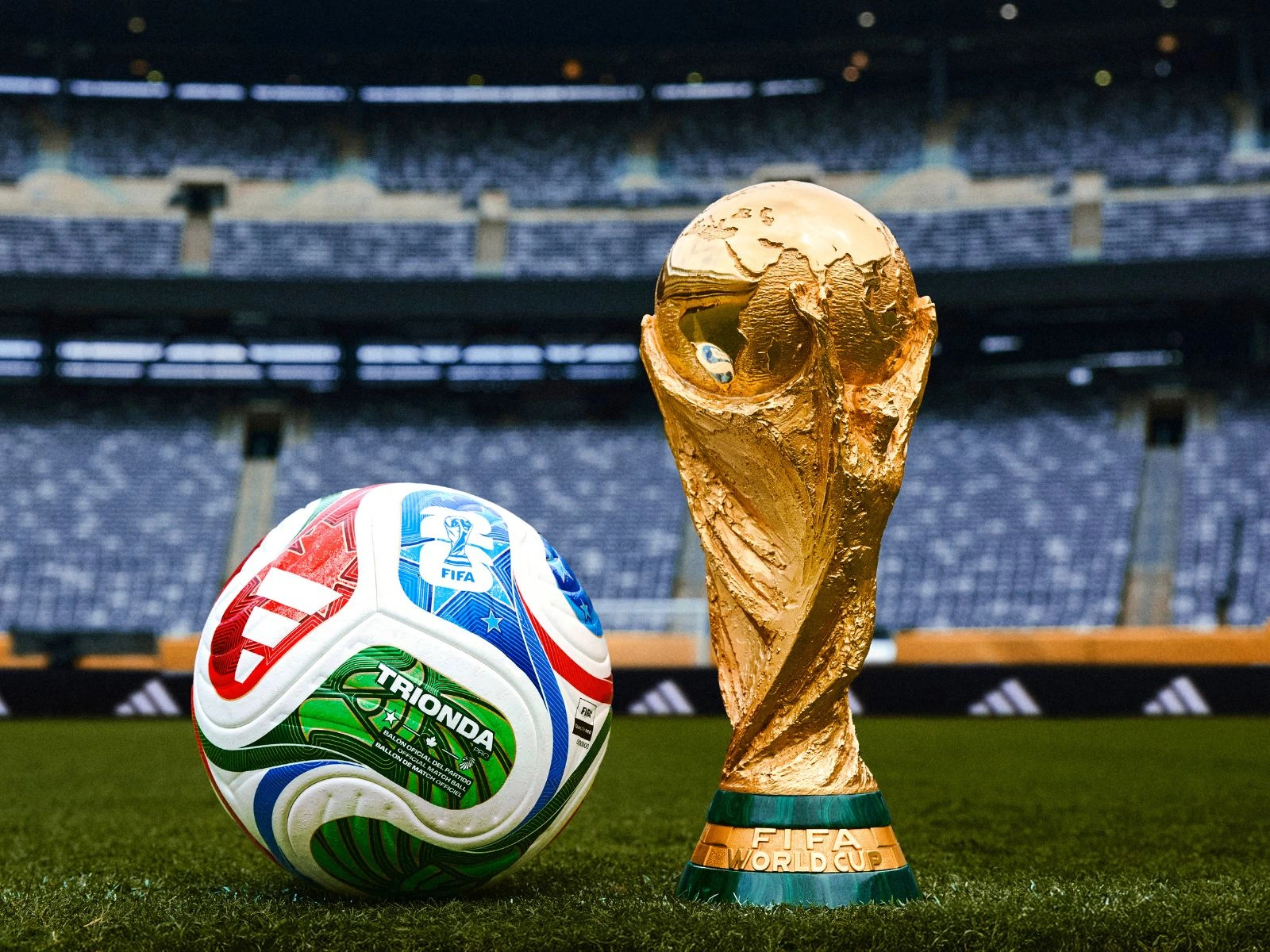
adidas Official Trionda World Cup Ball | Image: adidas

When Does the 2026 World Cup Knockout Stage Begin?

After more than two weeks of group-stage football, the tournament moves into its first-ever World Cup Round of 32.

The group stage runs from 11 June through 27 June, before the Round of 32 begins on 28 June. That new knockout round effectively adds another hurdle between the group stage and Round of 16.

The major dates to remember are:

  • Group Stage: 11–27 June
  • Round of 32: 28 June–3 July
  • Round of 16: 4–7 July
  • Quarter-finals: 9–11 July
  • Semi-finals: 14–15 July
  • Third-place Match: 18 July
  • FIFA World Cup Final: 19 July

The quarter-finals will be staged across Boston, Los Angeles, Miami and Kansas City before Dallas hosts the first semi-final on 14 July and Atlanta hosts the second on 15 July. The two losing semi-finalists then head to Miami for the third-place match on 18 July.

Lionel Messi lifts the FIFA World Cup trophy after leading Argentina to a dramatic victory over France in the 2022 final at Lusail Stadium. | Image: Jabin Botsford / Getty Images

The 2026 FIFA World Cup Final

After 48 teams, three host nations, 16 host cities and 103 previous matches, everything comes down to one final game.

The 2026 FIFA World Cup Final takes place on Sunday, 19 July 2026, at New York New Jersey Stadium, with kick-off scheduled for 3:00pm local time. It will be Match 104 and officially bring the largest World Cup in history to a close.

Getting there will be tougher than ever. The two finalists will have survived three group matches followed by the Round of 32, Round of 16, quarter-finals and semi-finals before finally stepping onto the pitch in New York/New Jersey. For the first time, lifting the World Cup could require navigating eight matches rather than seven.

That’s ultimately what makes the 2026 tournament so fascinating. The World Cup hasn’t simply added another handful of teams. It has been fundamentally reshaped — more nations, another knockout round, more cities and more football than we’ve ever had at a single edition.

Forty-eight countries will arrive across North America dreaming about the same thing. By 19 July, only one will be left holding the trophy.


FIFA
About the Author

Related Articles

Smartphones

The 5 Best Android Phones You Can Buy Today

Reading Time: 12 minutes

Our team of editors and experts carefully selects each product. If you choose to purchase through one of our links, we may earn a commission. Learn more. Do you want to know how we test products? Click here for more details.

Choosing the best Android phone in 2025 isn’t just picking a device — it’s about finding the right fit for your lifestyle. Maybe you want a camera that rivals a DSLR, a battery that won’t quit halfway through the day, or a design that feels as good as it looks. The good news? There’s no shortage of options. The bad news? Sorting through endless specs and flashy ads can feel like a full-time job.

Some phones are designed for raw power, while others focus on style, simplicity, or a seamless Android experience. Let’s be honest: if you’re ready to break away from the Apple crowd and truly stand out from everyone else, Android offers authentic variety. Whether you’re a gamer, a content creator, a casual scroller, or just someone who wants a phone that does everything without the drama, there’s a perfect match waiting for you.

We get it—you don’t want to spend hours comparing processors and refresh rates. That’s why we’ve done the work for you, cutting through the noise to bring you a shortlist that actually matters. Real-world performance, camera quality, battery life, and overall value are what count.

So, if you’re ready to upgrade your pocket game and step away from the ordinary, these are the five best Android phones you can buy today. No fluff. No nonsense. Just the best of the best, right here.

Quick Picks: Best Android Phones at a Glance

Samsung Galaxy S25 Ultra | Image: Phone Arena

1. Samsung Galaxy S25 Ultra

  • Brand: Samsung
  • Model: Galaxy S25 Ultra
  • Display: 6.8″ Dynamic AMOLED 2X, QHD+, 120Hz refresh rate
  • Processor: Qualcomm Snapdragon 8 Gen 4
  • Battery: 5,500mAh with 65W fast charging
  • Memory: 12GB / 16GB RAM options
  • Storage: 256GB / 512GB / 1TB
  • Camera: 200MP main, 12MP ultrawide, 10MP periscope zoom, 10MP telephoto
  • Price: From USD $1,299

When you want the absolute best, Samsung’s Galaxy S25 Ultra is the phone that doesn’t hold back. It’s the heavy hitter in the Android world — blending incredible camera power, top-tier performance, and a sleek design into one impressive piece of tech. The 6.8-inch Dynamic AMOLED 2X display is as good as it gets: extremely sharp, buttery smooth at 120Hz, and bright enough to blind you on a sunny day. Whether you’re gaming, streaming, or just doom-scrolling, the S25 Ultra makes everything look amazing.

The Snapdragon 8 Gen 4 chip propels this phone into true powerhouse territory. Apps launch quickly, multitasking feels effortless, and gaming performance reaches new heights. Samsung complements this with a robust 5,500mAh battery and 65W fast charging — ensuring you get genuine all-day endurance and a speedy recharge when needed. In real-world usage, this is a device you can rely on without the concern of needing to find a charger halfway through the day.

Let’s be honest — you’re here for the camera, and the S25 Ultra impresses. The 200MP primary sensor captures stunning detail, while multiple zoom lenses make 10x and 30x shooting effortless. Low light, portraits, ultra-wide shots — this setup handles it all easily. Whether a casual photographer or aiming for studio-level Instagram, this phone is ideal.

If there’s a downside, it’s the price — but honestly, you get what you pay for. The S25 Ultra doesn’t cut corners, and you can feel it every time you pick it up. From the refined build quality to the software experience with Samsung’s One UI, everything about this phone exudes premium quality. If you want the best Android phone available today — with no compromises — the Galaxy S25 Ultra is the choice.

Xiaomi Poco X7 PRO | Image: POCO

2. Xiaomi POCO X7 Pro

  • Brand: Xiaomi
  • Model: Poco X7 Pro
  • Display: 6.67″ CrystalRes 1.5K AMOLED, 120Hz refresh rate
  • Processor: MediaTek Dimensity 8400-Ultra (4nm, ARM Cortex-A725)
  • Battery: 6000mAh with 90W HyperCharge (full charge in 42 minutes)
  • Memory: 8GB / 12GB LPDDR5X RAM options
  • Storage: 256GB / 512GB UFS 4.0
  • Camera: 50MP main (OIS), 8MP Ultra-wide, 2MP macro, 20MP front camera
  • Price: USD $440

Why spend big when you can get power like this? Xiaomi’s Poco X7 Pro is easily one of the best budget phones available right now. The 6.67-inch CrystalRes AMOLED display looks much more expensive than its price tag suggests, and the buttery 120Hz refresh rate keeps everything from gaming to scrolling smooth and crisp. Powered by the MediaTek Dimensity 8400-Ultra chip, the phone delivers flagship-level speed without the flagship-level cost — and paired with a massive 6000mAh battery and 90W fast charging, it’s designed to manage your day with room to spare.

The X7 Pro introduces HyperOS, Xiaomi’s next-gen software. It’s sleeker, lighter, and faster than MIUI, but you may need time to reacquaint yourself with it. With many pre-installed apps and games, prepare to spend time tidying up for a clean setup. Once done, HyperOS feels fast and polished, an impressive upgrade for this price.

On the camera side, the Poco X7 Pro delivers serious performance. Its 50MP main sensor with optical image stabilization captures sharp, vibrant shots, while the 8MP ultrawide and 2MP macro complete a capable setup. For quick social snaps or everyday moments, it’s more than sufficient. With IP68 water resistance, fast UFS 4.0 storage, and high-quality RAM, this phone feels anything but budget. For the price, the Poco X7 Pro is easily one of the smartest purchases you can make today.

Google Pixel 9 | Image: Google Store

3. Google Pixel 9

  • Brand: Google
  • Model: Pixel 9
  • Display: 6.2″ OLED, 120Hz refresh rate
  • Processor: Google Tensor G4
  • Battery: 4,600mAh with 30W fast charging
  • Memory: 12GB RAM
  • Storage: 128GB / 256GB
  • Camera: 50MP main, 12MP ultrawide, 10.5MP front camera
  • Price: From $799

If you want pure Android as Google intended, the Pixel 9 is the phone to beat. Clean, fast, and impressively smart, it’s a breath of fresh air compared to the heavily skinned versions of Android available elsewhere. The 6.2-inch OLED display with a 120Hz refresh rate makes every swipe and scroll feel incredibly smooth, while its compact size makes it one of the easiest premium phones to handle with one hand. No gimmicks, no unnecessary bloat — just pure, refined Android, upgraded every month directly from Google.

Performance-wise, the new Tensor G4 chip isn’t just about raw horsepower — and that’s not a bad thing. Based on early impressions and reviews, it excels at real-world tasks, emphasizing smarter AI-driven features rather than merely chasing benchmarks. Smarter calls, faster voice typing, and next-level photo editing are included. Additionally, the expected price of the Pixel 9 around $799 feels refreshingly fair compared to what Samsung and Apple are charging these days. You still get a true flagship experience without the eye-watering $1,200+ price tags.

And then there’s the camera — easily one of the best on the market. The 50MP main sensor, supported by Google’s unbeatable image processing, captures every shot perfectly whether you’re taking quick photos on the go or showcasing your creative side. From low-light wizardry to portrait perfection, the Pixel 9 demonstrates that you don’t need a complicated setup to achieve incredible results. If you’re looking for a phone that’s smart, simple, and just plain good, the Pixel 9 makes a very strong case for itself.

Google Pixel 9 Pro Fold | Image: Supplied

4. Google Pixel 9 Pro Fold

  • Brand: Google
  • Model: Pixel 9 Pro Fold
  • Display: 7.9″ inner OLED foldable display, 120Hz refresh rate; 6.4″ cover display
  • Processor: Google Tensor G4
  • Battery: 4,800mAh with 30W fast charging
  • Memory: 12GB RAM
  • Storage: 256GB / 512GB
  • Camera: 50MP main, 12MP Ultra-wide, 10.8MP telephoto
  • Price: from USD $1,500

If you want a foldable that truly feels like a proper flagship, the Google Pixel 9 Pro Fold is your answer. You get a massive 7.9-inch OLED inner display that unfolds into a mini tablet, perfect for multitasking, gaming, or just showing off at the coffee shop. The Tensor G4 chip powers the device, and based on early impressions, it seems to handle everything smoothly — from juggling apps to editing photos across the dual screens.

That said, foldables aren’t for everyone, and at around USD $1,500, it’s an investment. However, compared to other foldable we’ve seen, the Pixel 9 Pro Fold appears more polished, and if you’re seeking that fresh, futuristic vibe without going full Samsung, it’s a strong contender.

Where the Pixel 9 Pro Fold truly excels is in the experience. Google’s clean Android interface extends beautifully across both screens, allowing seamless transitions between tablet mode and phone mode without any awkward interruptions. Early reviews indicate it’s among the smoothest foldable transitions available — and that’s a significant advantage. Additionally, you get the same Pixel camera magic integrated, featuring a 50MP main sensor that makes everyday photos look stunningly good. While foldables still have minor trade-offs, like concerns about durability, if you want cutting-edge technology that genuinely feels intuitive and easy to use, this one finally hits the mark.

Nothing Phone ( 2 ) | Image: Nothing

5. Nothing Phone ( 2 )

  • Brand: Nothing
  • Model: Phone ( 2 )
  • Display: 6.7″ LTPO OLED, 120Hz refresh rate
  • Processor: Qualcomm Snapdragon 8+ Gen 1
  • Battery: 4,700mAh with 45W fast charging
  • Memory: 8GB / 12GB RAM options
  • Storage: 128GB / 256GB / 512GB
  • Camera: 50MP main, 50MP ultrawide
  • Price: From uSD $599

If you’re tired of the same old designs and want something that truly stands out, the Nothing Phone 2 is the answer. With its transparent back, distinctive Glyph Interface lighting system, and clean, minimalist software, it feels like a breath of fresh air in a sea of dull slabs. The 6.7-inch LTPO OLED display looks fantastic, offering vibrant colours and a buttery 120Hz refresh rate that makes scrolling and gaming feel smooth and sharp. Priced at around $599, it’s significantly more affordable than most premium flagships on the market today.

Performance is solid thanks to the Snapdragon 8+ Gen 1 chip, while the lightweight Android skin keeps everything fast and clean. Based on all we’ve seen and read, opinions are quite clear: it’s not aiming to be the fastest or most powerful phone available. If you focus solely on specs, you’ll find bigger numbers elsewhere. But that misses the point. The Nothing Phone 2 prioritizes design, experience, and everyday usability — and in that regard, it absolutely delivers. It feels distinct in the best way possible, and many users find themselves genuinely enjoying their phone again rather than simply tolerating it.

Camera-wise, the dual 50MP setup is good enough for casual shots, social media, and night photography, even if it doesn’t go head-to-head with ultra-premium flagships. But what you’re buying into is the feel: the premium build, the clever use of Glyph lights for notifications, and the clean Android experience that doesn’t shove ads or bloatware in your face. If you want a bold alternative that feels fun and fresh — without costing a fortune — the Nothing Phone 2 is a seriously smart move.

Key Things to Ask Yourself Before Picking Up a New Phone

Before diving into buying your next Android phone, it’s worth to slow down and asking yourself a few real questions. Nowadays, the options are endless — massive screens, incredible cameras, lightning-fast chips — but not every feature justifies an extra cost. The key is understanding what you truly need versus what merely sounds appealing. Establishing the right priorities not only saves money but also ensures you end up with a phone that truly fits your daily life. Whether you seek raw performance, a great camera, long battery life, or simply something that feels new in your hand, clarifying your must-haves will make your decision much easier.

Here are a few insightful questions to consider before making your move:

  1. How much are you willing to spend?
    Set your budget early. Whether you’re looking at a $350 mid-ranger or a $1,500 flagship, knowing how much you want to spend keeps you focused. Expensive doesn’t always mean better for your needs — and these days, you can get a seriously good phone without breaking the bank.
  2. What do you really need it for?
    A killer camera? All-day gaming? Just browsing and texting? Be honest about how you’ll actually use your phone. If you’re not pushing the limits with games or heavy editing, you probably don’t need a top-tier processor — and you could save a lot of money picking something smarter for your lifestyle.
  3. How important is the camera to you?
    If photography matters, don’t just look at the megapixel count. Find out how the phone performs in real-world situations like low light, fast motion, and portrait shots. A good camera setup can seriously upgrade your daily experience — especially if you’re capturing memories or building your social media feed.
  4. Do you care about software and updates?
    Stock Android is clean and easy to use, while other brands add more features and customizations. Think about what you prefer — a simple, straightforward phone or one loaded with extras. Also, if you plan to hold onto your device for a few years, make sure it’ll get regular updates to keep things smooth and secure.
  5. What little extras make a big difference to you?
    Wireless charging, water resistance (IP68), fast charging, stylus support — small features can change how you use your phone every day. Decide what matters most and check if your pick includes it. Sometimes it’s those extras that turn a good phone into a great one.

About the Author
arrow_drop_up